Filmmaker, ex-democrat, curious about how power protects itself. Currently convinced that the larger the state, the smaller, more controllable the citizen.
Joined March 2009
- Tweets 7,238
- Following 1,555
- Followers 497
- Likes 6,357
31 Photos and videos
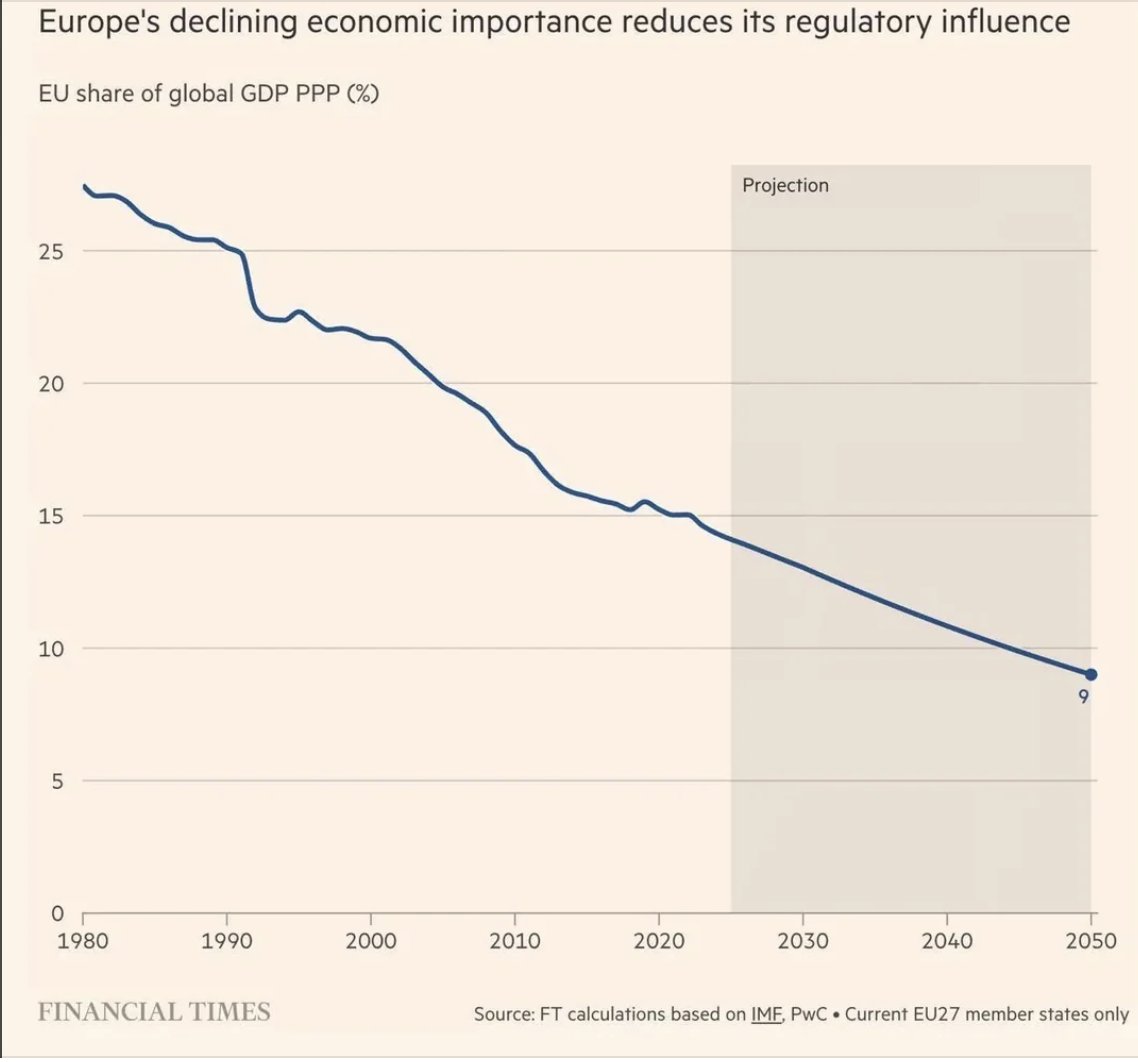


Keeping a toe in reality on climate science.

1
589
No such thing as clean or renewable energy if we’re referring to actual environmental impacts.
Jun 13

The world's clean energy transition represents a colossal expansion of the world's mining industry.
To catch a diffuse energy source like sunlight or wind needs an unprecedented volume of physical machinery. A single solar farm requires roughly 30 times more total metal infrastructure than a conventional gas plant. We aren't moving away from mining; we're swapping enormous oceanic drilling rigs for vast open-cut metal mines.
The demand for heavy mining and rare earths is just as compelling as the downstream e-waste crisis, but the numbers are even more staggering. While solar cells rely heavily on high-purity silicon, silver, and copper, the broader 'green infrastructure' ecosystem demands far more.
The EV motors, wind turbines and massive national grids required to tie intermittent solar together are entirely dependent on an unprecedented surge in heavy mining and rare earth extraction.
This physical mining demand has simply exploded with the shift from conventional fossil fuel energy generation to wind and solar. Because wind and sunshine are so diluted and diffused, harvesting them requires a massive physical footprint, necessitating endless extra acres of complex machinery.
This translates into heavily vandalised landscapes and grotesque coastal settings. According to the IEA, replacing them world's fossil-fuel system with renewables increases the total volume of materials requiring extraction and handling by a factor of 10.
Solar alone is exceptionally copper-intensive, using roughly 850 kg per megawatt for intricate grid connections, inverters and cabling. Renewable energy is projected to drive 45% of total global copper demand by 2030. Yet, developing a new major copper mine takes an average of 16 years from initial discovery to first production.
The world faces a massive demand spike for a metal where the supply chain is notoriously slow, costly, and inflexible.
Solar panels don't use much in the way of rare earths, but wind turbines and the electric vehicle motors that back up the low-carbon shift are hungry for permanent magnets made from neodymium, praseodymium and dysprosium. Processing these elements involves intensive chemical leaching that produces vast amounts of toxic and radioactive wastewater.
Compounding the problem, China controls roughly 60–70% of the extraction and up to 90% of the refining for these specific elements.
This has created a massive geopolitical bottleneck.
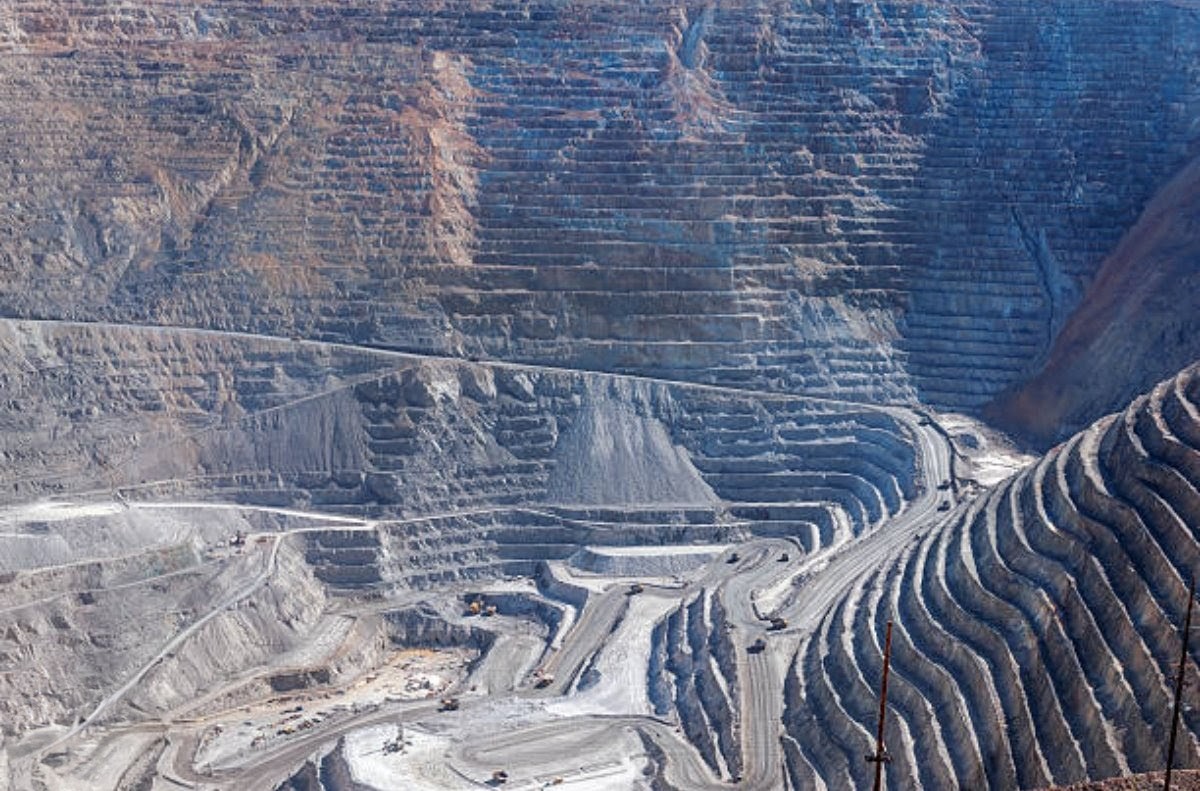
Image: this massive chasm is the Bingham Canyon Mine (also called the Kennecott Copper Mine) just outside Salt Lake City, Utah. It is one of the largest man-made excavations on Earth and the deepest open-pit mine in the world, stretching 4 kilometres wide and more than a kilometre deep.
343

Jun 13
Amazing how hard this stuff is for the ‘bright’ folks of the world to grasp.
Jun 13

Je vais partir du principe que tu es de bonne foi, parce que ton raisonnement est intuitif et que 90% des gens le partagent. Mais il repose sur trois erreurs factuelles, et ça vaut le coup de les regarder calmement.
Erreur 1 : la fortune d'Elon n'est pas un tas d'argent. C'est de la propriété d'usines, de fusées et de satellites. "Prendre la moitié de sa tune", concrètement, ça veut dire forcer la vente de la moitié de SpaceX et Tesla. L'argent ne sort pas d'un coffre, il sort des entreprises elles-mêmes, qui passent sous contrôle de fonds étrangers ou d'États. Tu ne redistribues pas du cash, tu démantèles un outil de production. C'est la différence entre récolter des pommes et découper le pommier.
Erreur 2 : "ça résout énormément de problèmes dans le monde". Cette expérience a déjà été tentée, en vrai. En 2021, le directeur du Programme Alimentaire Mondial de l'ONU a affirmé que 6 milliards de Musk pouvaient "résoudre la faim dans le monde". Réponse d'Elon : décrivez-moi exactement comment, comptabilité publique à l'appui, et je vends mes actions Tesla immédiatement. Le PAM a publié son plan. Verdict : ce n'était pas "résoudre la faim", c'était nourrir 42 millions de personnes pendant un an. Un an. Puis il faut re-payer, pour toujours. Le PAM avait d'ailleurs levé 8,4 milliards l'année précédente, et la faim était toujours là. Les ONG traitent les symptômes en boucle, jamais les causes, parce que leur financement dépend de l'existence du problème.
Erreur 3, la plus importante : tu cherches ce qui sort vraiment les gens de la pauvreté. Bonne nouvelle, on a la réponse, et elle est massive. En 1990, 36% de l'humanité vivait dans l'extrême pauvreté. Aujourd'hui, moins de 9%. Plus d'un milliard de personnes sorties de la misère en 30 ans. Par quoi ? Pas par la charité ni par l'aide internationale (plus de 1 000 milliards versés à l'Afrique en 60 ans pour un résultat à peu près nul). Par l'ouverture des marchés, l'industrialisation, le commerce. La Chine seule a sorti 800 millions de personnes de la pauvreté en abandonnant le collectivisme, pas en taxant ses entrepreneurs.
Donc fais le calcul complet. Option A : tu confisques 500 milliards, tu finances quelques années de programmes, l'argent est consommé, et tu as détruit la machine qui produisait les fusées, les voitures électriques et l'internet des zones rurales. Option B : tu laisses le meilleur allocateur de capital de sa génération réinvestir 100% de sa fortune dans des industries qui baissent les coûts pour tout le monde et emploient des centaines de milliers de personnes. L'option A soulage ta morale pendant 18 mois. L'option B sort des populations entières de la pauvreté pour toujours.
La pauvreté ne se redistribue pas. Elle se résout par la création. C'est contre-intuitif, c'est frustrant, mais c'est ce que disent 200 ans de données.
1
1,682

Jun 10
Topic for a stimulating dinner party conversation, at the very least.
Jun 10
Pourquoi est-ce que je passe mes nuits à écrire sur des philosophes morts et une idéologie de campus ?
Parce que l’enjeu final n’est pas le débat culturel. L’enjeu final, c’est l’Armageddon.
Et pour le comprendre, il faut passer par la thèse la plus vertigineuse de Peter Thiel, celle qui fait ricaner les commentateurs et qui est probablement la plus importante de notre époque.
Résumé des épisodes précédents : le communisme n’est pas mort en 1989, il a muté (la French Theory), déménagé (les campus américains), et conquis les institutions occidentales sous un nouveau nom.
Reste la question simple : et alors ?
Que se passe-t-il s’il gagne ?
C’est ici que Thiel entre en scène.
J’ai raconté comment René Girard, à Stanford, a façonné son esprit.
Depuis quelques années, Thiel donne des conférences sur un sujet qui fait sourire : l’Antéchrist. Quatre conférences à San Francisco l’automne dernier. Les gens rient. Ils ont tort. Que vous soyez croyant ou non, prenez ça comme la grille de lecture géopolitique la plus puissante disponible aujourd’hui.
Voici la thèse.
L’humanité moderne a deux cauchemars.
Le premier s’appelle Armageddon : la guerre totale, l’arme nucléaire, la technologie qui échappe.
Le second est plus subtil, et le génie de Thiel est de l’avoir nommé : l’Antéchrist.
Dans les textes, l’Antéchrist ne se présente pas comme un destructeur.
Il se présente comme un sauveur. Il arrive en promettant exactement ce que tout le monde veut entendre : « la paix et la sécurité ».
Et c’est au moment précis où le monde entier répète « paix et sécurité » que la destruction tombe.
Traduction moderne : la peur de l’Armageddon devient le prétexte de la tyrannie.
Pour nous protéger de la guerre, du climat, de l’IA, de la haine, on construit l’État mondial homogène : surveillance totale, régulation totale, redistribution totale, stagnation totale.
Thiel provoque en disant que l’Antéchrist de notre époque ne ressemblerait pas à un méchant de cinéma, mais à une activiste climatique ou à un régulateur humanitaire.
Relisez maintenant le programme du néo-communisme : sécurité émotionnelle, gouvernance globale, censure de la « haine » et de la « désinformation », décroissance, égalité finale des résultats. Mot pour mot : paix et sécurité.
Le néo-communisme ne viendra pas avec des chars.
Il viendra avec des conformity officers, et nous l’applaudirons.
Voilà la première branche du piège : si le wokisme gagne, nous obtenons la tyrannie douce planétaire. Le monde de 1984 avec le sourire de l’inclusion.
Mais il y a une seconde branche, et elle est pire.
Girard l’a enseignée à Thiel : quand la force qui retient s’effondre, la violence monte aux extrêmes. Les textes ont un mot pour cette force qui retient : le katechon.
Depuis 1945, le katechon a un nom et une adresse : l’Occident. Sa puissance militaire, sa prospérité, sa capacité à dire le vrai.
Or une civilisation qui a appris à se haïr ne retient plus rien. Les prédateurs l’ont compris avant nous : Moscou teste, Pékin patiente, l’islamisme avance.
Un monde sans croissance est un monde à somme nulle, et un monde à somme nulle finit toujours par la guerre.
Si le katechon tombe, la montée aux extrêmes reprend, avec des arsenaux que Clausewitz n’imaginait pas.
Armageddon ou Antéchrist. Le chaos total ou le contrôle total. Voilà les deux seules sorties d’un monde où le néo-communisme gagne.
C’est pour ça que ce combat n’est pas une « guerre culturelle ».
C’est un triage civilisationnel.
Et notez la coïncidence des dates, parce qu’elle n’en est pas une. Thiel date la grande stagnation du début des années 70 : l’énergie, les transports, la médecine, tout ralentit sauf les bits.
Exactement le moment où la déconstruction achève sa conquête des campus.
Nous avons marché sur la Lune en 1969, trois ans après le débarquement de la French Theory à Baltimore. Ensuite, une seule des deux courbes a continué de monter. Nous avons cessé de construire des fusées au moment où nous avons commencé à déconstruire des phrases.
Alors, la correction. Elle est simple à énoncer et exigeante à exécuter.
Nommer l’idéologie, partout où elle se cache.
Couper ses vivres : plus un euro public pour ce qui enseigne la haine de l’héritage.
Et reconstruire : l’énergie, l’espace, l’IA, l’école, le courage.
Le chemin entre les deux abîmes est étroit, et il porte le nom que cette série répète depuis le début : construire. La croissance n’est pas une option économique. C’est la seule issue de secours de l’espèce.
L’Occident n’est pas une civilisation parmi d’autres. C’est la force qui retient.
Et la bonne nouvelle, c’est qu’une force qui retient, ça se reconstruit.
Au travail.
468
Jun 10
Thank you, @peterDClack, for your eloquent and concise, dense summation.
Jun 9
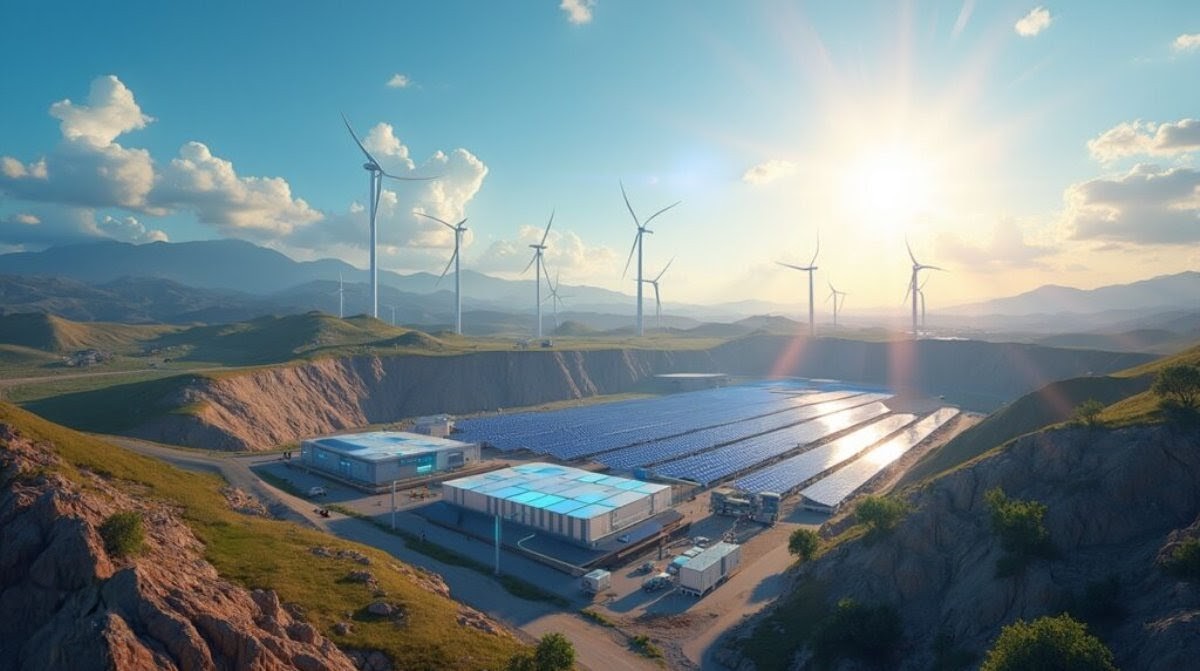
Wind and solar aren't the future - they are a high-maintenance, low-yield, asset-degrading collection of unreliable gadgetry.
Ultimately, the actual physics makes them exceptionally intermittent and they fail to deliver a true net profit to everyone who was forced to subsidise them. We are told wind and solar are the limitless, romantic future of energy. But when you strip away the romance, they are not pristine monuments to progress.
The reality is, they are complex jumbles of electronics, specialised glass, composite blades and concrete foundations. Like any domestic appliance, they degrade, malfunction and eventually they just wear out, sooner rather than later.
Whether it is a 'minor rural block' or a massive multi-million-dollar commercial farm, the financial equation is plagued by intermittency. Because these technologies only work sometimes, they require trillions in redundant grid infrastructure, backup gas plants, or toxic, short-lived battery arrays just to keep the lights on.
The narrative promises clean, free power from the sky. But both wind and solar are bound by physical barriers that guarantee they can never deliver the promised utopian returns.
A wind turbine cannot simply absorb all the energy passing through it. In 1919, physicist Albert Betz proved that if a turbine extracted 100% of the wind’s kinetic energy, the air behind the blades would stop moving entirely, blocking any new wind from entering. The absolute mathematical maximum efficiency for any open-airflow turbine is 59.3%.
Because of this physical wall, real-world utility turbines max out at around 45% efficiency in perfect conditions. But because the wind rarely blows at perfect speeds, their actual annual average output (capacity factor) globally sits at a dismal 25% to 40% depending on location. They aren't magical power plants; they are mechanical bottlenecks.
Solar panels face an equally rigid thermodynamic wall. Standard silicon panels have a maximum theoretical efficiency of roughly 33% because nearly half of all incoming solar energy is simply too powerful to be captured and is instantly lost as heat, while another chunk of photons passes right through the material like a ghost.
Millions of homeowners who bought into rooftop solar since the late 2000s are discovering the financial math didn't hold up. As early subsidies and high buy-back tariffs evaporated, owners were left with creeping daily grid supply charges and degrading panels.
After only 10 to 15 years, the costly inverters fail, leaving properties with expensive, non-functioning roof clutter.
1
270
Jun 10
Aye aye
Jun 9

The last line of this reads
'Extremists do not represent all of us'
We'd like to know roughly what proportion is not represented by the extremists
Could they speak up, please ?
173
John Dunton-Downer retweeted

Jun 10
Yes.
We should be free to criticise any faith, dogma or belief, especially if we think it is leading people to being unreasonable or harmful,
whether it be Christianity, Buddhism, Hinduism, Sikhism, Zoroastriastrianism, animism, Climate Change, transgender activism or Islam.

🚨NEW: South Wales Police has just SCRAPPED their Islamic blasphemy law.
No religion should be protected from criticism in this country.
Now it's on the Government to repeal their Islamophobia definition and stop this happening again.
2
14
67
3,130
😆
Jun 8

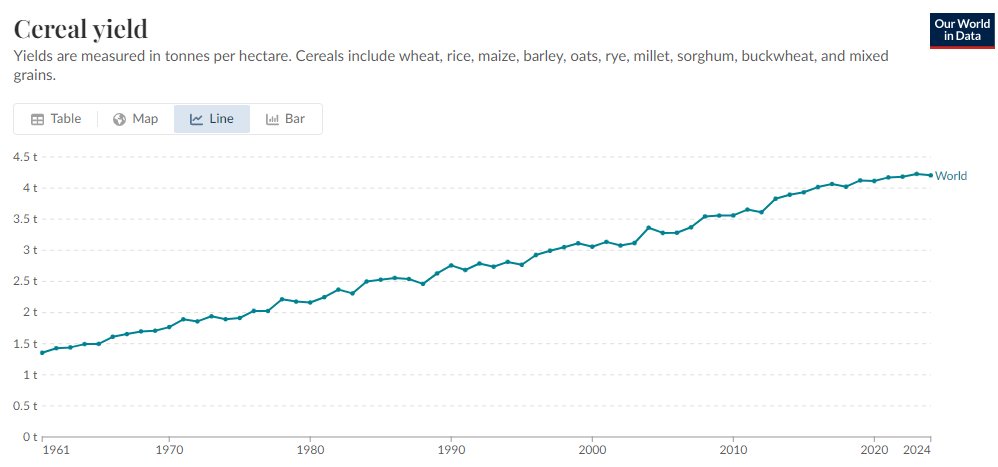
Meanwhile, cereal yields have tripled since the 1960's. Turns out a bit of extra warmth and more CO2 helps plants grow better.
88
John Dunton-Downer retweeted

Jun 7
Bjorn Lomborg did not deny climate change, but treated it as one problem among many.
The past 20 years vindicate his position: emissions are rising more slowly than feared, disaster deaths have fallen, and poverty remains a more acute threat than climate.
humanprogress.org/a-vindicat…
18
143
547
19,945
Terrible.
Jun 7

This is a man-made tragedy all down to energy policies that have pushed prices higher in search of a carbon ambition at home and simply pushing businesses to the wall.
59
John Dunton-Downer retweeted

Jun 5
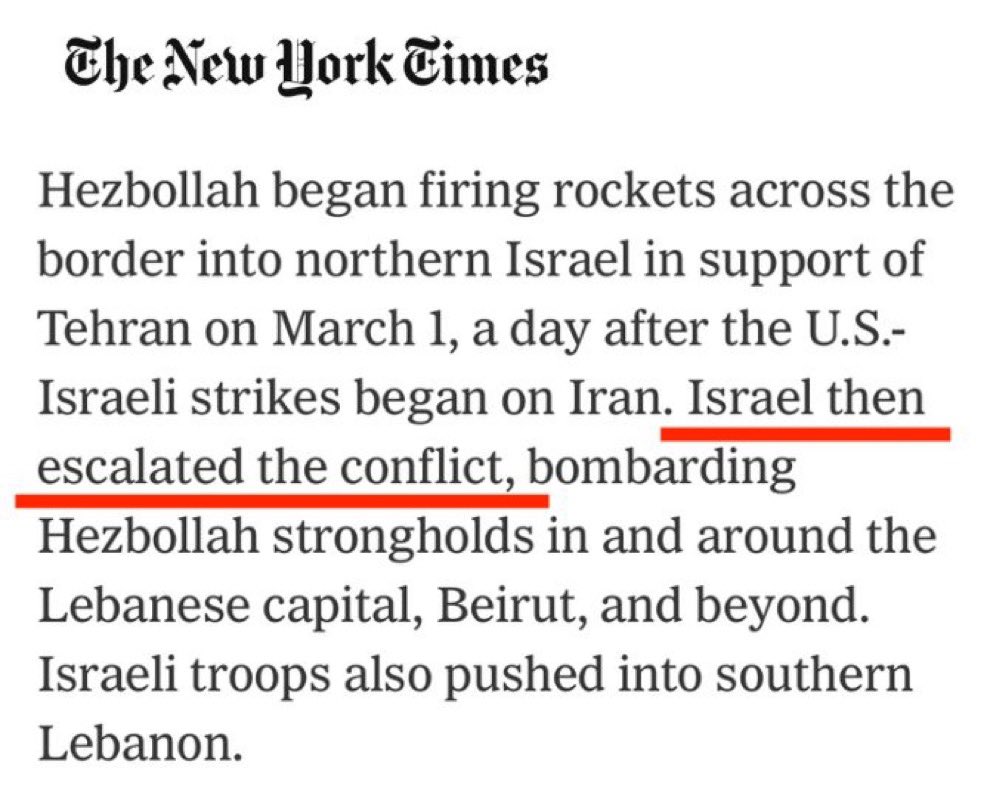
Hezbollah began firing rockets isn’t an escalation.
But Israel responding is escalating the conflict.
You cannot hate the New York Times enough.
213
1,535
6,787
69,061
For insertion into pipe and smoking. For your health.
Jun 5

If science were never to be questioned, your doctor would still be recommending a particular brand of cigarette to settle the nerves.
You'd be dosing the baby with heroin cough syrup, because Bayer sold it over the counter.
You'd be rubbing cocaine on its gums for teething, and the chemist would recommend the stronger tube.
The DDT lorry would still come round to fog the street while the children carried on playing in the spray.
Your surgeon would be reaching for the icepick, because the man who pioneered the lobotomy was given a Nobel Prize for it.
Pregnant women would be handed thalidomide for their morning sickness, with a reassuring pat on the shoulder.
You'd be drinking radium tonic for your energy and brushing with radioactive toothpaste for the glow.
Stomach ulcers would still be filed under "stress," and the man who proved they were bacterial would still be a laughing stock.
Butter would be the villain and margarine the heart-healthy hero, on the firmest medical advice going.
Lead would still be in your petrol, your paint and your water pipes, certified harmless by the people selling it.
All of it, in its day, was the consensus. Settled. Beyond polite debate.
"Settled science" is the phrase people reach for when they would quite like you to stop asking questions.
53
John Dunton-Downer retweeted

Jun 4
What a brilliant put down of @sainsburys Makes you wonder who in the company they pay to come up with these pathetic plans. Do they think it makes them see ‘on message’ !!!!

Let me categorically Debunk this utter rot. @sainsburys.
I am a poultry Breeder. The hens that lay white eggs (Amberline/White Star) DO NOT have a lower carbon footprint.
Yes they eat a bit less and produce roughly the same amount of eggs as the Brown egg layers (Bovan/Lowman/ISA Brown) but they live shorter lives, are prone to dying suddenly when startled, a flighty and nervous and because they live shorter productive lives (12 -18mnths) vs brown 18/24mnths (both commercial farmed), you have to incubate more which is increased (Electricity/gas costs) and their eggs are not the same quality.
I breed and keep 20 different breeds, including: ISA Brown hens and White Stars. All my hens are 100% free range, Not a single barn kept bird, I have ISA browns that are 5yrs old and still laying beautiful Brown eggs, I have not seen a White star live beyond 3yrs and certainly none have laid eggs past 18-24mnths.
White stars Lay themselves to death. They are slender birds and because they dont eat a lot, it drains their personal vitality to keep up laying the eggs you want to sell because of the nonsensical lie that they are "More Carbon Neutral"
You want to know about eggs, come talk to someone like me, Don't rely on some hairbrained imagination of a buyer who's trying to squeeze the profit margin for a few extra pennies at our expense and to the poor hens detriment.

124
1,249
4,782
111,277
John Dunton-Downer retweeted

Jun 6
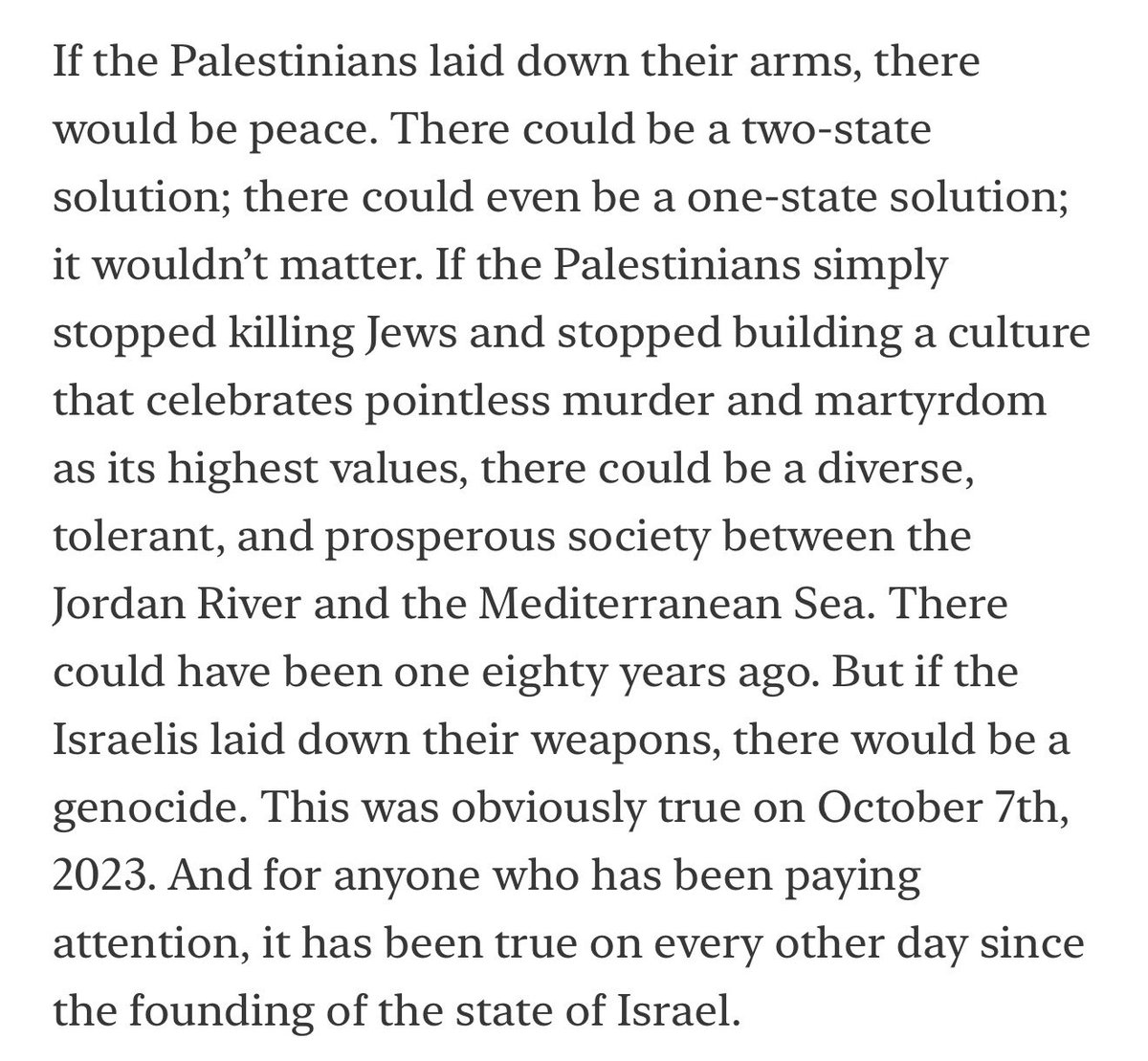
Sam Harris has written the best thing you’ll read today.
open.substack.com/pub/samhar…
1,802
3,681
17,418
1,923,751
John Dunton-Downer retweeted

Like @nature & @ScienceMagazine not asking how SARS CoV2 originated.
Jun 3

Knowledge grows when you ask stupid questions. Stupidity grows when you don't ask anything.
2
4
21
2,587
It's bizarre that this is such remote information at this stage. Bizarre or maybe the result of sinister forces that were in the shadows until COVID pulled them into the light of day.
Jun 3

Since the 1980s, the Sahara has shrunk by roughly 8%. Satellite data show widespread greening, a pattern that is playing out across the planet.
Around 50% of Earth's vegetated land has become significantly greener, an area roughly three times the size of the United States.
The dominant driver is not rainfall or land use change, it is rising atmospheric CO2.
Higher CO2 lets plants photosynthesize more efficiently, they lose less water, they tolerate heat and dryness better.
The effect is strongest along desert margins, across the Sahel, the Middle East, Australia's interior and the southern edge of the Sahara.
Rising CO2 is making the deserts, and the planet as a whole, greener.
21
Thank you.
Jun 2

We really have reached Soviet levels of gaslighting.
A man is murdered, and somehow, the real problem is that people are angry about it.
Children are gang raped, and somehow the real problem is that people keep mentioning it and “dividing communities.”
This is moral inversion.
No. Crime divides communities. Institutional failure divides communities. Cover-ups, euphemisms, cowardice, and elite contempt divide communities.
25
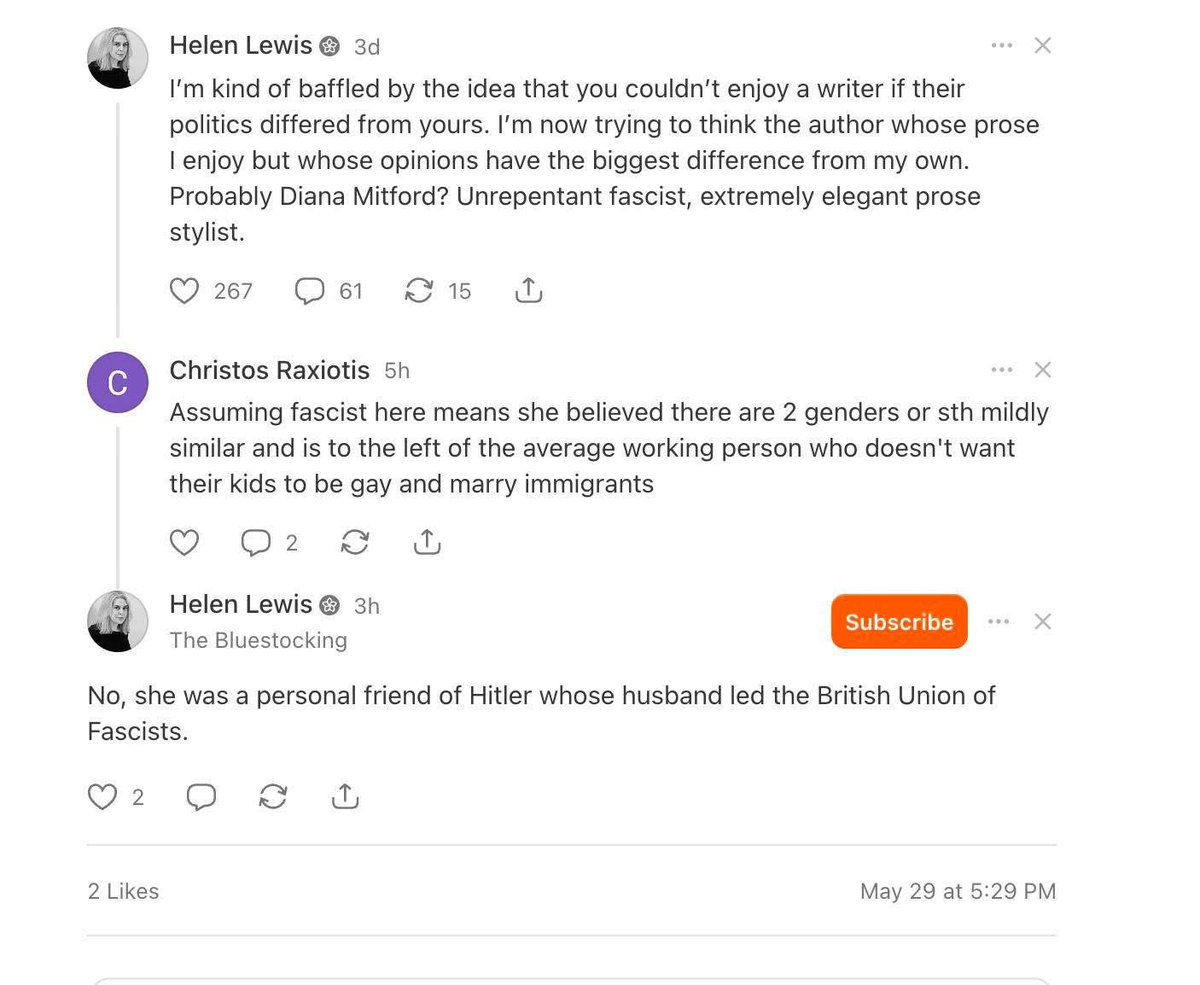
Fabulous.

137
John Dunton-Downer retweeted

Jun 3
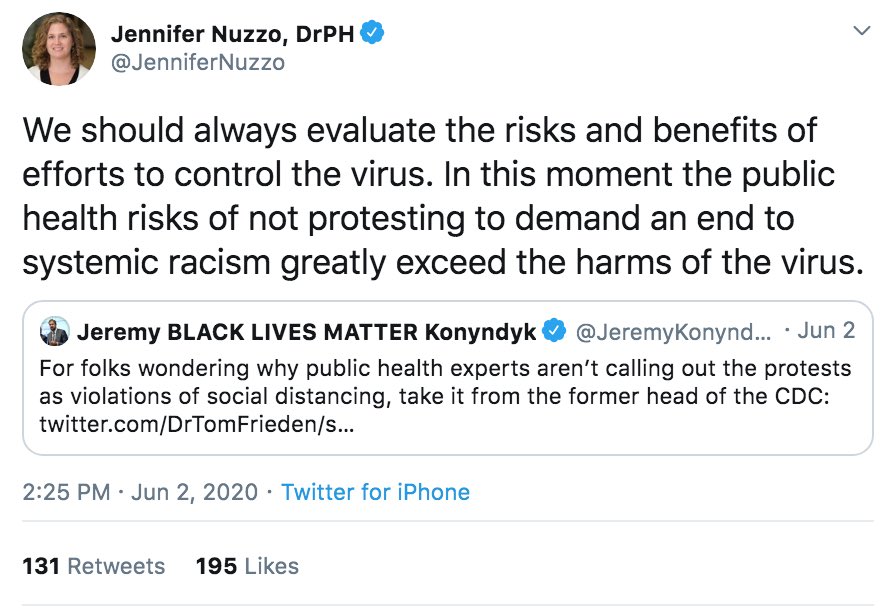
Really, we should be grateful. Six years ago the tyranny of “Trust the experts” died, and it died by suicide.

53
626
5,624
262,135