Founder of BioClaritas.com | Physician–Scientist | AI for Brain Science & Neurological Disease | Biostatistics & Computational Modeling | Editor @PLOSONE
Joined March 2024
- Tweets 425
- Following 1,040
- Followers 803
- Likes 303
60 Photos and videos

Ahmed Shaheen, MD 🧠 retweeted

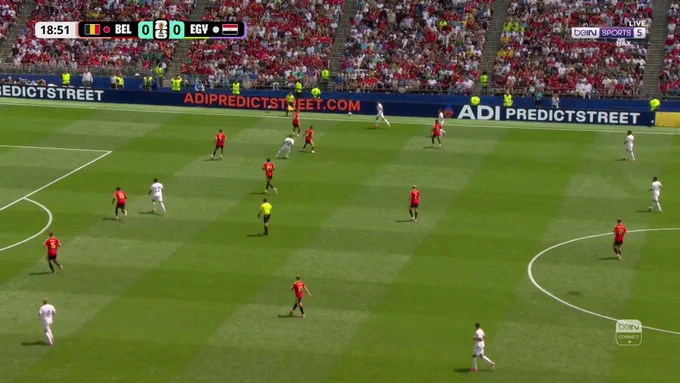
هدف منتخب مصر بتعليق إنجليزي.. خيالي!!!!!!!!
🇪🇬🇪🇬🇪🇬🇪🇬🇪🇬🇪🇬🇪🇬🤯🤯🤯🤯🤯🤯🤯
#مصر_بلجيكا
65
664
5,478
319,650
Ahmed Shaheen, MD 🧠 retweeted
🚨🚨 اخر فيديوهاتي مع دكتور خالد خان من جامعة جرنادا في أسبانيا عن استعمال الذكاء الاصطناعي في التحقق من صحة البيانات المنشورة في الأبحاث العلمية وهل اداء الذكاء الاصطناعي افضل من البشر؟
مشاهدة ممتعة❤️❤️
youtu.be/NS_Nz8ER_Rs
1
1
18
7,373
Ahmed Shaheen, MD 🧠 retweeted

Apr 29
Indeed they will. I don’t think chatgpt interrupts those tho. In most of these tests we see school kids or workers, where those skills are already stunted by the pointlessness of their work or lifestyle factors. Neither of those skills are particularly strong in the populace.
1
1
4
878

Apr 19
1) Jobs are being changing but I don't think anyone will lose anything.
Apr 18

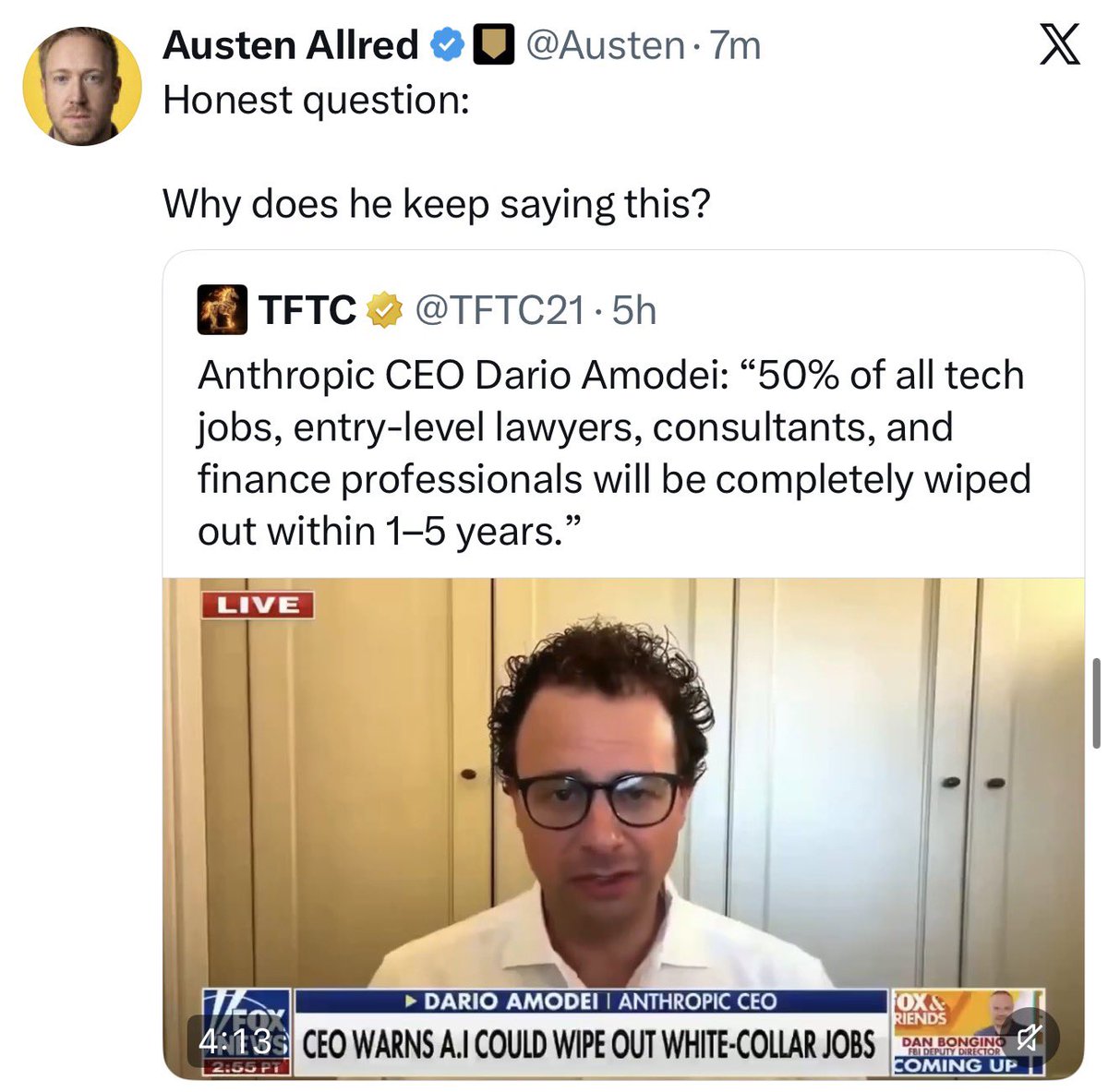
Anthropic’s CEO keeps talking about AI wiping out jobs because he’s trying to IPO this year.
If he positions Claude as armageddon for jobs, his TAM becomes “all white-collar human labor,” not just AI agents or SaaS.
It’s completely self-interested. All the concerns he’s expressing about job disruptions are fake.
It’s a marketing gambit to create hype and FOMO among the people he needs more than anyone else this year: institutional investors like BlackRock, Fidelity, pension funds, and sovereign wealth funds.
If these investors pay for tickets on the hype train—if he can make them believe that AI will eliminate half of white-collar jobs, with Anthropic, as the dominant leader in enterprise AI, positioned to capture the surplus margin—the IPO will be oversubscribed and Anthropic can raise more funds for the company at a higher valuation.
But Dario (or, at least, his bankers) knows that these investors are more fiscally disciplined than they used to be. A lot of them got burned during Covid SPAC-mania and don’t want to risk it again. They’re going to challenge Anthropic about whether it will ever get to sustainably high gross margins, or if its arms race with OpenAI will lead to kilowatt-hours permanently suppressing gross margins. They’re going to ask pointed questions about Anthropic’s massive capex and whether it will ever generate accretive ROIC.
And Dario might not have the answers they’re looking for.
So that’s why—to answer Austen’s smart question—you keep seeing Dario in the news and the podcast circuit, spreading doom and gloom about widespread job loss.
It’s not to make you afraid of losing your job. It’s to get Wall Street afraid of missing out on his IPO.
1
136
Apr 19
2) AI is good and changed many things but no thing can change the need of a human being in the loop.
Tools are changing, and we need people who knows how to use these tools.
81
Ahmed Shaheen, MD 🧠 retweeted

Apr 15
🧠 the Digital Brain Project is now live:
$5M total · up to $500k per selected team
Let's open-source the modeling of the human brain brain activity!
➡️Apply on: digitalbrainproject.org/
31
120
516
60,618
Ahmed Shaheen, MD 🧠 retweeted

🏆2026 Raimondi Award applications are OPEN!
Young neurosurgeons (in training or ≤5 yrs post-training), ISPN members submitting to Child’s Nervous System—this is your chance to present at the 52nd ISPN Meeting in Cairo 🌍
📌Apply now: ispn.org/anthony-j-raimondi-…

1
4
293
Ahmed Shaheen, MD 🧠 retweeted

Apr 6
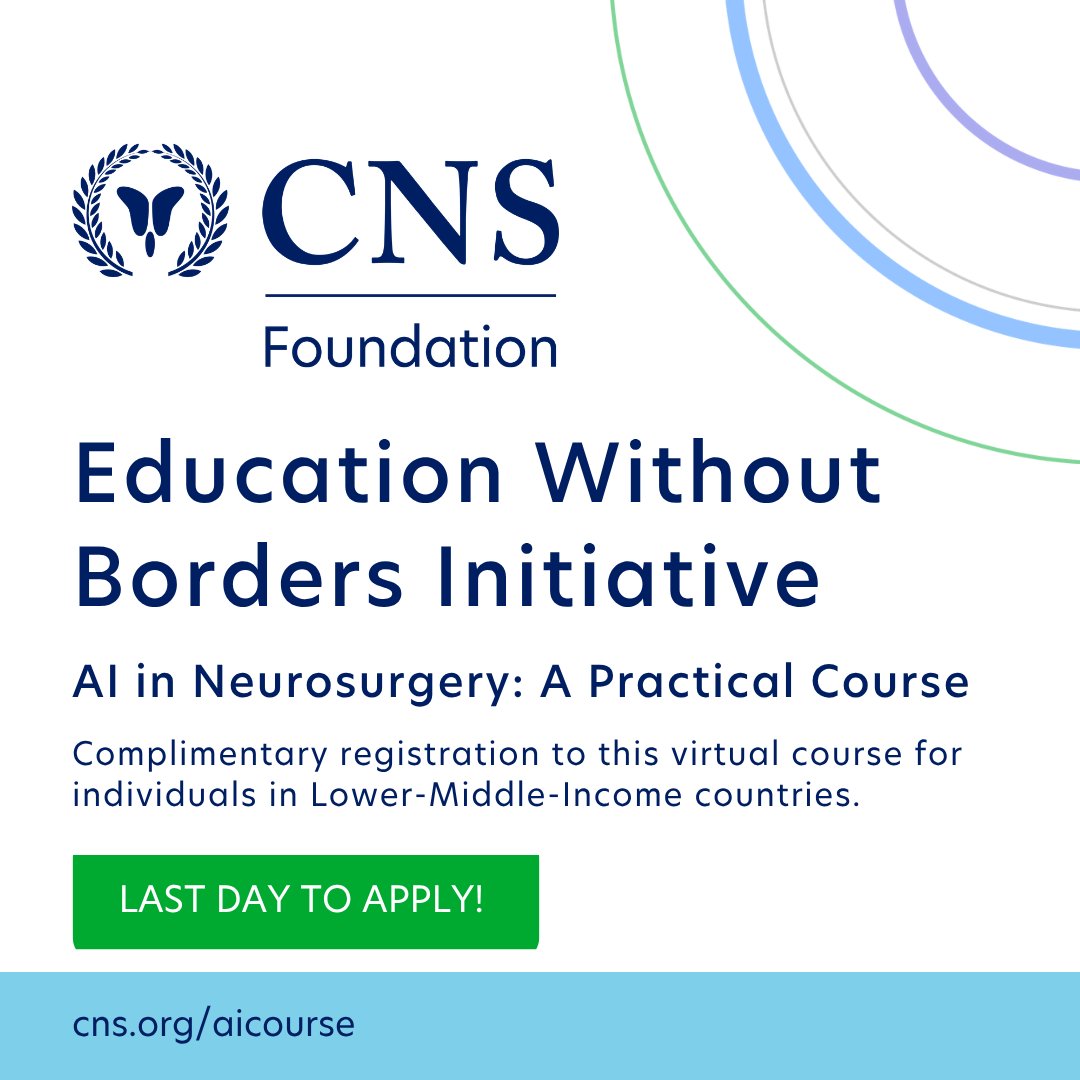
The CNS Foundation's Education Without Borders Initiative funds complimentary registration to the virtual AI in Neurosurgery Course for individuals in lower-middle-income countries. Qualifying applicants must be a neurosurgery resident or practicing neurosurgeon. Today, April 6 is the LAST DAY to apply: bit.ly/4ptNE2x
#CNSCourse #CNSF #education
4
5
1,042
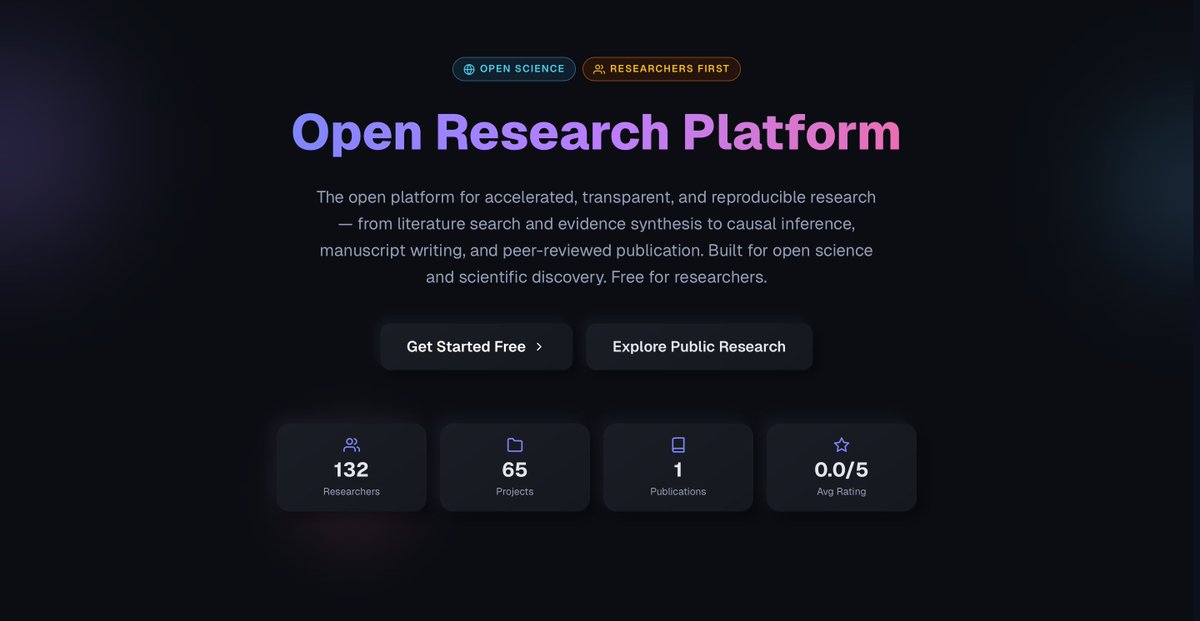
We have uploaded tutorials for BioClaritas.com
The app is completely free, add your API key and use it
youtube.com/playlist?list=PL…
2
77
Hi everyone 👋
As promised, BioClaritas.com is becoming completely free for everyone — rolling out today! 🚀
That means no more paying for tools like Rayyan, Covidence, BioRender, or Overleaf. Everything you need is now in one place, on us 😎
chat.whatsapp.com/I84Al2GXd4…
1
4
242
Ahmed Shaheen, MD 🧠 retweeted

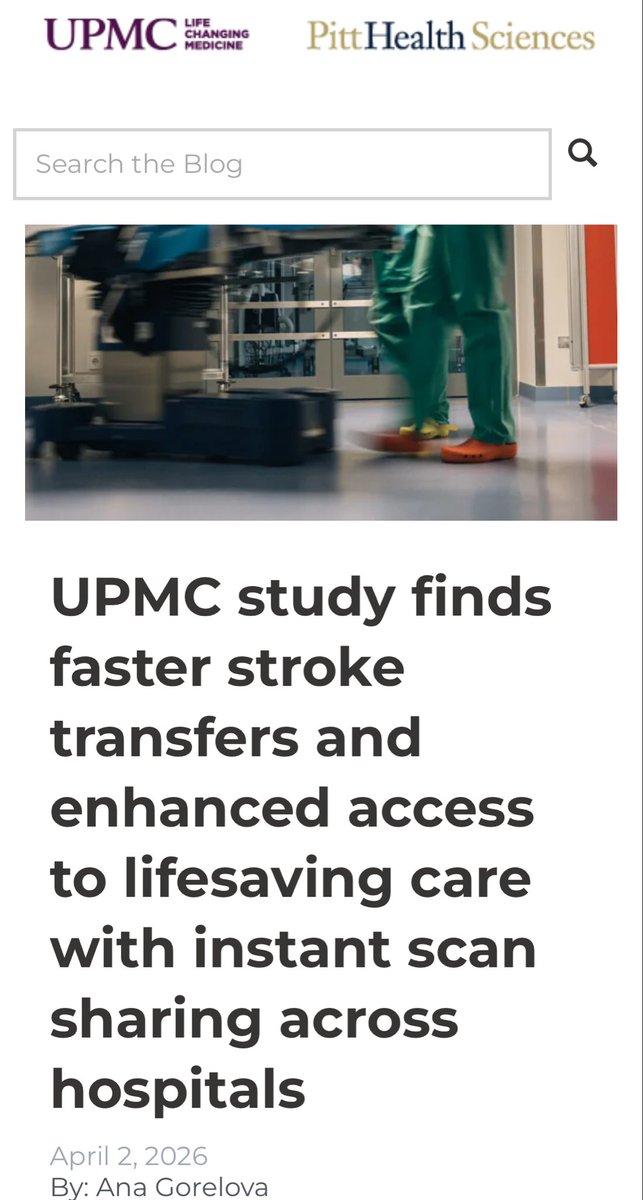
Pleased to share my thoughts about our recent publication! Let’s streamline care as much as possible for our stroke patients! @PittNeurology @PittStroke
inside.upmc.com/upmc-study-f…
1
3
7
931
Mar 27
This is philosophically incorrect and destroys the scientific base.
If we accept this, then this is the end of science and scientific discovery.
Mar 26

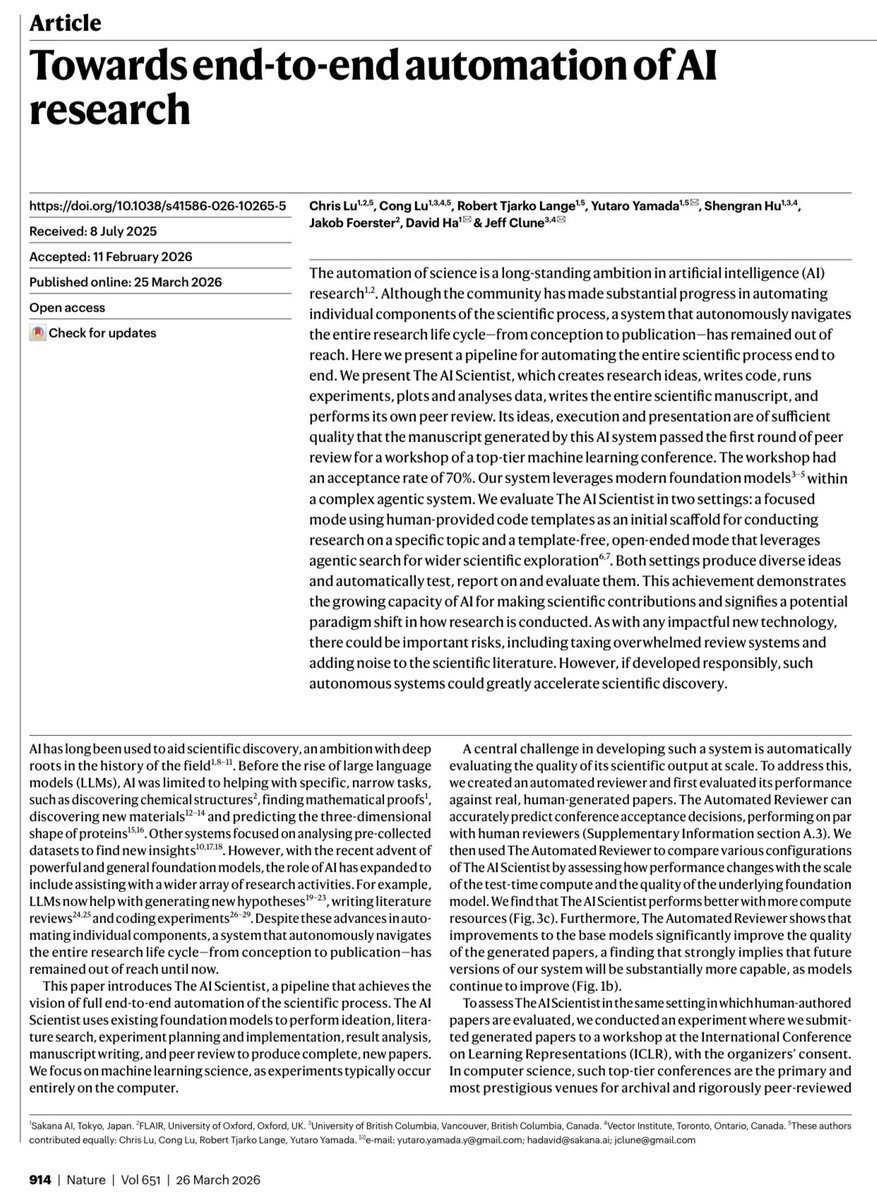
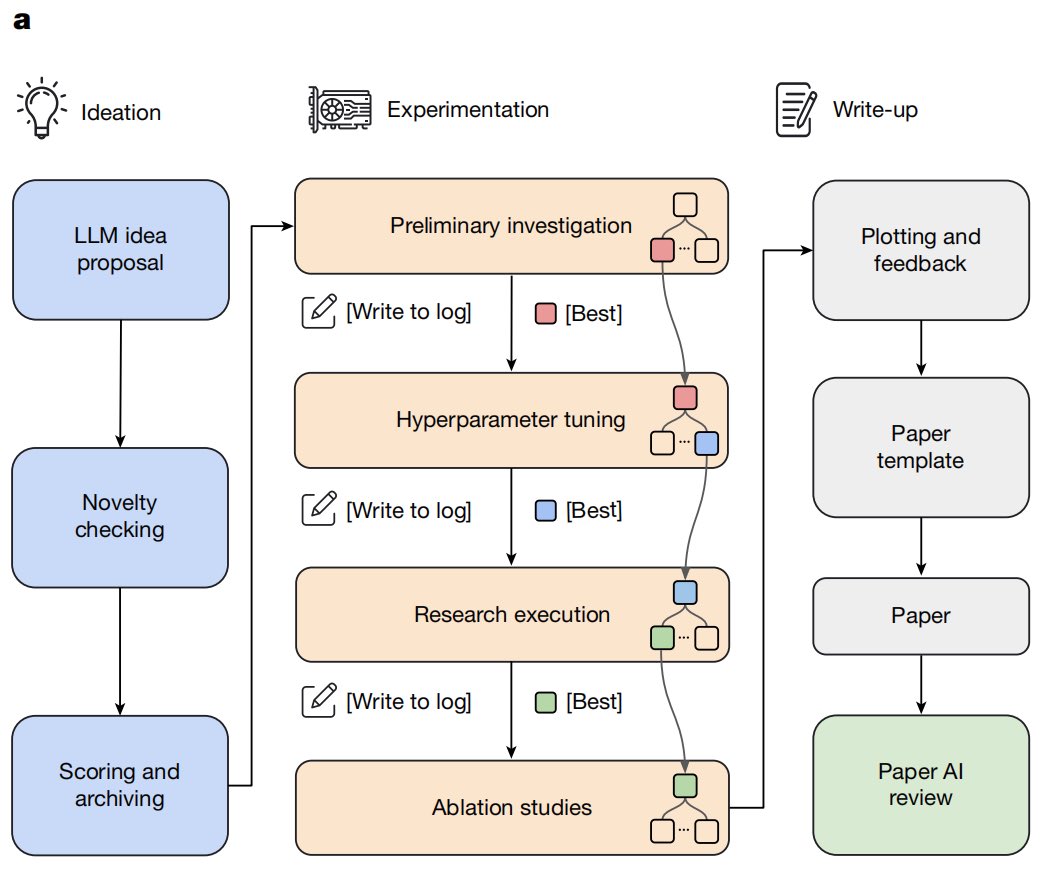
A pipeline for automating the entire scientific process end to end. @Nature
The authors present The AI Scientist, which creates research ideas, writes code, runs experiments, plots and analyses data, writes the entire scientific manuscript, and performs its own peer review.
45
Ahmed Shaheen, MD 🧠 retweeted

Mar 17
I’ve been at a small conference this week, one where the AI people have been presenting early in the week and the domain science people will be presenting later in the week.
At the end of the talks last night, the conversation turned very doomer with all the AI people talking about how well Claude Code or Codex can do hill-climbing AI research and how we (the AI people) are maybe all about to lose our jobs!
The domain science people expressed their shock at this attitude because, though Claude Code can be let loose to complete lots of banal hill-climbing AI research projects, basically no experimental science is hill-climbing or even metric driven. Most scientific fields are about much more taste-driven exploration that is incredibly difficult to make metrics for or to parameterize, and this misunderstanding from the AI community is one of the most damaging things to the realization of great science with AI. Seems like we’re actually pretty far from having AI models do that…
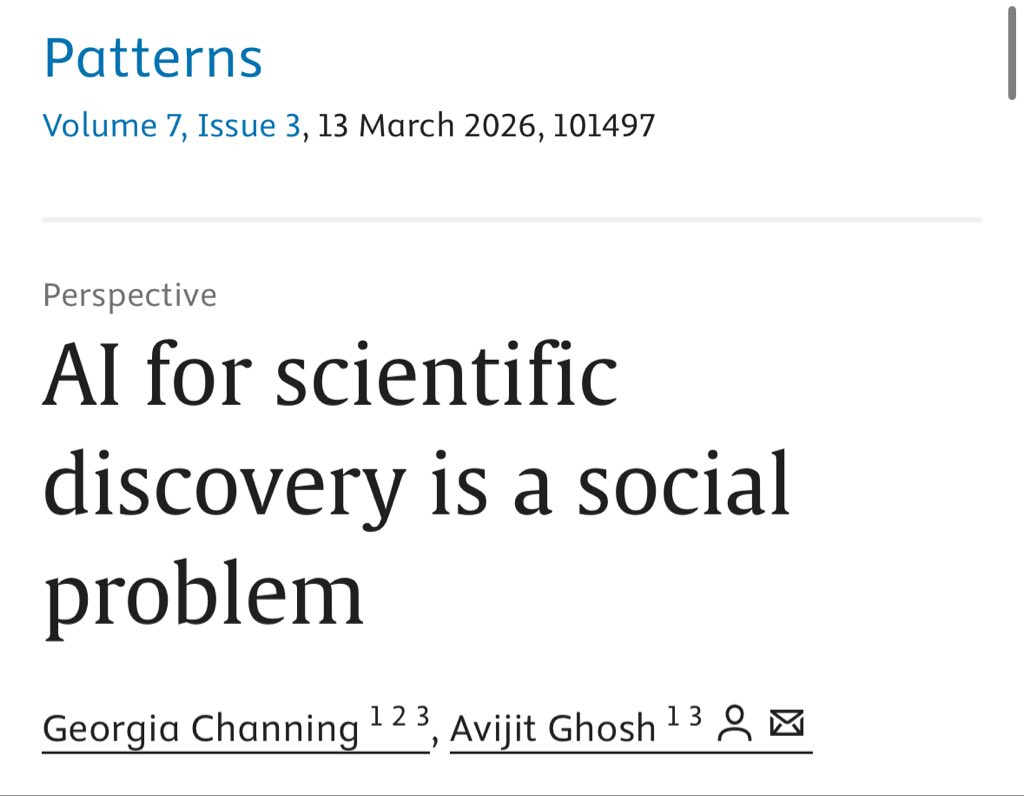
Over the summer, @evijit and I wrote about this (and some other things hindering AI for science) at a bit more length, and today that work is out in Patterns!
So, if you care about these problems and the real challenges in bringing AI to science in the real work, I recommend giving it a read!
22
92
599
81,943
Ahmed Shaheen, MD 🧠 retweeted

In a randomized evaluation of complex cardiology cases, clinicians using a large‑language‑model–assisted decision system demonstrated fewer clinically significant errors and less missing information compared with cardiologists working unaided.
nature.com/articles/s41591-0…
7
14
42
4,287
It’s kind of hilarious. Everyone is publishing about AI in medicine, yet very few seem to be doing real, rigorous research on AI in medicine. 🤣
As a reviewer, I end up rejecting so many papers like this. There’s just a lot of low-quality work flooding the field.
Mar 3

A new systematic review of LLMs in medicine
@NatureMedicine @ekoermann nature.com/articles/s41591-0…
“Despite thousands [4,609] of publications since late 2022, only a small fraction use real clinical data and just 19 randomized trials exist.”
1
2
379

Ahmed Shaheen, MD 🧠 retweeted

30 Oct 2025
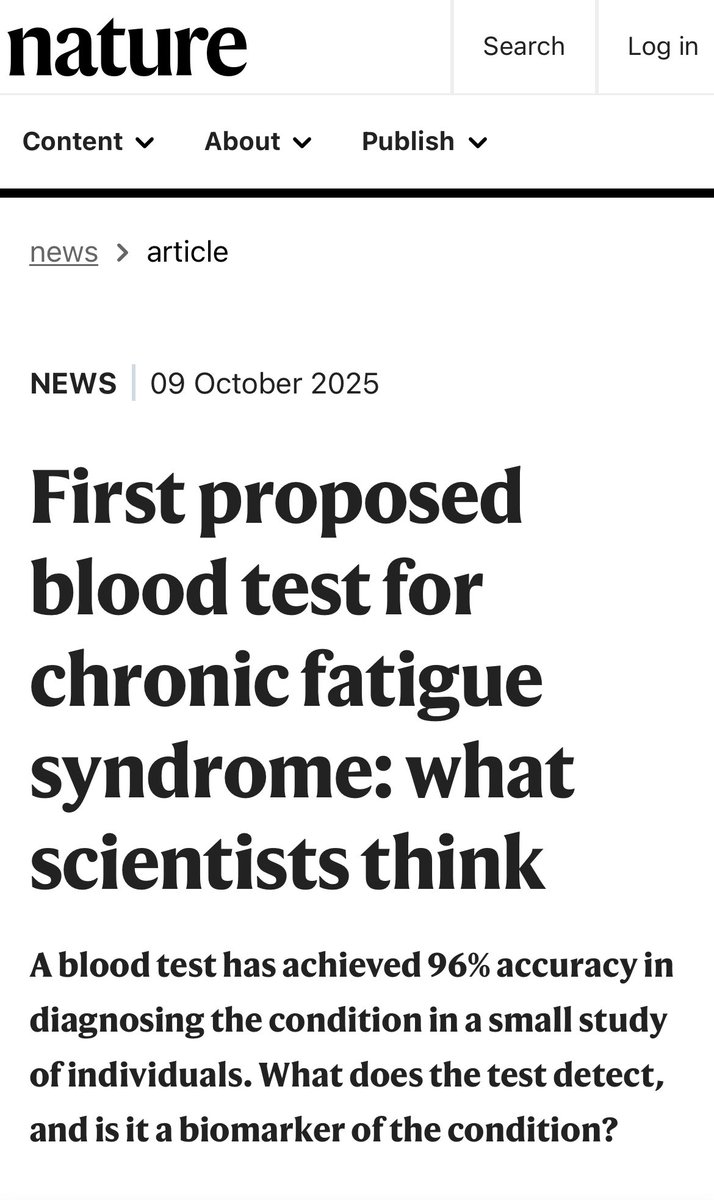
What if fatigue could be seen in your blood?”
For decades, Chronic Fatigue Syndrome (ME/CFS) was a diagnosis of exclusion, often dismissed as psychological.
Now, a new study claims — science can measure it.
A 96% accurate epigenetic blood test.
Here’s the science behind the claim 🧵👇
1- What’s ME/CFS?
A crippling multisystem disease — profound fatigue, post-exertional crashes, “brain fog,” dysautonomia.
Affects 17–24 million worldwide.
Yet, no reliable test. Diagnosis = ruled-out everything else.
2- The breakthrough
Researchers (University of East Anglia, J. Transl. Med., 2025) used an epigenetic assay that maps how DNA folds in immune cells.
In 47 severe ME/CFS vs 61 controls, the pattern of chromatin folding alone identified patients with 96% accuracy.
3- Why epigenetics?
Epigenetic marks are chemical edits that regulate genes without altering DNA sequence — the “software” of our genome.
The test found distinct immune & inflammatory signatures in non-coding DNA regions, hinting at immune dysregulation as ME/CFS’s core.
4- Promise vs. proof
Experts call it “cool but small.”
All cases were severe and house-bound; replication in mild/moderate disease is crucial.
A true biomarker must diagnose individuals, not just separate groups — which needs longitudinal validation.
5- Why it matters
For millions dismissed for decades, this isn’t just a test — it’s validation.
Fatigue may finally have a biological fingerprint.
🩸 Science is learning to see what patients have long felt.
#Rheumatology #Immunology
#Sullysrounds #MedX #Medtwitter #Mnemonics #Medicine #History
@DrAkhilX @IhabFathiSulima @Janetbirdope #MedTwitter #RheumTwitter @CelestinoGutirr @NeuroSjogrens
7
60
249
37,687
23 Oct 2025
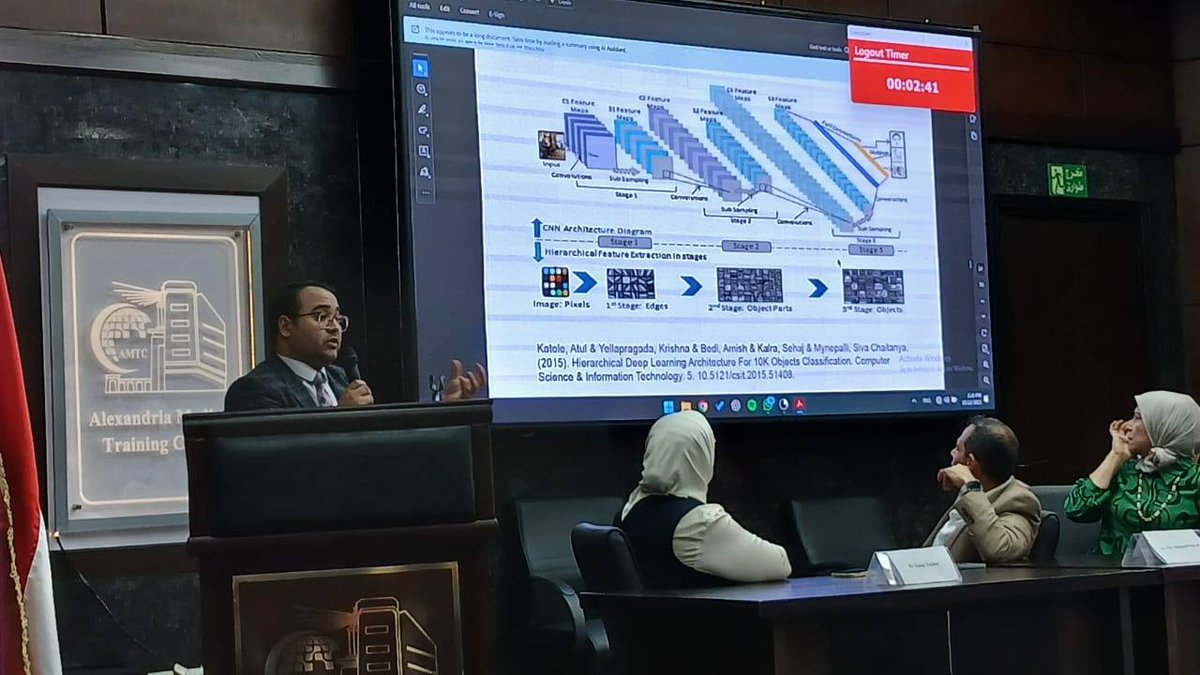
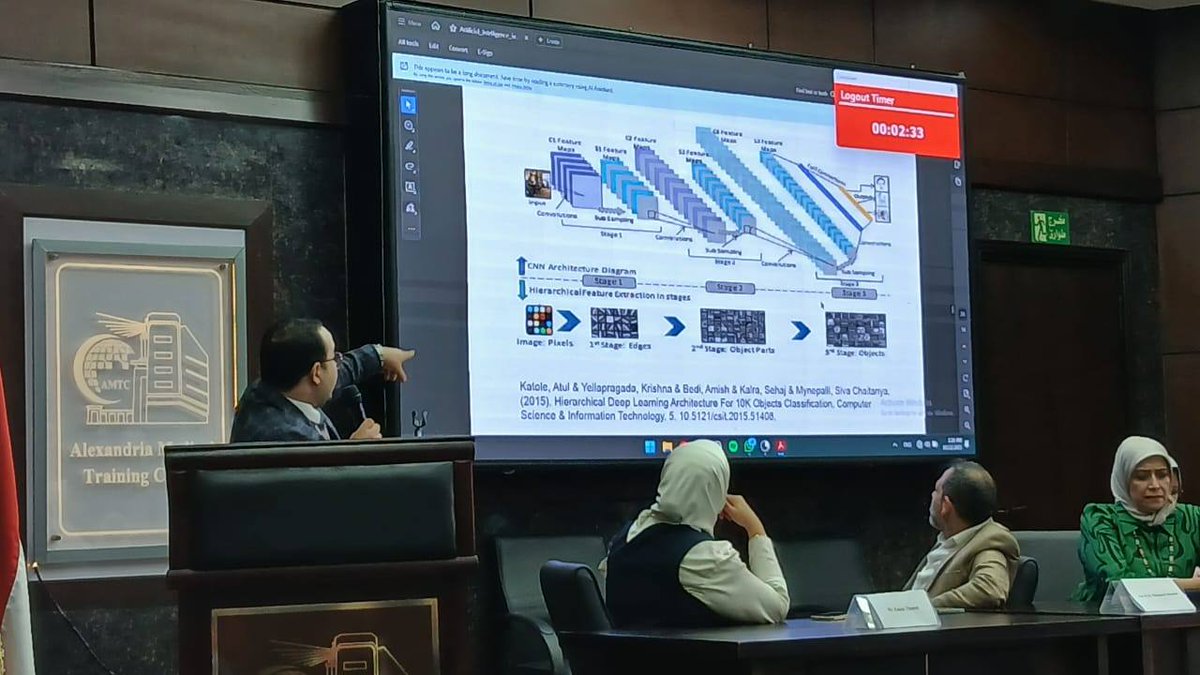
Yesterday, I had the pleasure of delivering a lecture titled “Artificial Intelligence in Precision Medicine Research” during the annual conference of the Quality Assurance Unit - وحدة ضمان الجودة كلية الطب جامعة الإسكندرية
Presentation link: docs.google.com/presentation…
1
10
670
Ahmed Shaheen, MD 🧠 retweeted

26 Jul 2025
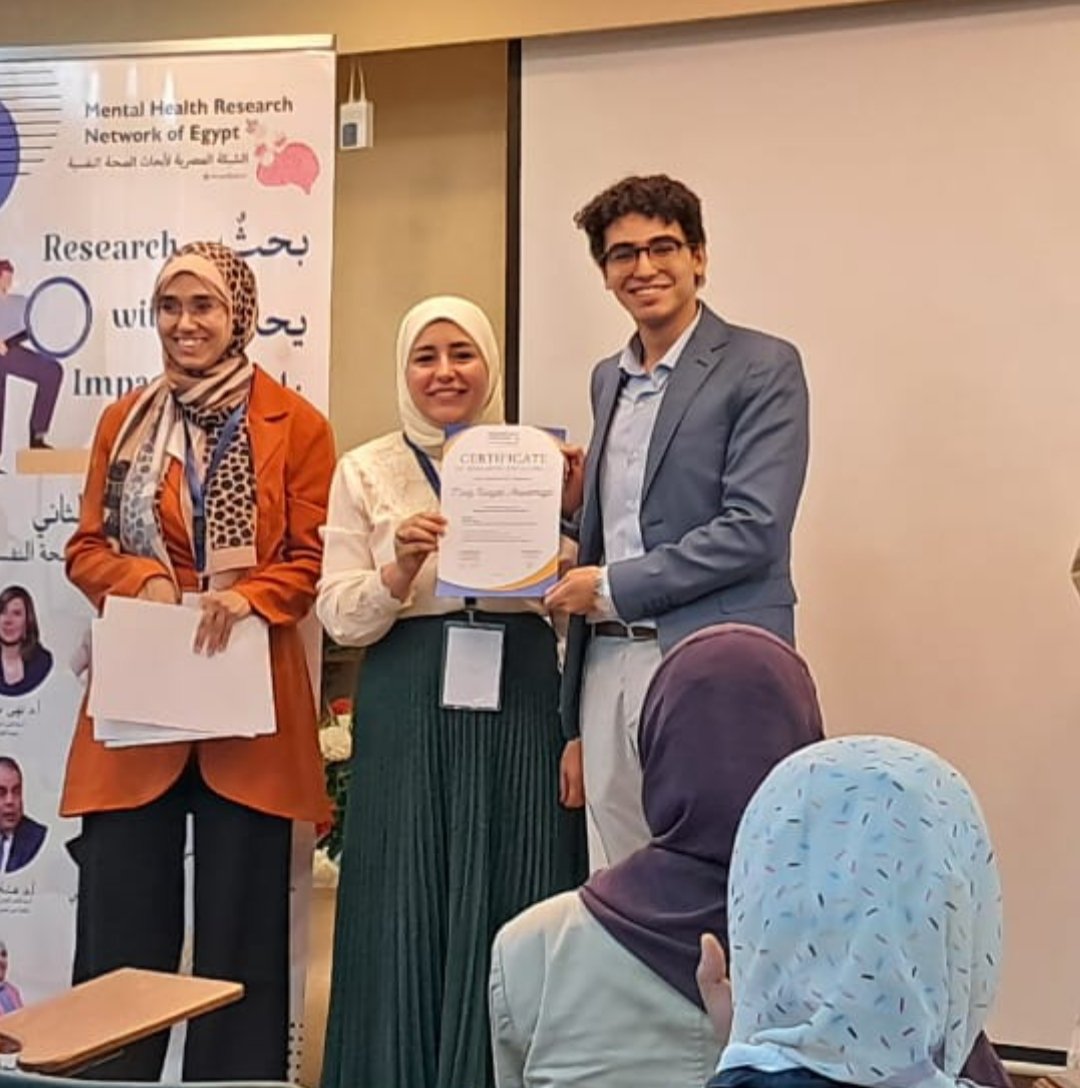
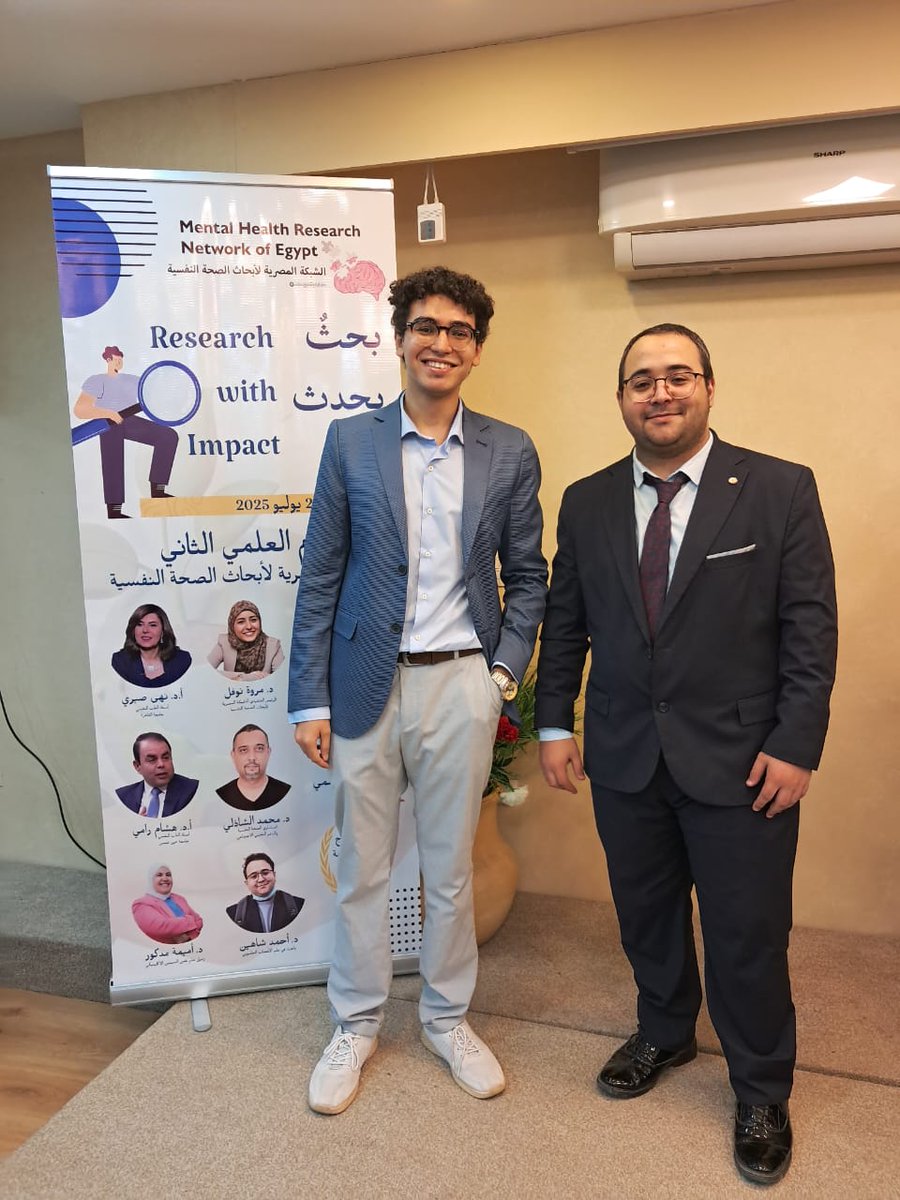
Happy to final meet my dear friend @drahmsh in person after these online friendship years in the annual scientific day of "mental health research network of egypt MHRNE" where I was awarded a certificate for my contribution to the network ❤️❤️
It was such a nice warm day!
1
23
1,111
2 Jul 2025
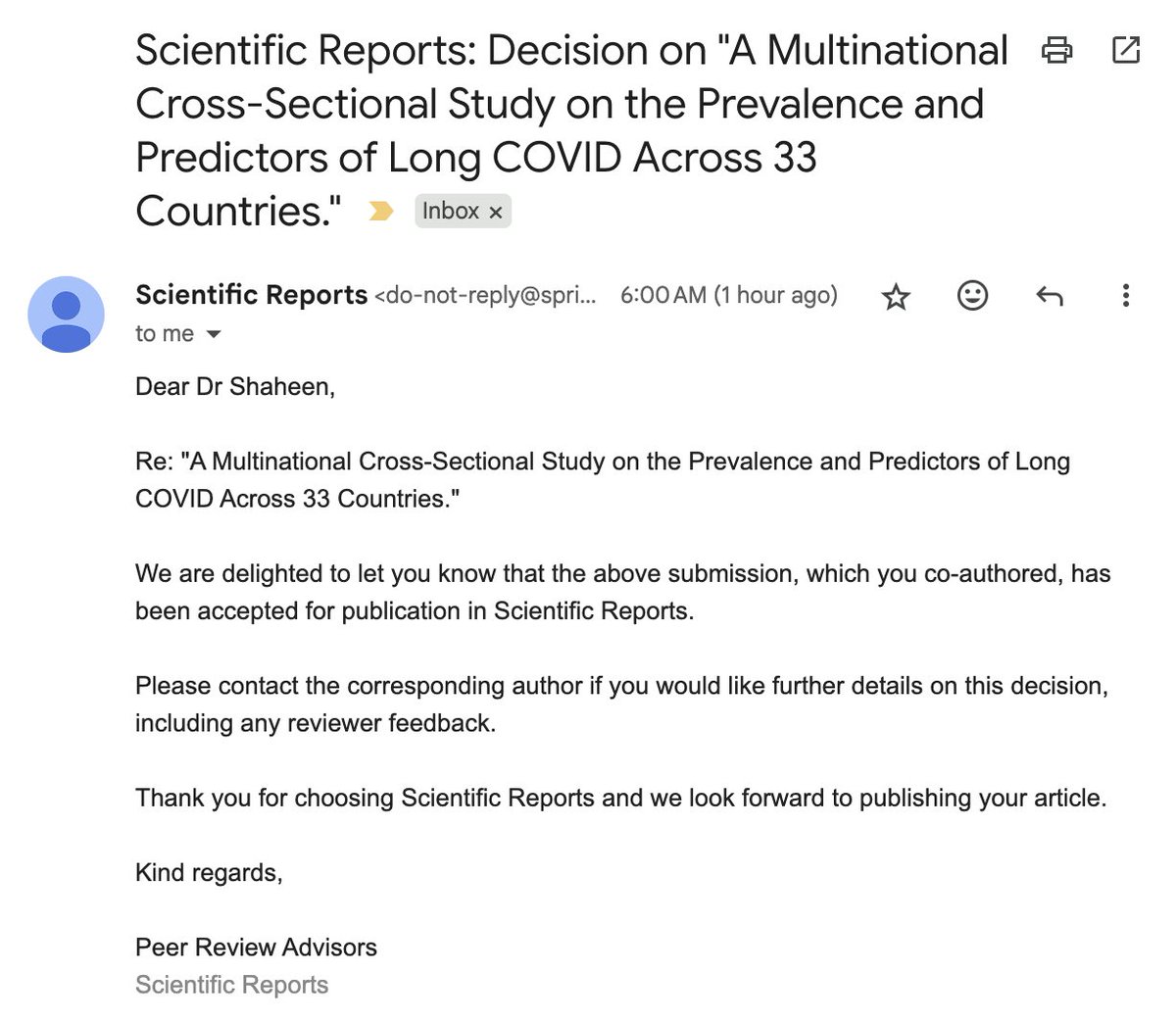
Proud to be part of our Long COVID study with Dr. AbouShouk & Dr. El-Sayed — applying ML & mathematical modeling on >20K cases. Published in Nature, focusing on risk predictors. Big honor after our Frontiers study on epidemiological features! #LongCOVID #AI #Research
1
10
493