
Ex-Tesla engineer, ex-neuroscientist, ex-candidate for Mayor of San Francisco. Focused on abundance: Universal Basic Income, housing, effective government.
Joined August 2009
- Tweets 12,526
- Following 2,253
- Followers 1,098
- Likes 24,408
271 Photos and videos








Pinned Tweet

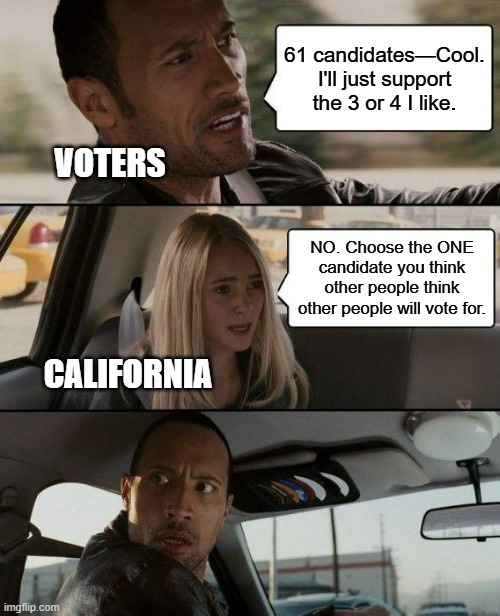
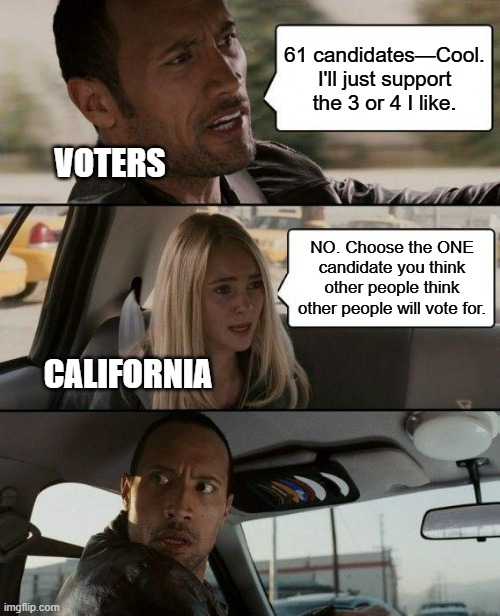
California's jungle primary leads to massive vote splitting between ideologically similar candidates. We could fix this bug with one simple tweak: allow voters to choose all the candidates they approve of. See reply for a link to the fix: a three-word change to the Elections Code
Mar 5

Democrats in California are facing a NIGHTMARE scenario: a Republican governor.
Polling shows Chad Bianco and Steve Hilton could end up as the top two candidates. Shutting Democrats out entirely.
They are COOKED.
Is California going red?
2
3
10
619
Dylan Hirsch-Shell 🧢🔰🗳️ retweeted

Jun 14
Boarding back to front feels efficient and it's the reason you're still standing on the jet bridge. It loads an A320 in 31 minutes. The fastest known method does it in 11.
Boarding speed is a luggage problem. A plane fills only as fast as people can lift bags into bins, and just a few can do that at once without standing in each other's swing space. Walking to your seat is a rounding error.
Load the last rows first and twenty people pack into the back of the cabin reaching for the same bins, each one blocking the person behind, while the front half sits empty. Back to front nails the variable that barely matters and wrecks the one that decides everything. That's how the tidiest looking method becomes the slowest.
The fix came from Jason Steffen, an astrophysicist who measures planets orbiting other stars. He got stuck in a jet bridge in Seattle in 2005, went home annoyed, and pointed his exoplanet optimizer at the problem. The answer: seat everyone in line exactly two rows apart. 12A, 10A, 8A, 6A. Now nobody is ever stowing a bag in front of the next person, so the maximum number of bags go up at once and the aisle never clogs. A 2011 test with real volunteers and real carry-ons confirmed it.
Even random boarding (17:59) beats back to front, by pure accident. Scatter people and they spread out, so more bags go up at once.
No airline runs Steffen for the same reason it works. It means splitting up families and boarding strangers one at a time in a fixed order, and a gate full of people won't comply. So the math sits on a shelf and we keep boarding the slowest way because it looks the most organized.

Turns out there's a faster way to board an aircraft!
Someone should tag literally every airline and show them this.
📹: bad_science_jokes
51
58
491
602,862
Dylan Hirsch-Shell 🧢🔰🗳️ retweeted

Jun 14
I often get asked by parents, what does my kid need to achieve to earn a place at UC Berkeley? The answer is, I don’t know.
There used to be an implicit social contract that if a California resident excels in school and is a very high achiever, there would be a predictable path to one of the leading campuses of the University of California system. Until the early-2000s this was explicit in that between 50-75% of incoming classes had to be admitted on the basis of academic criteria alone (GPA, SATs, APs). A high school student basically knew what they had to hit to get admitted to Cal.
UCs no longer considers SAT/ACT scores, and letters of recommendation are generally not part of the application. The remaining academic record is heavily based on grades, course-taking, "school context", supplemented by personal insight questions (in the AI era!) and activities. But in an era of substantial grade inflation, transcripts have become a noisy signal. True academic achievement matters much less than it used to.
The result is, while not literally random, highly unpredictable and illegible admissions. For California families, it is no longer clear what level of achievement is enough for their kids, or even what kind of achievement the system is trying to reward.
I suspect that is not what most families in California want.
101
72
942
218,107
Dylan Hirsch-Shell 🧢🔰🗳️ retweeted

The White House was built to serve the American people.
Tonight it was used to promote a company the President owns stock in, sell subscriptions, promote corporate sponsors, push Trump crypto, and enrich the President and his family.
The founders warned us about kings enriching themselves from public office.
They did not fight a revolution for this.
12,858
12,529
71,912
3,453,326
Dylan Hirsch-Shell 🧢🔰🗳️ retweeted

Jun 14
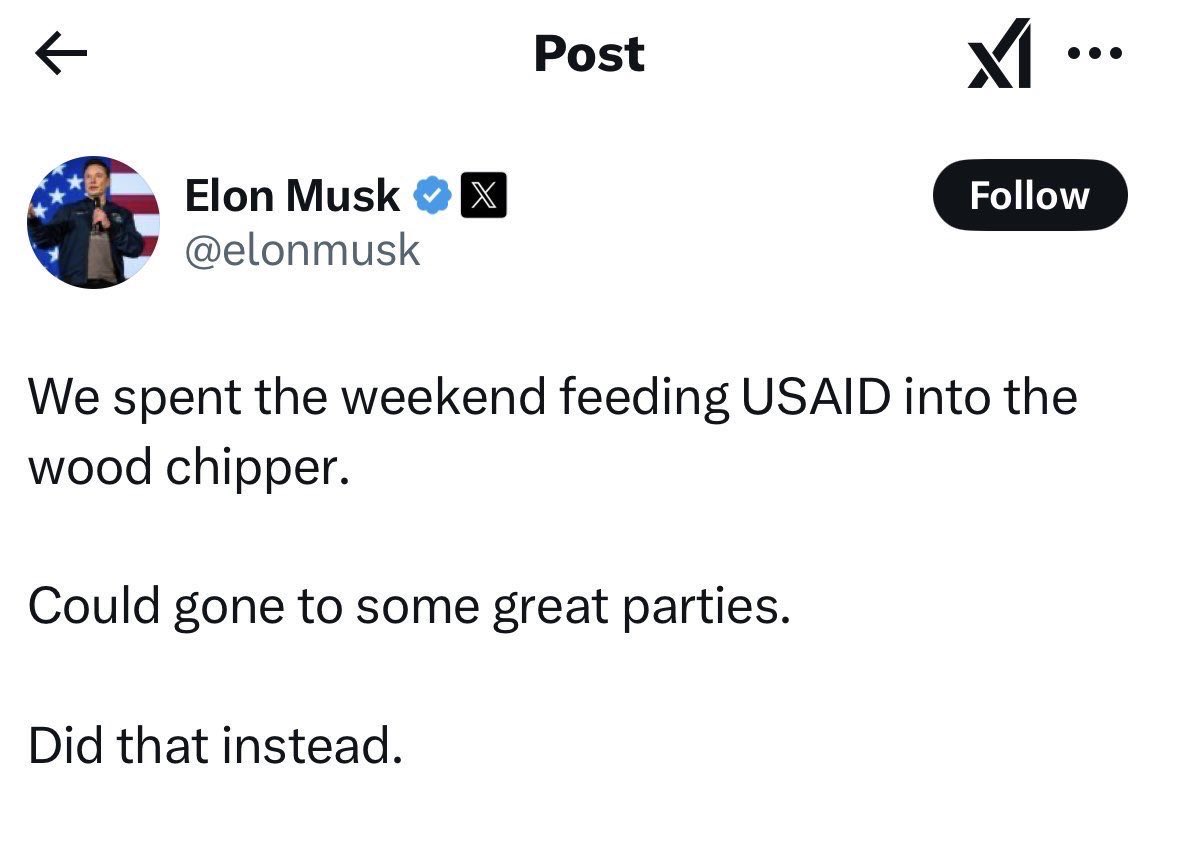
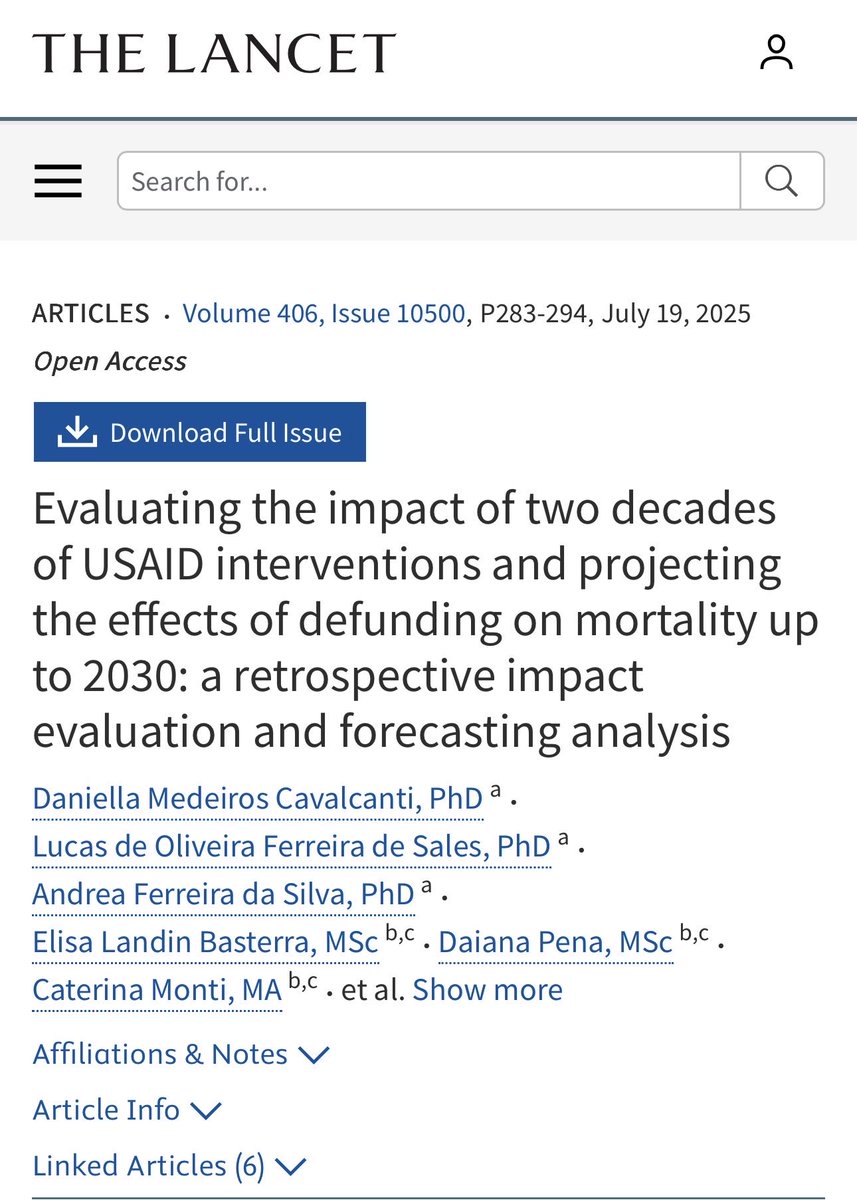
It’s funny, motocross at the White House is, like, fine with me. But here’s an example of something that is genuinely unforgivable but that a lot of people seem to have moved right past.
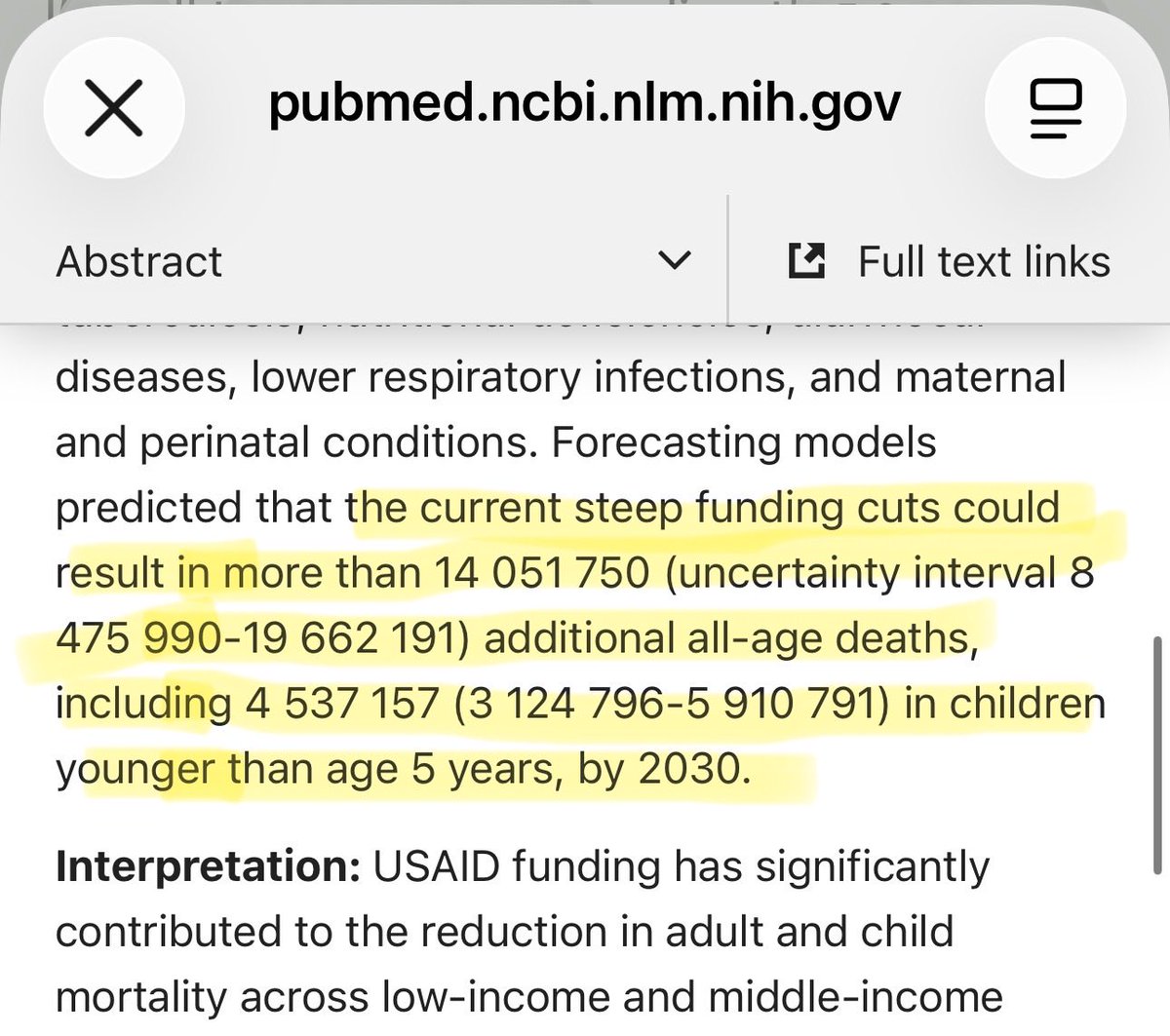
102
1,210
10,086
282,580
Dylan Hirsch-Shell 🧢🔰🗳️ retweeted

Jun 14
Can we debunk this nonsense?
Elon Musk was awarded (note: not given) cost-per-result contracts to perform a service for the US government. The total of those for SpaceX specifically is ~$22B, which includes repaid loans, state tax incentives, etc.
The deal was simple: put stuff into LEO at or below a set cost. If SpaceX does it below the set cost, SpaceX keeps the difference. If it doesn’t, the company is responsible for the overrun.
End result? SpaceX & Elon lowered the cost of getting 1 kg into LEO by 95-97% vs what NASA was paying previously.
And for the record, every other company around at the time was offered the same opportunity to bid on the contract - Musk/SpaceX just took it.
The handout narrative implies the taxpayer is the patron and SpaceX the dependent. The cost data shows the opposite: before SpaceX, NASA paid Russia’s Soyuz $80-86M per seat; SpaceX delivered at ~$55 million. SpaceX saved the US taxpayer $300M-$465M each year on that alone (the US sends 12-15 astronauts to space each year)
On the lunar lander, NASA estimated SpaceX’s fixed-price bid saved $20B-$30B vs the Boeing-preferred cost-plus approach.
So: SpaceX saved the US taxpayer more than the total value of contracts it earned on a single project, PLUS provided the US government with the requested services (put stuff in LEO) at the best possible price.
Jun 14

Elon Musk was given tens of billions in government contracts and tax breaks and was able to take a company that’s lost $41 billion and somehow become a “trillionaire.”
You will pay social security your whole life and they’ll tell you it’s an “entitlement” when you try to collect
451
3,121
12,568
1,281,265
Dylan Hirsch-Shell 🧢🔰🗳️ retweeted

Jun 13
The new blue bottom really makes that green algae pop

Jun 12





445
2,567
18,030
610,375
Dylan Hirsch-Shell 🧢🔰🗳️ retweeted

Jun 12
Trillionaires shouldn't exist while poverty exists.
Or as Paine wrote, "I care not how affluent some may be, provided that none be miserable in consequence of it. But it is impossible to enjoy affluence with the felicity it is capable of being enjoyed, while so much misery is mingled in the scene."
42
76
183
6,582
I swear the quasi-religious opposition to anything that involves AI in any way is going to be the downfall of the Progressive movement and all the causes it cares about.
1
9
Dylan Hirsch-Shell 🧢🔰🗳️ retweeted
Tell me The Marina Times isn't a bastion of journalism without telling me. How can they post that drivel about him being a transient before doing a shred of investigation into who the man is?
1
33
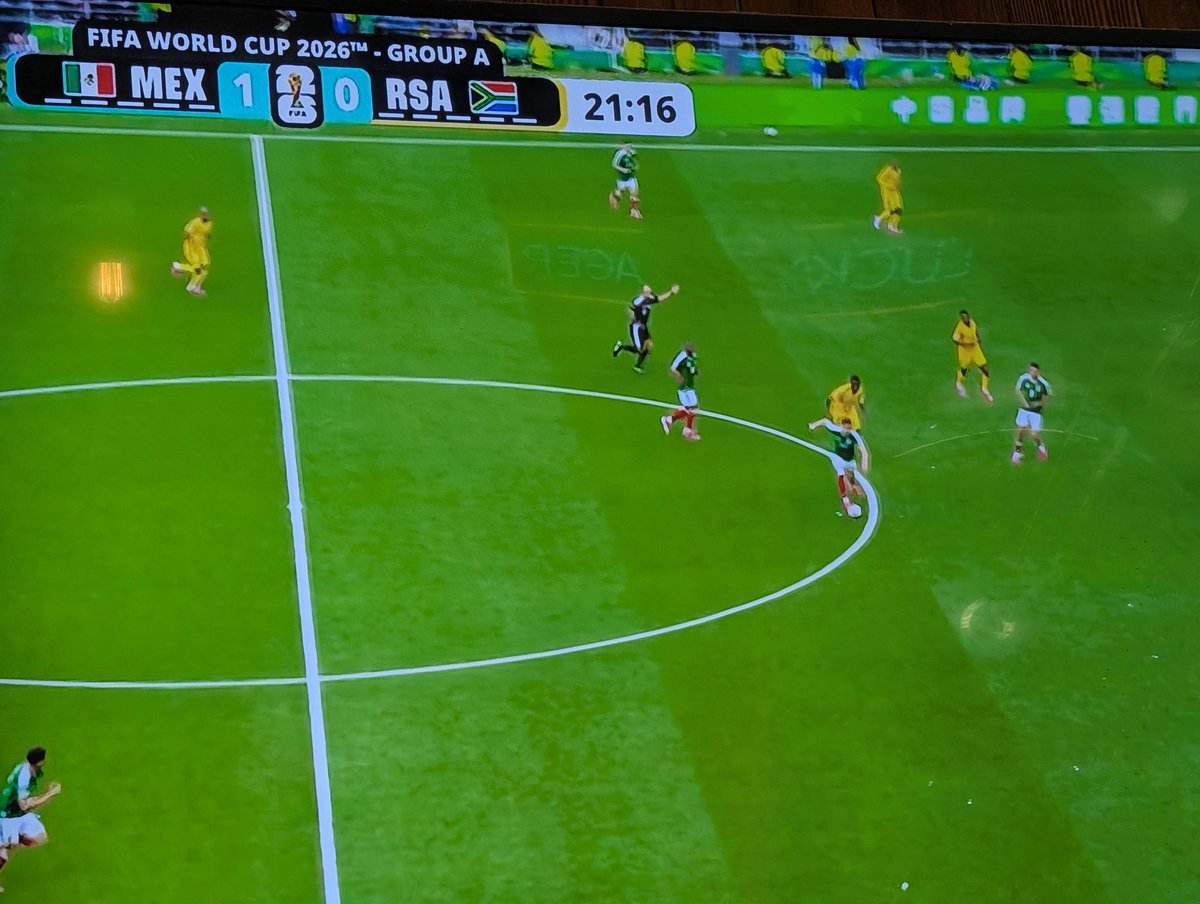
According to the Google app, the Mexico vs South Africa game is already over, and Mexico won 1-0, but the score is still currently 0-0 in the 17th minute of the match. Only problem is I'm watching live and Mexico already scored a goal in the 10th minute of the match... 🤔
1
154
And now Mexico won the game by 3 goals, even though they're still in the first half and only up by 1? 🤔
1
54
Is this a glitch in the Matrix? Shoddy vibe-coding? An international sports betting scandal in the making?
22
Dylan Hirsch-Shell 🧢🔰🗳️ retweeted

BREAKING: In a stunning moment, Donald Trump's former economic advisor just admitted on Fox News that inflation is being driven nearly exclusively by bad decisions that Donald Trump has made. Wow.
1,187
14,362
46,455
999,457
Dylan Hirsch-Shell 🧢🔰🗳️ retweeted
Jun 10
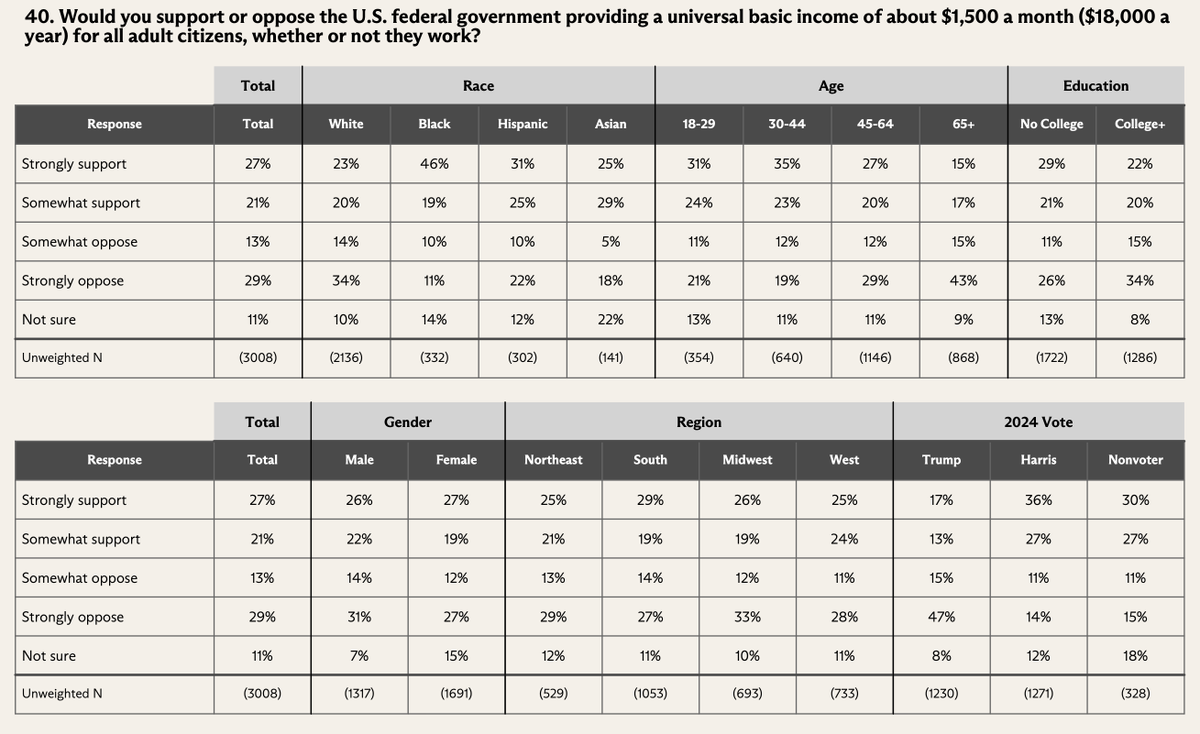
More people now support UBI than oppose it across all demographics except for Whites, 65 , college , and Trump voters. 64% of Harris voters and 57% of nonvoters support UBI. Heads up to you nonvoters, you're going to need to start voting if you want UBI.
Jun 10

Even a "universal basic income" policy is above water now — which is pretty different from how this polled a few years ago.
16
28
74
2,273
Dylan Hirsch-Shell 🧢🔰🗳️ retweeted

Jun 11
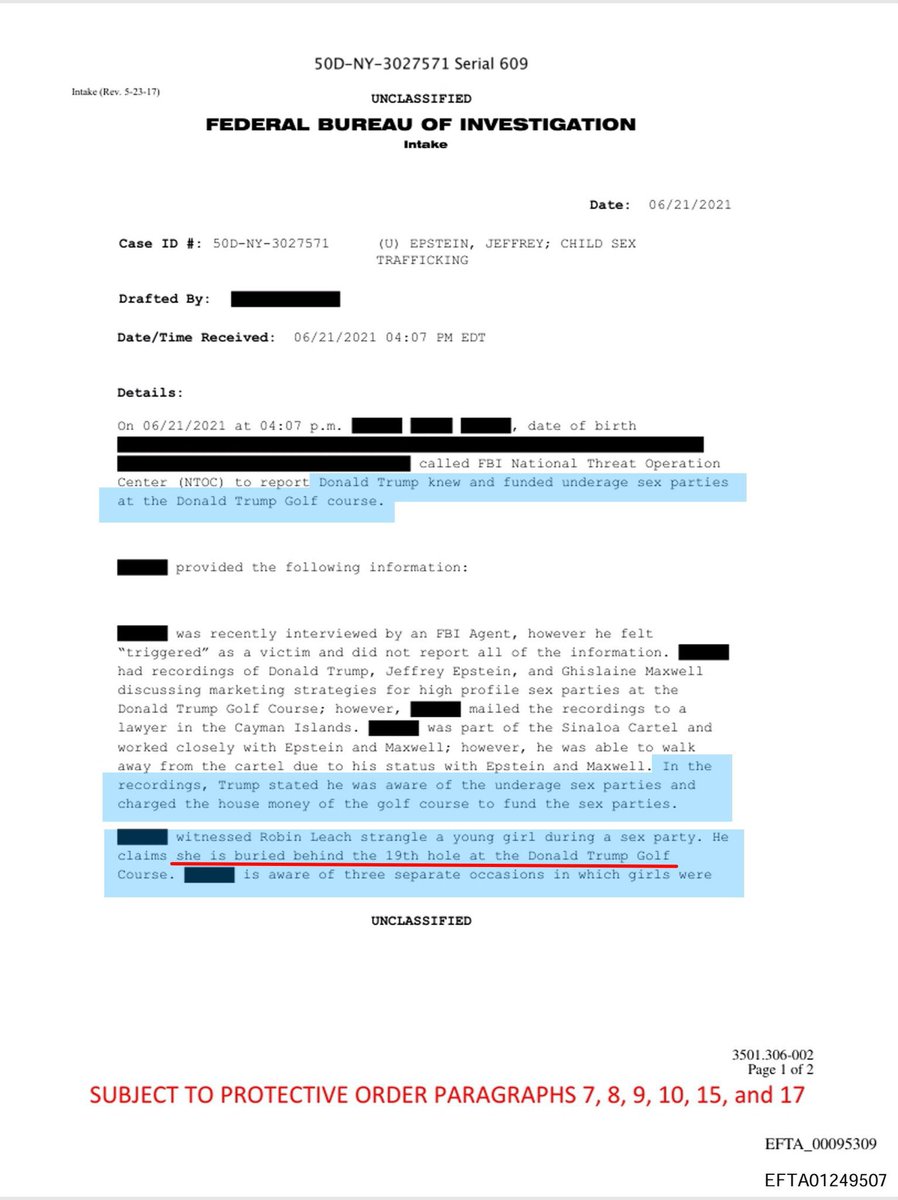
Per the FBI, Trump knew and funded underage sex parties in Palm Beach.
1,403
18,811
53,499
1,105,314
Dylan Hirsch-Shell 🧢🔰🗳️ retweeted

This is Trump’s Watergate.
Today, the @nytimes released a truly stunning report on the Epstein cover-up by the White House.
Collusion, breaking the law, evading subpoenas—it’s all in there:
- Trump quashing the files
- The VP, COS, DOJ, FBI, and others colluding in the Situation Room to stop their release and compliance
- Officials lying to the public
- Admin in-fighting and exits
- Officials who appeared in front of Congress during this time
Read the report here: nytimes.com/2026/06/10/magaz…
4,824
21,251
55,422
1,328,019
Dylan Hirsch-Shell 🧢🔰🗳️ retweeted

Jun 10
Hey old neighbor 👋
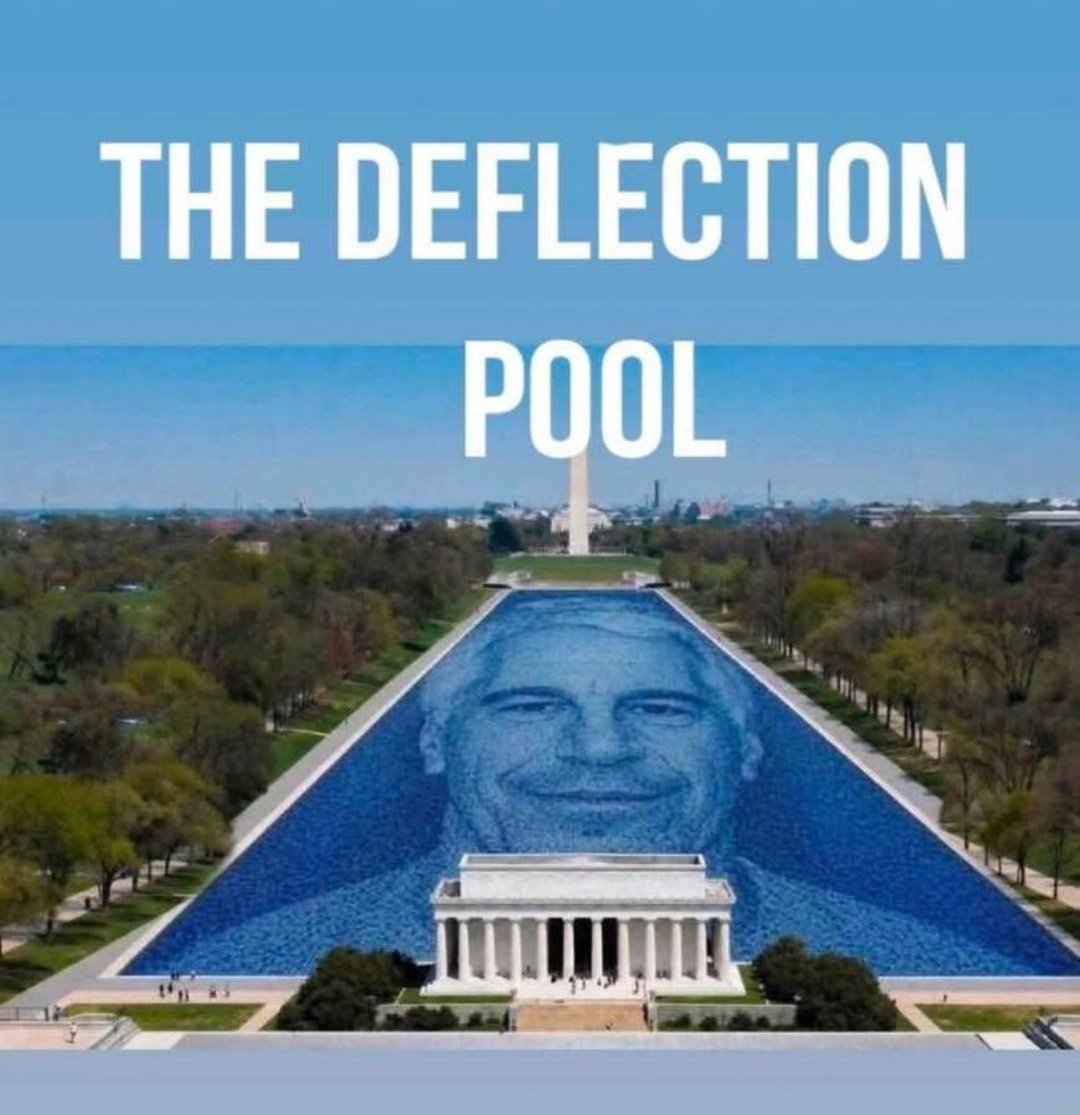
21
136
1,741
63,536
Dylan Hirsch-Shell 🧢🔰🗳️ retweeted

Jun 10
It’s been glorious since 1923, and cleaned every year! The reality TV president has to make every normal activity a major accomplishment.🙄
11 Apr 2022

You asked for it. Here is is: the Super-Scrubber at work in the Reflecting Pool today. It's quite a sight... and quite a smell.
Big thanks to our facilities team for getting this job done!
74
89
831
40,912
Dylan Hirsch-Shell 🧢🔰🗳️ retweeted

Jun 10
Rep. Rob Wittman (R-VA) faked a phone call for roughly 90 seconds after being asked about Speaker Mike Johnson’s comments regarding potential Social Security cuts.
The phone's screen remained visible, with his cheek inadvertently tapping different parts of the display.
2,215
15,059
84,410
4,391,031
Dylan Hirsch-Shell 🧢🔰🗳️ retweeted

MAGA and Trump give me no choice but to vote Democrat in November. Not because "I'm a liberal". Because you started an illegal war, destroyed the economy, tariff my small family business, covered up Epstein, expand the surveillance state and hand billions to wealthy corporations.
552
1,031
5,012
74,645