
MD @insightpartners. Biomedical accelerationist. The goal is to end involuntary dying, one disease at a time. Orbiting space casinos are optional
Joined October 2008
- Tweets 164
- Following 1,324
- Followers 801
- Likes 2,457
Photos and videos

Apr 28
Congrats to @Profluent on this great partnership! Excited to see our frontier AI models power the next generation of biomedicine
Apr 28

Today we announced a landmark partnership with @EliLillyandCo to use our AI models to design recombinases for genetic medicine—a collaboration valued at up to $2.25 billion before royalties.
The goal: use Profluent's AI models to design recombinase editors capable of inserting long stretches of DNA at precise locations in the genome.
Read the press release for more: businesswire.com/news/home/2…

6
418
Dylan Morris retweeted

Apr 28
Today we announced a landmark partnership with @EliLillyandCo to use our AI models to design recombinases for genetic medicine—a collaboration valued at up to $2.25 billion before royalties.
The goal: use Profluent's AI models to design recombinase editors capable of inserting long stretches of DNA at precise locations in the genome.
Read the press release for more: businesswire.com/news/home/2…
6
14
120
21,634
Dylan Morris retweeted

Apr 1
While impressive in its own right, it’s worth remembering that predicting protein-drug interactions is like 0.01% of the drug discovery and development pipeline and the spare change part of it. Saying that that’s revolutionizing the process is like convincing someone, in Derek Lowe’s memorable words, that you’ve invented a revolutionary new car because its windows go up and down ten times faster.
Mar 31

Demis Hassabis: If you know the structure of a protein, the real question becomes—where will your drug bind, and what will it actually do?
That’s where the next wave of AI comes in. Not just predicting structures, but modeling interactions, outcomes, and real biological impact. At Isomorphic Labs, this is already happening—with 17 active drug programs and partnerships with giants like Eli Lilly and Novartis. The goal? Scale that to 100.
This is a fundamental shift in how medicine gets built. Instead of slow, expensive trial-and-error in wet labs, AI allows researchers to run thousands of hypotheses in silico—hundreds to thousands of times more efficiently. The wet lab becomes validation, not exploration.
Drug discovery is turning into a computational problem. Faster cycles, smarter predictions, and potentially massive breakthroughs in human health.
20
49
379
138,289
Dylan Morris retweeted

Apr 1
pharma did this. say thank you.
Mar 31

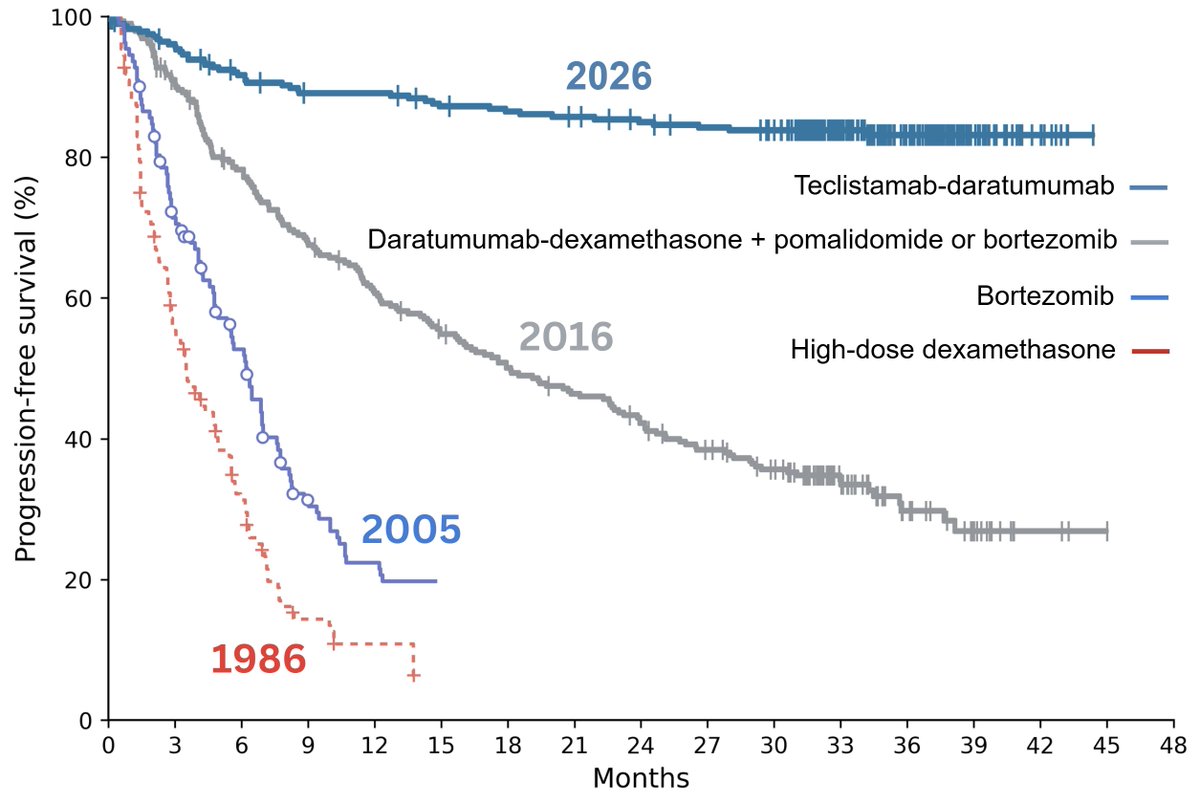
How outcomes in relapsed/refractory multiple myeloma changed, from 1986 to 2026
33
57
917
104,877
Dylan Morris retweeted

Mar 29
This is an incredible story and worth a read.
Sid Sijbrandij (co-founder of GitLab, @sytses) was diagnosed with a rare bone cancer. It came back after chemo and radiation, and his doctors told him there was nothing left to try.
So he went “founder mode” on his health.
- Built a team of physicians and researchers.
- Ran every diagnostic possible, as often as possible.
- Developed 10 personalized treatments including an mRNA cancer vaccine and engineered cell therapies.
- Ran treatments in parallel instead of one at a time.
- Used AI to analyze his scans, bloodwork, and tissue samples.
- Open-sourced 25TB of his own cancer data.
- Applied GitLab’s radical transparency philosophy to the whole thing.
Today he has no evidence of disease.
The harder question is that this took someone with vast resources assembling a full team to navigate a system designed to block exactly this kind of patient agency.
He’s now building a venture to make this path accessible to others.
Links in the reply. Check it out
3
7
47
8,930
3 Dec 2025
This is the way
2 Dec 2025

So, there’s a $1.5 billion judgement against Anthropic for including 480,000 books in training their AIs. Five of my books are among them. Word is, there might be $1,500 payout per book, according to my agent Max Brockman.
I wrote him the following:
2
593
15 Nov 2025
Open protein design is awesome
13 Nov 2025

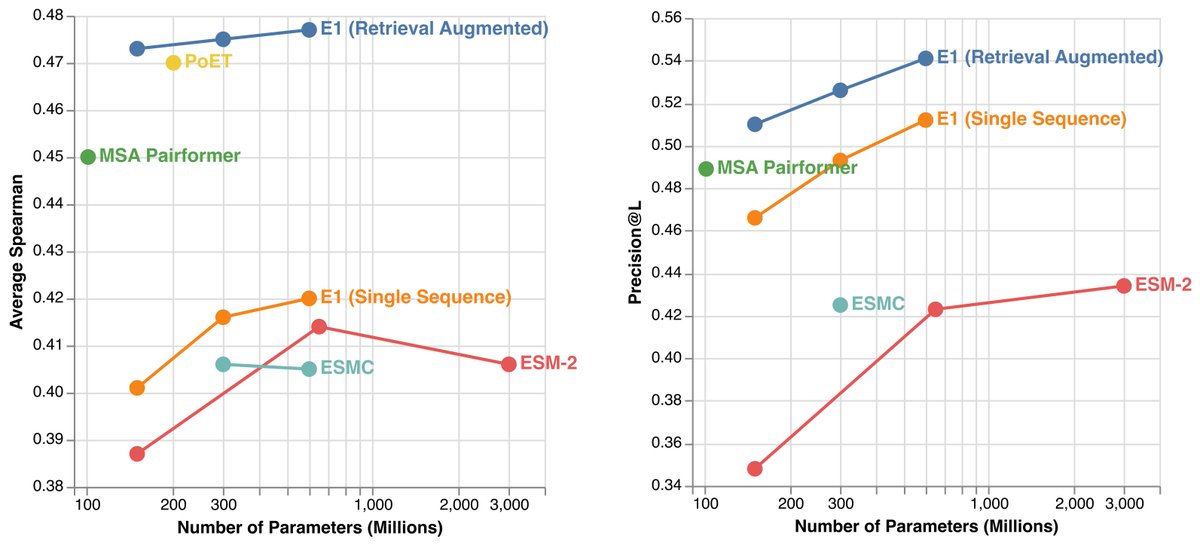
Excited to openly release E1. We use E1 for protein design and now you can too.
1
537
14 Jan 2025
Sad but true. California must do better
14 Jan 2025

Another banger from @rivatez... was gonna use the flame emoji but that seemed insensitive.
thespectator.com/topic/slow-…
1
4
1,939
Dylan Morris retweeted

20 Dec 2024
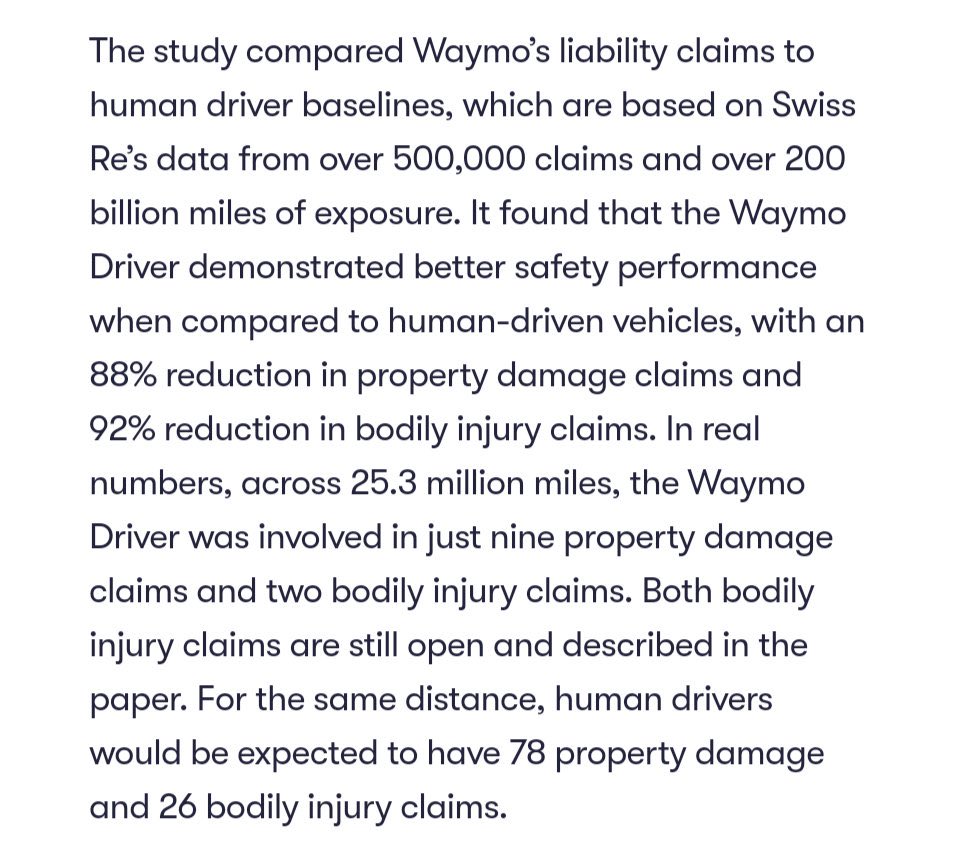
This is why the default position should always be to accelerate technological progress. AI will save lives.
18
27
261
28,961
17 Dec 2024
A huge step forward for the future of medicine. Congratulations Dina and the Gameto team!
16 Dec 2024

(1/) I am thrilled to announce a medical milestone– the world’s first live birth using @GametoGen's product, Fertilo, that matures eggs outside the body. On Saturday, December 7th, a healthy baby girl was born in Lima, Peru, after using the Fertilo protocol at our partner clinic @concebirperu. businesswire.com/news/home/2…
2
10
659
13 Dec 2024
The robots are coming
12 Dec 2024

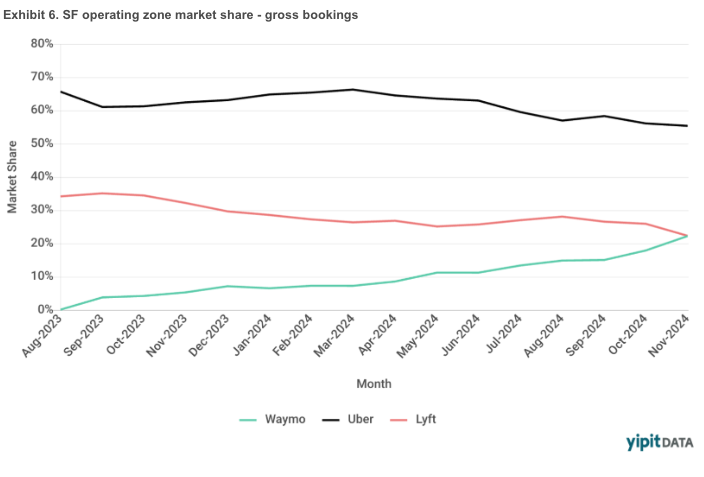
Waymo's market share is now equal to Lyft within SF. Incredible.
Network effects is one of the best sources of defensibility. But it's proven to be not that important in ridesharing.
You need a minimum network size, but once you have that, there are diminishing returns. In each geo, Uber and Lyft need enough drivers to have reasonable wait times. Once wait times hit that acceptable threshold, the incremental driver doesn't improve the rider experience (eg if my Uber ride is coming in 2-4 minutes, I don't really care about the wait times getting faster).
When Waymo launched in August 2023, Uber and Lyft were at 66% and 34% share in SF.
15 months later in November 2024, Waymo is at 22% - the same as Lyft - with Uber at 55%.
Both Uber and Lyft lost low double digit % pts of market share, but it's more painful for Lyft. Lyft gave up ~1/3 of their share. Uber lost ~1/6.
This is just when comparing all rides with pickups and dropoffs inside Waymo’s SF operating boundary (ie excludes any ride to / from the airport).
Anecdotally, Waymo's wait times are longer than Uber and Lyft because they don't have enough cars on the road. But they are close enough to that acceptable threshold, that their superior product (clean, nice cars, quiet drivers, etc) tips the riders in their direction.
It's possible when Waymo puts more cars on the road and reduces wait times to be in line with Uber and Lyft, their share could climb even faster.
3
404
8 Dec 2024
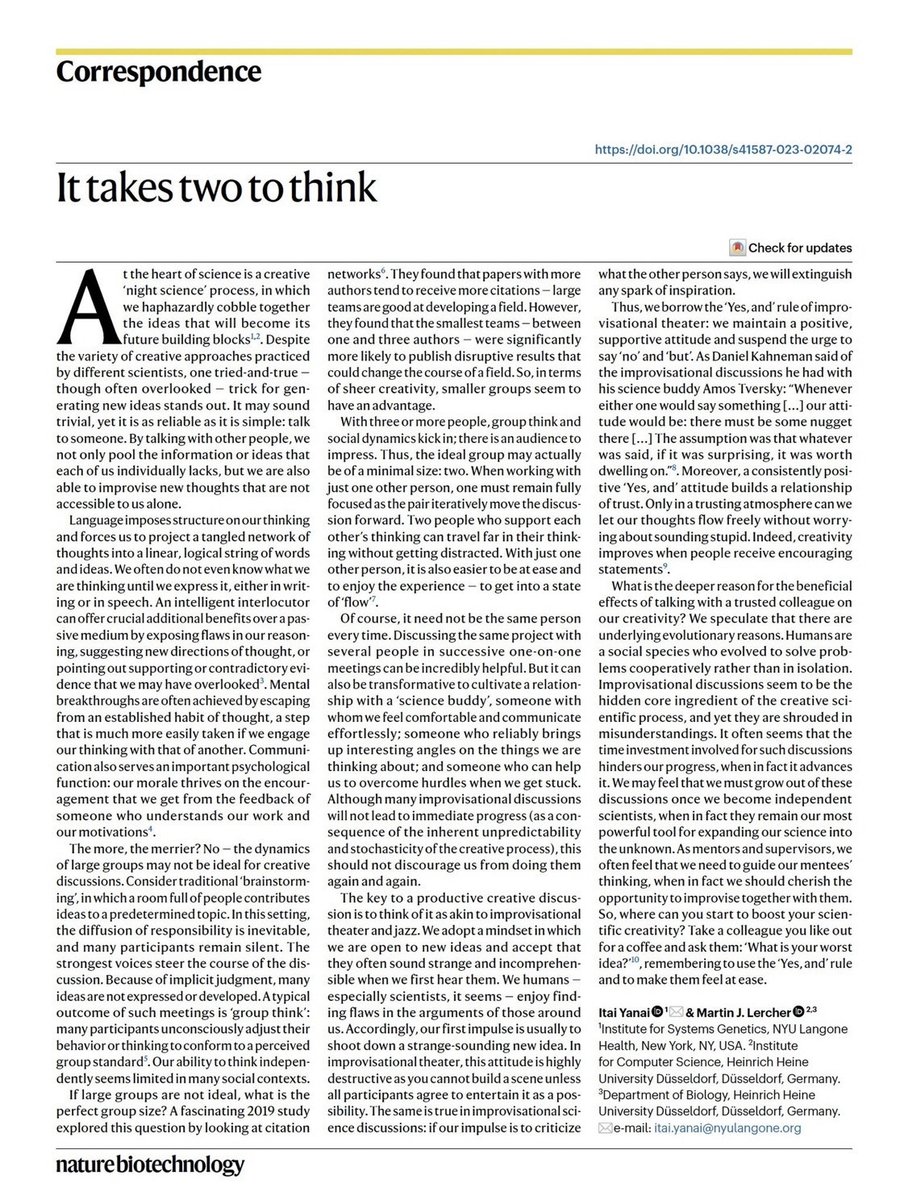
Thinking in pairs is like improv, “yes, and,” not “no, but”
8 Dec 2024

The good idea comes when one person feels comfortable enough to say something that might make them look stupid and their friend is open enough to recognize its potential.
1
308

13 Sep 2024
Please read this important and poetic essay written by someone who actually understands both AI and bio
11 Sep 2024

The boosters of AI safety bills like SB1047 claim that open models will enable the production of biological weapons.
These claims are delusional. As a synthetic biologist and LLM engineer, I felt compelled to write why for anyone who might care:
dreamofmachin.es/machine_pro…
3
538
17 Aug 2024
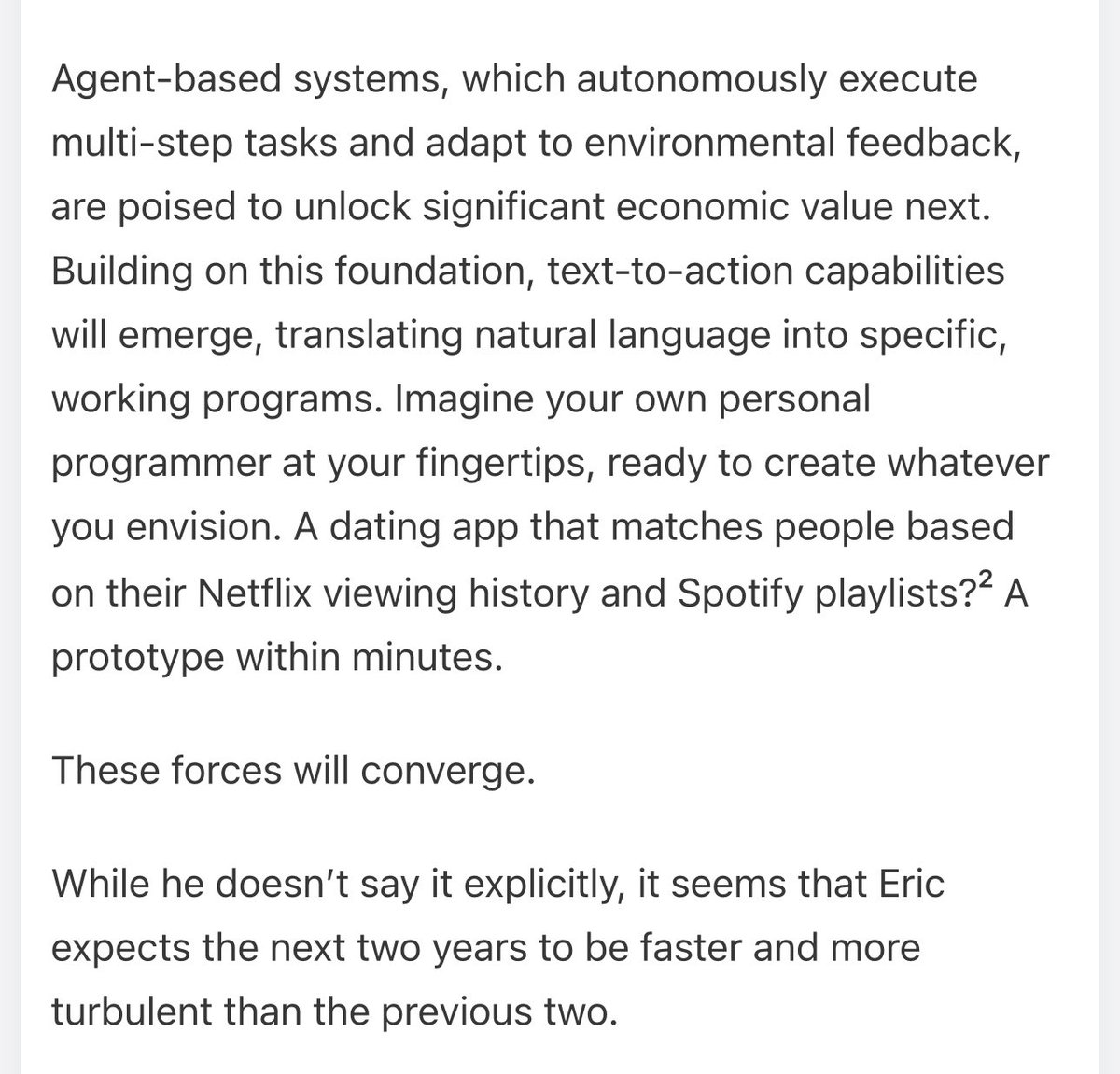
And the two years after that will happen even faster. And so on, and so on. That’s what it’s like to live in accelerating times

We see this happening now at YC. The next two years will happen very fast.
Eric Schmidt is right about this
exponentialview.co/p/eric-sc…
1
675
Dylan Morris retweeted

24 Jul 2024
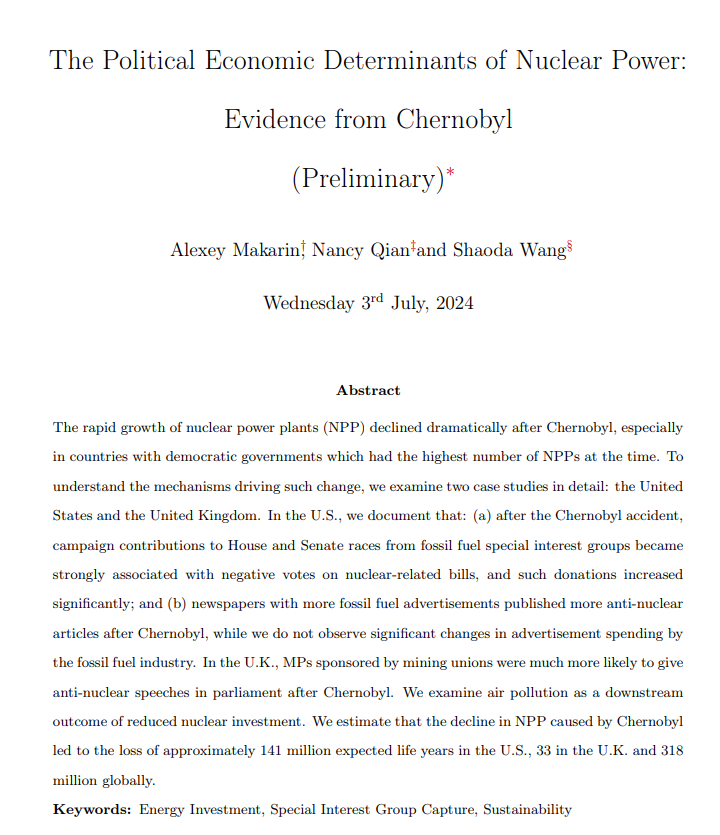
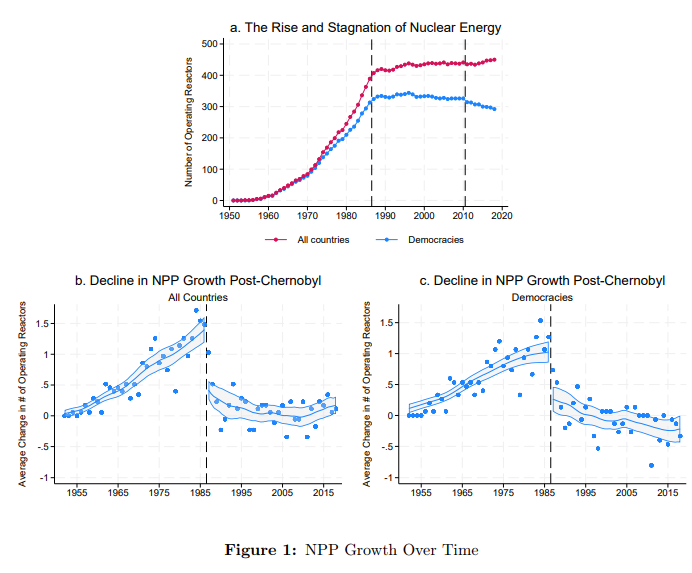
"We estimate that the decline in Nuclear power Plants caused by Chernobyl led to the loss of approximately 141 million expected life years in the U.S., 33 in the U.K. and 318 million globally". nber.org/conferences/si-2024…
42
603
2,197
438,263
20 Jul 2024
This is wonderful for all ages. Health insurance is a lie. There should be $0 copays for prescribed medicines
19 Jul 2024

If you work in life sciences & have teenage/adult kids, they might think your company might be a bit evil b/c of what they hear about drug prices.
Show them this... w/ sound... & talk about how affordability is a function of insurance.
@IAmBiotech @AllergyAsthmaHQ @PhRMA
1
8
2,079
24 Apr 2024
This is an important step towards universally accessible genomic medicines. Congrats @ProfluentBio !
22 Apr 2024
Can AI rewrite our human genome? ⌨️🧬
Today, we announce the successful editing of DNA in human cells with gene editors fully designed with AI. Not only that, we've decided to freely release the molecules under the @ProfluentBio OpenCRISPR initiative.
Lots to unpack👇
1
9
2,693
21 Mar 2024
They're only hallucinations, until they're real. Then they become functional gene editors for curative therapies.
Congratulations @thisismadani and welcome aboard @Fraser! Excited for @ProfluentBio's next chapter.
endpts.com/if-you-could-hall…
25
2,048
21 Feb 2024
Health insurance should cover raves
21 Feb 2024

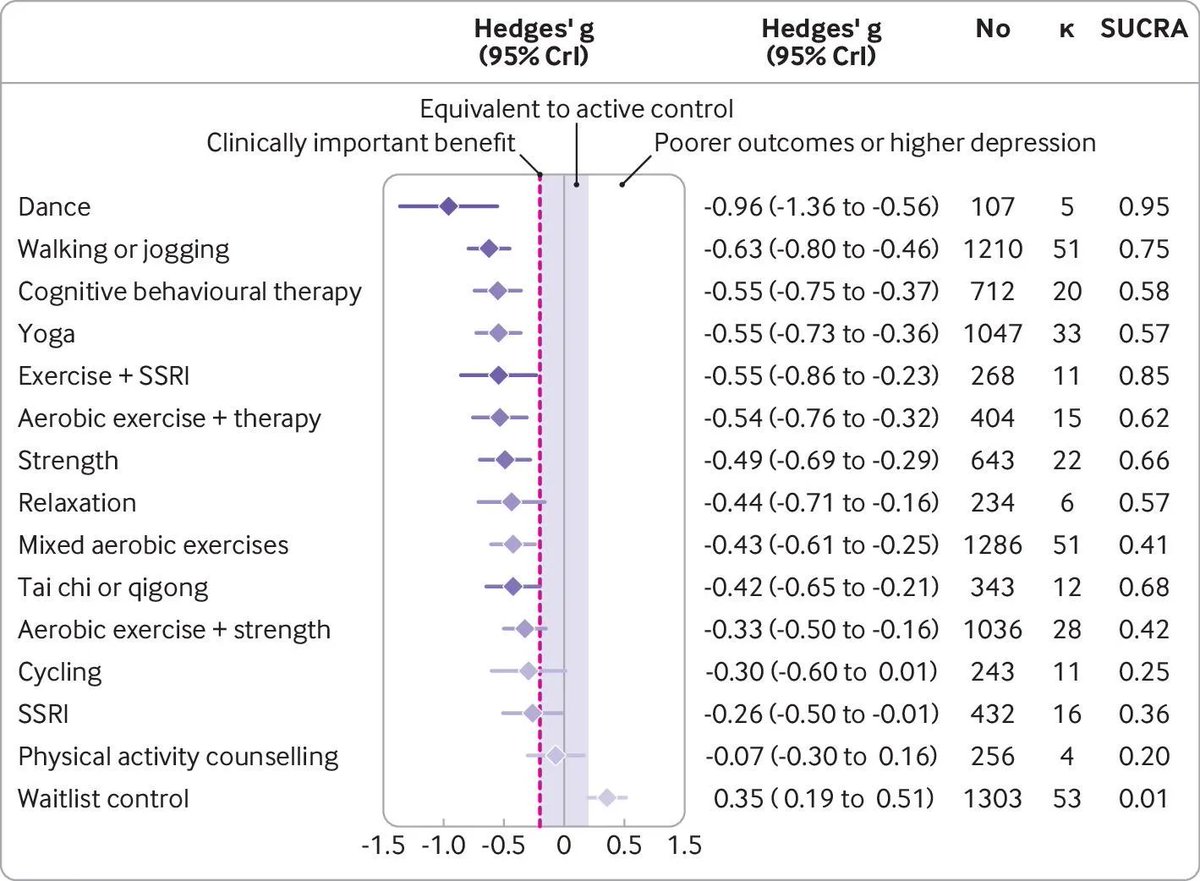
They buried the lede on this new study. It's not that exercise beats out SSRIs for depression treatment, but that *just* dancing has the largest effect of *any treatment* for depression.
That's kind of beautiful.
2
874