
Scientist & Protein Engineer | Husband & Dad
Joined July 2012
- Tweets 375
- Following 667
- Followers 598
- Likes 3,490
18 Photos and videos

Yi (Eason) SHEN 沈溢 retweeted

4 Apr 2024
Thrilled to share #TGECO1, a new blue-shifted Ca2 indicator for imaging neural activity, freshly published in Neurophotonics! Large 2PX, great for multiplexing!
doi.org/10.1117/1.NPh.11.2.0…
@Campbell_FPs @easonyshen @PodgorskiLab @AllenInstitute @HHMIJanelia @UCalgary
3
22
105
7,446
Yi (Eason) SHEN 沈溢 retweeted

20 Dec 2023
We are recruiting for an open Postdoc position. Interested in developing molecular tools? Our research is at the intersection of neuroscience, biochemistry, and biophysics. Please spread the word. Reach out via email if interested!
@BrownUNeuro @CarneyInstitute
7
16
31
8,770
Yi (Eason) SHEN 沈溢 retweeted

28 Oct 2023
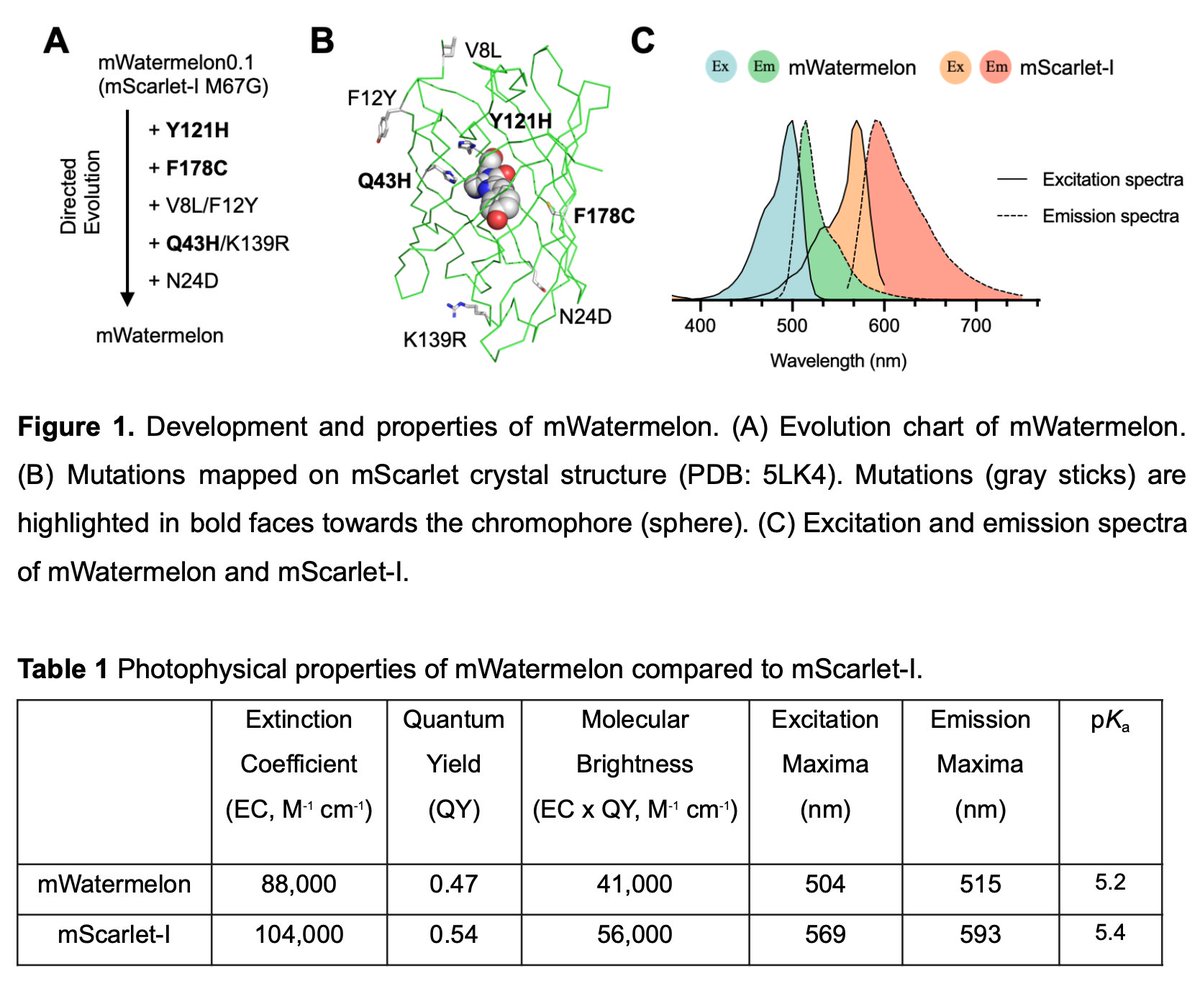
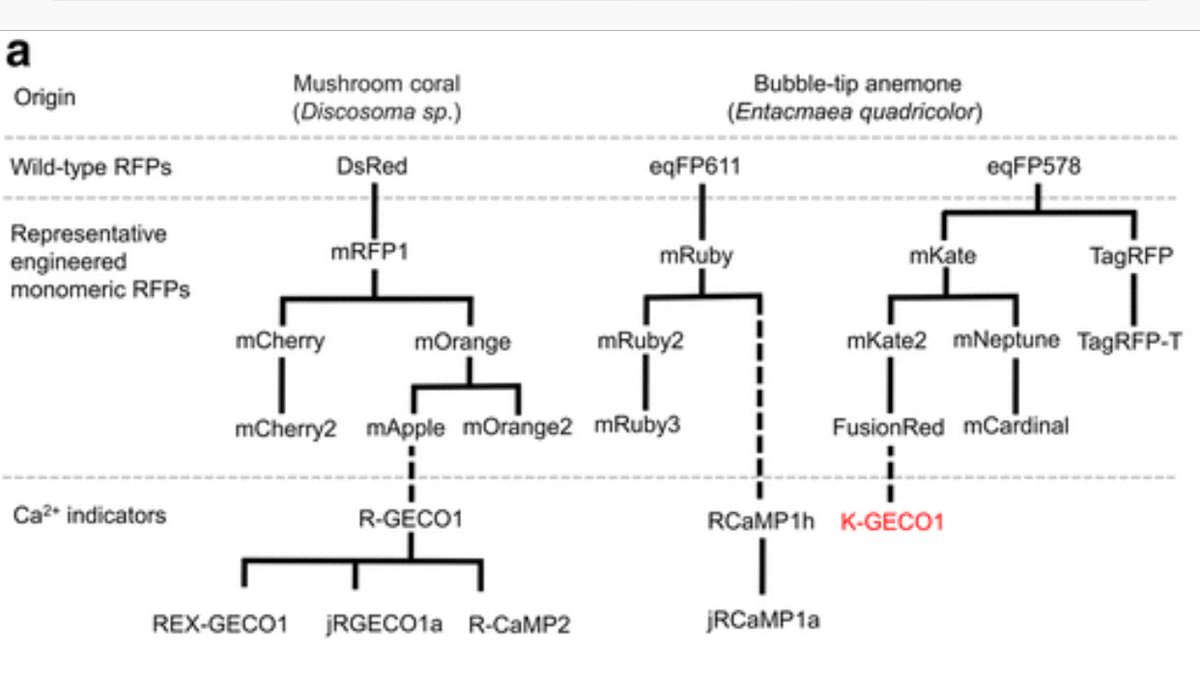
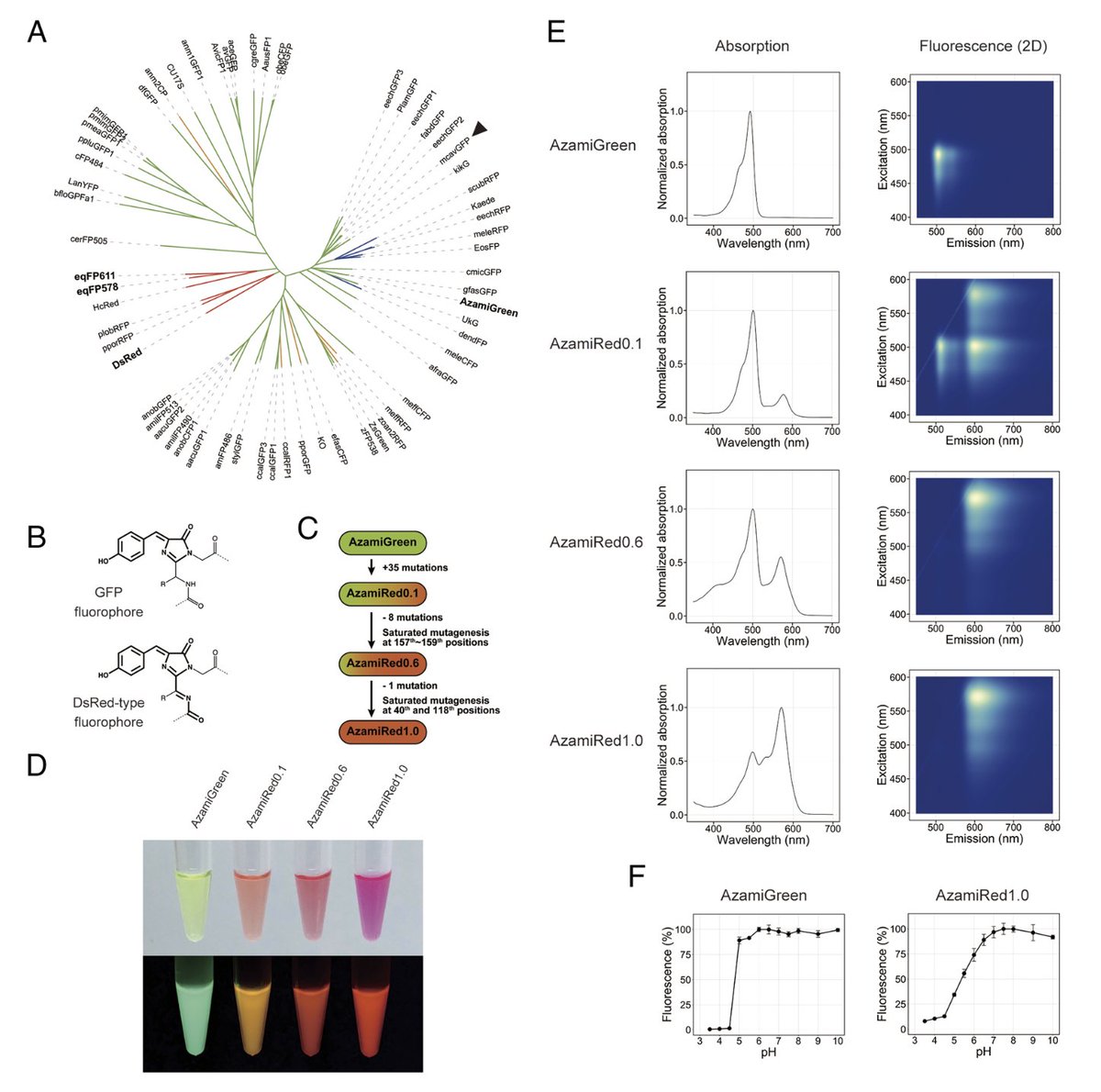
Red fluorescent proteins engineered from green fluorescent proteins
pnas.org/doi/abs/10.1073/pna…
2
57
243
33,835
Yi (Eason) SHEN 沈溢 retweeted
18 Oct 2023
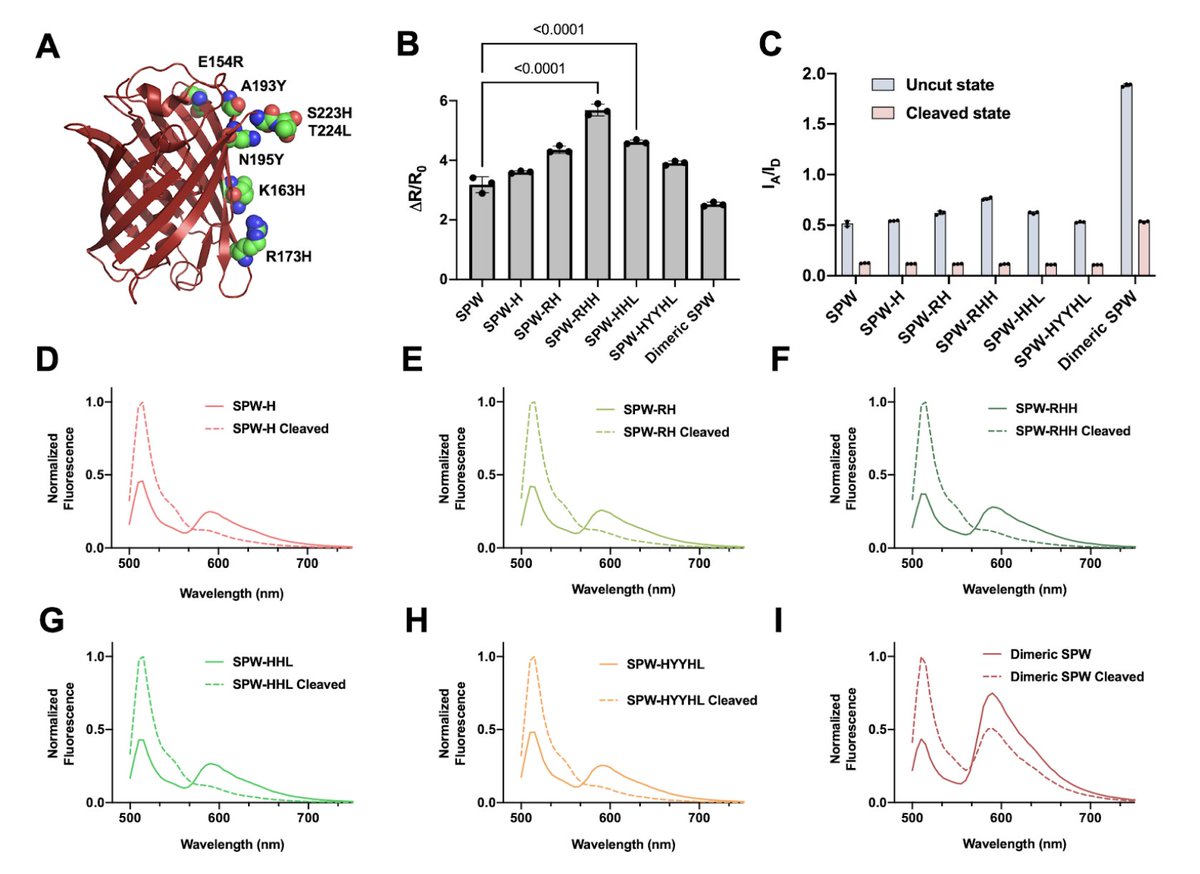
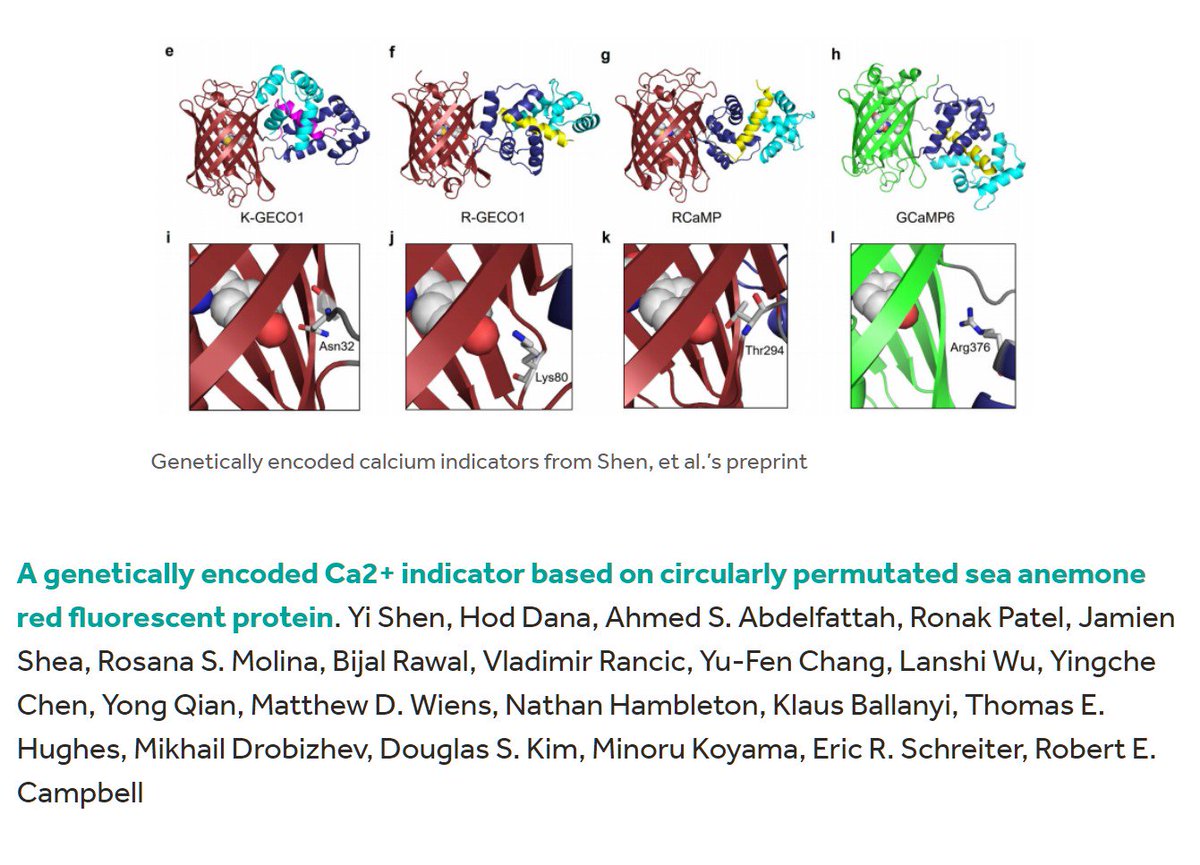
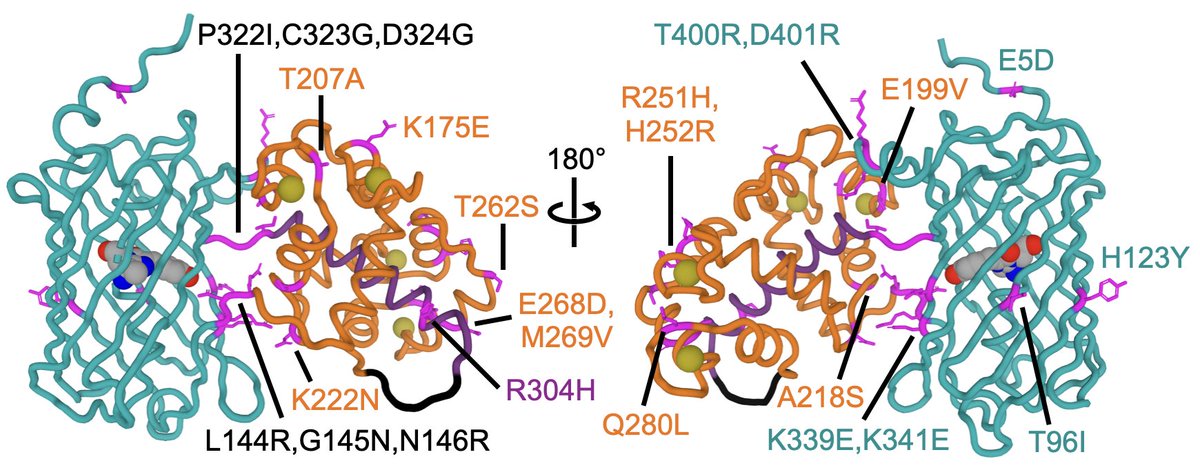
Thrilled to share a new teal Ca2 indicator! #TGECO is a blue-shifted biosensor with high SNR & enhanced 2P absorption, great for #multiplexing in vivo!🧵
See preprint below⬇️
biorxiv.org/content/10.1101/…
@Campbell_FPs @easonyshen @PodgorskiLab @AllenInstitute @HHMIJanelia @UCalgary
ALT T-GECO1 indicator structure
6
26
76
14,587
Yi (Eason) SHEN 沈溢 retweeted
15 Sep 2023
Photoswitchable binders enable temporal dissection of endogenous protein function
biorxiv.org/content/10.1101/…

22
132
15,928
Yi (Eason) SHEN 沈溢 retweeted

20 Jul 2023
Our #chemigenetic #fluorescent calcium indicator WHaloCaMP is now out on #bioRxiv : biorxiv.org/content/10.1101/… WHaloCaMP can be used to report on neuronal activity in flies, zebrafish and mice. WHaloCaMP is great for #multiplexedimaging. A 🧵:
7
63
175
38,827

19 Jul 2023
Introducing LSSmApple, a long Stokes shift red fluorescent protein, enabling the construction of 2nd gen dual-FP Matryoshka sensors for high throughput quantitative analysis with minimal spectral bleed-thru. biorxiv.org/content/10.1101/…
2
2
21
2,083
19 Jul 2023
It's been a great pleasure to work with @jejike1 @MayuriSadoine Tom Kleist @healthy_crop & others on this project! Stay tuned for more follow-ups. LSSmApple plasmid is available on @Addgene addgene.org/191259/
1
3
850
Yi (Eason) SHEN 沈溢 retweeted

12 Jul 2023
We discovered a surprisingly easy way to control the brightness of fluorescent proteins via magnetic fields:
andrewgyork.github.io/gfp_ma…
This raises fascinating scientific questions about the mechanism, and tantalizing technological opportunities for bioengineering.
45
308
1,320
230,472
Yi (Eason) SHEN 沈溢 retweeted

6 Jul 2023
Today in @naturemethods: our new positively tuned voltage indicator, ASAP4e, for extended electrical recordings in the brain.
ASAP4e achieves greater responsivity (>200% per 100mV vs 50% for other fluorescent voltage sensors) and better photostability.
nature.com/articles/s41592-0…
7
57
211
38,401
Yi (Eason) SHEN 沈溢 retweeted
4 May 2023
iGluSnFR3 is published! Check it out⬇️
nature.com/articles/s41592-0…
We made a new glutamate indicator with improved sensitivity, kinetics & localization for imaging synaptic transmission.
This is #iGluSnFR3 in action detecting minis w/ TTX.
@PodgorskiLab @HHMIJanelia @AllenInstitute
27
246
1,022
131,539
Yi (Eason) SHEN 沈溢 retweeted

29 Dec 2022
The latest versions of genetically encoded L-lactate biosensors, LACCO series, are out in bioRxiv: a second-generation green fluorescent extracellular biosensor eLACCO2.1 and a red fluorescent intracellular biosensor R-iLACCO1. #lactate #biosensor biorxiv.org/content/10.1101/…
4
11
44
7,779
Yi (Eason) SHEN 沈溢 retweeted

7 Nov 2022
Our article reporting hyperfolder YFP (#hfYFP) and other fixative-resistant fluorescent proteins based on #mGreenLantern is now available at @naturemethods. hfYFP enhances electron- and expansion-microscopies, protein purification, and so much more! 🧵nature.com/articles/s41592-0…
13
123
504
Yi (Eason) SHEN 沈溢 retweeted

7 Sep 2022
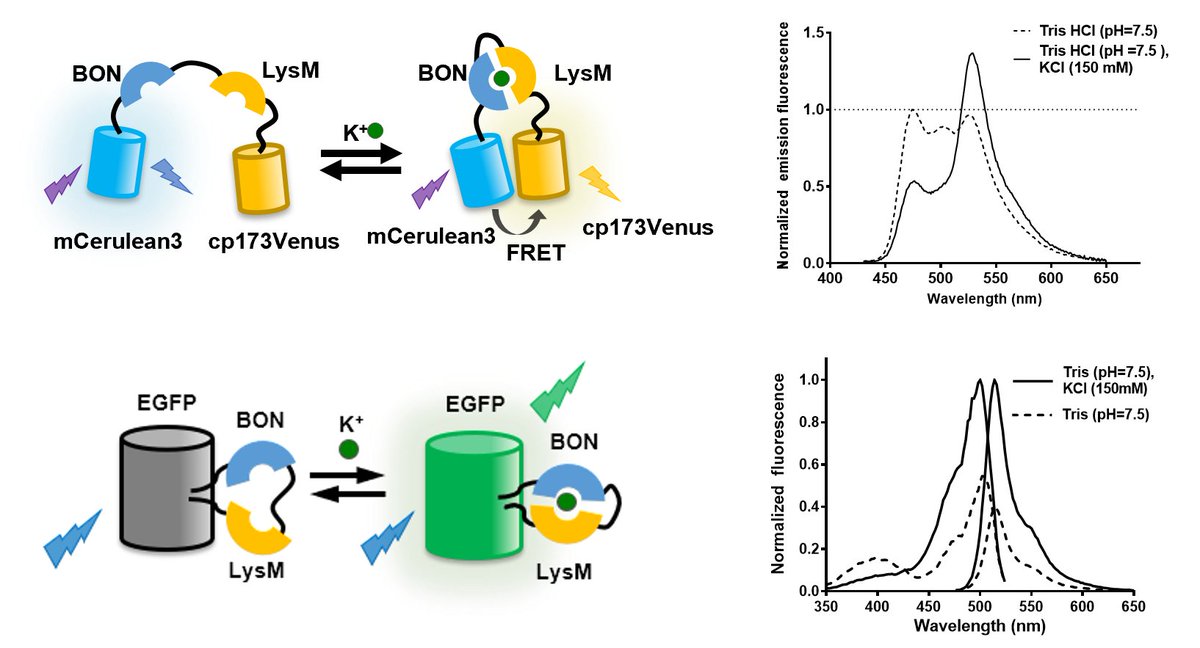
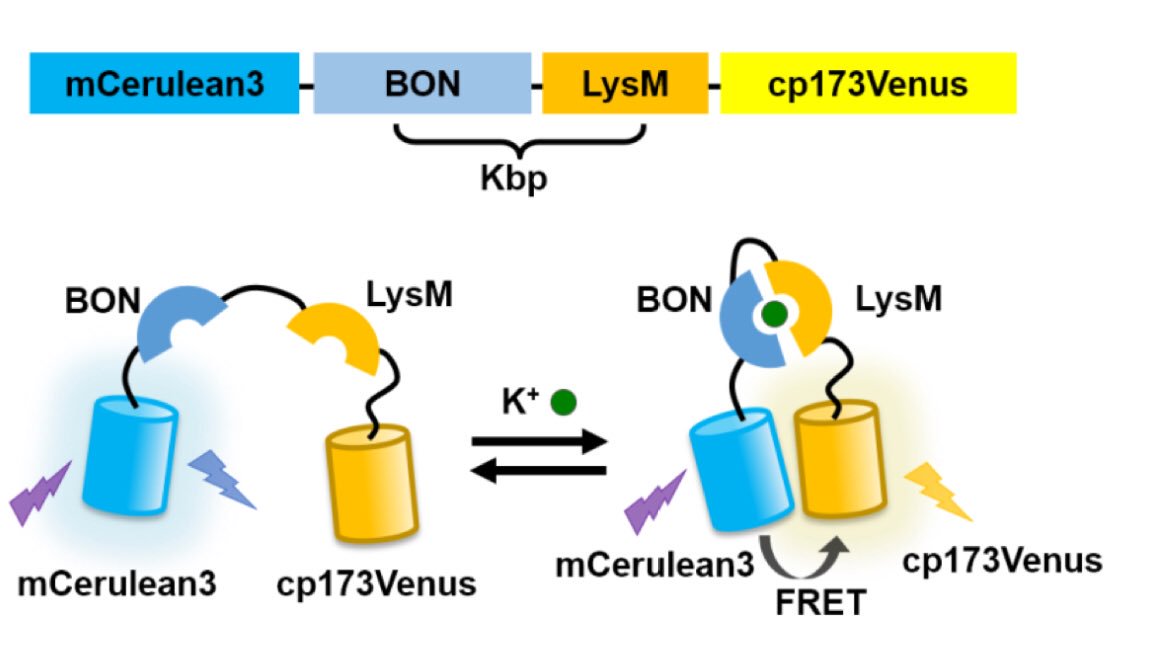
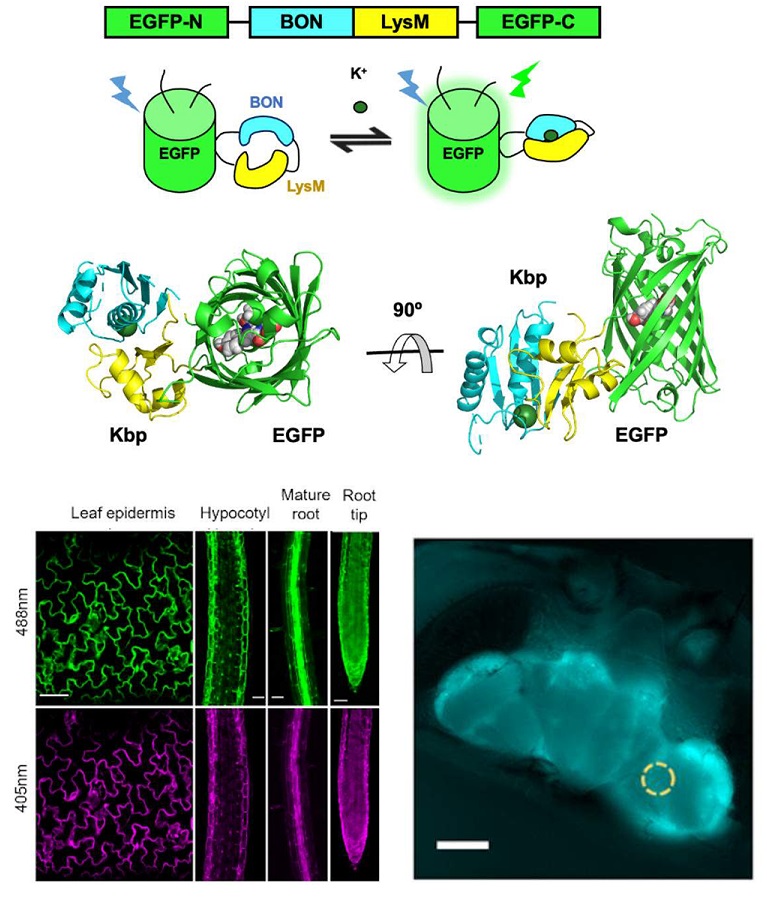
#Potassium ions are an essential electrolyte in all biological systems. @easonyshen @Campbell_FPs &co describe high-performance genetically encoded K sensors to enable in vivo measurement of [K ] across multiple model organisms #PLOSBiology plos.io/3BkdEa3
9
15
Yi (Eason) SHEN 沈溢 retweeted
1 Sep 2022
Are you interested in a red fluorescent genetically encoded biosensor for extracellular L-lactate? Please check out our preprint on R-eLACCO2! biorxiv.org/content/10.1101/…
Thank you so much, everyone contributing to this project! @Campbell_FPs
2
11
48
Yi (Eason) SHEN 沈溢 retweeted

28 Aug 2022
8
72
552
Yi (Eason) SHEN 沈溢 retweeted

24 Aug 2022
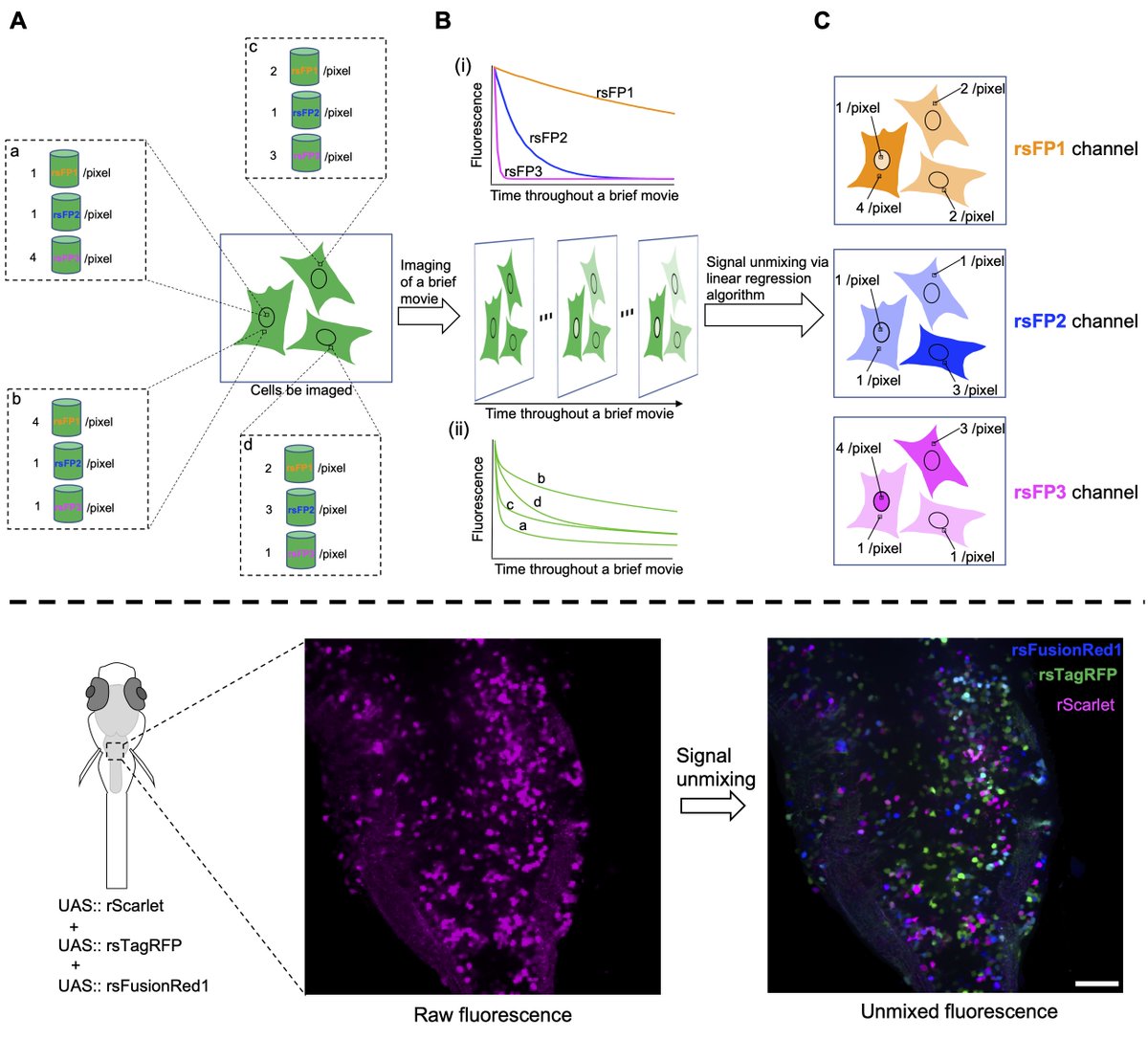
How to do “multicolor imaging” with a “single color channel” on an ordinary fluorescent microscope? Here we show that temporally multiplexed imaging (TMI), a new principle of imaging, can do this magic.
7
24
111
Yi (Eason) SHEN 沈溢 retweeted

29 Jun 2022
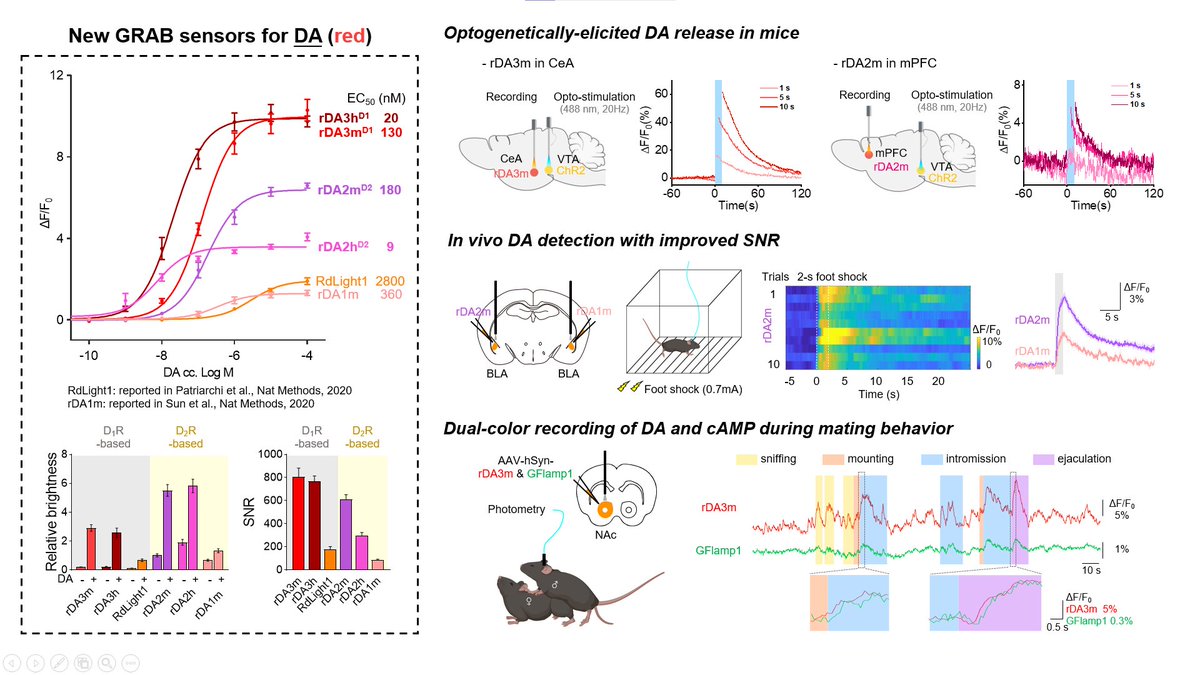
Dopamine signals in RED! New rGRAB-DA sensors provide much higher in vivo sensitivity and SNR, and enable multiplex imaging with green sensors. #GRAB_sensors
2
59
353
Yi (Eason) SHEN 沈溢 retweeted
28 Jun 2022
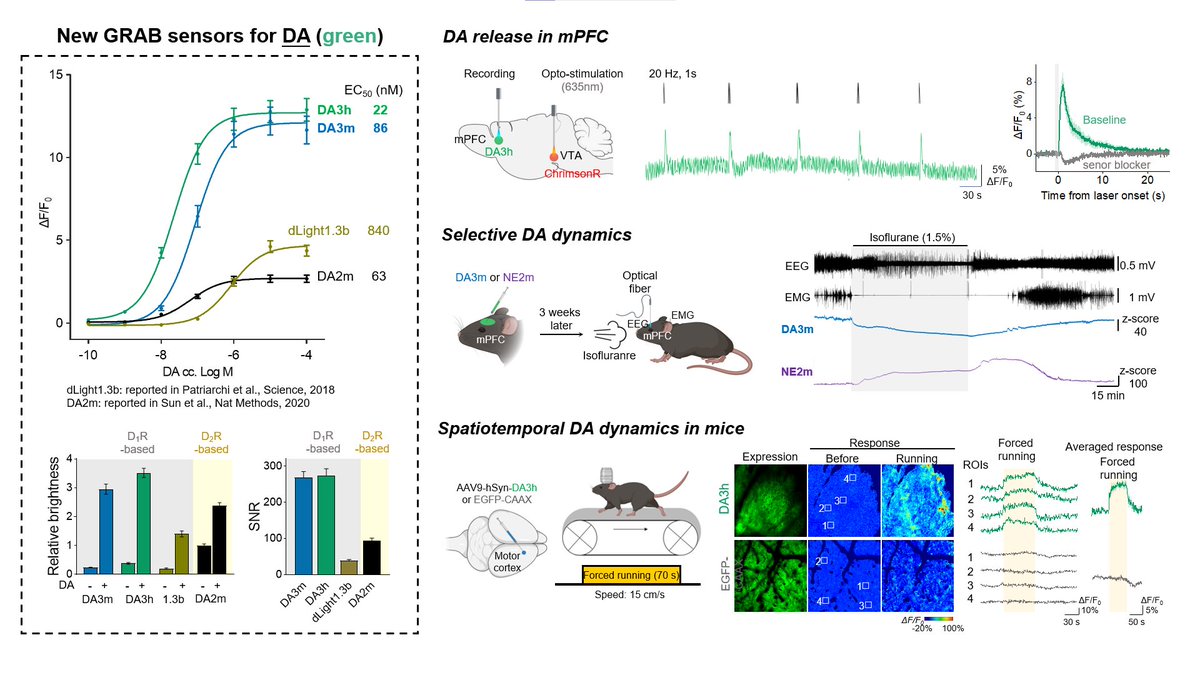
Greatly improved green GRAB-DA sensors enable detection of cortical dopamine dynamics in vivo!
7
85
424