
Joined February 2011
- Tweets 521
- Following 455
- Followers 123
- Likes 19,072
26 Photos and videos















Jun 9
Likewise, my only motivation is to help people avoid the suffering I experienced. Long term Benzos and SSRIs *can* cause long term disability and suffering if not tapered properly. Not for everyone, but for enough people that it should be talked about before starting them.
Jun 8

I never planned to do advocacy work or write posts about iatrogenic harm. I don't have a political motive. I just want my life back and all the lost years. I also want people to listen to me and change the flawed system so others can be spared from avoidable tragedy caused by #SSRIs.
2
1
10
489
Jun 9
Long term benzos, used as prescribed, can cause tolerance. The disability of this brings can be unbelievably hard to overcome.
It may take years until you find support groups like benzobuddies.org and the pieces all fall into place
And the anger over lost time sets in
46
Laura Devlin retweeted

Jun 5
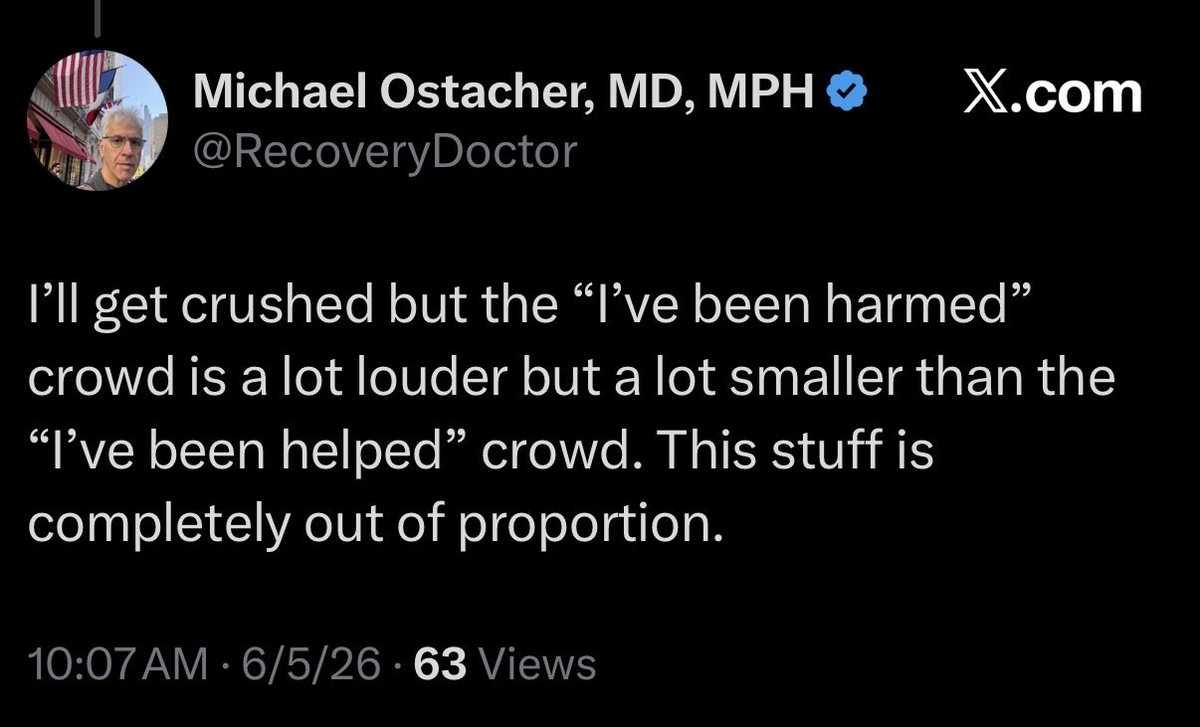
I wonder when he’ll figure out they’re the same people at different stages of “treatment”?
7
32
109
4,512
Jun 4
I had everything tested
Tachy and PVCs were “normal” according to cards
“New onset IBS” from gastro, try low FODMAP
Vision issues? perfect eye exam
balance issues? normal brain MRI
Vestibular testing - normal
It’s a horrifying medical no-mans-land

If I’d gone to a doctor and told them all my symptoms when I came off 50mg sertraline, they would’ve diagnosed me with a severe gastric disorder(s), eating disorder, sexual dysfunction, hypothyroidism, chronic fatigue, depression, anxiety, suicidal & homicidal ideation, agitation, sleep disorder, cognitive impairment/early onset dementia, panic disorder, hypotension, postural hypotension, tachycardia, palpitations, rashes of unknown origin, and anaemia. They would’ve sectioned me, detained me, and ‘scoped’, scanned, poked and prodded most of my body.
I never went near a doctor, managed it all myself, not a single pharmaceutical. It was terrifying and it was hell. I had not had these symptoms prior.
Using a private laboratory - all my bloods are now 100% normal (they were a train wreck for a while) and I’m about 95% better - some lingering gut issues & zero tolerance for BS, which I’m still working on.
1
3
78
Jun 4
We just can’t test for the damage caused by psych meds yet
Thousands spent on testing!
So many appointments
Years of research
Some doctor saying “that’s from the meds” would have been so helpful
1
20
Laura Devlin retweeted

May 30
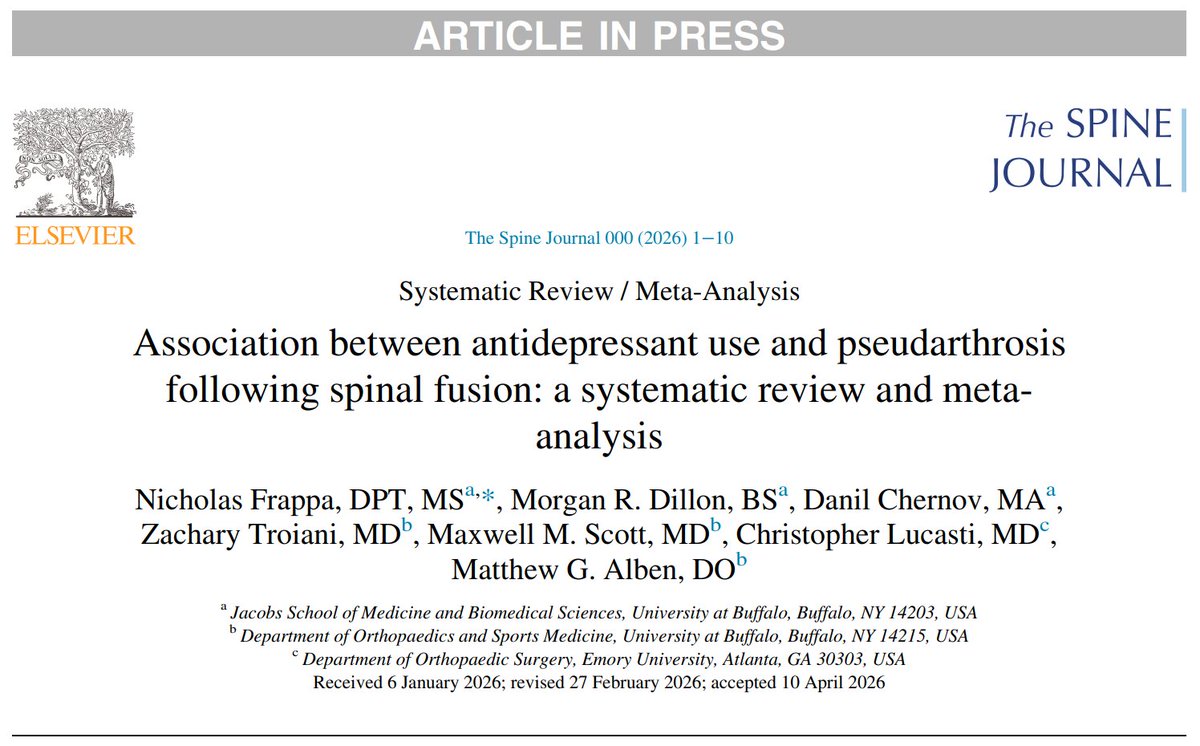
Serotonin plays a crucial role in bone health & SSRIs have chemical effects on bone.
In this NEW STUDY, serotonergic antidepressants (eg SSRI/SNRIs) were associated with more than a 2-fold increase in the odds of nonunion following spinal fusion.
"exposure to SSRIs impairs osteoblast differentiation, reduces mineralization, & degrades trabecular bone microarchitecture, reflecting a shift toward impaired bone formation & increased resorption." thespinejournalonline.com/ar…
8
39
117
7,682
Laura Devlin retweeted

May 30
People are never told this: The longer you remain on antidepressants the chances of turning an episodic emotional struggle into chronic disability increases dramatically.
25
46
271
11,724
Laura Devlin retweeted

Call for volunteers: CALLING ALL PEOPLE LIVING IN CANADA WHO HAVE BEEN PRESCRIBED AN ANTIDEPRESSANT! Mad in Canada has created a short survey aimed at shedding light on the informed consent process experienced by adults who are living in Canada, and who have been prescribed antidepressants at some point in their life. Our survey is not about whether people should or should not take antidepressants. It’s about what people are being told about the potential effects of antidepressants, when they are prescribed. Learn more and take the survey here. madincanada.org/2026/05/call…
14
41
96
14,767
Laura Devlin retweeted
Our analysis of the FDA approval of escitalopram in children with anxiety is finally published. In the approval trial, children were more likely to become suicidal on escitalopram than to improve, yet the drug was approved. We reveal the pro-drug bias of the regulatory system which is not protecting children's welfare. @markhoro @NaudetFlorian. journals.sagepub.com/doi/10.…
15
87
205
23,971
May 28
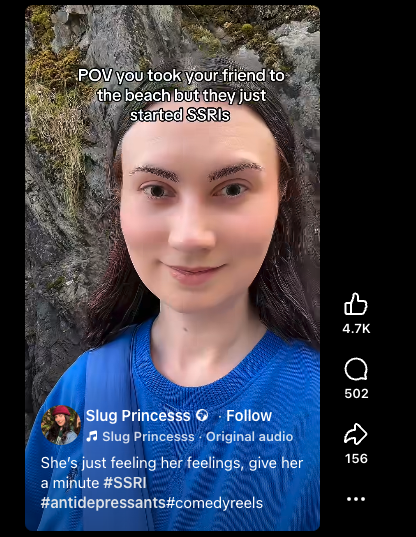
Horrifying. That blank feeling lasts well beyond discontinuation of the medication in many people. What are we doing to our brains? I’m glad there’s more discussion about it. The comments on the fb post are telling.
Link below

This is a widely shared 'reel' on 'the Facebook' that has 750k views illustrating someone's experience of being numbed emotionally and cognitively dulled. One comment is 'why are those pupils so enlarged while the feelings so dampened' pointing to the overlap pharmacologically and phenomenologically with recreational drugs. Link below.
1
2
48
Laura Devlin retweeted
May 28
I've got a question that's been bugging me:
If Bipolar Disorder is cured with a Ketogenic diet... wasn't the original problem metabolic illness & just mischaracterized as a psychiatric illness?
That's not how modern psychiatry understands it, communicates it, or treats it. Although I tend to agree — we shouldn't use the term as if it's a discrete medical illness. Where else is this done in medicine?
A colleague of mine diagnosed with IBS lost 60lbs in 7 months on the ketogenic diet. No longer experiencing IBS symptoms. Blood pressure under control. Go to our sick care system and they will want to give you an antidepressant (SSRI) as a front line treatment — without any examination of diet or lifestyle.
This is centralized healthcare.
The ketogenic diet in mental health works because it helps people eliminate the poison. It removes the ultra-processed carbohydrates, the seed oils, the food additives, the sugar that feeds inflammatory processes. It forces the body to return to its evolutionary preference for fat metabolism.
Of course people feel better. They've stopped poisoning themselves. Many also got off toxic pharmaceuticals that create metabolic disease at the same time.
But let's be crystal clear: this isn't "curing mental illness" in the way it's being marketed. This is removing the chemicals that were making you sick in the first place. There's a fundamental difference — and that difference matters when we're talking about human suffering and how to address it.
I work with eating disorder clients, so I am used to behavioral interventions. I have implemented ketogenic diets with some, others shifting diet completely away from chemicals and processed junk. It's life changing — and more valuable than most interventions in mental health.
AWAKEN.
45
51
249
10,917
Laura Devlin retweeted

i think some of us were designed for small villages where we could become permanently fond of like twelve people and one strange bird.
78
680
5,657
95,683
Laura Devlin retweeted
16 Oct 2025
This realization can definitely kick a leg out from under you. As a pharmacist this was hard to accept, but my own suffering was clear evidence that I could no longer ignore.
15 Oct 2025
As someone who has previously vociferously defended antidepressants for years (as strongly as some of the ideological warriors on here) I can attest to the incredible cognitive dissonance produced when facing disputing evidence. Totally understand it
10
28
2,135
Laura Devlin retweeted

May 23
The average psychiatric drug trial submitted to the FDA lasts just 6 to 8 weeks.
Yet many people remain on these medications for months, years, and sometimes decades.
Most patients never hear this, and many assume that long-term prescribing means long-term safety and effectiveness have been established.
I assumed that too for many years– until I realized how wrong I was.
@smerconish
19
57
237
20,359
Laura Devlin retweeted

13 Apr 2023
Did you know Eli Lilly, maker of Prozac, secretly paid the victims $20 million to help ensure a verdict exonerating the drug company in mass shooting lawsuit 30 years ago?
usatoday.com/story/news/nati…
28
199
328
14,888
Laura Devlin retweeted
15 Dec 2025
My psychiatrist had “never seen someone have problems with tolerance or withdrawal” like I had.
Translation: he increases doses to mask tolerance and his patients never come off their Benzos.
14 Dec 2025

When clinicians say “we don’t see this”when talking about iatrogenic harm what they actually mean is “our framework doesn’t allow us to see this”.
That’s a very important distinction.
2
12
66
2,763
May 19
Can we look into what’s really happening to the nervous systems of patients?
Withdrawal of the drug is a matter of days to weeks- why do people have brain zaps months to years later?
This is nervous system damage.
May 19

“These recommendations reflect the widespread belief that withdrawal symptoms are mediated simply by the time taken for the drug to be eliminated from the body….a clearly absurd proposition to anyone who has experienced withdrawal effects for more than a few days after stopping”
3
104
May 18
Absolutely. I have lots of friends that tried to come off and by 3-4 mos, it becomes unbearable. Worse anxiety and dep than they had before.
If you taper fast, this is absolutely a thing
Kindling on repeat
This makes the likelihood of successfully coming off later much harder
May 17
Delayed onset SSRI withdrawal is the elephant in the room.
Once you see it a lot of the confident claims about SSRIs start to look very shaky:
-the relapse studies claiming long term effectiveness
-the confident claims by clinicians that they ‘rarely see withdrawal’ (because they automatically categorise it as relapse)
-the claims of people really needing the meds because they always rapidly deteriorate after a few months…
indeed it starts to question how inflated the chronic nature of depression itself is for many people even the accuracy of diagnoses themselves.
How many chronically relapsing patients are just in withdrawal?
If delayed onset withdrawal is real and far more common than we have been lead to believe (and I think it is) it calls into question much of what has been claimed about SSRIs for the last 40 years…
2
7
489
May 19
I should add - if they restart at 3-4 months (failed taper and restart) that can lead to kindling and subsequent tapers can be more challenging.
24
Laura Devlin retweeted

It’s time to listen to us patients who have been harmed. I’m not here to scream at you but help make reforms so that others aren’t harmed as I and my clients have been. This is a public health emergency in my opinion.
May 17

If we want to improve mental health care, psychiatrists need to be part of the conversation, not excluded from it.
At the @APApsychiatric meeting this week, there was discussion about government efforts to influence or change prescribing practices for antidepressants and other psychiatric medications. Some psychiatrists voiced concern about what they see as “government interference” in clinical care.
At the same time, there are many people who feel harmed by psychiatry, harmed by medications, or unheard by the mental health system. Their experiences matter too. Dismissing them is neither compassionate nor scientifically responsible.
These tensions are real.
Psychiatry has helped millions of people. It has also fallen short, or even harmed, others. Both things can be true.
If we want meaningful reform, it cannot come from attacking psychiatrists, nor from psychiatrists becoming defensive and refusing criticism. Real progress will require humility, open scientific inquiry, honest discussion of benefits and harms, and collaboration among clinicians, patients, researchers, families, and policymakers.
The goal should not be protecting institutions or ideologies.
The goal should be helping people recover and live better lives.
7
10
62
2,188