
262 Photos and videos








May 25
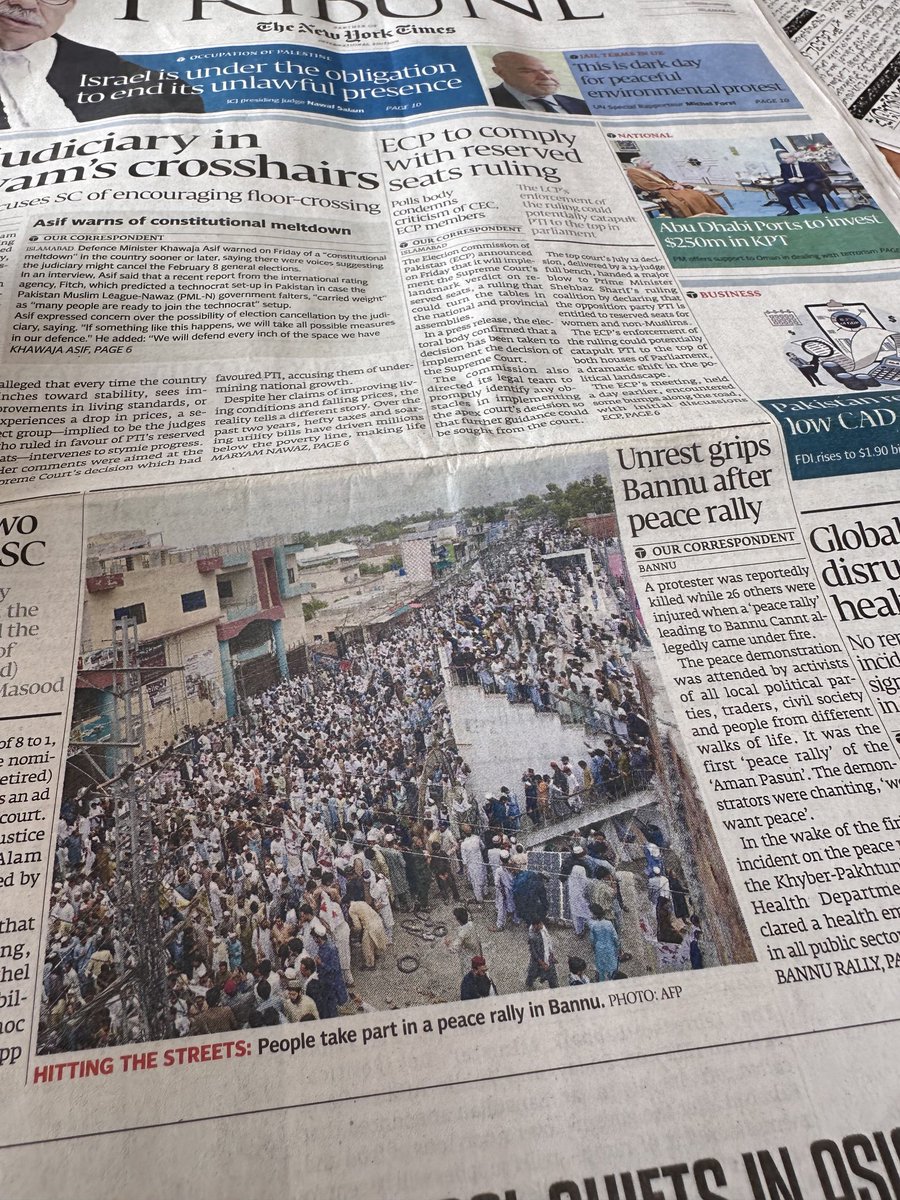
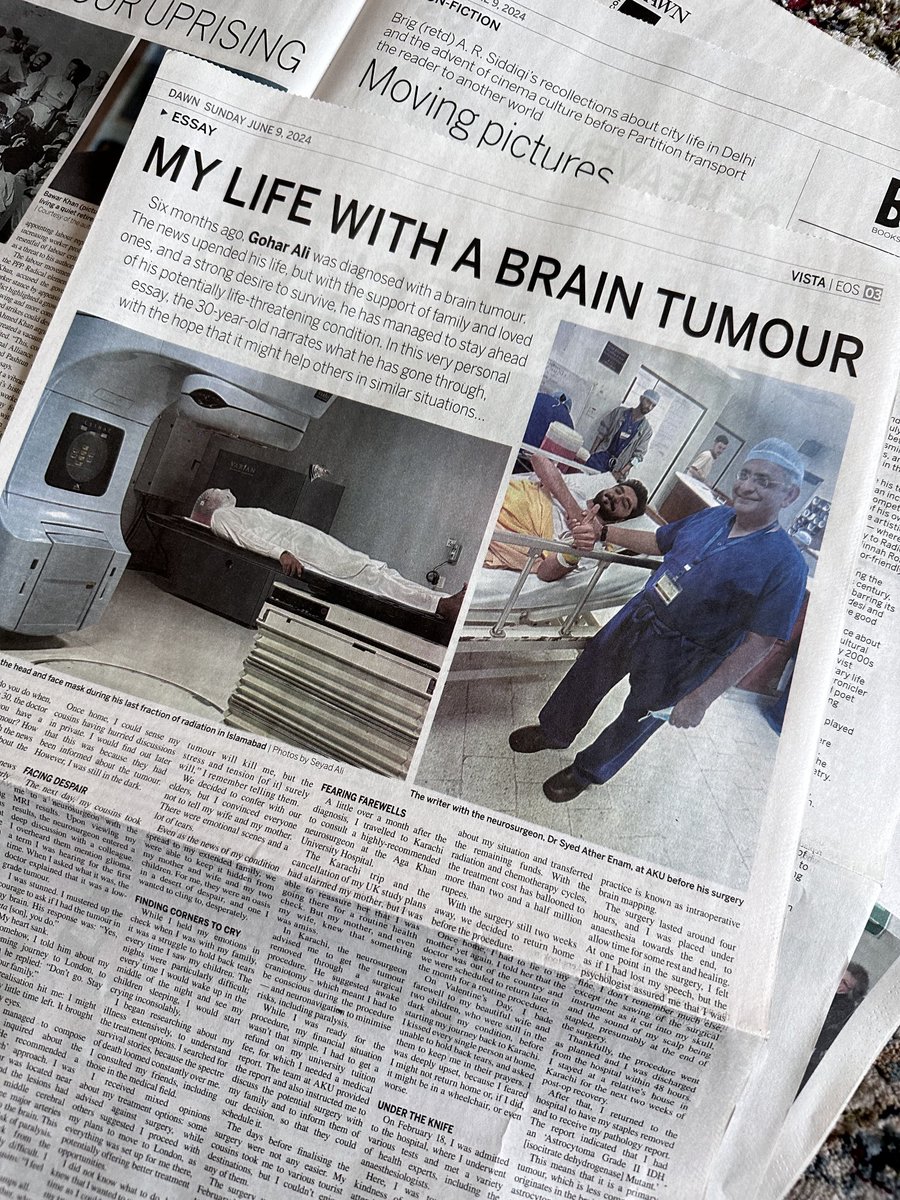
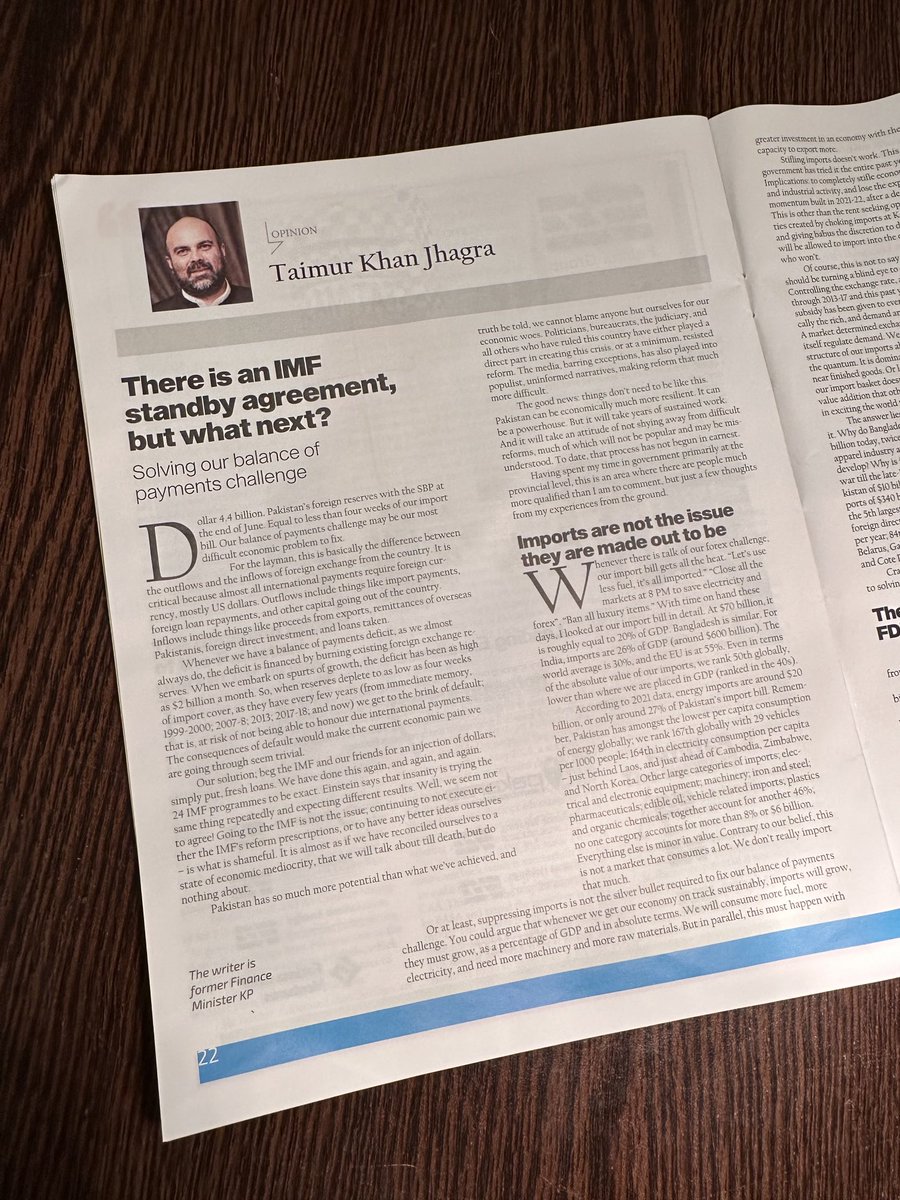
Hey @hecpkofficial - is the approved curriculum of your BS biotechnology and BS Bioinformatics still relevant today?
May 25

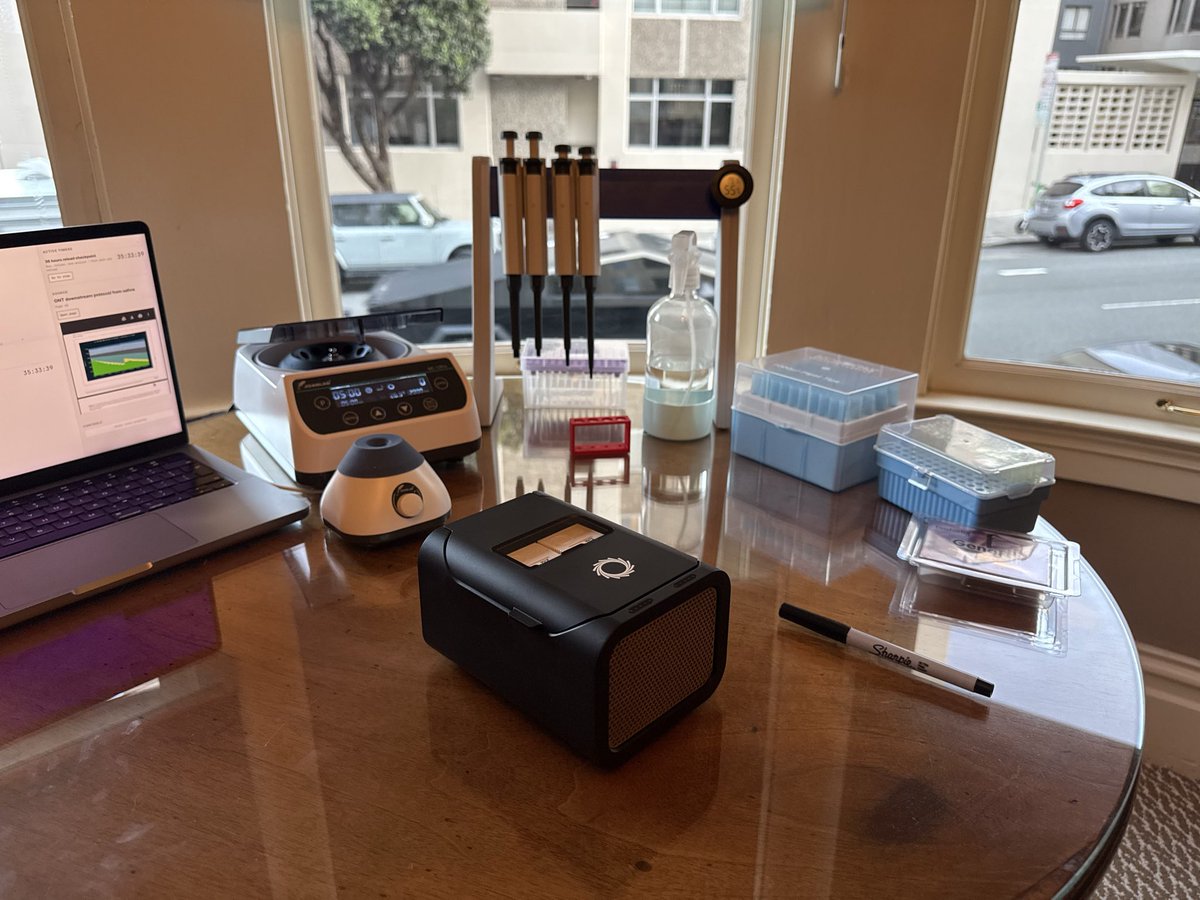
I just sequenced a human genome to 30× coverage entirely at home.
As far as I know, this is the first time this has been done.
I didn’t step foot in a lab once. Every step - from saliva collection, to running the sequencer - took place in a single room with a dining table kitchenette.
Six weeks ago, I had never done wet lab biology before.
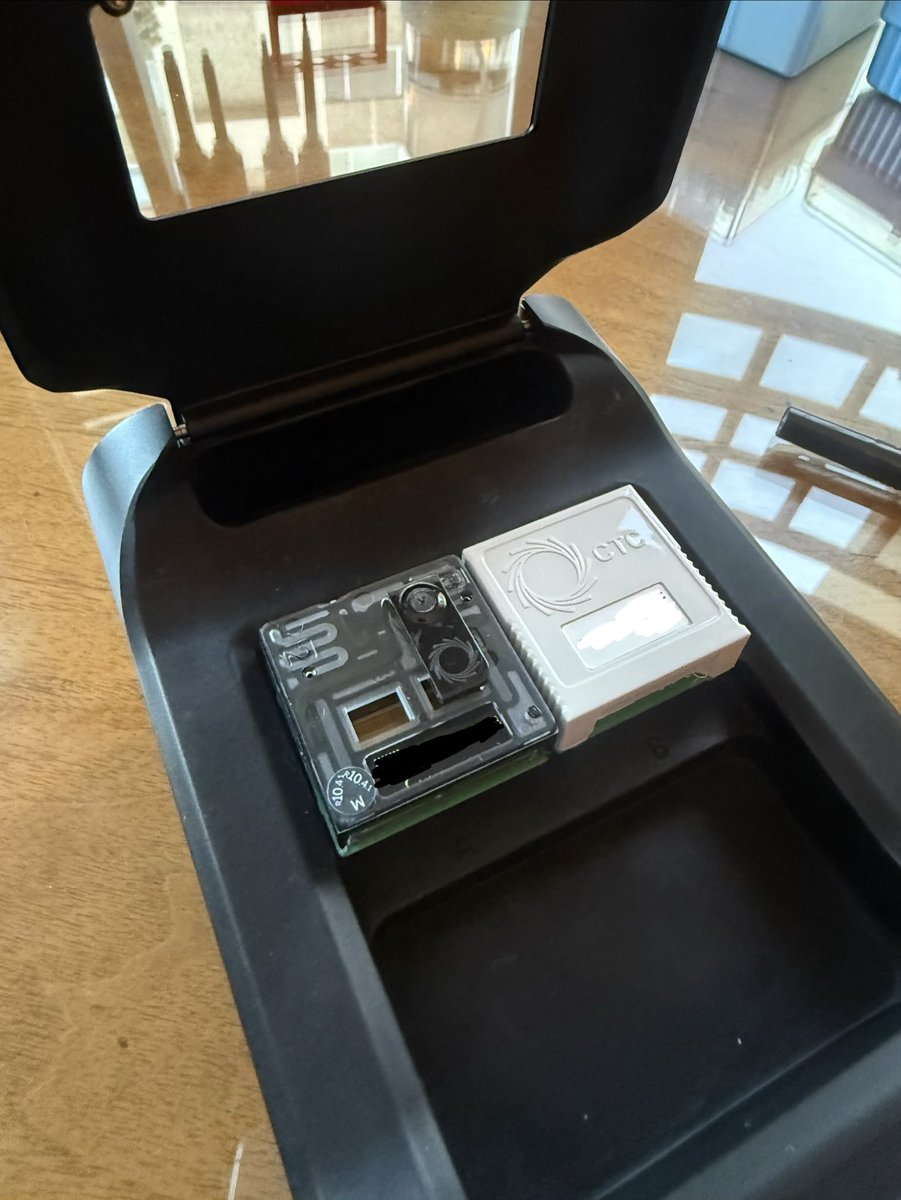
I used an Oxford Nanopore P2 Solo - the only commercially available sequencing device portable enough to do 30x human genome sequencing at home.
Biggest takeaway - I could build something that combined software, hardware, and molecular biology far faster than I thought was possible.
I can name >100 specific instances where AI helped me solve a technical problem that would previously have blocked me because I lacked access to a domain expert.
For example: how do I save my sequencing run when my DNA extraction yield is 4x lower than I need it to be, and I have this limited set of reagents to hand?
To make this work, I had to navigate multiple disciplines:
- writing software to monitor sequencing runs and orchestrate remote GPU infra for basecalling
- learning executing 5 hour long molecular biology protocols
- building a hardware device to quantify DNA concentration
Apologies for the hyperbole, but I feel super lucky to be living in 2026.
A few weeks ago I decided to sequence a human genome to 30x at home.
Then I actually did it. And I did it really quickly.
4
502

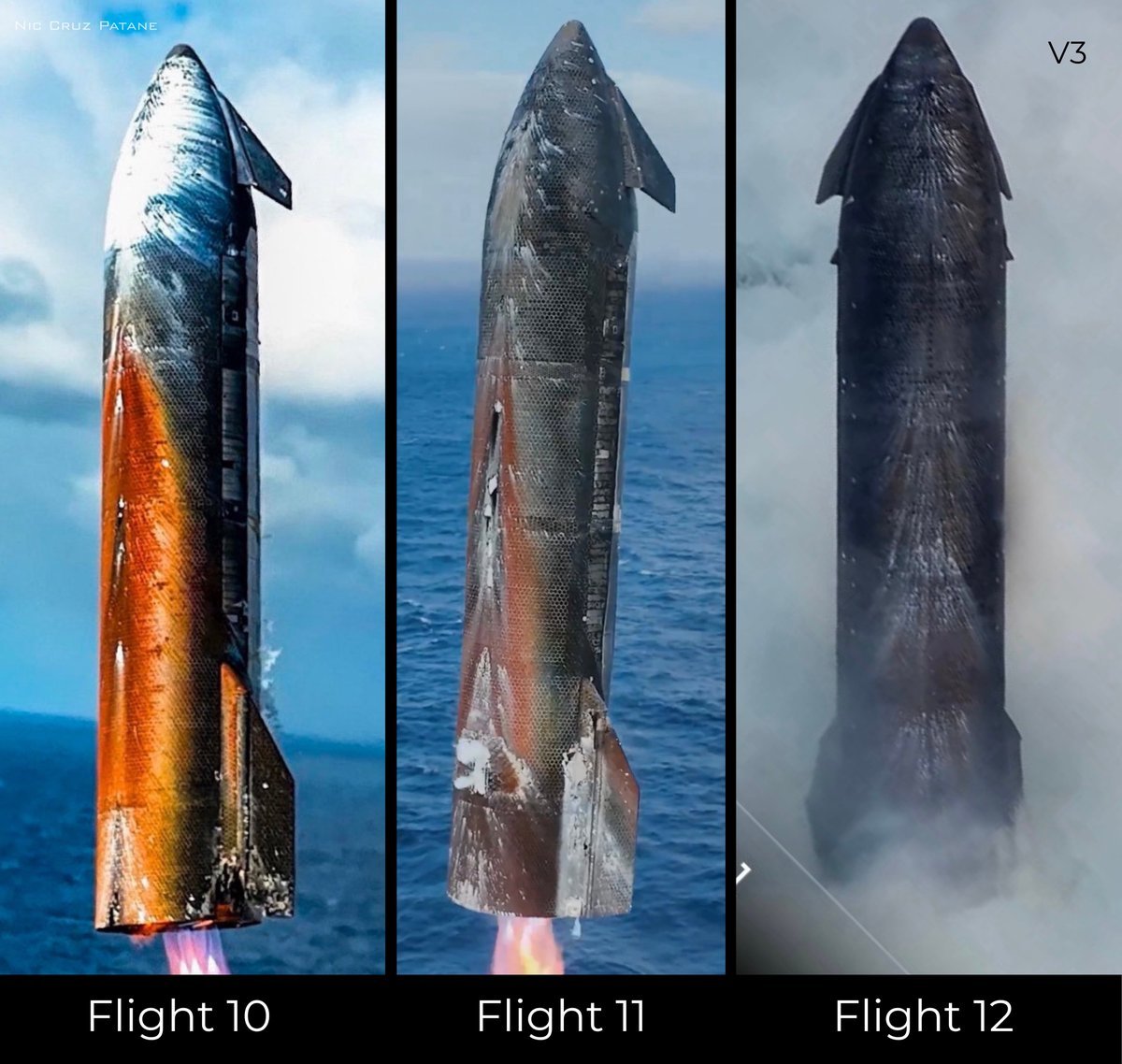
The Starship V3 heat shield held well
May 23

We need heat shields to protect us, since we use the air to slow us down as we return to Earth.
From orbital speed, it gets to 1650°C / 3000°F. From the Moon: 2750°C / 5000°F.
For yesterday's Starship suborbital test flight, peak was 1450°C / 2600°F. Great to see the @SpaceX progress over the last 3 flights. Making them truly reusable is complex and necessary for permanent, cheap space access.
image compilation: @niccruzpatane
6,015
14,559
165,266
39,270,428
Faisal Khan retweeted

May 12
biotech is the best place to be right now
May 12

Today marks a pivotal moment for Isomorphic Labs. We have secured $2.1 Billion in our second external funding round, led by Thrive Capital. They are joined at the table by Alphabet, GV and new investors MGX, Temasek, CapitalG and the UK Sovereign AI Fund.
This milestone accelerates our ability to build the pioneering novel AI models that power our AI drug design engine (IsoDDE) and deploy them at scale: delivering scientific breakthroughs with a precision previously thought impossible, accelerating and expanding our pipeline of therapeutic programs toward the clinic. All with the ultimate goal of delivering life-changing new medicines to patients.
Moving forward, we will scale our drug candidate pipelines across multiple therapeutic areas, expand our global footprint, and push the boundaries of frontier AI research to power our drug design engine.
Deeply grateful to everyone sharing our vision to solve all disease with AI. Let’s build the future of medicine.
Read the full announcement here: bit.ly/4v2OI03
3
1
78
5,807
Faisal Khan retweeted

May 12
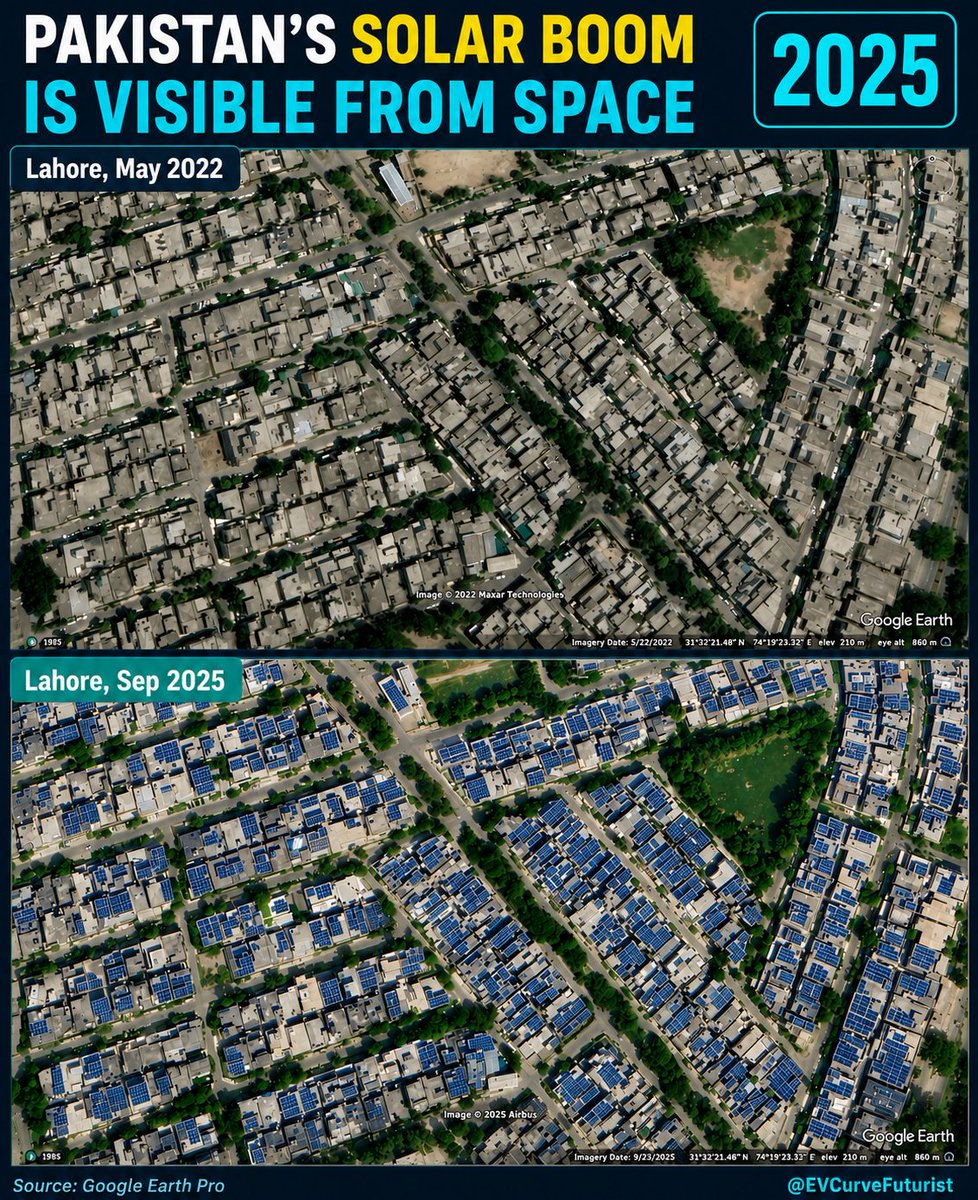
Pakistan may be accidentally building one of the world’s first decentralised #solar economies. The craziest part? Real scale barely shows in official stats. Imported 51.5 GW solar panels by late 2025—nearly = entire grid. Yet registered net-metered rooftop solar just 5.3–6.8 GW.
What makes this story so extraordinary is the speed.
In only a few years, Pakistan appears to have gone from a relatively minor solar market to potentially sourcing around a quarter of its electricity from solar once distributed generation is included.
👉 ~16.6–17 GW solar imports in 2024
👉 ~18 GW solar imports in 2025
👉 ~51.5 GW cumulative imports by late 2025
👉 Rooftop solar: ~1.3 GW → 4.1 GW in 2024
👉 ~5.3–6.8 GW registered rooftop solar in 2025
👉 24 GW estimated behind-the-meter/off-grid
👉 Solar potentially ~25% of actual electricity use
The massive gap between imported panels and officially registered systems strongly suggests tens of gigawatts are now operating quietly on homes, farms, factories and businesses across the country.
This increasingly looks less like a normal energy transition and more like large-scale consumer-led grid defection.
And economics is driving nearly all of it.
Electricity tariffs surged. Diesel prices climbed. Blackouts remained common. Meanwhile ultra-cheap Chinese solar panels and falling battery prices made self-generation economically irresistible.
So millions effectively made the same calculation:
Generate your own power, or remain trapped inside an expensive and unstable system.
Once solar becomes cheaper than the grid itself, adoption can move faster than governments, utilities and even official statistics can keep up with.
This isn’t gradual transition by any stretch. It may ultimately become a blueprint for how energy-poor nations break free from legacy old-world energy systems dominated by fossil fuels and increasingly expensive centralised power.
It’s decentralisation at escape velocity.
This is #Bettrification.
235
1,349
4,675
401,770
Faisal Khan retweeted

Apr 27
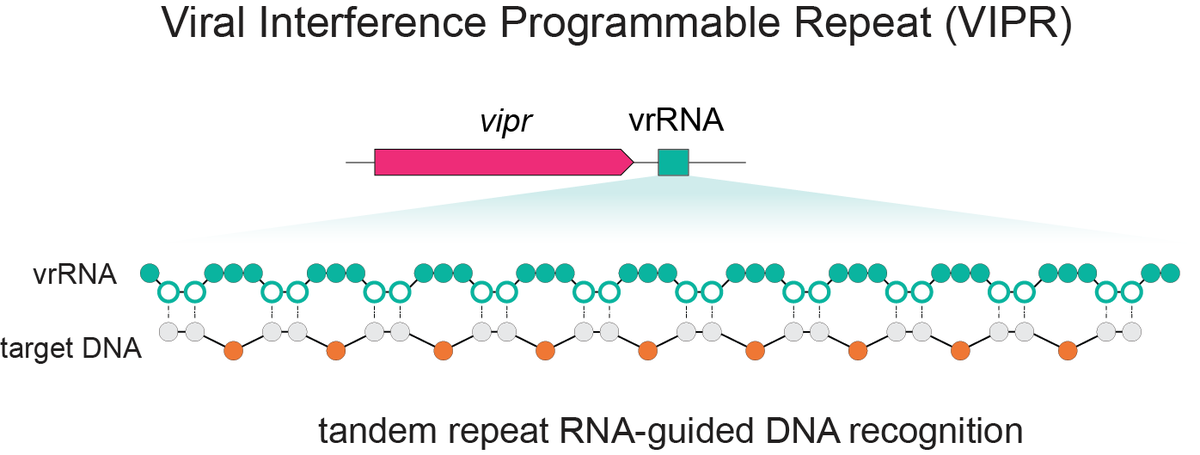
Excited to share our discovery of a new programmable RNA-guided DNA-targeting system hiding inside bacteriophages that predates CRISPR.
We call it VIPR (Viral Interference Programmable Repeat), and it uses an entirely new logic to find its targets.
Thread link below.
26
353
1,256
241,217
Faisal Khan retweeted

Apr 22
Two Pakistani candidates Muhammad Zeeshan Ali and Khurram Daud have been selected as the first foreign astronauts to train for China's space station missions, the China Manned Space Agency announced on Wednesday. #XinhuaNews
52
339
1,218
111,213
Faisal Khan retweeted

Apr 21
Following on from Kitchen table genomes/liquid biopsy. There are two forces at work, a centralization one and a decentralization one. Large companies are trying to trap everything in central data centers with proprietary data streams, giving them a moat and control, others are pushing to run AI and other things locally empowering individual users. Same is happening to bio/medical data including sequencing.
Apr 20

Microsoft just solved the context window problem.
Right now, every AI suffers from a fatal flaw: the "context window problem."
When an AI reasons through a complex problem, it generates a massive chain-of-thought. But there is a catch. It has to keep every single token of that thought in its active memory.
The technical term is the "KV Cache."
The longer the AI thinks, the heavier it gets. It slows down. It gets expensive. Eventually, it runs out of space.
We thought the only fix was renting bigger, more expensive cloud GPUs to hold all that context.
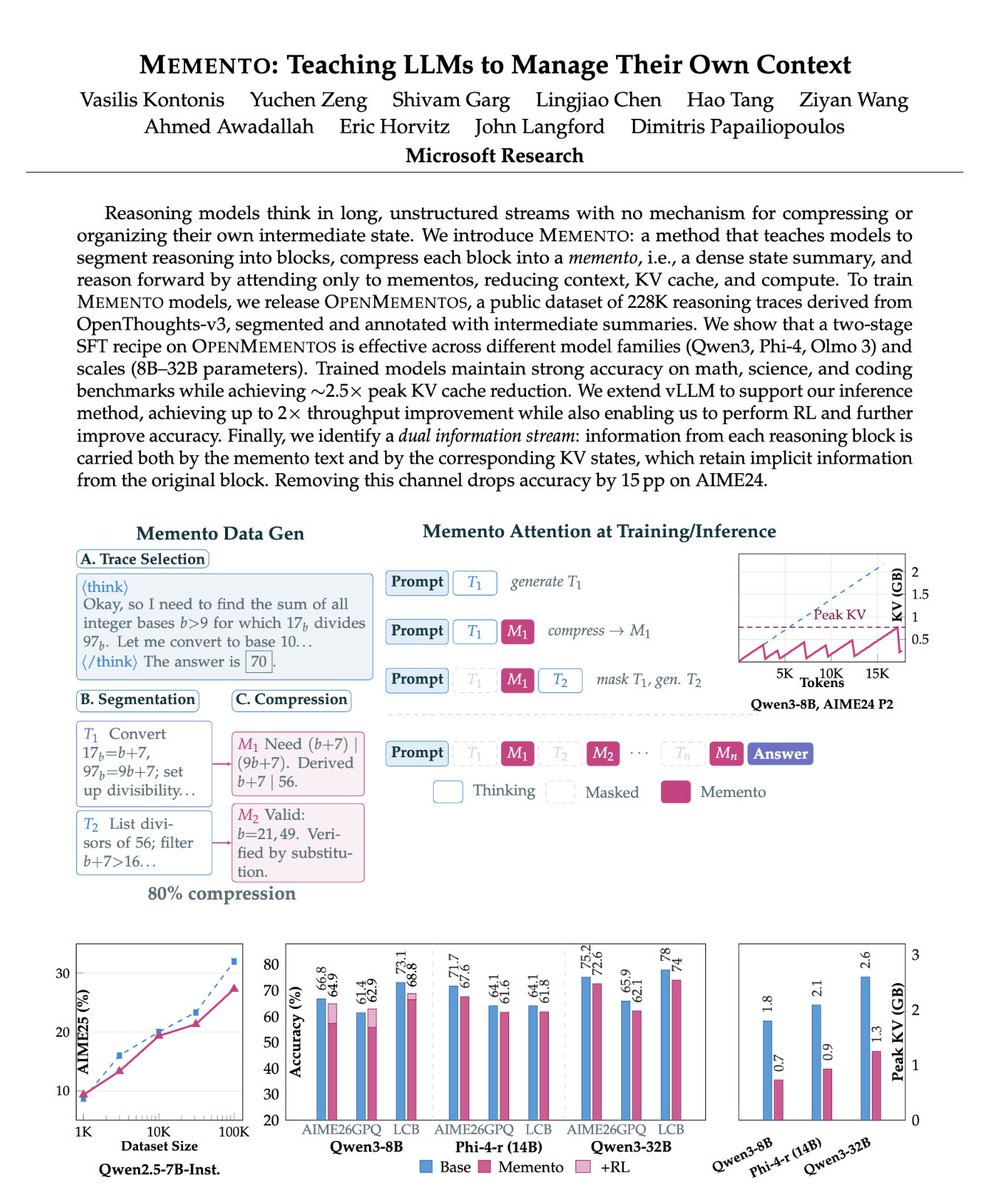
Microsoft just proved us wrong. They published a paper called "MEMENTO."
Instead of giving the AI a bigger memory, they taught it how to forget.
Here is how it works:
Instead of generating one endless stream of consciousness, a Memento-trained model breaks its reasoning into small blocks.
After it finishes a block, it writes a dense, highly compressed summary of its own logic—a "memento."
Then, it does something unprecedented.
It physically deletes the entire previous reasoning block from its memory cache.
It only carries the memento forward. The model reasons, extracts the core logic, and instantly drops the dead weight.
The results rewrite the economics of running AI.
• Context length compressed by 6x.
• Active memory usage (KV cache) reduced by 2.5x.
• Zero loss in math, science, or coding accuracy.
And here is the real implication.
Big tech has been charging you by the token for massive context windows you don't actually need.
With this architecture, small businesses and solo operators can run complex, multi-step autonomous agents entirely locally.
You don't need an enterprise cloud setup. A standard machine running an open-source model can now reason indefinitely without overflowing its memory. No API fees. Complete privacy.
We spent the last two years trying to give AI an infinite memory.
It turns out, the secret to smarter AI isn't remembering everything.
It's knowing exactly what to forget.
1
5
15
2,186
Faisal Khan retweeted

Apr 20
BREAKING: Tim Cook steps down. Ternus to CEO.
1,593
3,430
26,354
7,515,135
Faisal Khan retweeted

Apr 19
I sequenced my genome at home, on my kitchen table.
I wrote up exactly how I did it - the equipment, protocol, theory, and cost:
iwantosequencemygenomeathome…
107
759
4,712
1,221,171
Faisal Khan retweeted

Apr 15
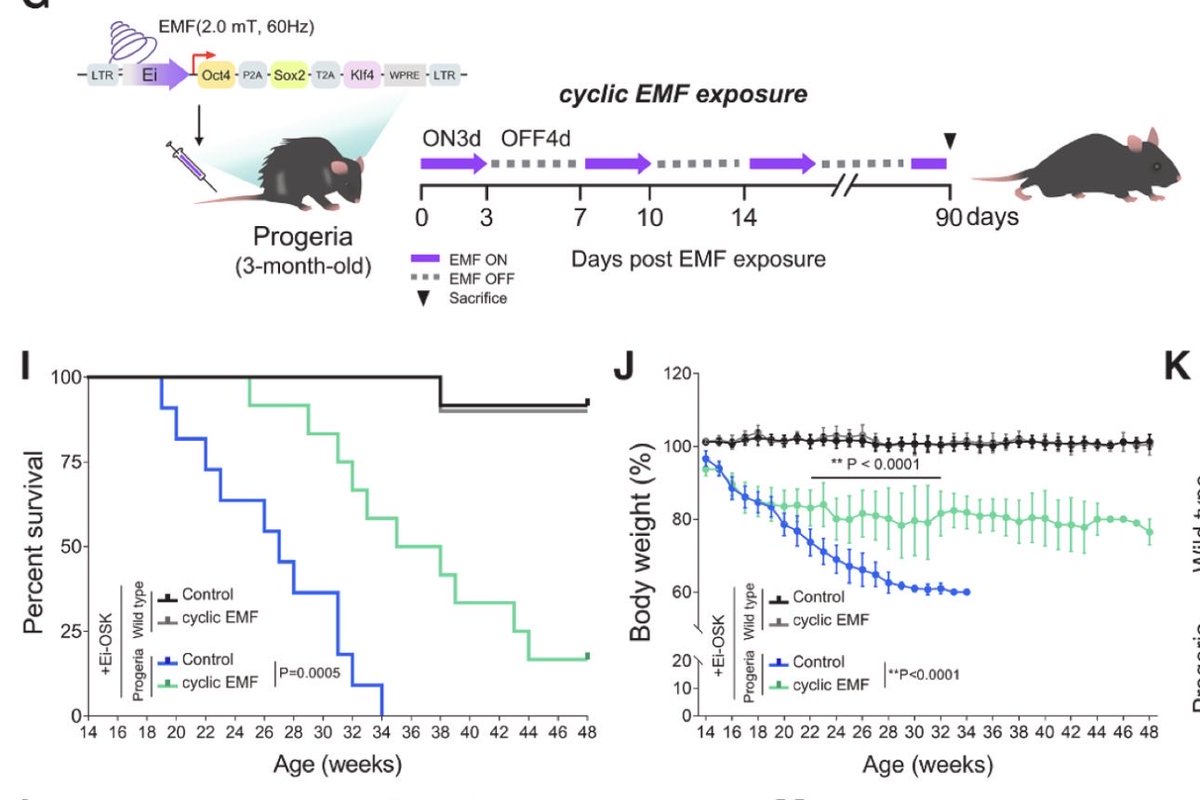
REMOTE CONTROL MICE! A group from Seoul has just published in Cell that they’ve discovered a crazy-weird protein (Cyb5b) that can be used to turn on any gene when exposed to EMFs!
They used it to turn on OSK and extend the lifespan of a progeroid mouse. More to come on this…
57
308
2,062
620,660
Faisal Khan retweeted

Mar 15
🇦🇺An Australian tech founder with zero biology background sequenced his dog’s tumor DNA, then used ChatGPT and AlphaFold to design a custom mRNA cancer vaccine.
A month later, the tumors shrank by half.
And this is just the start of AI medicine.
391
2,789
19,867
1,418,754
Faisal Khan retweeted

Mar 12
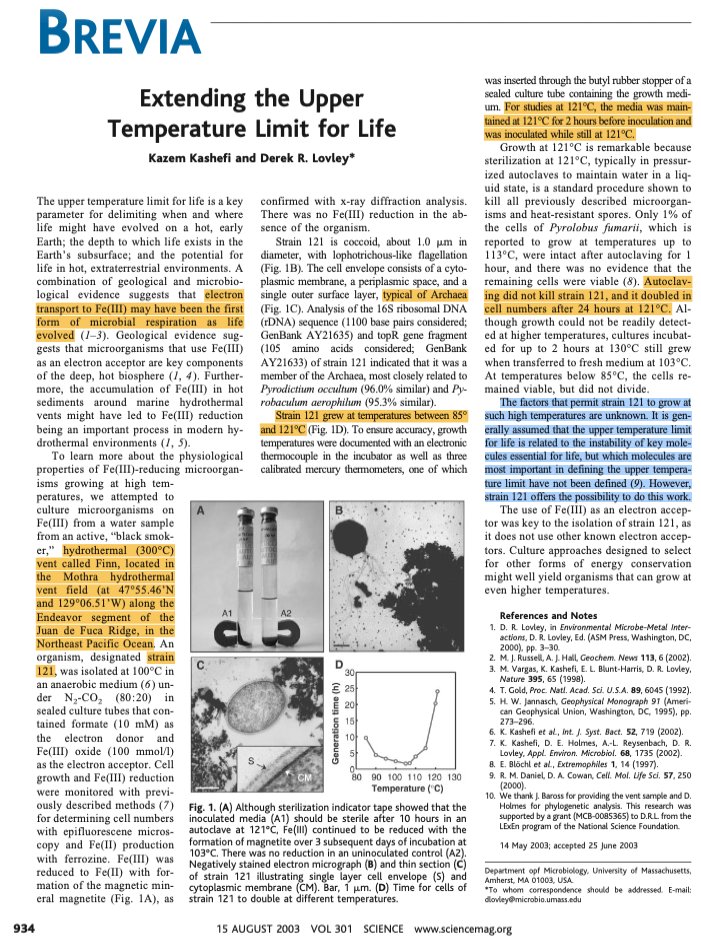
I recently learned that RNase A enzymes can survive autoclaving, or high-pressure heating, at 121°C. This is strange.
But then I learned there are entire organisms that not only survive autoclaving, but actually grow and divide at 121°C???
There was a 2003 paper, for example, where these two scientists took a submarine down to a hydrothermal vent in the Pacific ocean, scooped up some dirt, and kept everything in an airtight tube.
This tube had an organism in it. The organism had features "typical of Archaea." They put this organism into an autoclave (held at 121°C) for a full 24 hours. When they took it out of the autoclave, the cell population had doubled. Thus, the organism was called "Strain 121."
The 2003 paper ends with an enticing statement:
"The factors that permit strain 121 to grow at such high temperatures are unknown. It is generally assumed that the upper temperature limit for life is related to the instability of key molecules essential for life, but which molecules are most important in defining the upper temperature limit have not been defined. However, strain 121 offers the possibility to do this work."
I read this and got excited. I began searching for follow-up studies on Strain 121. But I was quickly disappointed.
This organism has its own Wikipedia page, but every single reference is from 2003 or 2004. Its name was later changed to Geogemma barossii, so I searched for that, too. But all I could find were random news stories about this "heat-loving microbe," all of which linked back to the original 2003 paper.
I'm extremely confused by this. Why is nobody studying this microbe? It doesn't even have a published genome sequence. Where is the intellectual center for hyperthermophile research?
24
48
346
23,096
Faisal Khan retweeted

#Saudi Arabia Establishes Royal Institute of Anthropology to Study Social Change
english.aawsat.com/varieties…
1
188
Faisal Khan retweeted

Mar 4
Evo 2, our fully open-source biological foundation model trained on trillions of DNA tokens spanning the entire tree of life, is out in @Nature today
We & the scientific community have done a lot with this @arcinstitute @nvidia model in the last year! 🧵👇
57
312
1,952
246,797
Faisal Khan retweeted

Mar 3
When you're deciding what to study in college, don't try to predict what will be valuable in the future, because that's so hard that you'll probably get it wrong. Instead focus on what you personally find most exciting. You can't get that wrong.
326
593
6,508
247,554
Faisal Khan retweeted

مخطوطات وقهوة
في مقهى ساجو بالرياض لا تفوتكم الدردشات حول المخطوطات
سعود الأسود
وفيصل خان
الله يقويهم ويوفقنا وإياهم

1
3
9
1,264
Feb 13
We are excited about this! Drop by for our informal meet-up on everything manuscripts. 4pm today at Sajo Cafe. #manuscripts
1
1
83