
The Explorers Podcast is about famous explorers and their explorations. I post information and links to related articles, news and related cool stuff.
Joined October 2016
- Tweets 3,784
- Following 456
- Followers 2,496
- Likes 629
611 Photos and videos
Thank you, Brett.
Mar 26

I just wanted to tell you how much I've been enjoying this page/podcast. I just discovered it and I've been absolutely tore through the Cook and Columbus ones so far. Also blown away you're in Madison too! Didn't even realize that until today.
199
Explorers Podcast retweeted

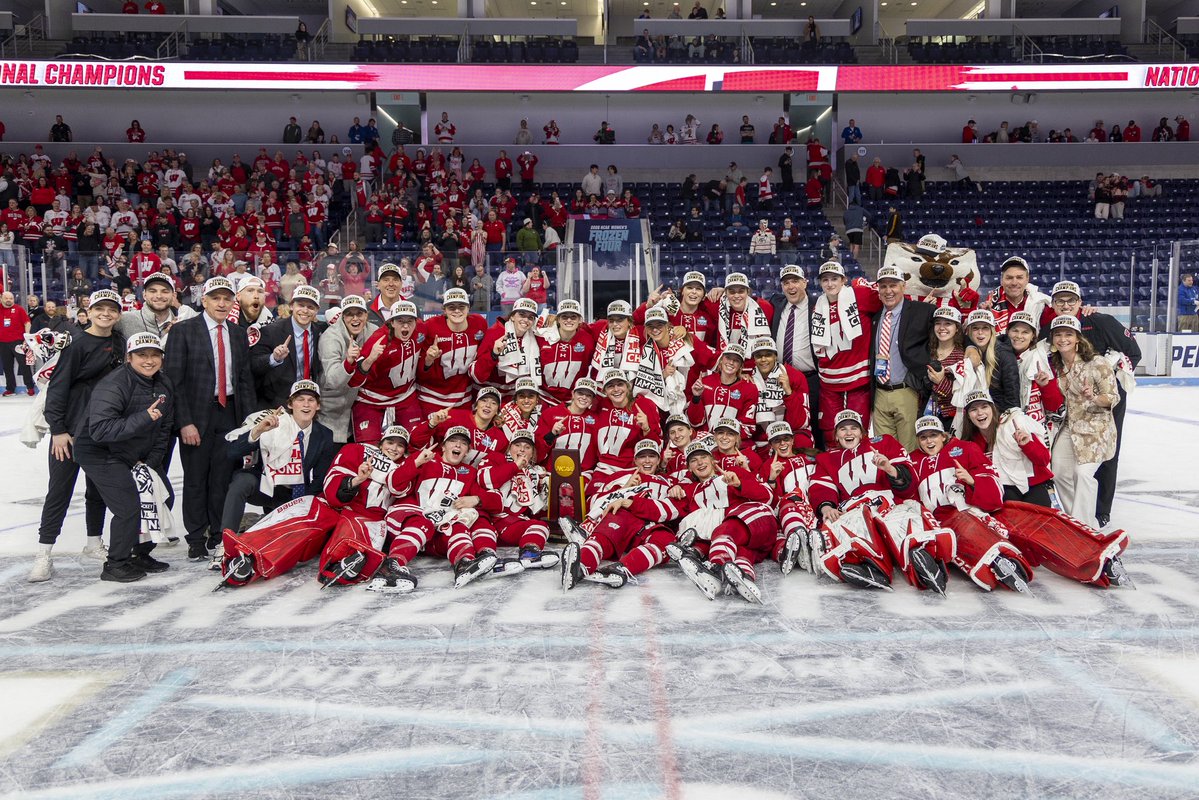
Your 2025-26 National Champions
22
319
2,583
46,063
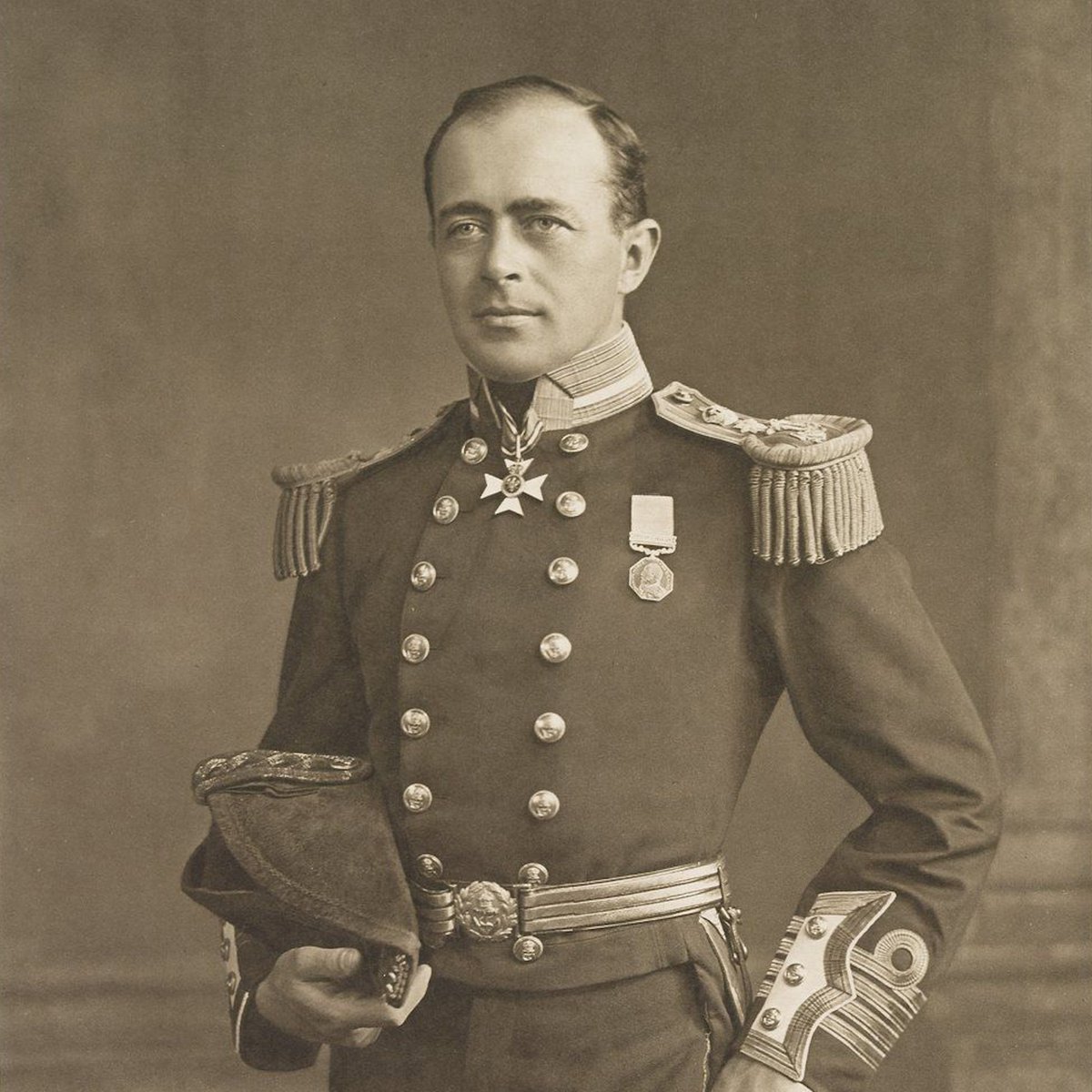
7-part series on Robert Falcon Scott. Lots of polar fun - so enjoy! explorerspodcast.com/robert-…
1
4
146
I had the pleasure to do a fun and informative interview with Monet Izabeth - the first American woman to ski solo and unsupported to the South Pole. It was great fun - so please enjoy. explorerspodcast.com/monet-i…
1
3
9
198
Explorers Podcast retweeted

1
1
3
274
Explorers Podcast retweeted

3 Dec 2025
Elon Musk recently shared some of his latest media recommendations in a new interview:
• Podcasts:
• Dan Carlin’s Hardcore History
• The Explorers Podcast
• History of English Podcast
• Books:
• The Story of Civilization by Will & Ariel Durant
193
375
2,371
520,323

3 Oct 2025
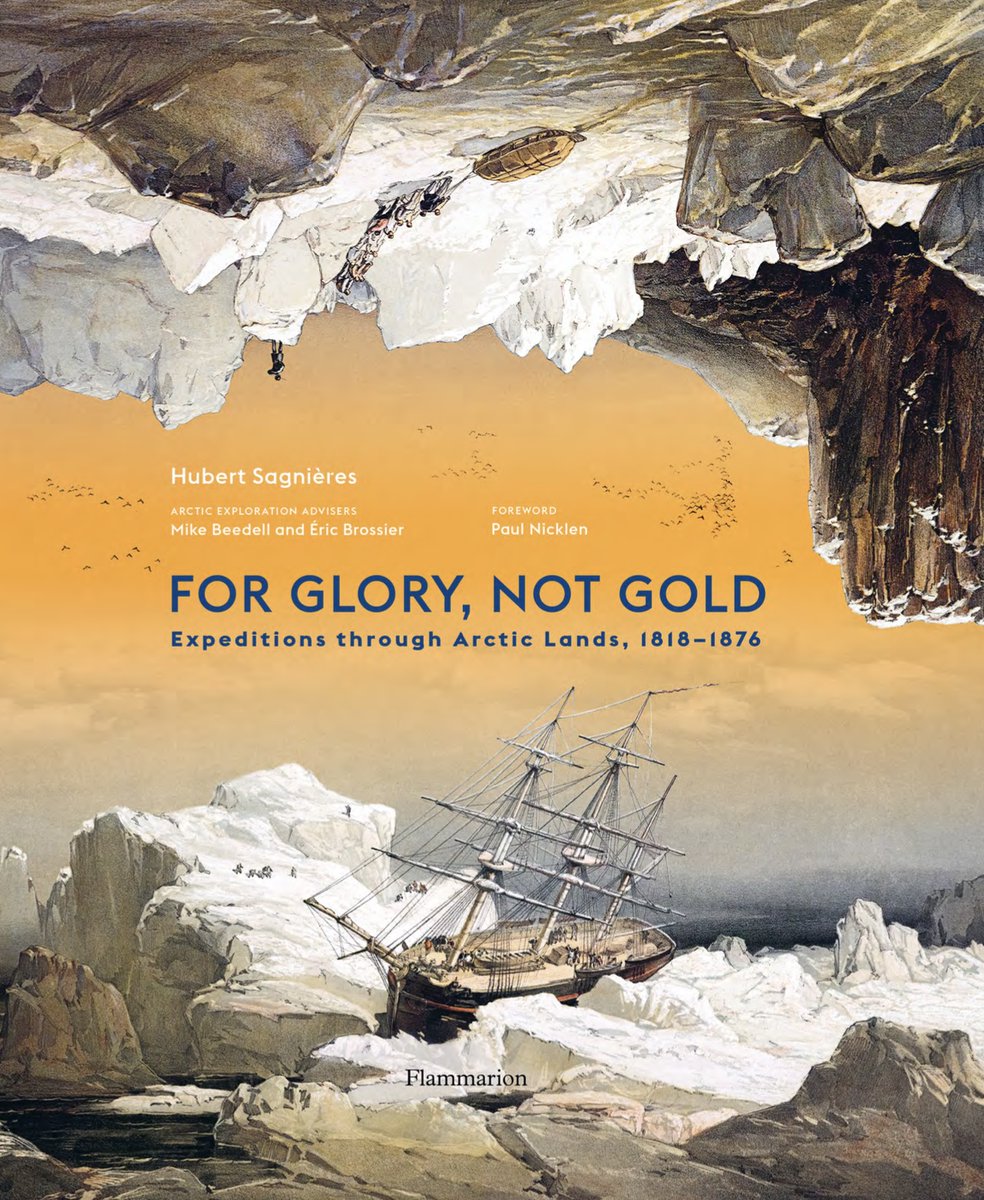
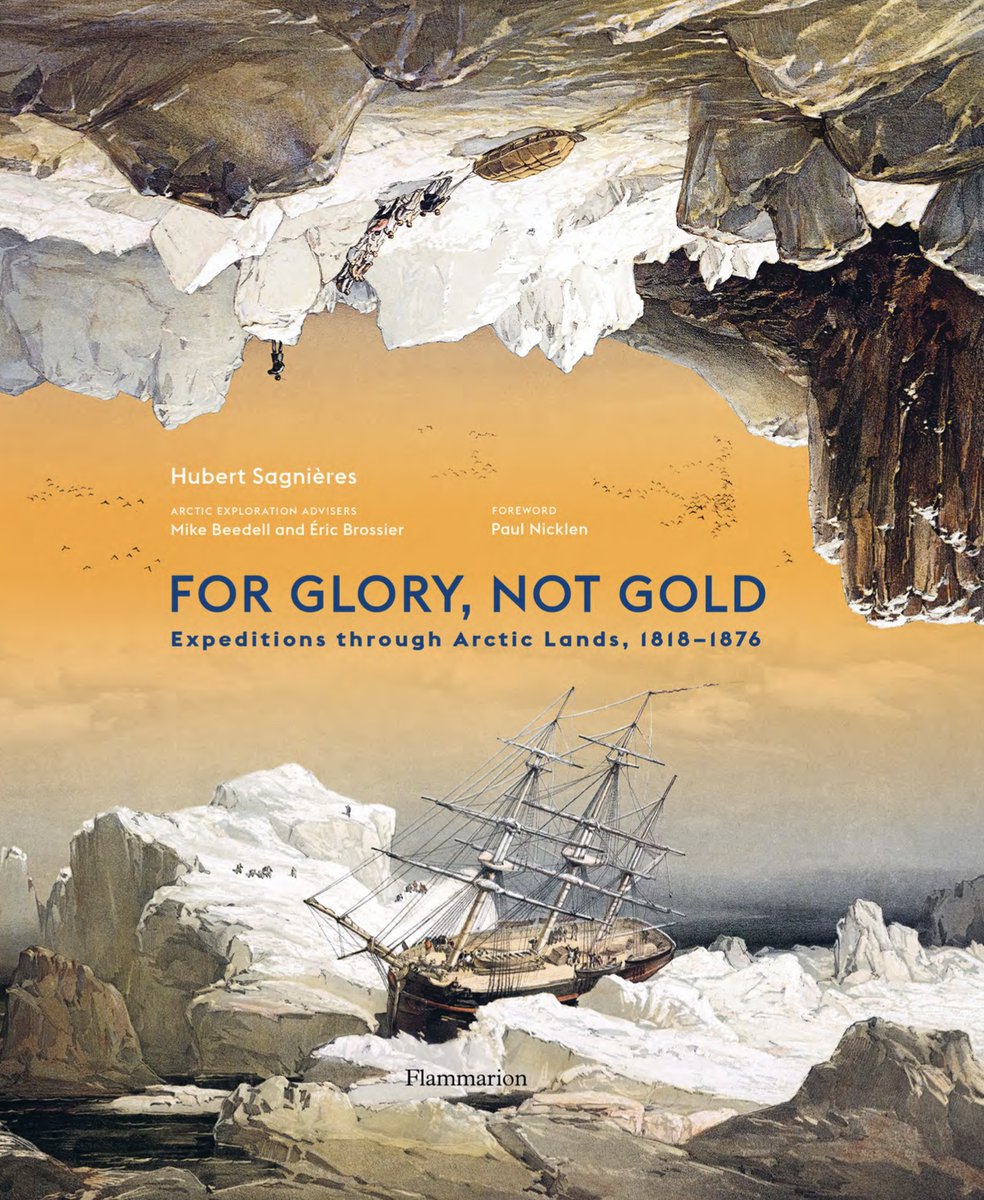
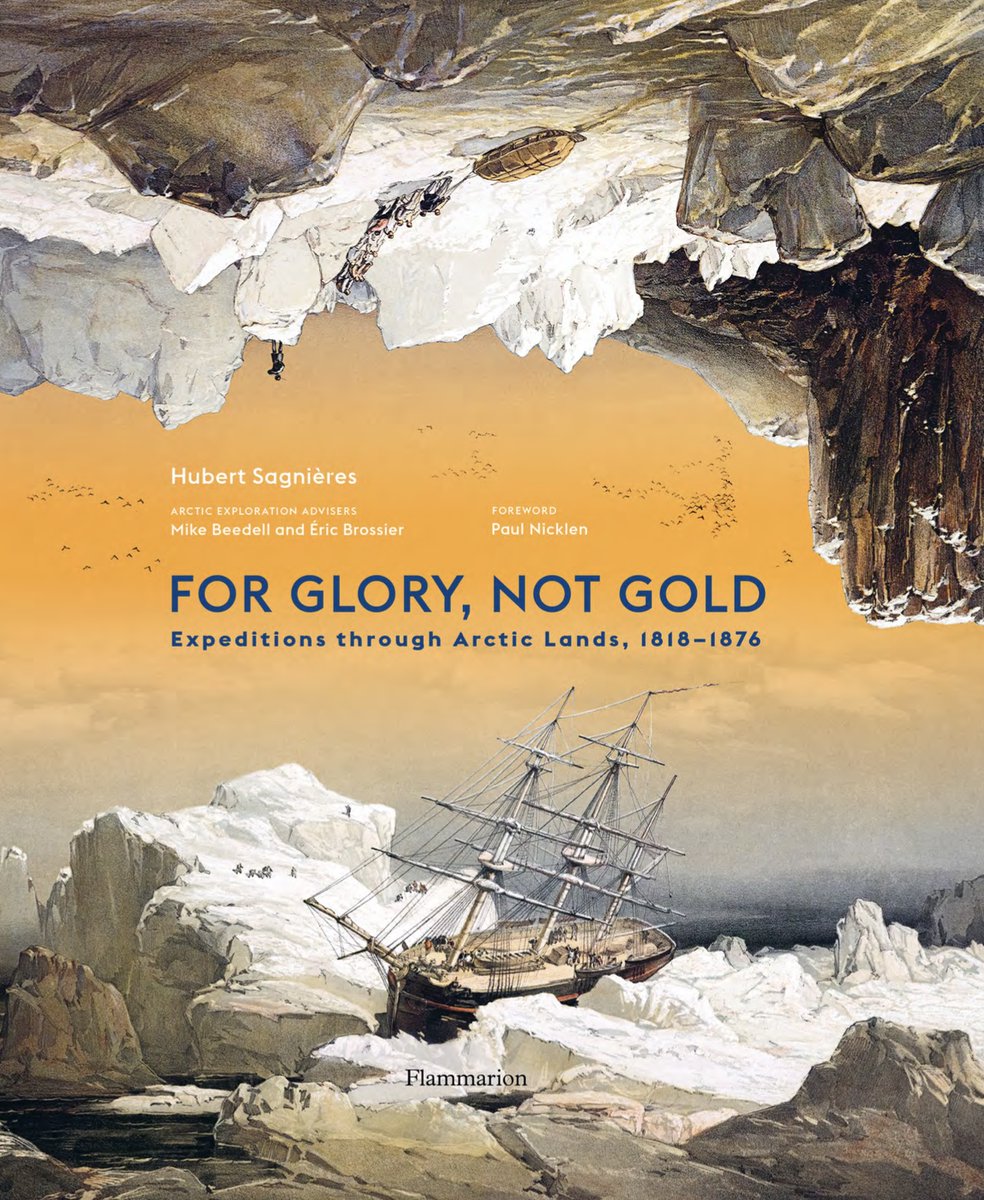
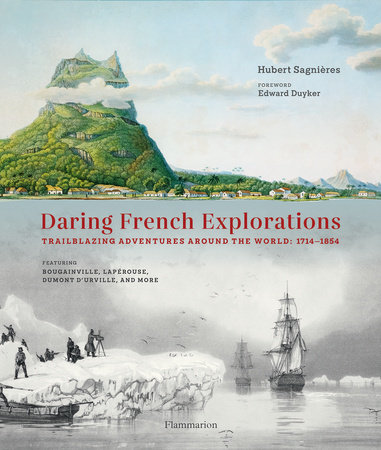
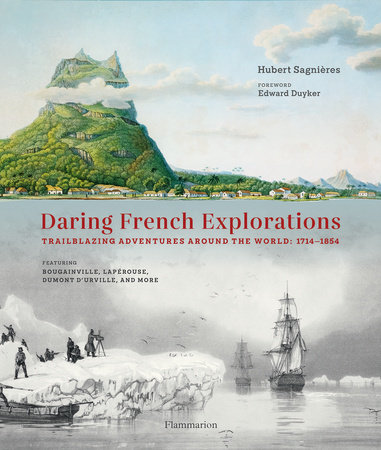
Today is the last day to enter our giveaway for a copy of "For Glory, Not Gold" by Hubert Sagnières. It details 10 Arctic expeditions of the 1800s. Entry is free. Also, winners can come to the book launch at the Explorers Club in NYC. explorerspodcast.com/hms-inv…
3
349
2 Oct 2025
Folks, you only have a few days left to enter our giveaway for a copy of "For Glory, Not Gold" by Hubert Sagnières. It details 10 Arctic expeditions of the 1800s. Entry is free. Also, winners can come to the book launch at the Explorers Club in NYC. explorerspodcast.com/hms-inv…
1
4
504
17 Sep 2025
Friends, the Explorers Podcast is giving away two copies of "For Glory, Not Gold" by Hubert Sagnières. It details 10 Arctic expeditions of the 1800s. Entry is free. Also, winners can come to the book launch at the Explorers Club in NYC. explorerspodcast.com/hms-inv…
2
246
Explorers Podcast retweeted

16 Sep 2025
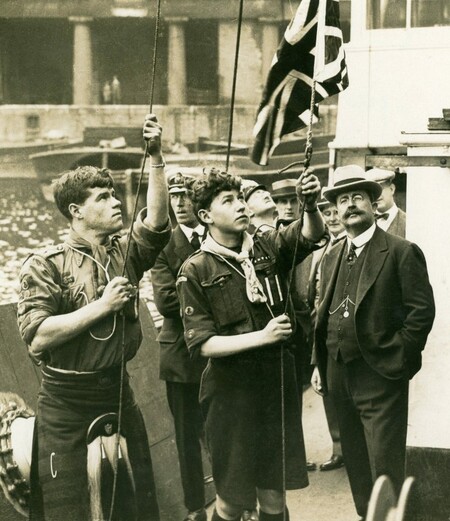
#OnThisDay in 1921, Shackleton's final expedition to Antarctica, the Shackleton-Rowett 'Quest' Expedition 1921-22, set sail for Antarctica from St Katherine Docs in London.
Shackleton initially planned to lead an expedition to the Arctic, however, delays and lack of financial support led to the expedition being changed to an ambitious two-year Antarctic programme funded by British businessman John Q. Rowett. Unfortunately, from the very beginning Shackleton's fourth Antarctic expedition did not go to plan.
Largely as a result of engine difficulties the crew spent a month in Rio de Janeiro causing plans to cross to Antarctica via South Africa to be abandoned. Instead, Shackleton decided to set sail for South Georgia and its nearby regions. It quickly became apparent the constant difficulties appeared to take a toll on Shackleton's physical and mental health, so much so, that members of the crew noted concerns in their diaries.
On 4 January 1922, 'Quest' arrived at Grytviken whaling station, South Georgia, abruptly followed by the death of Shackleton on the following day. Under the leadership of Frank Wild, the expedition continued for a further three-months but fell well short of its goal of circumnavigating Antarctica.
📸 Scouts James Marr and Norman Mooney raising the Union Flag on board the 'Quest' before departure on 17th September 1921. John Quiller Rowett on right. Copyright unknown.
#OTD #inspire #explore #discover #conserve #Antarctica #shackleton #wild #questexpedition
4
21
602
Explorers Podcast retweeted

26 Jul 2025
My series on the Portuguese Empire is coming to a close - time to start the Spanish Empire. Gonna start with the big man Columbus - big thanks to @explorerspod for the awesome episodes.
1
2
12
509
Explorers Podcast retweeted

17 Jun 2025
@explorerspod you gotta do some update episodes
17 Jun 2025

James Cook’s HMS Endeavour has been found after 250 years! Getting media attention around the world but not a single NZ outlet bothering to cover. Incredible.
1
1
5
554
Explorers Podcast retweeted

17 Jun 2025
Human Sacrifice vs. Steel: How the Aztec World Ended—and Modern Mexico Was Born
Binged the eight-part series “Hernán Cortes and the Conquest of Mexico” from @explorerspod (hat tip to a brilliant friend) and @Fall_of_Civ_Pod’s “The Aztecs – A Clash of Worlds.” As a Mexican raised on state-approved history, these outsider perspectives offered a refreshing, less sanitized revisit of the pivotal historical collision. Yes, the conquest was brutal. But brutality wasn’t an outlier; it was the norm across much of human history. As Hans Rosling said, “The general trend toward less violence is not just one more improvement. It is the most beautiful trend there is.”
My reflections...
1) Conquest as an evolutionary filter
Conquest functions as a civilizational stress test, compressing strategy, values, leadership, and cohesion into a single existential gamble. The Aztecs, through their defeat by the Spanish, lost their position of power in Mexico’s central valley. The Aztecs’ downfall saw their leadership decimated—Moctezuma and Cuauhtémoc violently killed, Cuitláhuac felled by disease—while fighting and smallpox killed millions more; the survivors were then enslaved or marginalized under a new caste system.
2) Technology over numbers
Steel, gunpowder, cavalry, and war dogs—primitive by today’s standards, yet decisive in 1519 against the natives’ sharp but brittle obsidian weapons and ichcahuipilli, or cotton-quilt armors. The Aztecs, facing the thundering roar of cannons and alien sight of cavalry, were as psychologically rattled as they were physically outmatched. Cortes’ ~500 men routed armies of tens of thousands. Tech, not courage or headcount, tipped the scales—much as the nuclear bomb did centuries later.
3) Nature doesn’t negotiate
Smallpox decapitated Aztec leadership and shredded their social fabric, killing roughly half the population, who had no immunity, in months. The Spaniards didn’t plan it, but they rode the biological blitzkrieg they unleashed.
4) Belief systems can be tactical handcuffs
The Mexica religion held that Huitzilopochtli, the sun-and-war deity, needed a steady supply of human hearts to keep the Universe in balance. Therefore, Aztec warfare sought captives for sacrifice, not enemy annihilation. Soldiers entered the elite ranks of cuāuhtli (eagle) or ocēlōtl (jaguar) warriors after capturing four enemy combatants for sacrifice, while killing enemies was considered wasteful. That religious constraint crippled battlefield efficiency as the Aztecs sustained heavy fatalities at the hands of the Spaniards' deadlier tactics. Strong faith isn’t always survival-adaptive.
5) Cortes: ruthless, cunning, versatile, visionary, all-in
Diplomatic mastery: forged the Tlaxcalan alliance. He also formed a deeply personal bond with Malintzin—better known as La Malinche—an enslaved Nahua woman who served as Cortes’ interpreter and adviser, bridging linguistic and cultural gaps to secure alliances and intelligence; their son, Martin, is often taken as the symbolic dawn of mestizaje.
Strategic improvisation: destroyed his own ships to prevent troop desertion; built canal-friendly brigantines on Lake Texcoco for the invasion; split his army to control Tenochtitlan while defeating Panfilo de Narvaez, recruiting Narvaez’s troops and resources in the process.
Total commitment: gold, God, glory, ego—an intoxicating motive cocktail that unnerved foes and allies alike.
6) The conquest’s nuanced legacy
Modern Mexican narratives often reduce the Spaniards to pure villains, and La Malinche and the Tlaxcaltecas to traitors. Too simplistic. Conquest was a global norm in the 1500s, and the Aztec empire itself was an extractive, theocratic power resented by its neighbors. Cortes exploited longstanding indigenous grievances—especially Tlaxcalan—to topple Tenochtitlan. Without that conflict, contemporary Mexico—a ⅔-mestizo nation—wouldn’t exist.
Lessons from the campaign for Mexico
• Technology wins wars; biology and belief systems shape how people fight.
• Treat your neighbors well—or tomorrow they may back your enemy’s side.
• Total commitment remains history’s ultimate force multiplier. Choose your cause wisely.
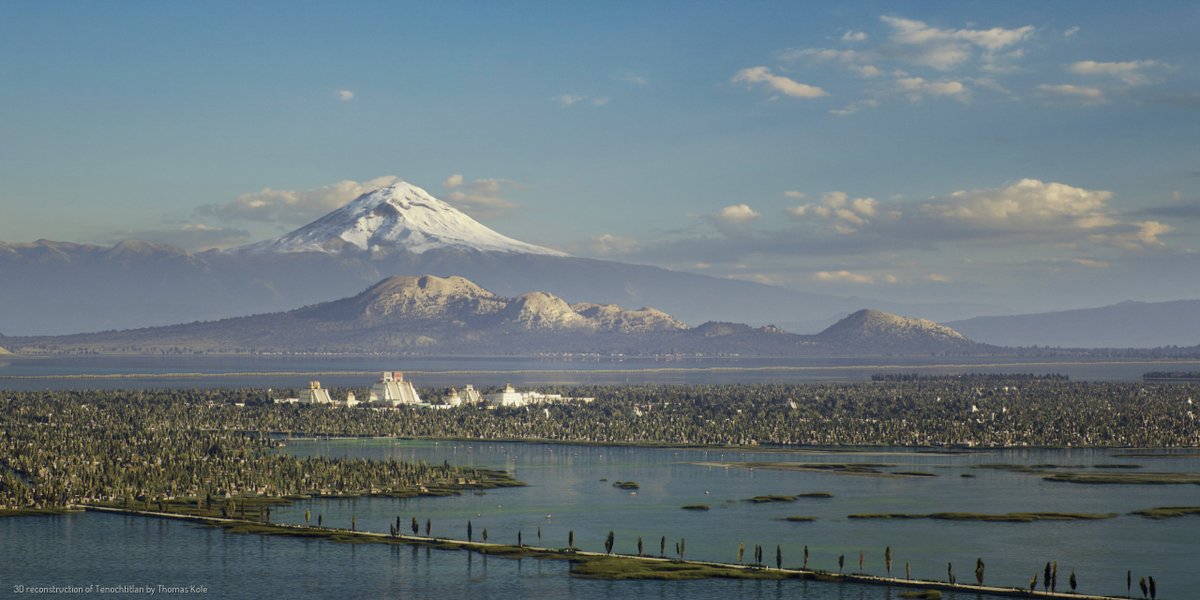
Image credit: tenochtitlan.thomaskole.nl/e…
13
29
342
42,134
20 Jun 2025
Awesome stuff
18 Jun 2025

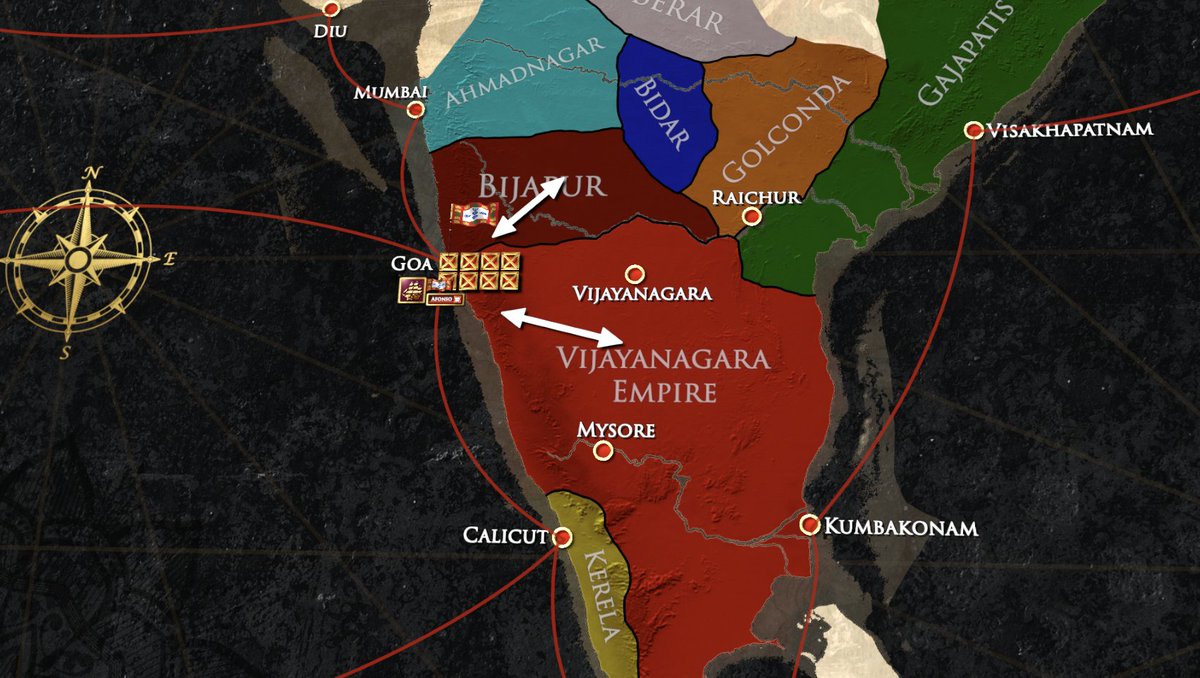
Having a monopoly can change the entire political and economic scene. Goa, in the 16th century, was THE hub of the Arabian horse trade. A commodity that every kingdom and sultanate needed for their armies. By controlling the city, the Portuguese had leverage on everyone.
1
5
507
7 Jun 2025
We are four parts into our series on Francisco Pizarro! We've had murders, betrayals, battles, revolts and so much more to come. Come check it out. explorerspodcast.com/francis…
1
7
367
20 Mar 2025
What do you do with a guy who's been dead for several years? Well, you dig him back up and kill him all over again. Enjoy the story of the Head of Oliver Cromwell on my new show, History Dispatches. podcasts.apple.com/us/podcas…
1
1
3
320
20 Mar 2025
Thanks much! Glad I can help.
18 Mar 2025

I totally agree! Our Family flies through multi-hour road trips with ease because of that great Podcast @explorerspod !
6
569
20 Mar 2025
Today on my new podcast, History Dispatches. The Opium Wars. podcasts.apple.com/us/podcas…
1
9
375
17 Mar 2025
Excited to announce the launch of a new daily podcast. History Dispatches released 10 episodes today. These are short looks at a variety of subjects - told by me and my son. These are fun, short history stories. I hope you give a listen and enjoy. Thanks. HistoryDispatches.com
3
3
21
3,022
Explorers Podcast retweeted
16 Mar 2025
Born #OnThisDay in 1880, Captain Lawrence Oates made the ultimate sacrifice on the day of his birth in 1912, by stepping out of his tent into a blizzard never to be seen again. Oates was an integral part of Scott's Polar Party, during the British Antarctic 'Terra Nova' Expedition 1910-1913, and made a brave attempt to preserve enough supplies for Scott, Wilson and Bowers during their return from the South Pole.
Oates was severely frostbitten, weakened and suffering from scurvy. Believing he was slowing the other men down, Oates died so they could have a chance at living. As he left the tent, Oates's famous last words are recorded as "I'm just going outside and may be some time..."
#OTD #inspire #explore #discover #conserve #Antarctica
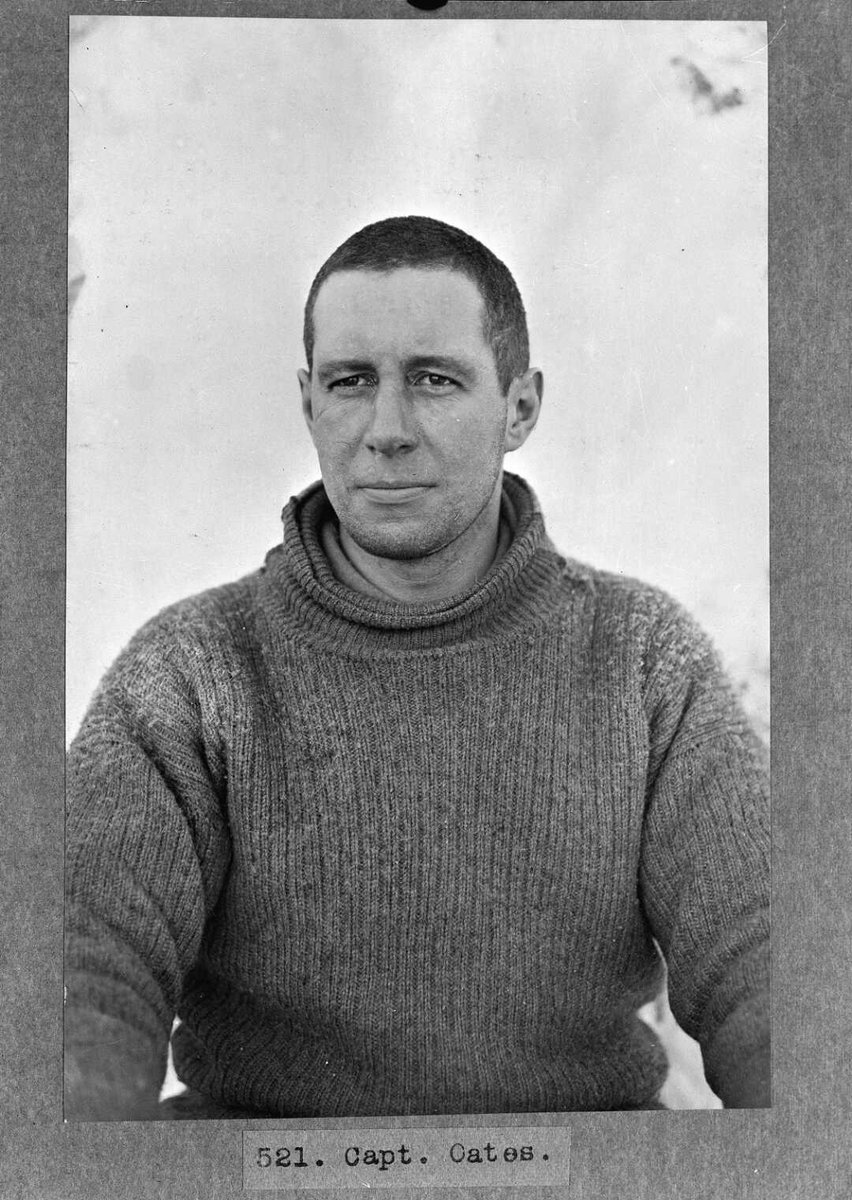
ALT 📸 Lawrence Oates, Alexander Turnbull Library
2
32
120
4,707