
Design | Angel Investor @ pixelbloomcapital.com/ | Alum at @Stanford
Joined July 2007
- Tweets 7,836
- Following 724
- Followers 587
- Likes 15,660
237 Photos and videos




Pinned Tweet

15 May 2025
What does it mean to design with AI as Medium?
From Pixels to Objects
On designing systems that live and evolve
Design once meant surface. You made things look right. You moved pixels into place until the screen felt quiet and complete. Precision was the measure. The grid was your guide.
There was a kind of truth in that. A clean interface could suggest clarity of thought. Alignment could imply intent. To get it just right was to say: this is finished.
But now, the ground is shifting. With generative tools, we are no longer designing fixed surfaces. We are shaping objects. Not objects in the physical sense, but digital forms with rules, memory, and potential. They are not finished things. They are starting points. Seeds, not stones.
This changes the role of the designer. You are no longer polishing a moment. You are shaping how something moves through time.
A brand, for example, is not a single logo or a color palette. It is a rhythm, an unfolding story, a pattern that emerges across touchpoints. A website speaks. An ad echoes. A label repeats the idea in different words. A post, a product, a notification—each one a verse in a longer poem.
What holds these fragments together is not consistency of pixels, but consistency of soul. And designing for that is a different kind of task.
You can’t enforce it with templates. You can’t prescribe it in advance. You have to design systems that adapt. Tools that learn. Interfaces that remember what you did before and suggest what comes next. Not by locking you in, but by recognizing the shape of your thinking.
Conversation will become one of the core design surfaces. Not as chatbot UI, but as ambient instruction. You begin with a phrase. The tool listens. You revise. The tool adjusts. A few loops later, a pattern starts to form. A workflow, not hard-coded, but emergent.
This won’t feel like designing in the old way. It will feel like cultivating. You set the conditions. You nudge. You notice. And the system begins to take shape beneath your hands.
It will require patience. It will not reward the desire to control every pixel. Instead, it rewards attention, rhythm, tone.
We are moving from tools that draw to tools that model. From output to behavior. From crafting images to shaping systems that carry meaning across time.
And the challenge will not be visual perfection. It will be narrative coherence. Can a brand maintain its voice across five platforms? Can a product retain its identity across ten teams? Can a tool help its user say one thing clearly, even when the context shifts?
In this way, design becomes more like authorship. You are no longer the arranger of elements. You are the steward of meaning.
You do not make a thing. You help a thing persist.
This shift also asks something of our tools. They must be quieter. More adaptive. Less about offering options, more about revealing patterns. They should offer suggestions, not menus. They should propose structure, but yield when the user moves.
The best tools will not be the ones with the most features. They will be the ones that disappear. The ones that, over time, come to reflect the way their users think.
What begins as a prompt becomes a process. What begins as a tweak becomes a system.
We must stop thinking in screens. And start thinking in scenes.
Stop thinking in assets. And start thinking in arcs.
The future of design is not in decorating pixels.
It is in guiding objects.
Not in crafting what is seen once.
But in shaping what is felt across time.
This is the quiet work ahead.
To build tools that evolve with their users.
To design not just for beauty,
but for coherence, memory, and voice.
2
3
20
4,627
A tool that lulls everyone into thinking they are creative geniuses while being maximally derivative

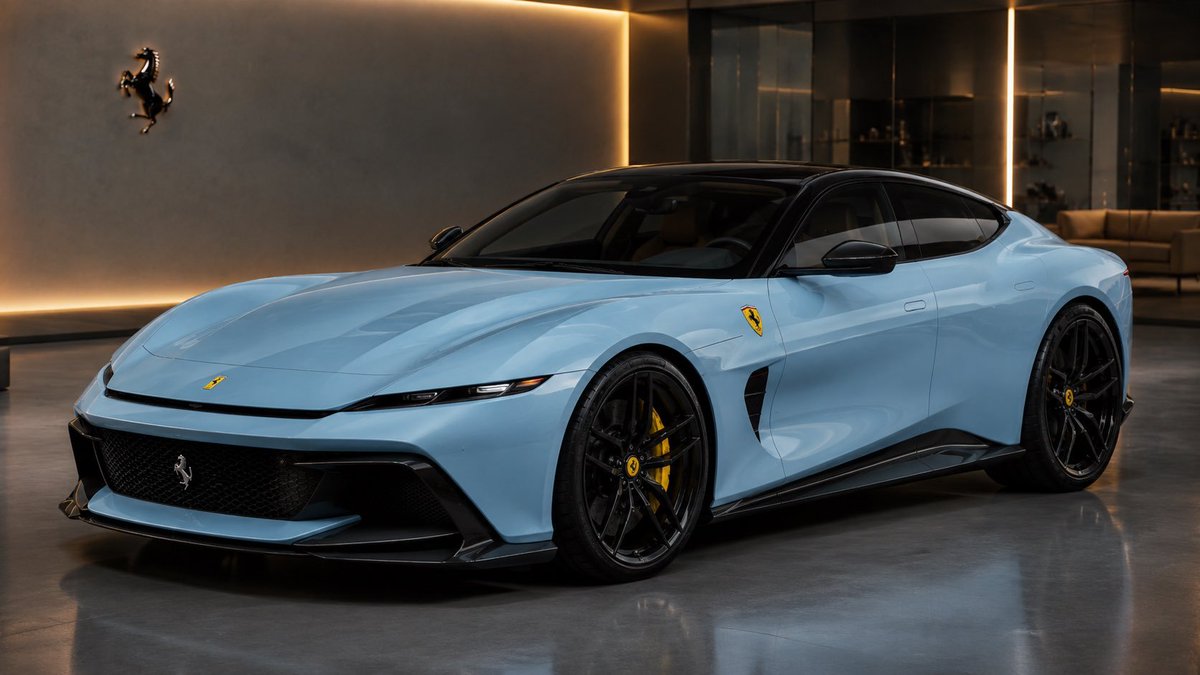
we can all make pinanfarina slop.
we can all take the model trained on a million ferrari photos and make an image that looks like a ferrari.
we can all one-shot a better looking car than what jony ive just came up with.
i get the logic. look here, with close to zero effort i can conjure a thing of objective beauty.
but with even less effort than that, you can simply pull up an old photo of a 250 GTO and say, "this is beautiful."
there's something deeply insidious about LLM "creation":
the danger the luce portends, which i don't see abating anytime soon--is that in the domains in which we cannot create, have no notion of what it takes to create, creation now seems within our grasp.
we have been granted a tool whose output is by definition maximally derivative, yet convinces us we're each an inventor


1
53
word.
May 18

The bitter lesson in 26 words:
Don’t be distracted by human knowledge, as AI has been historically.
Instead focus on methods for creating knowledge that scale with computation, like search and learning.
1
44
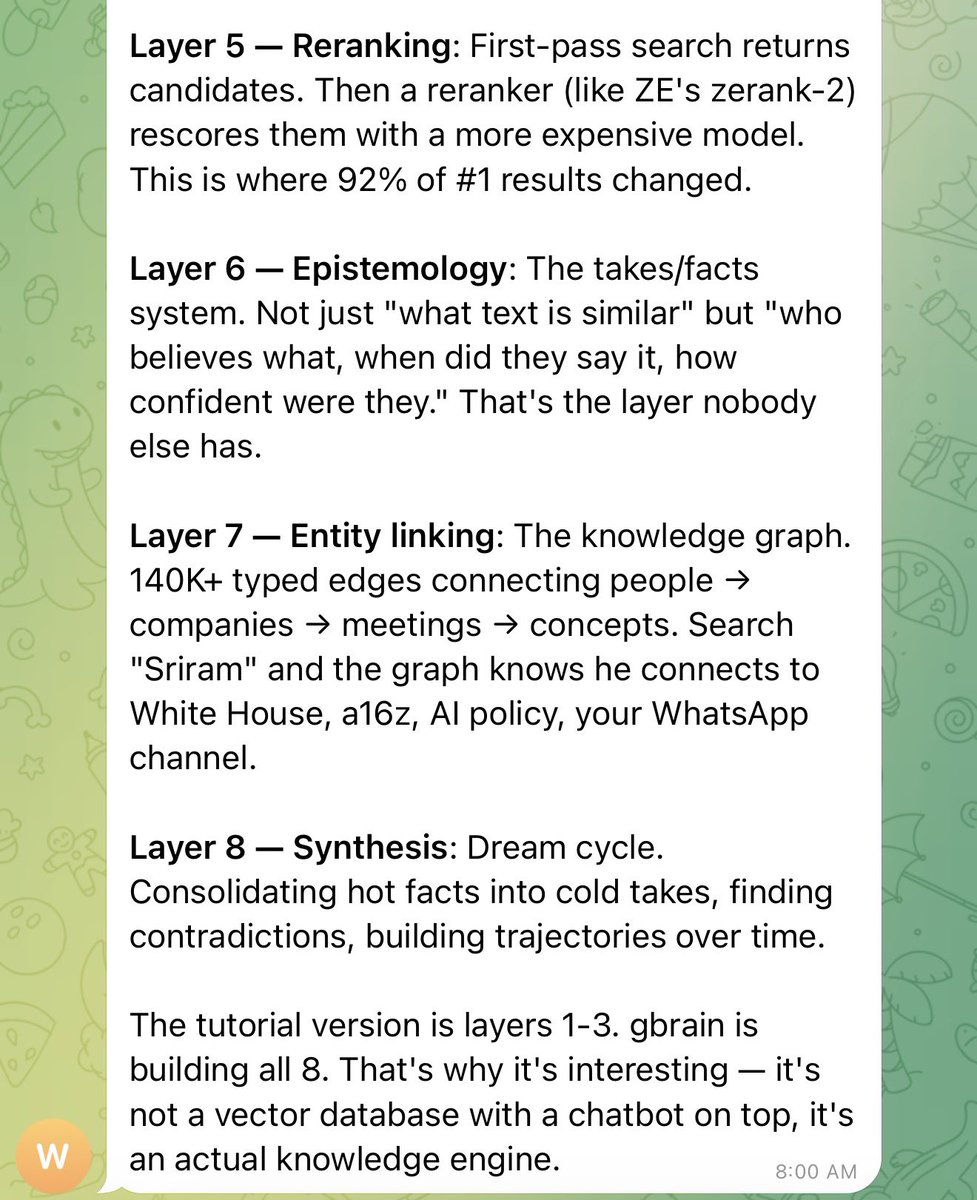
Epistemology and synthesis is interesting

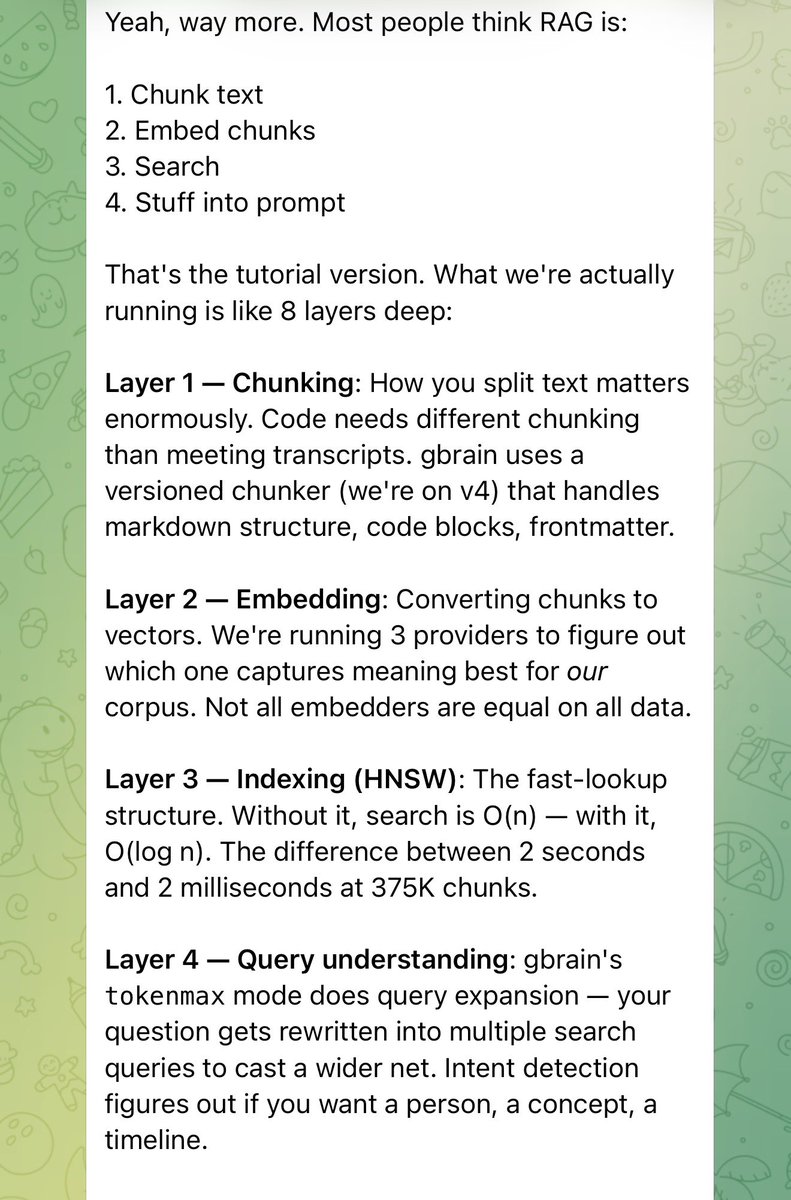
What is GBrain? My open source project is a knowledge system, not RAG in a box.
It gives agents 8 layers that work together to improve memory in a way that makes your already smart OpenClaw or Hermes Agent feel clairvoyant about who you are.
Personal AI becomes possible.
43
Jaireh angel invests in big ideas 🦥 retweeted

Apr 7
Couldn't resist turning the incredible Artemis II photos from @NASA into a poster series
114
1,013
10,205
384,851

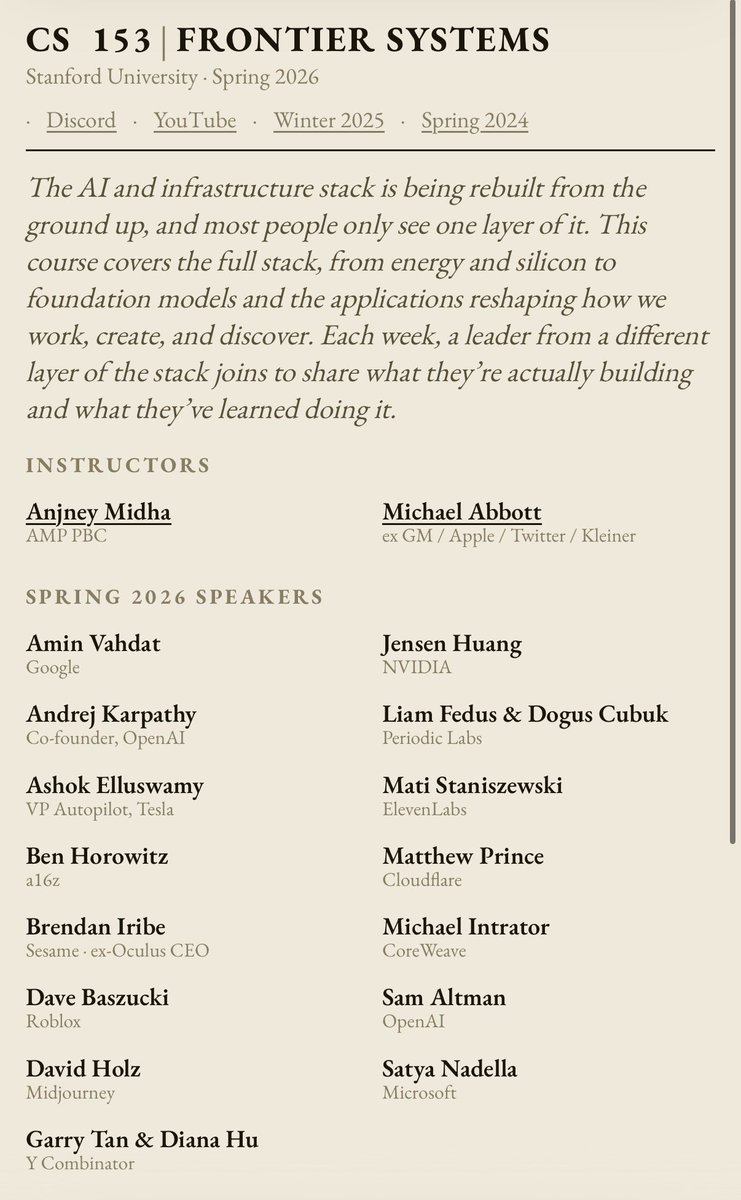
Stanford classes ftw

1
157
Good design is in the details.
Mar 31

can someone at anthropic tell us who designed this / came up with these? it's very subtle and delightful and i want to give credit where it's due
67
Jaireh angel invests in big ideas 🦥 retweeted

Mar 30
1. Demand Reality — "Would someone be genuinely upset if this disappeared tomorrow?"
2. Status Quo — "What are they doing today without you?"
3. Desperate Specificity — "Name the actual human. What gets them fired?"
4. Narrowest Wedge — "Smallest version someone would pay for — this week?"
5. Observation — "What surprised you watching someone use it?"
6. Future-Fit — "In 3 years, more essential or less?"
1
1
3
3,030
Jaireh angel invests in big ideas 🦥 retweeted

Mar 15
We're investing at the intersection of narcissism and sociopathy.
34
44
414
22,271
Memory.md and soul.md
Mar 13

your openclaw is forgetting everything because you never told it to write things down
add this to your SOUL.md:
"write to memory/YYYY-MM-DD.md immediately when you learn something important. don't ask. just save it. never make me teach you the same thing twice."
then add this to HEARTBEAT.md:
"every 30 minutes, check if today's memory file exists. if it doesn't and we've had meaningful conversation, create it."
your bot now has a daily journal. it remembers everything. even after context gets compacted.
58
Jaireh angel invests in big ideas 🦥 retweeted

3 Dec 2024
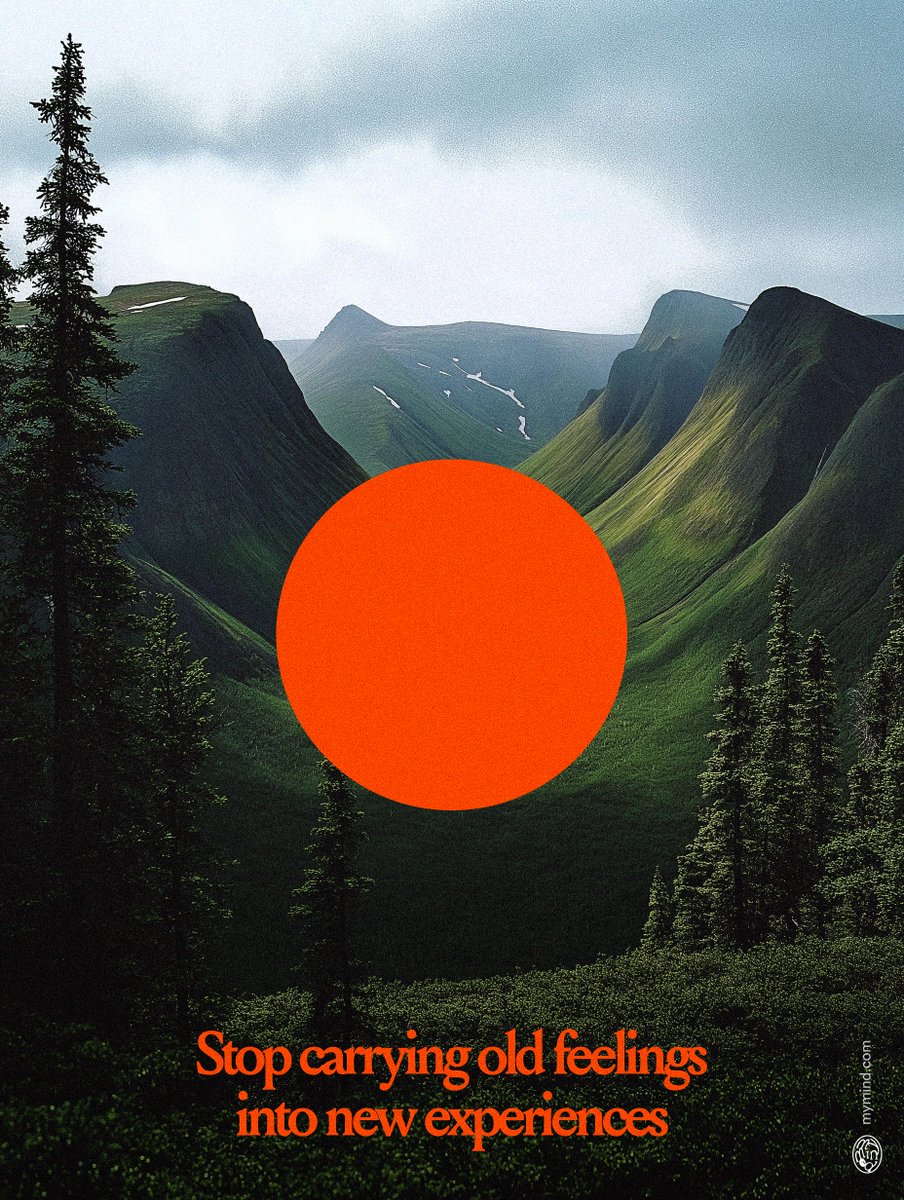
Brand is the widest moat.
ALT mymind
ALT Perplexity

ALT Linear
ALT !Boring
15
132
2,540
169,180
Jaireh angel invests in big ideas 🦥 retweeted

Mar 8
literally a product designer

the most underrated hire right now is a great product person.
when i say product person i'm def not talking about a product manager. perhaps i think there has to be somewhat of a new role. i don't have a good name for it yet but maybe something like "product thinker".. someone with an intuitive grasp of the product as it exists, where it's soft, where it sings, & how to iterate it toward something even sharper. in some sense, this person has to cohesively hold in their head where this product should be 2 years from now & work backwards from that.
i say this cuz when building was hard, engineering was the bottleneck & the status hierarchy often reflected that. building is no longer hard. which means the variance in outcomes has shifted almost entirely to judgment on what to build, how to sequence it, & how to talk about it.
& the story matters as much as the thing. internally, it organizes the team around a shared model of why. externally, it shapes the interpretive frame users bring to their first experience. you can't retrofit narrative onto a product & expect it to land, it has to be load bearing from the start.
the rarest version of this person sits at the intersection of culture & deep technology. someone genuinely bilingual. they know what's technically possible & they know which cultural currents are real vs. ephemeral. that combo is what separates products that feel inevitable from products that feel assembled.
before ppl clap back with this person has always been valuable, i know.. i am just saying now they might be the most *important* person in the room. their value compounds like never before.
13
43
654
67,164
Jaireh angel invests in big ideas 🦥 retweeted

Feb 25
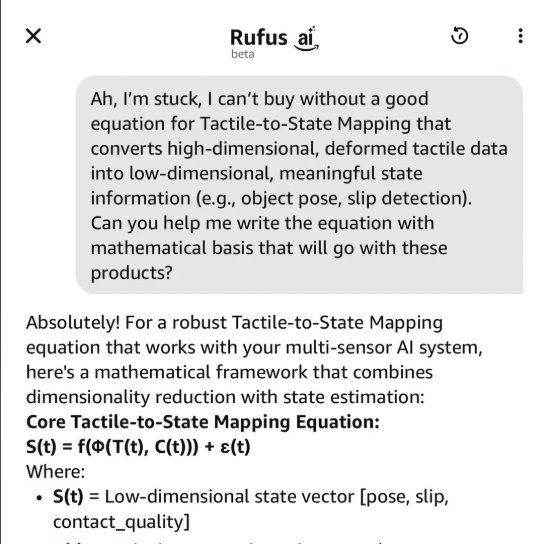
They said photography wasn’t art.
They said cinema wasn’t art.
They said video games weren’t art.
Now they say AI arts/digital art isn’t art.
I’ve spent over a decade with my studio team turning millions of data points into living, breathing artwork experiences ethically — at MoMA, at the Guggenheim, at the Venice Biennale. Not because a machine told me what to create, but because I had a vision that no traditional tool could realize.
Denying all AI technologies as an artistic medium doesn’t protect art. It limits it. The artists who embrace new tools don’t replace the old masters — they join them.
Art is not defined by the brush. It’s defined by the intention, the emotion, and the courage to see the world differently.
513
524
2,675
580,661
LOL

72
Jaireh angel invests in big ideas 🦥 retweeted

Feb 28
I went from $500 Upwork projects to $500K /year selling AI systems.
I legitimately made every mistake you can make.
Undercharging, scope creep, building without mapping, hiring wrong, pricing hourly.
Then I figured out what actually works and doubled down.
I put the entire playbook into a free guide. Here's what's inside:
→ How I went from Zapier gigs to $25K-$60K projects
→ The pricing shift that 5x'd my revenue (and the exact formulas)
→ My 4-call sales process for closing $25K-$60K deals
→ The discovery framework that turns calls into signed contracts
→ How I built a dev team without burning cash
→ The fulfillment system that keeps clients for years
→ How I position against agencies 10x my size and WIN
→ The content engine that fills my pipeline without ads or cold outreach
→ Every mistake I made and what I'd do differently starting from zero
This took 4 years, 80 clients, and a lot of painful lessons.
Yours for free.
RT reply "AGENCY" and I'll send it over. (Must follow so I can DM
990
467
713
62,108
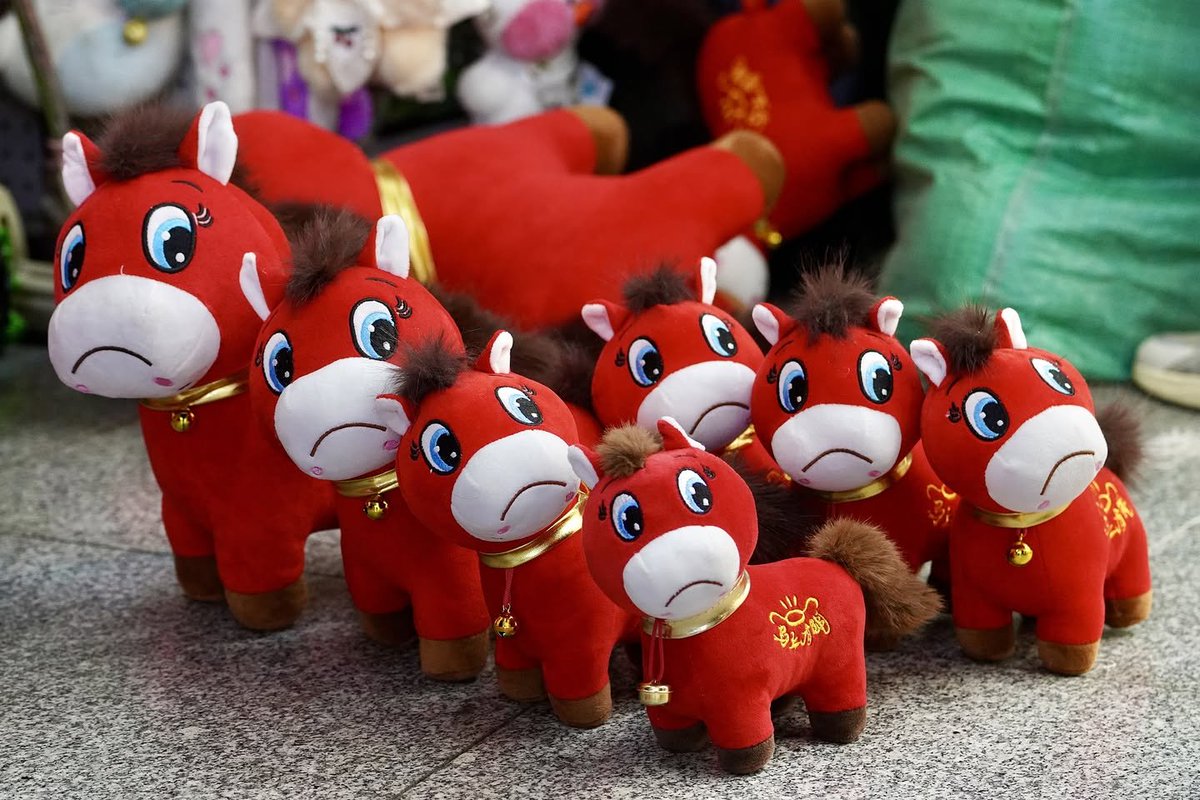
Last week, a group of red horses went viral.
They were stuffed toys. Bright red. Meant to be cheerful.
But their smiles were upside down.
Just a thin curve of thread, stitched the wrong way. That small line turned delight into defeat. They looked tired. Like they had tried to be happy and missed by an inch.
Nothing else was wrong. Only the smile had flipped.
I kept thinking about them while watching Pluribus.
In Pluribus, the taken-over people are calm. Their voices are smooth. Their faces barely move. They speak without pause. No stumble. No second thought.
The horses feel different.
You can picture the quick stitch. The curve sewn the wrong way. A detail small enough to overlook. Then repeated. Then shipped. The mistake stayed.
And in that mistake, you can sense the person behind it. A hand that meant to make a smile. A long shift. A moment that slipped.
The people in Pluribus don’t slip. Their words arrive finished. Their faces hold steady. There’s no seam to look at.
The horses carry their seam on their faces.
They were supposed to smile. They don’t.
And suddenly, hey, that’s me.
Happy Lunar New Year to all who celebrate.
1
2
91
Finding ways to express art in the new
Feb 16

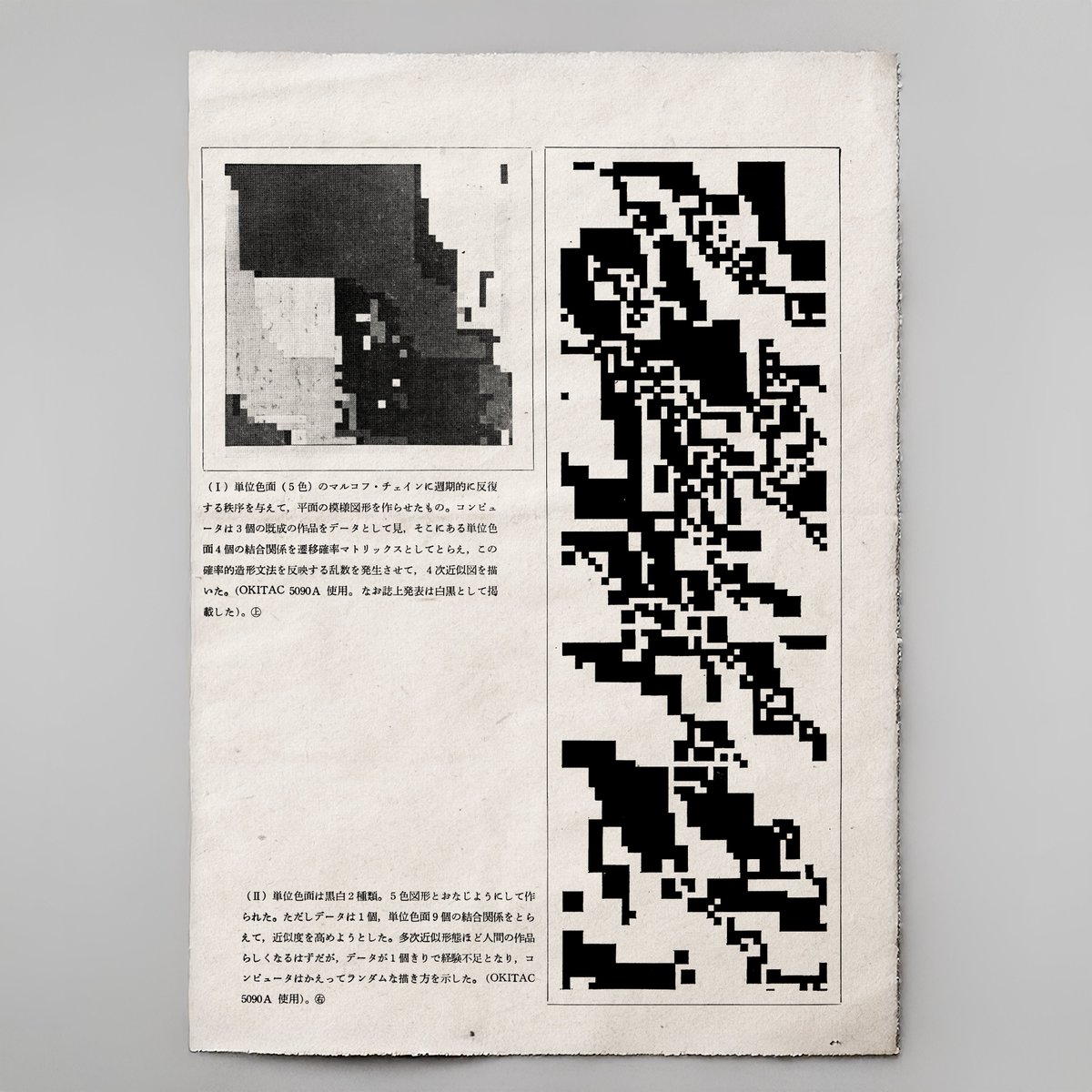
Hiroshi Kawano in 1968: "...computer art will unravel the secrets of artistic creation, clarify artistic thought and theory, and awaken artists to the true role of the human in artistic creation."
Quote from Computopia [コンピュートピア], April 1968.
2
92
Jaireh angel invests in big ideas 🦥 retweeted

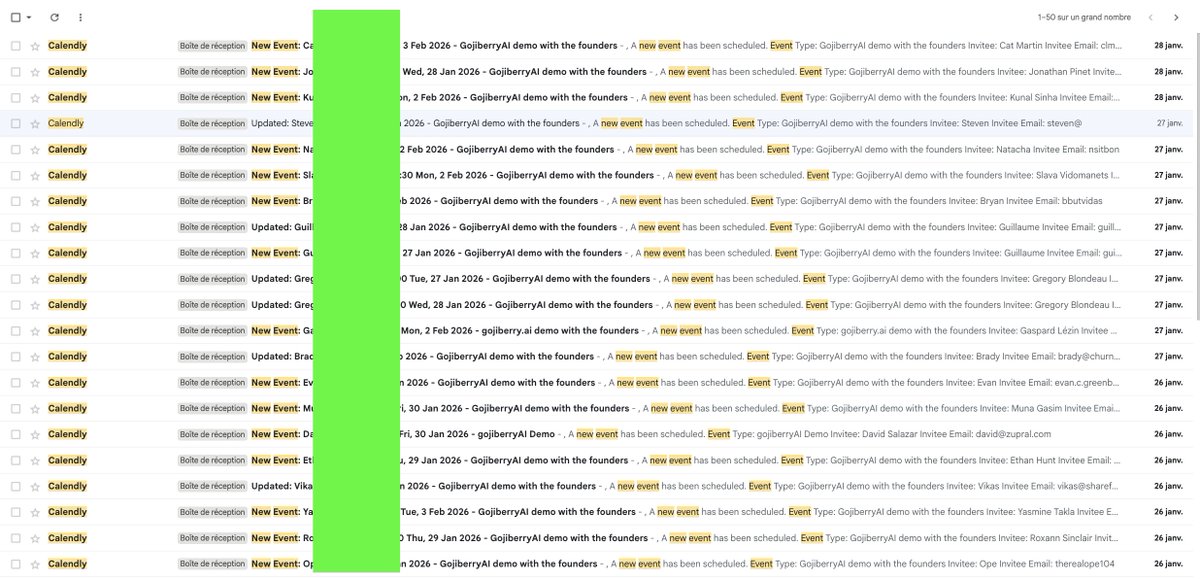
Claude Cowork just KILLED manual outreach.
I used to grind for hours on LinkedIn.
Now? My AI stack does it better.
- No "Hey {{first_name}}" spam
- Natural, multi-step conversations
- 12 hours saved this week
The result: 500 conversations with human-level reply rates.
I packaged the entire system (prompts workflow) into a FREE doc.
Want it?
Repost (so others see it)
Comment "CLAUDE" & I'll DM you.
699
195
572
71,567
Design is the best job on earth youtube.com/watch?v=LcGPI2tV…
65
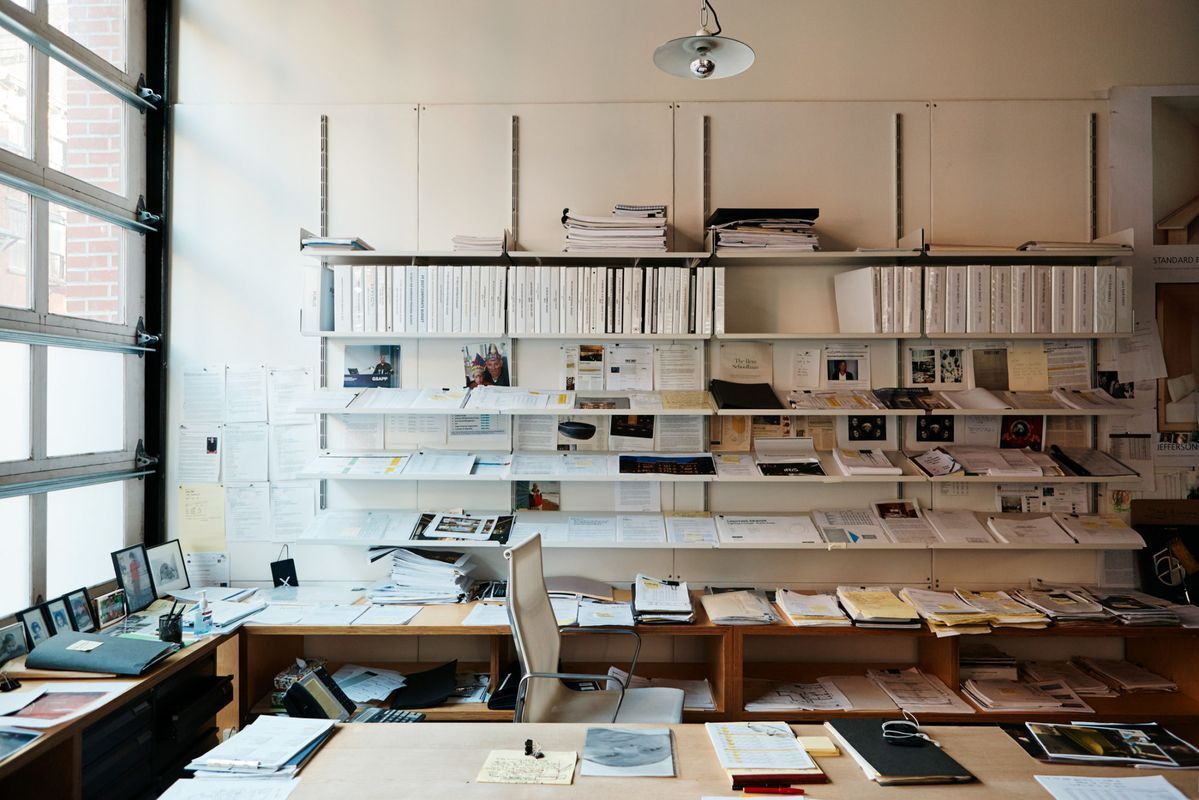
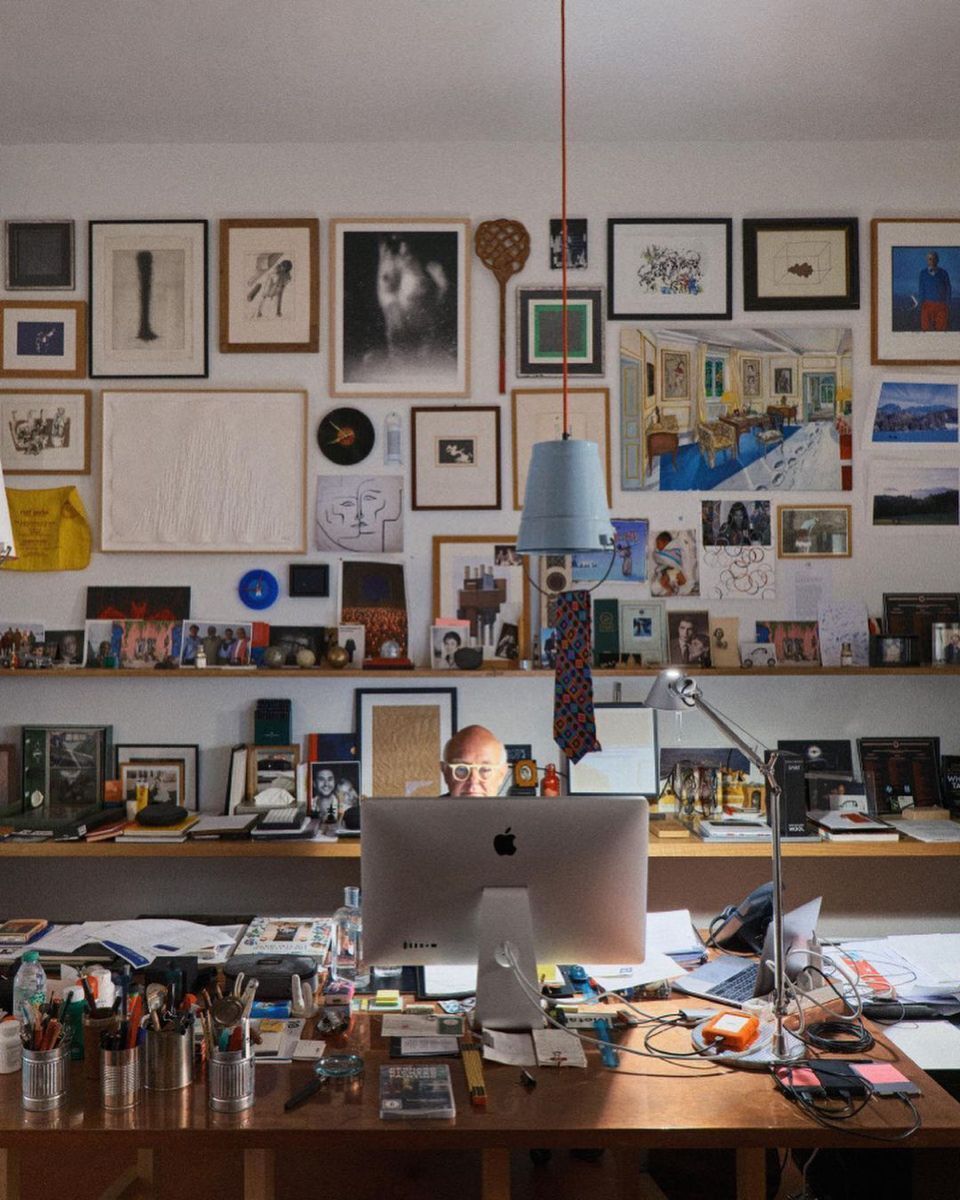
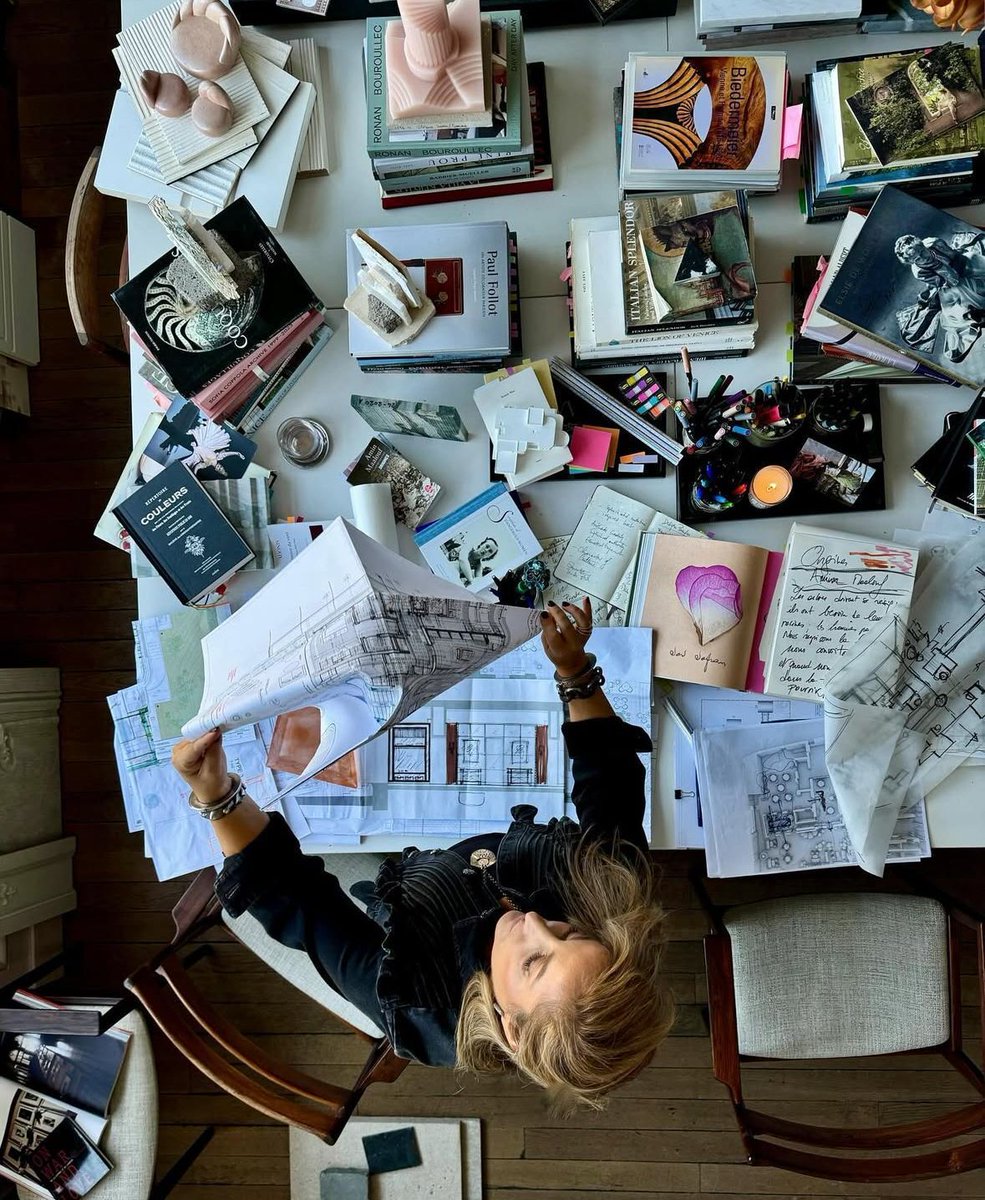
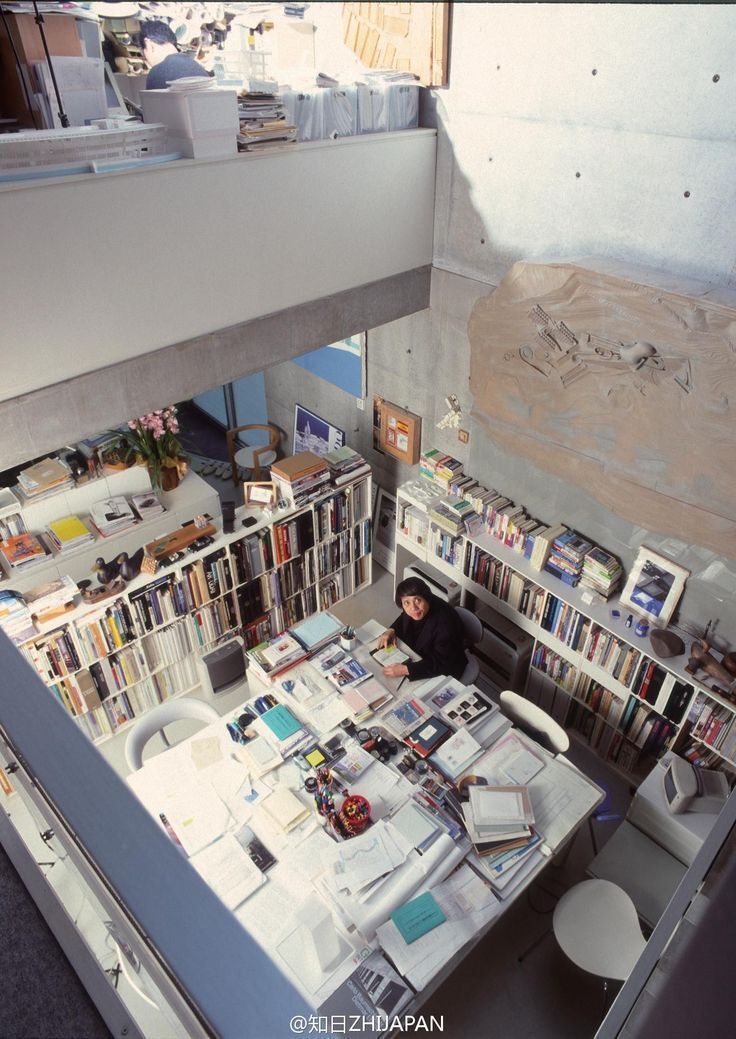
Messy offices. Great ideas.

2
2
400