
Software Developer | Community builder | AI/ML Advocate | I love @arsenal | Coffee-powered flow | GDSC Alumni
Joined October 2021
- Tweets 779
- Following 1,385
- Followers 892
- Likes 11,713
29 Photos and videos





Pinned Tweet

16 Apr 2024
We get paid for bringing value to the marketplace. It takes time to bring value to the marketplace, but we get paid for the value, not the time.
2
1
8
465
Jan 3
RT @JamesClear: A reminder from Atomic Habits:
New goals don't deliver new results. New lifestyles do. And a lifestyle is a process, not…
3,674

Samia 'Ngamia' Suluhu should be isolated by African countries, prosecuted in The Hague, and jailed.
She is murderous, narcissistic, psychopathic and unfit to lead anyone.
Why are countries entertaining her? She should be condemned and cursed.

311
3,820
14,303
244,979

Fareed🇹🇿 retweeted

22 Aug 2025
The most effective networking strategy I’ve found has nothing to do with conferences, cocktail hours, cold emails, or any of the common ideas you hear.
1) Do interesting things.
2) Share them publicly.
Like-minded people will come to you.
147
933
7,548
293,950
Fareed🇹🇿 retweeted
18 Jul 2025
You don't have to be good at everything, you just need to double down on what you're naturally suited for.
154
663
5,218
183,576
Fareed🇹🇿 retweeted

11 Jul 2025
🔥🎤Speaker Spotlight✨
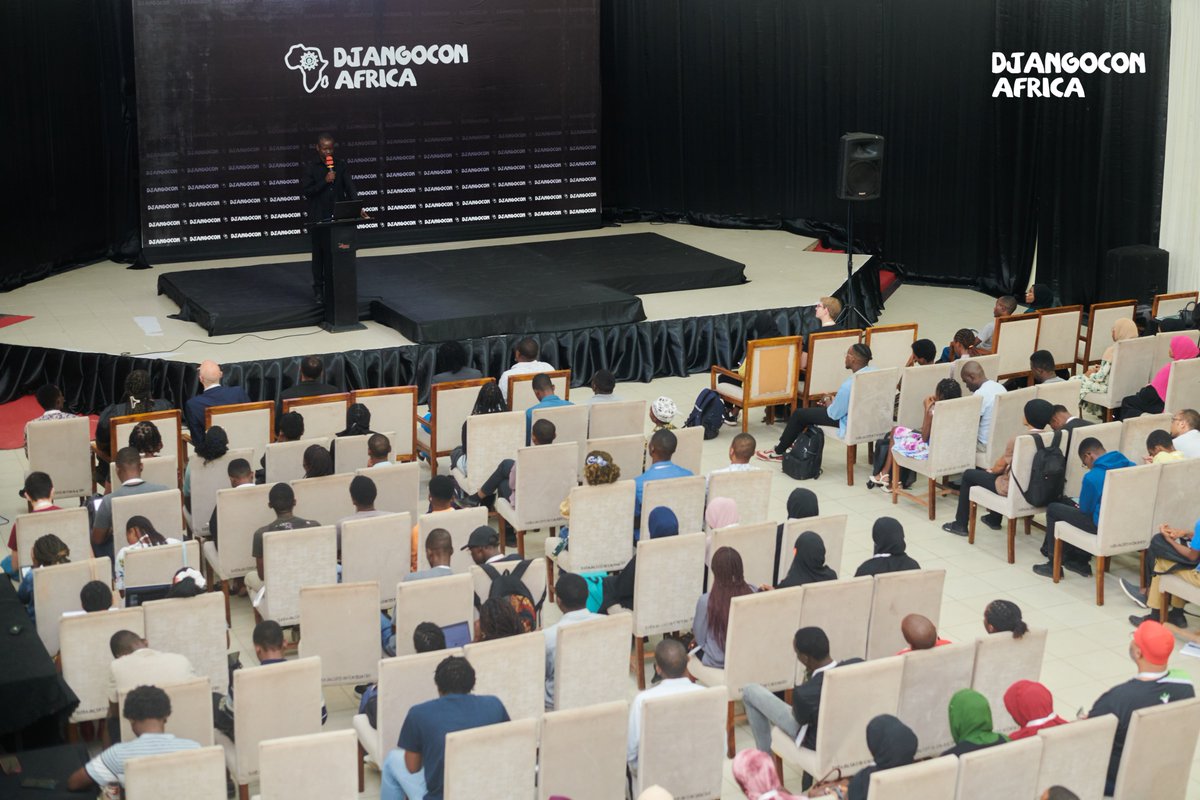
Join Thibaud ( @thibaud_colas), President of the Django Software Foundation, on the #DjangoCon Track at #DjangoConAfrica2025 as he will share deep insights on: 🧠“The Future of Django”
#djcafrica #djcafrica25 #django #UbuConAfrica #UbuCon #DjangoConAfrica
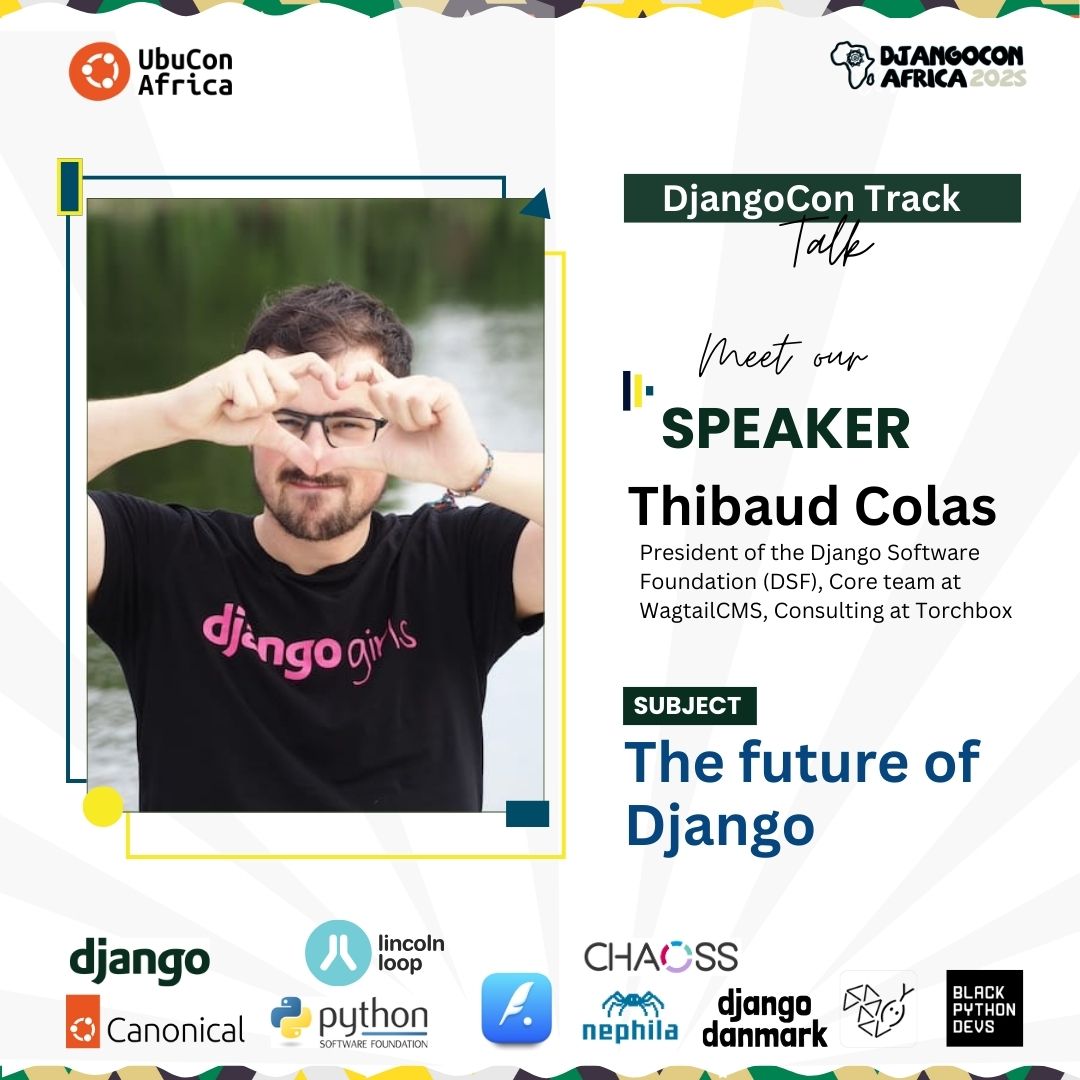
ALT Join Thibaud Colas, President of the Django Software Foundation, to the DjangoCon track at DjangoCon Africa 2025 for a powerful talk: “The Future of Django.”
5
13
382

Africa needs to develop its own AI.
We need one but it starts with Real money invested in the right places - Labs and startups
Data centers and Internet.
Well-trained AI professionals, engineers, researchers, data analysts
Then, data rooted in African realities and Languages
16
16
149
7,689

19 May 2025
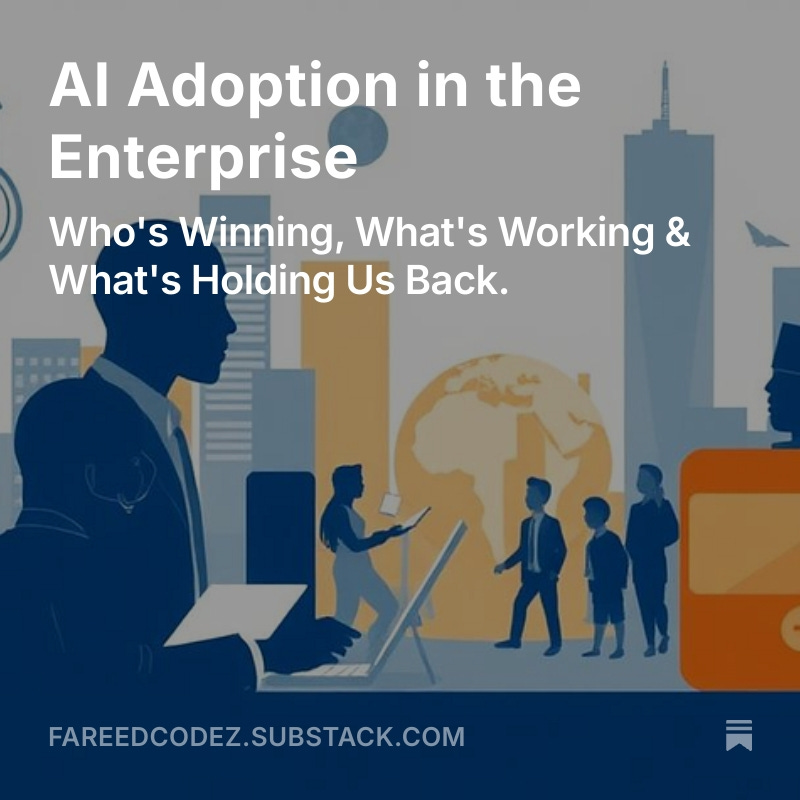
AI is no longer a future plan—it’s a present force reshaping how enterprises operate. From code generation to research and analytics, AI is driving measurable results.
📩 Read my full breakdown here: open.substack.com/pub/fareed…
#AIAdoption #EnterpriseAI
2
6
68
Fareed🇹🇿 retweeted

16 May 2025
The issue isn’t AI, when we teach to chase output over understanding then tools will be abused. she is just a mirror of the system. AI isn’t going away, it just got begun. maybe we should update our curriculum. 🙏🏻
5
11
108
9,826
Fareed🇹🇿 retweeted

15 May 2025
#PyConUS 👋 come say hi to Django people to get one of our lovely stickers! We have a bunch of different designs to distribute during the conference, including brand new Django ponies 🦄 Featuring @djangogirls, @djangonautspace, Django Social
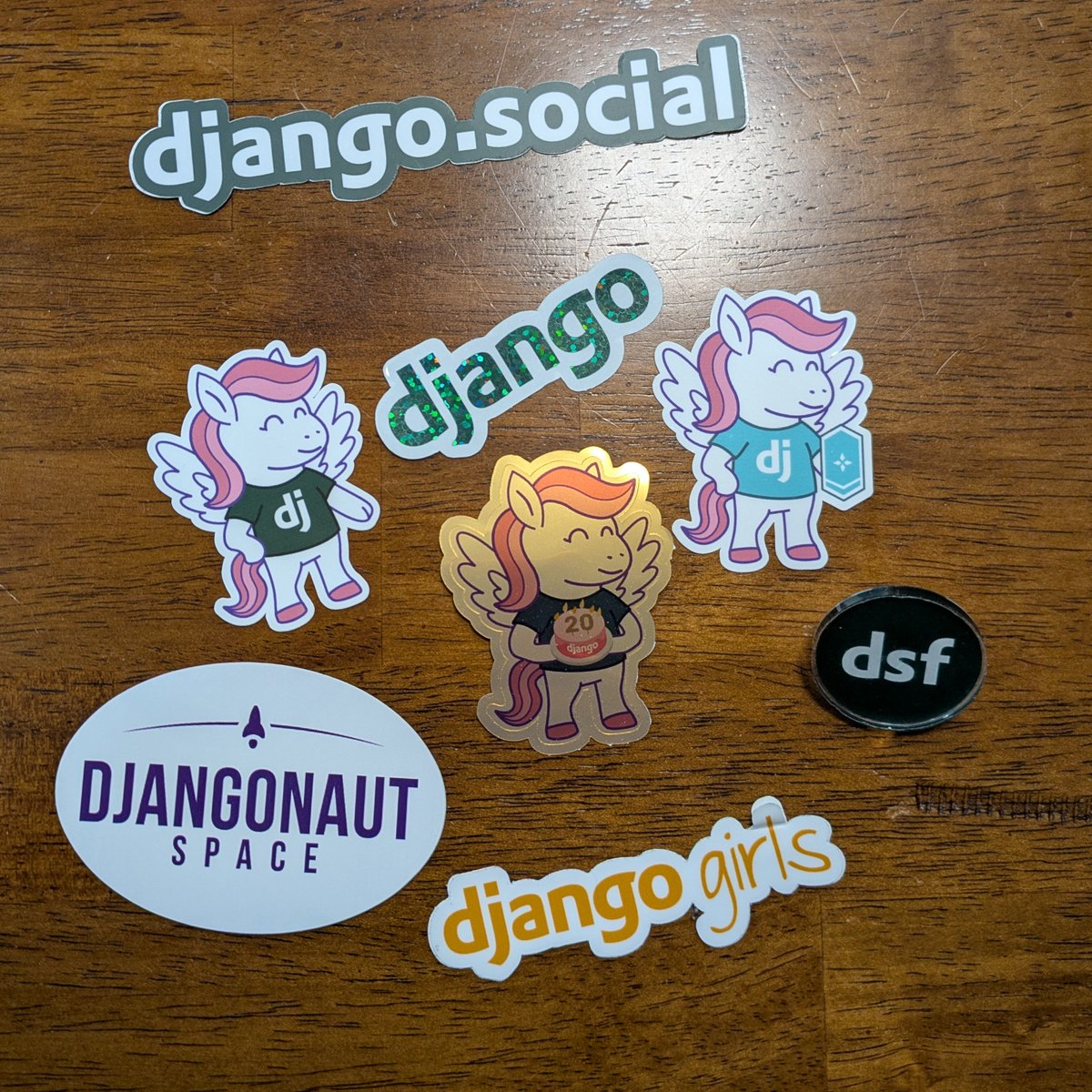
ALT Close-up of Django stickers on a table - Django.social, Django pony with "dj" shirt, Django logo, Django pony with birthday cake, Django pony with shield, Djangonaut Space, DSF pin, Django Girls
2
17
98
8,322
Fareed🇹🇿 retweeted

14 May 2025
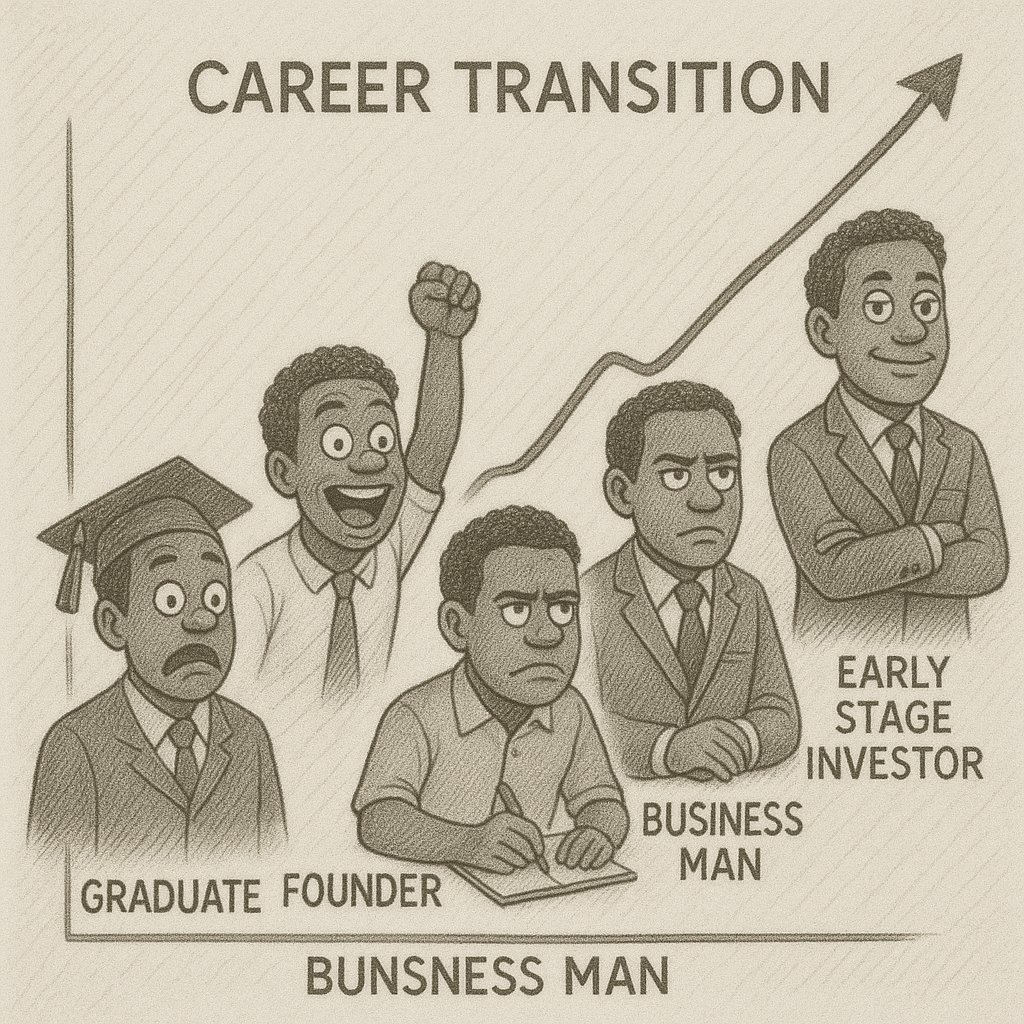
Looking back at my journey—from graduate, employee, founder, businessman, author to investor—one thing has remained constant: change.
Change isn’t just a phase. It’s a discipline. It requires humility to learn, courage to let go, and wisdom to know when to move on. Sometimes you have to leave when you’re still needed. Not because you’ve run out of value, but because your next season is calling.
If you want to stay relevant, if you want to keep enjoying what you do, you must be willing to evolve. That’s how you avoid getting stuck. That’s how you grow.
The truth is, no one tells you how difficult it is to reinvent yourself. But it’s worth it—every time.
—Jumanne
3
7
44
1,621
Fareed🇹🇿 retweeted

13 May 2025
No matter what you do, you’ll have to sell either a product, a service, or yourself. And if you can’t sell, you’ll always struggle.
103
1,071
7,524
198,215
Fareed🇹🇿 retweeted

13 May 2025
"Everybody wants to hire the best. Nobody wants to pay them the best."
@naval
35
72
814
29,065
Fareed🇹🇿 retweeted
8 May 2025
🚨 Django security releases issued: 5.2.1, 5.1.9 and 4.2.21. DoS possibility in strip_tags djangoproject.com/weblog/202… Thank you to Elias Myllymäki for the report!
1
22
82
5,384
Fareed🇹🇿 retweeted

5 May 2025
In computer science, you need to know the system that you’re building on top to have any real leverage. You need to know what will and won’t work, and why. This also generalizes to most fields, which is precisely why AI will take far fewer jobs than people think.
4 May 2025

A truism of CS is that you need to understand at least one level of abstraction below where you operate.
- OS devs -> hardware
- systems devs-> OS
- app devs-> systems
Vibe coding is no exception.
37
59
508
127,755
26 Apr 2025
Africa’s future depends on young people who are doers, not just degree holders.
Many young people graduate with high GPA certificates but don't know how to apply their knowledge to fix everyday challenges around them.
3
34
Fareed🇹🇿 retweeted

24 Apr 2025
People don’t care what you built.
They care that you finally named the problem they’ve been dealing with all along.
Startups don’t fail because the solution is weak. They fail because no one feels the problem enough to act.
You can’t create demand without pain. And if your customers can’t feel the problem, your features won’t matter.
The best startups figured this out early.
Slack didn’t lead with integrations. They led with “Be less busy.” It was a promise to escape the inbox treadmill.
Expensify didn’t optimize workflows. They said “Expense reports that don’t suck.” Every employee nodded in agreement.
Salesforce launched with a war cry: “No Software.” They didn’t sell a cloud CRM. They sold freedom from IT hell.
Stripe never explained infrastructure. They said: “Seven lines of code.” What used to take weeks now takes minutes.
TransferWise didn’t advertise their rates. They said: “Stop hidden fees.” Then they showed you exactly how your bank was screwing you.
These weren’t taglines. They were truth bombs.
They weren’t selling what they built. They were naming what people wanted to run from.
That’s why problem-first marketing spreads.
It doesn’t pitch. It resonates. It earns trust before the product even shows up. And when people feel seen, they don’t just try your product. They share the story.
Because that pain? It’s not yours alone. It’s felt by teams, departments, industries.
And when you say it clearly enough, people say:
“This. This is exactly what we’ve been dealing with.”
Here’s the real mistake most founders make:
They start with what the product does.
They explain the tech.
They give the demo.
They hope people care.
But no one remembers features.
People remember friction.
If you don’t lead with pain, your pitch becomes optional. And in a world of infinite products, optional gets ignored.
So what should you do?
Tell the truth about what’s broken. Make the pain feel immediate. Show people a version of their day they already hate. Then give them a different one.
Dropbox said: “Never email yourself a file again.”
Airbnb said: “Live like a local.”
HubSpot said: “Outbound marketing is broken.”
They all framed the problem before they introduced the fix.
And because of that, their solution felt obvious. Like it had been missing all along.
If your message isn’t landing, ask yourself:
Is the problem sharp?
Is it specific?
Is it something your customer would say out loud?
Because if not, the issue isn’t your product.
It’s the story you’re telling about it.
You’re not building software.
You’re removing pain.
And the better you name that pain, the faster your customers will lean in.
Make them feel seen.
Make the friction unforgettable.
Then show them the way out.
That’s how demand is built.
That’s how markets shift.
That’s how movements start.
55
87
573
57,889