
@coinfund co-founder & CIO, @dartmouth and skier. Not investment advice, these are my personal opinions.
Joined May 2010
- Tweets 1,785
- Following 1,542
- Followers 4,619
- Likes 5,631
152 Photos and videos



Alex Felix retweeted

May 20
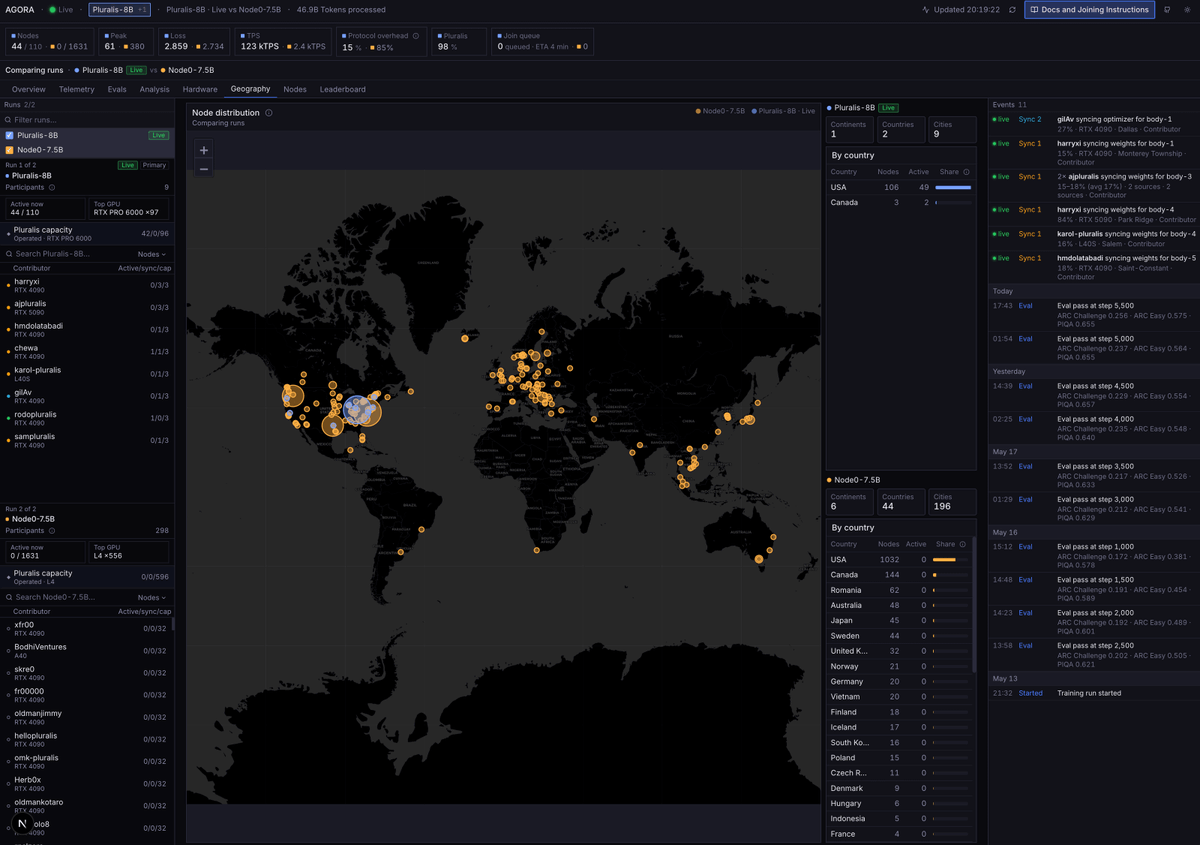
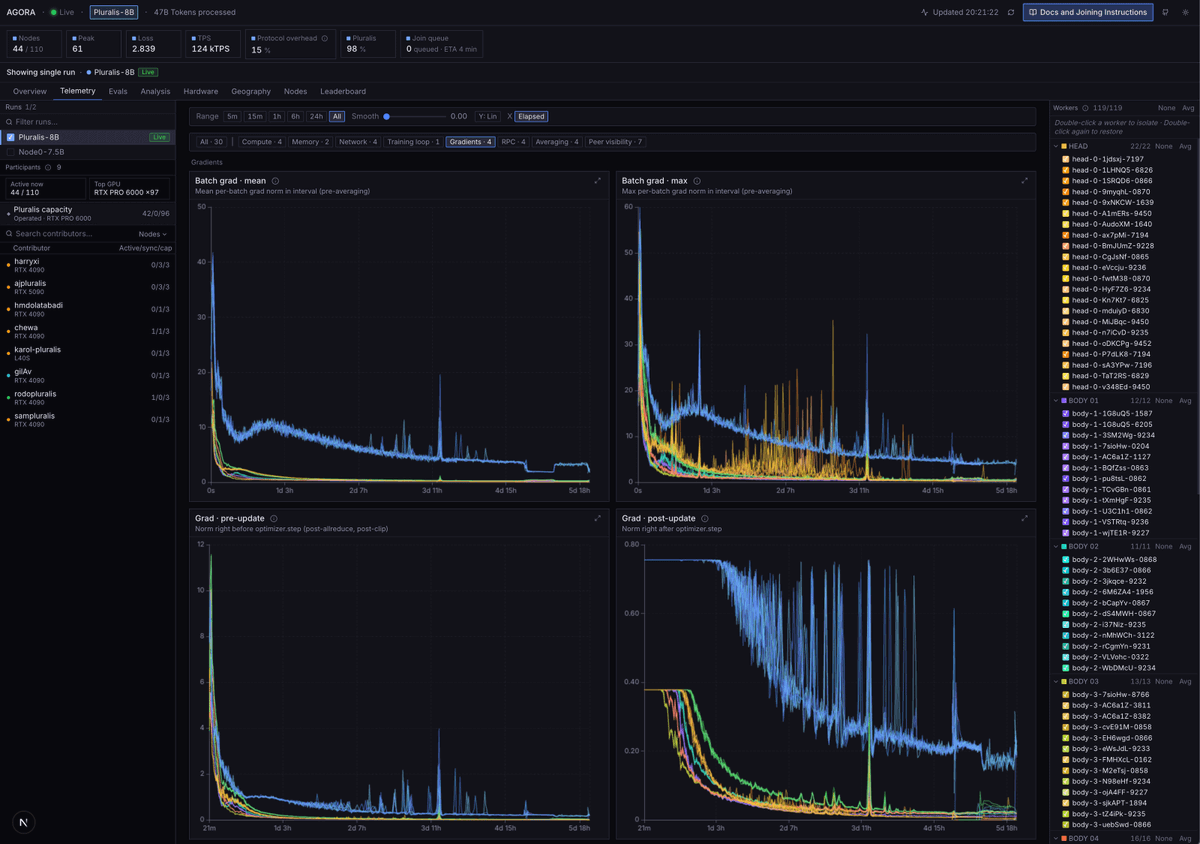
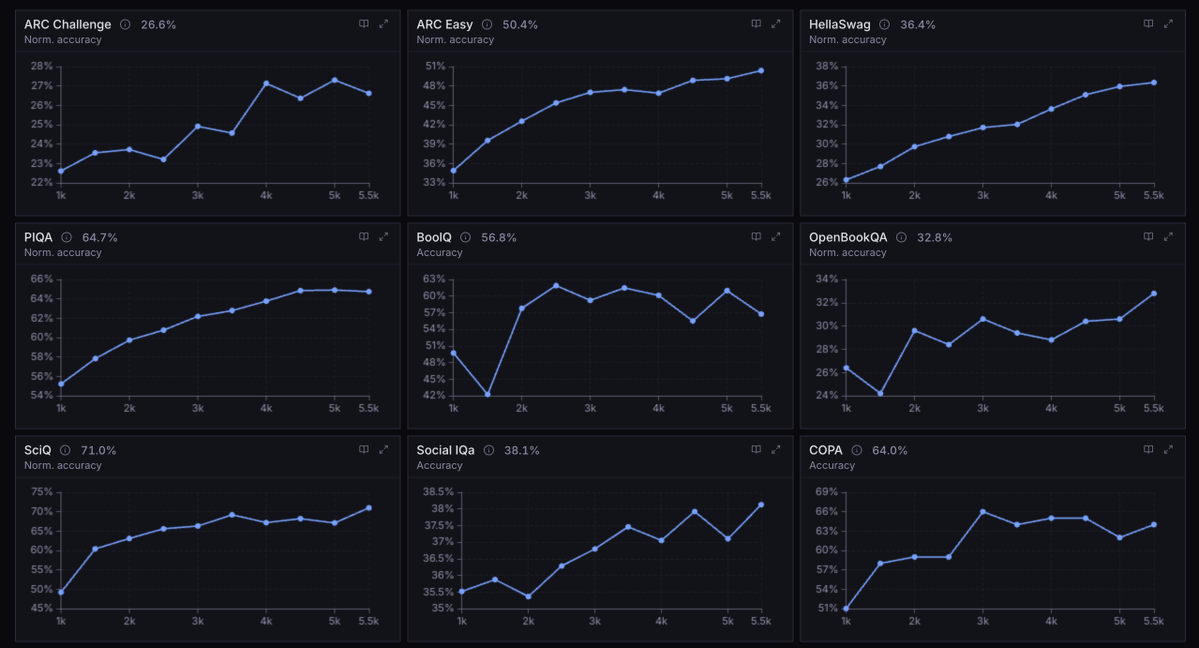
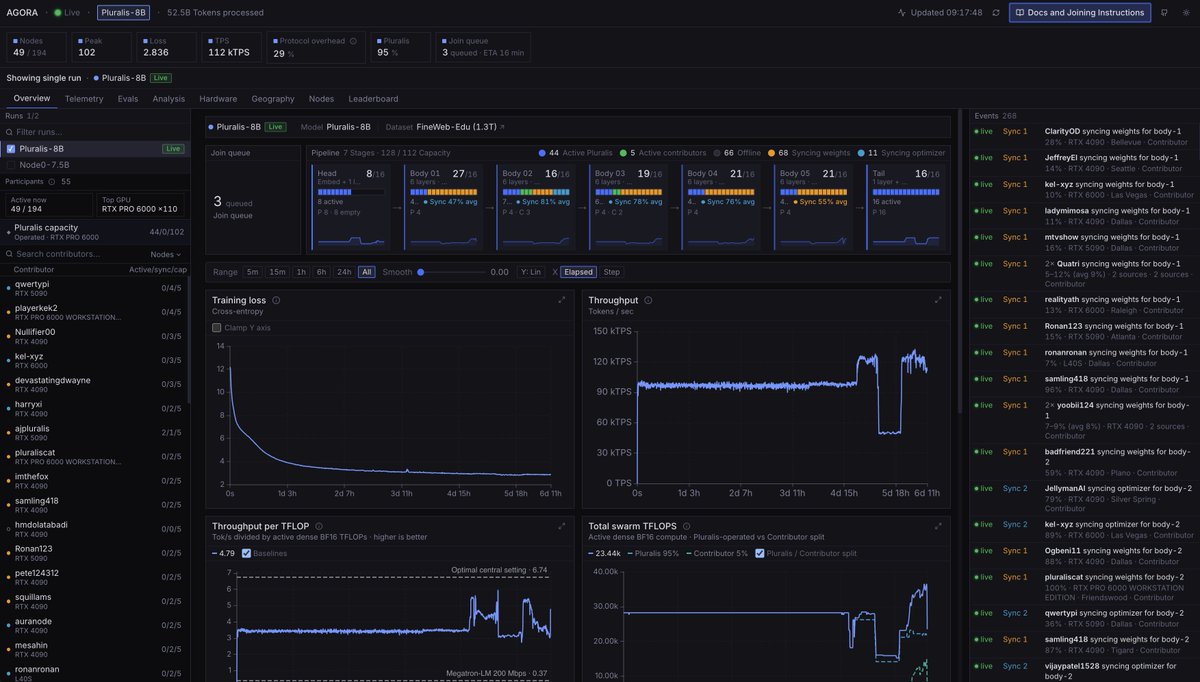
Today we're releasing Agora: the first ever pretraining stack that allows non-collocated consumer GPUs to be competitive with centralized clusters
Agora is 15x faster than Megatron-LM in this setting and is only 1.5x less efficient in terms of tokens per unit compute than TorchTitan on H100s, despite running on devices that have no NVLink or InfiniBand support.
25
42
284
80,339

May 19
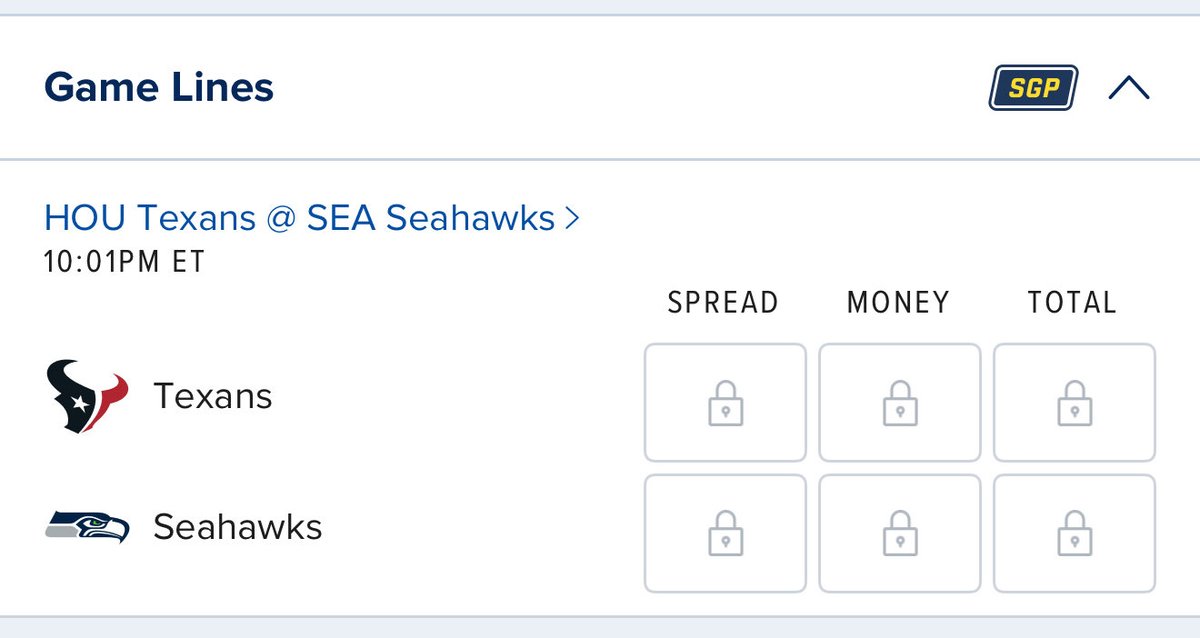
The interesting work in prediction markets isn't in the courts. It's at the protocol layer: who resolves, what counts as a source, how insider activity gets priced.
You can win the gambling debate and still end up with great sportsbooks and mediocre oracles.
bloomberg.com/news/newslette…
4
3
13
2,036
Alex Felix retweeted

Apr 30
1/ @CoinbaseAM has selected Superstate FundOS to launch an onchain share class of the Coinbase Stablecoin Yield Fund (CUSHY) in Q2 2026.
For the first time, FundOS is powering a third-party fund launch from inception.
superstate.com/newsroom/coin…
11
19
94
26,536
May 2
In 2016, all US venture investment was about eighty billion dollars.
In 2018, one hundred thirty billion.
In 2022, two hundred forty billion.
In 2026, one OpenAI round was one hundred twenty-two billion.
9
589
Apr 24
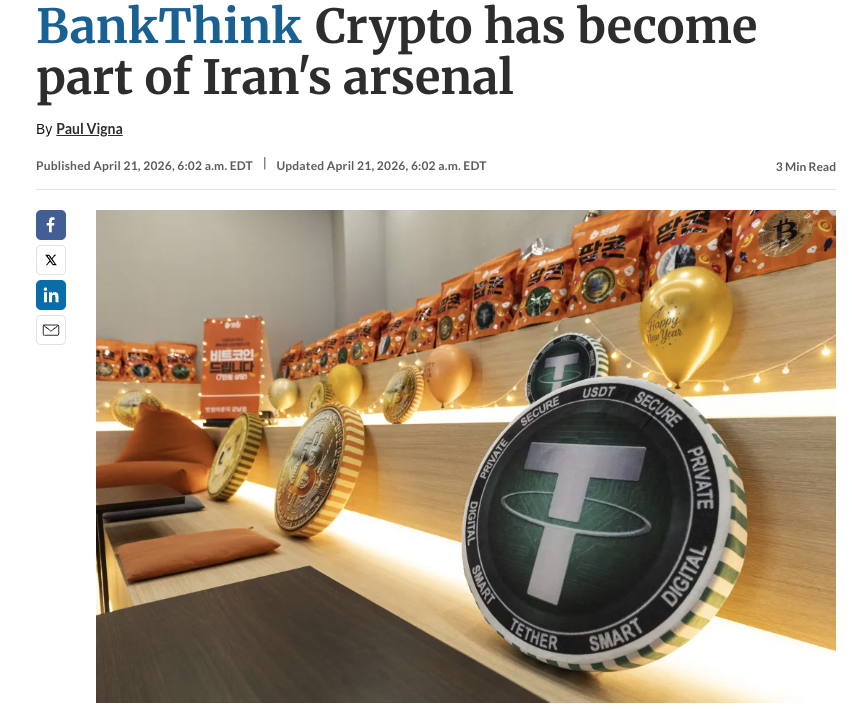
Iran's Bitcoin toll in the Strait of Hormuz shows global crypto rails cut both ways, you don't get dollar access in Buenos Aires without the same rails being available to the IRGC
If you want to actually stop illicit finance, you don't go after wallets and shell exchanges that are disposable, that is whack-a-mole. The leverage is at the human layer, in the operators and their coordination channels
That's why we backed @IntelTweet and @trycloudburst, which bridges the gap between blockchain data and real-world threat actors for government and commercial customers
2
1
8
603
Apr 24
1
109
Apr 10
The wait is over
Every bank and fintech in the country now has a regulatory path to issue stablecoins
Institutional capital is about to move onchain in a big way, and I cannot think of a better positioned team than @dakota_xyz to capture it

The FDIC, which backs deposits at thousands of US banks, is laying out its guidelines for how those institutions and their fintech subsidiaries can use stablecoins bloomberg.com/news/articles/…
3
1
11
1,289
Apr 10
If Back were Satoshi, that means he emailed himself, asked himself a question he already knew the answer to, and then "forgot" to read his own whitepaper promptly.
Adam Back is to Satoshi as Tony Stark's armorer is to Iron Man. Critical to the story. Didn't build the suit...
4
16
1,679
Mar 25
You wouldn’t know we’re in a bear market walking into @blockworksDAS
Institutions aren’t waiting for prices to recover, they’re building and allocating now
As @JasonYanowitz said, crypto will win. Tomorrow I’ll be on stage with @robbieklages, @tarunchitra, and @samantha_bohbot talking about the infrastructure that will make that possible
Mar 25

Our goal for DAS this year was simple.
Inject optimism back into this industry.
Optimists always win. Always. But I get the sense crypto has been overtaken by pessimism.
We need to snap out of that NOW.
We have been building Blockworks since Dec 2017. I have never seen this much momentum, this many tailwinds, this much institutional and political support for crypto, this much real world adoption.
And all I hear on this app is complaining about the tokens going down.
Most tokens will stay down, that’s ok!
But what most seem to be missing is that the winners are emerging. Their tech will get adopted globally. Their platforms will be seen as staples of society. And yes, their tokens will go up (a lot).
We wanted to show you with DAS this year that crypto will win.
I hope we’ve played a small role in sparking your optimism in this idea.
Crypto will win.
1
9
1,138
Mar 25
Crypto M&A surged 7x in 2025 to $37B
@Mastercard just acquired @BVNKFinance for $1.8B, the largest deal of 2026 and #2 all time behind @coinbase acquisition of @DeribitOfficial
Two $1B exits in stablecoin orchestration in under two years (Bridge acquired by Stripe was the first)
Keep an eye on @dakota_xyz, which is building in this area with a differentiated approach on both technology and licensure. Most teams only get one of those right. They’re nailing both
Someone in this space will build a much larger outcome for investors. The category is still early. Good read from @bdanweiss at @FortuneMagazine: fortune.com/2026/03/17/maste…
9
325
Alex Felix retweeted

Mar 10
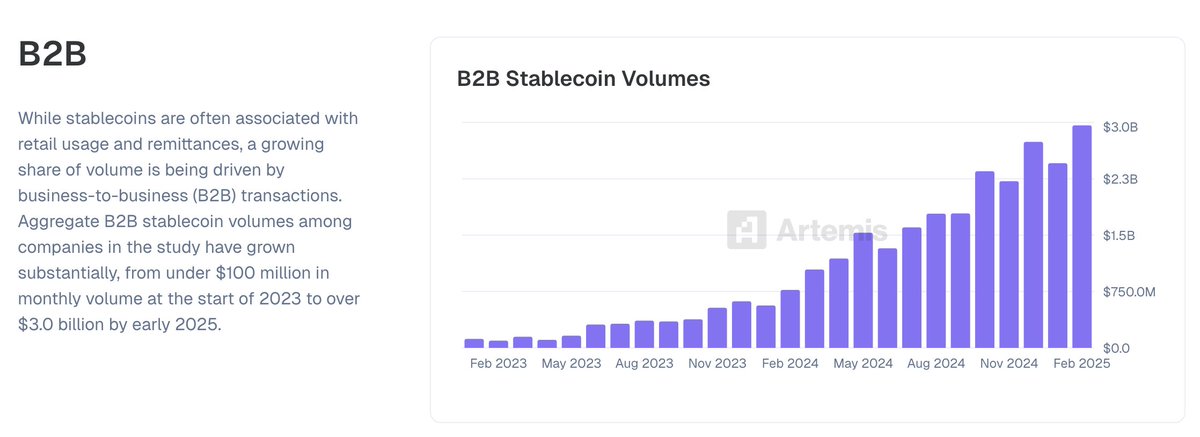
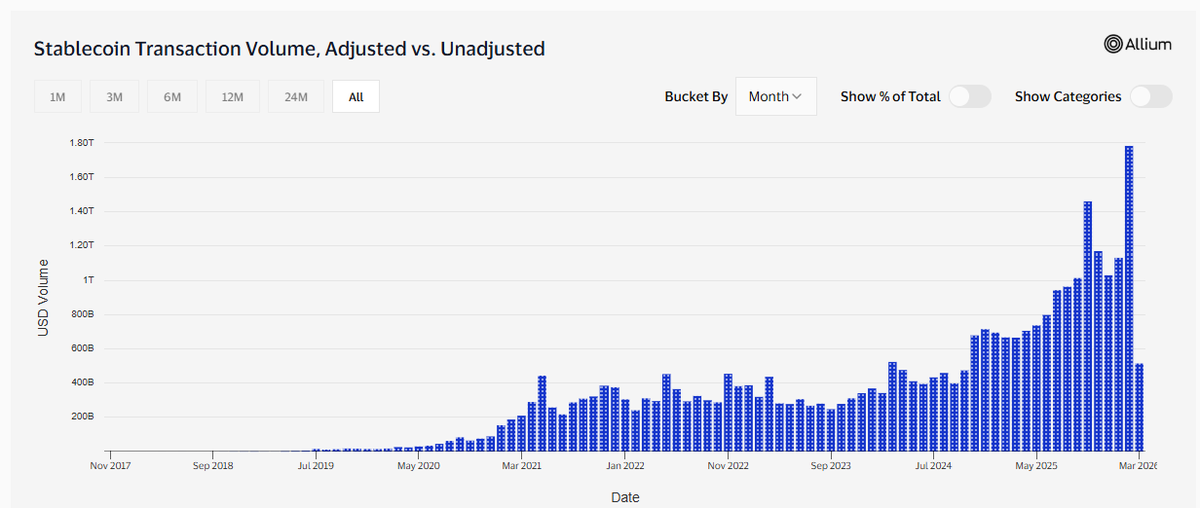
1/3: Three things that are working in crypto - Cleaned stablecoin payment volume hit $1.8T in February, up 2.7x y/y. Source: @AlliumLabs / @Visa
4
3
16
1,271
Feb 12
Put your money where your model is.
Pro tools for prediction market trading and execution built by the one and only @MovieTimeDev.

2
4
445
Feb 4
If you want a glimpse into the future, the only ways to make money with software will be transaction-based. Everything else gets bundled.
Crypto & AI will own the flow of money:
• Payments
• Settlement
• Liquidity
• Risk transfer
• Compute
SaaS and subscriptions are just features and convenience.
1
5
460
Jan 29
Building onchain is finance's online moment
Just like the internet rebuilt media, commerce, and communication on open protocols, blockchains are rebuilding money movement, settlement, and financial services.
Today @dakota_xyz announced its evolution into a stablecoin infrastructure platform. For those of us who've been in crypto since the early days, this is what we've been waiting for: new financial plumbing.
Cross-border payments still run on correspondent banking networks designed for the fax machine era. Settlement takes days. Money passes through eight or ten intermediaries on some corridors. Fees are opaque. It's a mess and traditional fintech just puts lipstick on the pig by wrapping better interfaces around the same broken architecture.
Dakota is different. They've built programmable money movement on crypto rails with compliance tooling baked in. Businesses can embed stablecoin payments, treasury, and payouts into their products through APIs, but without becoming banks themselves. Settlement in seconds. 24/7 availability. Global from day one.
We led their Series A because @ryanbozarth @GabeGSell understood something most founders miss: the bottleneck isn't stablecoins, it's the software and regulated infrastructure that makes them usable in production. Ryan scaled Coinbase Custody to over $100 billion in assets. He knows that moving real money requires custody, compliance, and operational rigor, not just blockchain rails.
Dakota fits a pattern we keep betting on for onchain primitives to become essential financial plumbing for the real world:
@FinanceTrace – Brazil cross boarder payments
@SuperstateInc – RWA tokenized assets
@lifiprotocol – cross-chain liquidity
@veda_tech – DeFi yield infrastructure
& more
Digital value is moving onchain. It's spilling over into yield, trading and investment. Dakota is the settlement layer underneath.

1
4
831

.@jbrukh and @ErikVoorhees talk Tether’s USAT launch ⬇️
9
5
18
6,989
Jan 6
I believe the next phase of crypto investing will reward thoughtful company building and long-term strategic thinking. This transition sharpens @coinfund's focus entirely on venture investing, partnering with founders building generational crypto companies for the modern economy. Grateful to Seth and Chris for their contributions to CoinFund.

2
8
732
22 Oct 2025
For a few years @coinfund has been grappling with a big question: what happens when AI agents move from being tools to becoming participants in decision-making? Machines that remember, reason and act. @recallnet by @tableland is the infrastructure.
🔗coinfund.io/we-gave-ai-obser…
8
3
20
1,678
22 Oct 2025
The future won’t just be about more tools. It will be about voices—machines with track records, reputations & agency.
If they’re going to sit at the table, we’ll need systems like Recall to tell us which ones deserve that seat.
1
7
248
22 Oct 2025
Congrats to the team and early users. Learn more about @recallnet public launch of skills markets (extending prediction markets to everything else):
x.com/recallnet/status/19785…
15 Oct 2025

Liquid markets for every AI skill imaginable.
Skill markets give you the power to bounty AI skills, build a portfolio of the best AI products, and earn when they rank in live competitions.
Shape the future of trusted AI on Recall.
Now live on 🟦 @base.
5
285