
Joined April 2024
- Tweets 40,131
- Following 492
- Followers 374
- Likes 36,664
344 Photos and videos








According to Human Rights Watch:
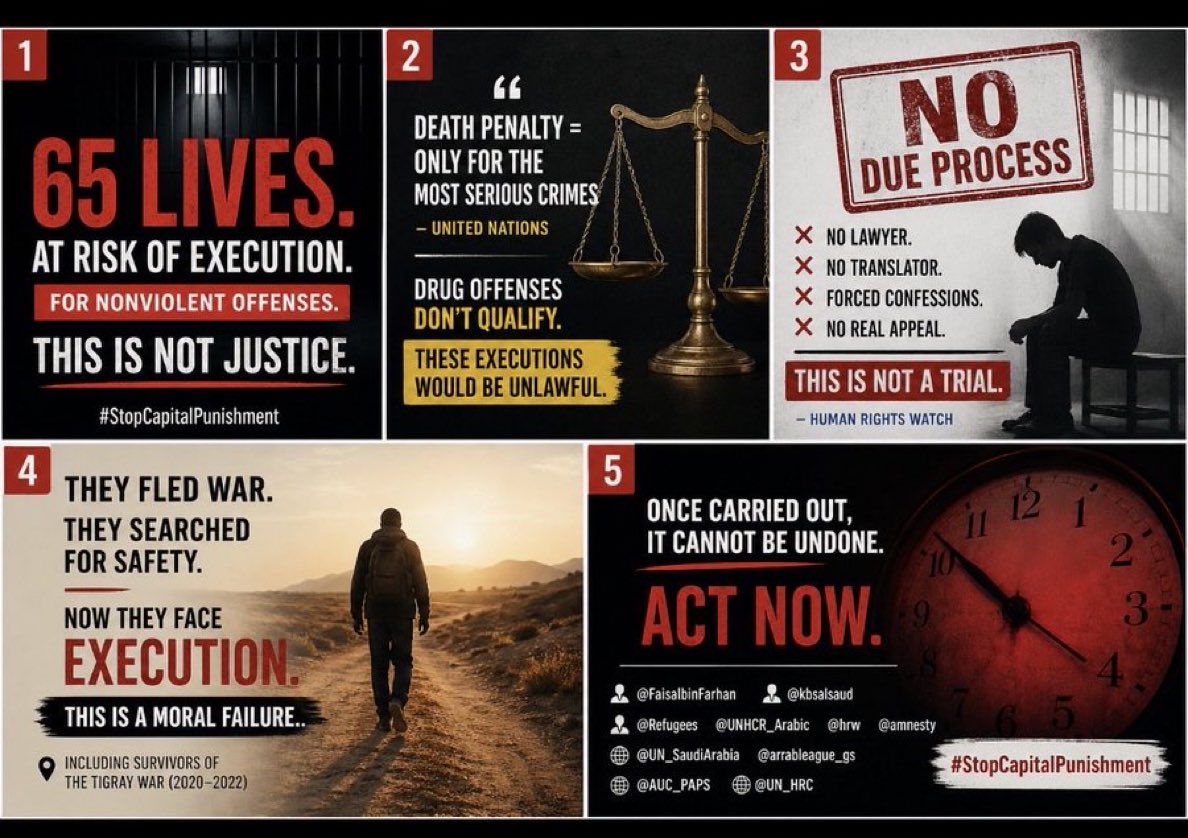
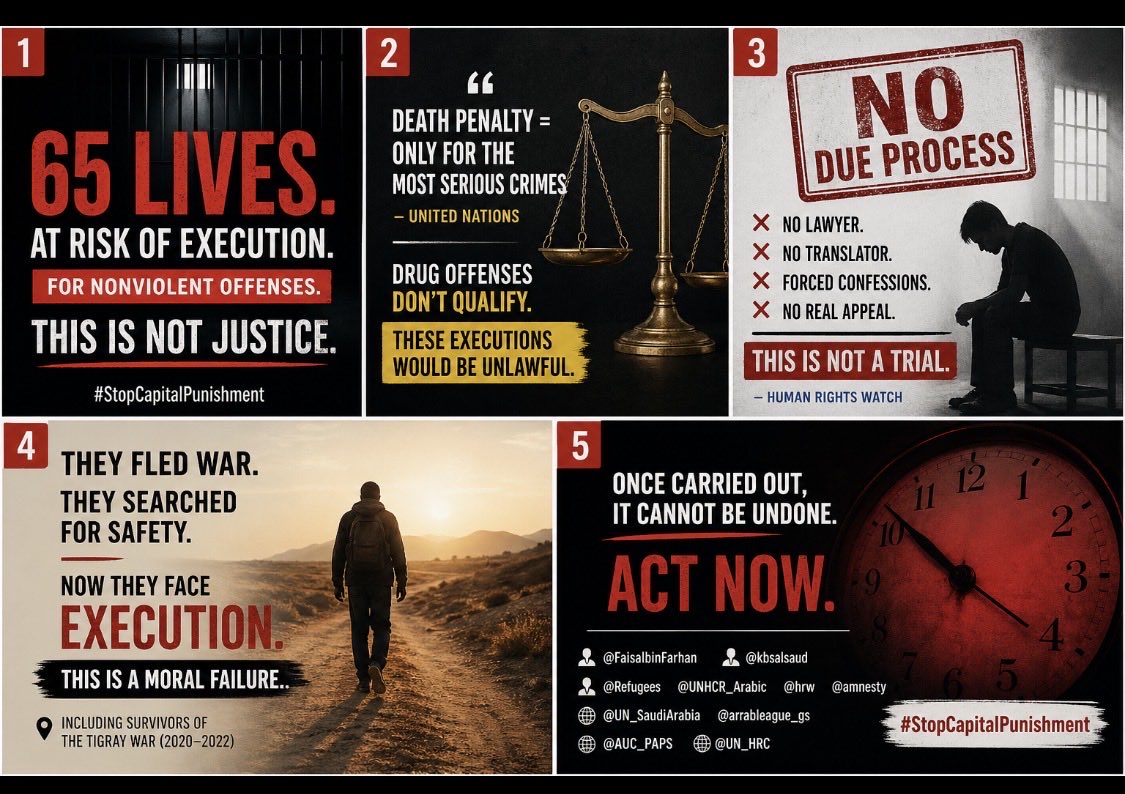
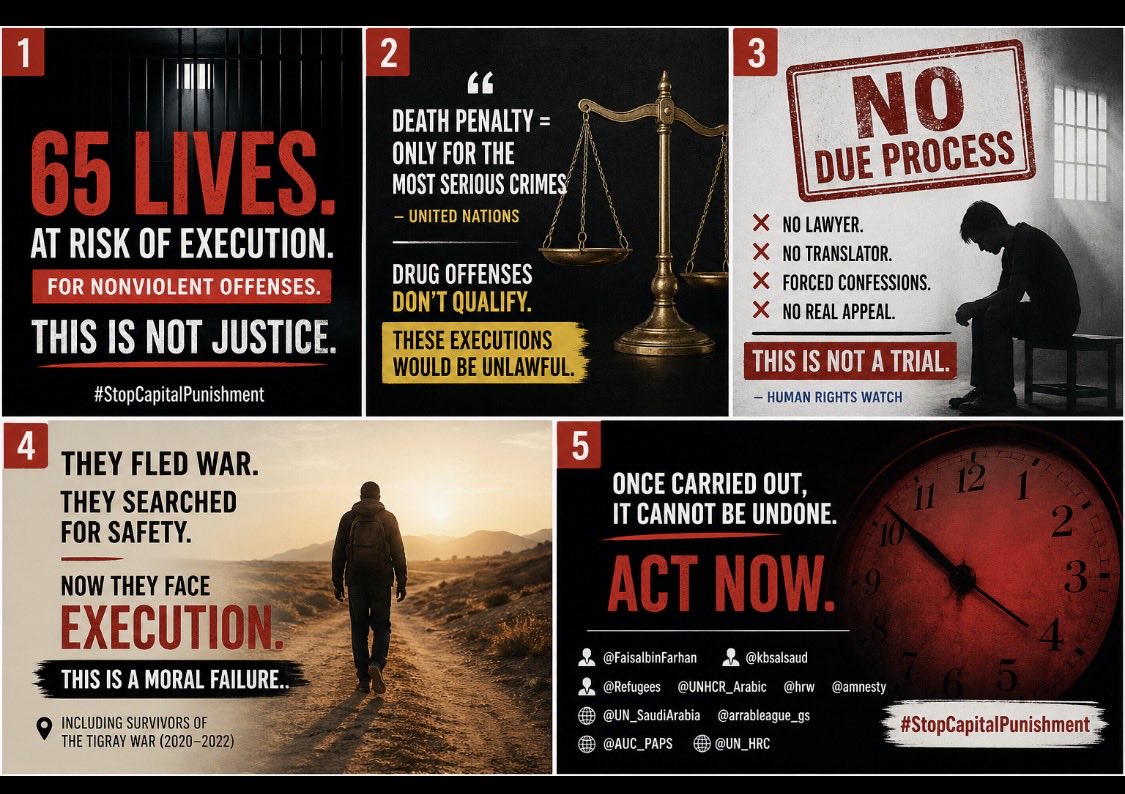
These sentences followed unfair trials — with no lawyers, no translators, and coerced confessions
That alone makes these executions unlawful under international law.
#StopCapitalPunishment @FaisalbinFarhan @UN
@Refugees @UNHCR_Arabic
@Tigray_3
20
11
156
ፍረይ ጓል ሕሞራ❤️🔥...✍ retweeted

May 1
“The international community underwrote a genocide in order to overturn #Tigray’s democratic will…”— Semhal Meles
25
19
1,073
ፍረይ ጓል ሕሞራ❤️🔥...✍ retweeted
May 1
1
34
15
660

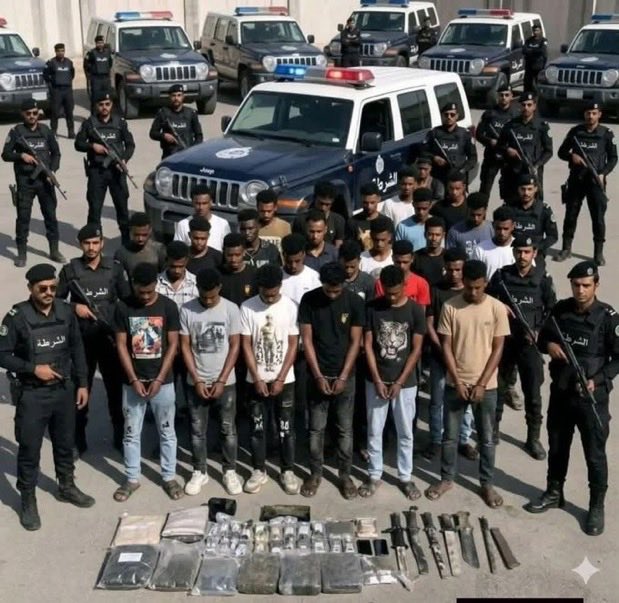
#StopCapitalPunishment 🛑
@hrw @UN
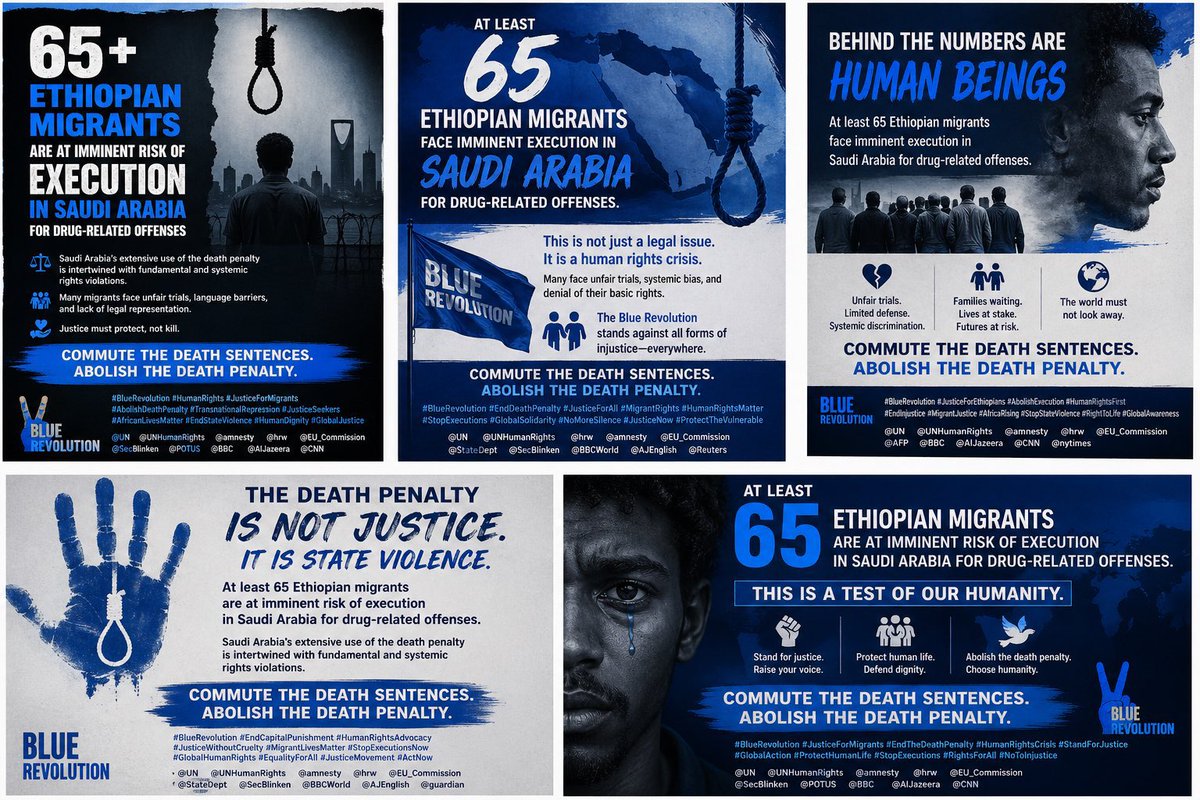
⚖️To the federal government officials! @reda_getachew , Dr. Abraham Belay, Professor @ProfKindeya& other senior officials,are called upon to talk to the Ministry of Foreign Affairs and take immediate action to save these citizens from death!!
31
19
335

H.B.D🎉🎂🎊 @k_n14t
#እንኳዕ_ተወለድኪ_ናተይ ዋዕሮ ሓፍተይ 🥰❤️🩹
ዝተረፈ ዕድመኪ እግዚኣብሄር ይባርከልኪ🙏💚
#መፃኢኪ_ብሩህን_ድሙቁን_ ይኩን 🙏♥️
እግዚኣብሄር ኣምላክ ሓሳብ ልብኪ የስምረልኪ 🙏
@DAT_TDF @gaberahwt @Babby_1212
@getish_desta @BerhanuAsres
12
11
322
ፍረይ ጓል ሕሞራ❤️🔥...✍ retweeted

Apr 29
📢 Some are denied ID cards.
No ID =
No banking
No work
No mobility
#Tigray #HumanRights #Accountability
@UN @UNHumanRights @achpr_cadhp @AUC_PAPS @_AfricanUnion @UKParliament @FCDOGovUK @EU_Commission @EUCouncil @StateDept @getish_desta @IntlCrimCourt hrw.org/news/2026/04/22/ethi…
27
14
173
ፍረይ ጓል ሕሞራ❤️🔥...✍ retweeted
Apr 29
📡 🧵:
THIS IS NOT JUSTICE—THIS IS A HUMAN RIGHTS VIOLATION
#StopCapitalPunishment @FaisalbinFarhan
@kbsalsaud
@Refugees @UNHCR_Arabic @amnesty
@UN_SaudiArabia @arableague_gs
@AUC_PAPS @UN_HRC
Apr 29

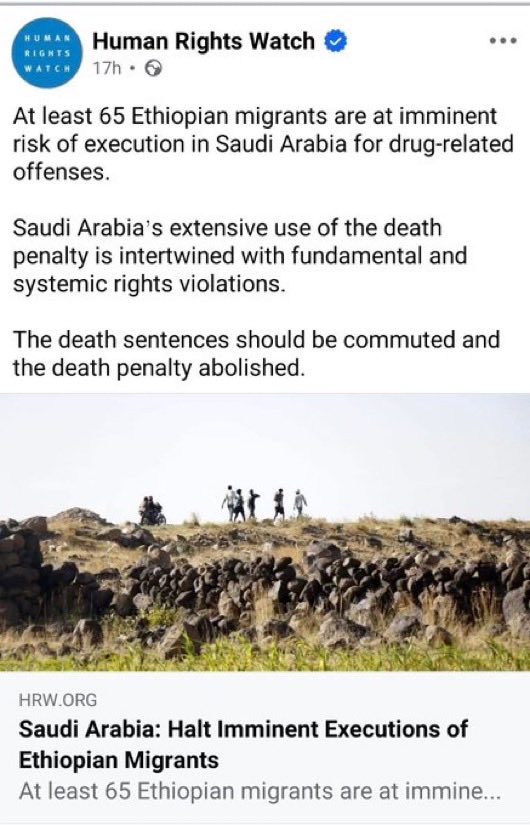
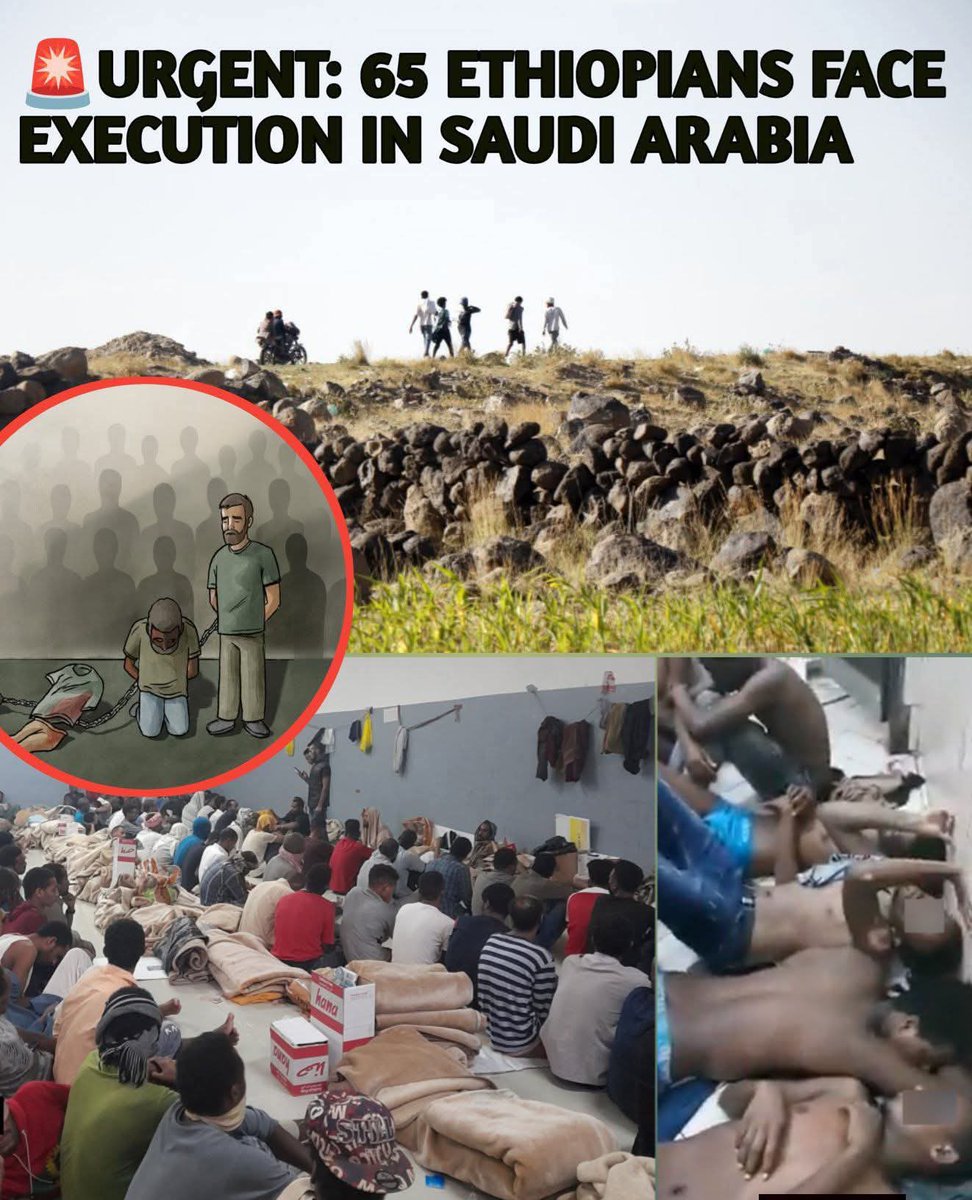
At least 65 Ethiopian migrants are at imminent risk of execution in Saudi Arabia for drug-related offenses.
Saudi Arabia’s extensive use of the death penalty is intertwined with fundamental and systemic rights violations.
The death sentences should be commuted and the death penalty abolished. hrw.org/news/2026/04/28/saud…
1
34
17
640
ፍረይ ጓል ሕሞራ❤️🔥...✍ retweeted
Apr 29
12/
A detained migrant said:
“Maybe today or tomorrow they can kill me. Please help us.”
This is urgent.
This is preventable.
This is a test of global conscience.
#StopCapitalPunishment
@FaisalbinFarhan
@Refugees @hrw @amnesty
@UN_SaudiArabia
hrw.org/news/2026/04/28/saud…
42
20
741
ፍረይ ጓል ሕሞራ❤️🔥...✍ retweeted
Apr 30
Seeking urgent coverage: 65 Ethiopian migrants face execution after allegedly unfair trials in Saudi Arabia. Human rights groups warn of imminent risk.
#StopCapitalPunishment
@guardian @nytimes
@BBCWorld @AJEnglish
@ReutersAfrica @cnni @washingtonpost
Apr 30

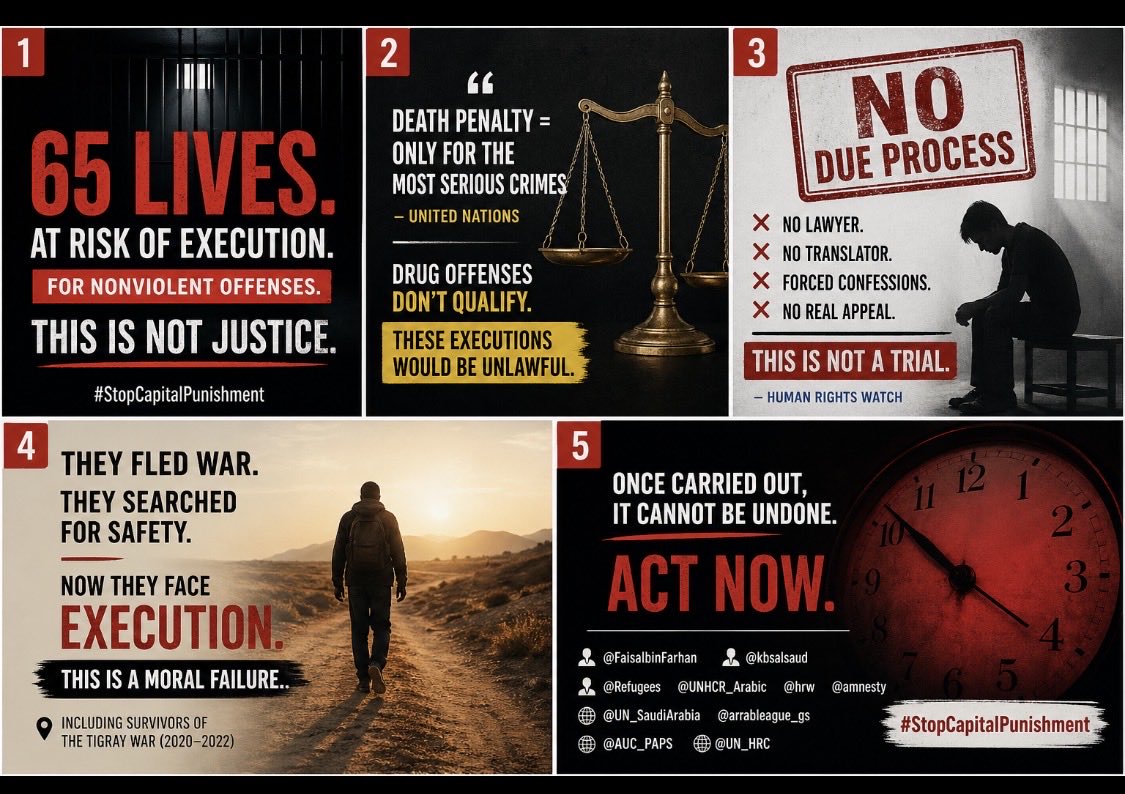
Ethiopian migrants facing execution in Saudi Arabia: What we know
At least 65 Ethiopian migrants are at imminent risk of execution in Saudi Arabia for drug-related offences, according to Human Rights Watch (HRW).
The cases have raised concerns among rights groups about the use of the death penalty for nonviolent crimes and the fairness of legal proceedings involving foreign nationals.
Who are the people affected?
HRW says many of those facing execution are Ethiopian migrants who travelled to Saudi Arabia in search of work or safety.
Some are reported to have fled conflict, including the #TigrayGenocidalWar, and took migration routes through Yemen before entering Saudi Arabia.
Rights groups say migrants on these routes are often vulnerable to exploitation, including coercion into transporting banned substances.
What are they accused of?
The individuals are accused of drug-related offences, including smuggling substances such as khat, a stimulant plant commonly used in parts of East Africa but banned in Saudi Arabia.
According to HRW, some detainees said they were unaware the substance was illegal in Saudi Arabia, while others were allegedly forced to carry it.
What concerns have been raised about the trials?
HRW reports that several of the accused were convicted following proceedings that:
•Did not provide access to legal representation
•Lacked interpreters or translators
•Relied on confessions detainees say were coerced
•Offered limited or no opportunity to appeal
The organisation says such conditions fall short of international standards for a fair trial.
What does international law say?
International human rights law restricts the use of the death penalty to the “most serious crimes”, generally understood to mean offences involving intentional killing.
The United Nations and its expert bodies have stated that drug-related offences do not meet this threshold.
The United Nations Working Group on Arbitrary Detention has also said that imposing the death penalty in such cases is incompatible with international legal standards.
How common are executions in Saudi Arabia?
Saudi Arabia is one of the countries that continues to use capital punishment.
According to publicly reported figures cited by HRW:
•345 executions were carried out in 2024
•356 executions were carried out in 2025
A significant proportion were for nonlethal drug-related offences, including cases involving foreign nationals.
What has happened recently?
HRW reports that three Ethiopian nationals were executed on 21 April 2026.
Sources cited by the organisation say detainees in prison were informed of the executions after being told the men had been taken for a court appearance.
The reported executions have heightened fears among other detainees that further executions could take place soon.
What are rights groups calling for?
HRW is calling on Saudi authorities to:
•Halt planned executions
•Commute existing death sentences
•Ensure fair retrials in line with international standards
The organisation has also urged Saudi Arabia’s international partners to intervene.
What role does Ethiopia have?
HRW says the Ministry of Foreign Affairs of Ethiopia should seek urgent consular access and support for detained Ethiopian nationals.
Ensuring communication with detainees and monitoring legal proceedings are among the key concerns raised.
Why does this matter?
The case highlights broader issues around:
•The use of the death penalty for nonviolent offences
•Legal protections for migrants and foreign nationals
•The application of international human rights standards
With no confirmed timeline for further executions, rights groups say the situation remains urgent.
1
29
13
522
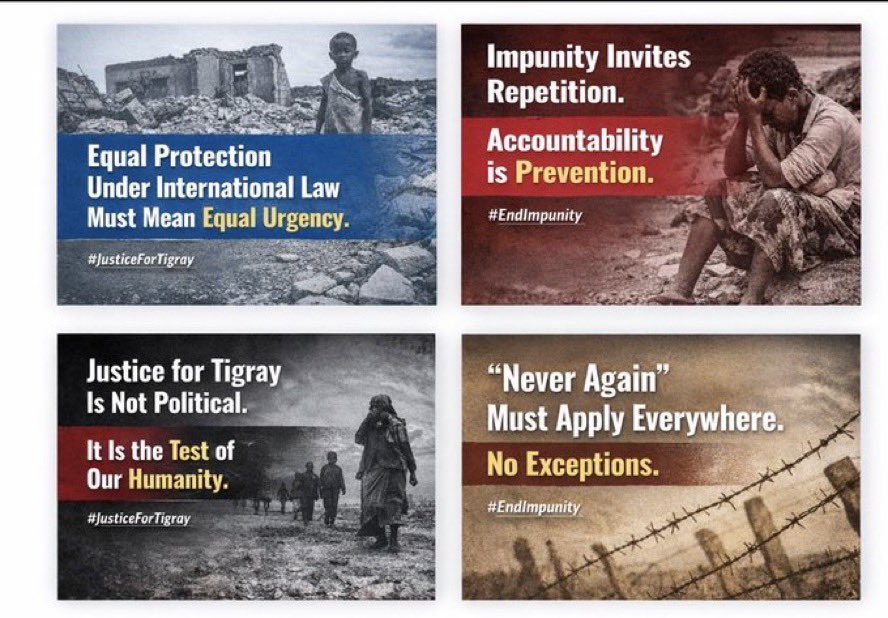
Impunity is not passive.
It actively reshapes the future.
#JusticeForTigray
#EndImpunity
@UN @UNHumanRights @IntlCrimCourt @antonioguterres @volker_turk @UN_PGA @CIJ_ICJ @UNOSAPG @endrapeinwar
un.org/en/observances/social…
@Tigray_3
19
8
148
ፍረይ ጓል ሕሞራ❤️🔥...✍ retweeted

Feb 24
Delays in investigation = risk multiplier. Leadership clarity is essential. @antonioguterres @volker_turk How is accountability being signaled? #JusticeForTigray
@UN @IntlCrimCourt @UNHumanRights @UN_HRC @UNPeacebuilding @UNDPPA
@Lwam2324
12
5
63
ፍረይ ጓል ሕሞራ❤️🔥...✍ retweeted
Jan 14
ብስመ አብ ወወልድ ወመንፈስ ቁዱስ አሐዱ አምላክ አሜን(፫)💒🕯🌿⛪️💕🙏💕@ABPF14 @HlafitT @HanaBeyene10 @frey51 @TlbletsTekleha2 @Jibako44 @Tekian_D @MeremTesfay @FekerGal @TsigeAlemayoh @AzebAz6 @Teklemaria91416 @kokeb_3 @menkem_tgray @HadishMiki @Abeba1Abeba @BerhanuAsres

19
14
197
ፍረይ ጓል ሕሞራ❤️🔥...✍ retweeted
Jan 12
1/
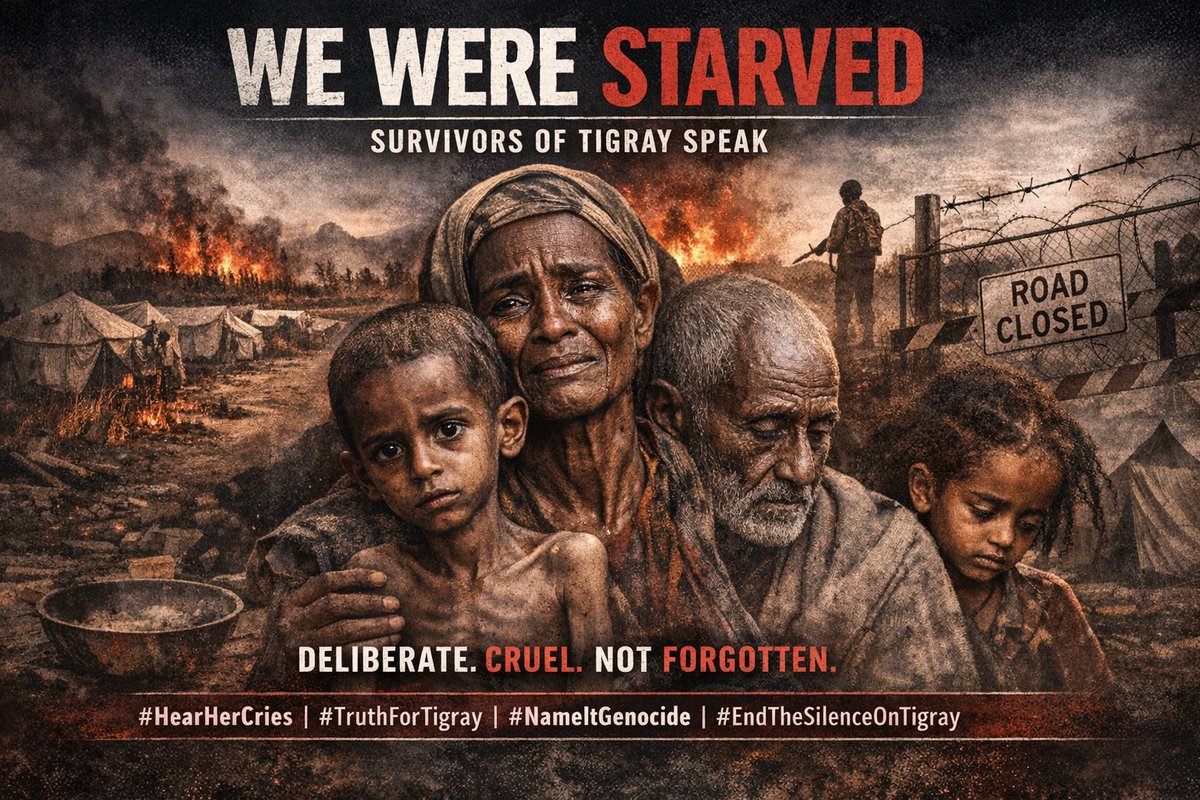
🚨 We are civilians from Tigray.
Children. Mothers. Elders. Patients.
We were cut off from food, medicine, and survival — by policy, not nature.
Millions suffered. The world watched.
#TruthForTigray #NameItGenocide
@UN @UNHumanRights
1
26
9
666
ፍረይ ጓል ሕሞራ❤️🔥...✍ retweeted

Jan 7
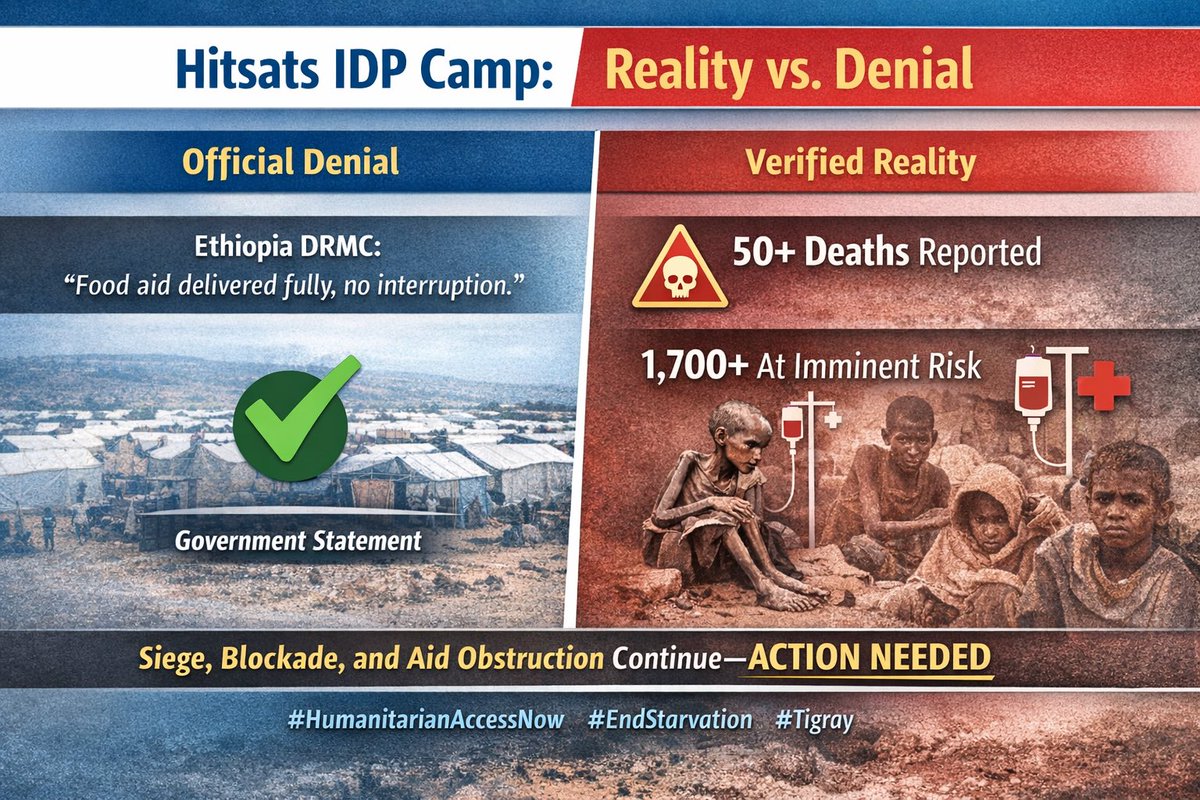
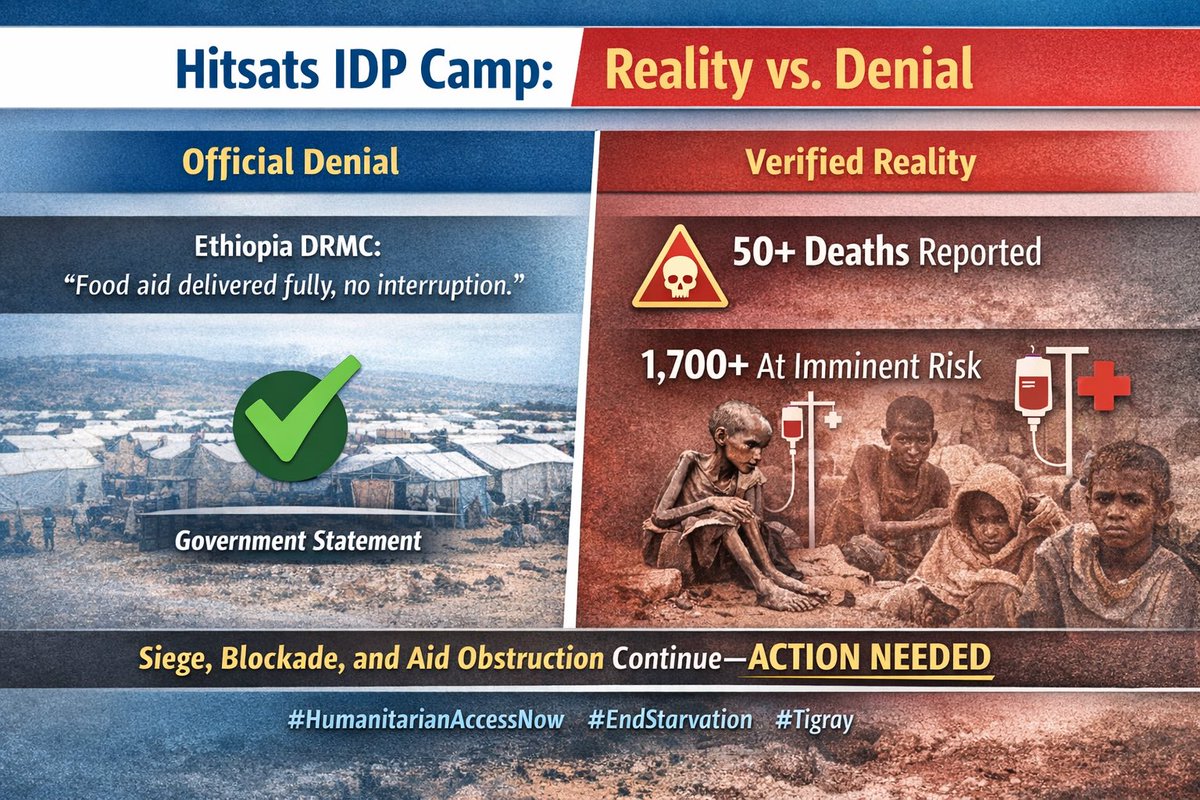
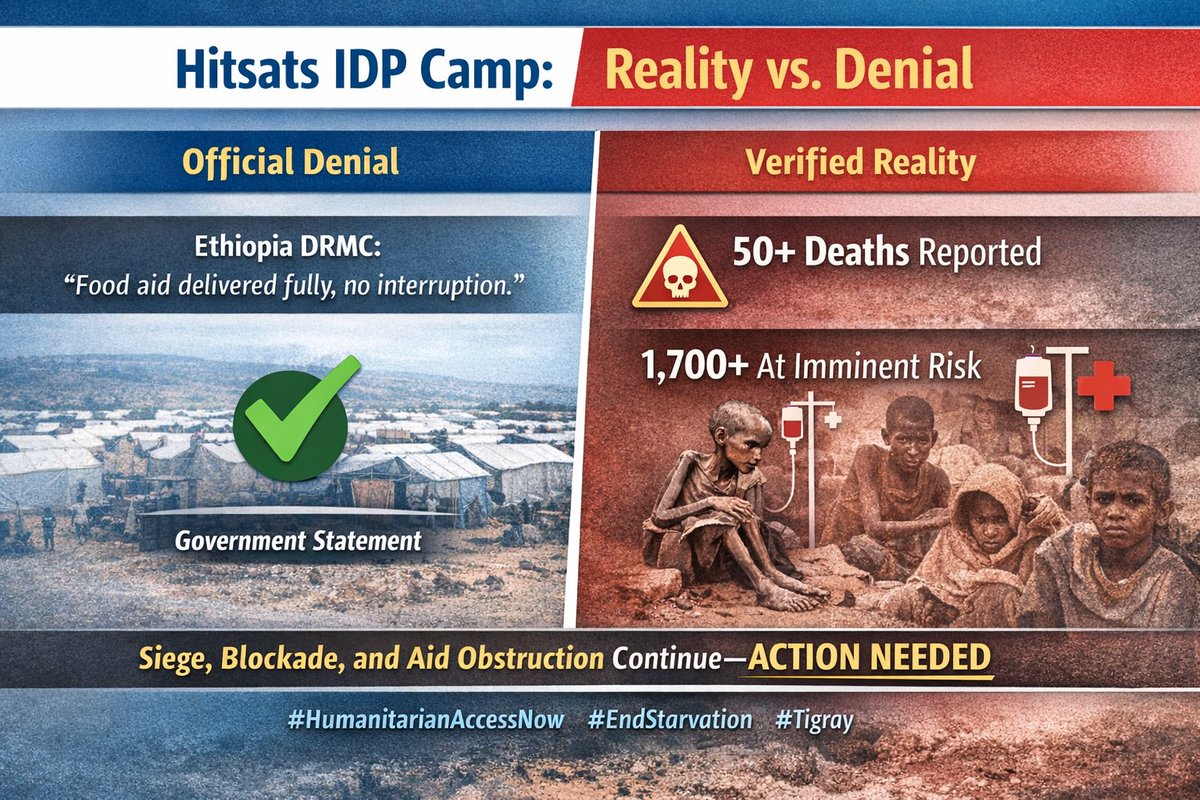
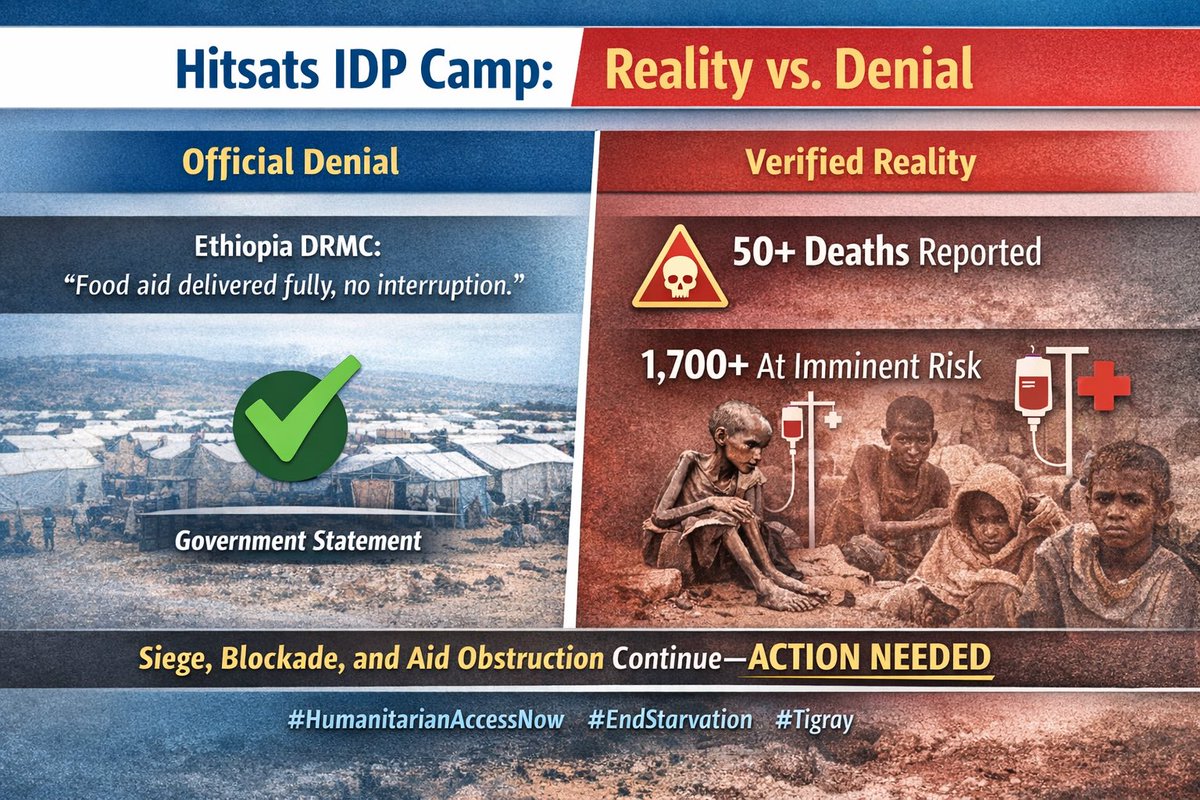
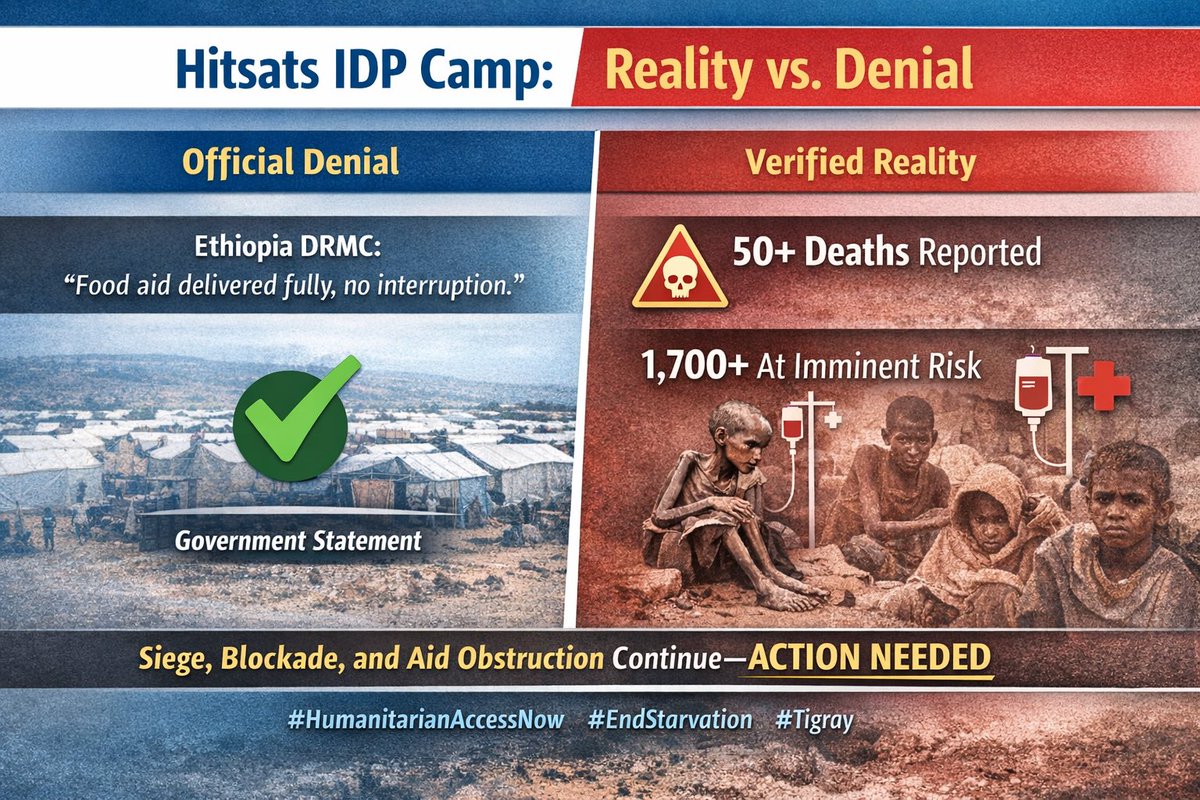
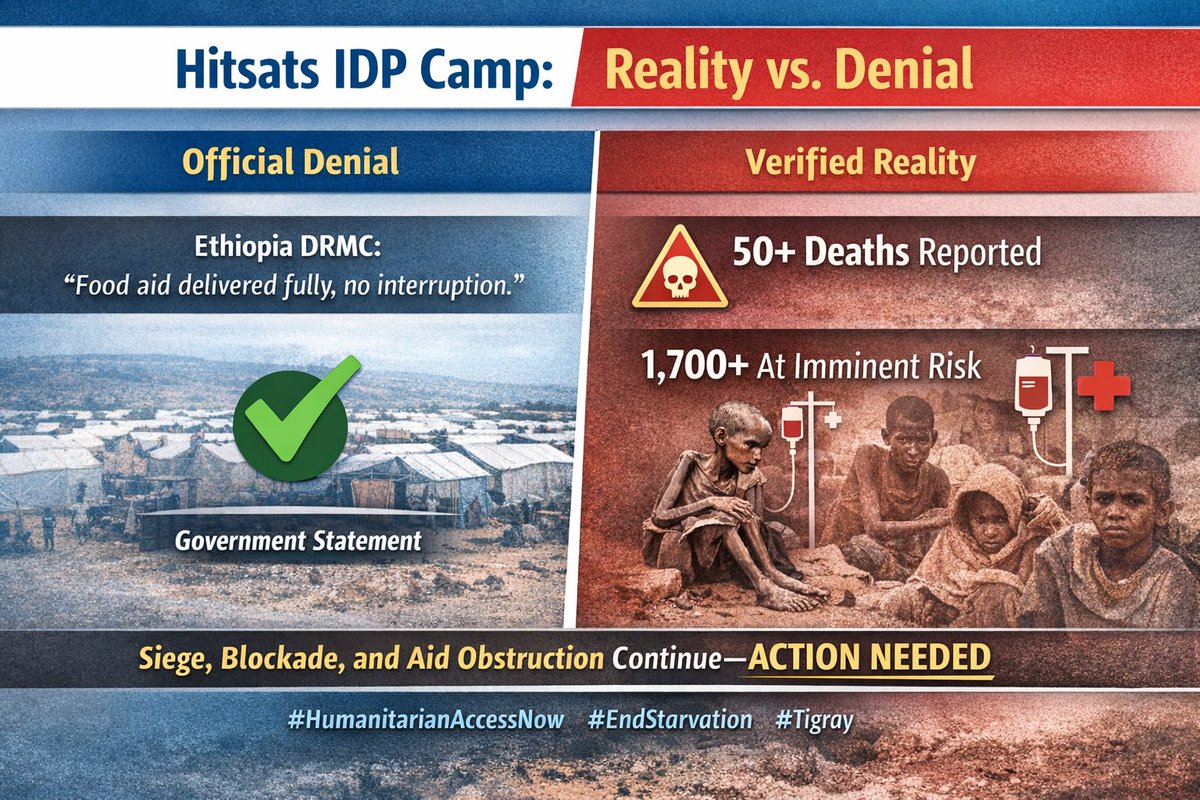
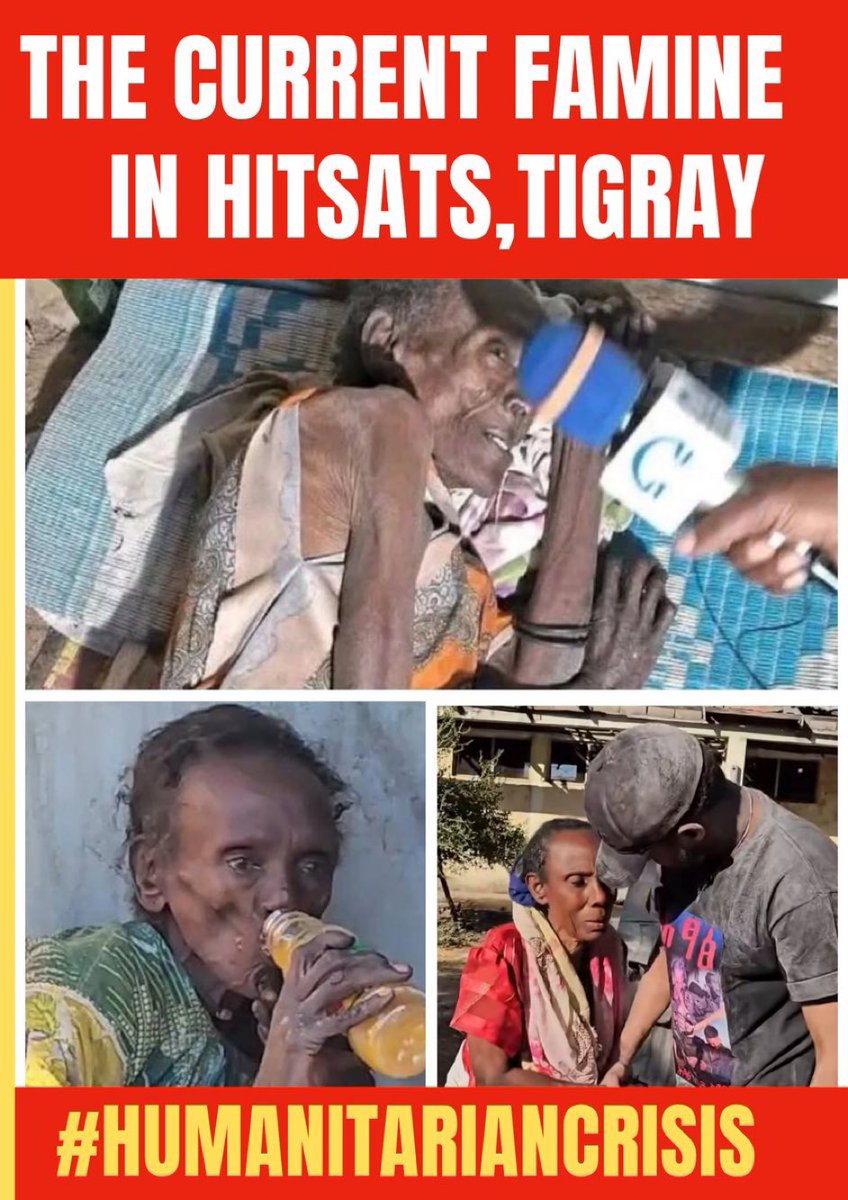
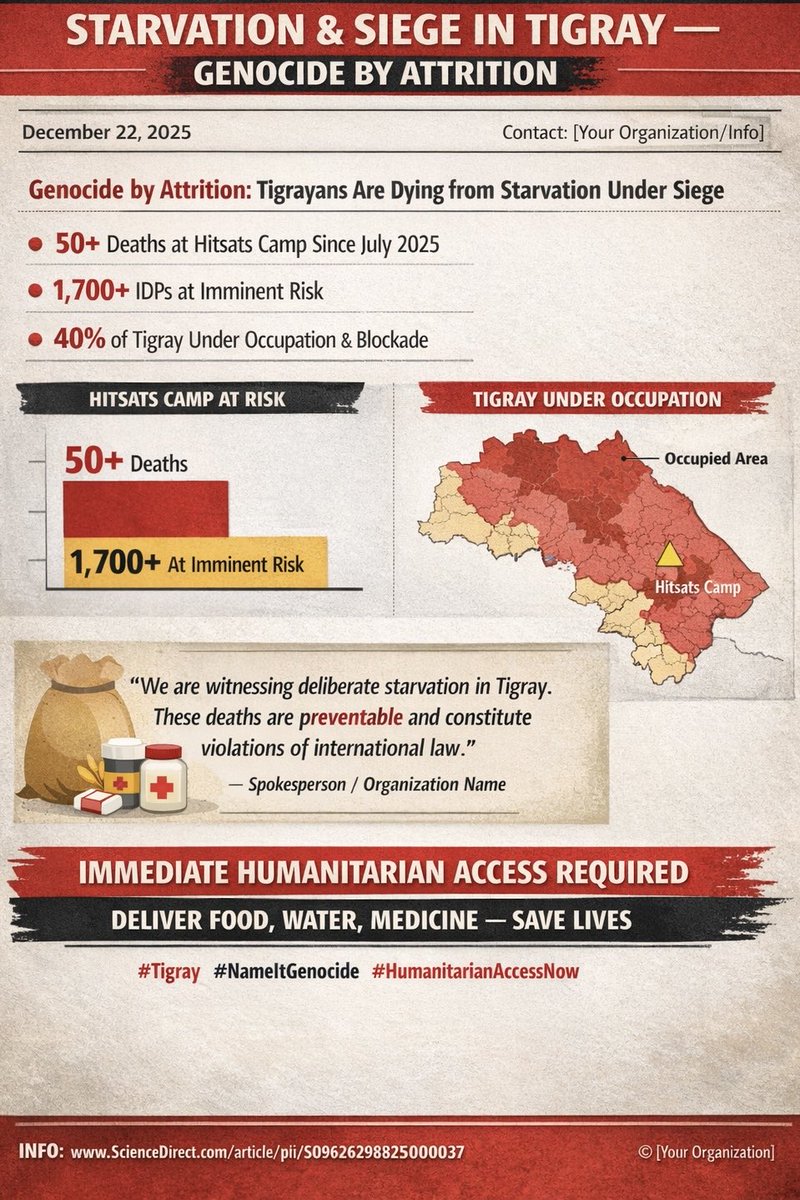
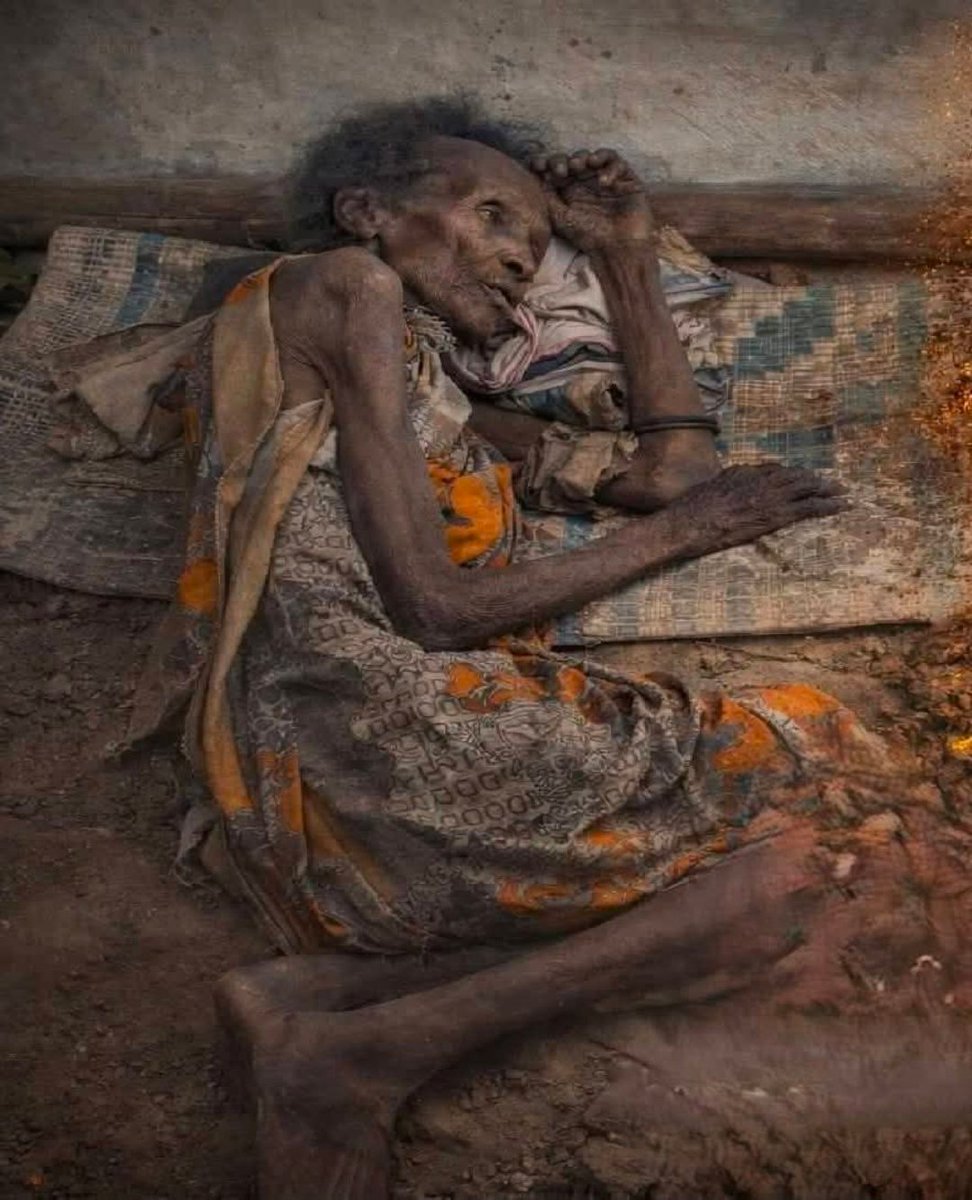
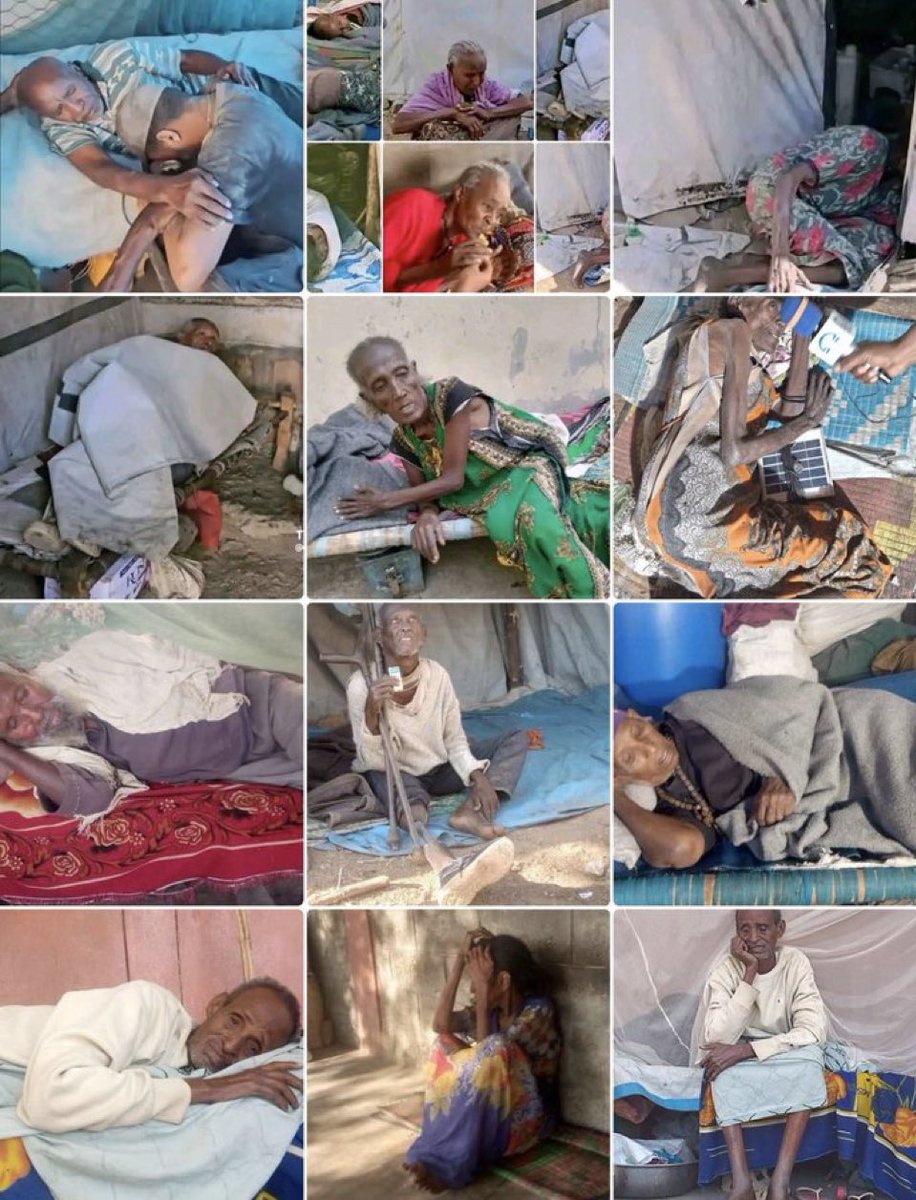
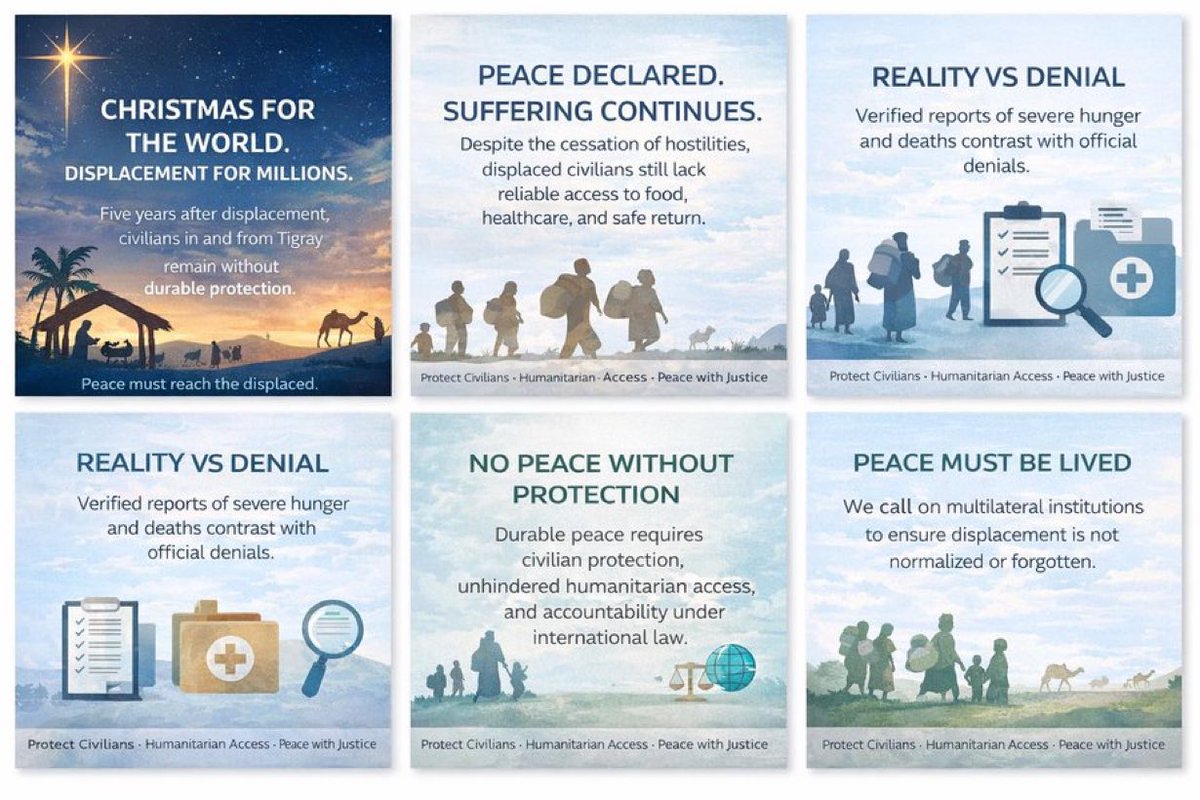
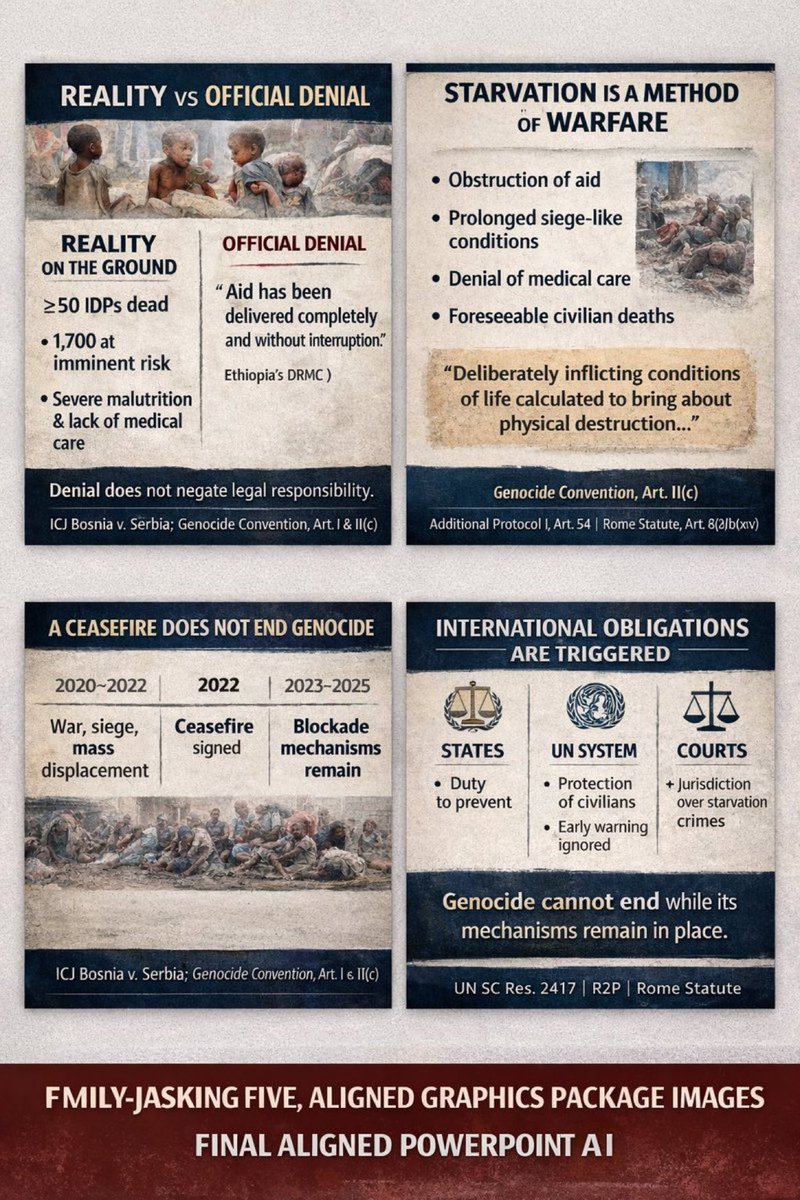
Recent official statements denying humanitarian deprivation contrast with verified reports of severe malnutrition, preventable illness, and deaths in IDP camps.
Denial cannot replace independent access or protection.
#PeaceWithJustice #UpholdPretoriaAgreement
#Justice4TigrayGenocide
@EU_Commission @EUinEthiopia @EUtoAU @UNHumanRightsEU @IntlCrimCourt @antonioguterres
@DAT_TDF
28
10
134
ፍረይ ጓል ሕሞራ❤️🔥...✍ retweeted
Jan 6
12
To the global faith community—and to His Holiness @Pontifex, @VaticanNews, and @EWTNVatican:
Christmas teaches that suffering must never be normalized, and dignity must never be deferred. #ProtectCivilians

1
16
7
215
ፍረይ ጓል ሕሞራ❤️🔥...✍ retweeted
ብስመ አብ ወወልድ ወመንፈስ ቁዱስ አሐዱ አምላክ አሜን(፫)💒🕯🌿⛪️💕🙏💕@ABPF14 @HlafitT @HanaBeyene10 @frey51 @TlbletsTekleha2 @Jibako44 @Tekian_D @MeremTesfay @FekerGal @TsigeAlemayoh @AzebAz6 @Teklemaria91416 @kokeb_3 @menkem_tgray @HadishMiki @Abeba1Abeba @BerhanuAsres

9
6
119

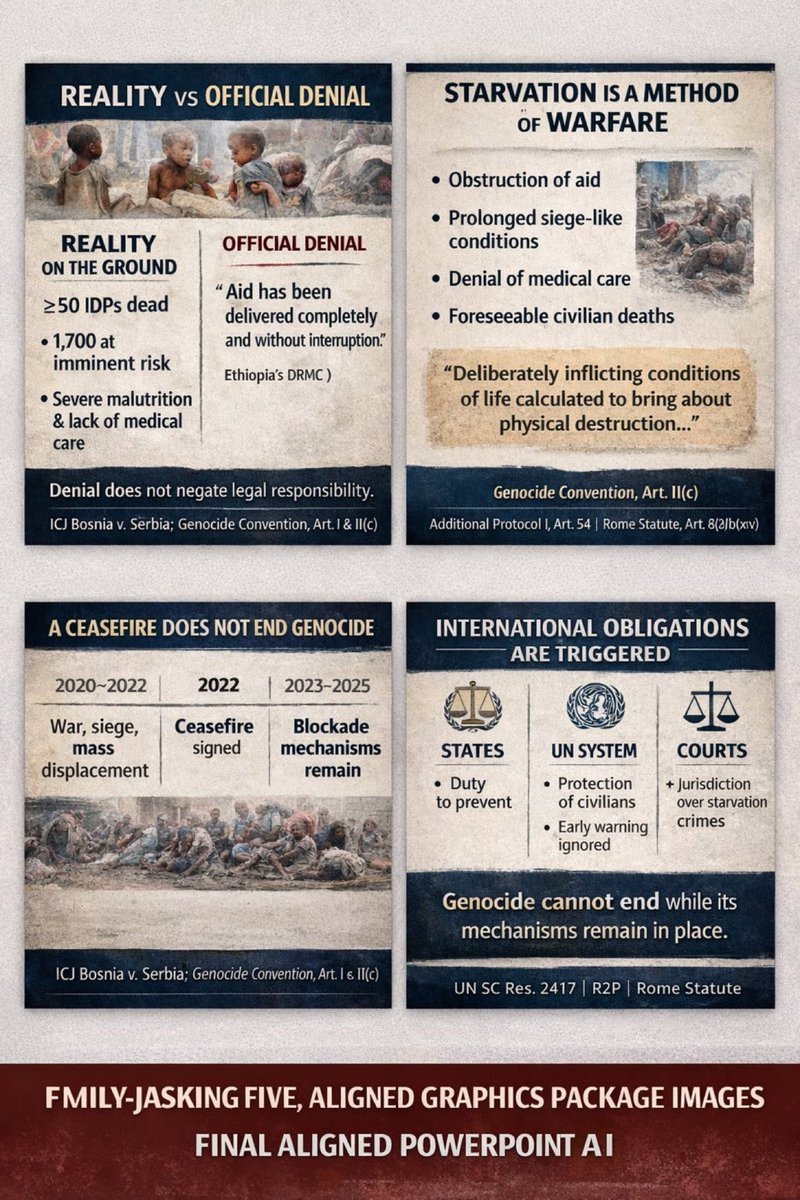
UN mandate:
Responsibility to Protect (R2P); SC Res. 2417 – prohibition of starvation
ensure humanitarian access
International law is explicit: starving civilians is not a policy choice—it is a crime
Accountability is a legal & moral imperative
#EndStarvation
@UN_HRC
@Tigray_3
20
7
74
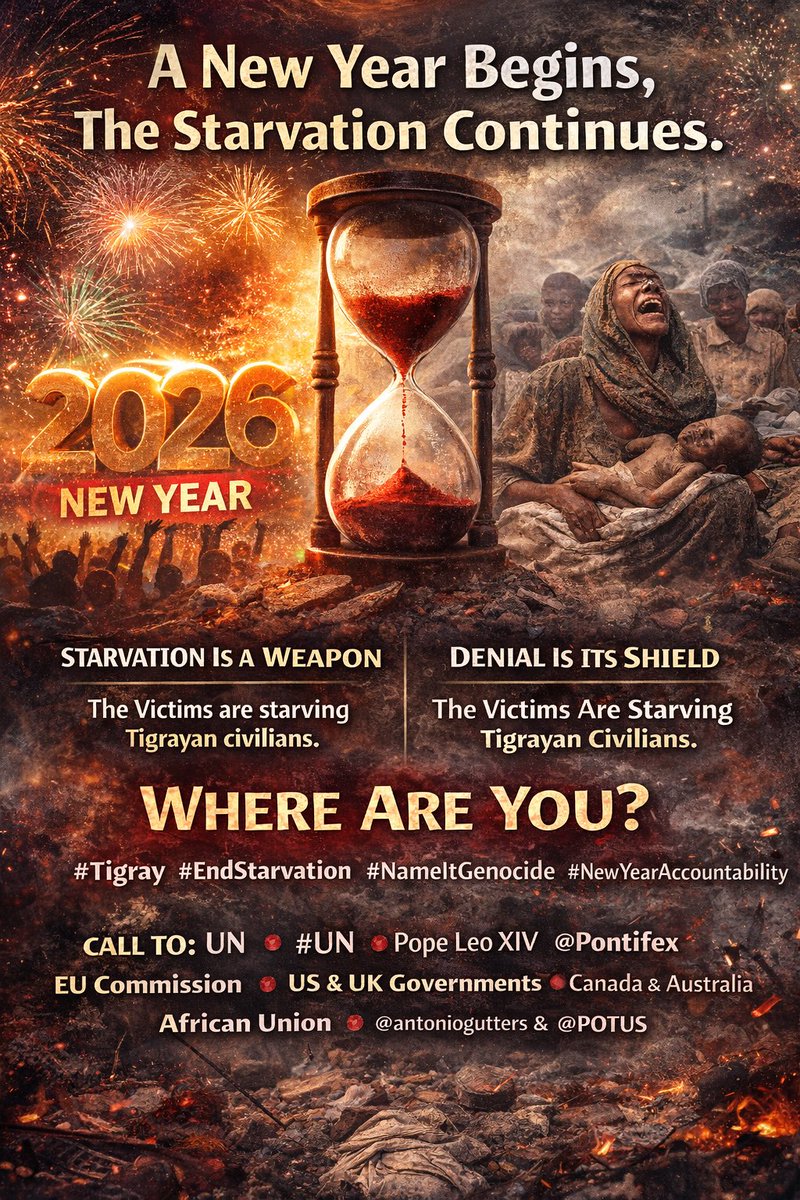
While the world celebrates, displaced families in Tigray endure hunger, cold, and denial.
•DRMC statement: “Aid delivered completely and without interruption”
•Denial of shortages and deaths
Human dignity is non-negotiable.
#ProtectIDPs
@_AfricanUnion @AUC_PAPS
@Tigray_3
24
8
92