
Moai construction, polirat arrivals led to environmental degradation; extreme deforestation destabilizing island food supplies ending in famine and cannibalism
Joined February 2009
- Tweets 1,630
- Following 653
- Followers 120
- Likes 3,770
325 Photos and videos







Pinned Tweet

21 Nov 2024
Don't fly mister 🔀 I'm just walking down the road, Early morning sunshine tell me all I need to know
fuelcycle.bsky.social
1
482
fuelcycle retweeted

May 19
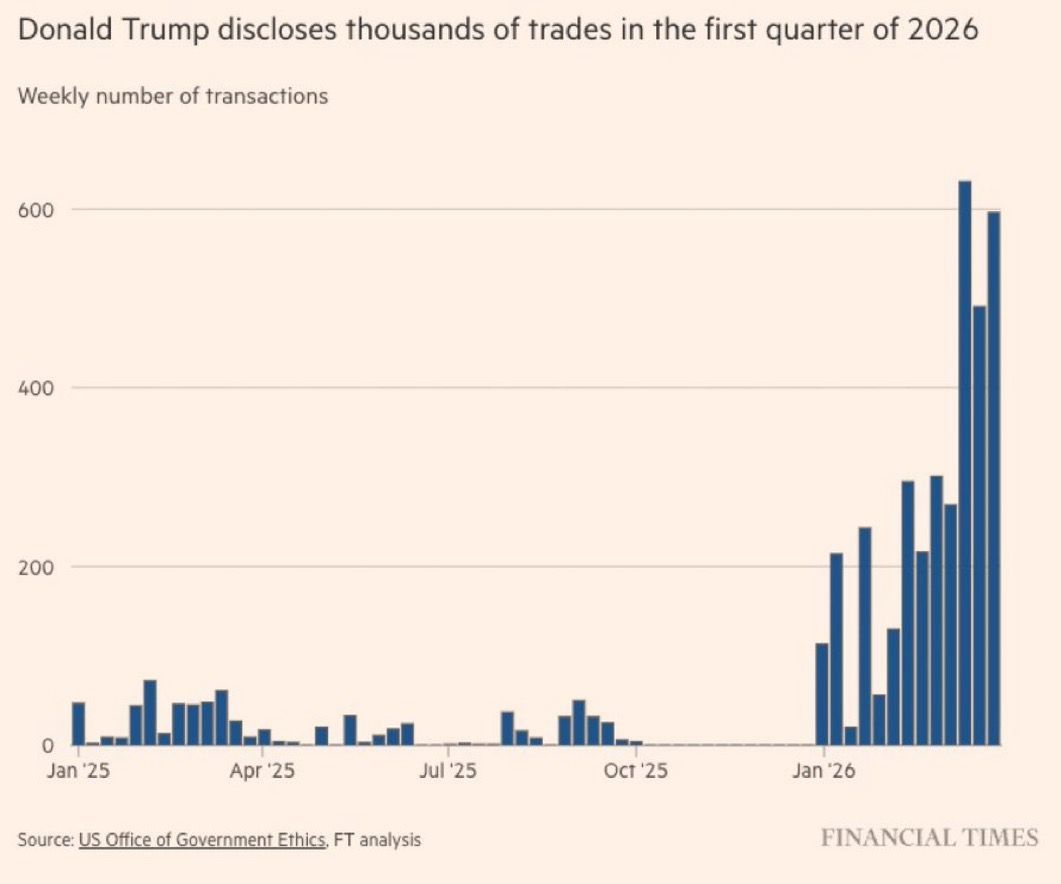
It's open, blatant and on a massive scale now.
15
155
649
20,669
fuelcycle retweeted

May 8
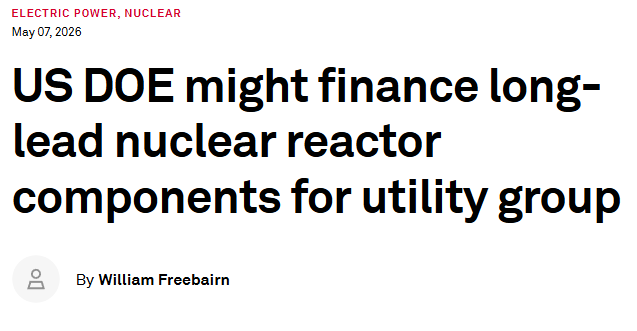
The DoE is considering low interest loans for 5-6 US utilities, to pay for components of up to ten AP1000 reactors. The move will help develop the AP1000 supply chain, would lead to plant construction. Article link in reply.
3
18
97
8,173
fuelcycle retweeted

May 7
The Electricity Grid
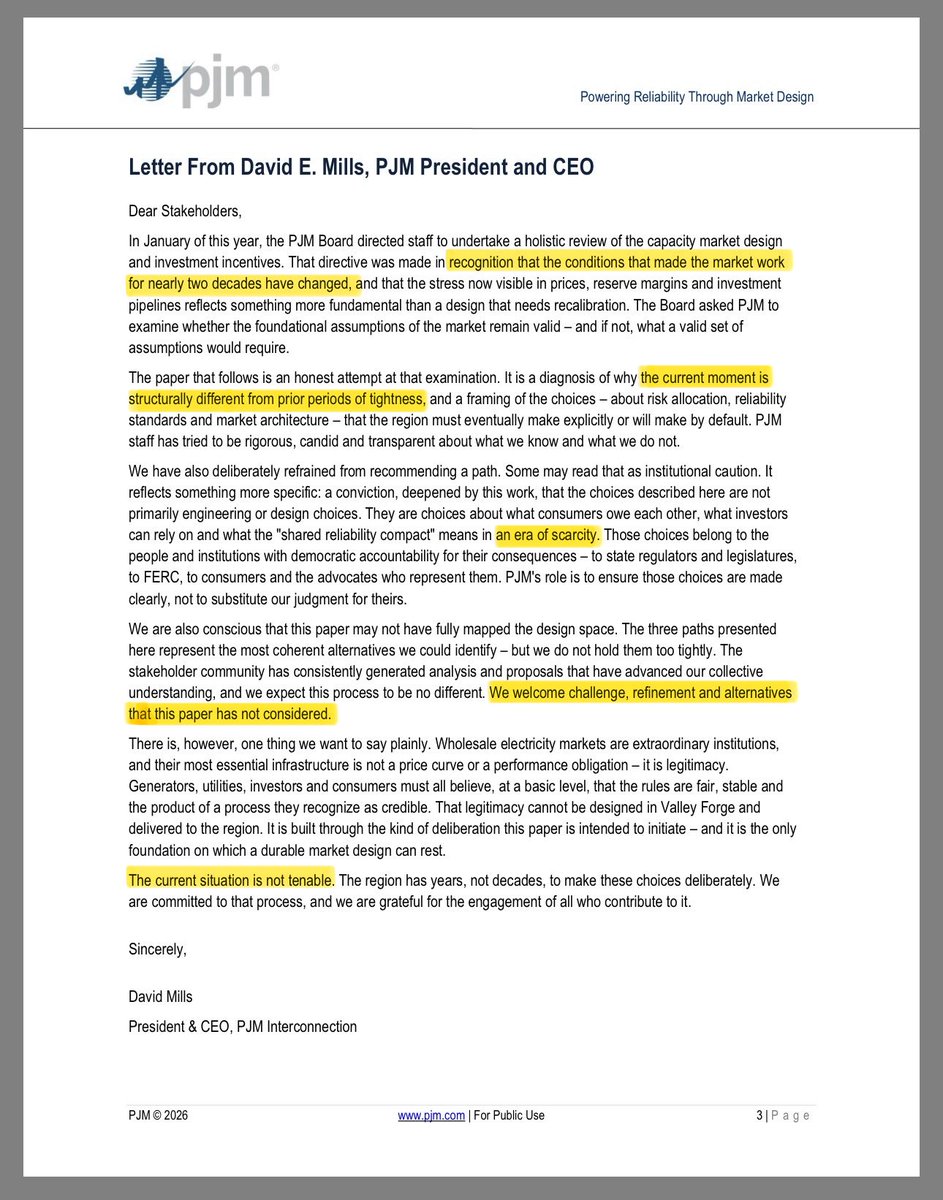
I post a lot of stuff about the electricity grid, here the CEO of the largest grid in America (PJM) lays it out pretty clearly.
• What worked for 2 decades… no longer works
• This is structurally different from history
• You are facing an era of scarcity
• The situation is not tenable
PJM are facing a demand explosion. Now a demand explosion in some industries is 500% demand. But this is infrastructure, this is tens of trillions of dollars of assets and it takes time to mobilise and deploy things at this scale.
In infrastructure, when demand growth shifts from 1-2%/yr to 8%/yr, then you suddenly need to be building 4-8 times more assets per year, than you previously did.
If you were deploying $1 trillion / yr to grow at 1%, you now need to deploy $8 trillion / yr to grow at 8%.
Suddenly you need to deploy many trillions of dollars per year to meet this growth. If you cannot get it done, prices will rocket for everyone. Failure leads to inflation.
This is not a PJM problem, this is not even a US problem, this is a global problem. PJM are formally validating what some people have been saying for a while now.
This is not temporary, we cannot uninvent the technologies that have precipitated this change. The world has changed and we must adapt.
Global retail electricity sales are about $3.6 trillion per year, of that, around $900 billion goes to transmission and about $2.7 trillion goes to wholesale generation.
The transmission system many developed countries have is the wrong system going forward. Our transmission systems in the West are built for transporting power from big coal plants to power big towns. That’s not what we are doing now.
We have replaced most of the coal plants with two largely decentralised but highly correlated fleets of intermittent generators (wind and solar), that are growing like fracking wells because they are also quick to deploy.
Their quickness to deploy new generation projects is massively destabilising for the grid. The grid was designed for coal plants. The grid is a $50 trillion machine. It is by far the biggest asset in any country. It isn’t something you can toss away, it isn’t something you can swap out overnight.
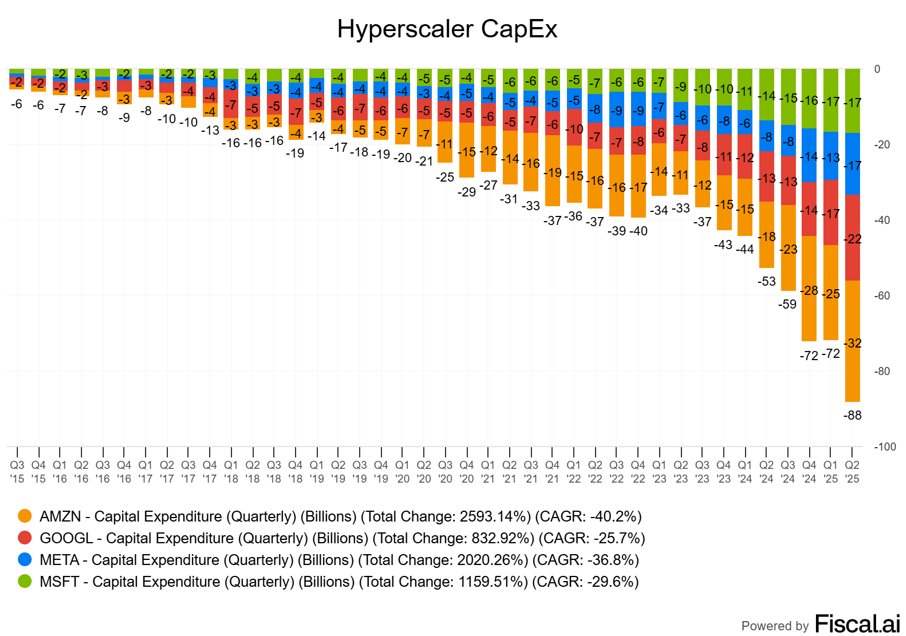
We also have new categories of industrial demand (hyperscalers) that will capture an increasing share of GDP. This new demand category is going to set the marginal price of electricity for everyone else, and these guys are not as price sensitive as your widowed grandmother.
This is a difficult problem to address because of:
i) the scale
ii) the capital intensity
It’s also a global problem, because it’s born out of a new technological paradigm. It will not spread around the world at equal pace, but everywhere is going to eventually face it down.
Some people are fleeing to space for solutions to avoid this snafu, but that’s only a temporary fix.
Once the hyperscalers have their demand satisfied, the next demand explosion immediately follows, and this second wave is 20x the scale of the current problem.
The second wave is how do you power billions and billions of robots and billions of autonomous machines, doing work that currently can’t be done?
This industrial revolution is very much a two stage revolution, first you power up the chips, then you power up the actuators.
Chips scale down, actuators scale up.
There’s no Moore’s Law for actuators, they obey Newton’s Laws of motion instead.
This is the crux of the energy problem facing our civilisation. The energy system we have today is the one we wanted 20 years ago. The energy system we will have in 20 years from now, is the one we start building today.
It’s time to build this solution.
49
218
973
185,938
Apr 28
Apr 28

🚨BREAKING: Anthropic just published a study mapping exactly which jobs its own AI is replacing right now.
The workers most at risk are not who anyone expected. They are older. They are more educated. They earn 47% more than average. And they are nearly four times more likely to hold a graduate degree than the workers AI is not touching.
The argument is straightforward. Anthropic built a new metric called "observed exposure." Not what AI could theoretically do. What it is actually doing right now in professional settings, measured against millions of real Claude conversations from enterprise users.
For computer and math workers, AI is theoretically capable of handling 94% of their tasks. It is currently handling 33% of them. For office and administrative roles, theoretical capability is 90%. Current observed usage is 40%. The gap between what AI can do and what it is already doing is enormous. The researchers are explicit about what comes next. As capabilities improve and adoption deepens, the red area grows to fill the blue.
The demographic finding is what makes the paper uncomfortable. The most AI-exposed workers earn 47% more on average than the least exposed group. They are more likely to be female. They are more likely to be college educated. This is not a story about warehouse workers or truck drivers. It is a story about lawyers, financial analysts, market researchers, and software developers. The exact group whose education was supposed to insulate them.
Computer programmers showed the highest observed AI exposure at 74.5%. Customer service representatives at 70.1%. Data entry keyers at 67.1%. Medical record specialists at 66.7%. Market research analysts and marketing specialists at 64.8%. These are not predictions. These are measurements of work that is already happening on AI platforms right now.
Then there is the pipeline finding nobody is talking about loudly enough.
Anthropic's researchers found a 14% decline in the job-finding rate for workers aged 22 to 25 in highly exposed occupations since ChatGPT launched. No comparable effect for workers over 25. Entry-level roles were never just jobs. They were the training ground where junior analysts became senior analysts, where junior lawyers learned how arguments hold together. If that layer disappears, nobody has answered the question of where the next generation of senior professionals comes from.
The detail buried in the paper that most coverage missed: 30% of American workers have zero AI exposure at all. Cooks. Mechanics. Bartenders. Dishwashers. The technology reshaping professional careers is completely irrelevant to roughly a third of the workforce. The divide is no longer between high skill and low skill. It is between presence and absence.
The company publishing this study is the same company selling the AI doing the replacing. Anthropic had every commercial incentive to soften these findings. They published them anyway.
If you spent four years and $200,000 on a degree to land a white collar career, the company that builds Claude just confirmed your job is more exposed than the bartender pouring drinks at your graduation party.
Source: Anthropic, "Labor market impacts of AI: A new measure and early evidence"
PDF: anthropic.com/research/labor…
51
fuelcycle retweeted

Feb 23
Mark Your Calendars !
FEBRUARY 28, 2026
Don't forget to look up the planets will drift quietly across the sky, reminding us how beautifully the universe can align.
229
3,490
12,368
739,688
fuelcycle retweeted

Feb 24
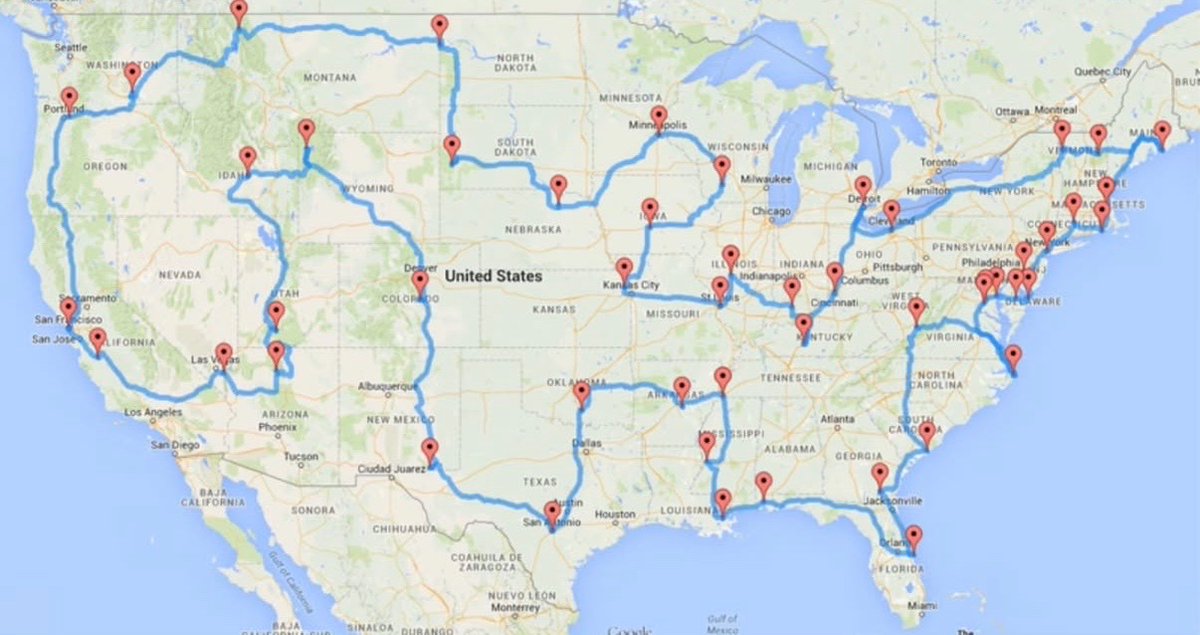
The most efficient U.S. road trip route, as determined by a data scientist…
In 2015, data scientist Dr. Randal Olson created what he dubbed the “perfect” U.S. road trip using genetic algorithms—a type of search heuristic—to tackle the classic Traveling Salesman Problem. His aim was to chart the most efficient route visiting either 50 major national landmarks or all 47–50 National Parks without needless backtracking. The final route stretches over 13,699 miles, covering all 48 contiguous states and iconic sites like the Statue of Liberty, the Alamo, and Yellowstone. While the pure driving time totals roughly 224 hours, most travelers would spend 2 to 3 months completing the journey with sightseeing.
186
563
5,081
472,827
fuelcycle retweeted

12 Dec 2025
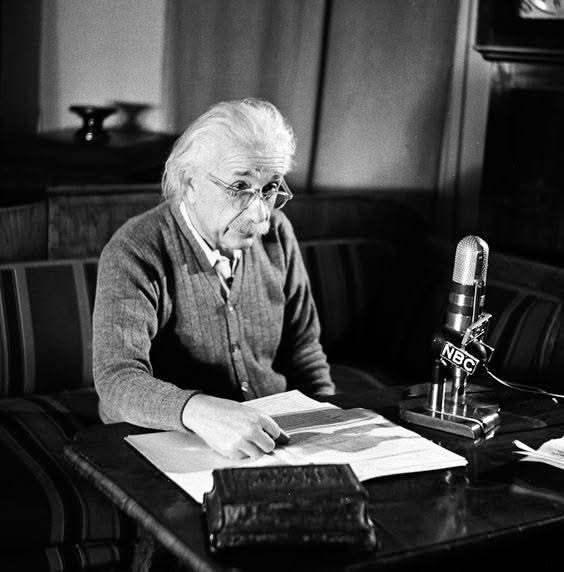
A hundred times every day I remind myself that my inner and outer life are based on the labors of other men, living and dead, and that I must exert myself in order to give in the same measure as I have received and am still receiving.
-- A. Einstein (1879-1955)
89
395
1,820
61,770
fuelcycle retweeted

19 Nov 2025
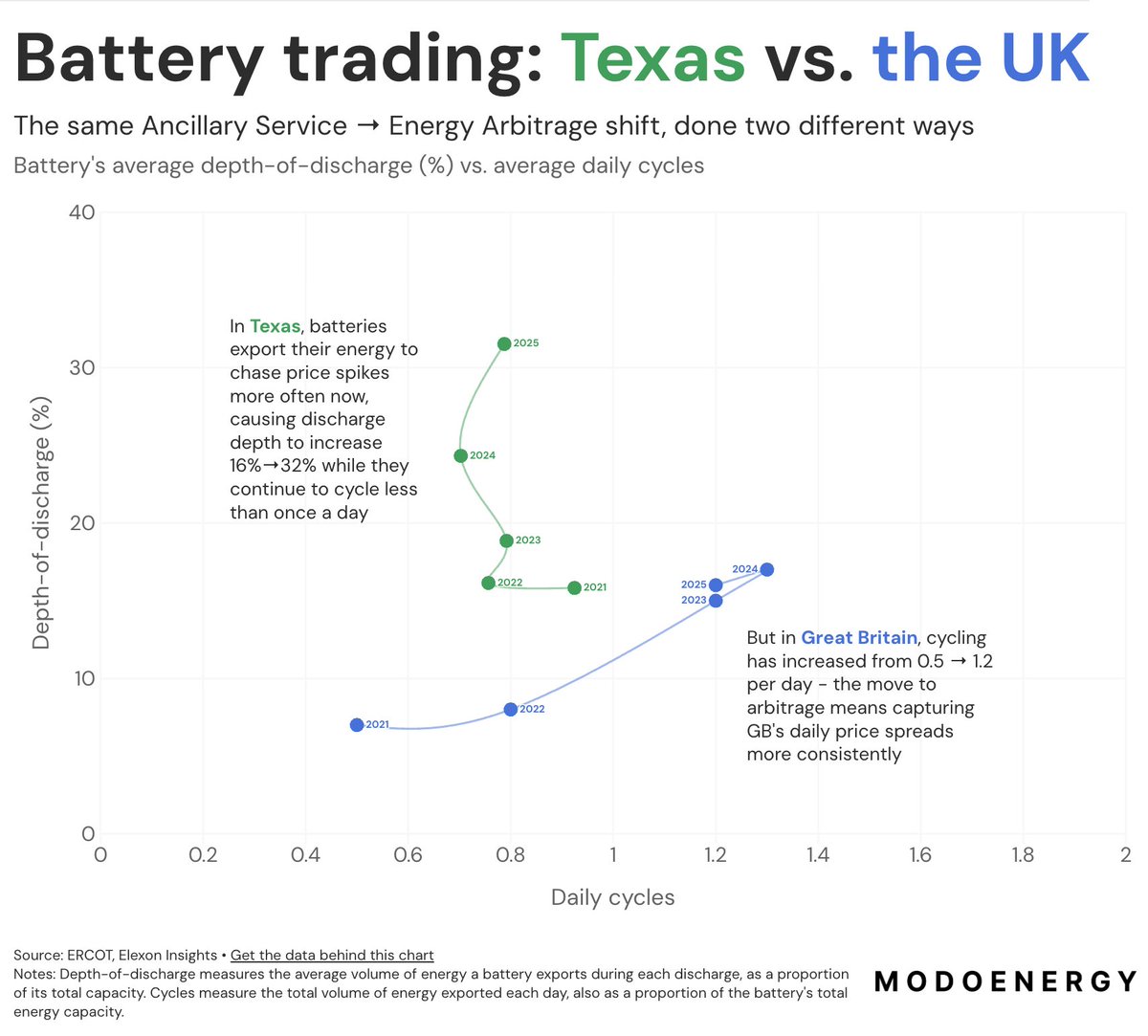
Battery's Ancillary Service → Energy Trading shift, done two different ways: Texas vs. the UK
Batteries switch to energy trading once a market's Ancillary Service products are saturated
In Texas, this new meta means performing fewer, deeper discharges to alleviate congestion during scarcity events
This is why the shift to energy trading has resulted in discharge depth rising 16 → 32%, while the fleet continues to average 0.8 cycles/day
But in the UK, the lack of price spikes means batteries rely on consistently shifting larger volumes of energy instead
And so, in the GB market, the shift to energy trading has resulted in cycling rising 0.5 → 1.2
The same phenomenon, but two different operational strategies
8
16
81
17,979
fuelcycle retweeted

8 Nov 2025
A reminder that other countries have amazing infrastructure:
178
424
4,707
241,723
fuelcycle retweeted

7 Oct 2025
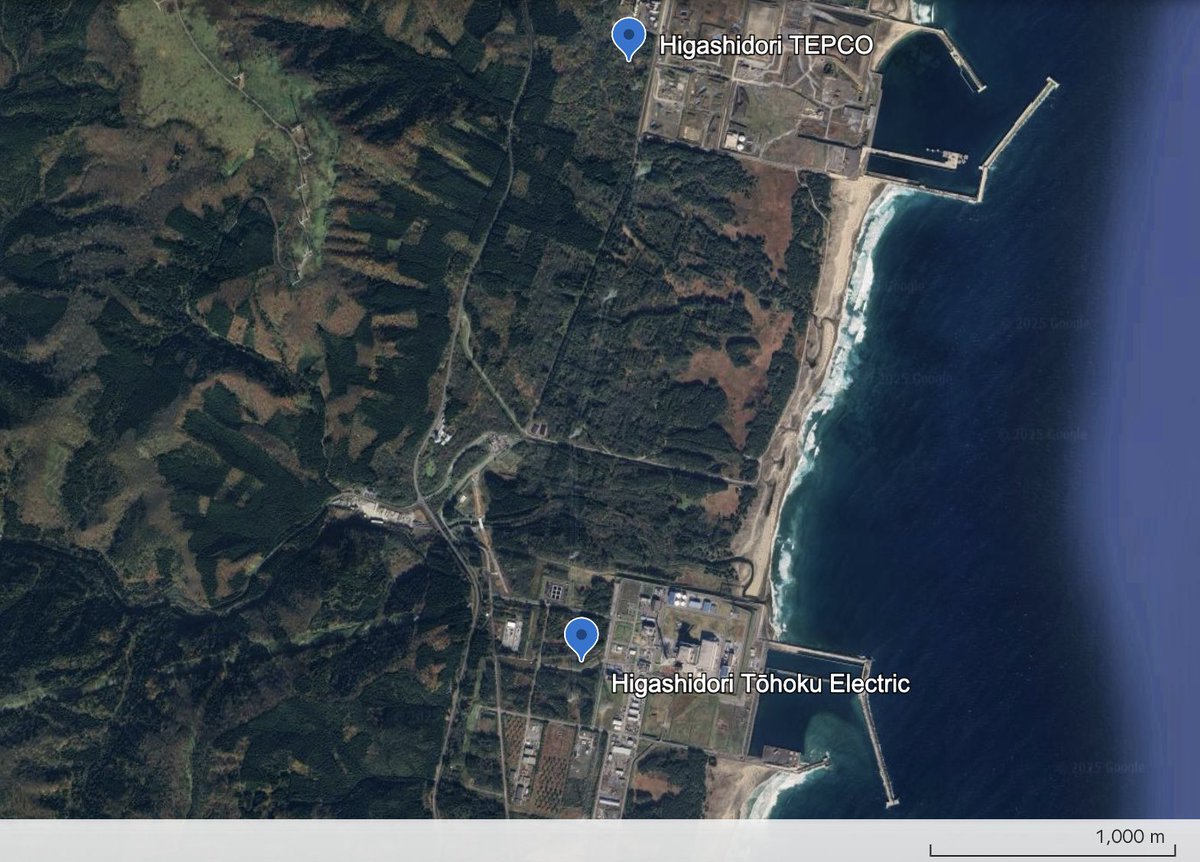
Some recent buzz re: a possible new Japan nuclear build, but what's the update on JP nuclear restarts projects being built?
TEPCO's Higashidori site near the idled but operable Tohoku plant hasn't even poured a concrete basemat yet. Debatable to say it's under construction.🧵
1
2
6
12,348
fuelcycle retweeted

3 Oct 2025
The full @ENTSO_E "factual" report is here: eepublicdownloads.blob.core.…
8
28
111
26,998
fuelcycle retweeted

1 Oct 2025
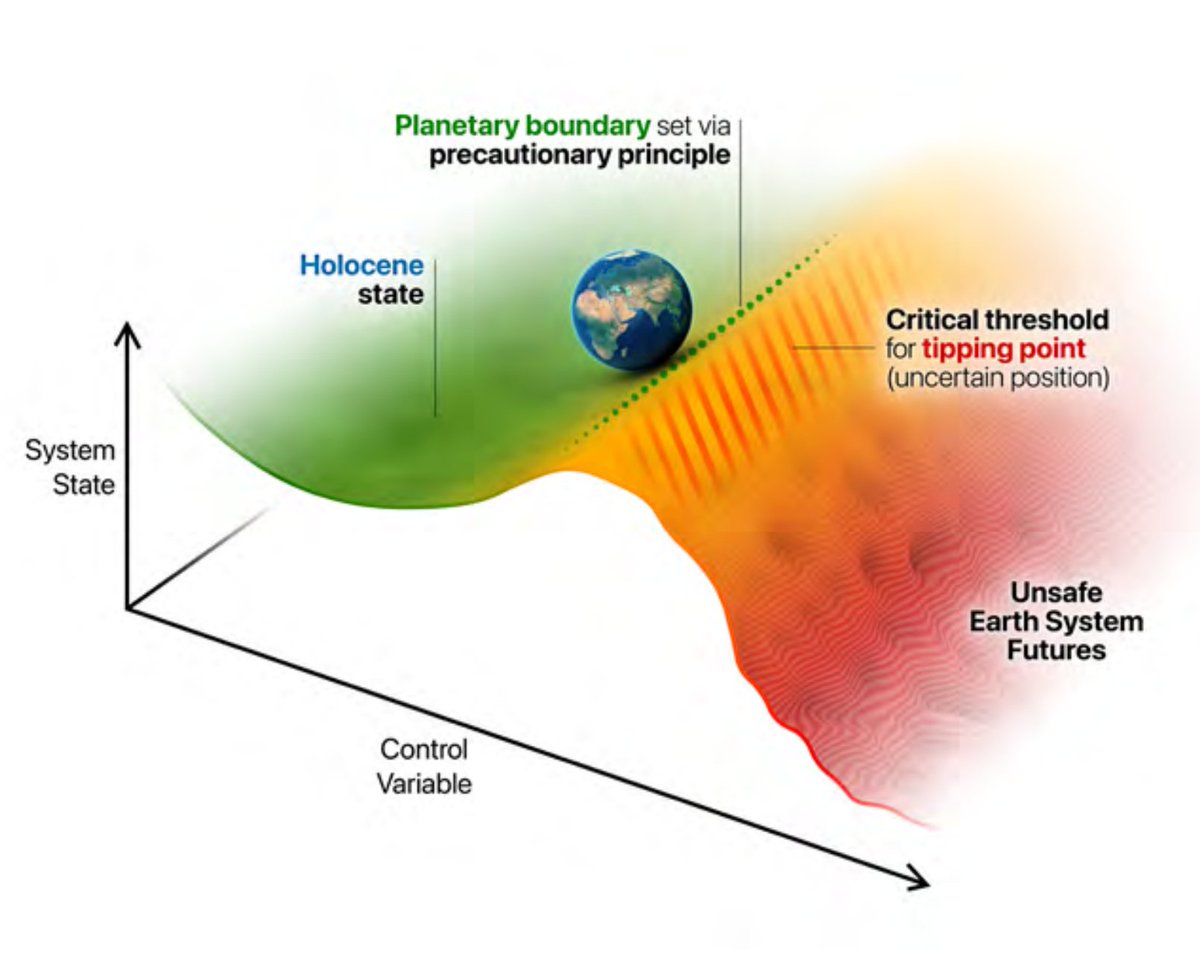
Tipping Point from the Stable Climate at ~280 ppm CO₂ (Holocene, during past 10,000 years) to a Stable Hothouse Climate at 560 ppm CO₂.
We already at 560 ppm CO₂ equivalent and will likely hot (and pass) 560 ppm CO₂ later this century.
Simplified graph, adapted from @KNMI.
1 Oct 2025

The current climate is highly unstable and is heading for a hothouse state, forced ('pushed over the edge') by the greenhouse gases we have added to the atmosphere.
Graph from Planetary Health Check 2025
See insightful @KNMI tipping point visualisation below
37
221
684
125,793
fuelcycle retweeted

2 Oct 2025
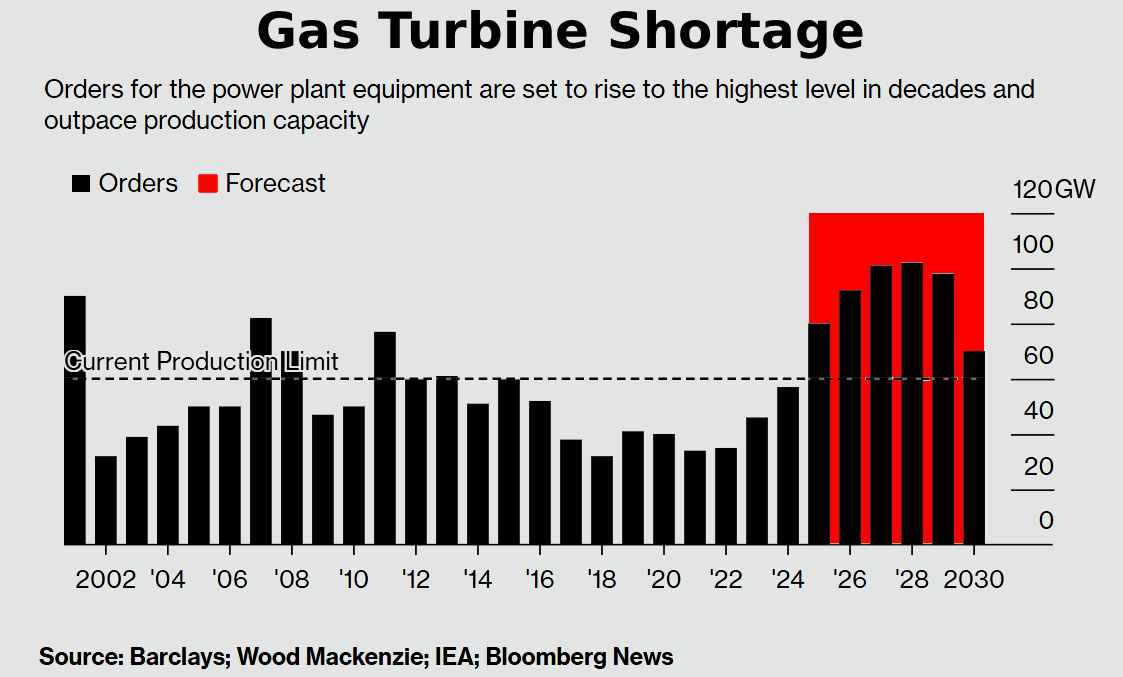
GAS TURBINE SHORTAGE RISKS NEW ENERGY CRUNCH 🚨⚡
Orders for turbines for natural gas power plants are vastly outpacing supply, threatening the world’s ability to keep pace with rising electricity demand
🧵 Thread on how we got here and what it means for power-hungry nations
73
408
1,402
303,259
28 Aug 2025
What if these Tariffs were just
called a carbon border adjustment mechanism (CBAM)?
27 Aug 2025

⚠️ All tariffs imposed by the Trump administration.
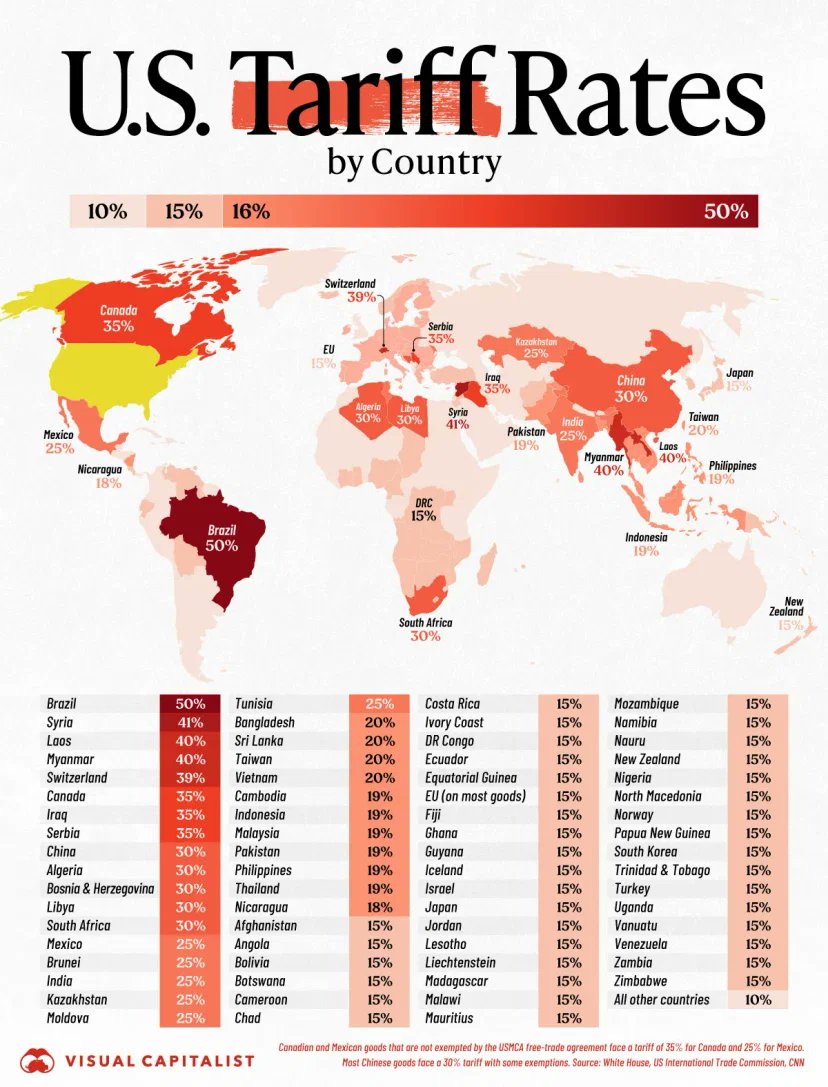
ALT 🔎 Visual Capitalist 🔗 https://www.voronoiapp.com/economy/Mapped-US-Tariff-Rates-by-Country-6349
1
69
28 Aug 2025
A carbon border adjustment mechanism (CBAM) is a trade policy tool that puts a price on the embedded greenhouse gas emissions of imported goods, aiming to prevent "carbon leakage".
1
41
fuelcycle retweeted
27 Aug 2025
China commissioned 21 GW of new coal-fired power stations in the first half of 2025 (that's the highest first-half total in 10 years).
With that in mind, I’m re-publishing this @Opinion video column from exactly a year ago about why coal remains king .
19
110
406
58,421

fuelcycle retweeted

17 Aug 2025
The second page is in this article. Ultimately, it became the Achenson-Lillenthol plan, a way to avoid a nuclear arms race through cooperation around fissionable material.
time.com/7310119/oppenheimer…
1
5
104
8 Aug 2025
RT @WxNB_: This is unbelievable.
The high temperature at one of Finland’s northernmost weather stations, in the municipality of Sodankylä…
547