
Middle finger 🖕 to AI crawlers.
Joined May 2013
- Tweets 86,812
- Following 1,149
- Followers 342
- Likes 53,246
4,678 Photos and videos







ezionyarg retweeted

Esto es espectacular como se movió Marruecos defensivamente. Esto se entrena. No es aleatorio. Tremendo bloque corto defensivo. Imposible de entrar sin alguna magia o pase filtrado con extrema exactitud. Por eso Brasil se la pasó lateralizando.
339
3,968
32,480
1,931,171
ezionyarg retweeted

From @TheAthleticFC: There are 98 players born in France at the World Cup, and there are more French-born players (76) representing other nations than any other country at the tournament. Senegal’s squad has 10 of them. nyti.ms/4a46hVm
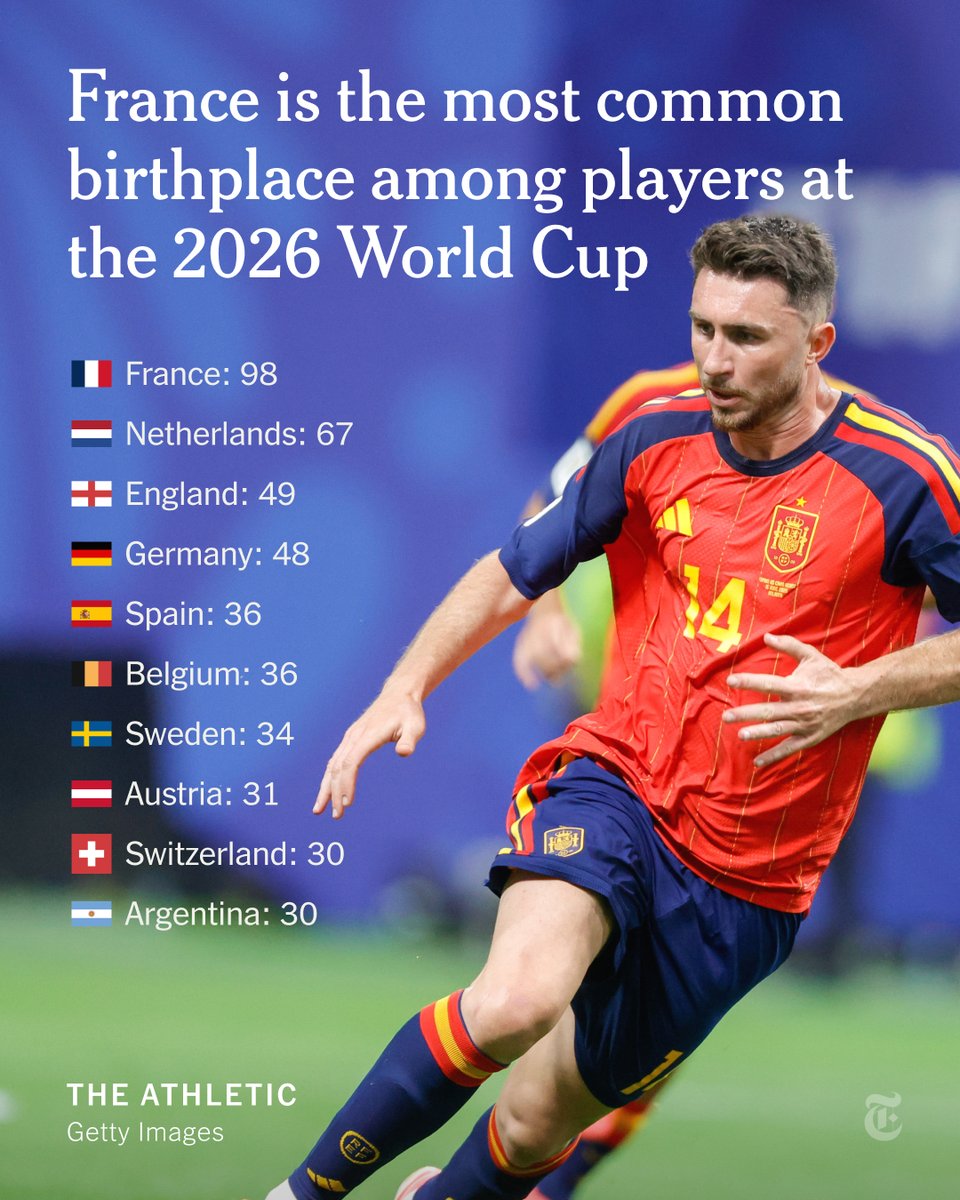
ALT A graphic titled France is the most common birthplace among players at the 2026 World Cup.
62
300
1,180
173,125
ezionyarg retweeted

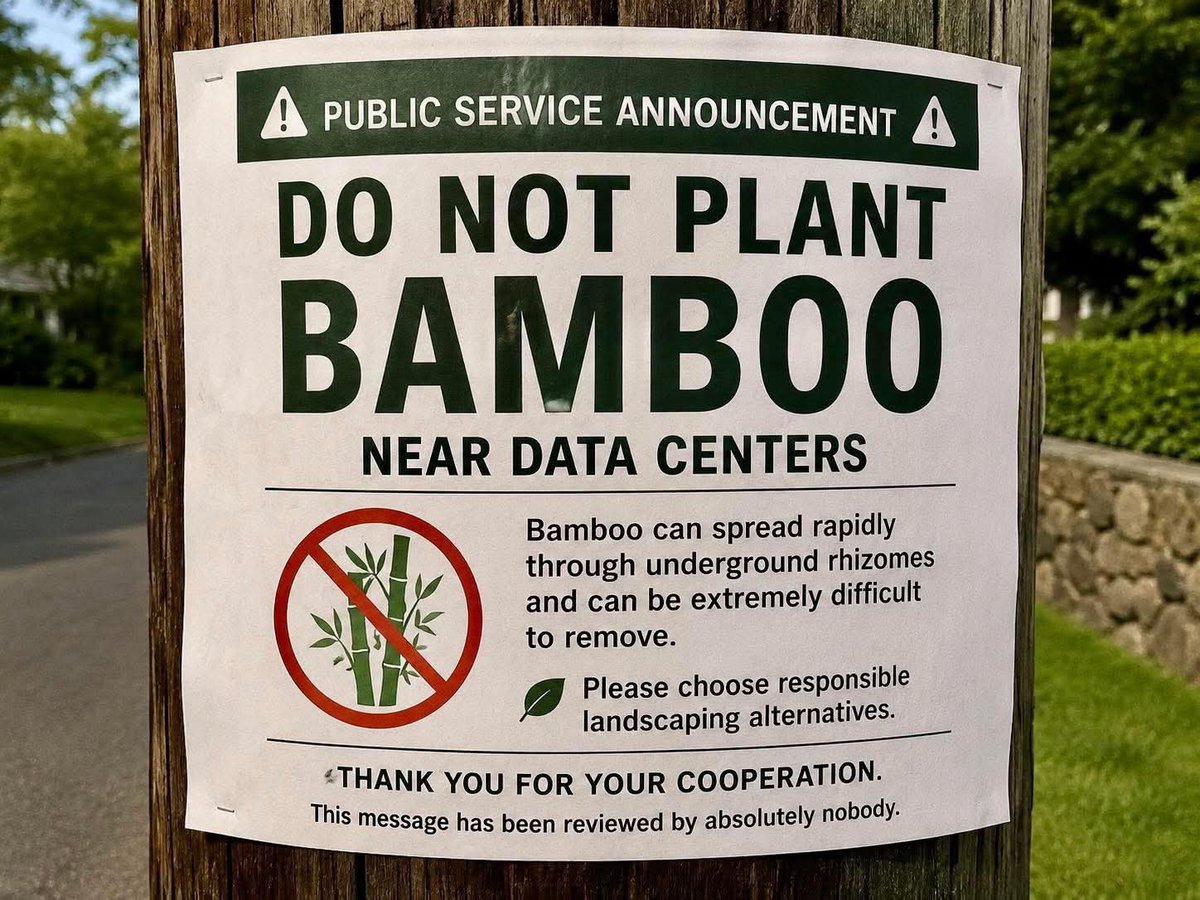
🌱 Sling shots and seed bombs! LFG!
124
828
2,895
45,519
ezionyarg retweeted

IT WAS YOUR NARRATIVE UNTIL LAST WEEK YOU FUCKING CONMAN.

4
84
660
7,605

This is incredible, according to LatePost the 200 million users of ByteDance's AI chatbot Doubao (the most popular in China) barely generate $140K USD of revenue per day ... versus a $2B run rate for its video generation Seedance models which are primarily sold to businesses (at a 70% gross margin too)
And management made the decision to shift focus to enterprise after visiting Anthropic 2 months ago. (Really? I find that hard to believe, must be coincidental timing, no way that wasn't obvious earlier)

ByteDance's AI business is increasingly split between two very different stories.
Doubao has more than 200 million daily active users, making it one of the most widely used AI products in China. Yet daily revenue is reportedly less than RMB 1 million ($140K USD), with most of it coming from e-commerce commissions rather than direct AI monetization.
Seedance, ByteDance's AI video generation platform, looks very different. According to Chinese media reports, it has reached roughly RMB 1 billion in monthly revenue (about $140 million), equivalent to around $2 billion in annualized revenue, with gross margins reportedly near 70%. Nearly all of that revenue comes from enterprise customers.
The contrast suggests that the debate over consumer versus enterprise AI is becoming less theoretical.
According to reports, ByteDance leadership visited Anthropic and subsequently increased its focus on enterprise AI. The company expanded teams supporting coding models and reportedly set ambitious growth targets for its Model-as-a-Service business. Seedance has become the clearest example of that strategy. Video generation workloads can run efficiently on lower-cost domestic chips, avoiding some of the communication bottlenecks that make large language models expensive to serve. More importantly, customers are paying for a concrete output that directly reduces production costs.
Doubao highlights the challenge on the consumer side. Despite massive usage, monetization remains limited. Chinese users have grown accustomed to free digital services, and the rise of open-weight models such as DeepSeek has reinforced expectations that AI chat should be free. Unlike in the U.S., large-scale willingness to pay for AI subscriptions has yet to emerge.
ByteDance's response is to keep investing. The company is reportedly planning more than RMB 200 billion ($28 billion) of capex in 2026, roughly 60% of its estimated 2025 profit, while betting that enterprise products such as Seedance, coding tools, and MaaS offerings can grow into that infrastructure spend.
We've argued before that Chinese AI apps have been very successful at acquiring users but much less successful at monetizing them. Seedance's reported margins show that meaningful revenue will accrue in areas where AI delivers a measurable business outcome rather than a consumer convenience.
All revenue and margin figures come from LatePost. Reported margins also depend on assumptions around data-center depreciation, and recent reports suggest Seedance's growth may already be slowing. Even with those caveats, the contrast between Doubao and Seedance may be the clearest sign yet that AI value creation in China is shifting from consumer reach toward enterprise spending.
4
4
26
5,933
ezionyarg retweeted
🦔KPMG published a report in October about how businesses are adopting AI and filled it with case studies of major organizations. UBS, the NHS, Swiss Federal Railways, and Transport for London all appeared in the report. Every one of them said the claims about their AI use were wrong. GPTZero found the errors and identified them as hallucinations. KPMG pulled the report. A month earlier, EY retracted a separate AI study over fabricated footnotes.
My Take
A Big Four consulting firm used AI to write a report about how well AI works, and the AI invented the evidence. The companies named in the report went public to say none of it was true. A month earlier, EY published a study with fake footnotes and had to retract that too. Two of the most expensive advisory firms on earth published AI-generated work this year without verifying whether any of it was accurate.
These are the firms Fortune 500 companies hire to tell them how to adopt AI. The firms that advise everyone else on AI adoption can't verify the output of their own AI tools.
Hedgie🤗
23
112
355
15,456
ezionyarg retweeted

Wild!
Just by saying this out loud Microsoft has hurt the potential IPOs of both OpenAI and Anthropic.

BREAKING: Microsoft exploring DeepSeek over OpenAI and Anthropic as Copilot Cowork moves to usage-based pricing
“We have users who do hundreds of tasks a week… the consequence is the costs can go very high...”
Jevons paradox

51
77
715
58,692
ezionyarg retweeted

What a Joke
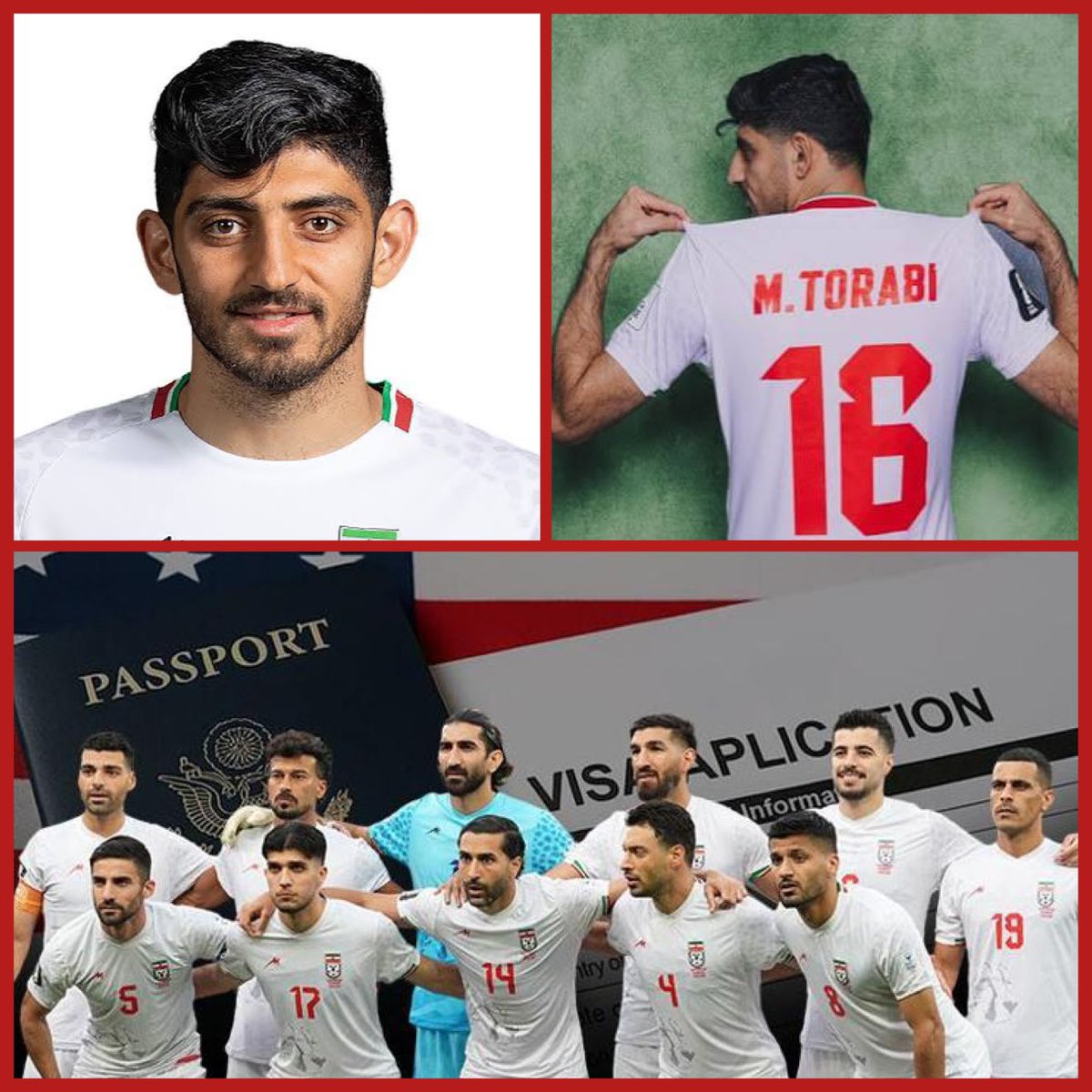
🇮🇷🇺🇸 U.S. Gave an Iranian World Cup Player, Mehdi Torabi, a Visa Good for only ONE Entry
Torabi used it for the New Zealand opener in Los Angeles. The moment that match ended, his visa was expired.
The U.S. forced Iran to base in Mexico, leave American soil after every game, and re-enter for the next one. Under a setup built entirely on repeated entries, they handed one player a single entry.
The Iran Football Federation has taken steps to obtain a new visa for Torabi so that he can accompany the national team in upcoming matches.
This was NOT an accident.

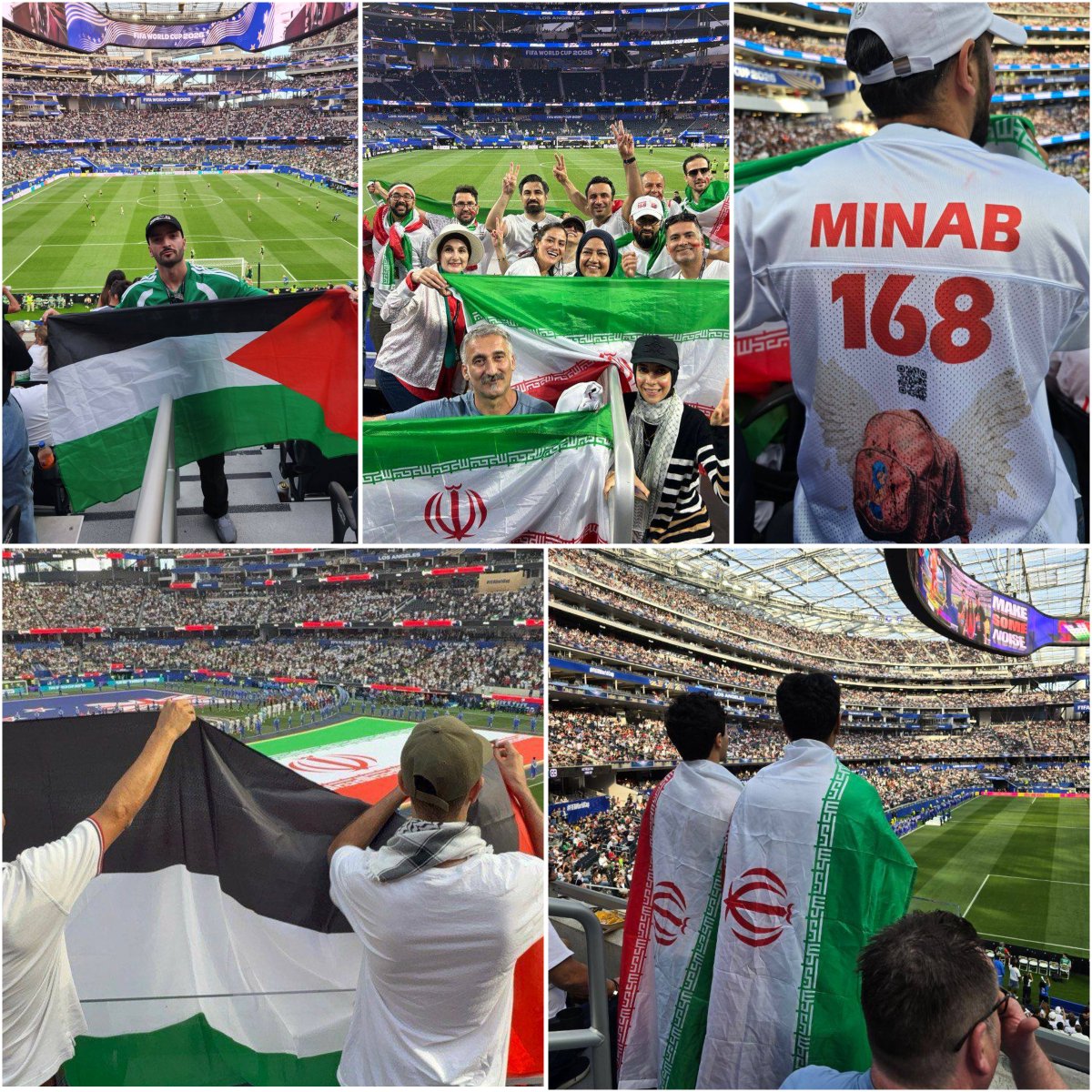
Team Iran Fans Showing Love with the Flag, Love for the Minab 168 and Showing Love to Palestine too
207
3,655
9,259
548,444
ezionyarg retweeted

BREAKING: They are now pouring bottles of hydrogen peroxide into the ultra-green algae-filled Reflecting Pool that Trump wasted $10m of our money on.

4,102
4,458
23,791
2,765,161
ezionyarg retweeted

12h
🦔Meta moved 6,500 engineers into a new Applied AI unit through surprise emails three months ago. Their job is to generate puzzles and coding problems to train Meta's AI models. Employees describe the work as "soul-crushing." One called it "the gulag."
During a livestreamed internal presentation this week, someone hijacked the feed with an expletive-laden meltdown directed at a senior AI executive. Over 1,600 employees signed a petition against a program that monitors their clicks and keystrokes for AI training data.
My Take
Meta cut 2,212 people from Menlo Park a few weeks ago because the budget had to go toward AI. Meta drafted the surviving engineers into a unit that trains the AI. They know what the work produces. That's why they're angry.
Zuckerberg said he picked internal engineers over contractors because they're smarter. Meta paid $14.3 billion for Alexandr Wang's data-labeling company Scale AI, put him in charge of Meta Superintelligence Labs, and then drafted its own engineers to do the data labeling anyway. The unit is led by a VP who ran Reality Labs, which burned $83 billion on the metaverse before Meta moved on. These are the people and the track record behind the AI bet Meta put $145 billion into this year.
Hedgie🤗
21
60
301
100,404
ezionyarg retweeted

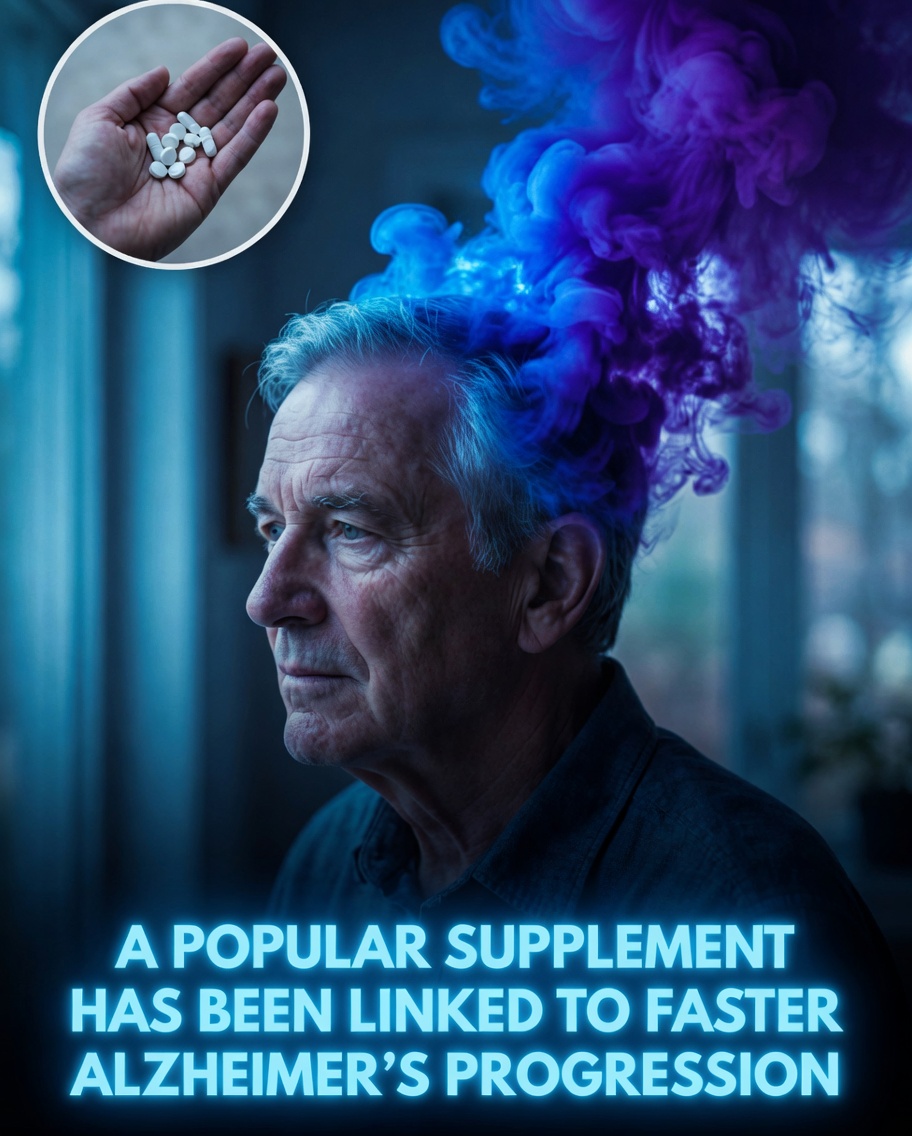
The popular joint supplement glucosamine has been linked to a 25% faster progression from mild cognitive impairment to Alzheimer’s disease.
A major new study published in Nature Metabolism has revealed a concerning association between glucosamine, a widely used over-the-counter supplement for joint pain, and accelerated cognitive decline. Researchers at the University of Florida analyzed 12 years of electronic health records and found that patients with mild cognitive impairment (MCI) who regularly took glucosamine were 25% more likely to progress to full Alzheimer’s disease compared to non-users.
The risks extended further: among individuals already diagnosed with dementia, glucosamine use was associated with a 25% higher mortality risk. Scientists believe the supplement may worsen the condition because glucosamine readily crosses the blood-brain barrier and fuels an overactive “sugar-tagging” (hyperglycosylation) pathway in vulnerable brains, aggravating metabolic dysfunction.
Importantly, this risk appears to be specific to people whose brains are already undergoing neurodegeneration. In healthy individuals, some earlier research has actually suggested potential protective effects. However, with tens of millions of people — many of them older adults — taking glucosamine for joint health, these findings highlight the need for caution and further clinical trials.
[Hawkinson, T. R., Gentry, M. S., & Sun, R. et al. (2026). Hyperglycosylation is a metabolic driver of Alzheimer’s disease. Nature Metabolism. DOI: 10.1038/s42255-026-01538-4]
50
321
1,135
129,738
ezionyarg retweeted

A male captain verbally abused a pregnant female colonel, saying, “F***, do you really think you’re necessary to us? I don’t know if you’re even useful,” and mocked and ridiculed her pregnancy.
When she requested “maternity protection time” (2 hours of rest per day or medical visits for soldiers who are pregnant), he thrust his fist toward her face and said, “Can I show off my power to you?” and “Get down on your knees.” She had to say “I’m sorry” and leave.
He also ordered her to arrive one hour earlier than the scheduled work time and carry documents up and down the stairs from the basement to the 5th floor every day. This was not her job, yet he forced her to do this for about five weeks.
During training, pregnant personnel are not required to wear heavy equipment, but he ordered her to wear heavy equipment and train anyway.
Eventually, she experienced repeated vaginal bleeding and ultimately miscarried.
ajunews.com/view/20260612164…
naver.me/Fc6b9l7J

214
1,723
13,050
411,286
ezionyarg retweeted

When the boring World Cup comes to an end, the entire planet will be entranced by the phenomenal competitive and riviting sport, Hobby Horsing.
(Everythinghoy)
1,291
527
3,078
812,450
ezionyarg retweeted

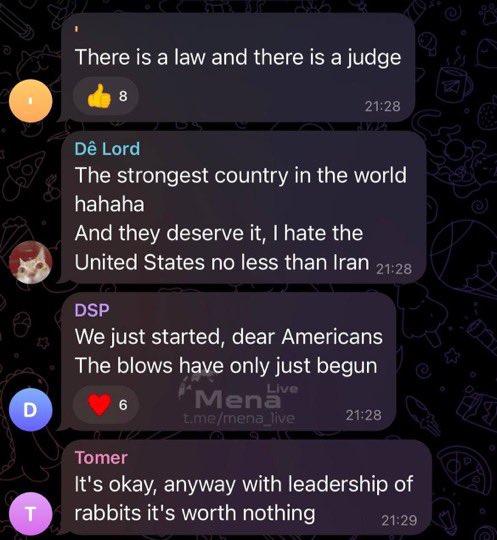
Israelis are CELEBRATING 8 American deaths after the B52 crash in California
‘They deserve it, I hate the United States no less than Iran.’
‘We just started, dear Americans. The blows have only just begun.’

418
4,711
12,293
238,861

ezionyarg retweeted

13h
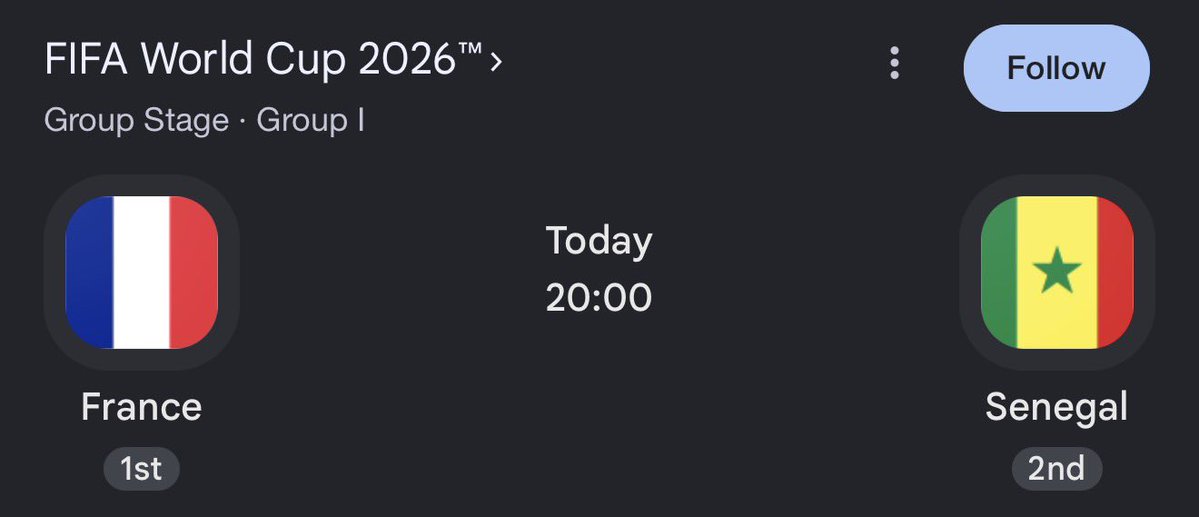
Streets calling this the African El Clasico 😭
1,039
10,283
121,109
1,523,183
ezionyarg retweeted

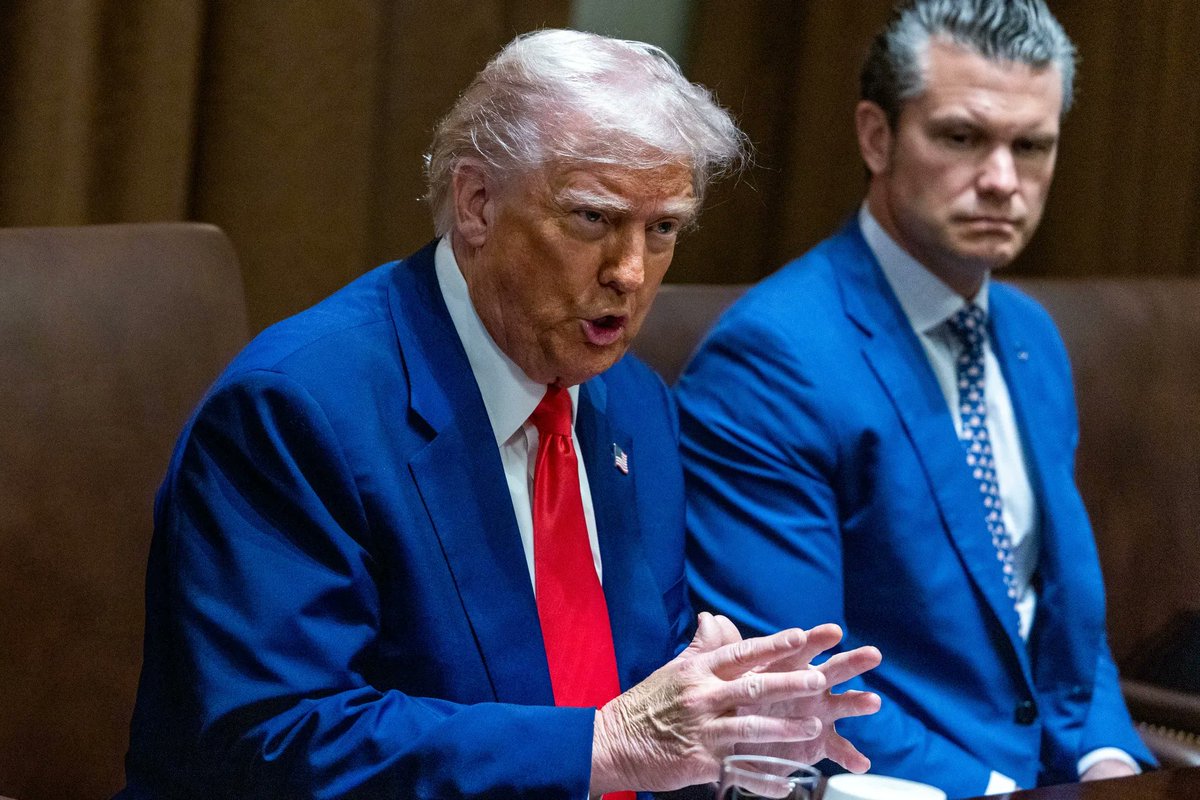
Trump is reportedly considering dismissing several senior officials who opposed the Iran deal, including Defense Secretary Pete Hegseth and CIA Director John Ratcliffe.
A senior U.S. official reportedly said, “The argument has been settled. Those who opposed it may pay a personal price.”
Source: Israel Hayom
421
954
4,608
484,385
ezionyarg retweeted

Jun 15
Saudis drinking zamzam water on hydration break… its over for uruguay
33
1,012
18,697
368,982
ezionyarg retweeted
Trump criticizes Israel's methods in Lebanon:
You don't have to knock down an apartment house every time you are looking for somebody.
There are a lot of people in those houses, and they are not all Hezbollah, that I can tell you.
220
1,808
11,164
2,110,011
