
Blog 4Way2cutFedBudgetBy$500B whitecollargreenspace.blogsp… Ecologist,healthcare reformer,midwesterner #UnitedBlue #Resist💙 http://obamacarerundown
Joined August 2009
- Tweets 218,715
- Following 4,966
- Followers 3,633
- Likes 139,795
25,982 Photos and videos
Pinned Tweet

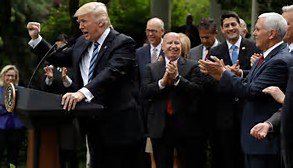
The greatest threat to our precious democracy is not Trump & Putin & thugs,
it is Republicans who remain silent instead of defending America
73
417
724
Social Security Whisperer aka Greenspaceguy retweeted

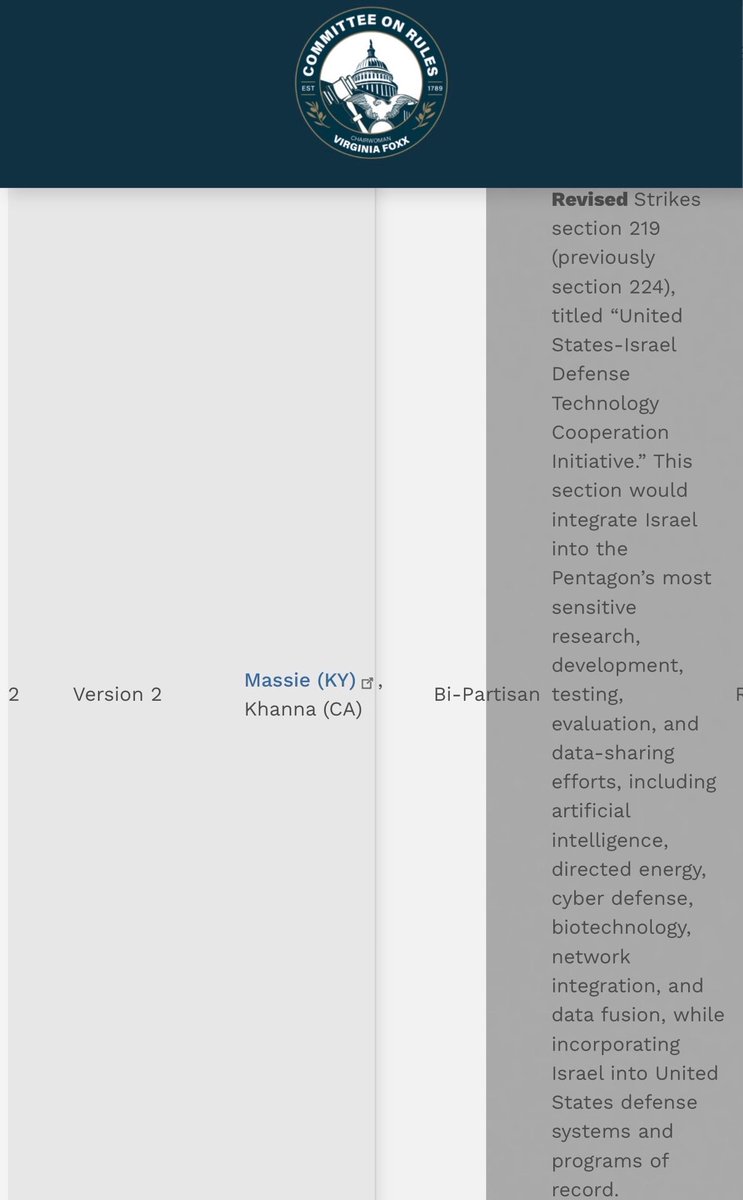
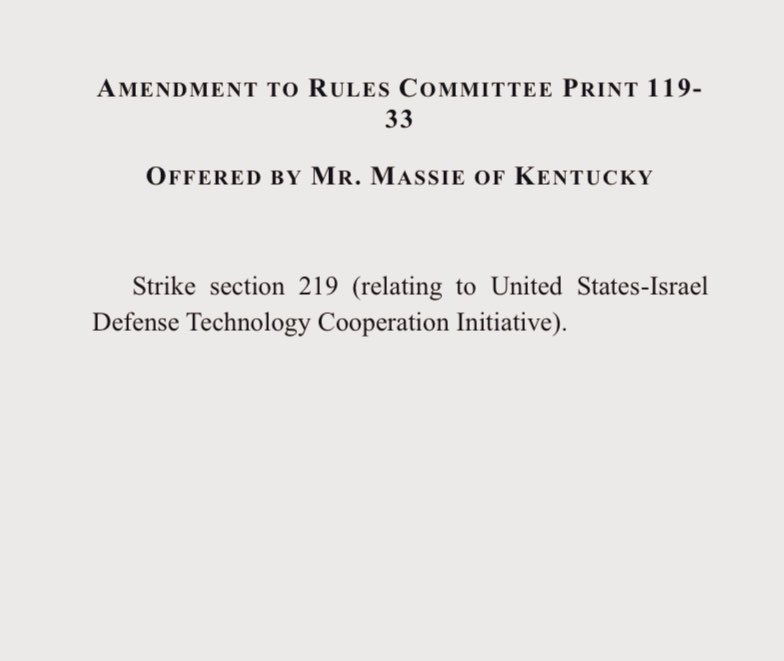
Section 219 (was 224) of the NDAA contains a dangerous provision to integrate our military tech with Israel’s.
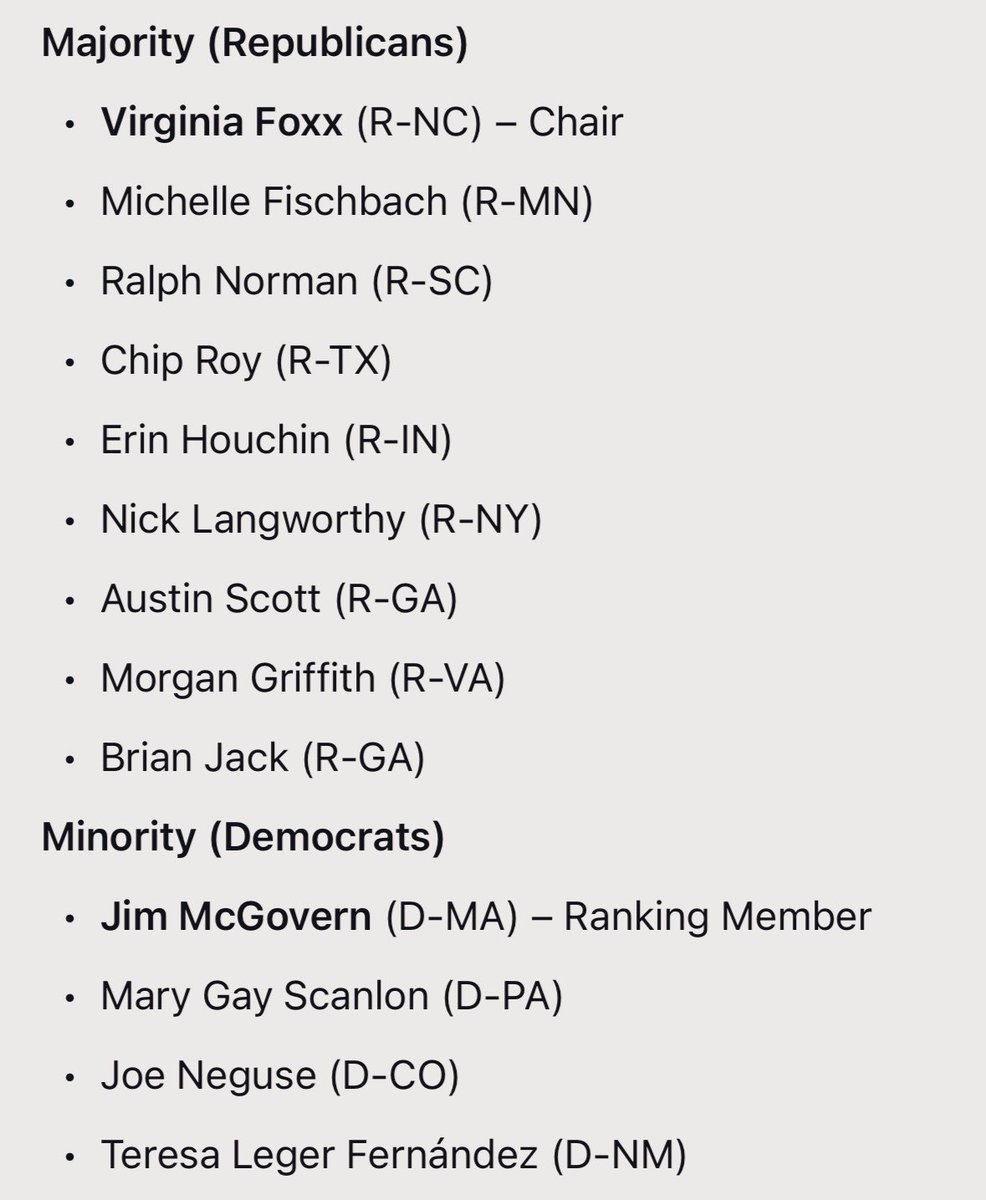
@RepRoKhanna & I submitted an amendment to strike 219. I included the Rules Committee roster here; 7 of 13 members must agree in order for our amendment to get a vote.
302
2,746
10,076
131,072
Social Security Whisperer aka Greenspaceguy retweeted
There are 2 ways this can get a vote!
1) 4 Democrats and 3 Republicans on Rules Committee take a stand.
or
2) Any 6 Republicans in the whole House withhold their votes for “the Rule” next week unless this amdt is allowed a vote in that Rule. (Dems always vote no on the Rule)
45
259
1,439
37,024
Social Security Whisperer aka Greenspaceguy retweeted

SEN. KELLY: People that Putin sends to front lines have little training. They’re being pushed forward, and they get massacred. If Russian soldier watching this, "You’re going into meat grinder and likely won’t survive, because Ukrainians getting really good at killing Russians."
16
295
1,710
23,261
Social Security Whisperer aka Greenspaceguy retweeted

Billionaires stop paying into Social Security on January 1st, and they'll do anything to keep it that way.
Everyone else contributes with every paycheck. These are benefits that you earned through a lifetime of work. It's about time for the ultra-wealthy to pay their fair share!
28
266
545
3,844
Social Security Whisperer aka Greenspaceguy retweeted

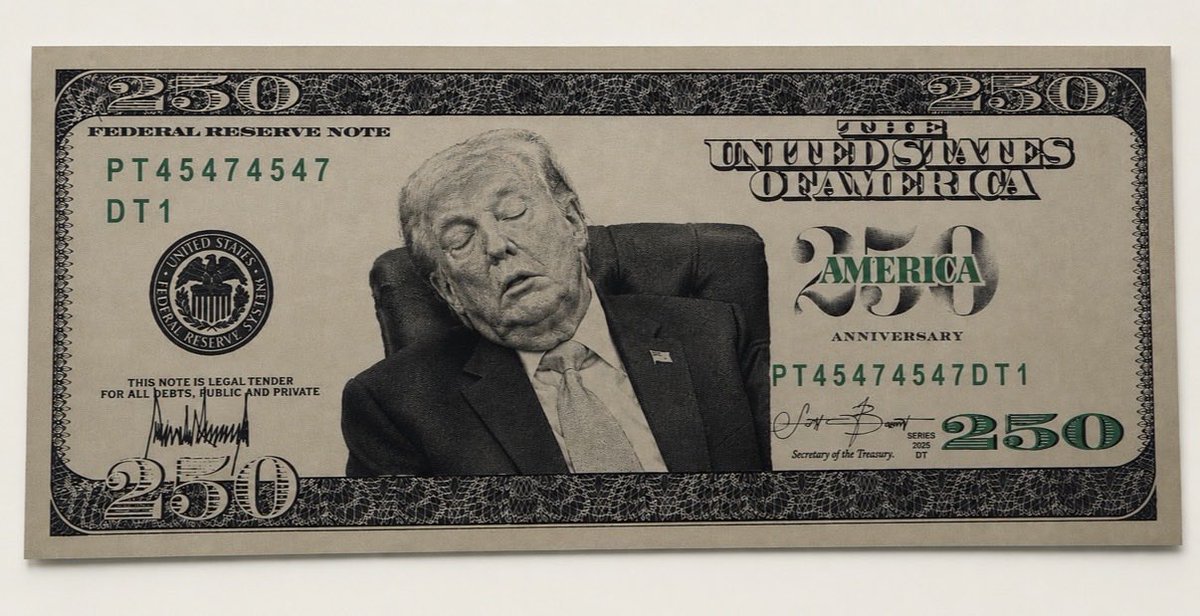
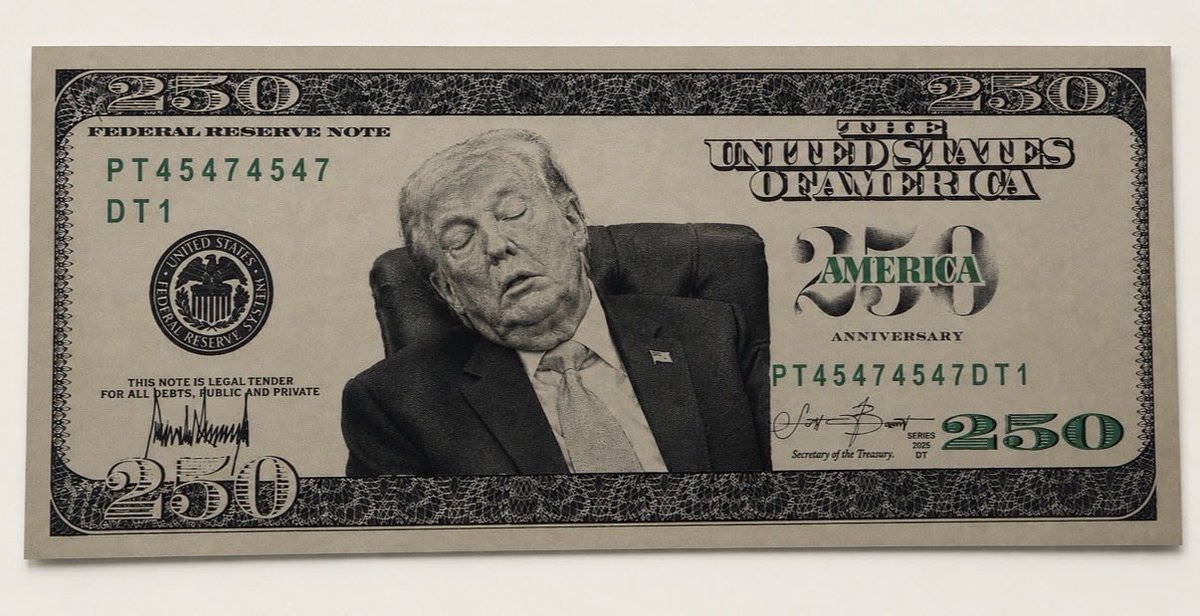
🚨BREAKING: DONALD TRUMP HAS FALLEN ASLEEP AT HIS 80TH BIRTHDAY UFC FREEDOM 250 EVENT.
1,369
4,915
54,217
2,636,826
Social Security Whisperer aka Greenspaceguy retweeted

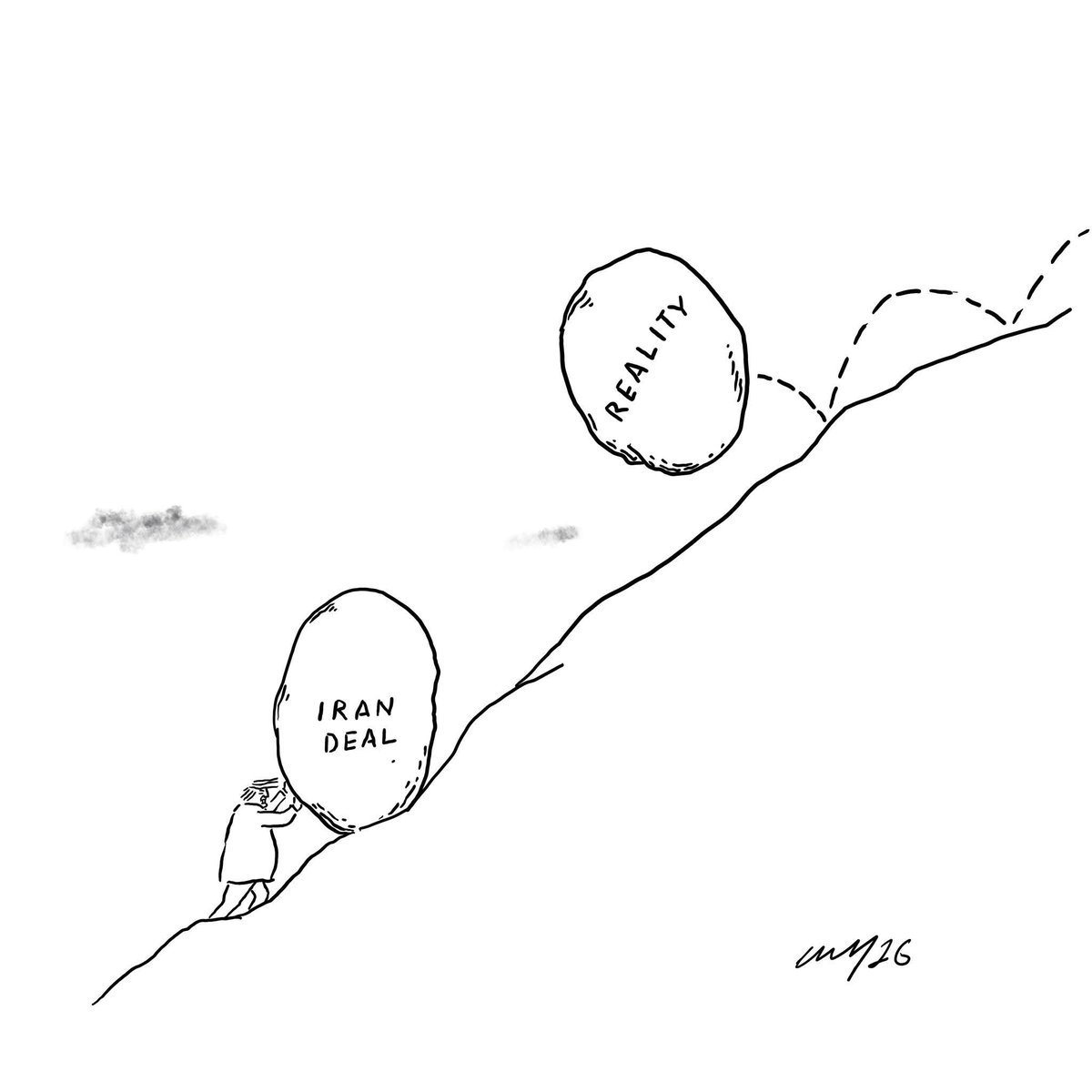
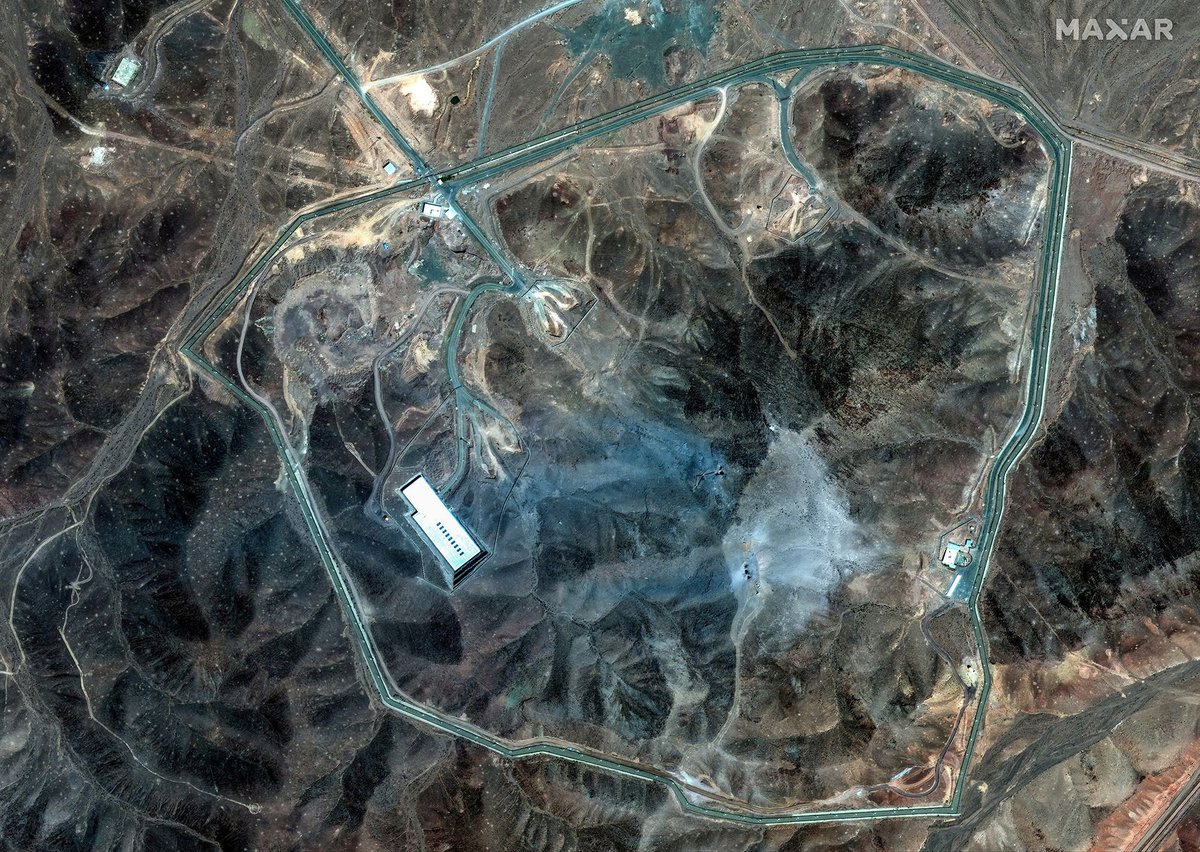
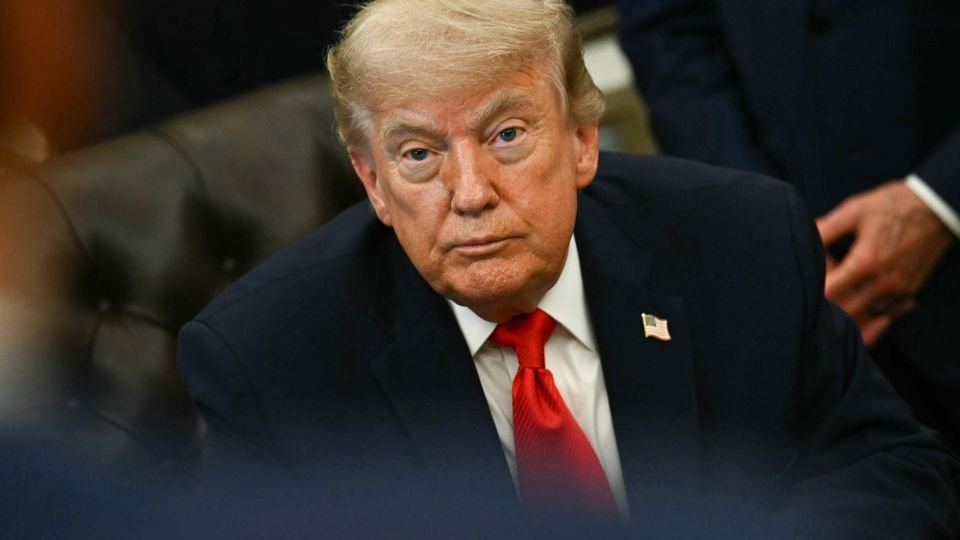
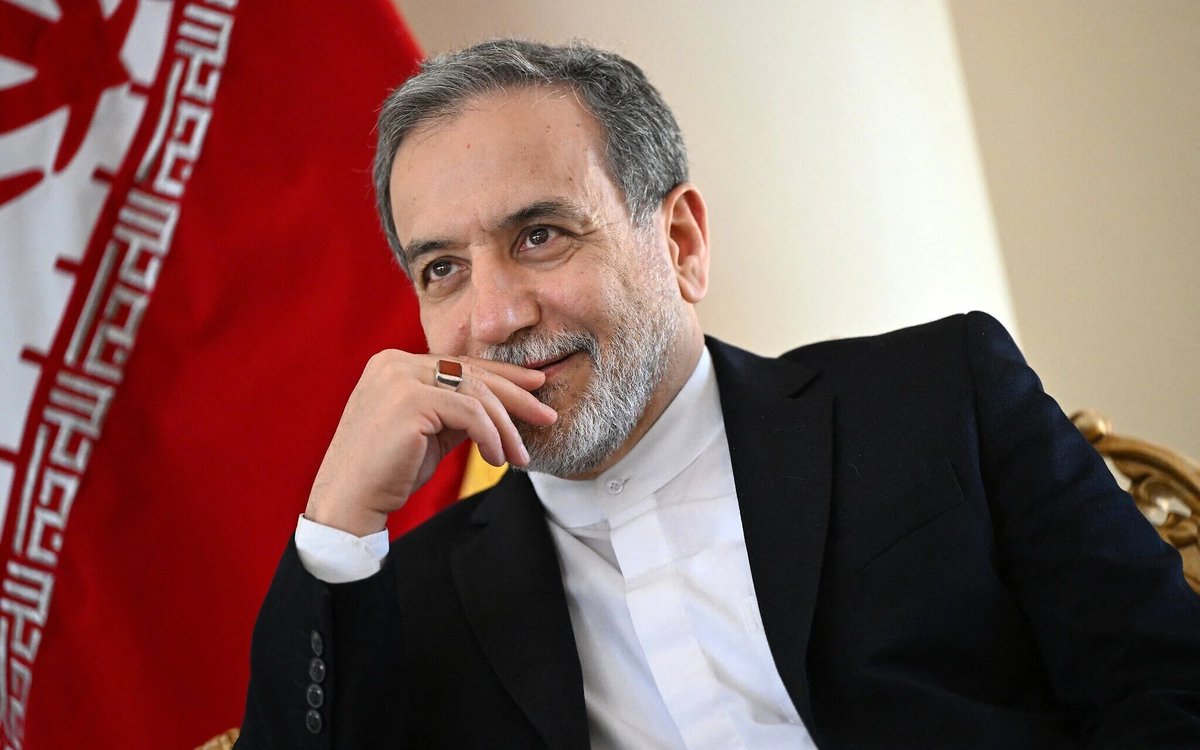
🇮🇷🇺🇸 Iran just published all 14 clauses of the MoU. Read them carefully, because this is not the deal Trump described.
The headline numbers: $300 billion in reconstruction commitments from the US and allies. $24 billion in released frozen funds, half before negotiations even start. Complete naval blockade lifted within 30 days. US forces withdrawn from around Iran.
Here's the big one: Hormuz reopens under Iranian arrangements, meaning Iran keeps management of the strait.
The nuclear clause is Clause 9: Iran reiterates its commitment not to produce nuclear weapons. That's it. No enrichment cap. No dismantlement. No inspector access beyond existing frameworks.
The actual nuclear terms get negotiated in a separate 60-day window, and Clause 14 explicitly removes Iran's missile program and support for resistance groups from the agenda entirely. Permanently.
Iran's Deputy FM called it a total victory this morning. He wasn't spinning.
Source: Mehr News / Writer: Oliver


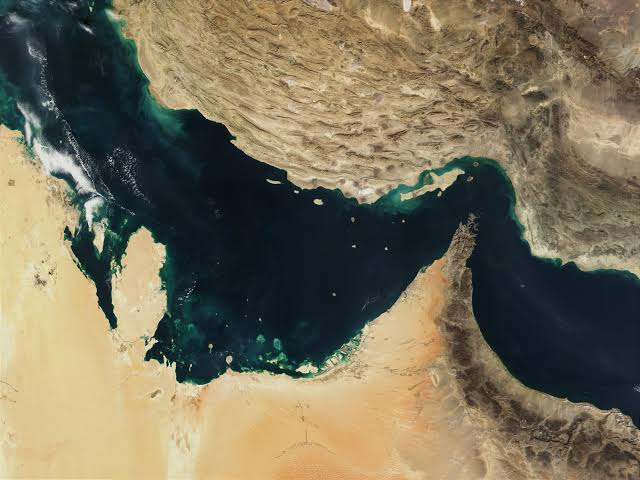
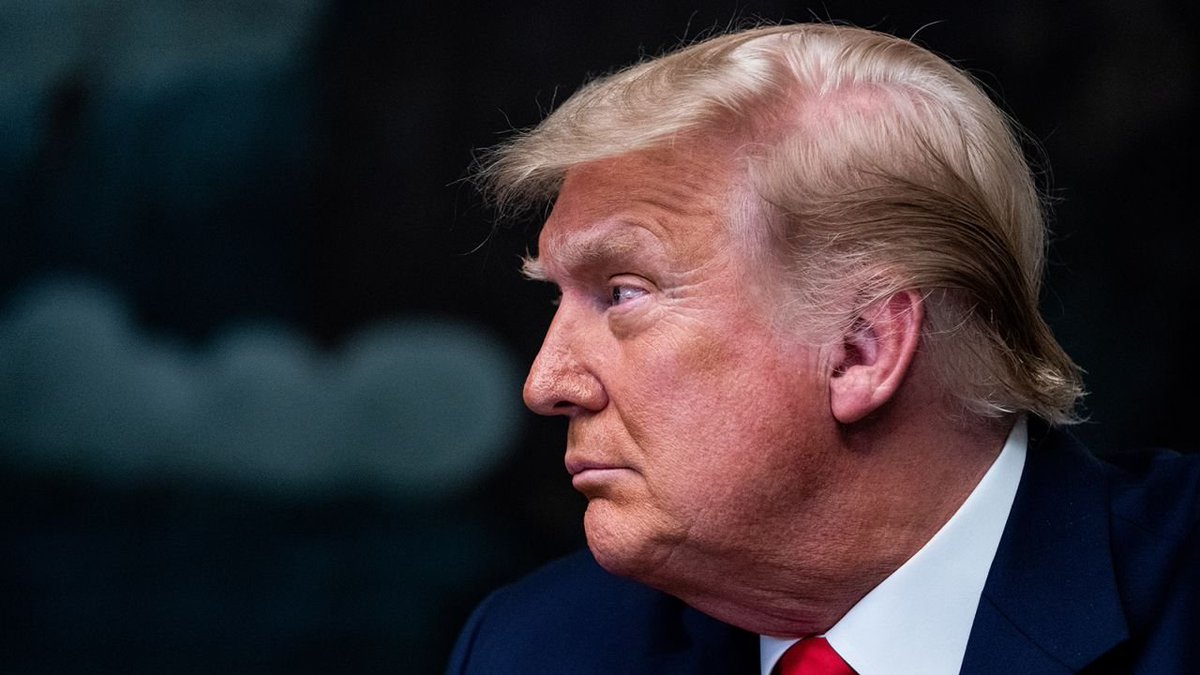
🇺🇸🇮🇷 Flashpoint in the US-Iran deal: The Strait of Hormuz.Trump demands toll-free passage:
"I hereby fully authorize the toll free opening of the Strait"
Iran says no 'tolls', but will charge 'service fees,' 'security fees,' and 'management fees' while keeping control (possibly with Oman).
Either that's a word play to grant Iran a toll without calling it so. Or the deal's clauses aren't as clear on some of these issues.
Writer: Oliver
357
1,331
3,696
708,872
Social Security Whisperer aka Greenspaceguy retweeted

The REAL reason we went to war.

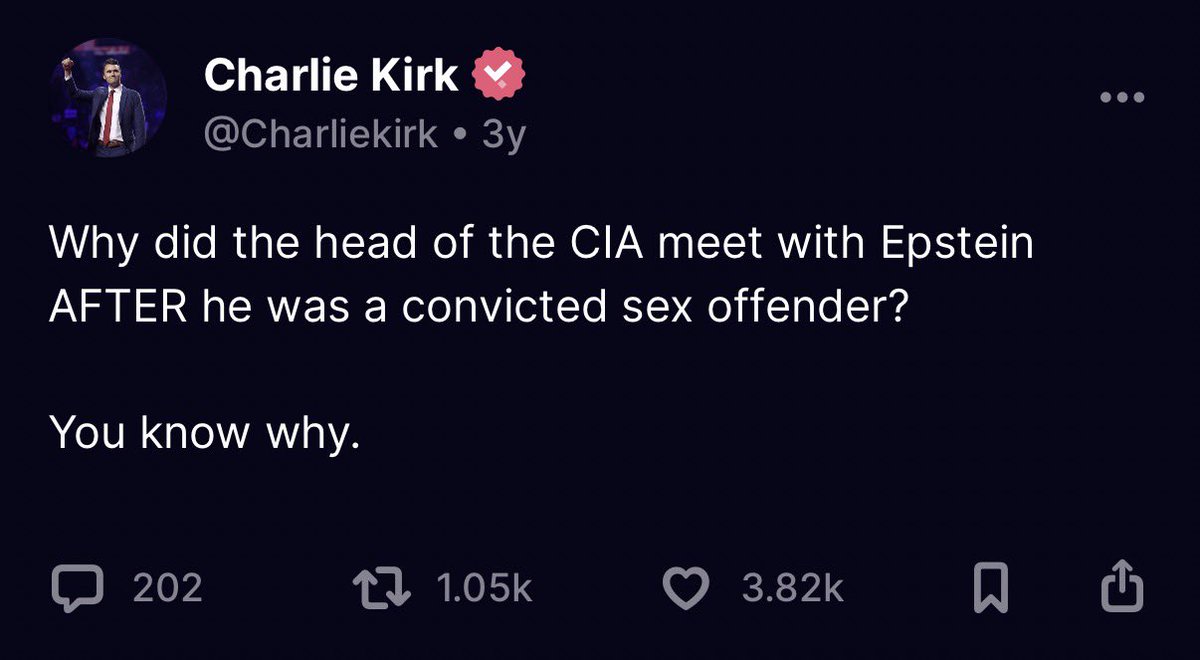
24
445
1,867
22,514
Social Security Whisperer aka Greenspaceguy retweeted

19h
People don't realize the urgency: Trump nominated his private criminal defense attorney, Todd Blanche, to run DOJ. He's treating the entire justice system like a personal defense shield.
The Senate vote is razor-thin. Send your letter NOW: 👇 actionnetwork.org/letters/te…
21
347
682
7,099
Social Security Whisperer aka Greenspaceguy retweeted

For anyone keeping track, Trump's pardon of former-Congressman Stephen Buyer convicted of insider trading brings the count of corrupt politicians to whom Trump has granted clemency to 22.
pbs.org/newshour/politics/tr…
9
465
724
7,116
Social Security Whisperer aka Greenspaceguy retweeted

BREAKING: House Armed Services Committee Ranking Member Adam Smith Just Laid Out A Brutal Critique Of Trump's Iran Strategy.
Smith argued that Obama made a deal designed to keep Iran from obtaining a nuclear weapon.
Trump withdrew from that deal.
Years later, after military strikes, regional escalation, and months of conflict, Smith says the administration is now moving toward an agreement that looks remarkably similar to the one Trump tore up.
Then came the line that stood out.
"Trump stupidly tore it up. And now he's sort of limping back towards something very similar to that agreement."
First came the deal.
Then came the withdrawal.
Now comes an effort to secure many of the same commitments from a position critics say is weaker than before.
18
260
731
27,579
Social Security Whisperer aka Greenspaceguy retweeted

Trump’s children bought their Albanian resort from an alleged mob-linked figure #AlterNet twp.ai/4hsaEC
1
19
35
610
Social Security Whisperer aka Greenspaceguy retweeted

It’s an inevitability.
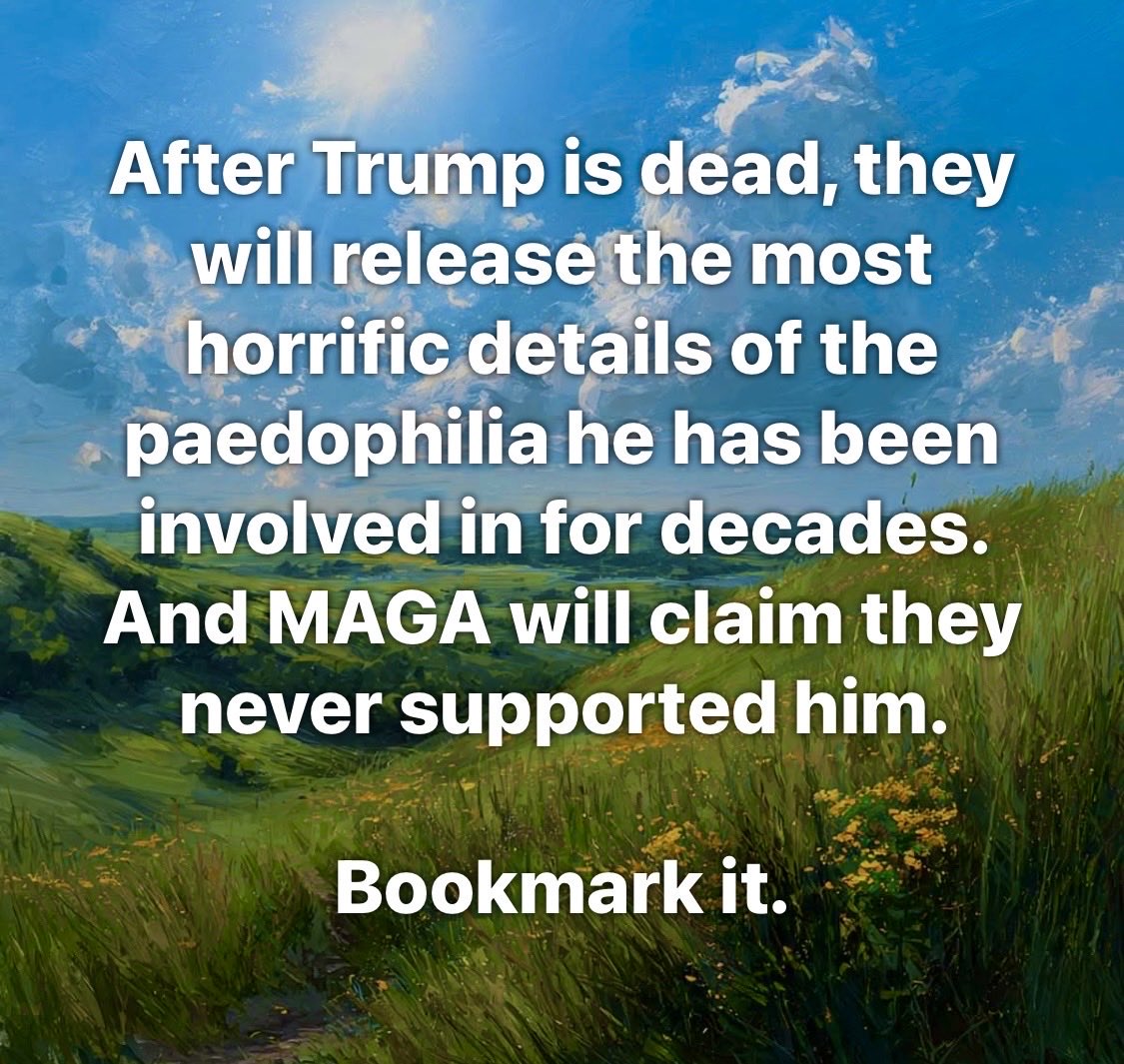
65
871
2,854
25,547
Social Security Whisperer aka Greenspaceguy retweeted

If it didn’t happen why is he banned?
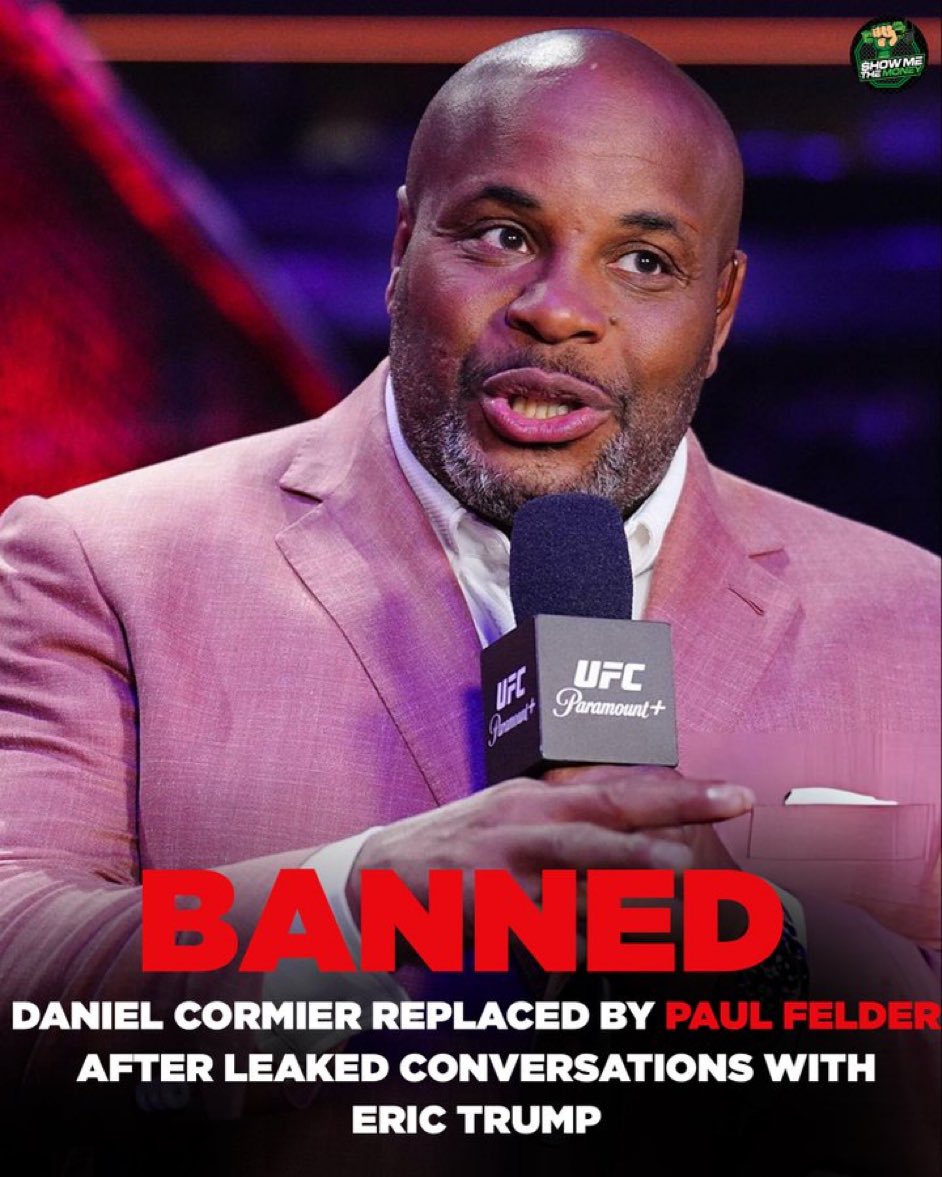
68
631
2,441
56,139
Social Security Whisperer aka Greenspaceguy retweeted

Maxwell told a victim to make Prince Andrew happy by doing "exact same things to him that she did for Epstein."
A second witness saw Andrew on Epstein's island "grinding against a young girl."
Both statements are in the Epstein files. Andrew denied everything.

ALT FBI NTOC compilation page titled Prominent Names listing victim statements about Prince Andrew
4
221
427
3,222
Social Security Whisperer aka Greenspaceguy retweeted

Good morning to everyone not in the Epstein files.
Millions of Epstein-related records remain withheld, even though the congressional deadline for their release passed 177 days ago.
This is what lawlessness looks like.
And Elon helped build it.
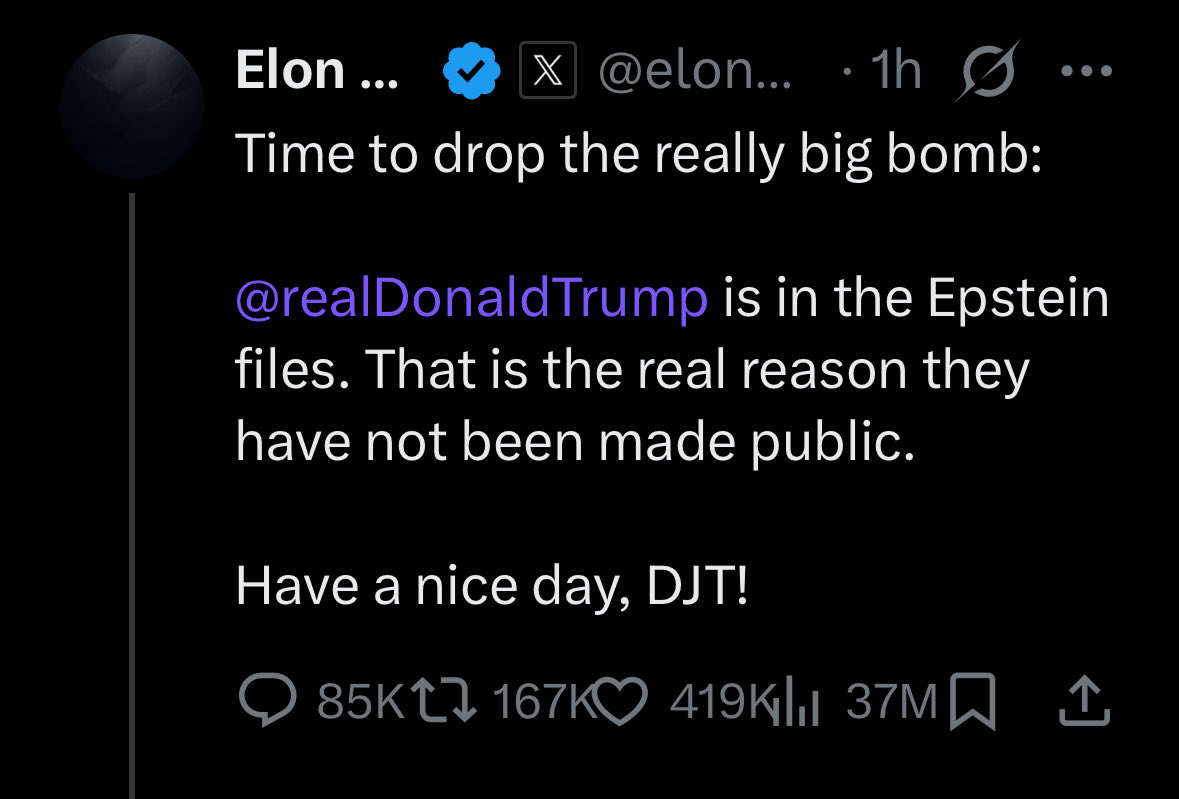
29
517
1,374
7,702
Social Security Whisperer aka Greenspaceguy retweeted

We are breaking through against Trump's corruption!
A behind-the-scenes account of our Kennedy Center win & bipartisan anti-slush fund impact
I even work in the meaning of the Knicks overcoming the curse of Donald if they can do it so can America
contrariannews.org/p/you-rem…
24
204
694
8,693
Social Security Whisperer aka Greenspaceguy retweeted

Wait, is this for real? Trump spent $60 million of our taxpayer funds to host a UFC fight and then is selling UFC coin to line his family’s pockets. The Trump corruption swamp is a mile deep. cnn.com/2026/06/09/politics/…
3,656
9,172
20,079
452,327
Social Security Whisperer aka Greenspaceguy retweeted

Jun 13
Huge pedophile ring arrested. And what a shock they are all white!
But tell me again how immigrants are the dangerous criminals?
1,598
5,928
15,837
178,124
Social Security Whisperer aka Greenspaceguy retweeted

You thought Epstein Island was bad?
Israel built the only military prison in the world designated for children.
Children are subjected to beatings, torture, and rape on a regular basis.
Conviction rates in courts reach 99.7%.
This applies only to non-jewish children.
261
6,811
11,009
118,196
Social Security Whisperer aka Greenspaceguy retweeted

One state. One law. One sentence that says everything:
“Big Tech pays its own bills. Not you.”
While Washington D.C. argues, while other states debate, while communities across America watch their electricity bills climb month after month — Oklahoma quietly did something extraordinary.
It passed a law that no other state had the courage to pass first. And it takes effect in just 19 days — July 1, 2026.
This is the story every American needs to read today.
THE LAW THAT CHANGED EVERYTHING — AND THE GOVERNOR WHO SIGNED IT
On Monday, May 11, 2026, Oklahoma Governor Kevin Stitt signed House Bill 2992 — the Data Center Consumer Ratepayer Protection Act of 2026 — into law.
The name is long. The message is simple.
The law is designed to protect Oklahoma families, small businesses, and traditional utility customers from rising utility and infrastructure costs tied to large-scale energy users such as data centers, cryptocurrency mining operations, and artificial intelligence facilities.
That’s it. That is the entire point. Big Tech builds a data center in Oklahoma — Big Tech pays for the power lines, the substations, and every infrastructure upgrade its facility demands. Not your grandmother. Not the family-owned restaurant. Not the farmer running a well pump. Not you.
The law requires large-load customers that add 75 megawatts or more of demand to sign long-term agreements covering all infrastructure costs tied to their projects — rather than spreading those costs across the general rate base.
75 megawatts. That is the threshold. Any data center, AI facility, or crypto mining operation that demands that much power must foot its own bill — every dollar of it — before connecting to Oklahoma’s grid.
AND THE VOTE THAT PASSED IT LEFT NO ROOM FOR ARGUMENT
The Data Center Consumer Ratepayer Protection Act passed the House floor and the Senate floor with a unanimous vote — winning approval from every single lawmaker who voted on it.
Unanimous. In both chambers. In Oklahoma — one of the most politically contested legislative environments in the country.
The bill passed unanimously in both the House Utilities Policy Committee and the House Energy and Natural Resources Oversight Committee before reaching the full floor.
At least 36 House and Senate lawmakers from both parties signed on as co-authors of the legislation — reflecting broad bipartisan support across the entire Legislature.
Republicans. Democrats. Rural lawmakers. Urban lawmakers. All signing the same bill. All sending the same message.
When a bill passes unanimously in both chambers with 36 bipartisan co-authors
72
652
1,093
12,760