Ascf
تسوق بثقة 📅
——————
كُـود كوبِون خـِصم ( فرقوا بين الكووديين )🤍
كُـود ستايلي ( SSZ )
كُـود ⎐نون⎐ ⊵SSZZ⊴ 👪

1
Ascf
تسوق بثقة 📅
——————
كُـود كوبِون خـِصم ( فرقوا بين الكووديين )🤍
كُـود ستايلي ( SSZ )
كُـود ⎐نون⎐ ⊵SSZZ⊴ 🦬

Ascf
تسوق بثقة 📅
——————
كُـود كوبِون خـِصم ( فرقوا بين الكووديين )🤍
كُـود ستايلي ( SSZ )
كُـود ⎐نون⎐ ⊵SSZZ⊴ 🤝


Jun 14
Ascf
تسوق بثقة 📅
——————
كُـود كوبِون خـِصم ( فرقوا بين الكووديين )🤍
كُـود ستايلي ( SSZ )
كُـود ⎐نون⎐ ⊵SSZZ⊴


Jun 14
Ascf
تسوق بثقة 📅
——————
كُـود كوبِون خـِصم ( فرقوا بين الكووديين )🤍
كُـود ستايلي ( SSZ )
كُـود ⎐نون⎐ ⊵SSZZ⊴


Jun 14
Ascf
تسوق بثقة 📅
——————
كُـود كوبِون خـِصم ( فرقوا بين الكووديين )🤍
كُـود ستايلي ( SSZ )
كُـود ⎐نون⎐ ⊵SSZZ⊴


Jun 14
Ascf
تسوق بثقة 📅
——————
كُـود كوبِون خـِصم ( فرقوا بين الكووديين )🤍
كُـود ستايلي ( SSZ )
كُـود ⎐نون⎐ ⊵SSZZ⊴


Are Americans losing their voice in the republic?
Watch ASCF's Peace Through Strength Podcast as Laurence Sanford interviews Col. (Ret.) Tom Raquer on his article, The Growing Deficit of Consent in the Republic.
A timely discussion on public consent, government accountability, and the future of self-government.
youtu.be/8TYWGlhIsJI
#PeaceThroughStrength #ASCF #NationalSecurity #ConstitutionalRepublic #PublicPolicy
7

Jun 11
O som do ginásio, da transmissão de lá, está muito alto "perto" da narração.
1
15
The Indo-Pacific is at the center of today’s strategic competition.
Strong alliances, regional partnerships, and American leadership remain critical to preserving peace and stability.
Read Alan W. Dowd’s latest DOWD Report:
ascf.us/dowd-report/a-beacon…
#IndoPacific #PeaceThroughStrength #NationalSecurity #ASCF
4

Jun 10
@HudsonInstitute@AEI@Heritage@CarnegieEndow@CSIS@HooverInst@securefreedom@FDD@RANDCorporation@LexNextDC@CatoInstitute@BrookingsFP@BrookingsInst@afpc@ascf@C4ADS@CFR_org
158

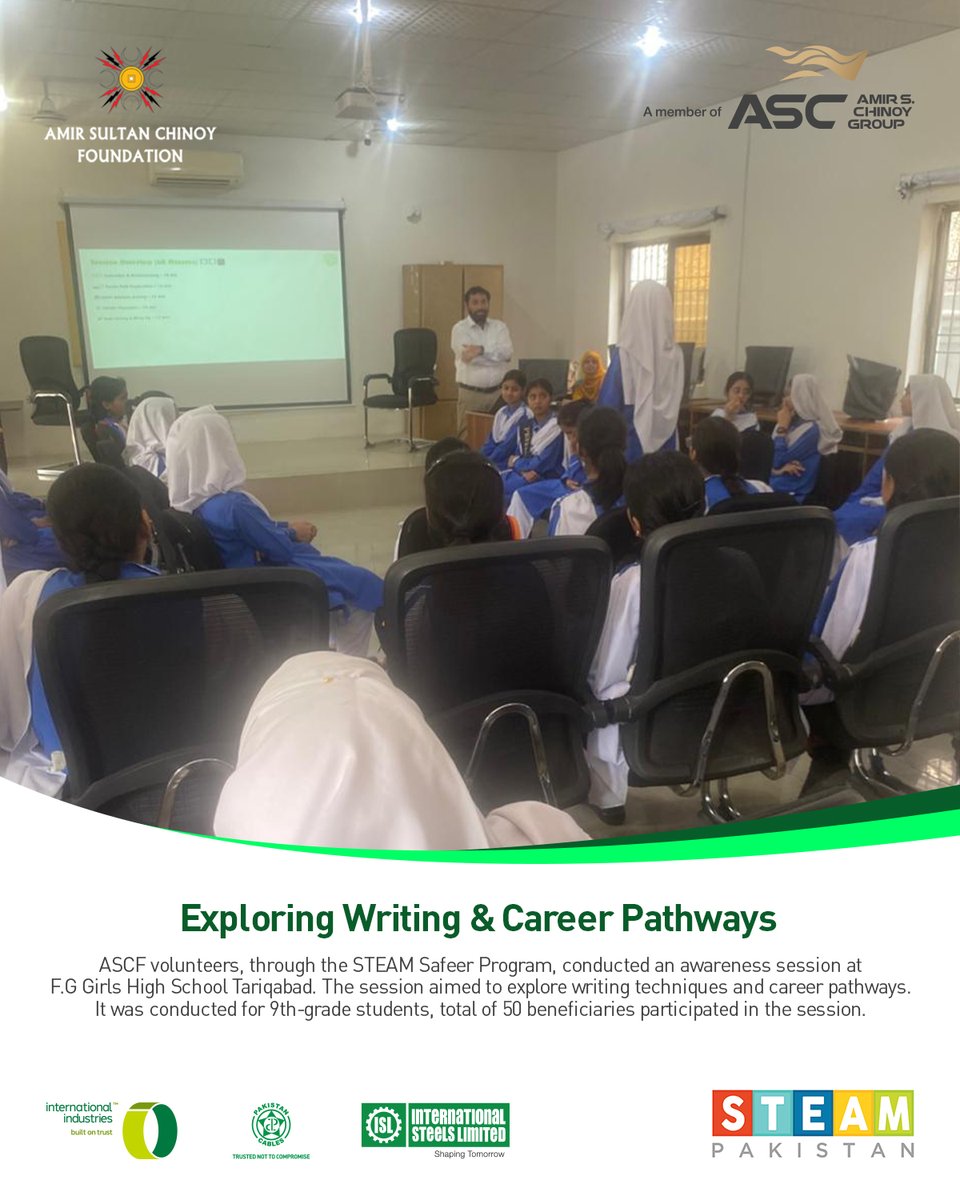
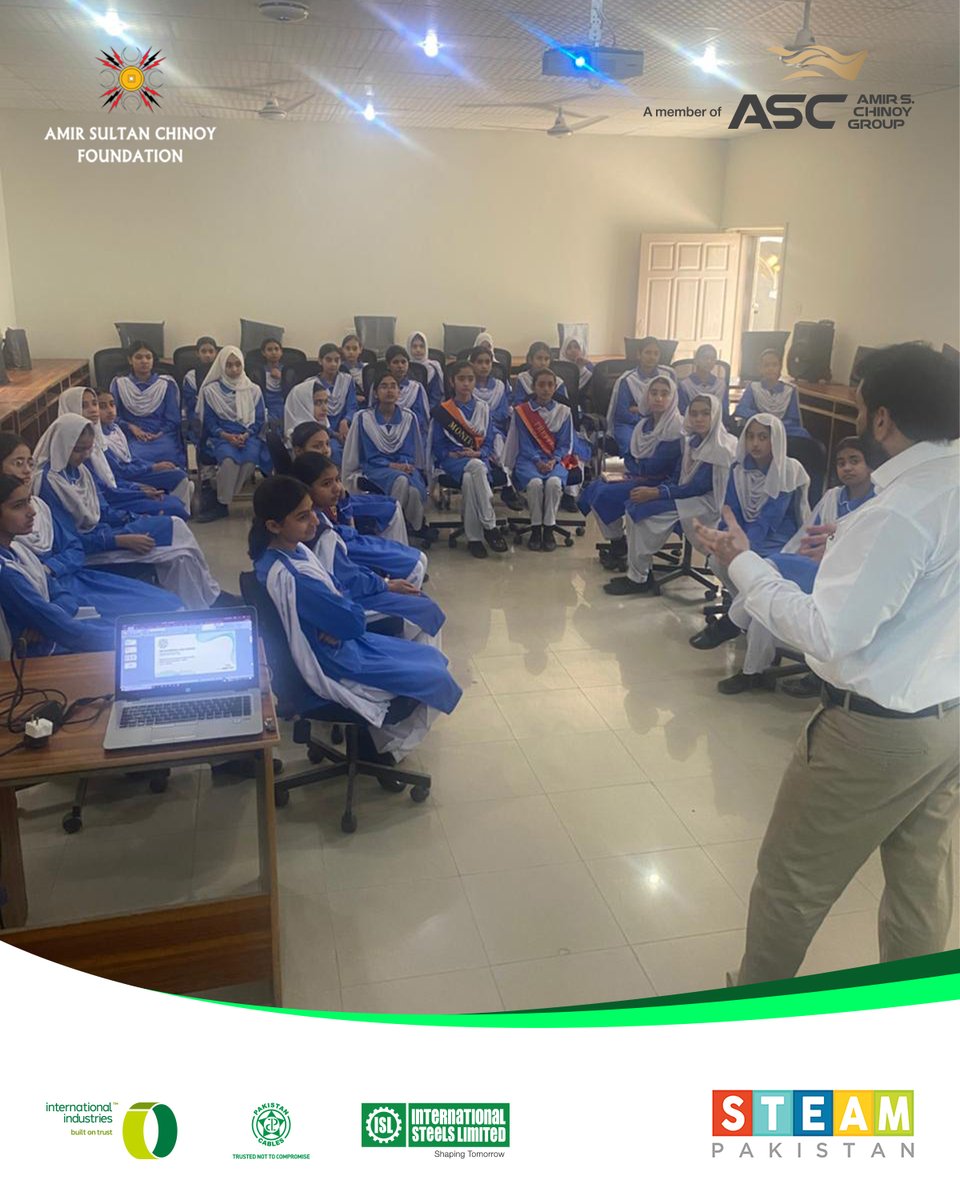
ASCF volunteers, through the STEAM Safeer Program, engaged Grade 9 students at F.G Girls High School Tariqabad in a session focused on writing skills and career pathways.
@IILOfficial @pakistan_cables
18

Jun 8
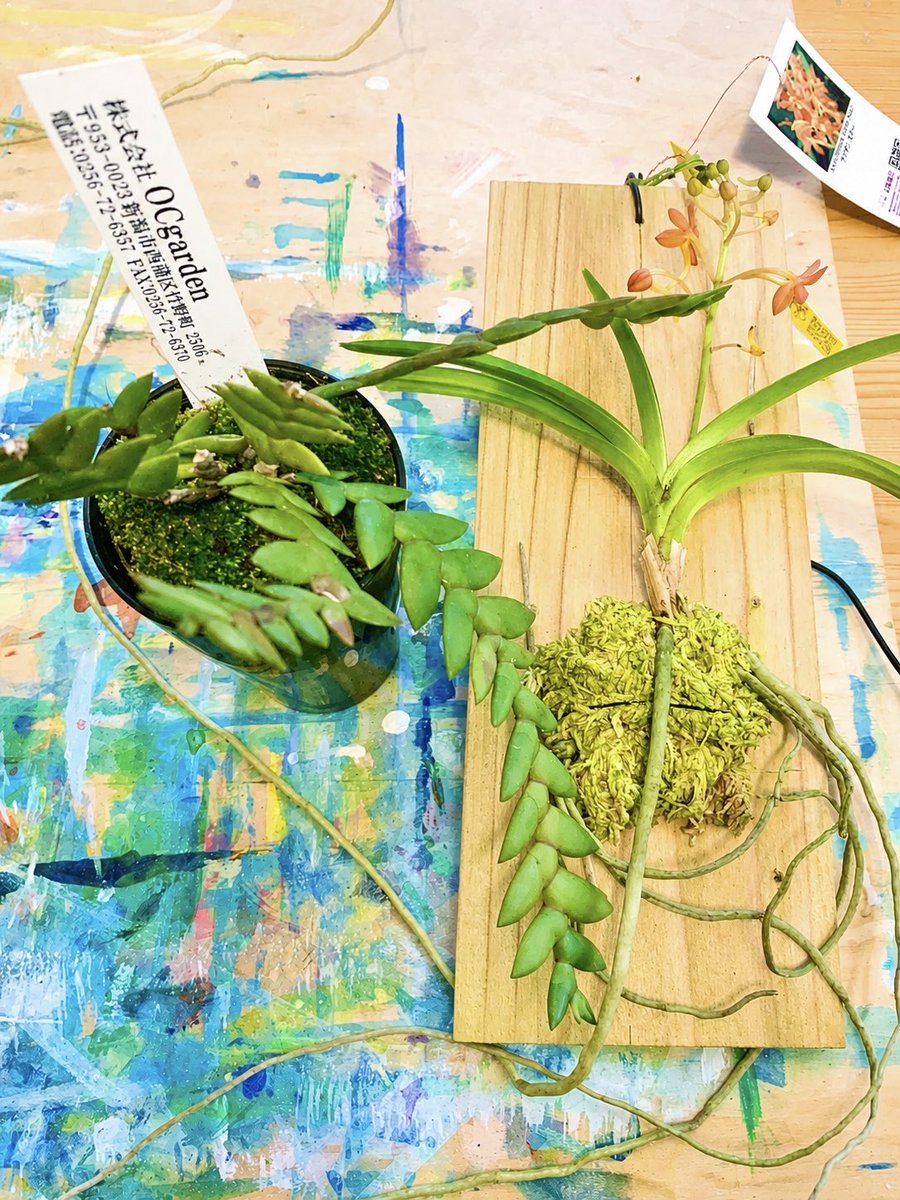
購入品。
★Den. Tropic Rosea(左。欲しかったので出会えて嬉しい!ポチッとした赤いお花が咲くのが楽しみ)
★Ascf. Lion Star(右。めっちゃ値引きされていて、名前買い。ライオンスターって名前、可愛くないですか?😙花付きも嬉しい。)
6
60

Jun 1
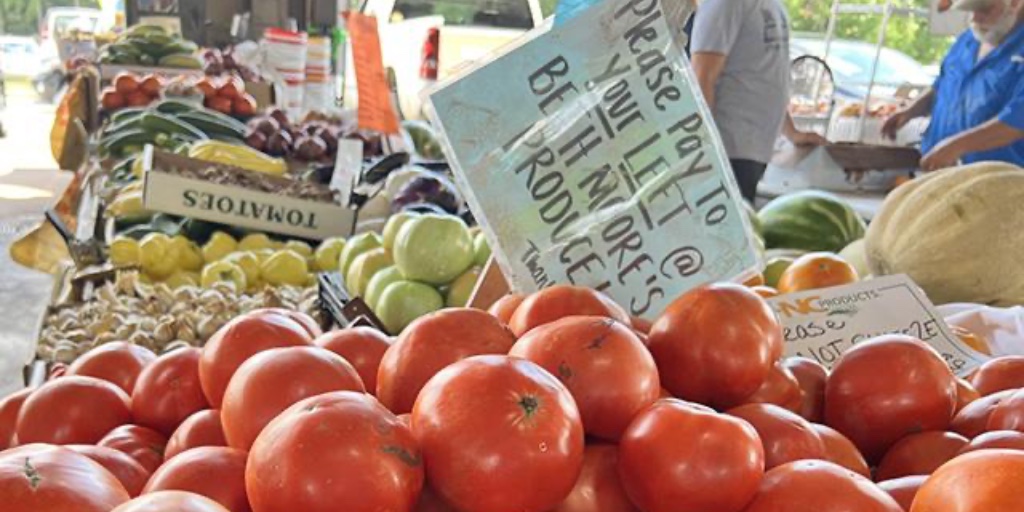
USDA on Friday announced the payment rates and enrollment period for the Assistance for Specialty Crop Farmers (ASCF) program.
Due to demand, USDA also announced that the total payments to those growers will climb to $1.625 billion.
Details: dtn.link/hazubaeh
1
2
542

May 30
Secretary Kennedy made a major announcement about new actions to tackle Lyme disease and other diseases transmitted to humans by ticks. He expressed sympathy for those suffering from the “invisible illness,” declaring an end to the era of “gaslighting” patients. HHS pledged to reduce Lyme disease spread by 25% by 2035 compared to 2022 levels through stronger patient support, standardized treatment protocols, improved diagnostics, and advanced therapies.
The centerpiece of the initiative is a multi-million-dollar, CDC-led pilot program developed in partnership with the New England Center of Excellence in Vector-Borne Diseases, the Indian Health Service, and the Wampanoag Tribe, which aims to eliminate ticks on wildlife to disrupt disease transmission at its source. HHS will also address Alpha-gal syndrome with similar urgency.
Furthermore, HHS will host roundtables with frontline physicians and launch nationwide education initiatives to help doctors diagnose the disease earlier. The agency has also introduced a dedicated website at hhs.gov/lyme to connect patients with specialists via the ILADS clinician locator tool and provide educational resources.
Additionally, three new LymeX innovation challenges were launched, offering up to $2.5 million in prize funding to drive breakthroughs in awareness, treatment, and patient care. The Director of National Health Communications for the Office of the Surgeon General, Dr. Stephanie Haridopolos, noted that roughly 31 million Americans are bitten by ticks annually, with at least 500,000 developing Lyme disease and 20% progressing to chronic cases.
The USDA announced the enrollment period and payment rates for the Assistance for Specialty Crops Farmers (ASCF) program, which will distribute $1.625 billion to eligible specialty crop producers. The payments aim to offset elevated input costs and market disruptions caused by unfair foreign trade practices affecting 2025 exports. Pre-filled applications are available online starting June 1, 2026, for producers with a Login.gov account, and from June 8 at local FSA offices. The enrollment deadline is August 7, 2026, with payments issued as applications are approved.
Payments are calculated using three revenue-based tiers ranging from $650 to $65 per acre, plus $25 per acre for beans and peas, with a $250,000 payment limit per producer. Only acreage of eligible specialty crops reported by April 24, 2026, qualifies. Producers can apply online or at FSA county offices, and more details are available at fsa.usda.gov/ascf.
Secretary Kennedy shared a clip from his recent podcast in which he and Dr. Leo Trasande discussed the dangers of microplastic absorption that occurs when drinking from plastic containers.
1
3
283
May 29
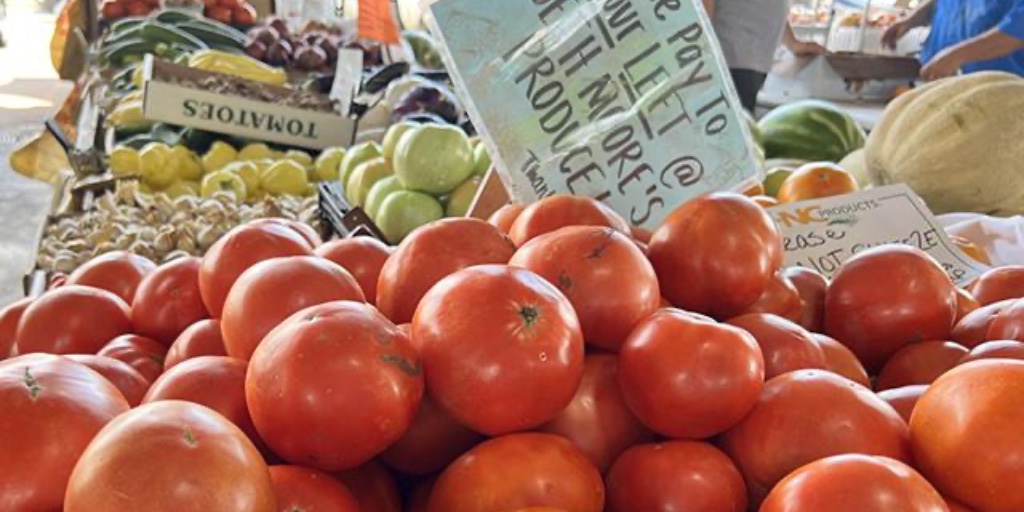
USDA on Friday announced the payment rates and enrollment period for the Assistance for Specialty Crop Farmers (ASCF) program. Due to demand, USDA also announced that the total payments to those growers will climb to $1.625 billion.
Ag Policy Editor @ChrisClaytonDTN reports: dtn.link/hazubaeh
1
3
671




3
7
558