
11 Oct 2025
The Danger of Being a Corporal in the First Squad of the First Platoon of the First Company
By Brig. Gen. Chol Michael Maker
Saturday, 11 October 2025
“To those who walked first and returned last, the unseen heroes of every advance.”
I was always the point man, leading the column even along routes I had never reconnoitred before. Being the first to advance means exposure to landmines, booby traps, ambushes and the opening bursts of enemy sentries. Yet by divine grace, I survived every combat patrol and tactical manoeuvre during the operational period under the immediate command of 1st Lt. Charles Manyang Malet, also known as Charles Taylor, and the overall field command of Commander Obuto Mamur Mete, who later became Deputy Chief of Staff for Moral Orientation and now serves as the Minister of National Security Service in the Office of the President. Comrade Charles Manyang Malet is presently a Brigadier General in the South Sudan People’s Defence Forces (SSPDF) without assignment.
At the training centre, our ranks were rotational and largely symbolic, but my turn coincided with an emergency operational deployment. The SPLA Chief of General Staff, Commander Salva Kiir Mayardit, now the President of the Republic of South Sudan, and the SPLA Deputy Chief of General Staff for Operations, Commander Oyay Deng Ajak, who later served as Chief of Staff, Minister of Regional Cooperation and Minister of National Security in the Office of the President, issued operational orders to Alternate Commander Malual Majok — then Principal of the Military Intelligence School, later Chief of Military Intelligence and Deputy Chief of Defence Forces for Administration and Finance — to raise a volunteer detachment of 120 combatants as reinforcement for Commander Obuto Mamur, whose force had been severely degraded after prolonged engagement.
During one of these field operations, the Lord’s Resistance Army, fighting alongside the South Sudan Independence Army (SSIA) and the Equatoria Defence Force (EDF), captured me as a prisoner of war for six hours before divine intervention turned the tide. The details of that brief captivity remain for another chapter.
Our mission profile was clear: to conduct search-and-destroy operations, sweeping the hills and thickets for the combined enemy elements of the SSIA and EDF in 1994. For nearly three months, we maintained continuous contact, engaging the Sudan Armed Forces and their proxy militias who had been tasked with terrorising internally displaced civilians from Ame, Opari, Lobone, Atepi and the SPLA’s liberated rear bases. Through sustained offensive operations across Eastern Torit, our unit successfully captured Okaro, located at southwest of Khor Ingleez, also known as Lowei, and executed a full clearance of enemy positions from Khor Goton, Kit, Agoro, Ame, Pinykwaro and Magwi.
Those advances came at a heavy price. I stepped onto snakes, luckily not bitten, was pierced by thorns, and stung by wasps and bees while remaining under constant observation from enemy forward posts. My instructor, Mac, the tallest in our formation, was hit by a sniper’s round just behind me during a foraging reconnaissance. The bullet shattered his thigh bone, forcing us to abort the mission and execute a casualty evacuation under fire. That moment drove home the brutal truth that leadership at the point of contact carries not only tactical responsibility but mortal risk.
If you have never taken point in hostile terrain, advancing into an area not yet secured, then you are among the luckiest in the infantry. I fell into concealed pits, stumbled over fallen trees in the night, and was always the first to be drenched by the morning dew. Yet I endured and survived.
That was the greatest lesson I learned as the squad leader of the first squad in the first platoon of the first company. Tell me, what was your experience if you too once led a combat element at the forward edge of battle?
2
3
28
1,276

2 Sep 2025
Mutamba n'a pas été du tout sage ! En ouvrant deux fronts à la fois, d'une part contre l'opposition et de l'autre, contre le système mafieux et corrompu qu'il a intégré ! Aujourd'hui, il n'appartient ni au pouvoir qui vient de le liquider ni moins encore à l'opposition 😂 atepi !
1
5
164

25 Jun 2025
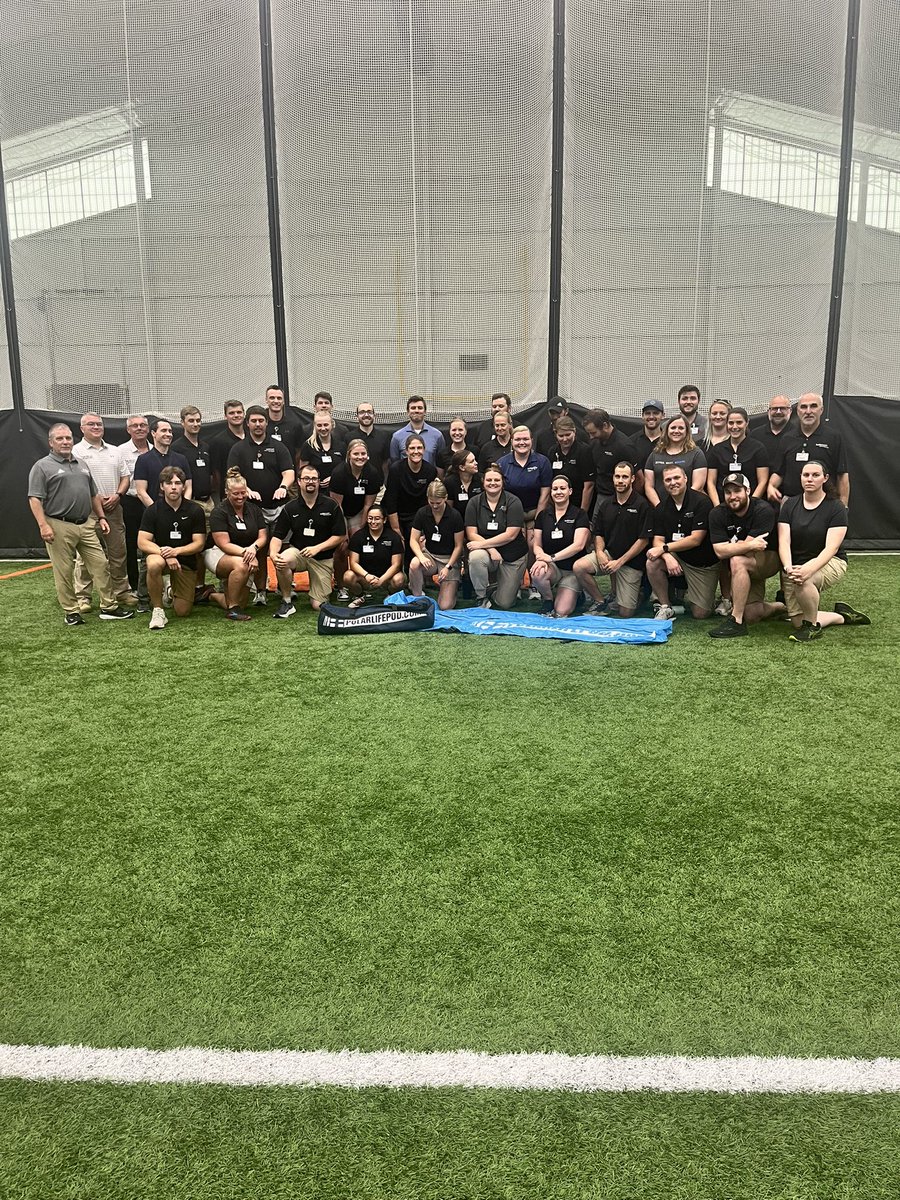
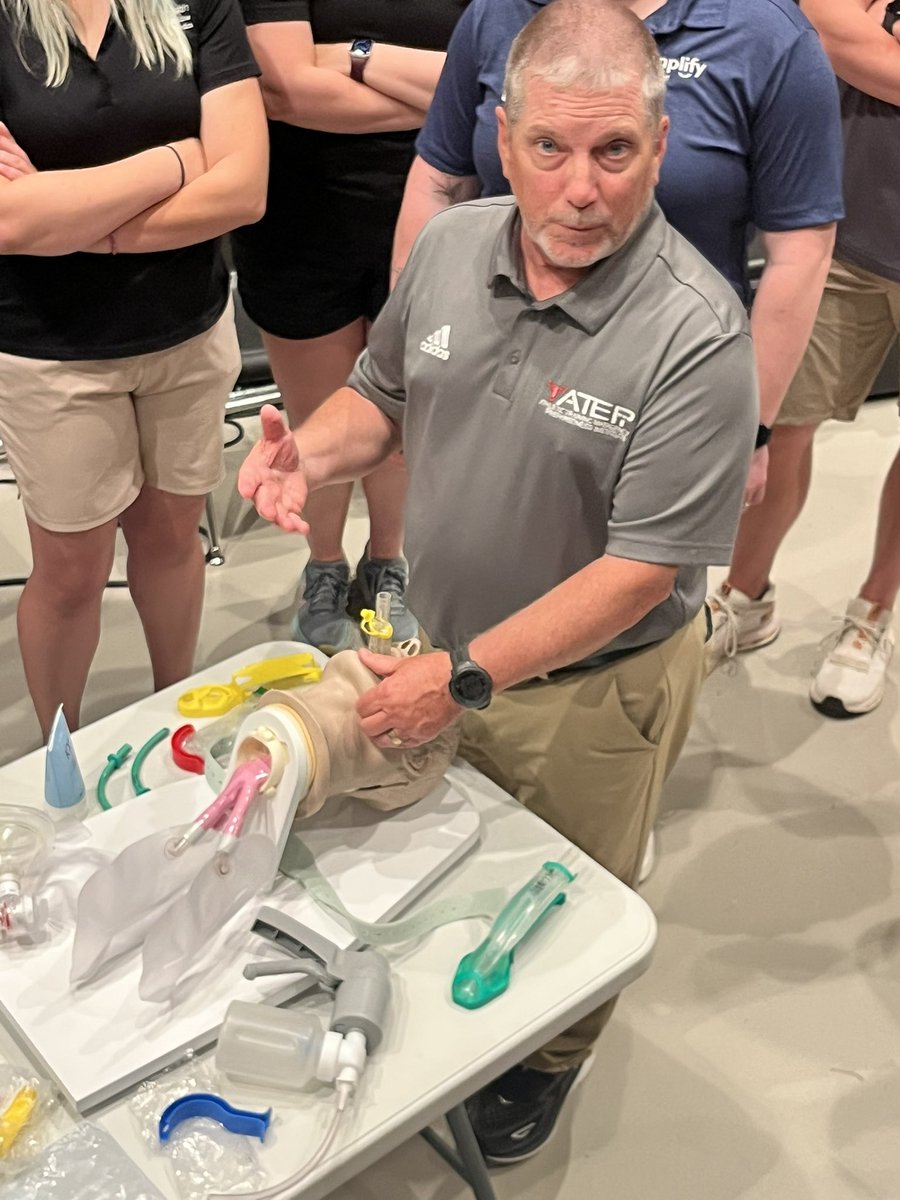
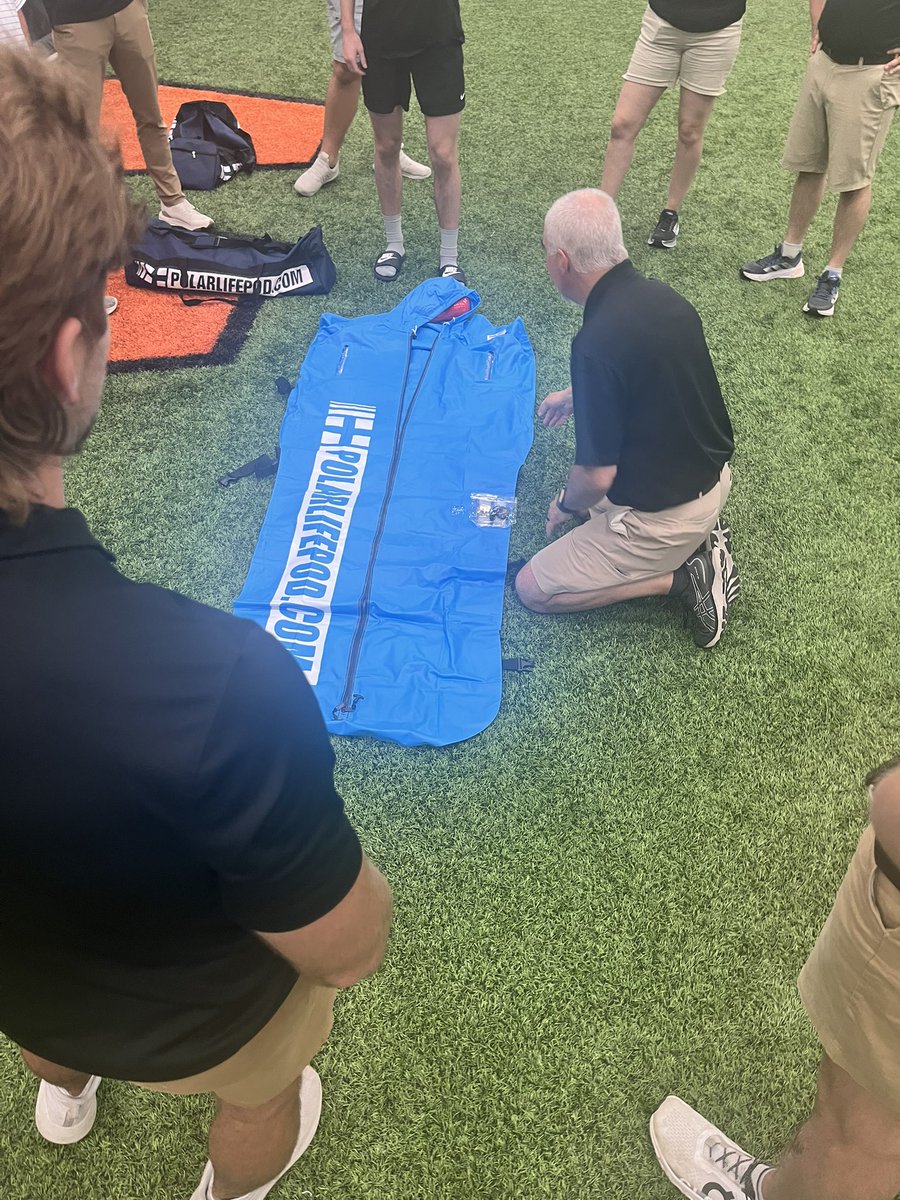
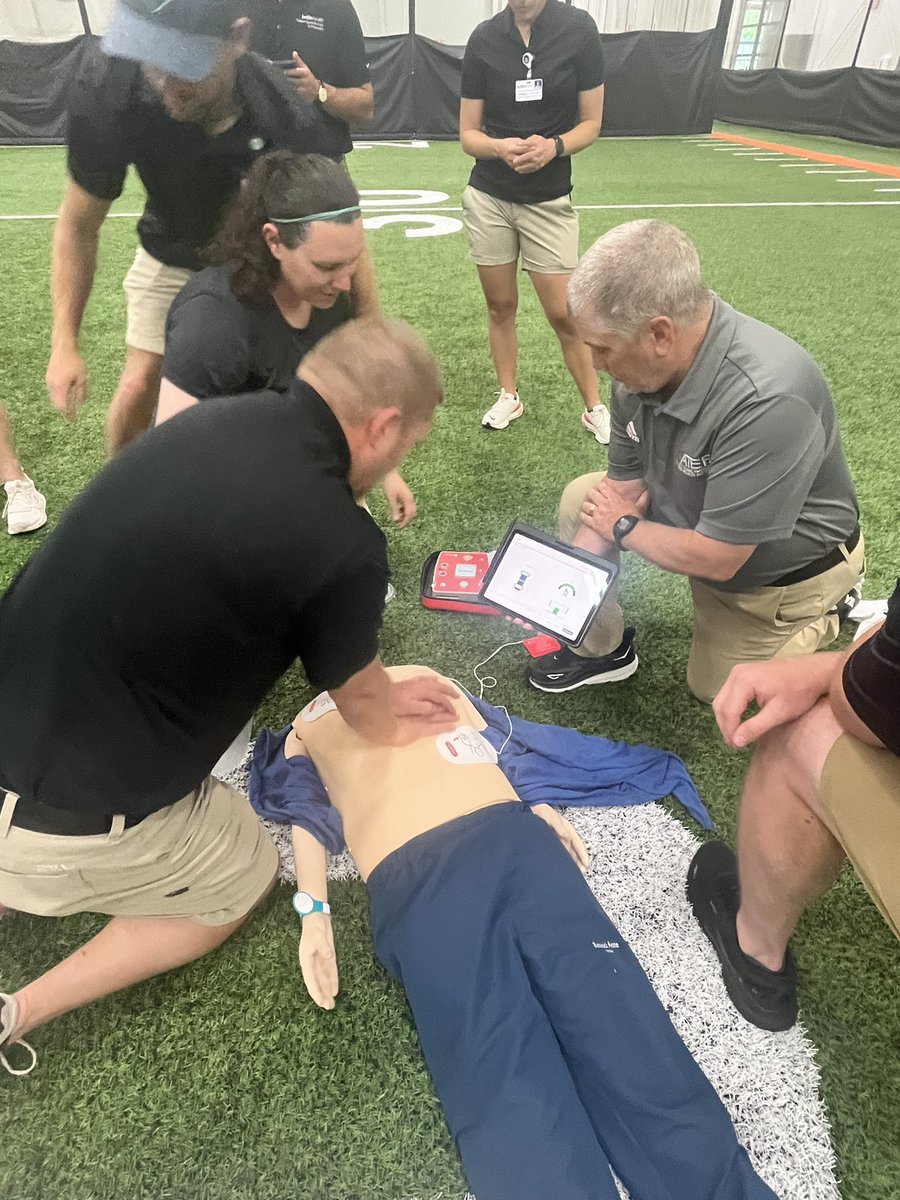
Our team of Athletic Trainers and Physicians spent the past two days sharpening their emergency medical skills and being prepared for any emergency that may occur on the field, court and gyms. Thank you @kowsleyAT and your team at ATEPI for all of your guidance!
2
6
401

1 Apr 2025
おなじ日に生まれた
✨ 眞鍋かをり 🌈 ( ご生誕 1980 年 05 月 31 日 ) さんと、おなじ生年月日
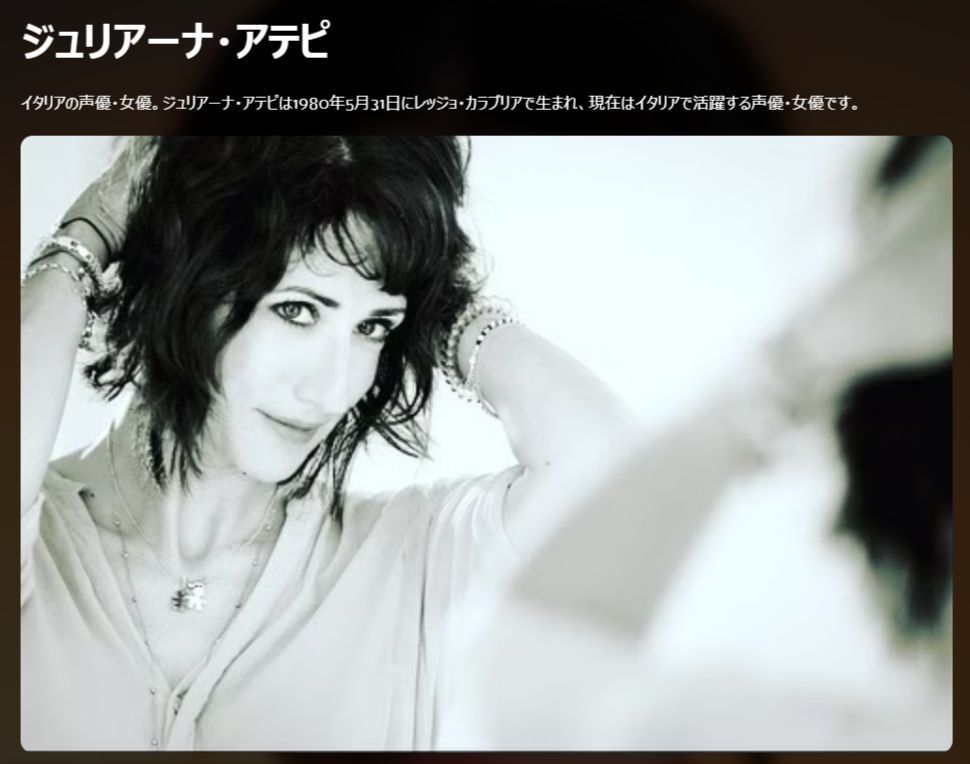
イタリアの声優、女優:Giuliana Atepi ( Birthdate 1980 / 05 / 31 ) さん
イリアドの公式声優
2018年より、新たに設立された通信会社イリアドの公式声優を務めています。
『Ciao Belli』での模倣者としての活躍
2011年から、ラジオ番組『Ciao Belli』に模倣者として参加し、多彩なキャラクターの声を担当しています。
テレビドラマ『Terapia d'urgenza』への出演
2008年、テレビドラマ『Terapia d'urgenza』に出演し、演技の幅を広げました。
アニメ『A casa dei Loud』での声優
アニメシリーズ『A casa dei Loud』で、レニとリサ・ラウドの声を担当しています。
アニメ『I Casagrande』での声優
アニメシリーズ『I Casagrande』で、フリーダ・プガ=カサグランデの声を担当しています。
アニメ『Yu-Gi-Oh! VRAINS』での声優
アニメシリーズ『Yu-Gi-Oh! VRAINS』で、スカイ・ザイゼン/ブルーエンジェルの声を担当しています。
Wikipedia要約サイト
buff.ly/BX44PpM
ロールモデルコード:CEA-I
1
1
28
500

13 Sep 2024
Maybe this is a sign I should actually buy some of the mmm/atepi I've been looking at
6
72

26 Aug 2024
Atepi bridge in Owinykibul Payam, which connects South Sudan and Uganda, collapsed over the weekend, according to local authorities. #SSOX #SouthSudan
eyeradio.org/owinykibul-atep…
1
1
6
588


12 May 2024
Galle tol jeh a Minu umlouna insung ho kalunghempina ka phongdoh masan ahi.
Nu ngailut dan hi atepi umlou ahi. Kasaan (Phone) akon gah seichai le tho thu thei ahipoi. Acting Day hilouvin Ngailut Day joh hisah ute!
Happy Mother's Day! 🤍🙏🏻
1
5
7
113
12 May 2024
Galle tol jeh a Minu umlouna insung ho kalunghempina ka phongdoh masan ahi.
Nu ngailut dan hi atepi umlou ahi. Kasaan (Phone) akon gah seichai le tho thu thei ahipoi. Acting Day hilouvin Ngailut Day joh hisah ute!
Happy Mother's Day! 🤍🙏🏻
1
4
5
110

30 Oct 2023
ATE Central had a great time celebrating 30 years of ATE at the #atepi conference this past week! @NSF @Comm_College
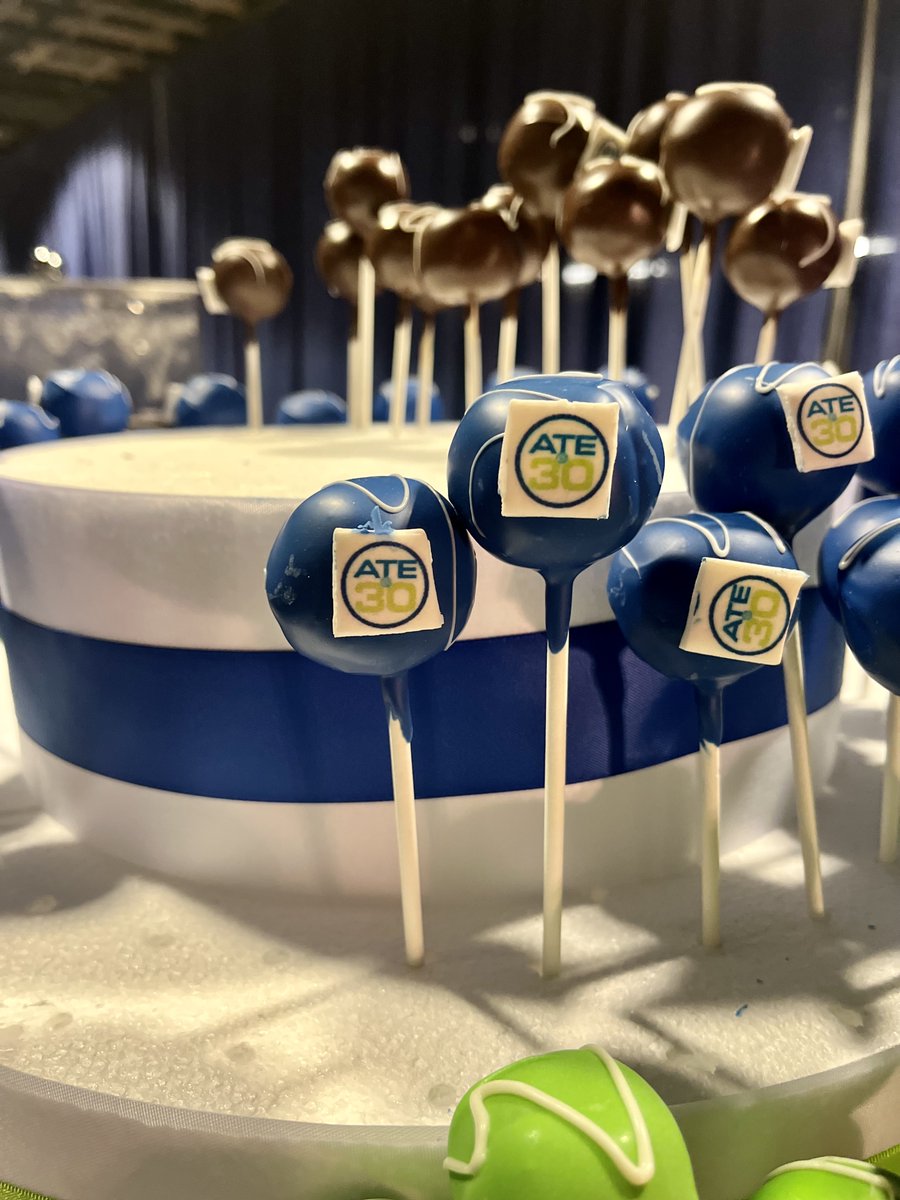
ALT A photo of cake pops with a logo for ATE 30
1
5
381

27 Oct 2023
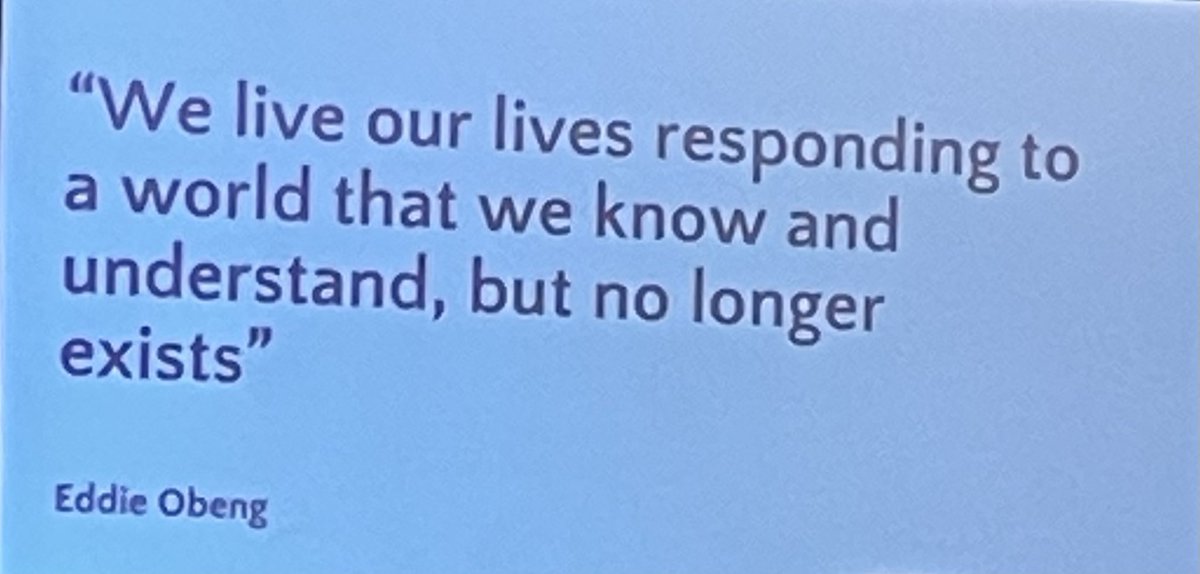
Wrapping up an invigorating conference with this quote from our morning session. So cool to learn about all the currently funded NSF grants for community colleges - there’s some amazing work being done. #EmbraceChange #ATEPI
4
82

At the #ATEPI conference in D.C. extolling opportunities for #InDemandTech education and careers through our @NSF grants that include local and national data center training, fabrication, entrepreneurship, and design thinking. @ATECentral @NOVAcommcollege @actecareertech
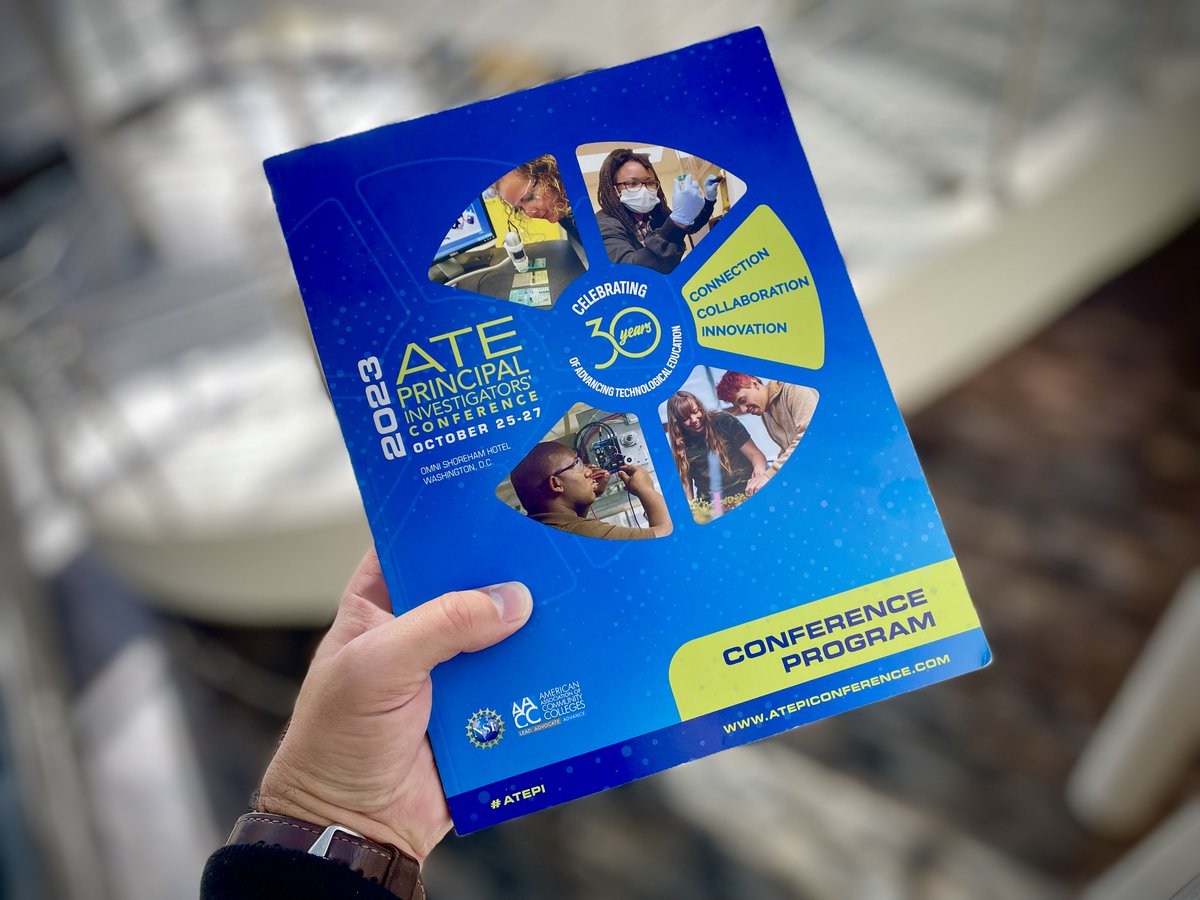
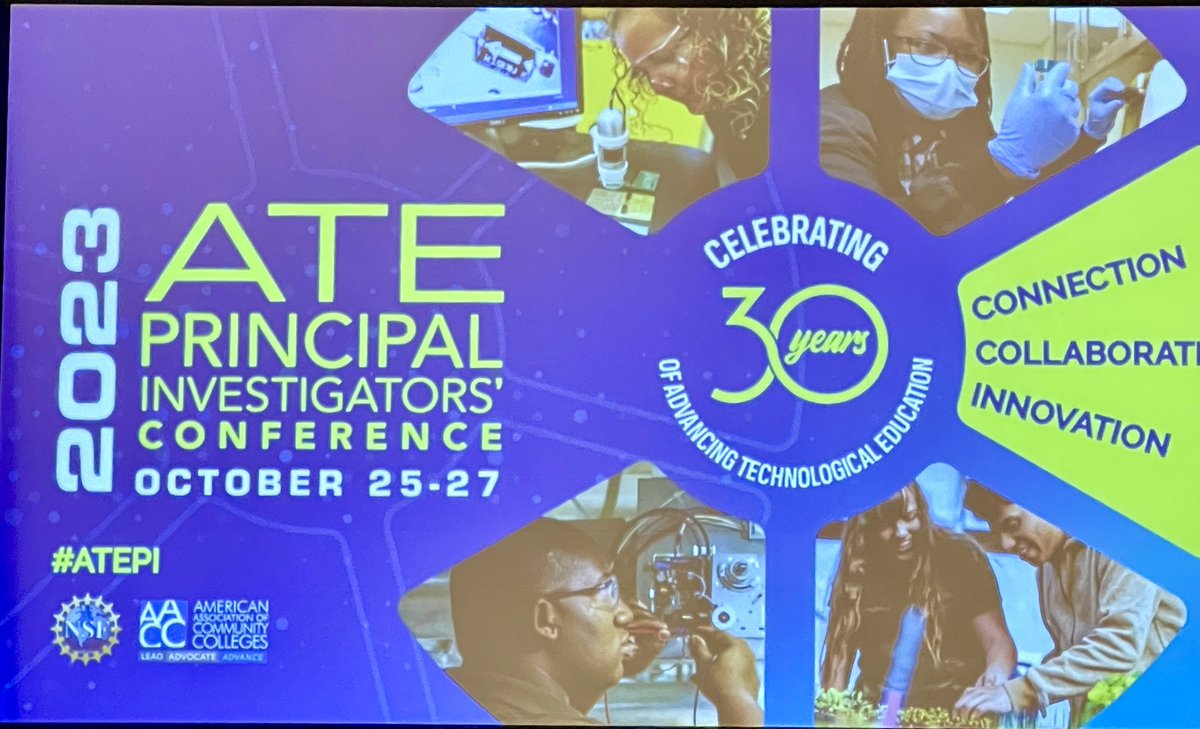
ALT A picture of the ATE Principal Investigators Conference program.
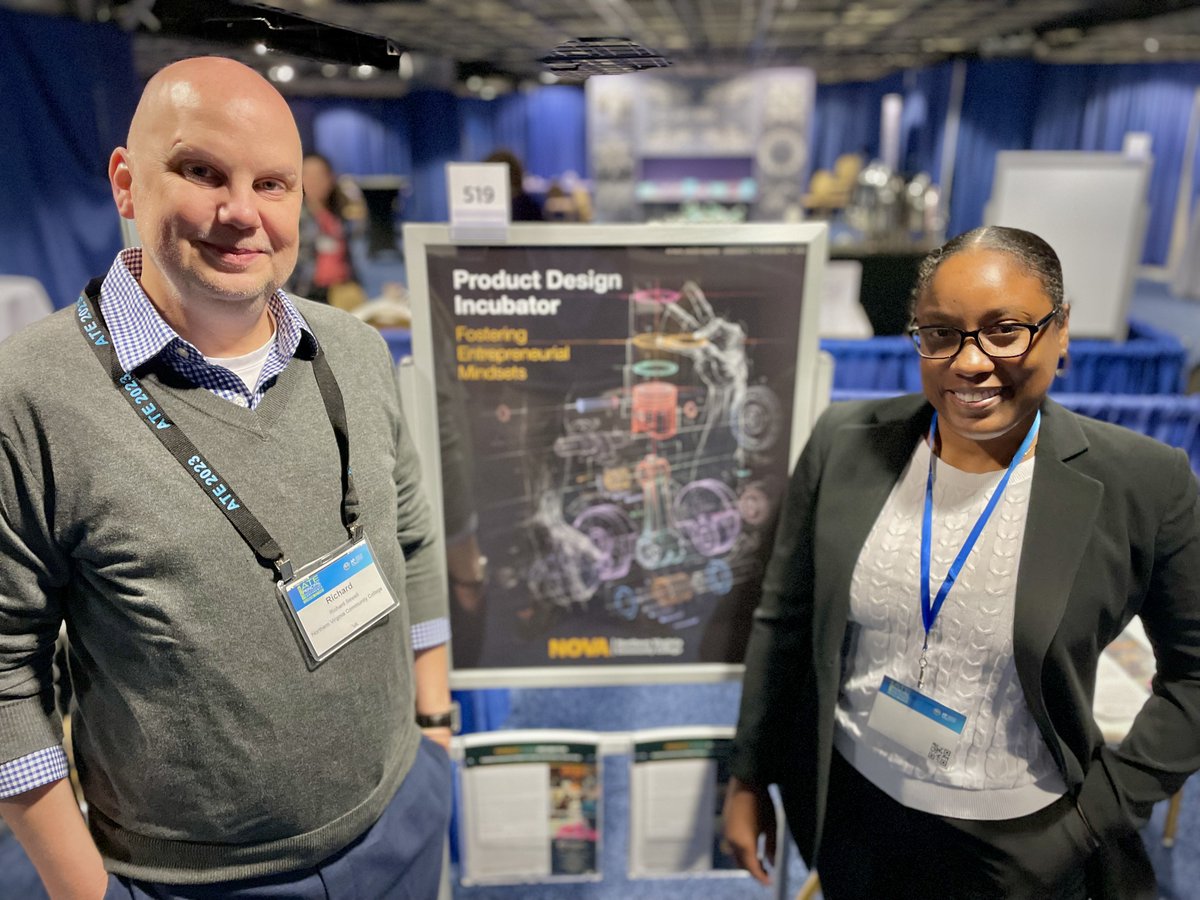
ALT NOVA staff at the PDI (Product Design Incubator) table at the ATE PI Conference.
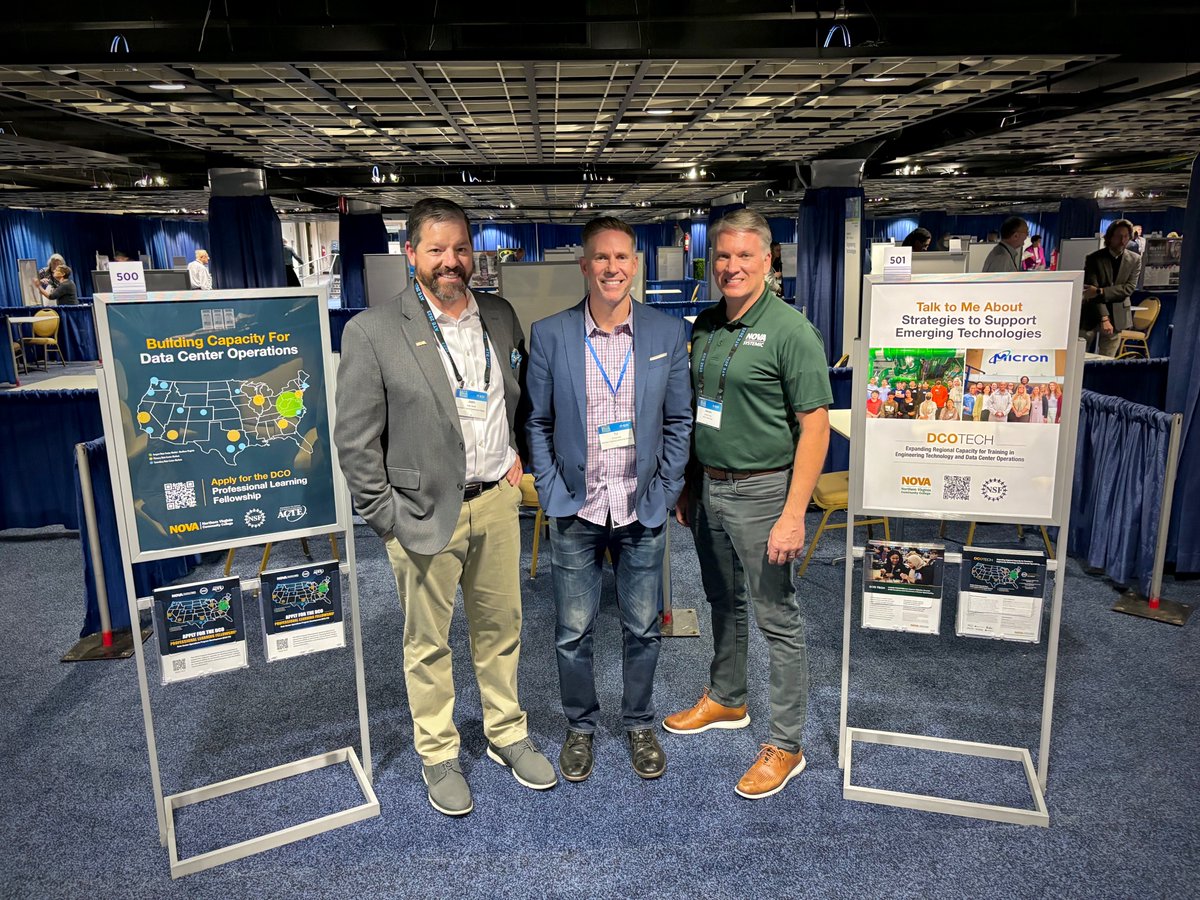
ALT NOVA staff and faculty at the DCO PD and DCO Tech table at the ATE PI Conference.
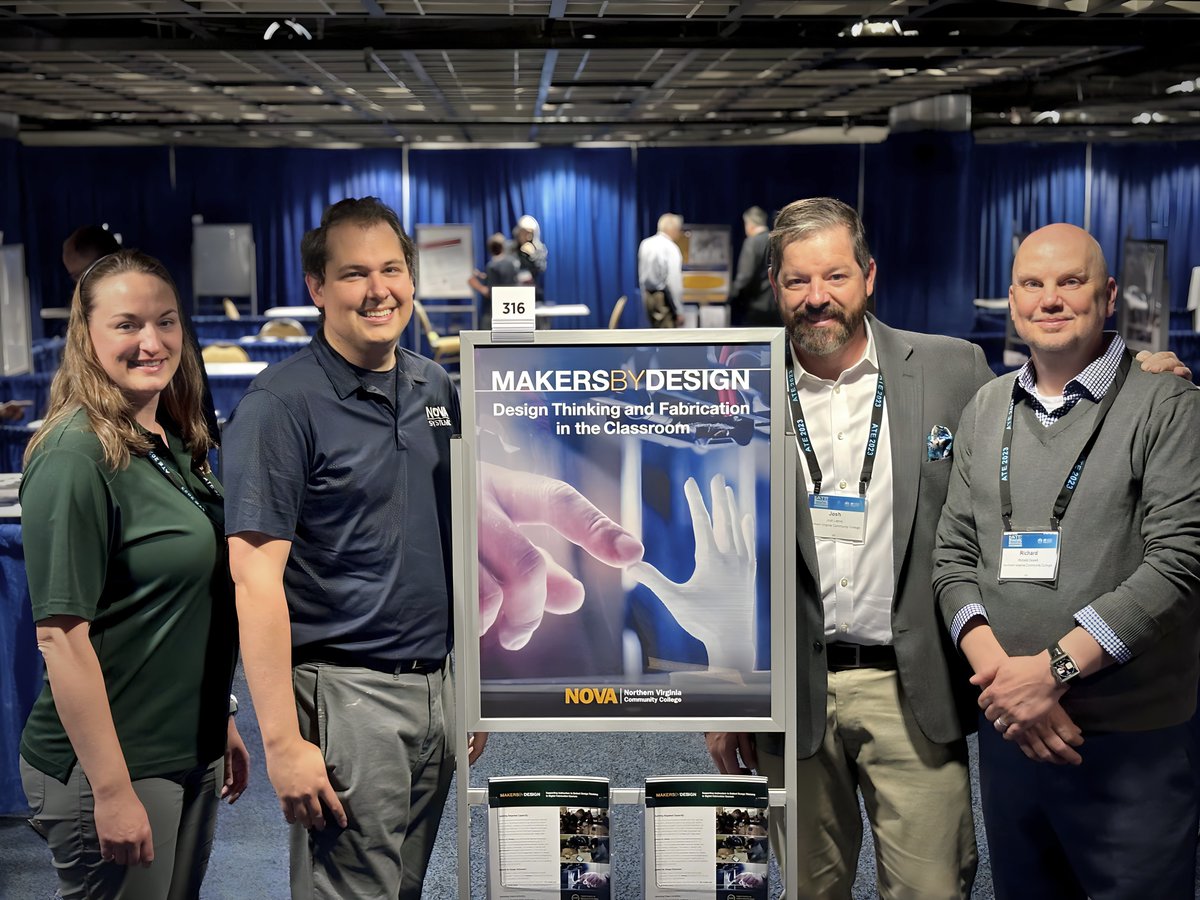
ALT NOVA staff and faculty at the MBD (Makers By Design) table at the ATE PI Conference.
2
3
314



26 Oct 2023
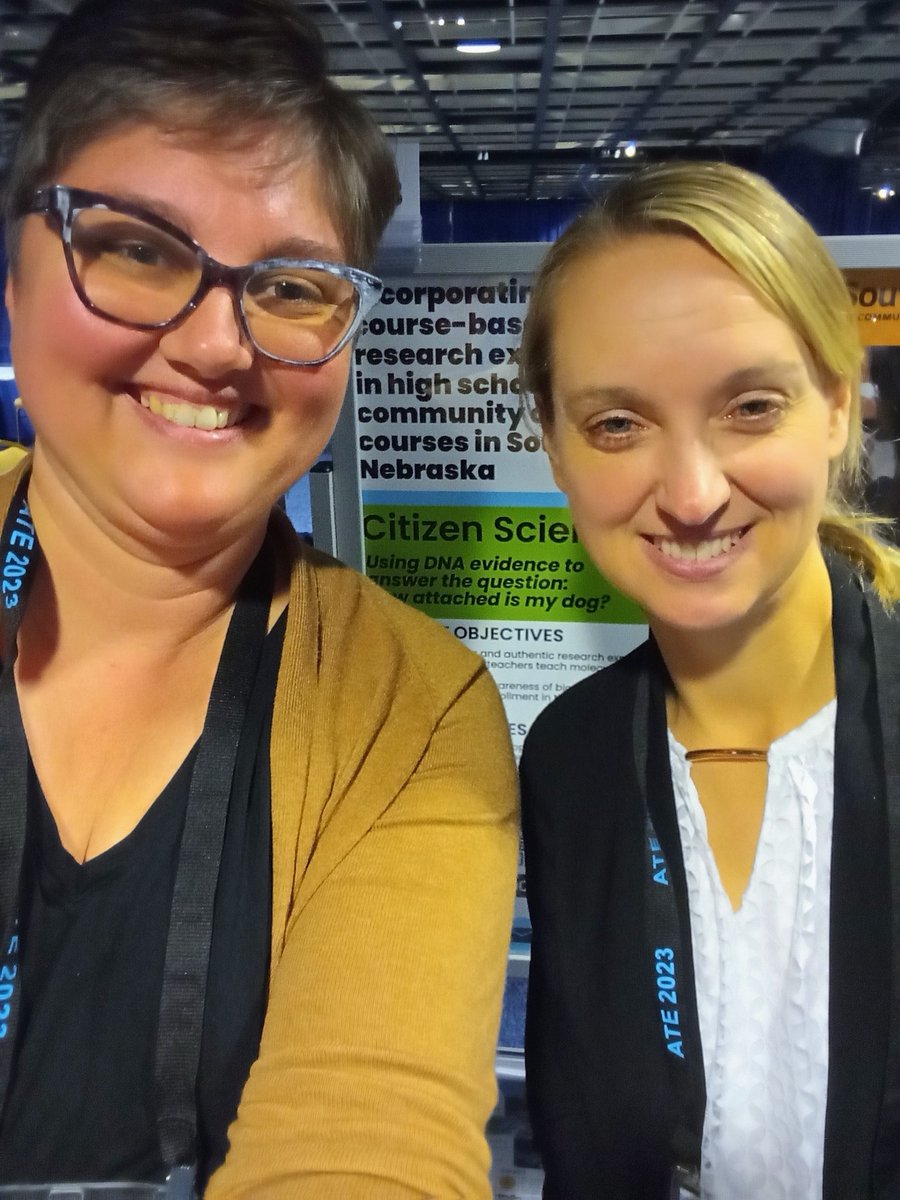
Representing @SCCNeb at the @NSF #ATEPI conference, sharing progress on our dog genetics project. Thanks to all of our partners: @NeogenCorp @NebraskaEPSCoR @yingtsu_babec @DontPanicLabs for helping us develop and share this project! 🧬🐕🥼
1
7
1,185
25 Oct 2023
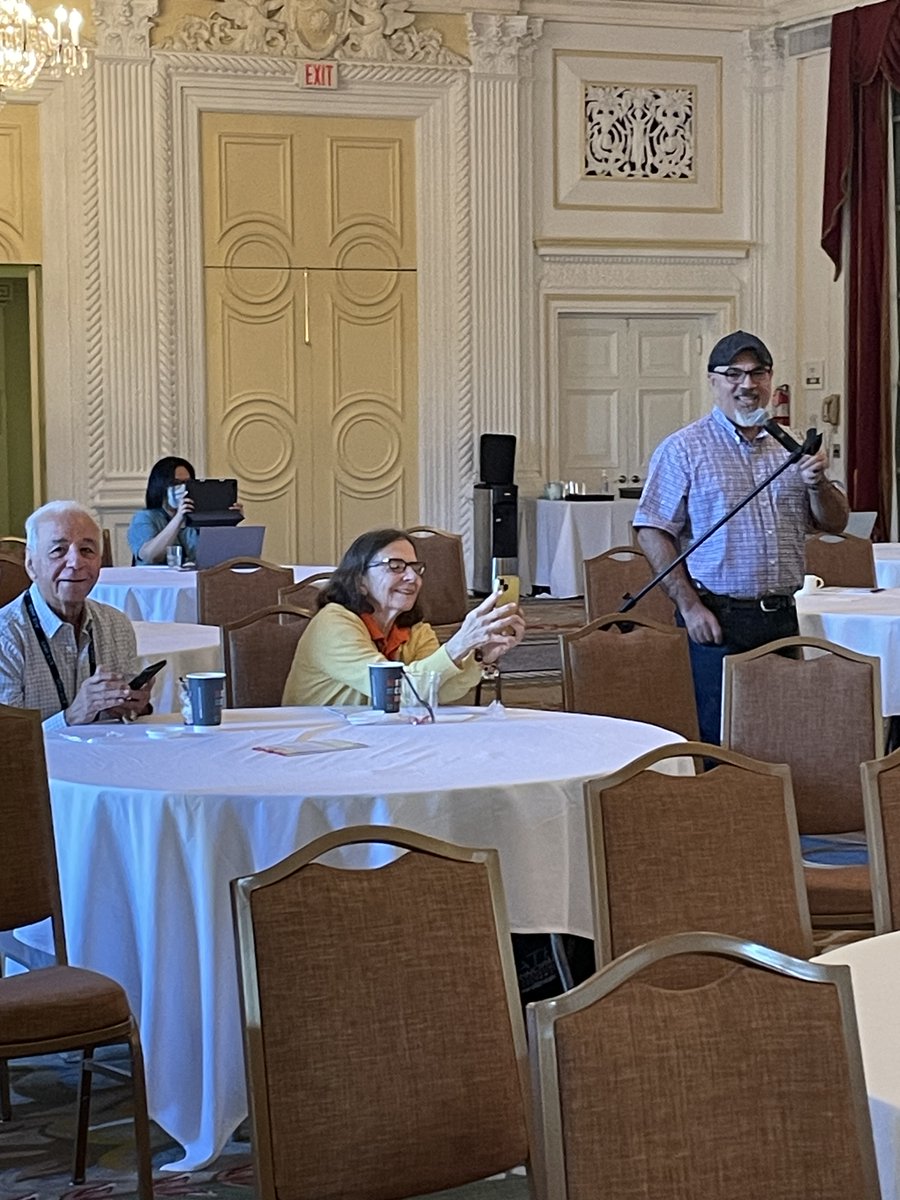
Having a great time talking about accessibility in our ATE PI Conference pre-conference session with @AccessATE and @CAST_UDL ! #ATEPI
1
39

14 Sep 2023
One thing the lit. I have reviewed rarely discuss: The more than 100, 000 displaced persons that gathered at Ame, Aswa, & Atepi, which ended up at Laboni and Mugali weren't all displaced from Bor in 1991. Some might be from refugee camps in Ethiopia being evacuated at that time.
4
407

1 Jun 2023
O que aprendi em ATEPI hj:
Se for virar garoto de programa que seja em Monte Carlo
1
2
219

22 May 2023
The safe place to lodge us is in #SeparateAdministration …Let’s be good neighbours…
Jum helou mivang hi leiset ah atepi ding abei hel e ☺️🤭
21 May 2023

Joke of the years!
#NBirenSingh
#SaveManipurTribals
#SeperateAdministration4Kuki
@ICRC @IndianRedCross
@indSupremeCourt @MLJ_GoI @LiveLawIndia @INCIndia @BJP4India @PTI_News @BBCBreaking @ncsthq @RahulGandhi @kharge @PMOIndia @Jairam_Ramesh @hrw @thewire_in #WATCH #BREAKING
1
13
8
156

27 Oct 2022
Two things learned at #ATEPI: 1. There's really important mentoring work happening with ATE projects that I need to learn more about & 2. @EvaluATE_WMU are the BEST when it comes to evaluation resources AND color coordinated outfits!
1
3

27 Oct 2022
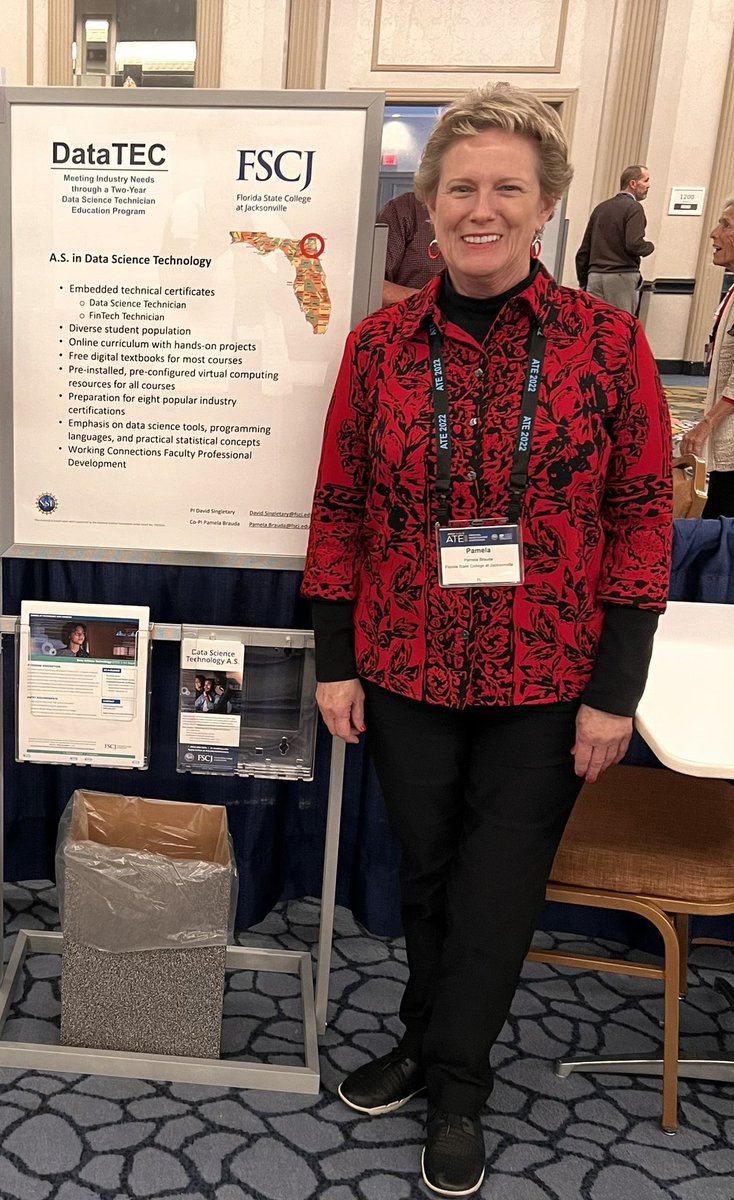
We’re here in person again, three years after our first #ATEPI session. Ask us about how our #DataScience Technology program has grown since those early days! @FSCJ #DataTEC
1
2