
Everyone is fighting over AI models.
The real battle is happening one layer below: the processors powering them…
The next generation of AI Agents, reasoning models, and enterprise AI systems will rely on an entire ecosystem of specialized processors working together.
And that's exactly why companies like NVIDIA, Google, AMD, Apple, Qualcomm, and Groq are all taking different approaches to AI hardware.
📌 The reason is simple:
Different AI workloads have different requirements.
Training a frontier model is very different from running an AI Agent on your laptop.
A real-time voice assistant has different constraints than a data center serving millions of users.
This is why the future AI stack is becoming increasingly heterogeneous.
Let me break it down:
📌 CPU (Central Processing Unit)
* Handles orchestration, scheduling, and control flow.
* Manages operating systems, applications, and AI infrastructure.
* Acts as the coordinator for other processors.
Examples: Intel Xeon, AMD EPYC
📌 GPU (Graphics Processing Unit)
* Designed for massive parallel computation.
* Powers most modern AI training and large-scale inference.
* The foundation of today's AI boom.
Examples: NVIDIA H100, NVIDIA Blackwell, AMD MI300X
📌 TPU (Tensor Processing Unit)
* Built specifically for tensor operations.
* Optimized for large-scale machine learning workloads.
* Commonly used across Google's AI ecosystem.
Examples: Google TPU v5e, TPU v6
📌 NPU (Neural Processing Unit)
* Brings AI directly onto devices.
* Optimized for power-efficient inference.
* Enables AI PCs, smartphones, and edge computing.
Examples: Apple Neural Engine, Qualcomm Hexagon, Intel AI Boost
📌 LPU (Language Processing Unit)
* Designed specifically for language model inference.
* Focuses on low latency and high token generation speed.
* Ideal for real-time AI applications.
Examples: Groq LPU
📌 DPU (Data Processing Unit)
* Handles networking, security, and data movement.
* Offloads infrastructure tasks from CPUs.
* Increasingly important in AI data centers.
Examples: NVIDIA BlueField, AMD Pensando
📌 So why are all hardware companies pursuing different strategies?
Because there is no single "best" processor for AI.
NVIDIA is focused on AI acceleration.
Google is optimizing for tensor workloads.
Apple and Qualcomm are pushing AI to the edge.
Groq is targeting ultra-fast inference.
AMD is building alternatives across the AI infrastructure stack.
Each company is solving a different bottleneck.
And that's why the future won't be GPU-only.
The future AI stack will combine CPUs, GPUs, TPUs, NPUs, LPUs, and DPUs working together to power increasingly capable AI systems and AI Agents.
I created this visual to simplify the major processor categories shaping modern AI infrastructure.
#AIAgents #AIInfrastructure #AcceleratedComputing #EnterpriseAI #MachineLearning #NVIDIA
6
165

Jun 5
📷Computex 2026!
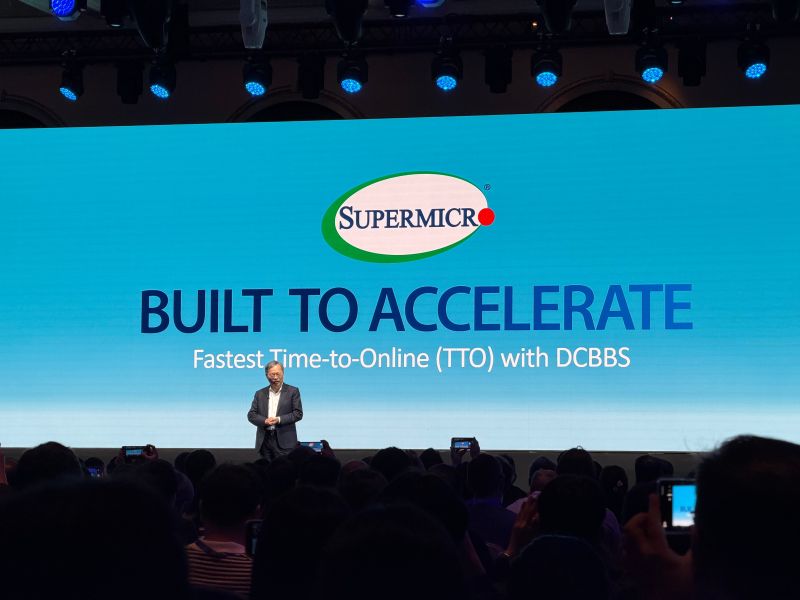
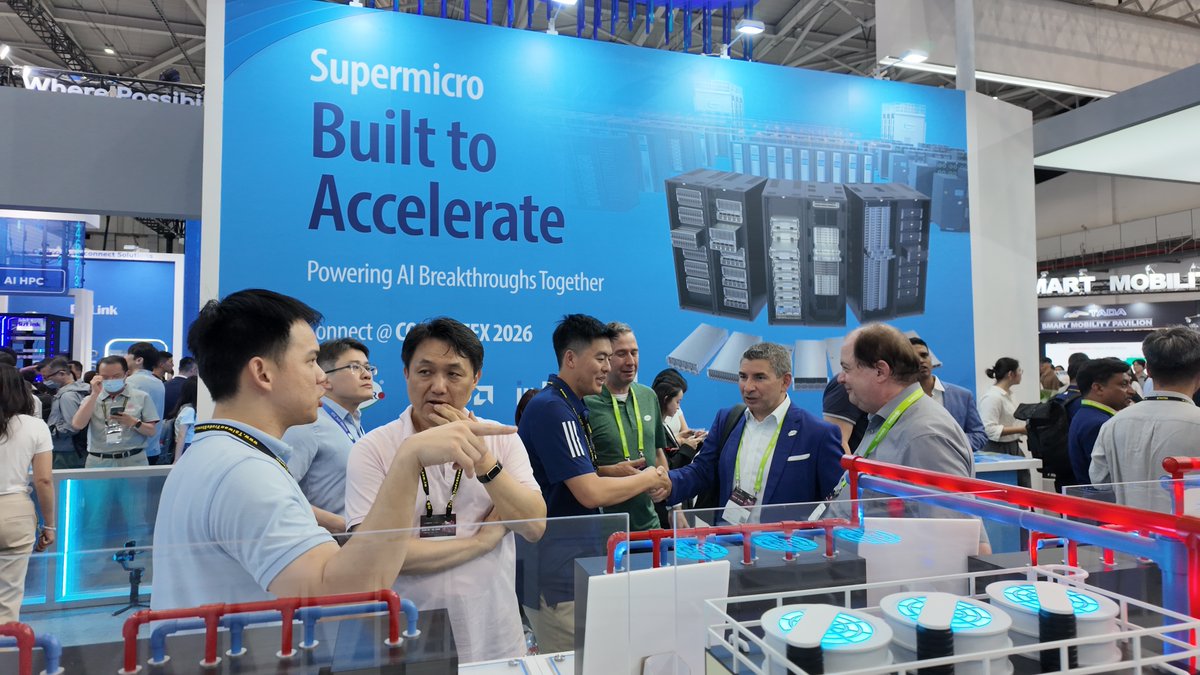
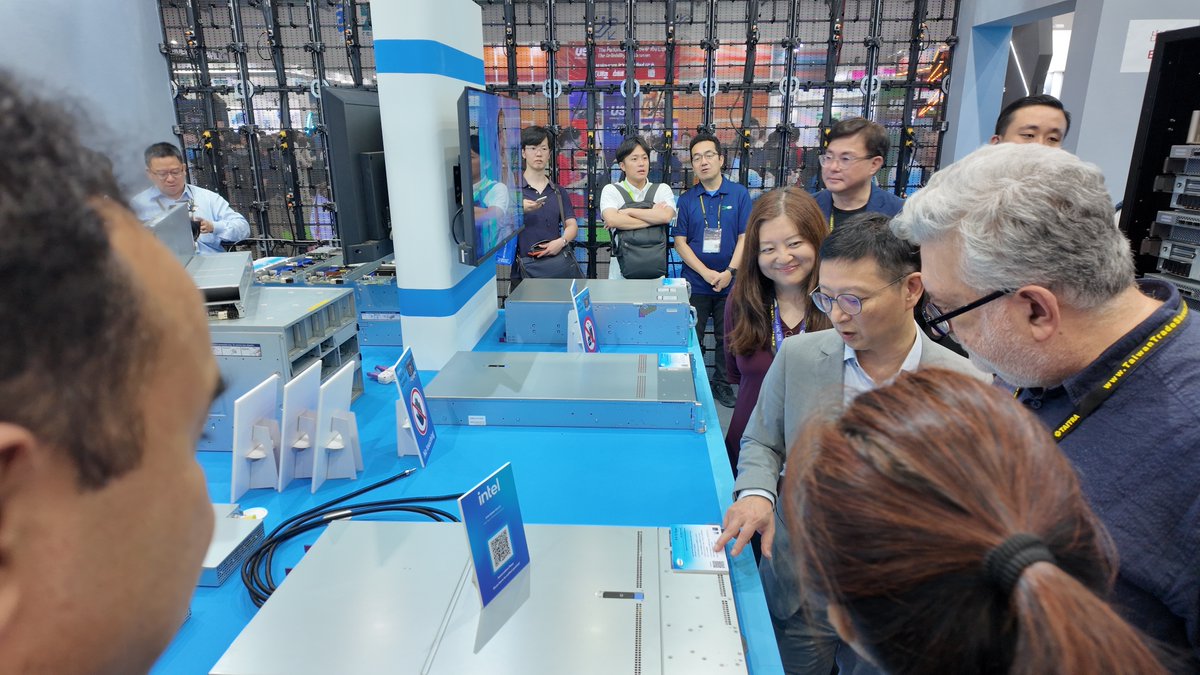
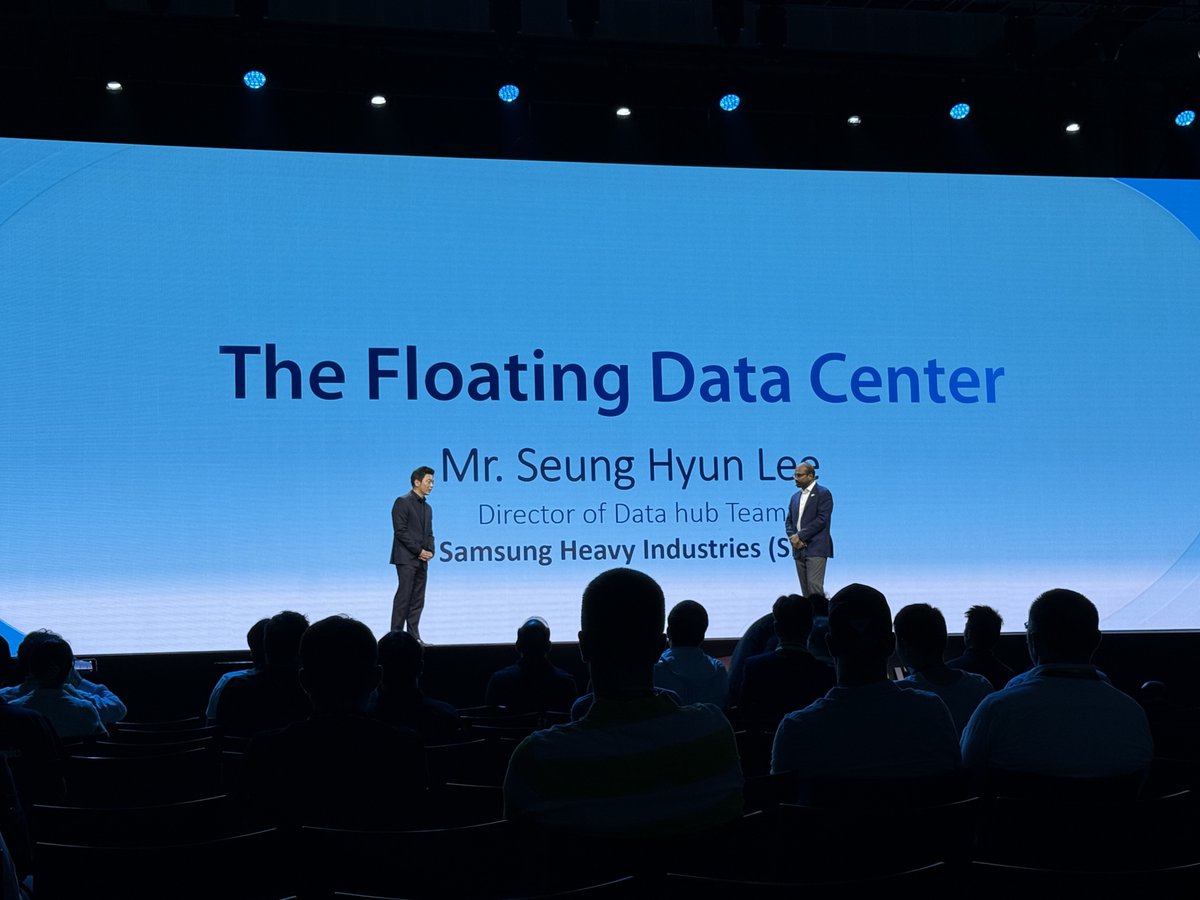
That's a wrap for Computex in Taipei. Here are some highlights from the week:
- World premiere of our CEO Keynote during Computex 2026 with founder & president @charlesliang
- Demos of exciting products including powerful systems powered by @AMD, @intel, and @nvidia
- Vik Malyala's Computex Forum Session
Thanks to everyone who stopped by our booth. Follow the page to stay tuned for our upcoming event updates!
🔗Success in the AI era boils down to one critical metric: hubs.la/Q04kkY-S0
#Supermicro #COMPUTEX2026 #GreenComputing #AcceleratedComputing #Teamwork #TTO
6
6
35
7,391

May 25
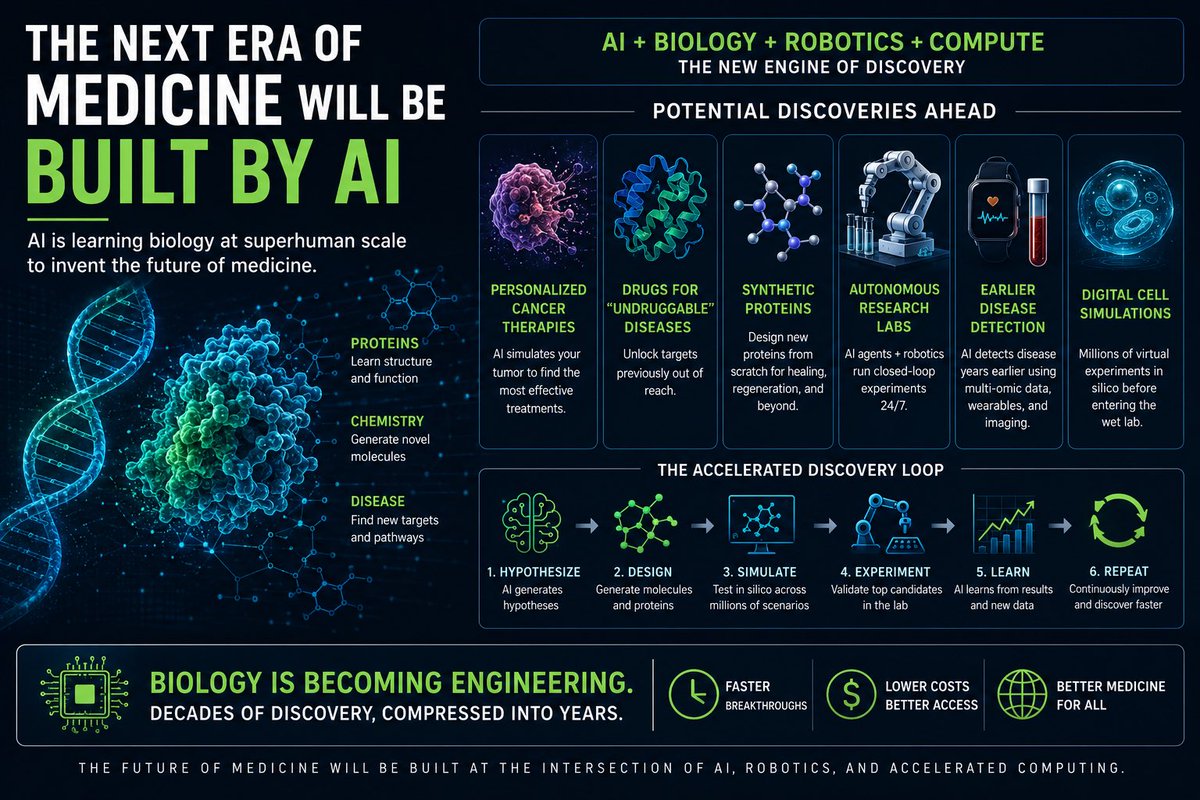
We are entering a new era of computing.
Not just digital intelligence.
Biological intelligence.
AI models can now learn the language of proteins, chemistry, and disease at superhuman scale.
Soon we will:
• simulate biology before human trials
• design new proteins from first principles
• discover drugs for diseases once considered impossible
• build autonomous labs operating 24/7
This is not incremental.
This is a reinvention of drug discovery.
The future of medicine will be built at the intersection of AI, robotics, and accelerated computing.
Biology is becoming engineering.
#AI #Biotech #AcceleratedComputing #DrugDiscovery #Healthcare #GenAI
2
61

May 13
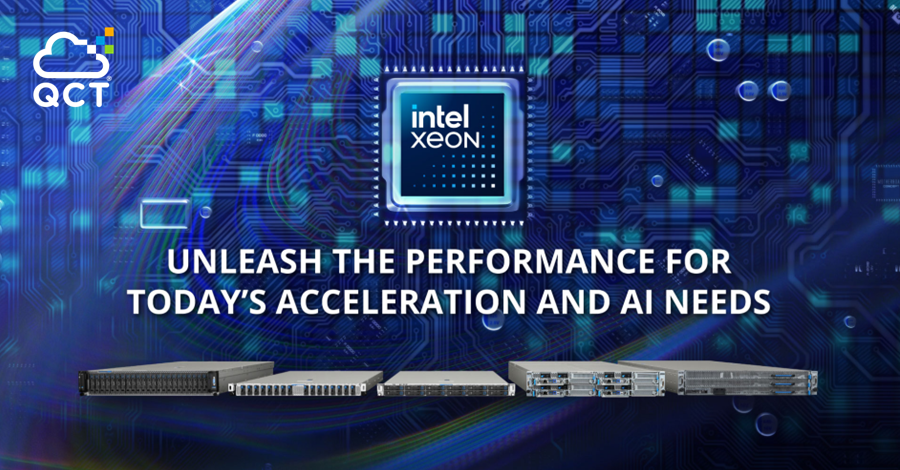
As #AI pushes #AcceleratedComputing from cloud to edge, today’s workload demands are fast evolving. @QuantaQCT offers a comprehensive #server portfolio powered by Intel to meet diverse performance, efficiency, and scalability needs.
Learn more: bit.ly/4b2sAIo #IntelXeon
2
72

The Arm x NVIDIA Developer Community is live 🚀
AI runs on heterogeneous systems – Arm CPUs NVIDIA GPUs. This space is for devs optimizing across Grace, DGX & Jetson.
Link: developer.arm.com/developer-…
#Arm #NVIDIA #AI #AcceleratedComputing
@Arm @NVIDIAAI
1
2
520

Mar 16
Big announcement at NVIDIA GTC.
NVIDIA unveiled the Vera Rubin DSX AI Factory reference design — a new blueprint aimed at helping organizations build highly productive AI factories faster.
Paired with the Omniverse DSX framework, the goal is clear:
⚡ accelerate time to first revenue
⚡ scale AI infrastructure efficiently
⚡ optimize energy performance
Learn more → nvda.ws/4cQ9kTm
#NVIDIAGTC #AI #AcceleratedComputing @NVIDIAGTC @nvidianewsroom
3
4
7
231

Mar 16
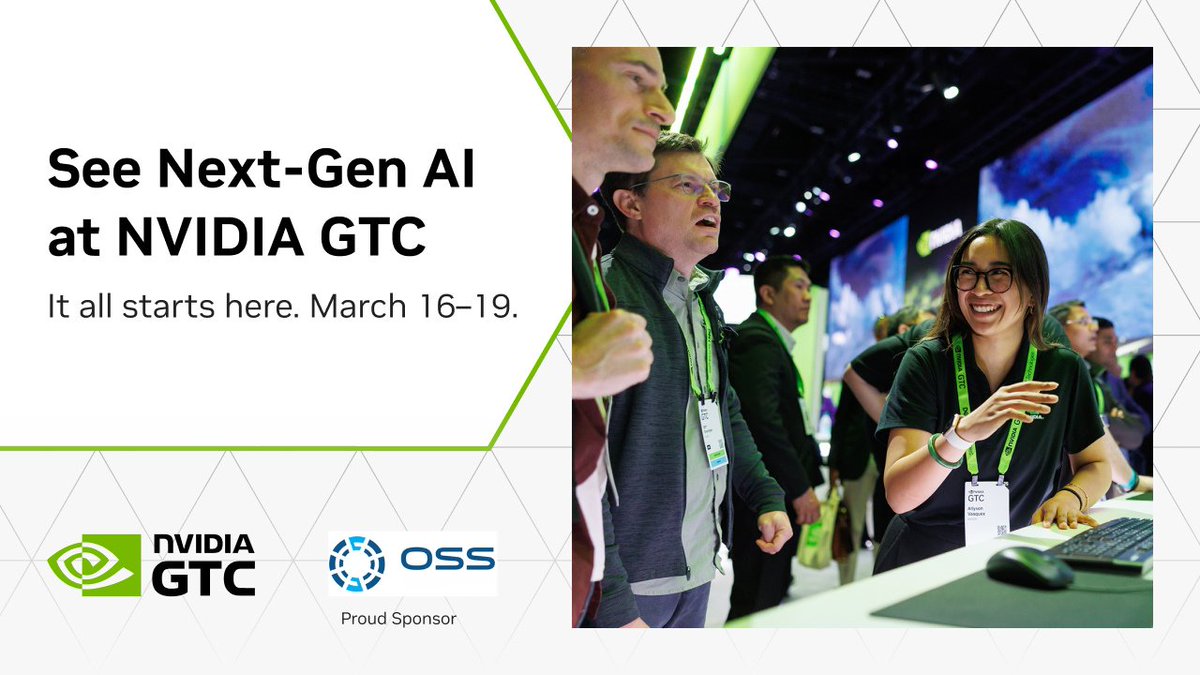
OSS at #NVIDIAGTC 2026
Join One Stop Systems in San Jose, March 16–18.
Stop by Booth #3123 (Grand Ballroom) to see how we're bringing intelligence from the datacenter to the edge—and talk with one of our experts.
#GTC26 #AI #EdgeComputing #AcceleratedComputing
6
43
3,170

Mar 11
Responsible #AI is where meaningful impact begins.
At #NVIDIAGTC2026, @tech_mahindra takes the spotlight with AI solutions that are already delivering value in real‑world production environments. From #AgenticAI platforms and domain‑specific models to industrial digital twins built on NVIDIA Omniverse™, we are helping organizations accelerate time‑to‑value and achieve measurable efficiencies at scale.
📍 Visit us at Booth #240
📅 March 16–19, 2026
🏢 San Jose McEnery Convention Center, California
Connect with Sham Arora, Nikhil Malhotra, and Amol Phadke to explore how we are translating AI ambition into execution, responsibly and at scale.
🔗 Learn more: techmahindra.com/insights/ev…
#ScaleAtSpeed #TechMahindra #AcceleratedComputing #DigitalTwins #ResponsibleAI
1
1
228
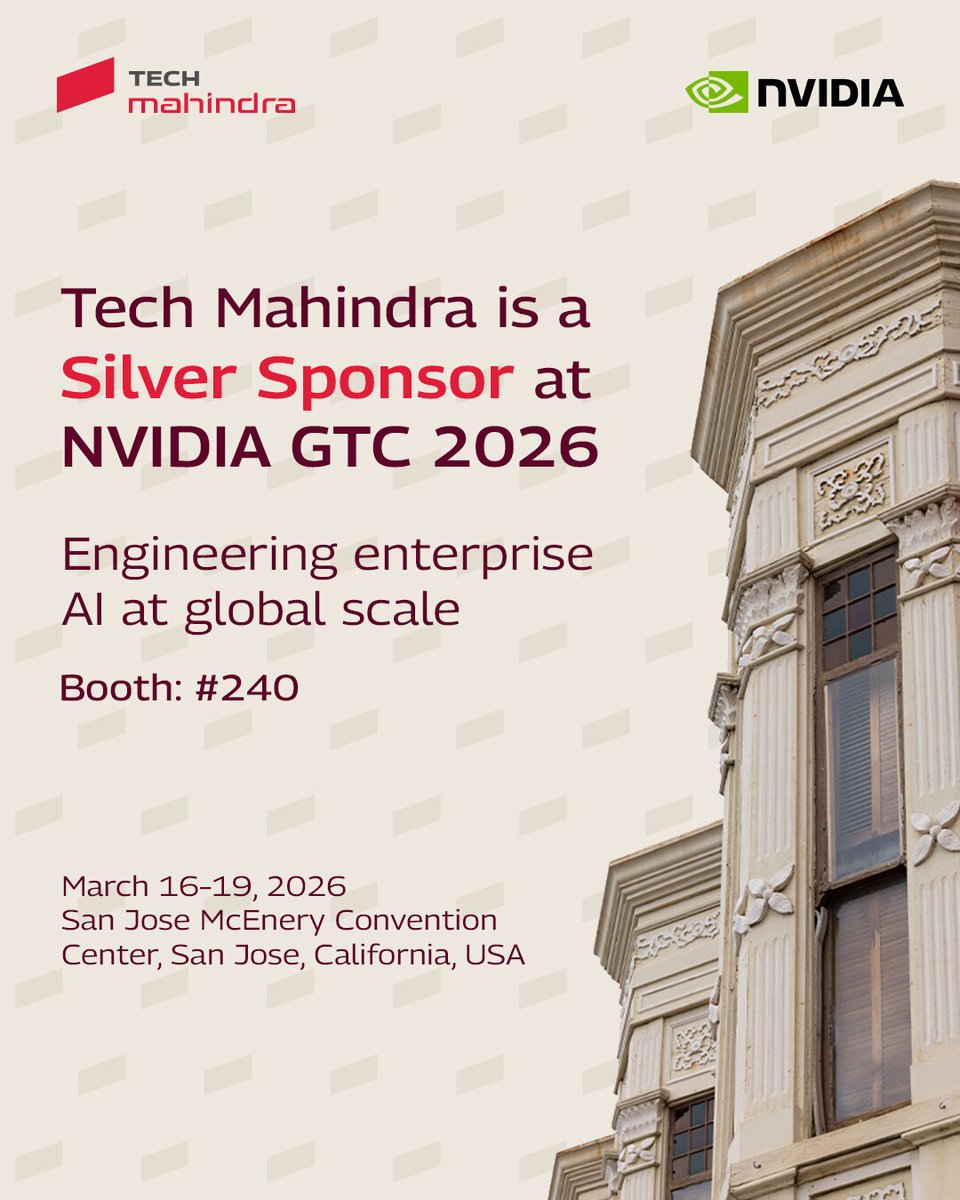
Tech Mahindra is a Silver Sponsor at #NVIDIAGTC 2026!
We’ll spotlight our collaboration with @NVIDIA, bringing secure, enterprise‑ready #AI from promise to production and translating innovation into real business outcomes. The flagship showcase event brings together the global AI community to explore breakthroughs shaping the future of accelerated computing and #EnterpriseAI.
📍 Visit us at Booth 240
📅 March 16–19, 2026
🏢 San Jose McEnery Convention Center | San Jose, CA
Learn more: techmahindra.com/insights/ev…
#ScaleAtSpeed #GTC2026 #TechMahindra #NVIDIA #AcceleratedComputing #AIDeliveredRight
1
3
234

Feb 12
Preparing $SYNAPZ for deployment within the NVIDIA Inception ecosystem.
512-node swarm architecture designed for distributed reasoning, simulation, and execution.
By aligning with NVIDIA’s accelerated computing stack — CUDA, GPU parallelism, and high-throughput AI workloads — we unlock the ability to scale:
• Parallel model inference across nodes
• Large-scale simulation (CFD, trading, agent systems)
• Real-time multi-agent coordination
• Lower latency decision cycles
• Industrial-grade AI infrastructure
Swarm intelligence meets accelerated compute.
Scale phase loading.
#AI #AcceleratedComputing #GPU #SwarmIntelligence #DistributedAI #DeepTech

19
18
24
700

Jan 20
Every major AI breakthrough starts with infrastructure.
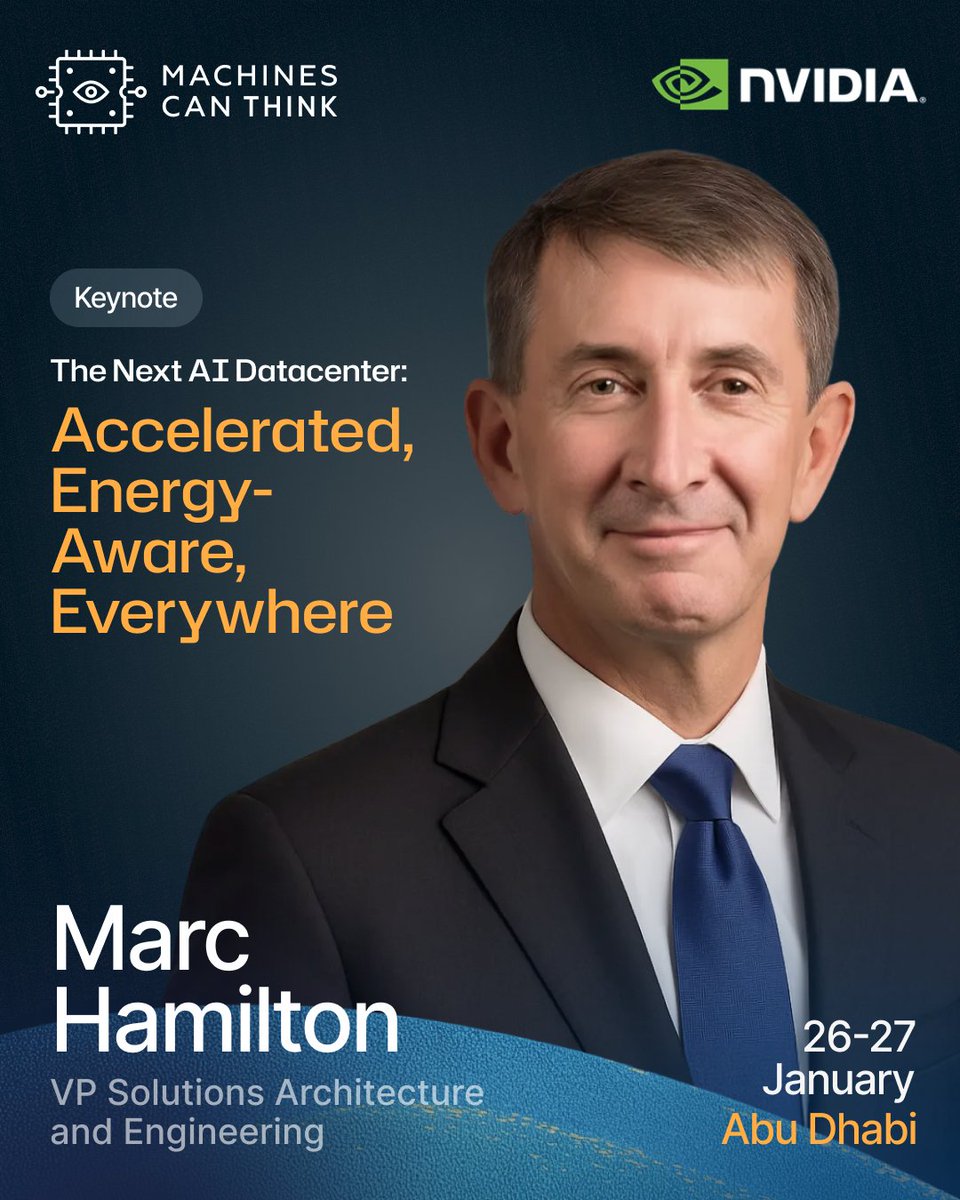
At Machines Can Think 2026, Marc Hamilton (NVIDIA) will deliver a keynote on The Next AI Datacenter and how accelerated, energy-aware computing is shaping the future of AI.
From LLMs to high-performance infrastructure, this session explores what AI leaders need to understand to scale AI responsibly.
🎟️ Get 70% off passes with code MCTLASTCHANCE.
📍 Abu Dhabi | January 27, 2026
🔗 tap2.link/c/9U6rqnmY
#MachinesCanThink #NVIDIA #AIInfrastructure #AcceleratedComputing
3
91
Last week at #CES2026, our CEO Jensen Huang unveiled #NVIDIARubin, our new extreme-codesigned, six chip AI platform, alongside major advancements in open models and physical AI.
On the show floor, we showcased some of the AI infrastructure and #acceleratedcomputing technologies that's powering the next era of AI.
Thank you to everyone who stopped by the NVIDIA Showcase and we’ll see you next time. 👋
18
74
482
30,100
At #CES2026, our Senior Director of AI Infrastructure, Dion Harris, sat down with @WOLF_Financial to talk about how he started working at NVIDIA, the technological shift from data centers to AI factories, software optimizations for NVIDIA Blackwell and Hopper, the breakthroughs of the #NVIDIARubin platform, and much more. #AcceleratedComputing
Watch now ⤵️
Jan 12

EXCLUSIVE INTERVIEW WITH NVIDIA $NVDA EXECUTIVE
I got the chance to interview Dion Harris, Nvidia's Senior Director of AI Infrastructure @NVIDIADC
We talked about Data Centers, why AI CAPEX spend isn't slowing, and what the distant future could look like
BOOKMARK THIS POST
5
8
87
27,707

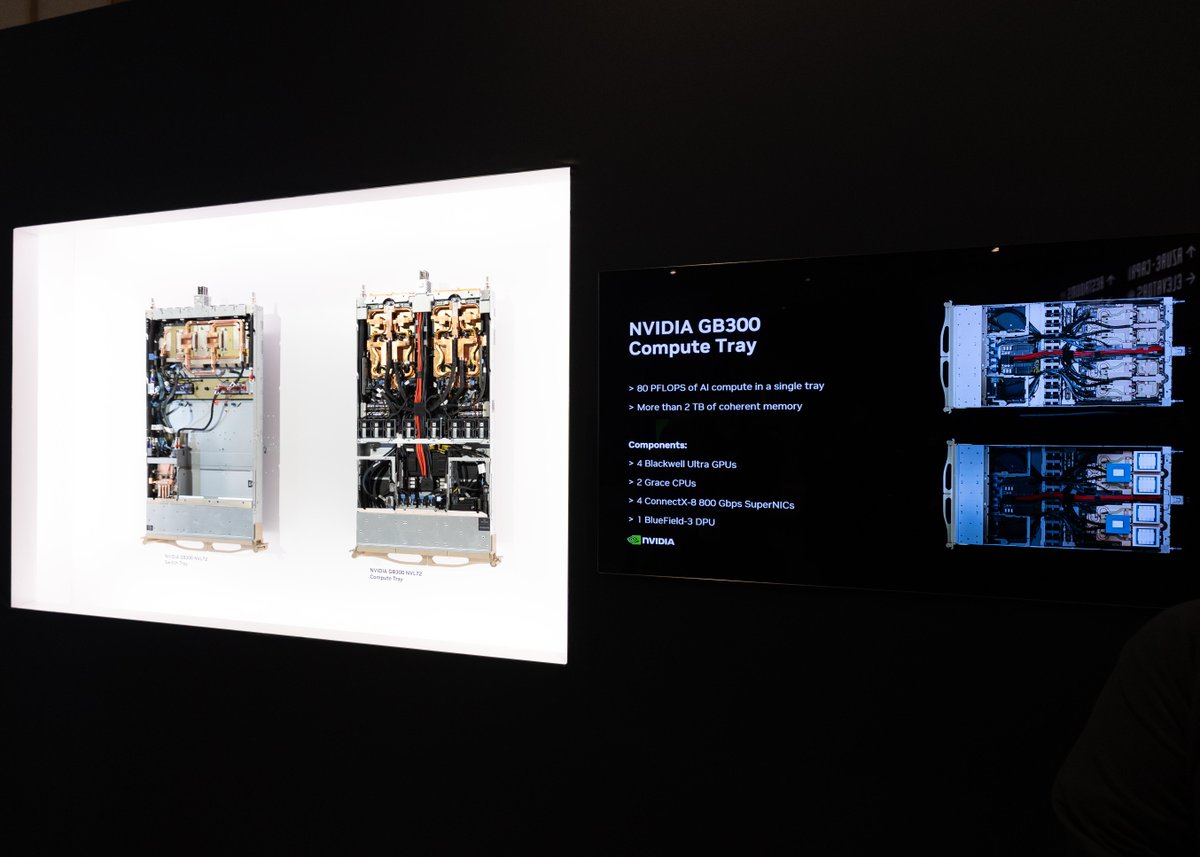
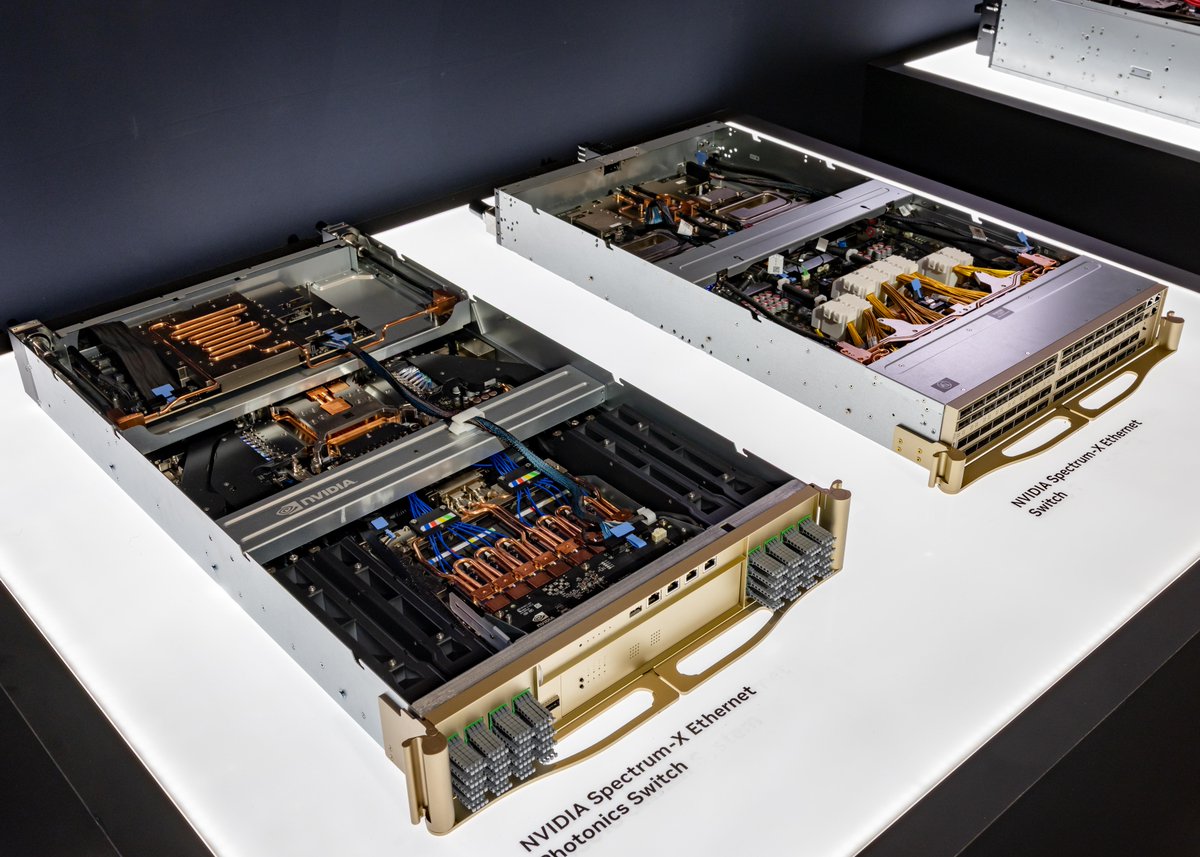
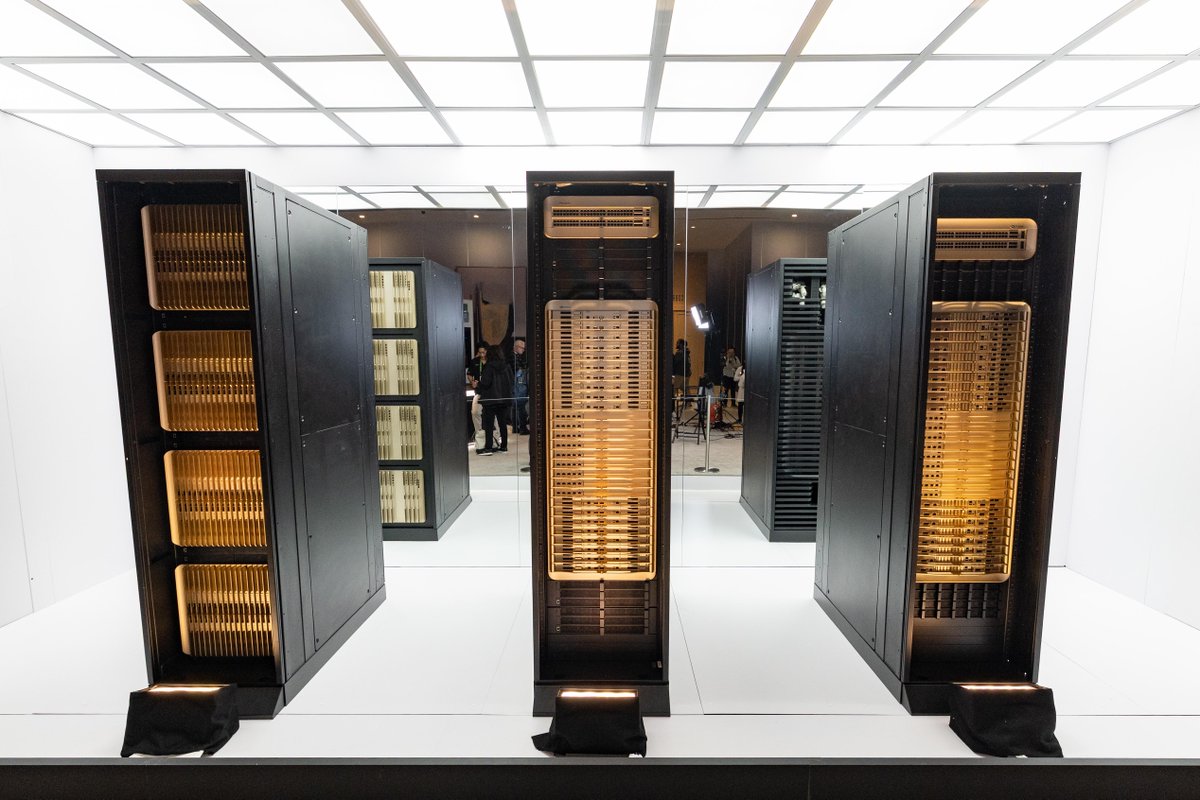
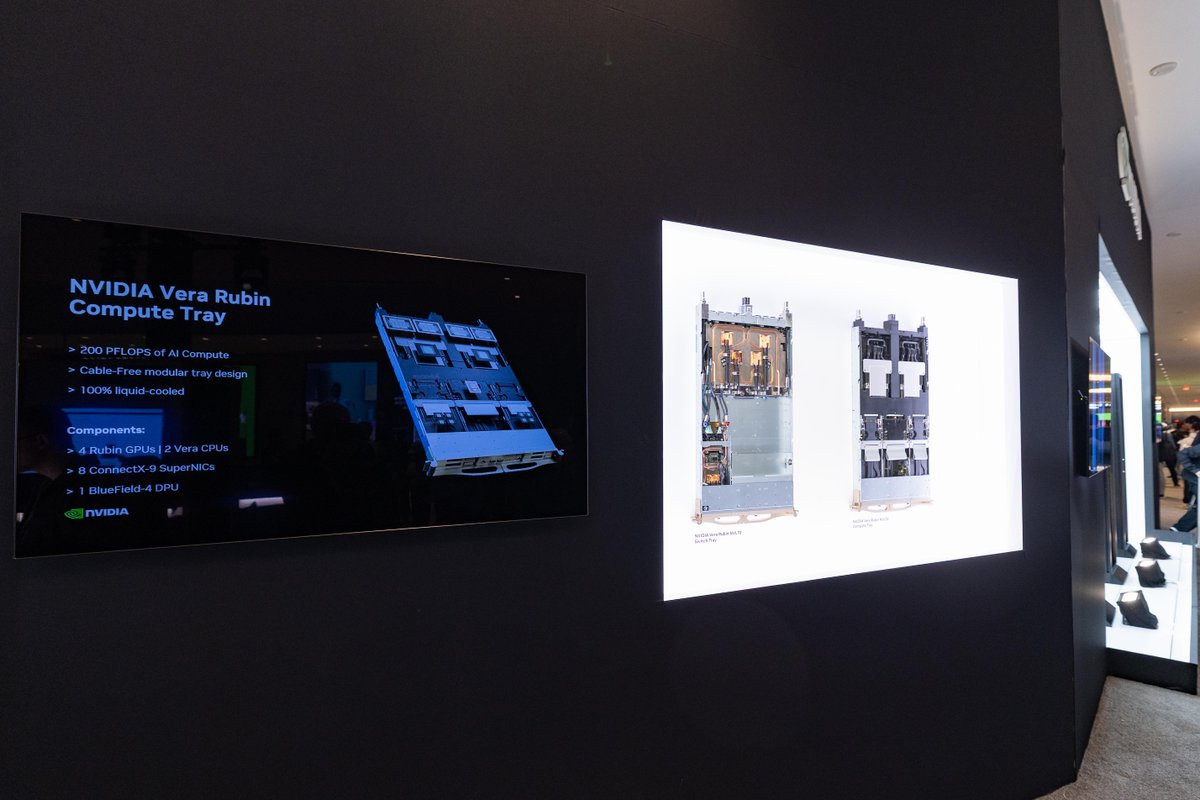
NVIDIA AI infrastructure is reshaping data centers and powering AI factories everywhere.
Displayed at #CES2026, our #acceleratedcomputing solutions give enterprises a robust, secure infrastructure that supports develop-to-deploy implementations across any AI workload.
34
56
278
31,307
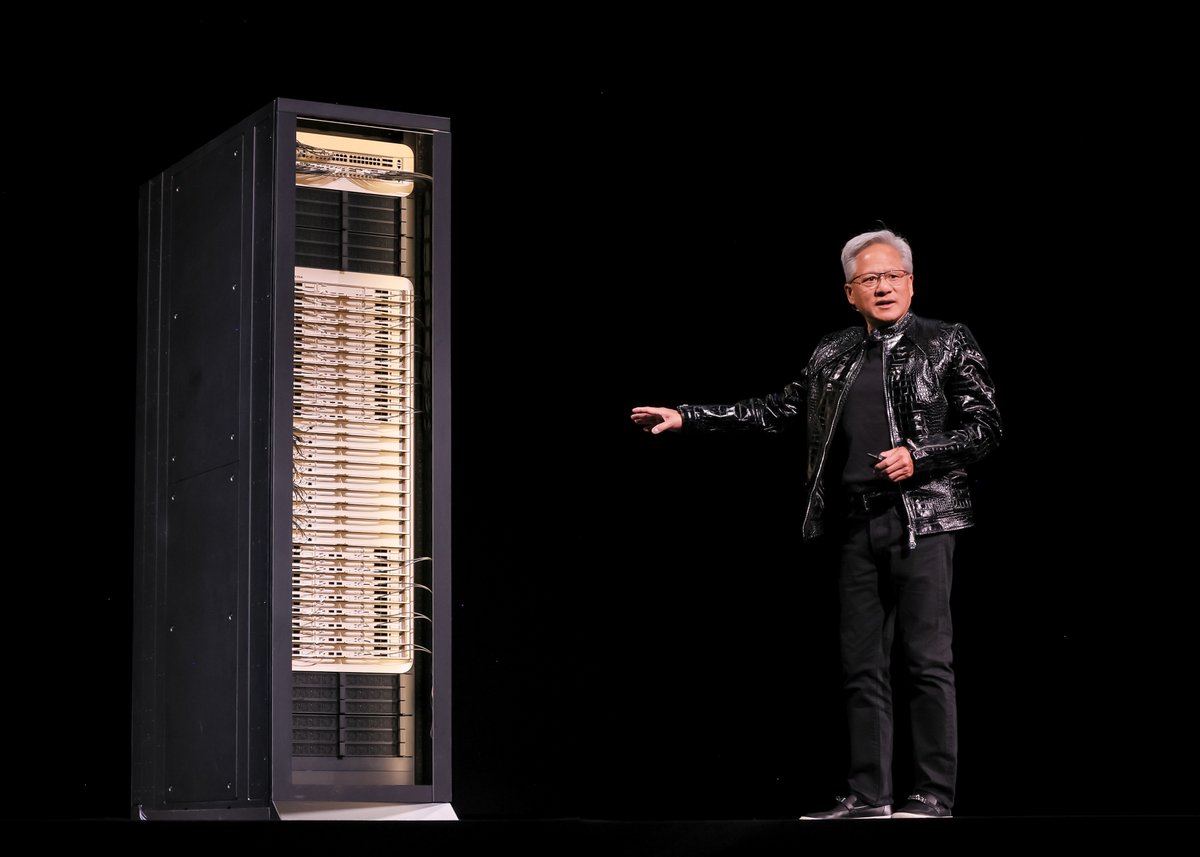
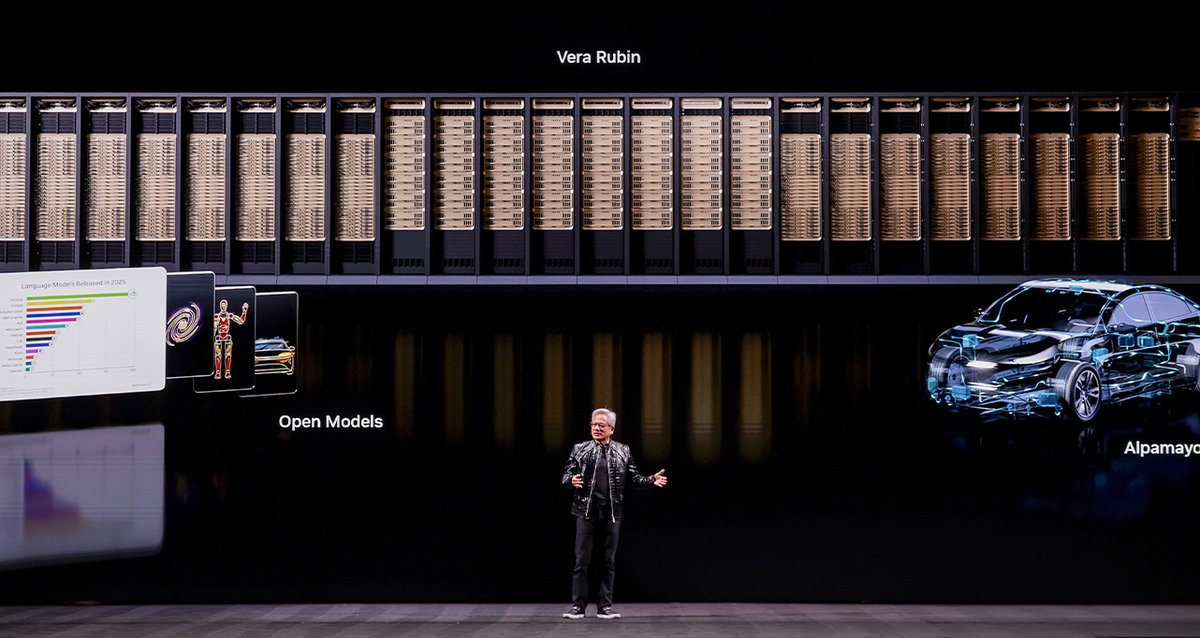
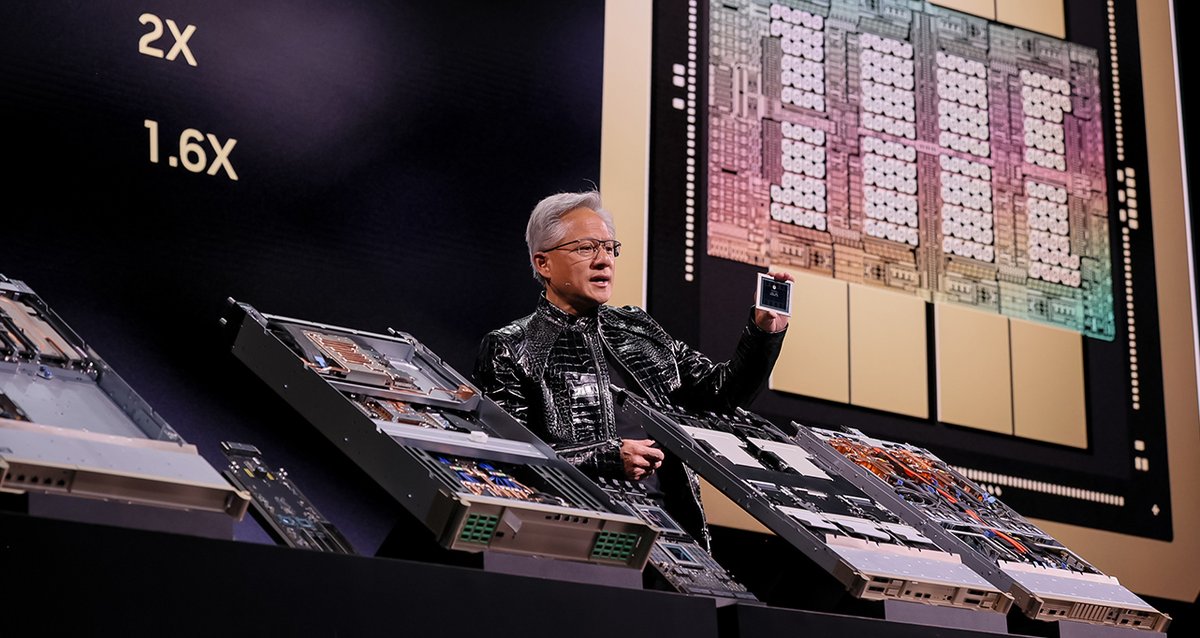
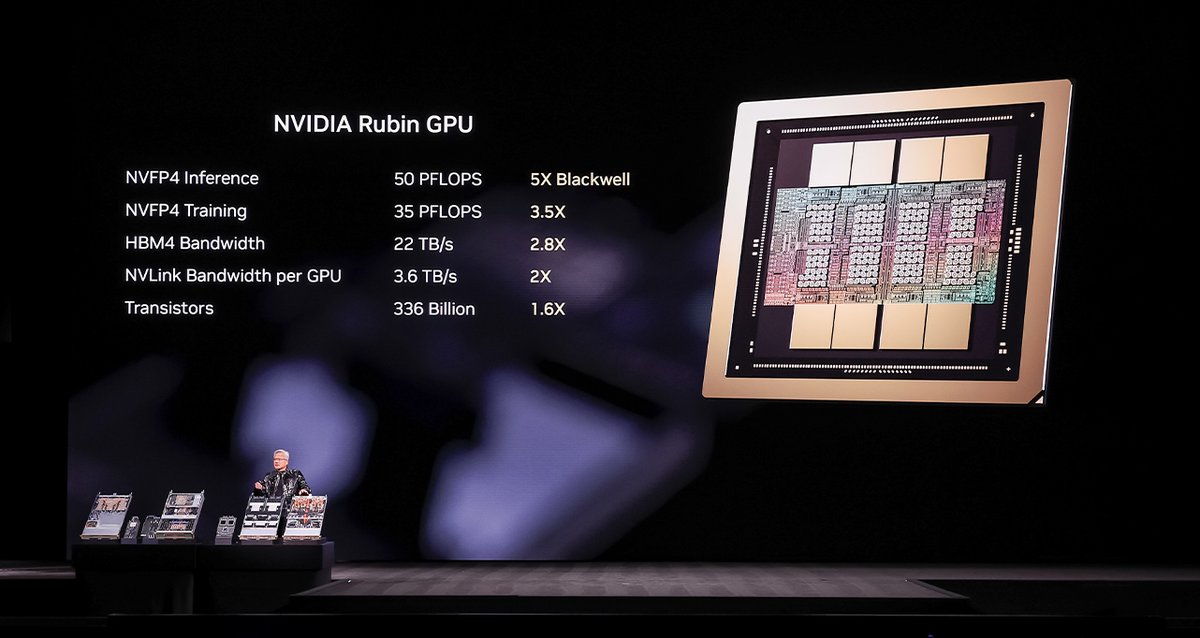
📣 This week at #CES2026, our CEO Jensen Huang announced that NVIDIA Vera Rubin is in full production and explained how AI and #acceleratedcomputing are transforming every domain.
He unveiled #NVIDIARubin, our new extreme-codesigned, six-chip AI platform, alongside major advances in open models and autonomous driving.
🔗 Catch up on all the announcements ➡️ nvda.ws/49IQTOh
5
18
132
4,733
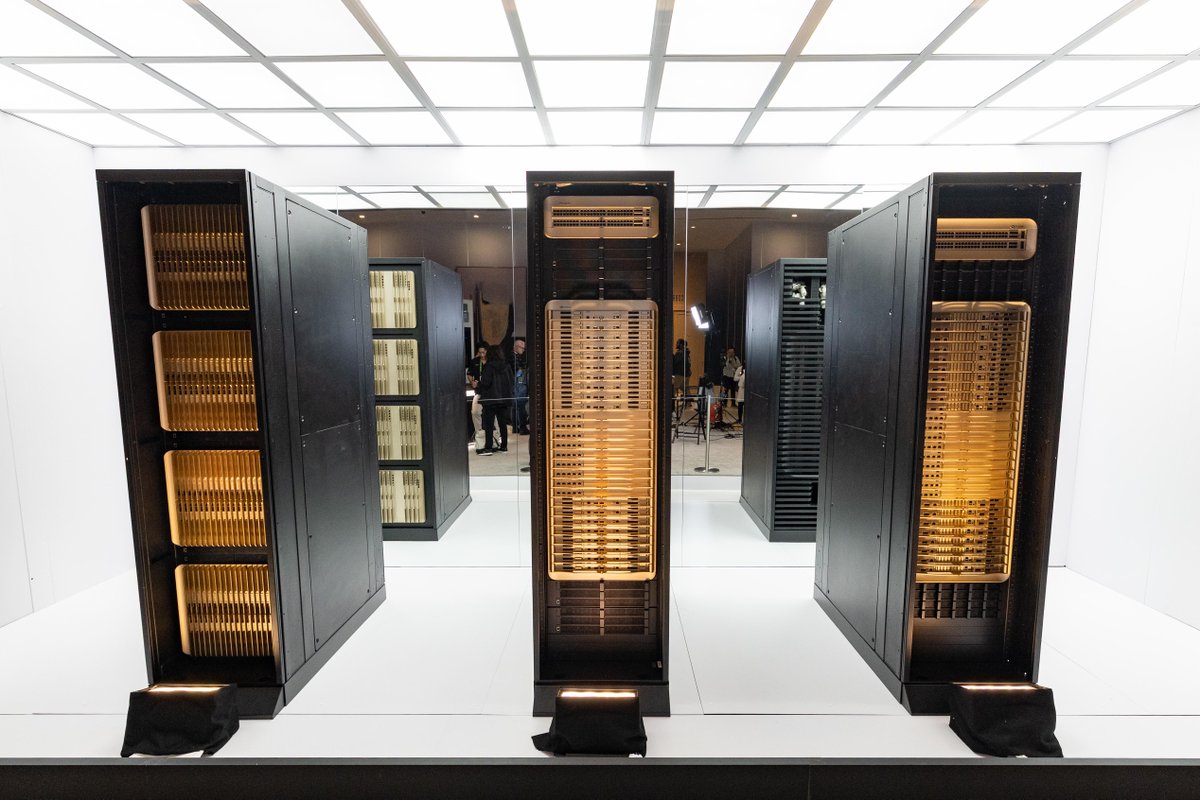
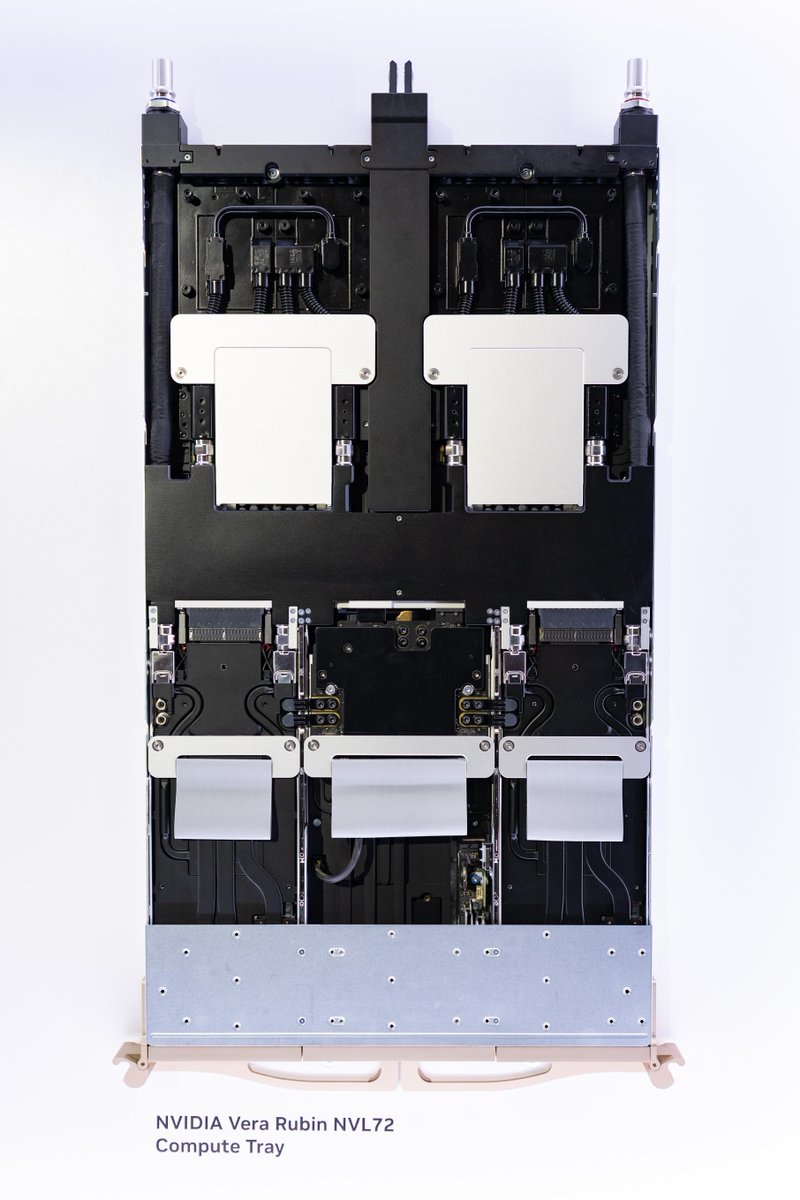
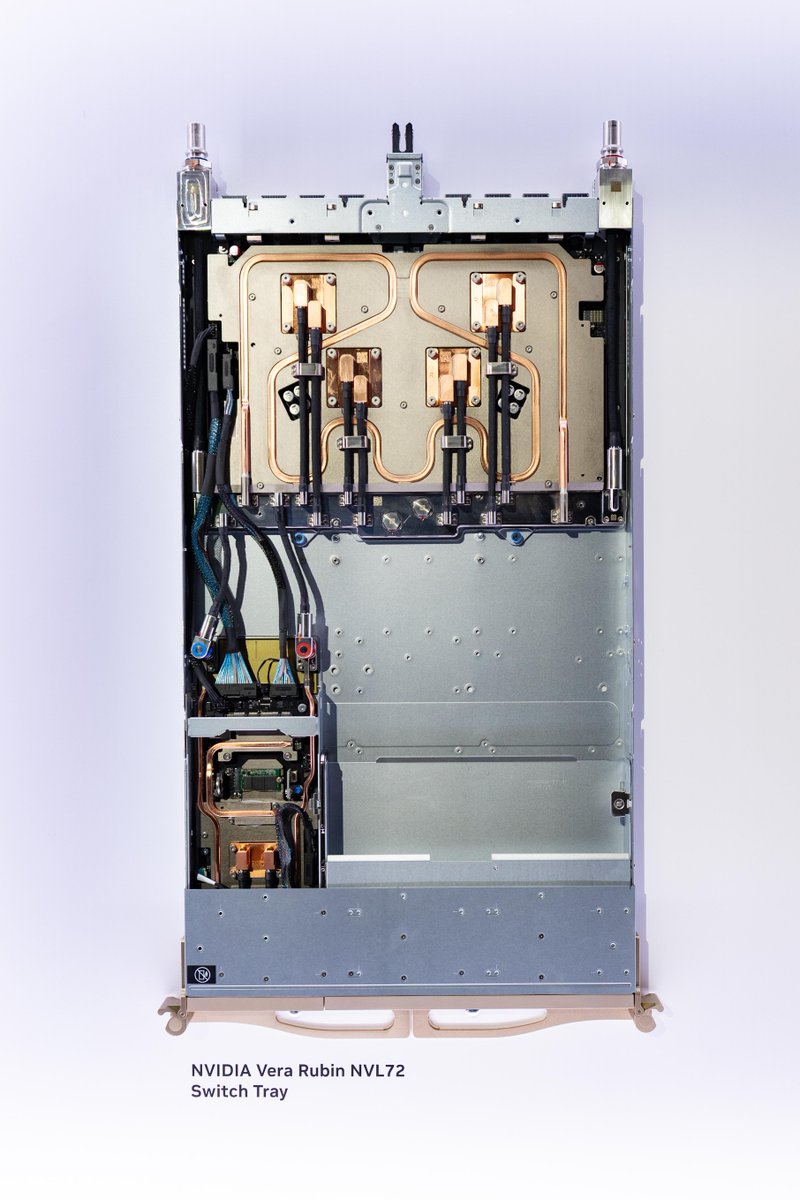
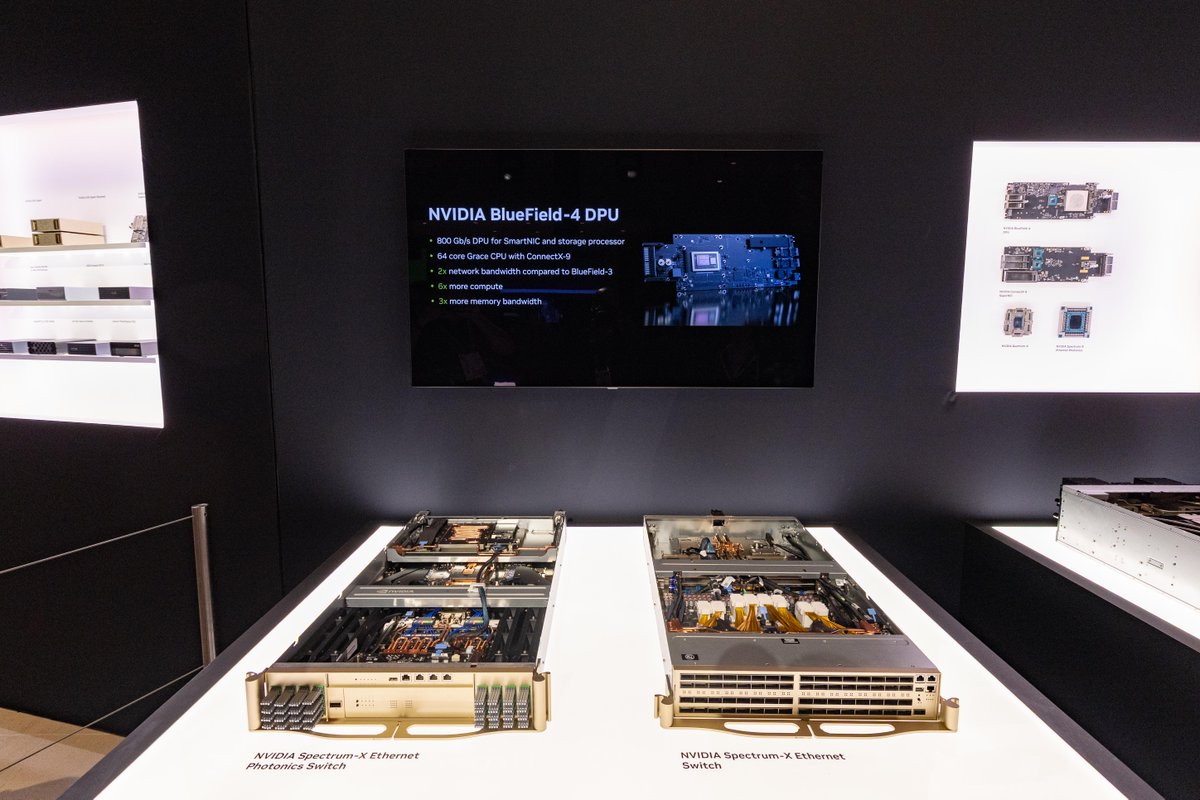
📣 Get a closer look at NVIDIA #acceleratedcomputing solutions that are powering AI factories — driving innovation and accelerating AI across industries.
Come by the NVIDIA Showcase at #CES2026 to talk to our NVIDIA experts and learn more. #NVIDIARubin
9
21
162
6,495

Jan 6
NVIDIA at the heart of scalable AI innovation.
BHASHINI operates highly optimized, streaming first speech and language models built for sustained concurrency, predictable latency and real world load. Backed by top class accelerated compute by NVIDIA, the platform delivers high throughput, low latency multilingual intelligence demonstrating readiness for large, high impact deployments where performance and reliability are non negotiable.
That vision came alive on stage at the TiE Global Summit 2026 in Jaipur, Rajasthan, as Sh. Shanker Trivedi, Senior Vice President, NVIDIA, witnessed BHASHINI’s Shrutlekh in action. Seeing the platform perform in a real world, high concurrency environment, he expressed his excitement at its practical impact and deployment readiness.
A proud moment followed with Team BHASHINI sharing a celebratory click with Sh. Shanker Trivedi capturing a milestone where global compute leadership and national digital public infrastructure came together on one stage.
#BHASHINI #NVIDIA #AIAtScale #AcceleratedComputing #SpeechAI #LanguageTechnology #MultilingualAI #DigitalPublicInfrastructure #AIForGovernance #RealTimeAI #HighPerformanceComputing #TechForGood #DigitalIndia #StartupEcosystem #TiEGlobalSummit #JaipurRajasthan
@GoI_MeitY @narendramodi @AshwiniVaishnaw @JitinPrasada @SecretaryMEITY @abhish18 @amitabhnag @rajawat_ind @spalsi @_DigitalIndia @RajbhashaVibhag @HMOIndia @AmitShah @svemb @Zoho @TiEglobalsummit @rajcmo @doitcraj @istart_Raj @ajaydata @tierajasthan @Ra_THORe @smritiirani @nvidia @NVIDIAAI
1
4
169

20 Dec 2025
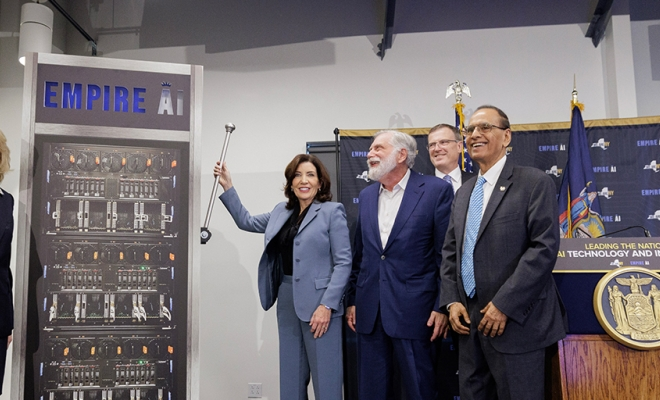
💡 Empire AI is proving that purpose-built AI infrastructure can deliver billions in projected economic and societal benefits, turning AI investment into real ROI for the public sector.
By democratizing access to #acceleratedcomputing resources at scale, Empire AI is dramatically improving research timelines, attracting talent, and driving job-creating investments across New York.
3
12
80
4,523
18 Dec 2025
A new era of #acceleratedcomputing starts long before a chip reaches the data center.
Powered by NVIDIA GPUs and the cuDSS library, @Applied4Tech’s ACE and Ginestra software supercharge material and process simulations—up to 35× and 10× faster than CPU-only runs.
✅ ACE data also turns into real-time digital twins with NVIDIA PhysicsNemo, letting engineers test designs and get near-instant feedback.
✅ At the fab level, Applied uses digital twins in @nvidiaomniverse to optimize layout, throughput, cost, and process control.
This is AI accelerating AI—where materials engineering enables #HPC to revolutionize chipmaking. #SEMICONJapan
👉 Watch the full demo: nvda.ws/4qkpzLL
4
12
146
4,392
10 Dec 2025
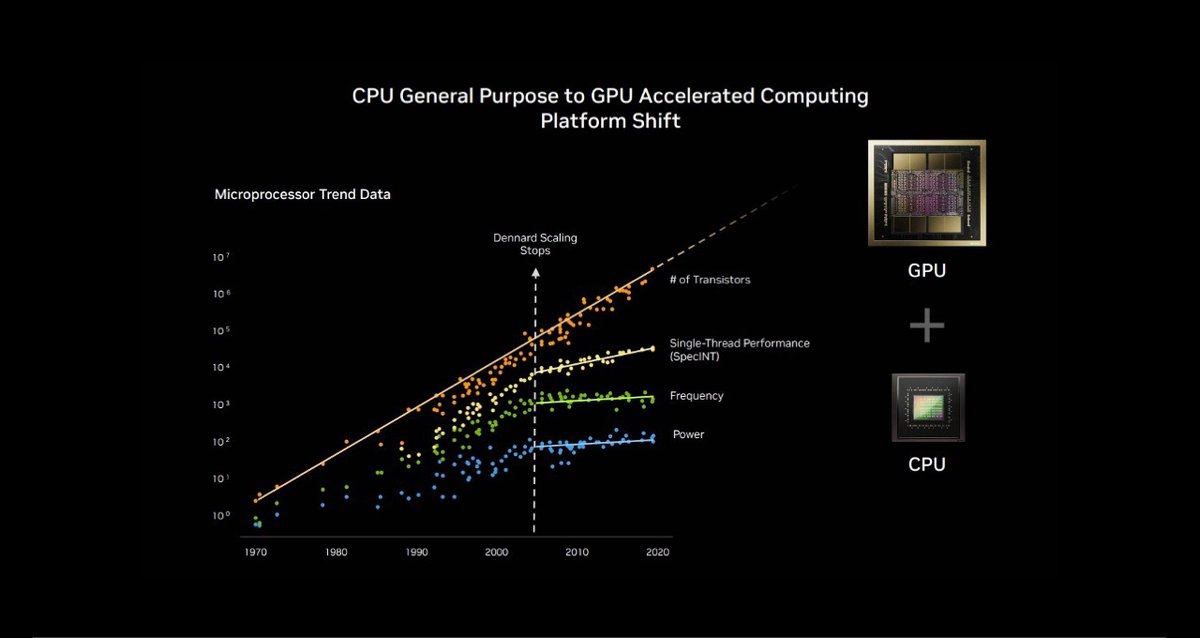
The next industrial revolution is here, and it's being powered by NVIDIA #acceleratedcomputing.
🍃 NVIDIA GPUs have replaced traditional CPUs as the engine of invention due to higher performance and energy efficiency. Over 85% of TOP100 systems are using GPUs, as well as the top 5 Green500 supercomputers.
⚖️ The three AI scaling laws—pre-training, post-training, and reasoning inference—are compounding to create exponential demand for full-stack AI infrastructure and open models around the world.
🤖 AI agents are being deployed across industries: finding life-saving drugs faster, improving manufacturing output, simulating fusion reactors, and much more.
🔗 Learn how NVIDIA is making this possible: nvda.ws/3MyWPjJ
6
22
140
69,379