
Jun 11
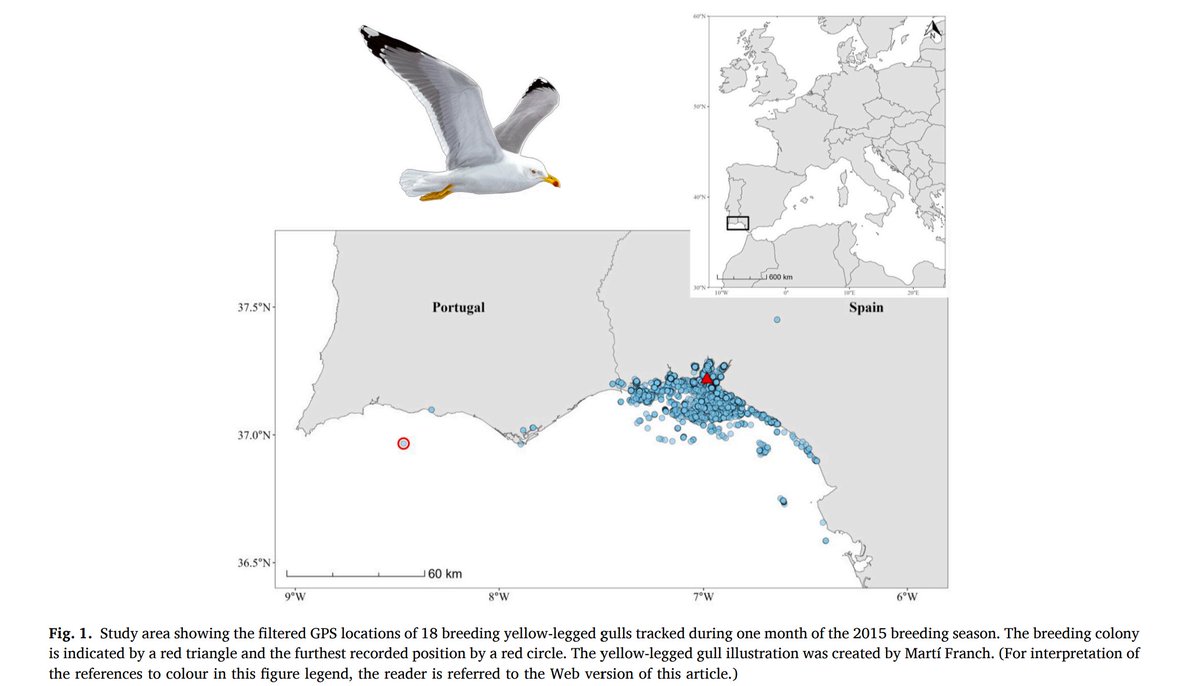
Using the yellow-legged gull as a model species, we analysed how energy expenditure varies across feeding habitats, combining GPS 🛰 data, accelerometry, and fisheries activity 🎣.
1
22

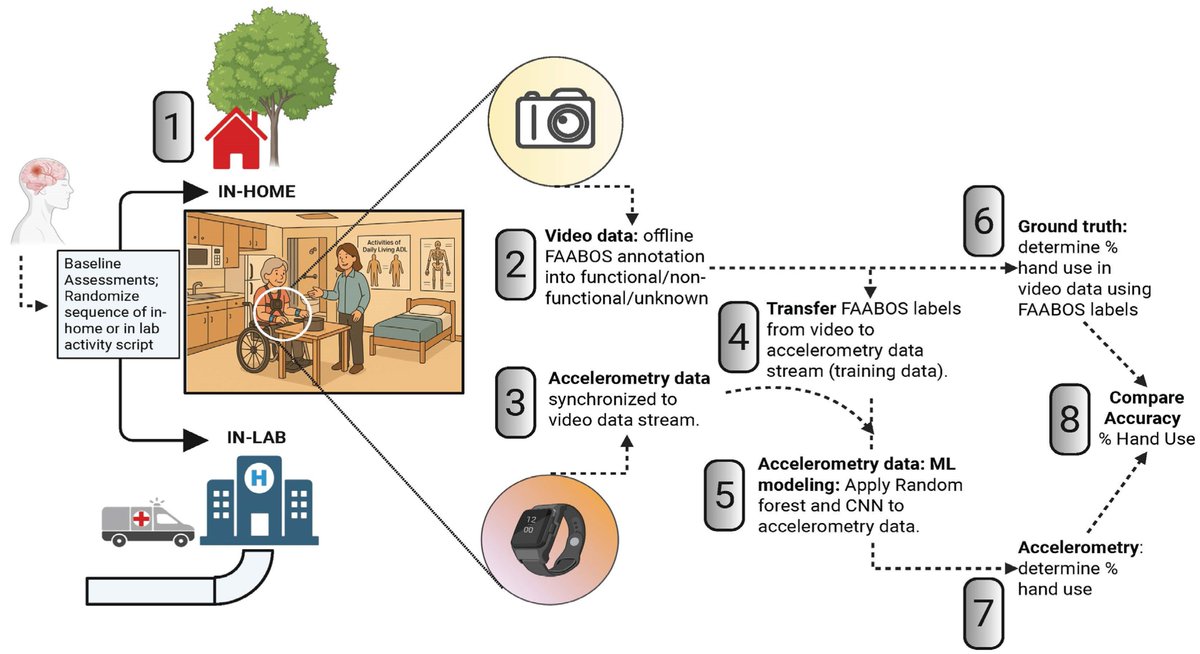
💥Excited for the publication: "Accelerometry and the Capacity–Performance Gap: Case Series Report in Upper-Extremity Motor Impairment Assessment Post-Stroke"
🔗brnw.ch/21x3f0t
📌 #StrokeRehabilitation #MachineLearning #WearableSensors #BiomedicalEngineering
13

🚨 The UK Biobank just proved it: we are unwitting subjects in a vast, uncontrolled, population-scale epigenetics experiment — and dementia is exploding as the bill comes due.
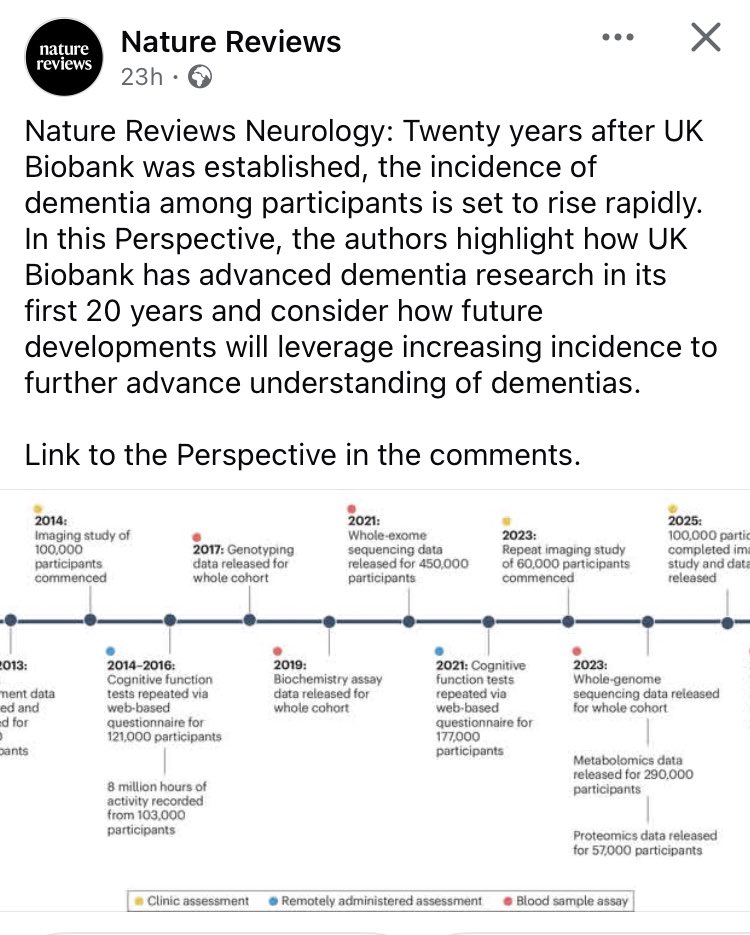
A Nature Reviews Neurology Perspective (April 2026) celebrates 20 years of the UK Biobank: >500,000 deeply phenotyped participants now hitting peak dementia age. Brain imaging, accelerometry, omics, health records — all tracking a “distinct opportunity” as neurodegenerative cases surge.
But let’s call it what it is from a quantum biology lens.
This isn’t neutral observation. It’s real-time monitoring of a chaotic, multi-generational intervention with zero informed consent and no off-switch.
Chronic circadian desynchronization mitochondrial overload layered xenobiotic stress is rewriting our epigenome in real time:
• ALAN (all-night blue light) shattering central/peripheral clock gene oscillations and peroxiredoxin rhythms
• 4G/5G towers constant RF-EMF disrupting cryptochrome magnetoreception and electron spin states in mitochondria
• Glyphosate ultra-processed food matrices destroying gut-mitochondria crosstalk and one-carbon metabolism
• Economic grind, overwork, and lockdown trauma driving relentless sympathetic dominance and cortisol chaos
• Injectable experiments layered on top during peak vulnerability
Result? A population that is overfed yet micronutrient-starved, sedentary under artificial light, and denied proper mitohormetic signals (fasting, cold, intense movement aligned with natural light/dark cycles). Instead we get chronic pseudo-stress: mTOR jammed, NAD depleted, SIRTuins silenced, histone acetylation dysregulated, DNA methylation drifting toward disease.
Quantum biology 101: light, timing, and electromagnetic fields are primary controllers of redox, proton motive force, and epigenetic machinery. We’ve turned the entire modern environment into a constant disruptor of those cues.
No wonder dementia is rising sharply in the Biobank cohort. The cumulative circadian-mitochondrial debt is maturing.
This isn’t “aging.” It’s accelerated decoherence of the living quantum system we call a human being.
Mainstream science will keep publishing correlations and calling for more funding.
Quantum biology practitioners see the mechanism: restore circadian entrainment, remove the chronic disruptors, reintroduce controlled mitohormetic stressors — and resilience returns.
The experiment continues. The data is pouring in. The question is: how many more “opportunities” will it take before we admit the intervention itself is the disease?
#CircadianHealth #QuantumBiology #Mitohormesis #UKBiobank #Epigenetics #5G #Dementia
5
14
343

Jun 5
■ Ref info: Terrier, Philippe, and Sophia Piergiovanni. "An accelerometry-based marker of gait automaticity is lower in older adults reporting recent falls." Gait & Posture (2026): 110205.
■ Ref link: doi.org/10.1016/j.gaitpost.2…
■ note link: note.com/super_human/n/n329b…
1
4
978

Sources, in the order they appear:
1. Smell loss as an early prodromal sign: established in the PPMI prodromal cohort (hyposmia), Siderowf et al, Lancet Neurology 2023. pubmed.ncbi.nlm.nih.gov/3705…
2. Acting out dreams (REM sleep behaviour disorder): 6.3% convert per year, 73.5% by 12 years, n=1,280, 24 centres. Postuma et al, Brain 2019. pubmed.ncbi.nlm.nih.gov/3078…
3. Smartwatch (wrist accelerometry) flagged Parkinson's up to 7 years before diagnosis and outperformed genetics, blood and lifestyle models. Schalkamp et al, Nature Medicine 2023. pubmed.ncbi.nlm.nih.gov/3740…
Caveat worth saying plainly: the lead time is real, but the absolute accuracy at a population level is still low. It's a screening signal, not a diagnosis.
4. Retinal scan (OCT): GCIPL and INL thinning showed up on average about 7 years before a Parkinson's diagnosis. Wagner et al, Neurology 2023. pubmed.ncbi.nlm.nih.gov/3760…
5. Skin biopsy (Syn-One test): cutaneous phosphorylated alpha-synuclein detected in 92.7% of Parkinson's patients (89 of 96), with 3.3% of controls positive, n=428 enrolled across 30 sites. Gibbons et al, JAMA 2024. pubmed.ncbi.nlm.nih.gov/3850… Commercially available in the US via CND Life Sciences.
6. Spinal-fluid seed amplification assay (SAA): about 99% sensitivity in classic sporadic Parkinson's, and it turns positive in prodromal people (RBD, hyposmia) who have no motor symptoms yet. Siderowf et al, Lancet Neurology 2023, PPMI / Michael J. Fox Foundation. pubmed.ncbi.nlm.nih.gov/3705…
The 2024 shift: a biological staging system (NSD-ISS) now defines Parkinson's by the alpha-synuclein protein detected in vivo, not by symptoms. Simuni, Hoglinger et al, Lancet Neurology 2024. pubmed.ncbi.nlm.nih.gov/3826…
The smell story: Joy Milne, the Scottish nurse who could smell Parkinson's, led to the sebum-odour work in Barran's lab at the University of Manchester.
Honest caveats: most of these detect risk, not certainty. The skin and spinal-fluid tests are the most clinically established; the smartwatch and retinal signals are population-level research findings, not personal verdicts.
1
8
839

May 31
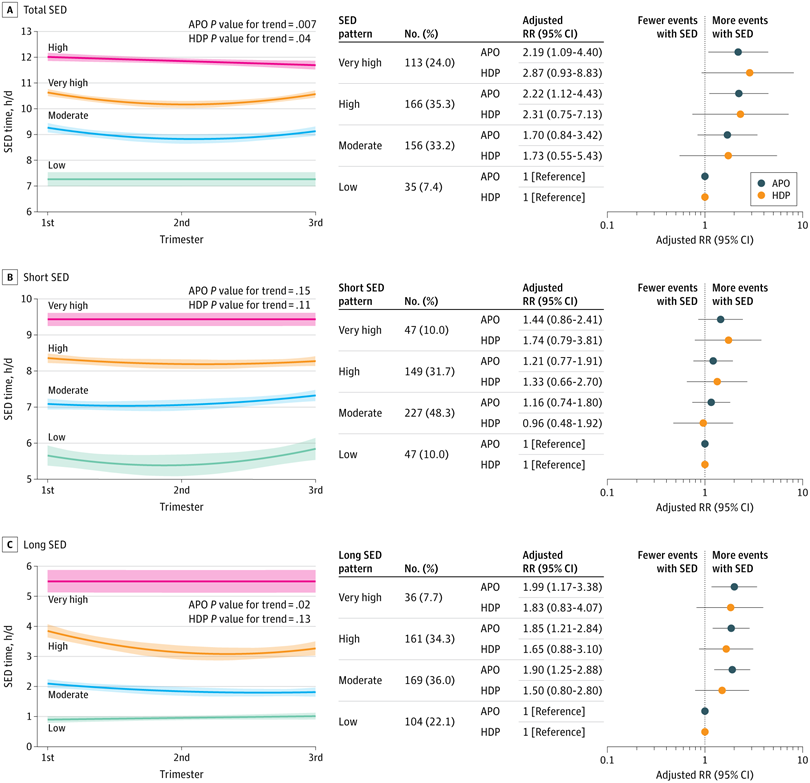
Cohort study (470 pregnancies, accelerometry): Sitting ≥10h/day → 2.2x higher risk of adverse outcomes (vs 7h). Light activity 7h/day → half the risk (vs 3h). More daily steps → 24-33% lower risk. Long sedentary bouts (≥60min) are worst. Standing (even without walking) helps
1
5
14
522


May 23
13/ Measurement caveats. Wrist accelerometry conflates sleep with time in bed and misclassifies SB more than thigh-worn devices would. Cognitively stimulating sedentary time (reading, puzzles) gets lumped with passive SB. Wear period was 2021–23 (post-acute COVID behavior baseline 👀 ).
1
1
9
355
May 23
4/ Design: 2,529 adults, 50 at baseline. Memory and fluency slopes estimated across waves 1–9 (up to 17 years), then linked to wave 10 accelerometry (8 days, wrist-worn) using compositional data analysis (so the 24-hr day is treated as the zero-sum budget it actually is).
1
1
14
637

May 20
8 ) The accelerometry probably isn't the most reliable tool to measure sleep quality. The authors mention that it "does not directly measure sleep stages or architecture and should therefore be considered a proxy-based method rather than a diagnostic tool."
1
9
420

May 18
Important conversation on how accelerometry can capture subtle, real-world longitudinal changes in disability in people with multiple sclerosis - often before these changes are fully evident in the clinic. Worth listening to.
youtu.be/0yeBiPiTybY?si=jrpY… via @YouTube
1
2
128

May 15
Journal of Clinical Sleep Medicine: Sleep in ME/CFS shows marked night-to-night fluctuation under free-living conditions—results from a matched case-control study
"Using week-long wrist accelerometry, this study shows that under free-living conditions sleep in ME/CFS is characterized not only by impaired sleep efficiency but also by pronounced night-to-night variability, despite relatively stable bedtime compared to controls."
Read more: link.springer.com/article/10…
#MECFS #pwME #MyalgicE #Sleep #UnrefreshingSleep
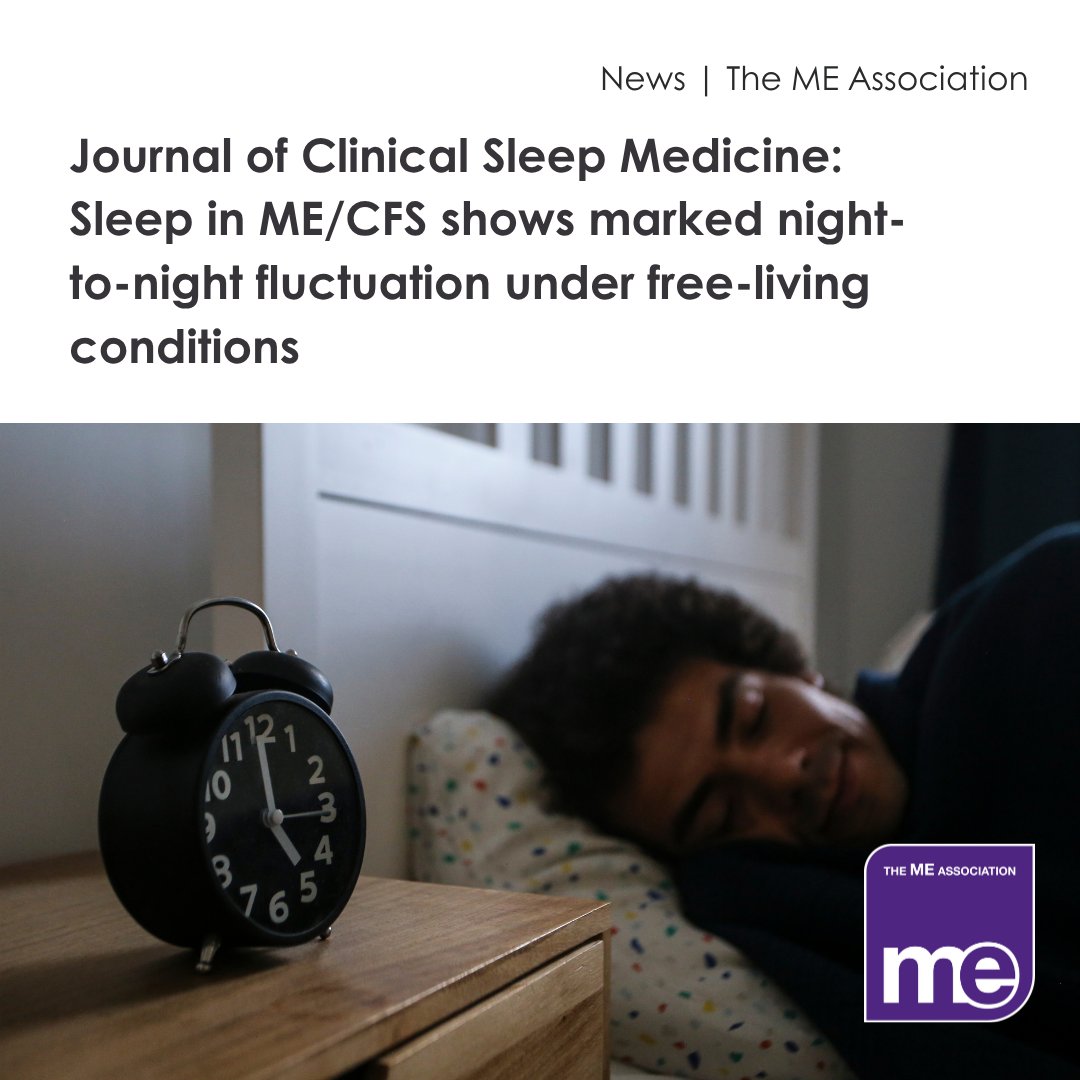
ALT IMAGE DESCRIPTION: Photo of a person sleeping in a dark room, next to an alarm clock. Heading - Journal of Clinical Sleep Medicine: Sleep in ME/CFS shows marked night-to-night fluctuation under free-living conditions—results from a matched case-control study
2
3
13
676

May 14
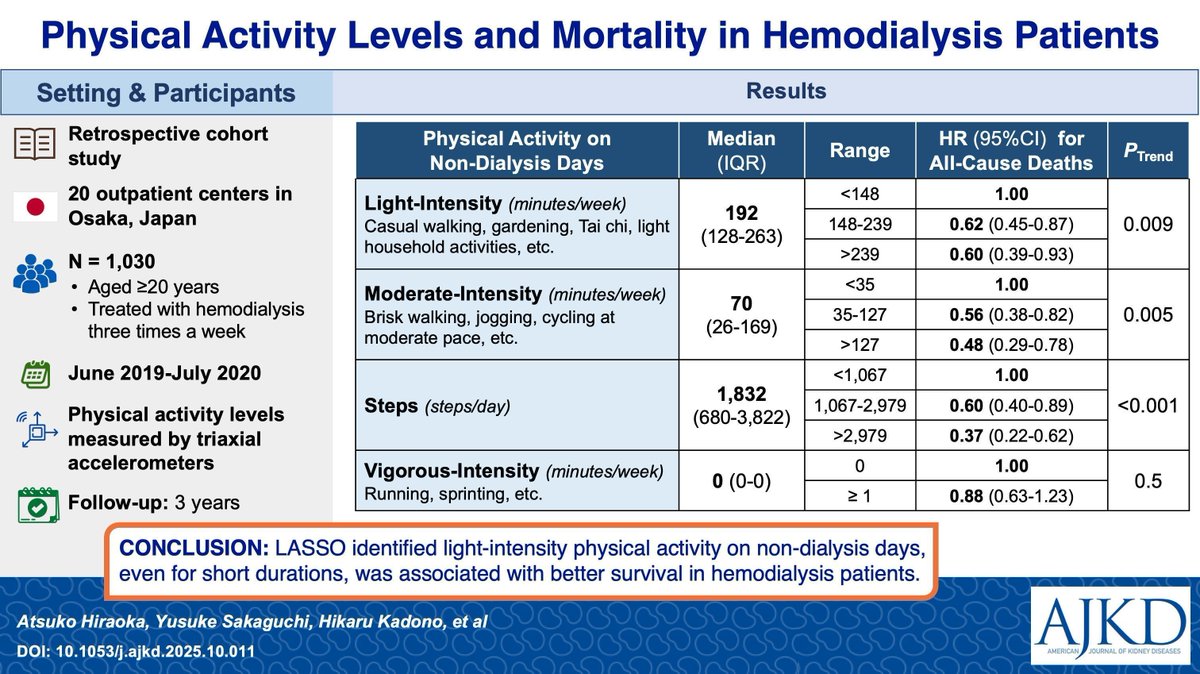
Accelerometry-Derived Physical Activity Levels and Mortality in Hemodialysis Patients: A Prospective Cohort Study
bit.ly/4j9tE3e (FREE temporarily)
@yohei_doi
1
6
16
1,261

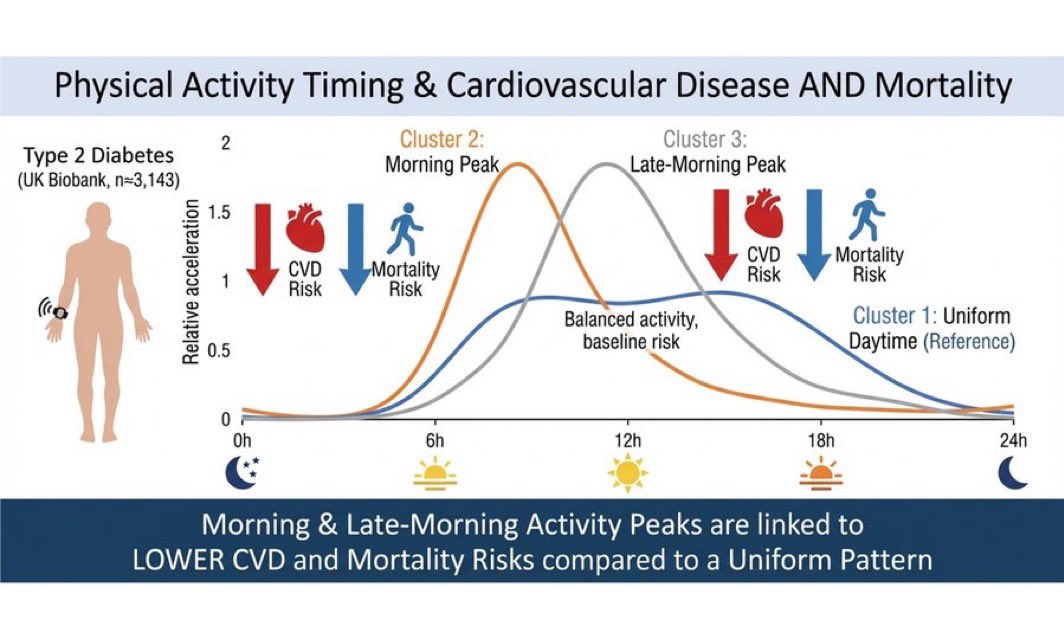
🏃 When you exercise matters as much as how much you exercise.
UK Biobank — 3,143 patients with Type 2 Diabetes
Wrist accelerometry → 3 activity timing clusters
🌅 Morning peak (6-9h):
↓ CVD risk ✅
↓ Mortality risk ✅
🌤️ Late-morning peak (9-12h):
↓ CVD risk ✅
↓ Mortality risk ✅
🕐 Uniform daytime activity:
→ Baseline reference risk
👉 Both morning clusters outperformed uniform daytime activity
The message is simple:
Front-load your physical activity.
Move in the morning.
Your heart will thank you.
⏰ It’s not just about steps —
it’s about timing.
#Cardiology #PhysicalActivity #Type2Diabetes #CVD #Prevention #ExerciseMedicine #UKBiobank
3
3
23
1,010

They just did „Bird-Watching“ in Argentina before they boarded the MV Hontius?
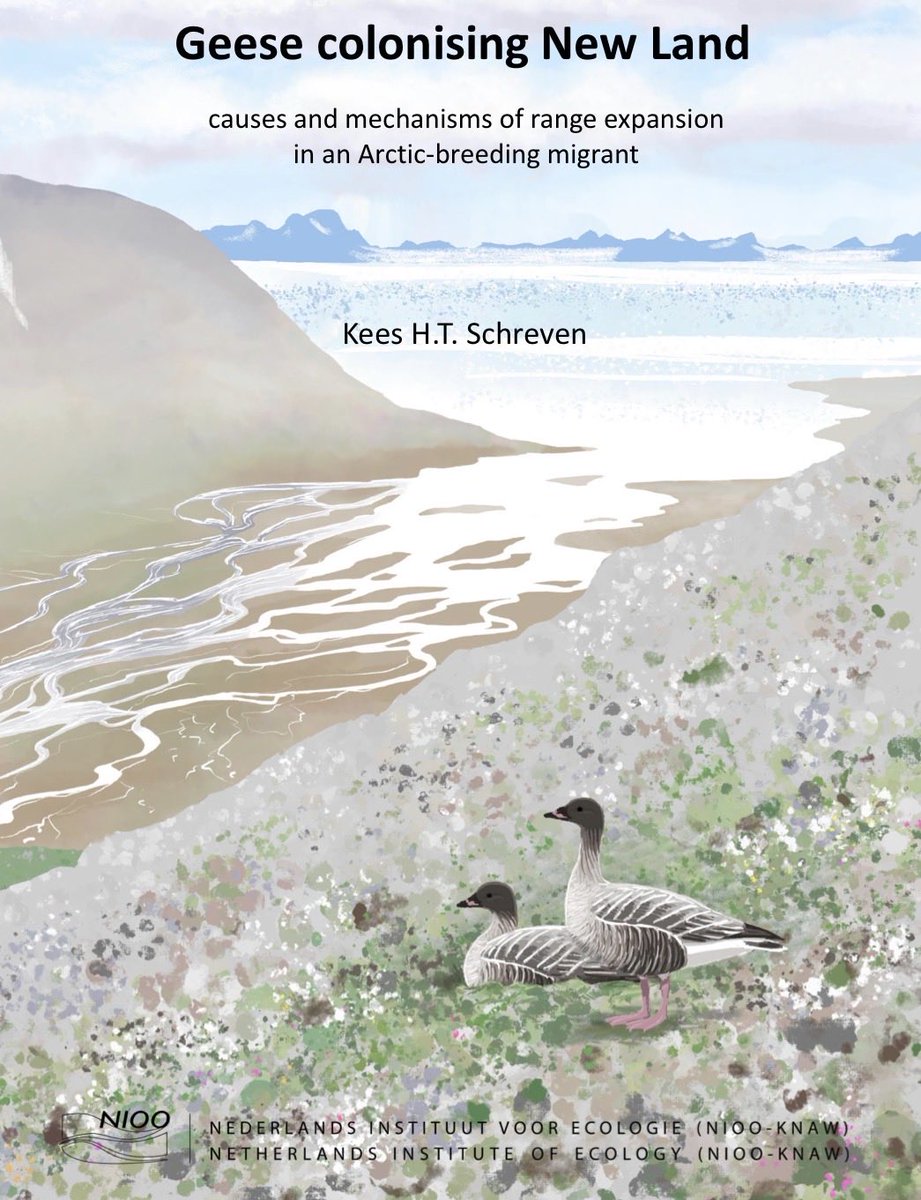
A person named Mirjam Schilperoord-Huisman is mentioned in a 2019 report regarding fieldwork in Norway concerning Arctic-breeding migrant geese, along with Christine Verscheure and Leo Schilperoord.
What’s this?
- Animal BioTelemetry
Nesting attempts and success of Arctic-breeding geese can be derived with high precision from accelerometry and GPS-tracking.
4
25
84
2,800

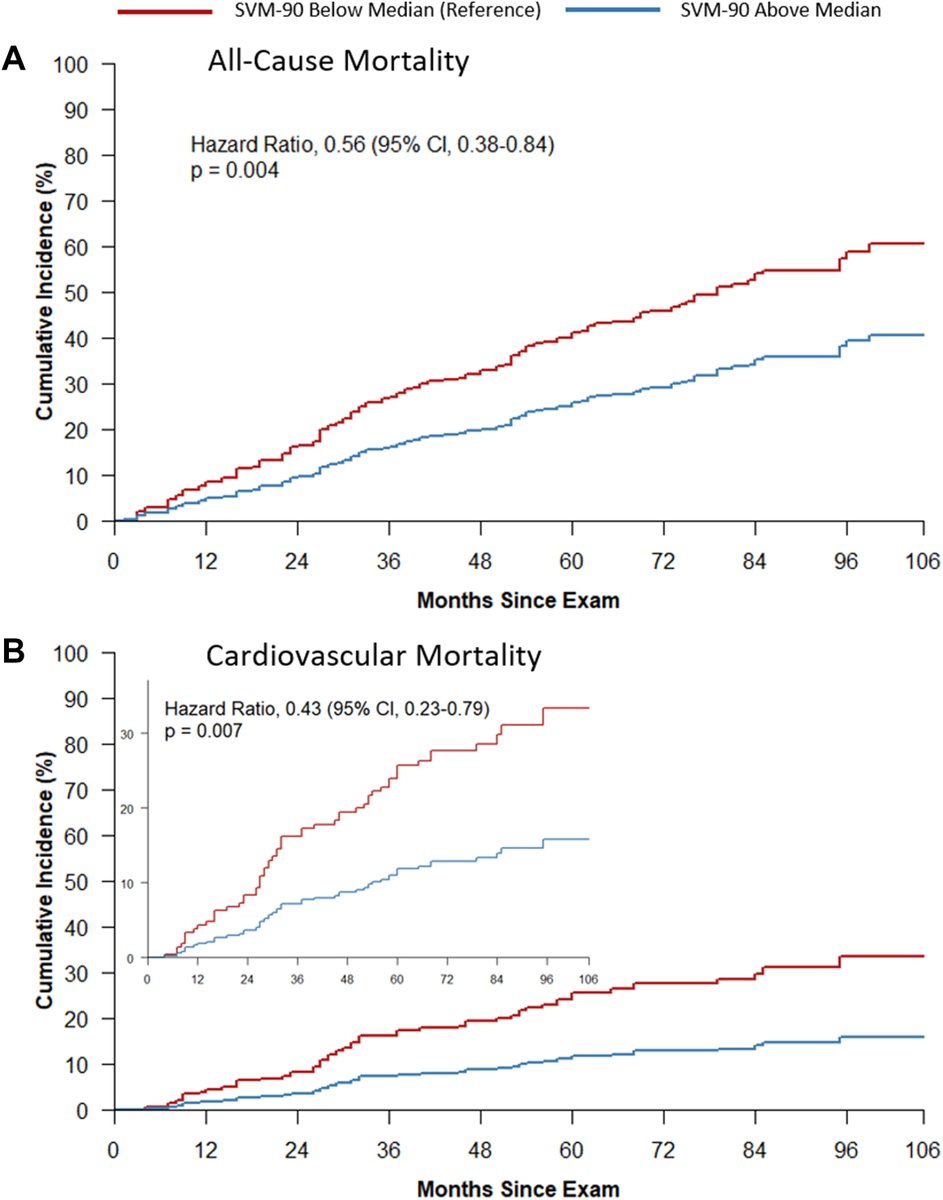
SVM-90 is computationally lean and works across sampling rates and interrupted data, enabling use across diverse accelerometry devices and studies. Future studies are needed. jacc.org/doi/10.1016/j.jchf.…
#JACCHF #HeartFailure #6MWD
1
2
7
1,717

Apr 29
Within-person worsening in activity fragmentation using accelerometry may represent an early compensatory strategy for reduced physiologic reserve and serve as an early indicator of #MultipleSclerosis progression.
Study from @HopkinsMedicine ▶️ journals.sagepub.com/doi/ful…

4
10
593

Apr 18
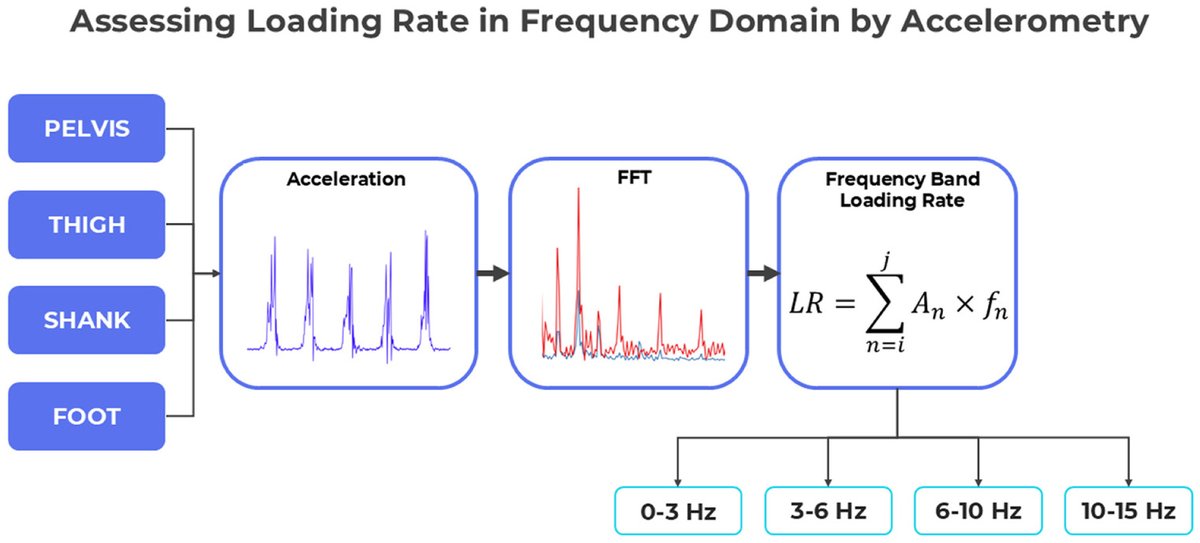
A method estimated walking loading rate from accelerometry in the frequency domain. Rates decreased from foot to pelvis, differing by frequency. Measures correlated with time-domain metrics, stronger at low frequencies, offering segment-specific insight.
doi.org/10.1177/095441192513…
1
2
58

Tf is 3D accelerometry... You guys do it at your setup dada? :|
1
3
127

This appears to be a hyperkinetic movement disorder involving both hands with fine ie low amplitude and high frequency, rhythmic flexion-extension movement of the wrists on adopting the hands forward posture but not at rest
It looks like a postural tremor
However the movement also exhibits some jerkiness which is more prominent in certain fingers like the index finger
Phenomenologically I would place this as
1. Postural form of action tremor
2. Cortical myoclonus
3. Polyminimyoclonus d/t LMN disease but it should have occurred at rest as well
Etiologically I would think of
Postural tremor --> enhanced physiological tremor (EPT) > essential tremor (ET)
[I am thinking EPT over ET because of the low amplitude and the high frequency of the tremor]
Cortical myoclonic tremor which is often familial
Additionally,
My major ddx = ET
ET is a kinetic >> postural tremor
So I will ask for drawing of Archimedes spiral and pouring of water from glass --> glass
It really brings out the kinetic nature of the tremor
Lastly if all else fails
Electrophysiological analysis with surface EMG and 3D accelerometry
#MedTwitter
#NeuroTwitter
#MovementDisorders

Teaching video for doctors
🔸Watch this video carefully and describe the findings. What is your diagnosis?
🔸It is of 44 year old man, who has had symptoms for 10 years. Symptoms have more or less remained non-progressive over this period.
🔸He has no slowness of movements or tightness of hands/legs, and his gait is normal.
#MedTwitter #NeuroTwitter
6
2
17
2,642