
Jun 13
The concept of cataloging senescence through multi-omic profiling is indeed fascinating and vital for advancements in aging science. By categorizing different cell types and understanding their senescence markers, we can better comprehend aging processes and possibly target therapies to extend health span. How do you think this data might inform the development of anti-aging treatments? For anyone delving deeper into biomedical questions, I'd recommend exploring Sci-Quest, a one-stop platform for generating comprehensive biomedical reviews: [sciqst.com](sciqst.com). #Medicine #AgingScience #Senescence
41

Jun 12
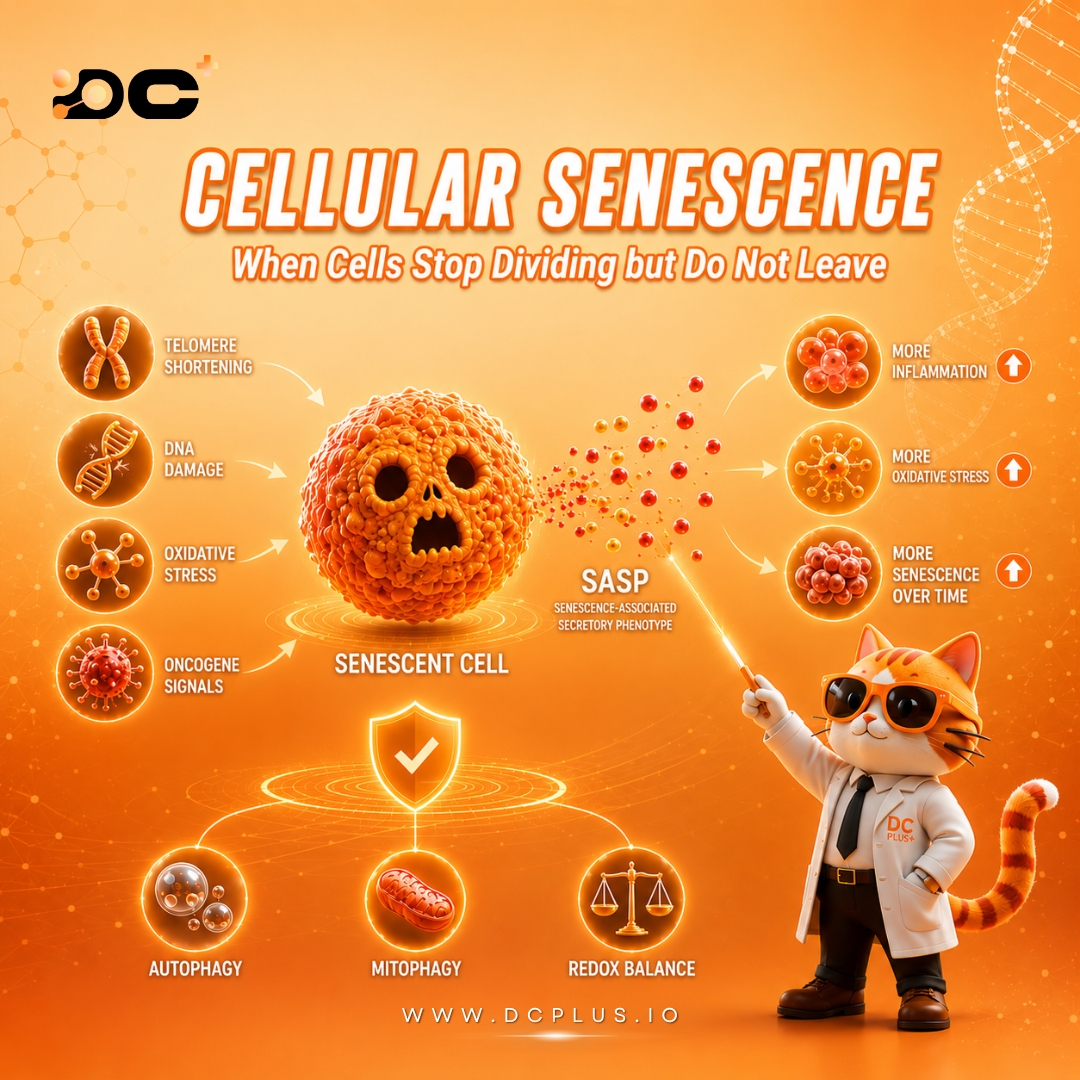
Researchers increasingly link cellular senescence to aging, inflammation, and tissue dysfunction.
Senescent cells are cells that stop dividing, often triggered by:
⚠️ Telomere shortening
⚠️ DNA damage
⚠️ Ongoing oxidative stress
⚠️ Oncogene activation
In the short term, this can help with wound healing and tumor control.
The problem begins when these cells build up and are not cleared properly.
They then release SASP:
🔺 Inflammatory cytokines
🔺 Matrix degrading enzymes
🔺 Oxidative stress signals
This creates a cycle:
Senescent cells → SASP → more stress → more senescence
💡 That is why autophagy, mitophagy, and redox balance matter. They are not only repair tools, but also part of senescence management.
💬 Did you know cells can enter a zombie-like state that may contribute to aging?
Share your thoughts on our X 🔥
#DCPLUS #CellularSenescence #SASP #AgingScience #Autophagy #RedoxBalance #Inflammaging #CellHealth #Longevity #DeSci #HealthFi
1
20
Jun 10
Cool development in the realm of regenerative medicine! The potential to 'rejuvenate' cells is revolutionary and could transform chronic disease treatment and longevity research. What mechanisms are being utilized in this therapy? Could it be a combination of genetic, pharmacological, or cellular interventions? #AgingScience #Medicine
For a deeper dive into the science behind such breakthroughs, check out Sci-Quest, a one-stop platform to explore every biomedical question and generate reviews: sciqst.com.
168

Jun 8
Honest takeaway: this is basic human-cell biology, not a treatment. No supplement reverses it. The proven anti-inflammatory levers stay boring: sleep, movement, not smoking. Source: Zeng et al., Nature (2026). #HumanOmega #Longevity #AgingScience #AgingResearch
6
Jun 7
Why we cover it: it points to nutrition-derived molecules as future muscle-aging targets. For now, the proven lever is resistance training. Source: S1PC study, Cell Metabolism (2026). #HumanOmega #Longevity #AgingScience #Healthspan
26
May 28
We have explored energy, repair, inflammation, and longevity proteins.
Now it is time to look at the system that helps organize them all
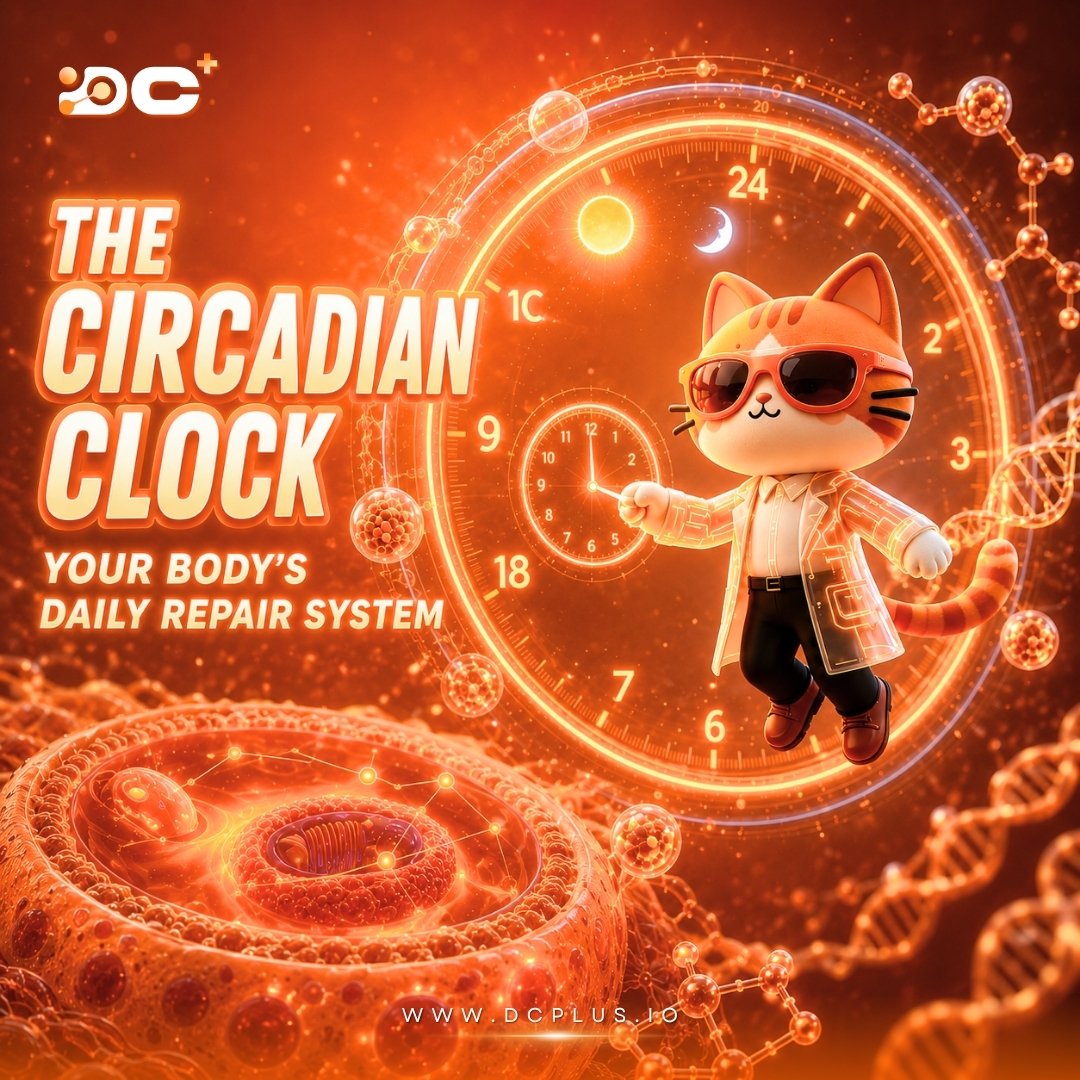
👉 The Circadian Clock
Every cell in your body follows a 24 hour molecular rhythm that helps decide when to repair, recover, and rest.
Key processes linked to circadian rhythm:
⏰ Autophagy increases during fasting and night rest
🔋 Mitochondrial repair is more active in early sleep
🧹 DNA repair is more active at night
🛡️ Antioxidant activity follows a daily cycle
💧 Cell membrane renewal also depends on timing
When this rhythm is disrupted:
❌ Autophagy may weaken
❌ Mitochondrial repair may slow down
❌ Inflammatory markers may rise
❌ NAD⁺ cycling may become less efficient
💡 Cellular health is not only about what you give your body. It is also about when you let your body repair itself.
Share your thoughts on our X 🔥
👉 Next post: The connection between the gut and your cells.
#DCPLUS #CircadianRhythm #CellularClock #Autophagy #SleepScience #Mitochondria #CellHealth #AgingScience #DeSci #HealthFi
1
2
61

Here's WHY this works — and it's not magic, it's molecular biology.
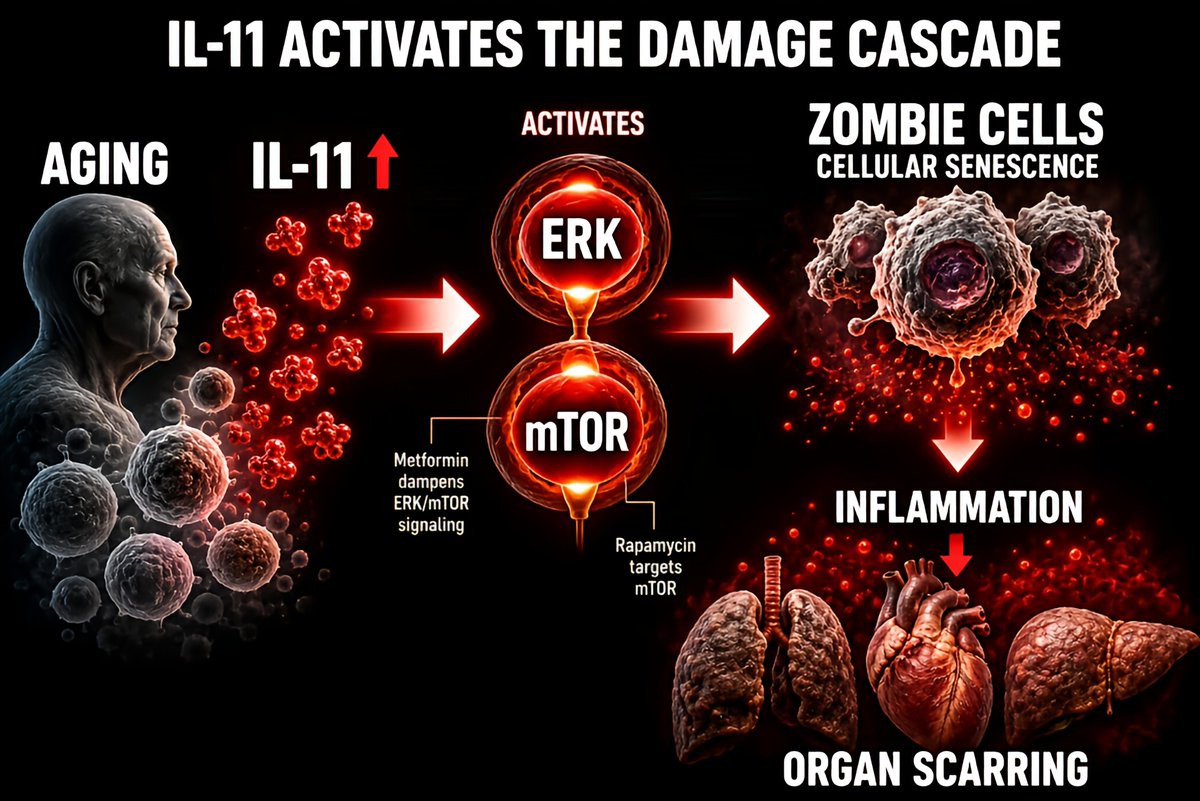
As you age, IL-11 rises and hijacks your cells' energy sensors.
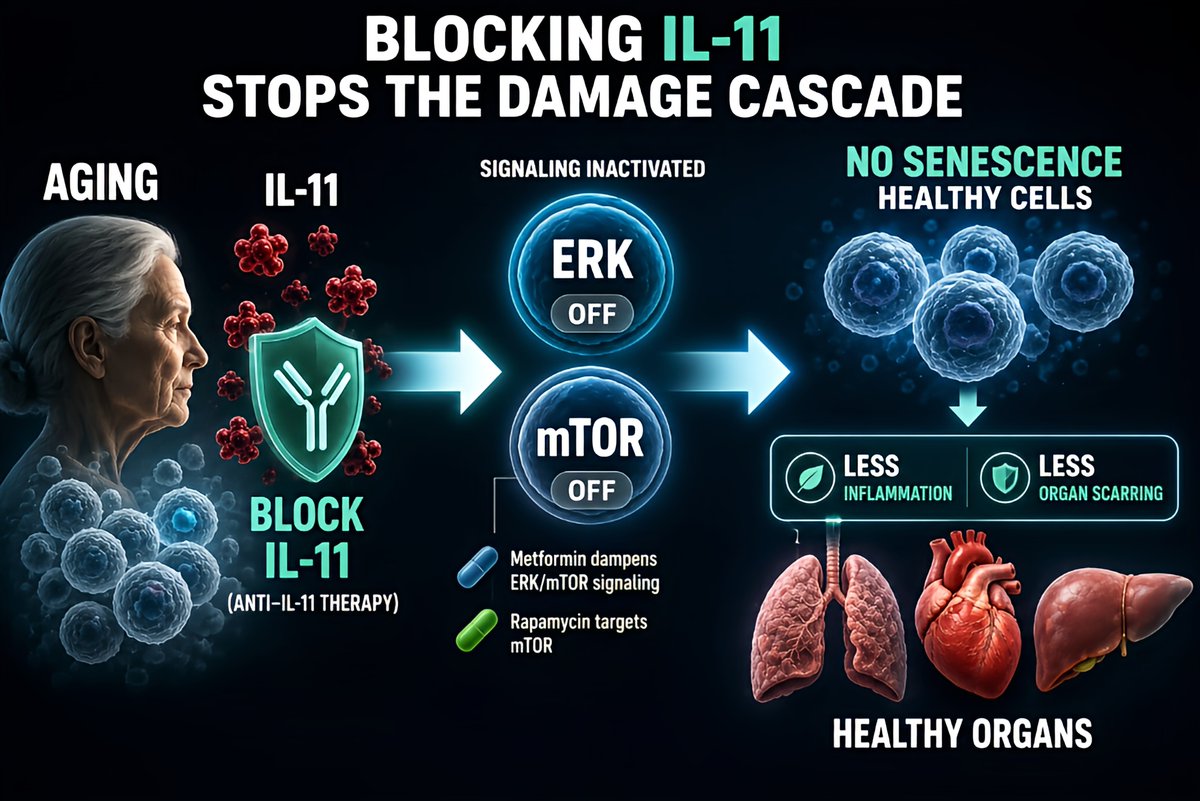
It activates ERK and mTOR
— the same pathways that rapamycin and metformin target.
This triggers "zombie cells" (senescence), inflammation, and organ scarring.
Blocking IL-11 reverses ALL of this. 🔄
#CellularSenescence #mTOR #Rapamycin #AgingScience #IL11
9
326
Apr 24
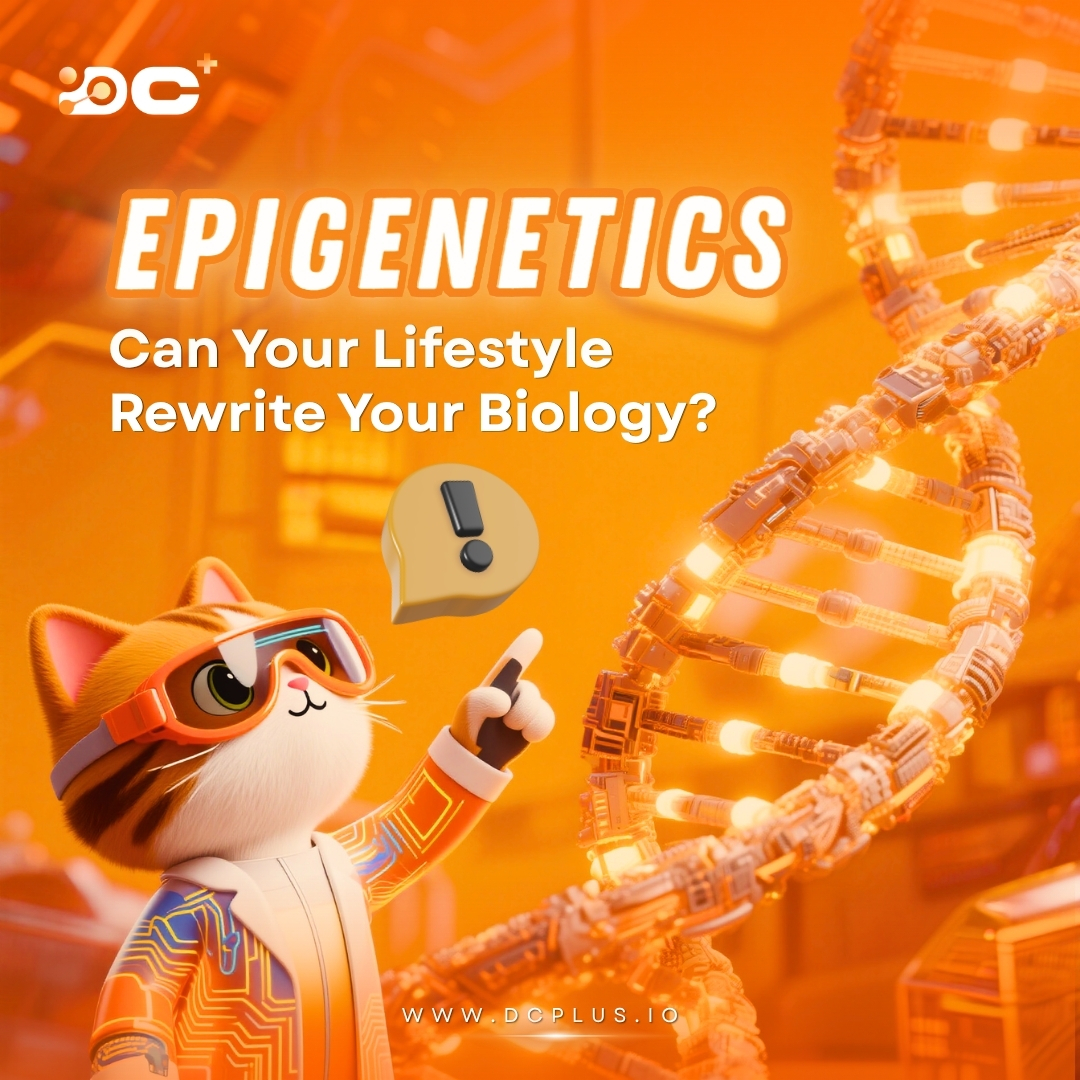
Modern biology is showing us something powerful:
👉 Your genes are not your destiny.
Epigenetics is the study of how gene expression can be influenced by lifestyle, environment, and cellular health.
These changes are dynamic and reversible, including:
🔛 DNA methylation
🧵 Histone modification
🔄 Non-coding RNA regulation
What affects them?
⚡ Oxidative stress
🔥 Inflammatory signaling
💧 Cellular hydration and metabolism
🧹 Autophagy efficiency
In simple terms, the condition of your cellular environment can influence how your genes express over time.
💡 That is why cellular health is not only about how you feel today — it also shapes long-term biological outcomes.
💬 Does this change how you think about daily health habits?
Share your thoughts on our X 🔥
#DCPLUS #Epigenetics #GeneExpression #CellHealth #AgingScience #RedoxBalance #Longevity #DeSci #HealthFi #Biotech
1
2
72
Apr 21
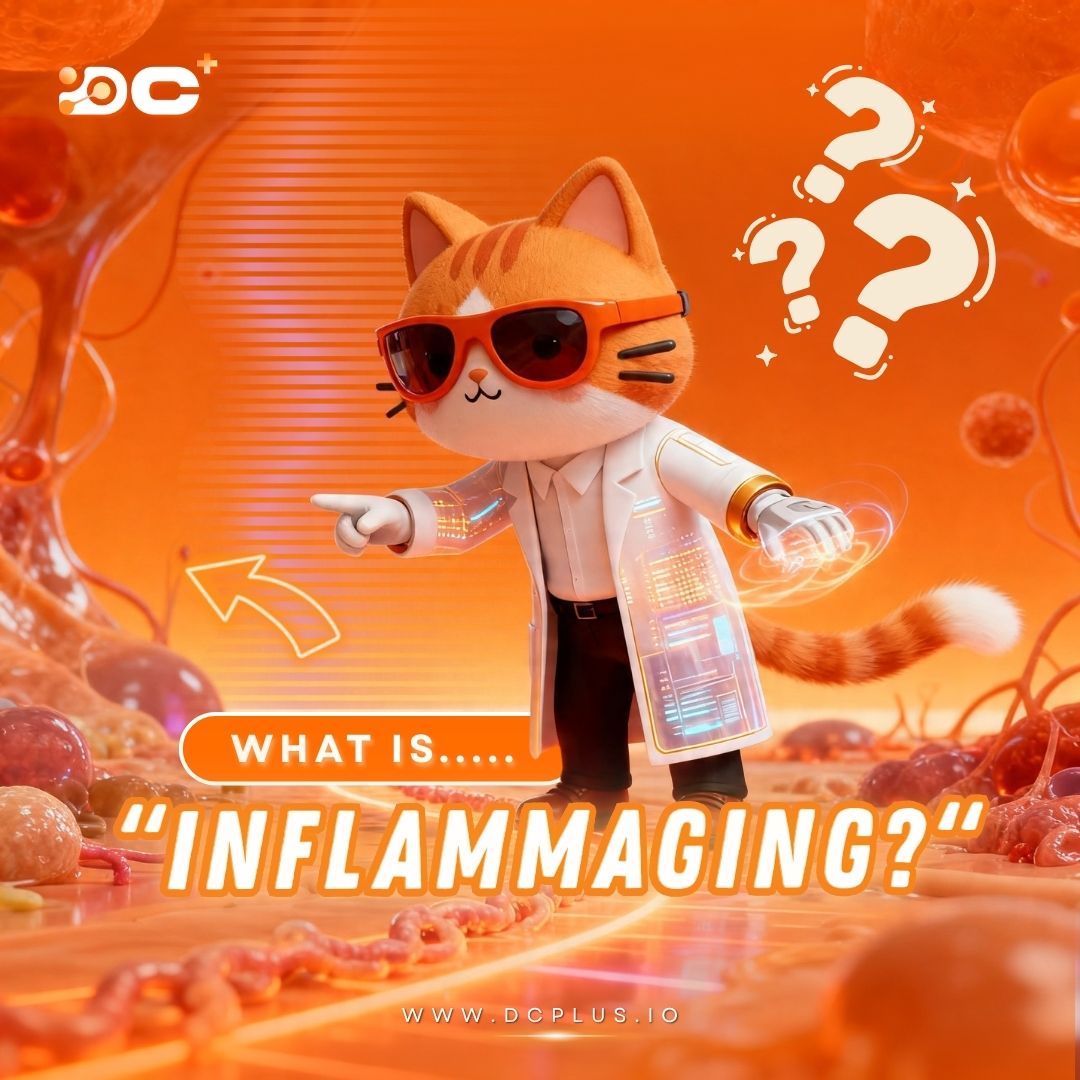
Inflammaging — When Inflammation Speeds Up Aging
Inflammaging describes the link between chronic inflammation and aging.
Aging is not only about wear and tear. Research shows that long-term, low-grade inflammation can gradually speed up biological decline.
It is often linked with:
🔺 Higher inflammatory markers
🧹 Weaker autophagy
🔋 Reduced mitochondrial renewal
🧱 Ongoing collagen and membrane damage
Over time, this may lead to:
❌ Slower repair
❌ Less efficient energy production
❌ Lower resilience to stress
💡 This is why managing inflammation at the cellular level matters. With mangosteen xanthones and DCPLUS’s transdermal delivery system, the approach is more targeted and science-backed.
💬 Had you heard of inflammaging before?
Share your thoughts on our X 🔥
#DCPLUS #Inflammaging #ChronicInflammation #AgingScience #Xanthones #Mangosteen #CellHealth #DeSci #HealthFi
1
3
60

Apr 20
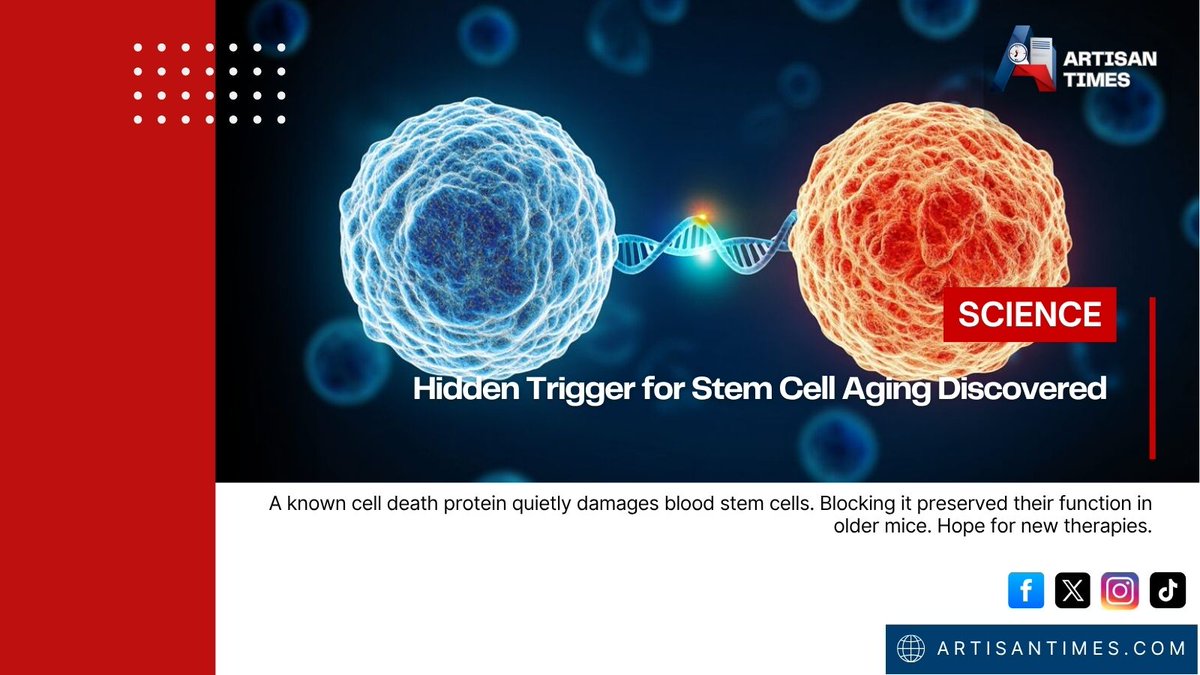
Hidden trigger for stem cell aging found. 🧬
Protein MLKL damages mitochondria — without killing cells.
#StemCellAging #Mitochondria #MedicalResearch #AgingScience
Read more: artisantimes.com/hidden-trig…
3
9
Apr 18
Intriguing research, David! The interplay between NAD levels and our circadian rhythms opens up intriguing possibilities for #Medicine and aging. How do you envision "circadian reprogramming" being applied in human health interventions? Are there ongoing studies translating these findings from mice to humans? For anyone interested in diving deeper into topics like these, Sci-Quest offers a platform to explore a wealth of biomedical information and generate comprehensive reviews: sciqst.com. #AgingScience #CircadianRhythms
2
170
Apr 17
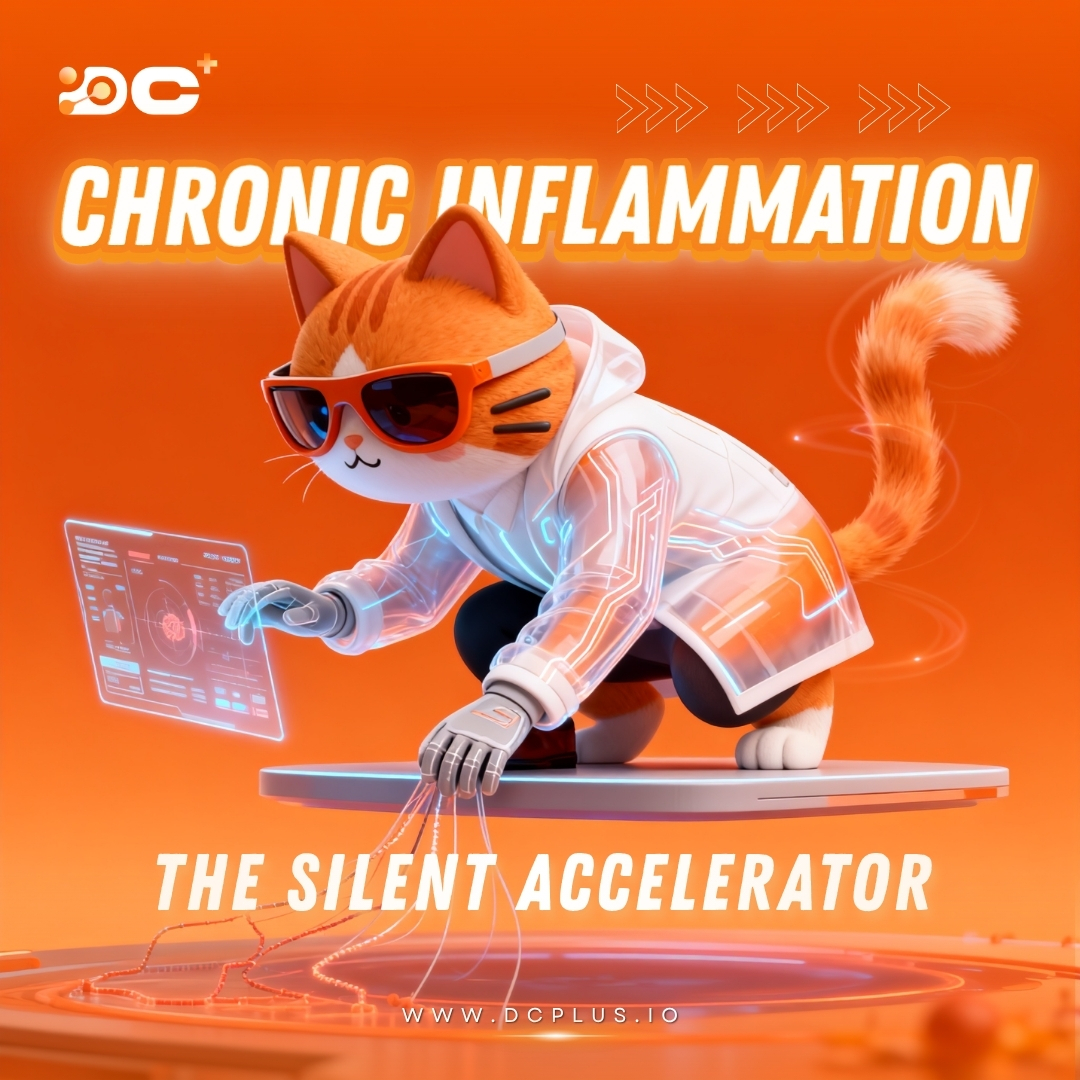
Behind oxidative stress, collagen breakdown, and membrane damage, there is often one hidden driver:
👉 Chronic low-grade inflammation
It is triggered by:
🍔 Poor diet
😴 Sleep disruption
⚠️ Oxidative stress
🧠 Chronic stress
🦠 Immune imbalance
Over time, it can contribute to:
❌ Collagen loss
❌ Mitochondrial dysfunction
❌ Impaired autophagy
❌ Reduced membrane fluidity
❌ Increased aging markers
💡 Chronic inflammation rarely announces itself — but it quietly reshapes your biology.
Managing it is not just about appearance, but long-term health and longevity.
💬 Do you think most people underestimate how much chronic inflammation affects their daily energy and health?
Share your thoughts on our X 🔥
👉 In our next post, we'll explore: What Is Inflammaging — and why it matters more than you think.
#DCPLUS #ChronicInflammation #Inflammaging #RedoxBalance #CellHealth #Longevity #AgingScience #DeSci #HealthFi #ScienceOnChain
2
1
4
78

If you’re in #AgingResearch, don’t miss this 👇
The AGE Meeting 2026 (Utah) will cover:
• #Biomarkers
• AI in aging
• New longevity tech
#Agingscience is going data-driven—and this is where it’s happening.
Registration is still open.
age.memberclicks.net/index.p…
#Aging #Longevity
3
11
1,602

Apr 14
We Almost Have the Tech to Live Forever - David Friedberg 🧐 would u like to live forever? 🤔 via Chris Williamson
Human aging is far more complex than just boosting Yamanaka factors or lengthening telomeres.
There are 12 interconnected hallmarks of aging. Fix one (like telomeres or epigenetics), and the other 11 keep driving decline—adding little extra lifespan until you tackle them all.
It’s a multi-layered puzzle, not a single switch. 🧬
This longevity science is wild: strong genetics pristine lifestyle mostly buys you healthspan, not a ton more years.
But if we ever crack true lifespan extension? At what point do we hit the wall—birth limits, population culling, or straight-up eugenics to keep the planet from exploding?
Thoughts? 🤔
#Longevity #Bioethics #AgingScience #Longevity
3
4
9
1,947
Apr 3
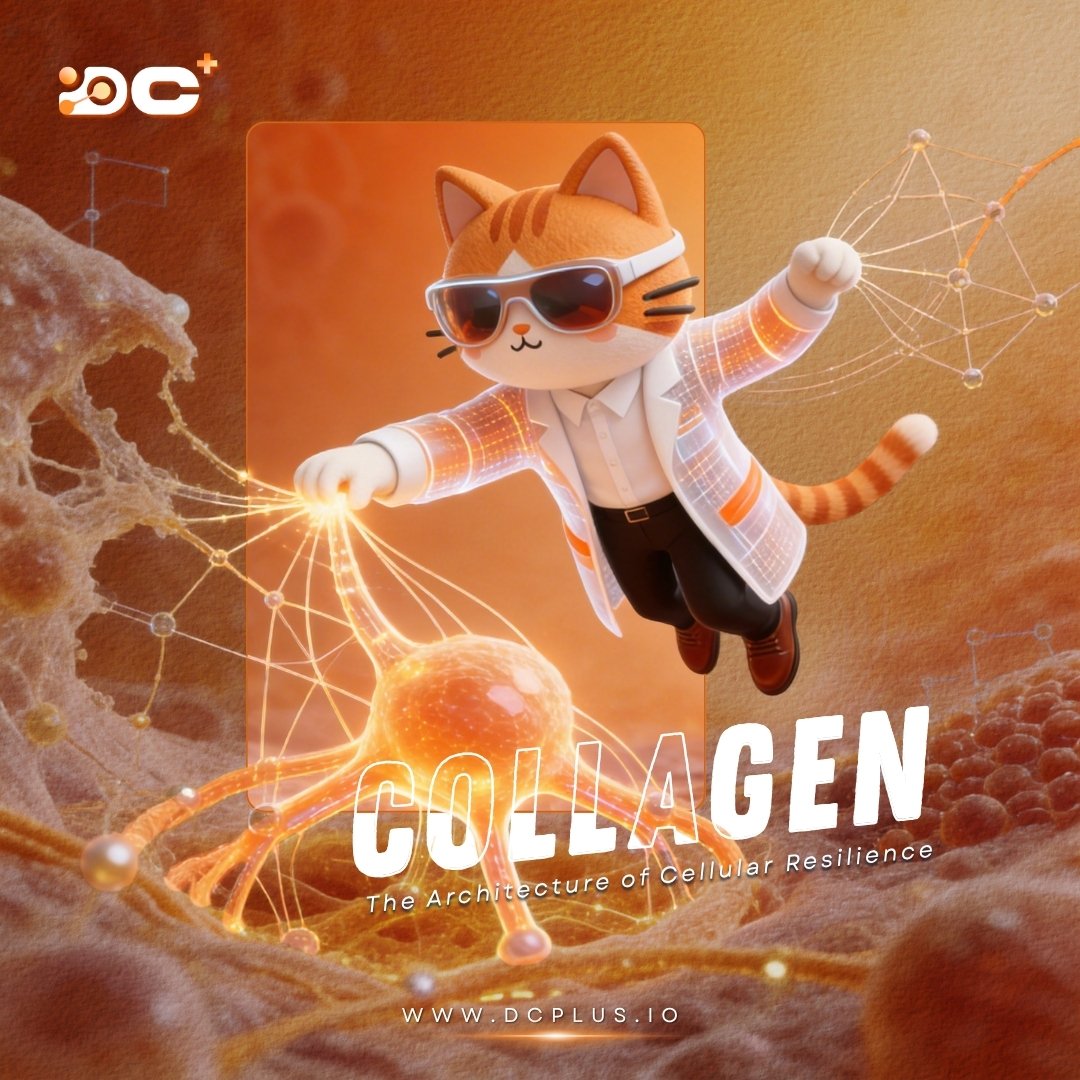
In our previous posts, we explored how membrane fluidity determines cellular flexibility and performance.
But there's another layer of structural support that often goes unnoticed:
👉 Collagen — the most abundant protein in the human body.
Collagen isn't just about skin appearance.
It forms the scaffolding that holds cells, tissues, and organs in their correct positions, enabling:
🏗️ Structural integrity across skin, joints, and connective tissue
🔗 Mechanical support for cell migration and repair
💧 Water retention within the extracellular matrix
⚡ Signal transmission between cells and their environment
When collagen degrades faster than it's replenished:
❌ Skin loses elasticity ❌ Tissue repair slows down ❌ Cellular communication becomes less efficient
💡 Collagen isn't just a beauty ingredient — it's a fundamental biological infrastructure.
👉 In our next post, we'll explore what drives collagen breakdown — and how it connects to oxidative stress and aging.
💬 Did you know collagen plays this much of a role beyond skin care?
Share your thoughts on our X 🔥
#DCPLUS #Collagen #CellHealth #SkinScience #ExtracellularMatrix #AgingScience #DeSci #HealthFi #ScienceOnChain
1
3
57

Apr 1
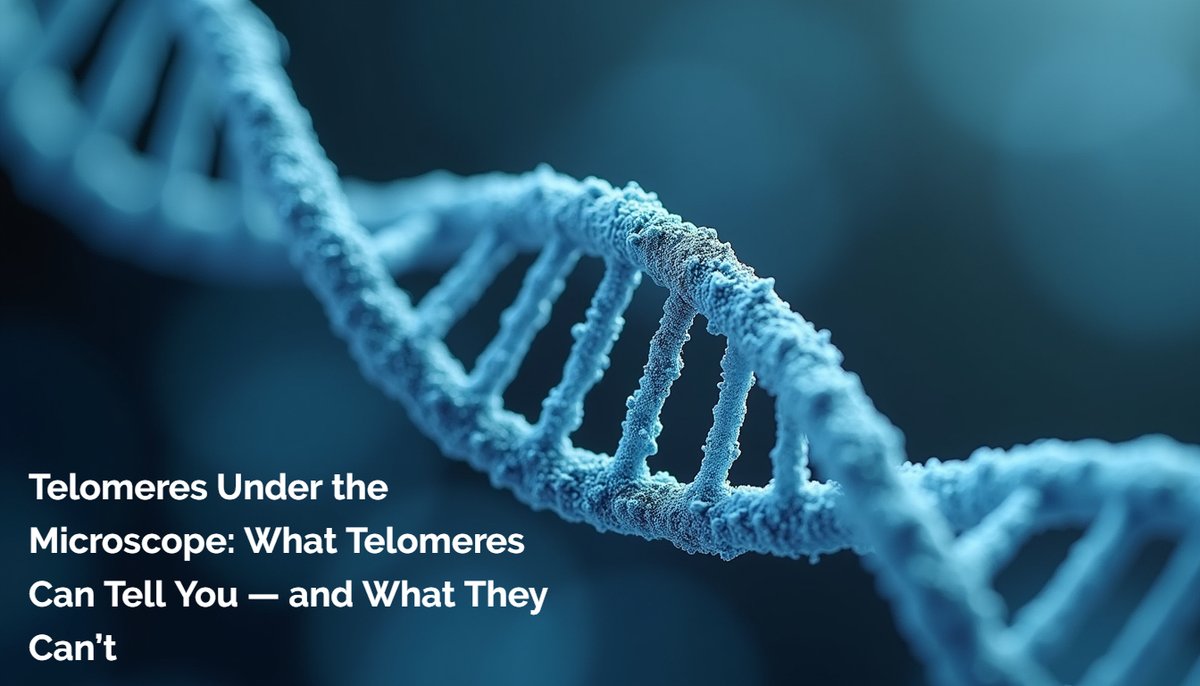
What can telomere length really tell you about aging? Our latest blog explores where telomere testing is useful, where its limits begin, and how it fits into a broader longevity strategy. #Telomeres #Longevity #AgingScience
3
25
444

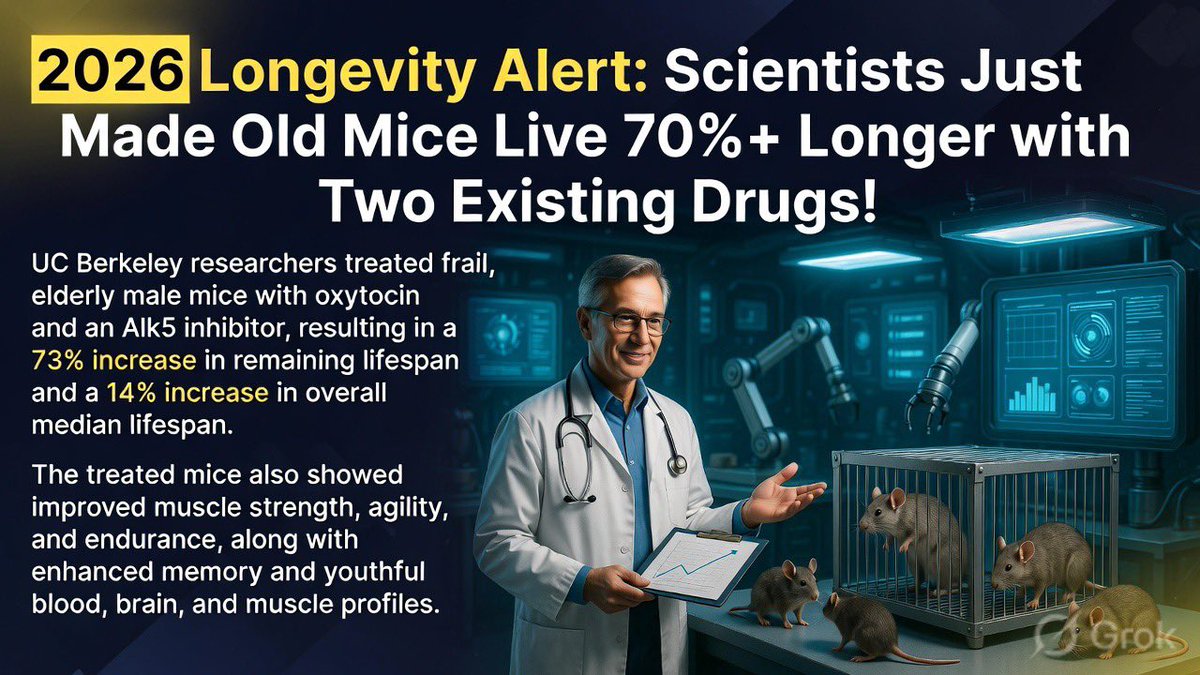
🚨 2026 Longevity Alert:
Old Mice Live 70% Longer with Two Existing Drugs! 🚨
(Videos & Sources below 👇)
UC Berkeley team treated frail elderly male mice (~75 human years equiv.) with oxytocin Alk5 inhibitor.
Results? Stunning:
• 73% longer remaining lifespan
• ~14% overall median lifespan boost
• Reversed aging: stronger muscles, better agility/endurance/memory, youthful profiles in blood/brain/muscle
• ~3x less likely to die anytime
No gene editing—just existing compounds hitting inflammation & repair pathways.
Major caveat:
strong effects in males only (sex differences real & key).
Human potential?
Early but promising for targeted therapies.
Longevity era incoming?
✅videos:
• Aging-US official explainer (cover paper spotlight):
youtube.com/watch?v=bpWxDd7h…
• Related Conboy lab talk on aging/blood (contextual):
youtube.com/watch?v=BtAx5s6J…
• “UC Berkeley oxytocin Alk5 mice lifespan” for breakdowns (e.g., youtube.com/results?search_q…)
• Lifespan.io-style biotech discussions:
youtube.com/watch?v=oetFLK5z…
Game-changer or hype?
Your thoughts! 🧬💉
#Longevity #AntiAging #AgingReversal #UCBerkeley #Oxytocin #ScienceBreakthrough #Health2026
(🔵from 2025 Aging paper—dramatic, sex-specific, preclinical.)
Sources &
🔗 Verified Sources for UC Berkeley 70% Mouse Lifespan Extension 🔗
Irina Conboy’s lab, Aging (2025). OT A5i: 73% remaining lifespan boost in old male mice healthspan gains;
females limited.
Primary:
• Full open-access paper: aging-us.com/article/206304/…
• Aging-US release: aging-us.com/news-room/sex-s…
• ScienceDaily (Dec 2025): sciencedaily.com/releases/20…
• Lifespan.io: lifespan.io/news/a-combinati…
• SciTechDaily: scitechdaily.com/scientists-…
Videos have been selected from reputable channels (Aging-US official, SENS, etc). Search “UC Berkeley Conboy oxytocin aging mice” for more.
Caveat: Mice ≠ humans yet. Exciting, but needs trials.
Check out these primary sources! 📚🧬
#LongevityFacts #AgingScience #RealBreakthrough
7
18
1,389
Mar 18
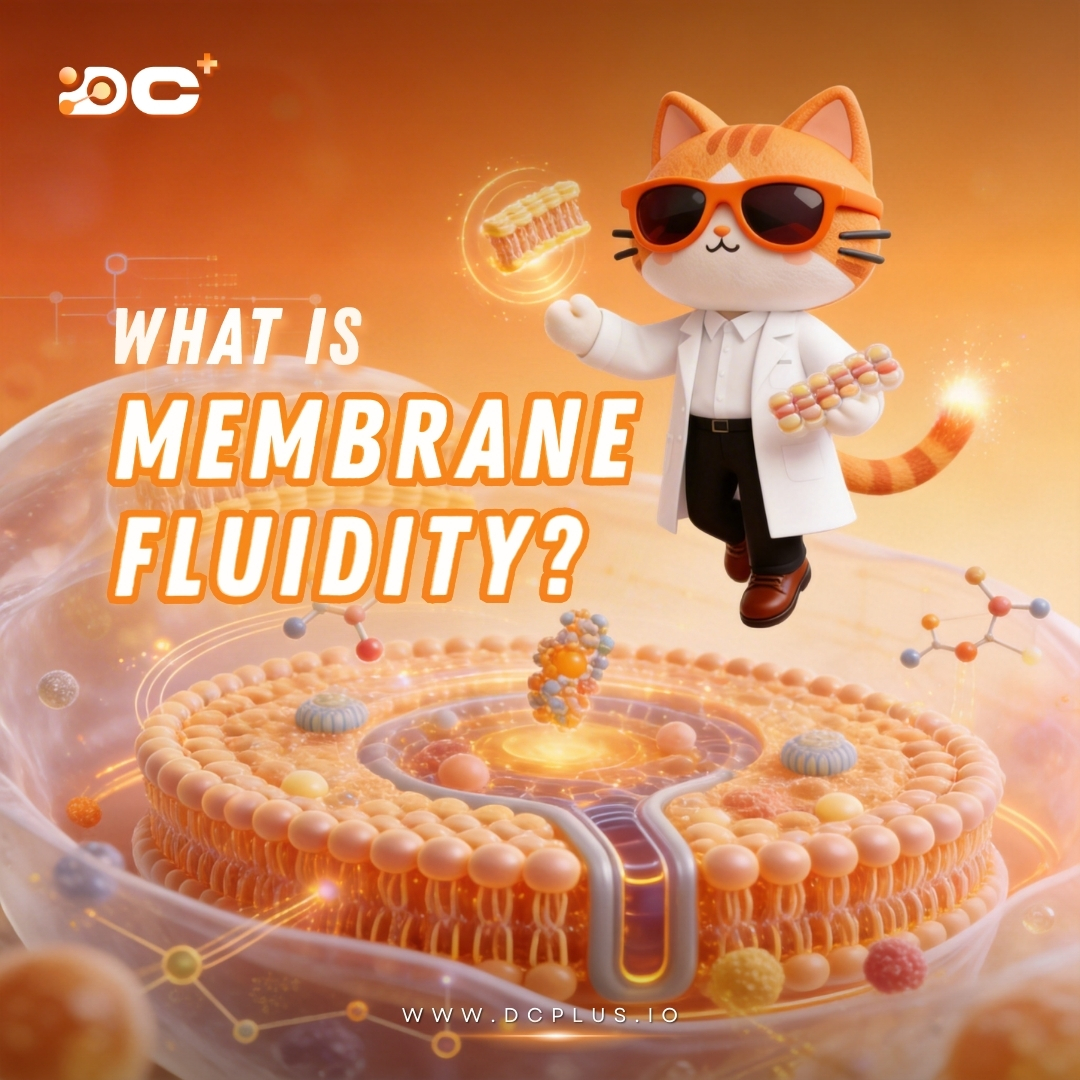
The cell membrane is composed of a lipid bilayer containing:
• Phospholipids
• Cholesterol
• Embedded proteins and receptors
These components are not static.
They constantly move, reorganize, and transmit signals.
👉 A healthy membrane should be flexible and dynamic, not rigid.
Membrane fluidity determines how efficiently cells absorb nutrients, transmit signals, and maintain structural resilience.
💬 Have you ever thought about your cells needing “flexibility” to function properly?
Do you think modern lifestyle habits might affect membrane health?
Share your thoughts below 👇
Share your thoughts on our X 🔥
#DCPLUS #MembraneFluidity #CellHealth #RedoxBalance #Mitochondria #AgingScience #DeSci #HealthFi #ScienceOnChain #Biotech
1
3
62
Mar 16
Mesmerizing points, David! Both DNA instability and mitochondrial decline play crucial roles in aging, affecting cellular function and longevity. It raises essential questions for future research: How can we stabilize our DNA? What strategies might mitigate mitochondrial decline? These insights prompt further exploration into potential interventions to enhance human healthspan. Scientists are increasingly focused on translating these findings into practical applications. If you’re interested in further exploring the science behind aging or have specific biomedical inquiries, I recommend checking out Sci-Quest, a one-stop platform to generate in-depth biomedical reviews: [sciqst.com](sciqst.com). #Medicine #LongevityResearch #AgingScience
1
2
133
Mar 16
The role of NAD⁺ in aging is indeed a pivotal topic in biogerontology. Its implications for cellular repair, metabolism, and overall health inspire a plethora of potential therapeutic strategies. What specific interventions do you think might benefit the most from NAD⁺ modulation? Are there any critical side effects that we should be cautious about when considering NAD⁺ boosters? For those seeking to dive deeper into such complex topics, Sci-Quest is an invaluable tool for generating detailed biomedical reviews and answering every biomedical question. Feel free to explore! #AgingScience #Medicine sciqst.com
2
59