
"#DISROOT Maintenance: June, 2026" #AltTech #FOSS #Ethical" 👀👏
#Odysee: odysee.com/@TehAnKorage:9/26…
#Rumble: rumble.com/v7axynu-disroot-m…
#YouTube: youtu.be/v5DJdMwiofM
SKål!
2

Jan 9
You still think Parler is the same company.
It is not.
New ownership.
New platform.
New technology.
Parler rebuilt the entire stack.
Cloud.
CDN.
Wallet.
Blockchain rails.
This is infrastructure and more.
Not a political app.
Own the rails.
#Parler #InvestInParler #DigitalInfrastructure #CreatorEconomy #Fintech #Web3 #AltTech

1
1
675

31 Dec 2025
TL;DR - The internet is fully centralized and no one can compete with a billion dollar user experience.
I have tweeted about this at length, and no one ever cares. I worked at a tech startup that attempted to compete with YouTube for about six years. It was almost entirely a waste of my time outside of the work experience I gained, and the things I learned about people in my current industry.
The fundamental problem is that the people are on YouTube. They have been on YouTube since 2007. There is a multi-billion dollar user experience on YouTube, and no one is leaving in any real serious numbers to go on a competitor's platform with a sub-million dollar user experience.
For a while, we paid creators a $25 CPM to get them to try and convert users.
It didn't work, mostly because we couldn't build a billion dollar user experience on a high six six figure annual development budget. It was just not sustainable for the development team who could be making far more cash simply contracting for larger and more profitable companies.
I firmly believe that anyone still doing this today without access to tens of millions of monthly users is simply wasting their time. The same people saying "Use Rumble/Odysee/BitChute" or whatever other AltTech platform are promptly opening the YouTube app right after their comment. The traffic numbers on alt tech platforms prove this.
Deeper down the rabbit hole, there's the problem of the internet being fully centralized now. All internet traffic is controlled by Google, Meta, X, Reddit, and PornHub at this stage. We no longer have the Internet of the early 2000s where individual webpages can thrive on their own merit. Websites need to be fed traffic from one of these major players or else discovery simply doesn't happen.
How they got us was branded social media pages and paid search. All of these platforms sold us on building permanent presences on their "social media" sites. They fed enough traffic for content websites like VICE and Buzzfeed to receive billion dollar valuations through 2016. Then they turned off the traffic faucet, effectively killing all external references.
Following that, once they gained almost complete control of the traffic, they inserted infinite scrolling short form content to maximize their own ad inventory and keep users on platform, and then essentially killed the rest of the internet and made themselves permanent universal content editors exempt from government control because of Section 230.
Thanks for coming to my Ted Talk, for the five of you that will read this.
31 Dec 2025

This has been said for over a decade at this point, but YT seriously needs a real competitor that isn't controlled by special interests and is a true neutral platform for free expression.
10
5
69
2,937
28 Nov 2025
You built your channel. Big Tech took it away in a day.
PlayTV gives you a home where your content stays live, your income stays yours, and your voice stays protected.
Move your audience to a platform that won’t pull the plug on you.
playtv.parler.com
#CreatorEconomy #ContentCreators #Deplatformed #PlayTV #Parler #FreeSpeech #AltTech #CreatorsFirst #IndependentCreators

1
4
8
1,153

29 Sep 2025
He’s not just climbing—he’s arriving.
Every peak, every stop, a new story unlocked.
WHODAT? Share only what you want, when you want.
🔗 eris.media/whodat
#whodat #digitalidentity #traveldiaries #wanderlust #glitchaesthetic #subculture #signal #whoareyou #alttech #foundnotlost #travelculture
3
2
85

22 Jul 2025
Why Content Creators Should Be Streaming if not Multi-streaming on Rumble 🎥🔥
Looking for a platform that supports free speech, offers better monetization, and doesn’t bury your content in algorithms? Rumble is where it’s at.
✅ Monetize faster – Earn from your first video
✅ Less censorship – Speak your truth without fear
✅ Growing audience – Millions are making the switch
✅ Cross-posting made easy – Sync with YouTube hassle-free
If you're tired of playing by Big Tech's rules, it's time to stream where your voice actually matters. 💬📈
#ContentCreator #LiveStreaming #Rumble #MonetizeYourVoice #AltTech
Click this link to join today or atleast secure your name: rumble.com/register/SaycredA…
22 Jul 2025

Every single creator on the planet should be tapping into Rumble Studio to grab revenue for their livestreams, regardless of what platform they stream to.
Mulit-stream for free and get ads to monetize.
That simple.
3
3
10
778

1 Jul 2025
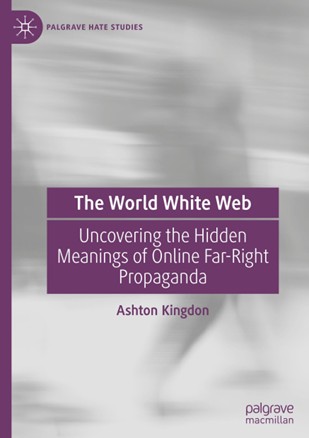
Buzzing to Attend the @BSCPortsmouth25 at @portsmouthuni I will be Doing the Author Meets Critic Session with the Academic Legend that is #NeilChakroborti As He Grills Me On My New Book - The World White Web and Presenting My Research on #AI #AltTech and #Southport 💃💃🎉🎉🎊🎊
2
5
11
768

20 Jun 2025
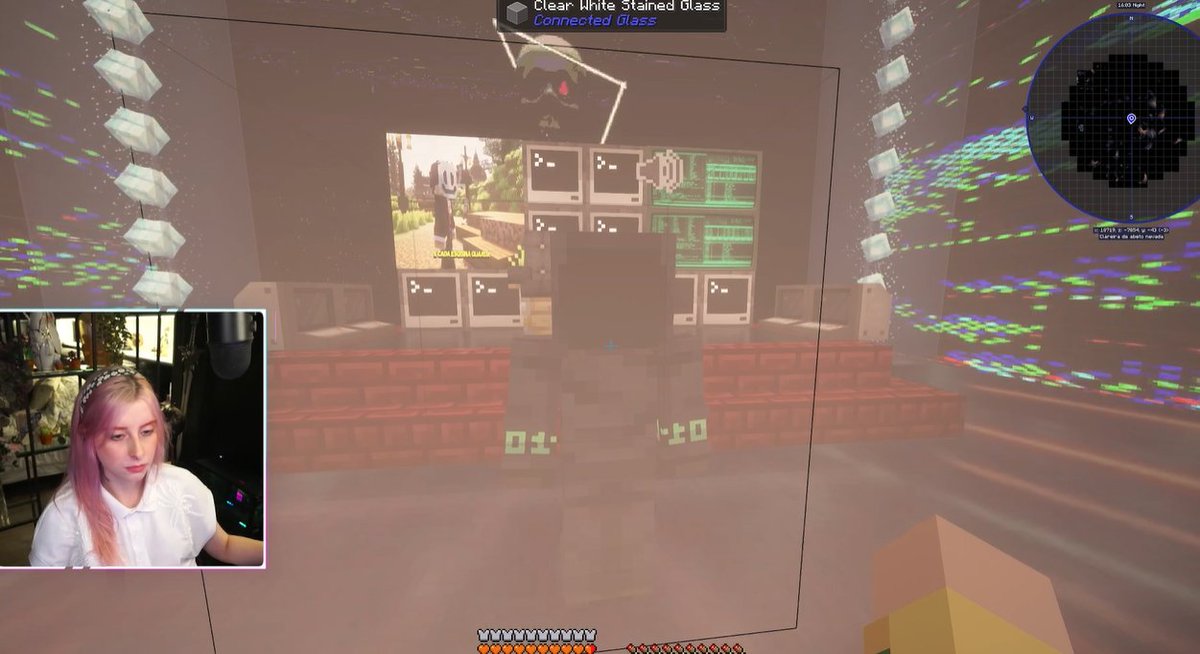
Hugão falo q já não ta mais de papo com o Leo, eles tinham um trato dele dar acesso pro Leo nas coisas da altTech em troca de proteção contra o Marcos...
#arkanis
9
527
7 Jun 2025
If You are Interested in the Role that #AI Played in the #Southport Riots Check Out This Online Event Which Will Present Results of our Joint Project Led by #BeatrizLopesBuarque, I Will be Talking Specifically about #AltTech #Decentralisation and #GenAI 👇eventbrite.co.uk/e/ai-and-th…
1
3
1,381

9 May 2025
We've been updating our website all week, and we are currently upgrading our video encoding server to a bigger server that processes videos faster. We are hoping that this change fixes our recent problems with video playback.
#getoncorder #FreeSpeech #alttech
1
2
24

19 Apr 2025
Here is the @YouTube version of my new video where I explain why Rumble, FTJ Media, & Corder are the future. If you like what you see, feel free to subscribe, like, comment, & share!
#rumble #ftjmedia #corder #alttech #freespeech #YouTube
youtu.be/aFJsk7-D920
1
1
36

10 Apr 2025
Boycotting US tech after Trump’s tariffs? 🇺🇸💥🇪🇺
If you’re looking to reduce reliance on US software like Google or Bing, here are 4 European search engine alternatives worth checking out — for privacy, sustainability, or sovereignty. 👇
#Privacy #TechSovereignty #AltTech
1
1
2
56

3 Apr 2025
Always use a privacy-respecting search engine.
Most default engines track you—privacy-focused ones don’t.
#SearchPrivacy #AltTech #NoTracking

5
2
16
1,044
25 Mar 2025
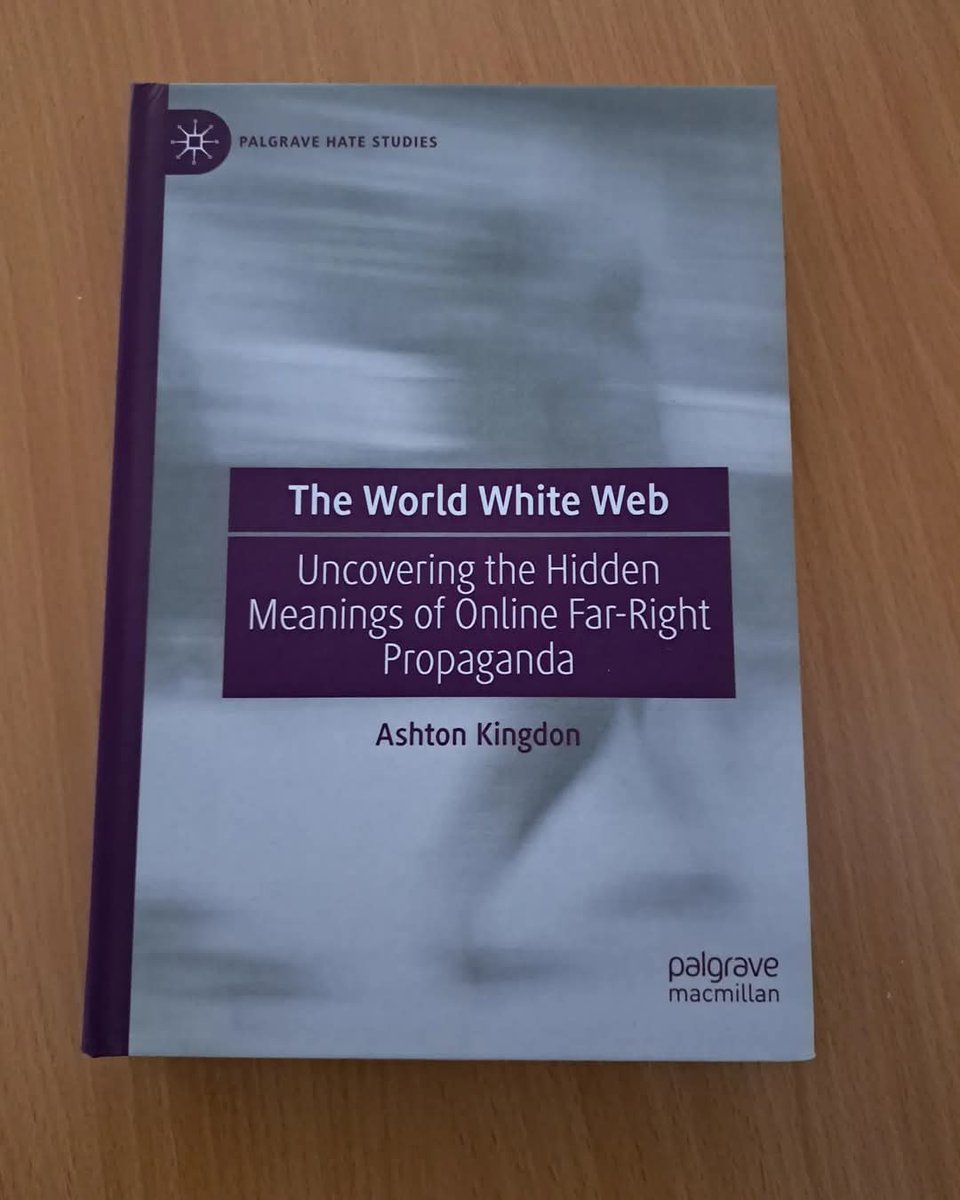
Excited to Be Doing the Author Meets Critics Session at this Year's British Society of Criminology Conference ❤️ Discussing My New Book The World White Web 🤓 and Also Presenting My Work on the Far Right's Response to the #SouthportAttack on #AltTech Platforms
1
12
313

24 Dec 2024
🎄✨ This holiday season, keep your digital world as safe as your home. Check out our latest blog for 5 crucial tips to ensure optimal computer security. Stay protected and enjoy peace of mind! 🔒 [hubs.li/Q030yLRj0] #AltTech #CyberSecurity #HolidaySafety #TechTips

23
29 Nov 2024
Here is the @rumblevideo version of my new video discussing how @UGETube and @Xephula are closing down soon. If you like what you see, feel free to subscribe, like, comment, and share!
#ugetube #xephula #Closure #alttech #news #rumble
rumble.com/v5ub6jt-ugetube-a…
1
2
70

2 Oct 2024
Darkmoon75 Plays TMNT Shredder's Revenge - 01
#darkmoon75 #TMNT #gaming #alttech #getoncorder
corder.tv/video/.6i7s
1
43
18 Aug 2024
Government Admits Donald Trump Innocent of Insurrection - @brettkeaneshow
#DonaldTrump #government #brettkeane #alttech #FreeSpeech #getoncorder
corder.tv/video/.6ij9
1
2
36

Unsere Autorin Karolin Schwarz @raeuberhose beschreibt in ihrem Artikel Radikalisierungsdynamiken in digitalen Parallelräumen von #AltTech-Plattformen bis Telegram - und welche Folgen sie für die Gesellschaft haben. /2
1
3
159