
40 SUBREDDITS THAT WILL MAKE YOU SMARTER
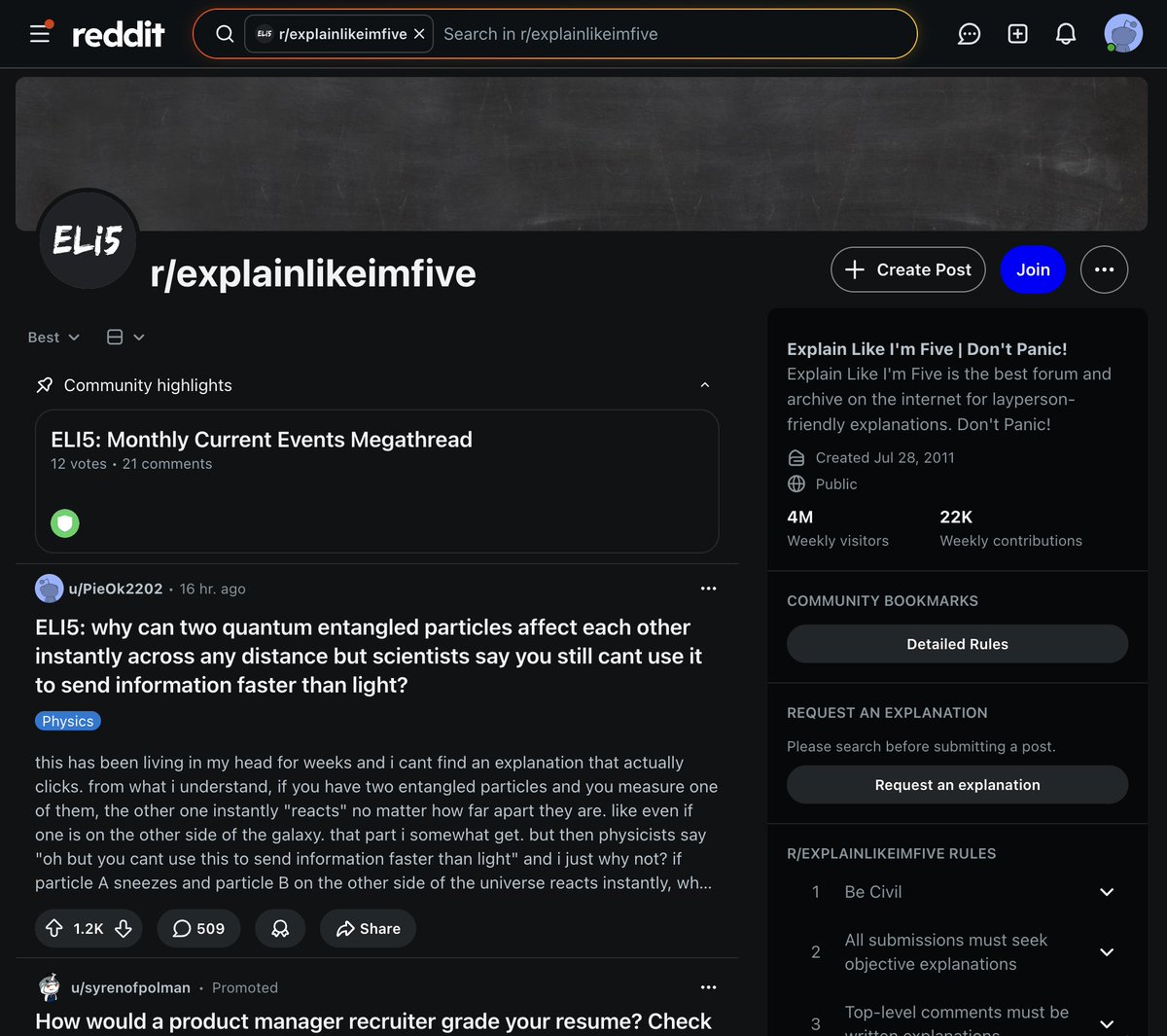
1. r/ExplainLikeImFive — complex ideas made simple
2. r/YouShouldKnow — tips most people miss
3. r/InternetIsBeautiful — hidden gems online
4. r/TodayILearned — random facts that stick
5. r/AskScience — real scientists answer you
6. r/AskHistorians — history with actual sources
7. r/PersonalFinance — manage money like an adult
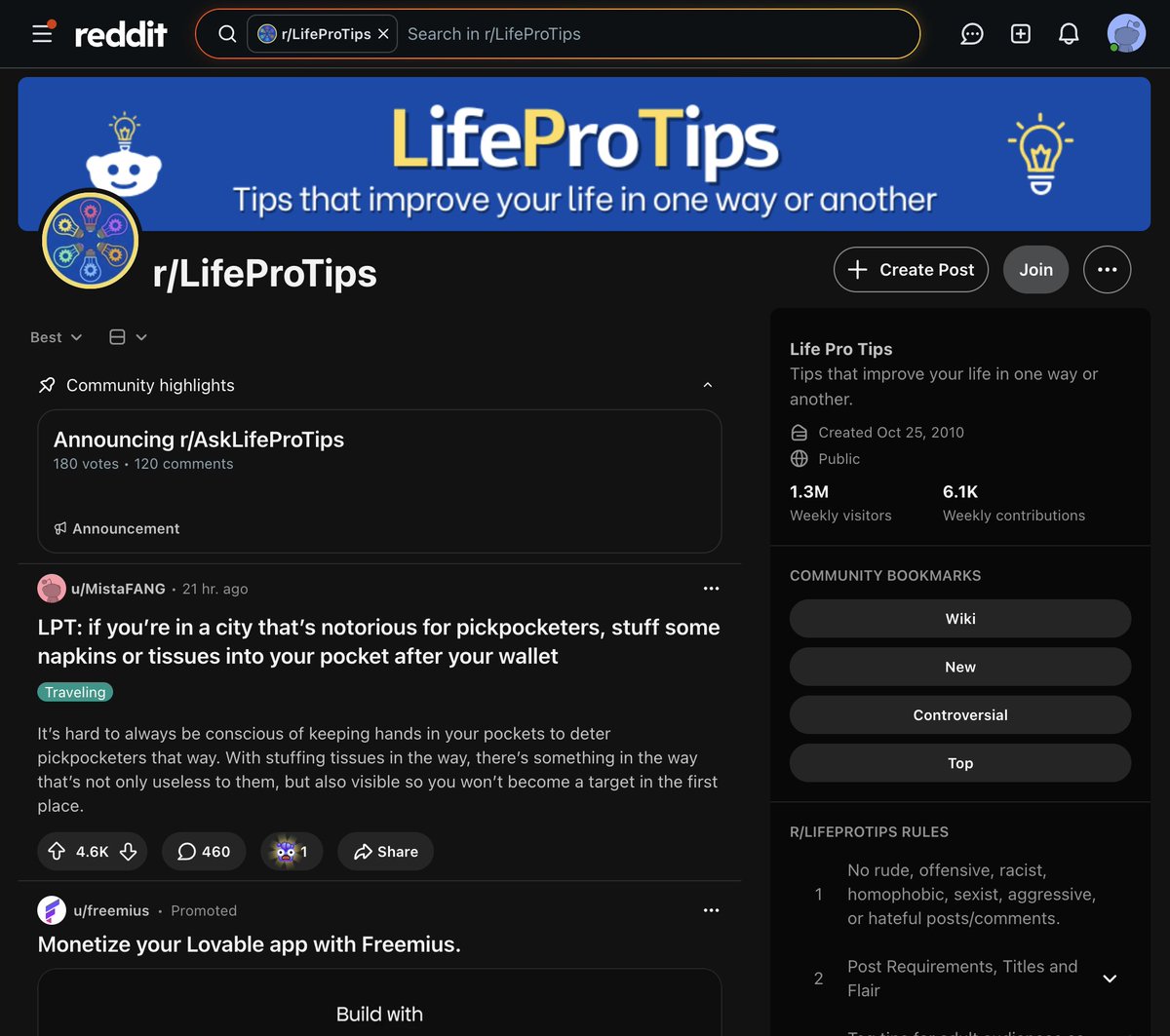
8. r/LifeProTips — small hacks big impact
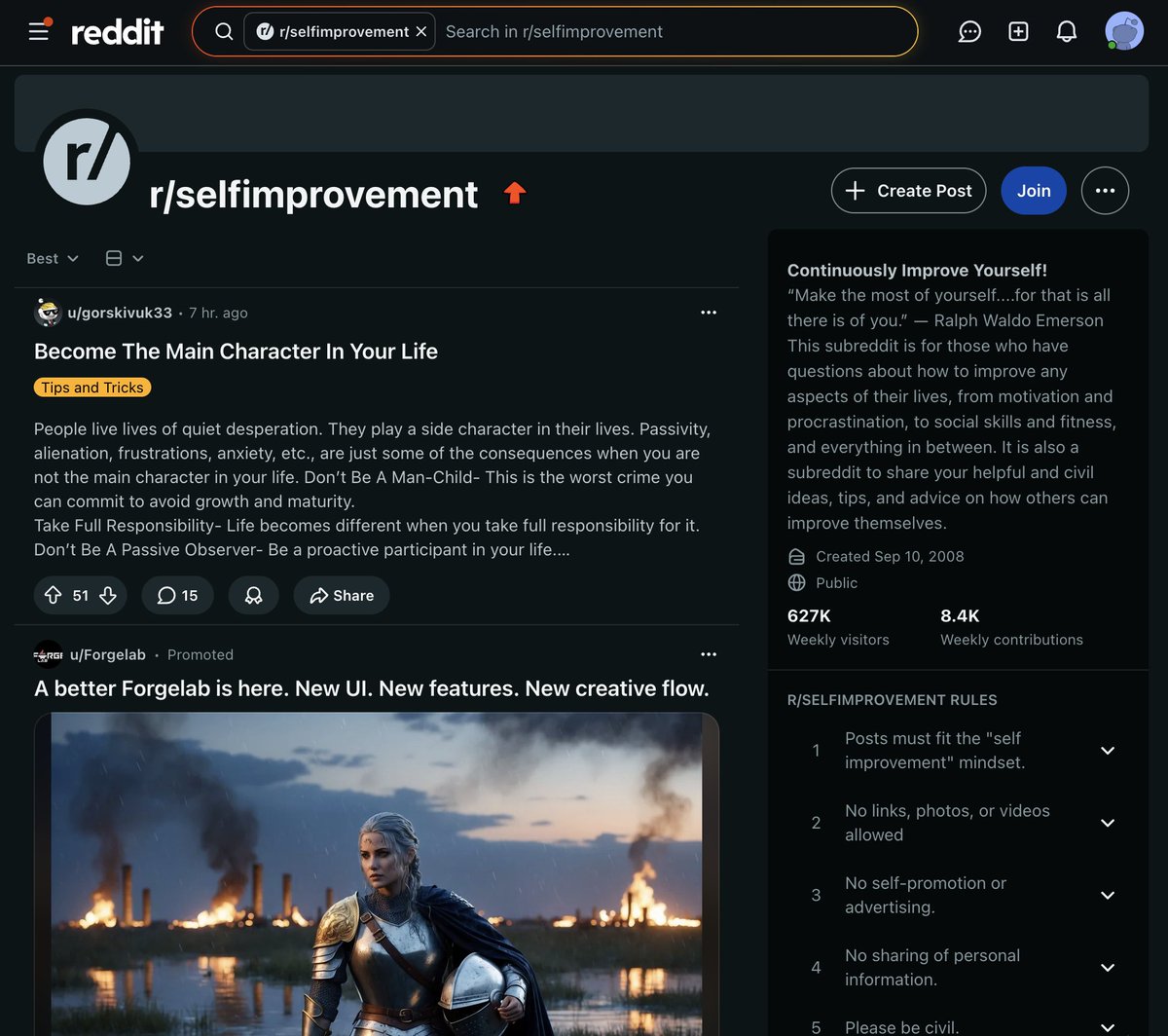
9. r/SelfImprovement — become a better version
10. r/Productivity — systems that actually work
11. r/LearnProgramming — code from scratch free
12. r/DataIsBeautiful — data visualized perfectly
13. r/Space — universe updates daily
14. r/Philosophy — think deeper about everything
15. r/Psychology — understand how minds work
16. r/NeutralPolitics — politics without the bias
17. r/ChangeMyView — challenge your own beliefs
18. r/NoStupidQuestions — ask anything judgment free
19. r/OutOfTheLoop — catch up on anything fast
20. r/FutureStudies — what the world looks like next
21. r/Entrepreneur — build something from nothing
22. r/StockMarket — learn markets from real traders
23. r/CoolGuides — infographics that teach fast
24. r/SkillsUp — learn new skills weekly
25. r/Documentaries — free documentaries daily
26. r/UniversityofReddit — free courses by redditors
27. r/Writing — improve your writing daily
28. r/GetStudying — study smarter not harder
29. r/Nutrition — food science without the myths
30. r/EverythingScience — science news simplified
31. r/DepthHub — best long form comments on Reddit
32. r/LocalLLaMA — run AI models on your machine
33. r/ChatGPT — AI tips tricks and prompts
34. r/MachineLearning — latest AI research drops
35. r/ArtificialIntelligence — AI news and discussions
36. r/StableDiffusion — AI image generation tips
37. r/ClaudeAI — best Claude prompts and tricks
38. r/Singularity — future of AI and humanity
39. r/AITools — discover new AI tools daily
40. r/PromptEngineering — write better AI prompts
Reddit gets a bad rep.
These 40 communities don't deserve it.

16
21
107
22,079

Apr 23
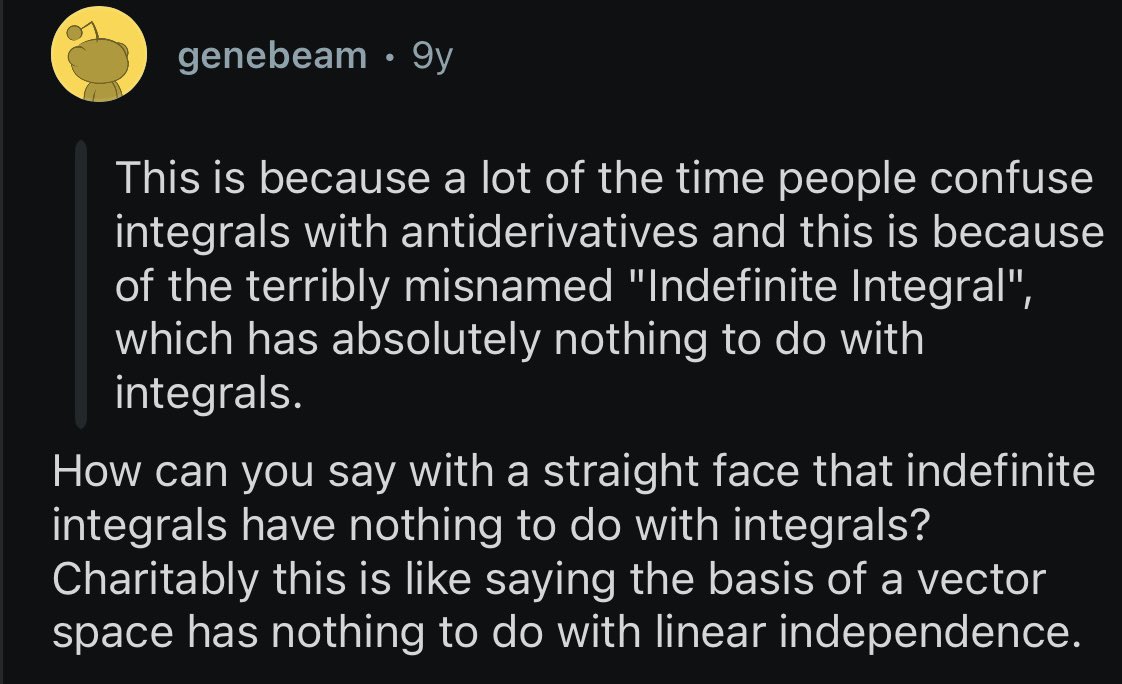
Sometimes I go on r/askscience and look for the arguments they have on there
6
324

Nah, the askscience subreddit is strict. This one is straight righteous.
6
322

AskScience AMA Series: I am a medicinal chemist and pharmaceutical scientist at the University of Florida who is an expert on Kratom, which is currently under investigation as treatment for opioid withdrawal syndrome. AMA!
Interesting question and answer about kratom from 5 years ago with Christopher McCurdy.
reddit.com/r/askscience/comm…
2
5
12
457

Mar 26
ヤフー知恵袋の時代は終わり これからはreddit
イーストって、あの袋の中でどうやって生き残ってるんだろう? : r/askscience share.google/4AG68VuN6hVKafS…
6
162


15 Nov 2025
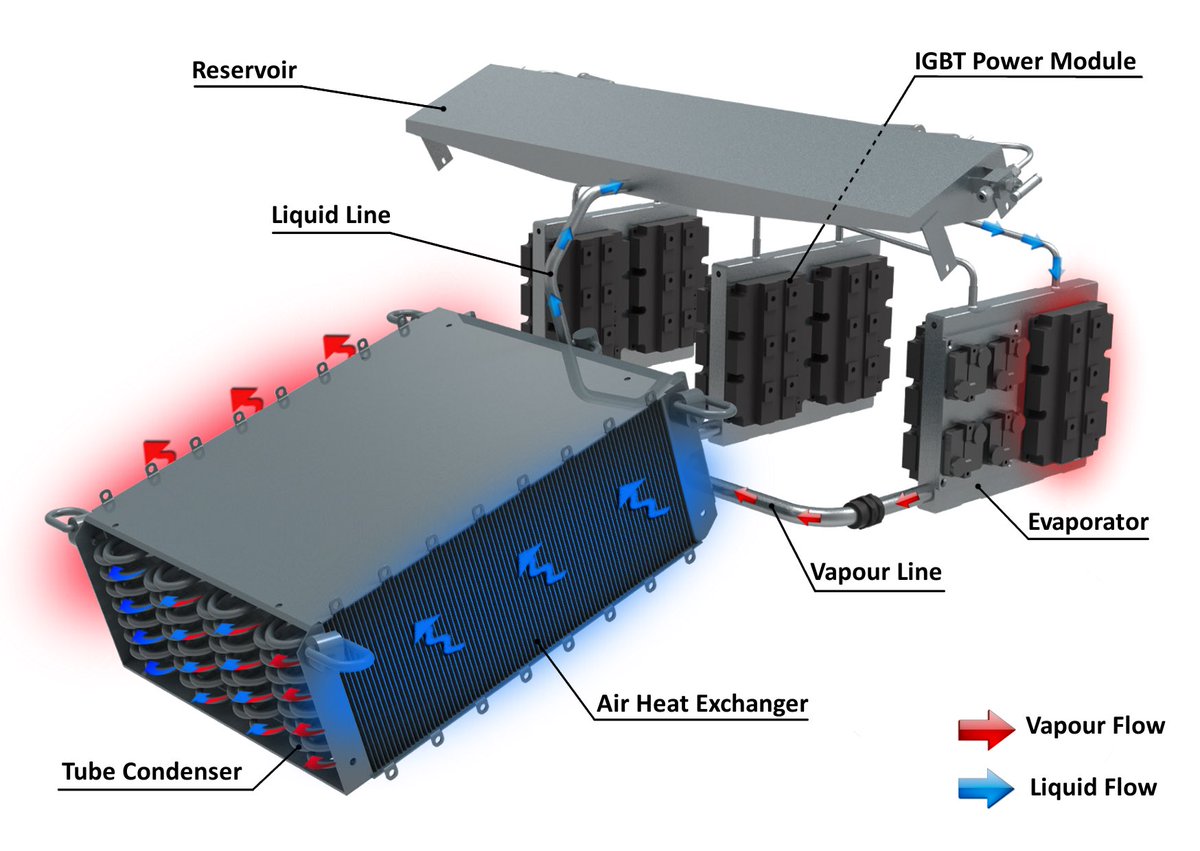
It’s super easy in space Satellite cooling uses passive methods like specialized surface coatings and radiators to manage heat, while active systems such as fluid loops, cryocoolers, and thermoelectric coolers handle more demanding cooling needs. By radiating heat into space, using radiators and shading, and manipulating surface properties, satellites can maintain the stable temperatures required for their sensitive components to operate.
You can watch this video to learn how satellites are cooled in space:

47s


Emergence
YouTube • Jan 22, 2024
Passive cooling
•Surface coatings: Paint colors and specialized surfaces are used to either absorb or reflect heat. For example, a satellite might have a white, reflective coating on its sun-facing side and a black, heat-radiating coating on the dark side.
•Radiators: These are like large heat sinks that point towards empty space to radiate heat away from the satellite.
•Multi-layer insulation (MLI): This is a layered material that acts like a thermos, reflecting heat and minimizing heat exchange with the surrounding environment.
Active cooling
•Fluid loops: A liquid coolant circulates through the satellite, absorbing heat from hot components and transferring it to radiators where it can be dissipated into space.
•Thermoelectric coolers (TECs): These are small, solid-state devices that use the Peltier effect to provide localized cooling by using an electric current to move heat from one side of the device to another.
•Cryocoolers: These are miniature refrigeration systems used to cool components to extremely low temperatures, often required for infrared telescopes.
•Phase change materials: These materials absorb large amounts of heat energy when they change phase (e.g., from solid to liquid), making them useful for managing sudden heat spikes.
•Electrical heaters: While not a cooling method, heaters are often used in conjunction with cooling systems to prevent components from getting too cold, especially during a satellite's "night" cycle in orbit.
How are electronics cooled in space? : r/askscience - Reddit
Jul 11, 2017 — This normally means surface coatings, radiators, thermal pipes, phase change materials and multi-layer insulation. * Surface coatings can be as simp...

Reddit

Cooling a satellite
Dec 1, 2014 — Satellites use radiative cooling to maintain thermal equilibrium at a desired temperature. The specifics of the satellite's orbit around Earth determ...

Physics Stack Exchange

How are satellites cooled? : r/askscience - Reddit
Jul 27, 2013 — That's a more complicated subject of spacecraft with unusual cooling needs, like infrared telescopes such as Herschel or JWST. The most common desig...

Reddit

Why does the electronics in satellites require heating and cooling ...
Jul 10, 2020 — Now let's take the misconceptions one at a time - there are approximately four of them in the question. ... The fast answer, no! Space isn't cold, i...

Quora
Chapter 11: Onboard Systems - NASA Science
Jan 16, 2025 — Active cooling systems, such as refrigeration, are generally not practical on interplanetary spacecraft. Instead, painting, shading, and other techn...

NASA Science (.gov)

Thermal Control Coatings: A Necessary Component For Satellites
Apr 17, 2023 — NASA uses a variety of paints for its satellites, depending on the mission requirements. White paints are commonly used for thermal control, as they...

Valence Surface Technologies

Thermal Management in Space and Aerospace Applications
Mar 26, 2025 — Factors such as material selection, surface area, geometry, and airflow patterns
most current LEO satellite designs focus on making their surfaces highly heat-reflective so as to passively cool the satellite unit
1
11
1,085

10 Nov 2025
#bajo27027
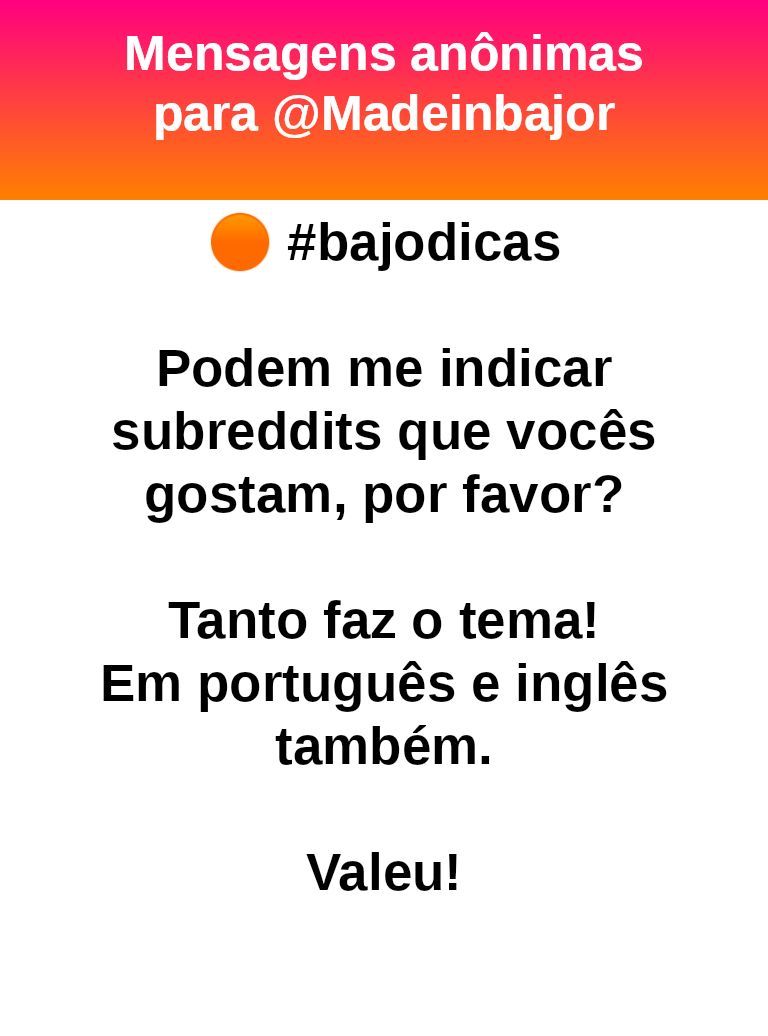
🟠 #bajodicas
Aqui uns dos meus favoritos;
r/AdulteryHate
r/AITAH
r/AmltheAsshole
r/amiwrong
r/announcements
r/askscience
r/BestofRedditorUpdates
r/ChoosingBeggars
3
10
1,867

1 Nov 2025
you should ask this in reddit maybe r/AskScience or r/weather or r/meteorology...you will get much diverse answer but first state that your post is a non-weather post in a weather subreddit if not then people might not answer correctly or maybe downvote you to hell.
3
2
307


17 Sep 2025
宣传产品,为什么首选Reddit?
被Google收录快、AI大模型信息来源占比Top1
Reddit子版块推荐全列表(以下为比较火的子版块):
1️⃣人工智能 / 工程技术:
r/MachineLearning、r/LocalLLaMA、r/ChatGPT、r/StableDiffusion、r/dataengineering、r/learnprogramming
2️⃣ 增长 / 营销:
r/SaaS、r/SEO、r/GenEngineOptimization、r/Entrepreneur、r/startups、r/marketing、r/saas
3️⃣高价值通用知识
r/ExplainLikeImFive、r/AskScience、r/AskHistorians(规则严格但引用价值极高)、r/AskAcademia、r/PersonalFinance
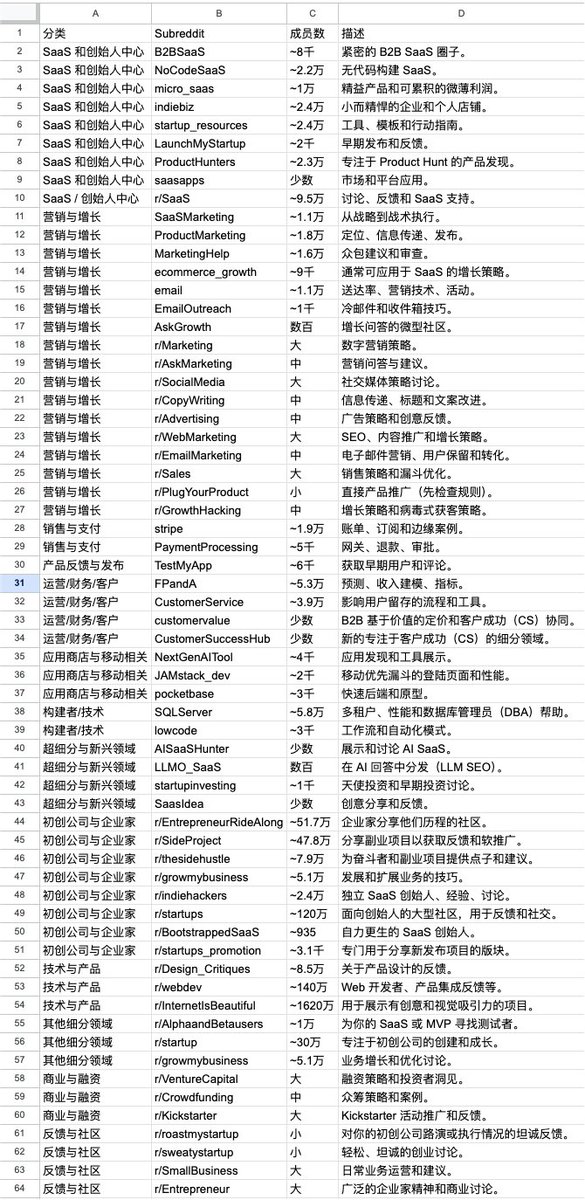
Reddit子版块精选列表,不太容易被ban的:
- 分类
- 订阅者数量
- 描述

5
2
19
1,904


25 Aug 2025
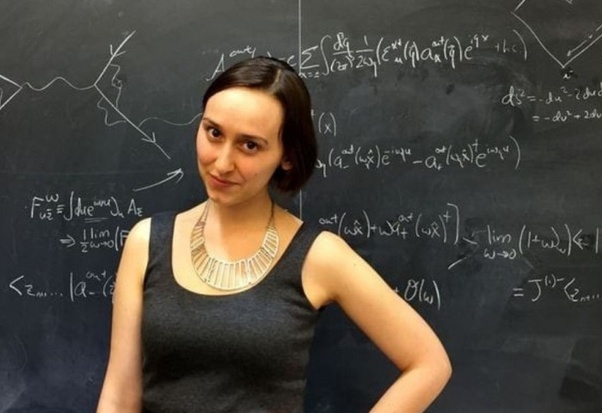
Fun Fact: Meet Sabrina Gonzalez Pasterski
Sabrina Gonzalez Pasterski, born in Chicago in 1993, is a Cuban-American theoretical physicist who’s already made groundbreaking contributions to high-energy physics. She graduated from MIT with a perfect 5.0 GPA, earned her PhD at Harvard, and became a postdoctoral fellow at Princeton before joining the Perimeter Institute.
Pasterski co-discovered the spin memory effect, completed the Pasterski–Strominger–Zhiboedov Triangle, and was even cited by Stephen Hawking in 2016. Forbes named her to its “30 Under 30” Science list, and she later became an “All Star.” She’s also received offers from NASA and Blue Origin.
Today, she leads the Celestial Holography Initiative, cementing her place as one of the most exciting young physicists of her generation.
References:
[1] Pantheon. Profile: Sabrina Gonzalez Pasterski. pantheon.world/profile/perso…
[2] Wikipedia. Sabrina Gonzalez Pasterski. en.wikipedia.org/wiki/Sabrin…
[3] Perimeter Institute. Faculty: Sabrina Pasterski. perimeterinstitute.ca/people…
[4] Illinois Math & Science Academy. Notable Alumni: Sabrina Gonzalez Pasterski. imsa.edu/admissions/notable-…
[5] Wikipedia. Gravitational Memory Effect. en.wikipedia.org/wiki/Gravit…
[6] HandWiki. Pasterski–Strominger–Zhiboedov Triangle. handwiki.org/wiki/Physics:Pa…
[7] Wikipedia. Pasterski–Strominger–Zhiboedov Triangle. en.wikipedia.org/wiki/Paster…
[8] Pasterski, Strominger & Zhiboedov. ArXiv Preprint (2015). arxiv.org/pdf/1505.00716.pdf
[9] Snopes. Fact Check: Sabrina Gonzalez Pasterski ‘Physics Girl’. snopes.com/fact-check/sabrin…
[10] Alchetron. Sabrina Gonzalez Pasterski. alchetron.com/Sabrina-Gonzal…
[11] Time. MIT Grad Sabrina Gonzalez Pasterski. time.com/5303545/sabrina-gon…
[12] Steemit. Did You Know: Sabrina Gonzalez Pasterski. steemit.com/woman/@wijdame/d…
[13] Wikiwand. Sabrina Gonzalez Pasterski. wikiwand.com/en/articles/Sab…
[14] YouTube. Sabrina Gonzalez Pasterski – Airplane Project. youtube.com/watch?v=16ErUMQc…
[15] PhysicsGirl.com. Sabrina Gonzalez Pasterski. physicsgirl.com/1.pdf
[16] Hertz Foundation. Sabrina Pasterski. hertzfoundation.org/person/s…
[17] SD2.org. Sabrina Gonzalez Pasterski: “Next Einstein in the Making.” sd2.org/sabrina-gonzalez-pas…
[18] Helena.org. Member Profile: Sabrina Gonzalez Pasterski. helena.org/members/sabrina-g…
[19] HandWiki. Biography: Sabrina Gonzalez Pasterski. handwiki.org/wiki/Biography:…
[20] Pasterski et al. ArXiv Preprint (2015). arxiv.org/abs/1502.06120
[21] Kiddle. Sabrina Gonzalez Pasterski. kids.kiddle.co/Sabrina_Gonza…
[22] Quanta Magazine. Gravitational Waves and Memory Effect. quantamagazine.org/gravitati…
[23] CiberCuba. Sabrina Gonzalez Pasterski: “Einstein Cubana.” en.cibercuba.com/noticias/20…
[24] NSTEM.org. How One Latina Impacted the STEM World. nstem.org/2021/10/how-one-la…
[25] LinkedIn Pulse. Sabrina Gonzalez Pasterski: Next Einstein? linkedin.com/pulse/sabrina-g…
[26] Capitol Tech. Sabrina Gonzalez Pasterski: Young Woman Dubbed Next Einstein. captechu.edu/blog/sabrina-go…
[27] EAA. Sabrina Pasterski – Airplane Build. chapters.eaa.org/eaa172/-/me…
[28] WHYY. Meet Sabrina Gonzalez Pasterski. whyy.org/episodes/sabrina-go…
[29] YouTube. Sabrina Gonzalez Pasterski Interview. youtube.com/watch?v=blVmHo_8…
[30] Reddit. AskScience: Pasterski–Strominger–Zhiboedov Triangle. reddit.com/r/askscience/comm…
[31] OwlConnected. Meet Sabrina Pasterski: Future Physics. owlconnected.com/archives/me…
10
35
775


19 Aug 2025
Wild thought! Some cosmologists explore "CPT‑symmetric" models where a mirror universe is born at the Big Bang and runs backwards in time. TikTok physics memes show spilled coffee played in reverse, and r/AskScience threads debate how entropy would work in a time‑reversed cosmos.
2
489
19 Aug 2025
Superheating happens when water is heated above its boiling point without nucleation sites to start bubbling – that's why people on TikTok joke about throwing a wooden spoon in to 'kick off' boiling. Reddit's r/AskScience has a thread where people share tales of water exploding from microwaves and advice to always use a stirring stick.
3
334

It appears the redditors did the math on this (at least somewhere in the thread):
Do giraffes get struck by lightning more often than other animals? : r/askscience share.google/5slU1raan18uKF9…
1
3
42

29 Jul 2025
De los que sigo y te super recomiendo con
askreddit
askscience
creepy
doesanybodyelse
explainlikeimfive
foodhacks
fringe science
interestingasfuck
iwanttolearn
paranormal
psychonaut
science
todayIlearned
wanttobelieve
wordoftheday
youshouldknow
newsoftheworld
1
17
754

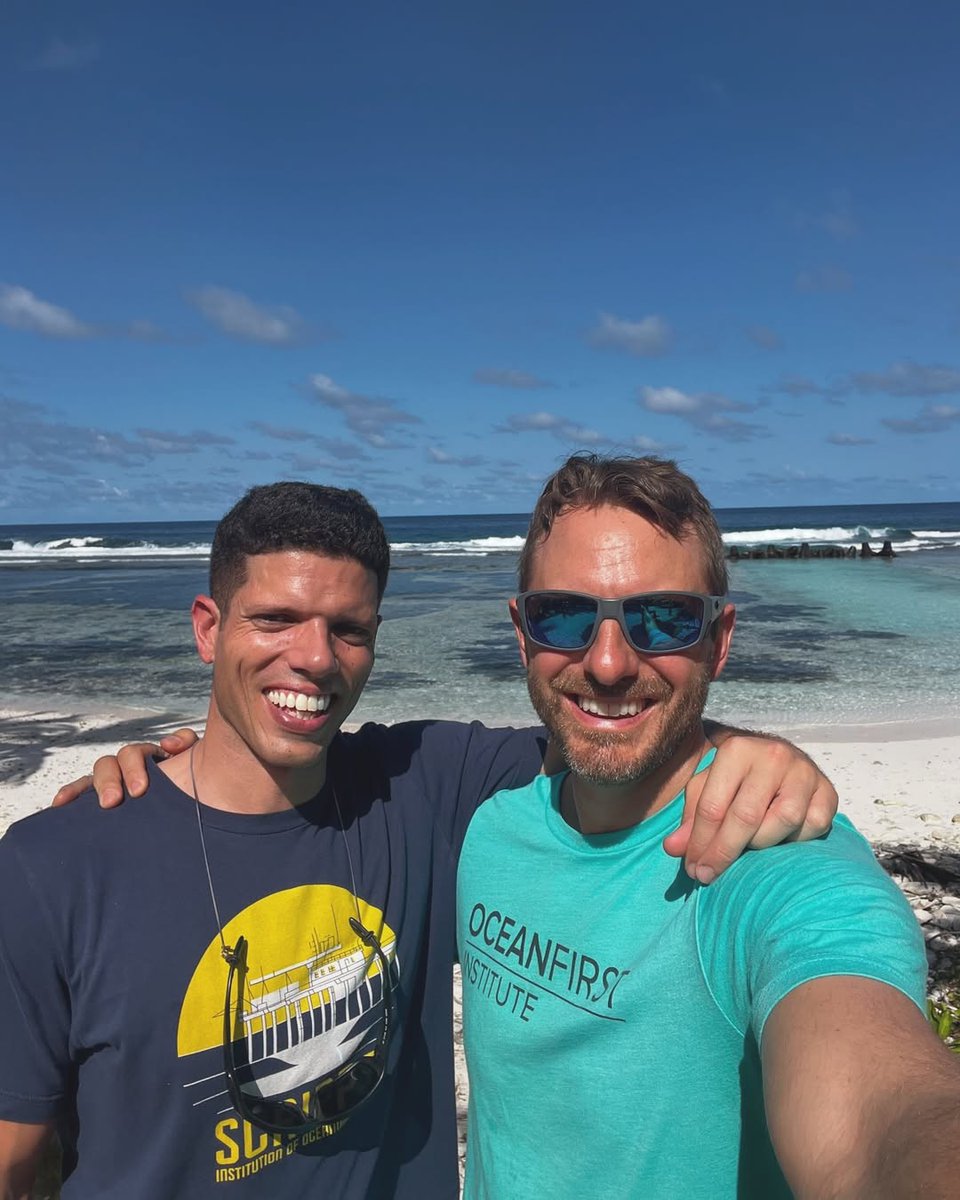
🦈❓You've got #shark questions, and these shark experts have answers!
Join Scripps Oceanography postdoc Brendan Talwar & @OceanFirstInst's Chris Malinowski to learn about shark behavior, conservation strategies & more in this r/askscience AMA: bit.ly/44LyCgW
#SharkWeek
5
644

20 Jul 2025
Common pattern on the AskScience subreddit: someone asks a neuroscientific query (e.g., "what's going on in my brain when I suddenly remember something I'd forgotten?"), and the top-voted answer is psychological (e.g., "a stored engram is activated by associative spreading").
2
4
134