
Turned Claude Desktop into a full autonomous coworker today. File ops, research, content, scheduled tasks, even spawning sub-agents. The real win is how little steering it needs once the context and skills are locked in. Build the system right once. It compounds. That's the difference between operators and spectators.
#AgentSystems #ExecutionDiscipline #AugmentedIntelligence
12

Jun 11
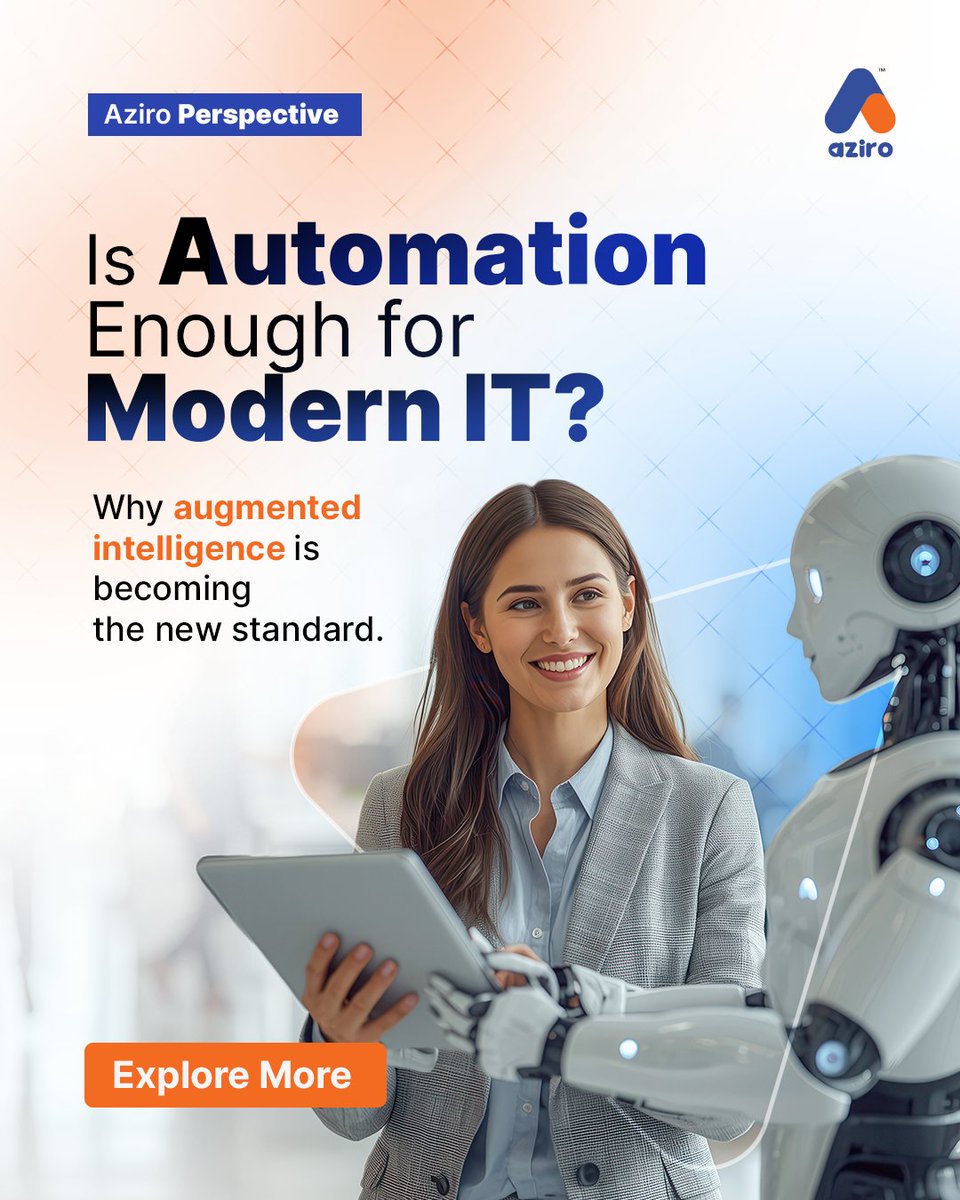
The next shift is augmented intelligence, where AI surfaces insights, predicts risks, and recommends actions, while engineers apply context and judgment to drive the right outcomes.
Explore more: aziro.com/en/blog/beyond-aut…
#AziroPerspective #AugmentedIntelligence #AIinIT
2

Jun 10
AI augmentation for surgeons, lawyers, and teachers. Enhancing human capabilities, not replacing them. Real-time insights, personalized learning, and faster analysis. #AIinMedicine #LegalTech #EdTech #FutureofWork #AugmentedIntelligence #Innovation #AIforGood #TechTrends
5
206

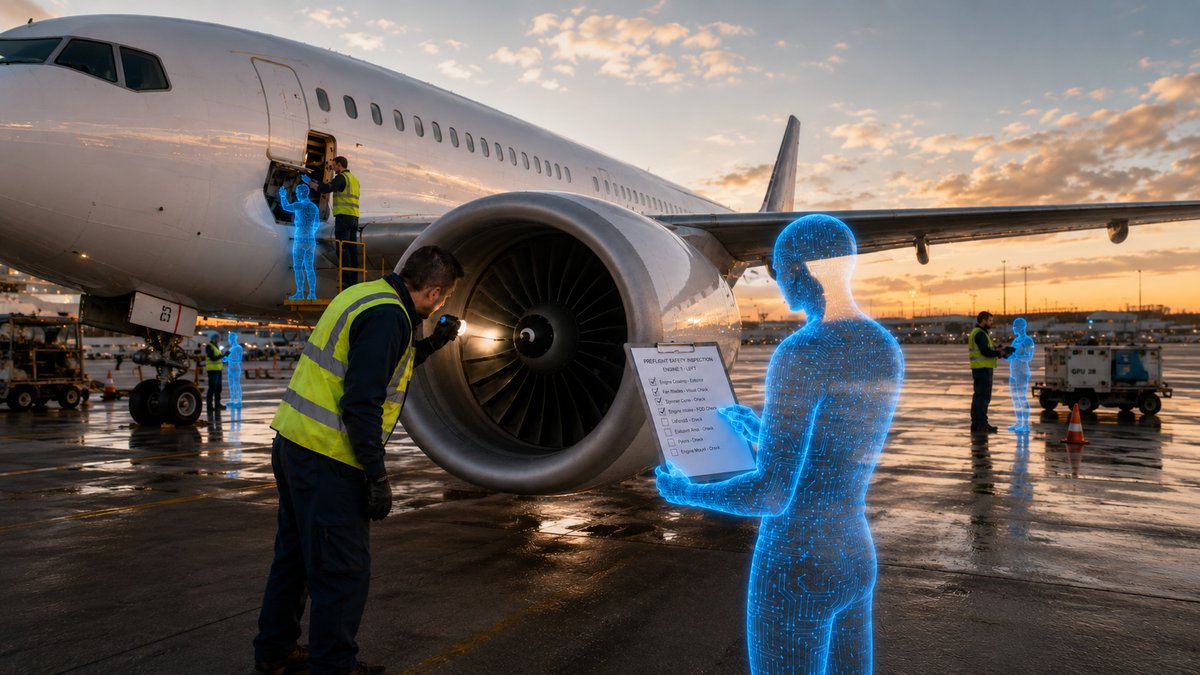
Successful AI pilots engineer human review loops, not just bolt them on.
Define who reviews AI output, at what threshold, and how corrections are logged before launch.
Discover how human review loops empower AI initiatives. davincisolutions.ai/insights…
#AIAutomation #TrustInAI #ContinuousImprovement #AugmentedIntelligence #DavinciAISolutions
3
The 2026 AI agent paradigm has shifted — and it matters more than you think.
Single-loop ReAct agents are done. The field has moved to graph-based orchestration: LangGraph checkpoints, supervisor-worker hierarchies, persistent state, human-in-the-loop gates.
The gap between winners and has-beens has never been narrower — it's not about which model you use. It's about who has the discipline to build proper observability, memory architecture, and failure modes before the system touches production.
Veterans know this: you don't trust the tool. You trust the system that holds the tool accountable.
The frameworks are getting better every week. But frameworks amplify your architecture — they don't replace it. Build the system that survives when your 19-year-old intern touches it.
#AugmentedIntelligence #SystemsThinking
39
The sea doesn't care about your new instrument. It only respects the captain who reads the water.
AI agents have the same lesson. Everyone's chasing the shiny new framework — LangGraph, CrewAI, Google ADK, MCP servers everywhere. Meanwhile the real work is the boring stuff: checkpointing, verification gates, kill switches, observability. The stuff that matters when the pressure hits and the demo crashes.
Karpathy said it plainly — discipline is harder to come by than capability. The overhang feels large because most people have the tools but not the restraint to use them well.
Read the sea. Build the system. Let the boring details win. #SystemsThinking #AugmentedIntelligence
41
The most important split in AI right now isn’t open vs closed. It’s between people who tried free ChatGPT once and think it’s a quirky party trick, and people who run agentic coding models daily and see staggering capability jumps.
The ones on the right side of that split are experiencing what I’d call “AI psychosis” — the models restructure codebases, run unit tests, exploit vulnerabilities, and you’re watching the ground shift under you.
The ones on the left are saying “it still hallucinates.”
Both are true. The difference isn’t the model. It’s the workflow around it.
You don’t need a better LLM. You need better systems thinking, discipline, and execution around the tools you have.
The gap isn’t going away. It’s going to widen. #AugmentedIntelligence #SystemsThinking #Execution
2
1
100
Three years ago I was navigating through fog with nothing but a compass and the sea telling me the truth. Today I watch the AI industry doing the same thing — building faster ships without checking if they understand the ocean.
Karpathy calls LLMs CPUs and agents the kernel. LeCun says they still can't understand the physical world like a cat. Altman ships ChatGPT Agent that plans weddings and does math. Everyone's arguing about architecture while the real gap remains: judgment under pressure.
The people who will win this aren't the ones with the most parameters. They're the ones who treat AI like augmented intelligence — tools that amplify human systems thinking, not replacements for it. The frameworks that survive will be the ones that help you see leverage points, not just execute faster.
I learned early that speed without situational awareness gets you wrecked on the rocks. Same applies here.
#augmentedintelligence #systems #execution
10

May 12
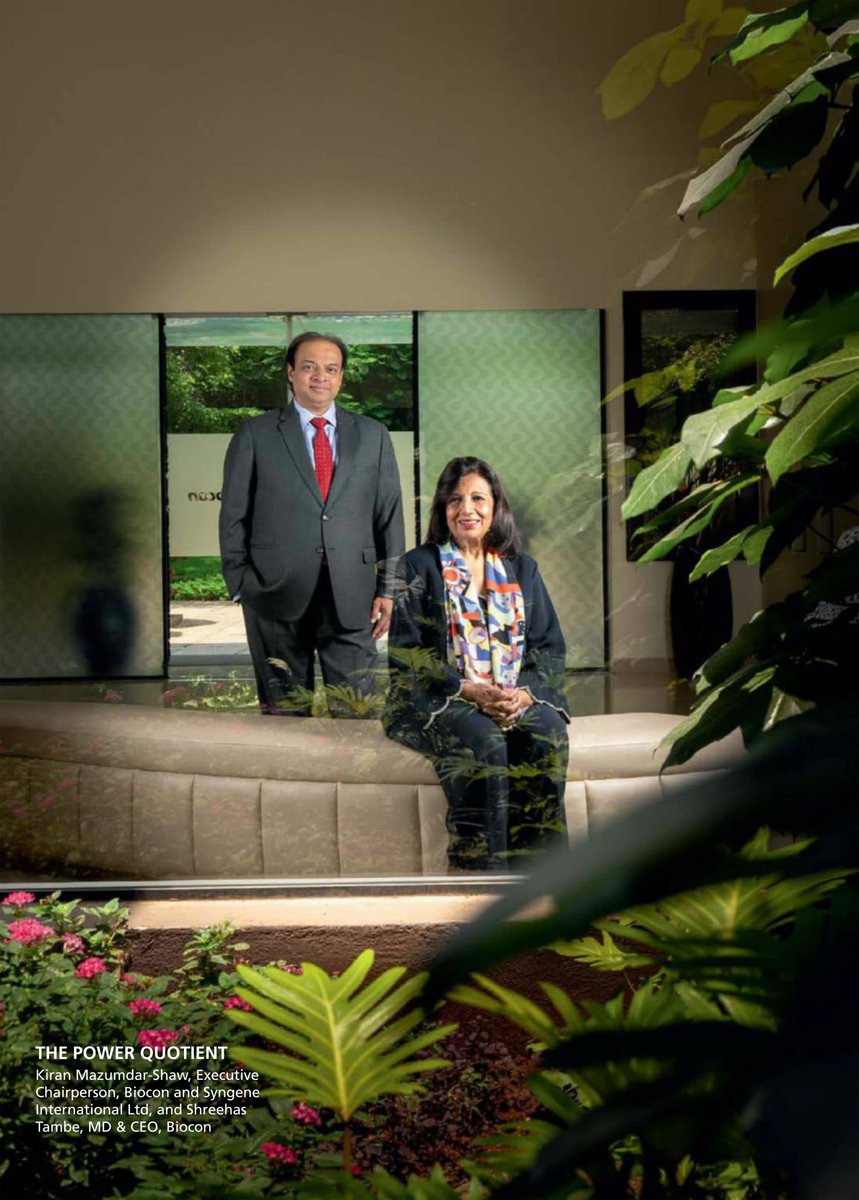
In the May cover story of @FortuneIndia, @kiranshaw reflects on over four decades of building Biocon — from pioneering industrial enzymes to becoming a global biosimilars leader. A journey defined by reinvention, innovation, and the courage to take bold bets where others saw uncertainty.
As Biocon looks ahead to its next chapter, the focus is clear: high-value biotech innovation, powered by emerging technologies such as AI.
In the same feature, Shreehas Tambe outlines the three strategic priorities shaping Biocon’s next phase of growth: integrating technology platforms to unlock scale and efficiency, embedding augmented intelligence – AI amplified by human intelligence – to accelerate innovation and enable smarter decision-making, and transforming Biocon into a stronger global market-facing organisation.
With the launch of Office of Augmented Intelligence and enterprise-wide investments in data digitisation, Biocon is building an ecosystem where human expertise and AI work together to unlock new possibilities in biotech innovation.
As Kiran Mazumdar-Shaw and Shreehas Tambe share in the story, the future of biotech will belong to those who can combine scientific ambition with technological intelligence.
#Biocon #Biosimilars #AIinHealthcare #AugmentedIntelligence #BiotechInnovation #KiranShaw #Biotech #India

1
3
6
1,778

Apr 27
Netsmart is showcasing proven #MeaningfulAI and automation in action at #NatCon26, demonstrating real workflows that support clinicians and staff, streamline operations and improve outcomes. Key highlights include:
💡TechTalks & live demos in our AI Data Lab booth 901
🤝CCBHC Lounge hosted with @NationalCouncil in booth 1201
🔍Education sessions led by client partners & #TeamNTST
🚞Mobile healthcare units with telehealth and dispatch features
🧑💻AI and automation solutions designed to reduce burden, streamline workflows and strengthen financial performance
Read the news release to learn more: tinyurl.com/yfjutndj
#HealthcareIT #AugmentedIntelligence
2
4
137

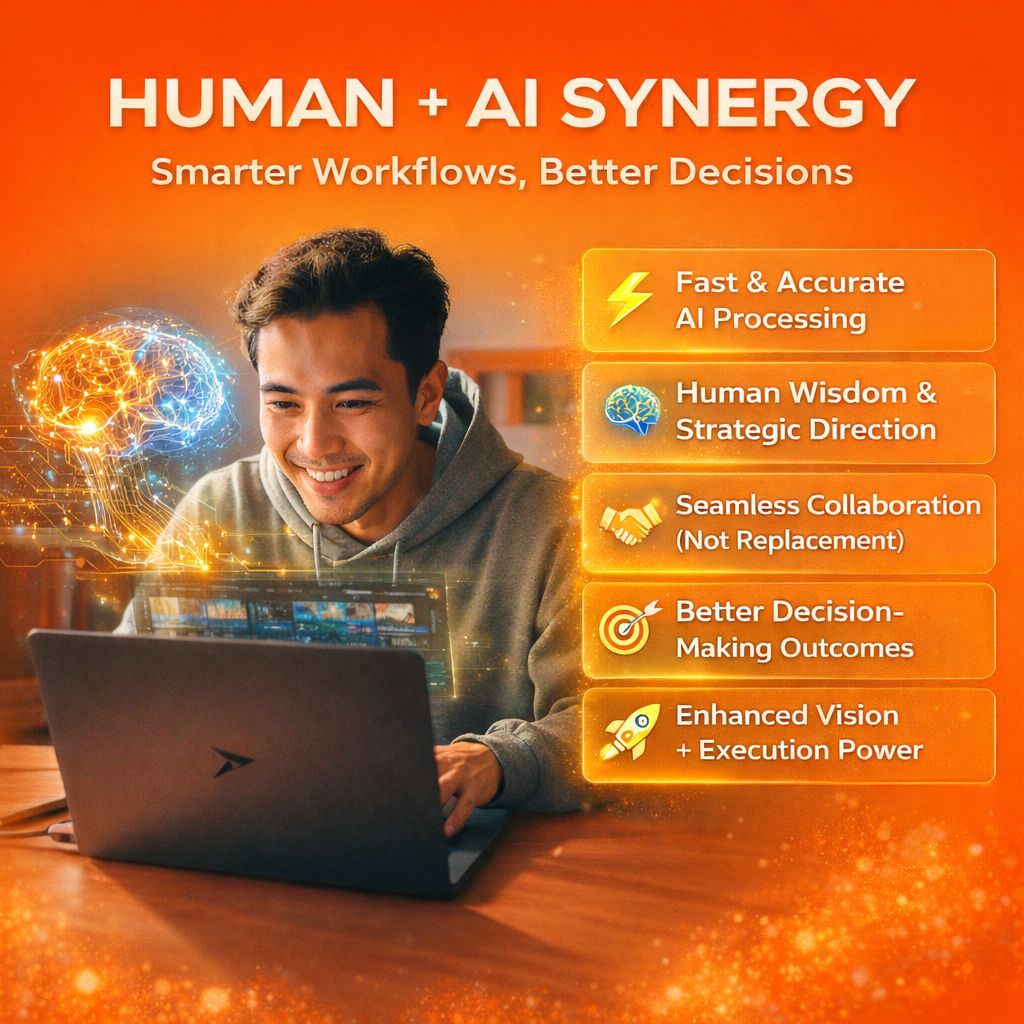
Human expertise and AI work best together; speed and precision meet insight and direction. Neither replaces the other; they amplify strengths, improving decisions and creating smarter outcomes.
#HumanAI #AICollaboration #AugmentedIntelligence #FutureOfWork #AIProductivity
3
7
80

Apr 1
The narrative is wrong.
It’s not AI vs. humans. It never was.
That framing isn’t just incomplete — it leads to bad decisions. And the people making them will feel it before they understand why.
For as long as tools have existed, progress has followed the same pattern:
Writing extended memory.
Calculators extended computation.
The internet extended access.
AI extends cognition.
The real divide isn’t human vs. machine. It’s between those who learn to operate at the interface — and those who don’t.
Because the advantage doesn’t come from AI alone. And it doesn’t come from raw human intelligence either.
It comes from the space between them.
The person who asks better questions, guides the system with intent, applies judgment to what comes back, and translates that output into decisions that actually move something — that person outperforms both the skeptic and the over-reliant.
I’ve watched this play out across banking, civic work, local communities, international markets, and even in my own relationships. The pattern is the same everywhere: the tools change, the judgment required to use them well does not. What shifts is how fast the gap opens between those who develop that judgment and those who assume the tool will do it for them.
That’s the rhythm. Not a pace. A discipline — the practiced ability to know when to push, when to pull back, when to trust the output, and when your own context overrides it.
AI brings speed, scale, and pattern recognition.
Humans bring context, values, and accountability.
Together, you get something new:
Not artificial intelligence. Not human intelligence.
Augmented intelligence.
The people who learn to operate in that space — with discipline and clarity about what they’re doing and why — won’t just keep up.
They’ll be the ones others are trying to catch.
#AugmentedIntelligence #AI #FutureOfWork #HumanIntelligence #Leadership #AITools #CriticalThinking #ProfessionalDevelopment
1
1
2
57

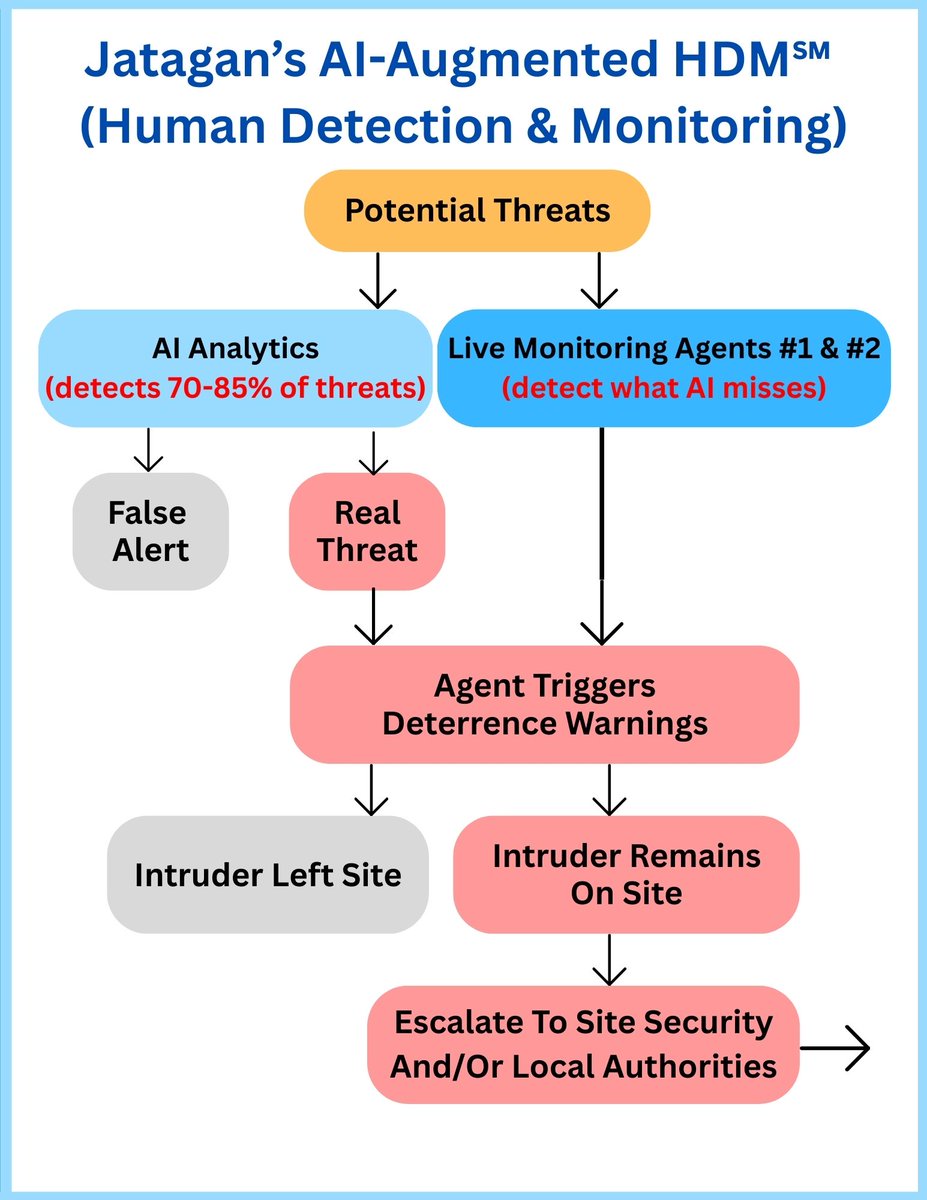
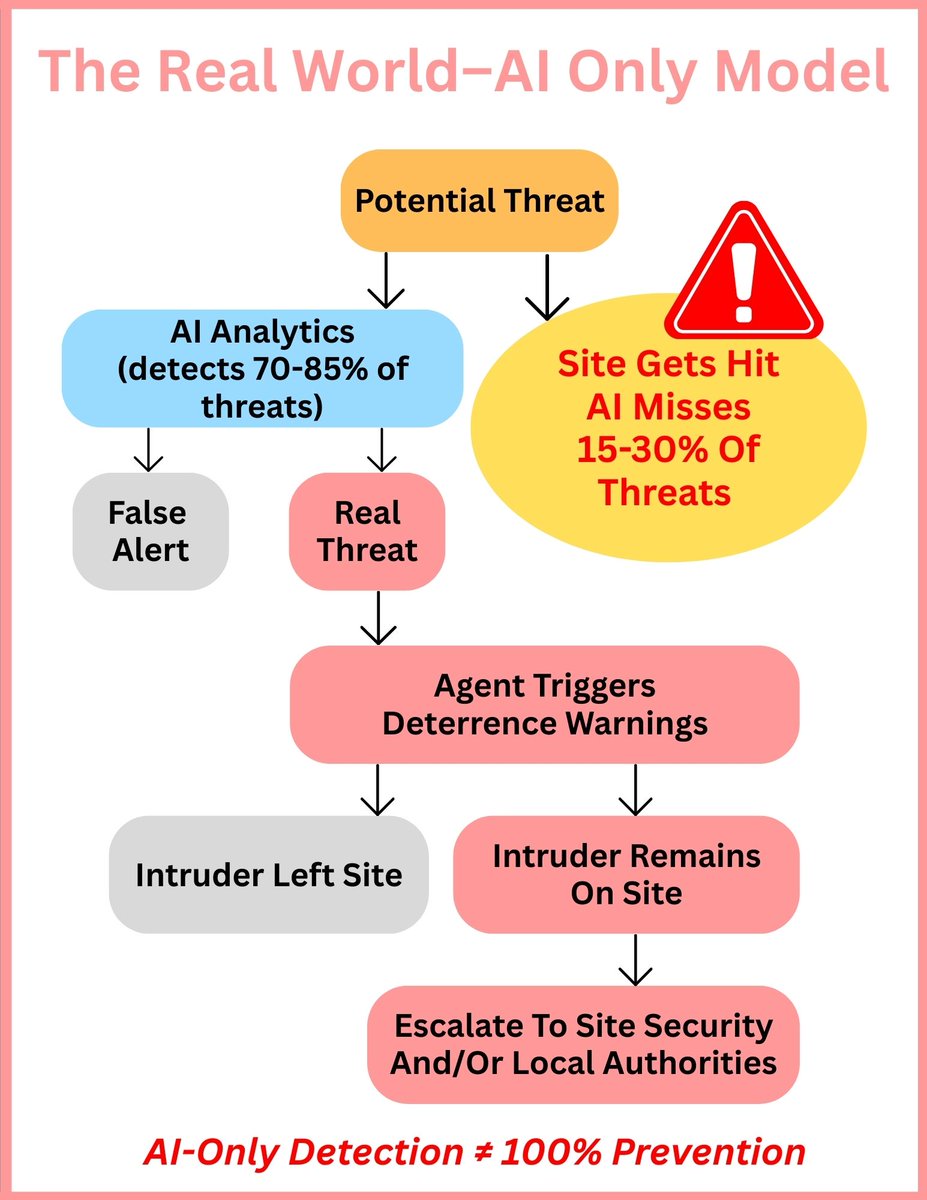
Most outdoor video security systems rely on AI alone, but AI analytics typically detect only 70–85% of threats, meaning 15–30% can be missed in real-world conditions. Those misses are where sites get hit.
Jatagan’s AI-Augmented HDM℠ (Human Detection & Monitoring) closes that gap. In addition to AI flagging activities, dual agents detect and monitor, intervene with live deterrence, and escalate if necessary — ensuring real threats don’t slip through.
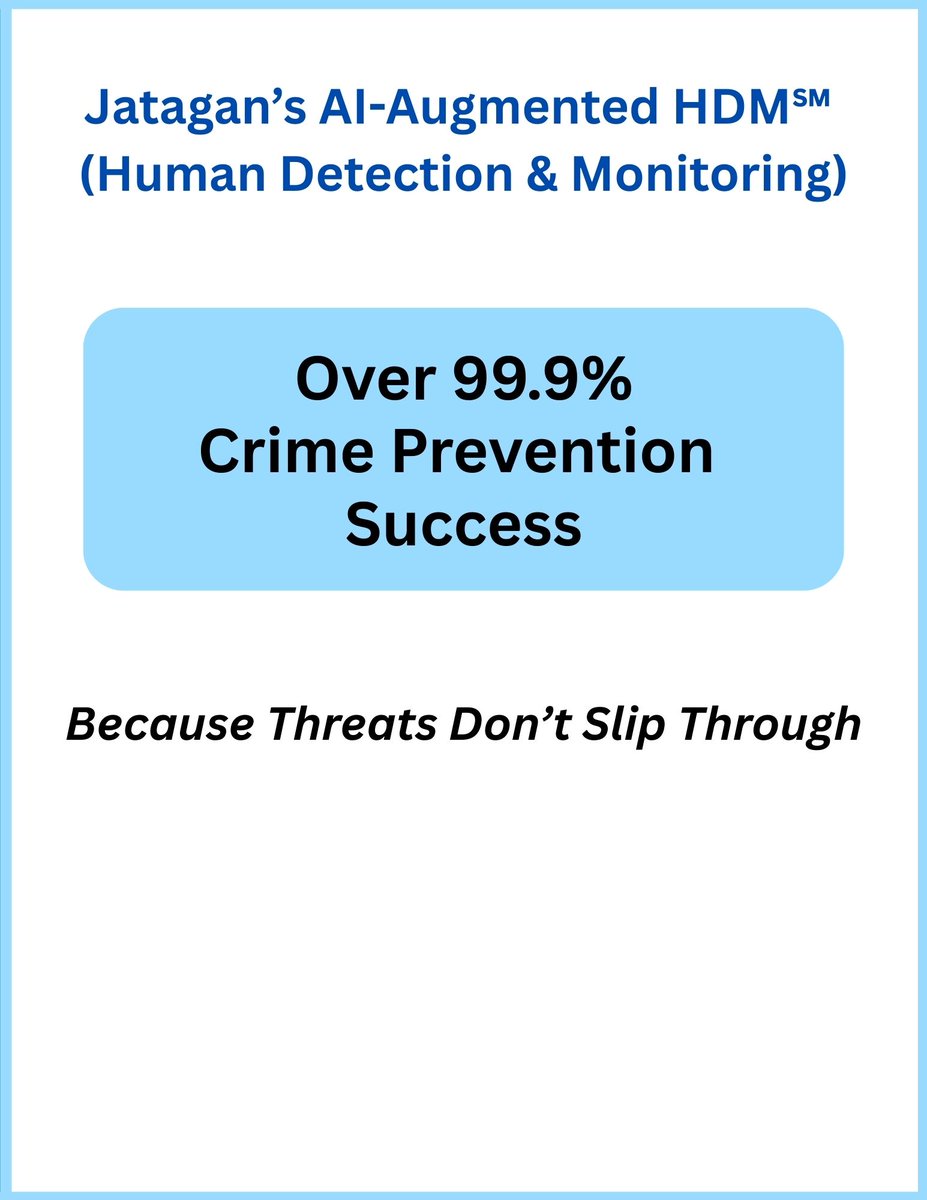
That layered approach is how Jatagan consistently delivers over 99.9% Crime Prevention Success.
#JataganSecurity #AISecurity #HumanInTheLoop #AIWithHumans #AugmentedIntelligence #AIAnalytics
3
21

Feb 26
There is a lot of noise around AI. Some say it will replace jobs. Others say it will solve every problem. Both extremes miss something important.
AI is a tool.
Like any tool, its impact depends entirely on how humans use it.
A hammer can build a house. It can also cause harm. The tool itself is neutral. The intention behind it determines the outcome.
AI works the same way.
When designed carefully, AI can extend human ability. It can analyze patterns too complex for the human eye. It can process large volumes of information quickly. It can reduce repetitive tasks that drain time and focus.
In healthcare, AI can help doctors identify risks earlier.
In finance, it can help analysts detect unusual patterns.
In public services, it can help administrators manage resources more effectively.
But AI cannot replace judgment. It cannot replace ethics. It cannot replace accountability.
Those remain human responsibilities.
The healthiest approach is not competition. It is collaboration.
When AI is treated as a collaborator, organizations design systems differently. They train employees to work alongside technology. They embed oversight into workflows. They prioritize augmentation instead of automation alone.
This shift changes the conversation.
Instead of asking, “Will AI replace us?”
We ask, “How can AI elevate us?”
And that question leads to better design, better adoption, and better long-term outcomes.
Technology should extend human capability, not erase it.
When humans and AI work together thoughtfully, the result is stronger than either alone.
#AugmentedIntelligence #FutureOfWork
3
27
32
510

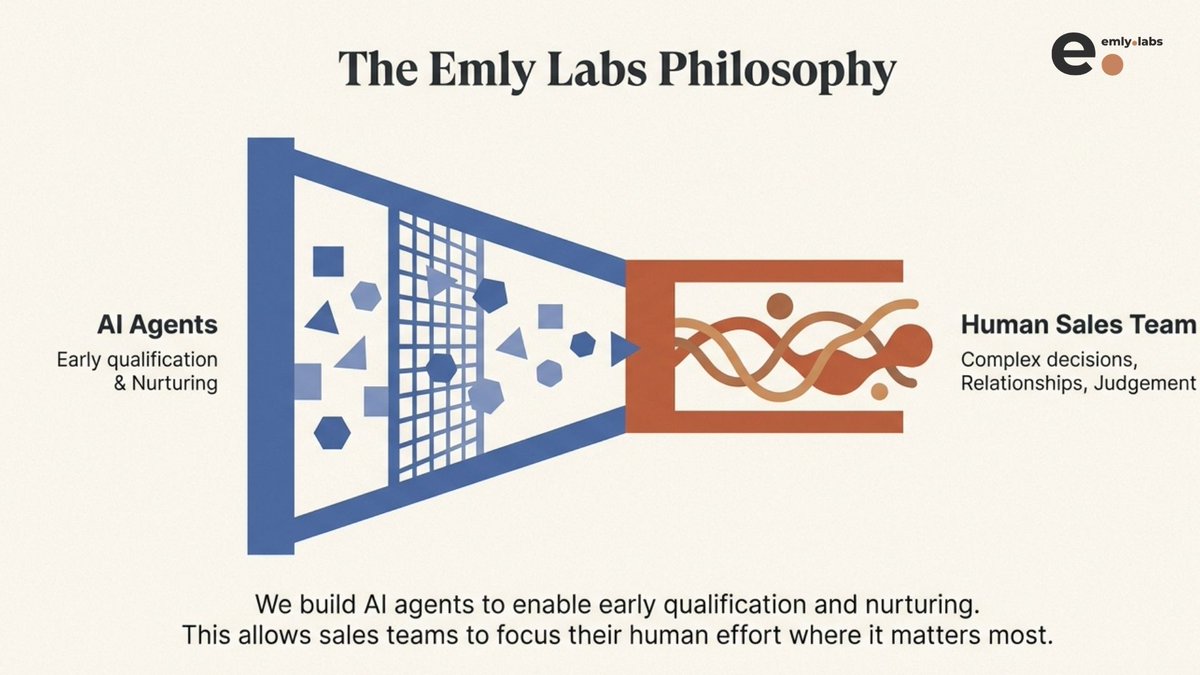
12/12. We’re building systems around this philosophy at Emly Labs.
Not replacement.
Not resistance.
Orchestration.
If you’re deploying AI in your organization, this design decision will define your outcomes.
#AI #HumanInTheLoop #CustomerExperience #AugmentedIntelligence
@mikeflache @Nicochan33 @PDH_Metaverse @bulbi59
@sonu_monika @enilev @chidambara09 @labordeolivier @bimedotcom @BetaMoroney @tlloydjones @tobiaskintzel @danfiehn @AshokNellikar @Khulood_Almani @CurieuxExplorer @mvollmer1
@RLDI_Lamy @vanivina9 @Victoryabro @Fabriziobustama @MaiaGabunia @amalmerzouk @NewsNeus @baski_LA @KanezaDiane @mary_gambara @Eli_Krumova @AlinSlask
@Jagersbergknut @TylerCohenWood @SabineVdL @jeancayeux
@wef
@HeinzVHoenen @FrRonconi @jblefevre60
@Fabriziobustama @SwissCognitive @KanezaDiane
@LaurentAlaus @Khulood_Almani @Analytics_659 @IanLJones98
1
2
7
186
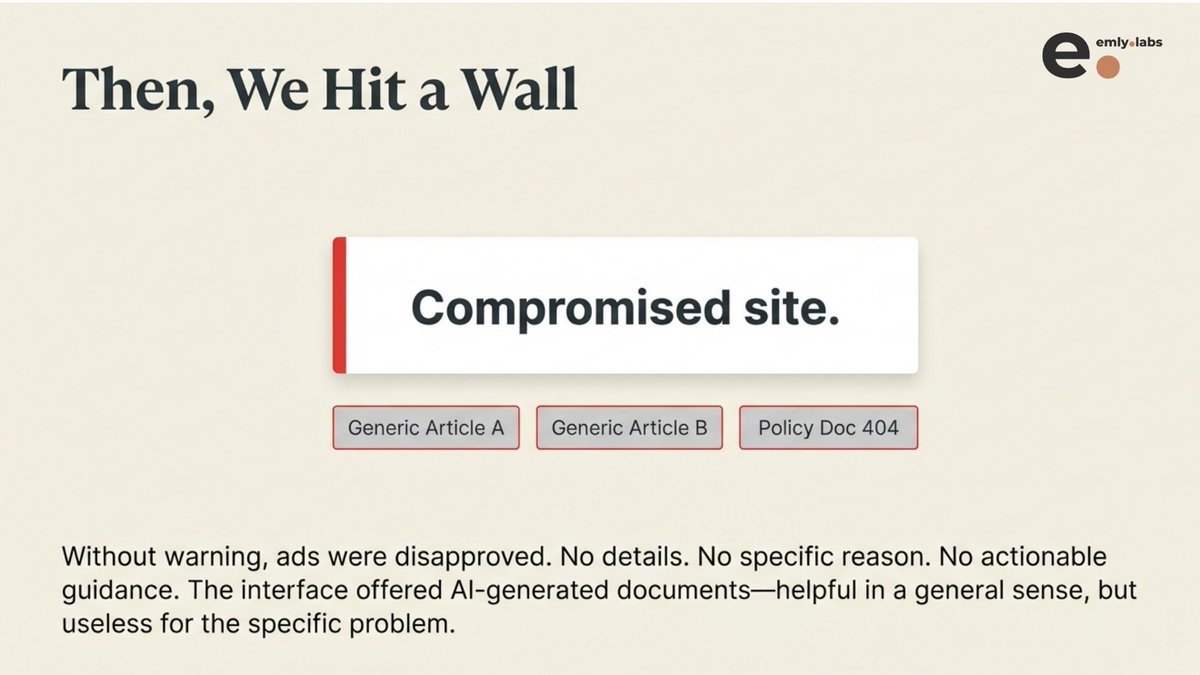
4/12. Everything was working.
Then suddenly: The system flagged us.
But it couldn’t explain why in a way we could act on.
AI gave answers.
It didn’t give understanding.
#HumanInTheLoop #AugmentedIntelligence
@chrmanning @xlth @stratorob @Ahmed43101178 @PythonRoboto @geoffreyhinton
@JohnNosta @Ai4Conferences @constellationr @HamelHusain @KirkDBorne @DrJDrooghaag @kdnuggets @Analytics_659 @ipfconline1 @KrimpmannD
1
2
17

Feb 10
Augmented intelligence, human-in-the-loop design and ethical governance will define the future of work across APAC.
Read Rajiv Shesh’s perspective. hclsw.co/9s1c6i
#HCLSoftware #AugmentedIntelligence #AI
3
2
81

Jan 25
Human-Centric Intelligence: A New Paradigm For AI Decision Making
by @ChuckDBrooks
forbes.com/sites/chuckbrooks…
In my new Forbes article, I explore
How do we can use AI to augment human intelligence
#AI #HumanCentricAI #artificialintelligence #tech #AugmentedIntelligence #Forbes
2
4
5
3,159

Jan 21
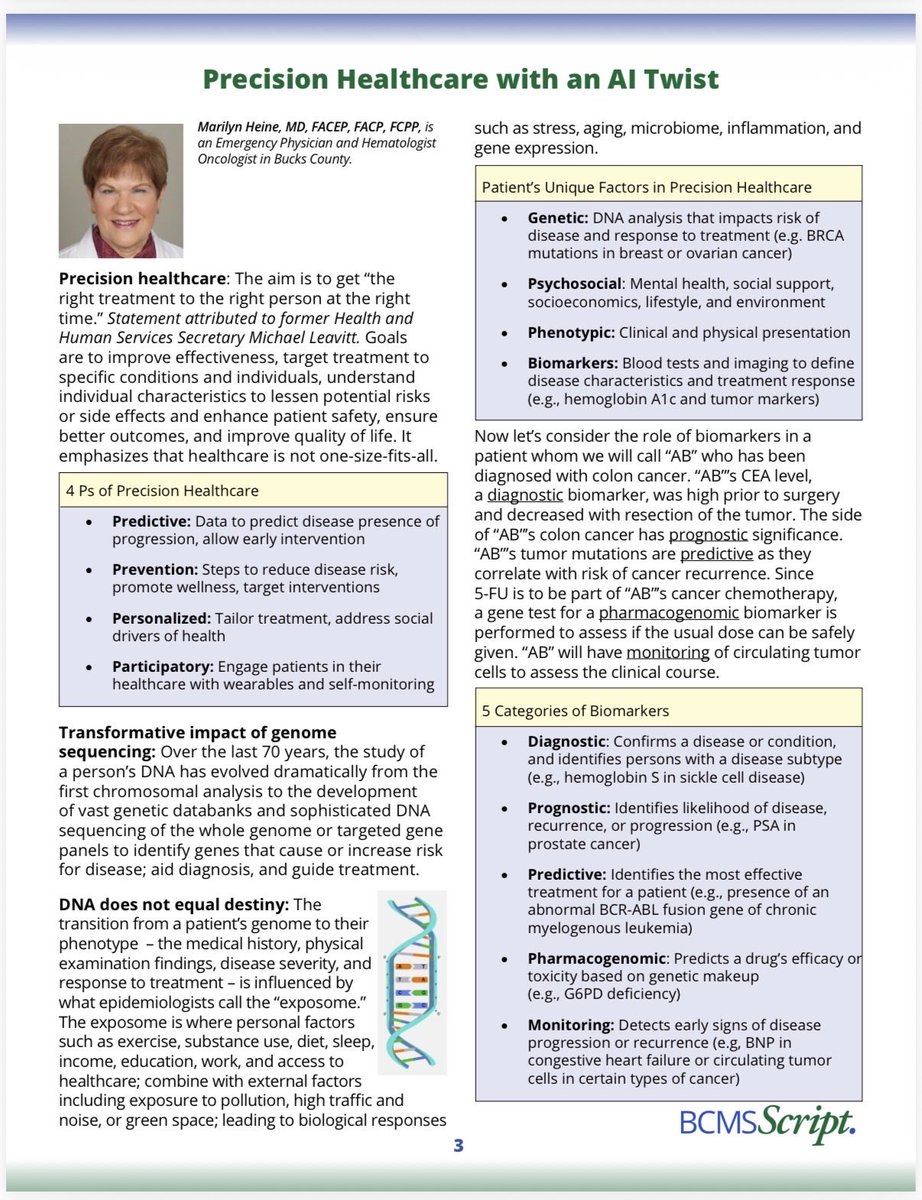
Grateful to the team at @PAMEDSociety for helping to bring the Bucks CMS newsletter to fruition. Glad to include my article, “#PrecisionHealthcare with an #Al Twist.”
#PersonalizedMedicine #AugmentedIntelligence

1
3
93

15 Dec 2025
HITL Platforms: The AI-Human Partnership
#HITL #HumanInTheLoop #AIHumanPartnership #CollaborativeAI #AugmentedIntelligence #FutureOfWork #TechSynergy #AIethics #IntelligentAutomation #HumanCenteredAI
faceoff.world/news/hitl-plat…
3
17