
16 May 2025
ICYMI 💡 @rowanwalrath covered what the @US_FDA's shift away from animal testing could mean for innovative companies pioneering NAMs.
With input from leaders at @emulateinc, @CN_Bio, @AxoSim, @wyssinstitute, & @jhucaat.
In @cenmag:
cen.acs.org/pharmaceuticals/…
8
64

18 Feb 2025
Texas Stock Exchange: The Future Home of Hard Tech IPOs
$8 trillion—that is the annualized GDP of the Southeast quadrant, and sitting at the helm is Texas, home to the future Texas Stock Exchange. The Texas Stock Exchange is the most well-capitalized exchange ever to file to become a national securities exchange. Texas and the South have made their name in hard tech, from the oil and gas wildcatters to the space race. Now, the Texas Stock Exchange is primed to be the IPO haven for hard tech firms.
New York has long been the world’s (forgive me, London) financial capital, but an interesting shift is happening in Texas - especially in Dallas, the future home of the Texas Stock Exchange. JPMorgan now has more finance employees based in Texas than in New York, and Goldman Sachs is building a new Dallas campus.
Of the 100 companies listed on the NASDAQ 100, less than 40% are hard tech or hard tech-adjacent (including biotech). Compare that to an exchange like the Toronto Stock Exchange, where 50% are hard tech or hard tech-adjacent, with much less biotech activity. Not a major jump, but a potential North Star for the Texas Stock Exchange to aim for.
Now, let’s trace back - how did we get to this point? In the late 1700s and early 1800s, merchants gathered at coffee shops and traded stocks, akin to VCs trading secondaries at Blue Bottle. Shortly after that, the financial world changed. In 1817, the precursor to the NYSE was created. The exchange started off more like a modern-day auction than an exchange - 30 stocks and bonds were traded twice a day through bids and offers made by brokers as the president went down the list. In 1867, the introduction of the stock ticker shifted the game, allowing for the fast exchange of market information. 100 years after that, electronic trading came online in the late 1960s at the NYSE, with instant trading availability for retail investors in the late ’90s.
The NYSE remains the major incumbent, and no exchange west of the Mississippi has ever come to rival it. The West Coast has developed a solid private markets culture, but its public markets are more tied to equity research firms specializing in tech, as well as hedge funds focused on tech and biotech.
IPOs have slowed. In 2024, U.S. IPOs totaled 176 compared to 416 in 2021. Ample private market activity has lessened the need for companies to go public, but regulatory and compliance burdens, along with underwhelming post-IPO performance, have further slowed the public markets. With more M&A activity on the horizon, competition for public listings has intensified. However, the Texas Stock Exchange is expected to have fewer regulatory and compliance burdens, competitive listing fees, and the potential to drive new hype among retail and institutional investors, creating an environment where IPOs can thrive. On the private market side, Texas and the greater South are home to elite private market funds that would benefit from alternative exit options.
Hard Tech in the Southeast
The Texas Stock Exchange is betting on major growth from the Southeast quadrant, which encompasses Alabama, Arkansas, Florida, Georgia, Louisiana, Mississippi, North Carolina, Oklahoma, South Carolina, Tennessee, and Texas.
First, let’s look at key hard tech activity in each state:
Texas:
Houston: Leading industries include oil & gas, chemical technology, space technology, medical devices, and climate/energy technology. Houston is home to NASA’s Johnson Space Center, the #1 U.S. port by tonnage, and 4,700 energy companies. Major hard tech startups include Solugen, Axiom Space, and Fervo Energy.
Austin: A rising leader in hard tech talent and startups. Home to 8VC, a key investor across defense, life sciences, mobility, energy, and infrastructure technology, with $6B AUM. Tesla's HQ shift to Austin has fueled engineering talent growth. Hard tech startups based in Austin include Allen Control Systems (C-UAS), Base Power (Battery Technology), Aalo Atomics (SMR Nuclear), Saronic (Maritime Defense), Icon (Construction Technology), Pipedream (Logistics), and Aeon Industries (Missile Production). UT Austin anchors major research efforts, and DARPA recently announced a $1B advanced microelectronics manufacturing hub at UT Austin.
Dallas: The future home of the Texas Stock Exchange and a hub for major hard tech private market activity across infrastructure, oil & gas, and more. Notable VC funds include Cubit Capital (autonomy and manufacturing tech), 8090 Industries (energy, aerospace), and New Founding (critical American tech). Dallas-based hard tech startups include Firehawk Aero, developing next-generation rocket motors.
Brownsville / Boca Chica: Home to the most coveted private company in Texas - SpaceX. The Elon Musk-founded firm has over 3,000 employees working in Brownsville and nearby Boca Chica, home to Starbase.
Alabama:
Huntsville: One of the most underrated hard tech cities in the South, with facilities from General Dynamics, Raytheon, Lockheed Martin, Blue Origin, Boeing, Aerojet Rocketdyne, and Anduril. Huntsville is home to NASA's Marshall Space Flight Center, the FBI Innovation Center, and the U.S. Army Space & Missile Defense Command.
Arkansas:
Bentonville, Arkansas: Best known as the home of Walmart, the city and state have been diligent in growing their hard tech scene. Bentonville is a leader in UAS technology, with Walmart partnering with Zipline to drive drone delivery. Highway Ventures, located in Bentonville, focuses on bringing critical American research in areas like mobility and cybersecurity out of the lab and into the market. Robotics integration is also growing in Bentonville - Walmart recently sold its robotics & systems arm to Symbotic but will integrate 400 robotic platforms for the company to speed up delivery center and pickup operations.
Broader Arkansas: Ozark Integrated Circuits, based in Fayetteville, develops industrial computing products - electronics made to withstand extreme temperatures and vibrations while maintaining high-performance processing. In Camden, Arkansas, Lockheed Martin completes manufacturing, final assembly, testing, and storage operations for Lockheed Martin Missiles and Fire Control (MFC) programs. Food processing is also a large market in Arkansas, with Tyson Foods headquartered in Springdale. Tyson deploys extensive robotics; at one of its new plants, it has automated case packaging systems and high-speed robotic palletizing units.
Florida
Space Coast: The key hub of the U.S. space race, home to NASA’s Kennedy Space Center, Cape Canaveral Space Force Station, and private landing sites for SpaceX. The region saw 93 launches last year, a record-breaking number.
Mississippi
Hancock County: Home to the Stennis Space Center and a large surrounding space tech ecosystem. The Stennis Space Center serves as America’s largest rocket propulsion test site, supporting both government and commercial markets. Several space/defense tech firms are co-located near the facility, including Aerojet Rocketdyne, Rocket Lab, Relativity Space, and GE Aerospace. Anduril is also investing $75M to develop its solid rocket motor production facility.
North Carolina:
Research Triangle: The biotech hub of the South, with $2B in venture capital funding in 2023 and 40,000 biotech employees.
Oklahoma:
Statewide: Similar to Texas, oil & gas reign supreme in Oklahoma, but the state has also made a name for itself as a defense tech hub. Leading startups like Allen Control Systems (C-UAS) have expanded to Oklahoma, making it the hub for their Bull Frog development (ACS’ autonomous C-UxS weapon station). Kratos Defense ($1B revenue) has a large facility in Oklahoma City for drone manufacturing. Oklahoma boasts more than 845,000 acres dedicated to drone testing, spread across seven sites, including the Oklahoma Air & Spaceport (one of only 14 in the nation) and 33,000 acres at Camp Gruber, which hosts the Oklahoma National Guard’s Counter Unmanned Systems Training Program. Oklahoma State University is the first school in the country to offer a Ph.D. in UAS design. The university also hosts the Oklahoma Aerospace Institute, which houses the Counter-UAS Center of Excellence. This center “fulfills the need for coordinating efforts to rapidly develop and test counter-drone capabilities and attract a skilled, cleared, and trained workforce to develop and test this technology.” Overall, the state has over 1,000 facilities serving the aerospace community.
Georgia:
Atlanta, Georgia: A key aspect of Atlanta’s hard tech ecosystem is its prolific founder and engineering talent pipeline from Georgia Tech. Georgia Tech produces the most engineering graduates in the country. Notable Atlanta startups include Hermeus, developing a hypersonic airliner, and Flock Safety, a public safety technology startup.
Tennessee:
Statewide: The auto manufacturing hub of the South - Tennessee is home to Nissan's Smyrna assembly plant, General Motors' Spring Hill manufacturing plant, and Volkswagen's Chattanooga plant. Additionally, Ford is developing a plant in Stanton, Tennessee, to produce its electric trucks. Tennessee also has a rich energy history, hosting Oak Ridge National Laboratory, which has led research in nuclear science, energy grids, advanced reactors, supercomputing, and more. Vanderbilt University recently opened its Institute for National Defense and Global Security, headed by General Paul Nakasone, the former commander of U.S. Cyber Command, director of the NSA, and chief of the Central Security Service. The University of Tennessee, Knoxville, houses the Institute for Advanced Materials and Manufacturing. Leading hard tech startups in Tennessee include SkyNano, based in Louisville, TN, which is turning CO₂ into advanced carbon materials.
Louisiana:
Statewide: Meta is investing $10B to develop a 2GW data center in northeast Louisiana, positioning the state as a key player in AI infrastructure. Hard tech startups include Advano (advanced battery technology) and AxoSim (developing human neural tissue models for drug discovery). The Port of New Orleans is a top 5 U.S. port (by tonnage), critical for petroleum imports, steel and iron products, and chemical imports. Louisiana Tech University’s Trenchless Technology Center is advancing underground construction and pipeline rehabilitation technologies.
As you can see, as we break down these states, we are talking about more than just private companies—including research labs, infrastructure, public company footprints, startups, etc. All of this creates a flywheel effect of more talent, research breakthroughs, investor capital, and ease of movement of goods, leading to more private companies poised to IPO in the aforementioned cities. The Texas Stock Exchange can be the support mechanism for the quadrant's IPO market.
Who are some of the major private industrial players in the South?
Turner Industries – Based in Baton Rouge, Louisiana, Turner Industries takes on some of the most complex infrastructure projects in the world. Projects range from expanding the largest refining catalyst plant to helping Tesla install robotic systems and conveyor belts.
Continental Resources – Based in Oklahoma City, Oklahoma, Continental is one of the leaders in American oil and natural gas production, with revenues exceeding $8B in 2023.
Colonial Group – Based in Savannah, Georgia, Colonial Group is an industrial conglomerate owning assets across chemical distribution & logistics, energy services, water treatment technology, marine fuel delivery, oil & gas, and more. The company generates over $5B in revenue.
Now, on the hard tech side, here are several major private hard tech unicorns across the U.S.
- SpaceX – Based in Texas
- Anduril – Based in Costa Mesa, California, but operates throughout the South
- Biosplice Therapeutics – Based in San Diego, California
- Colossal Bioscience – Based in Dallas, Texas
- The Boring Company – Based in Bastrop, Texas
- Applied Intuition – Based in Mountain View, California
- Sierra Space – Based in Louisville, Colorado
- Redwood Materials – Based in Carson City, Nevada
- Relativity Space – Based in Long Beach, California
- Zipline – Based in San Francisco, California
- Flock Safety – Based in Atlanta, Georgia
- PsiQuantum – Based in Palo Alto, California
- KoBold Materials – Based in Berkeley, California
- Shield AI – Based in San Diego, California
- Figure Robotics – Based in Sunnyvale, California
- Skydio – Based in San Mateo, California
- Solugen – Based in Houston, Texas
- Locus Robotics – Based in Wilmington, Massachusetts
- Firefly Space – Based in Cedar Park, Texas
- Axiom Space – Based in Houston, Texas
- ICON – Based in Austin, Texas
- Epirus – Based in Torrance, California
- Boom Supersonic – Based in Englewood, Colorado
- Loft Orbital – Based in San Francisco, California
The fascinating part of this list is its domination by Texas-based and West Coast-based companies (major areas of opportunity for the Texas Stock Exchange)
The real question: How can we drive hard tech IPO activity and increase institutional & retail investor buy-in?
I think there are a few key ways (not exhaustive):
Building a Community-Driven Exchange:
Building community - that’s the key. One of the major defense tech players, Palantir, exemplifies this.
Intense community-building efforts have made Palantir a retail investor favorite. Its subreddit community alone has over 30,000 members, with active daily discussions. Twitter accounts like @DailyPalantir (30K followers) and @amitisinvesting (150K ) have built massive followings by covering and engaging with Palantir-related content. Palantir has amplified this engagement through brand-building initiatives like merchandise drops, AMA livestreams with CEO Alex Karp, and a forthcoming book by Karp.
Hard tech companies have compelling stories and strong brands. With the right teams and products, they too, could become favorites among retail investors.
Institutional Stakeholder Strategy:
To bring institutional players together and raise awareness for hard tech, several approaches should be taken:
- Positioning hard tech for institutional investors: Sovereign wealth funds (which the U.S. may soon develop) can be drawn to hard tech as a national security and economic resilience investment.
- Expanding investment exposure: Family offices, multi-family offices, and major wealth management firms can position hard tech as high-alpha investments. As retail awareness grows, there will be demand for more ETFs and index funds tied to hard tech.
- Creating thematic indices: Developing indices like a “National Security Technology Index” or “Future of Construction Index” could create structured investment vehicles and drive more institutional and retail interest.
- Aligning investment banks with hard tech companies: Facilitating strong IPOs requires connecting the right financial institutions (fit first) with the right startups.
- Hosting institutional hard tech summits: Events focused on public market investment in hard tech can attract hedge funds, pension funds, sovereign wealth funds, and asset managers.
The Toronto Stock Exchange Model & Texas’ Opportunity:
The Toronto Stock Exchange aligns heavily with Canada's key industries, such as oil & gas and mining. The Texas Stock Exchange should take a similar approach by aligning itself with critical U.S. industries. One key opportunity is small IPOs, which are more common in Toronto. Many bootstrapped manufacturing firms don't fit the traditional private market cycle and may seek liquidity without a PE exit. The Texas Stock Exchange could provide a viable pathway for these firms, offering smaller cap IPOs ranging from $5M to $20M.
In closing, the Texas Stock Exchange is well-positioned to link the hard tech sectors of the South and West Coast with new institutional and retail capital, not only creating financial opportunities but also strengthening critical resilience for America.
Disclaimer: This is a speculative analysis for informational purposes only. Mention of companies is for illustration and does not imply intent to go public, endorsement, or affiliation. Not financial advice - do your own research. All clips belong to their respective owners.
6
13
82
10,528

Are you attending #SfN2024? Make sure to stop by booth #1557 to learn about 3D in vitro models for PNS and CNS drug development.
#AxoSim #neurology #neuroscience #epilepsy #neuropathy #demyelination #neurodegenerative #neuroinflammation #neurotoxicology #SfN24
1
4
466

4 Oct 2024
Neuroscience Showcase
Thu, Oct 24, 2024 3:00 PM - 4:00 PM BST
Register for free now to secure your place!
attendee.gotowebinar.com/reg…
Co-sponsored by @ApconiXLtd and @AxoSim
#Neuroscience

1
1
71
@AxoSim is headed to Chicago for #SfN2024 Book a meeting with our team to learn about our 3D in vitro models for PNS and CNS drug development. hubs.li/Q02RFk6x0
#SfN2024 #neurology #neuroscience #epilepsy #SfN24

4
154
12 Aug 2024
For example, @hayleymcmillan6, @IkhlasElkarim1, & team at @QUB_Dentistry used human neuronal models to study the molecular basis of nociception modulation in human peripheral nerves.
faseb.onlinelibrary.wiley.co…
@AxoSim, @NETRIfr, & others offer models as well.
1
1
5
149

7 Aug 2024
A week to go!🚨Join us to learn from amazing speakers! Open to all
#industry Dr. Ted Spack @AxoSim & Dr. Myriam Asmar @novonordisk
#scicomm Dr. @matteofarinella & Dr. Paige Jarreau @FromTheLabBench
#sciencepolicy Dr. @NCharalambakis @FASEBorg & Alissa Hatfield @APSPhysiology
15 Jul 2024

Attention trainees! Our Summer Career Development Workshop is scheduled for August 14th. Use this link to see more about the event and our speaker bios (mophys.org/trainee-section). You can register here! bit.ly/mophysCDW2024

1
1
4
1,004
AxoSim wishes athletes across the globe a safe, meaningful, and victorious @Olympics.🏅
In celebration of the 2024 games, here's our creative take on the Olympic rings using immunofluorescent neurons of our brain organoids
#fluorescencefriday #microscopy #olympics #paris2024

1
4
223
Meet AxoSim in Montreal for the @PNSociety1 annual meeting. Tyler Rodriguez, PhD will present on Monday at 5:30 PM (O 418).
#pns2024 #pns

2
175

12 Jun 2024
AxoSim has appointed Alif Saleh as chief executive officer, with @AxoSim co-founder and previous CEO Lowry Curley, PhD, stepping into the role of chief scientific officer. More: bit.ly/3VCBqZa
We look forward to working with Alif Saleh and Dr. Curley as AxoSim continues to grow!

2
103
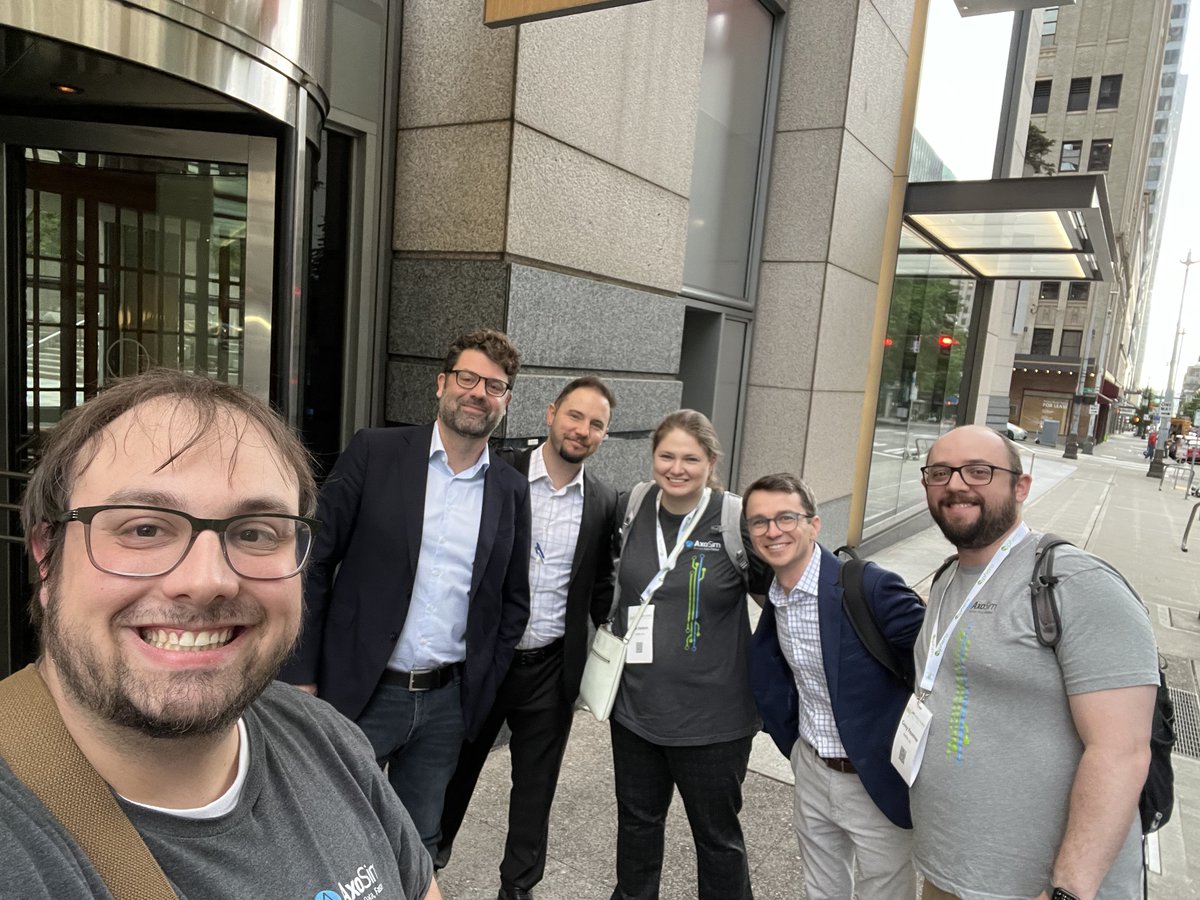

New Orleans biotech firm AxoSim hires new CEO ahead of major fund raising nola.com/news/business/new-o…
5
3,424
Thank you, @thetechtrib, for naming AxoSim one of the Best Tech Startups in Louisiana!
thetechtribune.com/10-best-t…
1
2
110
A day in the life of the AxoSim lab. Want to join our team? We are currently hiring for a Research Assistant.
Click to apply ➡️ buff.ly/4bW4wb4
#fromthelab #jobsinscience
1
4
173
16 May 2024
Winners of the 2014 BioChallenge pitch competition, @AxoSim has been a nonstop force for the last 10 years! Thriving talent and entrepreneurial spirit define New Orleans and Louisiana — are you next? Pitch your innovative startup at the BioChallenge this fall!
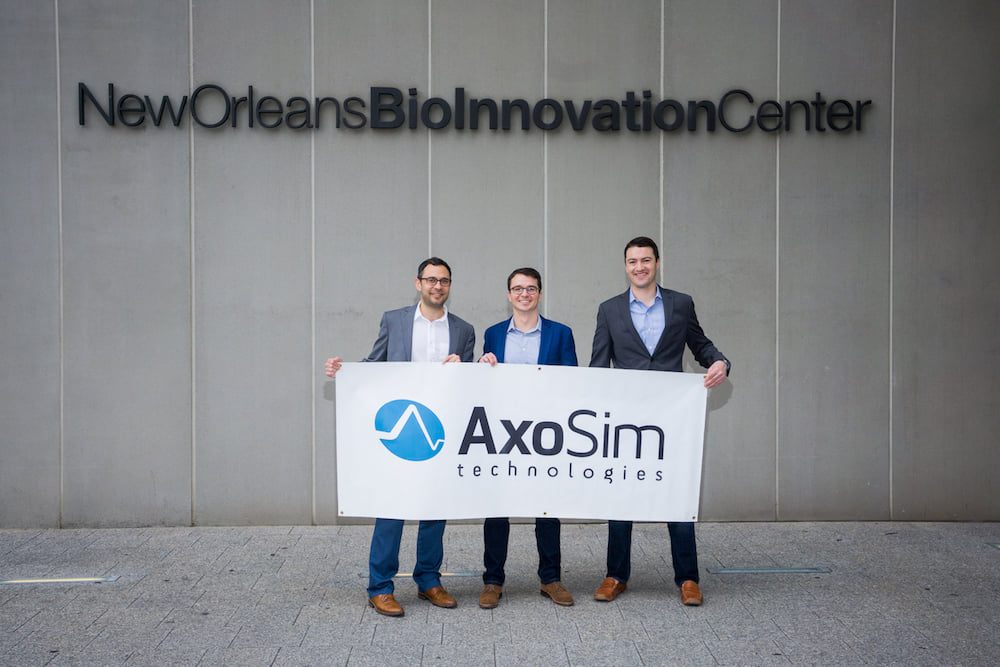
ALT Three individuals stand in front of the New Orleans BioInnovation Center holding a banner for AxoSim Technologies.
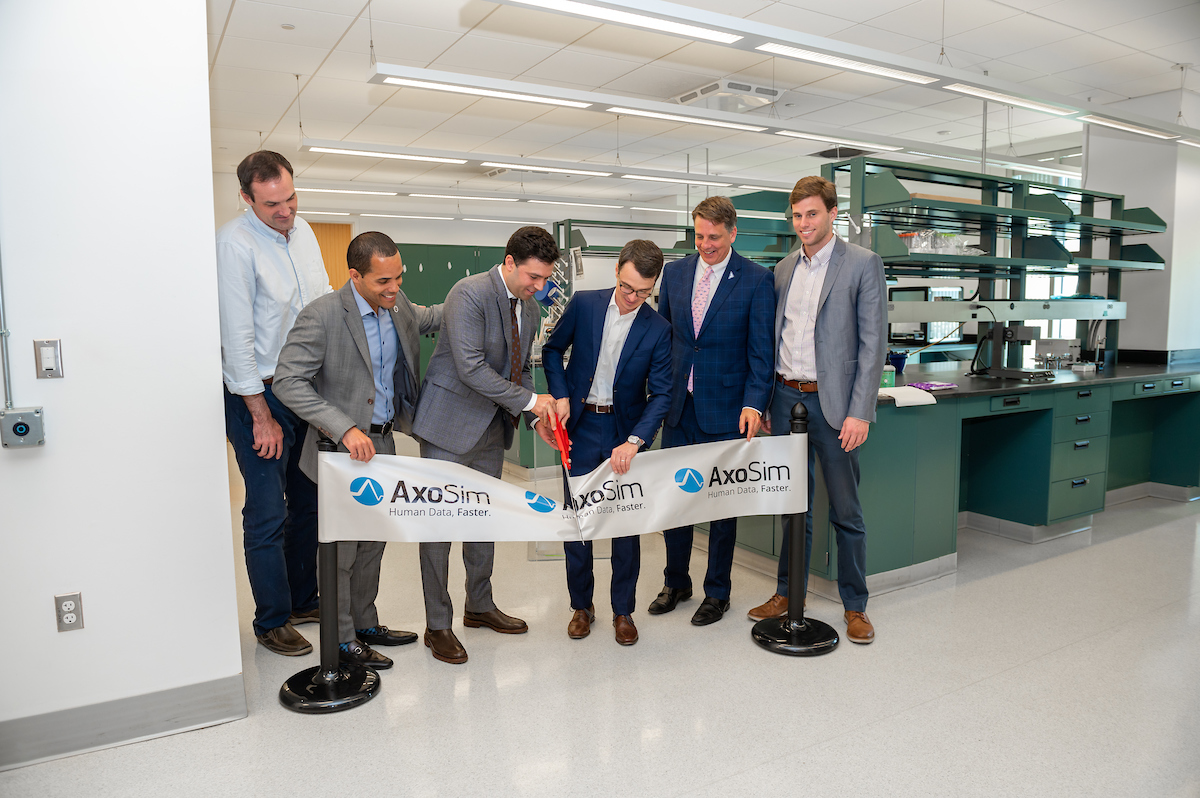
ALT Five individuals participate in a ribbon-cutting ceremony inside a laboratory, representing the company AxoSim. They stand behind a banner featuring the company’s logo. The setting includes laboratory benches and equipment in the background.
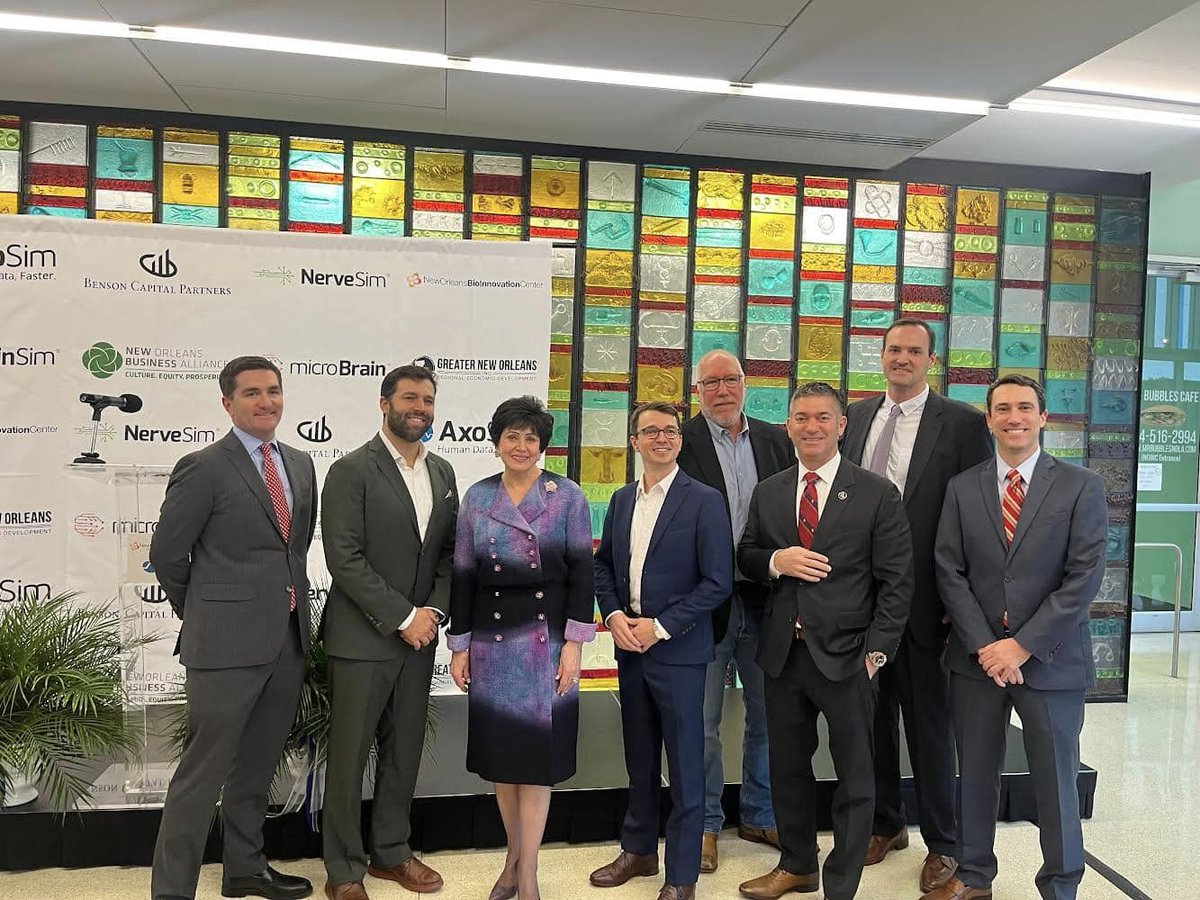
ALT Eight people posing in front of a wall with various corporate logos at a formal event. One of the featured people is Gayle Benson, owner of the New Orleans Saints.
2
2
127
AxoSim co-founder @lowrycurley is a guest on this week's @nolaouttolunch. He joined world-renowned neuroscientist, Nicolas Bazan, and Jackson Smith, the executive director of veteran housing non-profit, Bastion. Check out the episode here: buff.ly/4bt4WFP

3
53
Hear case study data directly from AxoSim scientist Tyler Rodriguez on the use of AxoSim's NerveSim® human peripheral nerve model for SARM1 protection and ADC toxicity assays.
Sign up! buff.ly/4aHvwue
#ADC #toxicology #SARM1 #PNS
2
378
Watch in real-time the generation of Axosim’s microBrain™ 3D platform. Watch our webinar to learn more about our microBrain™ platform: buff.ly/49DreE9
#microscopymonday #neuroimaging #microBrain #AxoSim #3Dorganoids #corticalspheroids #organoids #biotech
2
5
213
21 Feb 2024
Congratulations to @AxoSim co-founder Dr. Michael J. Moore and his team from the @Tulane lab for publishing their latest journal highlighting their excellent work using the AxoSim NerveSim® platform.
See the paper published by @IDSAInfo here: bit.ly/3SzfLhE

2
82
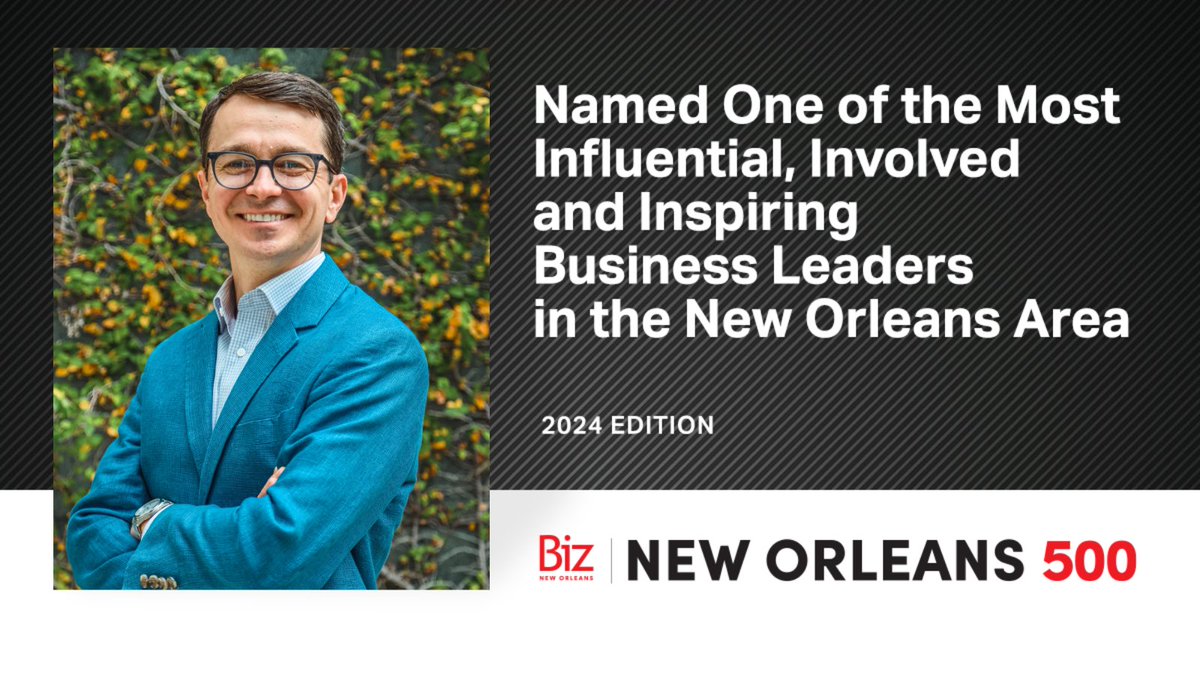
Congratulations to @LowryCurley, Co-Founder and CEO of AxoSim, for earning a spot on the 2024 @BizNewOrleans 500, a list of the most influential, involved, and inspiring business leaders in the New Orleans Area.
5
142