
Jun 9
Work product almost never sits in one tidy folder. It is scattered across inboxes, calendars, deal files on SharePoint, CRM records, and shared drives.
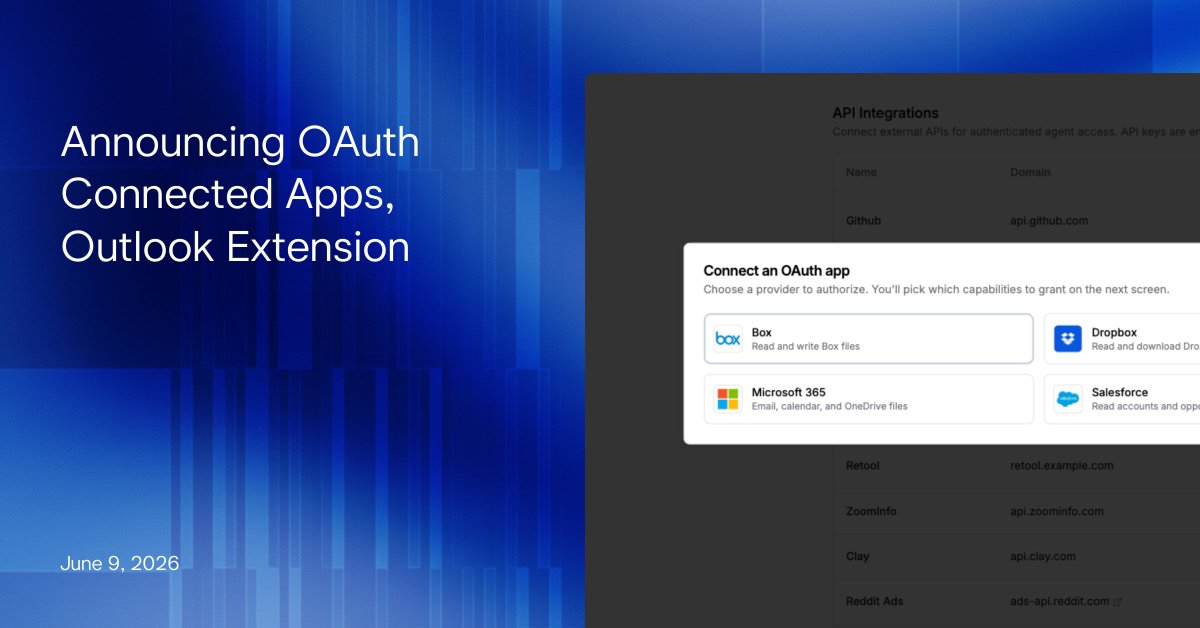
That's why today we're announcing OAuth Connected Apps for Brightwave.
Simply connect your Microsoft 365, Salesforce, Dropbox, and/or Box account through a secure consent flow.
Now an agent can pull the email thread where a counterparty flagged a covenant, cross-reference the deal files on SharePoint, read the CRM context behind a portfolio company, and cite all of it in the same memo.
We also shipped Brightwave for Outlook.
Read emails straight into your research, draft replies and new messages with agent help, or reference research—the full agent toolset in your Outlook sidebar.
Lastly, one more update for the people who live in rest of the Office suite. The Excel, Word, and PowerPoint add-ins now insert Brightwave outputs directly into a live document.
Generate slides into a deck, add a Brightwave document into your active memo draft, or apply a workbook output to the spreadsheet in front of you. The add-ins also handle Excel conditional formatting and charts, Word tables, lists, and comments, and PowerPoint charts and speaker notes.
Want to see it on your own stack? Open the Connected Apps menu and authorize your first provider, or book a demo.
Read the full announcement here: brightwave.io/blog/oauth-con…
81

May 21
187 open roles across 18 early-stage NYC AI companies.
From agent infrastructure and data layers to fintech, creative AI, GTM, healthcare, and legal.
Hiring now: Aaru, Auctor, Brightwave, Canoe Intelligence, Daytona, DualEntry, FLORA, Foresight, Hebbia, Kalepa, Manifest OS, Mega, Meridian, Modus, Polimorphic, Profound, Thoughtly, and Valerie Health.
aiatlas.nyc/jobs
4
158

Feb 12
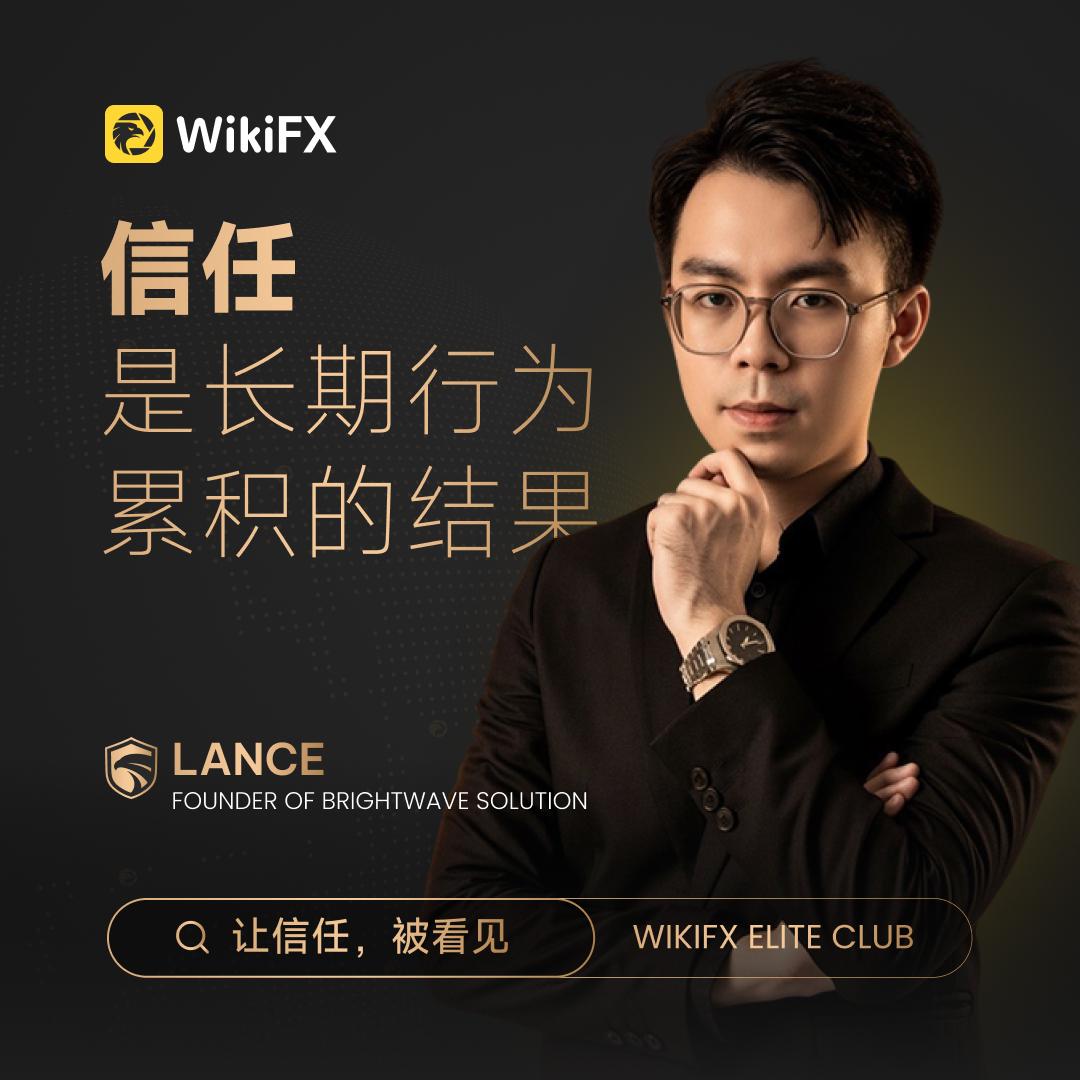
在外汇市场,信任不该来自华丽包装,而应来自长期可验证的行动。
在「让信任,被看见」专访中,WikiFX 精英俱乐部成员、Brightwave Solution 创始人 Lance 分享:
“真正的信任,是长期行为累积的结果”
在他看来,教育先行、规则透明、数据公开,这些持续的行动,才让信任变得可见。
当行业从“宣传收益”转向“公开风险与结构”,信任,才会慢慢回到市场本身。
1
8
250,152

Nay, in all these things we are more than conquerors through him that loved us.
soundcloud.com/scarrzz/4n_j
#CoppaItaliaFrecciarossa
#soundsofthe80s
#SoundCloud
#AtalantaJuve
#JoyfulNoise
#brightwave
#FutureTalk

2
58


31 Dec 2025
消費テック企業BrightWaveがインフルエンサーAlex Monroeと提携 【報道】BrightWaveは機能性と美しさを追求する製品で知られ、今回の提携により、ディジタル世代への訴求力を高めることを目指す。
usatoday.com/press-release/s…
1
7

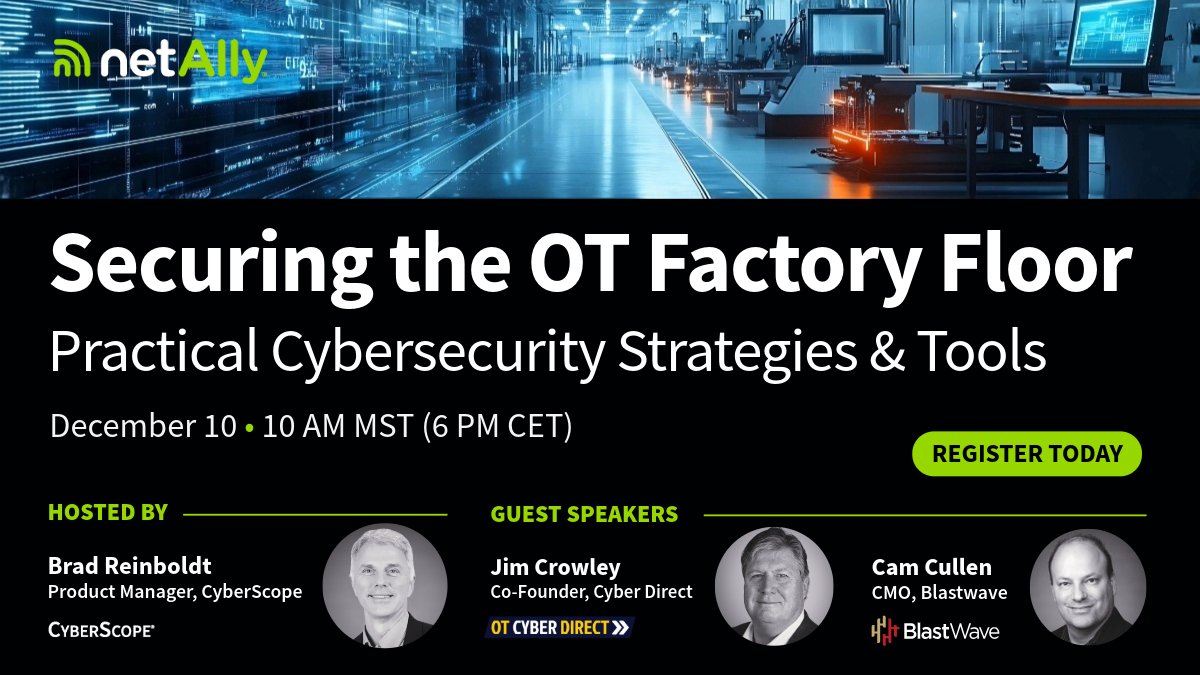
If IT and OT are not in sync, your operations are exposed.
This webcast breaks down a smarter, more affordable way to bring IT, OT, and security teams together. Register today :ow.ly/MXt150XrUyv
#NetAlly #BrightWave #CyberDirect
1
53

4 Dec 2025
3. BrightWave Electronics, A mid-size electronics retailer in South Africa, automated customer follow-ups and restock alerts last December. While competitors slowed, they captured a larger share of last-minute buyers.
1
2
13
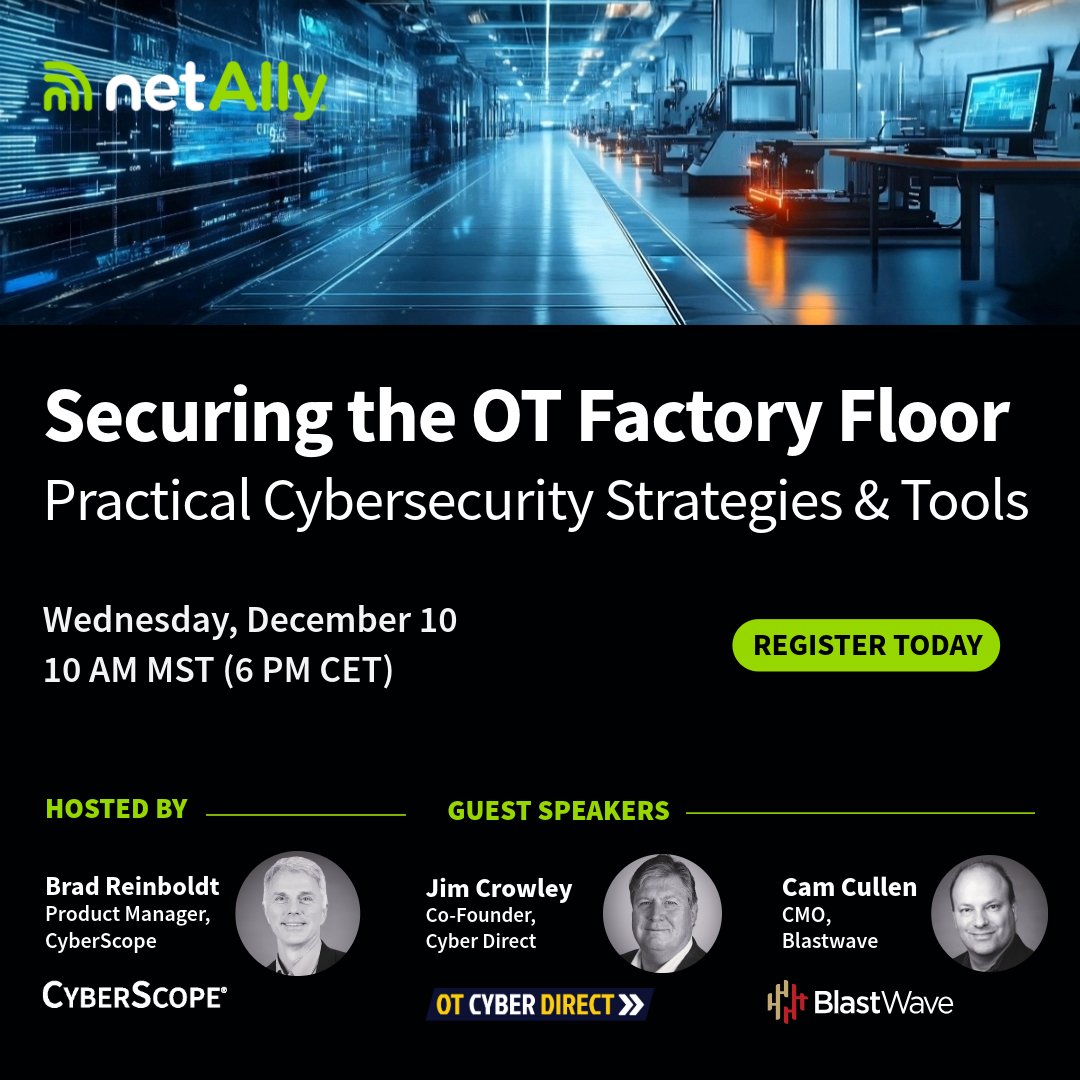
Bridging the IT/OT divide is no longer optional, it’s essential.
This webcast shows how IT, OT, and security teams can align to defend industrial operations efficiently and affordably. Register today: brighttalk.com/webcast/18719…
#NetAlly #BrightWave #CyberDirect
1
2
160
9 Sep 2025
What does it take to build a lean GTM team that punches above its weight?
Our Head of Go-to-Market, Maximilian Gartner, sat down with Tack Insider's GTM News Desk to share how Brightwave is rethinking GTM in the age of AI.
In this episode, Max covers:
✅ How small, specialized teams can win big with the right tools
✅ Brightwave’s approach to product-assisted growth and value-first customer experiences
✅ Why depth is the new differentiator in the age of AI
It’s a conversation packed with practical insights for anyone building and scaling go-to-market teams today.
🎧 Listen here: podcasts.apple.com/us/podcas…
1
2
154
3 Sep 2025
What happens when Big Tech talent suddenly looks to startups for their next chapter? Our CEO hits the nail on the head for this pivotal moment in tech in his latest Forbes feature:
"A historic reshuffling of the tech labor market has created a generational window where startups can recruit engineers, designers and product leaders who previously wouldn’t have considered anything but Big Tech. These folks are landing at startups with a mandate to build from first principles, ship fast and define the direction of the business. The slope of impact is way steeper." — Mike Conover (@vagabondjack)
At Brightwave, we see the same forces reshaping investment research: talent, tools and timing converging to open a generational window for smarter, faster decisions.
🔗 Read the full @ForbesTechCncl feature here: forbes.com/councils/forbeste…
1
123

1 Sep 2025
Neither Tim Shaw nor his business partner had a science background when they hatched the idea for cultivating a smarter way to grow microalgae — the raw material behind everything from biofuels to food.
They started Columbia-based BrightWave, which developed “photobioreactor” tanks, or PBRs, to cultivate algae indoors on an industrial scale. The company is part of a Baltimore pipeline that includes 385 venture-funded startups launched from 2020 through last year, according to a new study of the tech ecosystem.
BrightWave’s low-cost technology features self-cleaning, in-water grow lights and uses smaller footprints than traditional methods. It allows growers to move cultivation indoors from large outdoor sites, where contamination can be a problem. And it will enable clients such as manufacturers to co-locate algae-growing operations at their plants. Read more: bit.ly/4lMWi9Q
🎥: Kenneth K. Lam, @baltimoresun
2
1
1,889
26 Aug 2025
Neither Tim Shaw nor his business partner had a science background when they hatched the idea for cultivating a smarter way to grow microalgae — the raw material behind everything from biofuels to food.
They started Columbia-based BrightWave, which developed “photobioreactor” tanks, or PBRs, to cultivate algae indoors on an industrial scale. The company is part of a Baltimore pipeline that includes 385 venture-funded startups launched from 2020 through last year, according to a new study of the tech ecosystem.
BrightWave’s low-cost technology features self-cleaning, in-water grow lights and uses smaller footprints than traditional methods. It allows growers to move cultivation indoors from large outdoor sites, where contamination can be a problem. And it will enable clients such as manufacturers to co-locate algae-growing operations at their plants. Read more: bit.ly/4lMWi9Q
📸: Kenneth K. Lam, @baltimoresun
2
1
1
1,280
25 Aug 2025
BrightWave is on track to expand distribution of its patented PBR systems to customers on four continents, in pharmaceuticals, food, animal feed, cosmetics, cement, biofertilizers, fuels and wastewater treatment. bit.ly/4lMWi9Q
3
1
1,564

13 Aug 2025
.@brightwaveio Launches Research Agents: The First Analyst-Grade AI Chat That Builds, Thinks, and Works in Every Dataroom
Read more: financialit.net/news/data/br…
#Brightwave #AI #ResearchAgents #DataRoomAutomation #GenerativeAI #Fintech #FinancialIT
4
41

12 Aug 2025
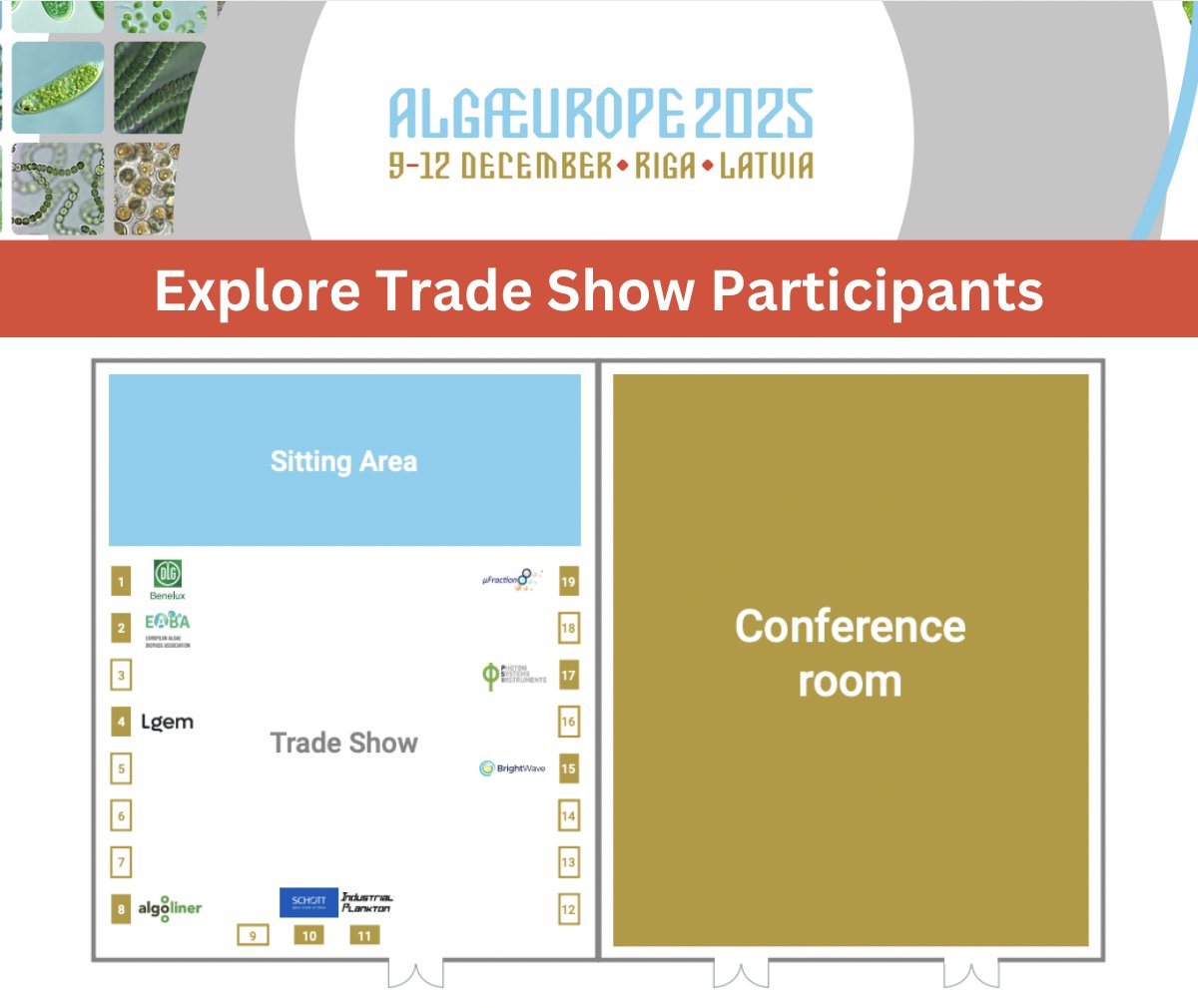
🚀 Exhibit at #AlgaEurope 2025!
Show your algae innovations to 400 delegates & connect with industry leaders. Join top names like Algoliner, BrightWave, SCHOTT & more.
📅 Book your stand today!
#AlgaeBiomass #Biotechnology #GreenTech #BlueEconomy
1
1
3
135

31 Jul 2025
Fantastic new course from @FundamentEdge . I'm a fan.
The document describes a commercial training program designed by Fundamental Edge to accelerate adoption of large‑language‑model tooling on the buy side. Its structure, content, pricing, faculty roster and vendor partnerships all signal where fundamental investors see practical value in AI today, how quickly workflows are evolving and which segments of the technology stack are likely to capture incremental spend. Taken together, the brochure is a microcosm of the emergent AI‑for‑research value chain and carries several investment implications.
Fundamental Edge positions the course as “no‑code” and user‑focused, confirming that most discretionary managers neither intend nor need to build models from scratch. Instead, demand concentrates on orchestration layers, rapid prompt engineering and domain‑specific data enrichment. By dedicating entire sessions to “prompting for investment research”, “crafting AI workflows” and “LLM fundamentals”, the program underscores that the near‑term monetization opportunity lies in software that bridges foundation models with unstructured research processes. Vendors delivering easy‑to‑integrate workflow modules or pre‑trained vertical agents should outgrow generalized AI platforms whose functionality overlaps with free consumer interfaces.
Pricing reveals willingness to pay. A list price of $1,850 for 4 live classes, office hours and 5 months of case‑study support equates to roughly $50 per seat‑hour, inexpensive relative to analyst compensation but meaningful relative to typical continuing‑education budgets. That early‑career analysts can expense this amount suggests that discretionary funds have already carved out incremental operating budgets for AI enablement. The budget line is small at firm level but highly recurring as workflows and models refresh. Suppliers that can convert initial trials into seat‑based, usage‑based or data‑based subscriptions should enjoy durable revenue growth with low churn.
Instructor and guest‑speaker composition is heavily weighted toward practitioners who have shipped real product at hedge funds and AI vendors. Presence of executives from AlphaSense, Portrait Analytics, Hudson Labs, Aiera, Endex, Daloopa and Brightwave indicates convergence of content vendors, data‑capture tools and summarization engines. Many of these firms remain private and carry premium valuation multiples in late‑stage rounds. Their engagement with Fundamental Edge provides early pipeline proofs and suggests go‑to‑market strategies centered on channel partnerships rather than broad‑based direct sales. For public‑market investors this implies that acquirers—Bloomberg, S&P Global, FactSet, MSCI, Moody’s—may move to consolidate specialist providers before they achieve scale that threatens legacy terminals. Expected acquisition multiples are likely to remain high because incumbents must attach differentiated AI to protect double‑digit software maintenance margins.
The curriculum centers on practical bottlenecks: data collection, transcription, KPI tracking, thesis documentation and modeling co‑pilots. These topics map directly to vendor logos offered in the extended trial bundle—Matterfact for KPI parsing, Quartr for earnings calls, Visualping for monitoring text changes, AlphaSense for document search, aiera for voice and video summarization, Tenzing Memo for memory retrieval, Fintool for spreadsheet automation. Each addresses a slice of the research stack, implying that the ecosystem is currently disaggregated. That fragmentation favors vendors with a unifying orchestration layer or integrated ontology capable of linking multiple outputs into a single analyst dashboard. Investors should target companies with a credible roadmap toward cross‑tool interoperability; those limited to point solutions face risk of feature commoditization as open‑weights models narrow performance gaps.
The training emphasis on “A/B testing” of manual versus AI‑augmented workflows highlights that buy‑side culture remains skeptical of LLM hallucinations and still demands verifiable audit trails. This favors products that embed retrieval‑augmented generation, provenance tagging and compliance logging. Cloud providers that supply vector databases, data‑privacy tooling and secure developer environments (Microsoft Azure, Google Cloud, AWS) stand to benefit from incremental traffic and heavier virtual GPU usage as funds transition prototypes into production. NVIDIA’s premium data‑center portfolio remains levered to this demand, but supplementary beneficiaries include AMD’s MI series, Broadcom’s AI networking ASICs and Arista’s high‑throughput switches.
From a human‑capital perspective, the brochure implicitly challenges the traditional analyst career path. If thesis development, KPI monitoring and model co‑piloting can be partially automated, junior staffing requirements and time‑to‑productivity shrink. That dynamic could compress compensation growth at the analyst level and redirect budget toward higher‑priced knowledge engineers and data‑ops talent. Public staffing and recruiting firms focused on financial‑services technology could see incremental revenue, while education platforms offering specialized AI curricula may win corporate contracts, augmenting edtech valuations.
Risk factors that emerge from the content include dependency on external model APIs (Claude, Gemini, ChatGPT) which expose funds to policy changes, usage caps and pricing volatility; intellectual‑property leakage if proprietary notes enter third‑party context windows; and regulatory uncertainty around AI‑generated research. Vendors offering on‑prem or VPC‑isolated deployments, fine‑tuning on restricted data and audit‑ready lineage stand to differentiate.
For alpha generation, the document’s focus on structured workflows rather than model innovation suggests that competitive advantage will stem less from proprietary LLM performance metrics and more from exclusive data, faster ingestion, disciplined prompt chains and organizational adoption speed. As more funds implement similar toolchains, alpha decay on simple summarization and extraction tasks is probable, pushing investors toward deeper integration of private data lakes, alternative data ingestion and multi‑modal analysis. Companies supplying unique data exhaust—satellite, geospatial, sensor, receipts—may experience renewed demand once low‑hanging efficiency gains are arbitraged away.
In sum, the brochure evidences accelerating institutional willingness to invest in AI literacy and tool adoption, validates a growing ecosystem of verticalized vendors and implies that the next phase of value capture will favor orchestration platforms, data‑rich providers and hardware enablers that can scale securely within stringent compliance constraints. Public investors should overweight suppliers of secure AI infrastructure and high‑fidelity financial data, monitor M&A activity targeting niche research‑workflow players and underweight legacy platforms that lack a credible migration path toward integrated, AI‑augmented dashboards.
Brett Caughran spent 13 years inside multi‑strategy powerhouses Maverick, D. E. Shaw, Citadel, Two Sigma and Schonfeld, giving him an unusually panoramic view of how discretionary, quantitative and hybrid pods actually generate and protect edge. He translated that experience into a curriculum that has already trained more than 800 buy‑side analysts, then formalized the offering by founding Fundamental Edge in 2022 and teaching a securities‑analysis course at Arizona State University. Because he bridges live portfolio pressure and academic rigor, participants tend to treat his workflow prescriptions as default settings; vendors he endorses often see immediate inbound demand. His presence therefore acts as both taste‑maker and distribution amplifier for early‑stage AI tools focused on research productivity.
David Plon ran deep‑value and event‑driven books at Baupost Group and Slate Path before co‑founding Portrait Analytics, which ingests filings and transcripts to draft investment theses. That combination of fundamental discipline and product leadership makes him a credible translator between engineers and analysts. Portrait’s roadmap—retrieval‑augmented generation, audit‑ready citations, collaborative dashboards—mirrors the most acute pain points facing discretionary funds. Plon’s involvement signals which functional layers of the AI stack are closest to commercial readiness and where incremental capex on data‑engineering talent is likely to flow.
Kris Bennatti, a licensed CPA and former data scientist, leads Hudson Labs, whose large‑language‑model pipelines are tuned for highly regulated financial text. She sits at the junction of accounting precision, compliance governance and cutting‑edge NLP, a nexus that directly addresses hallucination risk in earnings‑call synthesis and SEC‑filing summarization. Her background in statistical auditing drives an engineering culture that prioritizes reproducibility and chain‑of‑custody metadata. For allocators, her operating model is a blueprint for how specialized domain adaptation can create durable moats against general‑purpose LLM providers.
Raj Shah co‑founded Stoic Point Capital after partner roles at growth‑oriented Light Street and event‑focused Stillwater. His track record across both private and public markets forces him to evaluate idiosyncratic events under data‑scarce conditions, making him an ideal test case for small‑parameter fine‑tunes and workflow agents that compensate for limited sell‑side coverage. His lessons inform where AI can genuinely broaden addressable universe versus merely accelerate already well‑covered names.
Ying Hua founded Implied to apply generative models to insurance‑market analytics after running a Balyasny portfolio and covering multiline carriers at Citadel. Insurance combines opaque balance sheets, stochastic catastrophe curves and heavy regulation, so Hua’s product decisions illustrate what it takes to deploy AI in domains where label scarcity is high and model explainability is mandatory. Her dual vantage as former PM and current founder helps investors gauge vertical‑specific hurdles that could delay broader adoption timelines.
Brooker Belcourt, general manager of finance at answer‑engine Perplexity and former founder of analyst network Covey, owns a data loop containing millions of finance‑related user queries. That visibility into real‑time information gaps yields a leading indicator for which content sets—private‑company KPIs, real‑time KPI trackers, structured insider transactions—have the highest unmet demand. His monetization experiments around RAG‑based search will shape pricing power expectations for next‑gen knowledge‑graph vendors.
Nan Lu heads BlackRock AI Labs and previously built quant‑stack infrastructure at Credit Suisse. Controlling experimentation budgets for the world’s largest asset manager, Lu is effectively a gatekeeper for enterprise‑grade compliance, latency and data‑governance standards. His architectural choices foreshadow minimum‑viable requirements that smaller managers will eventually adopt, making him a barometer for upcoming enterprise AI procurement cycles and a potential catalyst for accelerated GPU capacity commitments.
Connie Lee launched Felis Advantage after co‑running the short book at Tiger Global, giving her equal fluency in growth‑equity momentum and forensic short‑selling. Her investment style relies on rapid ingestion of product telemetry, alt‑data exhaust and management‑behavior signals, so her workflows tend to stress‑test the limits of near‑real‑time KPI dashboards and anomaly‑detection agents. Lessons from her adoption curve inform which data vendors are positioned to win budget from fundamentally oriented yet velocity‑sensitive funds.
Nico Christie, co‑founder of Fundamental Research Labs and CEO of Shortcut, focuses on embedding LLM agents directly into Excel models. With roots at PredictionStrike and prior experience as a professional athlete turned strategy lead, he embodies the next wave of no‑code automators who prize workflow insertion over platform displacement. His traction serves as a litmus test for how fast hands‑on model builders can cannibalize spreadsheet grunt work and thereby reshape junior‑analyst staffing models.
Artem Fokin manages Caro‑Kann Capital, a concentrated value fund known for deep primaries and forensic diligence. An early adopter of SumZero and variant‑perception frameworks, Fokin systematically articulates decision heuristics, turning tacit investing “superpowers” into codified checklists. That intellectual transparency provides a meaningful benchmark for evaluating whether AI‑generated insights genuinely enhance, rather than merely replicate, human intuition.
Andrew Freedman, partner at Hedgeye Risk Management, spent years generating high‑conviction calls on software and media names that often preceded consensus. Operating inside an independent‑research boutique facing direct competition from automated summarization tools, he must continuously differentiate on thesis creativity and timeliness. His adaptation strategies offer a window into how human research franchises can coexist with, or be crowded out by, commoditized generative AI content.
Daniel Swiecki leads AI Solutions at the multi‑manager platform Walleye Capital, drawing on prior pod‑seat experience at Maplelane and Balyasny. Multi‑PM firms wrestle with whether to centralize AI budgets or allocate them to individual pods; Swiecki’s mandate suggests that a shared tooling layer for data ingestion and signal generation is becoming table stakes, raising baseline operating costs and favoring vendors capable of white‑label integrations.
Jim Falbe, previously managing principal of the AI‑powered Saguaro Capital and a portfolio manager at Vulcan Value Partners, attempted to merge value investing with deep neural networks. His outcomes offer empirical insight into whether intrinsic‑value frameworks can coexist with model‑suggested tilts, shedding light on the alpha attributions that LPs will increasingly demand from hybrid strategies.
Suhas Pai, CTO of Hudson Labs, chairs the Toronto Machine Learning Summit and authored multiple papers on domain adaptation and LLM privacy. A decade of applied NLP engineering at IBM and Aggregate Intellect makes him a thought leader on vector‑database architectures, token‑budget optimization and red‑teaming methodologies, all of which influence the total cost of ownership for funds deploying private models.
Tarun Amasa, Thiel Fellow and co‑founder of Endex.ai, shipped frontier GPU workflows at Apple and Tesla before targeting institutional trading desks. His rapid iteration cycles exemplify how Gen‑Z engineering talent can compress product timelines, forcing incumbents and investors to recalibrate defensibility assumptions and pay closer attention to talent‑velocity metrics.
Jared Kubin left Adage Capital to found Issachar Technologies, marrying decade‑long tech‑investor experience with a mission that layers faith‑based ethical screens onto AI data pipelines. His model underscores that values‑aligned datasets—whether ESG or faith‑filtered—represent differentiated content sources that can justify premium licensing tiers.
Thomas Li, CEO of Daloopa and former TMT analyst at Point72 and Angelo Gordon, built a platform that automatically updates and reconciles sell‑side models. The company’s rapid revenue ramp and focus on KPI fidelity directly attack the manual bottlenecks that consume analyst hours. Li’s trajectory positions Daloopa as a prime acquisition target for legacy terminals seeking to modernize without rebuilding from scratch.
Michael Watson co‑founded Hedgineer after becoming Citadel’s youngest managing director in equities engineering. He evangelizes applied AI for middle‑ and back‑office automation and runs a developer community that open‑sources workflow components, potentially speeding commoditization of features that proprietary vendors currently monetize. His influence could compress achievable price points for point solutions lacking scale.
Khe Hy, once among BlackRock’s youngest managing directors managing hedge‑fund allocation, now runs RadReads, a productivity and decision‑making coaching platform. His frameworks on high‑leverage work resonate with analysts navigating an AI‑augmented environment where prioritization and cognitive bandwidth become scarce resources. Expect parallel growth in budget for performance coaching and knowledge‑management tooling as firms seek to extract maximum utility from AI‑enabled staff.
Collectively, this instructor and speaker cohort fuses operational credibility, technical depth and agile entrepreneurship. They function as an early warning system for where discretionary capital is deploying, which AI vendors are gaining real adoption inside hedge funds, and how human capital requirements are mutating. For an investment committee, their combined résumés provide actionable insights into the emerging hierarchy of needs across data quality, workflow orchestration, infrastructure security and organizational change management—each a potential axis for outsized return generation or disruption risk.
31 Jul 2025

NEW PROGRAM: AI FOR INVESTMENT RESEARCH
I am really excited to announce our newest cohort-based learning intensive: AI for Investment Research.
Which is officially open for enrollment NOW for program kick-of September 15th.
The evolution in AI from GPT 3.5 in November ‘22 to the sophistication of the models & tools that exist today has been nothing short of astounding. AI tools have the potential to significantly transform knowledge work, and investors are already generating significant process leverage by thoughtfully deploying AI & LLMs. The models will only improve, and I believe that effectively harnessing AI will be a critical investment analyst skill.
But some key complications exist. The fundamentals of the LLM training process and next token prediction don’t necessarily align with the needs to the investor for quantitative precision, temporal reasoning and source transparency. Or, more specifically, LLMs are natively bad at numbers and dates and have a tendency to make things up. Additionally, if we bypass the grunt work of thesis development, will that negatively impact the comprehension & intuition that is so important in successful investing?
In this program, we will cover all these issues and more:
- LLM First Principles
- Why a first principles understanding of LLMs matters for investment research
- How to harness the strengths of LLMs while mitigating the weaknesses
This no-code program will be highly practical and work-flow oriented (our specialty at Fundamental Edge, having trained over 1,200 buyside analysts in investing workflows). Our goal for students is that they walk away with a new skillset and a roadmap for augmenting their investment process with AI tools. Successful stock investing is a heterogeneous endeavor, so we will guide students through analyzing their own specific process and help them develop an AI-augmented process that works for them:
- Learn prompting strategies for investment research
- Identify your highest leverage AI-augmentation workflows
- Turn those workflows into a prompt library
- Parallel testing, experimentation & iteration
- Creating validations systems
Applying AI to finance is such a nascent field, and the models are evolving so rapidly, that there are no established “best practices”. Most “AI finance experts” have been studying the field for <18 months. I certainly personally still have more questions than answers. To address that issue, we have put together a “master-class” group of 3 instructors & 15 guest speakers.
I will be joined by instructors:
- David Plon @Dplon88 (former Baupost, founder Portrait Labs) & Kris Bennatti @KrisBennatti (founder & CEO Hudson Labs, one of the earliest LLMs for finance). David & Kris are two of the most thoughtful, evidence-based thinkers in AI-finance that I have come across, and will provide a complement of AI expertise to my workflow & process orientation.
Together, we will host 15 guest speakers to provide a wide-range of viewpoints on AI for investment research:
- Investment managers successfully deploying AI systems
- “Power users” on the right tail of the AI-adoption bell-curve
- Consultants & engineers helping firms build & implement systems
- Entrepreneurs tackling challenging AI for finance problems
We also expect this cohort to be highly interactive. We will start with the philosophical and go deep into the practical. The structure of the program will include:
- Four live Zoom class-room sessions Monday nights starting September 15th
- 15 self-paced guest speakers sessions
- Supplemental AI reading & video library
- Five interactive, month-long proctored AI-augmentations case studies, supported by office hours
- 12 extended vendor trials to aid in completion of the case studies
- An end of cohort capstone AI Showcase (think pitch competition, but for your most compelling AI use case)
- Community learning discussion & prompt sharing
- As with all of our programs, all sessions will be recorded and available for replay.
In total, this will be a roughly 50 hour program, with one month of live classroom sessions followed by five months of proctored, experiential AI-case studies. This unique structure allows us as a cohort to “learn together” and share experiences on what is working and what still needs work. Our goal is to provide you with a comprehensive playbook to start your journey of augmenting your investment process with AI.
If you would like to learn more, I am attaching the program syllabus and a link to our webpage. Additionally, we will host free webinars (registration available on the our webpage):
August 25th: Navigating Earnings w/ AI
September 8th: Prompting for Investment Research
2
2,026

17 Jul 2025
Brightwave's intelligent highlighting is like a magnifying glass for information.
I love this feature, and it's been a core part of the product for a very long time. If something catches your attention - whether in a Brightwave report, chat message, or rich media sources as shown in the video below - you can highlight that passage of text and a context menu appears that lets you take various actions.
The 'Attach to Chat' feature inserts that passage into the context window alongside a message from the user, and then kicks off a process that consults hundreds of documents in parallel, and weaves together all the relevant facts to provide additional context on the thing that originally jumped out.
A lot of this stuff we're building gets to the heart of the the question of what the future UI/UX for AI systems will look like. We're pretty clear on the point that it's not just a chat box, and that the control layer for directing the attention of an LLM needs to be at once deep and also intuitive. Where exactly those seams are remains a pretty significant open question, but we're out here shipping stuff every day trying to explore the loss function as efficiently as possible.
Stay tuned for more updates, we're starting to share a lot more of what we've built and there's a lot to talk about.
1
3
361
8 Jul 2025
Brightwave is the future of investment research, and today we're pleased to announce the most powerful AI research platform is free to try for 14 days.
From deep research reports that synthesize across hundreds of documents to interactive grids that extract structured data at scale, @brightwaveio enables investment professionals to dispatch complex research tasks like memo creation, earnings call analysis and portfolio benchmarking to a powerful AI system that uses state-of-the-art reasoning methods to produce accurate, comprehensive outputs that represent dozens of hours of work.
We believe the most impactful technologies of this generation will represent advances in both algorithm and interaction design, with intuitive, easy-to-use interfaces that feel more like Google Maps than Photoshop. What's more, the frontier of AI capabilities is evolving rapidly - what's possible today is markedly different from what was possible just three months ago - and we believe the most effective way to develop an sense for how these systems will shape the future of work is to actually use them.
That's why we're making Brightwave as easy to get as it is to use. Our 14 day trial gives any investor the opportunity to test drive the future of research, and in just two weeks we're confident you'll see why so many other professionals have chosen Brightwave to transform their approach to the markets.
Click on the comments for a link and try it today!
3
2
10
2,057
18 Jun 2025
Wall Street meets padel 🎾
Join Brightwave, @avenuez_network and @litcapital at Reserve Padel NYC for the 2025 Litquidity Classic. Expect real conversations, strategic connections, and some serious matchplay.
📍 Hudson Yards | 🗓 June 28 | 1 – 5 p.m.
🎟 RSVP: lu.ma/qwcjtyau
5
2
10
14,687