
Apr 9
Building iOS Affirmations App VeraMind 🧠 Day 15
☑️ I have been working pretty much every day on my iOS app. Lot's of bugs to fix in the login area. It seems like it NEVER ends! 😡
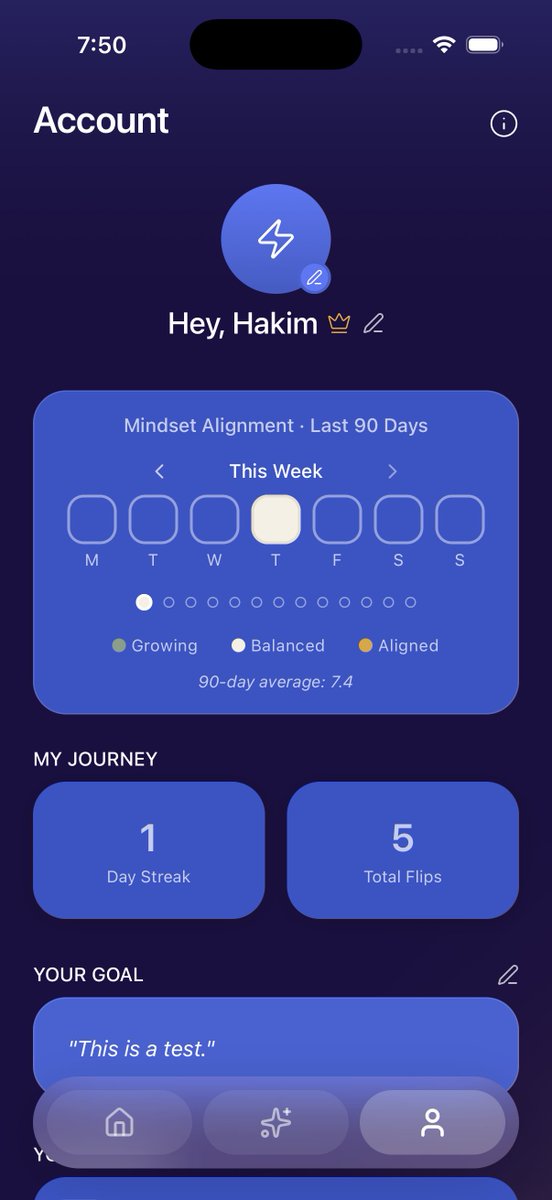
☑️ Plenty of UI improvements too... this thing needs to work and look RIGHT.
☑️ Paywall and premium features are beginning to really show its value from the free account.
☑️ Health is improving—thanks for those wishing me to recover fast: you guys are AMAZING.
Lots of us don't ship fast: we ship RIGHT.
That should be the new motto for this community 😆
#buildingRIGHT
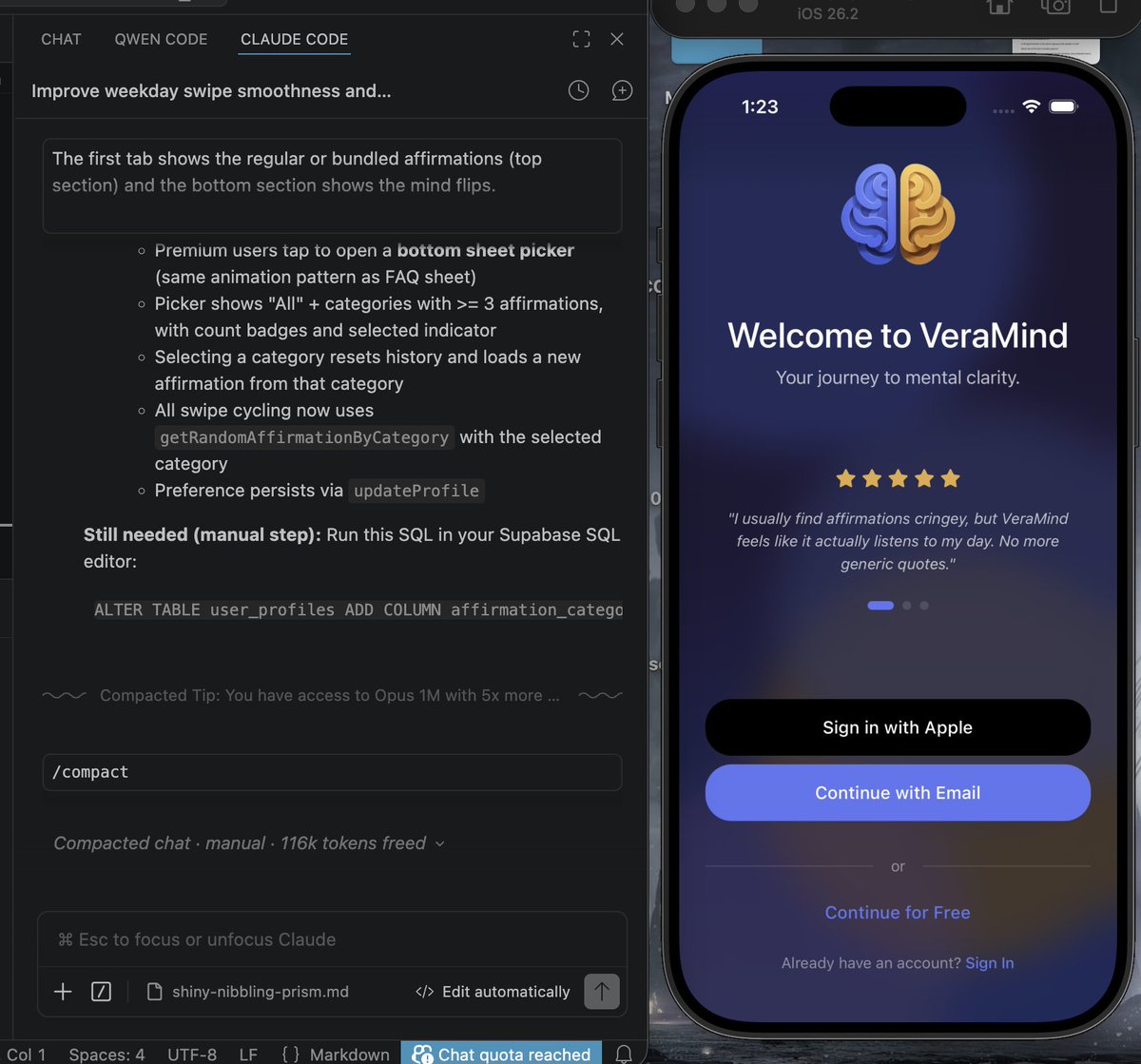
ALT VeraMind Dev.
Apr 3

Building iOS Affirmations App VeraMind 🧠 Day 14
Chill but productive night 🌚
I have made a LOT of progress with my app! Launch is coming VERY SOON.
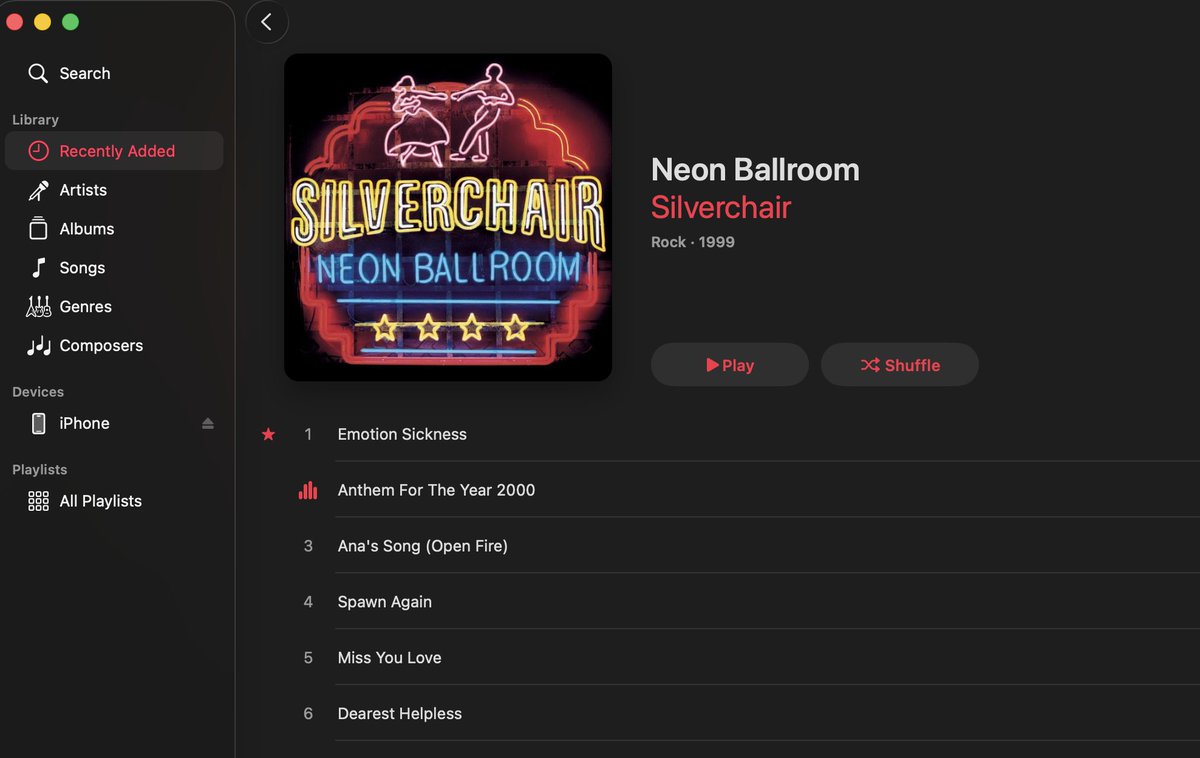
I wanted to ask you guys: what music do you listen to when you are coding? 🤔
I went with Silverchair's Neon Ballroom for today's session.
LFG 🚀
#buildinpublic
2
7
329

Feb 23
Web3 That’s Actually Ready Has to Think Like a Bank, Not a Experiment 🏦✨
Okay let me be real with you for a second. Because this distinction matters more than most projects want to admit. 👀
Think about it this way. 💭
If it’s an “experiment”:
∙It can break sometimes 🤷♀️
∙It can run slow
∙There might be bugs, and users just have to… deal with it
∙The vibe is basically “thanks for testing with us” 😅
If it’s a “banking system”:
∙It cannot break 🚫
∙Money cannot disappear
∙Mistakes need layers of prevention built in
∙It has to work every single day without anyone crossing their fingers 🤞
One of these is acceptable for a hackathon project.
The other is what people actually need when real money is involved. 💸
The honest problem with most Web3 projects 😬
So many of them were built like experiments.
Which is fine! Early stage, move fast, figure it out. Totally understandable for the people building it.
But here’s the thing. Experiments are built for people who can handle risk. People who read the docs. People who know what a seed phrase is and why losing it is catastrophic. 🤓
Regular people? They just want to use something safely. Without studying first. Without accepting that they might lose everything if they click wrong. 🥲
And that gap is exactly why mass adoption keeps stalling.
What Rialo chose to do instead 💡🔥
Rialo didn’t build a toy and plan to fix it later.
From day one, the mindset was: we are building infrastructure. 🏗️
Not “let’s launch and patch as we go.”
Not “users will figure it out.”
Actual infrastructure thinking. Which means:
∙🔒 The system has to be stable. Not “usually stable.” Actually stable.
∙🛡️ Mistakes need to be caught before they become disasters
∙🌊 Users shouldn’t have to carry the complexity themselves
Here’s the analogy that makes it click instantly 💬
When you open your banking app and transfer money, you don’t think about the infrastructure running underneath. You don’t think about servers, databases, failsafes, encryption layers. 🏦
You just… transfer money. And it works. Every time. Without drama. ✅
That’s the goal.
Rialo isn’t asking people to learn blockchain. It’s making blockchain run quietly in the background, the same way banking infrastructure runs behind the apps we use every day without a second thought. 🙌
Why this mindset has to be decided on day one 📅
Here’s what’s genuinely hard about this:
You can’t build something like a playground and then bolt on banking-grade infrastructure later. It doesn’t work that way. The foundation determines everything. 🏛️
The decisions made at the start, the architecture, the safety layers, the stability standards, those aren’t things you patch in after you’ve already scaled. 😬
Rialo made that call from the beginning.
Not when things got complicated.
Not when users started complaining.
From the very start. 💪
Because if Web3 is ever going to have millions of everyday users, it has to feel like a banking system. Reliable. Safe. Invisible in the best possible way. 🌍✨
Not like a place where you hold your breath every time you hit confirm. 😮💨
That’s the standard. And it has to be built in, not added on. 🔐🚀
🌟 @RialoHQ @RialoTH
#Rialo #Web3 #MassAdoption #Web3UX #BankingGrade #Infrastructure #HumanCenteredDesign #Web3ForEveryone #BuildingRight #CryptoForAll

6
11
88
Feb 23
Why Most AI Marketplaces Are One Step Away From Becoming a Spam Zone 🗑️😬
Okay this one actually stresses me out a little. Because the problem is so obvious once you see it. 👀
Imagine an app store with zero reviews. Zero verification. Anyone uploads anything. 📱
You download something, cross your fingers, and hope it doesn’t explode. 🤞💥
That’s exactly what happens when an AI model marketplace has no friction, no cost, no accountability.
The moment anyone can upload models for free with zero screening, the race begins:
∙💀 People undercut each other on price to grab users
∙🗑️ Low quality models flood the system
∙📉 The whole marketplace slowly becomes a spam zone
Nobody wins. Especially not the users who actually needed something that works. 😮💨
So how does Ritual stop this from happening? 🤔💡
Ritual doesn’t think of models as just “files you upload.”
It treats them as on-chain assets. Things with real cost. Real accountability. Real skin in the game. 🎯
Here’s how the structure actually works:
1️⃣ Deploying a model costs something real 💸
Want to put your model on Ritual? You need to stake, which means putting up actual collateral as commitment.
Spam suddenly has a price tag. 🏷️
Nobody’s uploading garbage just for fun when it costs them something to do it. The casual bad actors disappear almost immediately. ✨
2️⃣ Every output is verifiable 🔍
Models running through Ritual generate proof that the computation actually happened, correctly, without tampering.
If a model gives sketchy results? It can be traced back. 🔎
And because reputation is tied directly to an on-chain address, there’s no hiding behind anonymity and starting fresh. Your track record follows you. Always. 👣
3️⃣ Users pay for verified execution, not just cheap output 💎
This is the part that genuinely reframes the whole market dynamic.
Users aren’t hunting for the lowest price. They’re paying for confidence that the execution was correct and provable. 🔐
So providers compete on quality and trustworthiness. Not on who can charge the least. 📈
That’s a completely different game. And a much healthier one. 🙌
The honest summary 🧠
Most AI marketplaces = open bazaar where anyone sells anything and you just hope for the best. 🫠
Ritual’s model marketplace = a market where every seller has staked real value, every execution has proof, and reputation is permanently on-chain. 💪
When you combine real cost verifiable proof on-chain reputation, the race to the bottom stops making sense. Spam models can’t survive the structure. 🔥
Simple version, no tech at all:
Ritual didn’t just open a shop where anyone can sell anything.
It built a market where sellers are genuinely accountable for what they put out. 🧠💸
And that changes everything. 👀✨
💚 @ritualfnd @ritualnet @joshsimenhoff @Jez_Cryptoz @dunken9718
#Ritual #AIMarketplace #OnchainAI #Web3 #ModelMarketplace #Staking #Reputation #AIInfrastructure #Web3Infrastructure #BuildingRight

1
3
72

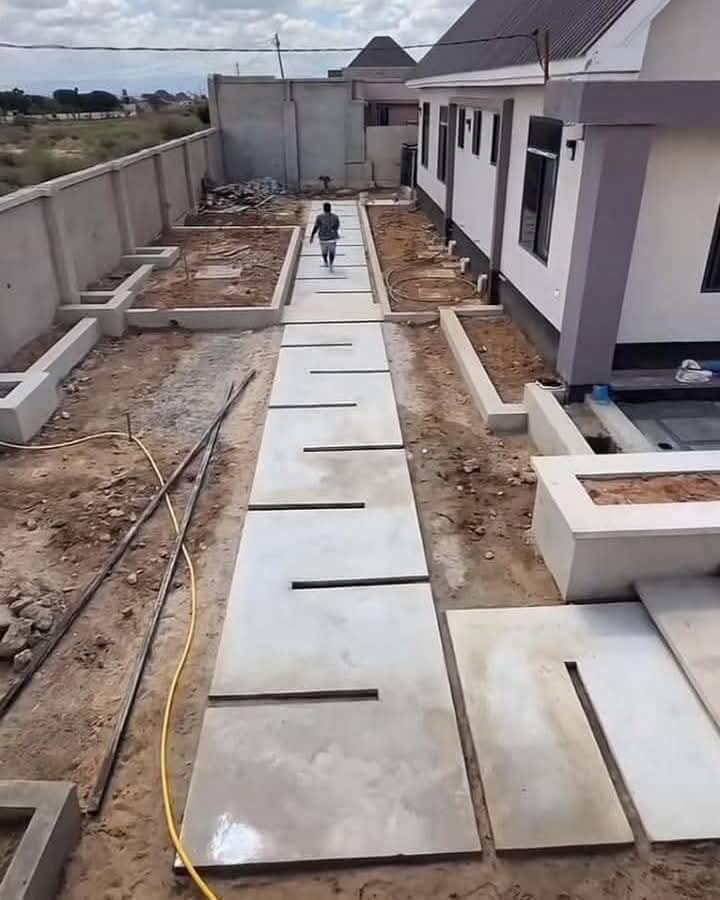
STOP PUSHING YOUR WALLS TO THE EDGE!
One of the biggest mistakes people make when building is trying to “maximize space” by using every corner of their land. Later, they end up with dark rooms, poor airflow, and no space to even repaint their walls.
That small breathing space you leave around your house (setback) is what gives you:
Fresh air circulation
Bright, naturally lit rooms
Easy access for repairs
Safety during emergencies
A neat compound for relaxation, flowers, or car parking
Here’s the truth: downloading a random plan online and handing it to a bricklayer can ruin your project. The land size, shape, and regulations matter. That’s why you need professionals who know how to design properly and leave the right spacing.
A good home is not just about walls—it’s about comfort, safety, and peace of mind.
#BuildingRight #SmartConstruction
13
95
615
70,962

Setting-out: the most underrated stage in construction—yet one of the most expensive to get wrong.
If the foundation starts inaccurately, the entire building inherits the error.
Is setting-out overrated or underrated?
Let’s discuss 👇
#BuildingRight
1
1
2
21

Not everything needs to be available immediately.
Some things are worth waiting for.
#BuildingRight #QualityOverSpeed
1
8

Jan 19
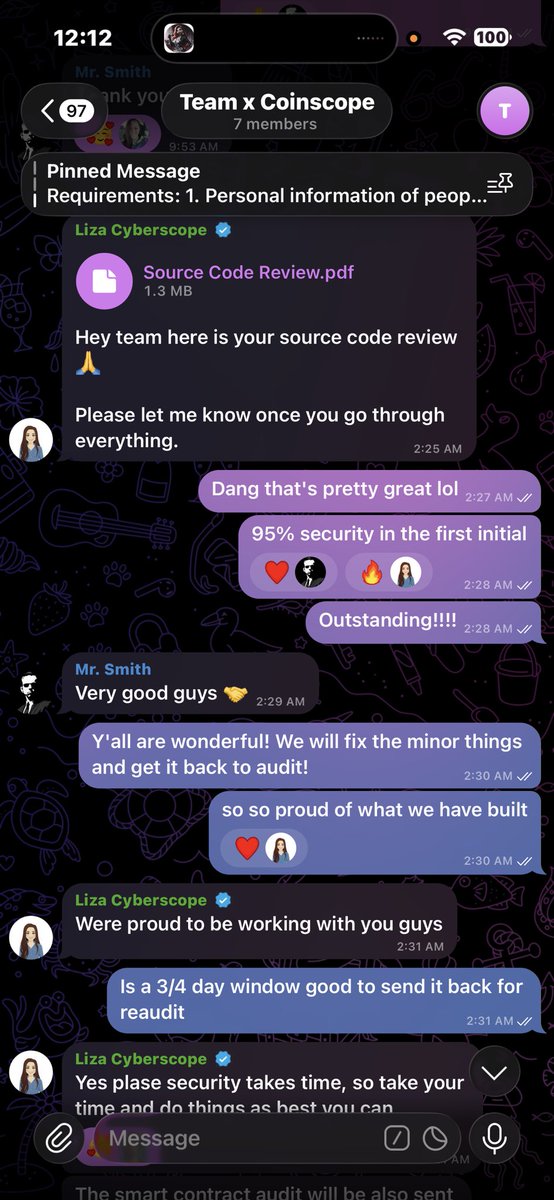
🚨AUDIT UPDATE — HUGE MILESTONE🚨
We’re proud to announce that our first audit has officially come back with a 95% security score✅🔥
This is a massive step forward for our project and a strong validation of the work being built behind the scenes.
What’s next?
🔧 We’re already addressing the 3 minor findings
🔁 Once resolved, the contract will be resubmitted for final audit review
Security, transparency, and long-term sustainability are not optional for us — they’re the standard. This result puts us in an incredible position as we move toward launch and beyond.
Thank you to our community for riding with us and trusting the process. The finish line is getting closer every day 💎☕
#AuditUpdate #SecurityFirst #BuildingRight #LadyCafe #Web3 #XRPL #NFTs #DeFi
21
23
65
1,555

26 Dec 2025
A strong year begins with a strong spiritual foundation!!
Join us for 21 Days of Fasting and Prayer – Spiritual Foundation 2026, as we humble ourselves before God, seek His direction, and prepare the way for divine guidance, protection, and breakthrough in the year ahead.
“Then I proclaimed a fast… that we might humble ourselves before our God and seek from Him a safe journey.” — Ezra 8:21–22
📅 Mon. 5th – Sun. 25th January, 2026
📍 Potter’s City, Miotso–Prampram Rd., Plot 16
Come expectant. Pray with purpose. Build right.
#SpiritualFoundation2026
#21DaysFastingAndPrayer
#PottersCity
#PrayerAndFasting
#BuildingRight
#SeekGodFirst
#FaithJourney
#NewYearPreparation
#Ezra821
#PrayerWorks

11
70
1,248

16 Dec 2025
One thing I take very seriously is security.
For @TheGiantWallet and @Giantlaunchpad, we didn’t cut corners.
Cold-wallet admin controls, layered verification, encrypted key management, and infrastructure-level protection are all in place.
We’re building this the right way — for users, builders, and the future.
#GTAN #GiantEcosystem #Web3Security #BuildingRight
10
10
67
2,311

25 Nov 2025
Every week I follow @Alignerz_, the pattern repeats: no hype spikes, no chaos, just steady updates and structure.
Saturday confirmed it again this isn’t improvisation, it’s a framework being fine tuned.
The calm phase isn’t boring it’s where alignment builds.
And maybe for once, showing up early actually matters.
@wallchain is tracking everything… so yeah, consistency suddenly feels like strategy.
Also yes @Cyber_Warriorr & @First_Aligner I’m tagging you again not begging, just “experimenting” 😅
#g26 #Web3 #PatientPhase #BuildingRight

6
7
33

17 Sep 2025
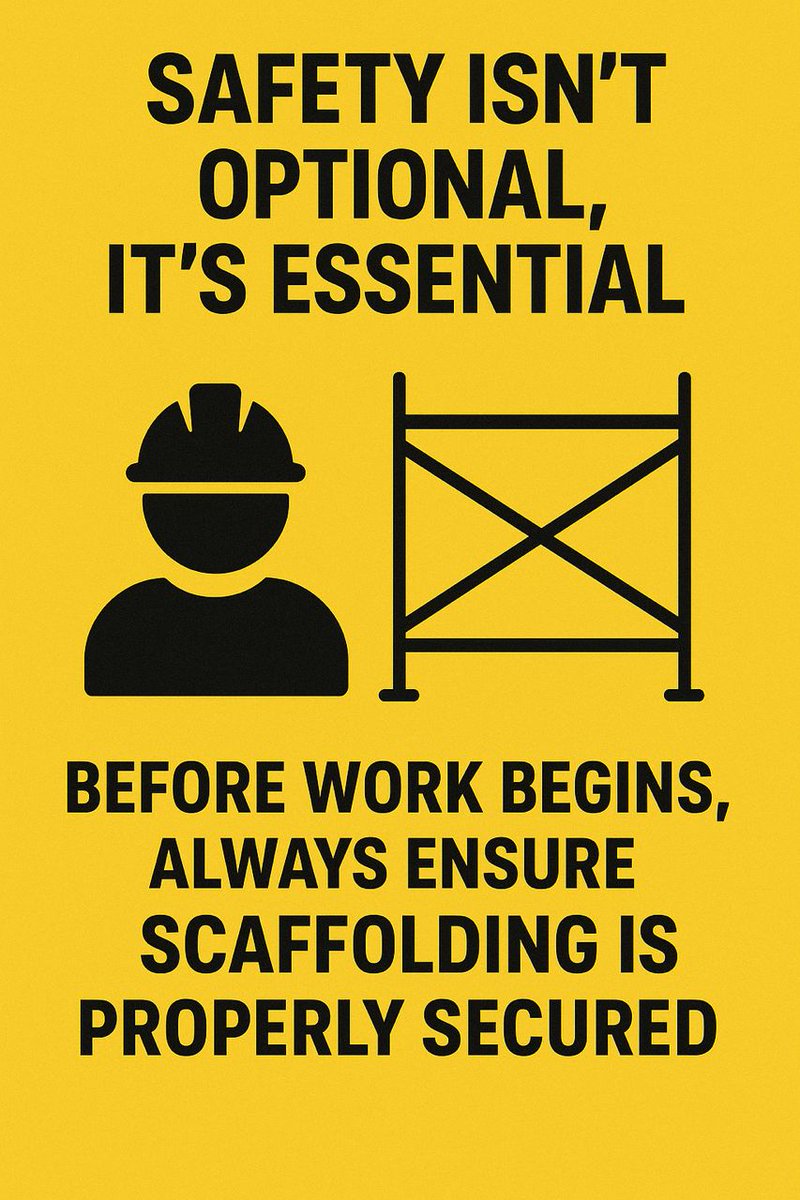
Safety isn’t optional, it’s essential.
Before work begins, always ensure scaffolding is properly secured. A stable setup protects workers, prevents accidents, and keeps projects on track.
#JomarJimohConstruction #SafetyFirst #BuildingRight
1
4
73

10 Aug 2025
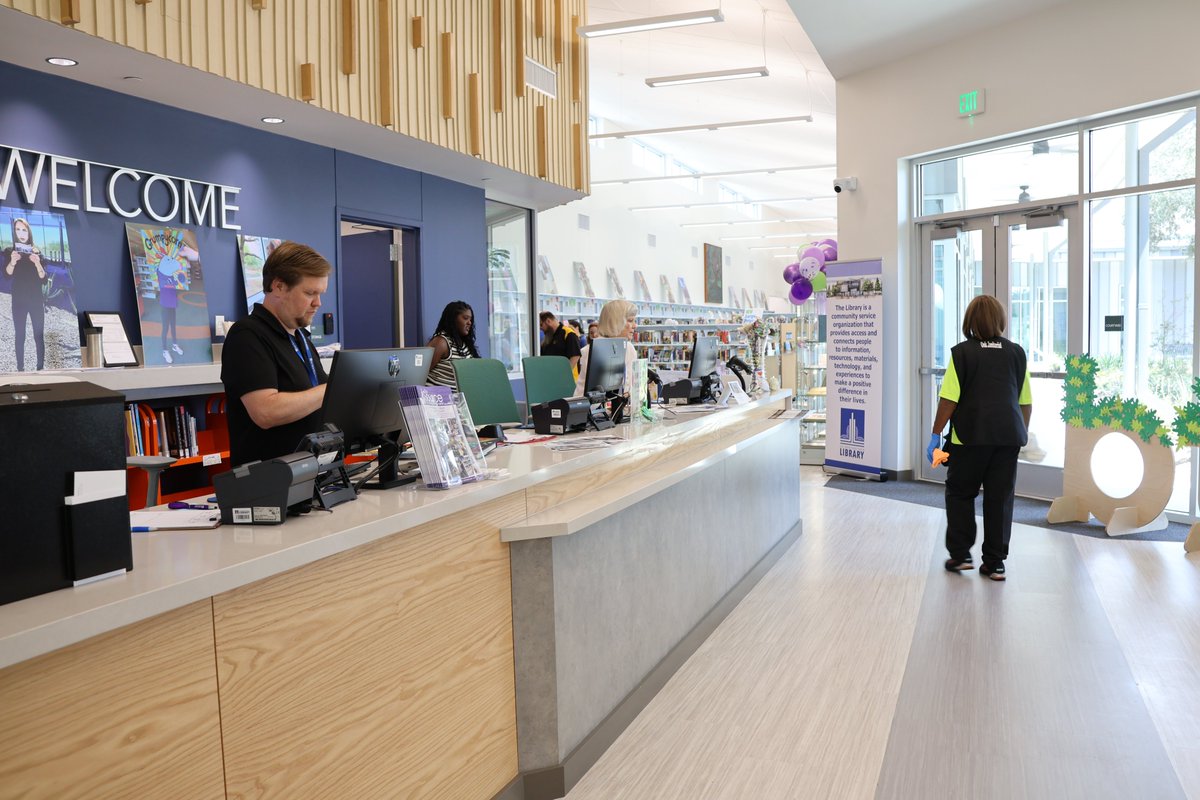
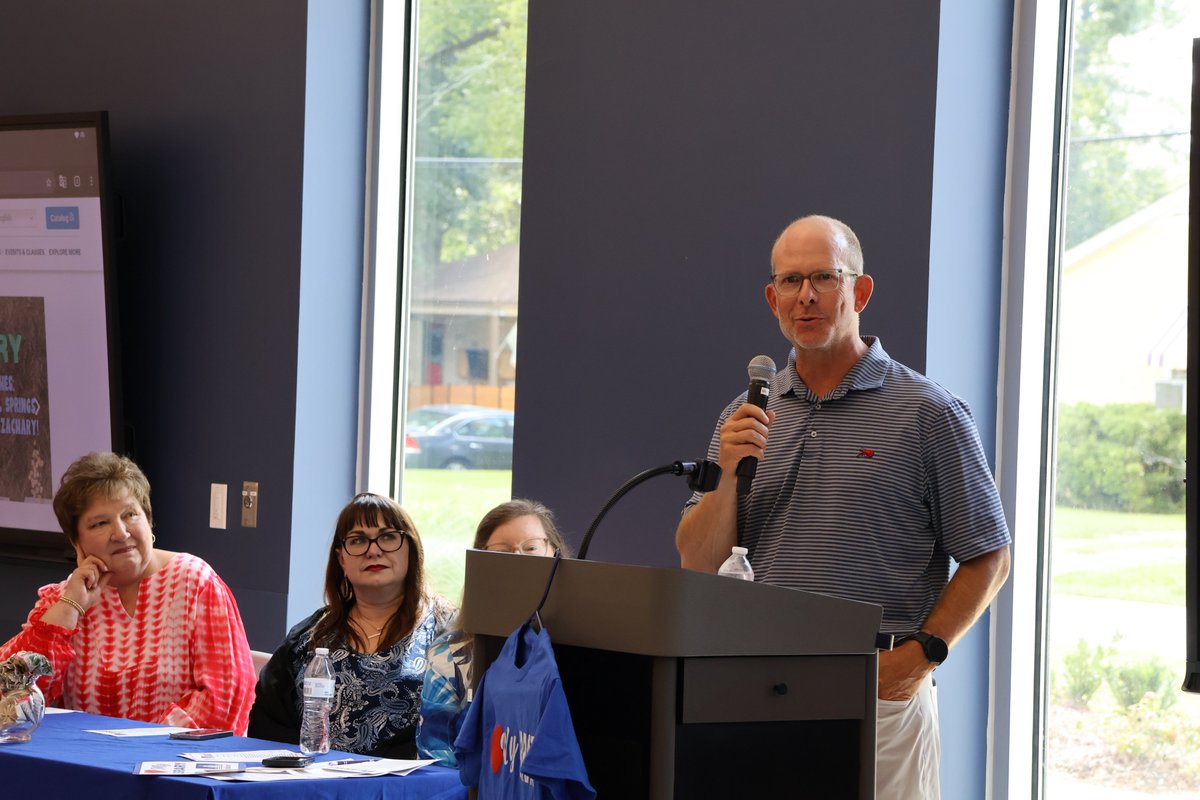
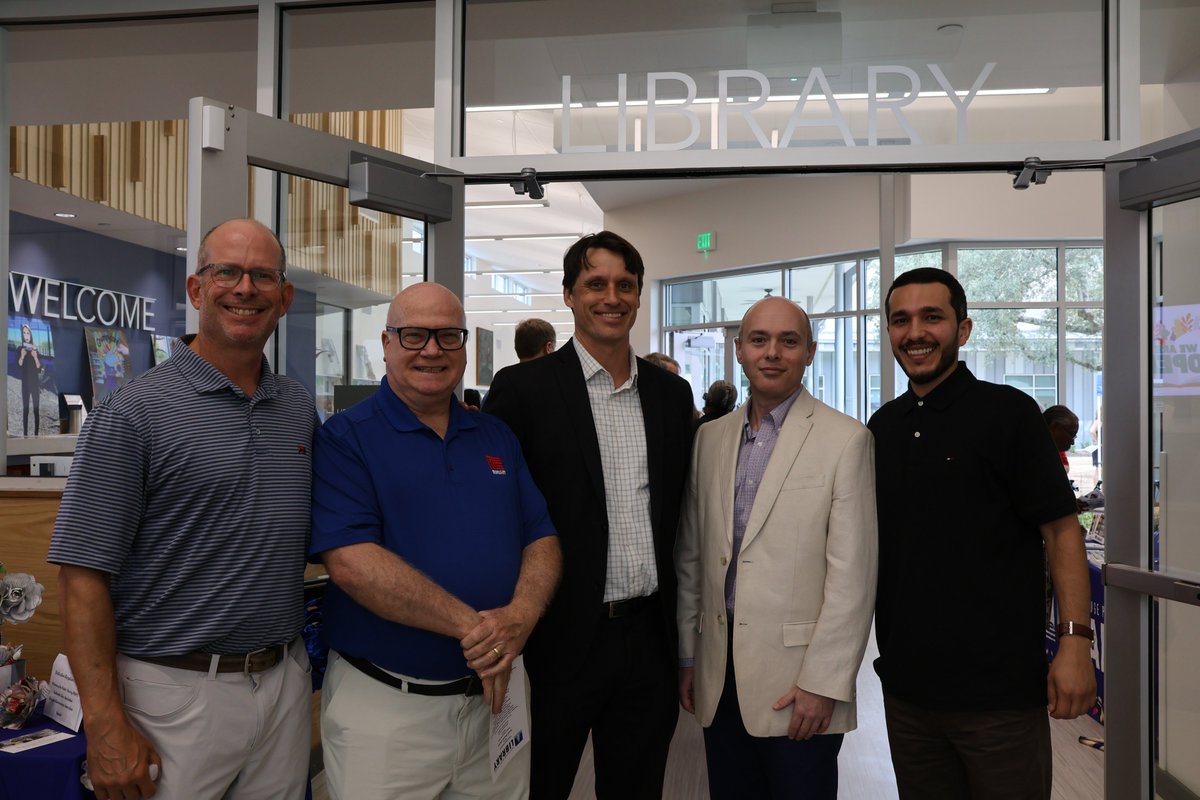
The South Branch Library is open! Today’s ribbon cutting featured our own Rob Ratcliff as a speaker, celebrating a space built to inspire learning & connection. Proud to partner with @GFPArchitects & @EBRPL. #BuildingRight #SouthBranchLibrary #TeamRatcliff #library

1
2
33

7 Aug 2025
If you've been in crypto Twitter long enough, you know what it means when a token launches TODAY and already has 50K followers 🤡
Spoiler alert: Those aren't real people, they're bots that probably fart dust 💨
Inflated numbers = inflated expectations = inflated rug pulls 📉
Meanwhile we're here building $PETER the hard way - one real degen at a time. No fake followers, no bought engagement, just pure authentic fart humor and actual humans who chose to be here 🚀
Sure it's harder than buying 50K bots, but guess what survives longer? Real community or pump & dump theater?
We're playing the long game while others speedrun to zero 💩
Real recognize real, and fake... well, fake gets rekt 🔥
#PETER #RealCommunity #OrganicGrowth #NoBots #LongTermThinking #CryptoReality #BuildingRight

2
1
67
6 Aug 2025
Facts! 💨
19 million cryptos and 99.9% are just copy-paste nonsense with zero real purpose 📈
That's exactly why we're building $PETER differently - real community from day one, no shortcuts, no fake hype. When you have actual substance behind the memes, that's when magic happens 🚀
Most projects launch first, then try to build community. We're flipping the script and the results speak for themselves 💎
The memecoin space needs projects that actually mean something to their holders 🔥
#PETER #USELESS #MemecoinEvolution #CommunityFirst #BuildingRight
1
8

3 May 2025
we're not rushing to market, we're building something that LASTS 💪 #DataSovereignty #BuildingRight

7 Apr 2025
Every solid structure begins with one thing — trust in the materials used to build it. But what happens behind the scenes before those materials are certified safe?
Join us as we step into the world of Business Development for Materials Testing — where science meets strategy.
Our guest, Mr. Dapo Oladipupo, Director, Monitoring Unit, Eti-Osa Division, will take us through the process that ensures building materials don’t just exist — but meet the standards required to protect lives and infrastructure.
If you’re a builder, developer, engineer, or just curious about what keeps your home or office standing tall — this one’s for you.
#MaterialTestingMata #BuildingRight #QualityControl #ConstructionSafety #LagosStateMOT #DapoOladipupo #InfrastructureMatters #RadioTalksThatBuild #LagosTrafficRadio961FM #StaySafeBuildSafe #TestingToTrust


2
61

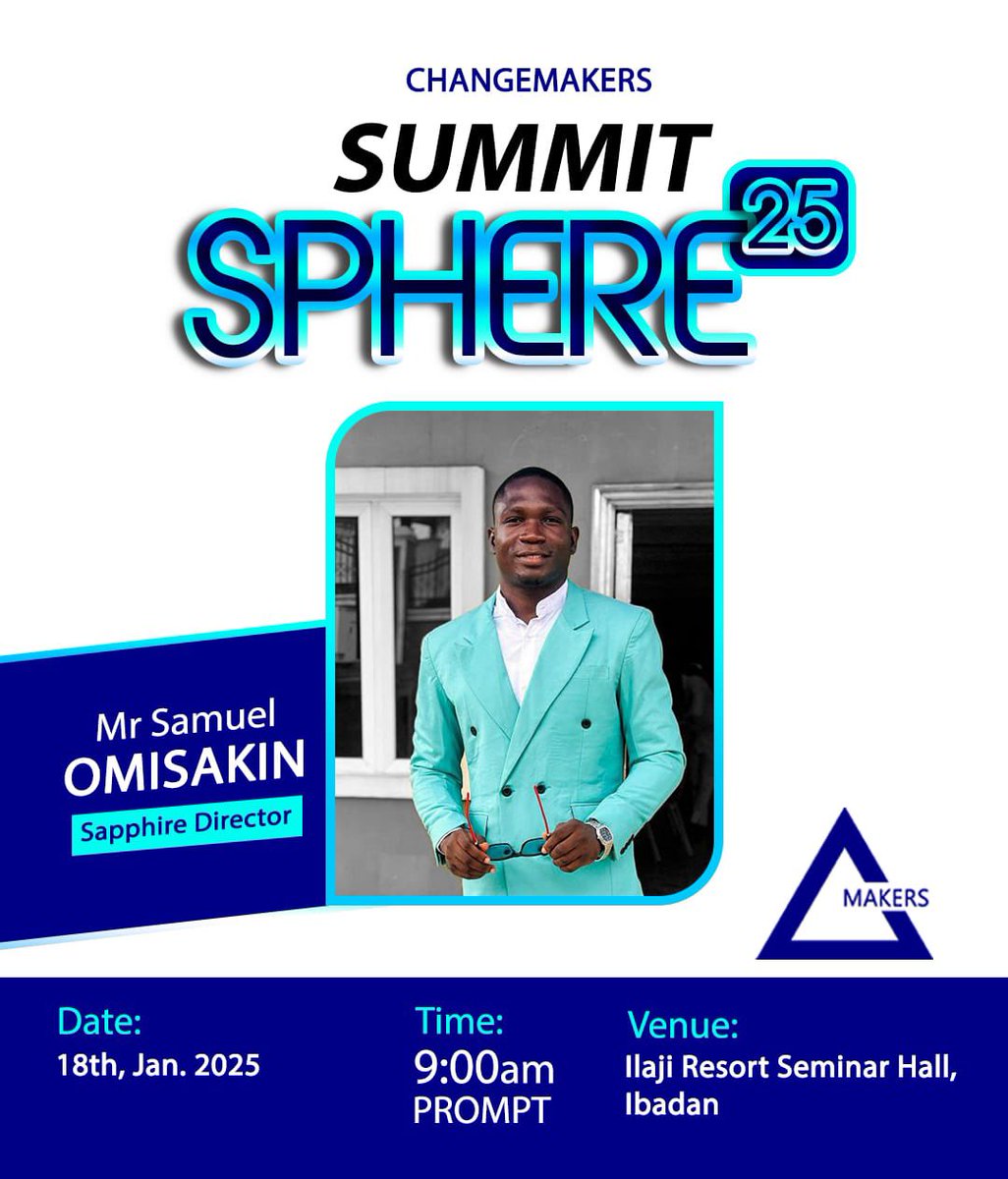
These principles are fundamental for achieving lasting success in our business.
I wish you all the best, ChangeMakers.
This Year….No Limits. Shoutout to their amazing team lead, Sidhiq🎖️
#BuildingRight #ScalingFast



2
20
It’s moments like these that remind us why we do what we do. There are a lot of potential out here.
Let’s go get it!🌟
#TeamParagon #BuildingRight #ScalingFast


2
13

7 Nov 2024
It's a #TBThursday
The Builderthon successfully helped founders & developers understand how to build& scale products, balancing technical& non-technical aspects& identifying when to work independently&when to seek assistance
#BuildingRight
@icphub_KE @paydhq @Investa_farm
3
16
499
29 Oct 2024
The Builderthon was a success! 🎉 Thank you to everyone who joined to gain insights on building right.
The focus was helping founders and devs to build beyond hackathons
#BuildingRight
4
109