
CPOF has finally flagged the missing daily secondary market Bond trading reports.
PDMO bears the responsibility Essential data needs to be restored ASAP.
ආර්ථික දත්තවල නිරවද්යතාවය සහ ප්රසිද්ධිය: මහ බැංකු නිලධාරීන් සමඟ පැවති ... youtu.be/qJoFYSfdo3Y?si=nmtX… via @YouTube
4
135
CPOF has finally flagged the missing daily secondary market Bond trading reports.
PDMO bears the responsibility for this disruption, yet no officials were present. Essential data needs to be restored ASAP.
@CSE_Media @CBSL #LKR #LK #SRILGB
youtu.be/qJoFYSfdo3Y?si=nmtX…
1
96

Jun 13
I remember getting to iraq in 2005 and being introduced to CPOF. As a Marine, this was the most insane concept ever. A 24/7 link to HHQ for constant micromanagement where some faceless army GO would review ppt and tell us our platoons were misplaced.
1
53

May 27
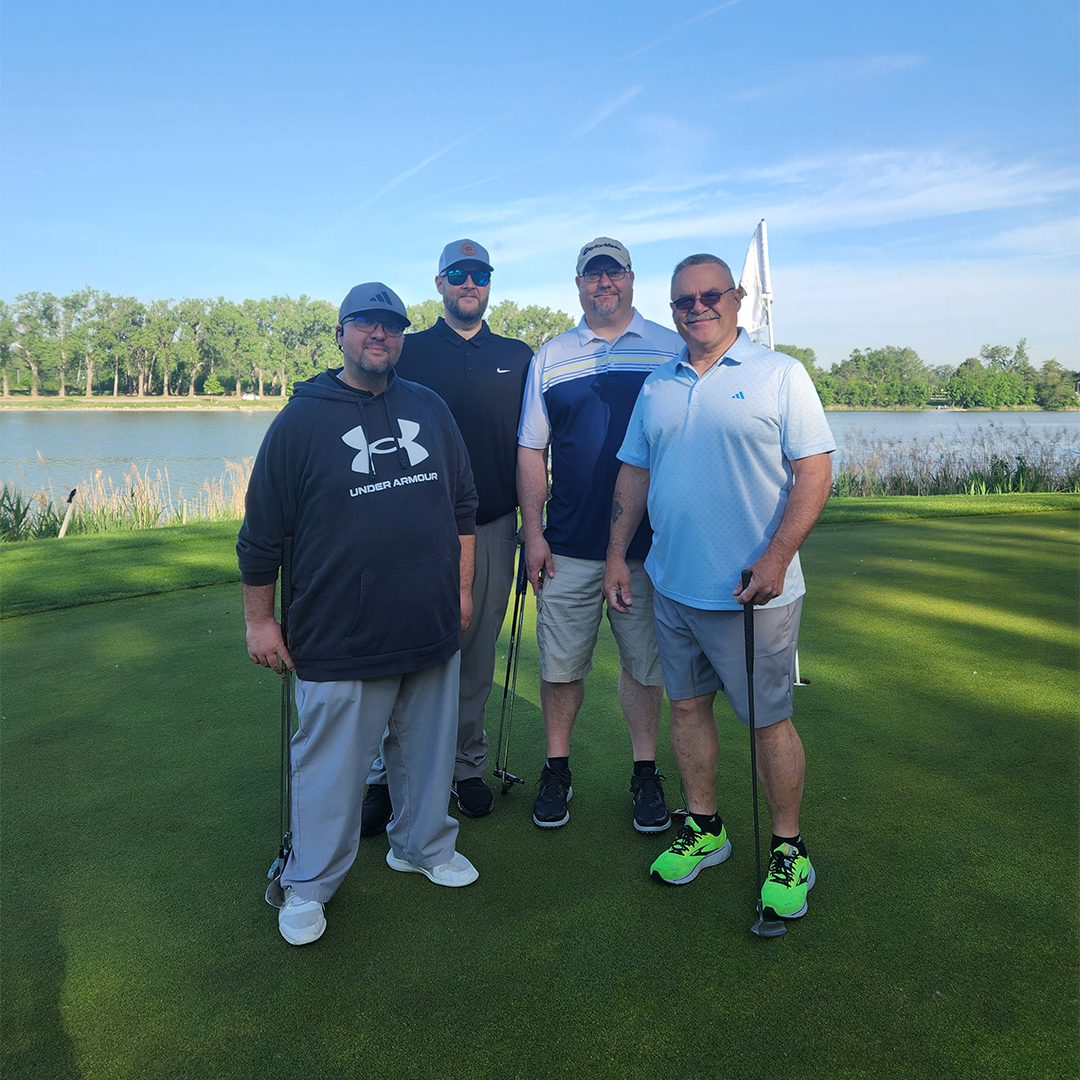
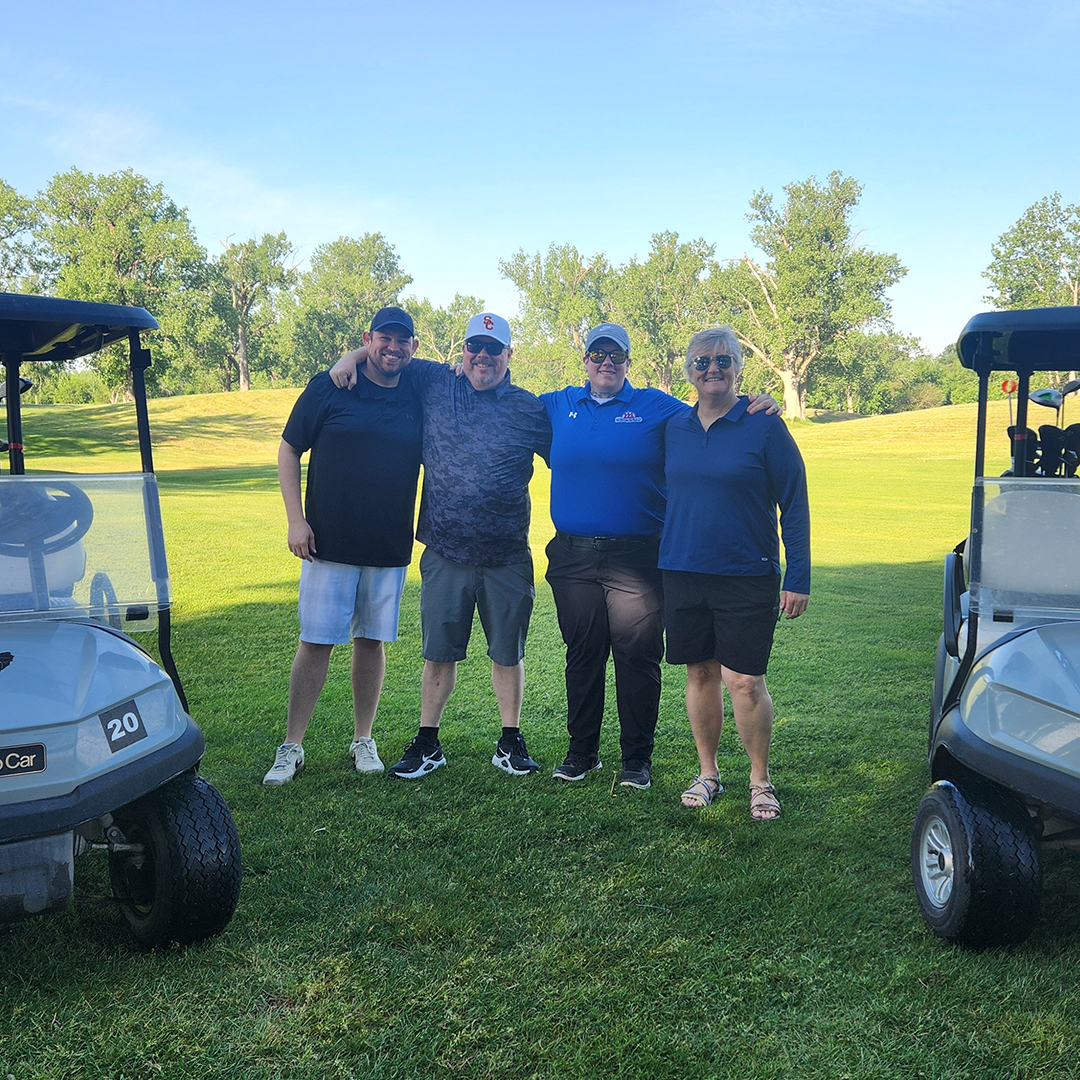
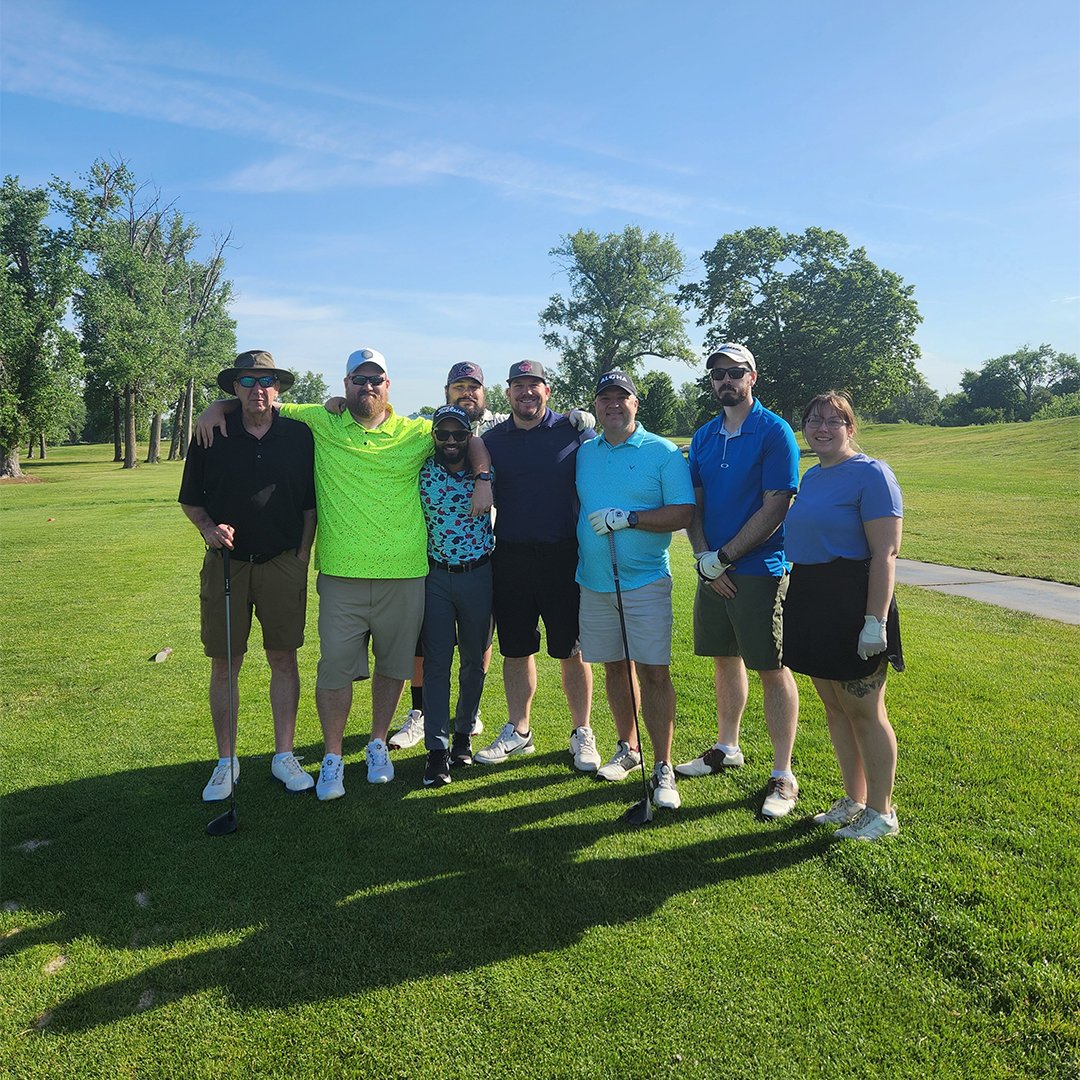
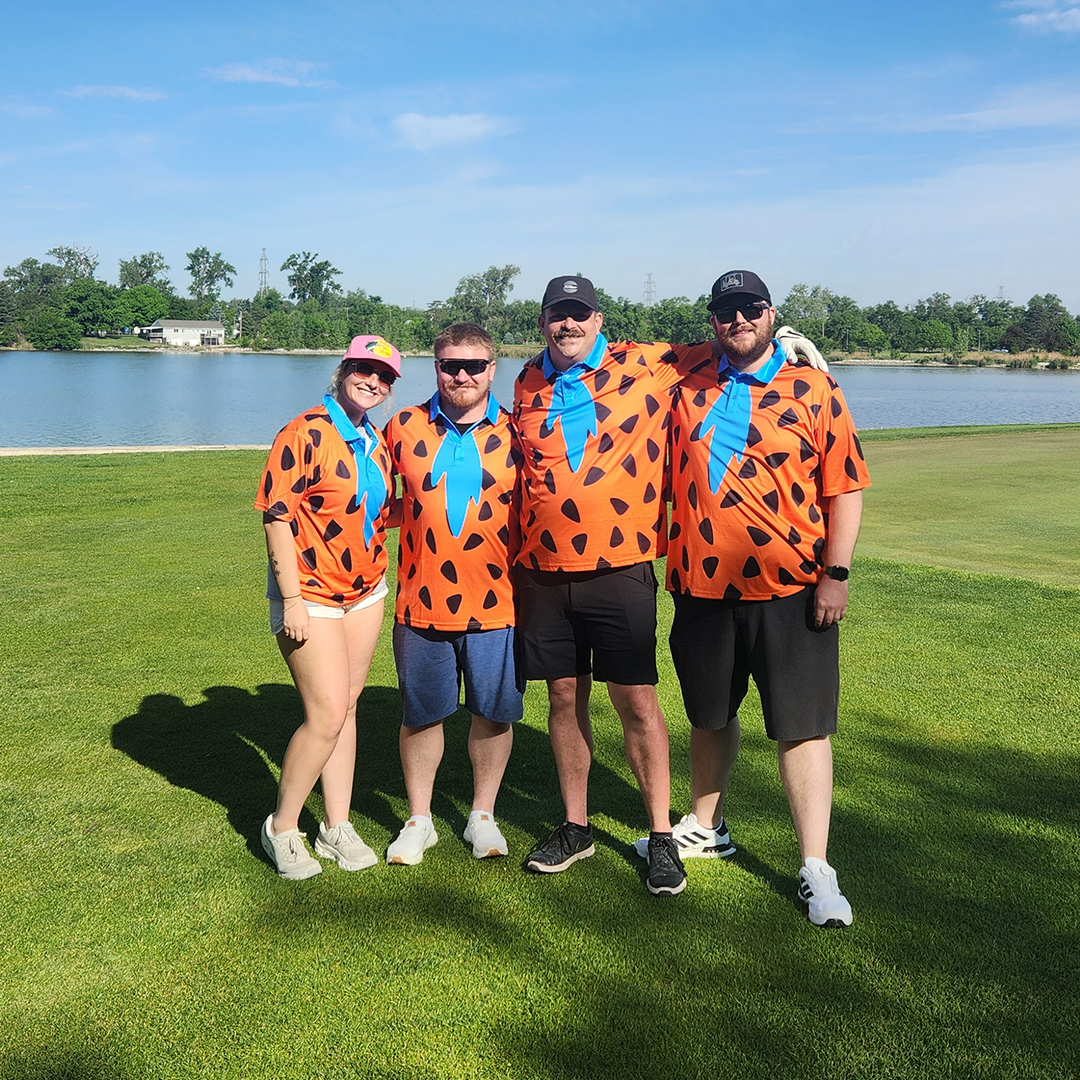
Teammates from across NDCS were invited to head out to the golf course for the Honor Guard’s Golf Scramble, with proceeds going to support CPOF. Thank you to everyone who participated, and a big shout-out to the NDCS Honor Guard for putting on this event!
2
53

I reenlisted when obama had his drawdown from wartime to peacetime numbers. My reenlistment got denied i was an E-5 with 7 years of honorable service, never failed a PFT or CFT completed dozens of MCIs and read 10 books off the reading list, went to multiple leadership courses, basic machine gunners school, HMMWV and 7 ton certified, CPOF and Blue Force Tracker certified.
The hell of it was 3 months prior we attended the reenlistment ceremony of this POS LCPL who 6 months prior got caught out of bounds, drunk driving while under age.
Why did he get to stay and I didn't?
3
78

May 26
#COCOA
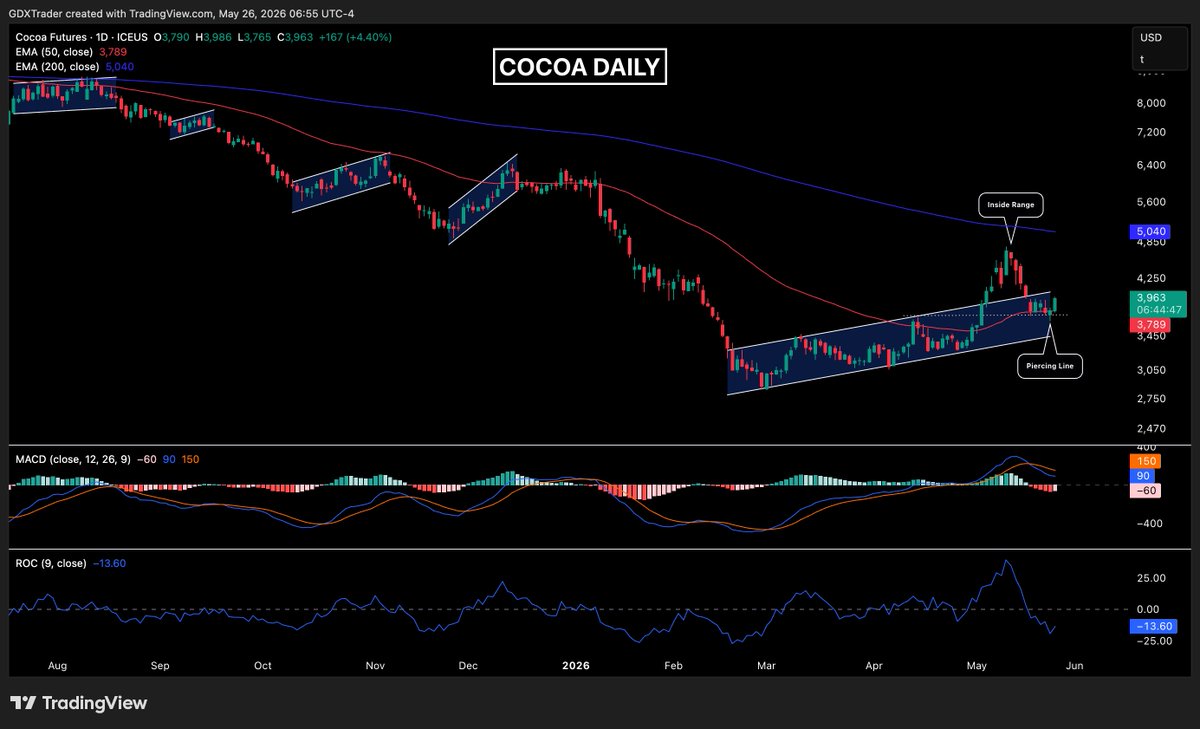
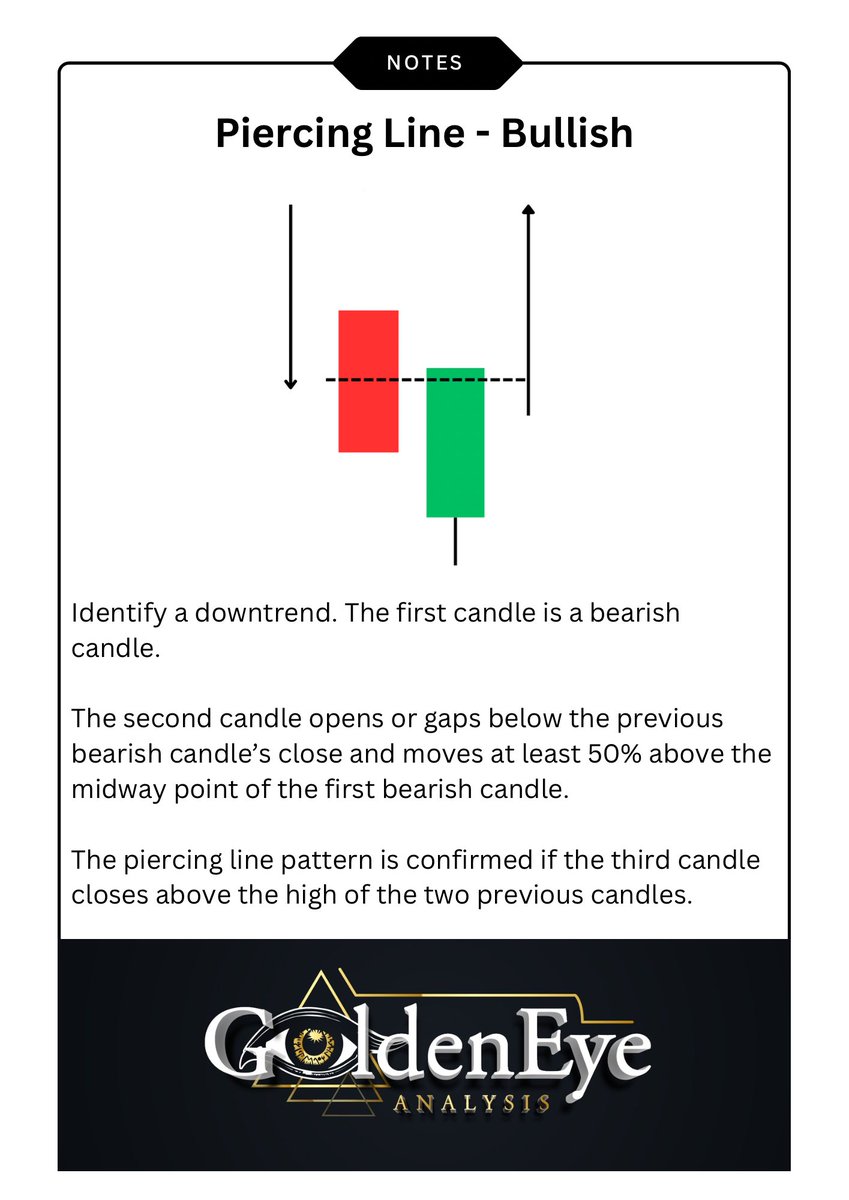
#COCOA gave us a bullish piercing line candle on Friday following its recent pullback into the 50 EMA, signaling buyers were beginning to defend support after the recent correction.
Today we are seeing potential pivot confirmation follow-through as bulls attempt to build momentum off that reversal signal.
The key now is whether buyers can maintain strength into the close and continue reclaiming ground in the sessions ahead.
If momentum holds, this could begin setting up a bounce and we'll want to monitor follow-through closely, as strong continuation candles and expanding momentum would help confirm that demand is stepping back in after the pullback phase.
Join us at goldeneyeanalysis.com to learn Japanese candlestick patterns.
$NIB $CCJ $CPOF $OLAM $NSRGY $MDLZ $HSY $GIS $K $SJM $CPB $KHC
2
6
2,482

Mar 13
Agreed. lol. This is just upgraded CPOF. It’s the operators and the planning that goes into it. Not some random consolidator of information.
3
507

Mar 10
What's the "1, 7, many or 0" & what in the world is CPoF? Just wondering...
1
2
11

Dans la région du Soum, les femmes jouent un rôle essentiel.💪🏿
À travers son accompagnement à la CPOF/S, le CICR soutient le développement d’activités génératrices de revenus portées par des femmes.
Une moto pompe solaire a été remise pour renforcer les activités de maraîchage.

ALT Une b\u00E9n\u00E9ficiaire ainsi qu'une collaboratrice du CICR en pleine discussion.
2
10
354


25 Nov 2025
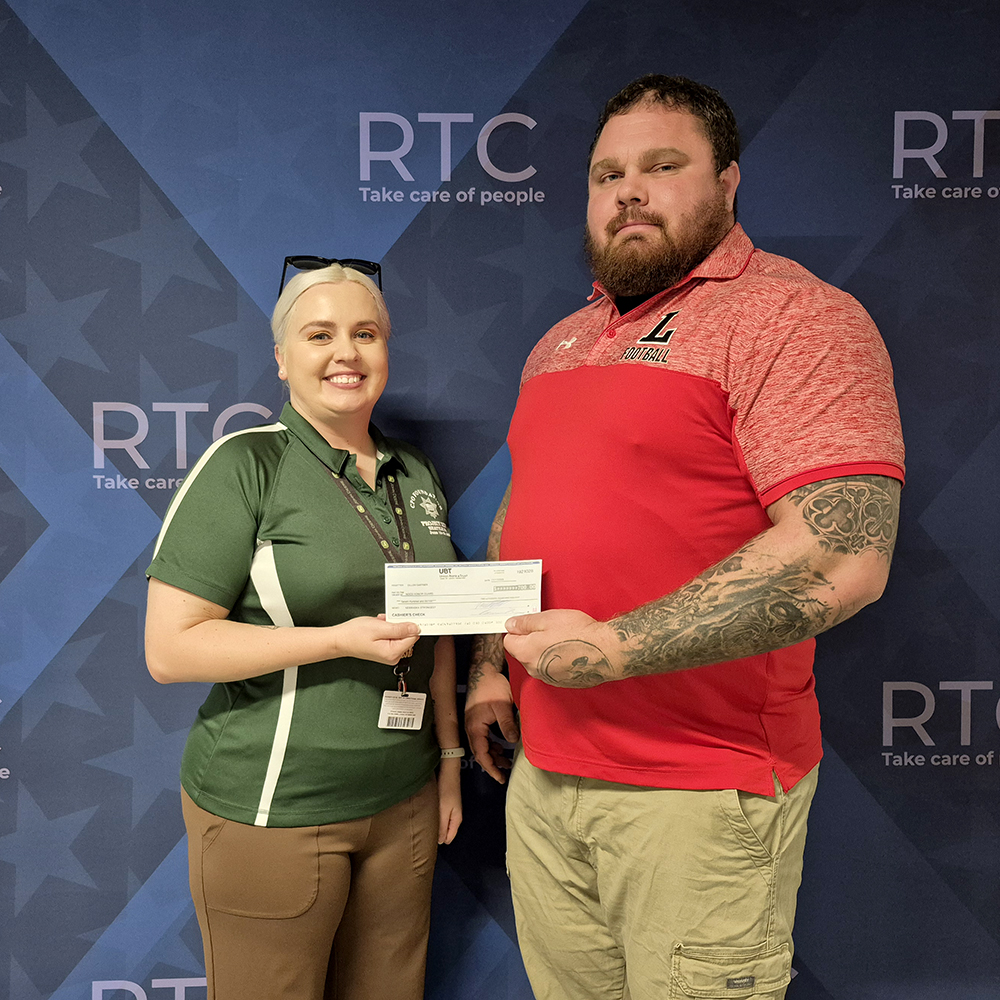
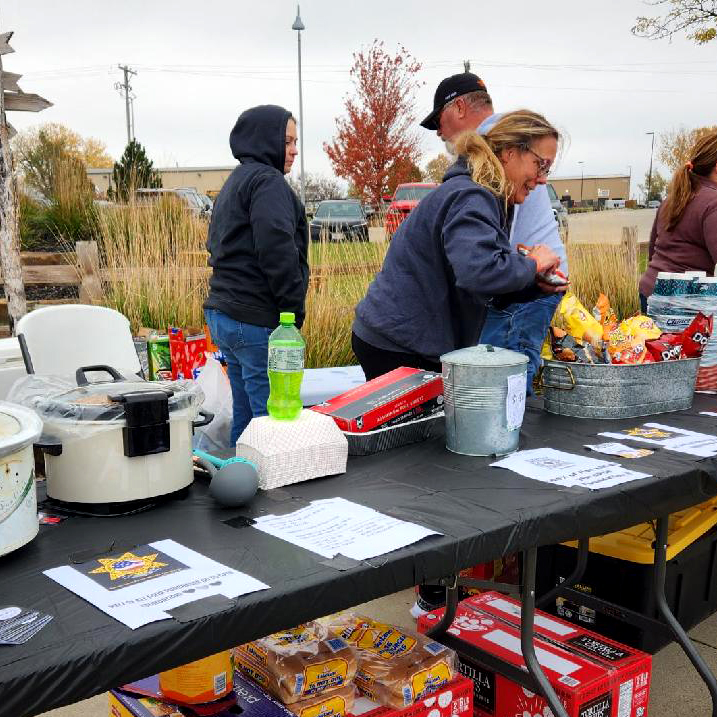
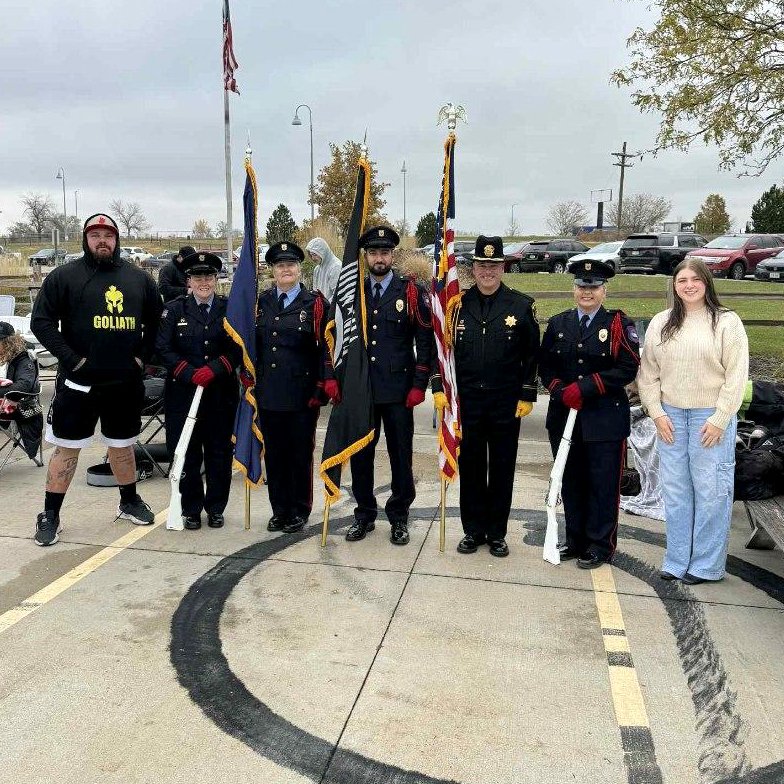
The Nebraska Strongman competition selected CPOF as the recipient of its 2025 event proceeds, which raised $700 in support of their mission. The check presentation was made by Dillon Gartner, recreation specialist at RTC, and a three-time “Nebraska’s Strongest Man” competitor.
2
80

22 Nov 2025
Killing a TOC is the fastest way to end the fight. Teach them to jump TOC every other hour and leave the CPOF at home.
1
3
63

8 Nov 2025
Im going to counter that. Fulfilling 85% of the requirements from the ONS would meet the minimum capability to be feilded. Hell, we feilded CPCE to replace CPOF at a far lower percentage.
Dont get hung up on a number. If the base requirements are met, then give it to the force and let them tell you what needs to changed.
2
2
223
25 Oct 2025
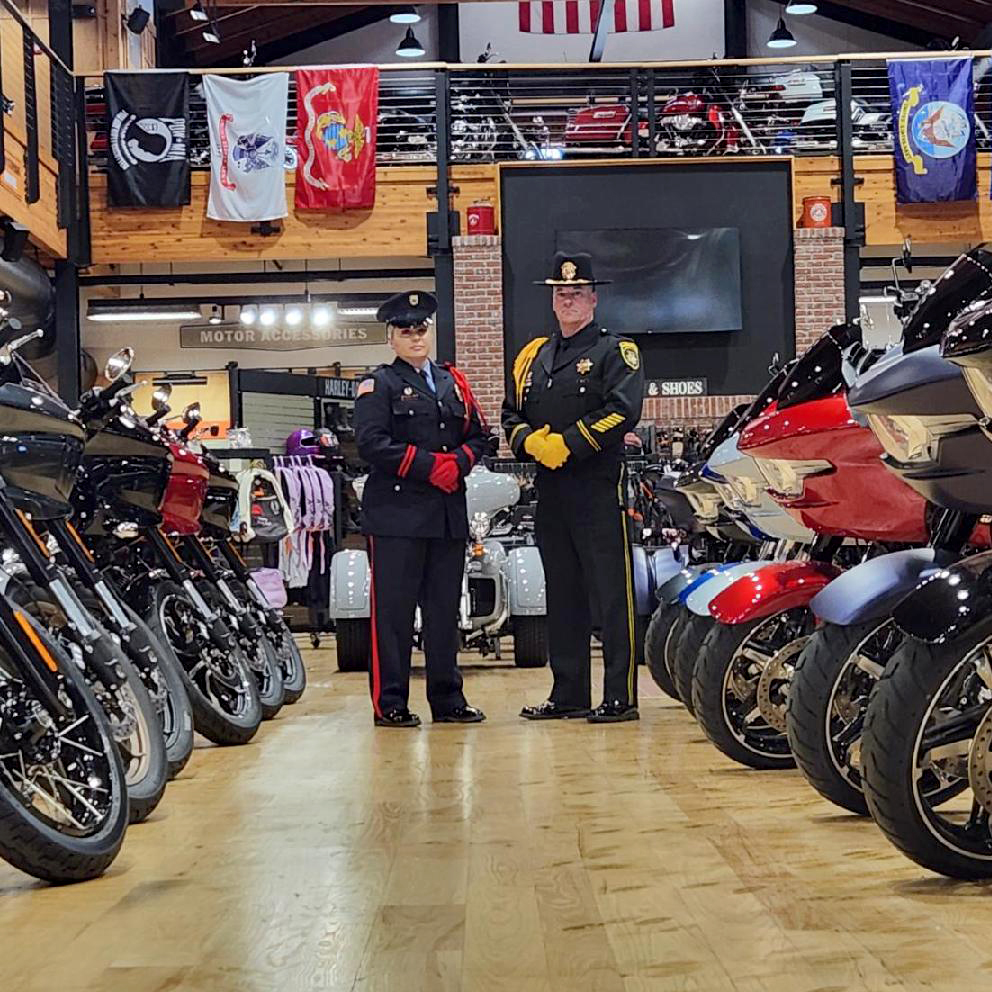
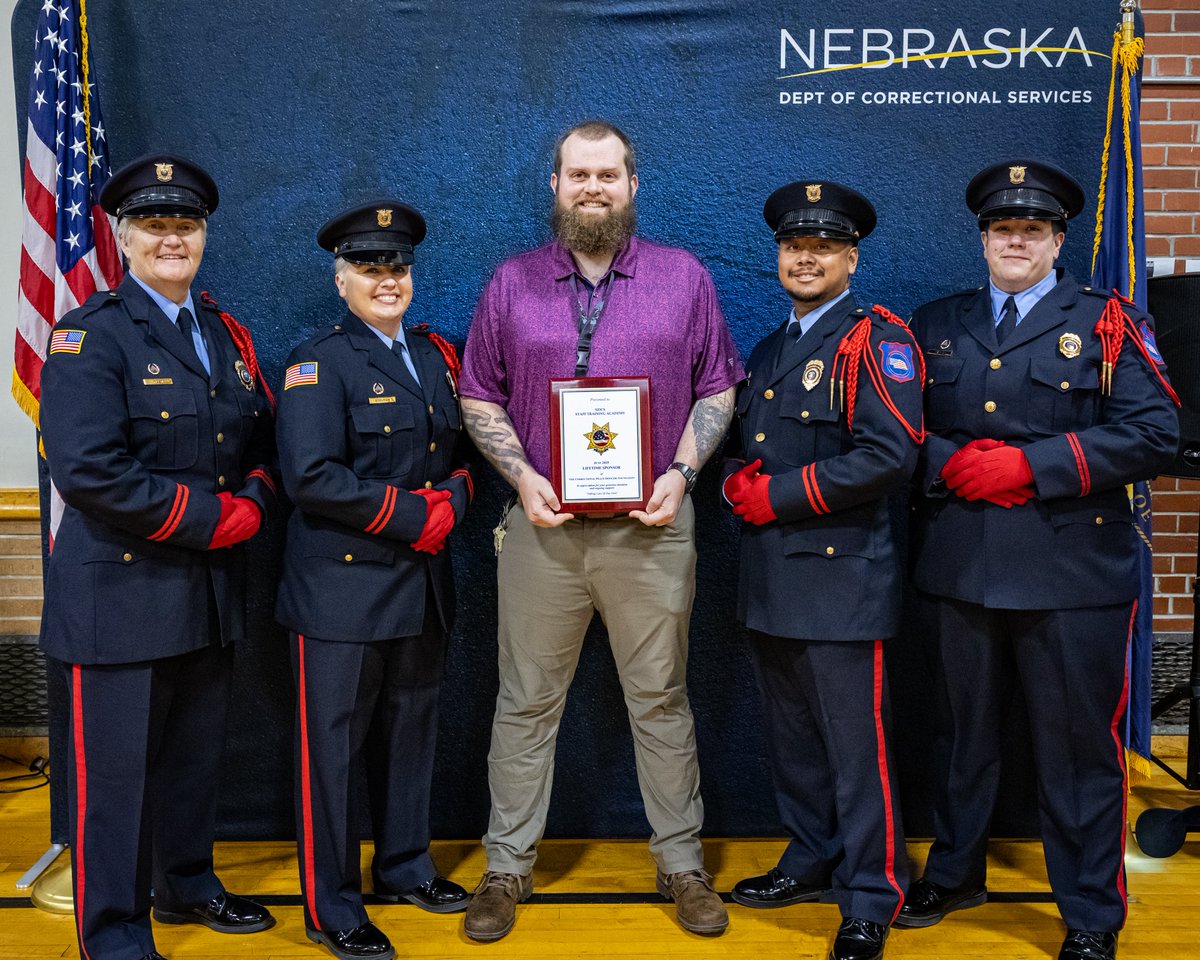
The NDCS Honor Guard proudly presented the Correctional Peace Officers Foundation (CPOF) Lifetime Sponsorship Award to the NDCS Staff Training Academy.
Read the story here: cpof.org/honor-guard/nebrask…
1
2
97

13 Oct 2025
imo we do need a better system to tie in ground ops with TOCs but I'm not sure this is feasible. CPOF is over 20 years old by this point and I doubt CPCE is any better.
1
2
60

29 Sep 2025
He failed to offer the proper sacrifices to the CPOF gods.
2
79

27 Sep 2025
The duty doesn't disappear. It remains the same. Prepare our forces for war.
I didn't want to be a TRADOC bubba. I was a trigger puller. But someone decided, over my objections, that my experience and ability to teach, and then to create learning experiences for others was more important than my desires. So, because of duty I became good at it. And I later became the Chief of NCO Future.
I am going to admit right here that even I wasn't prepared for the Digital Army that started with Force XXI. But I did the best I could with the knowledge and critical thinking skills that I had at the time. And of course, I had the help of several fantastic senior NCOs and officers. It continued after I retired of course, but I'm glad I was there at the start. (Except for CPOF, I swear to God I had NOTHING to do with that!)
Artillery and machine guns became dominant on the battlefield in WW1, ending in 1918. It took 22 years before the tank and blitzkreig became dominant, starting in 1940. It has taken less than three years for the drones to become dominant in Ukraine. Russian paratroopers near Hostomel and Russian tanks heading towards Cherniv were stopped in the good old ways.
But now, tank and infantrymen are stopped by a specialist kilometers away looking at a screen and holding a joystick guiding a drone with a warhead; or even an AI-self-guided suicide drone. The rate of transformation is increasing faster than most militaries can keep up. we can't allow ourselves to fall behind.
The joining of our training and acquisition folks and our folks looking to keep up, and get ahead of the rate and impact of new technology is a critical one. It is going to take egg-heads and knuckle-draggers with vision to make that happen.
I wish them the very best.
Of course, I sleep with a 1911 in .45 ACP by my bedside as my automated security system operates to alert me of intrusions. That's my mix of old and new. I depend on some new tech to prevent me from being surprised, and old tech to respond. But that's just me and my complete trust in a tried and true John Browning system. Is there something that might be just as good? Probably.
But better?
Nahhh.
Tanks, paratroopers, artillery, mech soldiers, and machineguns will still have a large place on the battlefield. Better comms, C2, Logistics, and Intel systems will keep them as dominating factors on future battlefields. But even newer tech will be a huge force multiplier. And we have to get it right.
Those egg-heads and knuckle-draggers in Army Transformation and Training Command have a huge duty. Our national security depends on it.
1
1
8
716
23 Sep 2025
I am posting this again, as it needs to be reinforced constantly.
Everything Old Is New Again – We Don’t Have to Reinvent the Wheel - Changing the Army
I have delayed writing this missive for days. I know I should write it, but the anger it evokes in me causes me to get distracted from what I really want to say. The subject of this post is combat readiness. For those who don’t have exposure to what combat readiness means, you might pick up a bit of knowledge. For those who do have experience with combat readiness or the lack thereof, I hope to provide a perspective from one of us who grew up in the military after the Viet-Nam War ended.
I enlisted in the U.S. Army in May of 1972. My motivation, as trite as this may sound, was the philosophy espoused in the writings of Robert Anson Heinlein and the John Wayne movie The Green Berets. My enlistment contract called for me to be trained as an Infantryman and to be assigned as an individual replacement for an infantry unit in Viet Nam. That’s what I wanted. My Recruiter was pretty happy about that.
I took basic training at Fort Ord, CA in the training unit commanded by then MG Hal Moore. The training my comrades received was predicated on the fact that most of us were probably heading to Viet Nam as infantry soldiers. The priorities in training were repeated to us daily: Move – Shoot –Communicate. Our drill sergeants were all combat veterans and gave us motivation, guidance, and training as they put us through the soldierization process.
I was selected to attend a one week Select Leadership Program (SLP) to serve as a squad leader once we went to Advanced Individual Training (AIT) as Infantrymen at Fort Polk, LA. However, two days before basic training graduation I was called into the company commander’s office, along with three other soldiers.
President Nixon had halted the flow of combat soldiers to Viet Nam, and I had options. I chose Jump School and the 82d Airborne Division. After graduation I reported in to Fort Bragg, without Advance Infantryman Training. I was assigned to A Co 1-325 Parachute Infantry. There were many of us who did not have a Military Occupational Specialty (MOS), and we underwent a 90-day program to perform on-the-job (OJT) training as Infantrymen. Our final test was to be the Expert Infantryman’s Badge (EIB) test. I passed the test with zero “No-Gos” and was awarded my EIB, which I proudly placed above the Jump Wings on my chest. Because I passed the test perfectly, I was also promoted to Private First Class (PFC).
I was accepted into a good platoon with a great platoon sergeant and platoon leader. Both combat veterans of Viet Nam. And thus, I became a squad member, and we began training for combat as a unit.
After the United States ended direct combat action in Viet Nam there was a significant cut to the Army’s training budget. There were also other issues way above my gnat’s level in the Army’s structure.
The problems were many and have been articulated elsewhere. I will only say that the example I saw directly was that we had zero funds for training. Those missing funds caused us to not have training ammunition, no fuel for transport to training areas, and no, or few, C-Rations for field feeding. Beans, Bullets, and Fuel. Nada.
So, we would march to a local training area, execute an attack, or defend against an attack with us running through the pine trees going “Bang! Bang!” at each other. We would march back to the unit area for lunch, then march back out to training until it was time to head back for supper. We’d sometimes get trucks to go to distant training areas, but most often we marched to and from them. Parachute jumps were a thing to look forward to. Putting my knees in the breeze made up for the frequent boredom I felt.
The United States Army was in pretty sorry shape at that time. Although the main focus of the Army was NATO and perceived Soviet Threat, resources had been eaten up by the Viet Nam combat. There was also a huge problem with soldiers using illegal drugs. In my platoon, there were only four of us who did not smoke marijuana. Several of the soldiers used heroin on a daily basis. Several more used LSD habitually. Fortunately for me, my unit was not besieged by the race issues that prevailed throughout the military during these times. Most of the NCOs were black, the few that weren’t were Puerto Rican. The only white NCO was the platoon sergeant in third platoon who was a WW2 Polish refugee, who had been drafted into the German Army, sent to Rommel’s Afrika Korps, captured by the British, later joined the French Foreign Legion, and sent to Dien Bien Phu, left the Legion, and had been recruited into the U.S. Army Special Forces for action in Viet Nam In MAC-SOG-V, working in CC-North. Talk about the wealth of military experience! And he was the loudest griper about how the resource crunch was preventing us from conducting realistic combat training.
Also at this time the U.S. Army was going through a transformation. The senior leadership was concerned that combat readiness was low and looked to some very experienced WW2, Korean War, and Viet Nam War veterans. One of these was named Arthur S. (Ace) Collins Jr. Collins was graduated from West Point in 1938 and received an M.A. in International Affairs from George Washington University in 1964. He served in the U.S. Army for forty years before his retirement in 1974. For twenty years of this service, he closely supervised the training of United States soldiers, as both commander and staff officer. He was a training advisor to the Korean Army. He was a combat veteran of World War II, Korea and Vietnam, having commanded at every level from platoon to field army.[1]
In 1978, LTG Collins published Common Sense Training: A Working Philosophy for Leaders. That book described almost every inhibitor to combat readiness that the Army was plagued with. The dedication to his book tells us where his heart was.
To the soldier,
from whom I learned so much,
and to whom we owe so much.
A quote from the first chapter of his book is revealing. “A professional soldier, be he officer or noncommissioned officer, must learn early in his career not to think of training as the insatiable enemy that endlessly consumes his time. True, he and his troops will be training most of every day. But training is not just a priority to be emphasized this week because a senior commander is now pushing it, as he was “maintenance” last week and “safety” or “equal opportunity” the week before.”[2]
Replace the words “…maintenance” last week and “safety” or “equal opportunity” the week before.” with “Diversity, Equity & Inclusion (DEI) training and Social Justice Theory the week before.” and you will understand where I am going in part. But only in part.
Back in the 70s, the Army underwent a transformation in combat and training doctrines. I’ll hit on a few of the things that came from such changes, but for the moment, I’d like to concentrate on why those changes were necessary.
At one point, not really long ago, the United States Army was the best in the entire world. We proved that in 1990-91 during Operations Desert Shield and Desert Storm. We’d also gotten proof of concept in 1989 with Operation Just Cause. The enemy didn’t stand a chance. Our operational doctrine was based on what was titled Air/Land Battle. The concept of bringing the coordinated efforts of ground units such as Mechanized Infantry and Armor and Artillery, supported by all the other Battlefield Operating Systems and supporting units such as Engineers, Signalers, Ordnance and transportation units and coordinating with rotary and fixed wing aircraft to bring the supplies and bring the fire on the enemy. This doctrine was designed to defeat Soviet forces in the NATO operational area. The idea was to overwhelm the enemy with closely coordinated and unstoppable force. And we did it in 1991 and again in 2003.
In addition to changing our fighting doctrine a new doctrine on how to train soldiers and leaders began in the mid-70s. The name of this new training doctrine was Batte Focused Training. The idea was to reduce the distractions that the Army had developed in the Post WW2 era. So much of a commander’s time was consumed by meetings. So much of the soldiers’ time was consumed by things that had nothing to do with fighting a battle or winning a war.
Again, I’ll quote from LTG Collins’ book. “The most common excuse for poor training I have heard over the years is a shortage of troops: “I don’t have enough men,” “Half of my men are on detail,” or “I need a full strength unit to train properly.”[3]Another, “ . . . Another common excuse is, “The training area is inadequate.” The training areas are either too small, too far away, too wooded, too open, or too something. What has happened is that we have lost our eye for terrain.”[4]
Perhaps the worst reasons for not conducting good training included “Commander’s call during prime training time. Inspection teams formed from subordinate units. Unannounced surveys that could have been scheduled well ahead.” And my favorite “Sergeant Major calls to send police detail “right now,” because “someone is coming.”[5]Any current commander today can add his or her own list of things, but we’ll get to that a bit later.
Several very good, thinking, and articulate senior officers began a ruthless intent to cut things that interfered with a commander’s focus on preparing his/her unit to fight the first battle of the next war. They also developed very efficient and effective ways to manage training, including managing the necessary resources. The resulting doctrine was published as Field Manual 25-100, Battle Focused Training. It took a few years before the new doctrines became inculcated into the Army because it was a generational change. Previously things that someone up in what we called Echelons Above Reality decided that such and such a thing needed to be required training for all soldiers. And somehow that was transformed into a regulation. 99% of that stopped when the Army published Army Regulation 350-1 that specifically directed the implementation of Battle Focused Training.
As all this was happening, the Army began regulating and developing the education programs for commissioned and noncommissioned officers. New leadership courses were created for soldiers selected to become NCOs. The Army Noncommissioned Officer Education System (NCOES) began. I was blessed to be included in some of the first batches of soldiers who were going to be promoted to the rank of Sergeant and selected to attend one of the early classes of the new system. And as I rose in the ranks, new, more advanced, schooling became available and so I attended those courses. Those courses gave me the book knowledge about Army rules, regulations, training activities, technical manuals, and an entire gamut of the things I needed to know as I was selected for positions of greater responsibility. And so, the platoon sergeants, first sergeants, and sergeant majors that later led units during Desert Storm were formed in the late 70’s and early 80s. Along with the officers who grew up in the concurrent Officer Education System (OES), we were the best that we could be.
But we screwed up! We won the war. And some historian proclaimed “The End of History. And an old story reared its ugly head.
“I went into a theatre as sober as could be,
They gave a drunk civilian room, but 'adn't none for me;
They sent me to the gallery or round the music-'alls,
But when it comes to fightin', Lord! they'll shove me in the stalls!
For it's Tommy this, an' Tommy that, an' "Tommy, wait outside";
But it's "Special train for Atkins" when the trooper's on the tide,
The troopship's on the tide, my boys, the troopship's on the tide,
O it's "Special train for Atkins" when the trooper's on the tide.
. . .
You talk o' better food for us, an' schools, an' fires, an' all:
We'll wait for extry rations if you treat us rational.
Don't mess about the cook-room slops, but prove it to our face
The Widow's Uniform is not the soldier-man's disgrace.
For it's Tommy this, an' Tommy that, an' "Chuck him out, the brute!"
But it's "Saviour of 'is country" when the guns begin to shoot;
An' it's Tommy this, an' Tommy that, an' anything you please;
An' Tommy ain't a bloomin' fool -- you bet that Tommy sees! [6]
Of course, it wasn’t reflected quite as bad as it was in the British Army in the 1800s, but since we’d won the war, and the Soviet Union collapsed, where was the need to pay for a large Army that would never more be needed? And a few of us “Tommy’s” in both the commissioned officer corps and my NCO corps started to see the impact.
Other complications arose. The Army, with supposedly a smaller budget, had to do things faster, better, and cheaper. And new technology was going to help us do that.
My last assignment in the U.S. Army in 1995 was Chief, NCO Future Coordination Cell at the Sergeants Major Academy. The job was to look 20 years into the future and determine what the training requirements for all NCOs would look like. I was never satisfied with the result of my work. The most important thing I recommended to U.S. Army Training and Doctrine Command (TRADOC) was that when a soldier booted up any computer system, the screen needed to look like Windows™. Simply because most new soldiers were experiencing Windows in school or at home and we wouldn’t need to waste training time and money to teach them a new system. The Army was incorporating the new technology of the ‘90s and we were getting AFATADS, AMDEWS, CSS, MCS, and a whole host of new, information age systems to better combat response. Of course, my recommendation was ignored and each one of those new systems was based on a wholly different, enterprise, operating system (OS).
The worst of all these systems was Command Post of the Future (CPOF). It was proposed as a prototype system that would assist commanders and staff to see the battlefield, arrange and organize data into usable information, and assist in the development of plans and orders. Sounds good? Of course! Except it was entirely and completely different from the Windows OS that most enlisted and officer soldiers were very much used to. There was absolutely nothing intuitive when using this system. Training an operator was extremely difficult and onerous. If an officer was using his issued laptop to prepare an info or decision brief to the commander, then went to CPOF to gather information he would use Windows commands, and you could hear the screams in the next Tactical Operations Center (TOC) over. Three tents away. Terribly difficult to use but designed to be only a prototype. Until the Army accepted it as theprimary battlefield operating tool. I would like to someday meet the colonels and generals who thought this would be a good idea – with a clue-by-four in my hand. My bet is that after retirement they went to become a member of the board of directors of the business that sold this white elephant to the Army. But I digress.
As I stated, we were the best in the world in 1990 and maybe in 2003, when we invaded Iraq the second time. However, we did it with less capable units in 2003. The Army’s budgets started to decline after 1989 when the Soviet Union imploded. Except for Saddam, we had no viable enemy; so why should the taxpayer keep funding this massive, but exceedingly capable military if there was no viable enemy? So, slowly, the conventional combat readiness of our military began to shrink. It was enough to overwhelm Saddam in 2003, but we then began the Global War on Terror. And our conventional combat readiness began to shrink further and faster. The Army got very good at clearing villages of onesies and twosies of bad guys. We got very good, with a few exceptional failures, at defending combat outposts (COP) against enemy light infantry sometimes supported by mortars. We were killing terrorists and insurgents. The enemy had no tanks or heavy artillery, nor did the enemy have any combat or transport aircraft. So, we trained to fight this kind of war to the detriment of being capable of fighting a conventional war against someone who had mechanized infantry, tanks, heavy artillery, and very capable combat aircraft.
All you senior NCOs and officers who joined the Army after 9-11-2001 became excellent anti-terrorist and anti-insurgent operators. COIN experts. But how many Artillery units were deployed as Light Infantry in the last 20 years? I know and had worked with several as a senior security and senior training consultant in Iraq and as a senior trainer in Afghanistan, working “outside the wire “in many instances. I heartily commend each and every one of you. Some of your colleagues died to keep me alive. I will never forget that. But, again, I digress.
The condition that our Army is in was caused by several factors. The issues I describe above were also more recently impacted by COVID-19. Those of you who commanded or served as senior NCOs know better than I do how this affected the combat readiness of the Army. I can give some anecdotal evidence that was provided to me by the husband of my granddaughter. He served in an Infantry unit at Fort Lewis (JBLM for the initiated). Because I was the one who convinced him to go into the Army and choose Infantry as an MOS, I maintained contact with him throughout his service. I spoke to him often on the phone as the Army’s response to the COVID threat evolved. I was astounded when he told me that the unit conducted morning formations by text messages. Soldiers would stay home and text their squad leader for accountability. The squad leader would then text (from home) to the platoon sergeant, who would text (also from home) to the first sergeant. Training consisted, sometimes, of group chat. My grand-son-in-law was a mortarman. You Eleven Charlies out there can probably relate. Training by chat? By Zoom? Mortar training? For me, it made my head explode!
During my service we had several “flu epidemics.” The Swine Flu in 1976. The Russian Flu in 1977, Annual Influenza Epidemics (1972–1996), and the Avian Influenza Concerns (H5N1, 1996). During none of those periods did we stop training! None! We trained as usual, excepting those who actually had the flu. And we were used to training shorthanded. As LTG Collins wrote in his book, “I have never seen a company, platoon, or squad take a hill at 100 percent strength.”[7]We knew that and trained to continue the mission with what we had. But we NEVERstopped training![8]
COVID was a killer of combat readiness. But, starting even before that, there was a virus that began infecting our Army. That virus was never given an official name. But I’ll just go ahead and call it “wokeness” My trusty sidekick, Grok, defines wokeness as follows:
“"Wokeness" is a term that originally meant being aware of social injustices, particularly around race, and was rooted in activism for equality. It’s evolved into a broader, often vague concept describing hyper-awareness of perceived moral or cultural issues, sometimes leaning into performative righteousness. Critics see it as dogmatic overreach—think virtue-signaling on steroids, where people or institutions obsess over language, behavior, or policies to appear morally superior, often stifling debate. Supporters view it as heightened social consciousness, pushing for fairness and inclusivity.”
I can accept that definition, but would add the desire for “equity.” Equity being equal outcomes regardless of anything else. So, you have three privates, each with differing military training evaluations. One is poor, one is average, one is exceptional. It comes time for promotion, you must promote all three to PFC. Because equity. Not merit. And so on through the ranks. Even commissioned ranks. And what happens? Well, I don’t think combat readiness is going to improve for one. But two, there becomes a more sinister issue. With thousands of hours of new training requirements, how many of those hours are reported as performed when there was no such training actually conducted. Because there was not sufficient time. I quote from a 2015 monograph that I will discuss in more detail later:
“We begin by analyzing the flood of requirements experienced by military leaders and show that the military as an institution has created an environment where it is literally impossible to execute to standard all that is required. At the same time, reporting noncompliance with the requirements is seldom a viable option. As a result, the conditions are set where subordinates and units are often forced to determine which requirements will actually be done to standard and which will only be reported as done to standard. We continue by examining the effect on individuals and analyze how ethical fading and rationalizing allow individuals to convince themselves that their honor and integrity are intact despite ethical compromise. We conclude by recommending open professional dialogue on the phenomenon, institutional restraint in the proliferation of requirements, and the acceptance of risk in leading truthfully at all levels.”[9]
I want to provide another example of why I started to get very worried about the future of Battle Focused Training as I saw it at the end of my career in the mid-90s.
Equal Opportunity and Prevention of Sexual Harassment became career killers in the 90s. I mean the creating of mandatory lessons and classroom time for soldiers were killing good officer and NCO careers because they didn’t do those classes and tried to remain true to Battle Focused Training. There was never enough time. These subjects were included at every level of NCOES and OES. There were mandatory lessons that had to be taught to soldiers by commanders or select NCOs who were required (many against their will) to attend special training at schools the Army had to create to satisfy public demand. Of course, the demand wasn’t really from the public. The demand came from the crowd surrounding Bill and Hillary Clinton in the 90s. The crowd that began “wokeness.” It began there, my friends.
I, and others, began to question the quantity and quality of the training being directed by Big Army. One of the issues that arose was the desired inclusion of these subjects and their training requirements into an Army publication. The specific regulation the “woke before there was woke” group wanted it included in was Army Regulation 600-20, Army Command Policy. This regulation was the document that governed the Army’s rank structure, the duties, responsibilities, and authorities for each rank or command position in the Army. There was a chapter included titled Enlisted Aspects of Command. This was the chapter that granted NCOs the authority to issues orders and also required them to discipline soldiers as necessary. I liked that reg. It was an anchor and a touchpoint for us NCOs. It required us to perform the duties as specified and provided us with the commensurate authority to do so. The entire reg wasn’t very long. It was clear, concise, and to the point. It described the requirement for commanders to assume responsibility for everything the unit did or did not do. And it gave them the authority to do it. This was how the Army was to command the soldiers entrusted into its care and prepare to fight the nation’s wars
But the woke crowd wanted to change the regulation. They wanted to include Prevention of Sexual Harassment in it. They wanted to include Equal Opportunity in it. They wanted to include Affirmative Action in it. And finally, they wanted to include Army Family Team building in it. They also wanted language in the regulation that was very vague and non-descriptive. And many of us in the senior ranks of the Army school houses were against taking a very good regulation that was easy to understand and teach and turn it into a tome that was going to be very difficult to develop Army-wide lesson plans for.
Ther was an Army lieutenant colonel in the Pentagon’s Army Personnel Office who had been tasked to rewrite this regulation to the satisfaction of the woke crowd and all of us training and curriculum developers in the field. He was actually a U.S. Army Reserve Chaplain. He was past retirement eligibility but was told he had to get this reg approved and promulgated before he would be allowed to retire. I had several occasions to speak with him on the phone as we discussed how the latest draft of the reg was going to be received as it was being staffed to all the commands concerned. And the very importance of that reg made it a requirement to be looked at by every Army school, branch, and major command. And every one of us in these positions who had been tasked to review it by our commanders had issues with it. Some wanted more. Many wanted less. All wanted something easier to fully comprehend. (Cont)
1
2
720

16 Aug 2025
I may not be airborne but I am certified in CPOF (command post of the future) so it’s practically the same thing.
2
31