
Jun 8
#threatreport #LowCompleteness
IronWorm: Shai-Hulud's rustier cousin | 03-06-2026
Source: research.jfrog.com/post/iron…
Key details below ↓
💀Threats:
Ironworm, Shai-hulud, Supply_chain_technique, Credential_harvesting_technique,
🎯Victims: Software developers, Crypto and web3 developers, Github repositories, Npm packages
📚TTPs:
⚔️Tactics: 2
🛠️Technics: 0
🤖LLM extracted TTPs:`
T1014, T1027, T1027.002, T1036, T1056, T1059.004, T1071.001, T1078, T1083, T1090.003, ...
🧨IOCs:
- File: 1
- Email: 5
💽Software: Linux, claude, Arweave, dependabot, Kubernetes, Anthropic, OpenAI, Mistral, Groq, Electron, ...
📲Wallets: exodus_wallet
🗂️Win API: lockfile
📜Programming Languages: javascript, rust, c_language
#threatreport:
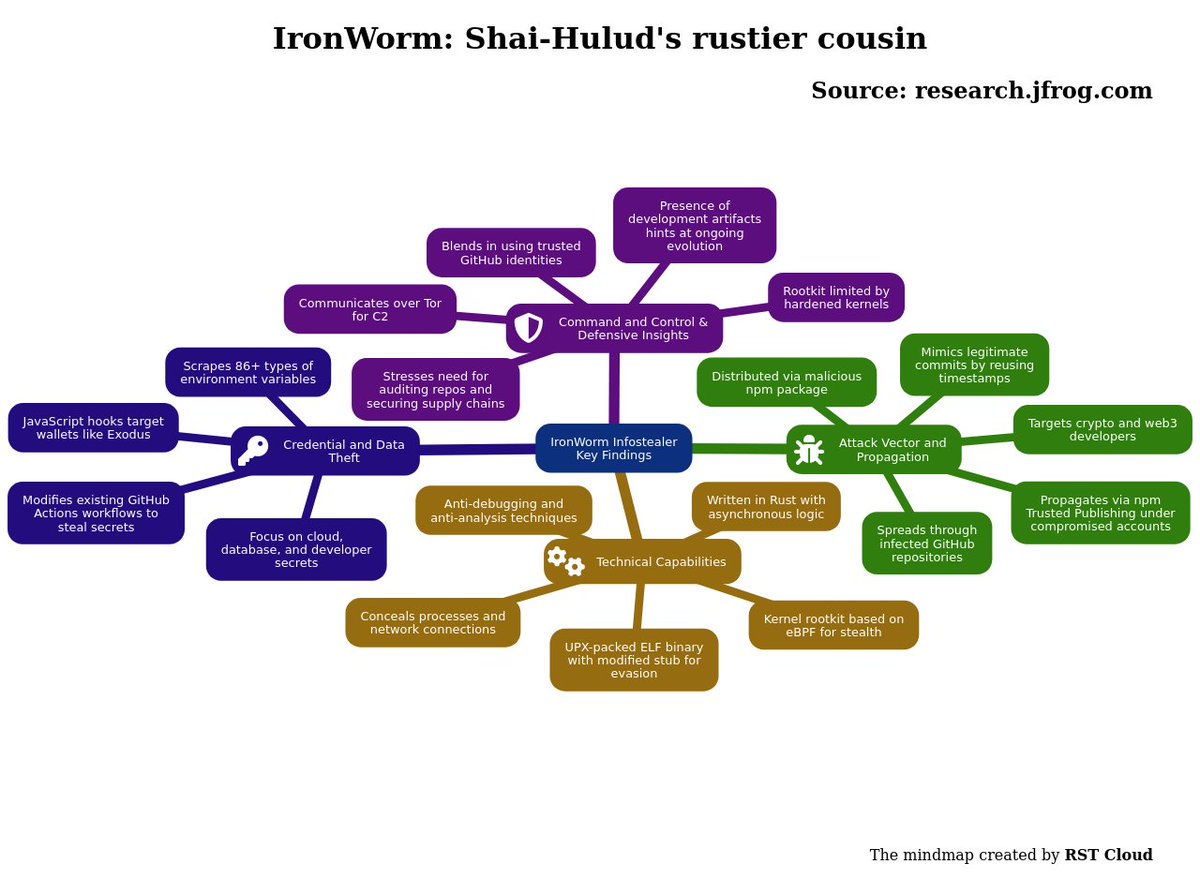
IronWorm is a newly identified infostealer malware built with Rust, discovered through a malicious npm package that uses a supply-chain attack targeting software developers—particularly those within the crypto and web3 domains. This malware operates by scraping sensitive information from developers’ machines, leveraging a kernel rootkit based on eBPF technology for stealth, and communicating with its operators over Tor.
The malware deploys itself through infected GitHub repositories by committing stolen credentials as part of its propagation mechanism. It stealthily inserts its payload into projects by mimicking legitimate activity, often attaching its malicious commits to existing legitimate commit timestamps, thereby blending in seamlessly. The IronWorm variant identified includes a UPX-packed ELF binary disguised to evade detection, utilizing a modified UPX stub to conceal its true nature. Once unpacked, the binary reveals complex logic and asynchronous features characteristic of Rust, making reverse engineering challenging.
IronWorm’s functionality includes the extensive exfiltration of credentials, targeting 86 types of environment variables related to cloud platforms, databases, and development tools. It specifically includes techniques for capturing sensitive information from cryptocurrency wallets by injecting JavaScript hooks into applications like Exodus, allowing it to collect wallet passwords and recovery phrases without arousing suspicion.
In terms of capabilities, IronWorm can modify existing GitHub Actions workflows to steal secrets without adding new files, allowing it to exfiltrate sensitive information in a manner that appears legitimate. This approach utilizes trusted identities to obscure its malicious intent. The malware is designed to automate the republishing of packages under the compromised npm account using npm's Trusted Publishing feature, which avoids the need for retained credentials.
IronWorm employs advanced hiding techniques through its eBPF-based kernel rootkit, which enables it to conceal running processes and network connections from system monitoring tools, while simultaneously implementing anti-debugging measures to complicate analysis and detection. However, the rootkit's effectiveness may be reduced on hardened systems where certain kernel restrictions are in place.
Communication with its command and control is achieved by establishing a Tor connection, which allows IronWorm to send collected data back to its operators and receive commands. The malware's design and operation appear highly specialized, diverging from mainstream infostealers, indicating a custom-built infrastructure aimed at long-term stealth and impact.
This sophisticated malware underscores the importance of auditing and securing development environments, specifically reviewing repository commit histories for irregularities and ensuring proper actions are taken against compromised accounts and their associated packages. The presence of weaknesses, such as unstripped BPF debug data, suggests this may not be the final iteration of IronWorm, but rather an evolving threat requiring ongoing vigilance from defenders.
1
95

19 Sep 2025
Day 79🚀: #100daysofcode : #GeeksforGeeks
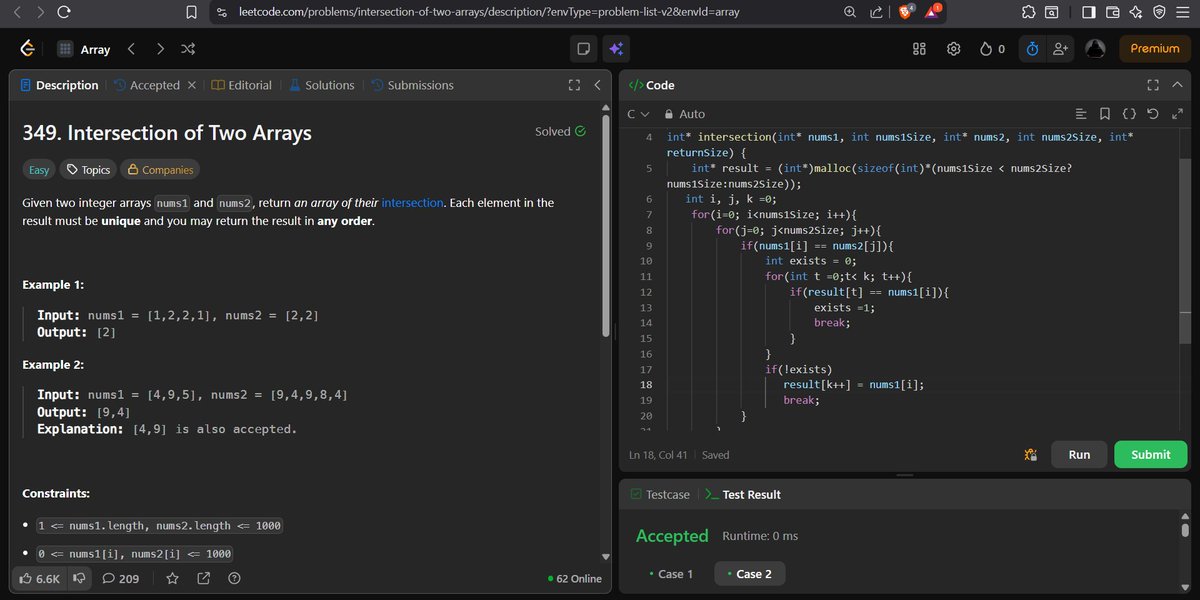
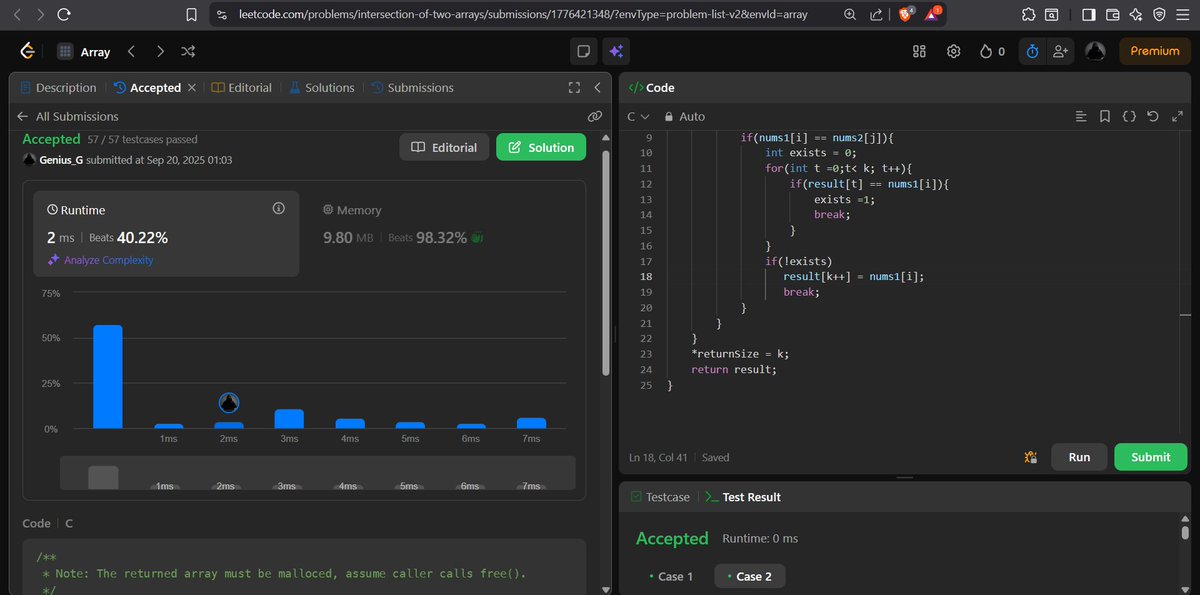
Today i solved problem on #Leetcode
-Intersection of two Arrays
#C_language #100daysofchallenge #codinglife #LearnInPublic #learnprogramming #programmer #coder #CodingJourney #codewithGenZ #BuildYourself #Hackathon #Genius #ProbSolving
1
8
66
17 Sep 2025
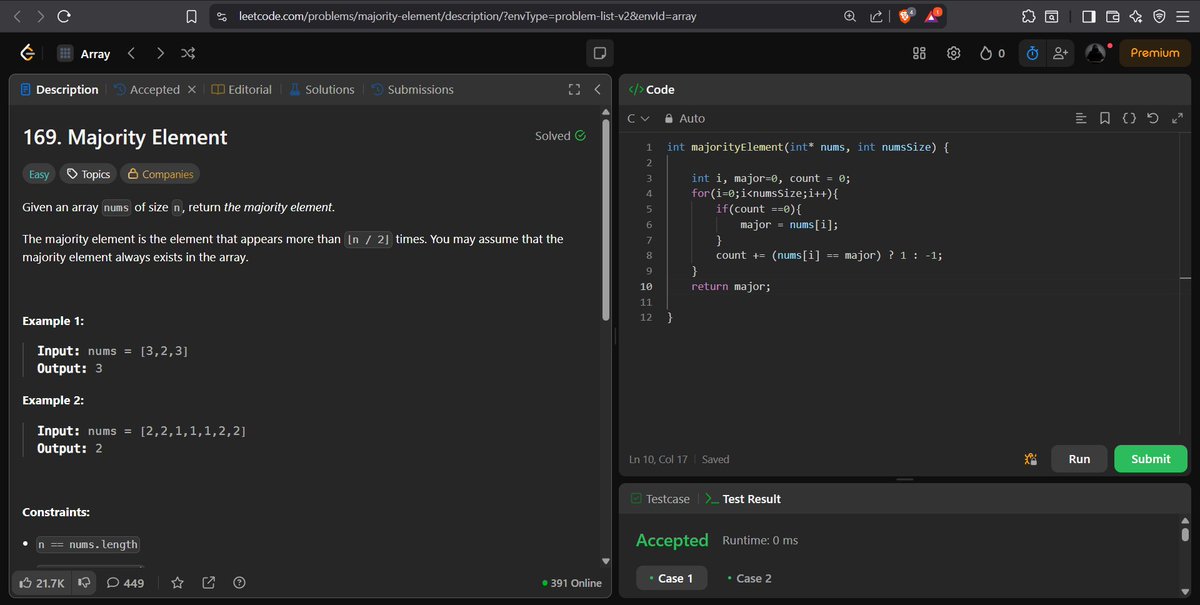
Day 77🚀: #100daysofcode : #GeeksforGeeks
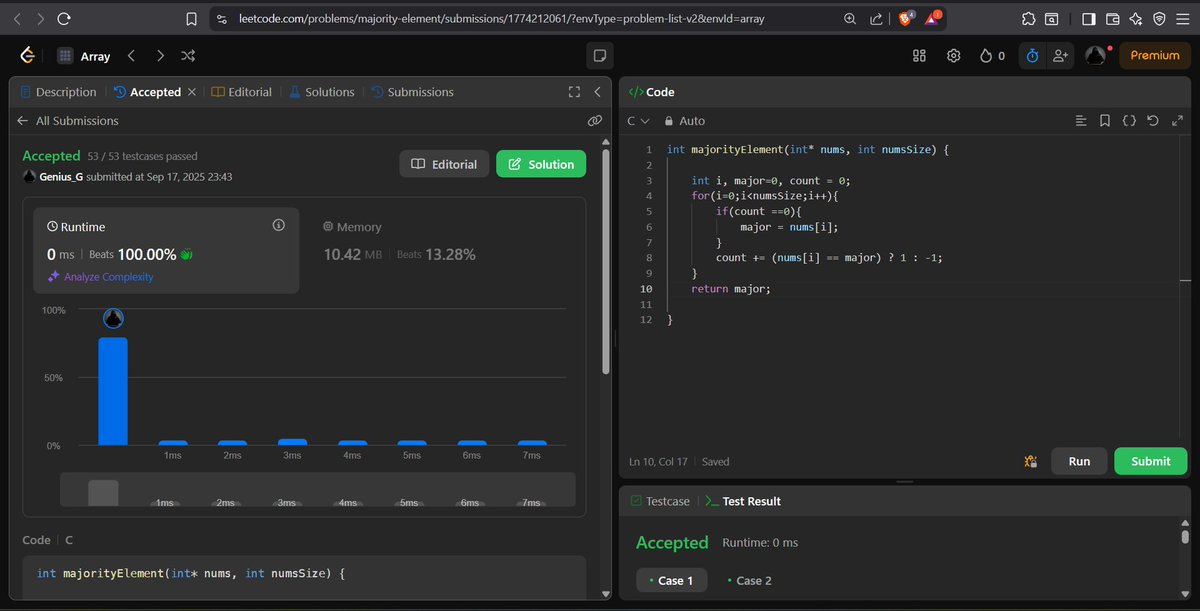
Today i solved problem on #Leetcode
-Majority Element
#C_language #100daysofchallenge #codinglife #LearnInPublic #learnprogramming #programmer #coder #CodingJourney #codewithGenZ #BuildYourself #Hackathon #Genius #ProblemSolving
3
12
14 Sep 2025
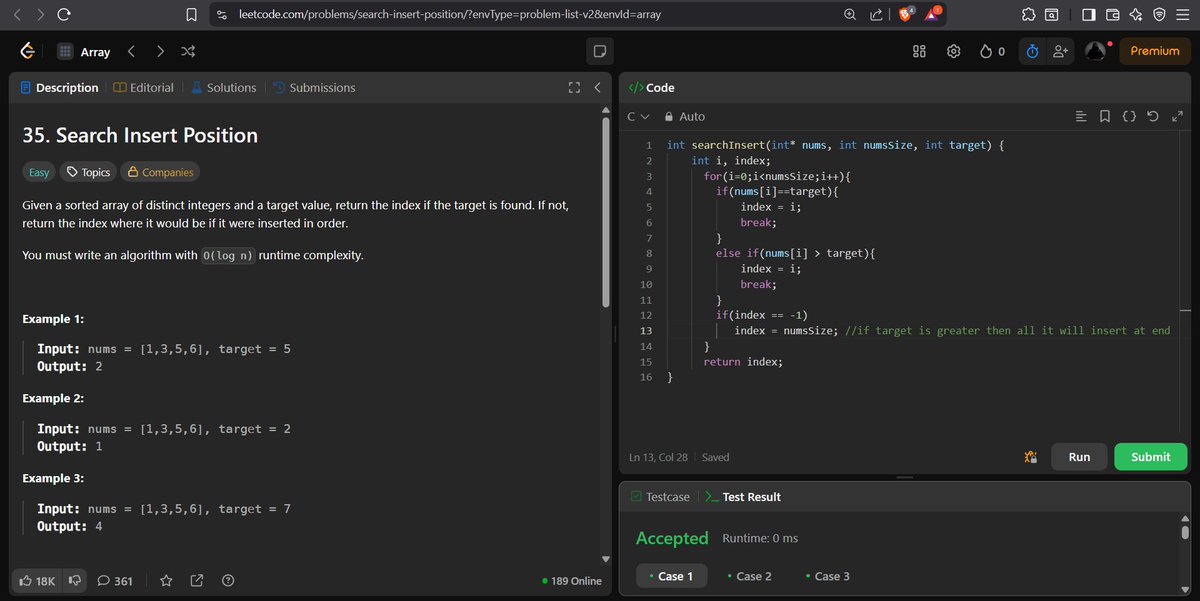
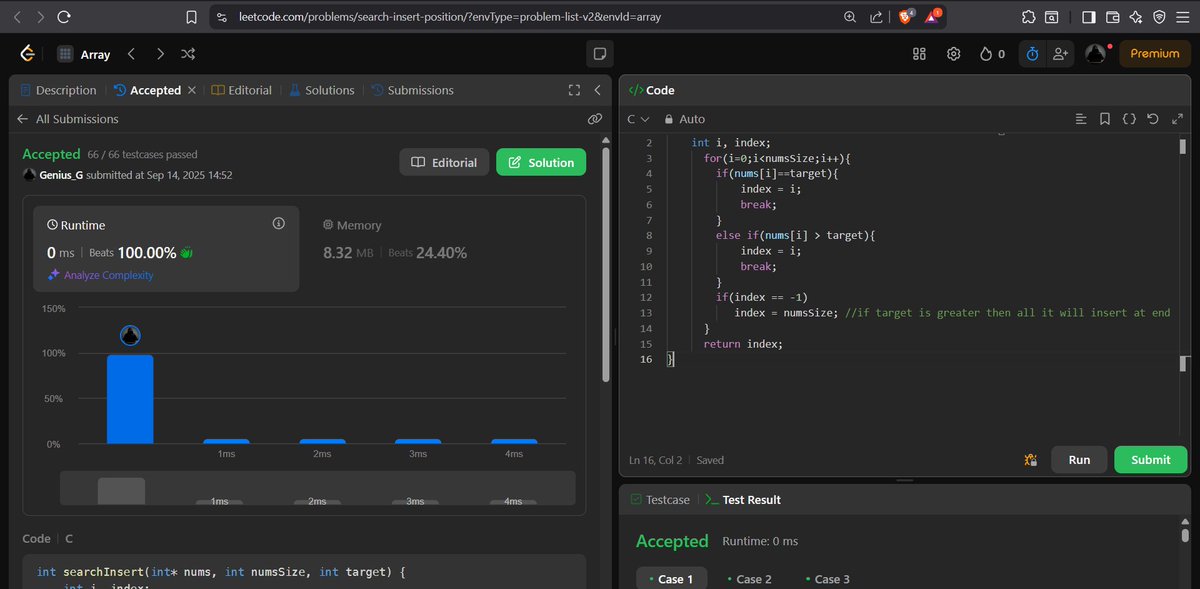
Day 75🚀: #100daysofcode : #GeeksforGeeks
Today i solved problem on #LeetCode
-Search insert Position
#C_language #100daysofchallenge #codinglife #LearnInPublic #learnprogramming #programmer #coder #CodingJourney #codewithGenZ #BuildYourself #Hackathon #Genius #problemSolving
2
11
12 Sep 2025
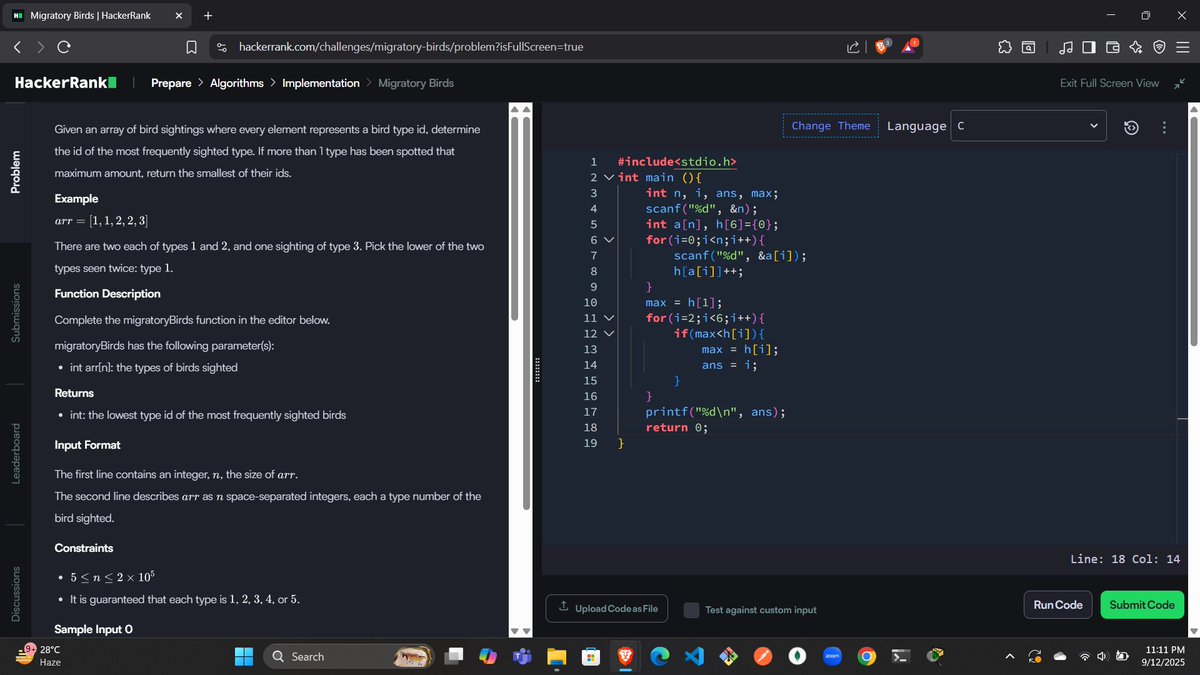
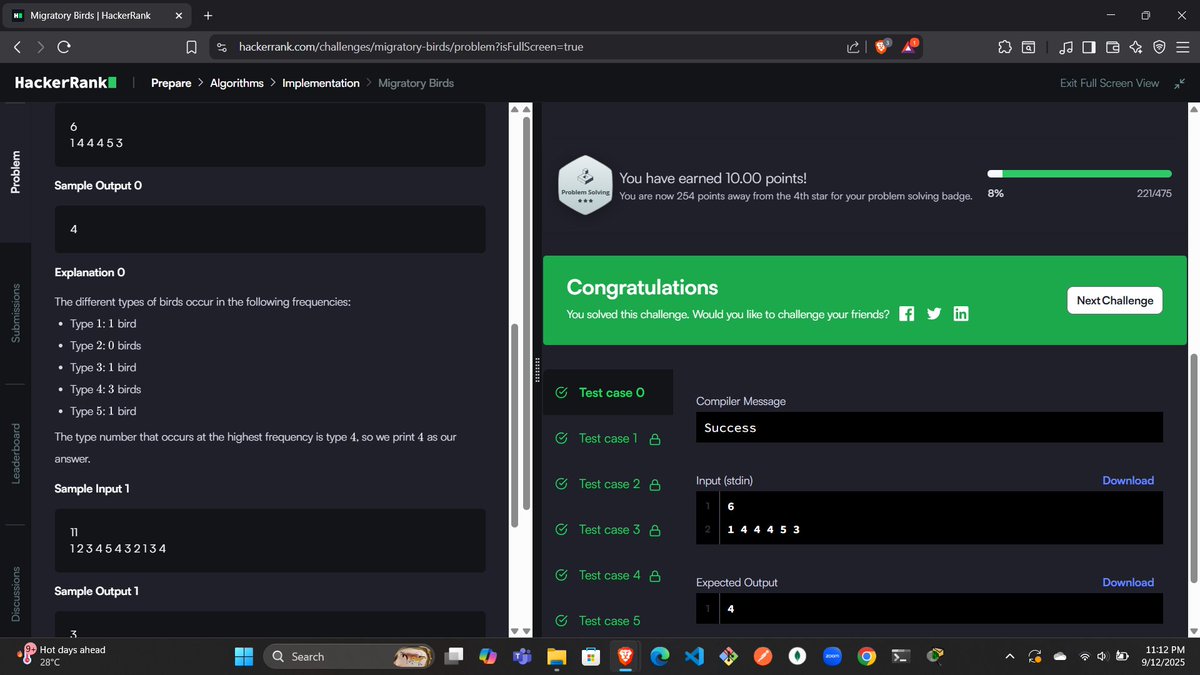
Day 73🚀: #100daysofcode : #GeeksforGeeks
Today i solved problem on #Hackerrank
-Migratory Birds
#C_language #100daysofchallenge #codinglife #LearnInPublic #learnprogramming #programmer #coder #CodingJourney #codewithGenZ #BuildYourself #Hackathon #Genius #Ai #python #crazy
2
32
10 Sep 2025
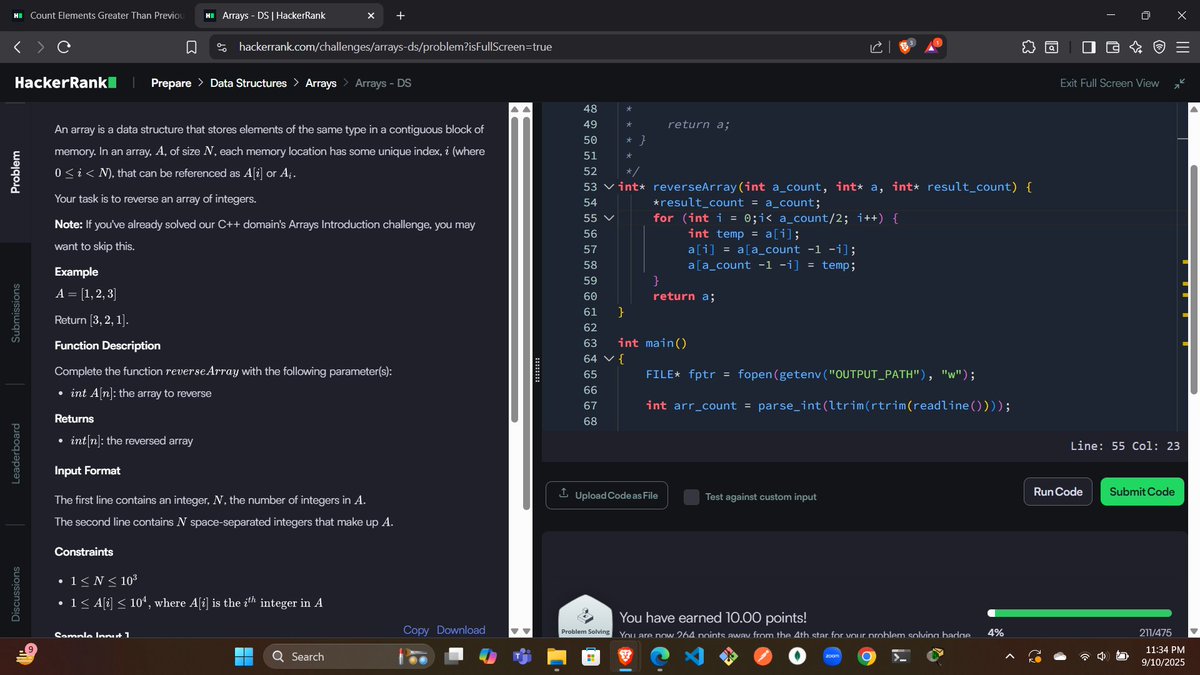
Day 72🚀: #100daysofcode : #GeeksforGeeks
Today i solved basic problem of DS
-Reversing the array
#C_language #100daysofchallenge #codinglife #LearnInPublic #learnprogramming #programmer #coder #CodingJourney #codewithGenZ #BuildYourself #Hackathon #Genius #Ai #python #crazy
1
2
27
7 Sep 2025
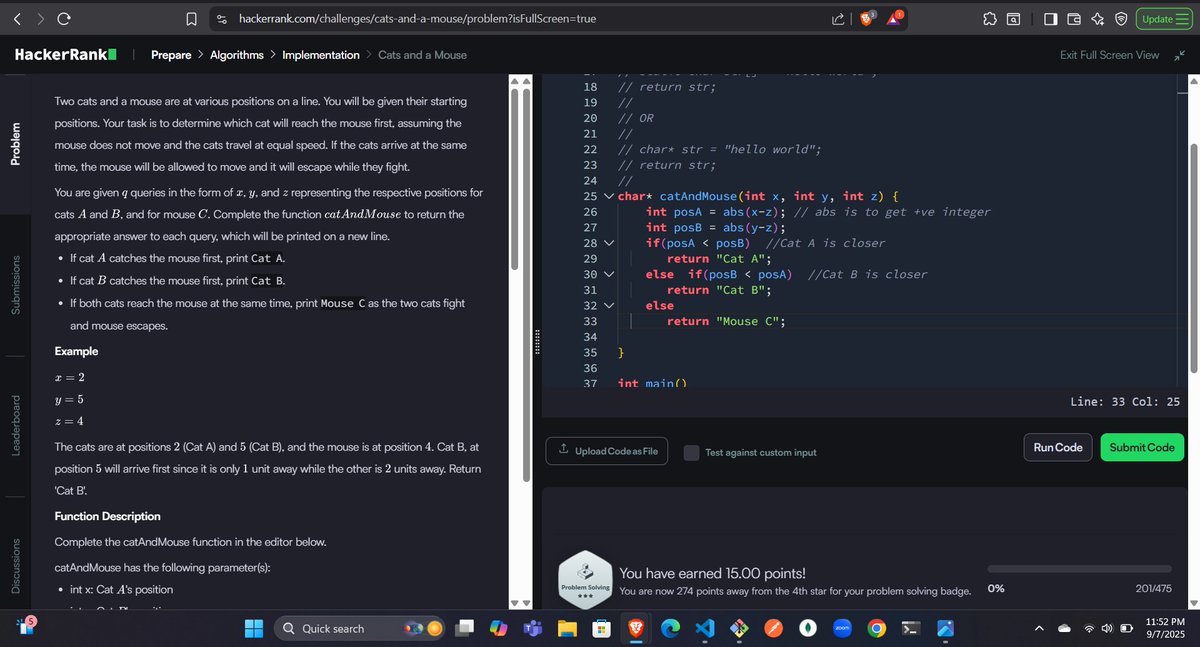
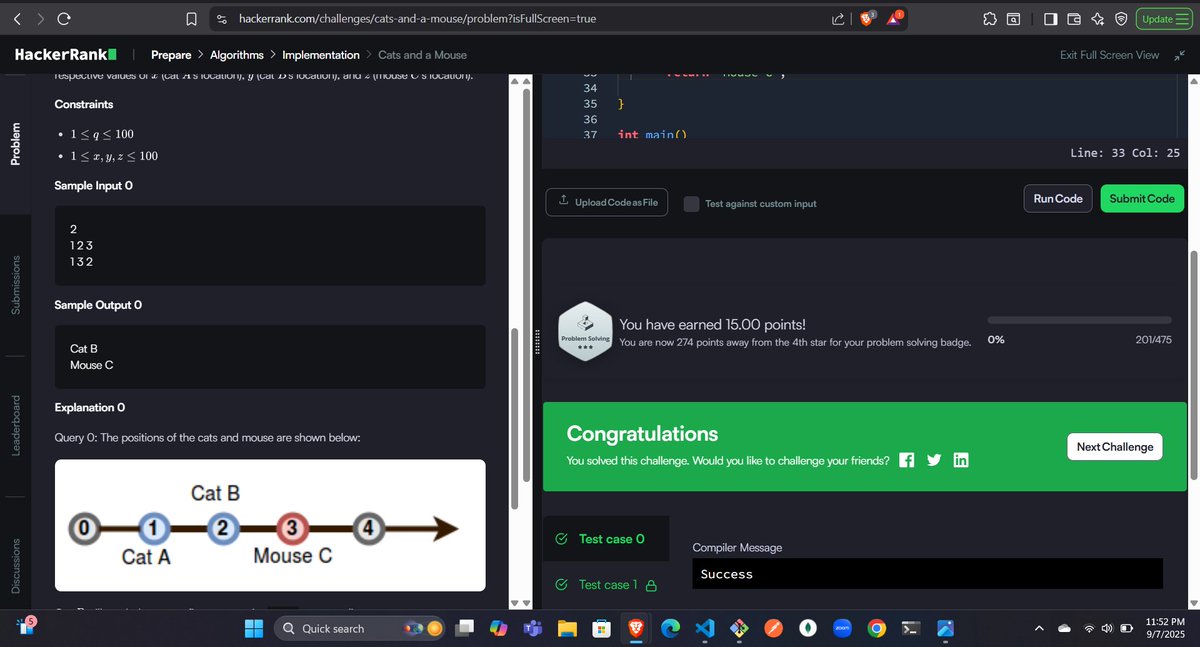
Day 69🚀: #100daysofcode : #GeeksforGeeks
Today i solved problem on #Hackerrank
-Cats and Mouse..
#C_language #100daysofchallenge #codinglife #LearnInPublic #learnprogramming #programmer #coder #CodingJourney #codewithGenZ #BuildYourself #Hackathon #Genius #Ai #python #crazy
2
4
199
2 Sep 2025
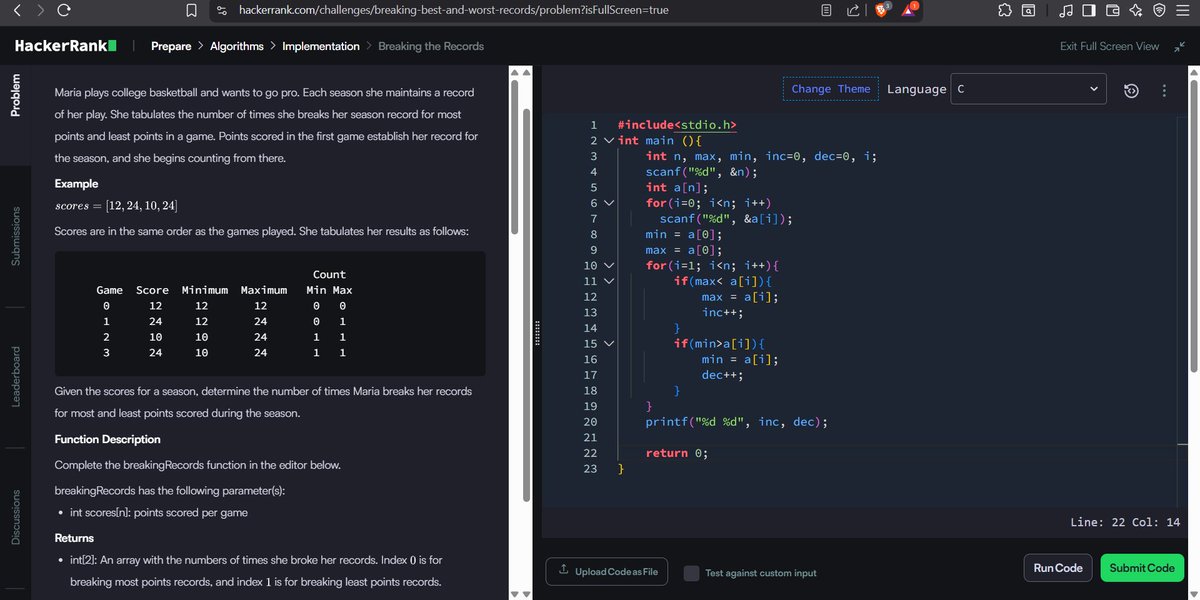
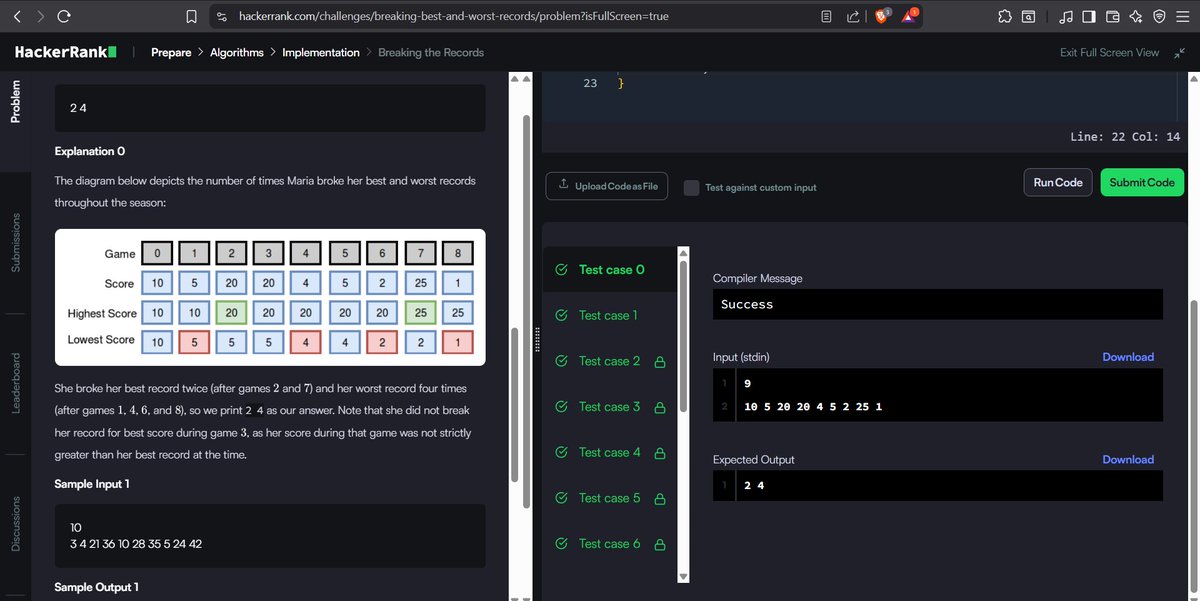
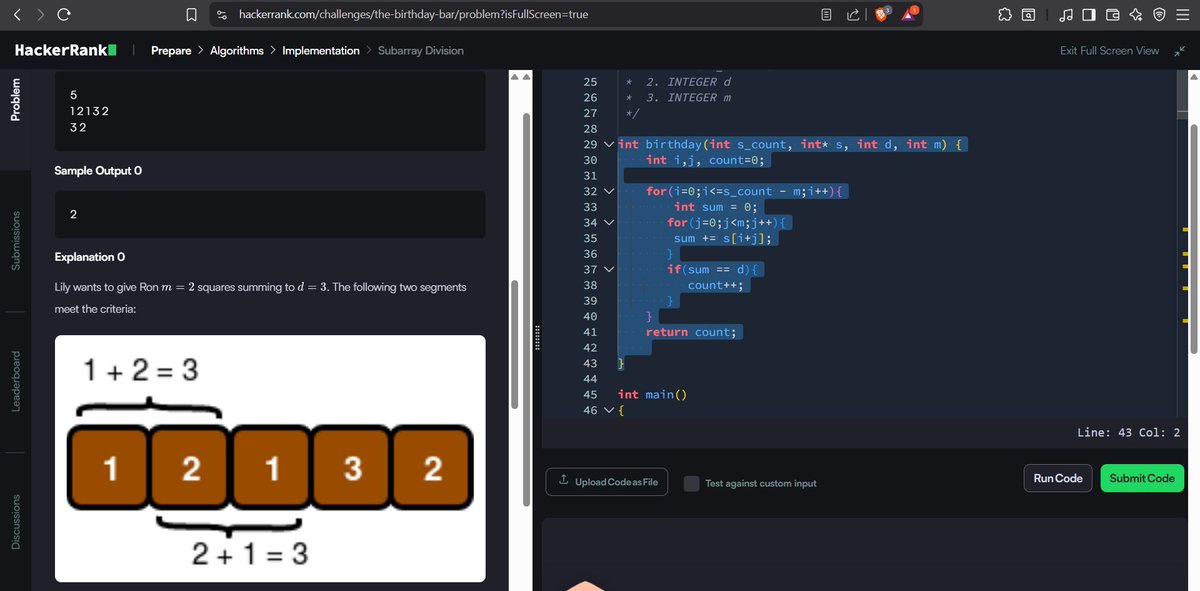
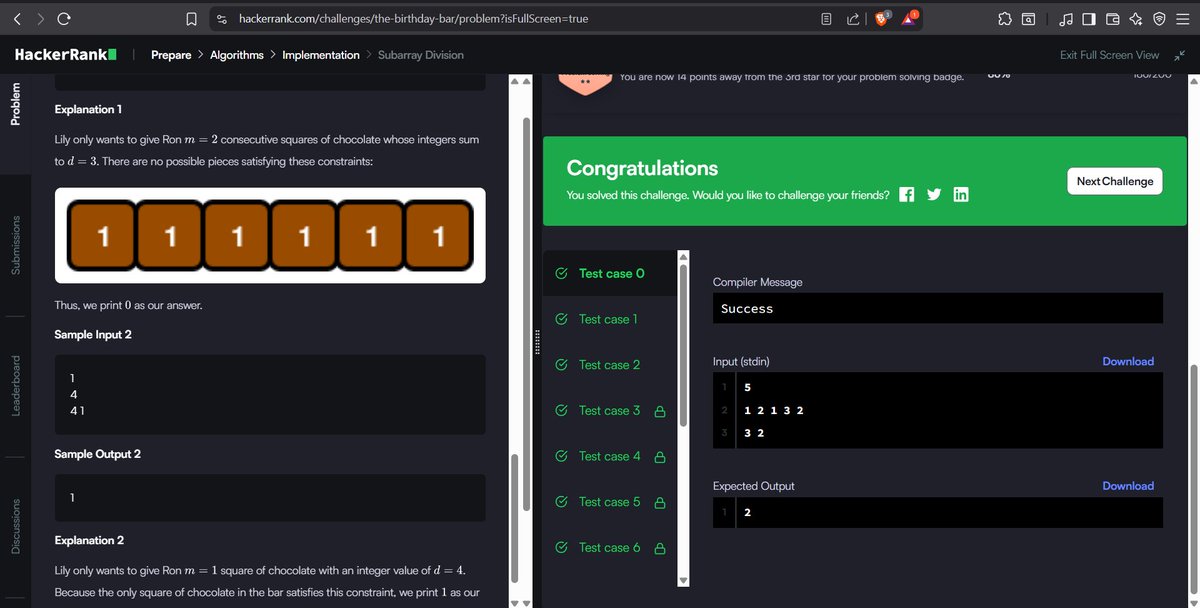
Day 64🚀: #100daysofcode : #GeeksforGeeks
Today I solved problem on #hackerrank
-Breaking records
-Subarray Division
#c_language #100daysofchallenge #codinglife #LearnInPublic #learnprogramming #programmer #coder #CodingJourney #codewithGenZ #BuildYourself #Hackathon #Genius #Ai
2
27
24 Aug 2025
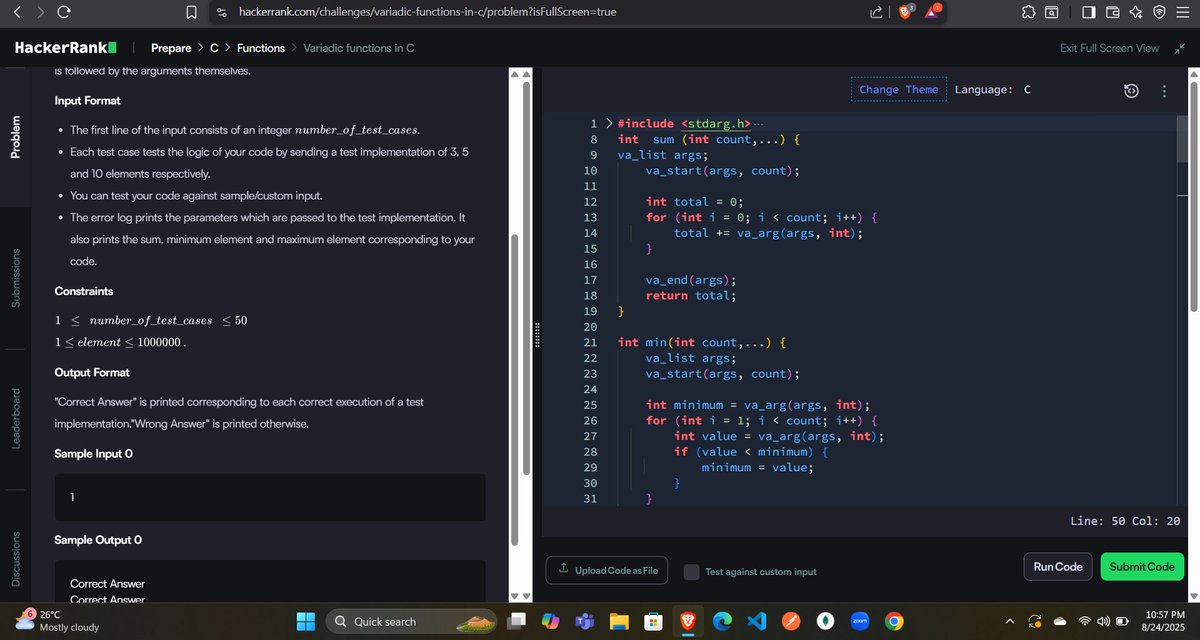
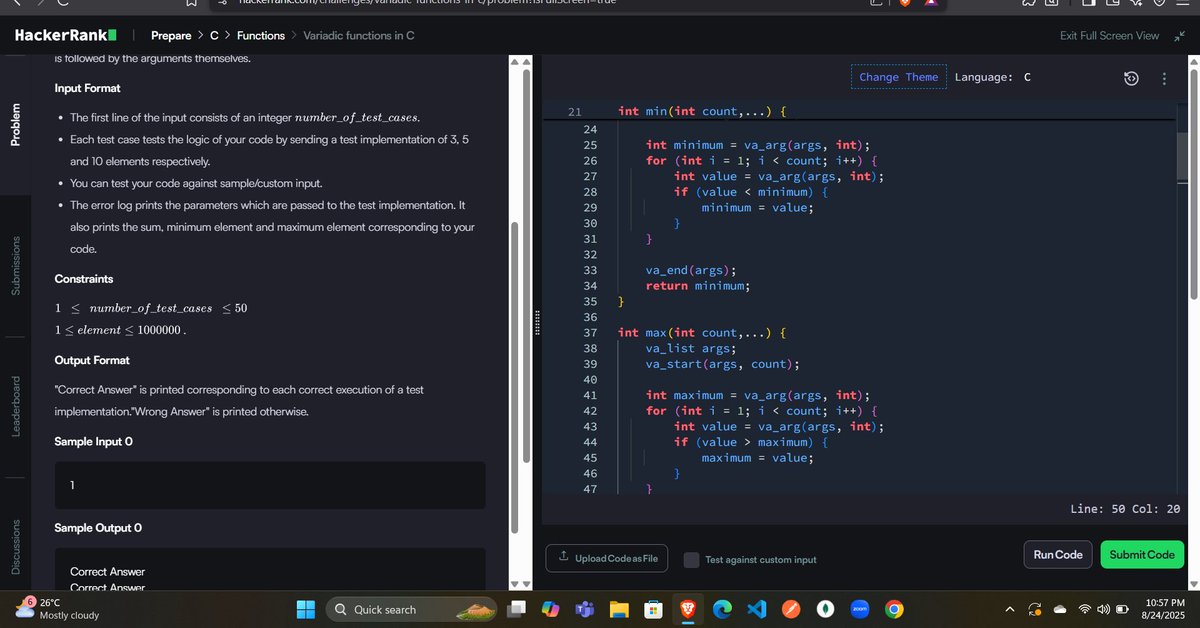
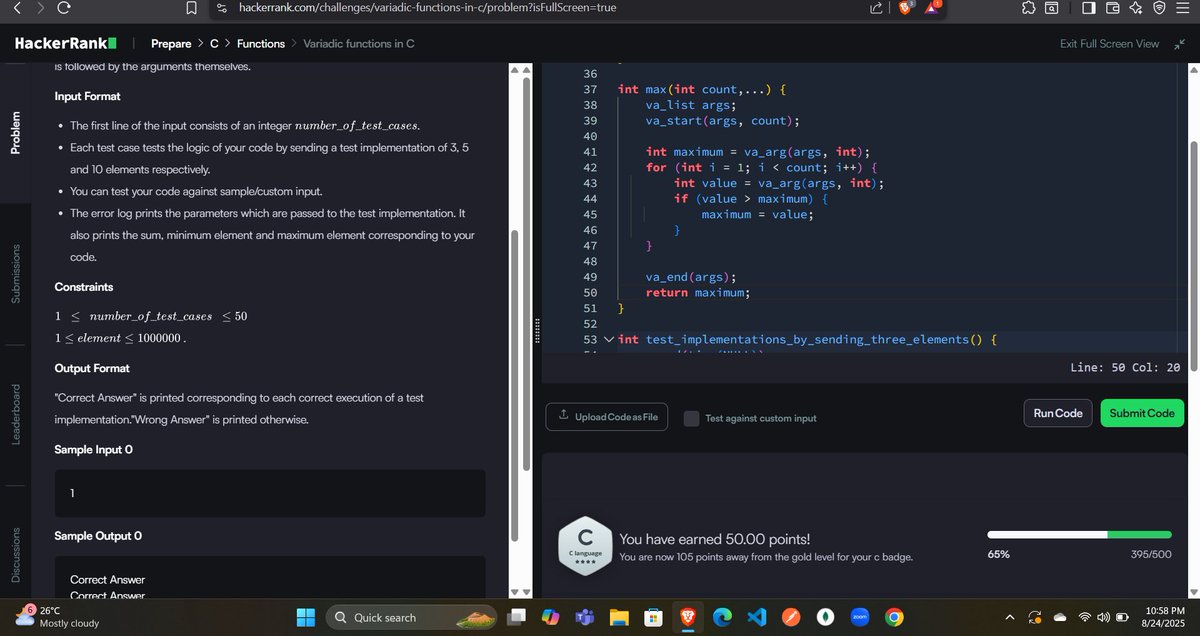
Day 57🚀: #100daysofcode : #GeeksforGeeks
Today I solved practice problem on #Hackerrank
-Variadic functions in C
#C_language #100daysofchallenge #codinglife #LearnInPublic #learnprogramming #programmer #coder #CodingJourney #codewithGenZ #BuildYourself #Hackathon #Genius
4
63

تشغيل أداة مراقبة الشبكة المنزلية على جهاز Raspberry Pi
🔐 الهدف: رصد الأجهزة والاتصالات الغريبة لحظيًا عبر تحليل ARP و TCP Headers باستخدام لغة C و Raw Sockets.
🧠 الجهاز: Raspberry Pi 4/5
📡 الاتصال: Ethernet ثابت
⚙️ النظام: Raspberry Pi OS أو BlackArch ARM
🚨 الميزة: إرسال إنذارات فورية عند اكتشاف نشاط مشبوه
🔧 يُمكن تطوير الأداة لاحقًا لتصبح جدار حماية منزلي متكامل.
#CyberSecurity #RaspberryPi #C_Language #RawSockets #NetworkSecurity #BlackArch
3
84
🎯 مخطط تنفيذي لأداة برمجية تكشف عن الأجهزة المتصلة بالشبكة المنزلية عبر تحليل ARP وTCP Headers.
✳️ اللغة: C تجزئة بلغة الآلة.
🎛️ الهدف: مراقبة حركة الشبكة عبر raw sockets دون الاعتماد على أدوات جاهزة.
📡 تُعد خطوة أولى نحو بناء جدار حماية مخصص من الصفر.
#BlackArch #CyberSecurity #C_Language #Assembly #RawSockets
1
3
83
28 May 2025
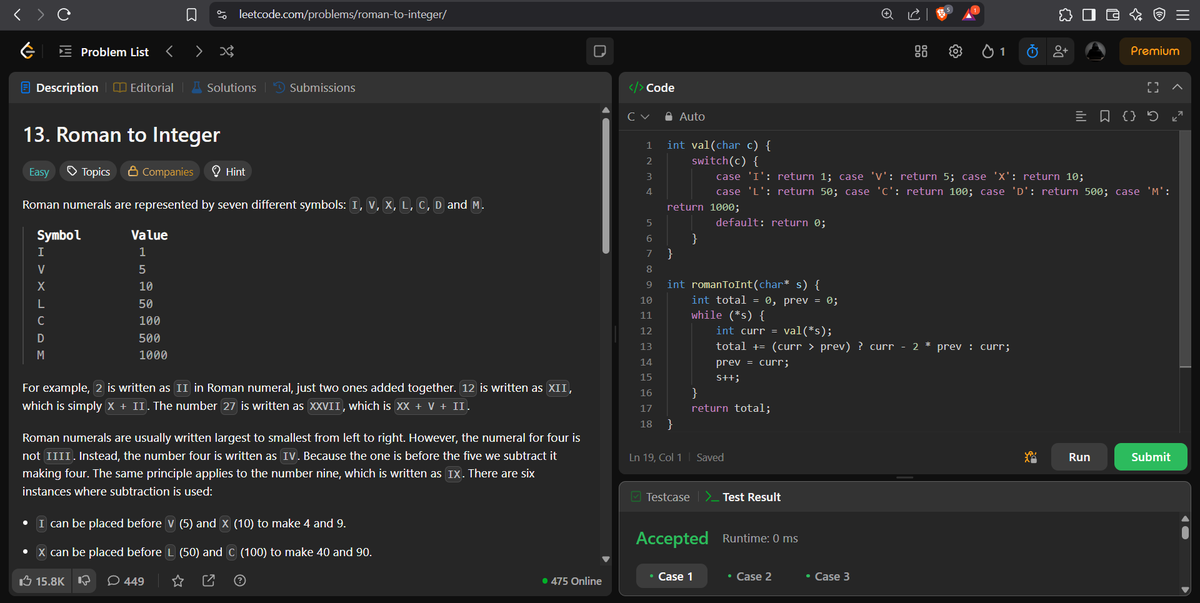
Day 52🚀: #100daysofcode : #GeeksforGeeks
Today I solved practice problem on #Leetcode
-Roman to Integer
#Hackerrank #C_language #100daysofchallenge #codinglife #LearnInPublic #learnprogramming #programmer #coder #CodingJourney #codewithGenZ #BuildYourself #Hackathon #Genius
3
49
25 May 2025
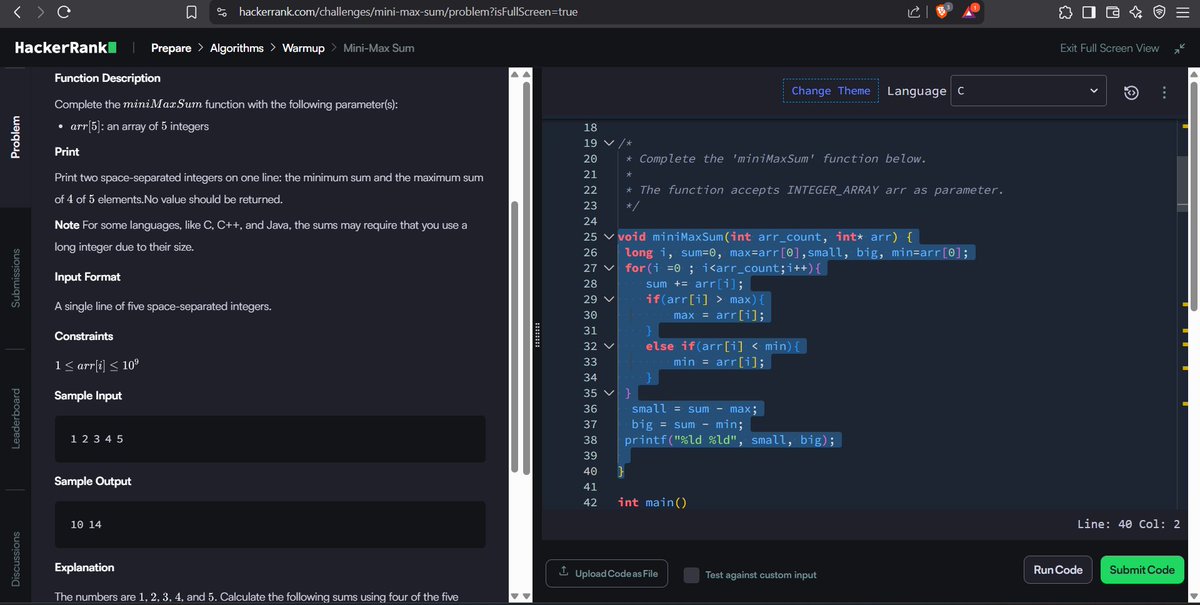
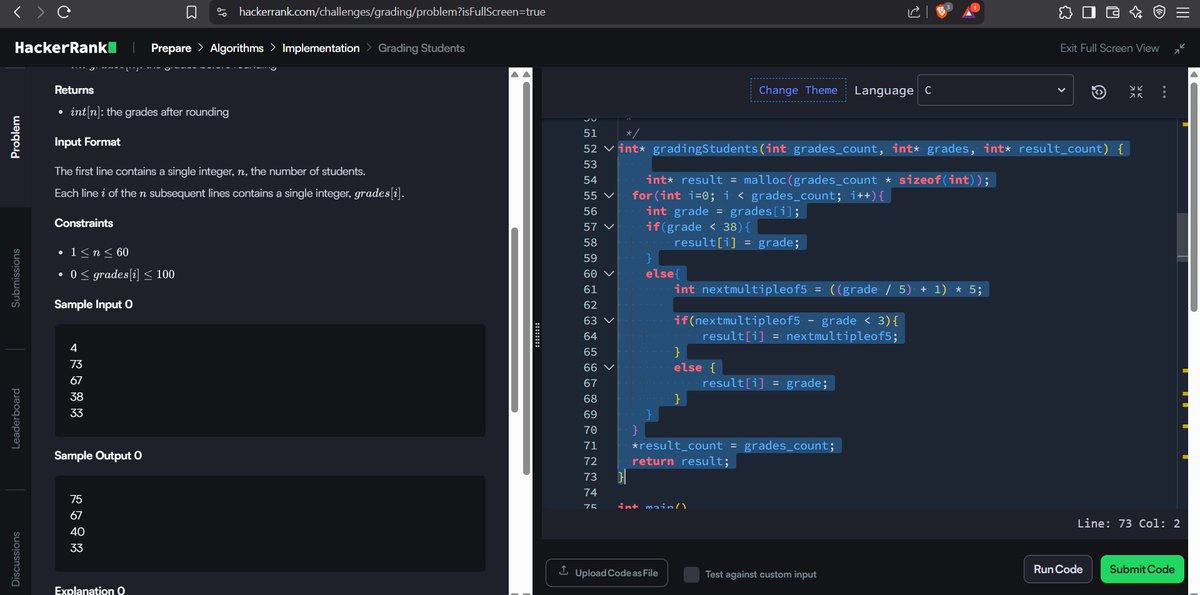
Day 50🚀: #100daysofcode : #GeeksforGeeks
Today I solved practice problem on #Hackerrank
-Min-Max Sum
-Grading Students
#C_language #100daysofchallenge #codinglife #LearnInPublic #learnprogramming #programmer #coder #CodingJourney #codewithGenZ #BuildYourself #Hackathon #Genius
1
47
19 May 2025
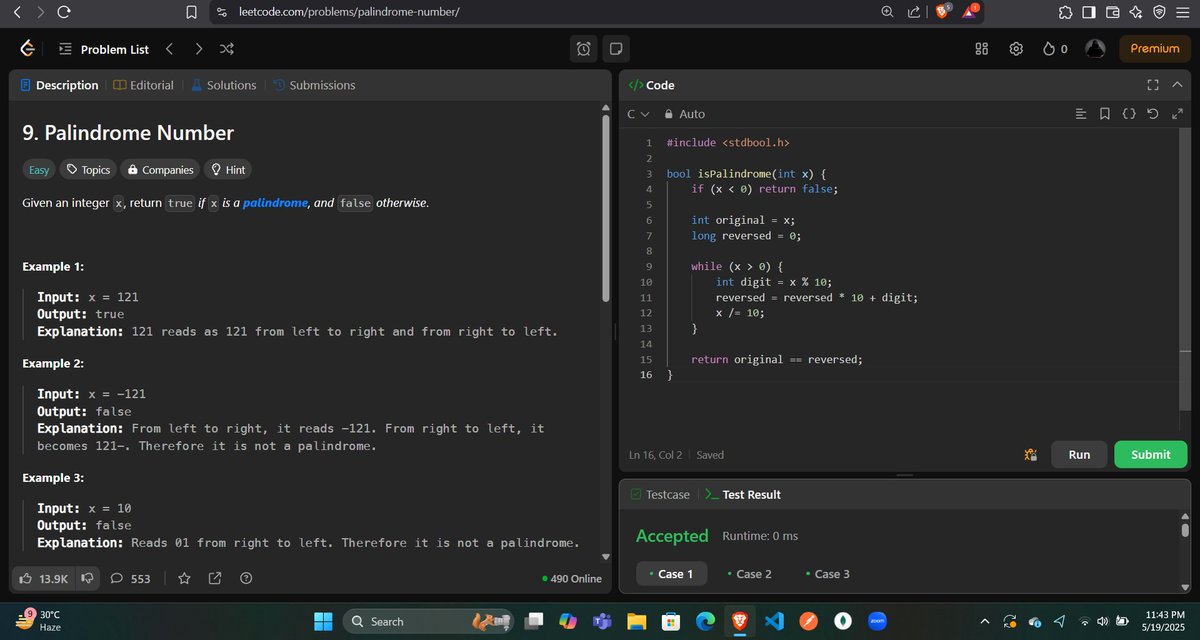
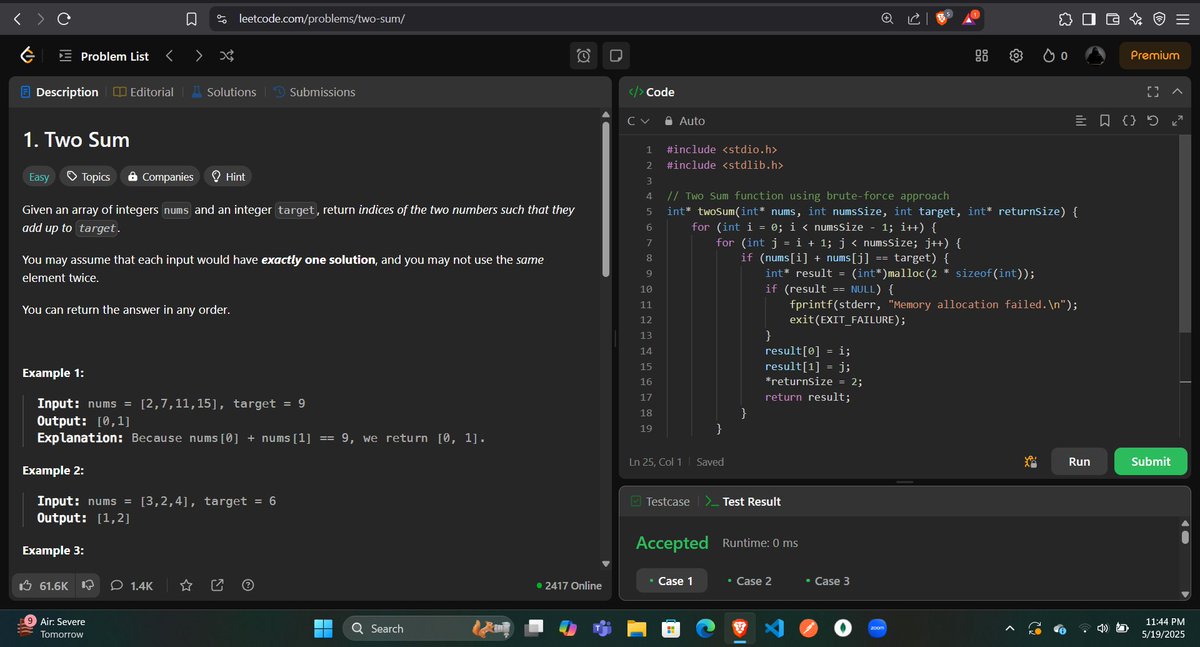
Day 47🚀: #100daysofcode : #GeeksforGeeks
Today I solved practice problem on #Leetcode
-Two Sum
-Palindrome #C_language #100daysofchallenge #codinglife #LearnInPublic #learnprogramming #programmer #coder #CodingJourney #codewithGenZ #BuildYourself #Hackathon
2
24
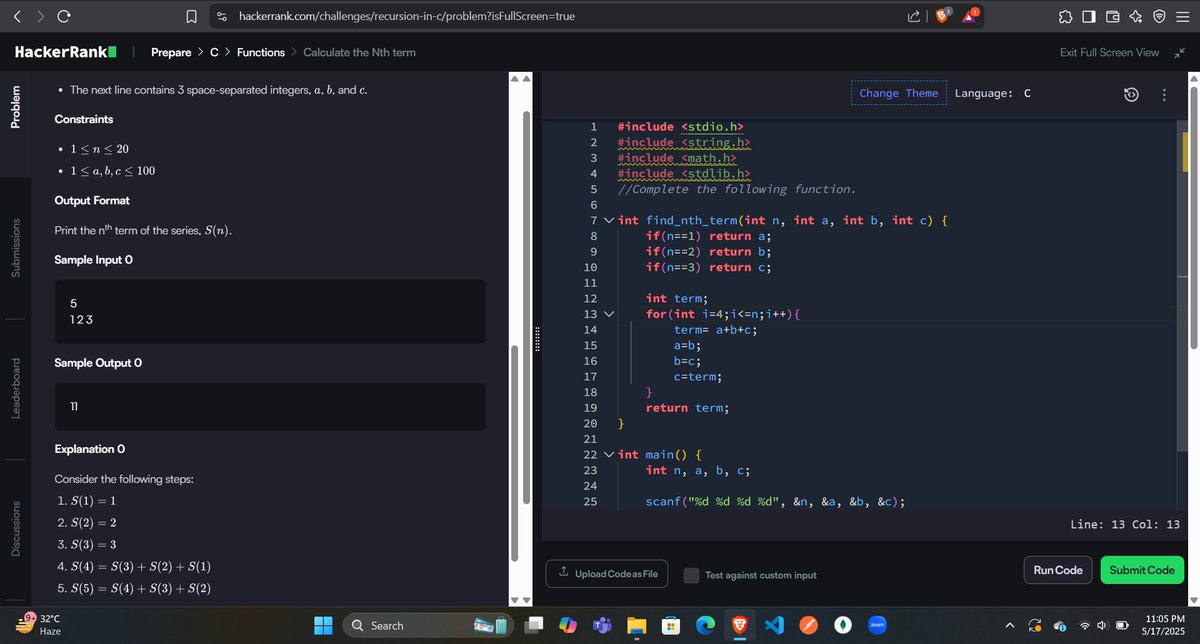
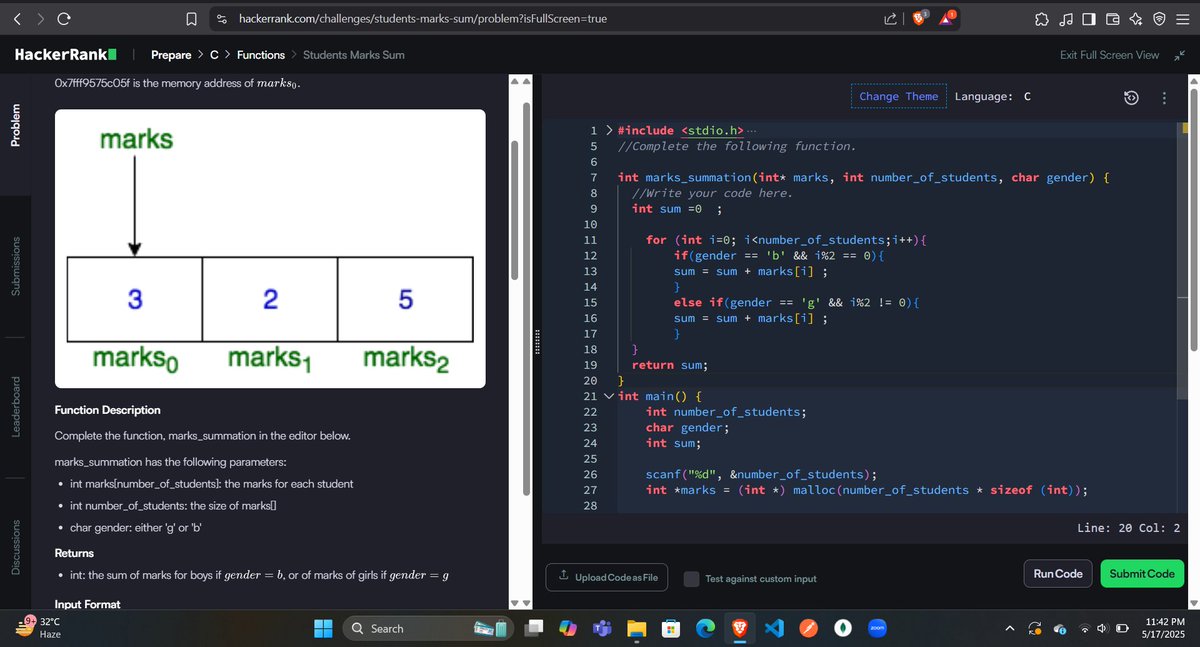
17 May 2025
Day 46🚀: #100daysofcode : #GeeksforGeeks
Today I solved practice problem on #Hackerrank
-Calculate the nth term
-Student Marks Sum
#C_language #100daysofchallenge #codinglife #LearnInPublic #learnprogramming #programmer #coder #CodingJourney #codewithGenZ #BuildYourself #Hack
2
55
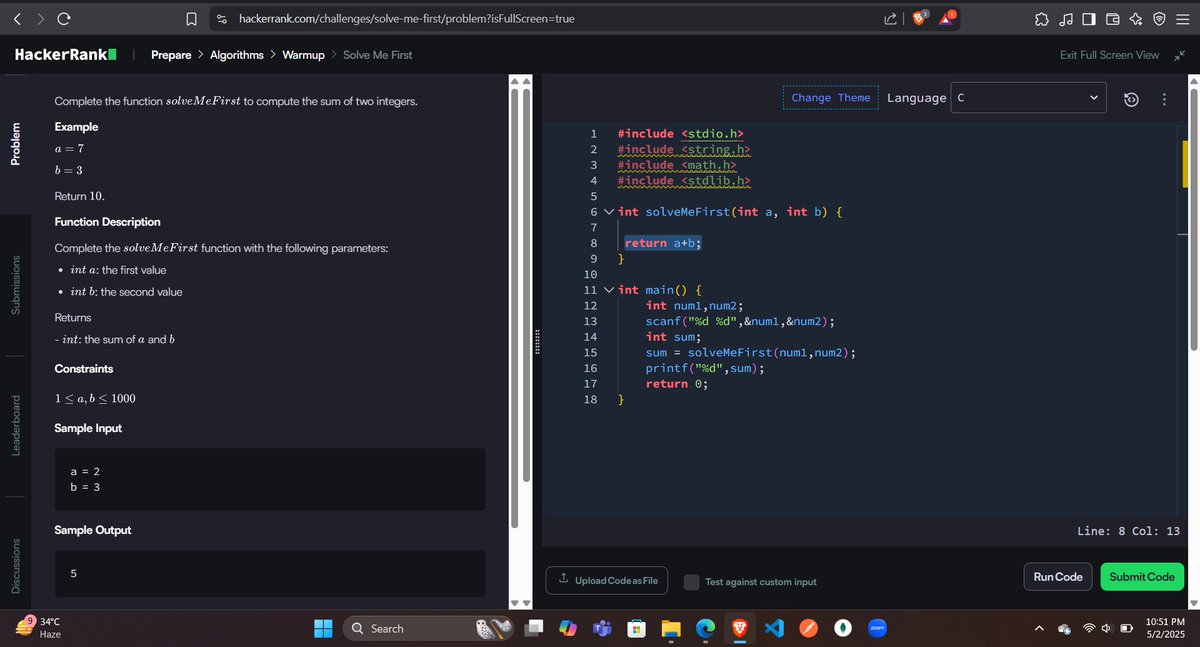
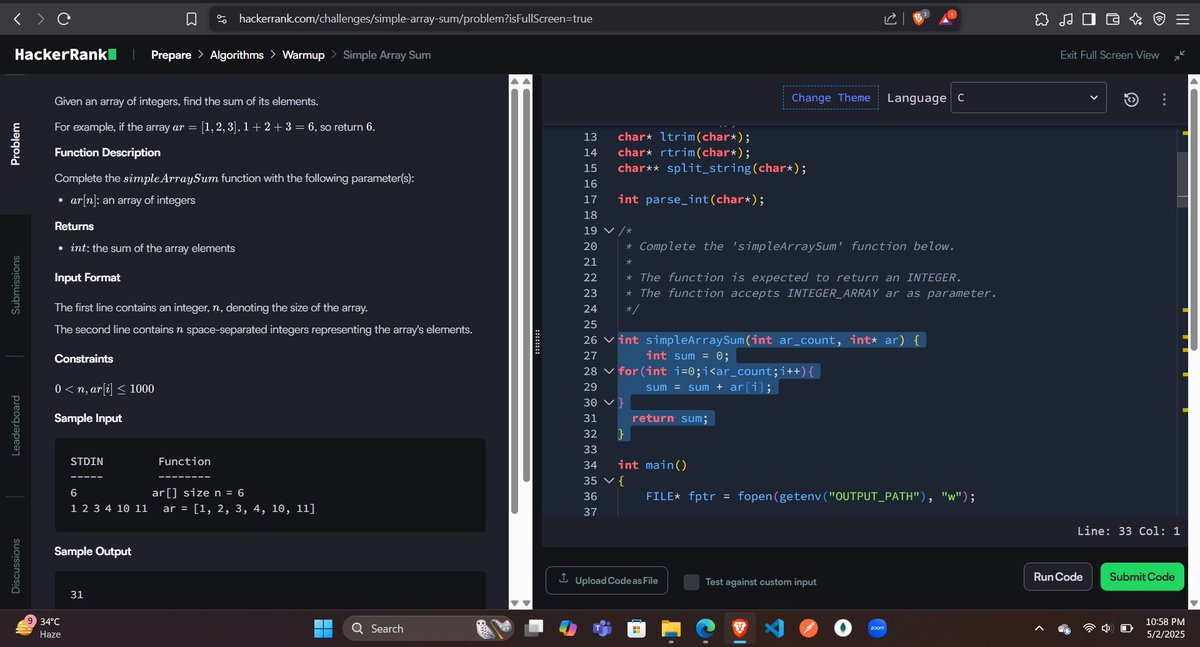
2 May 2025
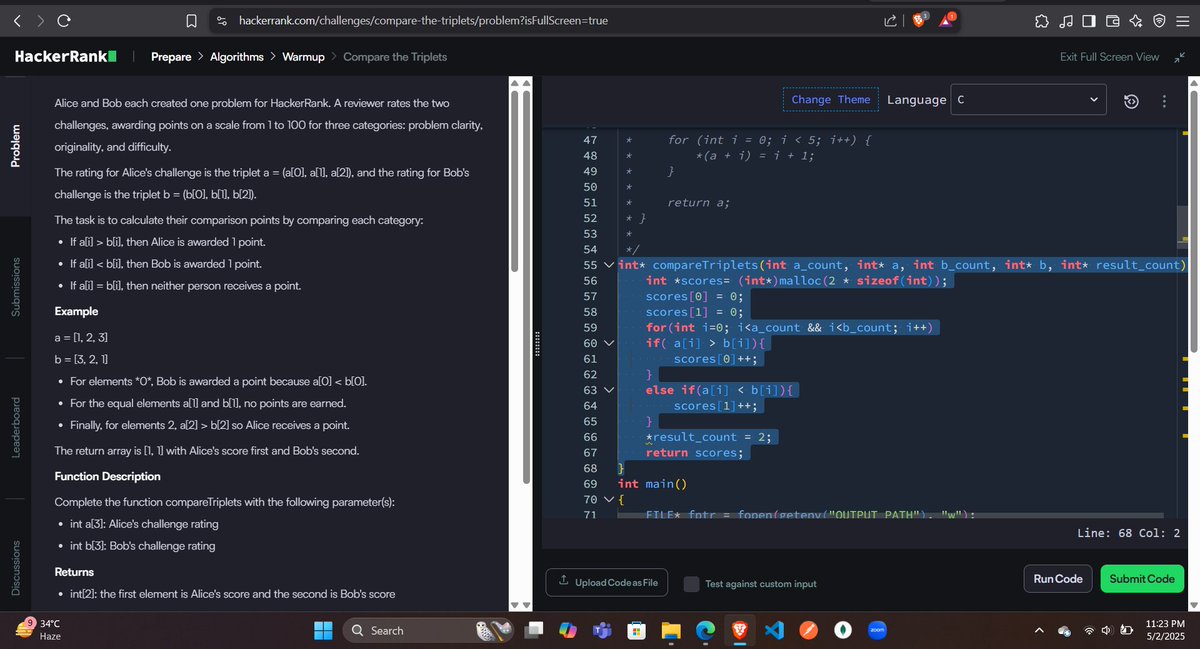
Day 43🚀: #100daysofcode : #GeeksforGeeks
Today I solved practice problem on Hackerrank
-Solve me first
-Simple Array Sum
-Compare the Triplets
#Codechef #C_language #100daysofchallenge #codinglife #LearnInPublic #learnprogramming #programmer #coder #CodingJourney #codewithGenZ
2
43
15 Dec 2024
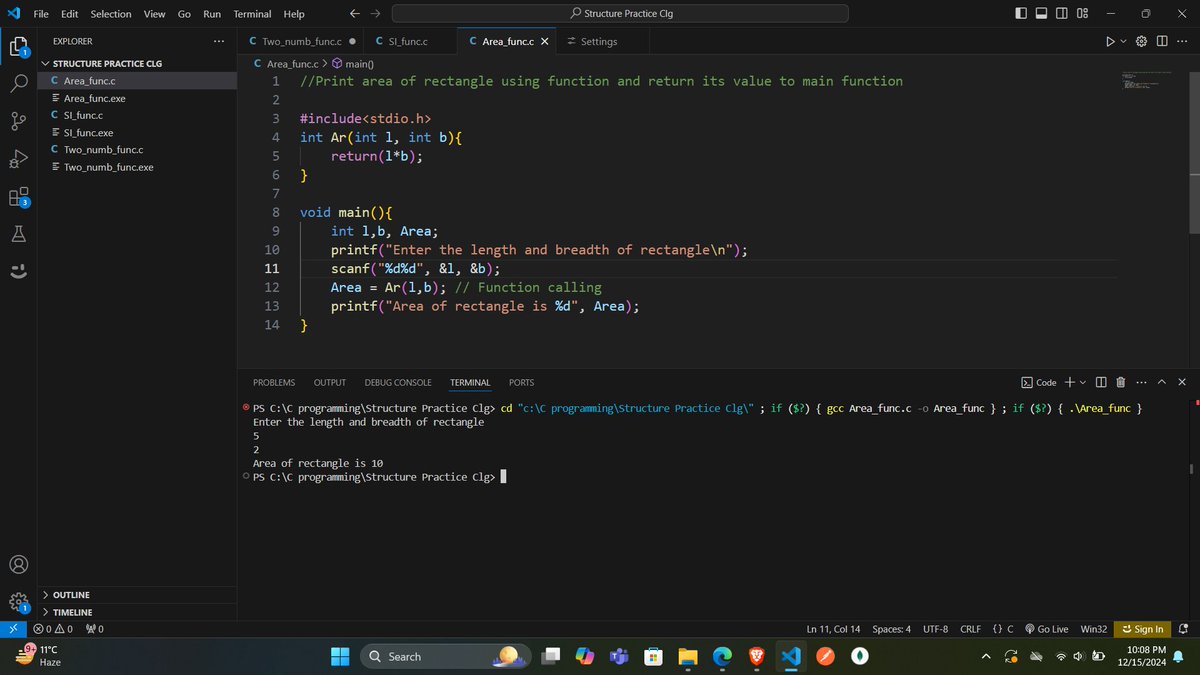
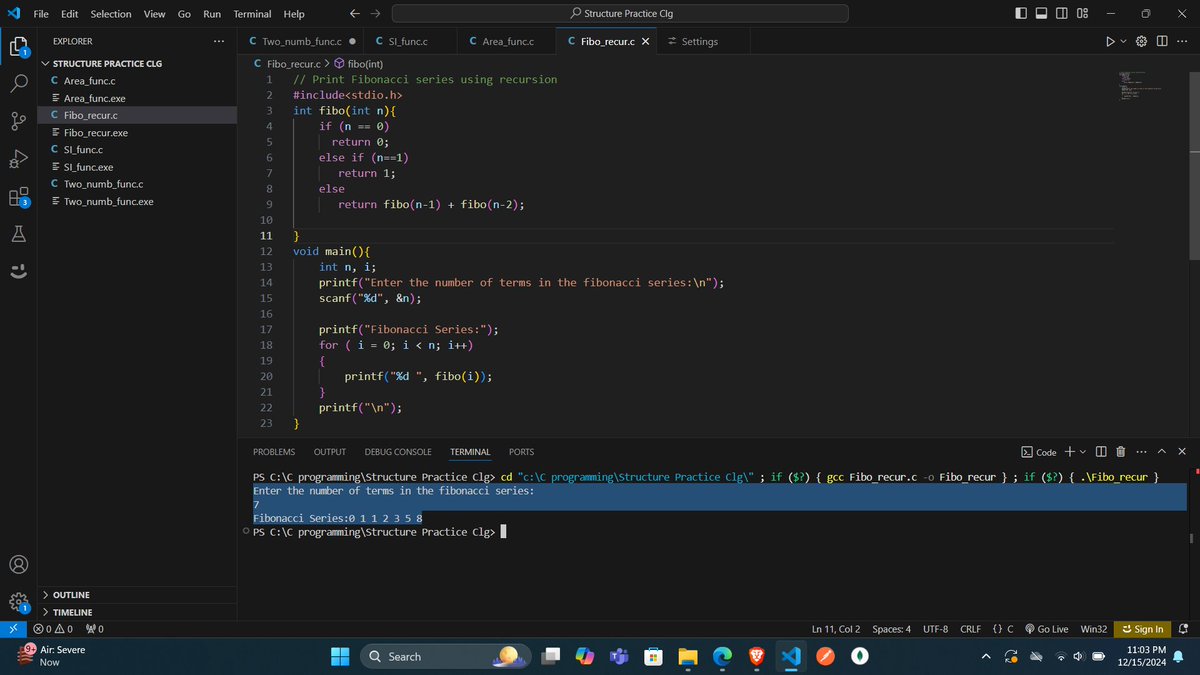
Day 32🚀: #100daysofcode : #GeeksforGeeks
Today I solved problems using function
-Fibonacci using recursion
#Codechef #C_language #100daysofchallenge #codinglife #LearnInPublic #learnprogramming #programmer #coder #CodingJourney #codewithGenZ #Genius #BuildYourself #Hackathon
2
41
14 Dec 2024
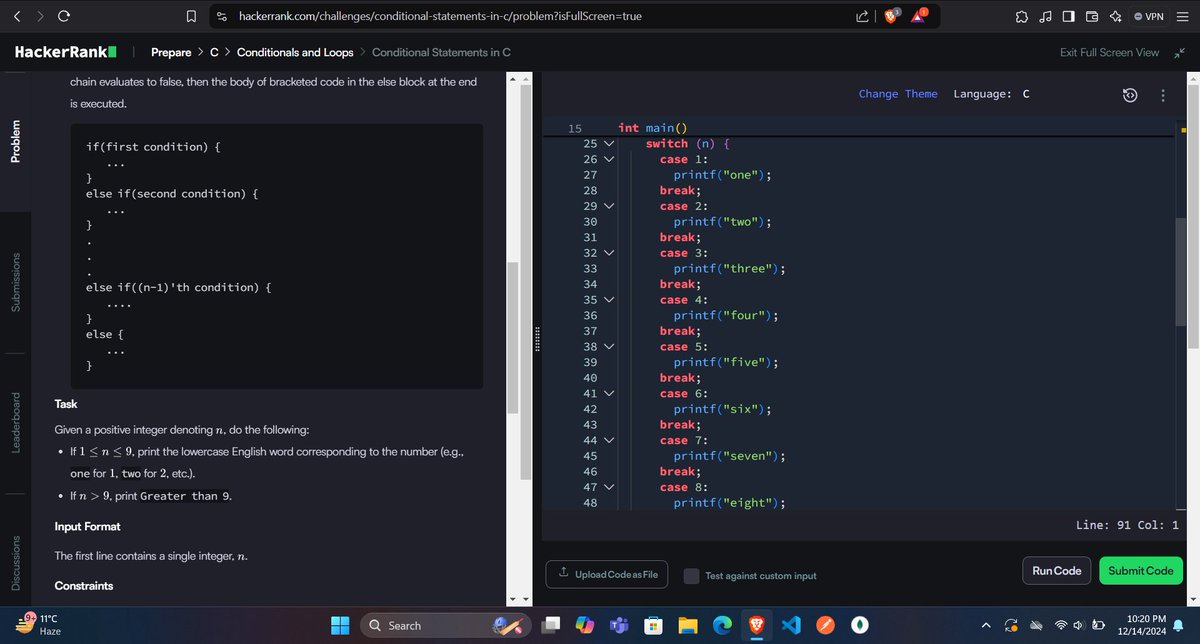
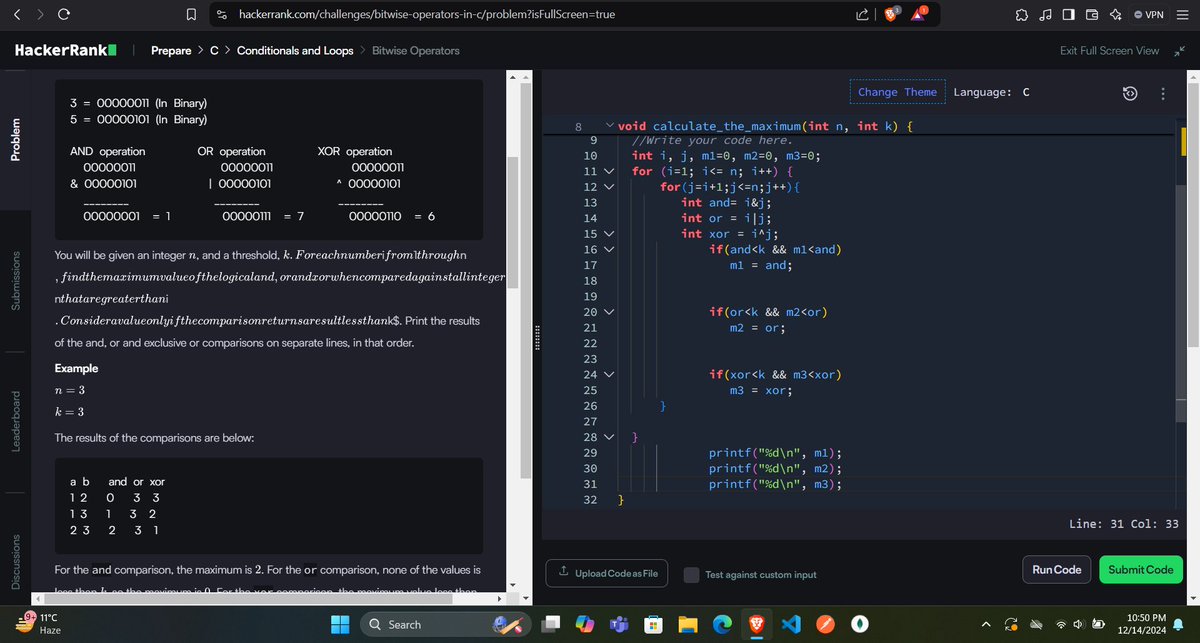
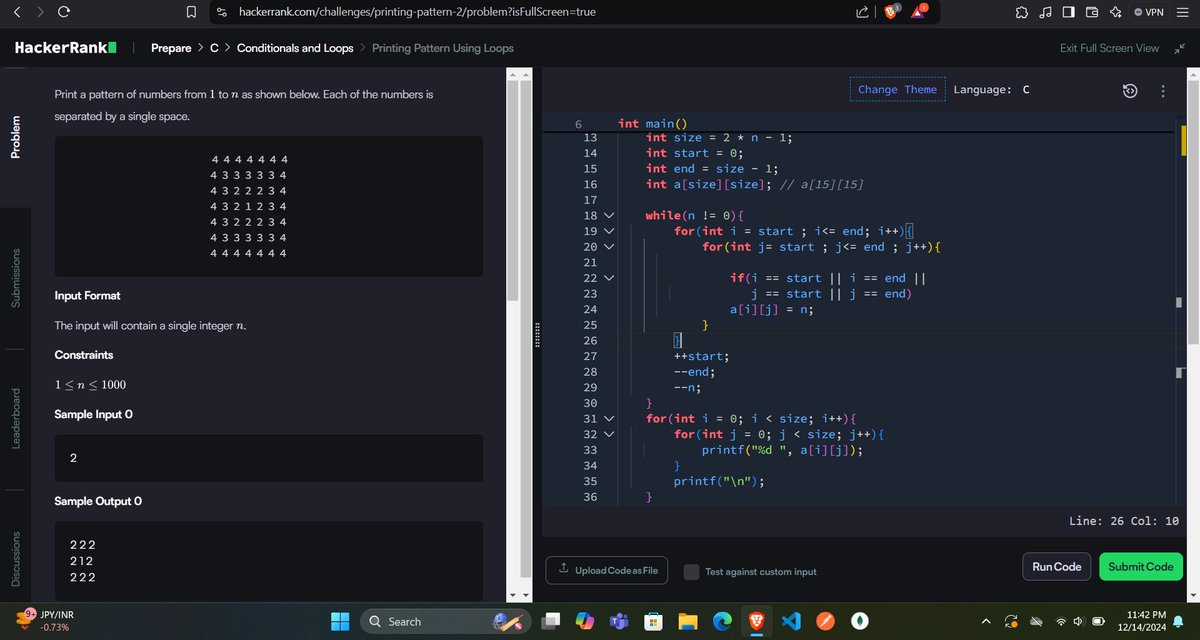
Day 31🚀: #100daysofcode : #GeeksforGeeks
Today I solved some conditional problems in Hackerrank
- patterns
#Codechef #C_language #100daysofchallenge #codinglife #LearnInPublic #learnprogramming #programmer #coder #CodingJourney #codewithGenZ #Genius #BuildYourself #Hackathon
2
70
10 Dec 2024
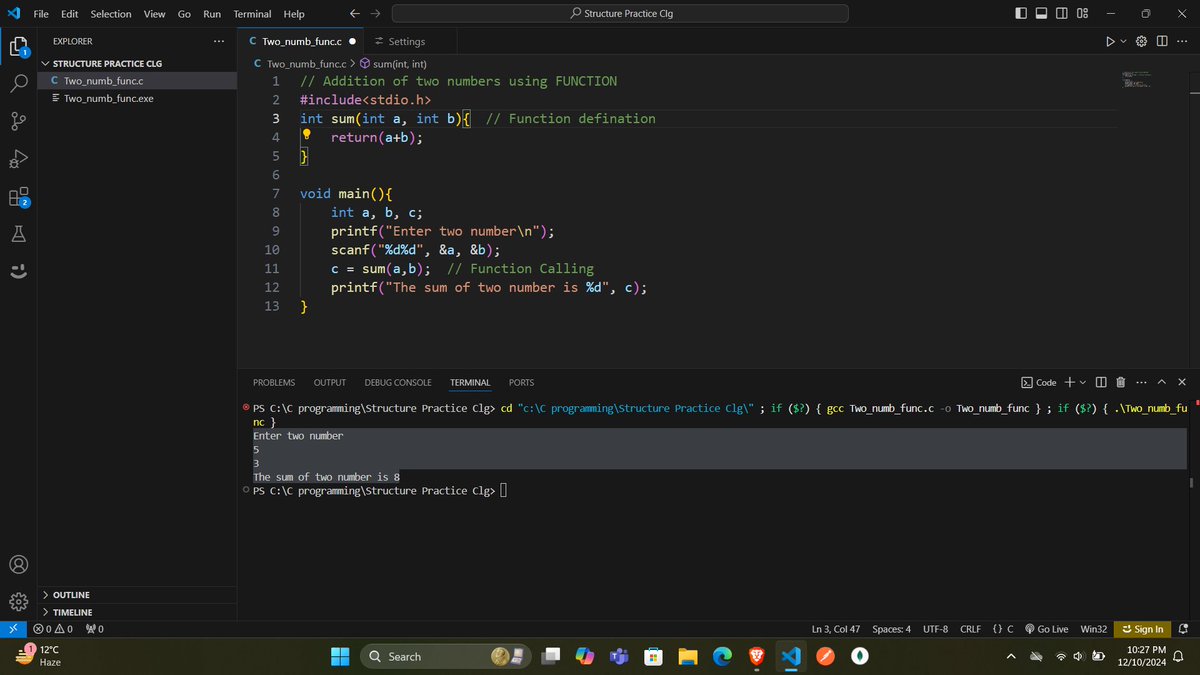
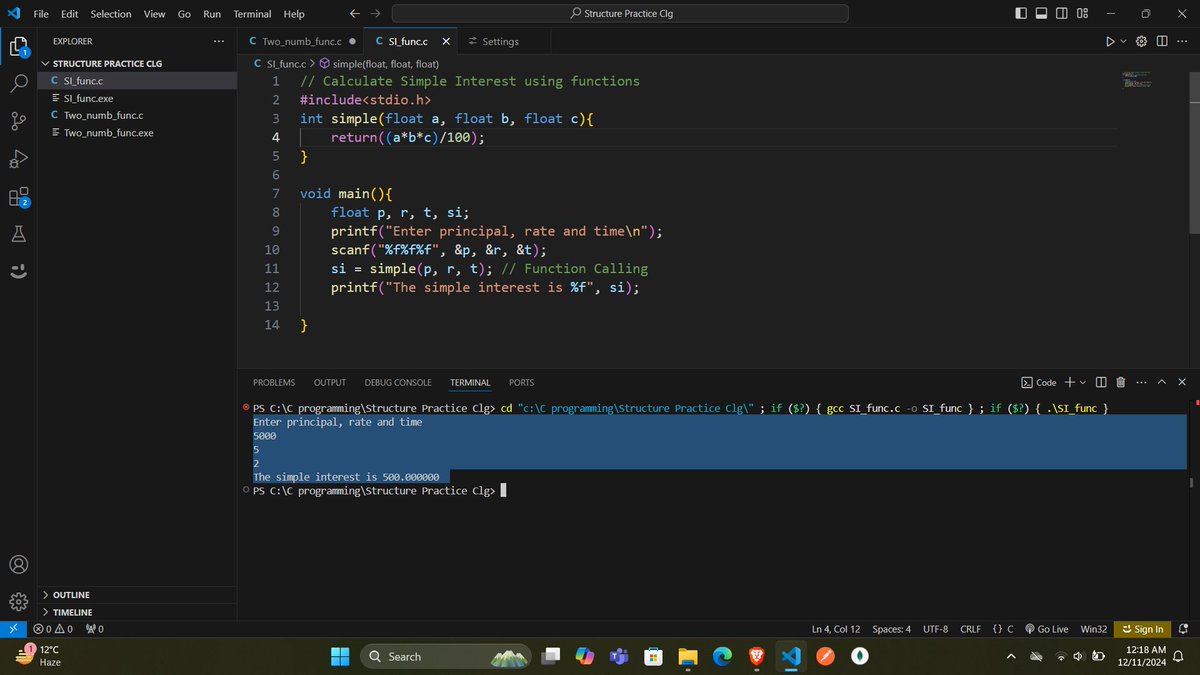
Day 30🚀: #100daysofcode : #GeeksforGeeks
Today I solved basic problem in Functions
#Codechef #C_language #100daysofchallenge #codinglife #LearnInPublic #learnprogramming #programmer #coder #CodingJourney #codewithGenZ #Genius #BuildYourself #Hackathon
2
59
4 Dec 2024
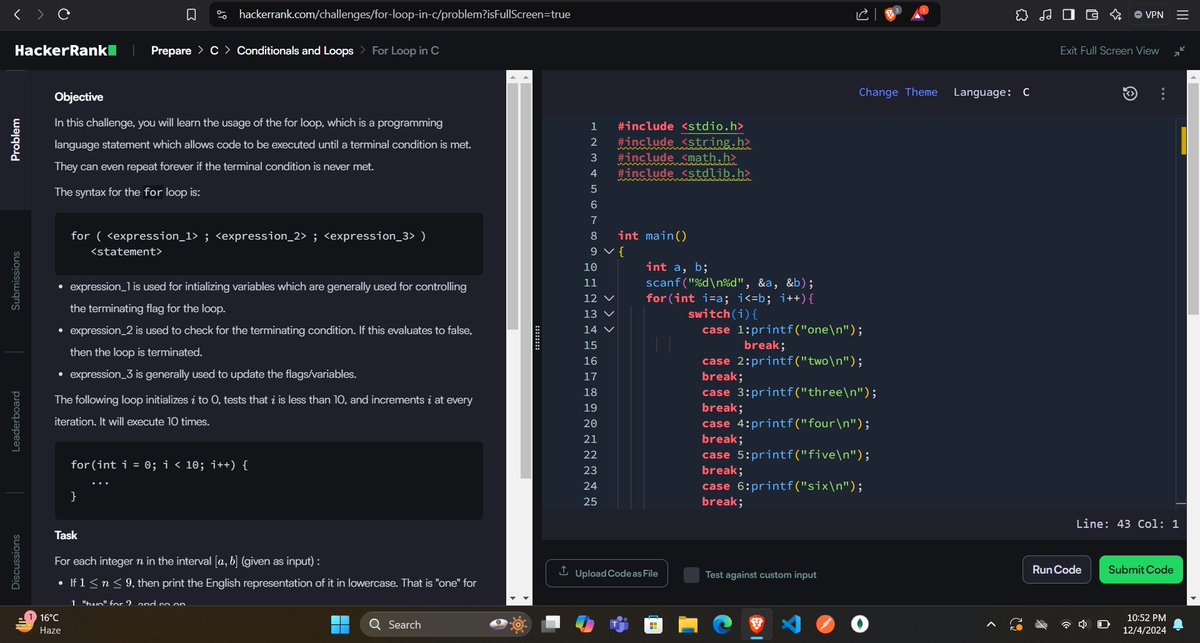
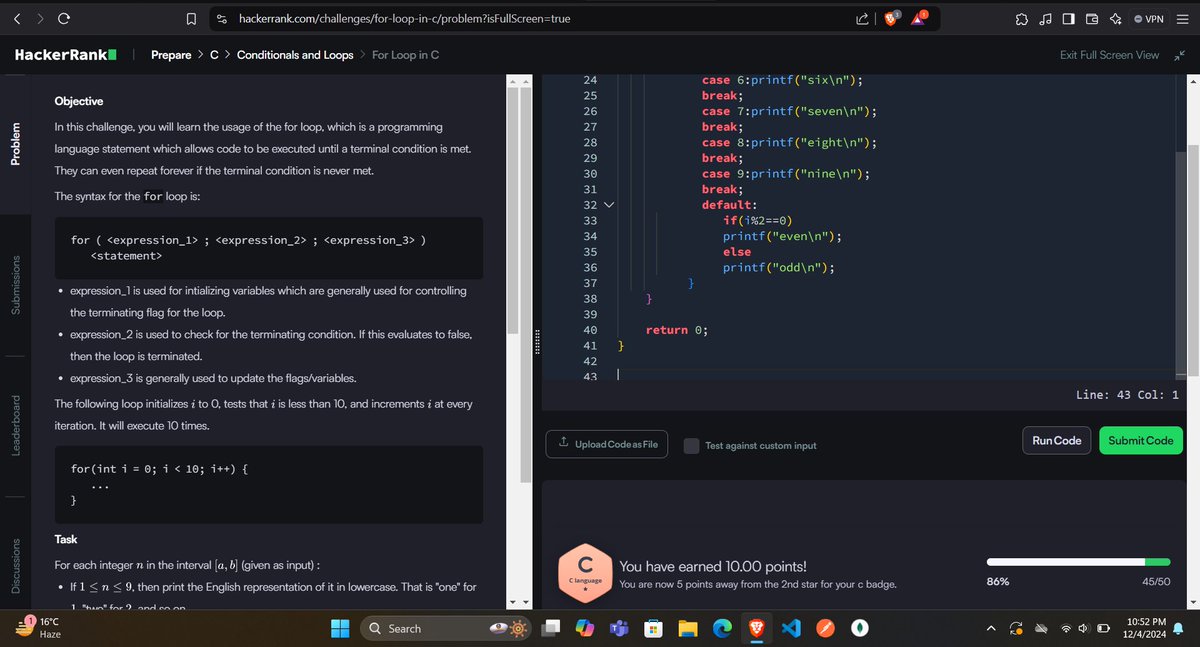
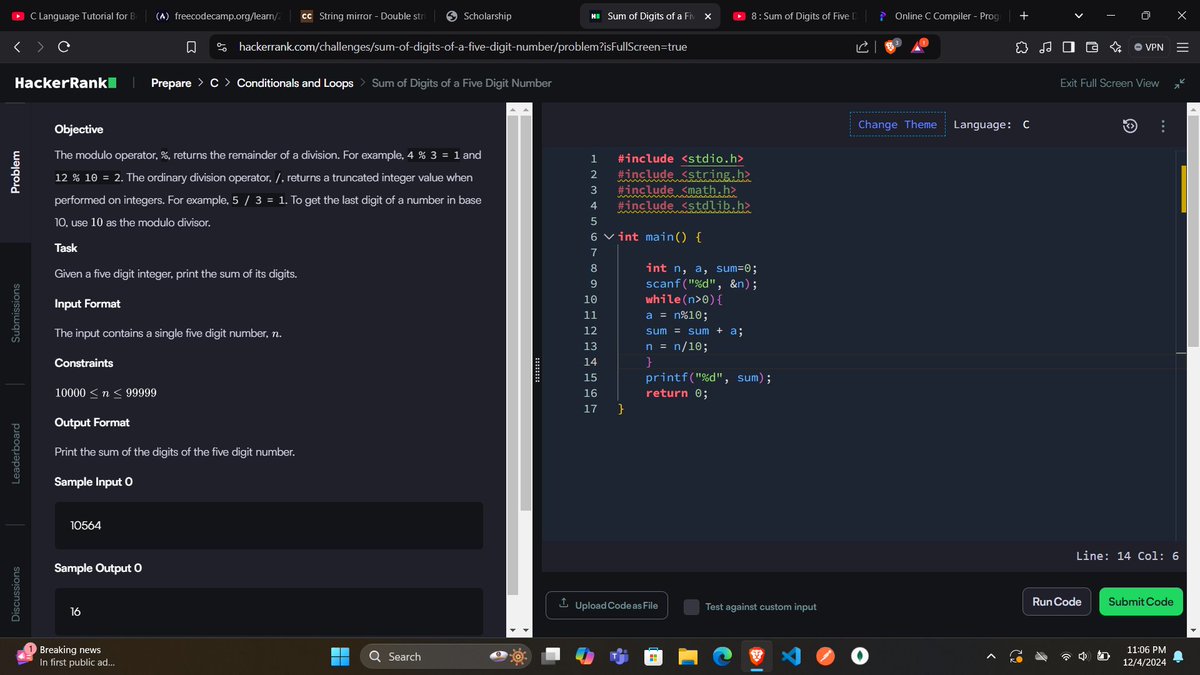
Day 29🚀: #100daysofcode : #GeeksforGeeks
Today I solved Hackerrank problem
-For loop in C
-Sum of digits in C
#Codechef #C_language #100daysofchallenge #codinglife #LearnInPublic #learnprogramming #programmer #coder #CodingJourney #codewithGenZ #Genius #BuildYourself #Hackathon
2
50