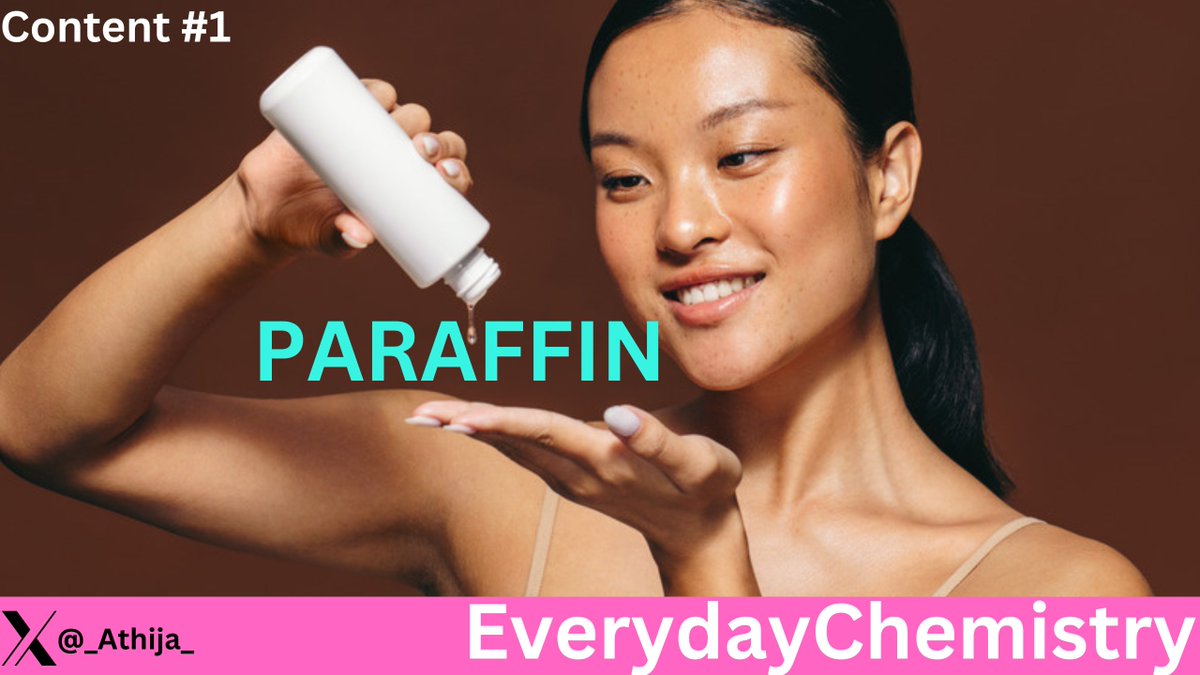
I don't know why, but It's fun to pronounce Paraffin. It makes you curious about what it really is. So, what exactly is this substance in chemistry?? Let’s find out! 🤔
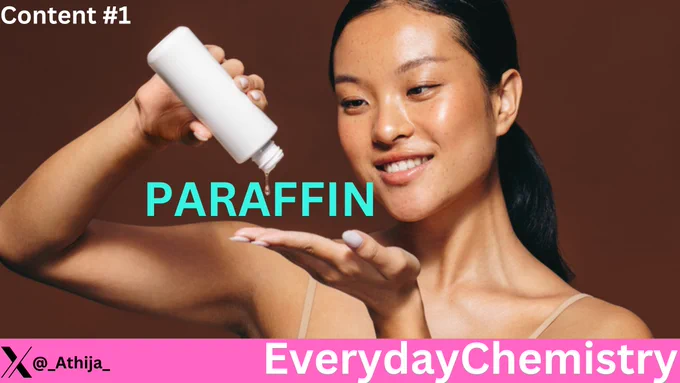
🗣️💡Paraffin might sound like something you'd find in a chemistry lab, but it's actually quite common in your skincare routine. Imagine a substance that's not just a wax but acts like a hydration shield for your skin. That's paraffin for you..
So, what is paraffin? It's a type of wax derived from petroleum. Yes, the same stuff that makes gasoline. But don't worry, it's safe for your skin. Paraffin is colorless, tasteless, and odorless—It may also give a mild smell depending on its refinement— which makes it perfect for cosmetics. When you use products with paraffin, it's like wrapping your skin in a soft, protective blanket.
How does it help your skin?
Paraffin is an occlusive. That's a fancy word meaning it forms a barrier on your skin. This barrier locks in moisture, keeping your skin hydrated for longer. Think of it as a wax coating that helps fruits to maintain freshness by reducing the moisture loss; paraffin does the same for your skin, preventing moisture loss.
In skincare, paraffin is often found in creams, lotions, and even makeup. It helps these products spread smoothly and gives them a luxurious, silky feel. Ever wondered why some skincare products feel like they're gliding onto your skin? That's because of paraffin.
But here's where it gets really interesting. Paraffin treatments are used in spas. Imagine dipping your hands or feet into warm liquid wax, then peeling off a glove of hardened wax to reveal incredibly soft skin underneath. This treatment not only moisturizes but also temporarily relieves minor aches and pains due to the warmth.
Some people might wonder about the natural versus synthetic debate. While paraffin is derived from petroleum, it's widely used because it's effective, inexpensive, and has a long shelf life. However, this has led to discussions about whether natural alternatives like shea butter or coconut oil might be better. It's all about what works for your skin type and personal values.
So, next time you pick up a skincare product, check the ingredients list. If you see paraffin, you'll know it's there to help keep your skin soft, smooth, and locked in moisture. It's like having a little magic in your skincare routine, making every application a step towards healthier, happier skin.
Fascinating, right?
📢Follow
@_Athija_ for more content like this👍🏼
.
.
.
.
.
.
.
.
.
.
#EverydayChemistry #ParaffinWax #SkincareIngredients #MoisturizerBenefits #HydrationLock #BeautyChemistry #Skincare #Cosmetics #PetroleumProducts #NaturalAlternatives #SkinMoisture #SkincareRoutine #BeautyTips #ChemistryInSkincare #OcclusiveIngredients #BarrierProtection #SkinHealth #Wellness #HealthySkin #EcoBeauty #SustainableSkincare #DIYSkincare #SkincareHacks #BeautyScience #SkinCareCommunity #ParaffinInSkincare #SkinLove #SkincareScience #NaturalSkincare #OrganicBeauty #ChemistryForAll #ChemistryInDailyLife #KitchenChemistry #BathroomChemistry #ScienceInDailyLife #Chemistry101 #SimpleScience #ChemCuriosity #ChemExplained #ChemSafety #DailyDoseOfChem #HiddenChemistry #ChemistryMatters #ChemistryEssentials #HomeChemistry #LifeThroughChemistry #ChemistryUnveiled #ScienceMeetsLife #ChemistryBasics
ALT Thumbnail of Paraffin content from Everyday Chemistry series on my X account