
Our customers often share how our BergaMet products have positively transformed their lives from head to toe! Whether it’s shedding a few pounds, feeling more energized, experiencing less joint pain, or having stronger hair and nails, our Citrus Bergamot is a true SuperFruit packed with amazing benefits.
And guess what? Our Citrus Bergamot Superfruit offers even more perks beyond just boosting cholesterol and heart health!
Did you know about the other BergaMet benefits?
LIVER HEALTH
Bergamot supports liver health primarily by combating metabolic stress and reducing fat accumulation, particularly those with Non-Alcoholic Fatty Liver Disease (NAFLD) and metabolic syndrome.
STRONGER HAIR & NAILS
Autophagy is the cellular process that allows your body to repair and rejuvenate. Citrus bergamot activates this, allowing you to look, feel, and be youthful at any age.
WEIGHT MANAGEMENT
Many people experience some weight loss on BergaMet as polyphenols can increase a protein that helps prevent the accumulation of fat.
JOINT RELIEF
The antioxidants in citrus bergamot have an effect on scavenging the free radicals caused by oxidative stress. This is linked to joint discomfort and inflammation.
MORE ENERGY
Improved Vo2 Max, which is a measure of the maximum amount of oxygen your body can utilize during exercise produces better performance.
LESS SICK DAYS
Your overall health is positively impacted in multiple ways by taking citrus bergamot SuperFruit. Leading to a healthier body and less doctor visits.
There is a BergaMet Product for you...
🛒 Learn more and get started today: bergametna.com/collections/p…
.
.
.
.
.
#cholesterol #statins #triglycerides #cholesterolfree #diet #dietplan #lowercholesterol #citrusbergamot #bergamot #cholesteroltips #cholesteroldiet #cholesterolcontrol #cholesterolmanagement #lipoprotein #bergametnorthamerica #highcholestrol #highcholesterolproblems #ldl #hdl #highhdl #highldl #LDLcholesterol #saturatedfat #unsaturatedfat #heartdisease #cardiovascularhealth #cardiovascular #bloodpressure

26

Jun 11
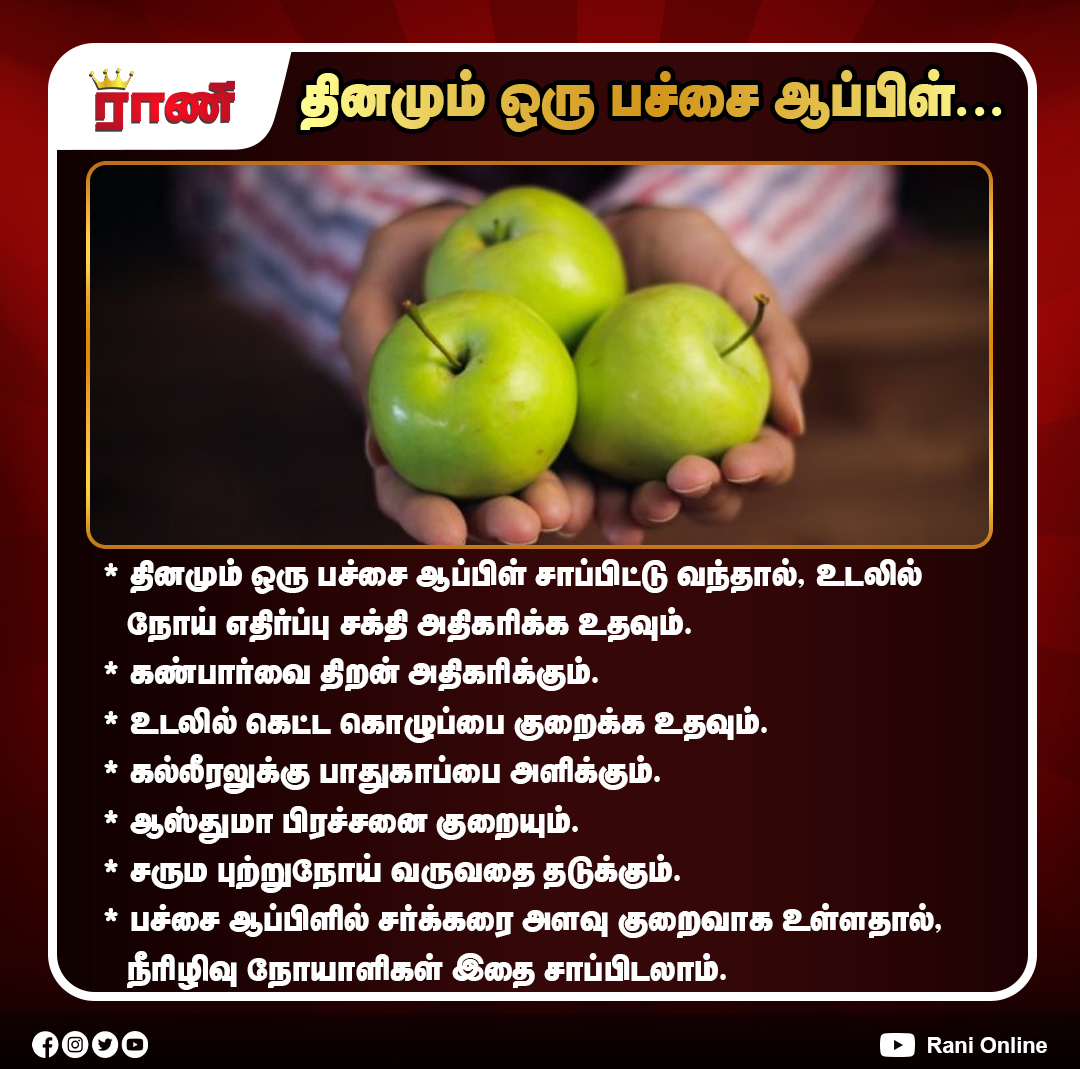
தினமும் ஒரு பச்சை ஆப்பிள் சாப்பிட்டால் கிடைக்கும் நன்மைகள்!
#GreenApple #AppleBenefits #HealthyLiving #ImmunityBoost #EyeHealth #HealthyDiet #GoodNutrition #CholesterolControl #LiverHealth #AsthmaCare #DiabetesFriendly #HealthyLifestyle #ranionline
496

Your heart health starts with what’s on your plate.
Add these 5 heart-friendly foods to your daily diet:
🍓 Fruits
🥜 Nuts
🌾 Whole Grains
🐟 Omega-3 Rich Foods
💧 Proper Hydration
Small changes today can help lower cholesterol, support heart health, and reduce the risk of heart disease tomorrow.
#HeartHealth #HealthyHeart #HeartHealthyFoods #HealthyEating #Nutrition #HeartCare #Omega3 #HeartDiseasePrevention #CholesterolControl #Wellness #Cardiology #IHLD #RahulChandola
#DrRahulChandola #CTVsSurgreonRahulChandola
4

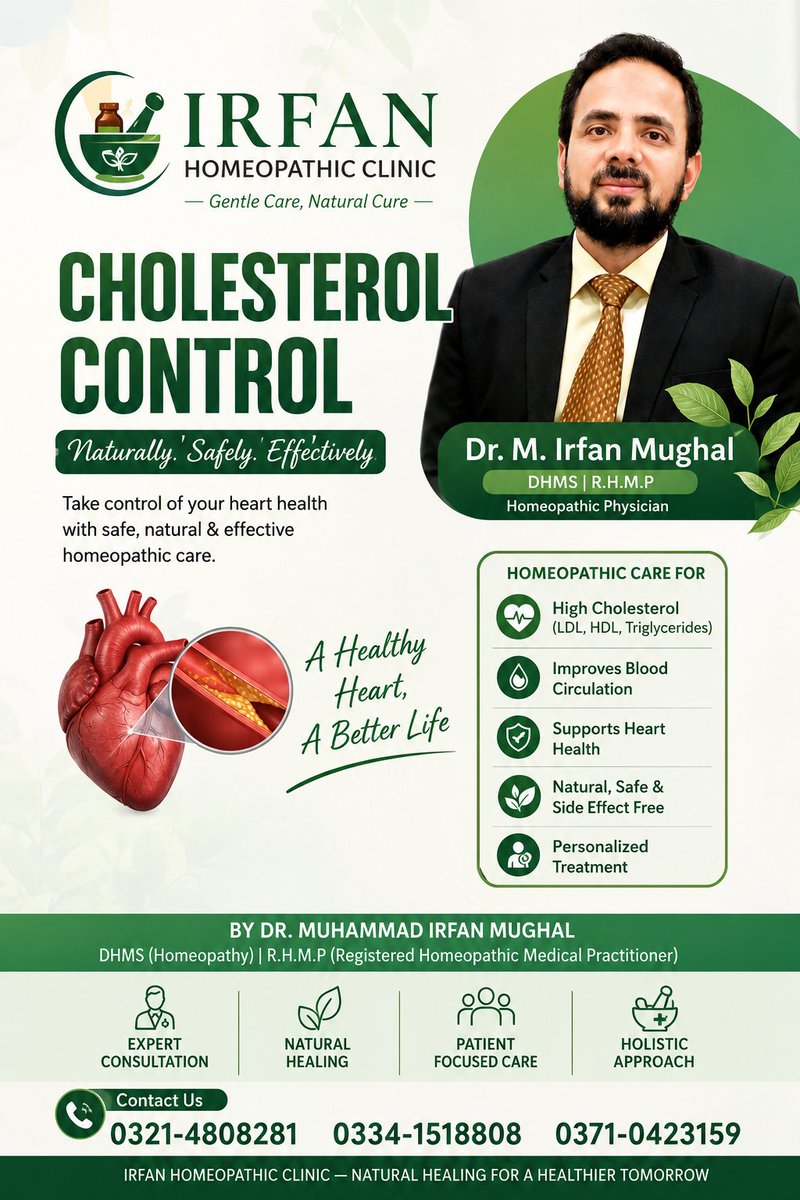
❤️ Control Cholesterol, Protect Your Heart! ❤️
High cholesterol often has no symptoms, but it can silently increase.
#CholesterolControl #HeartHealth #HealthyLifestyle #Homeopathy #NaturalHealing #IrfanHomeopathicClinic #DrMuhammadIrfanMughal #Lahore #Wellness #PreventiveCare
2

Jun 4
कोलेस्ट्रॉल वाढलंय? मग रोज केवळ ‘इतकी’ मिनिटे चाला, हार्ट ॲटॅकचा धोका होईल कमी!
#CholesterolControl #HeartHealth #WalkingForHealth #LDLReduction #FitnessTips #HealthyLifestyle #DailyWalking
loksatta.com/lifestyle/chole…
194

May 22
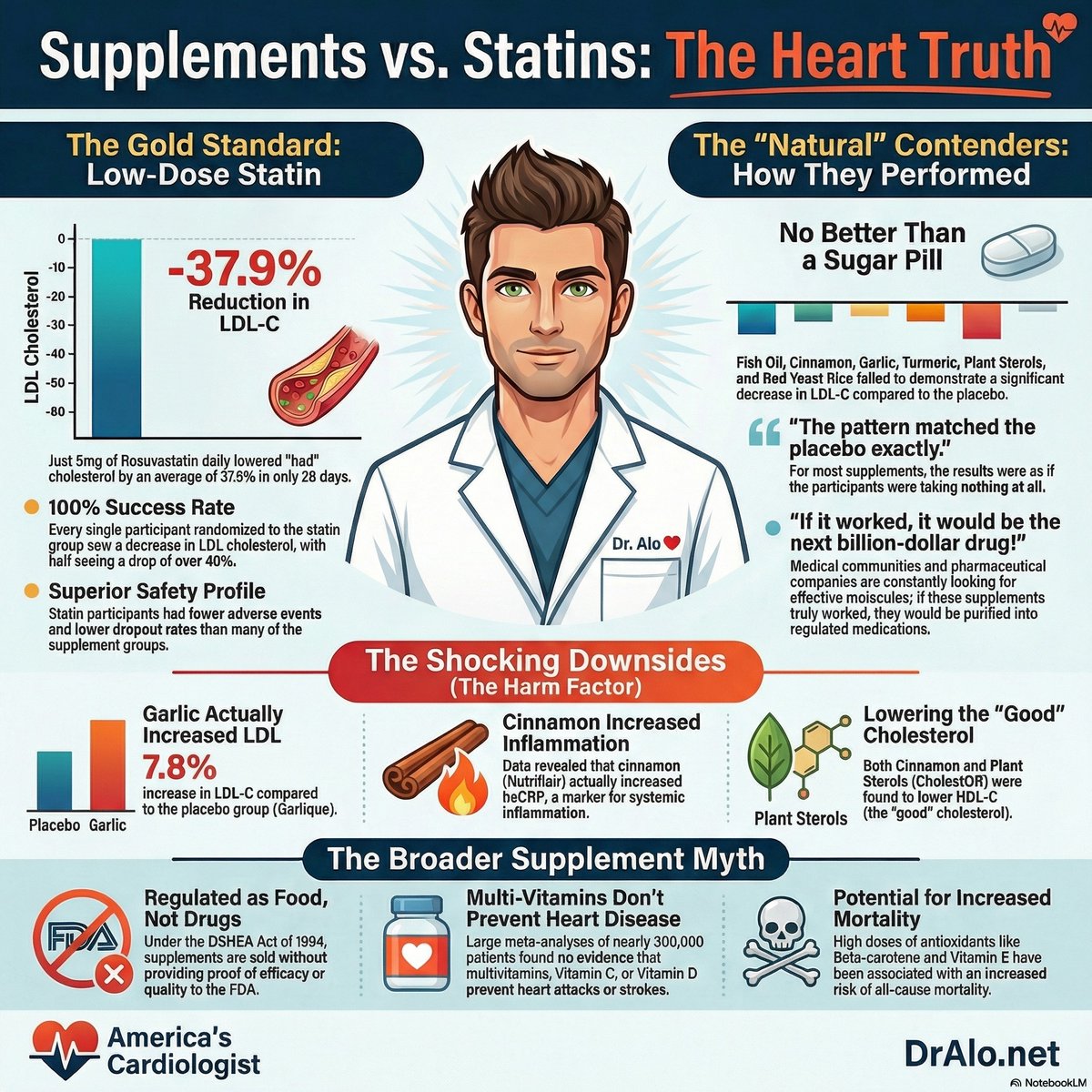
🚨 Six popular supplements tested head-to-head against a statin. Not one of them moved the needle on LDL-C, total cholesterol, triglycerides, HDL-C, or hsCRP. The placebo performed just as well as cinnamon, fish oil, garlic, turmeric, plant sterols, and red yeast rice.
You are spending real money on these products.
But the data says otherwise.
And no, they are not just underpowered. They were tested in a rigorous randomized controlled trial and they failed.
I am a cardiologist.
I watch patients delay proven therapy for years because they believe a supplement is protecting their heart. That delay has consequences I see in my clinic every week.
Here is what the science actually says.
💓 The Trial
The Cleveland Clinic published this head-to-head trial in JACC. Researchers randomized patients to one of six popular cholesterol-lowering supplements, placebo, or low-dose rosuvastatin at 5mg daily.
The supplements tested: cinnamon, fish oil, garlic, turmeric, plant sterols, and red yeast rice.
✅ JACC Cleveland Clinic Trial (rosuvastatin 5mg): LDL-C reduced by over 50% in participants
✅ JACC Cleveland Clinic Trial (rosuvastatin 5mg): zero participants experienced an LDL-C increase
❌ Cinnamon: no significant difference from placebo on any lipid or inflammatory marker
❌ Fish oil: no significant difference from placebo on LDL-C, total cholesterol, or hsCRP
❌ Garlic: no significant difference from placebo on any measured endpoint
❌ Turmeric: no significant difference from placebo on any measured endpoint
❌ Plant sterols: no significant difference from placebo on any measured endpoint
❌ Red yeast rice: no significant difference from placebo on any measured endpoint
🔬 Why Supplements Keep Failing
The mechanism behind effective LDL lowering requires a specific, validated biological pathway.
Statins inhibit HMG-CoA reductase with precision.
That inhibition upregulates LDL receptors on liver cells.
Those receptors pull LDL-C out of circulation at scale.
No supplement in this trial triggered that pathway with enough potency to produce measurable change.
That matters because LDL reduction is dose-dependent and mechanism-dependent. Wishing it worked is not the same as it working.
⚠️ The Argument That Exposes the Industry
If any of these supplements genuinely lowered LDL-C or reduced cardiovascular events, a pharmaceutical company would have isolated the active compound, synthesized it, patented it, and run it through clinical trials decades ago.
That is not cynicism. That is how drug development works.
Berberine got attention. Researchers studied it. The data did not support it as a replacement for statins in high-risk patients.
Red yeast rice contains monacolin K, which is chemically identical to lovastatin. When it works, it is because you are taking an unregulated, unstandardized statin with no dose control and no safety monitoring.
The industry sells you the idea that natural means safe and effective. The Cleveland Clinic just ran the experiment. The idea did not survive contact with data.
🩺 What This Looks Like in Real Patients
A patient who takes a supplement instead of a statin for 3 to 5 years while their LDL-C sits at 160 mg/dL accumulates atherosclerotic plaque that does not fully reverse.
A patient who starts rosuvastatin at 5mg daily can cut their LDL-C by more than 50% within weeks.
That is the difference between progressive arterial disease and meaningful cardiovascular risk reduction.
The question is no longer whether supplements are natural. The question is whether they work. And this trial answered that.
❌ Cinnamon will not save you.
❌ Fish oil will not save you.
❌ Garlic, turmeric, plant sterols, and red yeast rice will not save you.
The tools with the strongest data are unsexy, free, and require your participation.
❤️ Bottom line:
Supplements are not untested alternatives to statins. They are tested. They failed.
This Cleveland Clinic trial in JACC put six of the most popular products on the market against a 5mg dose of rosuvastatin and a placebo. The supplements matched the placebo. The rosuvastatin cut LDL-C by over 50%.
Know your LDL-C number. Talk to a physician about your actual cardiovascular risk. Stop substituting hope for evidence. Start the conversation about proven therapy before the plaque does the talking for you.
The supplement industry earns billions of dollars per year selling you products that a randomized controlled trial just proved do nothing. That money could go toward your health instead of their revenue.
Are you ready to ask your doctor what actually works?
#Cardiology #HeartDisease #HeartHealth #CardiovascularHealth #Statins #LDLCholesterol #SupplementMyths #CholesterolControl #PreventiveCardiology #MetabolicHealth
7
16
41
2,627
May 19
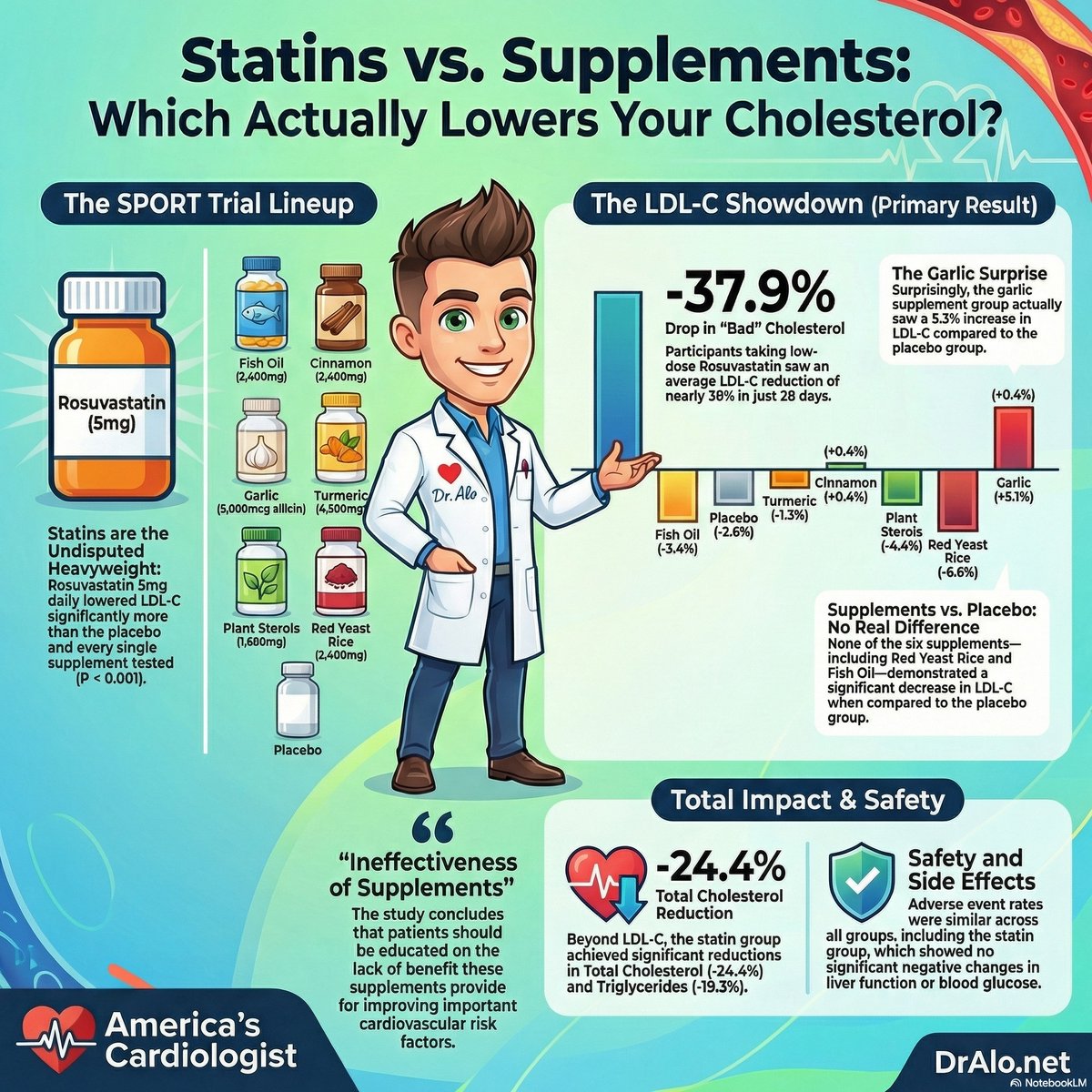
🚨 A recent trial tested fish oil, garlic, red yeast rice, and cinnamon head to head against a placebo for cholesterol reduction. Every single one failed to lower LDL meaningfully. But the supplement industry made billions off you anyway.
You have been sold a lie in a bottle.
And no, these supplements are not just "less effective." They are ineffective.
I am a cardiologist.
I treat patients with dangerously high LDL every single day.
And I watch them walk in carrying bags full of supplements that did nothing while their arteries kept building plaque.
Here is what the science actually says.
🔬 The trial that ended the debate:
✅ SPORT (rosuvastatin): LDL reduced 35% to 40% vs placebo
❌ Fish oil did not lower LDL meaningfully vs placebo
❌ Garlic did not lower LDL meaningfully vs placebo
❌ Red yeast rice did not lower LDL meaningfully vs placebo
❌ Cinnamon did not lower LDL meaningfully vs placebo
That is not a trend. That is a verdict.
💓 The supplement industry sells you hope. The data sells you results.
Statins have outcome data from hundreds of thousands of patients across decades.
The JUPITER Trial (rosuvastatin) reduced major cardiovascular events by 44%.
The FOURIER Trial (evolocumab) reduced heart attacks by 27%.
The ODYSSEY OUTCOMES Trial (alirocumab) reduced death in high-risk patients.
These drugs do not just lower a number on a lab report. They keep people alive.
⚠️ Why this matters more than you think:
Every month a patient spends taking supplements instead of proven therapy is a month their LDL stays elevated.
Plaque does not wait for you to finish your fish oil bottle.
Plaque does not pause while you try cinnamon.
LDL causes direct arterial injury at levels above 70 mg/dL in high-risk patients.
Time spent at elevated LDL is damage you cannot fully undo.
🩺 A patient who starts rosuvastatin at age 50 after years of supplement use can lower LDL by 40% within 6 weeks and reduce their lifetime cardiovascular event risk significantly.
That is the difference between a heart attack at 62 and a healthy decade beyond it.
❌ Fish oil will not save you.
❌ Garlic will not save you.
❌ Red yeast rice will not save you.
❌ Cinnamon will not save you.
The tools with the strongest data are unsexy, free, and require your participation.
❤️ Bottom line:
Supplements are not an alternative to lipid-lowering therapy. They are a distraction.
The evidence behind statins and PCSK9 inhibitors spans decades and hundreds of thousands of patients.
Get your LDL checked. Know your number. Have an honest conversation with your cardiologist.
Stop spending money on supplements that failed in controlled trials.
The question is no longer whether supplements work. The question is how long you will wait before choosing something that actually does.
#Cardiology #HeartDisease #HeartHealth #CardiovascularHealth #LDL #Statins #CholesterolControl #SupplementMyths #PreventiveCardiology #MetabolicHealth
9
10
36
2,582

ગરમીમાં દહીંની સાથે આ મીઠી ચીજ મિલાવીને ખાજો, કદી નહીં આવે હાર્ટ એટેક
#HeartHealth #SummerDiet #CurdAndHoney #HealthyLifestyle #NaturalRemedy #CholesterolControl #HealthTips #WeightLoss #Ayurveda
vtvgujarati.com/news-details…
1
224

May 4
Shoaib Ibrahim reduces high cholesterol levels, says it's concerning since BP is hereditary in his family
yespunjab.com/?p=247141
#ShoaibIbrahim #DipikaKakar #HealthUpdate #FitnessJourney #CholesterolControl #HealthyLifestyle #CelebrityNews #Wellness #IndianTVActors #FitnessMotivation
66

कैसे पता करें कि आपके खाने में Cholesterol है या नहीं? जानिए आसान तरीका
Helpline Number : 9312286540
#drbrc #DrbiswarooproyChowdhury #CholesterolControl #CholesterolAwareness
9
30
801

Apr 24
વધતું કોલેસ્ટ્રોલ જીવલેણ બની શકે છે! શરીરમાં દેખાતા આ લક્ષણોને ક્યારેય ન કરો નજરઅંદાજ
#cholesterol #healthcare #cholesterolcontrol #CholesterolCheck #CholesterolAwareness #cholesteroltips #viralvideos #trendingvideos #viralreels #trendingreels
176

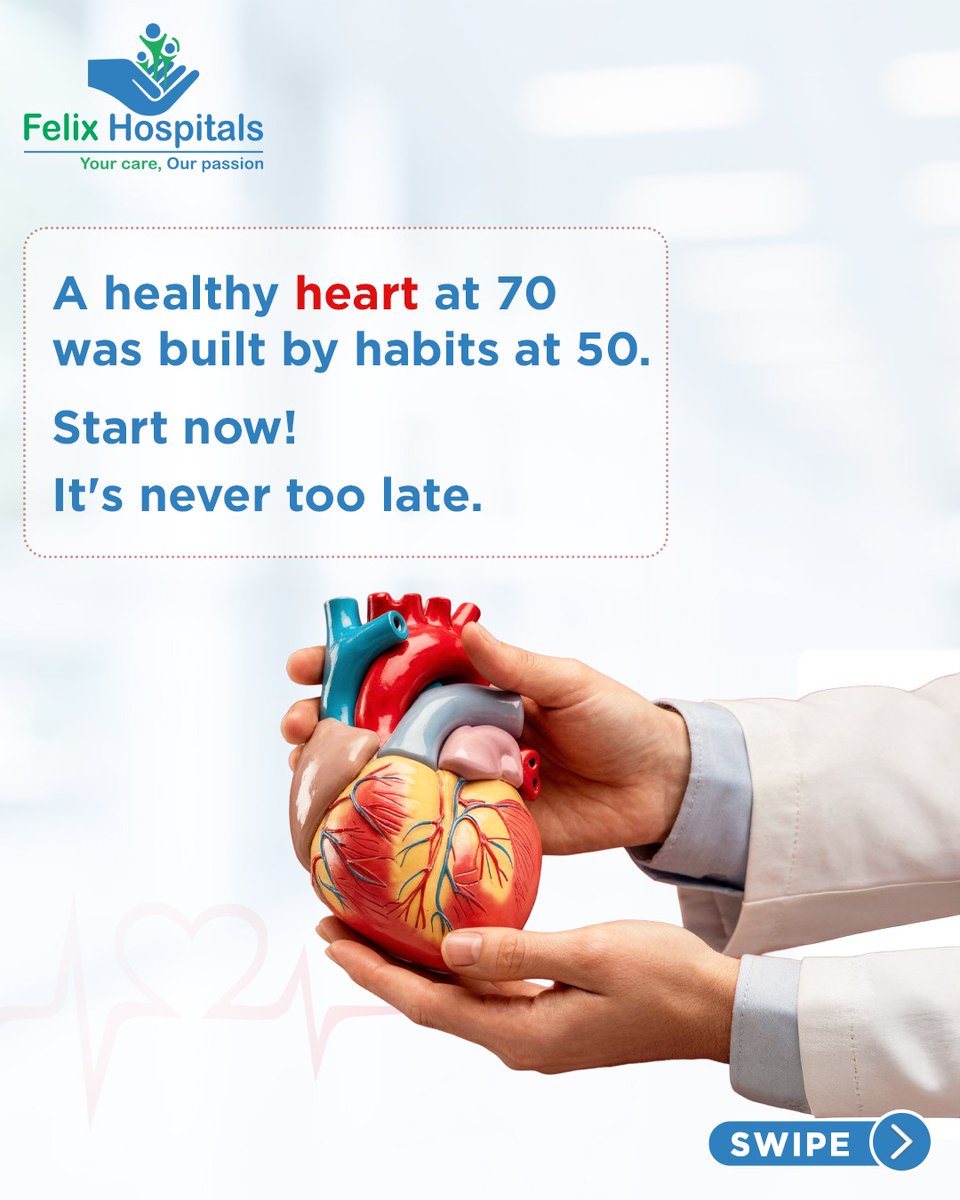
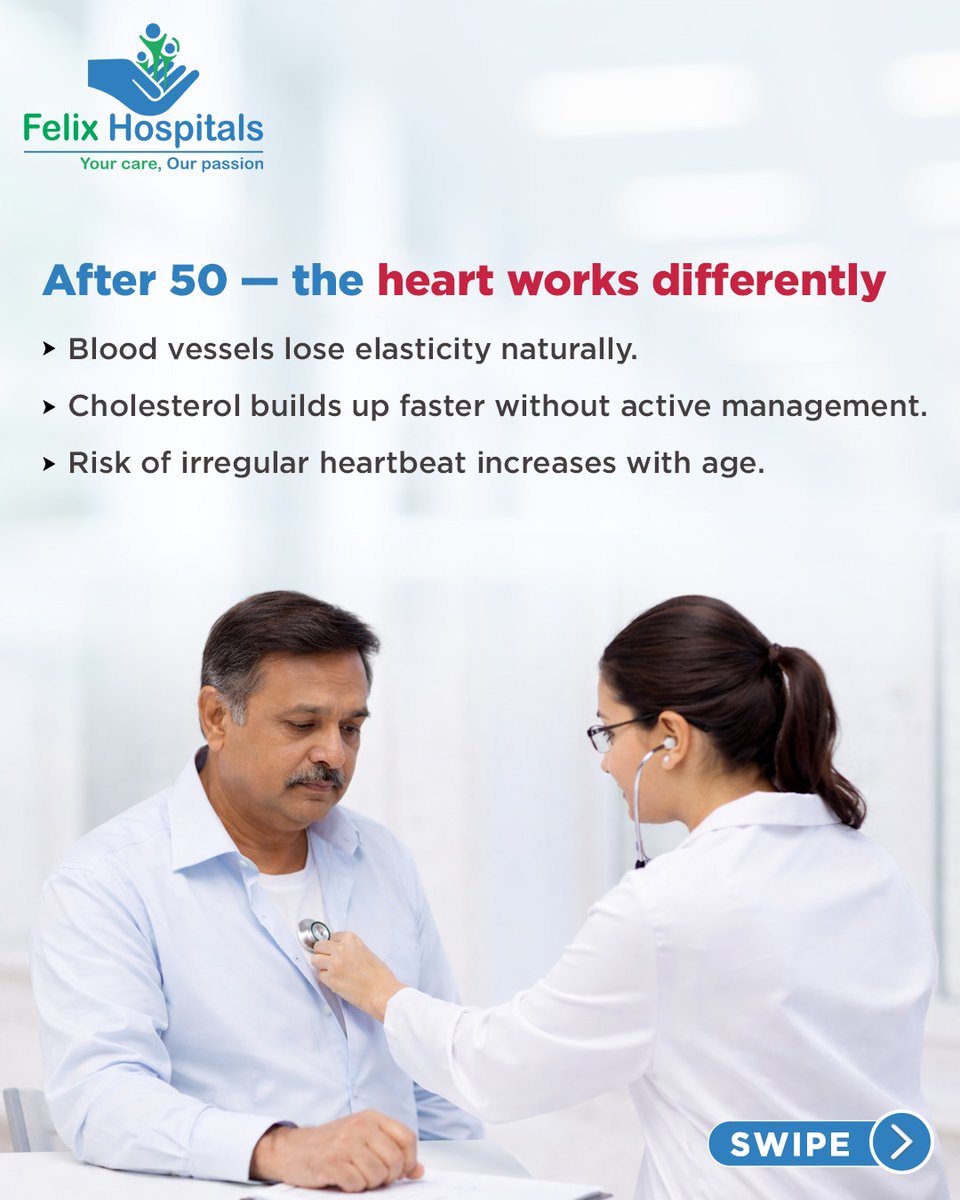
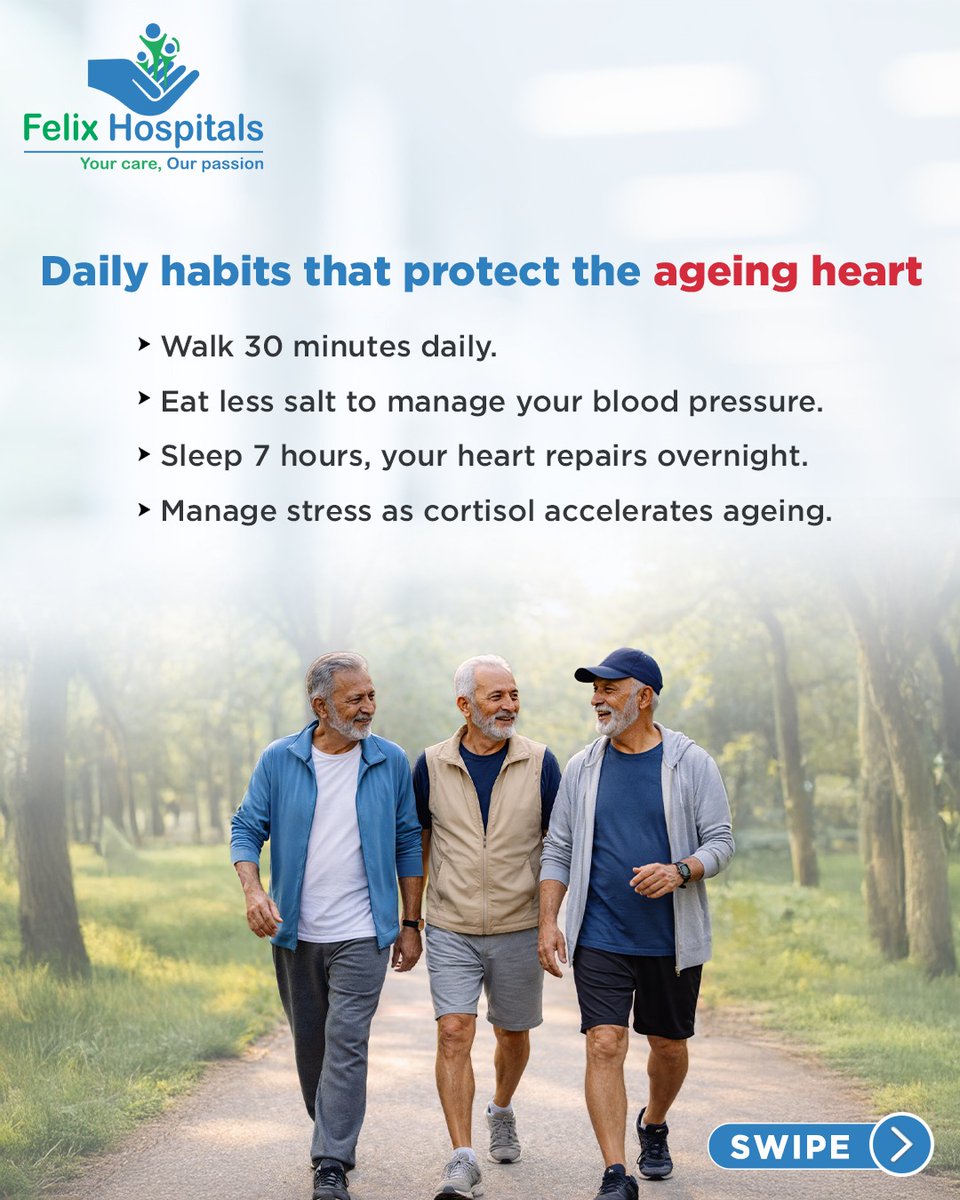
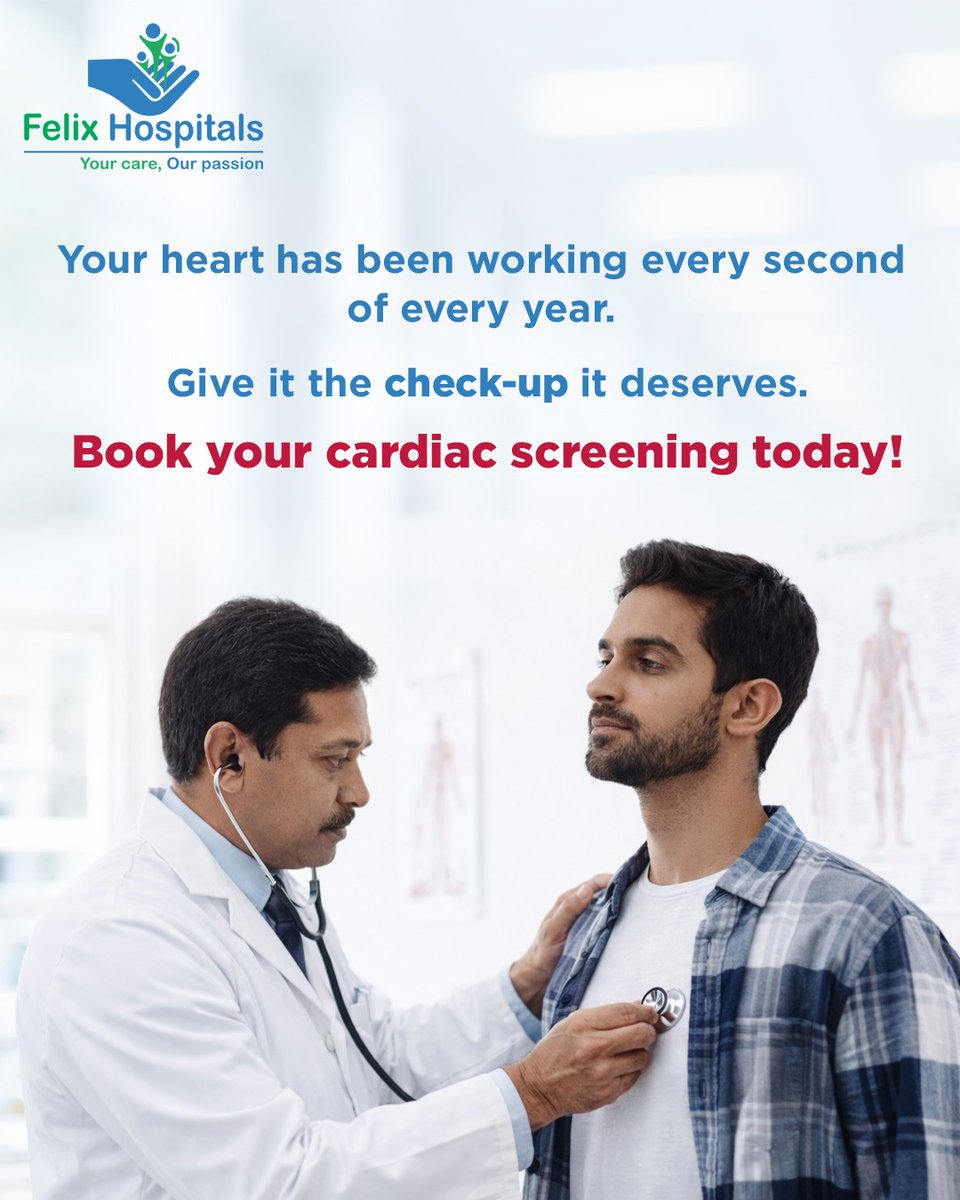
Heart health after 50 depends on the habits you build today and maintain consistently. Small daily actions and regular screenings can protect your heart for years to come.
#HeartHealth #HeartCare #CardiacHealth #CholesterolControl #BloodPressureCare #FelixHospital
4
5
15
कोलेस्ट्रॉल का सच जो अक्सर आपको नहीं बताया जाता
Helpline Number : 9312286540
#DrBRC #DrBiswaroopRoyChowdhury #cholesterol #cholesterolcontrol #healthtips
5
39
170
4,490

Apr 11
High Cholesterol: वजन वाढल्यामुळे वाढू शकतो कोलेस्टेरॉल अन् हार्ट अटॅकचा धोका, डॉक्टरांनी नेमकं काय सांगितलं?
#HighCholesterol #HeartHealth #WeightGain #HealthyLifestyle #CholesterolControl #FitnessTips
saamtv.esakal.com/lifestyle/…
182

Apr 10
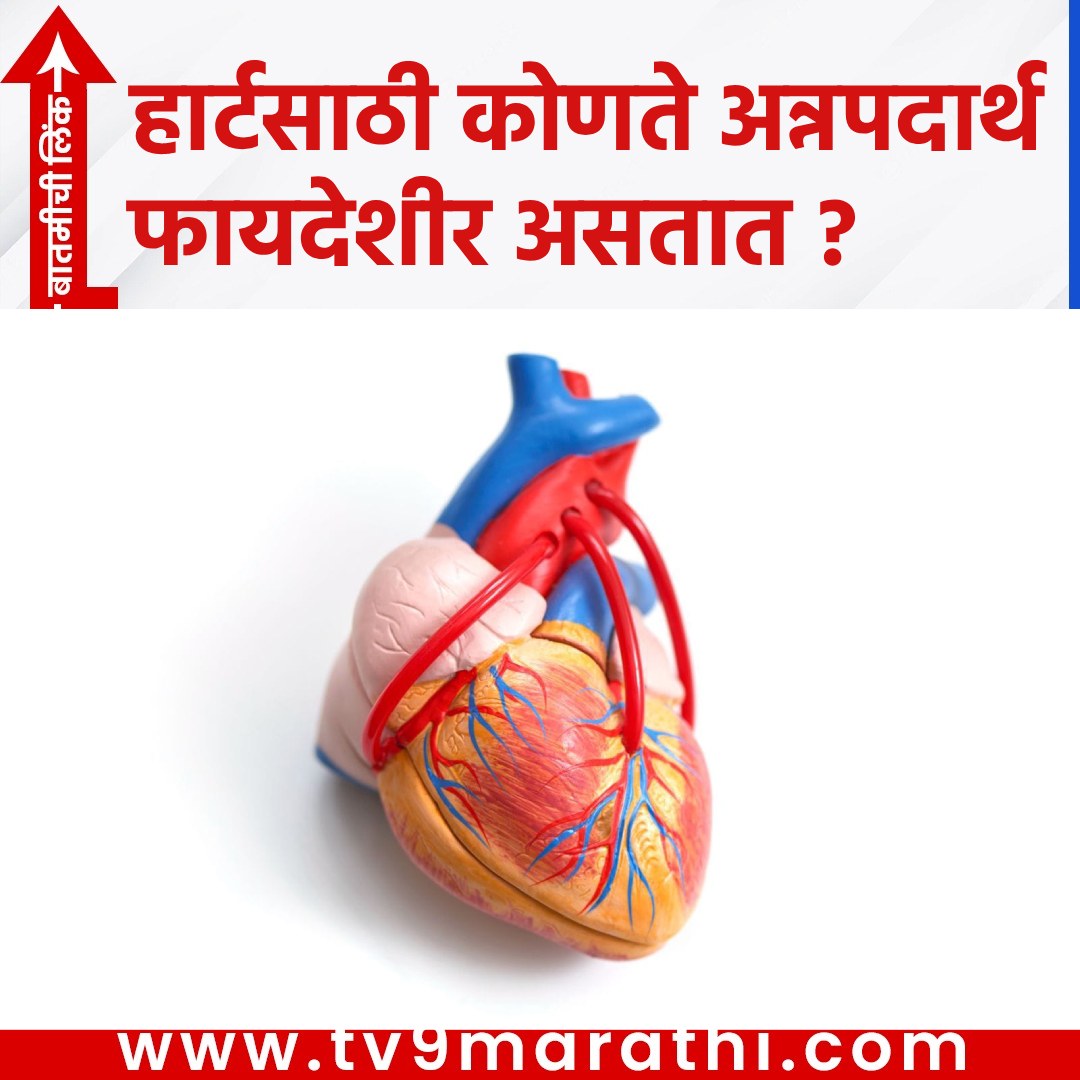
हार्टसाठी कोणते अन्नपदार्थ फायदेशीर असतात ?
tv9marathi.com/web-stories/l…
#Hearthealth #lifestyle #bloodpressure #cholesterolcontrol #balanceddiet #oats #brownrice #coarsegrains #fiber #spinach #fenugreek #leafyvegetables #antioxidants #almonds #walnuts #flaxseeds #apples #strawberries #tuna #sardines #Omega3
166

Apr 10
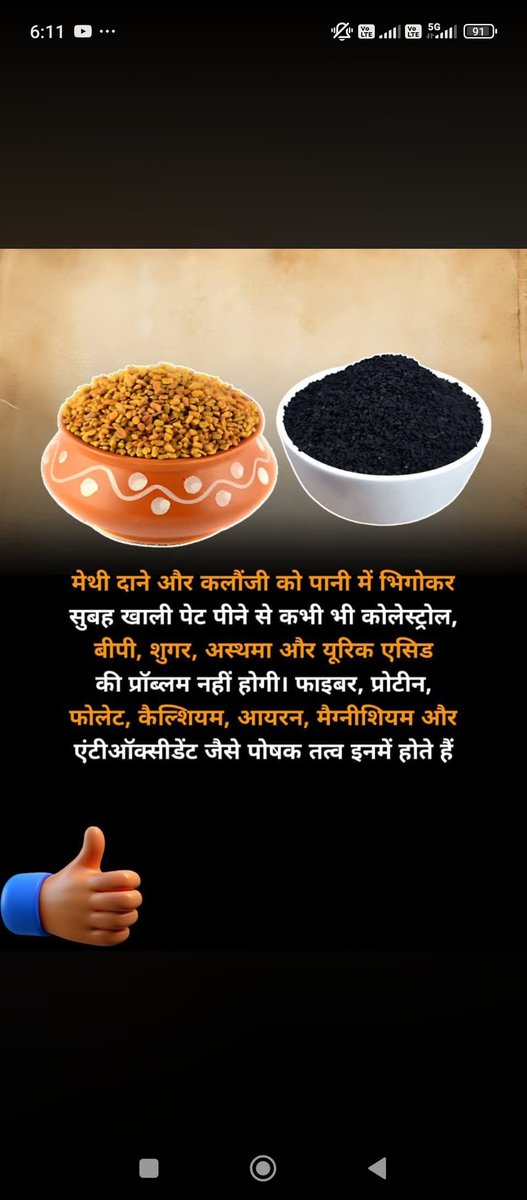
सेहत का रामबाण नुस्खा! 🔥🔥🌞
मेथी दाने कलौंजी = कोलेस्ट्रॉल, बीपी, शुगर, अस्थमा और यूरिक एसिड का दुश्मन नंबर 1! रात को 1 चम्मच मेथी दाने और आधा चम्मच कलौंजी को एक गिलास पानी में भिगोकर रख दो।
सुबह खाली पेट छानकर ये पानी पियो। बस! इस कॉम्बो में भरपूर फाइबर, प्रोटीन, फोलेट, कैल्शियम, आयरन, मैग्नीशियम और शक्तिशाली एंटीऑक्सीडेंट होते हैं जो:कोलेस्ट्रॉल को कंट्रोल करते हैं
ब्लड प्रेशर बैलेंस रखते हैं
ब्लड शुगर को स्टेबल रखते हैं
अस्थमा में राहत देते हैं
यूरिक एसिड कम करते हैं
पाचन सुधारते हैं और शरीर को डिटॉक्स करते हैं
आयुर्वेद में इसे अमृत जैसा माना जाता है! जो लोग रोज़ ये पानी पी रहे हैं, वो बताएं कमेंट में अपना अनुभव
अभी से शुरू कर दो, 30 दिन बाद खुद फर्क महसूस करोगे! शेयर जरूर करें अपने परिवार और दोस्तों के साथ, क्योंकि अच्छी सेहत का तोहफा सबसे बड़ा तोहफा है #मेथीकलौंजी #DesiNuskhe #HealthTips #CholesterolControl #DiabetesControl #BPControl #UricAcid #NaturalRemedy #Ayurveda #ViralPost
2
2
36

Apr 5
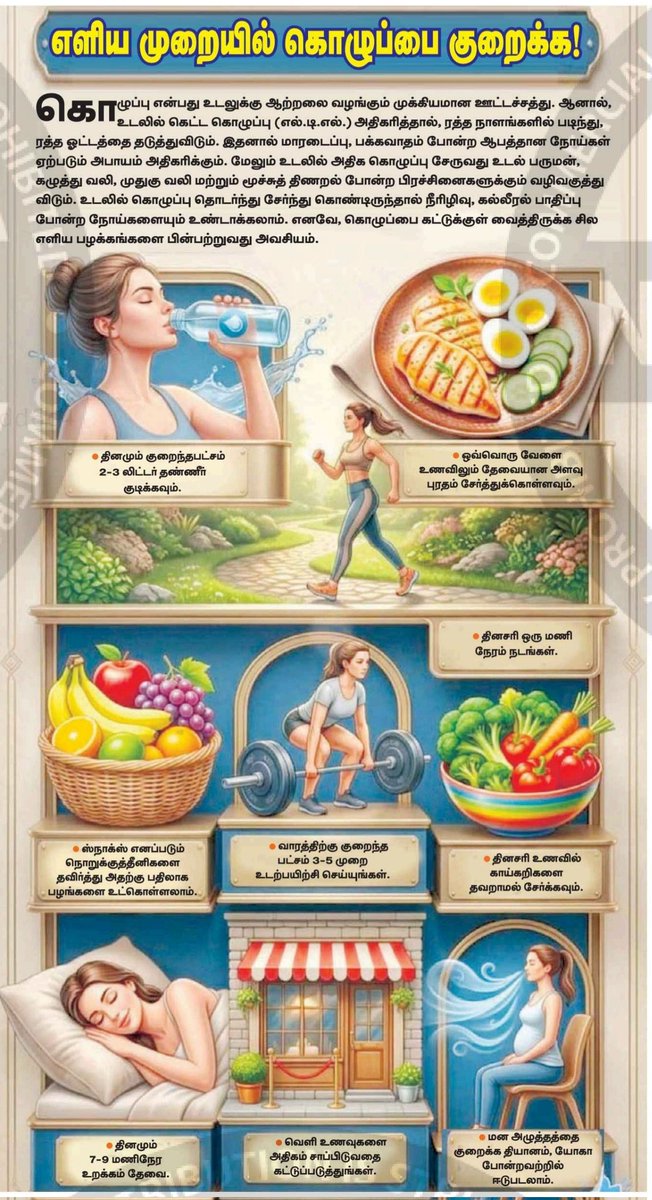
🚨 எளிய முறையில் உடல் கொழுப்பை (Cholesterol) குறைப்பது எப்படி? இதோ சில டிப்ஸ்! 🏃♀️
உடலில் கெட்ட கொழுப்பு (LDL) அதிகரித்தால் மாரடைப்பு, பக்கவாதம், உடல் பருமன், நீரிழிவு மற்றும் கல்லீரல் பாதிப்பு போன்ற பல அபாயங்கள் ஏற்படலாம். இதனைக் கட்டுக்குள் வைக்க நாம் பின்பற்ற வேண்டிய சில எளிய பழக்கங்கள்:
💧 தண்ணீர்: தினமும் குறைந்தது 2 முதல் 3 லிட்டர் தண்ணீர் குடிக்கவும். 🥚 புரதம்: ஒவ்வொரு வேளை உணவிலும் தேவையான அளவு புரதச்சத்து (Protein) சேர்த்துக் கொள்ளவும். 🚶♀️ நடைப்பயிற்சி: தினமும் ஒரு மணி நேரம் தவறாமல் நடங்கள். 🍎 பழங்கள்: ஆரோக்கியமற்ற நொறுக்குத்தீனிகளைத் தவிர்த்து, அதற்குப் பதிலாக பழங்களைச் சாப்பிடுங்கள். 🏋️♀️ உடற்பயிற்சி: வாரத்திற்கு குறைந்தது 3 முதல் 5 நாட்களாவது உடற்பயிற்சி செய்யுங்கள். 🥦 காய்கறிகள்: உங்களின் தினசரி உணவில் காய்கறிகளை அதிக அளவில் சேர்த்துக் கொள்ளுங்கள். 😴 உறக்கம்: உடலுக்கு தினமும் 7 முதல் 9 மணி நேர ஆழ்ந்த உறக்கம் அவசியம். 🚫 வெளி உணவு: உணவகங்களில் (ஹோட்டல்) அடிக்கடி சாப்பிடுவதைக் கட்டுப்படுத்துங்கள். 🧘♀️ மன அமைதி: மன அழுத்தத்தைக் குறைக்க தியானம், யோகா போன்ற பயிற்சிகளை மேற்கொள்ளுங்கள்.
ஆரோக்கியமான வாழ்விற்கு இன்றே இந்த மாற்றங்களைத் தொடங்குவோம்! ✨
#HealthTipsTamil #CholesterolControl #FitnessTips #HealthyLifestyle #TamilHealth #WeightLossTips #MakkalSevai
43
123
6,403

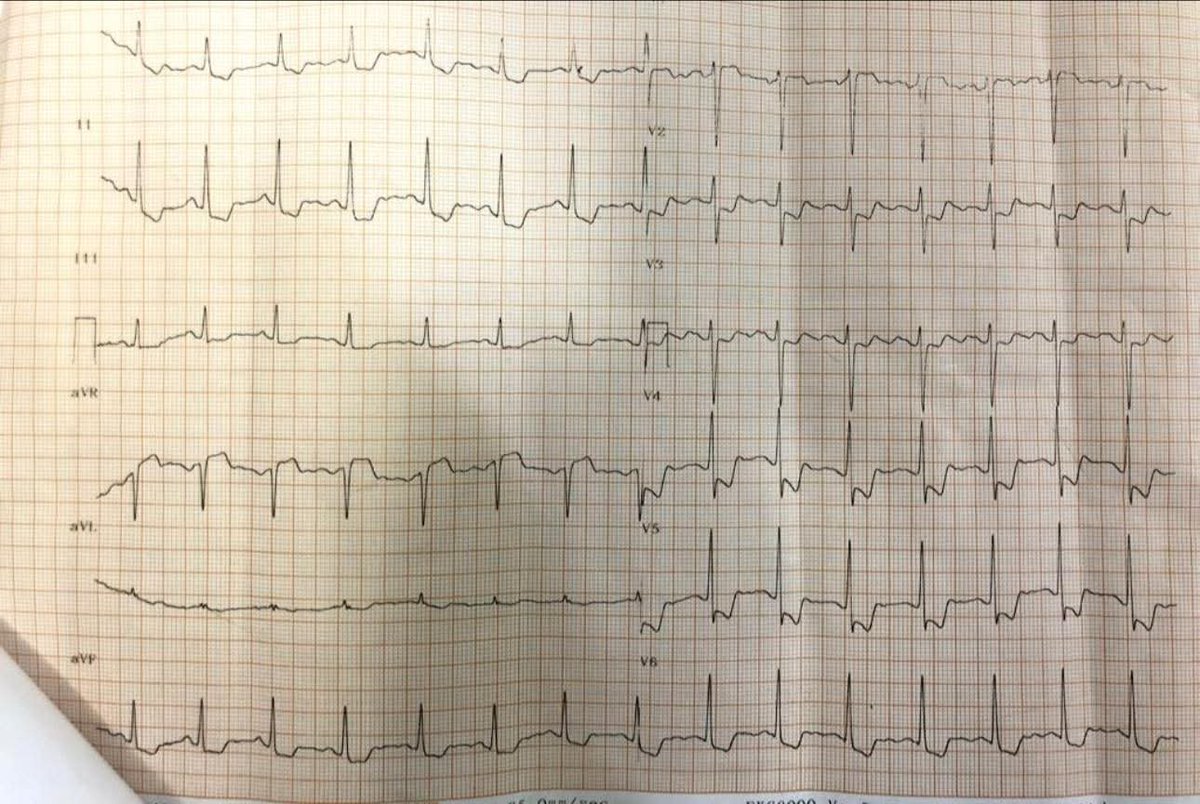
A 55 year old gentleman presented with severe chest pain which is on and off .
What’s your findings and possible diagnosis and next step treatment plan?
#ecgchallenge #everyonefollowers #PrimaryPCI #ekg #angiography #Coronary #ecginterpretation #cholesterolcontrol #healthcare #healthtips #heart #heartattack
@drobiy12 @hemo_shk
#MedTwitter #FOAMed #MedX
4
1
17
1,517
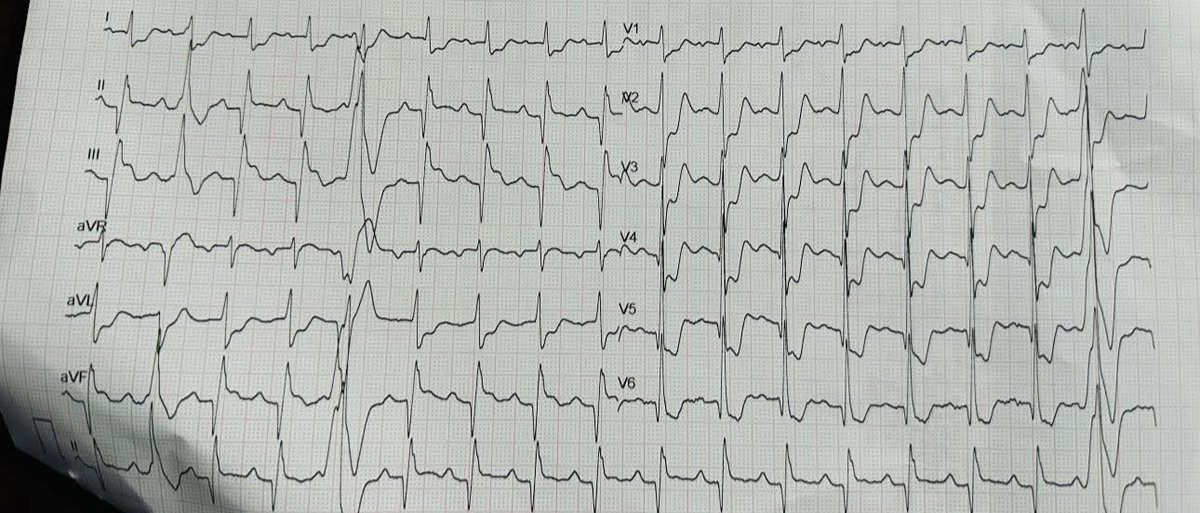
A 72 year old gentleman presented with acute chest pain for 4 hours.
What’s your findings, Diagnosis and next step management plan? #ecginterpretation #everyonefollowers #angiography #HeartHealth #PrimaryPCI #ecgchallenge #cholesterolcontrol #lipidprofile #cholesterol #heart #Coronary #lipidprofile #heartattack
@dr_manish_ydv @Dr_Shiv_kumar_ @drobiy12 @fzn733 @MiguelP23970914 @shakilED
6
4
22
1,701

Mar 29
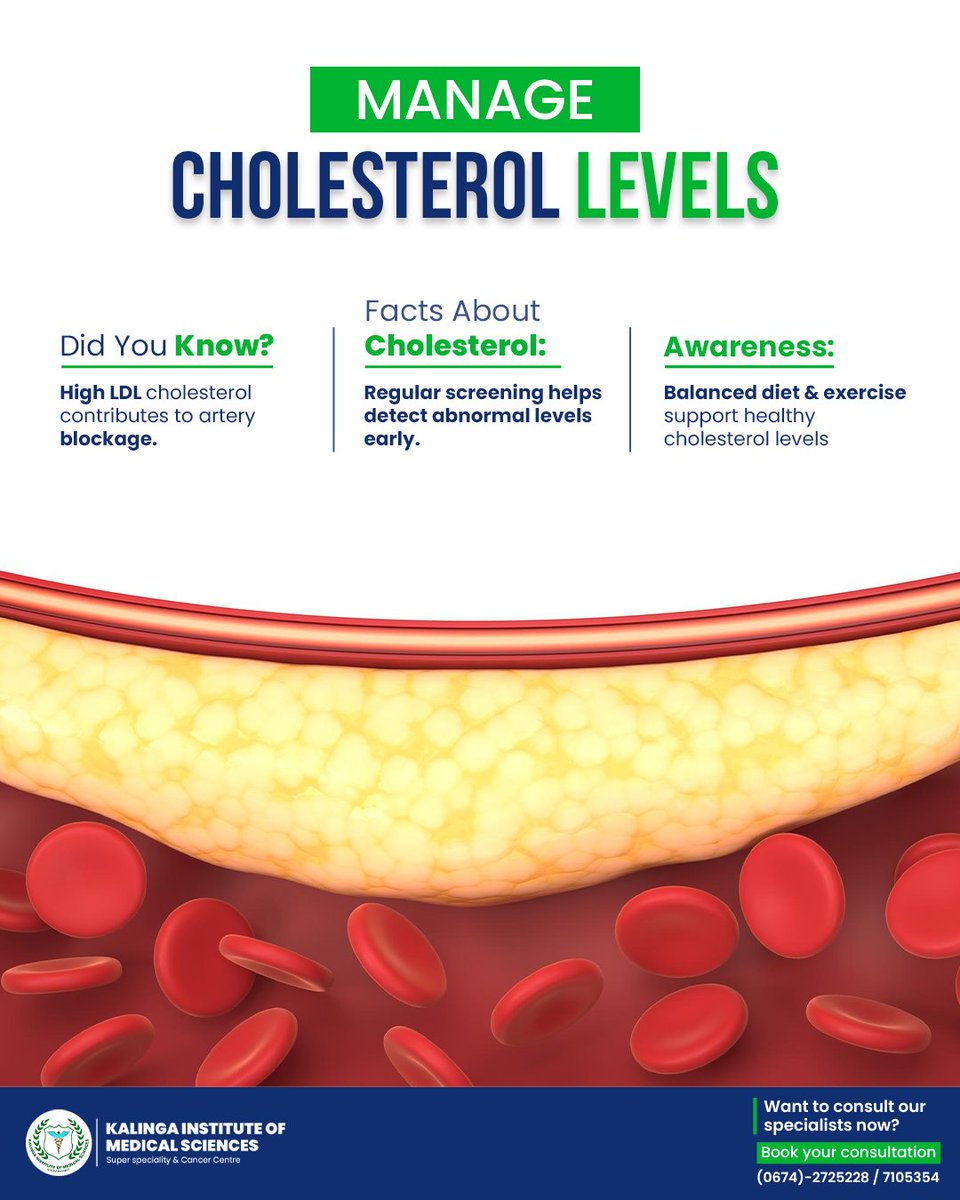
Managing cholesterol levels is important for maintaining heart health and reducing the risk of cardiovascular diseases. High cholesterol often develops without symptoms, making regular monitoring essential.
A balanced diet, regular physical activity, maintaining a healthy weight, and avoiding tobacco can help keep cholesterol levels under control and support overall well-being.
📞 For medical consultation: 0674-2725228 / 7105354.
#CholesterolControl #HeartHealth #HealthyLifestyle #PreventiveCare
9
98
146
387