
US patent extends Cingulate (NASDAQ: CING) CTx-1301 ADHD exclusivity - Stock Titan stocktitan.net/sec-filings/C…
7

How It Differs from Physical Pain
- No visible wound, yet it hurts deeply
- Activates similar brain areas (e.g., anterior cingulate cortex)
- Often fuels physical symptoms: fatigue, tension, stomach issues
1
7

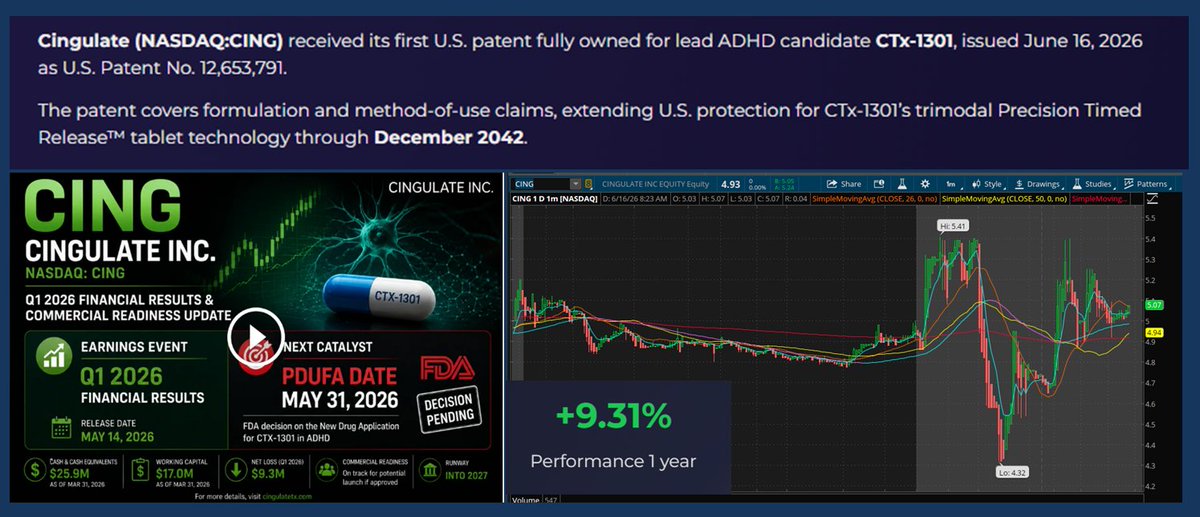
Cingulate Issued First U.S. Patent for Lead ADHD Asset CTx-1301 by @CingulateInc $CING
ceo.ca/@GlobeNewswire/cingul…
4

46m
Cingulate Inc Secures U.S. Patent Extending Exclusivity for Lead ADHD Drug CTx-1301 Through 2042
Cingulate Inc secures U.S. patent extending exclusivity for lead ADHD drug CTx-1301 through 2042, strengthening its IP portfolio and commercial prospects. #$CING
notdumbmoney.com/cing/202606…
8

🧾 Patent Grant
$CING < $6 - Cingulate
🔹Issued First U.S. Patent for Lead ADHD Asset CTx-1301
🔹U.S. patent protection for CTx-1301 extended through December 2042
🔹Patent covers composition, formulation, structural and method-of-treatment claims
🔹Trimodal, three-phase daily release design protected as intellectual property
🔹Existing patents in 30 European territories plus Australia, Canada and Israel
🔹Additional patent applications pending in Hong Kong and Republic of Korea
🔹Low OS near 13M shares
75

Cingulate Issued First U.S. Patent for Lead ADHD Asset CTx-1301 $CING, #Cingulate crweworld.com/article/news-p…
26

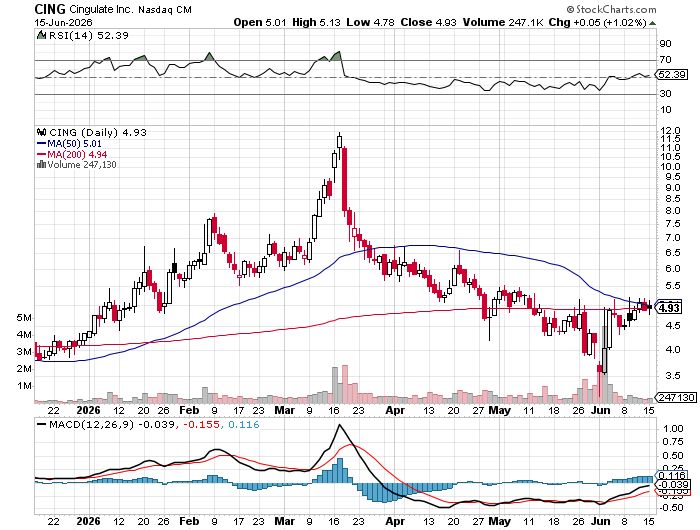
⚡️Pre-Market News: $CING 08:00 on Jun. 16 2026
Cingulate Issued First U.S. Patent for Lead ADHD Asset CTx-1301
100

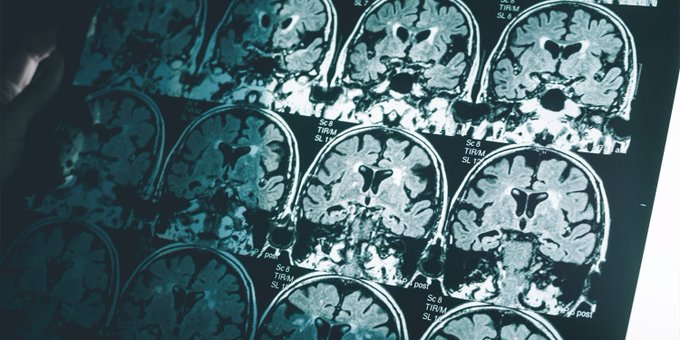
Psychopathic traits linked to a thinner cerebral cortex in men | Karina Petrova, PsyPost
Higher levels of psychopathic personality traits mirror a reduction in the thickness of the outer layer of the brain across multiple regions. This structural relationship holds true in adult men regardless of whether they have a history of domestic violence or possess no criminal record at all. The findings were recently published in the scientific journal Aggression and Violent Behavior.
Psychopathy is a psychological condition characterized by a specific set of personality traits and behaviors. Individuals who score high in these traits often display a profound lack of empathy, a tendency to manipulate others, and a diminished capacity for feeling guilt or remorse. Psychologists typically divide the condition into two separate categories to better understand it.
The first category involves interpersonal and emotional features, such as superficial charm, grandiosity, and a failure to form deep emotional bonds. The second category features antisocial lifestyle behaviors, including high impulsivity, a need for stimulation, and a history of rule-breaking or delinquency. People with an abundance of these traits are at a higher risk of engaging in persistent anger and repeated violence.
Intimate partner violence is one such form of violence, involving physical, psychological, or sexual harm against a partner. Researchers are trying to map the biological foundations of psychopathy to better understand its connection to continuous aggressive behavior. While previous studies have looked at the brain structures of people with psychopathic traits, very few have specifically focused on men convicted of violence against their female partners.
Ángel Romero-Martínez, a researcher in the Department of Psychobiology at the University of Valencia, led a team to investigate how the physical anatomy of the brain correlates with these personality traits. The research team included colleagues from the University of Valencia and the La Fe Health Research Institute in Spain. They wanted to see if the physical structure of the brain associated with psychopathic traits differed between domestic violence perpetrators and non-violent men.
Before conducting their own experiment, Romero-Martínez and his colleagues completed a systematic review of the existing scientific literature. They analyzed 29 published studies to see which areas of the brain were most frequently linked to psychopathy in adult men. This initial phase allowed them to focus on regions that consistently showed physical differences, such as reduced volume or thinner layers of tissue.
The brain is covered by a folded outer layer known as the cerebral cortex, which is packed with the bodies of nerve cells, often called gray matter. The thickness of this gray matter varies across different regions of the brain and changes in response to aging, genetics, and environment. Variations in cortical thickness are associated with how well specific parts of the brain execute their functions, ranging from memory to impulse control.
The initial literature review pointed the researchers to specific frontal and temporal zones of the brain. The orbitofrontal cortex, a region situated just behind the eyes, appeared especially relevant because it helps integrate internal emotional signals and guides decision-making behavior. The insula, a region buried deep within the brain folds that aids in adopting other people’s perspectives, also surfaced repeatedly in the scientific literature.
Armed with these specific areas of interest, the researchers recruited 125 male participants for a physical brain scanning study. The sample included 67 men who had been convicted of intimate partner violence and were enrolled in a mandatory psychological intervention program. They also recruited 58 control participants from the surrounding community through advertisements and social media.
The researchers screened the control participants heavily to ensure they had no criminal records and no history of any form of intimate partner aggression. All participants in both groups were required to have no history of severe brain trauma, physical illnesses, or major psychiatric disorders outside the scope of the study. The men then took part in structured interviews to evaluate their psychopathic traits using an instrument known as the Psychopathy Checklist-Revised.
During these interviews, experienced specialists rated the men on the two main categories of psychopathy based on their answers and verified background information. Following the behavioral evaluation, the participants visited a hospital to undergo magnetic resonance imaging scans of their brains. The imaging machine used strong magnetic fields to create high-resolution, three-dimensional maps of each participant’s brain structure.
The researchers let automated software calculate the average thickness of the gray matter in the specific regions they had previously identified. They then ran mathematical models to see if there was a direct association between a participant’s score on the psychopathy checklist and the thickness of their brain regions. They factored in variables like age, educational level, head size, and drug or alcohol use to ensure these outside elements did not skew the results.
Across all 125 men, higher total scores in psychopathic traits mathematically correlated with a thinner cerebral cortex in several key areas. The left orbitofrontal cortex, the bilateral superior frontal gyrus, and the right dorsomedial prefrontal cortex all showed reduced thickness in men with higher traits. This pattern of reduced thickness was also present in the left insula and the right anterior cingulate cortex.
These inverse relationships were mostly driven by the first category of psychopathy, which deals with emotional detachment and interpersonal manipulation. The second category, which deals with antisocial lifestyle choices, only correlated with a thinner left superior frontal gyrus. Reduced tissue in these specific frontal and deep-brain regions could explain why individuals with high psychopathic traits struggle with emotional restraint, behavioral anticipation, and recognizing the feelings of others.
The researchers then tested whether being a convicted domestic violence perpetrator moderated this relationship between brain structure and personality traits. Including the participant’s group status in the statistical models did not significantly increase the amount of explained variance in the data. The biological relationship connecting high psychopathic traits to a thinner cortex was similar in the control group and the group of violent offenders. A non-violent man with an elevated psychopathy score exhibited the same structural brain profile as an offender with a similar score.
The authors noted several limitations regarding their study. Because the research took place at a single point in time, the results cannot prove that a thinner cortex directly causes psychopathic traits or violent behavior. The study also relied on a specific population of mostly Spanish men without severe mental health disorders, meaning the findings might not apply to women or other cultural groups.
Future initiatives should examine wider populations of people and incorporate technology that measures brain activity in real time, rather than just anatomical structure. This type of ongoing biology research helps psychologists build more accurate profiles of individuals prone to violent behavior. By combining neuroimaging results with standard psychological evaluations, professionals hope to eventually improve therapeutic interventions and lower the rates of domestic violence recidivism.
Read more:
psypost.org/how-psychopathic…
2
2
756

$CING Cingulate received its first US patent for CTx-1301, its once-daily ADHD drug using a triple-timed release mechanism.
Patent provides protection through May 2042 on formulation and method of use. Already holds patents in Europe, Australia, Canada, and Israel.
Key context: FDA issued a Complete Response Letter on June 2 over manufacturing information gaps — no safety or efficacy concerns raised. Company expects to resubmit promptly.
Patent strengthens the IP estate while the FDA resubmission is being prepared.
Not financial advice.
196

$CING 08:00 on Jun. 16 2026
Cingulate Issued First U.S. Patent for Lead ADHD Asset CTx-1301
696

$CING — Very Bullish 🚀
🏷️ $5.194
Cingulate Issued First Us Patent For Lead Adhd Asset Ctx 1301
Bull Case:
Issuance of the first US patent for their lead ADHD asset, CTX-1301, is a major de-risking event, providing critical intellectual property protection and validating the company's core asset.
This news significantly enhances Cingulate's valuation and future commercial potential, making it more attractive to investors and potentially future partners in the high-growth biotech sector.
Such concrete, positive news for a lead drug in the biotech space is a strong catalyst for penny stocks, likely to generate substantial short-term buying momentum and volume for active day traders.
Bear Case:
− While crucial, a patent is only an early step; the drug still faces extensive and expensive clinical trials and the uncertain FDA approval process before reaching commercialization.
− Penny stocks are inherently volatile, and even with strong news, profit-taking can lead to sharp pullbacks after an initial surge, requiring careful risk management from day traders.
#pennystocks #daytrading
Not financial advice. DYOR.
46

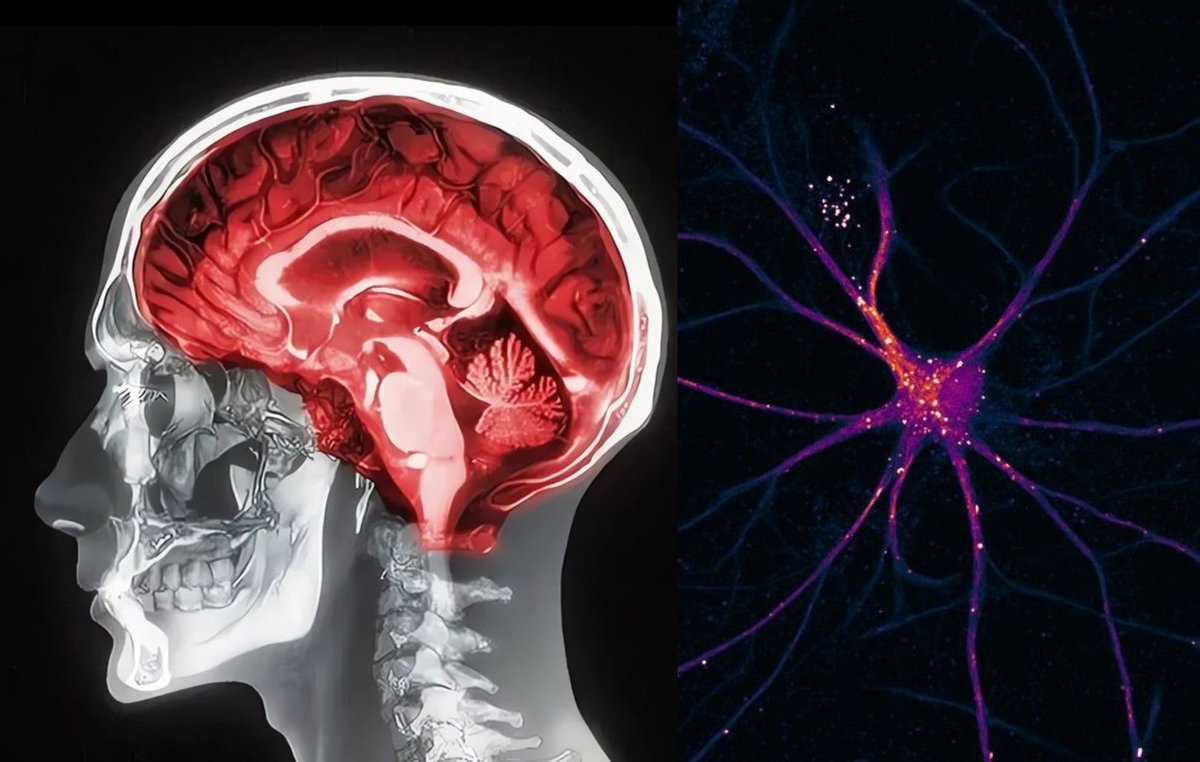
The neuroscience of being doubted: why your brain learns to hide its own pain 🧠💭
Almost everyone has done it. Said "I'm fine" when you were not. Downplayed how much something hurt. We call it being tough, or not wanting to be a burden. For many people it is neither. It is a nervous system that learned, through being doubted, that speaking up was not safe.
Here is how the body learns to silence itself 👇
🧠 Being doubted registers as a threat, not an insult. When you are not believed, the brain processes it as social rejection, which runs through the same circuitry as physical pain, the anterior cingulate cortex and anterior insula. Disbelief lights up the brain's threat and pain systems directly.
🔥 Threat turns the volume up on the very thing being dismissed. Cortisol climbs, the nervous system tightens, the body becomes more sensitive. Research shows invalidation is associated with higher reported pain, greater disability, and worse mental health. Not being believed physically worsens the condition being doubted.
🤐 So the body adapts by going quiet. Studies show people who experience invalidation begin to under-report their own pain. The nervous system learns that expressing pain brings rejection, so it conceals it, even when help is available. Authenticity itself gets coded as unsafe.
🪞 This is why "high pain tolerance" is often not toughness. Many people who seem to handle pain effortlessly are not built differently. Their nervous systems were trained, through being doubted, to suppress the signal before it reaches their mouth. The silence looks like strength. Underneath, it is a survival adaptation that leaves real suffering untreated.
🩹 Nowhere is this crueller than in chronic illness and chronic pain. People with fibromyalgia, long COVID, ME/CFS, and central sensitisation are doubted constantly, often because their scans come back clean. But a clean scan does not mean nothing is wrong. The problem is in how the nervous system processes signal, not in tissue an image can catch. So they are told they are fine, the threat system fires, the pain worsens, and they learn to stop speaking, right when being heard is what they most need.
🤝 And this is the way back. Feeling believed is not a comfort, it is a physiological event. Being understood lowers cortisol, calms the threat response, and is linked to oxytocin and reduced pain sensitivity. When the body registers that it is safe to be heard, the nervous system can step down out of protection, and that is often where healing starts.
This is one of the reasons we built Recalibrate. The app lets you track and learn about multiple biological systems, sleep, neuroscience, then brings that record to your care team through a clinician dashboard, so the conversation starts from evidence instead of doubt 💜 With over 500 Lessons, Tools, Brain Games and Exercises, Assessments and more.
Recalibratepain.com
#Neuroscience #ChronicPain #BrainHealth #Fibromyalgia #LongCOVID #Recalibrate
1
2
23

A Mayo Clinic study has documented persistent brain metabolism changes in Long COVID patients with fatigue and post-exertional malaise, visible on PET imaging for up to two years post-infection and absent from the MRI results those same patients are handed as proof they are fine.
Forty Long COVID patients underwent FDG-PET-CT brain imaging; 73% had fatigue with post-exertional malaise (PEM), and this group showed significant cerebral hypometabolism in the left sensorimotor cortex and the primary visual cortex in both hemispheres. Standard MRI scans in these patients typically appear normal, which has long served, implicitly and explicitly, to cast doubt on the severity and reality of Long COVID. The metabolic patterns observed closely parallel those documented in myalgic encephalomyelitis/chronic fatigue syndrome and fibromyalgia, pointing toward shared post-infectious pathology.
Two years and counting:
Earlier research had identified similar hypometabolic patterns within the first six months after infection. This study extended that window considerably: the longest gap between initial infection and imaging was close to three years, with the changes persisting throughout. Long COVID affects an estimated 10% to 48% of people recovering from COVID-19 regardless of initial disease severity, including the majority who were never hospitalized — a population still largely without accessible diagnostic tools.
From image to instrument:
FDG-PET scanning could function as both a diagnostic biomarker and a treatment tracker, giving patients with this routinely dismissed "invisible illness" an objective record of neurological dysfunction. The correlation between brain fog and reduced metabolic activity in the cingulate cortex — a region linked to memory consolidation and executive function — connects imaging findings to the specific cognitive impairments patients have been describing since 2020.
journals.sagepub.com/doi/epu…
23

TDS Should be categorized and designated as a very real malady, a form of cingulate (ridigness) based on possible mind-control/hypnotization by listening to narrow main-stream Media. It even separates family members. I call it SICK.
5


Featured: Drs. Du, Tang et al. found that SCFA-FFAR2 signaling reduces visceral hypersensitivity in both sexes, but only males rely on FFAR2-dependent suppression of IL-17RA signaling in the anterior cingulate cortex
FREE: jpain.org/article/S1526-5900…
65

Jun 15
Great interview by @hubermanlab with Andy Stumpf about «The Mental Frame & Specific Daily Actions to Succeed»
5 key takeaways:
1
The sphere of influence is tiny — usually just yourself and your actions. Mapping concerns versus influence weekly can dramatically reduce wasted mental energy and restore a sense of agency.
2
Consistently choosing the slightly harder option — making the bed, putting dishes away, taking the cold shower — builds the anterior mid-cingulate cortex, the brain's «tenacity structure», which predicts long-term success and healthy aging.
3
High-consequence activities like wingsuit BASE jumping create a mental reset and clarity that can last months, but the same state can be accessed through art, jiu-jitsu, or any practice that forces full presence.
4
Suicide in special operations communities now exceeds combat deaths. Many operators brought unaddressed trauma into service; isolation, alcohol, and the gap between self-image and reality can become lethal when left unspoken.
5
Social media is a uniquely insidious addiction because it operates at low resolution — you remain aware you're wasting time and should stop, yet the platform keeps you scrolling without full absorption or the sobering wake-up of harder drugs.
1
1
67

The mid-cingulate cortex (MCC/aMCC) is a key integrative hub on the medial wall, above the corpus callosum. It monitors conflict/errors, evaluates effort costs vs. rewards for persistence and tenacity, links emotion/motivation/prediction to intentional action and cognitive-motor control, and supports attention, decision-making, and outcome tracking (including social).
It helps bind local preconscious signals into coherent, goal-directed experience—very relevant to the experiential field and ignition you described.
1
1
2
13

Jun 14
2. 🧠 Ventral Striatum
Feeling: Excitement, anticipation
Behavior: Overtrading and chasing trades
3.🧠 Anterior Cingulate Cortex (ACC)
Feeling: Internal conflict and uncertainty
Behavior: Hesitation and second-guessing entries
1
13