
Jun 7
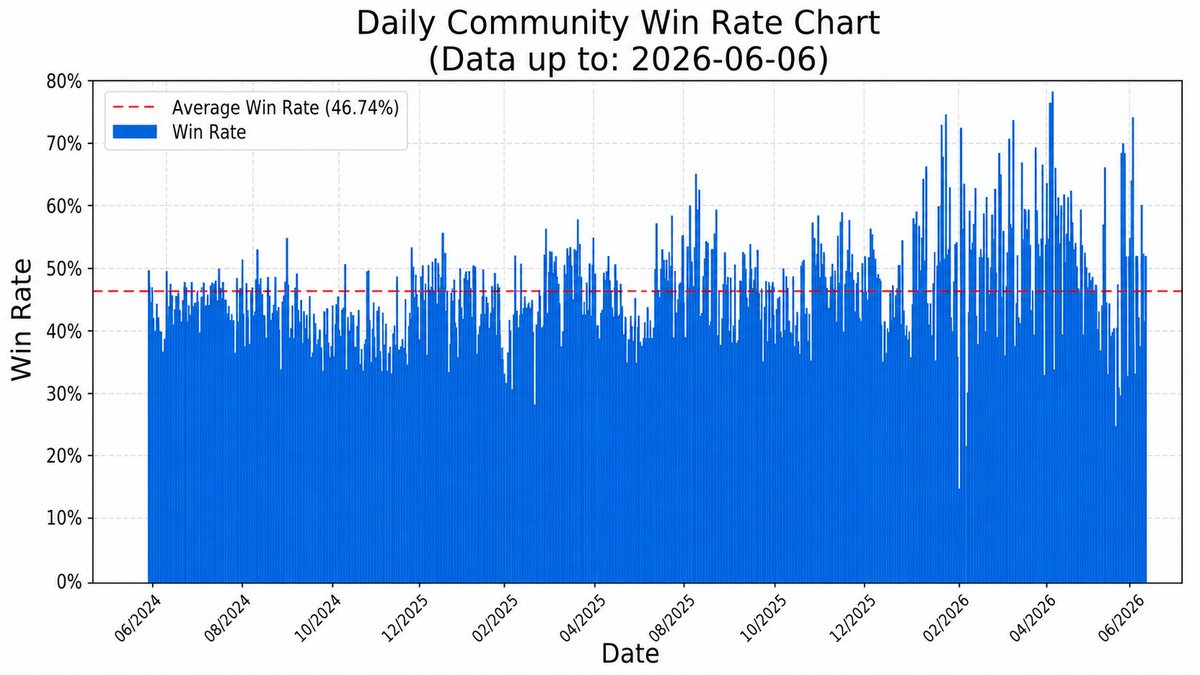
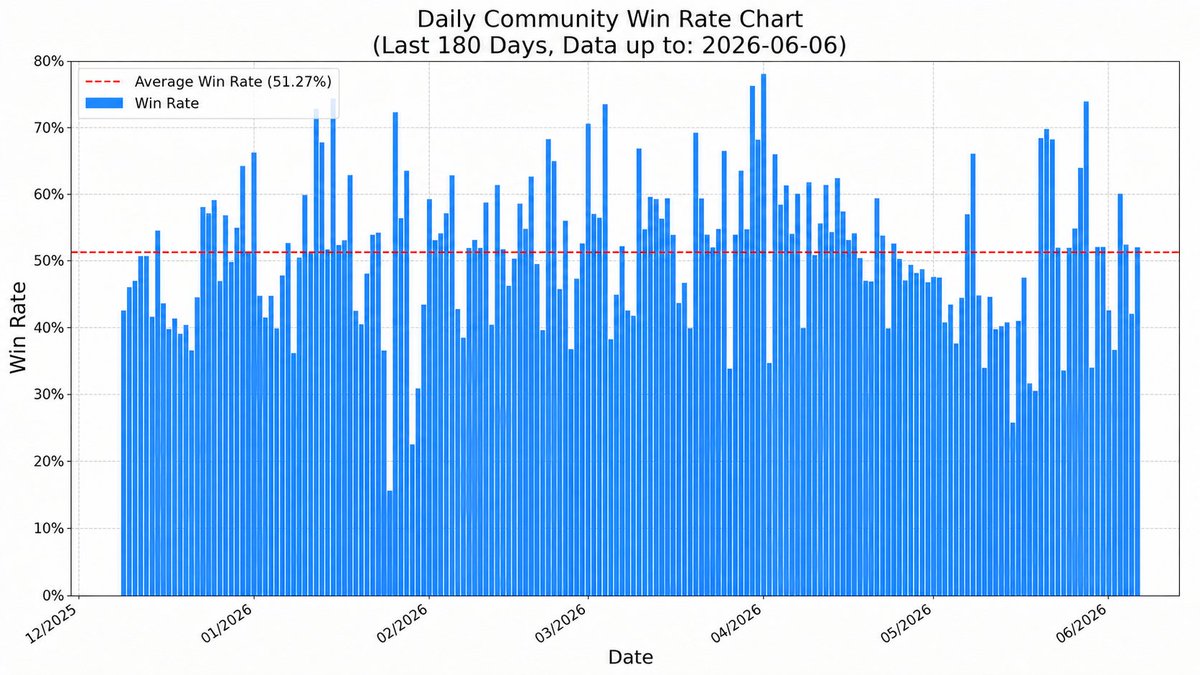
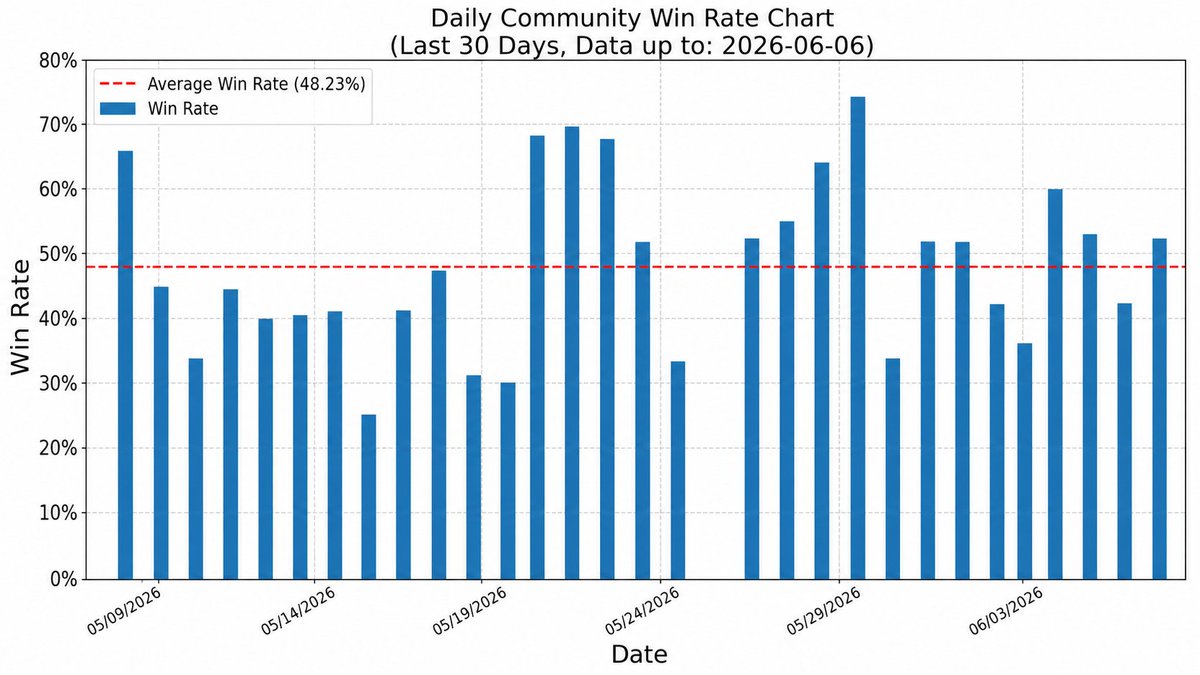
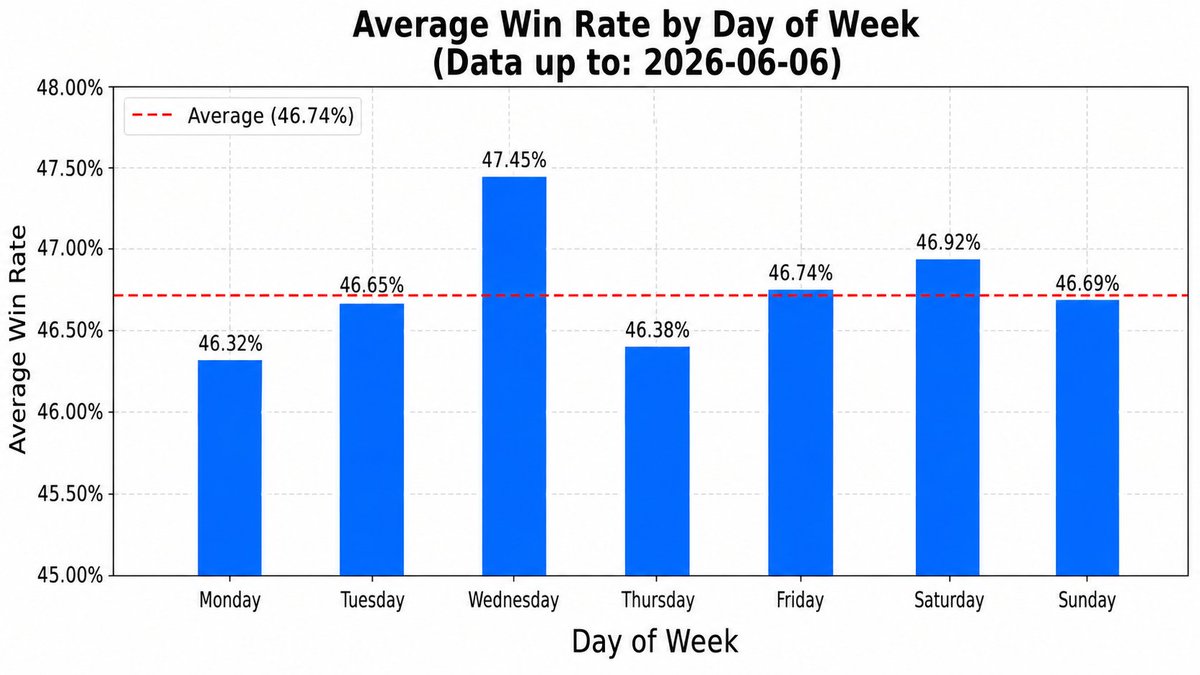
Updated as of 2026-06-06, community-wide trading data:
📊 The average win rate is 46.74%
🏆 The highest win-rate day was 2026-04-01 at 78.08%. The lowest win-rate day was 2026-01-25 at 15.69%
📅 The weekday with the highest average win rate is Wednesday at 47.45%. The weekday with the lowest average win rate is Monday at 46.32%
⏱️ The strongest 7-day period ended on 2026-04-05 with an average win rate of 63.27%. The weakest 7-day period ended on 2025-03-12 with 36.64%
⚖️ The number of days with a win rate above average is 323. The number of days with a win rate equal to or below average is 381
📈 The number of days with a win rate above 50% is 199. The number of days with a win rate from 40% to 50% is 384. The number of days with a win rate below 40% is 121
#TradingStats #CommunityData
14

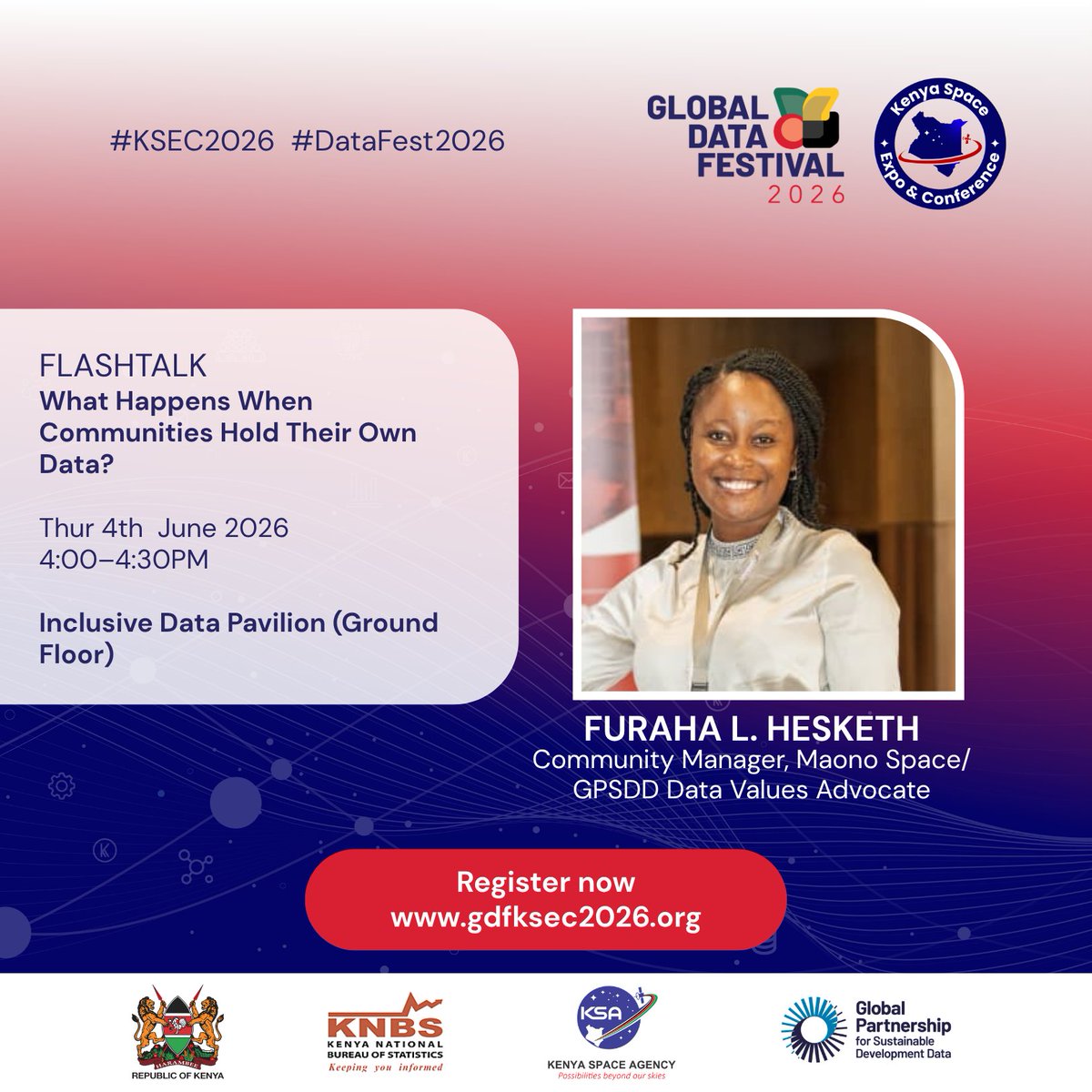
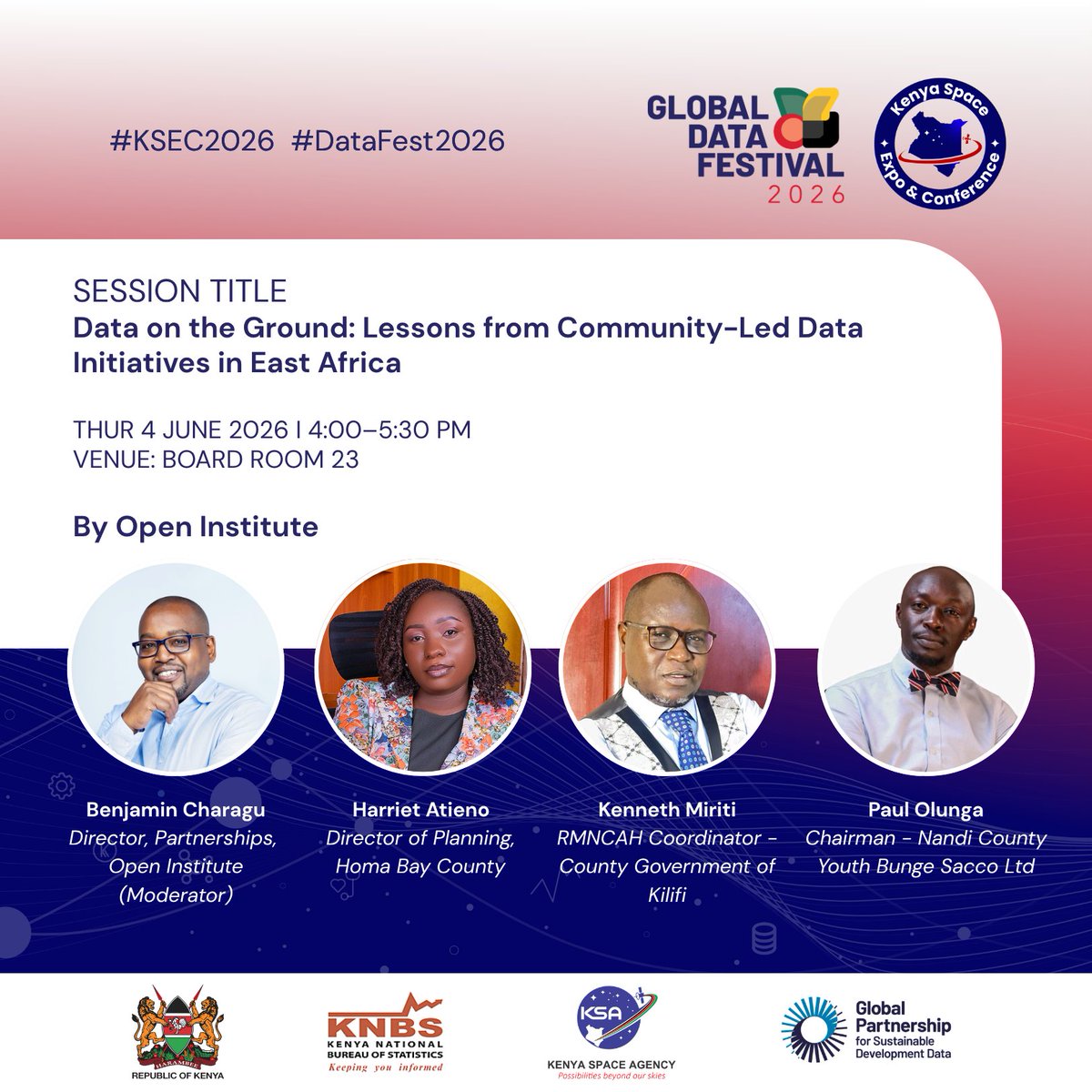
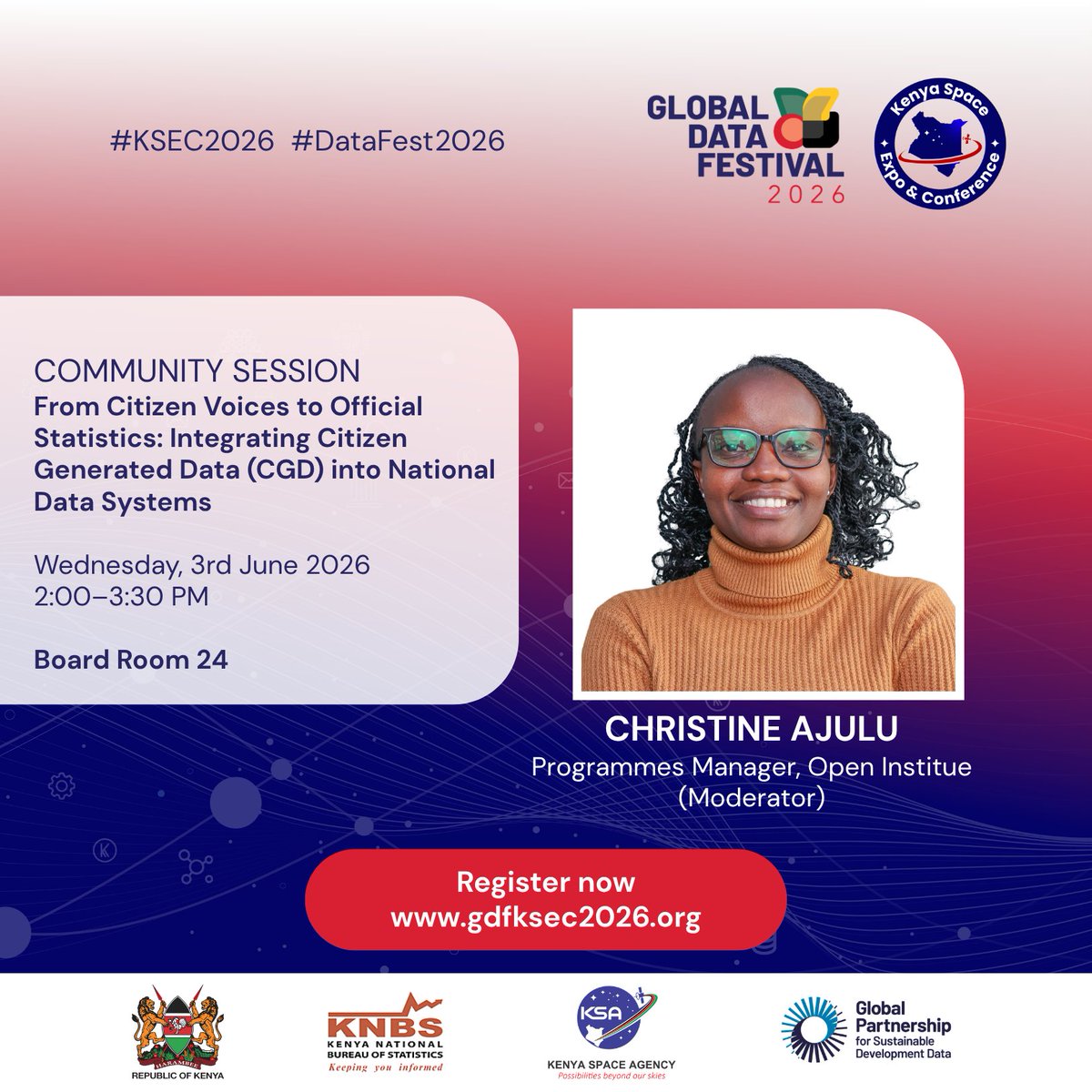
Happening today!
Join our sessions on:
From Citizen Voices to Official Statistics: Integrating Citizen-Generated Data into national systems
Data on the Ground: Lessons from community-led data initiatives in East Africa
What Happens When Communities Hold Their Own Data?
Be part of the conversation on inclusive, community-driven data.
@Data4SDGs @KNBStats @SpaceAgencyKE @maono_space @Hewlett_Found
#DataFest2026 #KSEC2026 #CitizenGeneratedData #InclusiveData #CommunityData #DataForDevelopment #DataGovernance
3
6
384

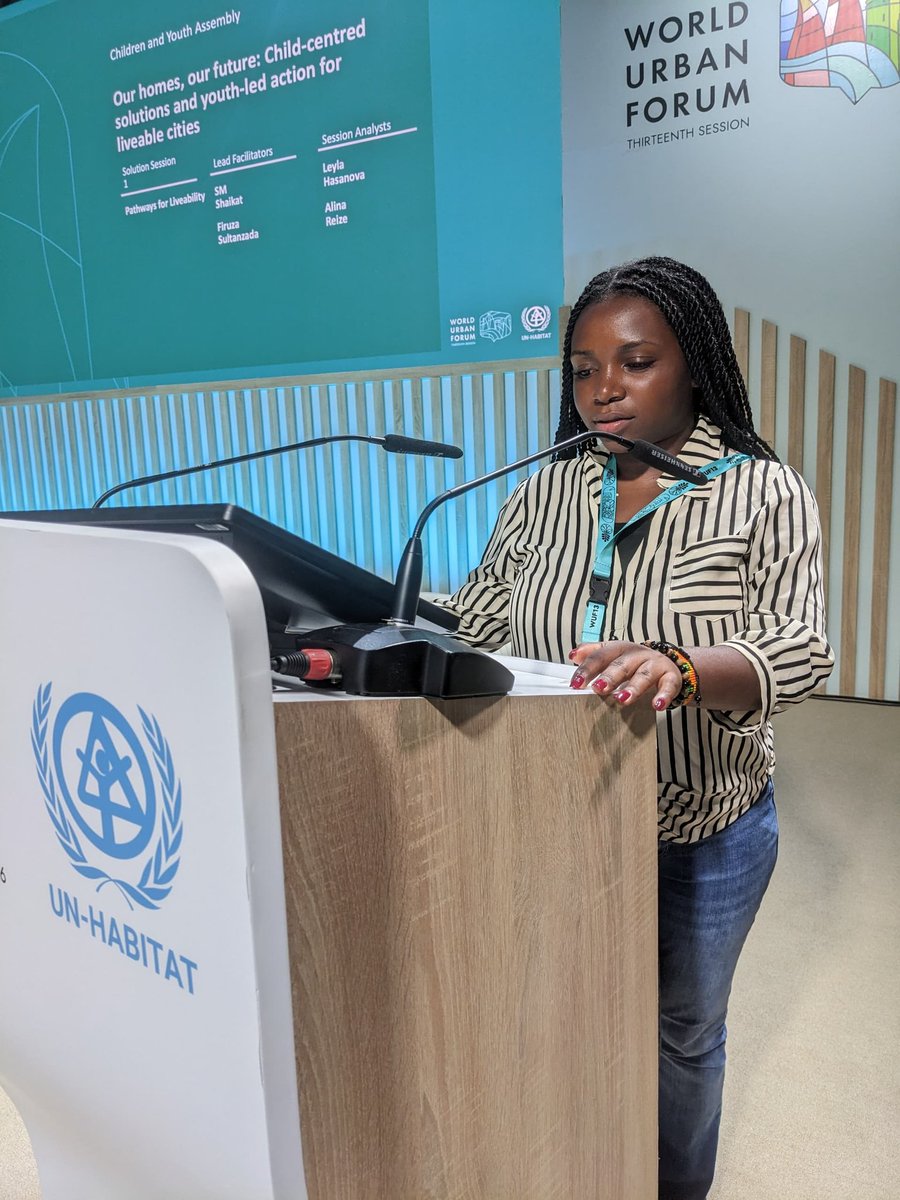
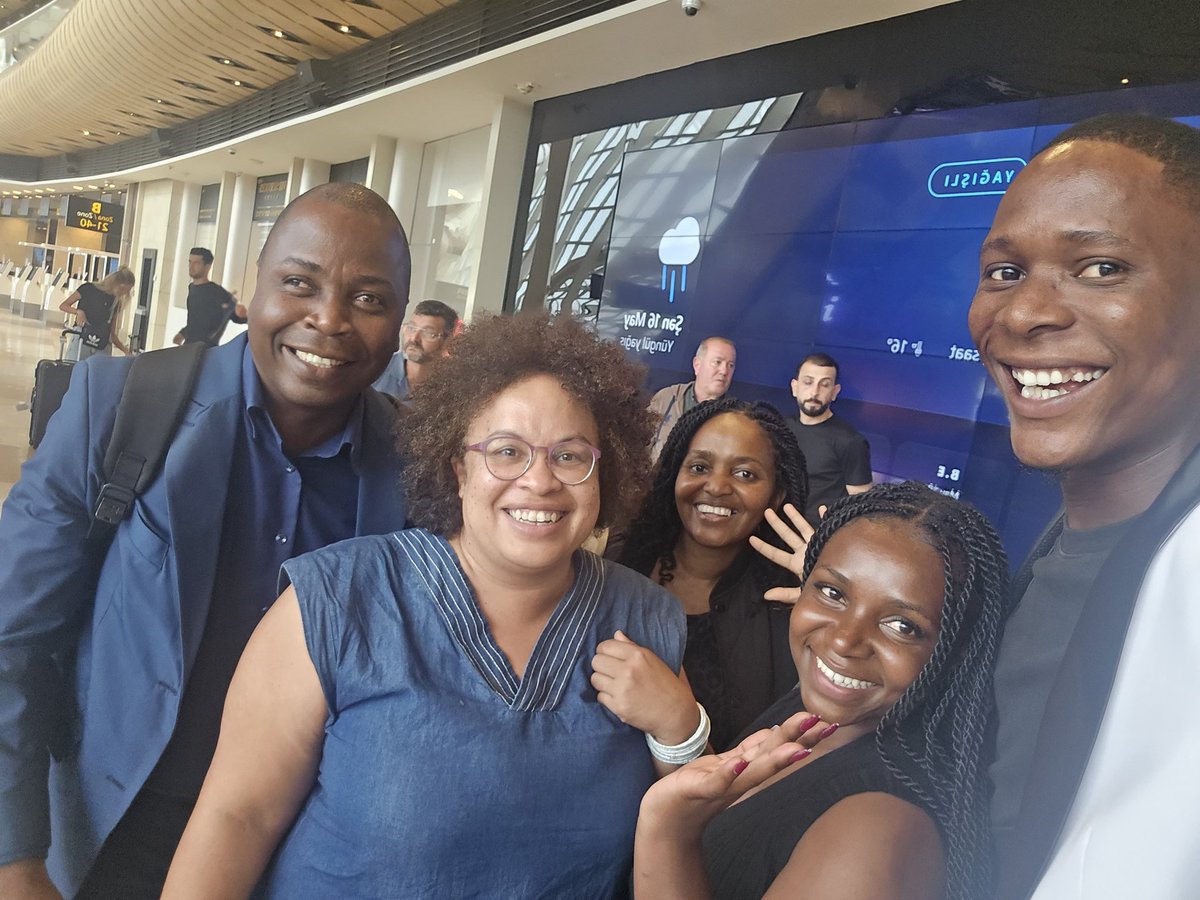
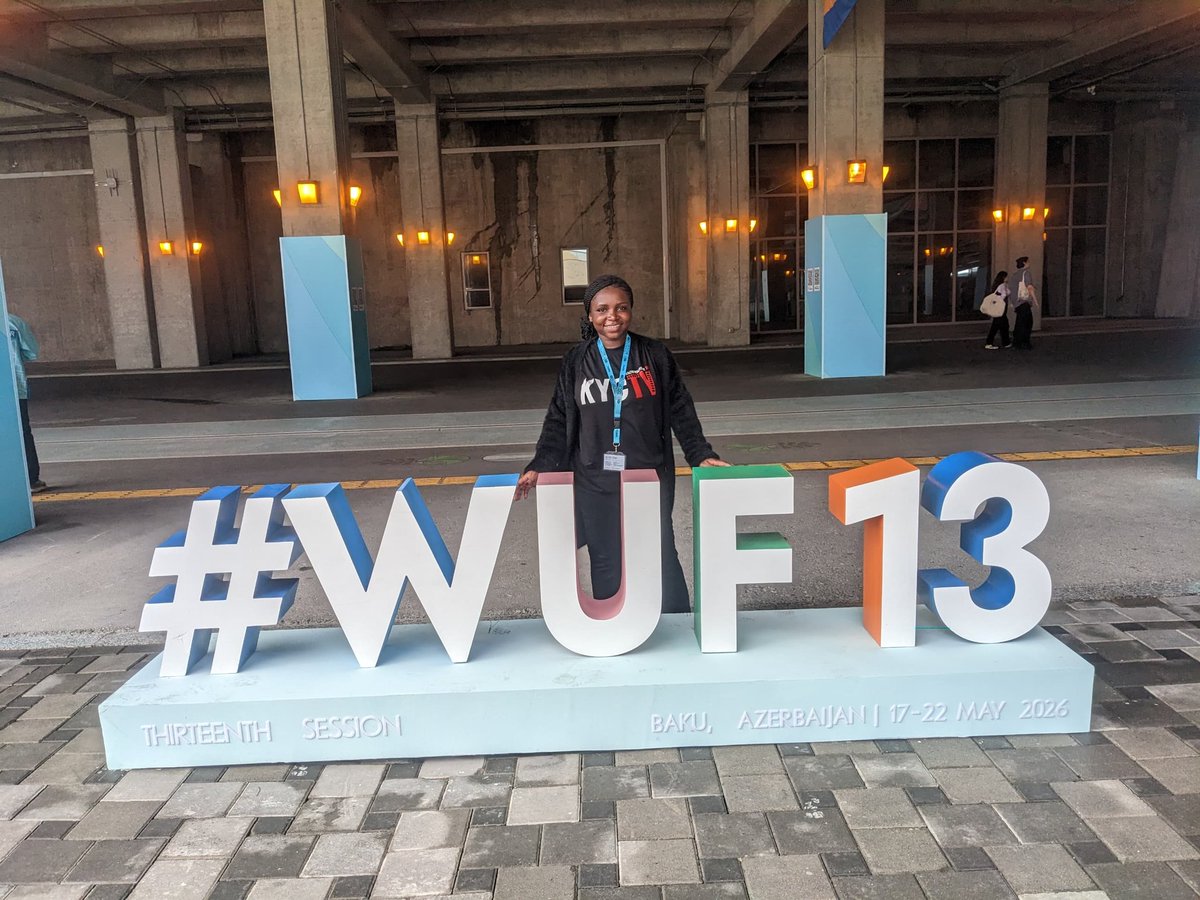
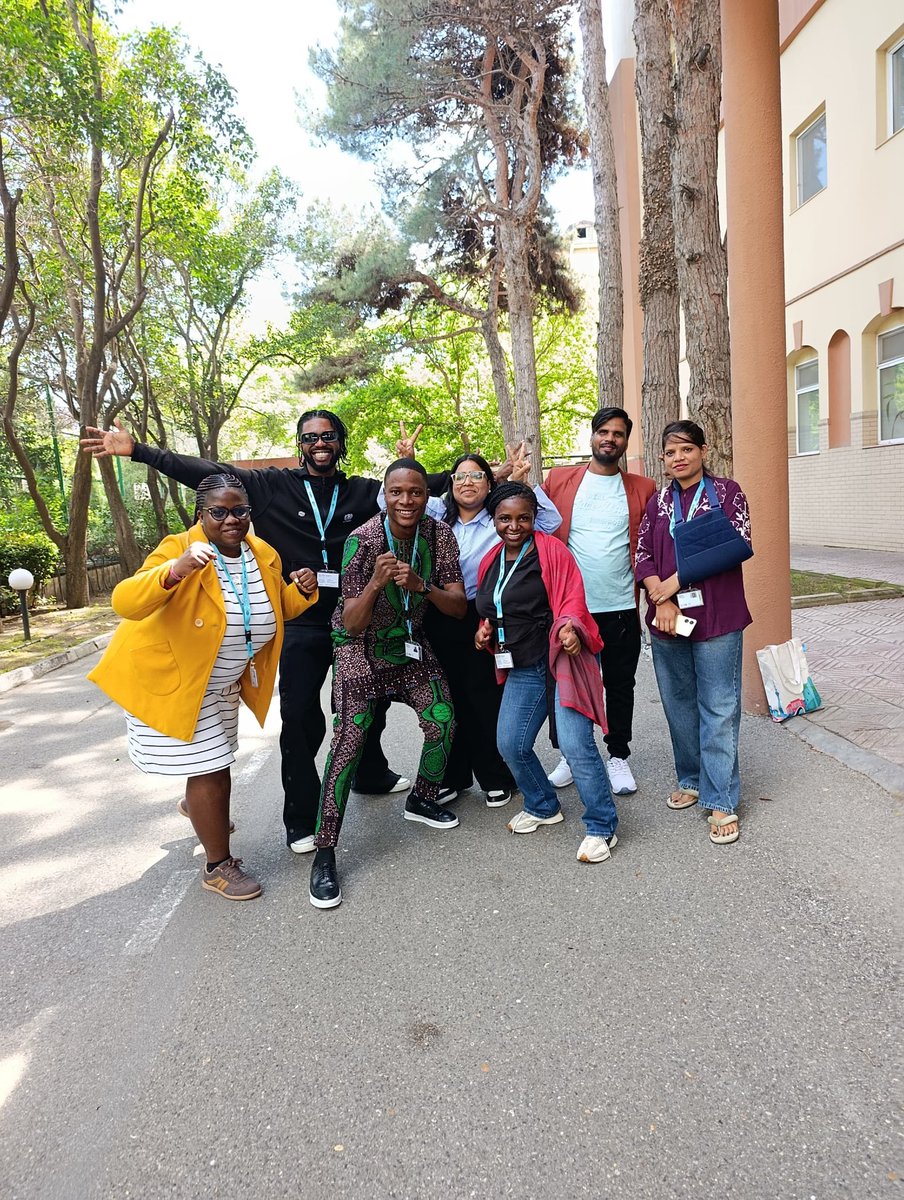
At the World Urban Forum 🌍✨, we are proud to see youth leadership and community voices taking center stage in conversations on housing, climate justice, clean air, safe and resilient cities, and community-led development.
Anne’s active participation across different sessions highlighted the important role of grassroots action, civic media, and community data in shaping inclusive and people-centered urban futures. Through community mapping, local data collection, and storytelling from informal settlements, young people are helping drive evidence-based solutions and ensuring that lived experiences are part of urban planning and decision-making processes.
We are also proud to celebrate her recognition by Cecilia Vaca Jones as one of the most active clean air advocates during the “Breathing Life into the New Urban Agenda” session. 🌱💙
As Muungano wa Wanavijiji and SDI Kenya, we remain committed to supporting young changemakers advancing inclusive housing, cleaner air, community-driven data, and sustainable urban development for all. 🏙️
#WorldUrbanForum #CommunityData #CleanAir #HousingForAll #SafeCities #ResilientCommunities #YouthVoices #ClimateJustice
#YouthPower #MuunganoAt30 #MuunganoWaWanavijiji #SDIKenya
2
3
143

Apr 19
ରାଜଧାନୀର ରେଡ୍ ଲାଇଟ୍ ଅଞ୍ଚଳରେ ଡିଜିଟାଲ ଜନ ଗଣନା ; ଦେହଜୀବୀଙ୍କ ଡିଜିଟାଲ ସେନସସ୍ ସର୍ଭେ | Digital Census Conducted in Capital’s Red-Light Area — Survey of Se* Workers #DigitalCensus #RedLightArea #Survey #OdishaNews #SocialStudy #UrbanPolicy #CommunityData #PublicWelfare #HumanRights #SocioEconomicSurvey
122
Apr 15
ସରିଲା ସ୍ୱଗଣନା; କାଲିଠୁ ଘରକୁ ଘର ବୁଲି ଜନଗଣନା..ମେ ୧୫ ତାରିଖ ଯାଏଁ ଚାଲିବ ଜନଗଣନା | Statewide Census Begins Tomorrow; Door-to-Door Survey Till May 15 #OdishaNews #Census2026 #PopulationSurvey #DoorToDoor #GovernmentInitiative #BreakingNews #LocalUpdates #CommunityData #PublicAdministration #StatewideSurvey #prameyanews7
2
97

Community data should remain community-owned.
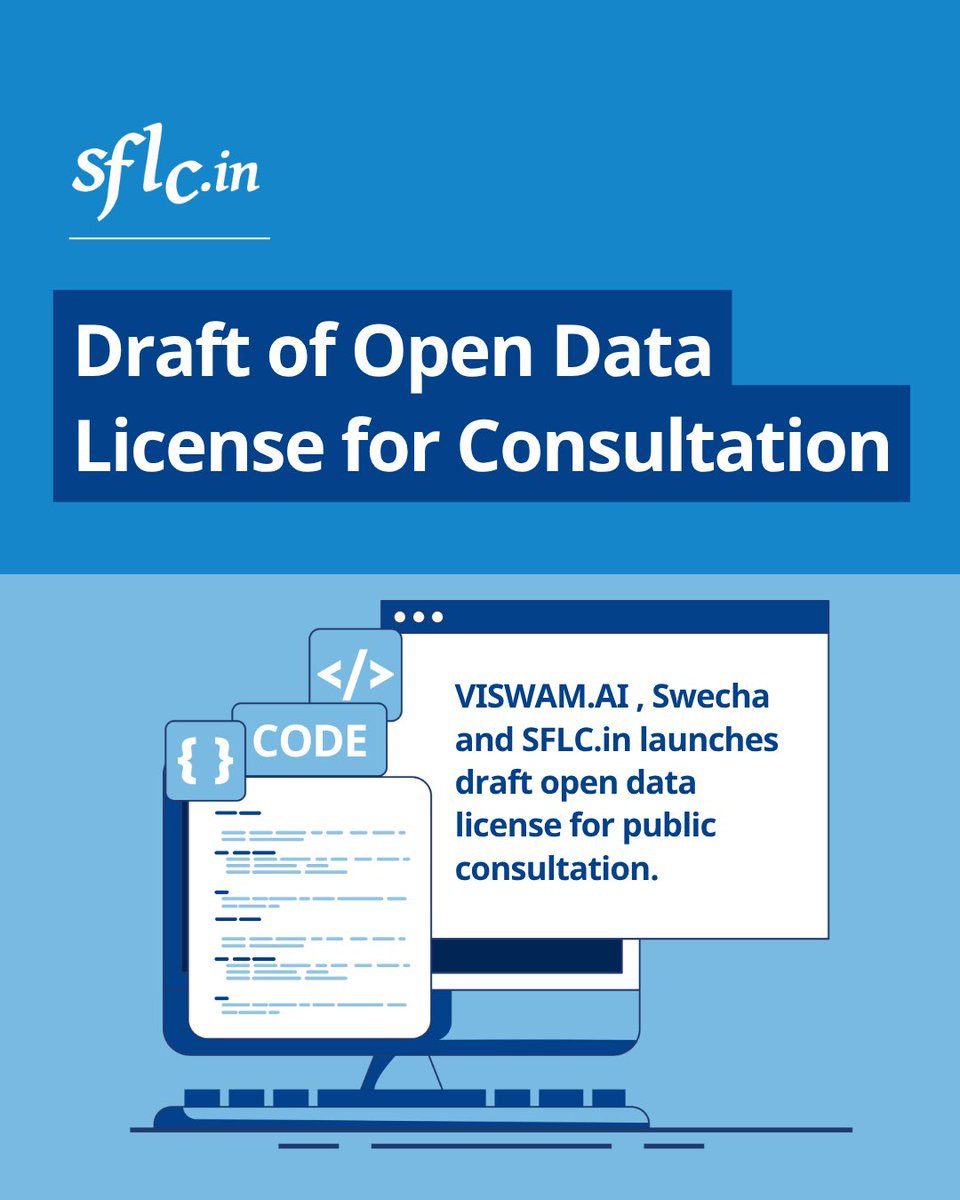
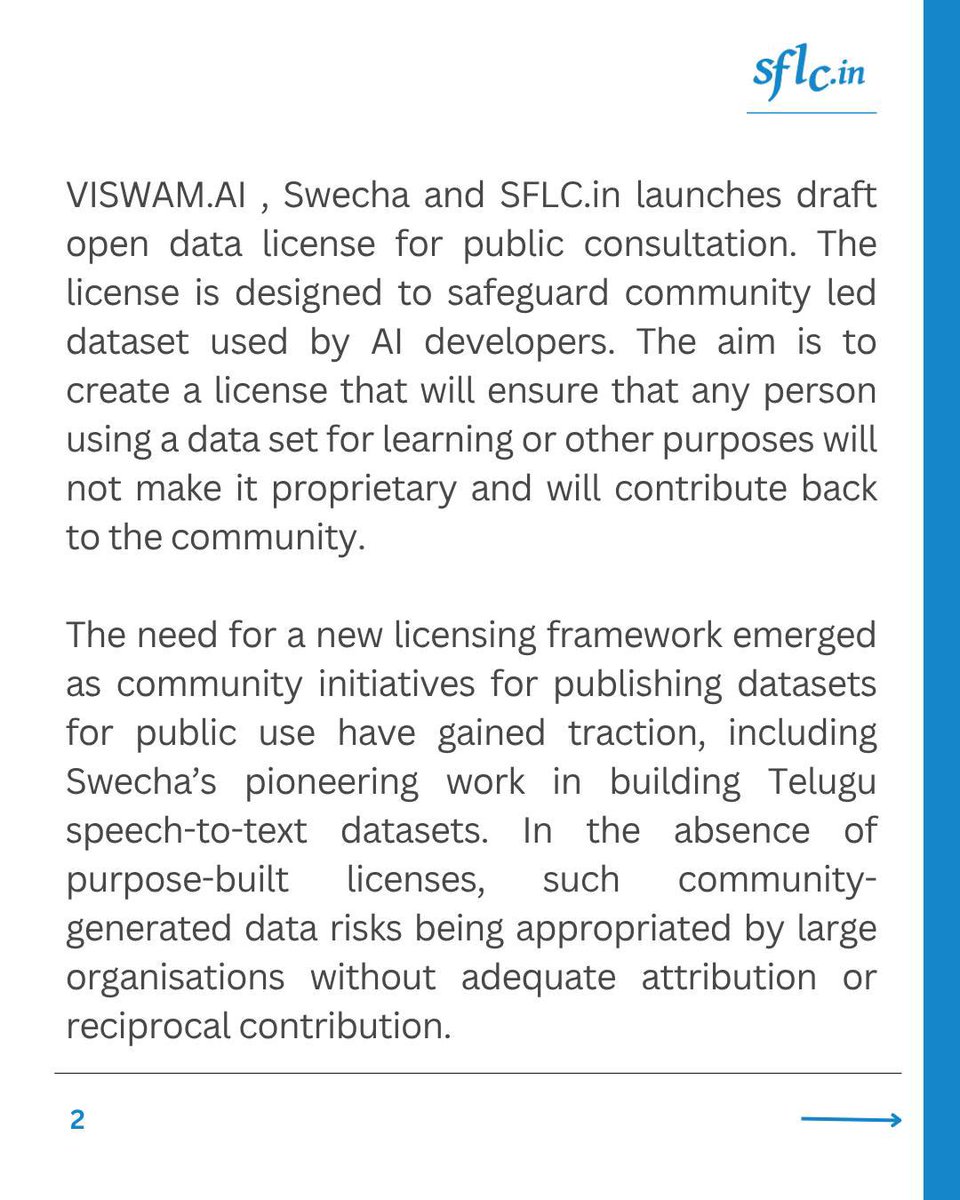
SFLC.in along with VISWAM.ai launched a draft Open Data License for public consultation, designed to protect community-created datasets from being enclosed or made proprietary.
As grassroots datasets like Telugu speech-to-text grow, so do the risks of appropriation without attribution or contribution. This draft license ensures:
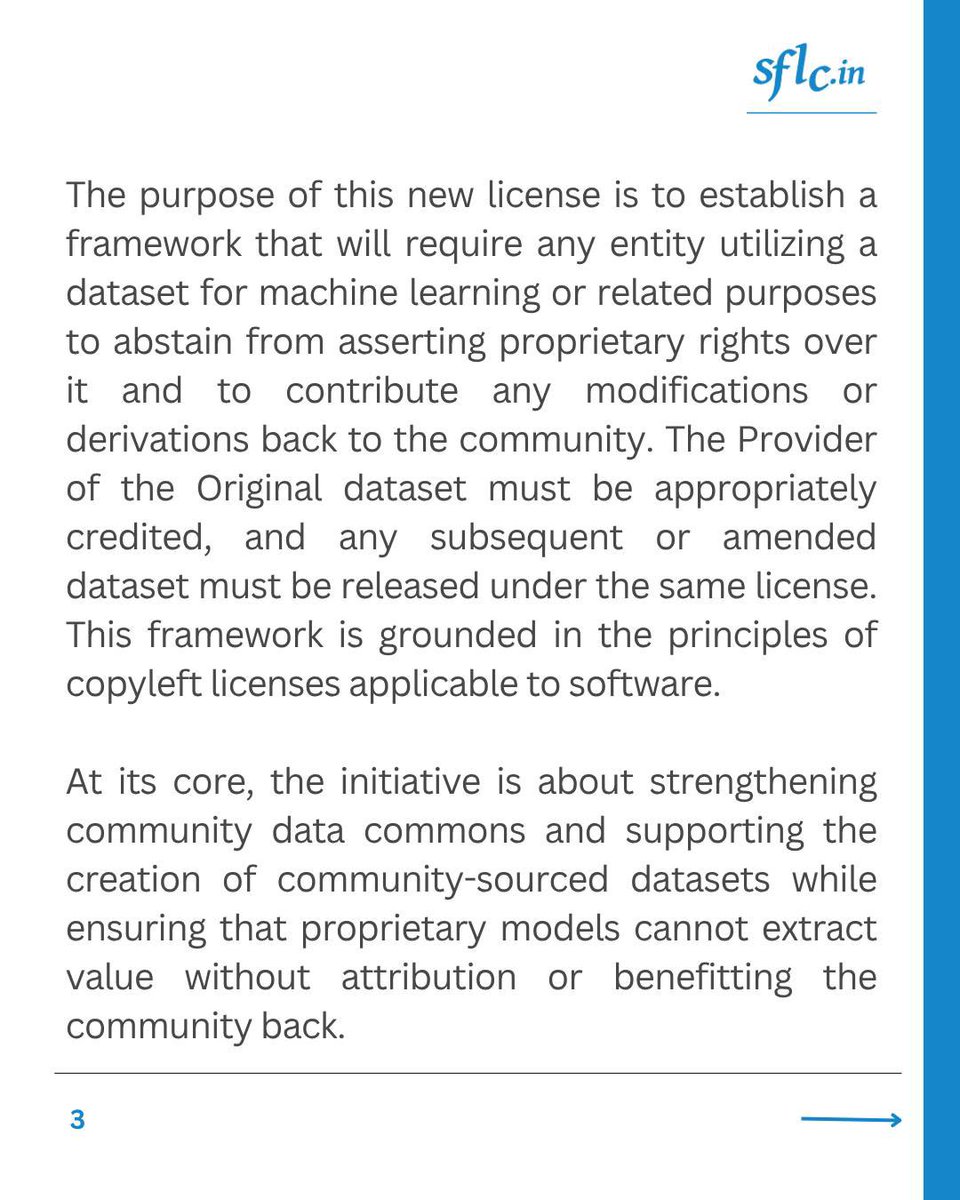
- No proprietary control over shared datasets
- Mandatory attribution to original creators
- “Give back” obligations for improvements and derivatives
Rooted in copyleft principles, this is a step towards strengthening data commons in the age of AI.
🔗Access the draft here-sflc.in/draft-of-open-data-l…
📩Share your thoughts with us at mail@sflc.in
#OpenData #DigitalCommons #AIethics #DataJustice #FOSS #OpenStandards #CommunityData #TechPolicy #DigitalRights
1
3
200

Mar 16

Nothing About Us Without Us: Community Leadership is the Foundation
Effective #HIV, #TB, and #Malaria responses depend on #communities owning the #data, #discussion, and #decisions.
At the #Rwanda #CSOs and #Communities’ Stakeholder Consultative Workshop on #iCLM Priority Setting, convened by @RwandaNGOForum to shape the NSP 2027–2030 and the @GlobalFund GC8 Funding Request, this principle was evident.
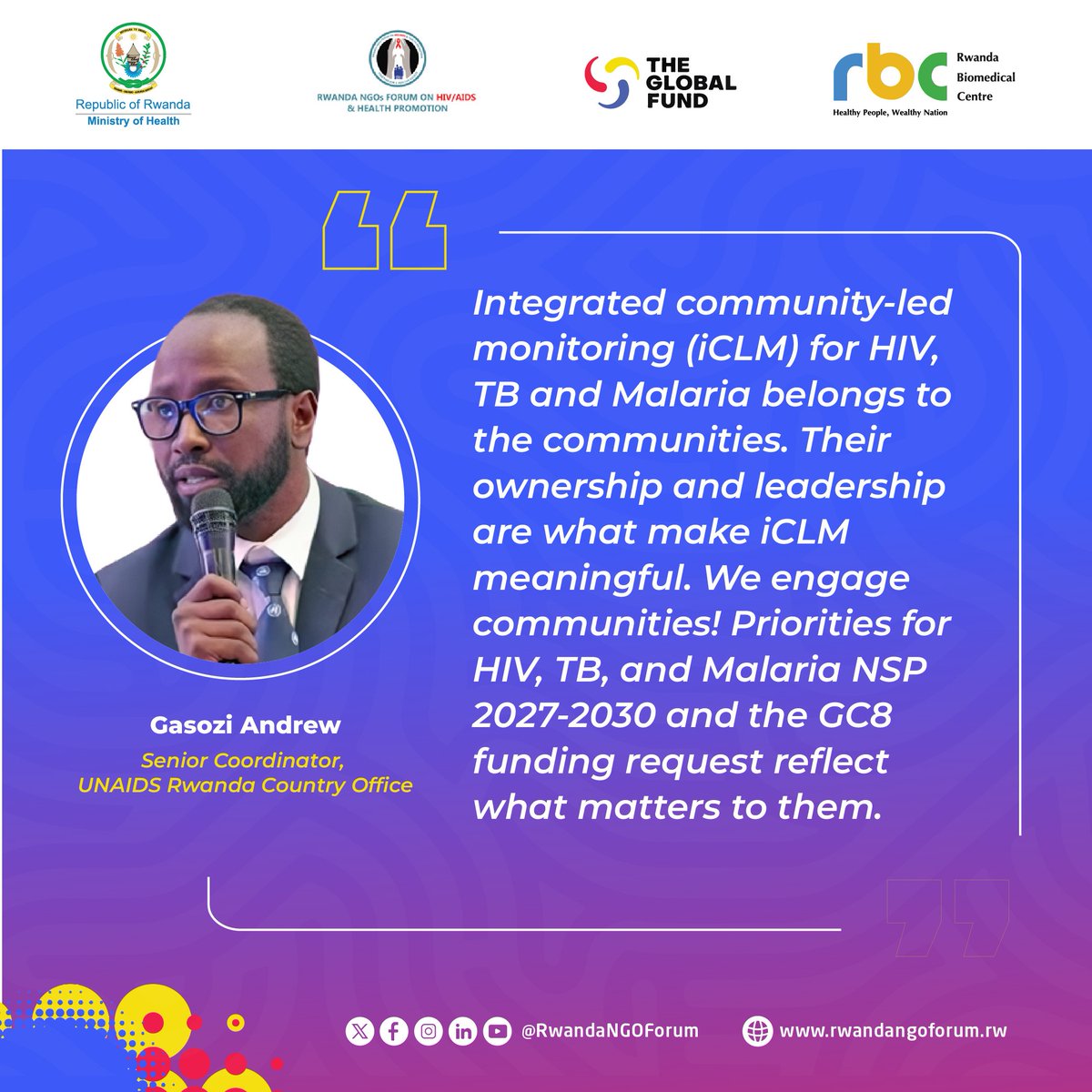
We were inspired by @AndrewGasoziNtw, Senior Coordinator at the @UNAIDSRwanda Country Office, whose words capture the essence of the conversation:
"Integrated community-led monitoring (#iCLM) for #HIV, #TB, and #Malaria belongs to the #communities. Their ownership and leadership make #iCLM meaningful. We engage #communities! Priorities for #HIV, #TB, and #Malaria NSP 2027-2030 and the GC8 funding request reflect what matters to them."
Why is this important?
Because programs only work when #communities shape them, monitor them, and speak for themselves. The principle is non-negotiable: Everything for #communities, without #communities, works against them.
We must move people from the periphery to the high-level decision-making table. #Communities should participate not as beneficiaries, but as leaders and equal contributors.
✅Ownership: #iCLM isn’t just a data collection tool; it is the #community’s voice. #Community-owned data reflects reality, not assumptions.
✅Leadership: When those at risk, living with, or affected by the diseases, and fighting them daily, set priorities, resources are allocated effectively and equitably.
✅Accountability: We cannot design solutions in a vacuum and expect them to work on the ground. True accountability means #communities drive the response.
The upcoming #HIV, #TB, and #Malaria NSP 2027–2030 and the @GlobalFund GC8 funding request must continue to boldly reflect #communities’ priorities. #Community voice must drive better policies, stronger accountability, and responses that save lives.
Civil society leaders and #communities will continue to shape these critical documents through consultative and development workshops, sharing #community priorities, and providing feedback on drafts. This active involvement ensures that both #HIV, #TB, and #Malaria NSP2027-2030 and @GlobalFund GC8 funding request are grounded in real experience and drive change where it matters most.
Thank you to @AndrewGasoziNtw, @RwandaNGOForum, and all civil society organizations and #community leaders for driving this agenda forward. The path to ending #HIV, #TB, and #Malaria is paved with #community-led evidence. #LetCommunityLeadRw #PeopleCenteredResponse #HealthIntegration #CommunityData #HealthForAll
@nsanzimanasabin @JNdayizigiye @HindHassan_ @CMuvunyi @BrianChirombo @CDCRwanda @ambafrancerw @expertisefrance @unwomenrwanda @unicefrw @PIH_Rwanda @ITPCglobal @ICAP_ColumbiaU @GFAN_Africa @ahfrwanda @PEPFAR @Avega_Agahozo_ @dreamvillage6 @AmahoroR @Imbuto @ASOFERWA2 @PSF_Rwanda @CaritasRwanda @sfhRwanda @ALMA_2030 @HAImedicines @EUinRW @NLinRwanda @InterfaithRda @rrpplus @uphls @ASOFERWA2 @ABASIRWA2 @ambafrancerwa @PeterASands @DMbituyumuremyi @Knooliet @BernardMuramira @CrescenceMUKAN1
1
1
1,649

Mar 16
“Nothing About Us Without Us” isn’t just a slogan; it’s a mandate.
In the course of the #Rwanda #CSOs and #Communities’ Stakeholder Consultative Workshop on #iCLM Priority Setting, we witnessed the real leadership: community-owned data, priorities, and decisions shaping the #HIV, #TB, and #Malaria #NSP 2027–2030 and @GlobalFund GC8 request.
As @AndrewGasoziNtw said, the integrated community-led monitoring (#iCLM) means communities lead in #HIV, #TB, and #Malaria response.
Policies and interventions that ignore community voices become baseless, ineffective, and therefore inefficient.
Let’s keep moving from tokenistic participation to true community leadership for effective health response, creating a lasting change. #LetCommunityLeadRw #PeopleCenteredResponse #CommunityData #HealthForAll
Nothing About Us Without Us: Community Leadership is the Foundation
Effective #HIV, #TB, and #Malaria responses depend on #communities owning the #data, #discussion, and #decisions.
At the #Rwanda #CSOs and #Communities’ Stakeholder Consultative Workshop on #iCLM Priority Setting, convened by @RwandaNGOForum to shape the NSP 2027–2030 and the @GlobalFund GC8 Funding Request, this principle was evident.
We were inspired by @AndrewGasoziNtw, Senior Coordinator at the @UNAIDSRwanda Country Office, whose words capture the essence of the conversation:
"Integrated community-led monitoring (#iCLM) for #HIV, #TB, and #Malaria belongs to the #communities. Their ownership and leadership make #iCLM meaningful. We engage #communities! Priorities for #HIV, #TB, and #Malaria NSP 2027-2030 and the GC8 funding request reflect what matters to them."
Why is this important?
Because programs only work when #communities shape them, monitor them, and speak for themselves. The principle is non-negotiable: Everything for #communities, without #communities, works against them.
We must move people from the periphery to the high-level decision-making table. #Communities should participate not as beneficiaries, but as leaders and equal contributors.
✅Ownership: #iCLM isn’t just a data collection tool; it is the #community’s voice. #Community-owned data reflects reality, not assumptions.
✅Leadership: When those at risk, living with, or affected by the diseases, and fighting them daily, set priorities, resources are allocated effectively and equitably.
✅Accountability: We cannot design solutions in a vacuum and expect them to work on the ground. True accountability means #communities drive the response.
The upcoming #HIV, #TB, and #Malaria NSP 2027–2030 and the @GlobalFund GC8 funding request must continue to boldly reflect #communities’ priorities. #Community voice must drive better policies, stronger accountability, and responses that save lives.
Civil society leaders and #communities will continue to shape these critical documents through consultative and development workshops, sharing #community priorities, and providing feedback on drafts. This active involvement ensures that both #HIV, #TB, and #Malaria NSP2027-2030 and @GlobalFund GC8 funding request are grounded in real experience and drive change where it matters most.
Thank you to @AndrewGasoziNtw, @RwandaNGOForum, and all civil society organizations and #community leaders for driving this agenda forward. The path to ending #HIV, #TB, and #Malaria is paved with #community-led evidence. #LetCommunityLeadRw #PeopleCenteredResponse #HealthIntegration #CommunityData #HealthForAll
@nsanzimanasabin @JNdayizigiye @HindHassan_ @CMuvunyi @BrianChirombo @CDCRwanda @ambafrancerw @expertisefrance @unwomenrwanda @unicefrw @PIH_Rwanda @ITPCglobal @ICAP_ColumbiaU @GFAN_Africa @ahfrwanda @PEPFAR @Avega_Agahozo_ @dreamvillage6 @AmahoroR @Imbuto @ASOFERWA2 @PSF_Rwanda @CaritasRwanda @sfhRwanda @ALMA_2030 @HAImedicines @EUinRW @NLinRwanda @InterfaithRda @rrpplus @uphls @ASOFERWA2 @ABASIRWA2 @ambafrancerwa @PeterASands @DMbituyumuremyi @Knooliet @BernardMuramira @CrescenceMUKAN1
2
10
285

Nothing About Us Without Us: Community Leadership is the Foundation
Effective #HIV, #TB, and #Malaria responses depend on #communities owning the #data, #discussion, and #decisions.
At the #Rwanda #CSOs and #Communities’ Stakeholder Consultative Workshop on #iCLM Priority Setting, convened by @RwandaNGOForum to shape the NSP 2027–2030 and the @GlobalFund GC8 Funding Request, this principle was evident.
We were inspired by @AndrewGasoziNtw, Senior Coordinator at the @UNAIDSRwanda Country Office, whose words capture the essence of the conversation:
"Integrated community-led monitoring (#iCLM) for #HIV, #TB, and #Malaria belongs to the #communities. Their ownership and leadership make #iCLM meaningful. We engage #communities! Priorities for #HIV, #TB, and #Malaria NSP 2027-2030 and the GC8 funding request reflect what matters to them."
Why is this important?
Because programs only work when #communities shape them, monitor them, and speak for themselves. The principle is non-negotiable: Everything for #communities, without #communities, works against them.
We must move people from the periphery to the high-level decision-making table. #Communities should participate not as beneficiaries, but as leaders and equal contributors.
✅Ownership: #iCLM isn’t just a data collection tool; it is the #community’s voice. #Community-owned data reflects reality, not assumptions.
✅Leadership: When those at risk, living with, or affected by the diseases, and fighting them daily, set priorities, resources are allocated effectively and equitably.
✅Accountability: We cannot design solutions in a vacuum and expect them to work on the ground. True accountability means #communities drive the response.
The upcoming #HIV, #TB, and #Malaria NSP 2027–2030 and the @GlobalFund GC8 funding request must continue to boldly reflect #communities’ priorities. #Community voice must drive better policies, stronger accountability, and responses that save lives.
Civil society leaders and #communities will continue to shape these critical documents through consultative and development workshops, sharing #community priorities, and providing feedback on drafts. This active involvement ensures that both #HIV, #TB, and #Malaria NSP2027-2030 and @GlobalFund GC8 funding request are grounded in real experience and drive change where it matters most.
Thank you to @AndrewGasoziNtw, @RwandaNGOForum, and all civil society organizations and #community leaders for driving this agenda forward. The path to ending #HIV, #TB, and #Malaria is paved with #community-led evidence. #LetCommunityLeadRw #PeopleCenteredResponse #HealthIntegration #CommunityData #HealthForAll
@nsanzimanasabin @JNdayizigiye @HindHassan_ @CMuvunyi @BrianChirombo @CDCRwanda @ambafrancerw @expertisefrance @unwomenrwanda @unicefrw @PIH_Rwanda @ITPCglobal @ICAP_ColumbiaU @GFAN_Africa @ahfrwanda @PEPFAR @Avega_Agahozo_ @dreamvillage6 @AmahoroR @Imbuto @ASOFERWA2 @PSF_Rwanda @CaritasRwanda @sfhRwanda @ALMA_2030 @HAImedicines @EUinRW @NLinRwanda @InterfaithRda @rrpplus @uphls @ASOFERWA2 @ABASIRWA2 @ambafrancerwa @PeterASands @DMbituyumuremyi @Knooliet @BernardMuramira @CrescenceMUKAN1
1
11
38
3,426
Mar 12
For decades, discourse has been centred on “integration” of services and the requirements for harmonization.
Today, #Rwanda is operationalizing these principles by strategically embedding #communities not at the periphery, but at the nexus of decision-making. This is not mere linguistic preference; it is a critical and timely programmatic shift.
This embodies the very definition of country-owned and -led leadership. It is an acknowledgment that both boardroom and community expertise are indispensable elements aligned with a shared strategic direction.
An effective response to disease/condition is unattainable if the voices of those at risk, living with, and affected by diseases/conditions are left behind.
Special thanks to @RwandaNGOForum and @RwandaHealth/@RBCRwanda for their resolute commitment to innovation. We commend the choice of integration over fragmentation and the demonstrated trust in community leadership.
This is the foundation of building a resilient health system. #LetCommunityLeadRw #PeopleCenteredResponse #HealthIntegration #CommunityData #HealthForAll
@GlobalFund @ITPCglobal @UNAIDSRwanda @Rwanda_CCM @WHORwanda @ImroRwanda @FXBRwanda @dreamvillage6 @CsdiCommunity @uphls @Imbuto @WeActx @HDIRwanda @Sfrwanda1 @sfhRwanda @ambafrancerwa @unicefrw @UNFPARwanda @CDCRwanda @abasirwa_ @expertisefrance @EUinRW @UKinRwanda @GFAN_Africa @nsanzimanasabin @JNdayizigiye @CMuvunyi @TuyishimeAlbert @BrianChirombo @AndrewGasoziNtw @AimableDr @CrescenceMUKAN1 @leonrusanganwa @DrAdelakin @SwedeninRW @Knooliet
From Recipients to Decision‑Makers, Communities Lead Rwanda’s Health Priorities
During the #Rwanda CSOs and Communities’ Stakeholder Consultative Workshop on iCLM Priority Setting to inform #HIV, #TB, and #Malaria #NSP 2027–2030 and @GlobalFund GC8 Funding Request, organized by @RwandaNGOForum, we witnessed a shift in how health responses are shaped in #Rwanda. Community voices are not just heard but actively direct the setting of health priorities.
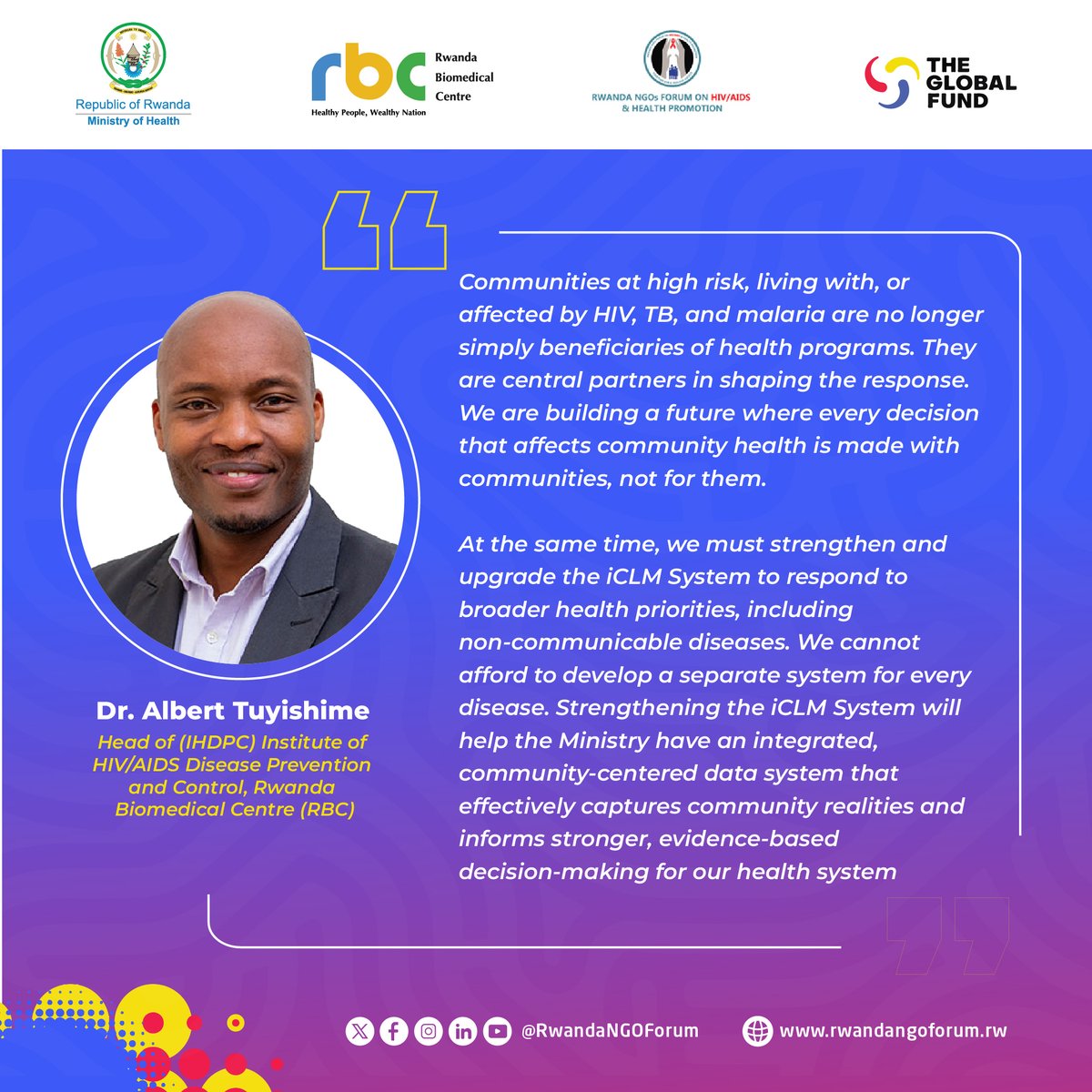
Representing @RwandaHealth and @RBC_Rwanda, Dr. Albert Tuyishime (@TuyishimeAlbert), Head of Diseases Prevention and Control Department (HDPC), delivered a people-centred call to action that expands our vision for the future: Communities are no longer just recipients; they are leaders, partners, and decision-makers. Those closest to the challenges are also closest to shaping the solutions too.
✅ When communities lead, responses are more effective and sustainable.
✅ When communities lead, no one is left behind.
✅ When communities lead, we move closer to ending HIV, TB, Malaria, and other public health threats.
When we talk about fighting #HIV, #TB, and #malaria, and increasingly, the rising tide of non-communicable diseases (#NCDs), we must acknowledge that data is our compass. However, the most accurate data does not come just from labs and hospitals; it comes from the community at high risk, living with, or affected by diseases and conditions.
For too long, the global health architecture has suffered from “vertical syndrome,” building separate data-collection systems and monitoring tools for every disease priority. This is not only inefficient; it is unsustainable. It fragments the service users’ experience and creates a massive burden on those at the front lines.
The strategic move to strengthen and upgrade the #iCLM System is a must-do in health system strengthening. By strengthening the #iCLM System to respond to broader health priorities, including #NCDs, we are doing two critical things:
1. We respect the community’s time and save resources: The #iCLM System streamlines data collection, allowing a peer educator or community monitor to collect information for multiple diseases at once, eliminating the need for three separate appointments. This saves the community time, speeds up responses, and conserves resources.
2. We are democratizing data: The #iCLM System captures the realities of the community. It ensures that when the Ministry makes a decision, whether about resource allocation or policy change, it is informed by evidence that reflects the ground truth.
This is the essence of building a resilient health system. It’s a recognition that community expertise is just as critical as boardroom expertise, and a commitment to making decisions with communities, not just for them.
@RwandaNGOForumcommends this forward-thinking approach from @RBCRwanda and @RwandaHealth. This is how we build a future that is sustainable, equitable, and truly healthy for all. Rwanda’s integrated, community-led model can offer valuable lessons for other countries and organizations aspiring to strengthen their own health systems.
This is the future we are building. A future led by community. #LetCommunityLeadRw #PeopleCenteredResponse #HealthIntegration #CommunityData #HealthForAll
@nsanzimanasabin @JNdayizigiye @HindHassan_ @CMuvunyi @AndrewGasoziNtw @BrianChirombo @CDCRwanda @ambafrancerwa @expertisefrance @unwomenrwanda @unicefrw @PIH_Rwanda @ITPCglobal @ICAP_ColumbiaU @GFAN_Africa @ahfrwanda @PEPFAR @Avega_Agahozo_ @dreamvillage6 @AmahoroR @Imbuto @ASOFERWA2 @PSF_Rwanda @CaritasRwanda @sfhRwanda @ALMA_2030 @HAImedicines @EUinRW @NLinRwanda @ncdalliance @RwandaNCDA @InterfaithRda @rrpplus @uphls @ASOFERWA2 @ambafrancerwa @PeterASands @DMbituyumuremyi @Knooliet @BernardMuramira @CrescenceMUKAN1
2
9
540
From Recipients to Decision‑Makers, Communities Lead Rwanda’s Health Priorities
During the #Rwanda CSOs and Communities’ Stakeholder Consultative Workshop on iCLM Priority Setting to inform #HIV, #TB, and #Malaria #NSP 2027–2030 and @GlobalFund GC8 Funding Request, organized by @RwandaNGOForum, we witnessed a shift in how health responses are shaped in #Rwanda. Community voices are not just heard but actively direct the setting of health priorities.
Representing @RwandaHealth and @RBC_Rwanda, Dr. Albert Tuyishime (@TuyishimeAlbert), Head of Diseases Prevention and Control Department (HDPC), delivered a people-centred call to action that expands our vision for the future: Communities are no longer just recipients; they are leaders, partners, and decision-makers. Those closest to the challenges are also closest to shaping the solutions too.
✅ When communities lead, responses are more effective and sustainable.
✅ When communities lead, no one is left behind.
✅ When communities lead, we move closer to ending HIV, TB, Malaria, and other public health threats.
When we talk about fighting #HIV, #TB, and #malaria, and increasingly, the rising tide of non-communicable diseases (#NCDs), we must acknowledge that data is our compass. However, the most accurate data does not come just from labs and hospitals; it comes from the community at high risk, living with, or affected by diseases and conditions.
For too long, the global health architecture has suffered from “vertical syndrome,” building separate data-collection systems and monitoring tools for every disease priority. This is not only inefficient; it is unsustainable. It fragments the service users’ experience and creates a massive burden on those at the front lines.
The strategic move to strengthen and upgrade the #iCLM System is a must-do in health system strengthening. By strengthening the #iCLM System to respond to broader health priorities, including #NCDs, we are doing two critical things:
1. We respect the community’s time and save resources: The #iCLM System streamlines data collection, allowing a peer educator or community monitor to collect information for multiple diseases at once, eliminating the need for three separate appointments. This saves the community time, speeds up responses, and conserves resources.
2. We are democratizing data: The #iCLM System captures the realities of the community. It ensures that when the Ministry makes a decision, whether about resource allocation or policy change, it is informed by evidence that reflects the ground truth.
This is the essence of building a resilient health system. It’s a recognition that community expertise is just as critical as boardroom expertise, and a commitment to making decisions with communities, not just for them.
@RwandaNGOForumcommends this forward-thinking approach from @RBCRwanda and @RwandaHealth. This is how we build a future that is sustainable, equitable, and truly healthy for all. Rwanda’s integrated, community-led model can offer valuable lessons for other countries and organizations aspiring to strengthen their own health systems.
This is the future we are building. A future led by community. #LetCommunityLeadRw #PeopleCenteredResponse #HealthIntegration #CommunityData #HealthForAll
@nsanzimanasabin @JNdayizigiye @HindHassan_ @CMuvunyi @AndrewGasoziNtw @BrianChirombo @CDCRwanda @ambafrancerwa @expertisefrance @unwomenrwanda @unicefrw @PIH_Rwanda @ITPCglobal @ICAP_ColumbiaU @GFAN_Africa @ahfrwanda @PEPFAR @Avega_Agahozo_ @dreamvillage6 @AmahoroR @Imbuto @ASOFERWA2 @PSF_Rwanda @CaritasRwanda @sfhRwanda @ALMA_2030 @HAImedicines @EUinRW @NLinRwanda @ncdalliance @RwandaNCDA @InterfaithRda @rrpplus @uphls @ASOFERWA2 @ambafrancerwa @PeterASands @DMbituyumuremyi @Knooliet @BernardMuramira @CrescenceMUKAN1
1
13
37
1,804

Mar 11
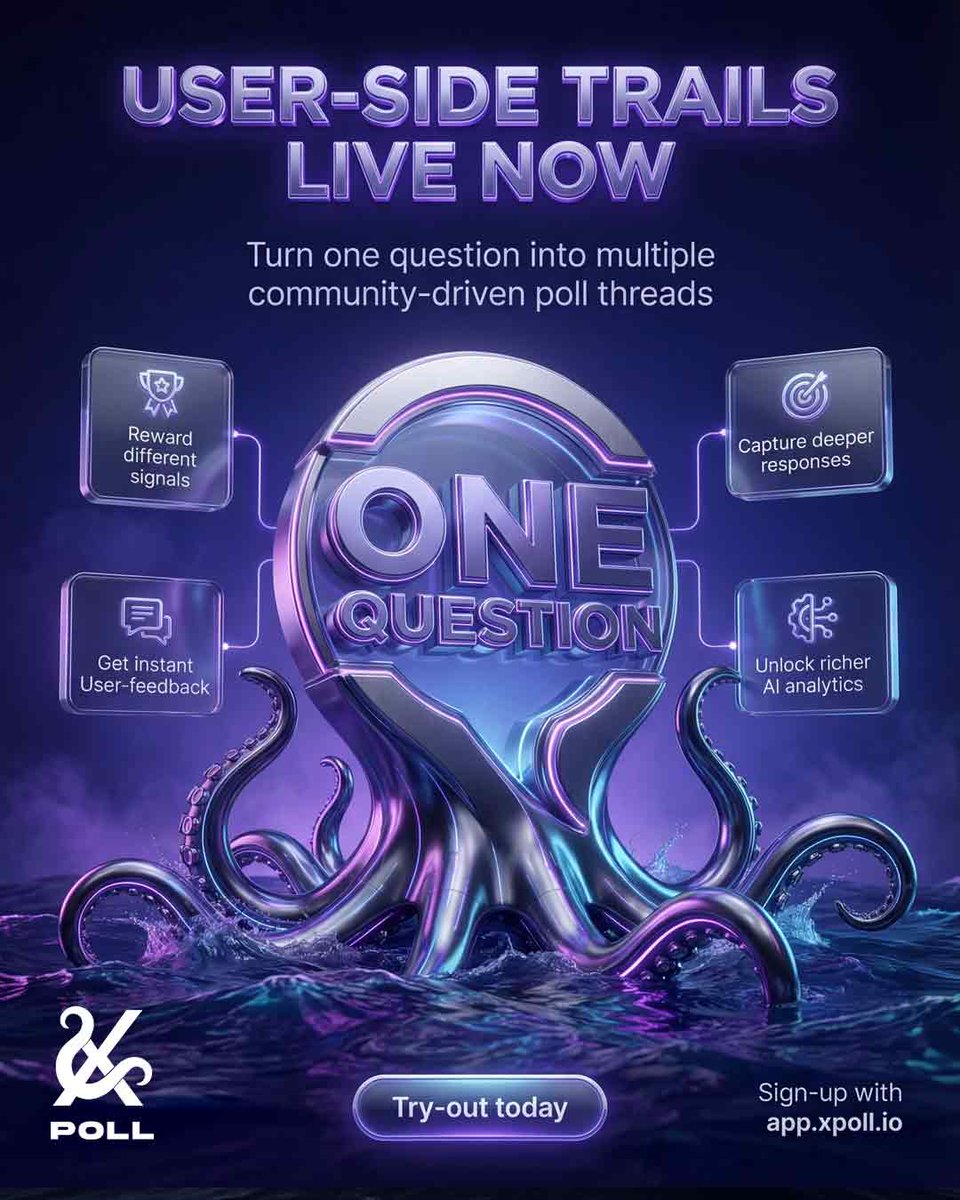
What if one question could unlock multiple perspectives?
With User-side Trails on XPOLL, you can create connected poll threads, reward different signals, and gather deeper community feedback.
Start exploring now:
app.xpoll.io
Also, Checkout the Walk-through video:
youtu.be/Vq0vqd68pcs?si=6Rvf…
#XPOLL #PollTrails #CommunityData #AIInsights
19
19
349

Mar 1
The real value isn’t traffic. It’s the intelligence behind your next campaign, blog, and ad. That’s how you turn conversations into market leadership.
#MarketingIntelligence #GrowthMarketing #CommunityData #ContentEngine
13
3
43
2,869

Feb 18
@PerceptronNTWK @MindoAI
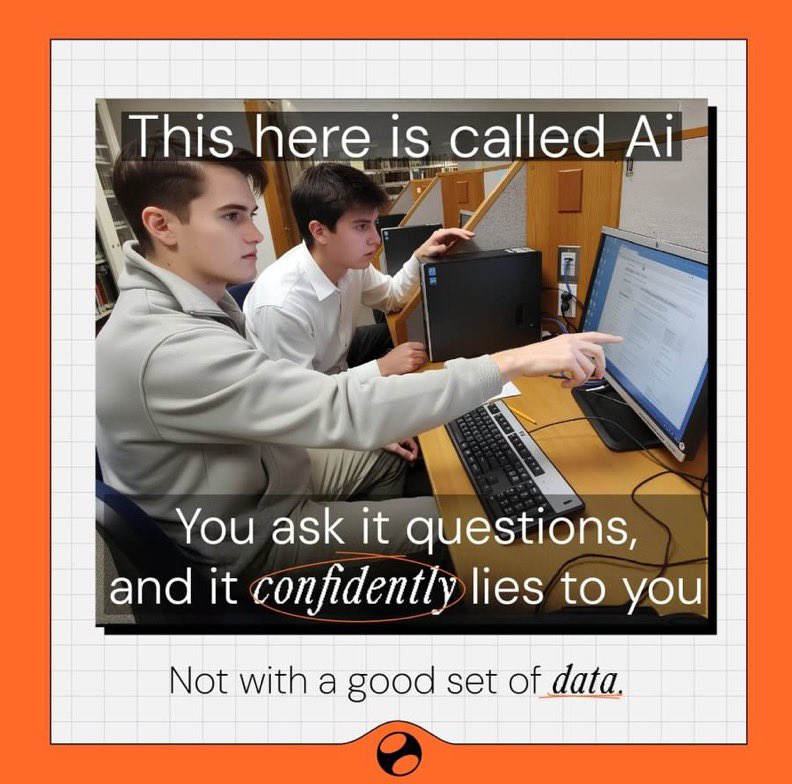
Big Tech has been screwing regular people for years, charging ridiculous money for the basic info that powers all the smart tools we use while keeping it locked up, scattered, and painfully slow to get. It’s a total rip-off that’s holding everyone back.
That’s why I love what @PerceptronNTWK is doing.
Picture this. You’re making coffee in the morning, stuck in traffic, or your phone is just charging on the nightstand doing nothing. That everyday idle internet connection you already pay for? They let regular folks like you and me turn it into something useful. Hundreds of thousands of people around the world quietly help gather and clean up real-life details from everyday life. What shops look like, how traffic flows, the way people talk and move. All while going about their normal routines.
No extra work. No fancy setup. Just your usual daily grind putting spare moments and spare data to work. This creates good, honest information at a fraction of what the old gatekeepers charge.
This isn’t some dream on a whiteboard. They’re already sending this stuff to paying customers and running real money-making projects for actual companies. Teams at Colosseum, Fusion AI, and more than 20 others are using it right now because it works and people actually need it.
And the best part? Every bit you quietly contribute helps build a system that can actually pay regular people back as it grows.
So tell me, what if your spare bandwidth while you sleep or scroll was helping shape smarter AI that finally gets real life, and you got rewarded for it? Would you turn yours on?
#Perceptron #CommunityData #DecentralizedAI
80
62
135

Jan 31
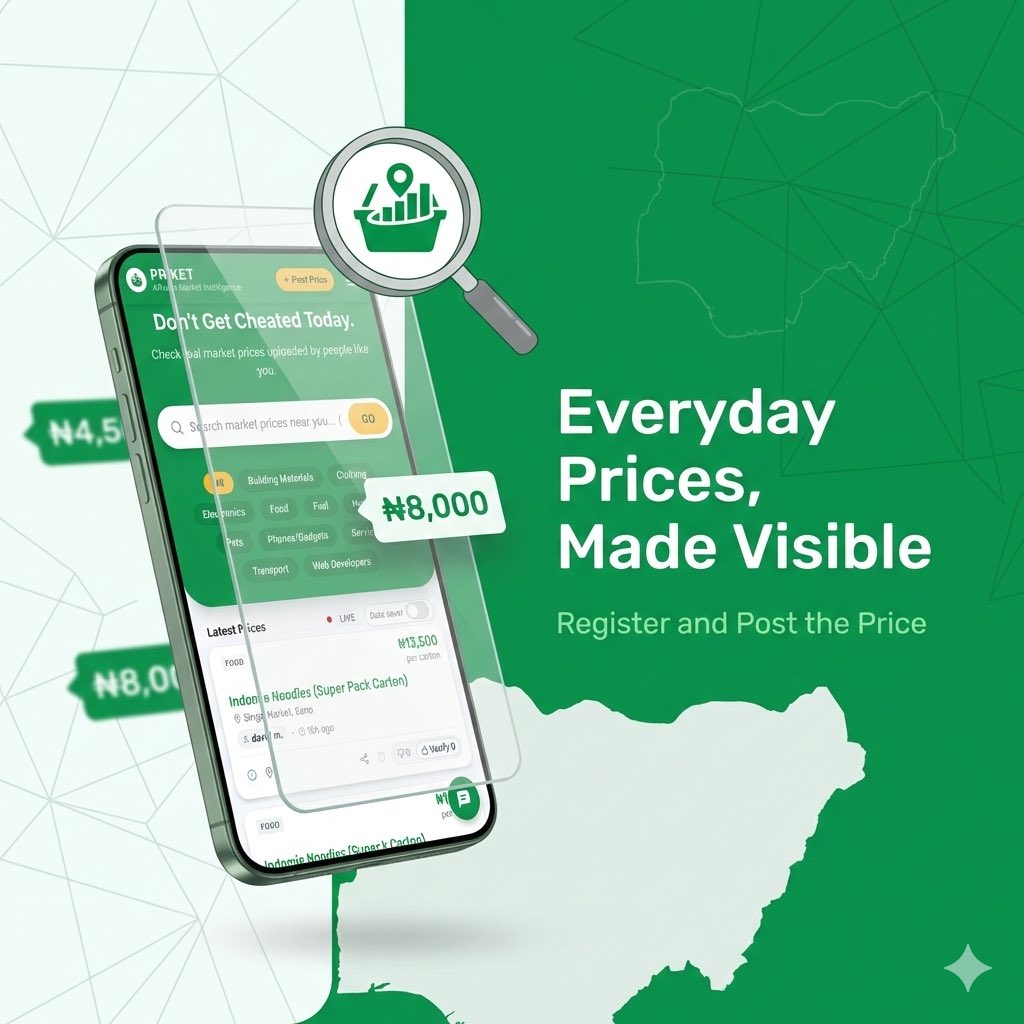
Have you been to the market today?
Post the price you saw and help someone else.
#PRIKET #HelpOthers #CommunityData #MarketPrices
3
20

Jan 13
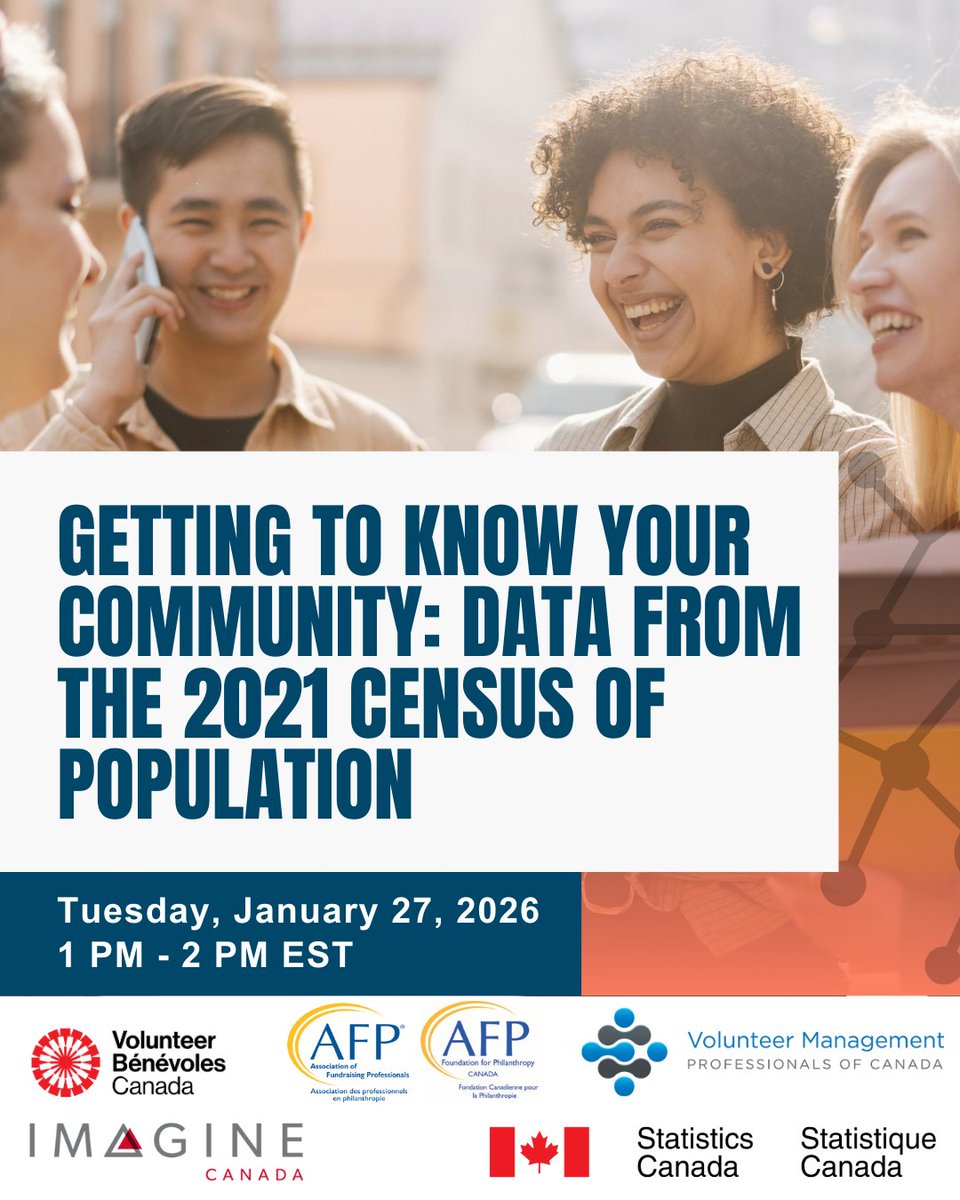
Registration is now open for an upcoming Data-Driven Engagement webinar delivered in partnership with Statistics Canada.
Getting to Know Your Community: Data from the 2021 Census of Population introduces how Census data can be explored and used to build a foundational understanding of communities.
The webinar is designed for nonprofit staff, volunteer managers, and others working with community-level information across the giving and volunteering sector, and is part of our StatsCan x DDE Series of webinars throughout 2026.
forms-formulaires.alpha.cana…
Stay tuned for more details on upcoming StatsCan webinars!
#DataDrivenEngagement #Census2021 #CommunityData #StatisticsCanada #NonprofitSector
3
6
240

8 Dec 2025
Community-driven datasets are reshaping how AI learns and grows.
When data comes from contributors instead of centralized silos, models become richer, more diverse, and more representative of real-world needs.
Inference Labs adds verifiability to this process. Every contribution is tracked with cryptographic proofs, ensuring credit, accountability, and integrity without exposing sensitive information.
The result is AI that scales with the community, rewards contributors fairly, and operates transparently across decentralized networks.
#InferenceLabs #VerifiableAI #CommunityData #DecentralizedAI #Web3AI #DataOwnership #ProofBackedAI #TrustlessAI #AIInnovation #Web3

24
3
35
157

CoinMarketCap's Alice Liu shares insights with Jenny from the Blockchain about how CoinMarketCap collects and analyzes community data. Alice explains that by tracking what users browse, how long they stay, and the nature of community comments, the platform can identify emerging market trends early.
👉 Check out the full episode link in the thread below.
@jennykarakaya @AliceCrypto3
#aliceliu #coinmarketcap #communitydata #bullmarket #crypto #cryptonews #bitcoin #btc #altcoins #cryptomarket #blockchain #marketupdate #cryptotrading #solana #ethereum #cryptovolatility #cryptotrends
1
3
6
180

20 Nov 2025
🌍 De l'Information Locale à l'Intelligence Nationale : L'Architecture #Mediabox au Service de la Communauté.
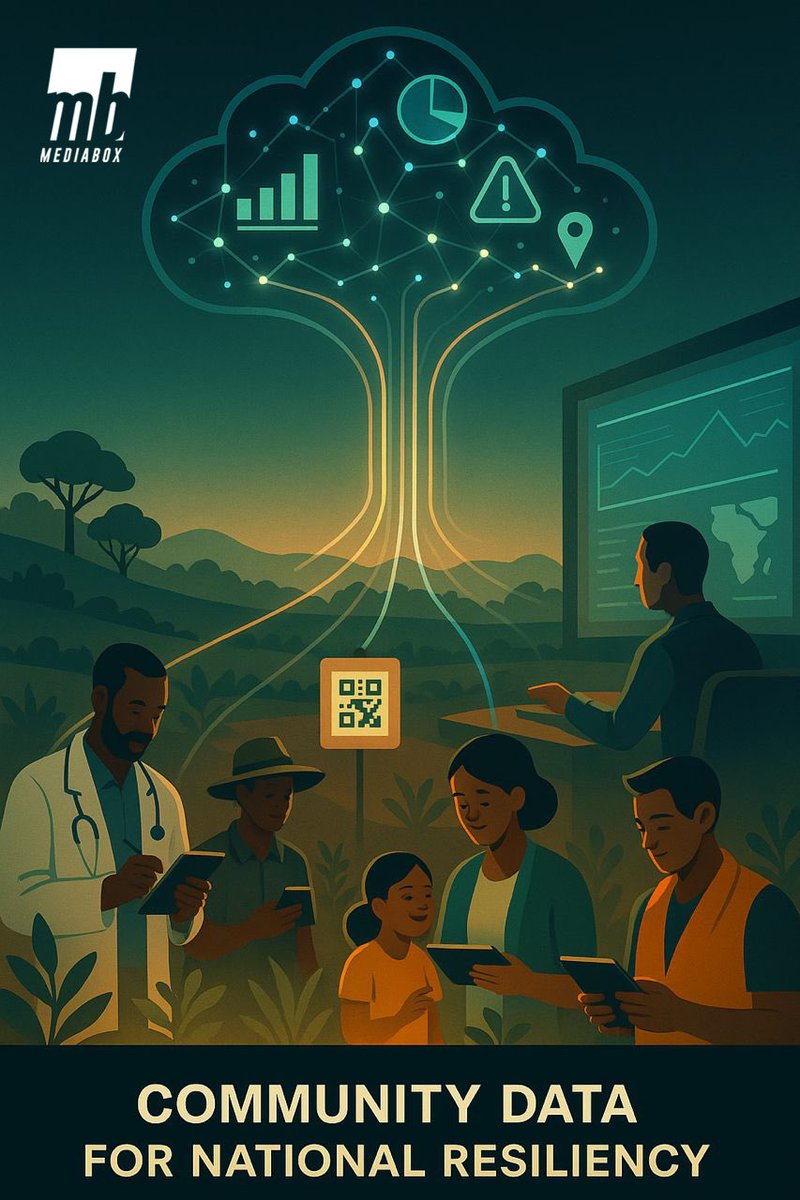
La résilience commence par le terrain. Mediabox a identifié un atout stratégique majeur : le maillage unique d'acteurs communautaires (agents de santé, enseignants, relais de colline) capables de remonter les réalités locales avec une précision exceptionnelle. C'est ce capital humain qui est la véritable fondation de la résilience.
L'équipement de ces acteurs en outils numériques (tablettes, smartphones) par nos soins transforme l'objet de curiosité en outil de veille et de travail essentiel. C'est l'action de Mediabox qui crée la base solide de l'intelligence territoriale. Lorsqu'un agent signale une crue ou un mouvement de population, cette information devient un point de donnée vivante, prêt à être intégré dans une plateforme nationale.
Des milliers de données existent, mais restent sous-exploitées. Mediabox intervient en architecte pour transformer ce potentiel en écosystème intégré. Nous résolvons le problème de l'hétérogénéité en définissant une taxonomie nationale qui permet à toutes ces données (issues des ménages, des centres de santé ou des champs) d'être structurées, géolocalisées et immédiatement interopérables.
L'avenir de la résilience ne dépendra pas seulement des satellites, mais aussi de la personne que Mediabox met en capacité au bout de la colline pour envoyer une donnée précise sur les conditions de la veille. Notre futur Early Warning Center s'appuiera sur cette maturité sociale, faisant de la donnée communautaire le véritable bouclier numérique collectif. Mediabox fait du citoyen un acteur de la prévention.
#DataForResilience #CommunityData #DigitalSovereignty #SmartAfrica #EWS #Innovation
3
542