
Jun 12
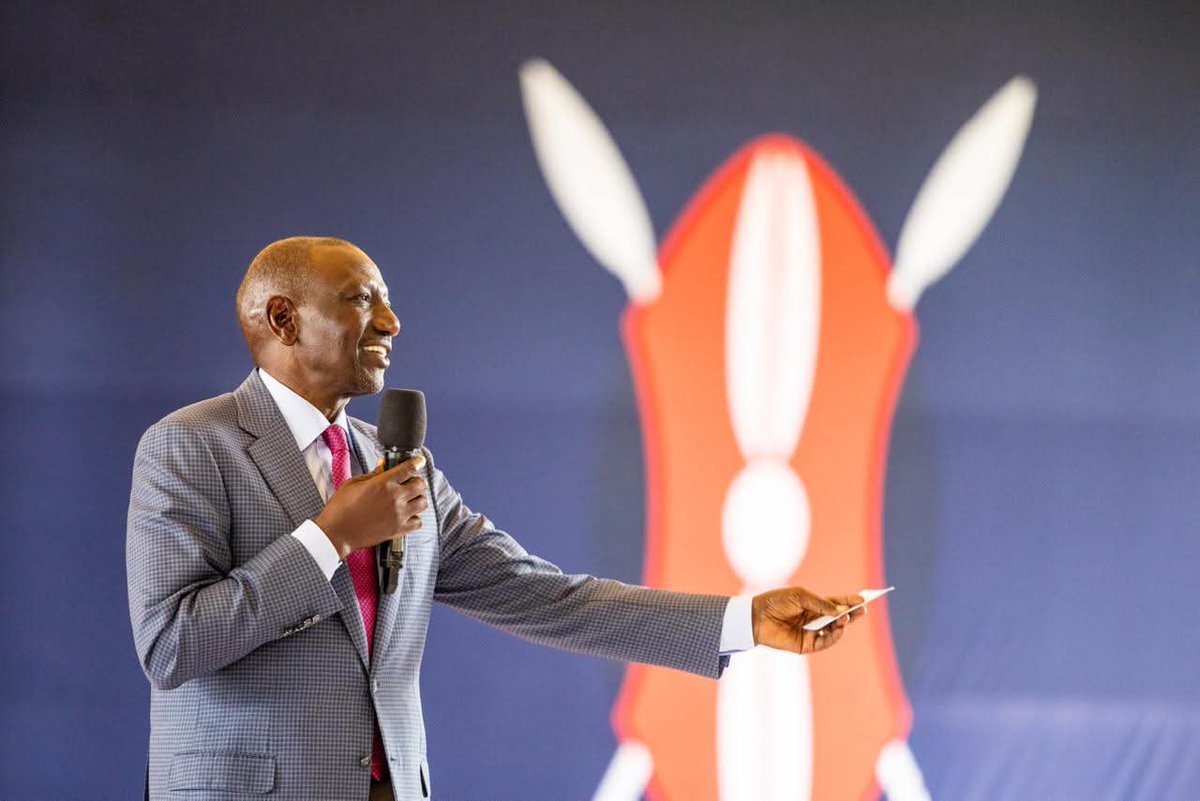
President William Ruto hosts delegation from Marsabit county at State House, Nairobi.
#WilliamRuto
#StateHouseNairobi
#MarsabitCounty
#KenyaLeadership
#KenyaDevelopment
@everyone
@followers
31

Benax Solar & Borehole Solutions – Solar Pumping, Borehole Equipment & Renewable Energy Solutions in Kenya (2026) naicity.com/business/kenya/n…
Benax Solar & Borehole Solutions is a leading Kenyan provider of solar-powered water systems, borehole equipment, renewable energy solutions, and water infrastructure services. The company specializes in the supply, installation, and maintenance of solar pumping systems, borehole pumps, solar inverters, hybrid power systems, water tanks, borehole pipes, and related water management solutions for residential, commercial, institutional, and agricultural clients across Kenya.
With a strong focus on sustainable water access and clean energy, Benax Solar & Borehole Solutions helps homes, farms, schools, businesses, and community projects reduce dependence on expensive electricity and fuel-powered pumping systems. The company delivers efficient solar-powered solutions designed to provide reliable water supply while lowering operating costs and supporting environmental conservation.
#BenaxSolar
#SolarEnergyKenya
#SolarCompanyKenya
#RenewableEnergyKenya
#SolarPowerKenya
#SolarSolutionsKenya
#SolarInstallationKenya
#SolarPanelsKenya
#SolarWaterPumps
#SolarPumpingSystems
#BoreholeSolutions
#BoreholePumps
#BoreholeEquipment
#WaterSolutionsKenya
#WaterInfrastructure
#CleanEnergyKenya
#GreenEnergyKenya
#SustainableEnergy
#OffGridSolar
#HybridSolarSystems
#IrrigationSolutions
#AgriculturalSolutions
#FarmIrrigation
#WaterSecurity
#WaterAccess
#KenyaBusiness
#MadeInKenya
#NairobiBusiness
#KenyaAgriculture
#EnergyEfficiency
#SolarForFarms
#CommercialSolar
#ResidentialSolar
#InstitutionalSolar
#RenewablePower
#SolarInnovation
#KenyaDevelopment
#ClimateSmartAgriculture
#SolarTechnology
#Naicity

2
26

𝗞𝗲𝗻𝘆𝗮 𝗥𝗲𝘁𝘂𝗿𝗻𝘀 𝘁𝗼 𝗖𝗵𝗶𝗻𝗲𝘀𝗲 𝗜𝗻𝗳𝗿𝗮𝘀𝘁𝗿𝘂𝗰𝘁𝘂𝗿𝗲 𝗙𝗶𝗻𝗮𝗻𝗰𝗶𝗻𝗴 𝘄𝗶𝘁𝗵 𝗠𝗮𝘀𝘀𝗶𝘃𝗲 𝗝𝗞𝗜𝗔 𝗨𝗽𝗴𝗿𝗮𝗱𝗲
Kenya has reportedly awarded China Communications Construction Company (CCCC) a contract valued at approximately KSh375.4 billion ($2.9 billion) to undertake the long-awaited expansion and modernization of Jomo Kenyatta International Airport (JKIA).
If implemented as announced, the project will become one of the largest aviation infrastructure investments in Kenya’s history and a major test of the newly established National Infrastructure Fund (NIF), which is expected to finance strategic national projects over the coming decade.
The decision marks a significant policy shift following the collapse of the proposed 30-year concession agreement with India’s Adani Airports Holdings. The Adani proposal, estimated at approximately $1.85 billion (KSh240 billion), faced intense public scrutiny and political opposition before being shelved.
Now, Kenya appears to be returning to a familiar model: large-scale infrastructure delivery backed by Chinese financing and engineering expertise.
The planned modernization is expected to address long-standing capacity constraints at East Africa’s busiest aviation hub. JKIA currently serves as Kenya’s primary international gateway and a critical transit point connecting Africa, Europe, Asia and the Middle East.
A comprehensive upgrade could include expanded passenger terminals, additional aircraft stands, improved cargo facilities, enhanced airside infrastructure, upgraded security systems and modernized passenger processing technology.
Beyond aviation, the project carries broader economic significance.
JKIA is a strategic national asset that supports tourism, trade, investment, cargo exports and Kenya’s position as a regional logistics and transport hub. Increasing airport capacity is viewed as essential for accommodating future passenger growth and strengthening Nairobi’s competitiveness against emerging regional aviation centres.
However, the announcement is also likely to trigger renewed debate over project costs, financing structures, procurement transparency and long-term returns on investment.
Critics will inevitably compare the reported KSh375.4 billion price tag with the earlier Adani proposal and ask why the replacement project carries a significantly higher cost. Supporters, meanwhile, will argue that modern aviation infrastructure is essential for sustaining Kenya’s economic ambitions and maintaining its regional leadership position.
The coming months will likely determine whether this becomes another transformative national infrastructure project—or another major public debate about cost, financing and value for money.
One thing is certain: the future of Kenya’s main gateway to the world is once again at the centre of national attention.
#JKIA #KenyaInfrastructure #Aviation #Nairobi #NationalInfrastructureFund #CCCC #ChinaKenya #AirportExpansion #KenyaDevelopment #InfrastructureKE #Transport #Tourism #Trade #EconomicGrowth #AfricaAviation #KenyaEconomy #Vision2030 #JKIAExpansion
1
68

Jun 11
queues that disappear on arrival, and airport Wi-Fi fast enough to download a whole season of your favorite show before boarding. 😂✈️💸
#JKIA #JomoKenyattaInternationalAirport #KenyaNews #BreakingNews #Infrastructure #AirportUpgrade #Aviation #KenyaDevelopment
1
145
𝗡𝗦𝗦𝗙 𝗧𝗼𝘄𝗲𝗿𝘀 𝗧𝗼 𝗥𝗲𝗱𝗲𝗳𝗶𝗻𝗲 𝗡𝗮𝗶𝗿𝗼𝗯𝗶’𝘀 𝗦𝗸𝘆𝗹𝗶𝗻𝗲
Nairobi is on the verge of a major architectural and economic transformation as the National Social Security Fund (NSSF) moves forward with plans to develop a landmark twin-tower complex in the heart of the Central Business District.
Set to rise on a 3.85-acre prime parcel at the intersection of Kenyatta Avenue and Uhuru Highway, the development represents one of the most ambitious real estate investments ever undertaken by a Kenyan public institution.
The centrepiece of the project, Tower A, is expected to soar approximately 260 metres into the sky across 60 floors, making it the tallest building in East and Central Africa upon completion. The tower will surpass Nairobi’s iconic Britam Tower and become a defining feature of the city’s skyline. A public observation deck on the upper floors is expected to offer panoramic views across Nairobi and beyond.
Tower B will complement the flagship structure with a 35-floor mixed-use development incorporating a premium business hotel, serviced apartments, commercial facilities and lifestyle amenities designed to support Nairobi’s growing position as a regional business hub.
The project will also feature a multi-level podium integrating retail outlets, conference facilities, hospitality spaces and structured parking capable of accommodating more than 1,000 vehicles.
Beyond its architectural significance, the development signals a broader effort to revitalise Nairobi’s CBD by encouraging mixed-use urban living, attracting investment back into the city centre and creating a vibrant 24-hour economic ecosystem.
For decades, the site has remained largely underutilised despite occupying one of the most strategic locations in the capital. Its redevelopment unlocks substantial economic value while potentially generating long-term returns for millions of NSSF contributors whose savings ultimately fund the investment.
Urban planners view the project as a catalyst for CBD renewal, supporting Nairobi’s evolution into a modern, globally competitive city capable of attracting multinational corporations, investors, tourists and residents seeking integrated live-work-play environments.
If delivered as envisioned, the NSSF Towers will not merely change Nairobi’s skyline—they will symbolize a new era of confidence in Kenya’s urban future and the growing ambition of African cities to compete on the global stage.
#Nairobi #NSSF #NairobiCBD #KenyaInfrastructure #UrbanDevelopment #SkylineOfAfrica #EastAfrica #Architecture #RealEstate #KenyaDevelopment #SmartCities #Vision2030 #InvestInKenya #EconomicGrowth #AfricanCities #InfrastructureKE #NairobiSkyline #FutureKenya
43
The Maungu Lorry Park should be a case study in how to support trade.
Instead, it risks becoming a case study in how public infrastructure fails.
Built at a cost of more than Sh320 million, the facility sits on the Nairobi–Mombasa highway, the busiest transport corridor in East Africa and the backbone of Kenya’s import and export economy.
It was designed to accommodate 182 trucks, provide accommodation through 70 guest rooms, support businesses through 24 commercial stalls and improve road safety by reducing roadside parking.
Today, reports indicate it generates only about Sh8,000 per day.
That should concern every taxpayer.
The problem is not simply low revenue. It is that the facility reportedly lacks some of the most basic requirements needed for successful operations: reliable water supply, electricity, firefighting equipment and dedicated handling areas for hazardous cargo.
As a result, many truck drivers continue parking along the highway, undermining the very purpose for which the facility was built.
This is bigger than management.
It is a governance question.
Who approved the project design?
Who certified it fit for operation?
Who accepted handover of the facility?
Who negotiated and supervised the operating arrangements?
Who has been monitoring its performance over the last decade?
And perhaps most importantly: who is accountable for the gap between what was promised and what was delivered?
Public infrastructure should not be judged by how much money was spent constructing it.
It should be judged by whether it solves the problem it was built to address.
If a Sh320 million facility on one of Africa’s busiest transport corridors is underperforming while trucks continue lining the roadside, then the conversation must move beyond ribbon-cutting ceremonies and into accountability.
Kenya does not have a shortage of infrastructure projects.
Too often, it has a shortage of functioning infrastructure.
#MaunguLorryPark #TaitaTaveta #Governance #Accountability #PublicFinance #Infrastructure #NorthernCorridor #Transport #KenyaDevelopment #ValueForMoney #Trade #Logistics #PublicInvestment #Devolution #Kenya
20
Kenya and the United States have reached an agreement on the implementation of a five-year Kenya–U.S. Health Cooperation Partnership valued at US$1.6 billion, signaling one of the largest health-sector collaborations between the two countries in recent years.
According to Principal Secretary Dr. Chris Kiptoo, the programme will support disease surveillance and outbreak response, strengthen laboratory systems, improve access to essential health commodities, support frontline health workforce transition, and accelerate the development of digital health systems.
The announcement comes at a time when global health security, pandemic preparedness, and cross-border disease surveillance have become increasingly important priorities for governments worldwide.
Beyond healthcare, the discussions also highlighted the broader economic relationship between Kenya and the United States. American companies operating in Kenya continue to contribute significantly to investment, job creation, skills transfer, and economic growth, reinforcing the strategic partnership between the two countries.
During a meeting at the National Treasury with U.S. Chargé d’Affaires Susan Burns, both sides reaffirmed their commitment to deepening economic cooperation, expanding trade and investment opportunities, and strengthening long-standing bilateral ties.
If effectively implemented, the US$1.6 billion programme could significantly enhance Kenya’s public health infrastructure, improve emergency response capabilities, strengthen laboratory networks, and support the country’s ongoing health sector reforms.
The agreement also underscores Kenya’s growing importance as a regional health, investment, and strategic partner in East Africa.
#KenyaUSPartnership #HealthSecurity #PublicHealth #Kenya #USA #DiseaseSurveillance #Healthcare #DigitalHealth #EconomicCooperation #TradeAndInvestment #HealthSystems #NationalTreasury #GlobalHealth #KenyaDevelopment #USKenyaRelations #HealthcareTransformation
1
29
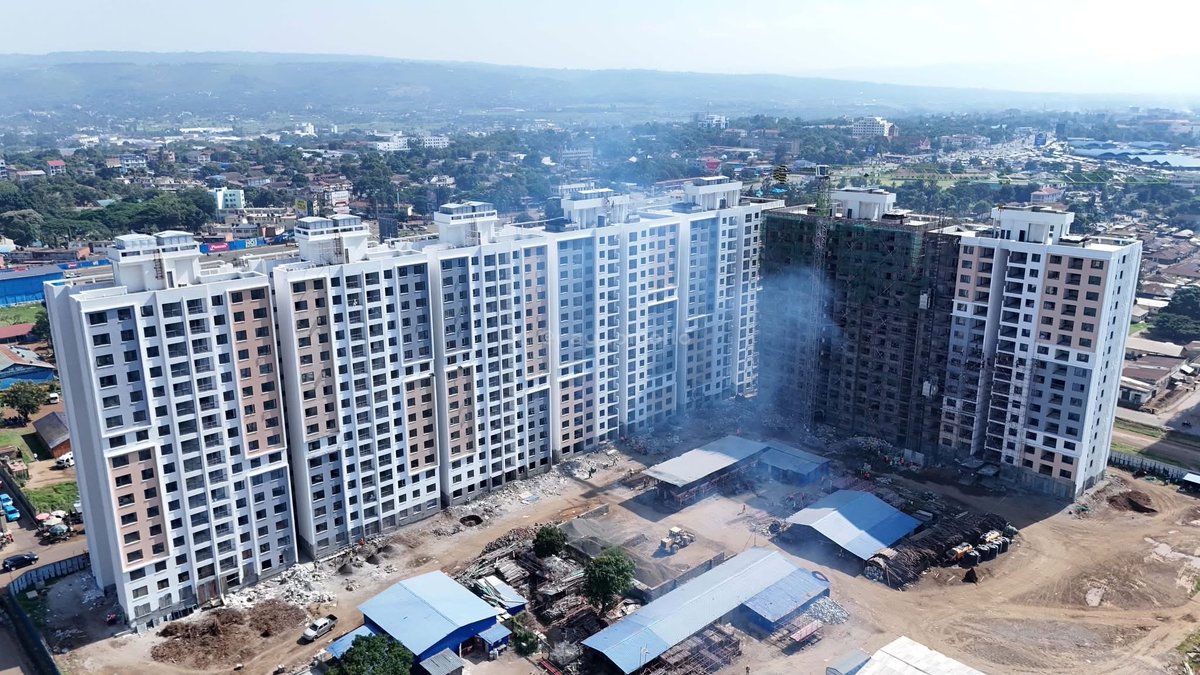
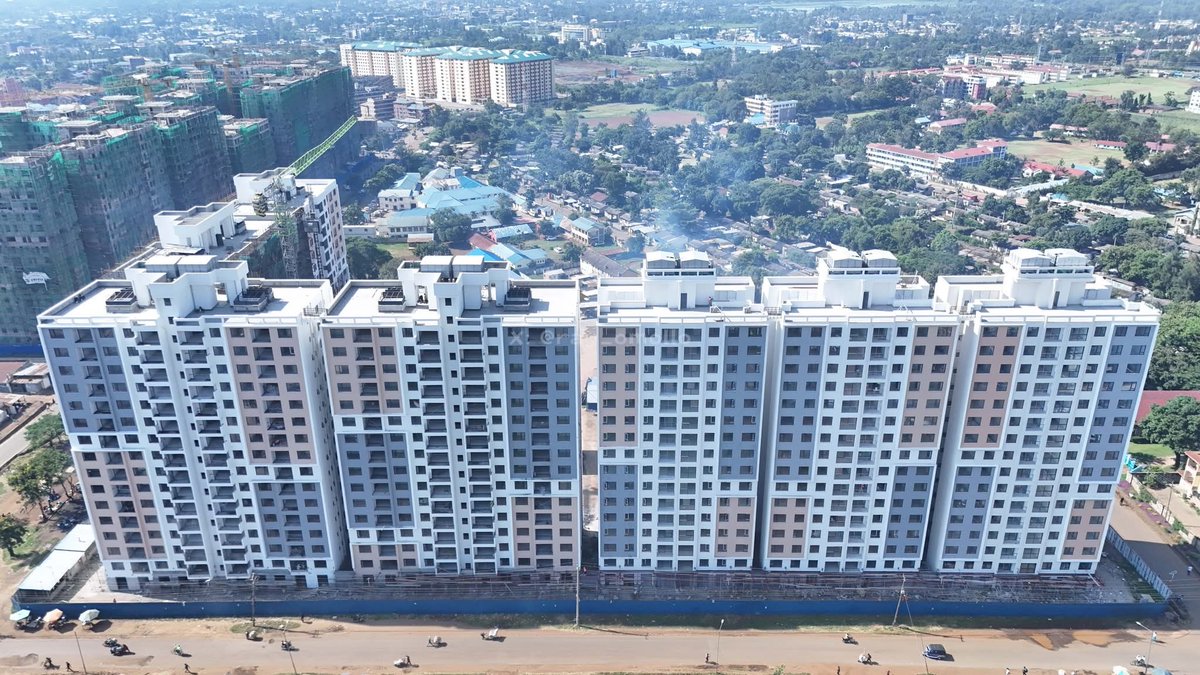
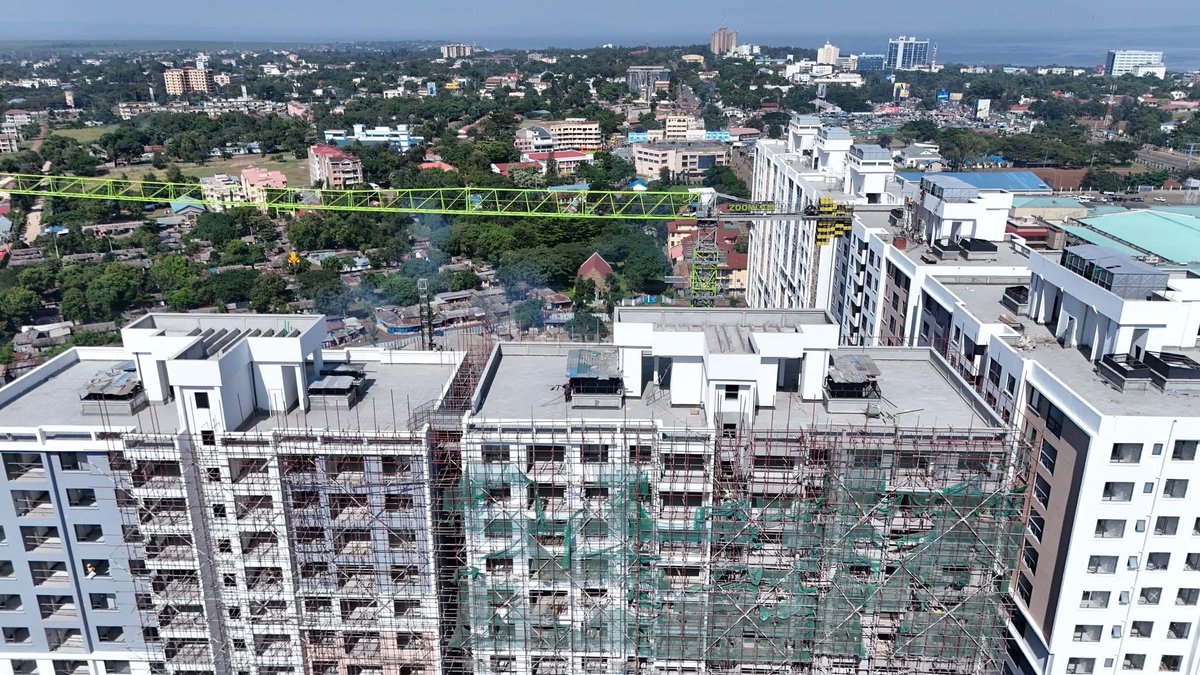
The skyline of Kisumu is changing, and with it, the future of urban living in Kenya’s lakeside city.
At the heart of this transformation is the Anderson Park Residence, a flagship urban renewal project that is replacing the historic 63-year-old Anderson-Ofafa Estate with a modern, high-density mixed-use development designed for a rapidly growing city.
As infrastructure investments, business activity, and population growth continue to expand Kisumu’s economic footprint, demand for quality housing has risen sharply. The Anderson Park project seeks to respond to that demand while setting a new benchmark for contemporary urban living.
Implemented through a partnership between the Kisumu County Government and CPF LAPTRUST, Phase One comprises 681 modern apartments spread across seven residential blocks, including 31 one-bedroom, 464 two-bedroom and 186 three-bedroom units. The development also incorporates 65 retail shops designed to support a vibrant live-work environment within the estate.
Beyond housing, the project integrates features increasingly associated with modern urban developments, including centralized piped cooking gas, high-speed elevators, backup power systems, borehole water supply and fibre-optic internet connectivity.
Residents will also benefit from lifestyle amenities such as a rooftop lounge, gymnasium, landscaped public spaces and, under Phase Two, a swimming pool designed to enhance the quality of urban living.
Importantly, the development is not just about buildings. It represents a broader effort to optimize land use within the city centre, stimulate economic activity, create employment opportunities and support Kisumu’s emergence as a regional commercial and investment hub.
The inclusion of street-level retail spaces creates direct linkages between the development and the wider Central Business District, generating opportunities for entrepreneurs, service providers and local businesses.
As Kisumu continues its evolution into a modern metropolitan centre, projects such as Anderson Park Residence demonstrate how urban renewal can simultaneously address housing demand, improve city aesthetics and support economic growth.
The true measure of success will be whether such developments remain accessible, sustainable and integrated into the city’s long-term vision of inclusive growth.
For now, Anderson Park Residence stands as one of the most ambitious urban transformation projects currently reshaping the face of Kisumu.
#Kisumu #AndersonParkResidence #UrbanRenewal #AffordableHousing #UrbanDevelopment #KisumuCity #HousingKenya #InfrastructureDevelopment #RealEstateKenya #SmartCities #UrbanTransformation #KenyaDevelopment #Investment #MetropolitanGrowth #BuildingTheFuture

1
50
For decades, residents of Kano Plains lived with a familiar and painful reality. Whenever River Nyando overflowed its banks or Lake Victoria’s backflow inundated villages, the cry was always the same: “Sirikal saidia!”
Homes were destroyed. Farms disappeared under water. Schools closed. Families were displaced. Livelihoods were washed away.
Today, that narrative is beginning to change.
The Government is implementing long-term flood mitigation infrastructure aimed at protecting lives, restoring livelihoods, and unlocking the economic potential of one of Kenya’s most productive agricultural regions.
At the centre of this effort is the West Kano–Kanyagwal Flood Control Project in Kadibo Sub-County, Kisumu County, being implemented by the National Water Harvesting and Storage Authority (NWHSA).
The project seeks to reclaim nearly 7,000 hectares of flood-affected land through the construction of a 3.5-kilometre flood protection dyke, rehabilitation of drainage systems, installation and upgrading of high-capacity pumping infrastructure, and environmental stabilization through grassing and tree planting.
A community footbridge has also been constructed to ensure residents maintain safe movement and connectivity during periods of high water levels.
The impact extends far beyond flood control.
The intervention is protecting the 2,230-acre West Kano Irrigation Scheme, safeguarding the livelihoods of nearly 1,000 farmers who have for years suffered devastating crop losses due to flooding.
Families that once depended on emergency relief and temporary shelters now have an opportunity to rebuild permanent homes with greater confidence and security.
Critical public infrastructure including schools, health facilities, markets, roads, and places of worship in vulnerable areas such as Kanduru, Kajowi, Wachiegwe, and Karagwel also stand to benefit from the enhanced protection.
The project further complements broader Lake Basin development initiatives by linking with the upstream LBDA dyke system while protecting strategic investments such as the Kabonyo-Kanyagwal Fisheries Centre.
As climate change continues to increase the frequency and intensity of extreme weather events, investments of this nature are becoming increasingly important. They are not merely engineering projects; they are investments in resilience, food security, economic productivity, and human dignity.
For the people of Kano Plains, success will not be measured by the length of the dyke alone, but by children remaining in school, farmers harvesting their crops, businesses operating uninterrupted, and families no longer living in fear every rainy season.
That is the true value of flood control infrastructure.
#Kisumu #KanoPlains #FloodControl #ClimateResilience #FoodSecurity #InfrastructureDevelopment #WestKano #Nyando #LakeVictoria #NWHSA #BlueEconomy #Agriculture #DisasterRiskReduction #KenyaDevelopment #BuildingResilience #TransformingLives
32

May 20
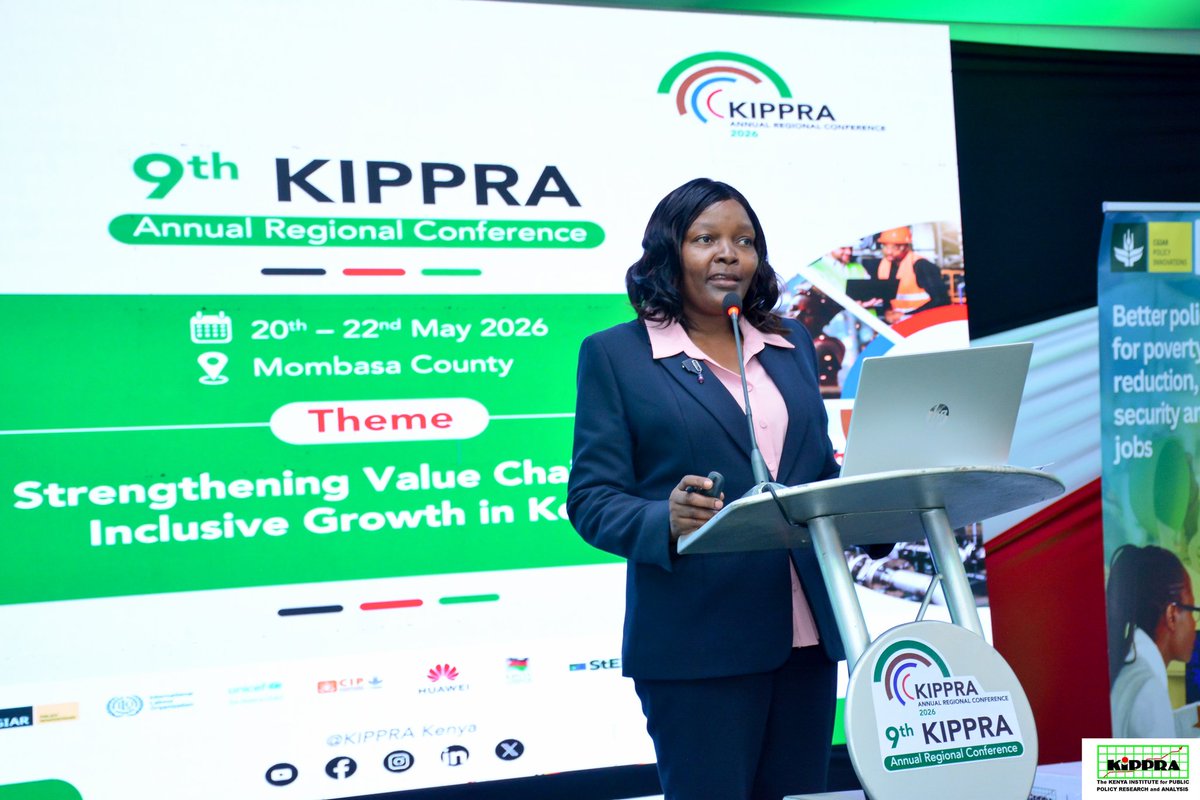
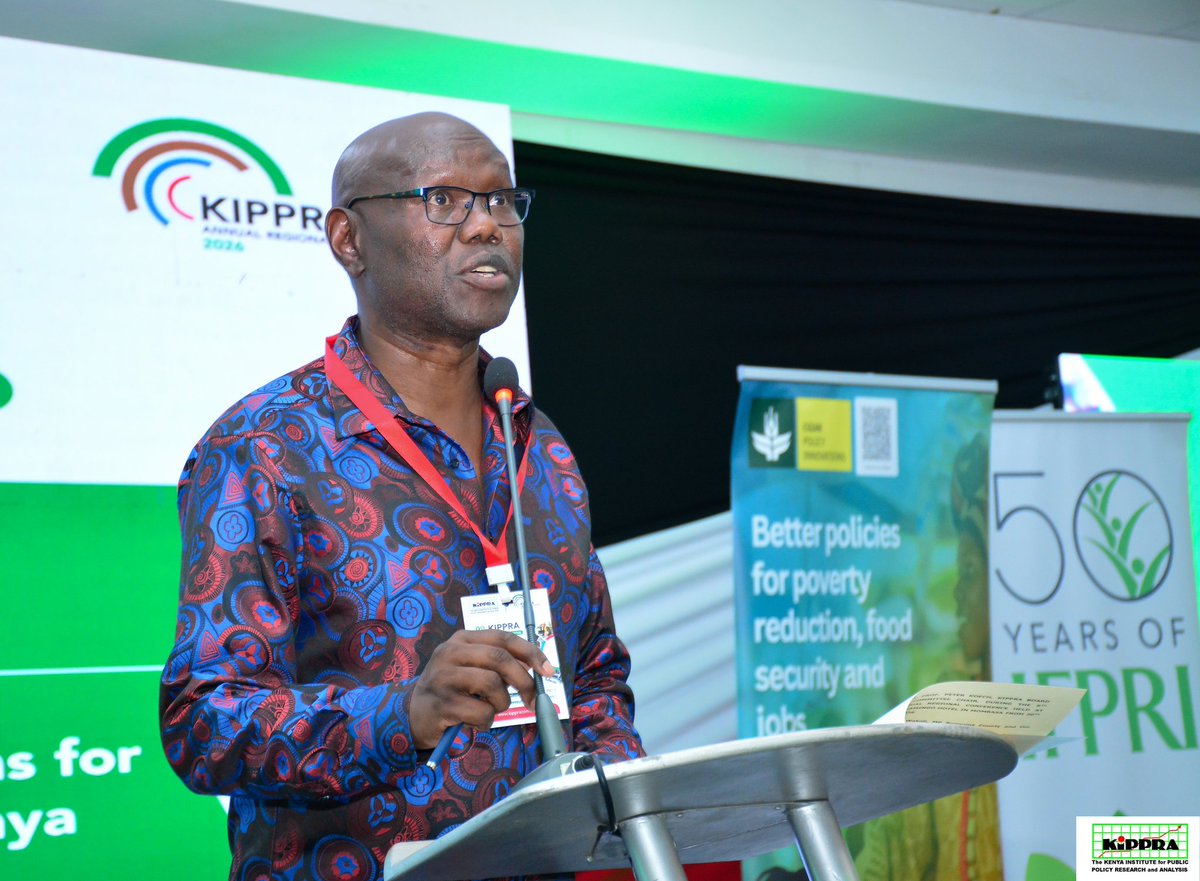
Today, KIPPRA officially kicked off its 9th Annual Regional Conference in Mombasa under the theme: “Strengthening Value Chains for Inclusive Growth in Kenya.”
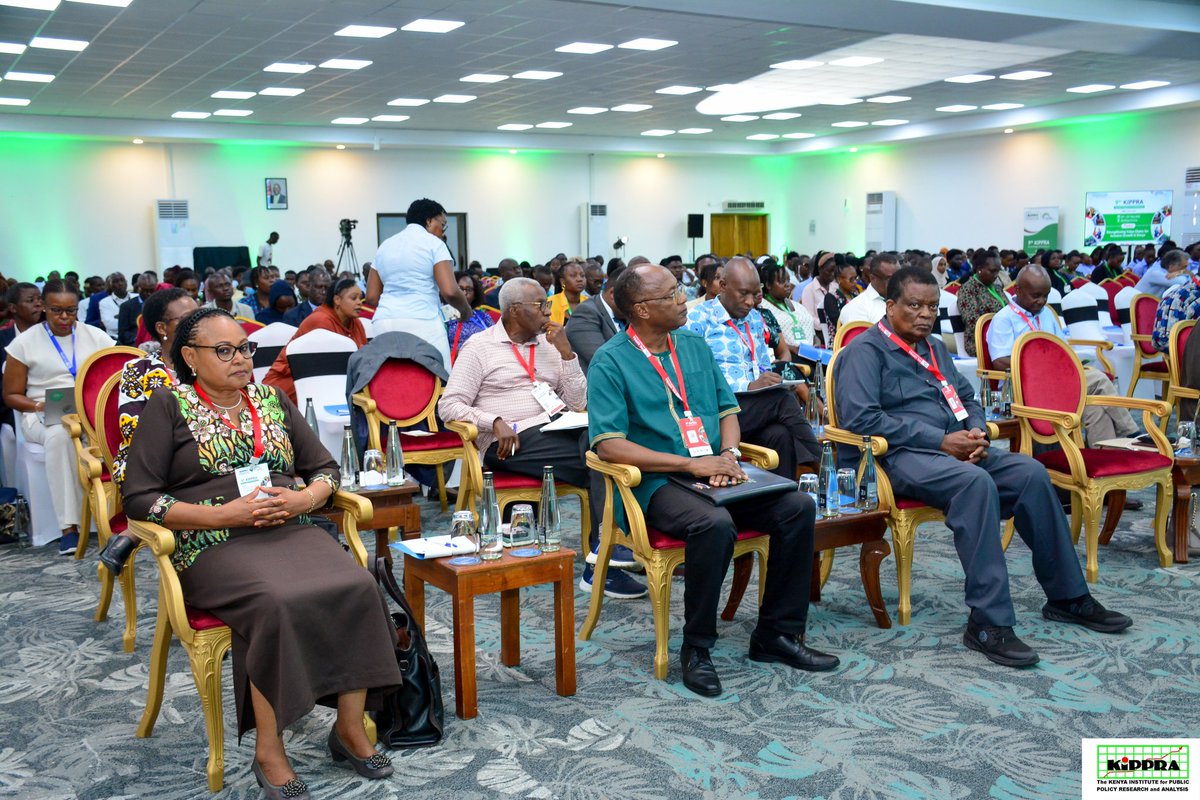
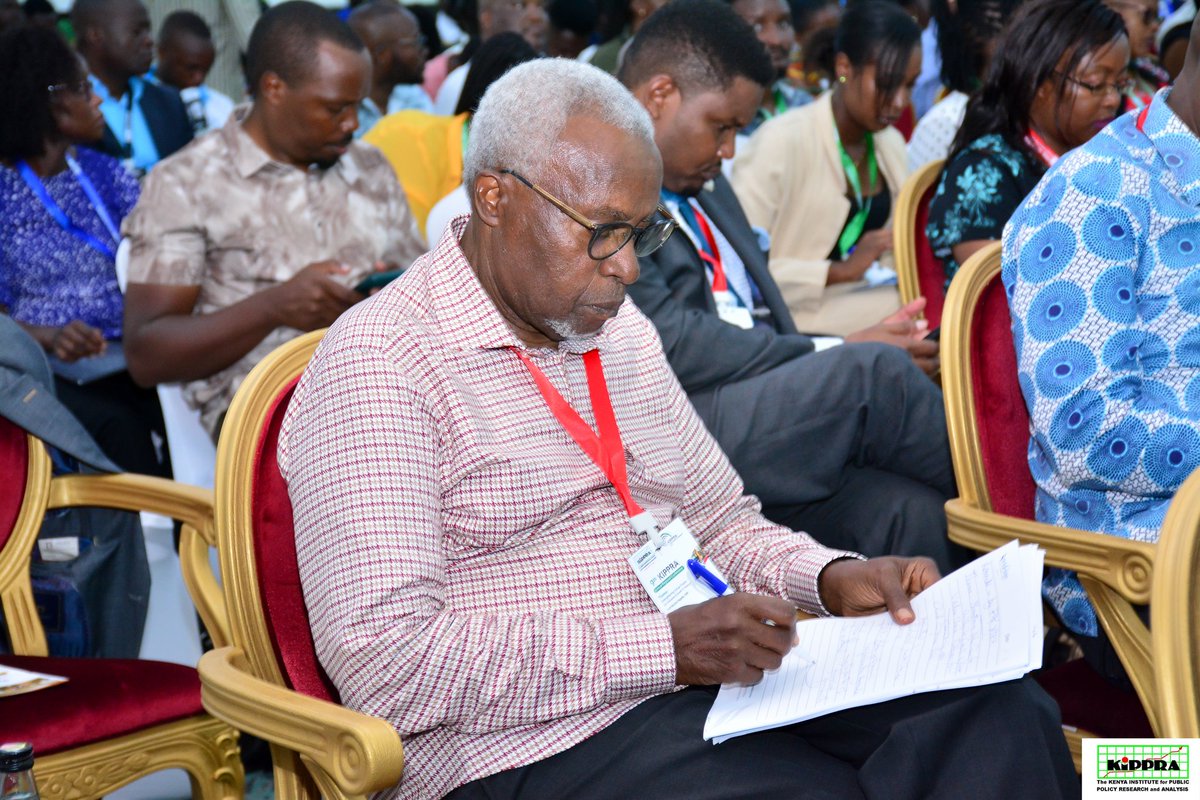
The three-day conference brought together policymakers, researchers, development partners, private sector actors, academia, and other stakeholders to deliberate on how Kenya can unlock the full potential of its value chains to drive sustainable economic transformation.
The discussions focused on strengthening linkages across key sectors, enhancing productivity and competitiveness, promoting industrialization, expanding market access, and creating opportunities for inclusive participation, particularly for youth, women, and vulnerable groups.
Importantly, the conference will generate evidence-based insights and policy recommendations aimed at accelerating job creation, reducing poverty and inequalities, and building resilience against climate change vulnerabilities. These engagements are expected to contribute significantly to shaping policies that support inclusive development while positioning Kenya competitively within regional and global markets.
#KIPPRAConference2026 #InclusiveGrowth #ValueChains #EconomicTransformation #PolicyDialogue #KenyaDevelopment #SustainableDevelopment #ClimateAction #Industrialization #JobCreation
1
2
281

Government commits to PPPs while embracing new sovereign financing tools
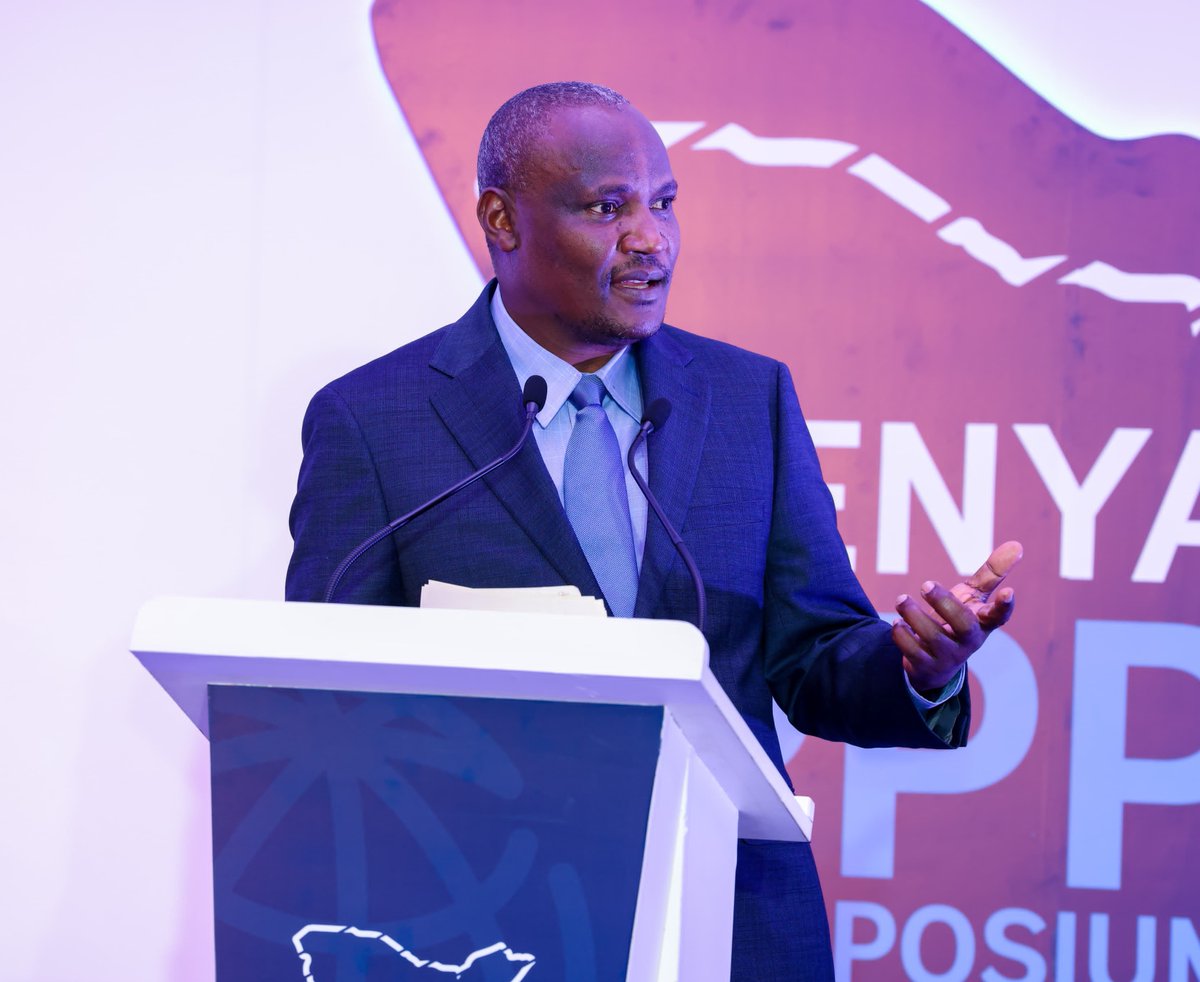
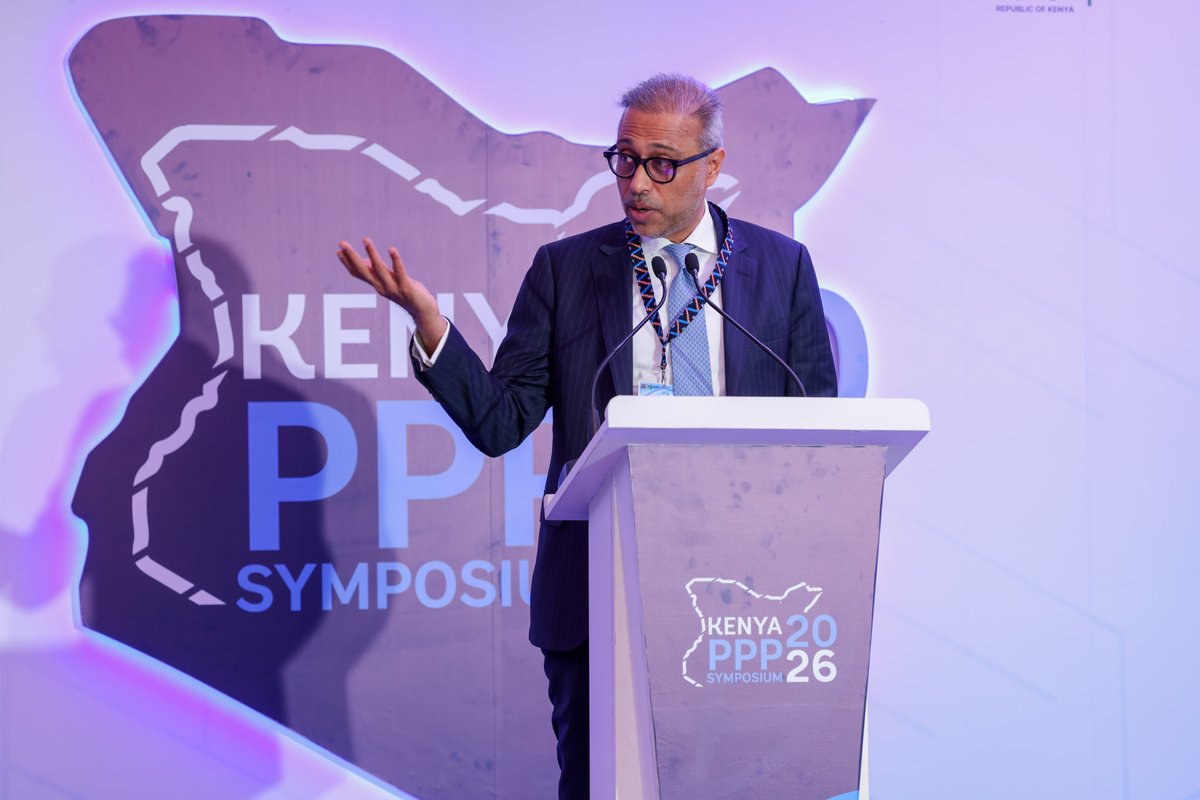
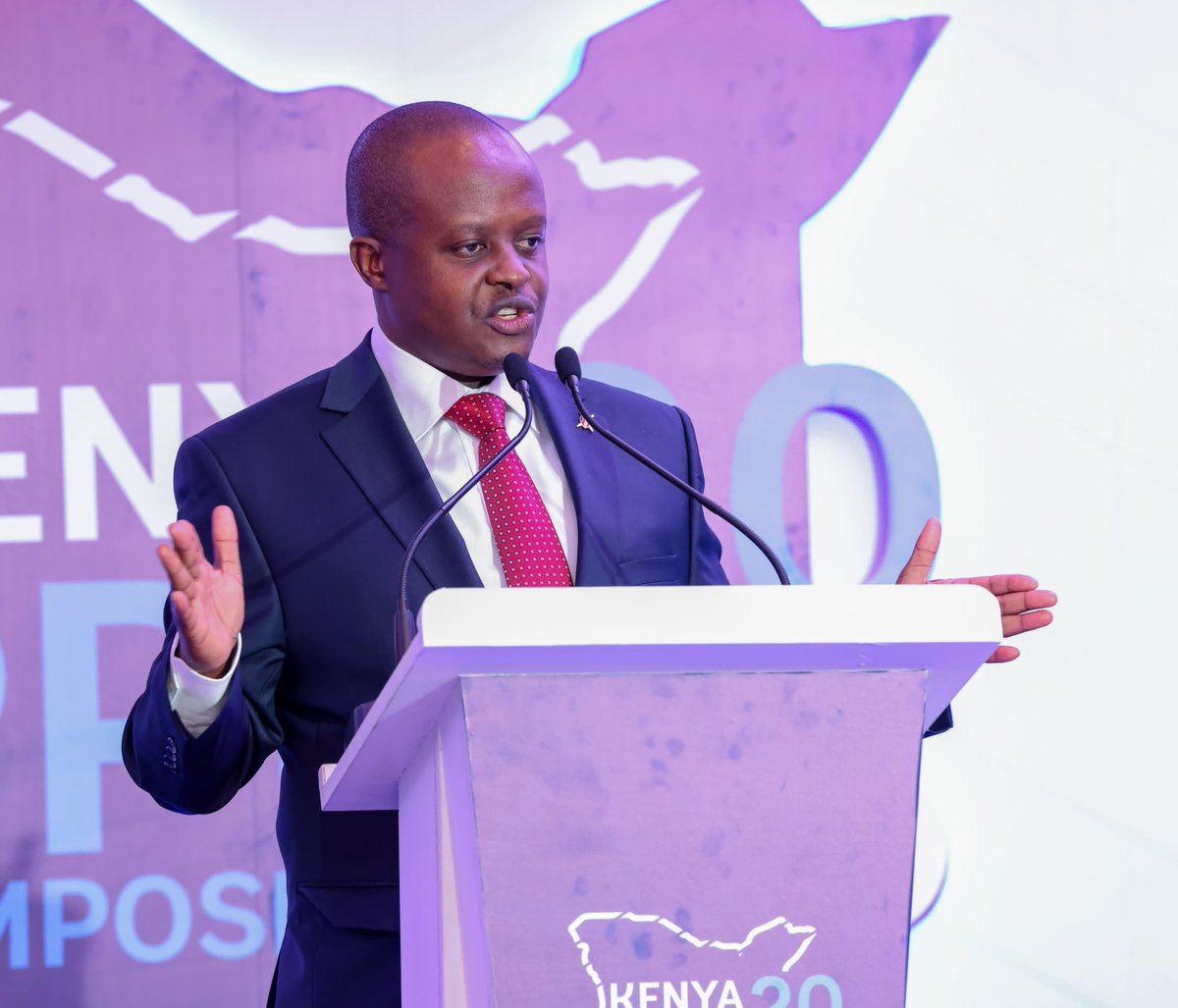
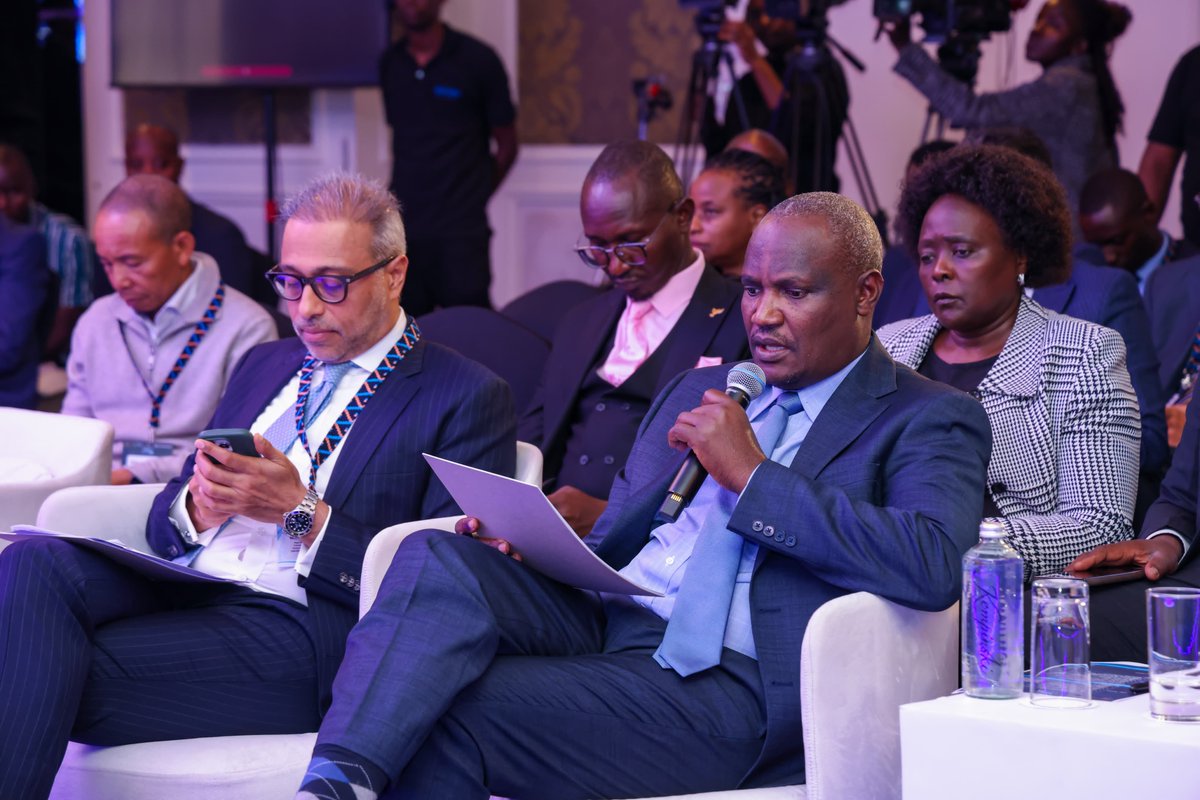
The National Treasury Cabinet Secretary, Hon. John Mbadi, today underscored the Government’s commitment to positioning Public Private Partnerships as a central driver of infrastructure delivery and long-term economic transformation.
‘PPPs are not a fallback option, but a deliberate policy choice to strengthen fiscal discipline, improve efficiency, and deliver high-quality public assets through structured private sector participation’, said the CS in a keynote address to participants at the Kenya Private Sector-Focused PPP Symposium 2026.
According to the CS, the Government is simultaneously broadening its overall infrastructure financing toolkit through ongoing securitization initiatives as part of expanded GoK financing strategy, alongside the establishment of the National Infrastructure Fund to mobilize and channel long-term capital into priority infrastructure investments.
With a robust pipeline of bankable, tender-ready projects, strengthened safeguards under the PPP Act 2021, and enhanced risk mitigation instruments, Kenya continues to build a predictable and investor-ready environment for sustainable partnerships.
‘The direction is clear: PPPs are scaling, and Kenya’s financing architecture is evolving to match its infrastructure ambition’, said CS Mbadi. @EngKefaSeda @SDPI_AM @KeTreasury @WorldBankKenya
#PPPSymposium2026 #PPP #InvestInKenya #PublicPrivatePartnerships #Infrastructure #NationalInfrastructureFund #KenyaDevelopment #EconomicTransformation
1
2
225

This moment is what progress looks like! Watch as our new well officially opens in rural Kenya, bringing a sustainable source of life right to their doorstep.
A community gathering to see water flowing for the first time shows a shift that will be felt for generations.
Clean water unlocks possibility by supporting education, strengthening health, and allowing communities to build forward instead of just getting by.
Be part of what comes next:
life.givecloud.co/product/13…
Life For Relief and Development
#Kenya #CleanWater #NGO #KenyaRelief #WaterProject #CleanWaterKenya #SustainableDevelopment #RuralKenya #WaterIsLife #WaterForLife #WaterSustainability #CommunityWell #KenyaDevelopment #LifeForRelief
1
2
14

Apr 28
Political games and election cycles shouldn't derail Kenya's development! We need strong institutions, long-term plans, and public oversight to complete #StalledProjectsKE and deliver on promises. #KenyaDevelopment
6
10
28

Apr 18
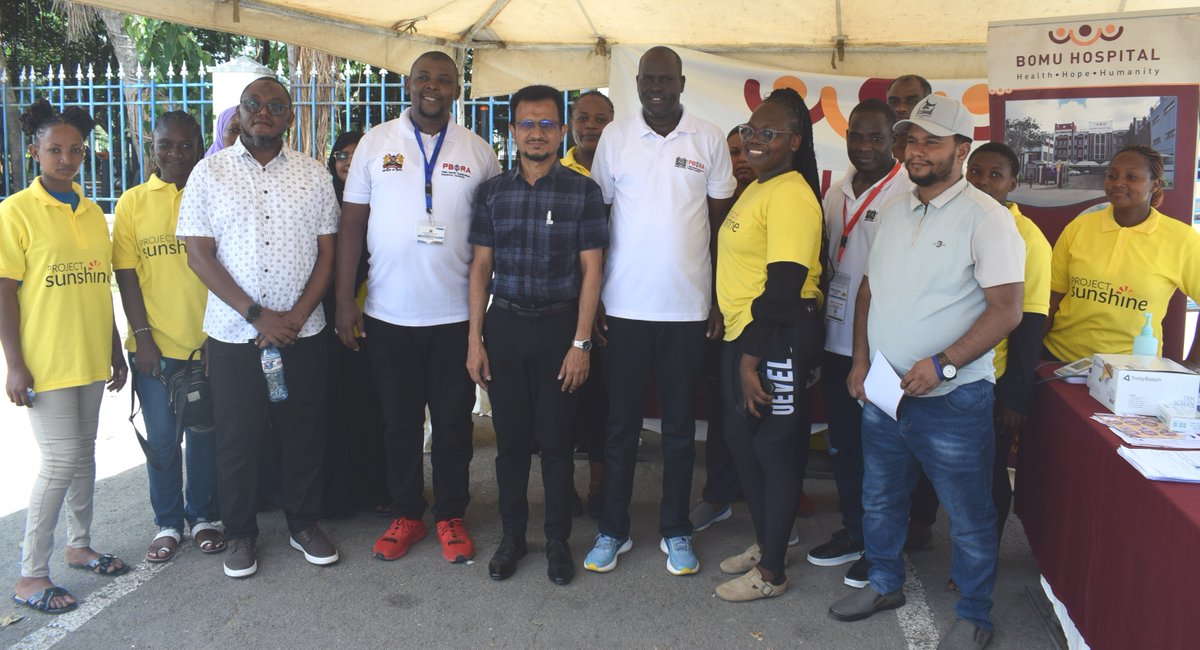
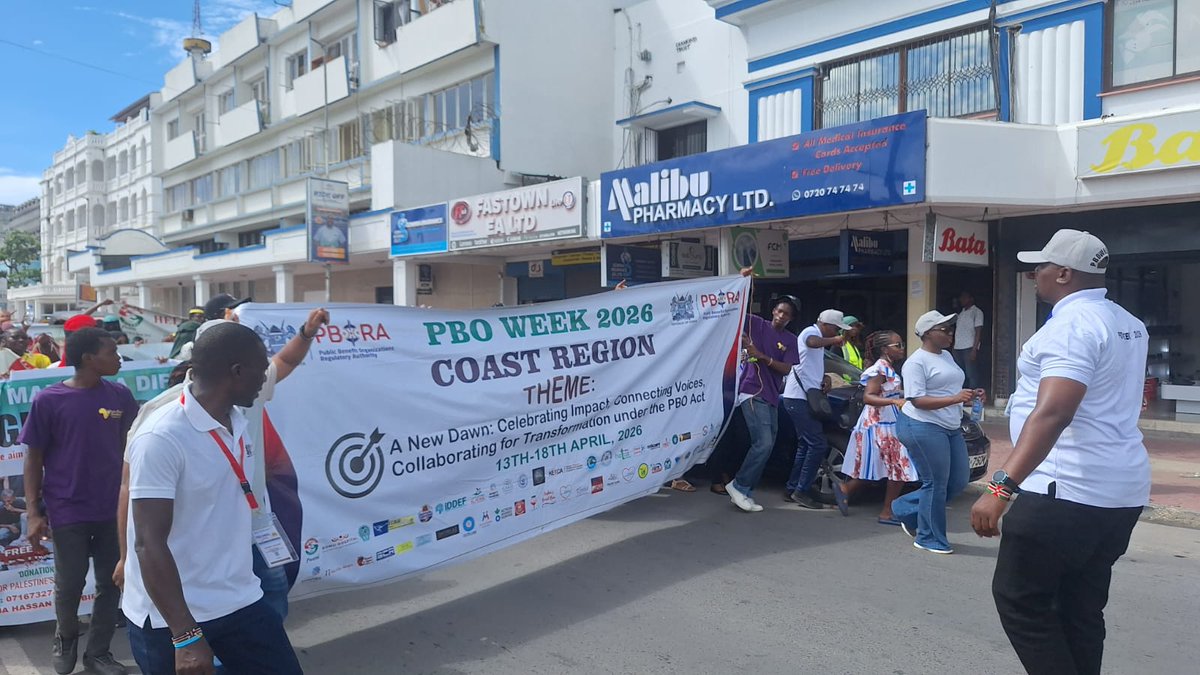
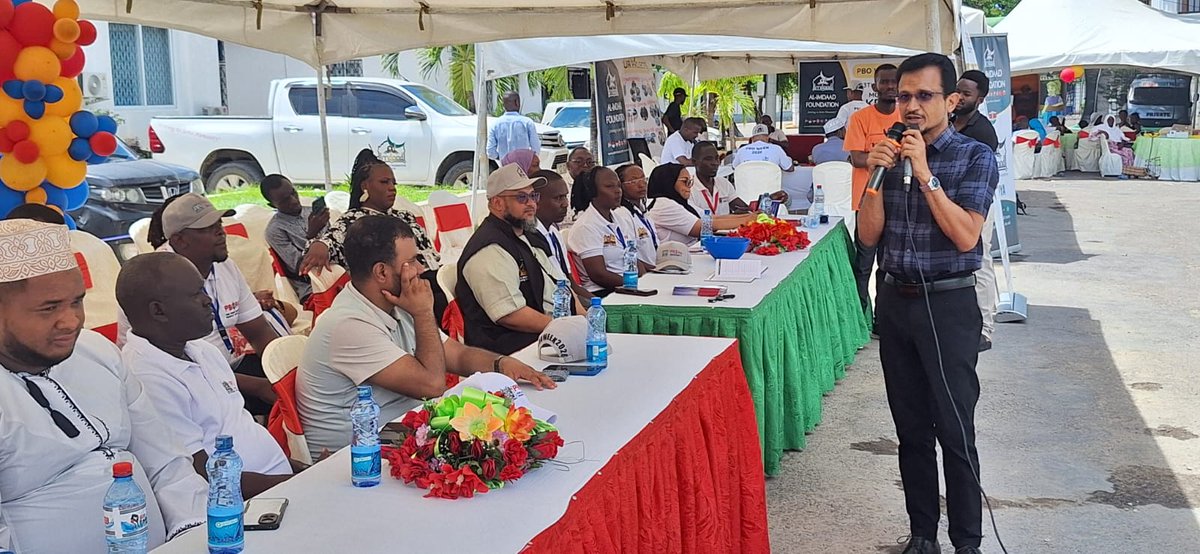
Proud to be part of #PBOWeek2026 marking the sector’s growth and evolution. Honored to support the NGO→PBO transition. @Dr@Laxmana_Kiptoo @PBO_RA @NGOCouncilKenya
#PBOWeek2026 #CommunityImpact #SocialImpact #SustainableChange #PartnershipsForGood #KenyaDevelopment

3
2
49

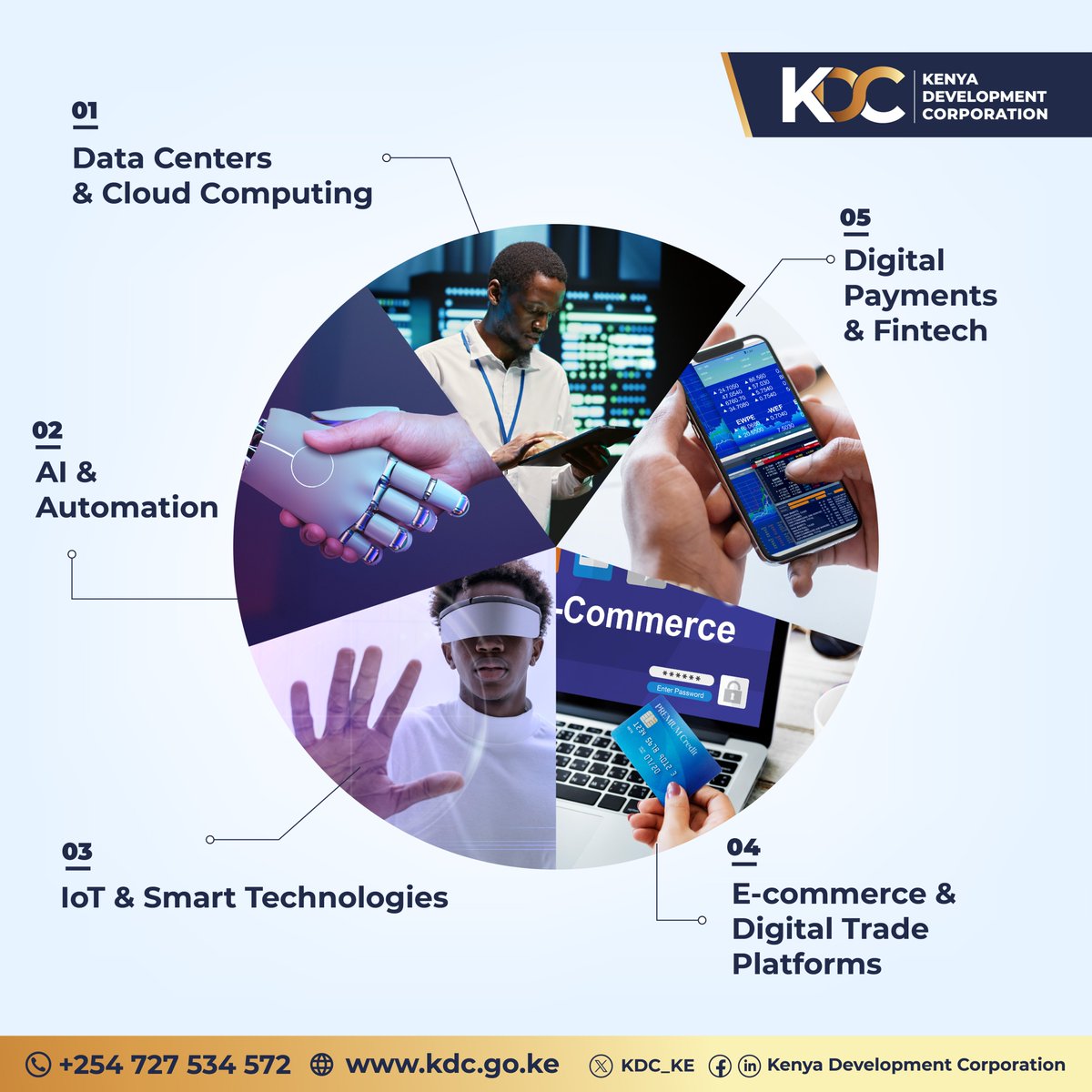
Powering Kenya’s Digital Economy!
Through our Digital Economy Financing, Kenya Development Corporation (KDC) supports investments in:
✅ Data Centers & Cloud Computing
✅ AI & Automation
✅ IoT & Smart Technologies
✅ E-commerce & Digital Trade Platforms
✅ Digital Payments & Fintech
If your business or project is shaping the future of the digital economy, KDC is ready to partner with you to scale impact and unlock sustainable growth.
Apply Now and take your business to the next level.
#KDC #DigitalEconomy #Innovation #Fintech #AI #Kenya #EmpoweringGrowth
📞 254 727 534 572
🌐 kdc.go.ke
#KDC #DigitalEconomy #Innovation #Fintech #Ecommerce #AI #CloudComputing #SmartTechnologies #KenyaDevelopment #FundingForGrowth @MoICTKenya @ictdigitalke @AMFIKENYA @MITIKenya @KeTreasury @SDPI_AM @FSDKe
2
3
187

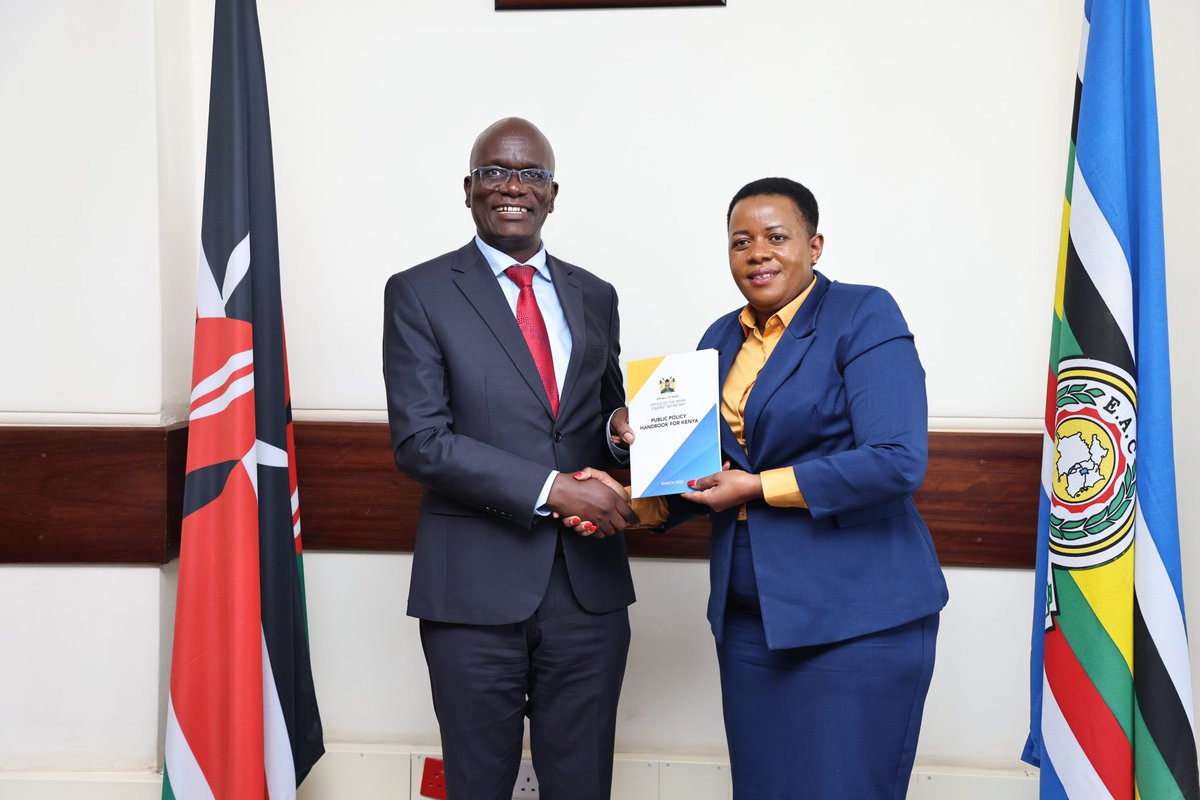
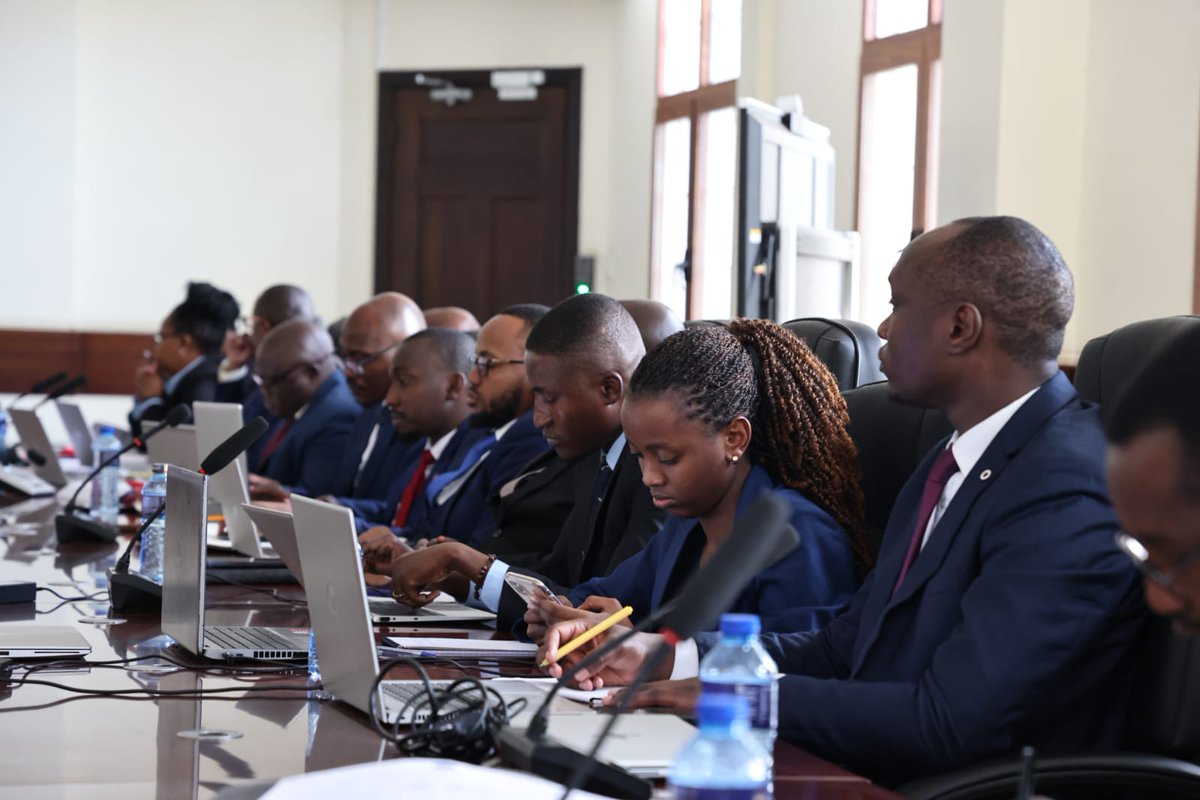
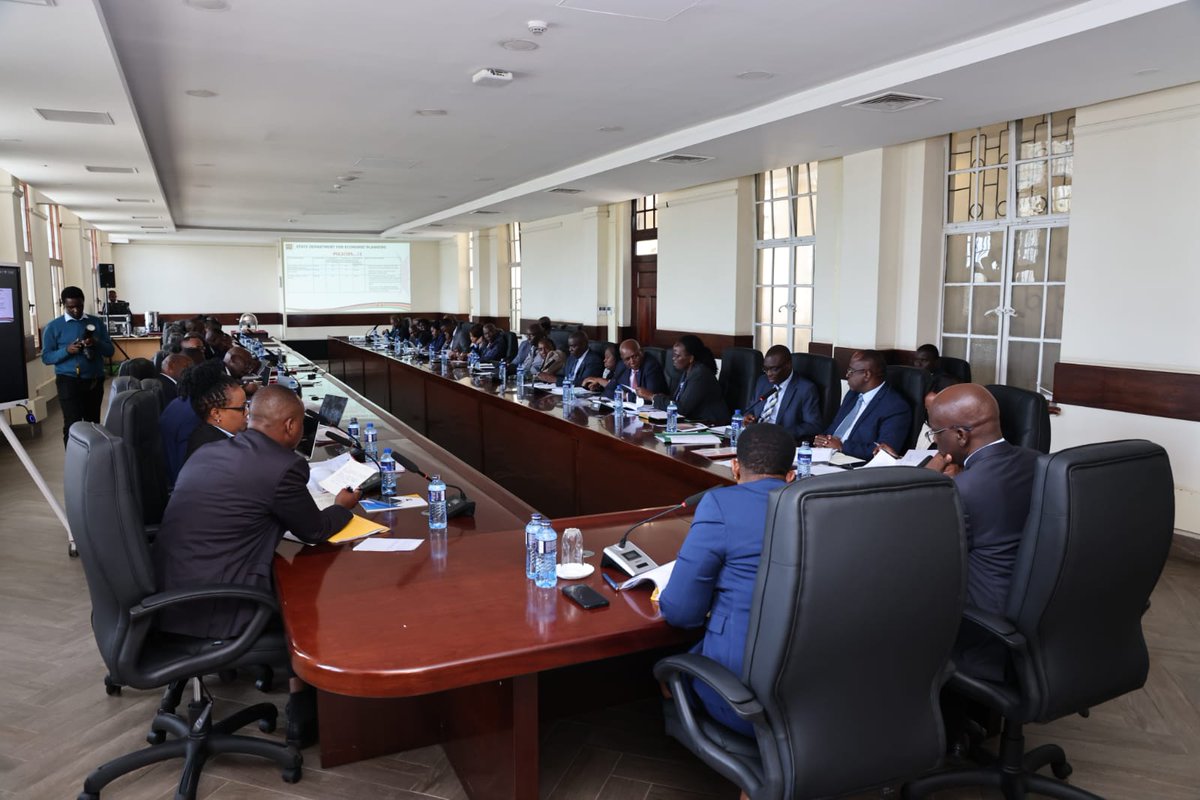
I had the pleasure of hosting the State Department for Economic Planning as we continued with our ongoing Government Legislative Agenda engagements.
Led by PS, Dr. @BonfaceBMakokha, the team presented a forward-looking portfolio of policy and legislative initiatives that speak directly to the future of our nation’s development planning.
What stood out for me is the deliberate focus on strengthening coordination across sectors ensuring that our policies, plans, and budgets are no longer fragmented, but instead work in harmony to deliver meaningful impact for Kenyans. The proposed Economic Planning Policy and Bill, alongside key frameworks on official statistics and governance peer reviews, will go a long way in anchoring a more integrated and evidence-driven approach to development.
We also took note of critical legislative efforts such as the Kenya National Council for Population and Development Bill and the Kenya Vision Bill, both of which are essential in securing continuity and shaping our post-2030 development trajectory.
It is through such collaborative processes that we can ensure timely, responsive, and impactful policy outcomes. I thank Dr. Makokha and his team for their insightful presentation and continued dedication to strengthening Kenya’s planning framework.
#GovernmentLegislativeAgenda #EconomicPlanning #PolicyAndLegislation #KenyaDevelopment #PublicService
2
11
560

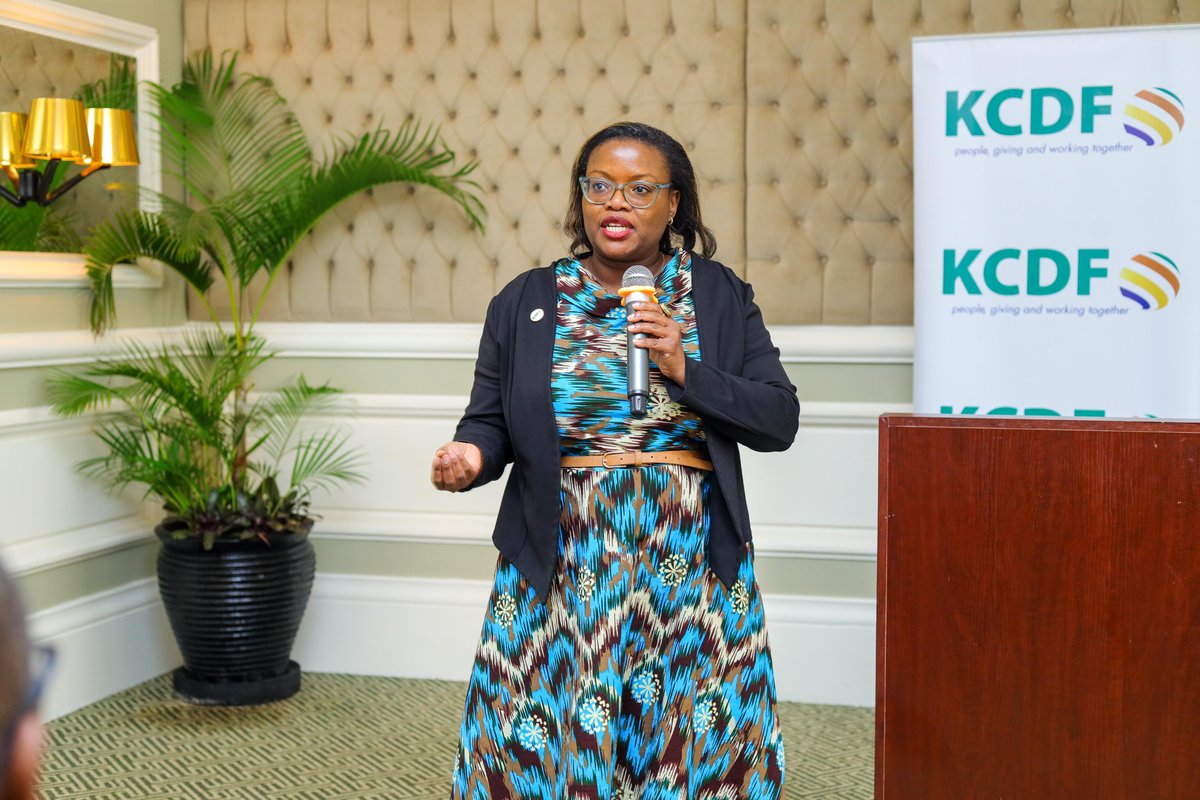
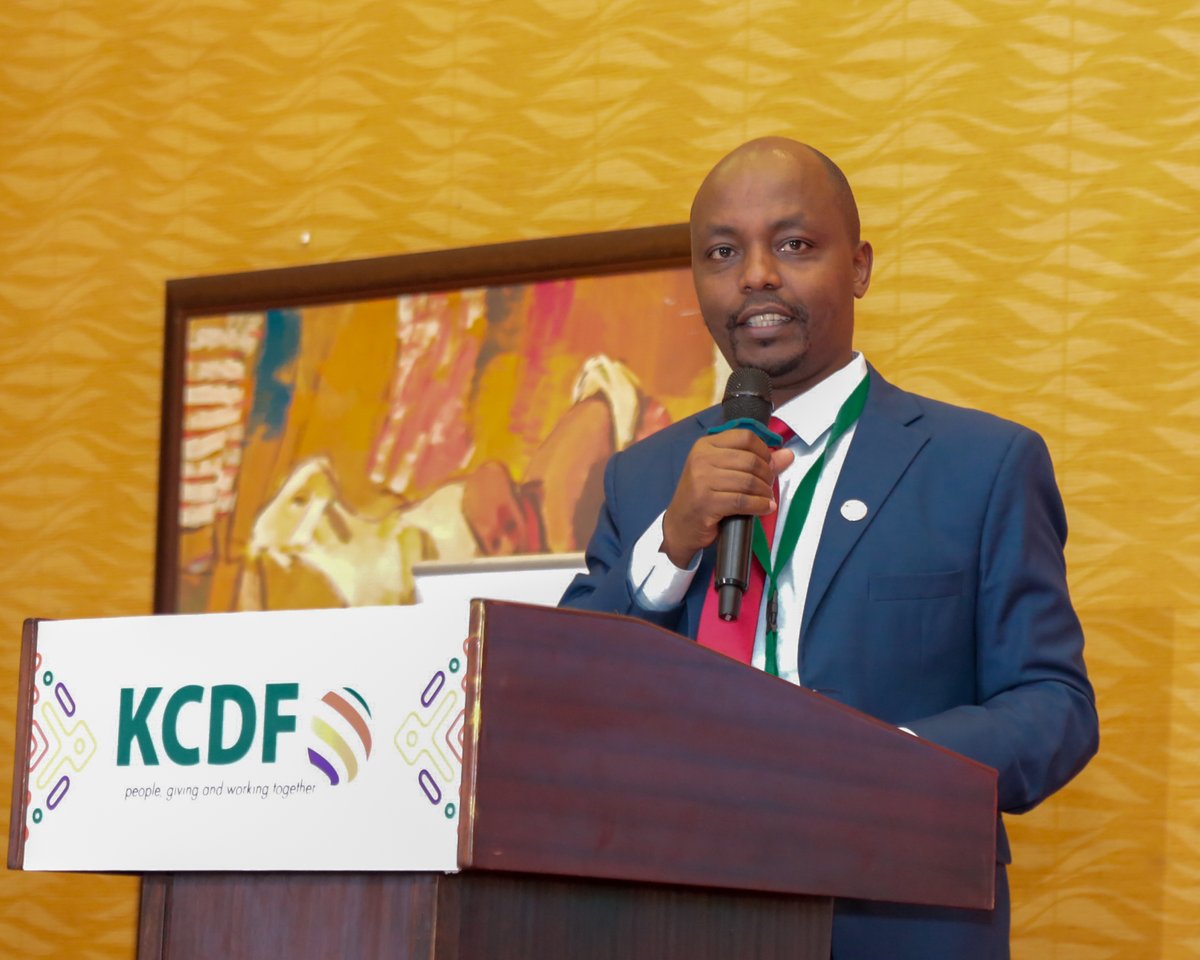
Community led development is often discussed but rarely understood. 🌱 In a conversation with Grace Maingi and Caesar Ngule of the Kenyan Community Development Foundation, one message stands out. Communities are evolving faster than the development sector, and true progress begins when they lead as partners, not beneficiaries.
KCDF highlights that the strongest driver of change is the giving that comes from within. 👐 When communities contribute money, skills, time, and lived experience, ownership grows and development becomes more sustainable.
They remind us that being community led is not a buzzword. It means shifting power, trusting local knowledge, and investing in long term relationships built on honesty and openness. 🤝 And it means valuing community philanthropy just as much as external support.
KCDF’s approach shows that African traditions of giving and solidarity have always been strong. What changes is the method, not the spirit.
📖 Read the full article by Eunice Mwaura and Marc Broere;
👉 viceversaglobal.com/communit…
#CommunityLedDevelopment #KCDF #Localisation #AfricanPhilanthropy #DevelopmentReimagined #KenyaDevelopment
3
16

Mar 16
Singapore is not built in a day — but it is built through deliberate, consistent investments like these.
Every kilometre of road, every market, every infrastructure project is a brick in the foundation of a stronger economy. The real measure of leadership is not rhetoric but the ability to move projects from paper to the ground.
If this MOMENTUM is sustained, Kenya’s transformation will come SOONER than many expected. The direction is what matters — and development must reach EVERY corner of the country.
@WilliamsRuto
@HusseinMohamedg
@NajmaIsmael
@JunetMohamed
@HonAdenDuale
#KenyaKwanza
#KenyaRising
#Infrastructure
#BottomUpEconomy
#KenyaDevelopment
2
312

Mar 16
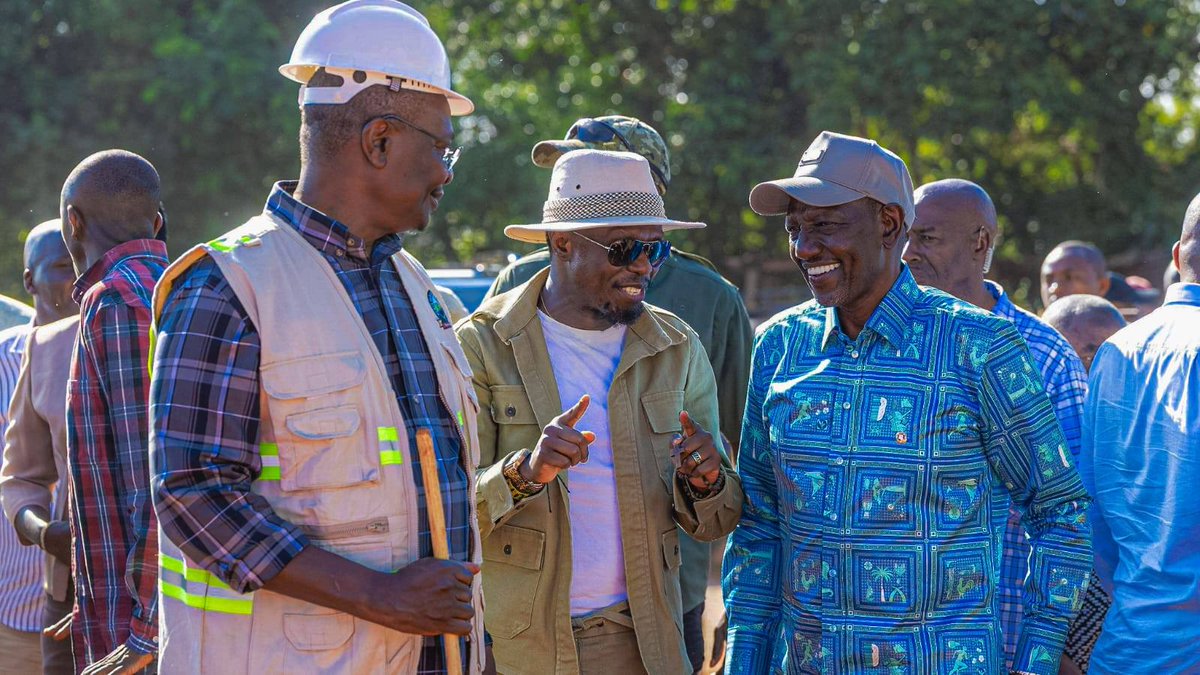
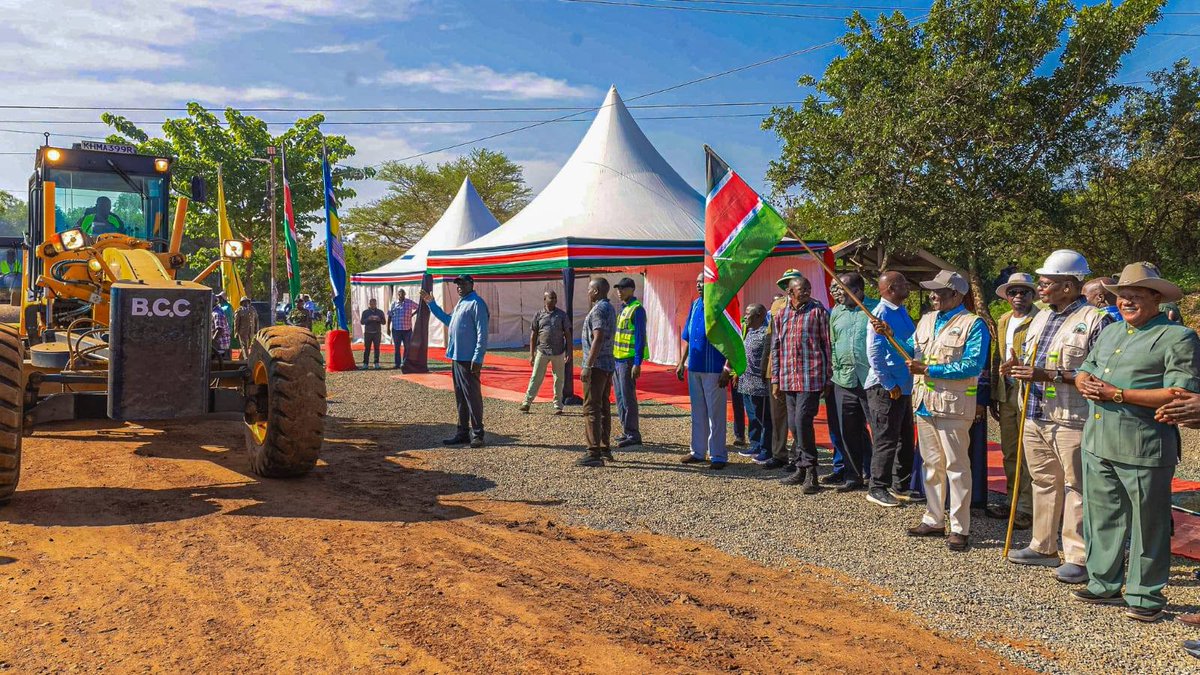
President William Samoei Ruto begins 5-day development tour in Busia, launching the KSh860M Nangina–Sio Port–Okados–Mundere Road and laying the foundation for the KSh130M Budalang’i Modern Market.
#RutoInBusia #KenyaDevelopment #Infrastructure #BusiaCounty


3
468

Mar 7
💧 New hope for Ndhiwa! Nyandemra water project drilling underway – 3 kiosks, 3km reach, clean water for all!
#Ndhiwa #WaterForAll #KenyaDevelopment #LakeVictoriaSouth

Launched the drilling of Nyandemra water project in Ndhiwa, H/Bay.
The project done by National Govt through Lake Victoria South Water Works Development Agency to have 3 water kiosks targeting to serve a radius of 3kilometers.
Together we've resolved for continuity beyond 2027.
1
28