
Jun 12
Most people assume the best teams rise and the worst teams fall.
In American Soccer, a Championship is basically Employee of the Month-you get a plaque and the EXACT SAME JOB!
#ProRelForUSA #MLSisSingleEntity #ThePyramidWorks #NoClosedLeagues #MeritNotMarkets #SportingMerit #CompetitionMatters
28


11
28
1,875

Watch our new ad exposing the risks of the proposed Union Pacific Norfolk Southern merger.
This $85 billion deal would create a coast to coast rail giant controlling a massive share of U.S. freight, raising serious concerns about higher costs, reduced service, and less competition for American businesses and farmers.
We believe in strong infrastructure but not consolidation that puts markets, jobs, and supply chains at risk.
Watch and share 👇
youtube.com/watch?v=iEtWbOwR…
#CompetitionMatters
2
2
269

In 2026-2027, we're putting Canadians first by tackling anti-competitive practices and mergers that could raise prices or reduce choices—especially for essentials needs like food and housing: canada.ca/en/competition-bur…
#CompetitionMatters

ALT Cheerful father playfully pushing his happy child around a living room in a cardboard box.
212

Mar 4
I noticed none of the French grocery chains are on this list, @PierrePoilievre. This is what I mean when I talk about competition laws with real teeth. France has a wide range of grocery chains, plus weekly farmers’ markets in nearly every village, town, and city. Real choice. Real competition. 🧺🇫🇷 en.wikipedia.org/wiki/List_o…
#CompetitionMatters #FoodPrices #Groceries #CostOfLiving #France #FarmersMarkets #MarketCompetition #ConsumerChoice

While you are busy blaming the liberals for the high cost of food, I am sure you brought this into the conversation, correct?
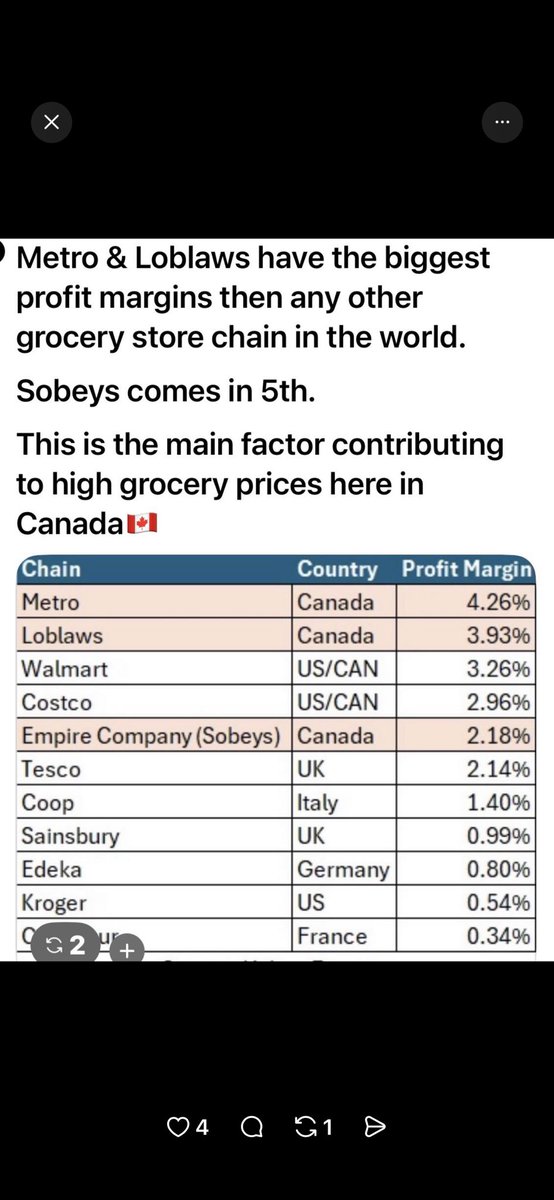
2
46
Feb 23
I live in France — where carbon taxes, fuel standards, packaging regulations, and VAT all exist.
My weekly grocery bill for two people is ~€60.
So if “hidden taxes” automatically make food unaffordable, why isn’t that happening here?
Maybe the problem isn’t taxes. Maybe it’s corporate concentration, weak competition, and price-setting back home in Canada.
#cdnpoli #GroceryPrices #CompetitionMatters #ReceiptsDontLie
1
1
6
73

FOR IMMEDIATE RELEASE
Private Power Is Still Power.
The Libertarian Party of Florida is raising concerns regarding allegations of market exclusion at the Florida High School Cheerleading State Championships.
When a dominant firm can allegedly interfere with a competitor’s contractual vendor rights just 48 hours before a state event, it raises serious questions about gatekeeping and market concentration.
Libertarians do not defend monopolies.
We defend competition.
Free markets require enforceable contracts, open access, and equal rules for all participants.
Power concentrated anywhere — public or private — demands scrutiny.
Florida families, athletes, and small businesses deserve better.
Thanks to @The_Bola_Files for their continued fight for freedom!
#FreeMarkets #CompetitionMatters #CheerCommunity #LPFlorida
6
5
1,500

Feb 13
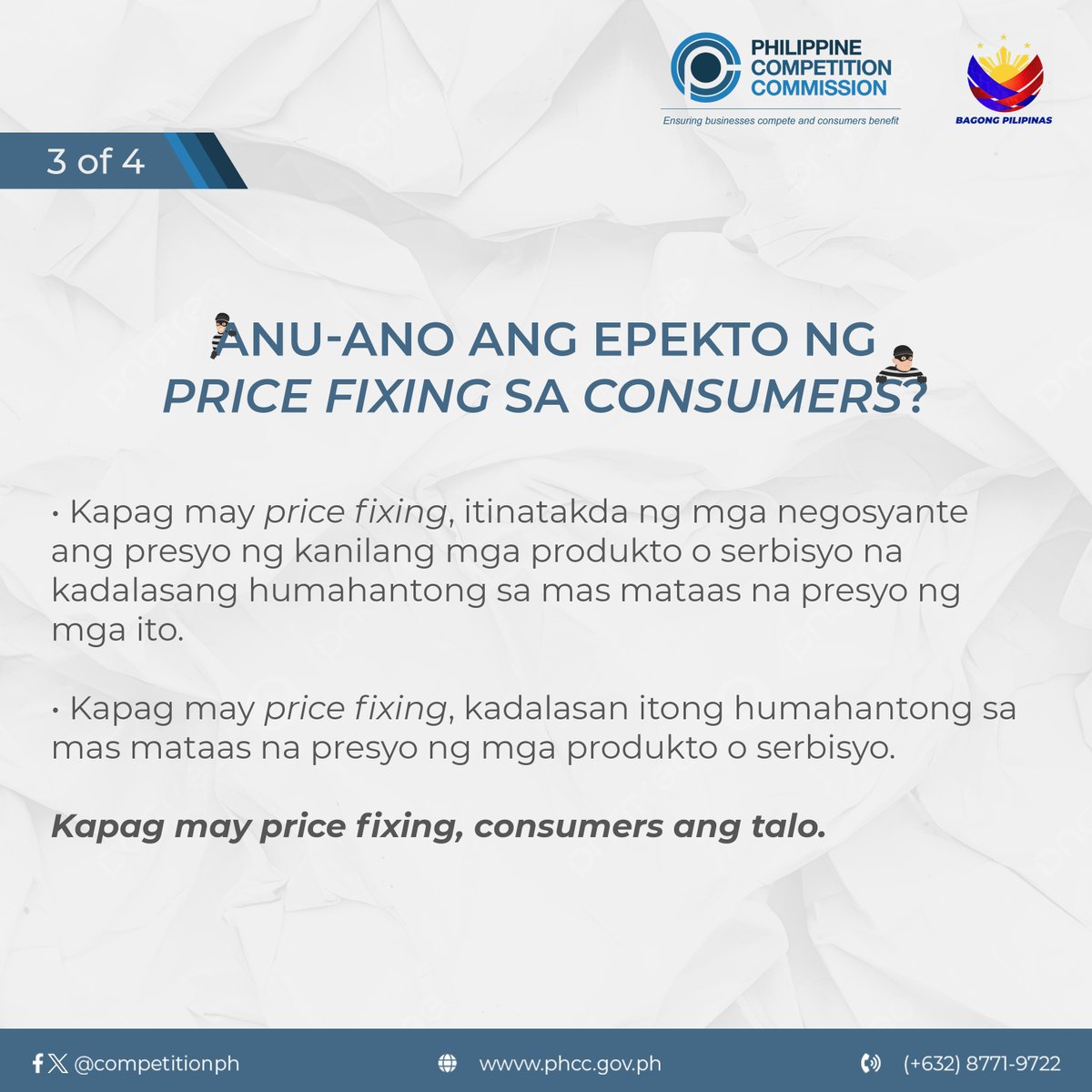
3 OF 4 | Mahahalagang impormasyon patungkol sa "Price fixing"
#CompetitionPH #CompetitionMatters #Pricefixing
1
2
73
If Wiarton Willie can predict an early spring, maybe he can spot competition barriers too!
It's time to forecast a brighter path to financing for Canadian SMEs.🌱(1/2)
#GroundhogDay #SMEFinancing #CompetitionMatters
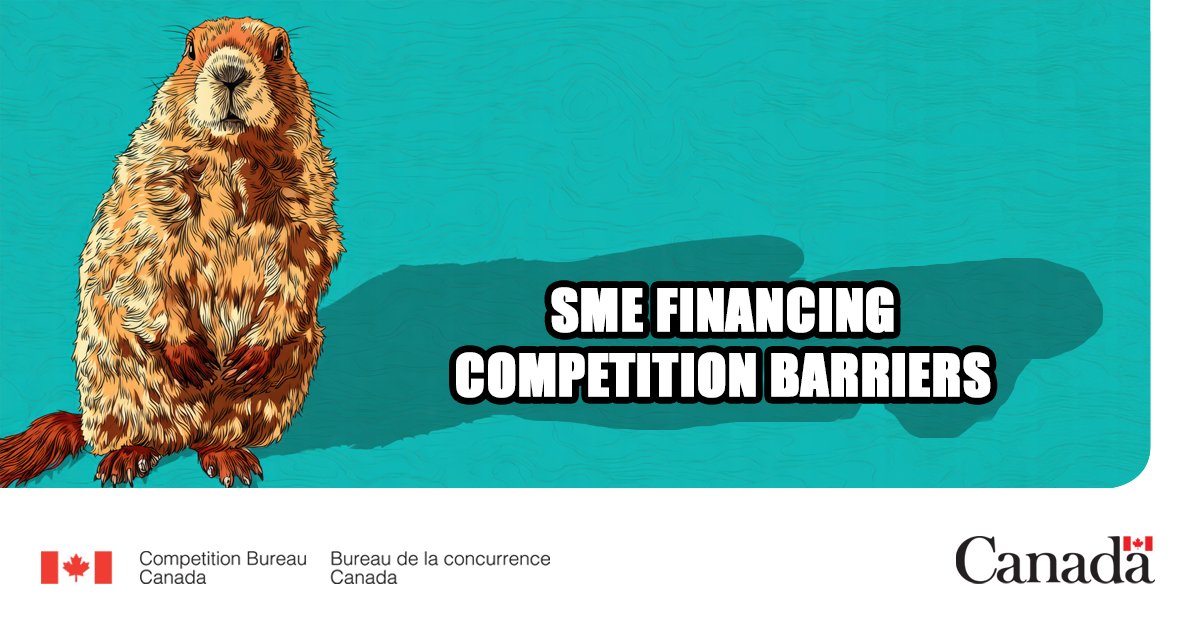
ALT An illustration of a groundhog standing upright on a turquoise background, casting a long shadow to the right. Text over the shadow reads: “SME Financing Competition Barriers”
5
6
326
Today, we launched our market study into the state of competition in the financing sector for small and medium-sized enterprises (SMEs): canada.ca/en/competition-bur…
#CompetitionMatters
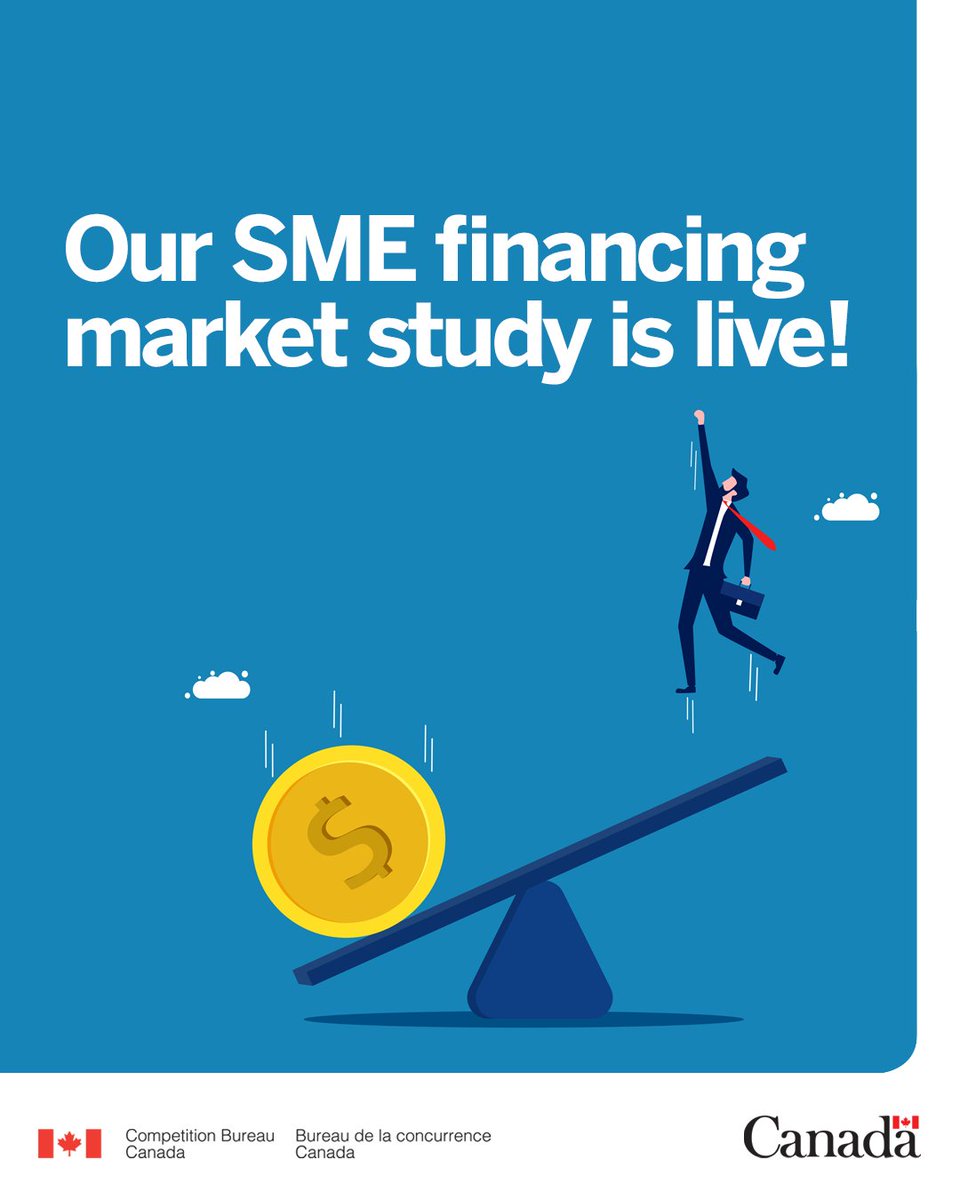
ALT An illustration of a businessman being shot upwards after a large gold coin falls on the other side of a seesaw. The text in image reads: Our SME financing market study is live!
1
3
8
780

Competition isn’t just about markets : it’s about people.
It protects consumers, encourages innovation, and ensures fair prices.
Across the ECOWAS region, ERCA works to uphold these principles every day.
#ERCA #ECOWAS #Competition #WestAfrica #CompetitionMatters
2
111

12 Dec 2025
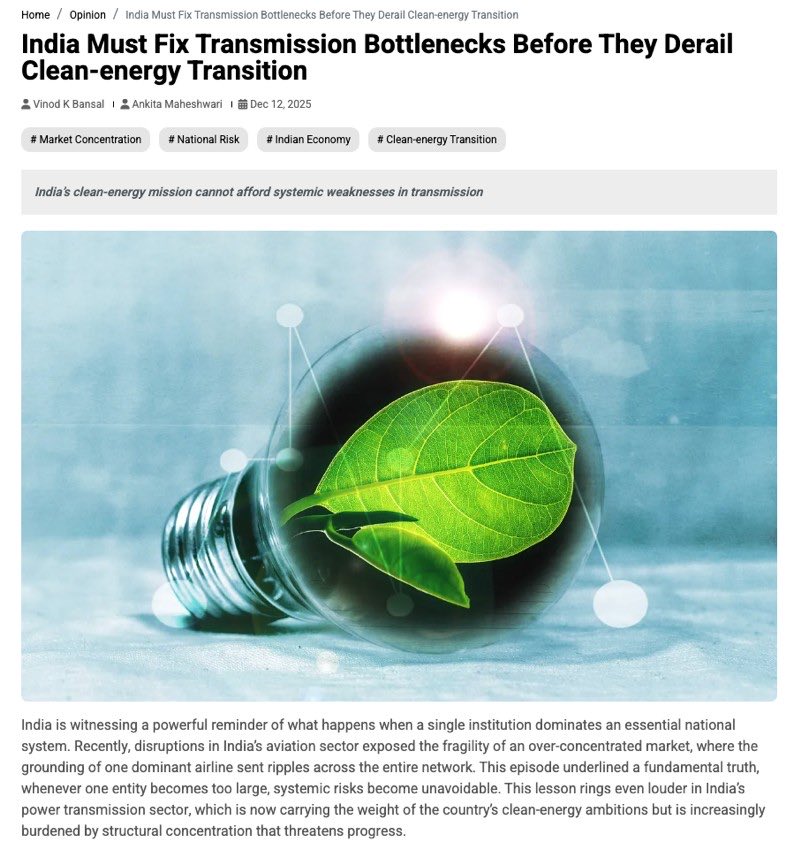
A grid that will carry India’s clean-energy future cannot rely on a narrow bench of developers. Yet today, #PrivateParticipation struggles because high concentration makes it harder for diverse players to compete. With #PGCIL consistently winning more than 50% of ISTS-TBCB projects, private developers, who face higher capital costs simply cannot match tariff levels made possible by sovereign-grade finances. In such cases, private developers naturally step back. Their cost of capital is higher, margins thinner, incentives for innovation shrink and the field feels uneven.
businessworld.in/article/ind…
But the cost isn’t just competitive. It’s innovative. Fewer winners mean fewer ideas, slower diffusion of advanced technologies, and less experimentation in execution models. India’s transmission sector needs a pipeline of developers who can introduce diversity in design approaches, new construction methods and advanced technologies.
If only a couple of firms dominate awards, how do we build a culture of innovation? How do we benchmark performance? How do we diversify execution strategies for a system that needs speed, reliability and redundancy?
Expanding private participation through market caps, partial risk guarantees and blended finance can level the playing field. More players mean more innovation, more resilience, and a stronger grid.
A wider competitive field is an accelerator. It strengthens resilience, attracts more capital and makes the grid smarter. Transmission is too important to be shaped by a narrow pool. A #FutureReadyGrid requires a future-ready competitive landscape.
#CompetitionMatters #InfrastructureQuality #InnovationInEnergy #TransmissionBidding
5
3
5
10,919

12 Dec 2025
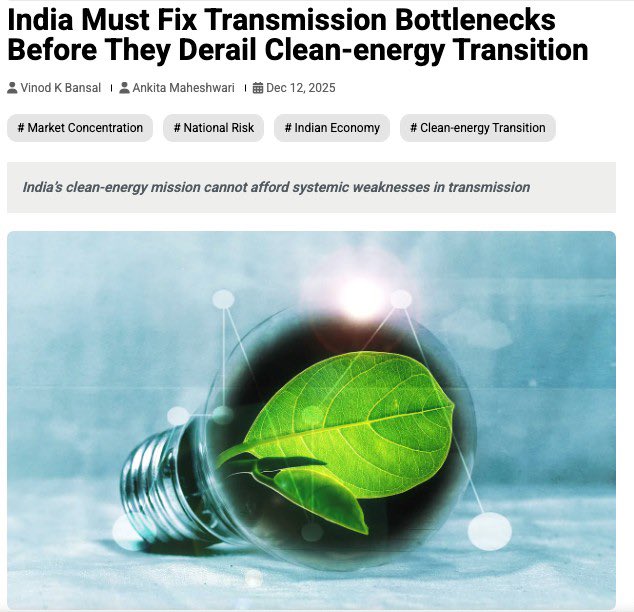
#Curtailment was once dismissed as an operational nuisance. In 2025, it became an alarming signal. Delays of 18-30 months across key transmission schemes in Rajasthan, Gujarat and Andhra Pradesh didn’t just push timelines – they directly shaped renewable output on the ground. Rajasthan alone saw 4 GW of clean energy curtailed between March and August 2025. Curtailment jumped from 8.5% in March to a staggering 51.5% in August.
The ongoing conversation around #IndiGo’s alleged abuse of market dominance – and the @CCI_India’s reported interest in examining pricing and capacity practices – shows how quickly competition concerns can move from “sectoral issue” to “systemic risk”. The same principle applies here. When one executor handles 46 of 91 under-construction ISTS–TBCB projects worth Rs. 1.27 lakh crore, delays aren’t random; they cascade. A slipping corridor in a renewable energy zone doesn’t isolate the problem; it stalls every generator depending on that route.
If aviation warrants scrutiny for potential dominance affecting consumer choice, transmission deserves equal attention for dominance affecting national renewable output. We keep saying India needs more #RenewableEnergy investment. But how do investors feel when completed wind and solar plants have no evacuation access? Can a clean energy transition absorb inefficiency at this scale?
A solution is to enforce soft caps on under-construction market share so execution stress is not concentrated. Alongside this, diversifying bidding participation through blended finance, #QCBS scoring, and alternate corridor planning can make transmission readiness match renewable ambition.
#GridReadiness #PGCIL #IndiGoLesson #CompetitionMatters #MarketshareCaps
Read more: businessworld.in/article/ind…
8
16
35
7,576

9 Dec 2025
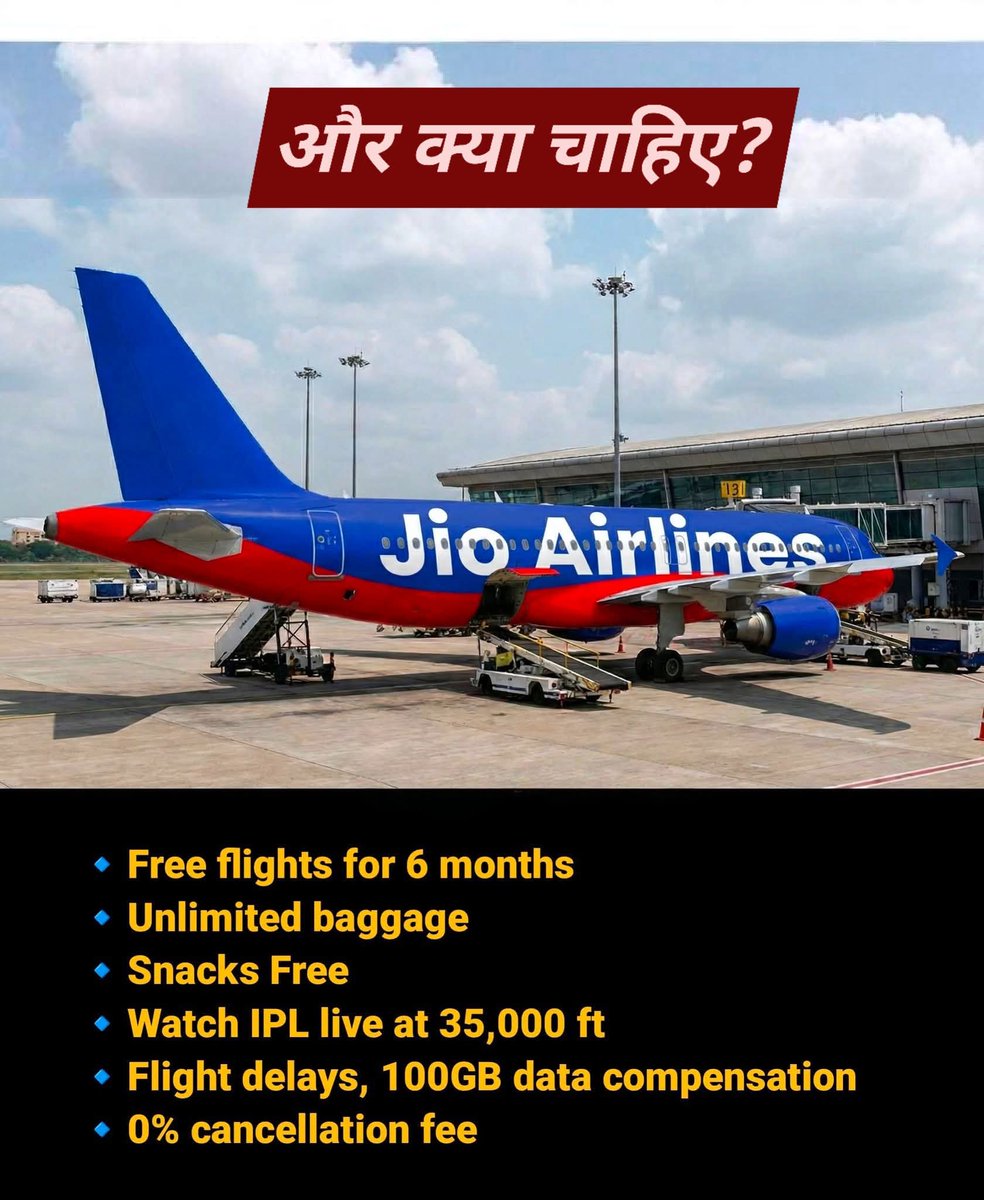
एक दिन इंडिगो रुकी थी…
कल को पूरा देश रुक सकता है — अगर एकाधिकार ऐसे ही बढ़ता गया।
इंडिगो का रुकना सिर्फ उन्हीं को महसूस हुआ जिनकी फ्लाइट उस दिन थी।
लेकिन एक सेक्टर की एक कंपनी रुकती है तो बस कुछ हज़ार लोग परेशान होते हैं।
अब ज़रा कल्पना कीजिए—
अगर हमारे टेलीकॉम के दो बड़े खिलाड़ी — Jio Airtel, जो मिलकर लगभग 75% बाजार पर बैठे हैं — एक दिन के लिए ही ठप पड़ जाएं, तो?
Net banking बंद
UPI भुगतान ठप
OTP ना आए
Trading apps लटक जाएं
Cab – Maps – Delivery apps सब ध्वस्त
काम-काज, बिज़नेस, सरकारी प्रक्रियाएँ— सब शून्य
एक दिन में ही देश का वैल्यू चेन हज़ारों करोड़ के ठप्प नुकसान की तरफ बढ़ जाए।
यही है डुओपोली (Duopoly) का खतरा।
जहाँ दो खिलाड़ी ही देश की सांसों पर नियंत्रण रखते हैं।
इंडिगो ने तो बस एक ट्रेलर दिखाया—
“अगर एक बड़ा खिलाड़ी रुका तो क्या होगा?”
अब चलिए देखते हैं कि और किन क्षेत्रों में यही खतरा धीरे-धीरे देश के सिर पर मंडरा रहा है।
---
1. Digital Payments → UPI पर डिपेंडेंसी
UPI का 60% से ज़्यादा वॉल्यूम PhonePe Google Pay से आता है।
NPCI खुद चिंता जताता है कि "दो ऐप्स पर इतना ज़्यादा भार" खतरनाक है।
👉 अगर इनमें से कोई बड़ी कंपनी एक दिन दिक्कत में पड़ जाए—
देश का आधा पेमेंट सिस्टम ठप।
यानी "Cashless Economy" एक मिनट में Helpless Economy बन सकती है।
---
2. E-commerce → Amazon–Flipkart की दोहरा शासन
भारत के ई-कॉमर्स मार्केट में 70% से अधिक हिस्सेदारी सिर्फ इन दो के पास है।
Sellers इन्हीं पर निर्भर
Deliveries इनके हवाले
Product visibility इन्हीं की मर्जी पर
👉 अगर इनमें से कोई एक बड़े स्तर पर तकनीकी समस्या का शिकार हो जाए?
Retail chain पर ripple effect पूरे देश में महसूस होगा।
और किसी छोटे भारतीय प्लेटफॉर्म की क्षमता इतनी नहीं कि वह उस vacuum को अगले दिन भर दे।
---
3. Aviation → Indigo का “लगभग-monopoly”
इंडिगो की घरेलू मार्केट शेयर 60% के आसपास है।
स्पाइसजेट संकट में, गोएयर बंद, विस्तारा–एयर इंडिया merger के बाद इंडिगो का dominance बढ़ेगा।
👉 Indigo एक दिन रुकती है → हज़ारों फ्लाइट्स, करोड़ों लोग, पूरा logistic chain धीमा पड़ जाता है।
वही संदेश: “एक विकल्प कम होगा, तो पूरा देश एक झटके में रुक सकता है।”
---
4. Social Media → Meta (Facebook Instagram WhatsApp)
भारत के सोशल ऐप्स का 90% इन्फ्लुएंस Meta के तीन ऐप संभालते हैं।
एक दिन WhatsApp बंद हो जाए तो?
Banks की verification रुक जाएगी
Small businesses की communication टूट जाएगी
Co-ordination apps ठप
Education, offices, customer service— अराजक स्थिति
WhatsApp सिर्फ “चैटिंग ऐप” नहीं है— यह भारत का अनौपचारिक OS बन चुका है।
---
5. Online Maps & Navigation → Google Maps का पूर्ण एकाधिकार
भारत में Navigation का 95% हिस्सा Google Maps चलाता है।
अगर Google Maps एक दिन glitch कर जाए:
पूरे देश में cabs, buses, logistics सब off-track
Delivery services directionless
Travel industry की क़माई खत्म
Emergency services तक प्रभावित
यानी “Google Maps बंद → देश का Movement बंद”।
---
6. Cloud Services → AWS Azure का दबदबा
सरकारी डेटा से लेकर स्टार्टअप्स तक—
भारत की 60–65% cloud dependency इन्हीं दो पर है।
अगर इनमें से कोई एक बड़े पैमाने पर outage झेलता है,
तो:
Banking
Fintech
Startups
eGovernance
सबकी रीढ़ एक झटके में टूट सकती है।
---
एक ही निष्कर्ष — भारत को विविधता (diversity) चाहिए, निर्भरता नहीं
जब एक देश अपने महत्वपूर्ण सेक्टरों में
एक–दो कंपनियों पर टिक जाता है,
तो देश ताकतवर नहीं… ग़ुलाम हो जाता है।
इंडिगो ने सिर्फ एक चेतावनी दी:
"अगर विकल्प नहीं हैं, तो एक दिन पूरा देश रुक सकता है।"
सिस्टम जितना विविध होगा, जोखिम उतना कम होगा।
चॉइस जितने ज़्यादा होंगे, देश उतना सुरक्षित होगा।
#Monopoly #Duopoly #MarketControl #AntiMonopoly
#MarketDominance #CompetitionMatters
#ConsumerRights #IndiaEconomy #DigitalIndia #UPIDependency
#TelecomIndia #TechMonopolyIndia
#AviationMonopoly #DigitalMonopoly #MarketRiskIndia
#DataDependency #AppMonopoly
#BigTechControl #UPIMonopoly
#OnlinePaymentsIndia #DigitalFreedom #AviationCrisis
#IndigoMonopoly #AirTravelIndia
#FlightChaos #CorporateControl
#TooBigToFail #SystemicRisk
#DependenceKillsChoice #ThinkBeforeYouTrust #DiversifyIndia #VikalpJaruriHai
#ChoiceMatters #RiskOfDependence
2
24

8 Dec 2025
7 - Because the day India wakes up to a telecom duopoly,
we’ll look back at the IndiGo meltdown and say:
“Those were the good old days.”
#SaveIndianTelecom #CompetitionMatters #TelecomDuopoly #vodafoneidea
1
4
192

7 Dec 2025
India's duopoly dilemma!
Airtel & Jio dominate telecom, Adani & Ambani rule media, Uber & Ola own rides, Swiggy & Zomato rule food delivery... the list goes on ..
We can already feel the heat with major markets getting dominated by one or two pkayers (recent Indigo/Air india fiasco) #Duopoly #IndiaEconomy #CompetitionMatters #IndiGoCrisis #AviationCrisis
PORTS: Adani
DTH: Tata / Airtel
TELECOM: Jio / Airtel
MEDIA: Adani / Ambani
AIRPORTS: Adani / GMR
AIRLINES: IndiGo / Air India
CEMENT: Adani / UltraTech
APP-BASED RIDE: Uber / Ola
CINEMA SCREENS: PVR / INOX
E-COMMERCE: Amazon / Flipkart
FOOD DELIVERY: Swiggy / Zomato
QUICK COMMERCE: Blinkit / Zepto
DIGITAL PAYMENTS: Google/PhonePe
When two major giants dominate a given segment , it’s going to suppress fair competition and ultimately hurt the consumers.
1
6
178

6 Dec 2025
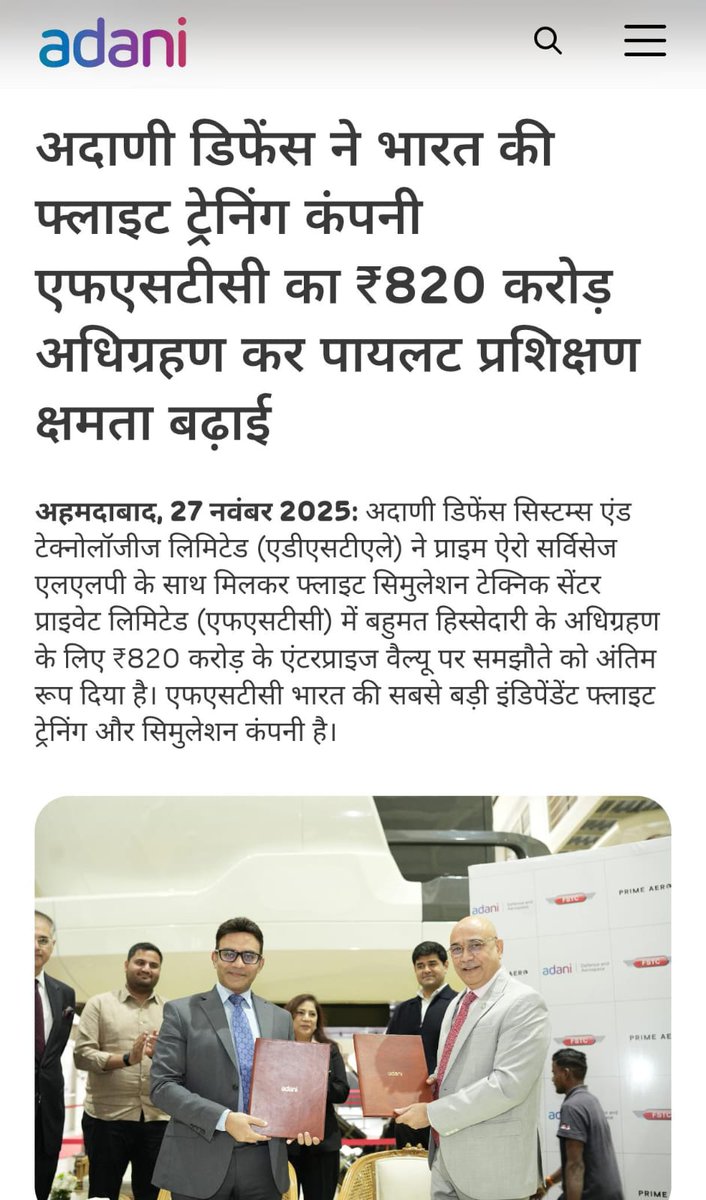
- अडाणी डिफेंस ने Prime Aero Services LLP के साथ मिलकर FSTC में **72.8% बहुमत हिस्सेदारी** ₹820 करोड़ में खरीदी। अब पायलट ट्रेनिंग की भारत की सबसे बड़ी इंडिपेंडेंट कंपनी भी अडाणी के पास – पहले से एयरपोर्ट्स, Air Works और Indamer जैसी MRO कंपनियां हैं। क्या एविएशन का पूरा इकोसिस्टम एक ही ग्रुप के हाथ में जाना ठीक है?
- भारत में अगले 10 साल में **20,000 नए पायलट्स** की जरूरत पड़ेगी (एयरलाइंस 1500 नए विमान ला रही हैं)। ट्रेनिंग में कॉम्पिटिशन कम होने से फीस बढ़ सकती हैं, स्लॉट्स मिलना मुश्किल हो सकता है – मिडिल क्लास का पायलट बनने का सपना और महंगा हो जाएगा?
- अभी भी कुछ बड़े प्लेयर्स बचे हैं जैसे CAE-IndiGo का जॉइंट वेंचर, लेकिन FSTC सबसे बड़ी इंडिपेंडेंट थी। मोनोपॉली नहीं बनेगी तो भी अडाणी का दबदबा बहुत बढ़ जाएगा – ट्रेनिंग क्वालिटी, सिलेबस, सिमुलेटर बुकिंग सब एक ही ग्रुप की मर्जी पर?
- अडाणी के पास अब **ट्रेनिंग MRO (मेंटेनेंस) कई बड़े एयरपोर्ट्स** तक पूरा चेन है। नई पायलट्स या छोटी एविएशन कंपनियां अडाणी पर पूरी तरह निर्भर हो जाएंगी? क्या इससे निष्पक्ष कॉम्पिटिशन खत्म हो रहा है?
- यह डील आत्मनिर्भरता और डिफेंस पायलट ट्रेनिंग को बूस्ट देगी (अडाणी का दावा), लेकिन क्या एक प्राइवेट ग्रुप का इतना कंट्रोल स्ट्रैटेजिक सेक्टर में सुरक्षित है? दूसरे निवेशकों को मौका क्यों कम हो रहा है?
- CCI (Competition Commission of India) ने इस डील की गहराई से जांच की क्या? एविएशन जैसे महत्वपूर्ण सेक्टर में मोनोपॉली की आशंका पर सरकार को पारदर्शी जवाब देना चाहिए।
- अगर फीस या सीटें कंट्रोल हो गईं तो पायलट की कमी और बढ़ेगी – अभी भी इंडियन एयरलाइंस को विदेशी पायलट्स हायर करने पड़ते हैं। क्या यह देशहित में है या एक ग्रुप की मोनोपॉली?
#AdaniFSTC #AviationIndia #PilotTraining #CompetitionMatters #जागोभारत
2
2
47
18 Nov 2025
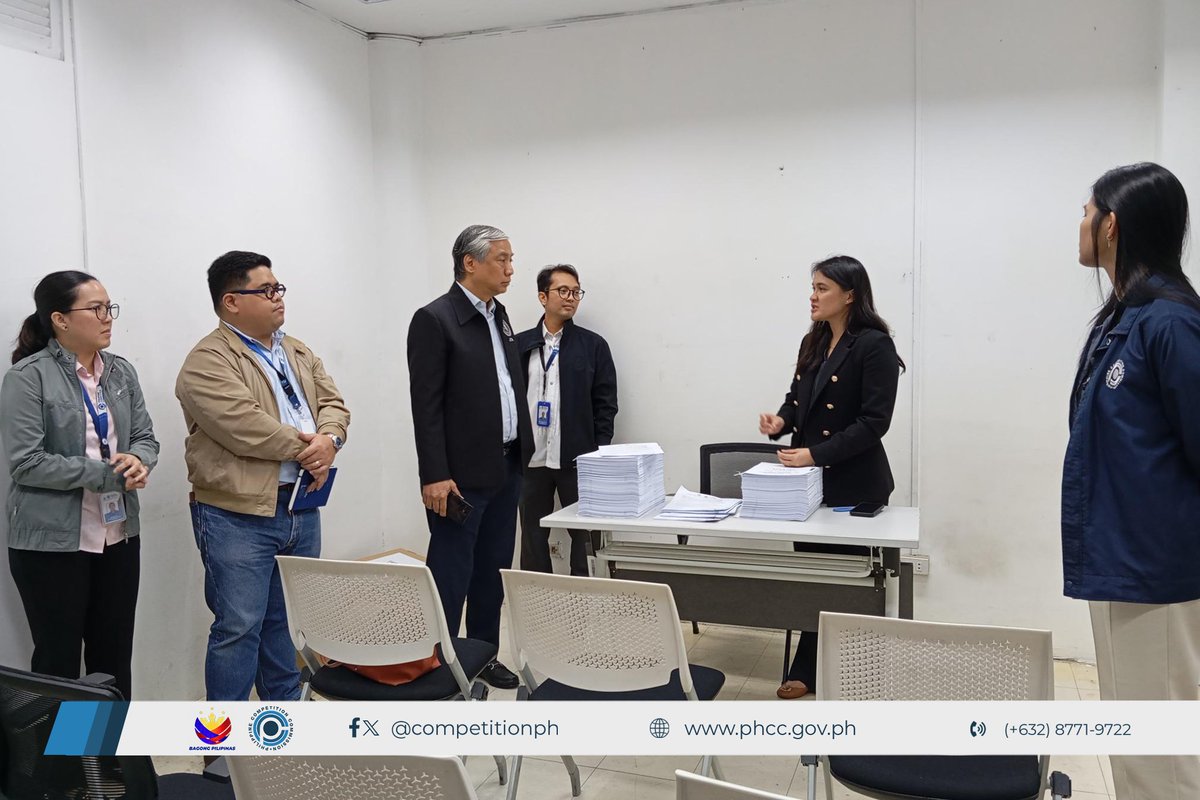
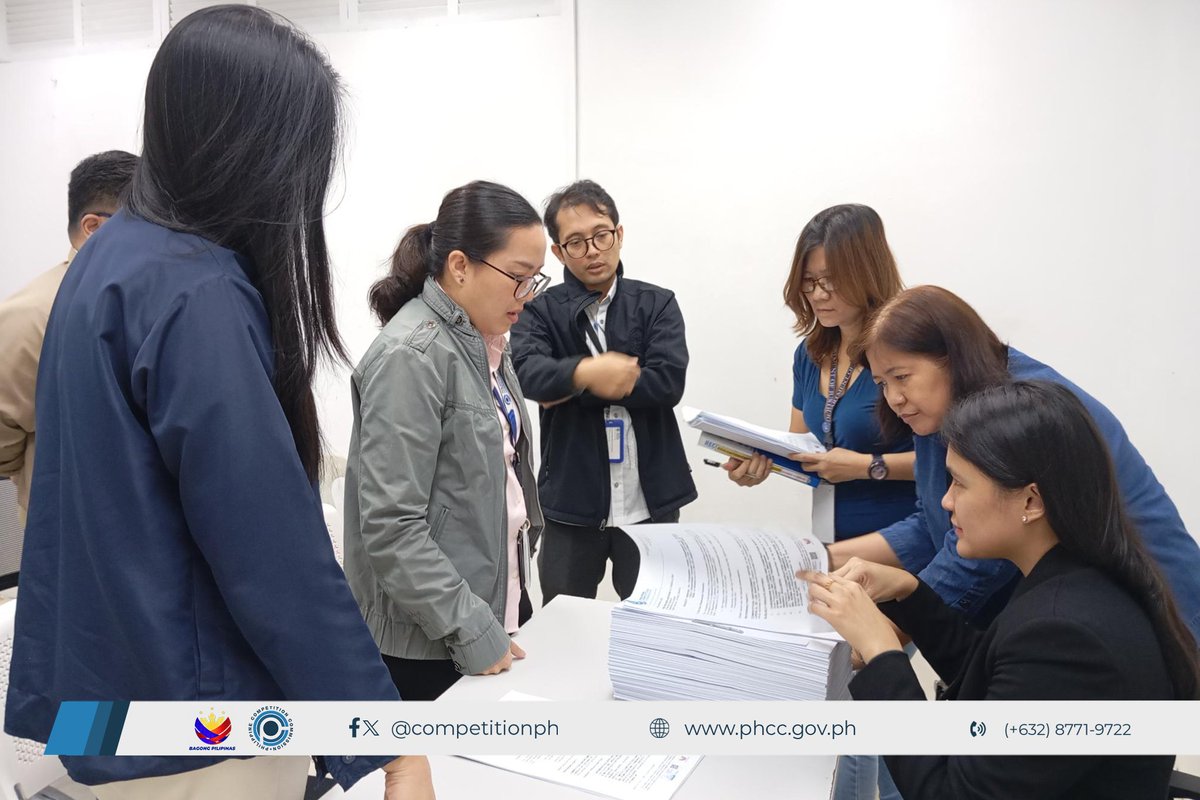
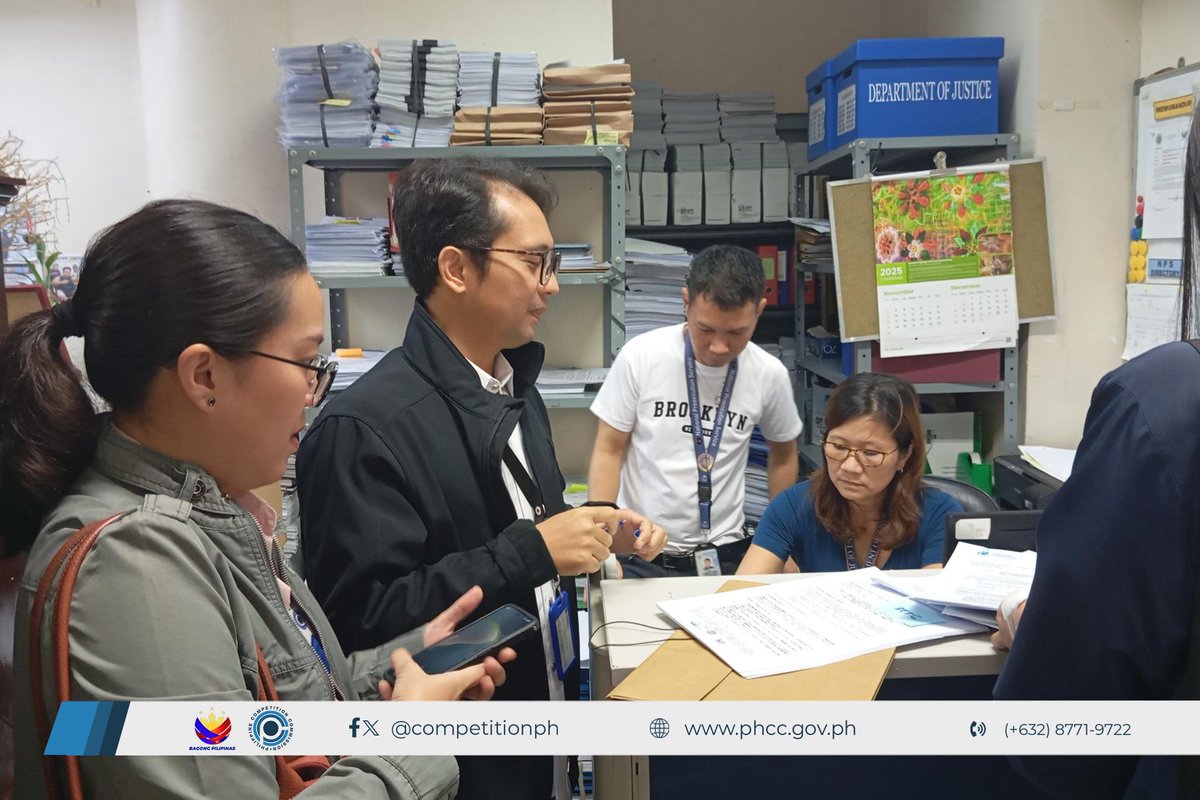
PRESS RELEASE: PCC refers bid-rigging case to DOJ for evaluation | Read more: bit.ly/PCC-BidRiggingCaseRef…
#CompetitionPH #CompetitionMatters #FairBidding #StopBidRigging
2
100
🎥Fairness in action…
Discover how ERCA is empowering businesses, protecting consumers, and building trust across West Africa.
#ERCA #FairMarket #StrongWestAfrica #CompetitionMatters #ECOWAS
2
37

29 Oct 2025
When a single tech company dominates innovation, who truly wins — and who gets left behind?
chattabox.com/post/wrmdzbfq/…
#BigTech #InnovationAtRisk #TechMonopoly #CompetitionMatters #FutureOfTech #IndustryDominance #StartupEcosystem #DigitalPower #TechNews #Antitrust
1
1
27