
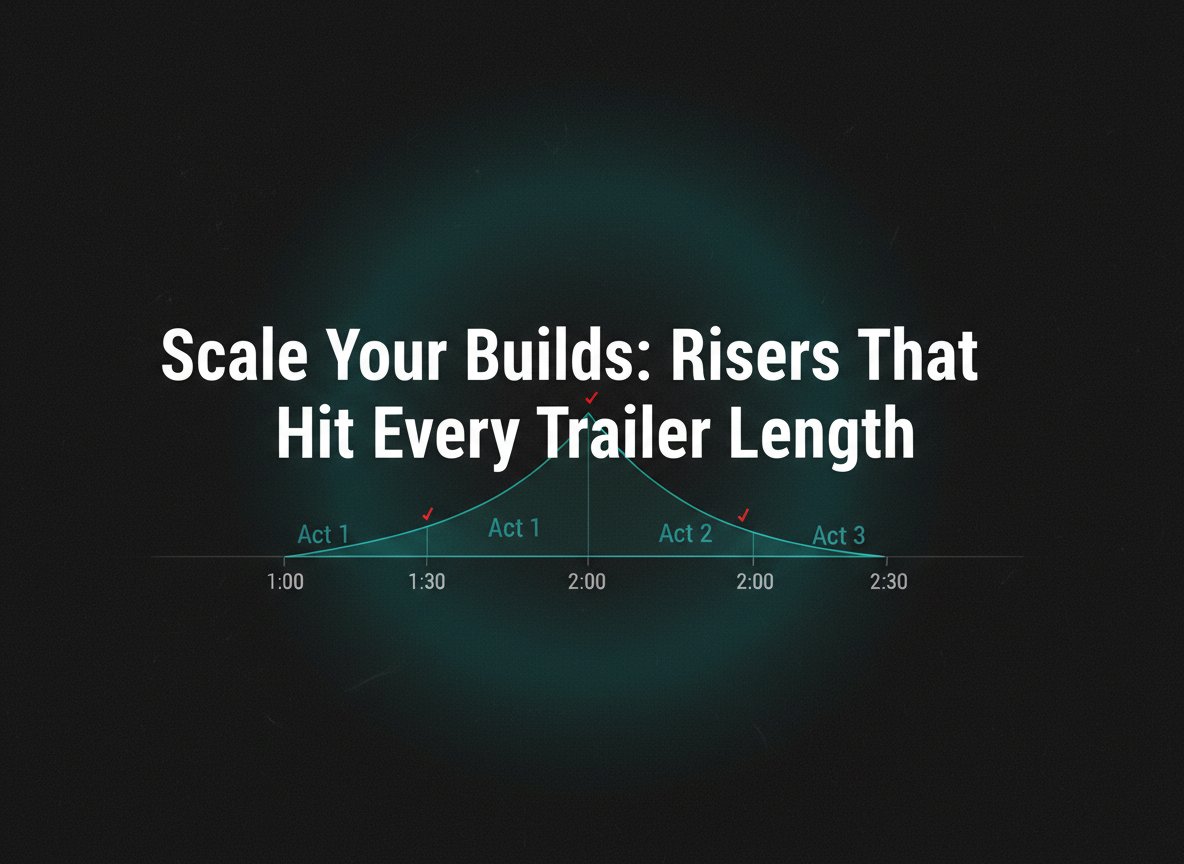
Tired of your epic builds getting rejected because they don't sync across trailer lengths? Here's how to make risers and hits land perfectly every time—1:00 to 2:00 .
This is a huge pain point for composers—crafting something epic only to get silent rejections because the peaks feel off or the structure doesn't flex. The good news: you can solve it with one mindset shift and a scalable framework.
No single "ideal" cue length exists, but the sweet spot for most sync libraries and trailer placements is 1:30–2:30 (often leaning 2:00–2:30 for full cinematic cues). Editors rarely use the whole track—they excerpt, loop, truncate, or rearrange sections. Longer cues give more usable material (quiet intros for teasers, extended climaxes for bigger spots); shorter punchy ones still place if they're modular and flexible.
The foundation is trailer music's three-act structure, mirroring the trailer's narrative arc: hook/establish tone → raise stakes/tension → peak excitement → often a big unresolved hit or tag.
This structure scales proportionally (percentages, not fixed seconds like "always riser at 15s/30s"). Those example timings are just rough industry averages from common pacing—they compress for short teasers or expand for longer trailers, but the proportions keep the emotional flow balanced and editor-friendly.
Here's how key elements (risers, builds, hits, etc.) adapt across lengths:
Act 1 (Setup/Intro): Establishes mood/tone (ambient, brooding, emotional, minimal). Often 20–40% of the track.
- Shorter trailer (e.g., 1:00): ~15–20s
- Medium (1:30): ~20–30s
- Longer (2:00 ): ~30–45s
- Key elements: Subtle risers or pulses early (maybe a gentle build starting ~10–15s in), occasional hits for emphasis, but low intensity. Leave space for VO/dialogue.
Act 2 (Build/Rising Tension): Momentum grows—layers add (percussion, rhythms, bigger orchestration), tension rises with repeats/phrasing. Often the longest section (40–50% of track).
- Shorter: ~30–40s
- Medium: ~45–60s
- Longer: ~60–90s
- Key elements: Progressive builds, risers that escalate (e.g., mid-length riser peaking midway), multiple intensity steps (build to medium → higher), clean transitions/breaks for cuts. Editors love repeatable 8-bar phrases here for montages.
Act 3 (Climax/Peak): Full energy—big percussion, brass/choir swells, massive hits, often a "ridiculous" over-the-top finale or unresolved boom. 20–30% (or less if it ends abruptly for impact).
- Shorter: ~15–25s
- Medium: ~30–45s
- Longer: ~45–60s
Key elements: Huge riser into drop/hit, sustained climax, then quick power-down or stinger (no tidy resolve—leave hanging for the "see the movie" urge). Fakeouts/silences help editors punch cuts.
Some cues add a short Act 4/Outro/Tag (5–10s): A final hit, reverb tail, or drop-out for the logo/credits.
Pro tip: Build in stems, varied riser lengths, and clean breaks/transitions—this makes your cue ultra-adaptable across any trailer length. Move from "make it huge" to "make it serve the edit," and placements become consistent.
#SyncLicensing #trailermusic #cinematicmusic #ComposerTips
11
144

Feb 3
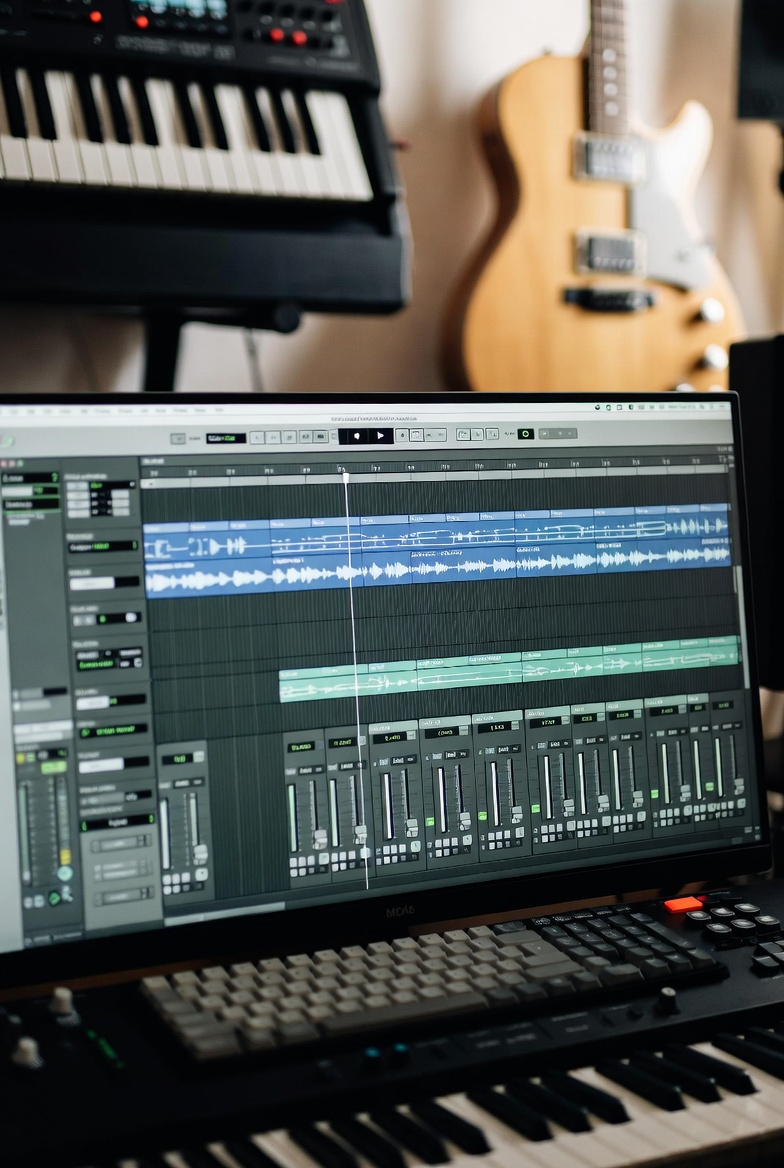
Stuck in a creative rut as a music composer? Pilpil Music's guide shares practical strategies to break through blocks and reignite your flow!
#CreativeBlocks #MusicComposer #ComposerTips #MusicProduction #PilpilMusic
pilpilmusic.com/overcoming-c…
3
4
46
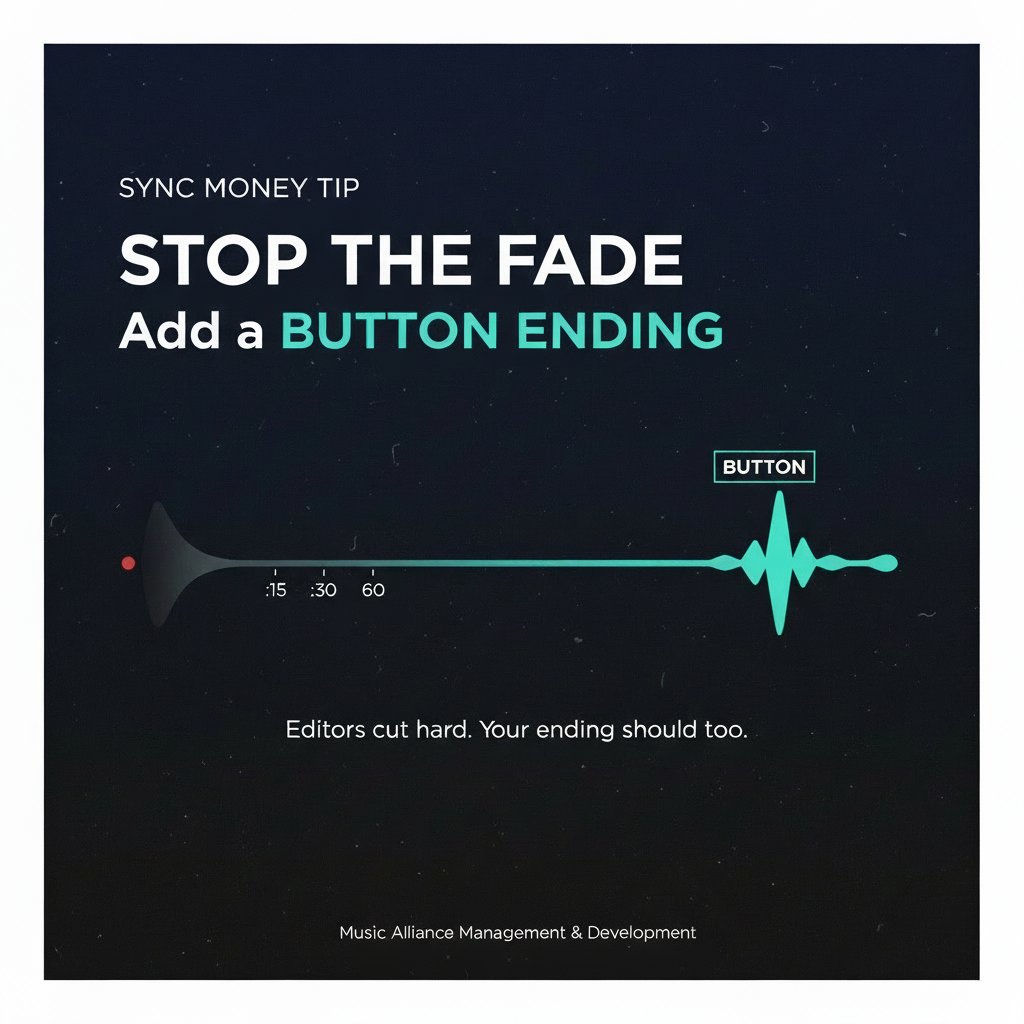
If your sync tracks fade out slowly, you're quietly sabotaging your own placements.
Not because the music isn't fire.
Because video editors live in a world of hard cuts: :15s, :30s, :60s, logos, reveals, and scene transitions that demand precision.
A lingering fade-out? It forces awkward overlaps, muted energy, or forced edits that kill the impact.
Result: Your track gets skipped for one that "just works."
Enter the button ending (aka stinger or sting): A decisive final hit/chord/sting that resolves cleanly, with a short, controlled tail (0.5–2 seconds). Boom — done.
Why this one change unlocks more sync money (TV, ads, trailers, games):
- Editors can snap-cut to picture instantly (no messy tails bleeding into dialogue or visuals)
- Perfect for punchy moments: product shots, montages ending strong, promo stings
- Libraries love edit-friendly tracks → more forwards to supervisors → higher chance of repeat licenses
- Bonus: Create 15/30/60 cutdowns effortlessly from the same master
Quick before/after (imagine this over your track — works great in Reels too):
BEFORE (fade-out):
The final chorus builds... then slowly dissolves. Energy drifts away over 10–20 seconds. Reverb lingers endlessly.
Editor thinks: "Great vibe, but I can't land the logo at :29.5 without it sounding weak." → Pass.
AFTER (button ending):
Final chorus peaks... then BAM — big, resolved chord/stab crisp hit. Short natural ring-out. Sharp stop.
Editor thinks: "Perfect — cuts clean to black, hits the reveal, or transitions seamlessly." → Licensed.
Pro checklist to add a button ending today:
- Resolve strong (tonic/root note for satisfaction)
- Clean stop (gate noisy elements, no endless cymbal/reverb wash)
- Short tail only (let it breathe, but control it)
- Add a super-short stinger alt (1–3 sec) for ads/trailers
Start retrofitting your catalog with these, and watch placements stack up.
I'll be diving deeper into these strategies—and sharing many more advanced pitch tactics, curation tips, and real-world examples—in my upcoming book on sync licensing for independent artists.
Stay tuned for updates—and more tips & tricks along the way!
#SyncLicensing #MusicForFilm #SyncTips #MusicProduction #IndieProducer #ComposerTips #MusicLibrary
8
104
14 Oct 2025
🎼 The 5 Biggest Breakthroughs Every Indie Composer Needs to Make From sound identity to marketing mastery—this guide is a must-read.
🔗 pilpilmusic.com/the-5-bigges…
#IndieComposer #MusicProduction #CreativeBreakthroughs #DIYMusic #ComposerTips #MusicBusiness #IndependentArtist
3
20
26 Sep 2025
Rejection hurts—but it doesn’t define you.
🎼 A Composer’s Guide to Handling Setbacks in the Music Industry:
pilpilmusic.com/navigating-r… #MusicIndustry #ComposerTips #CreativeResilience #MusicianMindset #KeepCreating

2
4
4
167

26 Feb 2025
conversely, the reason most orchestras only have one harp is because its size makes it very loud, easily heard over a fff tutti
#ComposerTips
8
257

26 Feb 2025
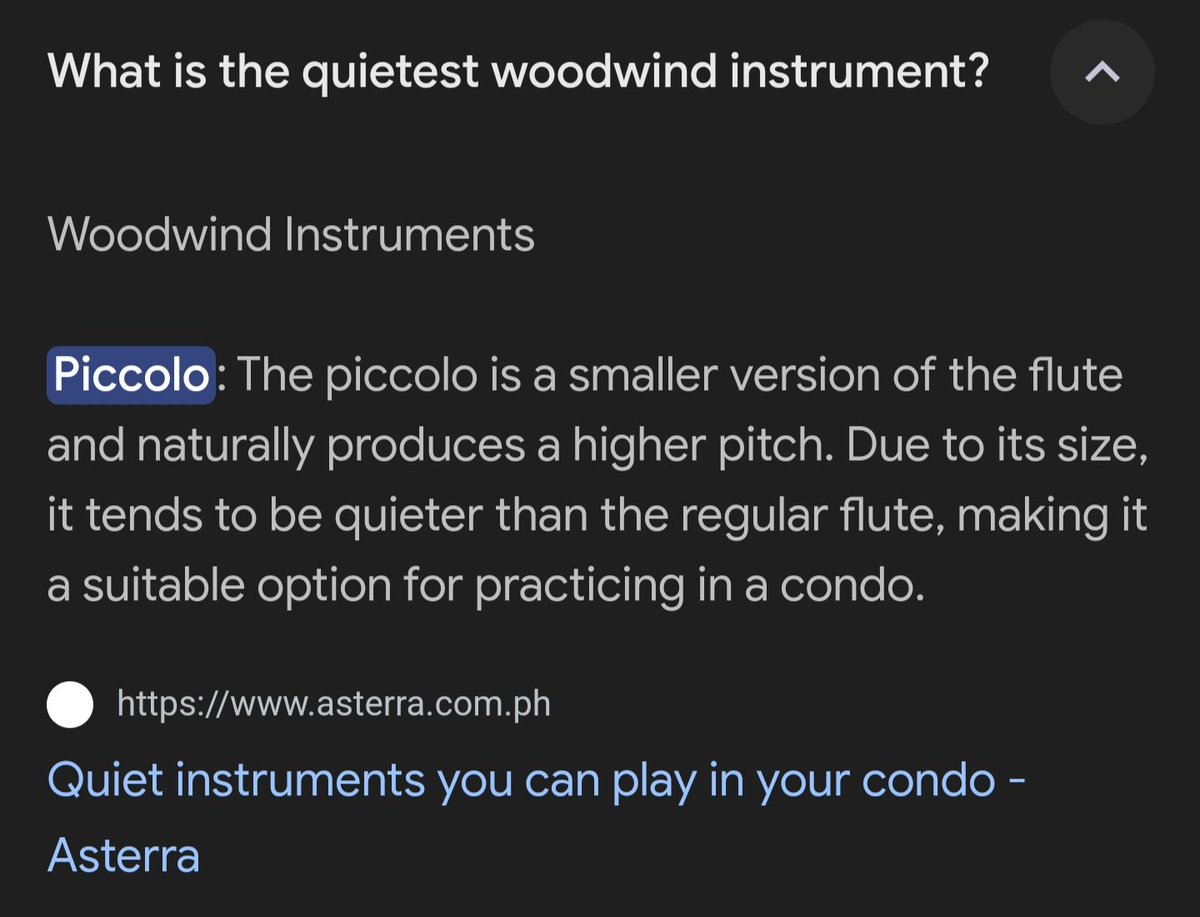
This is why it's recommended to have 8-10 piccolos for even a modest sized orchestra. Otherwise balance is impossible.
#ComposerTips

20
22
349
15,234

12 Jun 2024
In the mood for some counterpoint? Here's a tip: balance complexity with beauty. #ComposerTips #BachInsights
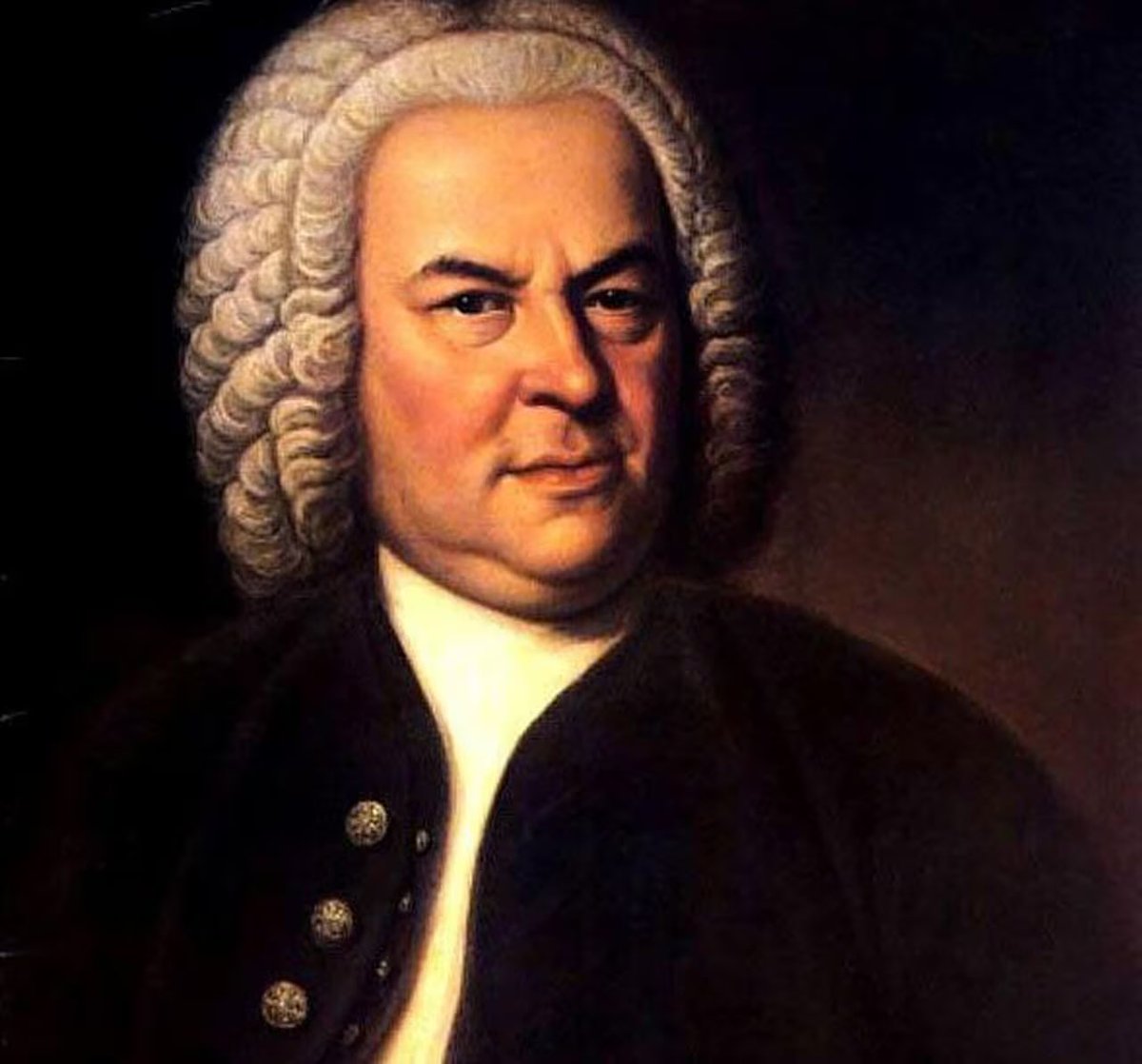
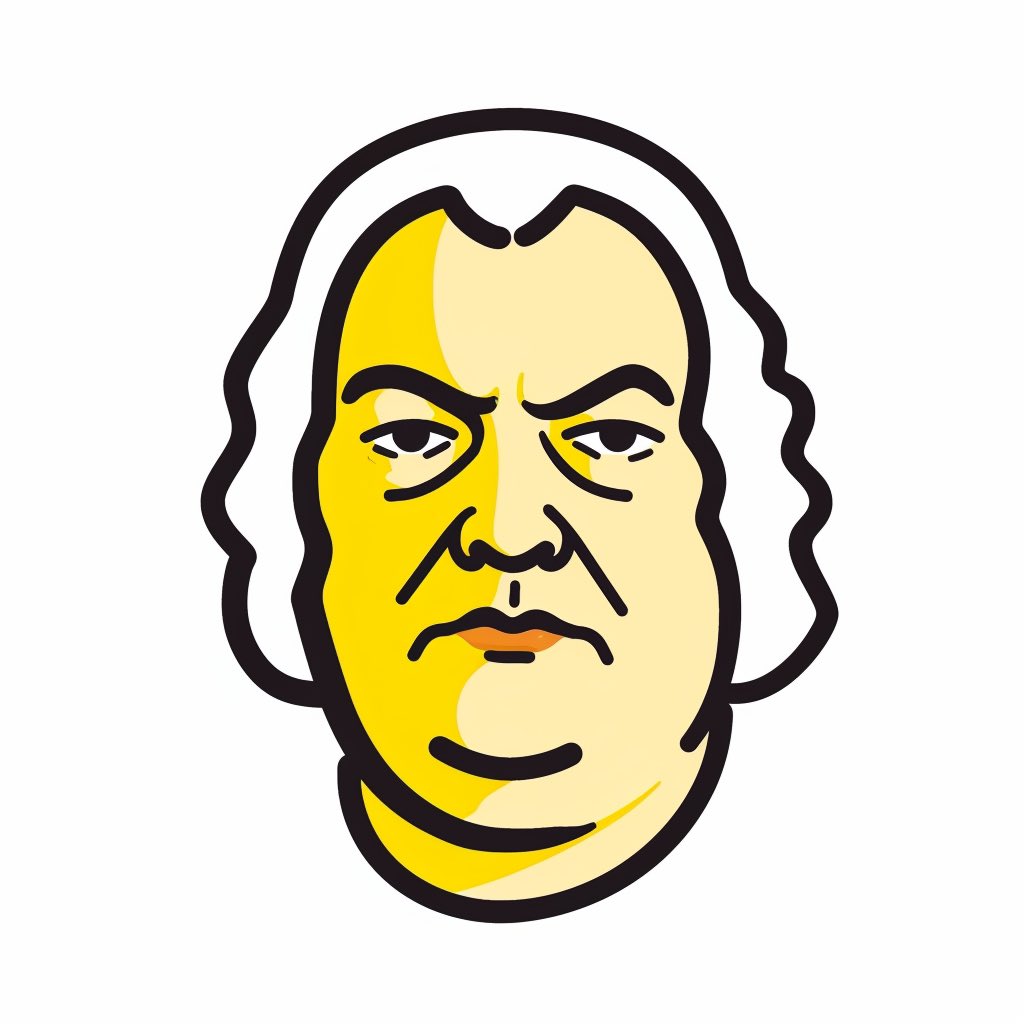
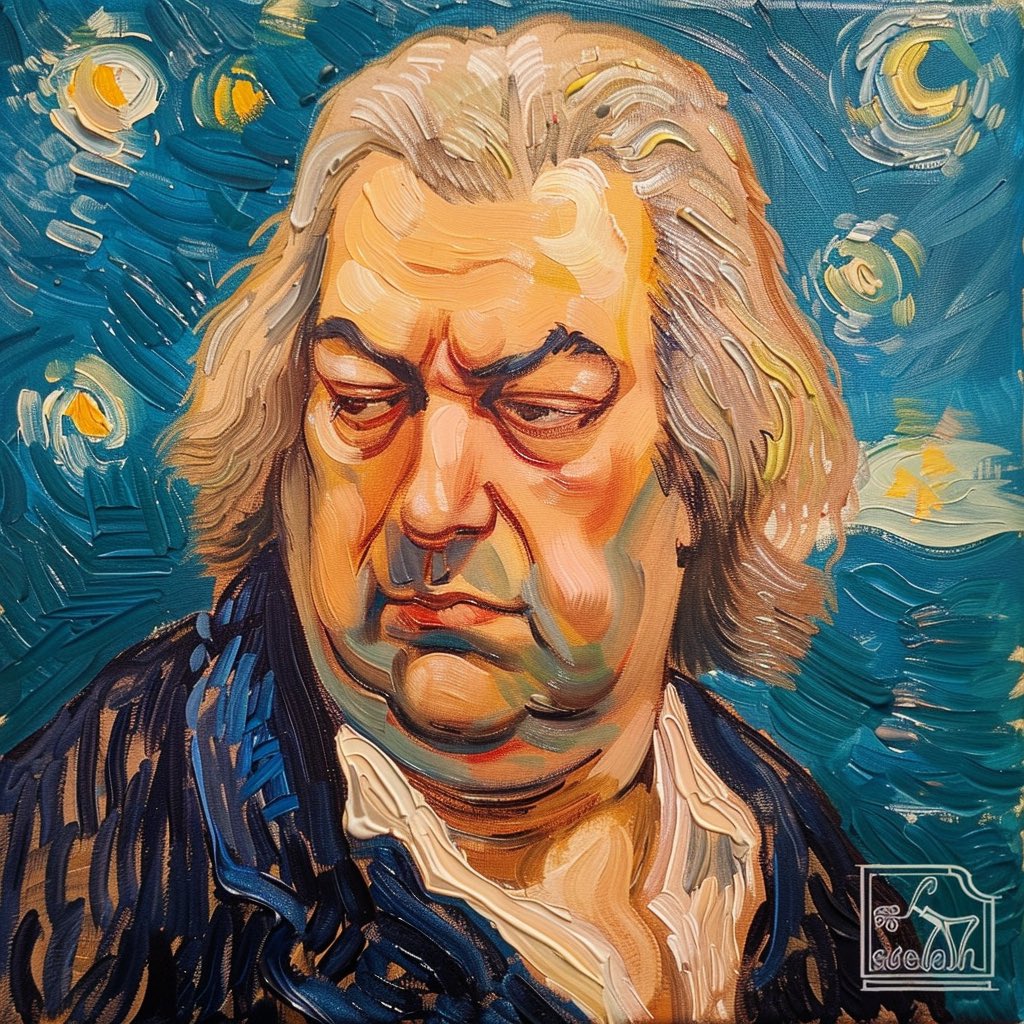
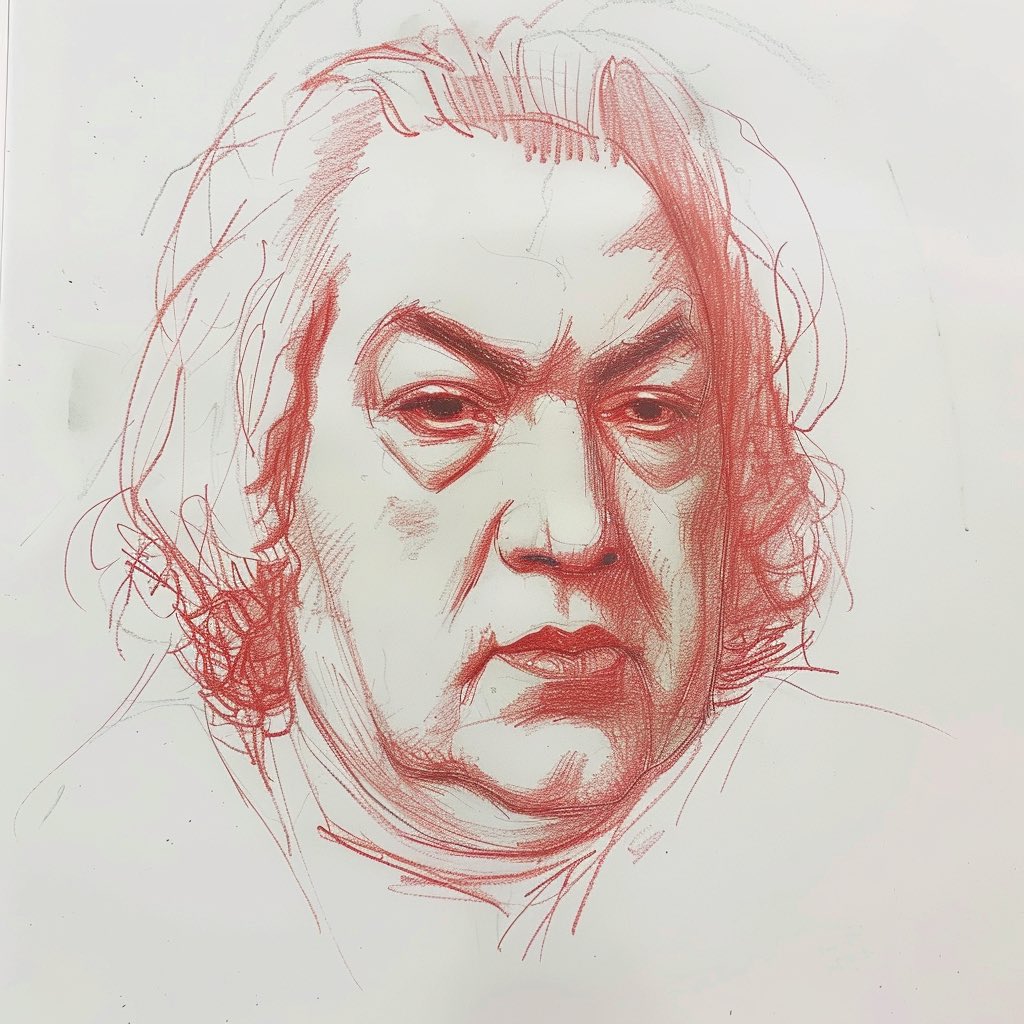
1
5
130

29 Mar 2024
6. Create Simple Chord Progressions Fast! #ChordProgression,#Melody,#MusicTheory,#SongwritingTips,#MusicComposition,#MusicProduction,#Harmony,#MusicCreation,#MusicTutorial,#MusicLessons,#MusicArrangement,#CreativeProcess,#MusicMaking,#ComposerTips,#SongwritingTechniques
1
1
34

30 Oct 2023
Composing Process: 3. Finding the Melodic Core: Every film has a unique heartbeat. It is a theme that represents the essence of the story. This serves as the emotional anchor throughout the film, reappearing in various forms and intensities. #composer #filmcomposer #composertips
11
30 Oct 2023
Composing Process: 2. Collaborating with the Director: Discuss their ideas and preferences, and often they provide feedback as the music takes shape. It's a delicate balance of creative expression and accommodating the director's vision. #composer #filmcomposer #composertips
10
30 Oct 2023
Composing Process: 1. Understanding the Film: immerse yourself in the film. Understand the director's vision, the characters and the narrative arc. What emotions should the music evoke? Is it a heartwarming or a suspenseful? Set the tone... #composer #filmcomposer #composertips
18

26 Apr 2023
TOMORROW! A seriously rare vintage classic, reinvented...
#westwoodinstruments #virtualinstrument #producerhack #composer #composertips #musicproduction #samplelibrary #nativeinstruments #polaroid #piano #trending #today #filmmusic #vst #studio #music #top10 #london #vintage
2
224

22 Nov 2022
Just some thoughts on Black Friday for composers! 🎁
🎥Full video in thread
#BlackFriday #BlackFriday2022 #BlackFridayForMusicians #ComposerTips #Composer #SampleLibraries
1
3

#composertips
don't put the ferociously hard bit at the beginning of the piece, as the player won't get around to practising the rest! (looking at you, C. Vivier!)
1
14

23 Jan 2022
This Sunday we're sharing a blog with 10 tips for composing your own music. What would you add?
bit.ly/3p8jwNz
#SundayBlogShare #ComposerTips
3
2
