
Apr 22
Why do databases use Connection Pooling?
Connection Pooling - A technique where a pool of pre-established database connections is maintained and reused by applications, instead of creating and closing a new connection for every request, improving performance and resource efficiency.
Why databases use it:
- Creating a database connection is expensive (authentication, network setup, resource allocation).
- Reusing existing connections reduces latency and CPU overhead.
- Limits the number of simultaneous connections to protect the database.
- Improves throughput in high-traffic systems.
How it works:
Application requests connection → Pool provides an existing connection → Query executes → Connection returns to pool
Example:
- A web application receives 1,000 requests per second.
- Without pooling: 1,000 new connections created each second.
- With pooling: A fixed pool (e.g., 50 connections) handles all requests efficiently.
Fewer connections created.More requests handled.
Better performance.
#Database #ConnectionPooling #SystemDesign #Backend #Performance #TechBasics

6
93

Feb 11
Mülakat--1
Bir .NET (C#) uygulamasında, yüksek performanslı ve ölçeklenebilir bir sistem tasarımı için aşağıdaki seçeneklerden hangisi en uygun yaklaşım olacaktır?
#NET #CSharp #Backend #SoftwareArchitecture #DesignPatterns #ConnectionPooling #X
1
27

Pooler check-up! @jobinau from @Percona delivers a reality check on **External Proxies and Poolers** like PgBouncer. Do you still need them?
#PostgreSQL #PgBouncer #ConnectionPooling

1
5
191

21 Sep 2024
Adding tags to boost visibility
#DatabasePerformance
#PostgreSQL
#AWSRDS
#DatabaseOptimization
#TablePartitioning
#IOPS
#ConnectionPooling
#Scaling
#PerformanceTuning
#IncidentResolution
#TechInsights
#DBLoadHandling
#HighVolumeData
1
70

18 Jun 2023
Nice article on Database connection pooling limits (by Hikari)
#SoftwareEngineering #jdbc #connectionpooling
github.com/brettwooldridge/H…
2
49

30 Nov 2021
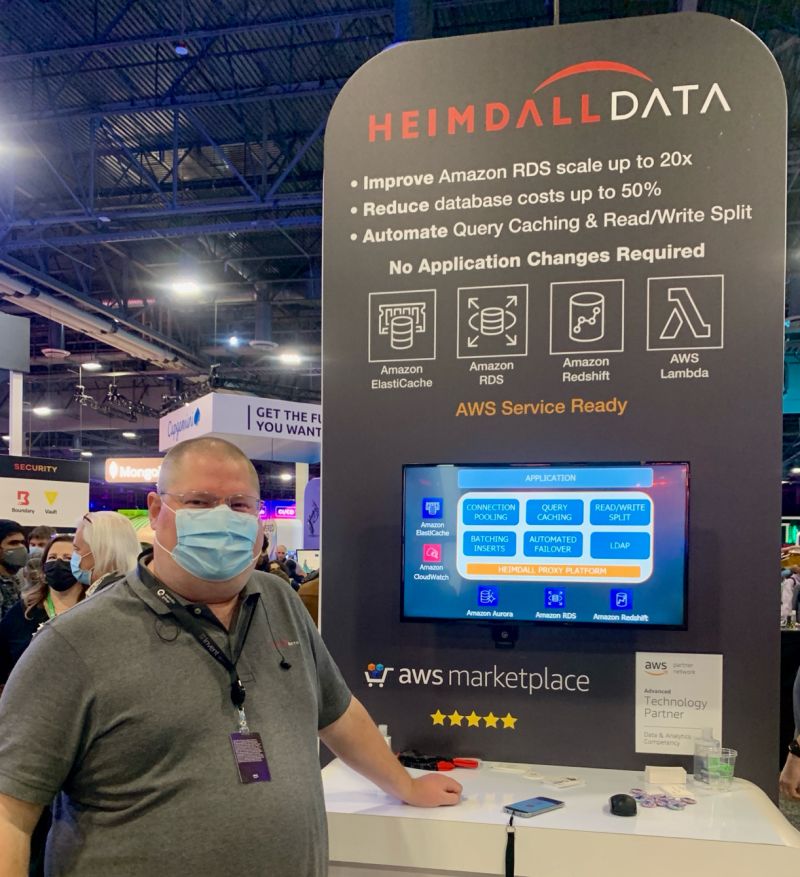
Stop by @AWSreInvent Expo (booth #1036) and chat with Heimdall Data CTO Erik Brandsberg about reducing database costs by 50% and improve RDS scale up to 20x!
#data #aws #database #amazon #sql #postgres #rds #sqlserver #querycaching #connectionpooling
1
3

18 Sep 2020
Here's everything you need to know about connection pooling in PostgreSQL: bit.ly/connpool
#postgresql #connectionpooling #devops #database #microservices #technology #monolith #opensource

2
3


Hands-on OpenFaaS with MongoDB
#serverless #nosql #faas #paas #connectionpooling #nodejs
youtube.com/watch?v=lJOck35D…
1
6

21 Oct 2019
Tomorrow: Enterprise Authentication and Connection Pooling with PostgreSQL and @heimdalldata
postgresconf.org/conferences…
#activedirectory
#connectionpooling
#postgresql
#awesome
@amplifypostgres
1
2

11 Apr 2018
R1D16: Another day without an actual commit. *sigh* Spent a lot of time reading and learning about using DataSource and ConnectionPooling. I'm going to need some more time to wrap my brain around that. Starting to feel the #100DaysOfCode initial excitement wear off. #KeepPushing
1
7

13 Dec 2016
A little bit of #database #optimization. #PostgreSQL #pgbouncer #connectionpooling #RAID #replication
2

7 Oct 2014
"The anatomy of connection pooling" by @vlad_mihalcea
bit.ly/1oNS8fb
#database #rdbms #connectionpooling #architecture
2
3