
Jun 10
🌐 Essential Networking Equipment at a Glance!
🔀 Routers, Switches & APs keep devices connected
🛡️ Firewalls & Monitoring Tools secure the network
🔌 Cables, Patch Panels & Racks ensure reliability
⚡ UPS, PDUs & Generators keep systems running
#KGtalks #Networking #NetworkEngineering #ITInfrastructure #CyberSecurity #TechBasics
Jun 10

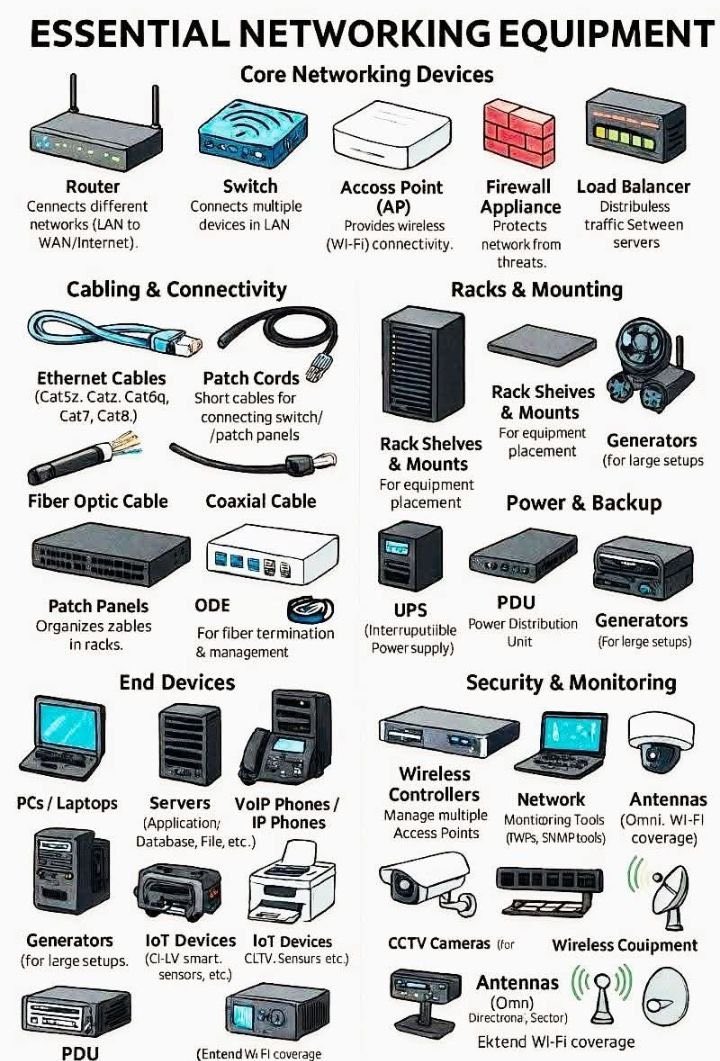
🌐 Essential Networking Equipment at a Glance!
🔀 Routers, Switches & APs keep devices connected
🛡️ Firewalls & Monitoring Tools secure the network
🔌 Cables, Patch Panels & Racks ensure reliability
⚡ UPS, PDUs & Generators keep systems running
#KGtalks #Networking #NetworkEngineering #ITInfrastructure #CyberSecurity #TechBasics
1
46
Jun 10
🌐 Essential Networking Equipment at a Glance!
🔀 Routers, Switches & APs keep devices connected
🛡️ Firewalls & Monitoring Tools secure the network
🔌 Cables, Patch Panels & Racks ensure reliability
⚡ UPS, PDUs & Generators keep systems running
#KGtalks #Networking #NetworkEngineering #ITInfrastructure #CyberSecurity #TechBasics
1
55

The waiter analogy that finally makes APIs make sense 🍽️
Read the full breakdown our website demystifybyte.com/what-is-an…
Full YT channel video youtu.be/7D9rslQZ7kU
#API #TechForBeginners #TechExplained #DemystifyByte #TechTok #WhatIsAnAPI #TechBasics #TechSimplified
7

May 31
1
19
1,131
May 31
Je juge cette fraude à 1000€ #techbasics #pcknowledge #computertips #education #techhacks #learntoik
1
7
478
May 25
2
15
388

May 19
HTTP is how your browser requests a page. HTTPS is the same but with encryption (SSL/TLS). That padlock in your browser means the connection is encrypted. It does NOT mean the website is safe or trustworthy. Two very different things. #WebSecurity #TechBasics
2
55

Apr 22
Why do databases use Connection Pooling?
Connection Pooling - A technique where a pool of pre-established database connections is maintained and reused by applications, instead of creating and closing a new connection for every request, improving performance and resource efficiency.
Why databases use it:
- Creating a database connection is expensive (authentication, network setup, resource allocation).
- Reusing existing connections reduces latency and CPU overhead.
- Limits the number of simultaneous connections to protect the database.
- Improves throughput in high-traffic systems.
How it works:
Application requests connection → Pool provides an existing connection → Query executes → Connection returns to pool
Example:
- A web application receives 1,000 requests per second.
- Without pooling: 1,000 new connections created each second.
- With pooling: A fixed pool (e.g., 50 connections) handles all requests efficiently.
Fewer connections created.More requests handled.
Better performance.
#Database #ConnectionPooling #SystemDesign #Backend #Performance #TechBasics

6
93

Apr 21
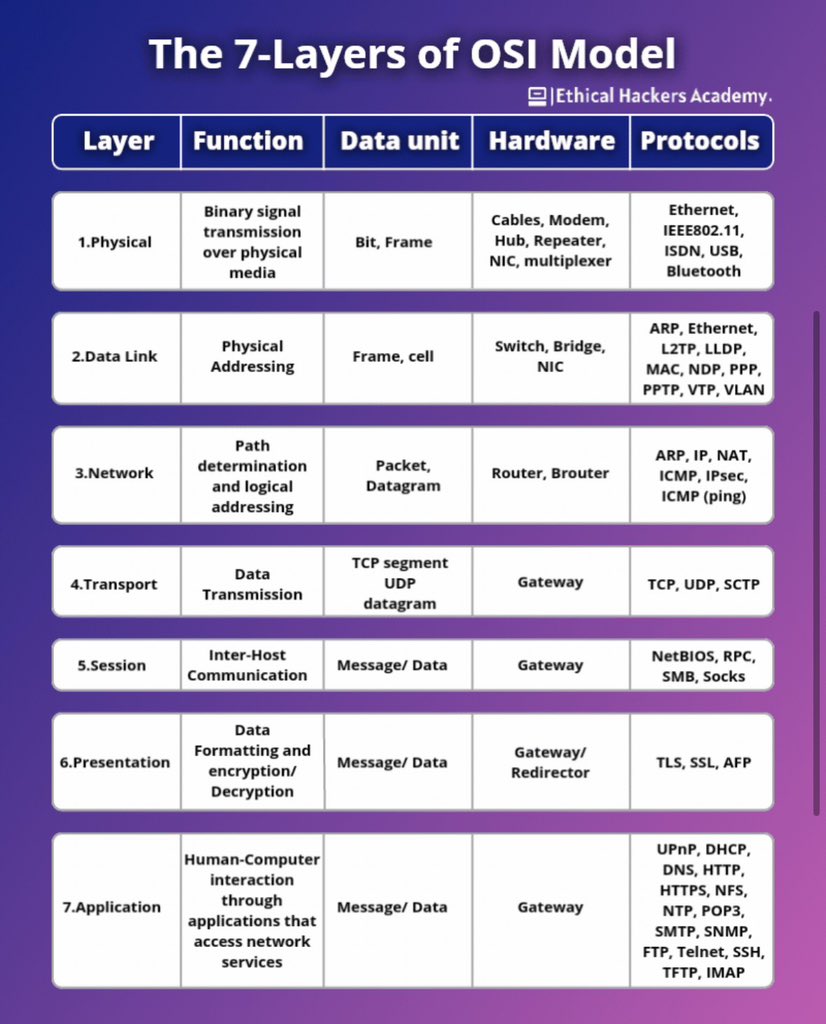
🌐 𝗧𝗵𝗲 𝟳 𝗟𝗮𝘆𝗲𝗿𝘀 𝗼𝗳 𝘁𝗵𝗲 𝗢𝗦𝗜 𝗠𝗼𝗱𝗲𝗹 𝗘𝘅𝗽𝗹𝗮𝗶𝗻𝗲𝗱
The OSI Model is the foundation of networking—breaking down how data travels across systems into 7 structured layers.
From Physical transmission to Application-level interaction, each layer plays a critical role in ensuring seamless communication.
🔍 Quick breakdown:
• Physical → Hardware & signal transmission
• Data Link → Framing & MAC addressing
• Network → Routing & IP addressing
• Transport → Reliable data delivery (TCP/UDP)
• Session → Connection management
• Presentation → Encryption & data formatting
• Application → User-facing network services
💡 Why it matters:
✔️ Simplifies troubleshooting
✔️ Helps design secure, scalable networks
✔️ Essential for networking & cybersecurity professionals
👉 The takeaway: Understanding the OSI model makes complex networks easier to visualize, manage, and secure.
🔔 Follow for more cybersecurity tips!
#Networking #OSIModel #CyberSecurity #NetworkEngineering #TCPIP #TechBasics
1
1
37
Apr 21
What is Indexing?
Indexing - A database technique that creates a separate data structure (like a sorted lookup table) to quickly locate rows without scanning the entire table, making queries significantly faster
Why queries become faster?
=> Without an index, the database performs a full table scan and checks every row.
With an index, the database jumps directly to the matching records using the indexed column.
Example -
Imagine a Users table with 1 million records.
Query:
SELECT * FROM Users WHERE email = 'user@example.com';
Without index:
-> Database checks all 1,000,000 rows.
With index on email:
-> Database directly finds the matching row in milliseconds.
Same data. Faster search.
#Database #Indexing #SQL #Performance #SystemDesign #TechBasics

3
10
92

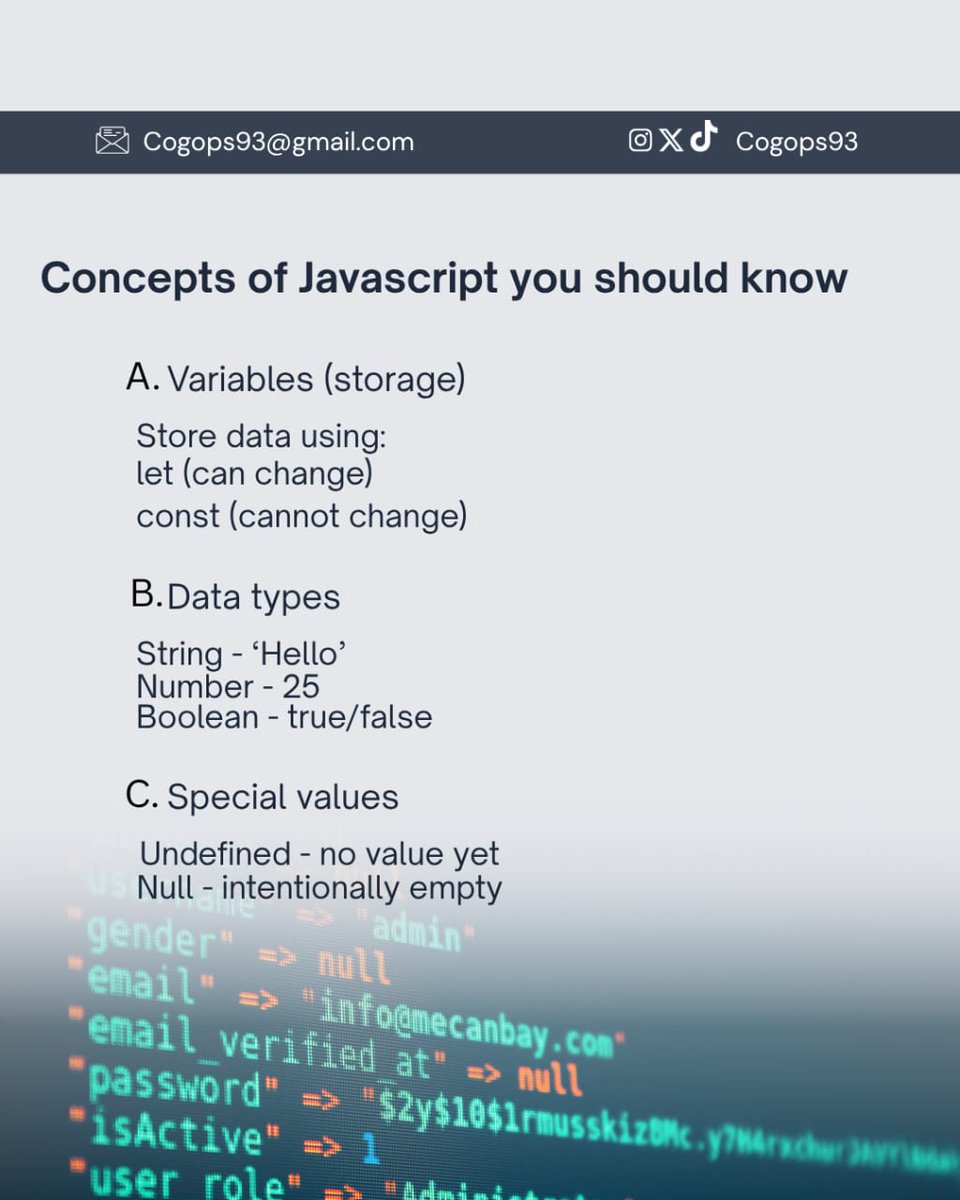
Think JavaScript is hard? 🤔
Think again.
Let’s break it down in the simplest way possible.
A quick guide to help you understand the basics and start your journey into tech.
#JavaScript #LearnToCode #TechBasics #WebDevelopment



2
3
4
27
Apr 20
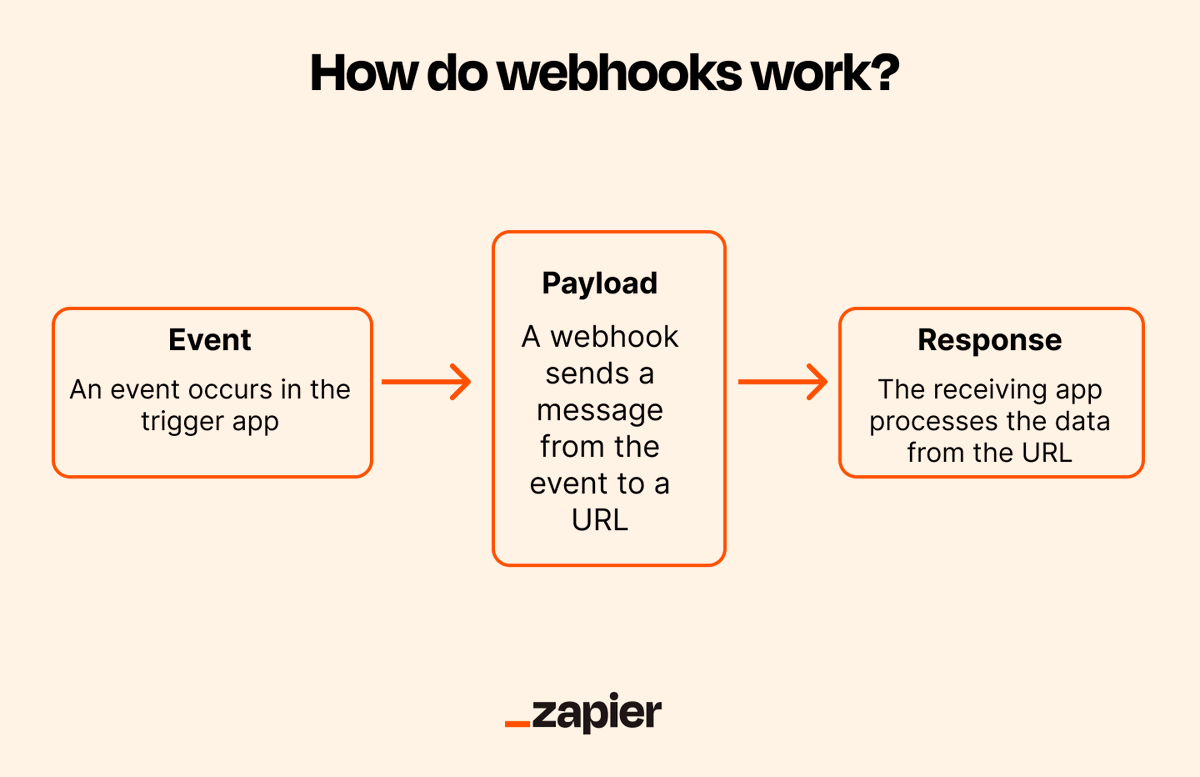
What are Webhooks?
Webhooks - A mechanism that allows one system to automatically send real-time data to another system via an HTTP callback when a specific event occurs, enabling event-driven communication between services.
How it works:
Event happens → HTTP POST request sent → Target system receives data
Real example:
You receive a payment on Stripe.
Stripe instantly sends a webhook to your application to notify that the payment was successful, so your system can update the order status without polling.
Common uses:
Payments
CI/CD pipelines
Notifications
Third-party integrations
Systems do not wait.
They notify. 🔔
#Webhooks #APIs #SystemDesign #Backend #DevOps #TechBasics
1
5
65

Apr 17
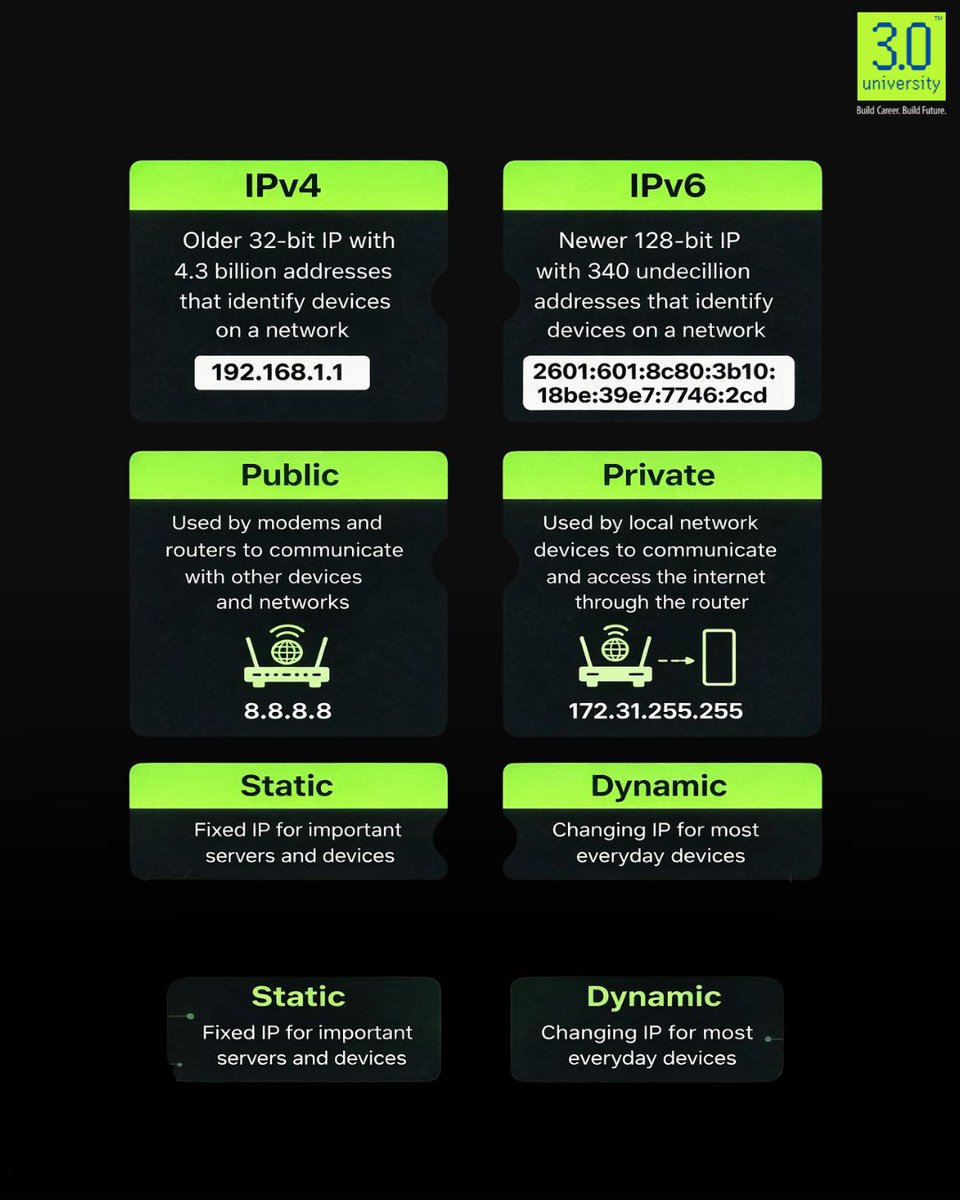
🌐Types of IP Addresses explained simply.
From Public vs Private IPs to Static vs Dynamic and IPv4 vs IPv6, these address types define how devices communicate across the internet.
Understanding IP fundamentals is essential for networking, cybersecurity, and ethical hacking 🔐
Follow @real3uni for more Cybersecurity, AI & Web3 insights 🚀
#CyberSecurity #Networking #IPAddress #EthicalHacking #TechBasics

2
30

Mar 29
🔢 Binary vs Decimal — What’s the real difference?
Most people use decimal (0–9), but computers speak binary (0 & 1).
Read more 👉 calculatorsmaster.com/blog/d…
#Binary #Decimal #Coding #TechBasics #ComputerScience #calculatormaster
1
2
46
Mar 29
🔢 Binary vs Decimal — What’s the real difference?
Most people use decimal (0–9), but computers speak binary (0 & 1).
Understanding this is the key to coding & computing!
Read more 👉 calculatorsmaster.com/blog/d…
#Binary #Decimal #Coding #TechBasics #ComputerScience #calculatormaster
1
2
23

Mar 23
SA News #Thread | 1/10 | Video formats can also be understood based on quality levels. Some formats give very high quality but take more storage, while others reduce quality to save space. Knowing this helps you choose the right format for watching, editing, or sharing videos easily.
#VideoQuality #TechBasics #MediaLearning #DigitalSkills

3
410
603
1,999

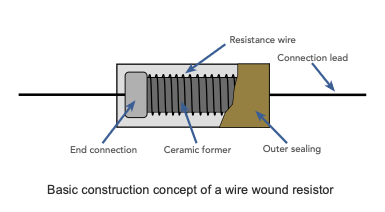
An Essential Passive Component: Why Wirewound Resistors Are Key Components
In an era dominated by surface-mount technology and thin-film precision, the wirewound resistor remains an indispensable power component for modern circuit design.
While they were among the first resistor types ever manufactured, their unique construction—winding a resistive wire around a ceramic or non-conductive core—gives them properties that modern film resistors simply cannot match.
Why choose Wirewound?
According to the web page on Electronics-Notes, these components are the go-to choice for several critical reasons:
* High Power Dissipation: When you need to handle significant heat, wirewounds come into their own. Some aluminum-cased versions can be bolted to heatsinks to dissipate up to 2.5kW!
* Extreme Precision & Stability: Because they use physical resistance wire (like nickel-chromium), they can be manufactured with tolerances as tight as 0.005% and offer incredible long-term stability (15-50ppm/year).
* Pulse Handling: Unlike film resistors that can "vaporize" under a surge, the high thermal mass of a wirewound element allows it to absorb high-voltage pulses without damage.
* Low Noise: Using solid metal wire makes them among the lowest current-noise resistors available, ideal for sensitive audio or measurement applications.
The High-Frequency Trade-off
The one very important disadvantage! Their coil-like construction introduces self-inductance, making them less suitable for high-frequency or RF applications. However, specialist techniques like Ayrton-Perry or Bifilar windings can be used to cancel out these inductive effects when precision is needed at higher speeds.
Whether you're designing power supplies, measuring instruments, or industrial motor controls, the wirewound resistor is a fundamental building block you can't ignore.
Want to learn more about the different types—from vitreous enamel to silicone resin coatings?
🔗 Read the full guide here: electronics-notes.com/articl…
#ElectronicsEngineering #CircuitDesign #Hardware #ElectricalEngineering #PassiveComponents #PowerElectronics #TechBasics
1
4
26
2,000
Electrical Fuses 101: The "Sacrificial" Heroes of Your Circuit
In a world of complex microprocessors and high-speed data, it’s easy to overlook one of the oldest and most vital components in electronics: the Electrical Fuse.
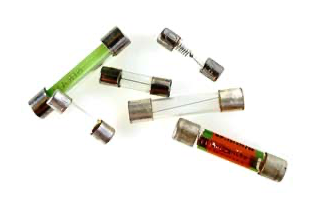
At its core, a fuse is a "sacrificial" device. It is designed to be the weakest link in a circuit, intentionally destroying itself to protect much more expensive components from overcurrent damage.
How It Works: The Physics of Protection
A fuse consists of a metal wire or strip (the element) with a low melting point. When the current exceeds the fuse's rating, Joule heating raises the temperature of the element until it melts, physically breaking the circuit and stopping the flow of electricity before a fire or terminal damage can occur.
3 Key Metrics for Every Engineer:
* Current Rating (Amps): The maximum current the fuse can carry indefinitely without blowing. Tip: Most designers derate by 25% to avoid "nuisance blows" in varying temperatures.
* Voltage Rating: The maximum voltage the fuse can safely interrupt. Never use a fuse in a circuit with a higher voltage than its rating, as it may arc even after the element has melted!
* Breaking Capacity: The maximum current the fuse can safely interrupt without physically exploding or shattering.
Choosing Your Speed:
* Fast Blow: Reacts almost instantly to surges. Ideal for sensitive ICs and resistive loads.
* Slow Blow (Time Delay): Built to ignore short-term inrush currents (like a motor starting up) but will still blow if a sustained overload occurs.
Fuses may be simple, but choosing the right one is a critical engineering decision that stands between a safe circuit and a costly failure.
Check out my full guide on the basics of electrical fuses here: 👉 electronics-notes.com/articl…
#ElectronicsEngineering #CircuitDesign #Hardware #ElectricalEngineering #TechBasics #ElectronicsNotes
2
3
32
1,259

Feb 26
📚 #60DaysTechChallenge 📚🚀
Day 2/60
Q:-- यह Technology हमारे जीवन में कैसे मदद करती है?
Ans:--Technology रोजमर्रा की छोटी-बड़ी समस्याओं को आसान बना देती है और हमारा समय बचाती है।
🤖 5 Key points:--
✅✨ बातचीत को तुरंत कर दिया –जैसे:- WhatsApp और वीडियो कॉल!
✅💰 पेमेंट को बहुत आसान कर दिया – UPI, PhonePe, Paytm!
✅📚 पढ़ाई को घर बैठे विश्वस्तरीय बना दिया – YouTube और ChatGPT!
✅🛵 यात्रा को तेज और सुरक्षित कर दिया – Ola, Uber, Google Maps!
✅🎯 फायदा: गाँव में भी Swiggy से खाना मंगवा सकते हो या Flipkart से किताबें!
🚀 Tech Career Tip: (free)-Harvard CS50 (edX/YouTube) •
🚀Recommended:--Google IT Support Professional Certificate (Coursera) समझ आया? 👍
Next Topic:--Day-3 (सोचो क्या होगा?)
Comment करके बताओ Technology ने तुम्हारे गांव की life को केसे change किया..???
#TechBasics #DigitalIndia #TechCareers2026

1
6
378

Feb 25
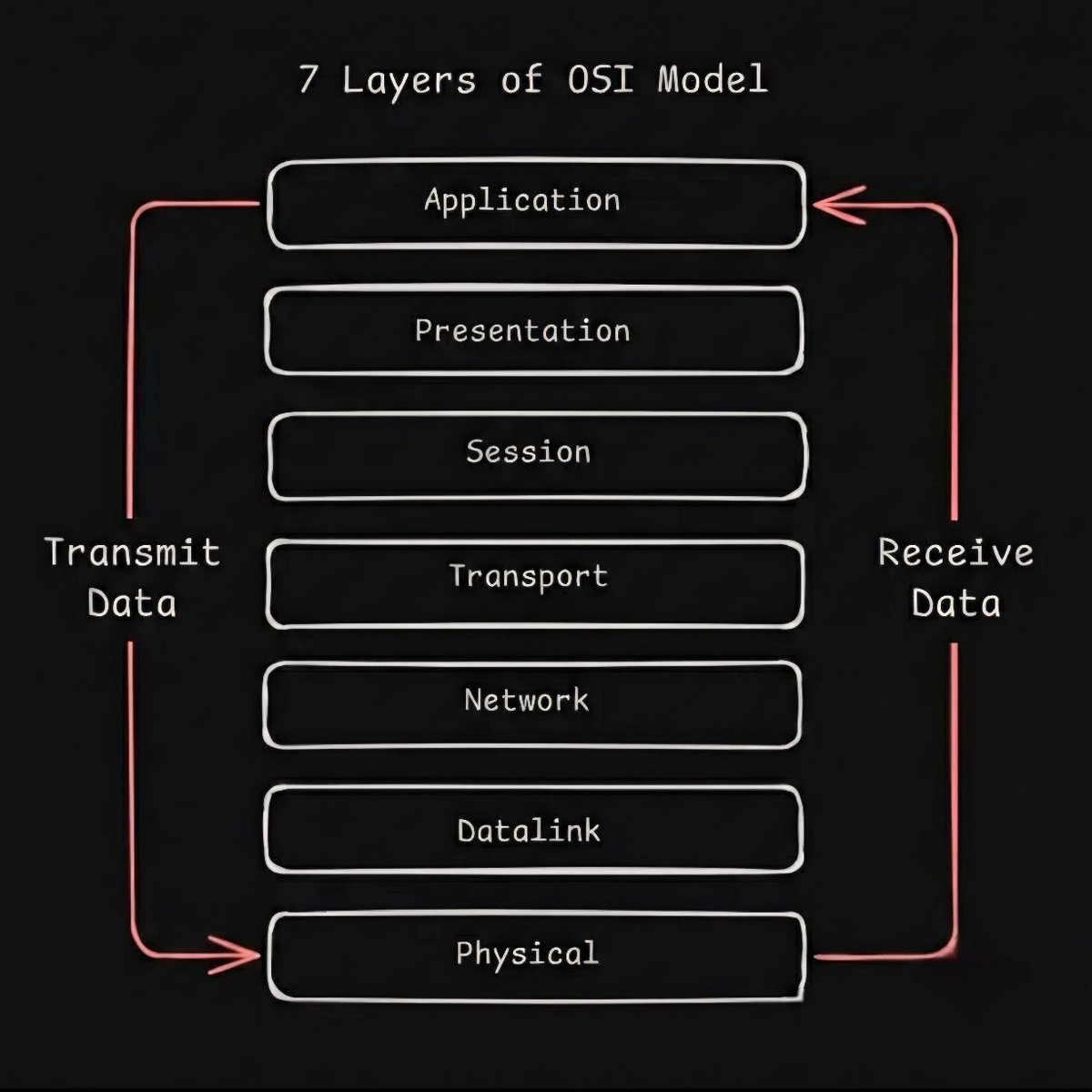
Down the stairs to send, up the stairs to receive. The complete life cycle of your data. ⬇️⬆️
#NetworkEngineering #TechBasics
3
93