
6 Aug 2025
🗼 Watchtower Wednesday | Midweek Perimeter Sweep
🔭 The view from the tower isn’t just scenic — it’s strategic.
Validators aren’t passengers. We’re pilots, scanners, and sentinels.
💣 If you’re only reacting, you’re not validating — you’re lagging.
🧠 Today’s Watchtower Sweep: Three invisible threats. One midweek edge.
🎯 1. Container Drift
Your infra’s composed — but is it composed correctly?
🔎 Run:
𝚍𝚘𝚌𝚔𝚎𝚛 𝚜𝚝𝚊𝚝𝚜 –𝚗𝚘-𝚜𝚝𝚛𝚎𝚊𝚖
𝚍𝚘𝚌𝚔𝚎𝚛 𝚒𝚗𝚜𝚙𝚎𝚌𝚝 <𝚌𝚘𝚗𝚝𝚊𝚒𝚗𝚎𝚛> | 𝚐𝚛𝚎𝚙 𝚁𝚎𝚜𝚝𝚊𝚛𝚝𝙿𝚘𝚕𝚒𝚌𝚢
🛑 Containers eating CPU? Restart loops ignored?
Every misconfigured instance is a future incident.
🧠 Bonus: unmonitored containers are perfect for backdoors — and they rarely log loud.
🎯 2. Binary Integrity
Running what you think you’re running? Or what got slipped in?
🔎 Run:
𝚜𝚑𝚊256𝚜𝚞𝚖 /𝚞𝚜𝚛/𝚋𝚒𝚗/<𝚋𝚒𝚗𝚊𝚛𝚢>
Cross-check with trusted repo hash.
🛡️ Infra trust starts with binary trust.
🧠 Bonus: compromised binaries often mirror originals — until one syscall gives the game away.
🎯 3. File System Bleed
Logs are growing. Caches hoarding. Snapshots stacking.
But when does useful become vulnerable?
🔎 Run:
𝚍𝚞 -𝚜𝚑 /𝚟𝚊𝚛/𝚕𝚘𝚐/*
𝚏𝚒𝚗𝚍 / -𝚡𝚍𝚎𝚟 -𝚝𝚢𝚙𝚎 𝚏 -𝚜𝚒𝚣𝚎 100𝙼
🎯 Cut what’s bloating. Archive what matters. Encrypt what stays.
🧠 Bonus: bleed-through can trigger cascading failures during high-load epochs.
💡 Watchtower Rule #2:
Don’t wait for the sky to fall — check the ceiling.
📡 Stay vigilant with P-OPS Team:
🌎 pops.one
🌳 linktr.ee/p_opsteam
🐥 x.com/popsteam1
↗️ t.me/POPS_Team_Validator
👾 discord.gg/jJ8aaMwPwa
#WatchtowerWednesday #ValidatorOps #InfraDiscipline #POPSteam #ContainerOps #BinaryIntegrity #InfraScan #NodeSecurity #ZeroTrustStack #Web3Infra

1
12
23
280

5 Jun 2025
Let’s understand condition of GPU markets and how Aquanode contributes 🚀
1) Demand for Cheap GPUs
With the growing AI era we already know of the huge demand for compute, every startup, agency, and enterprise wants to use AI to make workflows faster and smarter. But not everyone can afford to rent an H100 GPU at $13.52/hour on AWS.
2) Incoming GPU availability crisis
Most platforms offering “cheap GPUs” like @runpod, @TensorDock @vast_ai @Hyperstackcloud @FAL are using centralized distributed compute networks to break the price against hyperscalers like AWS, Azure etc. This puts a cap on scale and availability of GPUs.
3) DePIN Compute
Decentralized compute networks like @akashnet @spheron @ionet @rendernetwork @gpunet @bittensor_ @Theta_Network solve this. They tap into a global pool of underused GPUs, anyone can contribute their machine and earn, while staying in full control of it. This sounds good and scalable.
4) But this has a problem
No custom runtimes, no persistent environments, and definitely no Docker-in-Docker — most DevOps stuff just won’t work here. DePIN compute fixes the GPU availability issue, but you don’t get root access. You’re basically working inside container VMs, which means no running Docker or K8s inside, no messing with system settings, no mounting things like sshfs or gcsfuse, and no launching full VMs or GUIs. You can type sudo, but it’s not real root.
5) Aquanode tries to make this compute usable
We create a usable environment on top of a DePIN-sourced compute using containerOps. Our focus is on the cheap GPU niche abstracting the complexities of decentralized infrastructure and making it easy for anyone to run and manage their workloads. By introducing features like serverless GPUs, real-time monitoring, and seamless workload management, we lower the entry barrier and unlock the true potential of distributed compute networks.
1
17
2,095

Documenting Docker commands isn't just about steps; it's about creating a changelog of container orchestration. Let Runme unveil the narrative behind every Docker operation. 📜🐳 #RunmeDockerNarrative #ContainerOps runme.dev/
1
1
2
81

8 Dec 2023
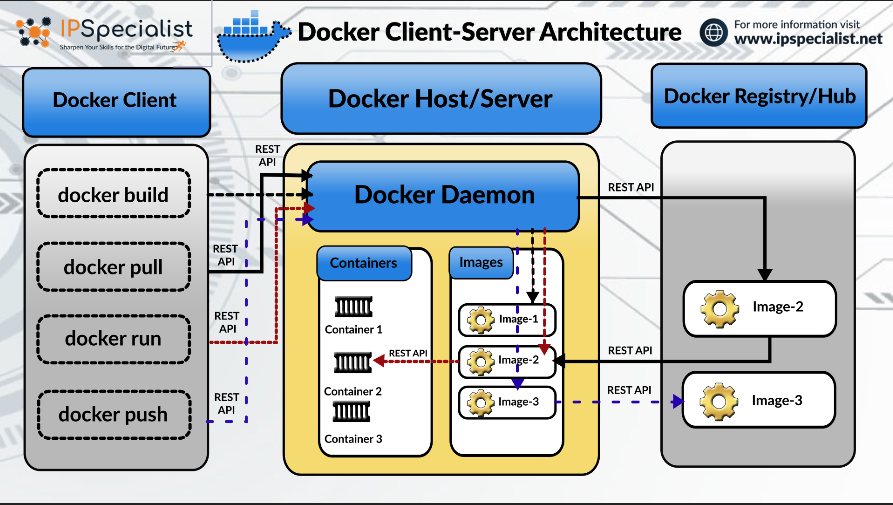
Ever wondered how Docker works its magic? The collaboration between the client and daemon is the backbone of Docker's efficiency. The client issues commands, while the daemon orchestrates container creation and distribution. This robust architecture simplifies deployment workflows and enhances system scalability. Let's dive into the world of containerization together!
Interested in learning more? Check out our Docker Course Now: ipspecialist.net/platform/do…
#IPSpecialist #Docker #Containerization #DevOps #Microservices #ContainerOrchestration #Kubernetes #DockerCompose #ContainerSecurity #DevSecOps #ContainerDeployment #CloudNative #ContainerManagement #ContainerizedApplications #ContainerNetworking #ContainerRegistry #DockerSwarm #ContainerInfrastructure #ContainerOps #Dockerfile #ContainerizationTools #DockerHub #DockerImages #ContainerizationBestPractices #ContainerizationJourney #ContainerizationPlatform #ContainerizationBenefits #DockerLife #ContainerEcosystem #Dockerization #ContainerizationAutomation #ContainerizationTrends
2
3
23

21 Jan 2021
It is getting difficult to avoid containers. Datalounges has got you covered, get started with training that sets you in the right direction from the start!
datalounges.com/how_to/conta…
#containerops #kubernetes #microservices
2
5

29 Jan 2020
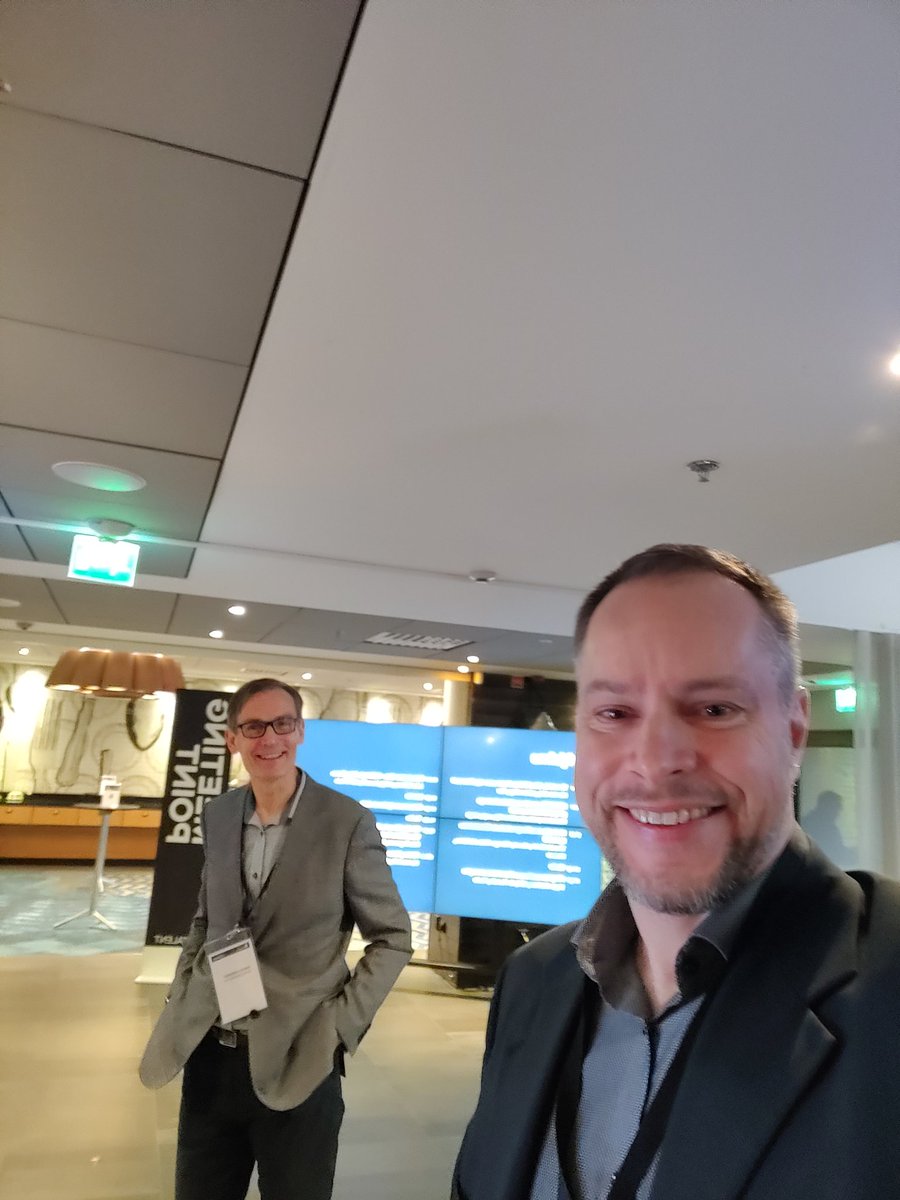
#tividc day today with @Datalounges colors. #containerops on the menu for today. Discussing how to build, run, protect and maintain cloud native applications of the future. Still smiling in the morning, I wonder what they put into our coffee @pli21 😁
8
22 Jan 2020
Getting ready for TiVi Datacenter next week! Meet us to discuss how to build the factory floor for your future digital enterprise! tapahtumat.almatalent.fi/clo… #tividc #containerops #digitalinfrastructure

1
2
14 Jan 2020
Datalounges kutsuu juuri sinut osallistumaan vuoden 2020 Konttiteknologiabarometriin: lnkd.in/gJjtxPZ
Tutkimukset maailmalta todistavat että konttiteknologiat yleistyvät nopeasti ja kaikkialla. Mutta mitä tapahtuu Pohjolassa?
#containerops #kubernetes #containerization
1
3

Opcito's Newsletter is out and this time it's all about #ContainerOps and #CloudOps with @kubevirt , @ansible Roles and Galaxy, @nodejs and @GCPcloud's cloud spanner, @awscloud CodePipeline and Elastic Beanstalk - bit.ly/2NZqROy

2
2

4 Apr 2018
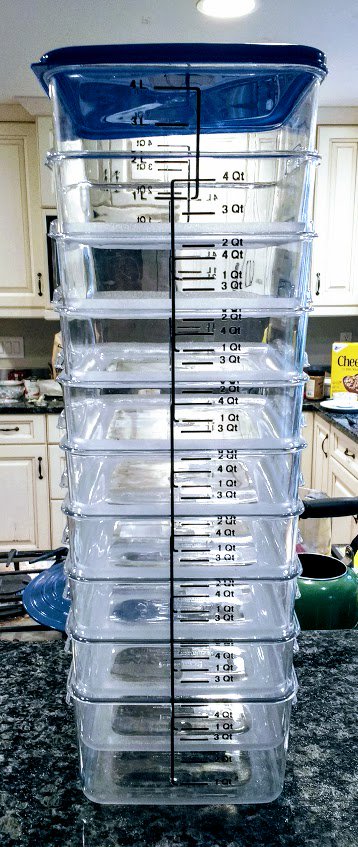
Organizing the pantry with commercial restaurant containers as one does. AKA Dockerizing the pantry.
#ContainerOps
1
2

19 Feb 2018
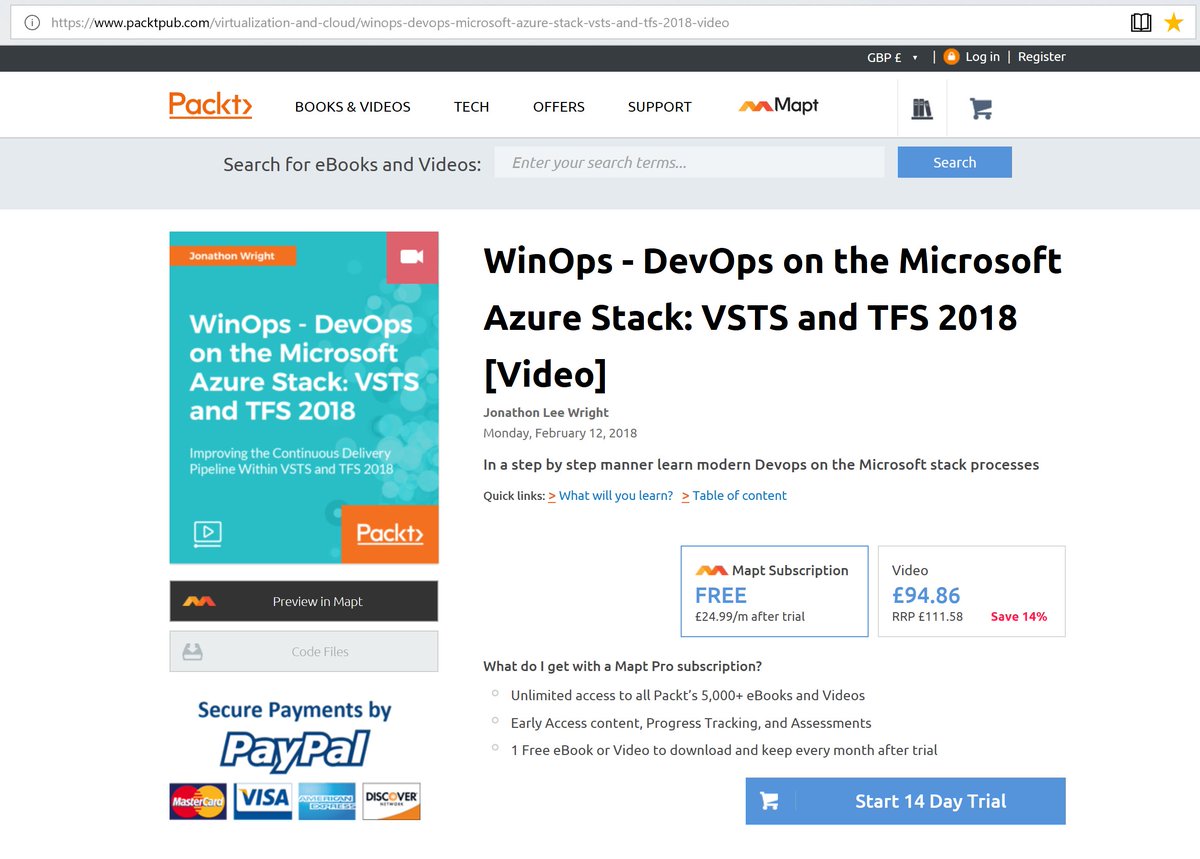
#WorldExclusive #WinOps - #DevOps on the #MicrosoftAzureStack #VSTS & #TFS2018 featuring our CTO @Jonathon_Wright and #DesignOps, #ChatOps, #ContainerOps and #NoOps
3
7

15 Feb 2018
Docker tagging strategies: why you shouldn't be using :latest buff.ly/2o7QkFL #docker #containerops #devops
1
29 Jan 2018
Wash down your weekend with these everyday Docker hacks. buff.ly/2Gljf1o #docker #containerops #devops
4
28 Jan 2018
1
1

19 Jan 2018
My @appsecusa Application Container Security video has posted :)
Take lessons learned & applied in a majority model for your organization to cover critical security controls for #ContainerOps #ContainerSec
Much more to share since some landscape updates in #AppSec #InfoSec
18 Jan 2018

How to stop worring about application Container security - AppSecUSA 2017
youtu.be/QYbK31MHFXg
1
7
30 Dec 2017
How to dynamically create #Kubernetes namespaces for every branch of your application. Plus how to copy secrets between namespaces! buff.ly/2llPmVT #DevOps #ContainerOps #containers #Kubernetes #KubeCon
1
4
8 Nov 2017
Join us for a special #CodefreshLive event on Nov 15th 11am PST. buff.ly/2zH8c2r #ContainerOps #k8s #docker #kubernetes
1
8 Nov 2017
Join us for a special #CodefreshLive event on Nov 15th 11am PST. buff.ly/2yGY21H #ContainerOps #k8s #docker #kubernetes
2
6 Nov 2017
Save the date! We'll be doing a special #CodefreshLive event on Nov 15th 11am PST. buff.ly/2hgsnwq #ContainerOps #k8s #docker
3
8

4
5