
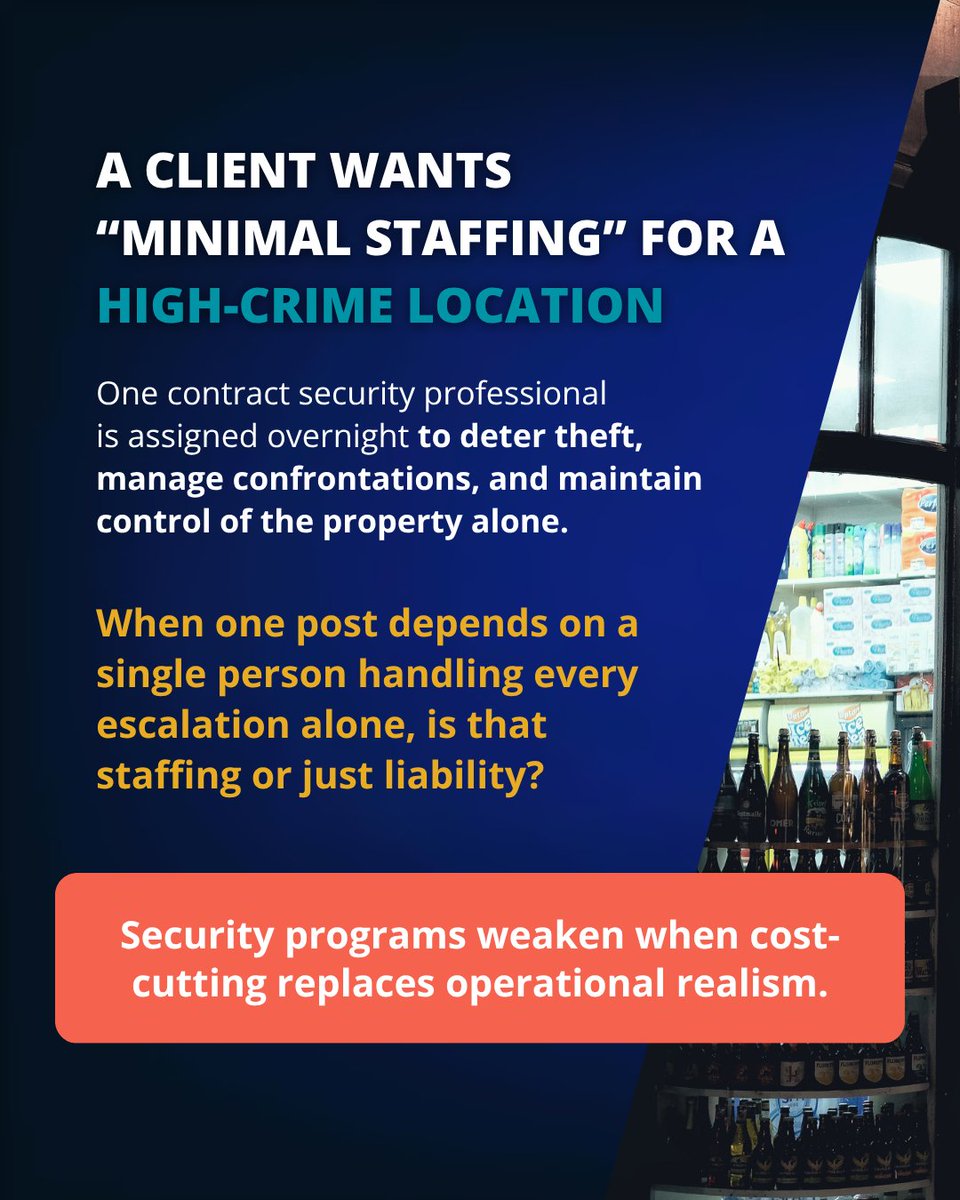
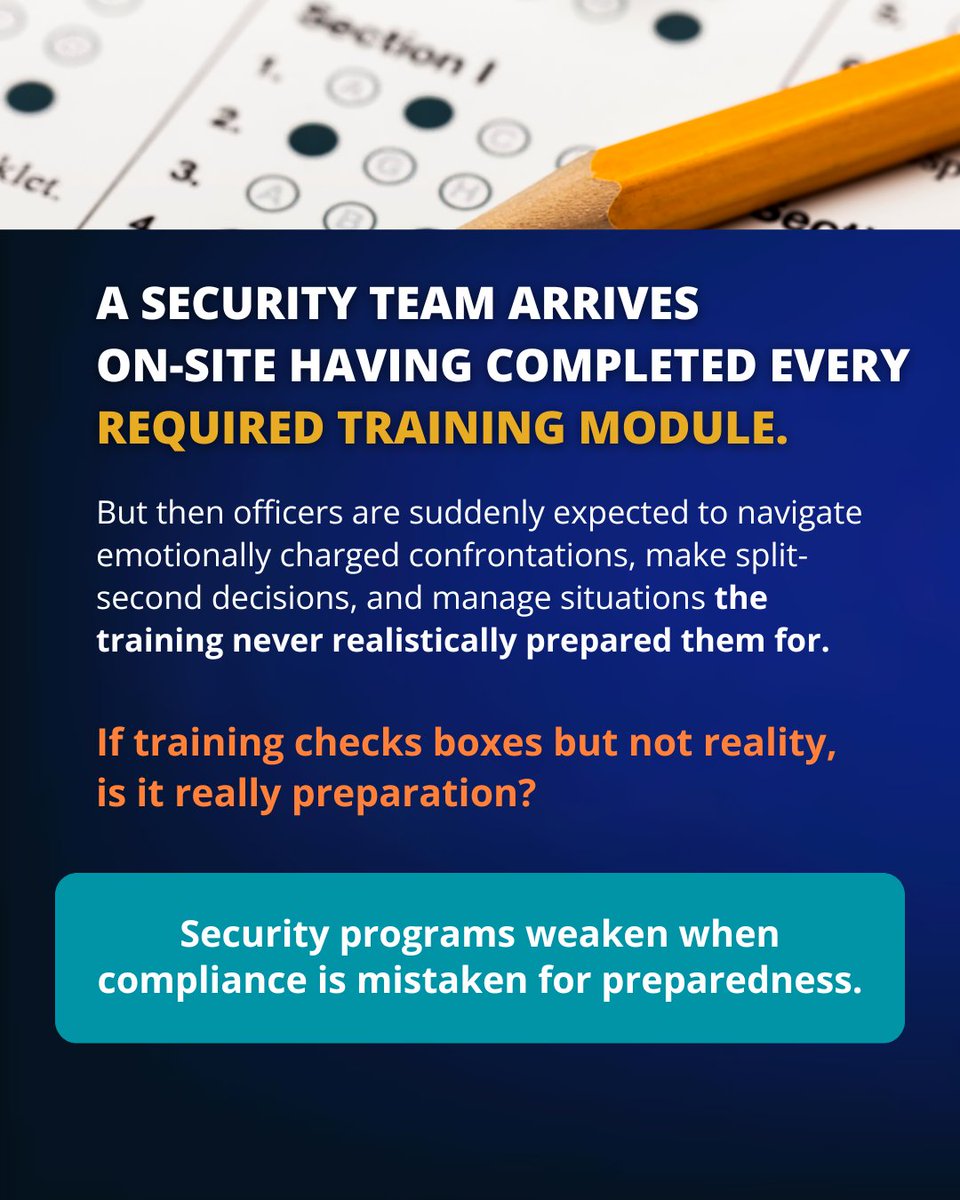
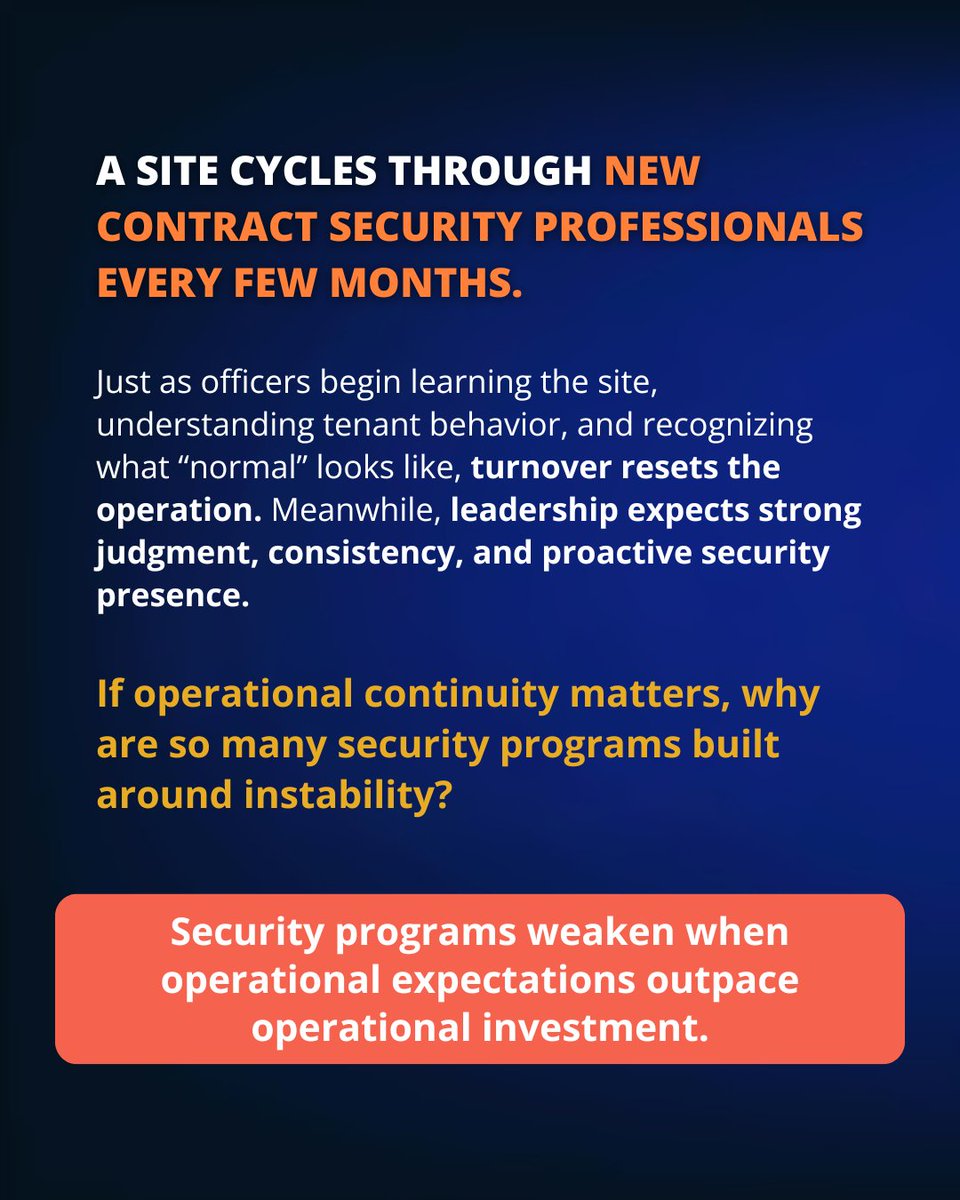
The strongest security operations are built on alignment between risk, readiness, and operational investment. Read the full article from Security Management Magazine: bit.ly/4dNbpiP
#SecurityLeadership #ContractSecurity #SecurityProfessionals #PhysicalSecurity
1
3
208

Apr 21
7/7 ✅
【Summary】 Automated scanning tools are valuable, but they have limitations:
• Cannot identify "abandoned proxy permissions"
• Cannot synchronize data from all locked platforms in real time
ISC's contract security has been verified on-chain.
Don't just look at the rating numbers; verify it yourself.
🌐 Website: icesnowcoin.com
🏛️ Governance: snapshot.org/#/s:icesnowcoin…
#ISC #BSC #ContractSecurity #TokenSniffer #OnChainVerification

3
103

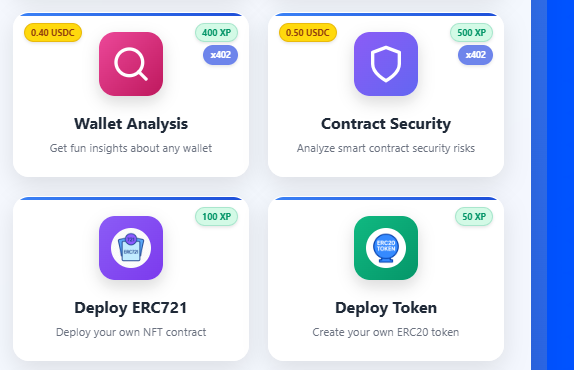
🚀 What’s New on BaseHup
🔍 Wallet Analysis
Analyze any wallet in seconds.
• Token and NFT balances
• Transaction history and behavior
• On-chain activity insights
Make informed decisions with clear wallet data.
👉basehub.fun/
🛡️ Contract Security
Identify hidden risks in smart contracts.
• Honeypot detection (6 patterns)
• Mint authority and supply risk analysis
• Owner privileges and centralization checks
• Clear Safe and Critical indicators
Not just safe or unsafe we explain why.
👉basehub.fun/
#Base #wallet #ContractSecurity $Base
5
109

20 Nov 2025
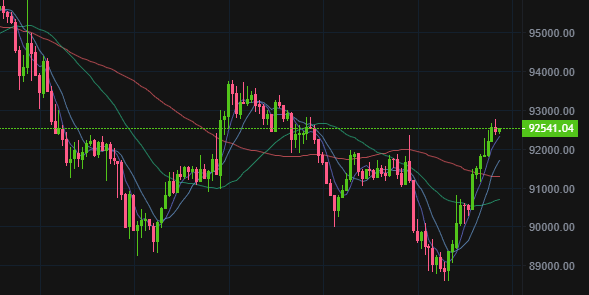
Monkey market, jumping up and down This volatile market keeps doing T 0 trading How many have succeeded?
#websea #BTC #ContractSecurity
2
23

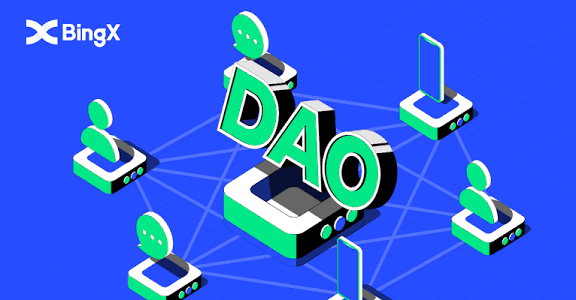
The role of the smart contract in a DAO:
It defines the rules of the organization, holds the treasury and executes decisions automatically once consensus or contract is reached.
#DAO #SmartContracts #ContractSecurity
1
60

15 Oct 2025
In Solidity, marking a function or variable as private or internal only limits access within the smart contract.
It prevents other contracts from reading or modifying the data, but it does not make it invisible. Everything on the @blockchain is public and can still be seen by anyone who checks.
#ContractSecurity #Coding #เขมจิราต้องรอดseries #Blockchain
1
3
50

15 Oct 2025
#Legal_recommendation
It is advisable to include a clause in agreements, memoranda of understanding, and partnerships that outlines the mechanism for handling bankruptcy and insolvency issues.
Example of the clause:
"Either party may terminate this agreement if it is proven that a bankruptcy petition has been filed against the other party, or if the other party becomes bankrupt, civilly insolvent, initiates liquidation proceedings, or has a judicial receiver appointed."For more specialized details regarding this clause:
To ensure protection for the non-bankrupt party, conditions such as "termination of the contract with written notice in case of a bankruptcy petition" should be included.
The proposed clause does not specify whether prior notification to the other party is required before termination or if termination is immediate. Often, a condition requiring written notice (e.g., 30 days) is included to ensure fairness. Additionally, some bankruptcy systems worldwide may not permit automatic contract termination if the bankrupt party is under reorganization protection.
Therefore, it is recommended to add a condition addressing this, such as: "Unless prohibited by applicable law." It is also advised to draft clauses that consider judicial liquidation or reorganization procedures, emphasizing court approval in certain cases. The clause also does not account for the specifics of local laws. For example, in some jurisdictions, terminating a contract may require commercial court approval if the bankrupt party is under reorganization procedures (redressement judiciaire).
Compatibility of the Termination Clause with the Saudi Bankruptcy System:
Based on an analysis of the Saudi Bankruptcy System (issued under Royal Decree No. M/50 dated 28/5/1439 AH, with amendments up to 2024), the proposed termination clause—allowing termination of the agreement upon proof of bankruptcy, insolvency, liquidation, or appointment of a judicial receiver—is partially compatible with the system but requires amendments for full compliance.
The system aims to protect creditors and debtors and specifies procedures for managing contracts during bankruptcy, focusing on business continuity as much as possible. Below are the details:General Framework for Contracts under the Saudi Bankruptcy System - Contract Continuity as a Fundamental Rule:
According to Article (37) of the Executive Regulations of the Bankruptcy System, contracts remain in effect, and the debtor (the bankrupt party) must fulfill contractual obligations during financial reorganization or protective settlement procedures. This means immediate termination is only permitted in exceptional cases to avoid disrupting business operations.
Termination Possibility:
The trustee (court-appointed administrator) or the debtor (under the trustee’s supervision) may request contract termination from the commercial court if it serves the interests of creditors or business continuity (e.g., for unprofitable contracts or those causing losses).
The proposed clause aligns with this if termination is conditioned on court approval, but it is vague for not explicitly mentioning this requirement.
Impact on Partnerships and Memoranda of Understanding:
In cases of insolvency (financial distress before full bankruptcy), mutual termination is possible. However, once formal procedures (e.g., liquidation) begin, the court becomes the governing authority.
Is Court Approval Required?
Yes, in most cases:
During reorganization or settlement procedures (covering most early insolvency cases), contracts cannot be terminated without commercial court approval.
The request (from the trustee or the non-bankrupt party) is submitted to the court, which decides based on whether termination protects creditors’ interests or hinders continuity. This aligns with Article (6) of the system, granting the court full supervisory authority over procedures.
In liquidation procedures, the trustee can terminate contracts more easily, but even then, it is subject to court oversight, and notification of creditors and affected parties is required.Exceptions:
If the contract includes an explicit termination clause (like the proposed one), automatic termination may be allowed if it does not conflict with the "moratorium period," which prohibits individual actions against the debtor for up to 180 days (extendable). However, in case of conflict, the system’s provisions take precedence.
Is a Notice Period Required?
The system itself does not specify a mandatory notice period for commercial contracts, unlike labor contracts (which require periods like 30 days under the Labor Law). However, written notification to the parties and the court is required before any termination, especially in reorganization procedures. The Executive Regulations (Article 37) require submitting a termination request to the court with reasons, and the other party is notified immediately.
In liquidation, creditors must be notified within 90 days of the procedure’s start to submit their claims, meaning termination is not immediate.
Recommendation:
To ensure compliance, add a phrase to the clause such as: "With written notice to the other party and the competent court, unless prohibited by the Bankruptcy System.
#Legal_recommendation
#ContractSecurity
#LegalProtection
#CourtsForNonSpecialists

1
2,090

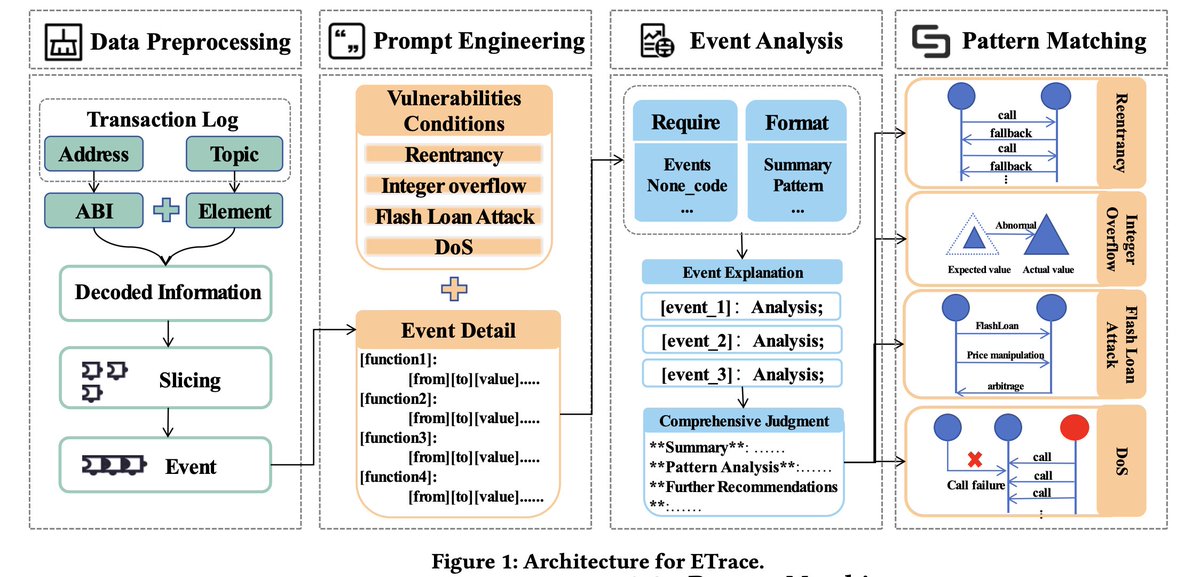
Event-Driven Vulnerability Detection in Smart Contracts via LLM-Based Trace Analysis - arxiv.org/pdf/2506.15790
With the advance application of blockchain technology in various fields, ensuring the security and stability of smart contracts has emerged as a critical challenge. Current security analysis methodologies in vulnerability detection can be categorized into static analysis and dynamic analysis methods. However, these existing traditional vulnerability detection methods predominantly rely on analyzing original contract code, not all smart contracts provide accessible code. We present ETrace, a novel event-driven vulnerability detection framework for smart contracts, which uniquely identifies potential vulnerabilities through LLM-powered trace analysis without requiring source code access. By extracting fine-grained event sequences from transaction logs, the framework leverages Large Language Models (LLMs) as adaptive semantic interpreters to reconstruct event analysis through chain-of-thought reasoning. ETrace implements patternmatching to establish causal links between transaction behavior patterns and known attack behaviors. Furthermore, we validate the effectiven
#SmartContracts #LLMSecurity #ETrace #BlockchainSecurity #EventDriven #TraceAnalysis #AI4Blockchain #VulnerabilityDetection #NoSourceCode #ChainOfThought #ContractSecurity #LLMDetection #SemanticAnalysis #AttackPatterns #Web3Security #DynamicDetection #SmartContractAudit #AI4Web3 #AdaptiveAI #TransactionLogs
1
5
155

👀 In-depth Analysis: Unexpected token approval led to the Hedgey Token Claim Contract being attacked on multiple chains, resulting in losses of up to tens of millions of dollars.
Dive into the event & explore our #security insights in the article: link.medium.com/eB9dsj6I1Ib
#CryptoSecurity #Web3 #DeFi #ZANKYT #ContractSecurity
1
2
554

19 Oct 2023
Thread 4/10: Security and reliability are key in contract management. Tokenized defines contract elements as digital tokens on the BSV blockchain, making the process more secure and accountable. Explore how Tokenized enhances trust in digital contracts. #ContractSecurity
1
1
61

14 Jun 2023
Era is going ahead for the Smart Contract!
#blockcoaster #blockchain #blockchaintechnology #smartcontract #contractsecurity #smartcontracts #smartcontractsecurity #security #defi #metaverse #ai #crypto #cryptocurency

1
32

23 Dec 2022
Thank you to our partners at Tesco Ireland, all our Security Team, and well done to everyone who supported our Recruitment and Retention initiative.
#security #retailsecurity #contractsecurity #securityjobs #ocswecare
1
260
5 Dec 2022
Be sure to watch #TheDART No Ordinary Day, tonight at 9.35pm on @rte One. This fascinating documentary will feature just some of our incredible OCS security colleagues who ensure the DART is safe and secure for all users. #contractsecurity #DART #rail #ocswecare #ocsyourexpert
1
2

4 Nov 2022
Security Guard Service in Nashville Tennessee #Heltonsecurity #securityservices #securitycompanies #securityguardsservices #securityguardscompanies #hiresecurityguards #eventsecurity #contractsecurity #corporate #eventsecurity #securityofficer #TikTok
tiktok.com/t/ZTRxeQcRP/
1
16 Sep 2022
Security Guard Service in Nashville Tennessee #Heltonsecurity #securityservices #securitycompanies #securityguardsservices #securityguardscompanies #hiresecurityguards #eventsecurity #contractsecurity #corporate #eventsecurity #securityofficer #TikTok tiktok.com/t/ZTRaJnhAb/
2
2
16 Sep 2022
Security Guard Service in Nashville Tennessee #Heltonsecurity #securityservices #securitycompanies #securityguardsservices #securityguardscompanies #hiresecurityguards #eventsecurity #contractsecurity #corporate #eventsecurity #securityofficer #quickresponse #samedayservice #fire

2
29 Aug 2022
Security Guard Service in Nashville Tennessee #Heltonsecurity #securityservices #securitycompanies #securityguardsservices #securityguardscompanies #hiresecurityguards #eventsecurity #contractsecurity #corporate #eventsecurity #securityofficer #quickresponse #samedayservice #fire

1
5 Aug 2022
Security Guard Service in Nashville Tennessee #Heltonsecurity #securityservices #securitycompanies #securityguardsservices #securityguardscompanies #hiresecurityguards #eventsecurity #contractsecurity
Check out HeltonSecurity's video! #TikTok tiktok.com/t/ZTRUfMTd7/?k=1
1
2
20 Jul 2020
Congratulation to Paul Hayes OCS Security, who was recently awarded the @IrishRail Contractor Safety Award.
#ocslife #ocswecare #ocsyourexpert #ocssafehands #security #contractsecurity #HealthAndSafety

1
5
20 Jul 2020
Security Guard Service in Nashville Tennessee #Heltonsecurity #securityservices #securitycompanies #securityguardsservices #securityguardscompanies #hiresecurityguards #eventsecurity #contractsecurity #corporate #eventsecurity #securityofficer #quickresponse #samedayservice

2