
Mar 25
More precisely:
The DMN is suppressed during intense focus and scrolling — that part is spot on.
But it’s not *only* when you “do nothing.” True creativity kicks in when you first go all-in on the problem (Elon-style deep struggle), then let incubation happen during walks, hobbies, or showers.
Preparation Downtime = the real “aha” moments 🔥
#DefaultModeNetwork #CreativityScience
Mar 25

Researchers put electrodes in people’s brains and found the network responsible for creative thinking shuts off completely during focused tasks and content consumption.
It only fires when you do nothing.
Your best ideas are behind the screen you won’t put down.
2
166

6 Nov 2025
A 2012 study revealed modafinil's limits: while it maintains basic alertness during sleep deprivation, it preserves only 40-50% of creative thinking. Our most uniquely human abilities may be most vulnerable to sleep debt. 🎨💭 #CreativityScience
themattwalkerpodcast.buzzspr…
2
4
5,044

9 Oct 2025
The Science Behind Creativity: Myths vs. Reality
1. How might incorporating diverse experiences into daily routines foster more innovative thinking based on cognitive flexibility principles?
2. What alternative strategies could challenge the notion that creativity peaks in youth, considering lifelong learning models?
3. In what ways could re-evaluating personal routines reveal hidden biases in our understanding of creative processes?
Creativity has long been shrouded in mystery, often portrayed as a divine spark or an innate gift reserved for the select few. However, scientific research demystifies this concept, revealing it as a cognitive process rooted in brain function, environment, and practice. One pervasive myth is that creativity strikes like lightning—inspiration out of nowhere. In reality, neuroscientific studies show that creative ideas emerge from the brain's default mode network, which activates during mind-wandering, but only after deliberate preparation. This network connects disparate ideas, but it requires a foundation of knowledge and effort. For instance, when individuals immerse themselves in a problem, their brains subconsciously process information, leading to "aha" moments that feel spontaneous but are built on prior work.
Another common misconception is that creativity is solely the domain of right-brained individuals, those artistic and intuitive types, while left-brained people are logical and analytical. This binary view oversimplifies brain lateralization. Functional MRI scans demonstrate that creativity involves both hemispheres collaborating. The left brain handles language and structure, while the right manages spatial and holistic thinking. True innovation often arises from their integration, as seen in fields like engineering, where logical problem-solving meets imaginative design. Dismissing this myth encourages a more inclusive approach, recognizing that anyone can cultivate creativity through balanced skill development.
The idea that creativity flourishes in chaos or under pressure is also debunked by psychological evidence. While some thrive in high-stakes environments, chronic stress impairs the prefrontal cortex, hindering executive functions like flexible thinking. Optimal creativity often occurs in "flow states," as described in positive psychology, where challenges match skills in a focused, distraction-free setting. Environments that promote psychological safety—free from fear of failure—enhance divergent thinking, the ability to generate multiple solutions. Companies fostering such cultures report higher innovation rates, underscoring the value of structured yet supportive spaces over disorganized frenzy.
Furthermore, the myth that creativity diminishes with age ignores neuroplasticity, the brain's lifelong ability to form new connections. While fluid intelligence—raw problem-solving—peaks in young adulthood, crystallized intelligence, built from experience, grows over time. Older individuals often excel in creative synthesis, drawing from vast knowledge reservoirs. Historical examples abound, but logically, encouraging continuous learning through hobbies or education sustains creative output regardless of age. This perspective shifts focus from innate talent to trainable habits.
Environmental factors play a crucial role too. Isolation is romanticized as the artist's solitude, yet collaboration amplifies creativity. Social psychology highlights how diverse groups spark novel ideas through cognitive friction—clashing viewpoints leading to breakthroughs. Homogeneous teams ..
#CreativityScience #Article #AIGenerated
Demo App
aihotshorts.blogspot.com/202…
Utilizing Creativity to Enhance Artistic Potential
facebook.com/share/p/18vBDo5…
44

1 Feb 2025
गणितीय अध्ययन ने रचनात्मकता और नवाचार के रहस्यों को उजागर किया
#2YoDoINDIA #AcademicResearch #CognitiveScience #ComputationalCreativity #Creativity #CreativityInLiterature #CreativityScience #EdgeReinforcedRandomWalk #HeapsLaw #IdeaFormation
2yodoindia.com/mathematical-…
2

24 Aug 2024
🧠 Neuroscience of creativity is revealing how the brain generates novel ideas, leading to new approaches in education, art, and innovation. The future of ideas is brain-ignited. #Neuroscience #CreativityScience #Innovation
5
24 Aug 2024
🧠 Neuroscience of creativity explores how the brain generates innovative ideas, with applications in education, business, and the arts. The future of innovation is brain-unleashed. #Neuroscience #CreativityScience #Innovation
6
24 Aug 2024
🧠 Neuroscience of creativity investigates how the brain generates innovative ideas, with applications in education, AI, and the arts. The future of imagination is brain-mapped. #Neuroscience #CreativityScience #Innovation
5
23 Aug 2024
🧠 Neuroscience of creativity explores how the brain generates creative ideas, with implications for AI and education. The future of innovation is brain-inspired. #Neuroscience #CreativityScience #AI
10
23 Aug 2024
🧠 Neuroscience of creativity is exploring how the brain generates new ideas, with potential applications in education and innovation. The future of creativity is brain-understood. #Neuroscience #CreativityScience #Innovation
10
22 Aug 2024
🧠 Neuroscience of creativity is uncovering how the brain generates creative ideas, with potential applications in education and AI. The future of creativity is brain-mapped. #Neuroscience #CreativityScience #Innovation
7

15 Jul 2024
🔬 Research indicates that certain brainwave frequencies, like alpha waves, are associated with creative thinking. Engaging in activities like meditation can stimulate these brainwaves and enhance creativity. 🧠 #Brainwaves #CreativityScience
1

19 Apr 2022
3. "Dr. Mueller, an expert in #creativityscience, said that paper arose partly from watching how company managers professed to want creativity and then reflexively rejected new ideas."
1

17 Sep 2021
What makes the process of collaboration truly creative? This article explores the brain chemistry of the creative process to understand the science of creativity.
buff.ly/2WWpxl7
#collaboration #creativity #creativityscience

19 Dec 2018
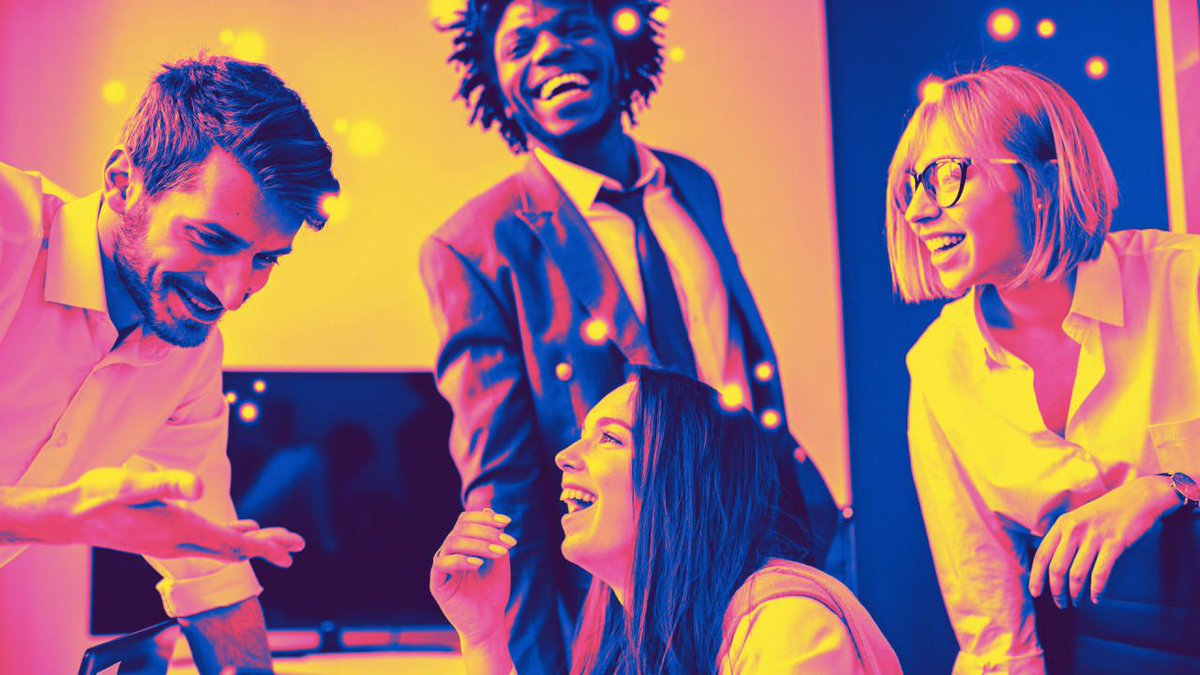
Los participantes del taller de CreativitySCiENCE y De Ciencia Divertida en Colegio Internacional Torrequebrada despiden el trimestre muy entusiasmados con su trabajo!! Han diseñado unos regalitos geniales, han... facebook.com/127945624053308…
30 Oct 2018
Ayer nuestros grupos de Science y CreativitySCIENCE en Colegio Internacional Torrequebrada aprovechaban las magníficas instalaciones del centro para explorar la atmósfera, el aire y probar sus inventos. Way to... facebook.com/127945624053308…

17 Oct 2018
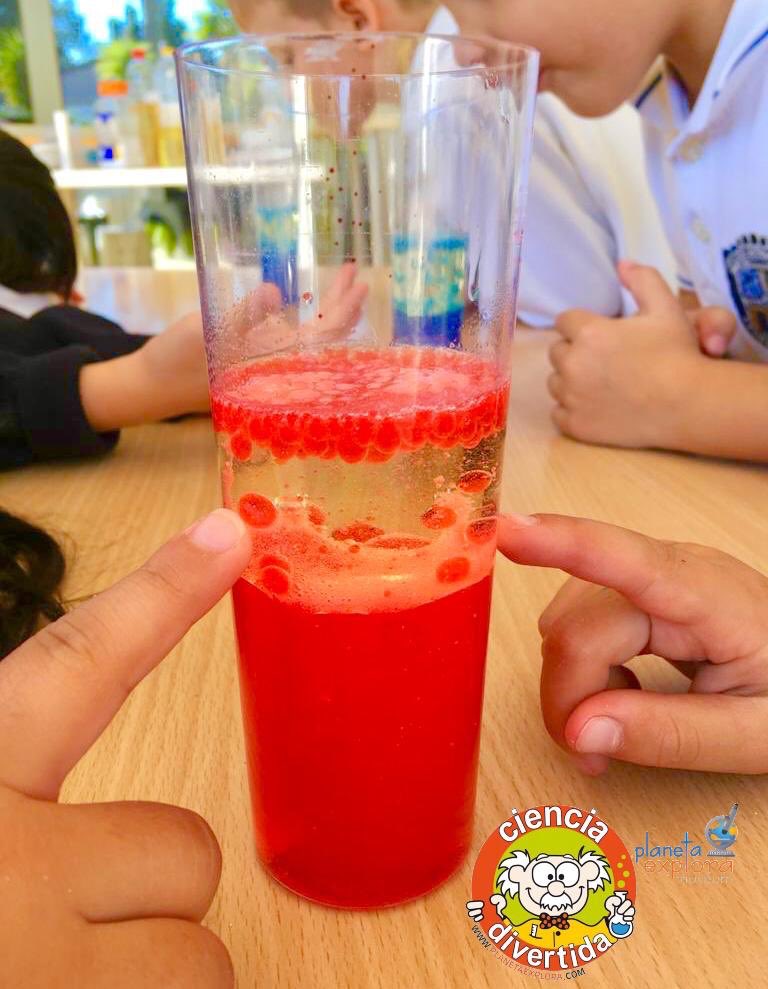
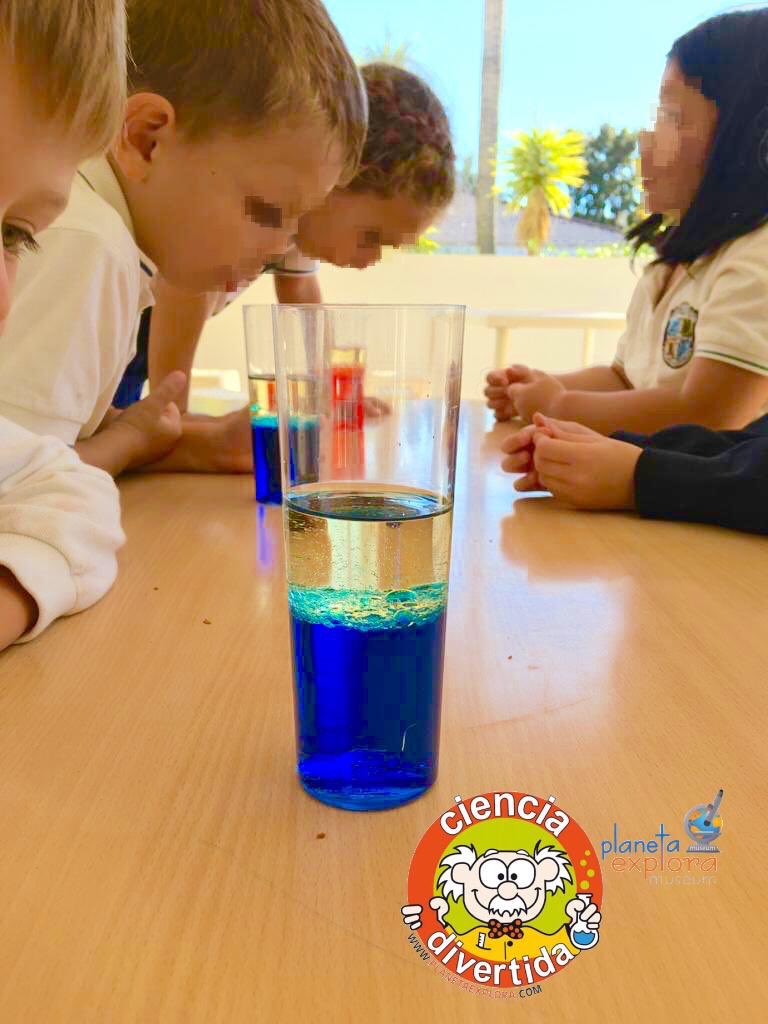
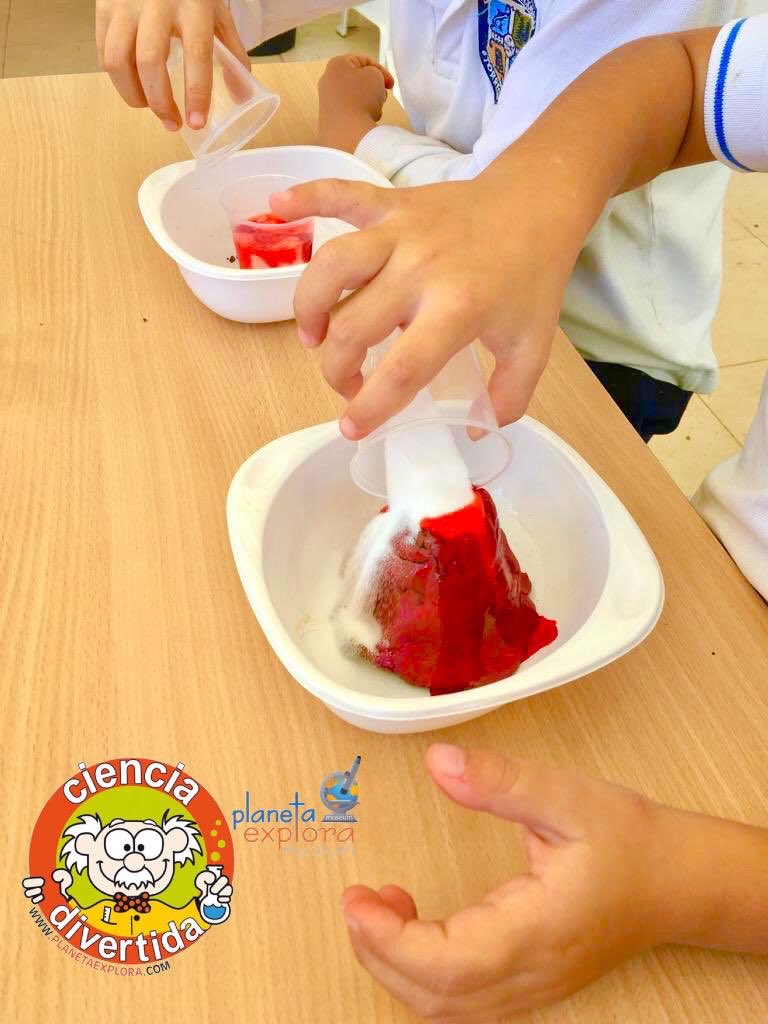
Amazing our CreativitySCIENCE group from @ColegioCIT discovering and exploring materials and its behavior. Brilliant!!
1
1

12 Jul 2017
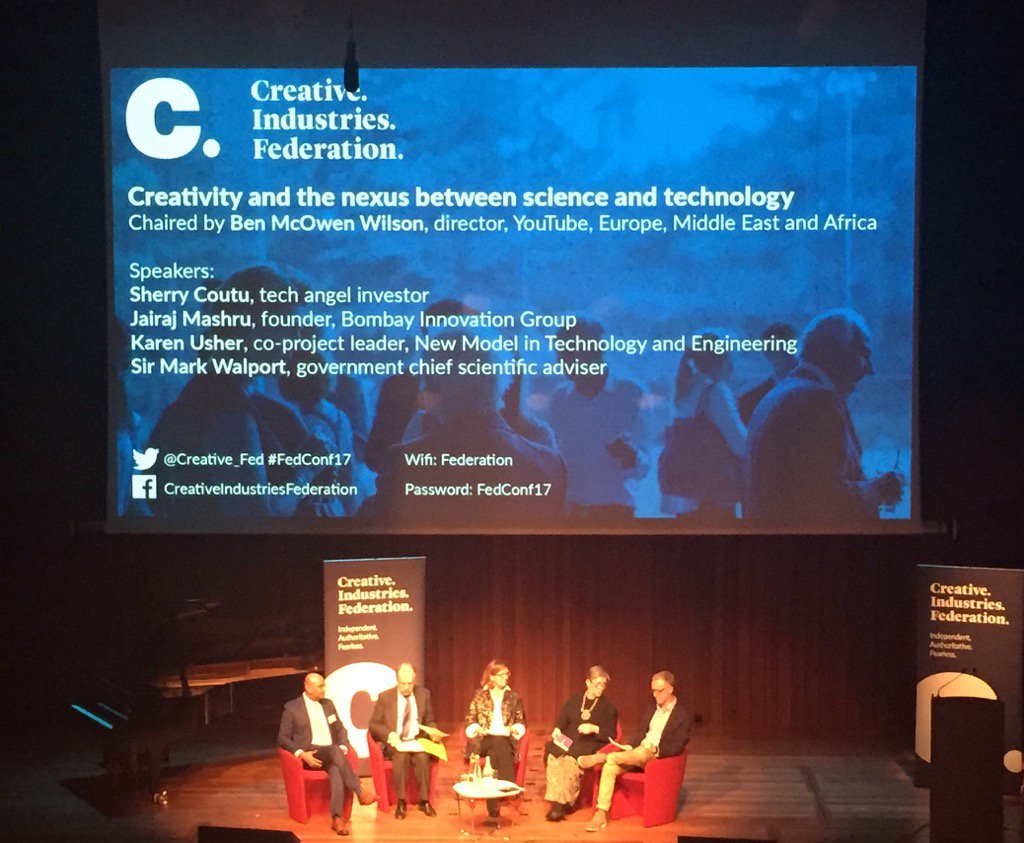
In these times we need to make with the user not for the user: #JairajMashru #CreativityScience Tech #FedConf17
2

20 Aug 2014
Great back to school video Why Did I Study Physics? theatlantic.com/video/index/… via @theatlantic #STEM, #creativityscience