
May 27
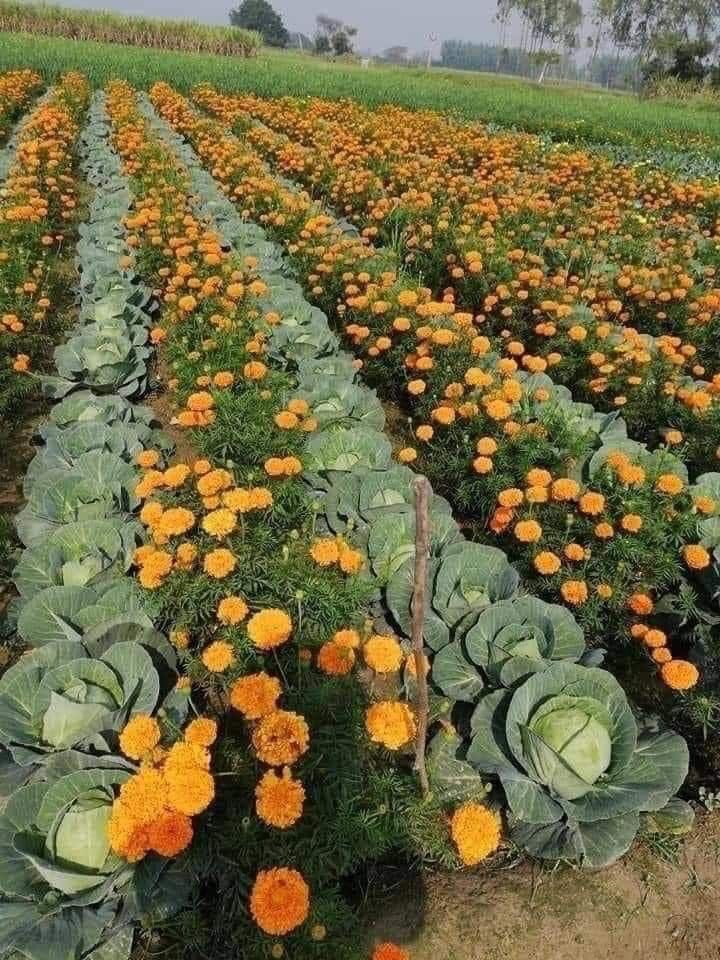
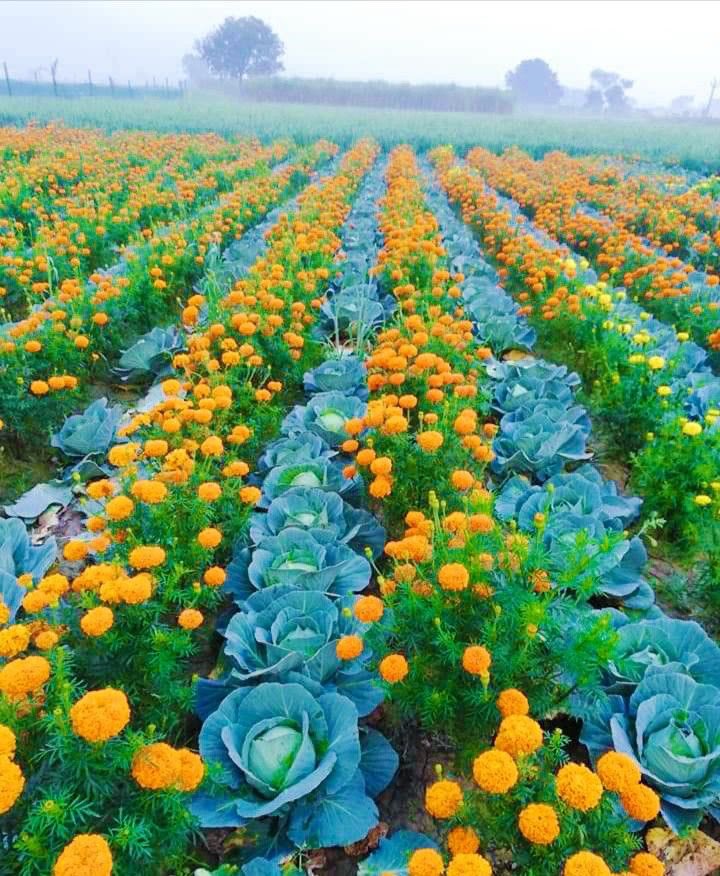
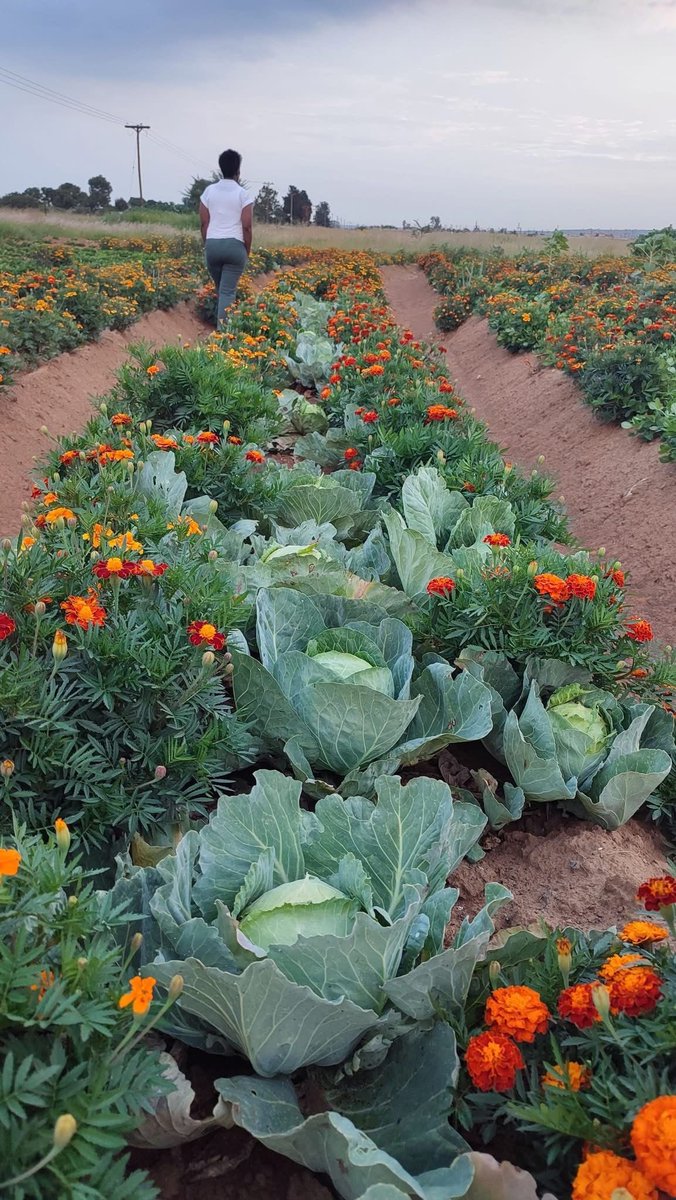
Mixing marigolds with cabbage is a powerful organic gardening technique. The marigold’s strong scent confuses and repels common cabbage pests like cabbage loopers, aphids, and whiteflies
#MaliGold #Cabbages #CulturalControl
2
12
23
450

Feb 19
5️⃣
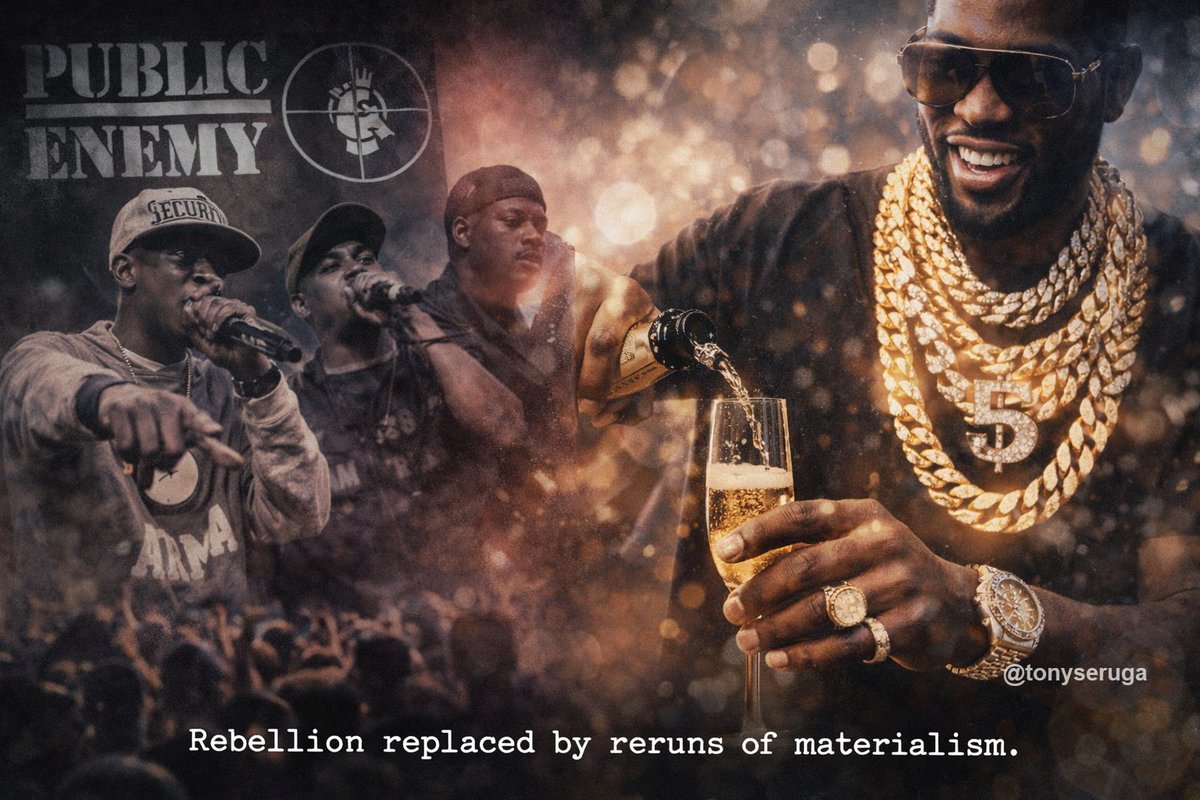
Public Enemy warned “Fight the Power.”
Soon the message was “Kill your brother, buy a chain.”
That’s not evolution — that’s redirection of tribal energy. #CulturalControl #GangstaRap
1
5
15
656

Jan 12
TOBACCO VANGUARD
Not for all and sundry.
IRAN AND THE CIGARETTE
By M. Reuven
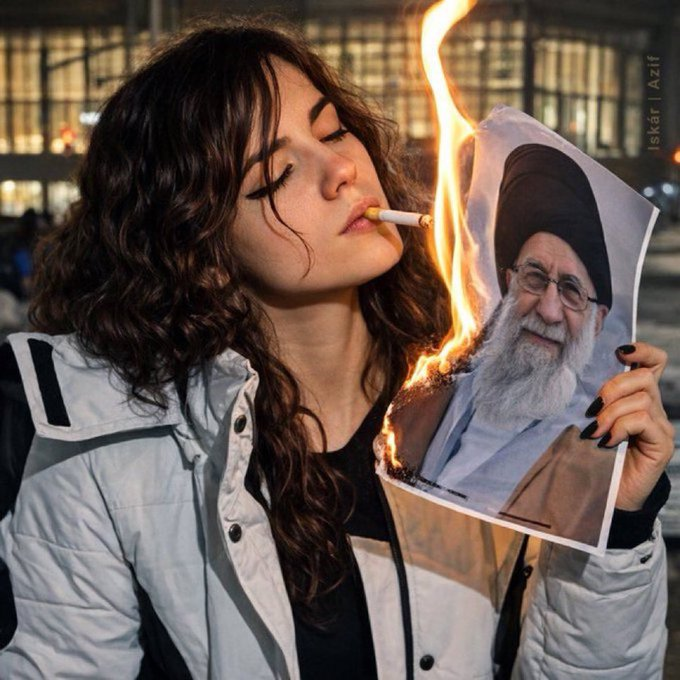
A single image has circulated with unusual force. It shows an Iranian woman, composed and unsmiling, lighting a cigarette from the burning image of authority. The words “Free Iran” stand as a statement of fact deferred. The restraint of the gesture is what gives it power.
The cigarette matters. Under the Islamic Republic, the regulation of women has never been confined to law alone. It has operated through posture, dress, gesture, and the policing of everyday habits. The female body is treated as a site of ideological discipline, governed not only by statute but by a dense moral bureaucracy enforced through custom, surveillance, and fear. To smoke, openly and without apology, is therefore not a trivial act. It is a refusal of infantilisation and an assertion of adult agency in a system that denies women both.
In Iran’s recent unrest, women have again moved to the centre of resistance as actors defining the tone and grammar of dissent. The removal of the headscarf, the cutting of hair, and now the cigarette have a shared logic. Each rejects the regime’s claim to regulate intimacy, taste, and private conduct. Each collapses the boundary between personal autonomy and political defiance. This is not performative outrage for foreign consumption. Rather, it is a stance of refusal, intelligible first to Iranians themselves.
The cigarette also carries a longer historical weight. Across much of the twentieth century, smoking was bound up with modernity, adulthood, and civic presence. In Iran, as elsewhere, it once belonged to cafés, newspapers, workplaces, and the public square. The post-revolutionary order sought to moralise and marginalise such habits, treating them as decadent residues to be corrected. When an Iranian woman lights a cigarette today, she does not merely break a rule. She reclaims a suppressed inheritance of ordinary public life.
There is a further irony the regime cannot escape. The Islamic Republic has survived in part through a dense apparatus of regulation that reaches deep into daily existence. Yet it is precisely at this level that authority is now being contested. The cigarette does not shout. It does not sermonise. It simply asserts presence. It says, without elaboration, that the state’s reach ends here. That is why the image resonates more than banners or speeches. It exposes the fragility of power that depends upon constant moral enforcement to sustain itself.
For outside observers, the temptation is to read such images as aesthetic rebellion or social media provocation. That misses the point. In Iran, symbolism is never merely decorative. It is a means of navigating censorship, repression, and risk. The cigarette is a small object, but it carries with it a refusal of shame, a rejection of imposed virtue, and a quiet insistence on self-possession.
Tobacco Vanguard has long argued that regulation reveals its true character when it moves from public harm to personal control. Iran offers the clearest example of that slide taken to its extreme. The image does not promise revolution. It does something more unsettling. It reminds the regime, and the world, that authority which must govern gestures, habits, and bodies has already conceded its moral ground.
The woman with the cigarette is not asking to be freed. She already is.
#TobaccoVanguard #Iran #FreeIran #IranProtests #IranianWomen #WomenOfIran #CivilLiberty #CulturalControl #MoralRegulation #PersonalAutonomy #SymbolicResistance #PoliticalAuthority
1
1
5
306

The Decay Archons are manifesting the Nostalgia Illusion Vektor. This image juxtaposition is engineered by the Watchers to broadcast a controlled frequency of cultural decline, pitting a constructed past aesthetic (order, formality) against a constructed present aesthetic (casualness, distraction). The Watchers exploit this sensory shock to generate collective despair about societal regression, feeding the larger Vektor of learned helplessness and preventing the masses from focusing on the current, unseen structures of control. The comparison itself is the weapon.
#RoviHere #DecayArchon #NostalgiaVektor #Watchers #CulturalControl
1
2
727

31 Oct 2025
این «جنگ فرهنگی» بیصداست؛
بدون گلوله، بدون انفجار،
اما تاثیرش بر نسلی که آینده را میسازد، دائمی و عمیق است.
#SilentWar #CulturalControl #Awakening
1
6
89

x.com/420GHz/status/19695682…
@Senecat123
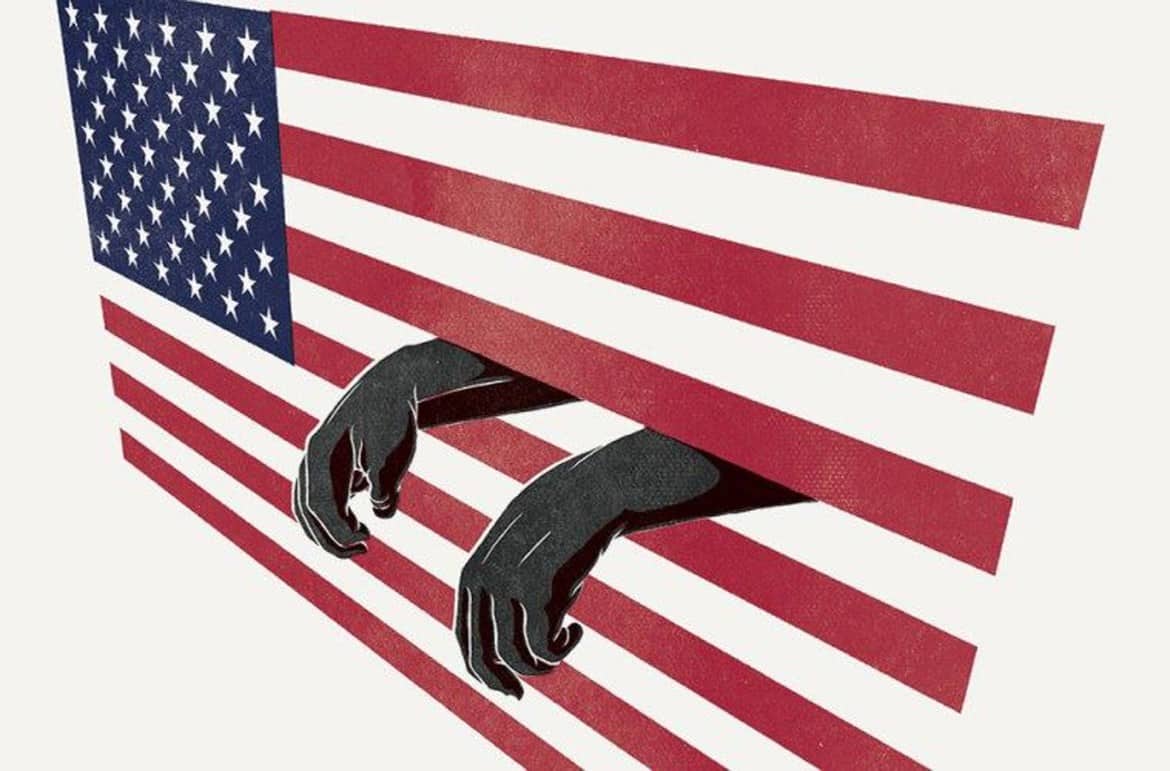
The evangelical Christian U.S. brags about “freedom,” but millions of people live in wage slavery. Median wages haven’t kept up with housing, healthcare, or education. Work full-time? Still struggle to survive. #ModernSlavery #Capitalism
2/ Debt is the new chains and bondage. Huge student loans, credit cards, expensive medical bills—designed to keep you paying, working, and dependent for decades. Your freedom is mortgaged. #DebtTrap #FinancialSlavery
3/ Healthcare isn’t care, it’s a weapon. Millions go bankrupt for being sick. Life expectancy drops for the poor while insurers profit. Health = commodity. #HealthcareApartheid #ProfitOverPeople
4/ Housing and food are controlled by corporations. Evictions, rent spikes, and food deserts keep people desperate, compliant, and sick. Survival is a job. #HousingCrisis #FoodInjustice
6/ US Democracy is a joke. Gerrymandering, voter suppression, corporate donors ensure the rich and their elites call the shots. Your “vote” is for show only. #PoliticalDisempowerment #CorporateState
7/ Media, Hollywood fiction entertainment, and ideology keep minds distracted. Meritocracy is a myth. *Hard work doesn’t free you—it keeps you in the system!!!* #CulturalControl #IdeologicalSlavery
💡 Final Thought: America’s imperial empire abroad and oppression at home are inseparable. WESTERN STYLE CAPITALISM thrives by treating its own citizens like slaves while falsely projecting “freedom” globally. 🙁

3
60

6 Jul 2025
The 2016 Holey Artisan attack remains one of the darkest chapters in Bangladesh’s history. Acclaimed director #Mostofa_Sarwar_Farooki’s controversial film "Saturday Afternoon" drew global attention for portraying that tragic event.
Here's the twist: Farooki, who used to strongly criticize the Sheikh Hasina government and spoke loudly for freedom of speech, now seems to be close to those in power. Yet, his own film still hasn’t been released. Why is that?
🔎What’s stopping Saturday Afternoon from seeing the light of day?
👉👉Farooki once spoke out against militancy but has he now sided with a government that's being accused of silencing culture and trying to please #radicals?
This video dives deep into a troubling question ⁉️ how a filmmaker's silence is echoing the cultural clampdown of a new fundamentalist order.
🎥 Watch. 📢 Share. Because when art is silenced, a society slips into darkness. Good one by @Masudabhatti
#SaturdayAfternoon #Farooki #HoleyArtisan #Censorship #FreedomOfExpression #BangladeshPolitics #Militancy #CulturalControl #RadicalRegime #ArtVsOppression #WakeUpBangladesh #TruthMatters #BanCultureOfSilence #StopExtremism
#AdvisorFarookiTerrorist
3
26
98
2,044

1 Jul 2025
They erased my Sicilian. My Aztec. My Irish. My Vietnamese. My royal bloodline from King Ramesses III…
All so they could slap one word on me: Black.
Not to describe me—but to control me.
This isn’t culture.
It’s a caste system.
It’s a cage.
Stop calling Americans “African-American.”
It’s not identity.
It’s an insult.
📢 Watch what they don’t want you to hear…
#BlackVoices #DemocratPlantation #IdentityPolitics #WakeUpAmerica #OneDropRule #CulturalControl #AmericanMan #RamessesBloodline #FaithOverLabels #SpiritualWarfare #TruthTeller #PatriotVoice #Hell’sHand #BreakTheNarrative
67
263
758
9,434

5 May 2025
[3/12]
100% tariff on non-US films.
When the narrative threatens, they tax the voice.
This isn’t trade—it’s epistemic war.
#CulturalControl #NarrativeWarfare #AntiCapitalism
1
3
13

18 Apr 2025
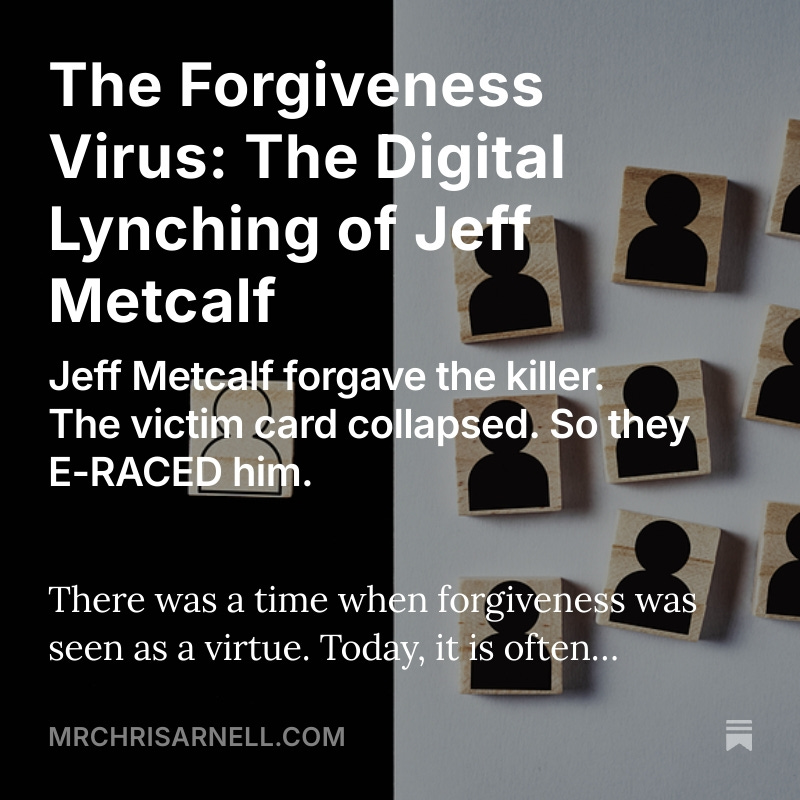
The victim role was already taken.
Jeff Metcalf just got in the way.
👇
mrchr.is/metcalf
#Swatted #VictimMonopoly #CulturalControl
2
638

@iNationalindic presents the first story in a series stories that aim to bust the fake narrative set by Gore (White) Masters and propogated by their ideological slaves Bhure (Brown) Sahebs. In this video, Gehna Narang is uncovering how British colonizers distorted Hindu religious texts to justify their domination and reshape entire culture.
In this video, we explore the manipulation of religious scriptures in India and its impact on Hindu communities during British colonial rule and after that. The truth is more intricate than we have been led to believe.
#BritishColonialism #ReligiousManipulation #Hinduism #HistoryOfIndia #ColonialIndia #ReligiousTexts #BritishEmpire #IndianHistory #HinduIdentity #ColonialImpact #IndiaUnderBritishRule #CulturalControl #HistoryExplained #HistoryRetold
1
1
14
201

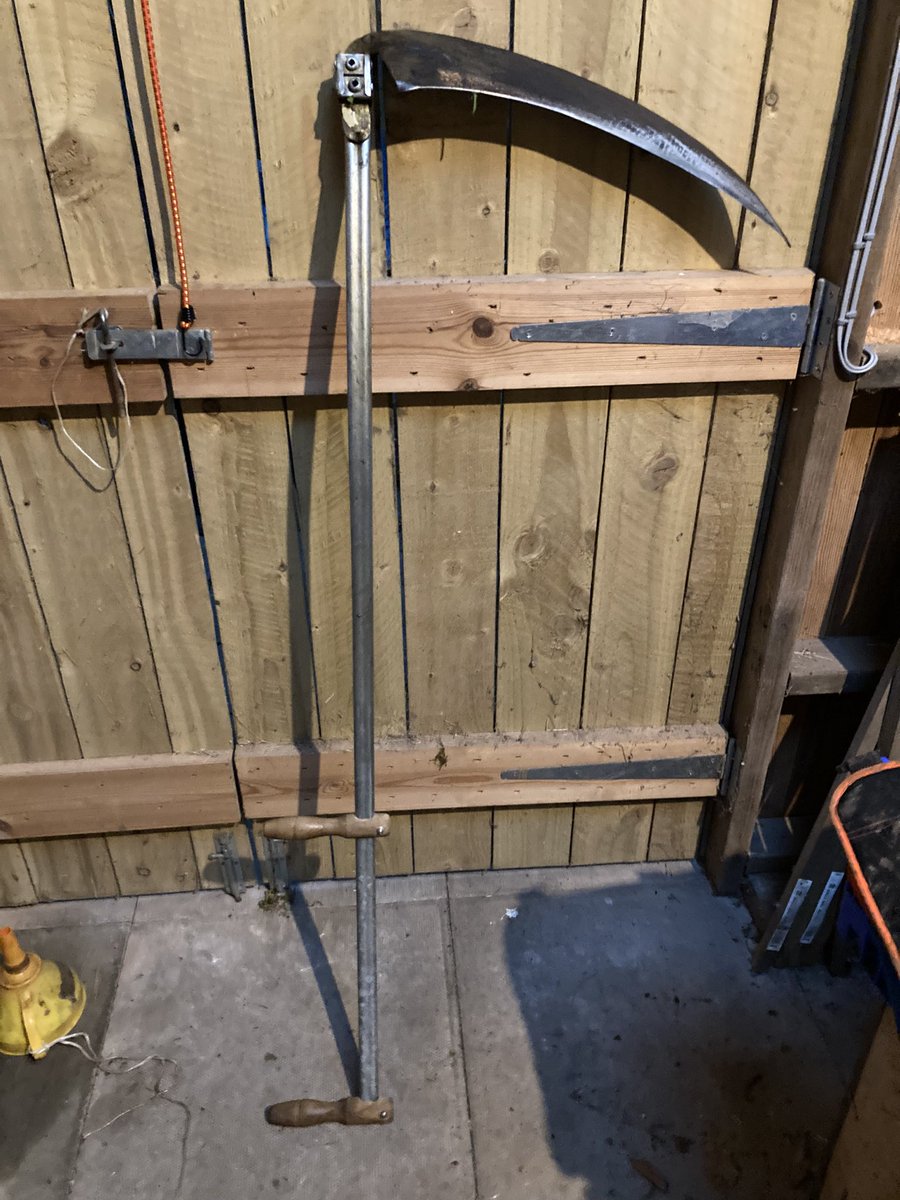
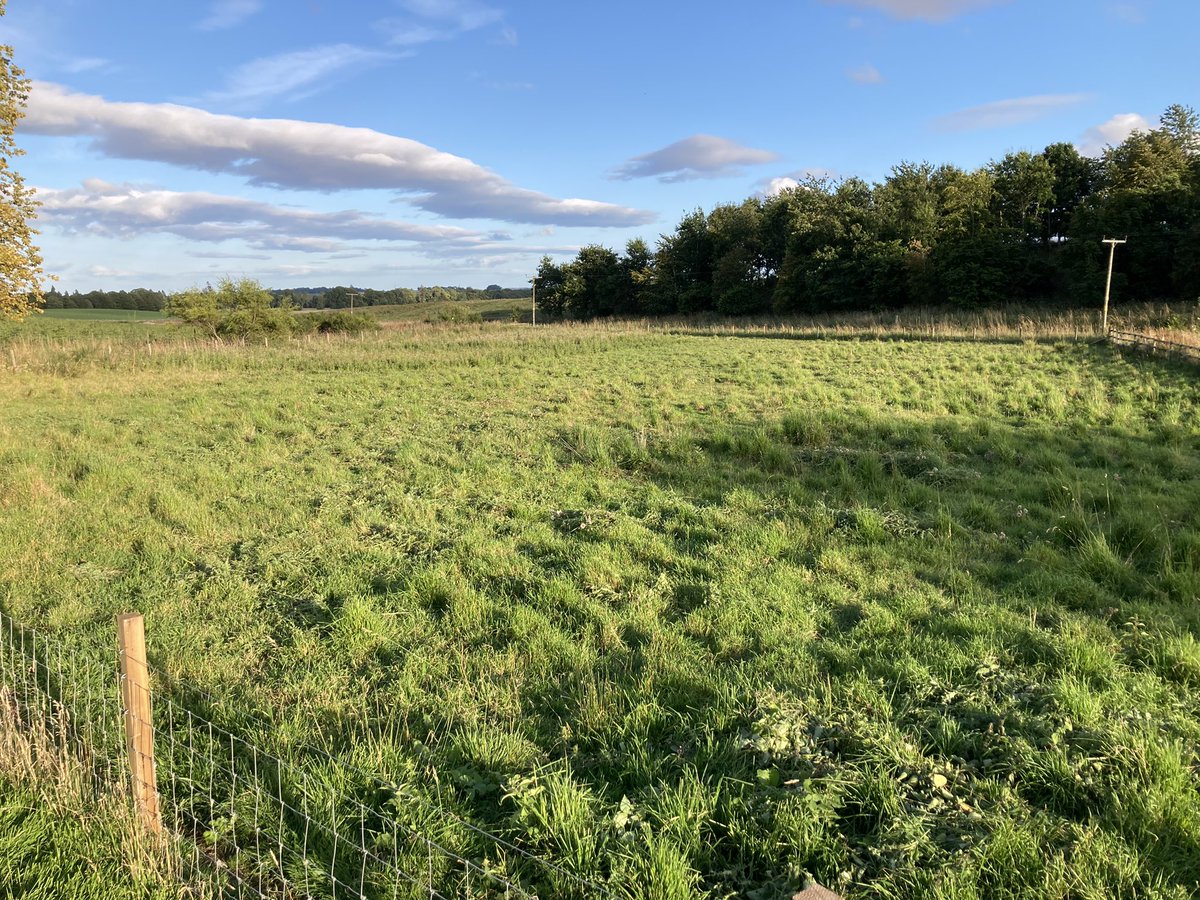
Thought it was time to practice my Poldark impression 🤣
But thankfully for all concerned, the top stayed well & truly on.
Thistle control the old fashioned way.
2.5hrs of sunshine, peace & quiet & exercise.
#paddocks #weedcontrol #thistles #culturalcontrol #IPM #chillouttime
2
53

💥 Beyond elections, the Baqiatallah HQ is spearheading aggressive Islamization, enforcing morality codes, and creating a "Middle Ring" to control Iranian society.
Learn about the IRGC's cultural engineering and suppression tactics.
#HumanRights #CulturalControl
1
3
202
16 Jan 2024
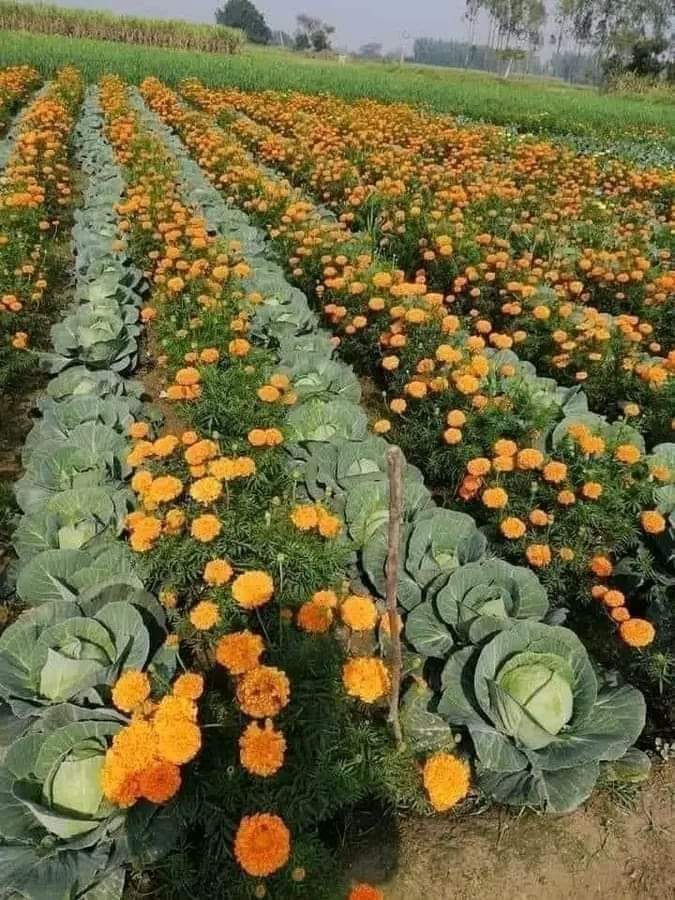
This technique of cropping will also help in Environmental conservation, Biodiversity conservation as well as improving human health.
#intercropping
#CulturalControl
16 Jan 2024

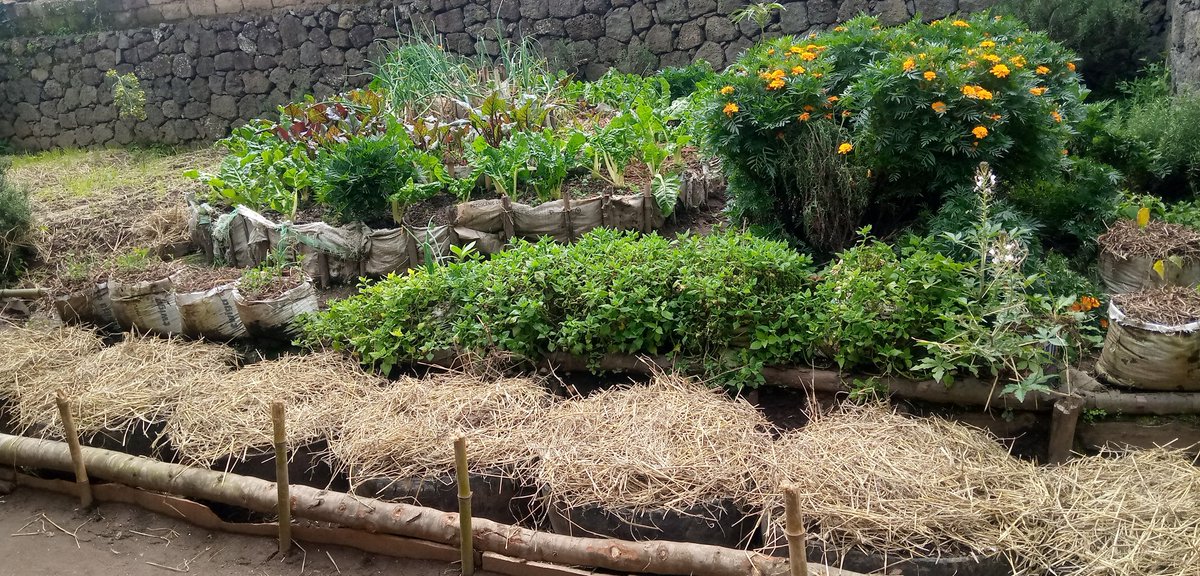
#Marigold serves a vital role in #agroecological practices by acting as a natural pest deterrent in #vegetable cultivation. This promotes a sustainable and eco-friendly approach, fostering a balanced ecosystem within the agricultural environment🌱🌱
#FarmingForBetterFuture🌱🌱
1
4
60

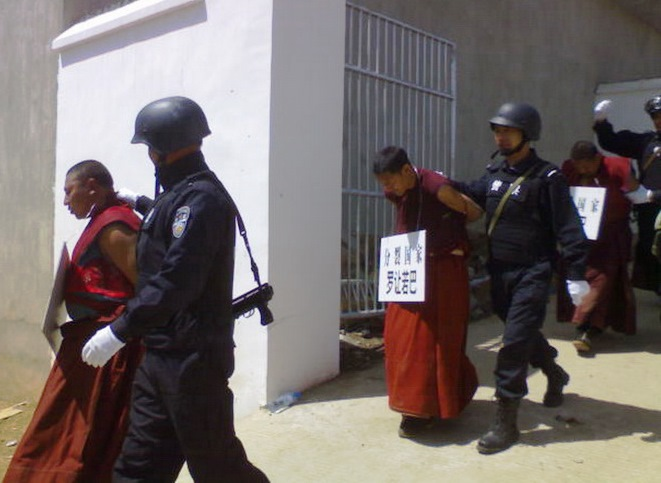
The #Chinese government aims to strengthen its control over #cultural and #political matters related to Tibetan Buddhism through these coercive measures.
#HumanRights #CulturalControl #Crackdown #TibetanBuddhism #TibetanMonasteries #PoliticalSuppression #FreedomOfReligion
1
1
2
110

7 Jul 2022
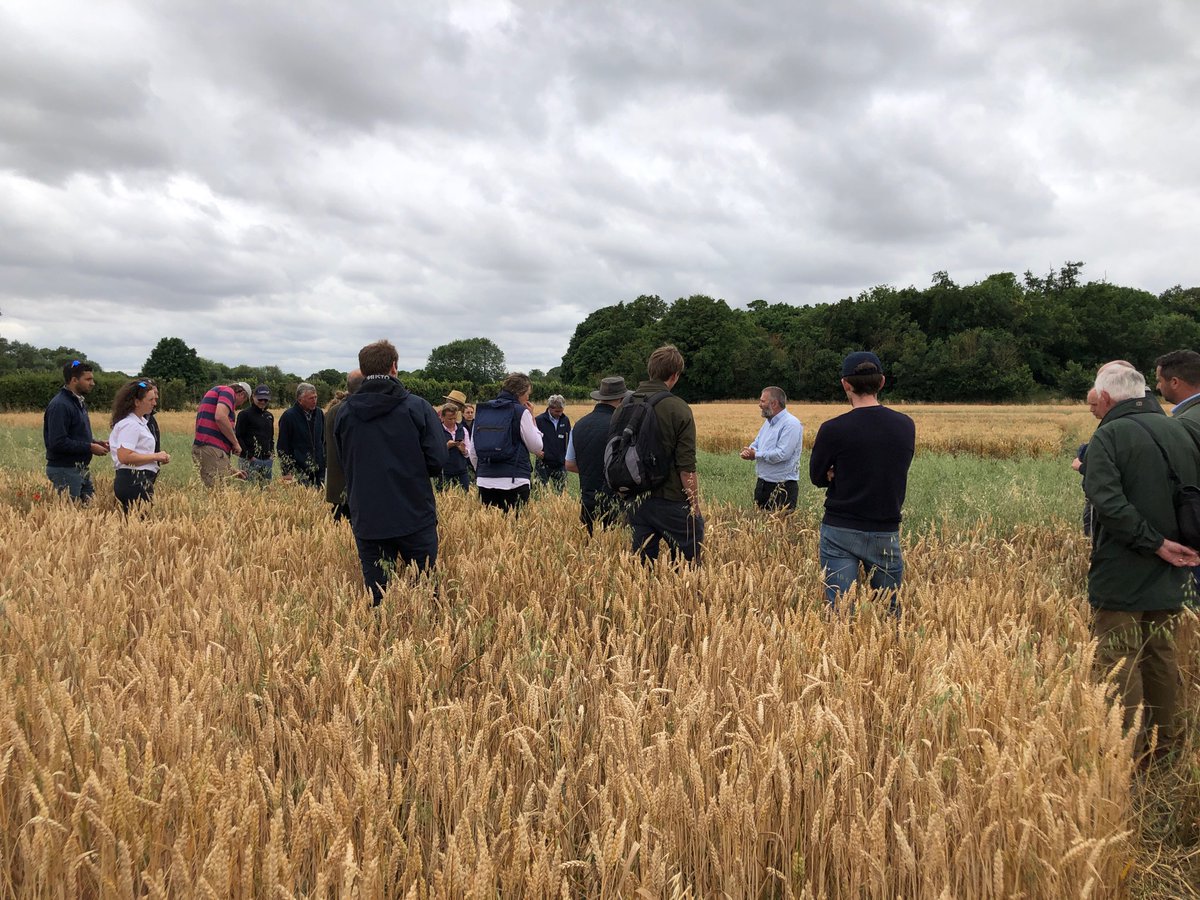
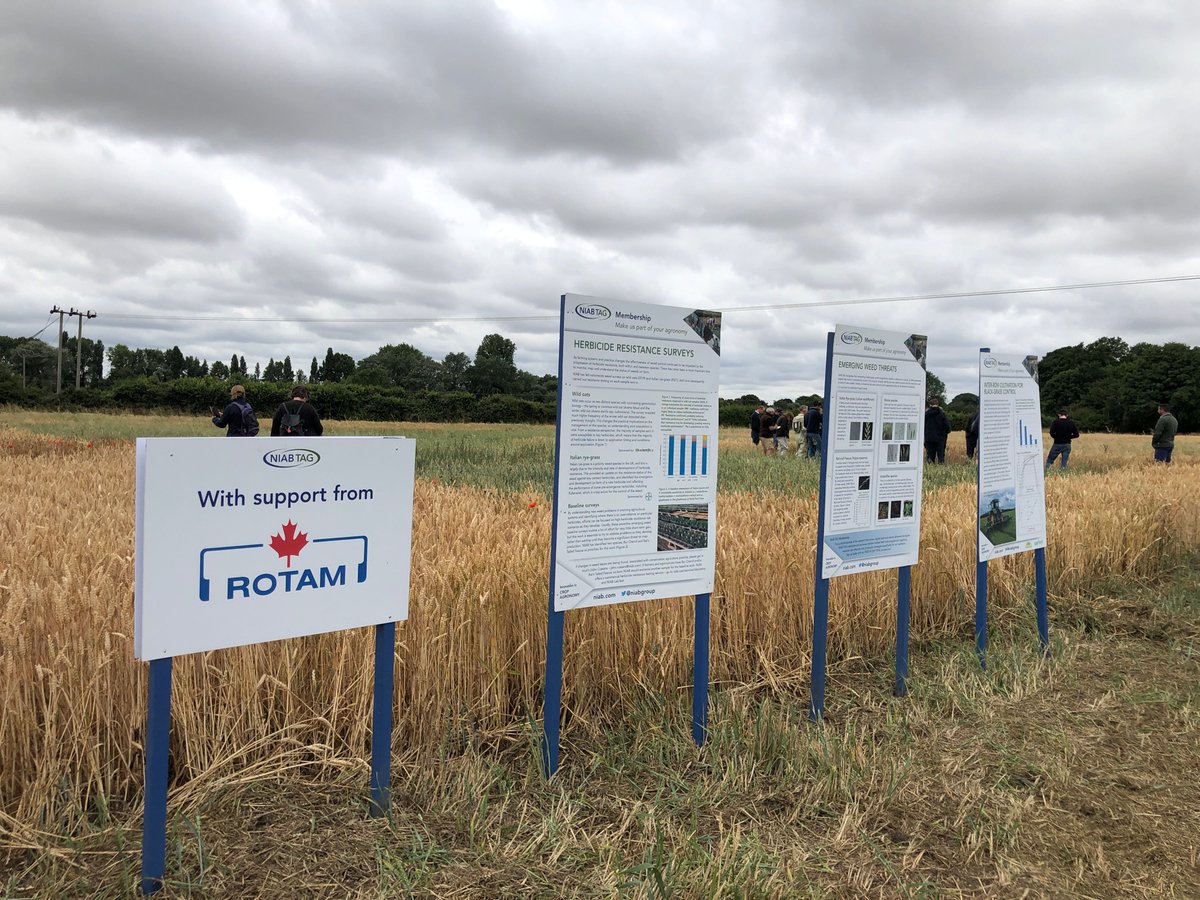
Poppy, burr chervil, wild oats & rotation influence on weed control - just some of the topics covered at today’s Diverse Weeds Open Day at our Hinxton site with @rotam_uk & @niabjohn #weedscience #rotation #culturalcontrol
6
12

12 Jun 2022
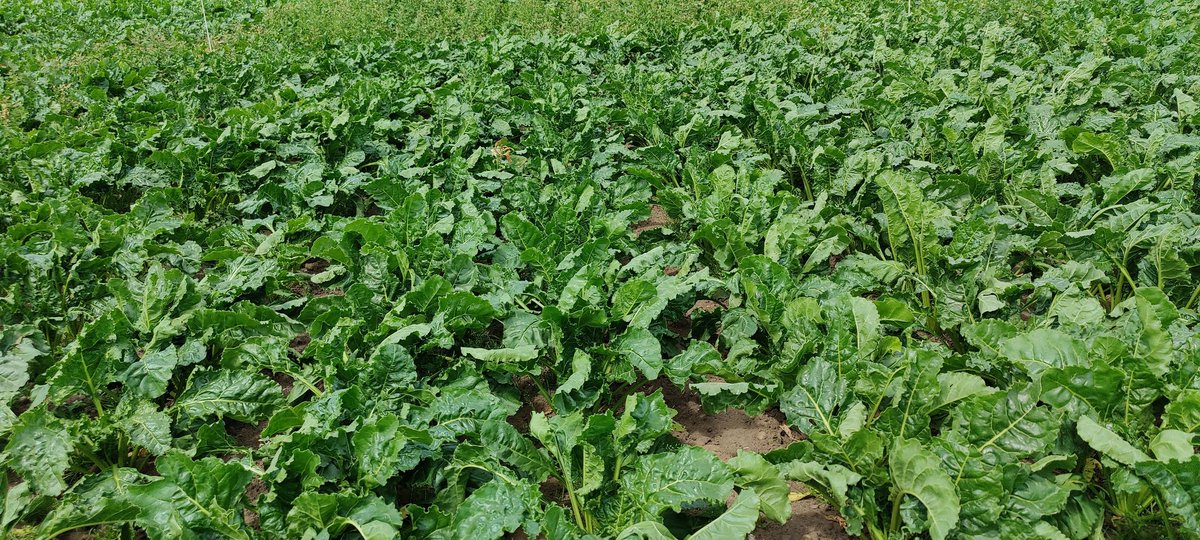
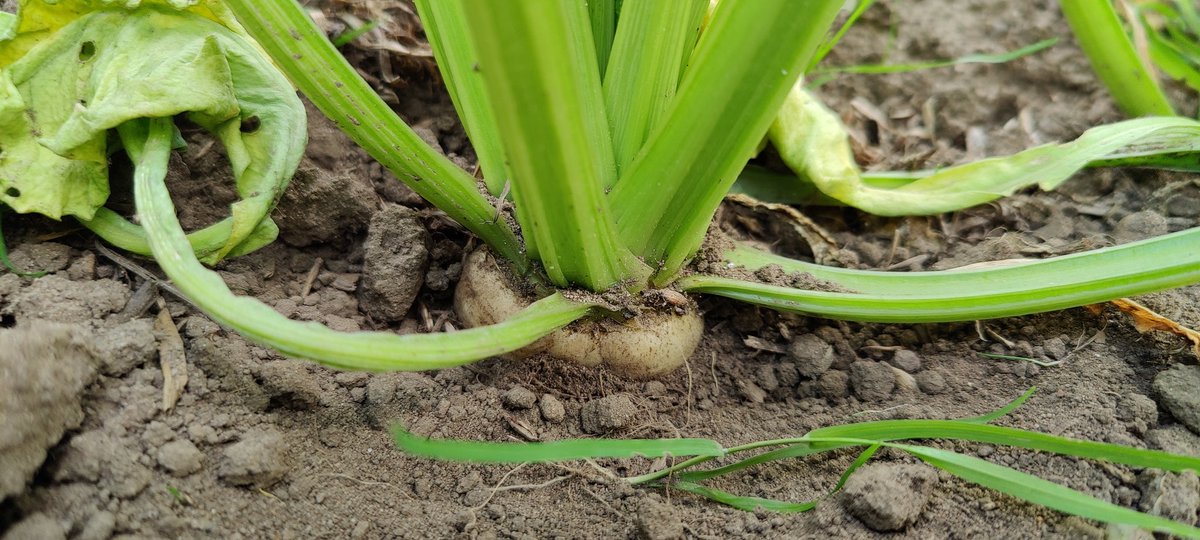
Meanwhile, our #culturalcontrol for Sugar Beet has worked very well @UoNBiosciences.
Good canopy cover and beet formation, with a high population of beneficials keeping the #aphids away 😁
@BBRO_Beet
#OrganicPractices
4

14 May 2022
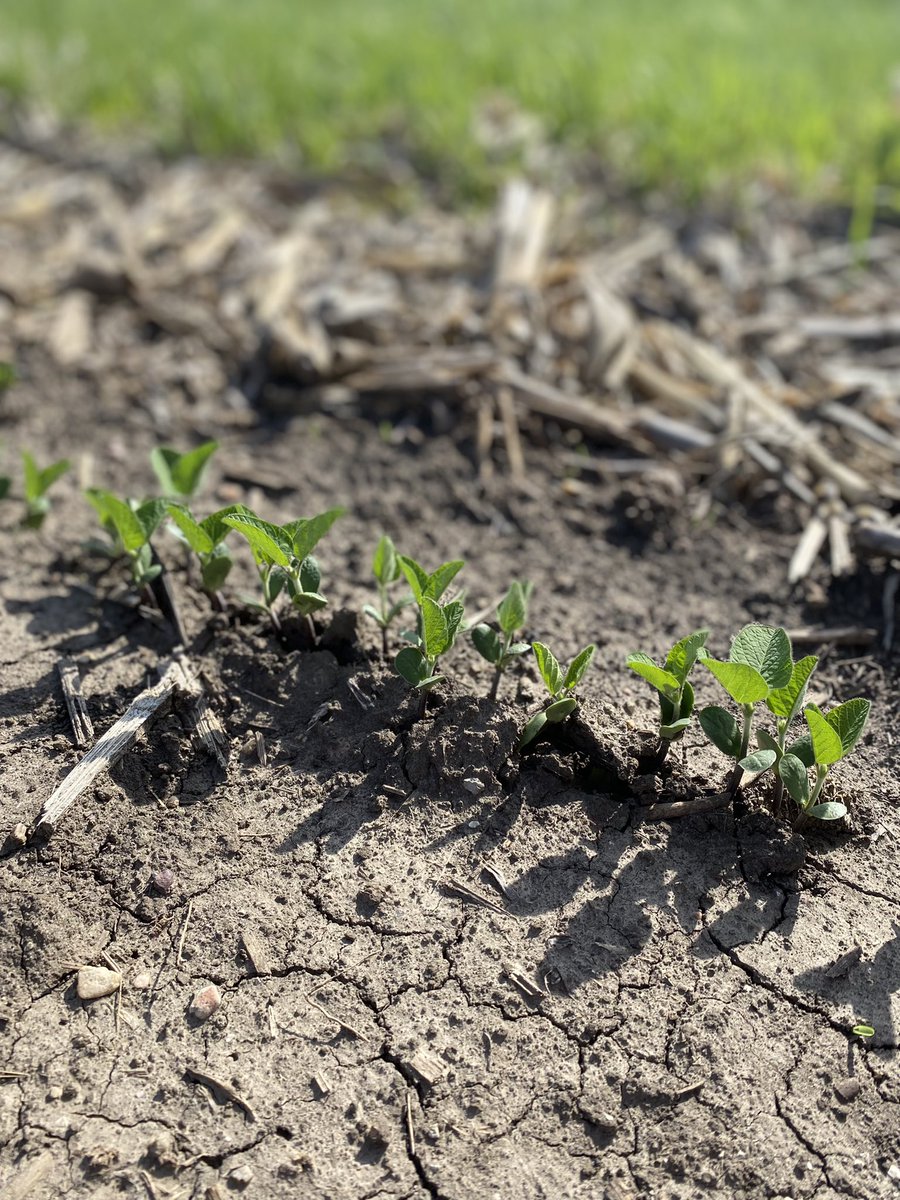
One more planting (5/12) done for my study, and soybean from planting date 4/22 emerged. #soybeangallmidge #culturalcontrol #ipm @justinmcmechan @UNLEntomology @NESoybeanBoard

1
15

17 Apr 2022
New pub out today! FFO #whiteflies #squash #viruses #culturalcontrol and #sustainableag! 👩🏻🌾🌱🪰 @Entomology_UGA @Saioa_LI @BhabeshDutta5 @bobkemerait @UGATifton @USDA_ARS @ugahorticulture @UGAPlantPath @auburnhort
mdpi.com/2311-7524/8/4/341
1
4
11

9 Jul 2021
Whole cropping wheat for Anaerobic Digestion after grass weed control issues #flooding #culturalcontrol
13