







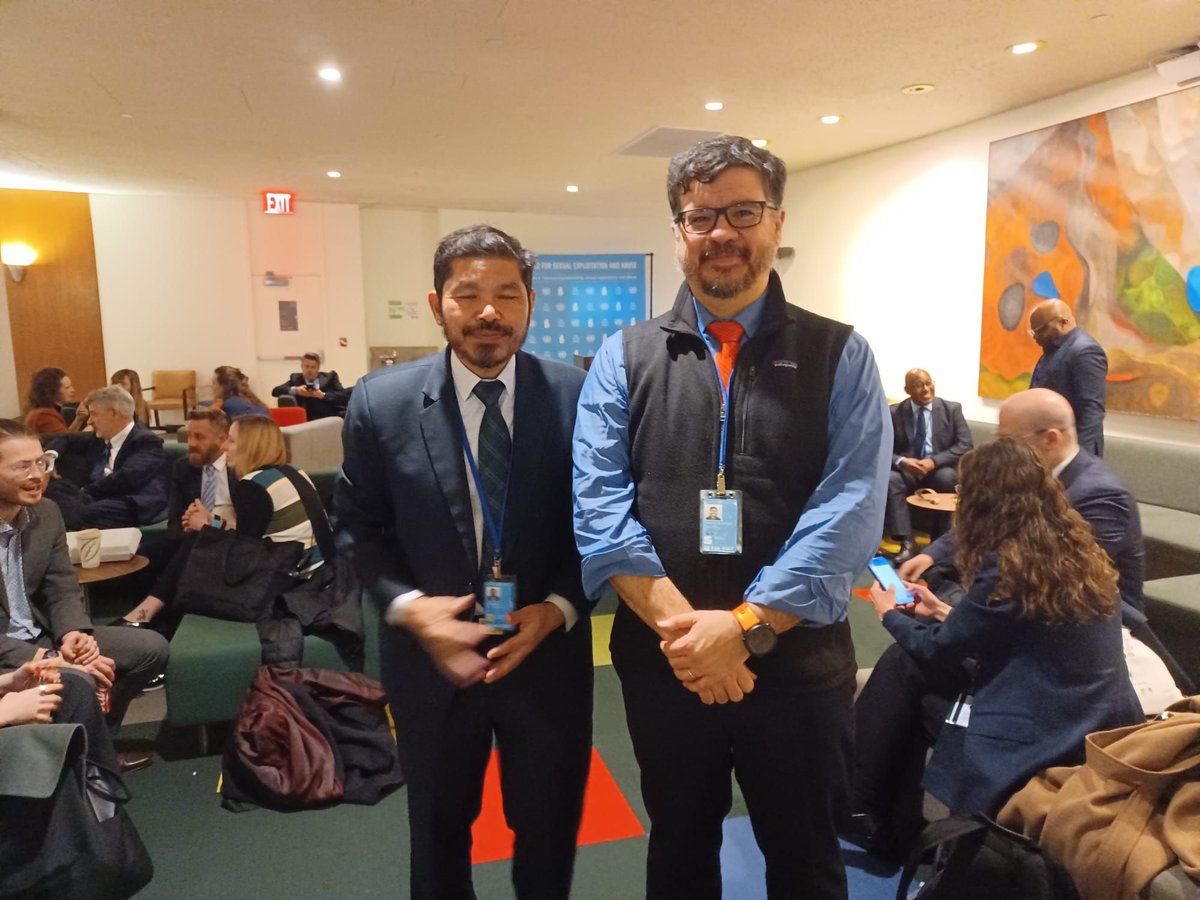

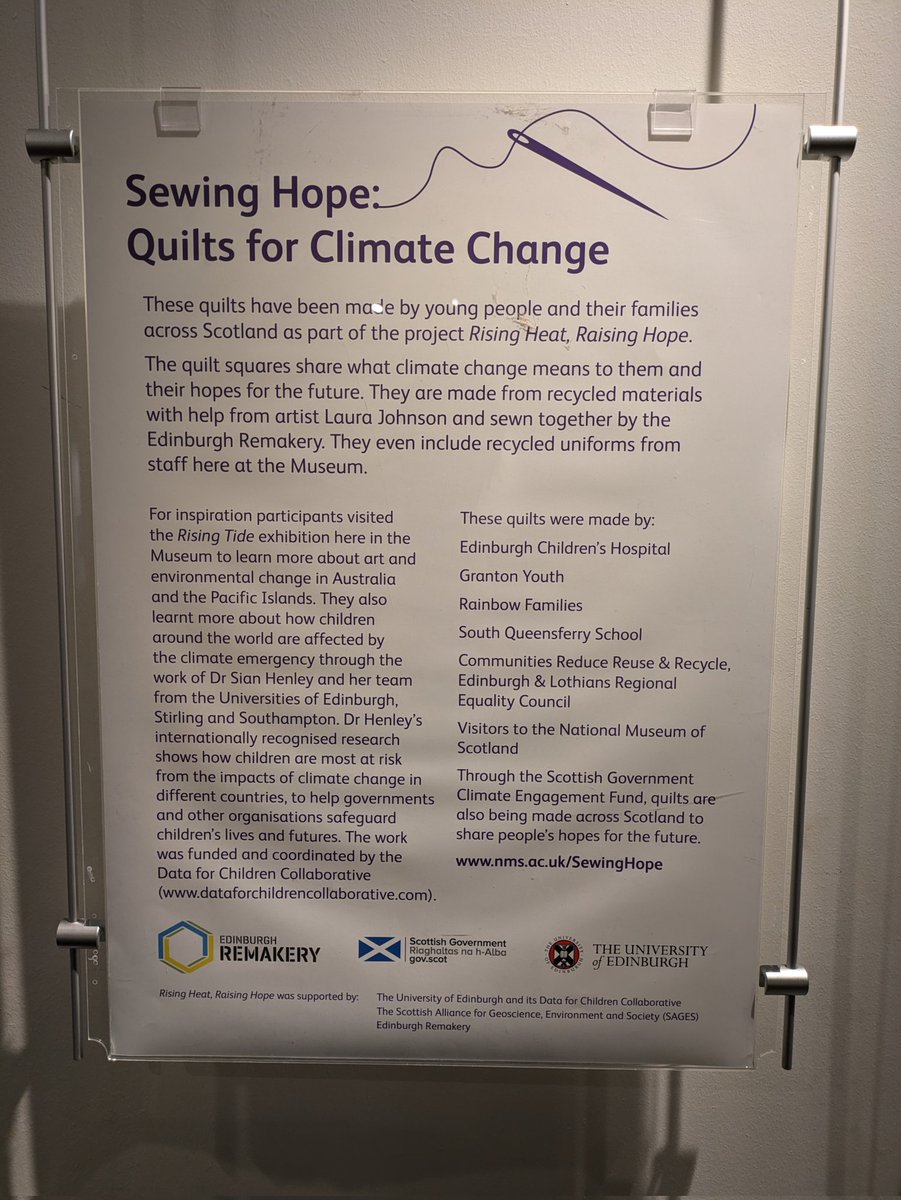

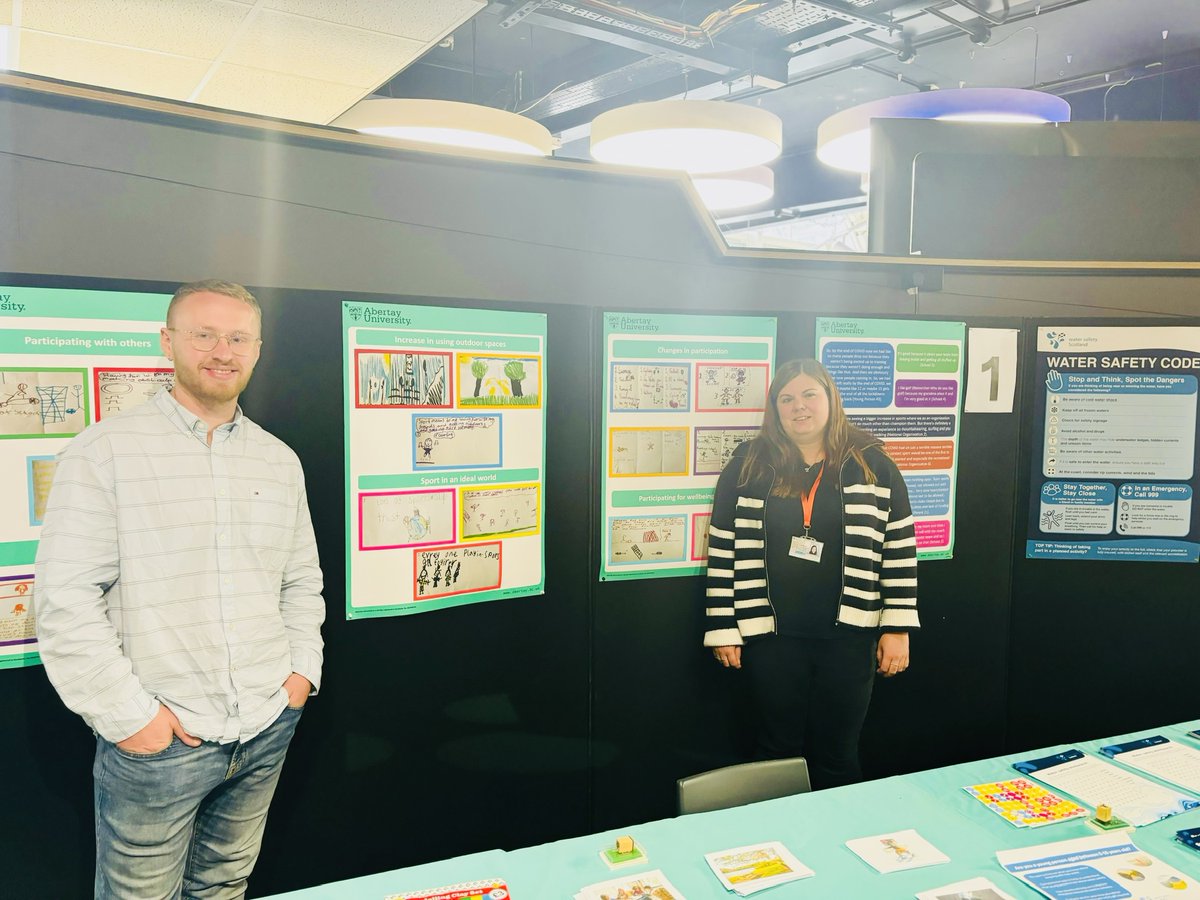
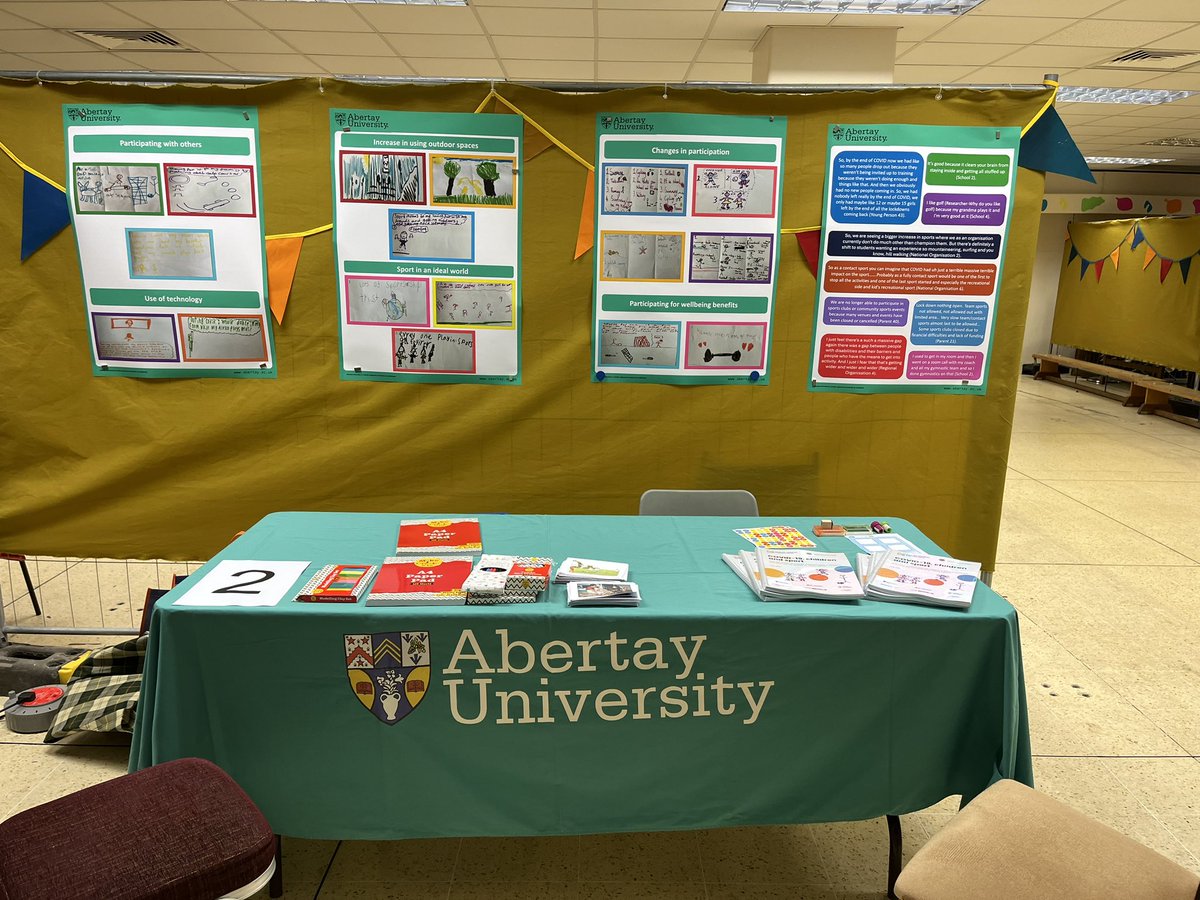
ALT James is on the left wearing a white shirt and denim jeans. Paula is on the right wearing a stripy black and white jumper and black jeans. Behind James and Paula there are 3 posters showing children's drawings. There is also a Water Safety Code poster from Water Safety Scotland.
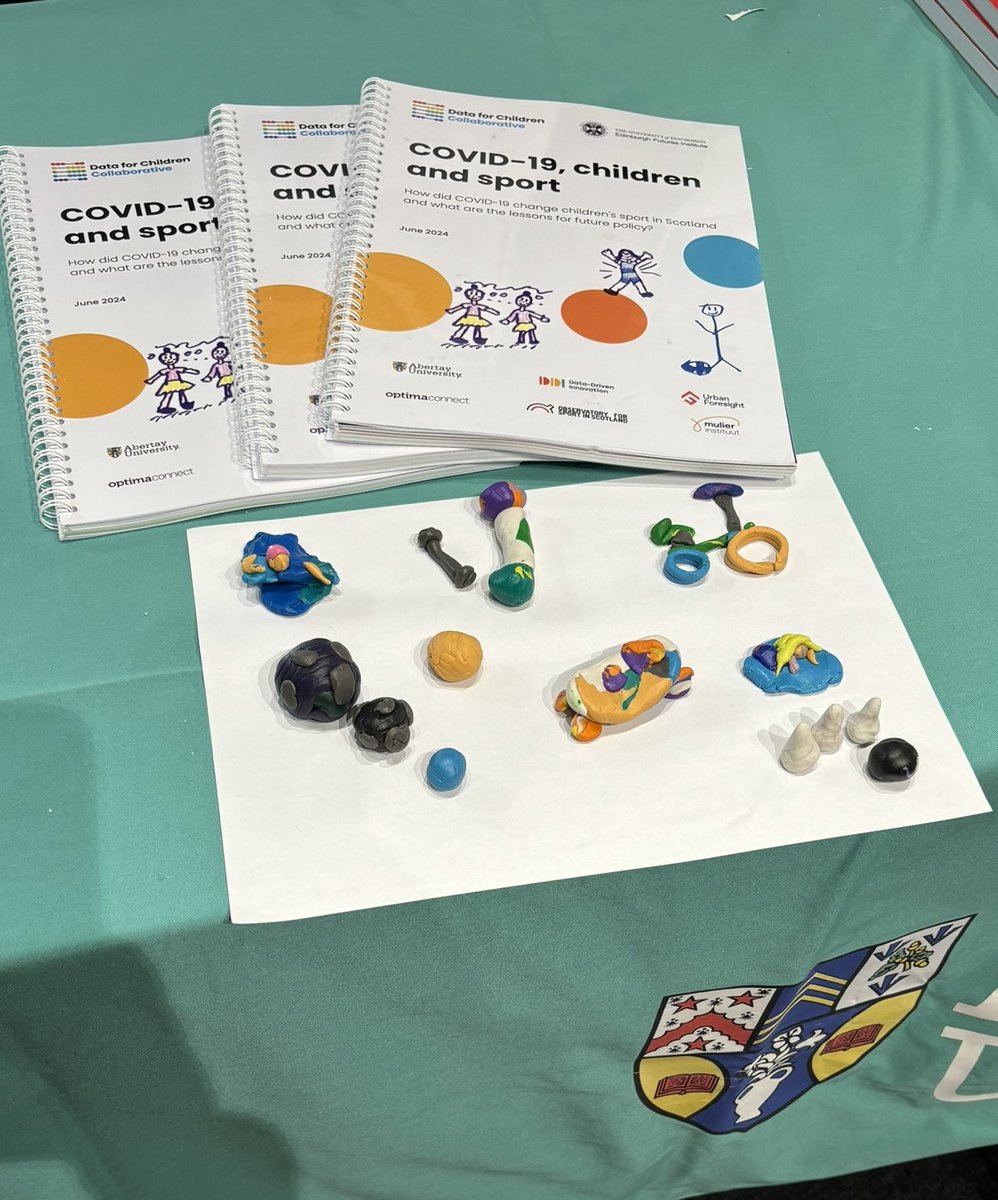
ALT Three copies of the covid-19, children and sport report are sitting on a table. Below the report are clay models made by children. The models depict a swimmer, weight bars, bicycle, balls, skateboard, bowling pins and bowling ball.
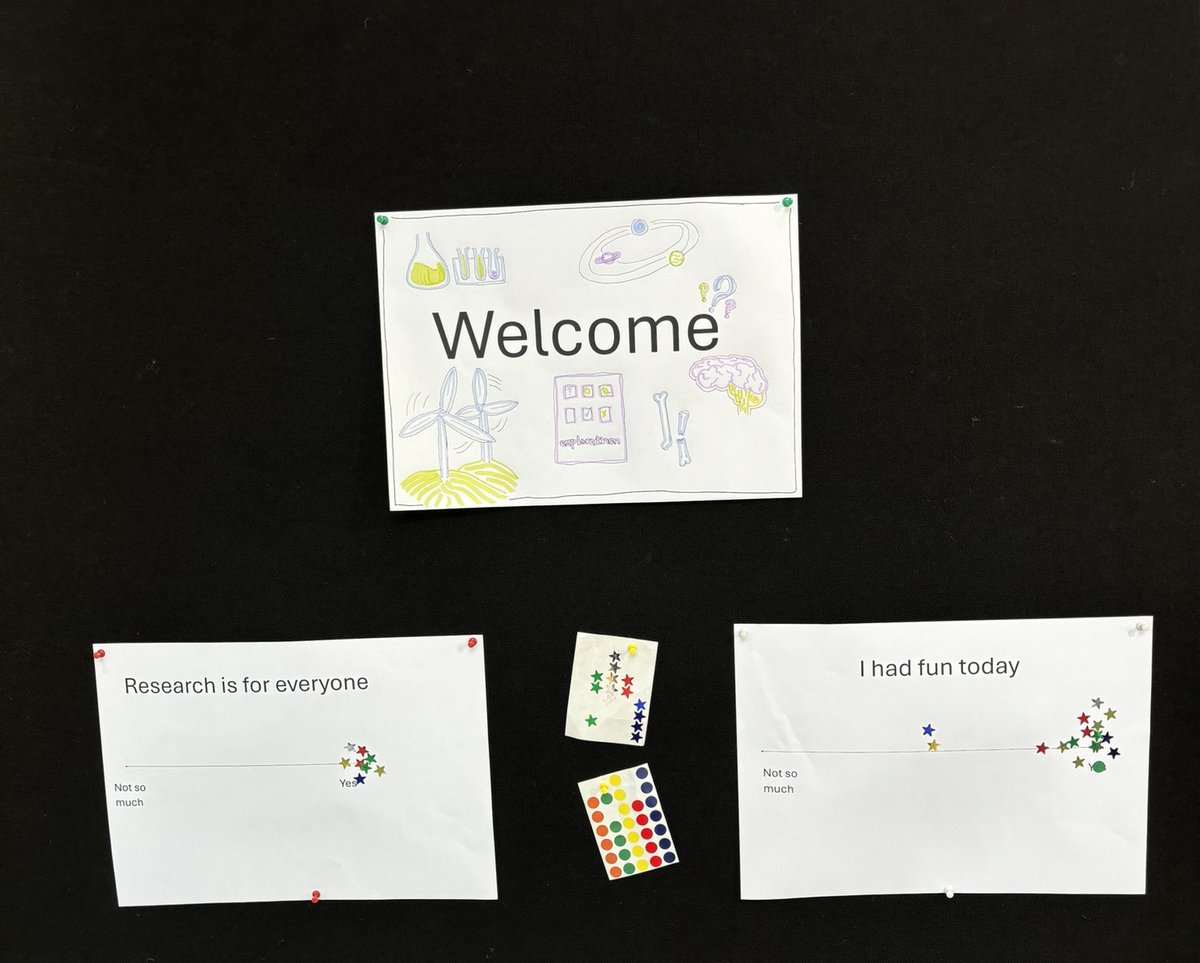
ALT Welcome sign which includes pictures of test tubes, solar system, brain and wind mills. Scale of research is for everyone. Stars have been placed next to yes by all attendees. Scale I had fun today. Most attendees placed a star next to yes with two attendees placing a star in the middle.




ALT Title slide with pictures of children participating in various sports. Title Recognising the legacy of Covid-19 on children’s community sport participation in areas of deprivation in Scotland: Rethinking opportunities for participation in community sport
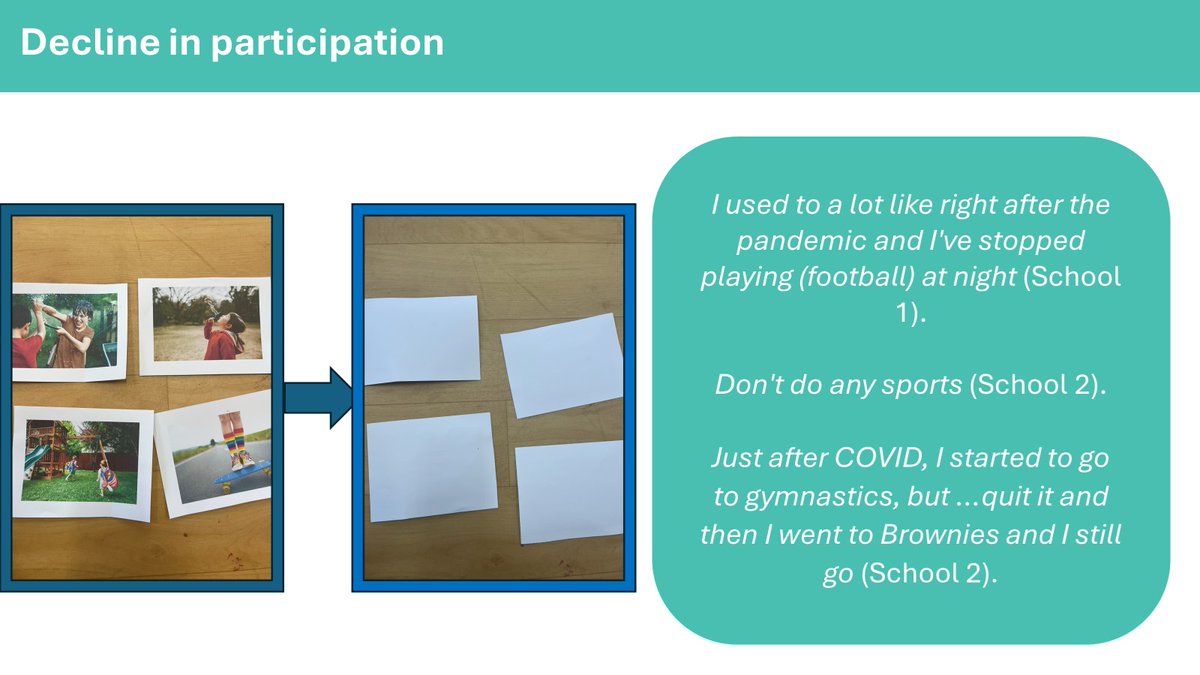
ALT Slide focused on Decline in participation. Quote 1 I used to a lot like right after the pandemic and I've stopped playing (football) at night (School 1). Quote 2 Don't do any sports (School 2). Quote 3 Just after COVID, I started to go to gymnastics, but …quit it and then I went to Brownies and I still go (School 2).
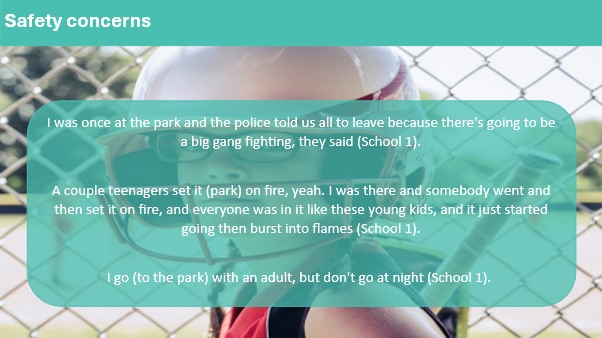
ALT PowerPoint slide on safety concerns. Quote 1 I was once at the park and the police told us all to leave because there's going to be a big gang fighting, they said (School 1). Quote 2 A couple teenagers set it (park) on fire, yeah. I was there and somebody went and then set it on fire, and everyone was in it like these young kids, and it just started going then burst into flames (School 1). Quote 3 I go (to the park) with an adult, but don't go at night (School 1).
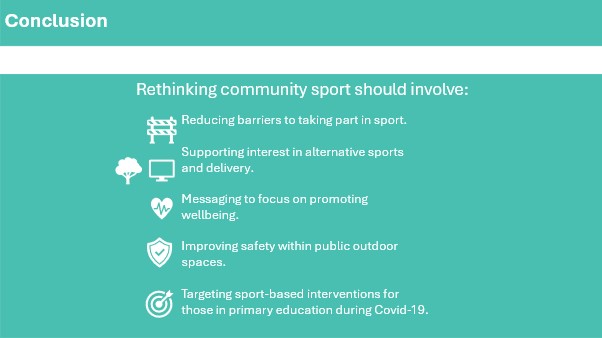
ALT Conclusion slide. Rethinking community sport should involve: Reducing barriers to taking part in sport. Supporting interest in alternative sports and delivery. Messaging to focus on promoting wellbeing. Improving safety within public outdoor spaces. Targeting sport-based interventions for those in primary education during Covid-19.