
21 Sep 2025
Day21
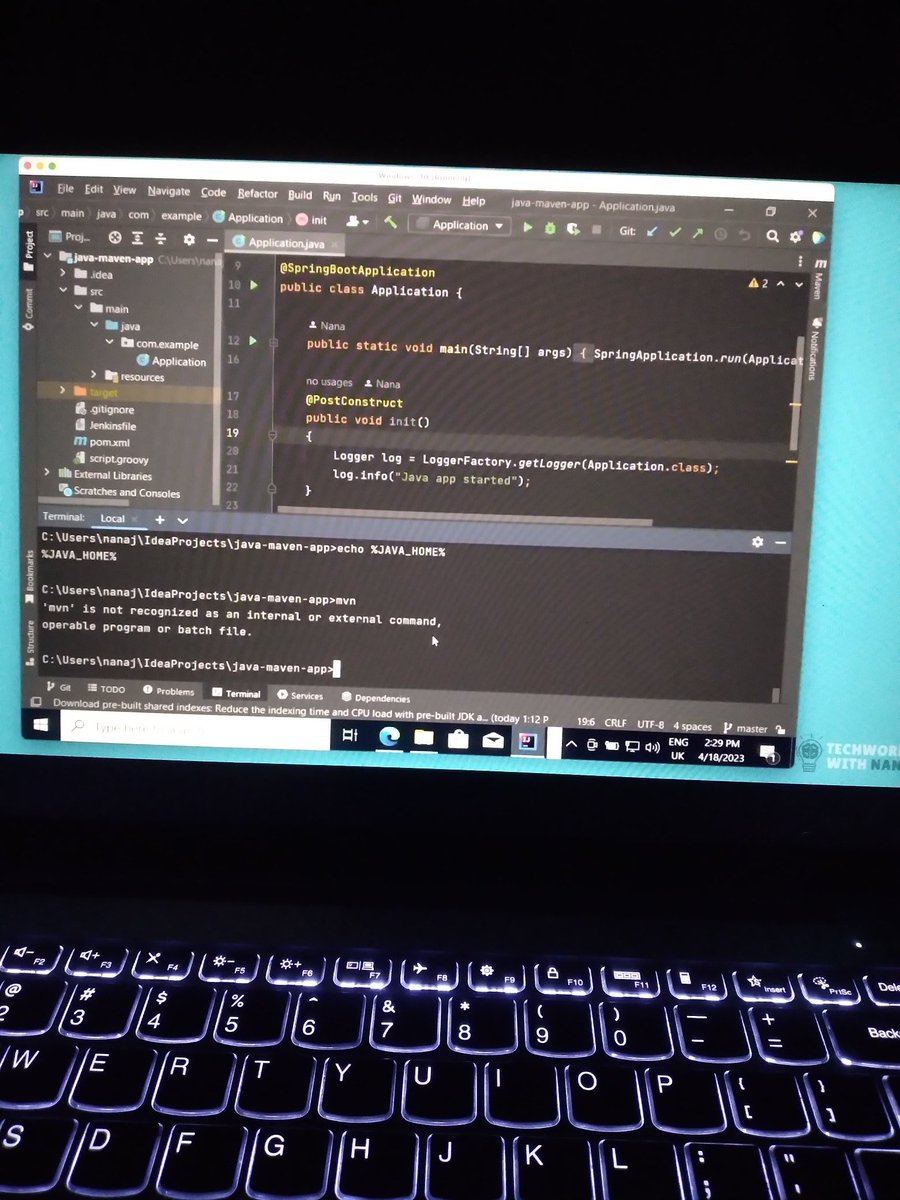
>Day21 I can complet my half of week 3 task @Njuchi_
>sorry guys no update for yesterday day20
> I can done college assignments
#DevOpsBootcamp #LearningJourney @Njuchi_
4
64

29 Jun 2025
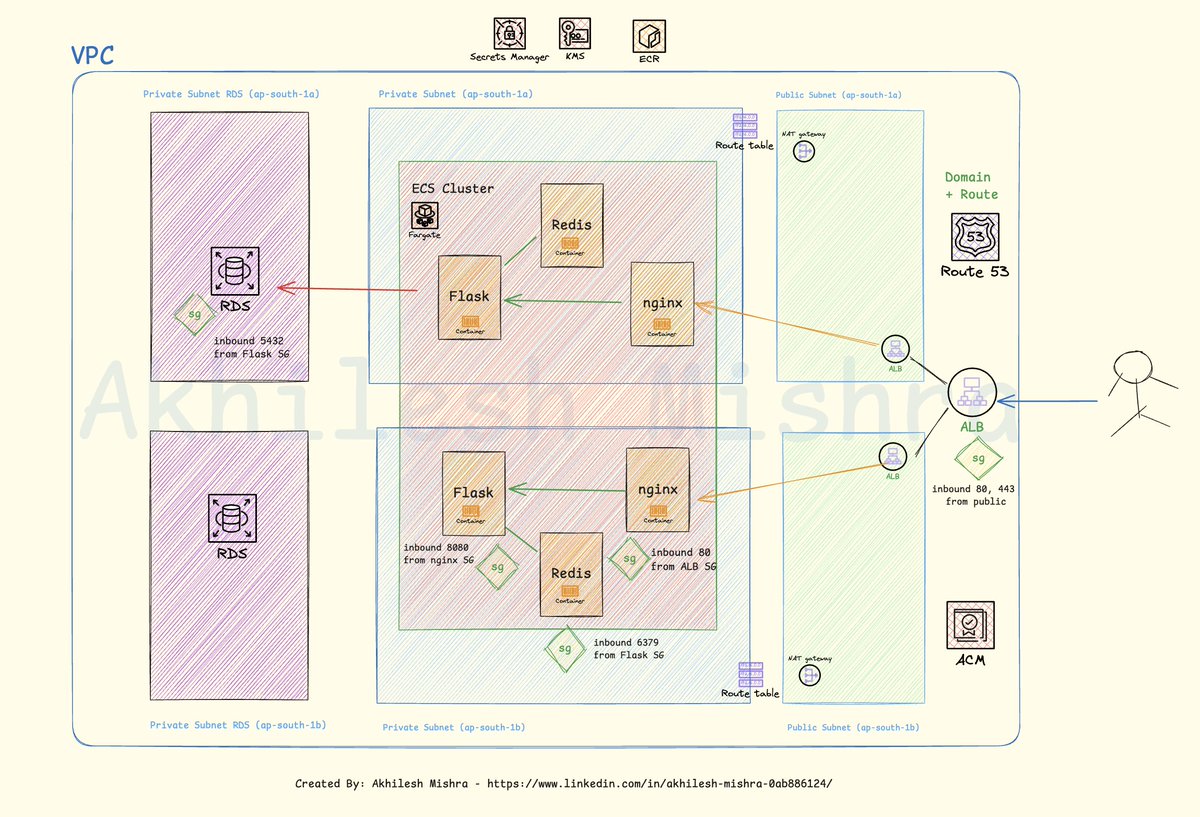
In my DevOps bootcamp today, we built a complex project on AWS ECS. AWS Terraform GitHub Actions multi-environment setup
🏗️ Architecture Overview:
Application Stack: Flask Nginx Redis microservices
Container Orchestration: ECS Fargate for 3 services
Service Mesh: ECS Service Connect for inter-service communication
Load Balancing: ALB with HTTPS listener
DNS & SSL: Route53 ACM for domain management
Database: RDS PostgreSQL in private subnets
Caching: Redis for session management & caching
🔐 Security & Best Practices:
✅ Multi-AZ deployment across 2 availability zones
✅ Private subnets for ECS tasks and RDS
✅ Security Groups with least privilege access
✅ Secrets Manager for database credentials
✅ KMS encryption for data at rest
✅ ECR for secure container image storage
✅ NAT Gateways for secure outbound internet access
🛠️ Infrastructure as Code:
Terraform modules for reusable infrastructure
Multi-environment support (dev/staging/prod)
GitHub Actions for CI/CD pipeline
Automated deployments with blue-green strategy
💡 Key Learnings:
🔹 ECS Service Connect simplifies service discovery vs traditional ALB routing
🔹 Fargate eliminates server management while maintaining performance
🔹 Multi-subnet architecture ensures high availability and fault tolerance
🔹 Proper security groups are crucial for zero-trust networking
🔹 Terraform state management becomes critical in team environments
📊 Architecture Highlights:
Scalable: Auto-scaling based on CPU/memory metrics
Resilient: Multi-AZ deployment with health checks
Secure: End-to-end encryption and network isolation
Cost-Optimized: Fargate spot instances for non-prod environments
Observable: CloudWatch logging and monitoring integrated
This project perfectly demonstrates how modern DevOps practices combine infrastructure automation, containerization, and cloud-native services to build enterprise-grade applications.
Next up: Implementing monitoring with Prometheus & Grafana! 📈
#DevOps #AWS #ECS #Terraform #Docker #CloudArchitecture #InfrastructureAsCode #Microservices #DevOpsBootcamp #CloudEngineering
6
26
238
14,646

28 Jul 2024
Day 2: Deep dive into DevOps - examining its profound impact on improving the SDLC phases: Building, Testing, and Deployment.
Eager to learn more and keep this momentum going! #DevOps #AWS #LearningJourney #DevOpsBootcamp
#DevOpscommunity #100DaysOfCode
youtu.be/Ou9j73aWgyE?si=DerR…
1
56

2 Apr 2024
Thanks for sharing your DevOps journey! Hope you enjoy my #devopsbootcamp . You'll learn highly demanded skills that only few people have. 💪
1
718

25 Mar 2024
2.Ever wanted to edit a file like a Linux pro? Then use the nano command i.e (nano filename) and you’ll be able edit to your file. Press ctrl x y enter key to save the editing. e.g ( nano devopsbootcamp)
1
2
17

20 Sep 2023
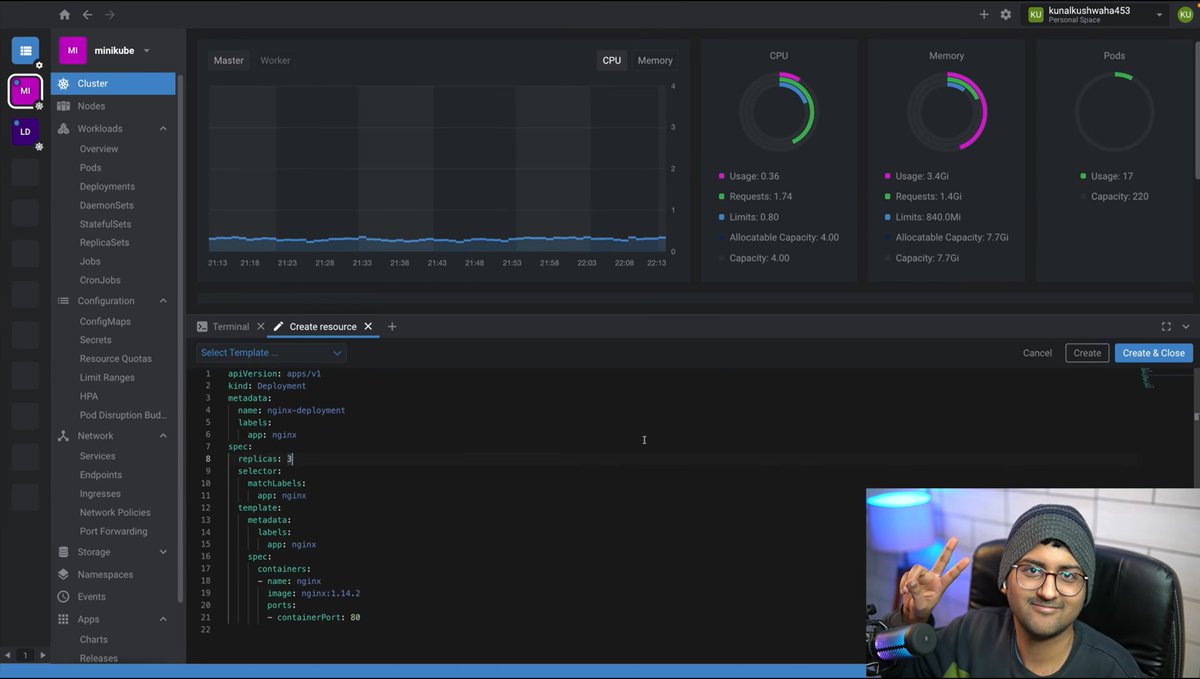
Learned complete YAML for free with best open source guru @kunalstwt @WeMakeDevs .
- In his lecture, he level up learning curve from beginner to advanced without any complexity.
- Shared tools , to reduce workload while working with YAML [🧵] #learninpublic #DevOpsBootcamp
1
1
3
388

7 Sep 2023
📣 Calling all aspiring DevOps enthusiasts! 🚀 Join us for a FREE 2-day bootcamp and level up your skills! Fill the form below and secure your spot! 🎉 #DevOpsBootcamp #LevelUp
7
48
50
7,733

11 Aug 2023
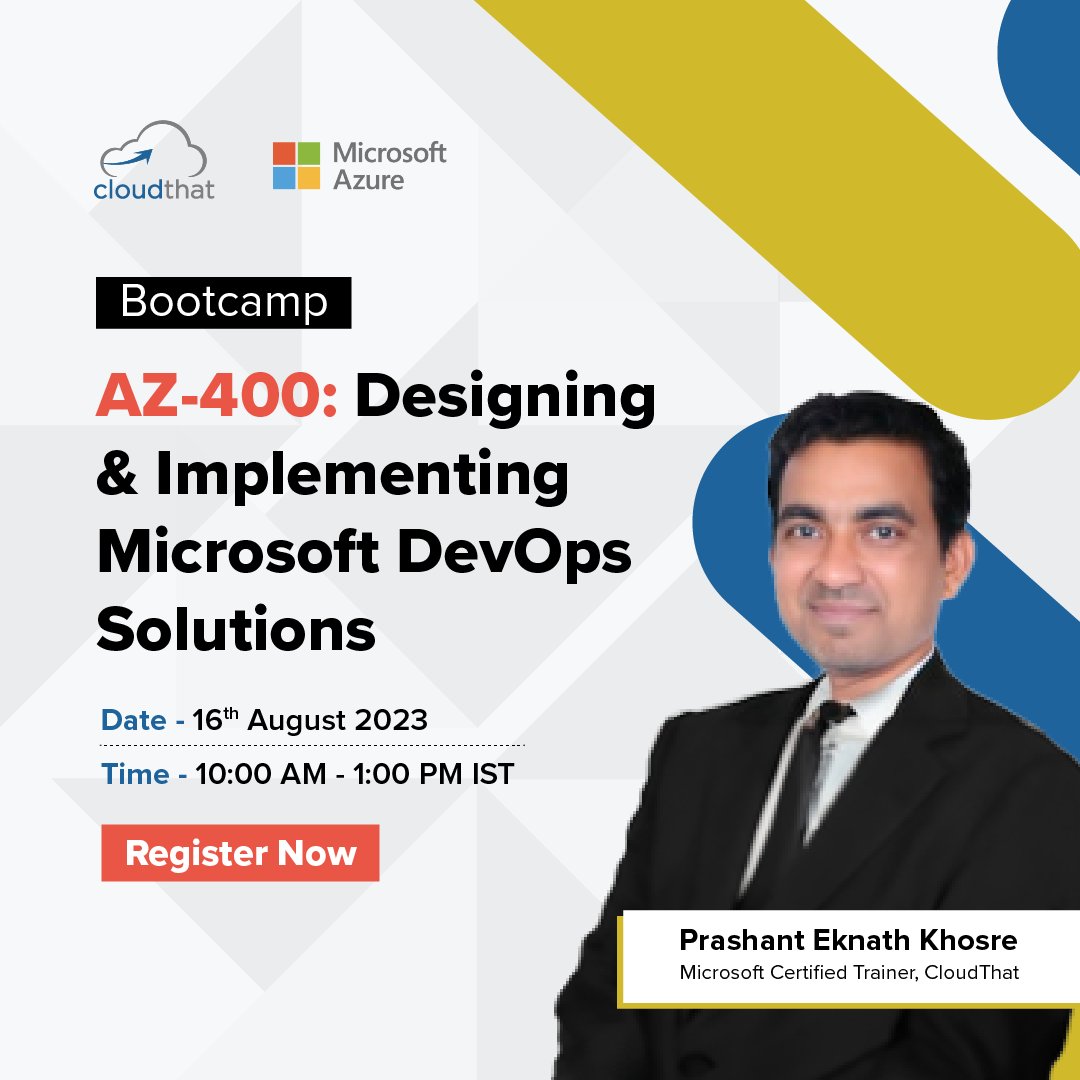
Register Now - bit.ly/3YzitGv
Introducing our exclusive AZ-400 Bootcamp, where you'll dive deep into the world of Microsoft DevOps Solutions with our expert speaker, Prashant Khosre, Microsoft Certified Trainer, CloudThat.
During this Bootcamp, you will:
- Explore the principles and foundations of Microsoft DevOps Solutions.
- Gain insights into designing and implementing effective DevOps practices.
- Discover best practices for streamlining development, deployment, and operations.
Learn about the latest tools and technologies shaping the DevOps landscape. @Microsoft
#DevOpsBootcamp #MicrosoftDevOps #AZ400Bootcamp #DevOpsMastery #LearnDevOps #TechTraining #DevOpsSkills #TechEducation #ITProfessional #AzureDevOps #ContinuousIntegration #ContinuousDelivery #DevOpsJourney #ITCommunity #SkillBuilding #CloudSkills #TechEnthusiasts
1
3
13
196

18 Jul 2023
Parabéns a todos participantes!
Parabéns ao empenho, determinação, colaboração e foco!
Uma experiência incrível.
Em breve tem mais!
#hackathon #hackathonquestrade
#devopsbootcamp #devs #devops #cloud #tech #devsecops #iac #developers
@bootcamp_devops @Questrade
18 Jul 2023

Saiu a lista de ganhadores dos prêmios do 1º #Hackathon @Questrade !
✅Conheca agora os nomes dos vencedores: lnkd.in/dcfhyjYj
Parabéns aos ganhadores e aguardamos a todos vocês em nossos próximos eventos, combinado?
Até logo!
linkedin.com/posts/devops-bo…

2
2
86
3 Jul 2023
Bora comunidade #DevOpsBH!
#Meetup marcado.
Fique atento ao periodo de inscrições.
#DevOps #DevOpsBH #DevOpsBootcamp #Tech #Dev
linkedin.com/posts/amandasil…
1
2
282

19 Jun 2023
Done with Introduction to Linux & Terminal Commands! It was a great learning indeed☑️🚀
#DevOpsWithKunal #DevOpsBootcamp
2
62
16 Jun 2023
Got Started with Linux & Terminal Commands. Feeling excited to explore!
youtube.com/watch?v=iwolPf6k…
#DevOpsWithKunal #DevOps #DevOpsBootcamp
2
70
15 Jun 2023
Got Started with @golang . It's a great experience overall.
#DevOpsWithKunal #DevOps #DevOpsBootcamp
2
26
20 Apr 2023
Parabens meus queridos #Boots!
Amamos a presença de vocês em nosso querido #DevOpsBootcampLive.
@Questrade
@bootcamp_devops
#Devops #DevopsBootcamp #Cloud #Cloud #Cyber #CyberSec #Dev #Security #Python
linkedin.com/feed/update/urn…
1
2
89
24 Mar 2023
1
1
1
45
21 Mar 2023
Confirmado!
🔹 Aldrey Ribeiro
🔹Como instalar um orquestrador de kubernetes SUSE Rancher em um ambiente de desenvolvedor.
Se identificou? Faça seu registro!
✅ Inscrições: lnkd.in/dWqmSQf2
#devops #cloud #tech #devopsbootcamp #eventos #dev linkedin.com/posts/devops-bo…
1
3
52
16 Mar 2023
Parabéns querido Rodrigo!
Muito bom ter você com a gente!
#devops #devopsbootcamp #devopsbootcamplive #tech #eventos linkedin.com/posts/devops-bo…
1
1
1
67
13 Mar 2023
Vem pra cá!
Evolua com a gente!
Estamos esperando por você !
@bootcamp_devops
#DevOps #DevOpsBootcamp linkedin.com/posts/devops-bo…
1
2
44

19 Jan 2023
You can streamline your business processes by hiring Top DevOps companies in USA. Get the best DevOps service providers.
bdccglobal.com/top-devops-co…
#devops #devopsengineer #bdcc #DevOpsCommunity #devopscompanies #devopsbootcamp #cloud #cloudcomputingtrends #cloudcomputingcompany
2
24
1 Dec 2022
Obrigada!
Foi TOP demais comunidade linda!
Em breve nos encontraremos!
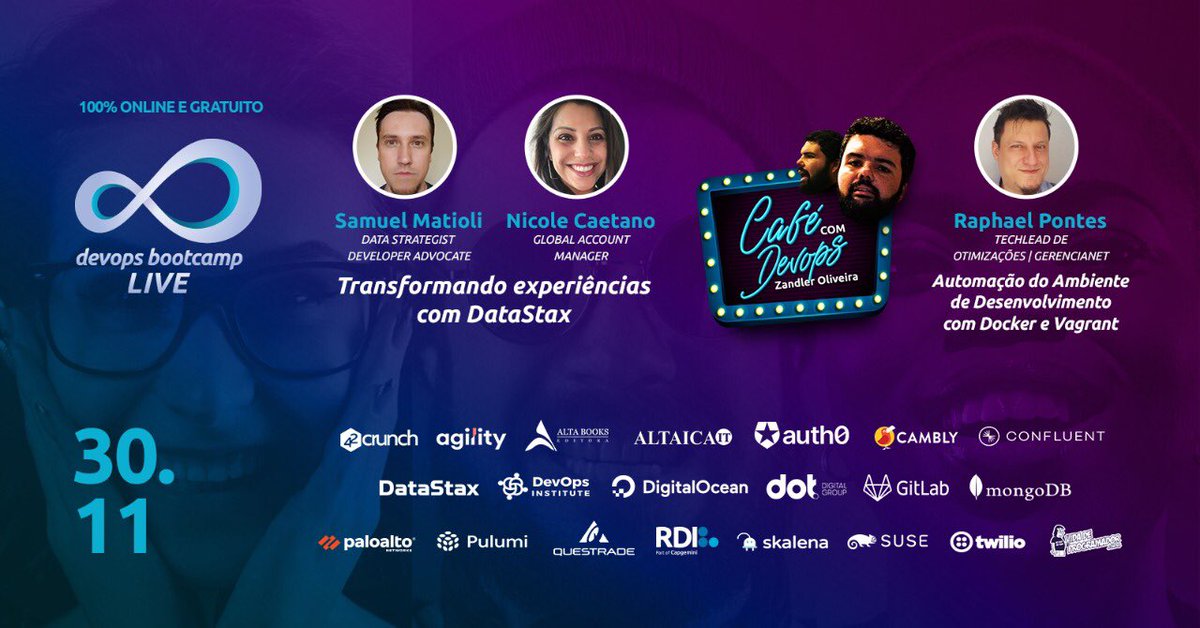
#DevOpsBootcampLive
Perdeu?
Assista aqui: youtu.be/DByhnNMmEWU
@bootcamp_devops
#DevOps #DevopsBootcamp
#devs #technology #Security #coding #programming #dataprotection #development #Python
2
3