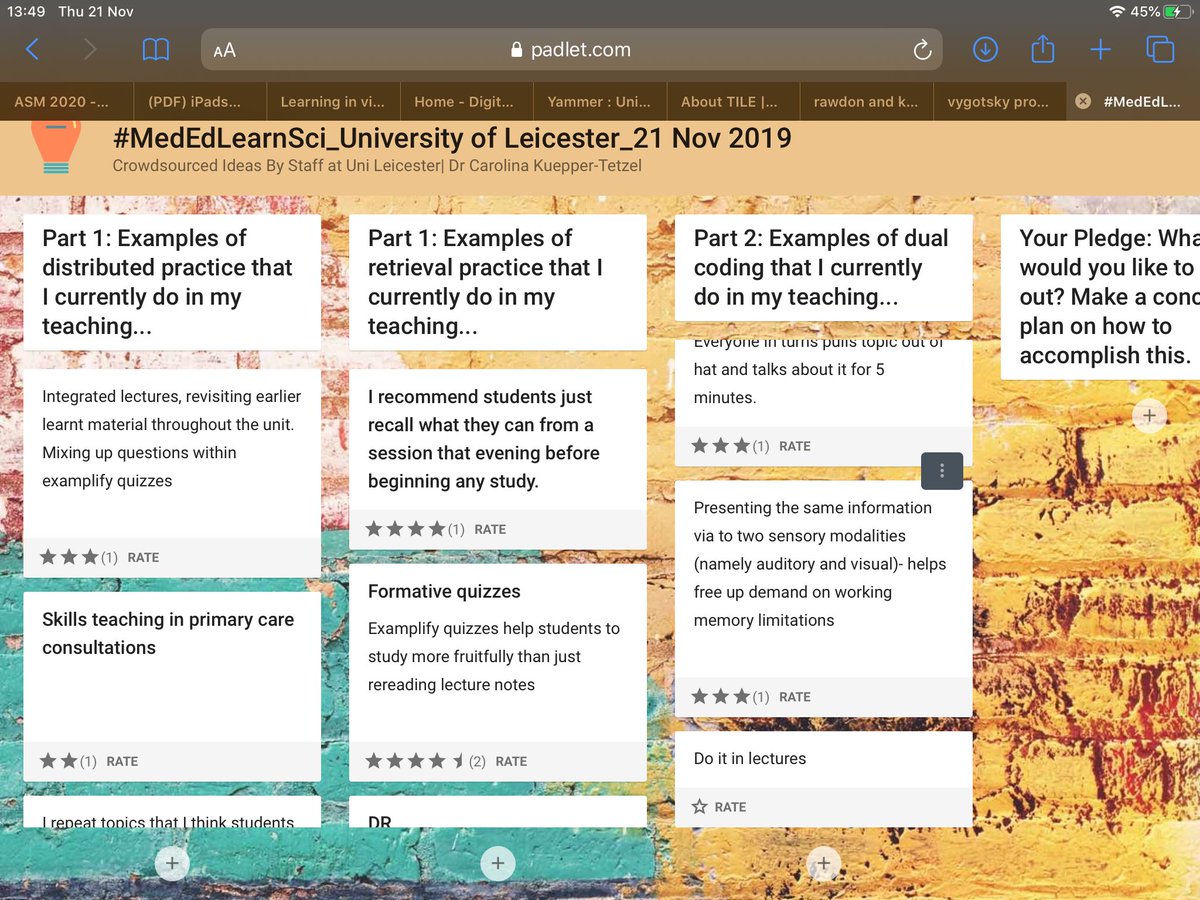





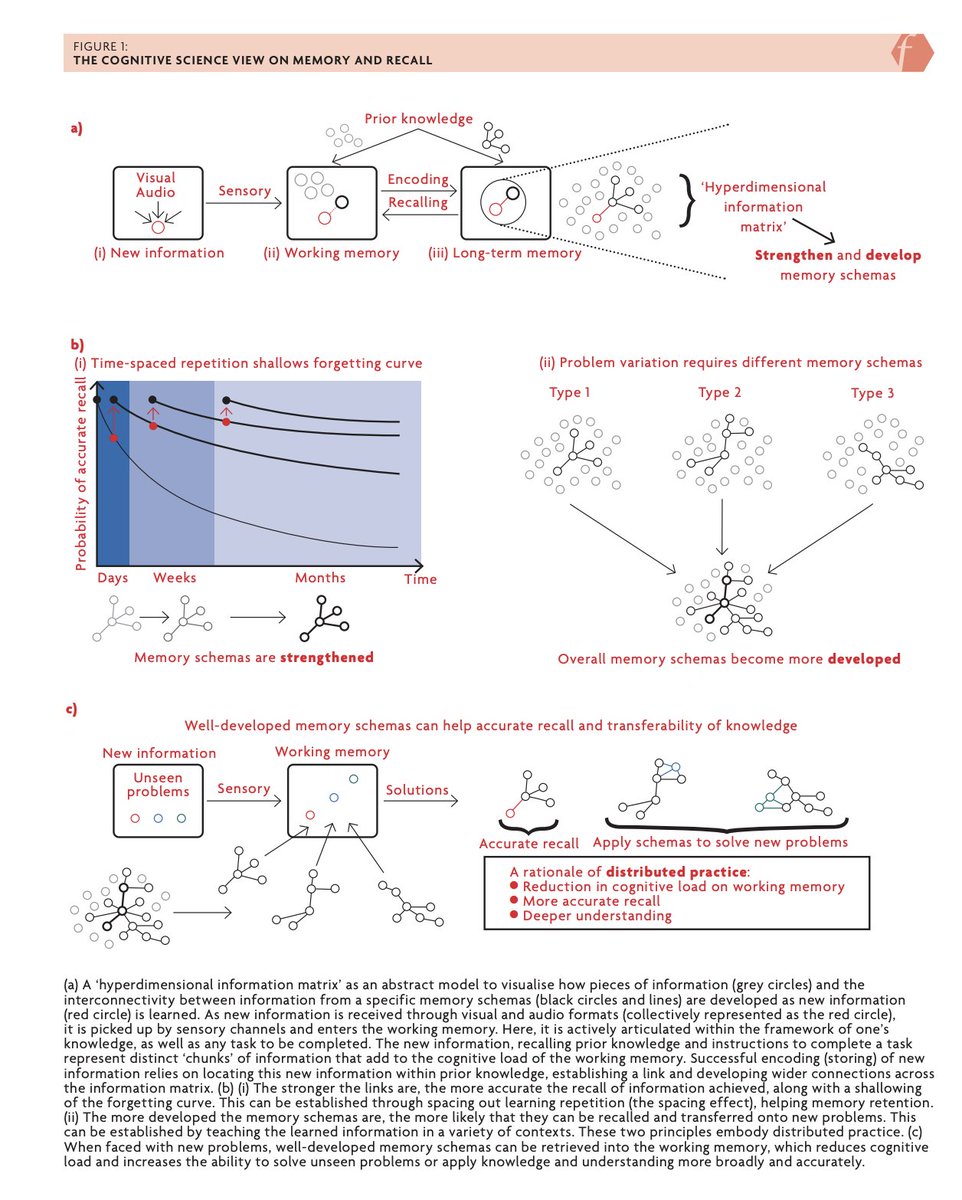



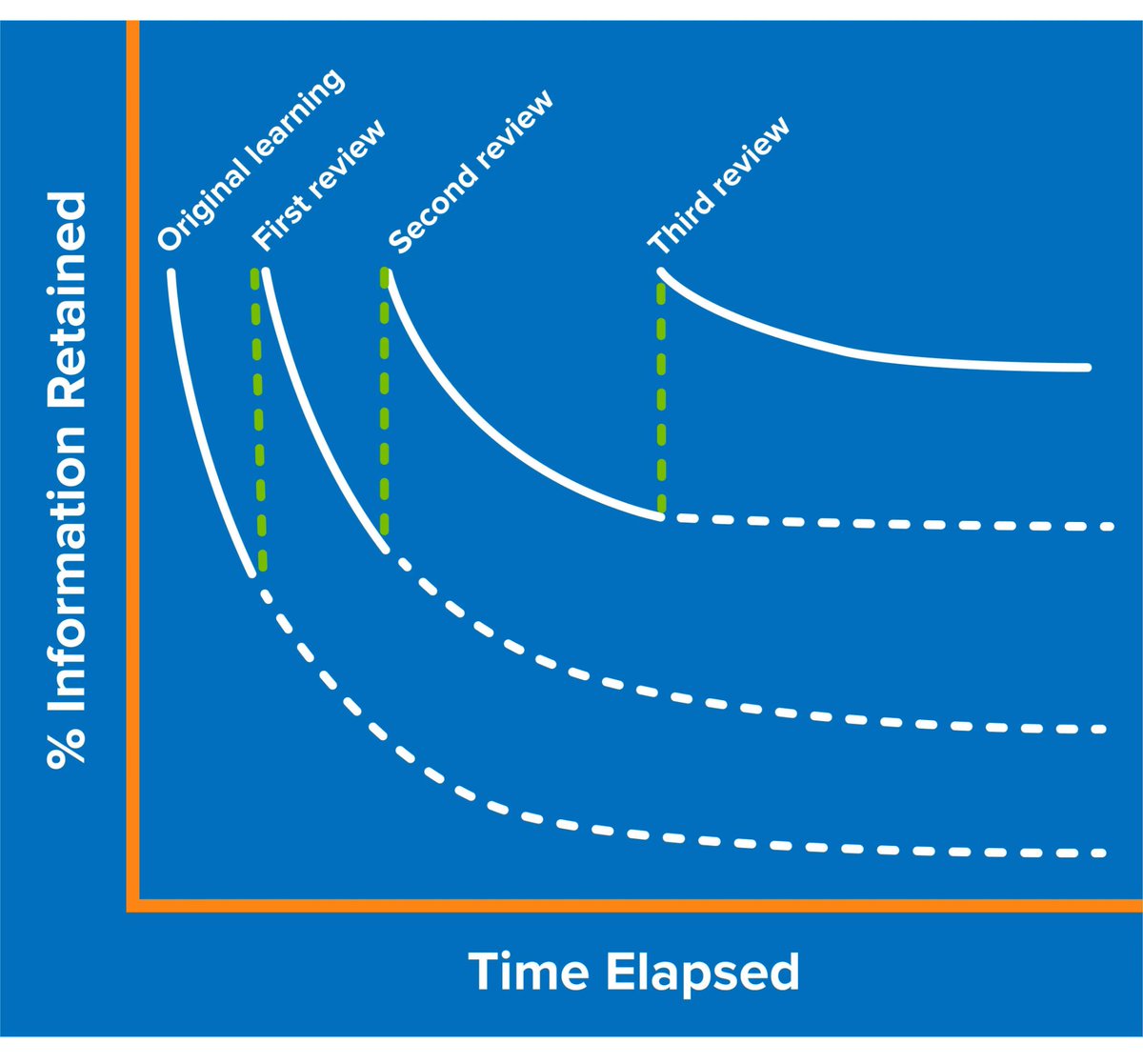


ALT Would you like to help your students increase their final marks and, at the same time, improve their confidence, study habits and class attendance? Well, that’s exactly what a team from the University of Auckland achieved by adding frequent, low-stakes quizzes to their subject’s assessments… They created a series of 32 separate Canvas quizzes, of which the best 28 scores would contribute 7% of their students’ final grade. Each two-question quiz was based on the materials students had encountered in their last lecture and had to be completed before the start of their next lecture. Quizzes could be attempted twice and, for students who had studied, were relatively easy… While it will come as no surprise that increasing student engagement will improve overall marks, there are two key concepts behind this research that help explain why such a minor change to the subject’s assessments produced such great results: self-efficacy and distributed practice.