
May 14
🧩 Want to make learning more powerful?
Try Dual Coding:
• Combine words with visuals — draw simple diagrams or mind maps
• Pair explanations with images or sketches
• Use both verbal and visual channels at the same time
This technique significantly improves understanding and memory.
What will you draw or visualize today? 👇
#LearningTips #DualCoding #MemoryHacks

3
30

Jan 15
Elementary science: Here’s a chant to remind Ss how metamorphic rocks form.
Use the chant as an attention grabber for #retrievalpractice
#scienceteacher #dualcoding
7
614
Jan 15
Checking to see if X is interested in seeing my chants and songs for 5th grade science and language arts…?
This one is for waxing vs waning moon phases.
🌑🌒🌓🌔🌕🌖🌗🌘🌑
#dualcoding #science #teacher #learning #retrievalpractice
1
10
1,594

2 Dec 2025
We are getting creative with @Showbie the children used voice notes to retell the story of Stickman, enhancing their oracy skills and embracing dual coding. It's amazing to see their storytelling come to life! @OliveTreeBolton @twinkleyschools #Oracy #DualCoding #edutech
1
1
2
242
20 Nov 2025
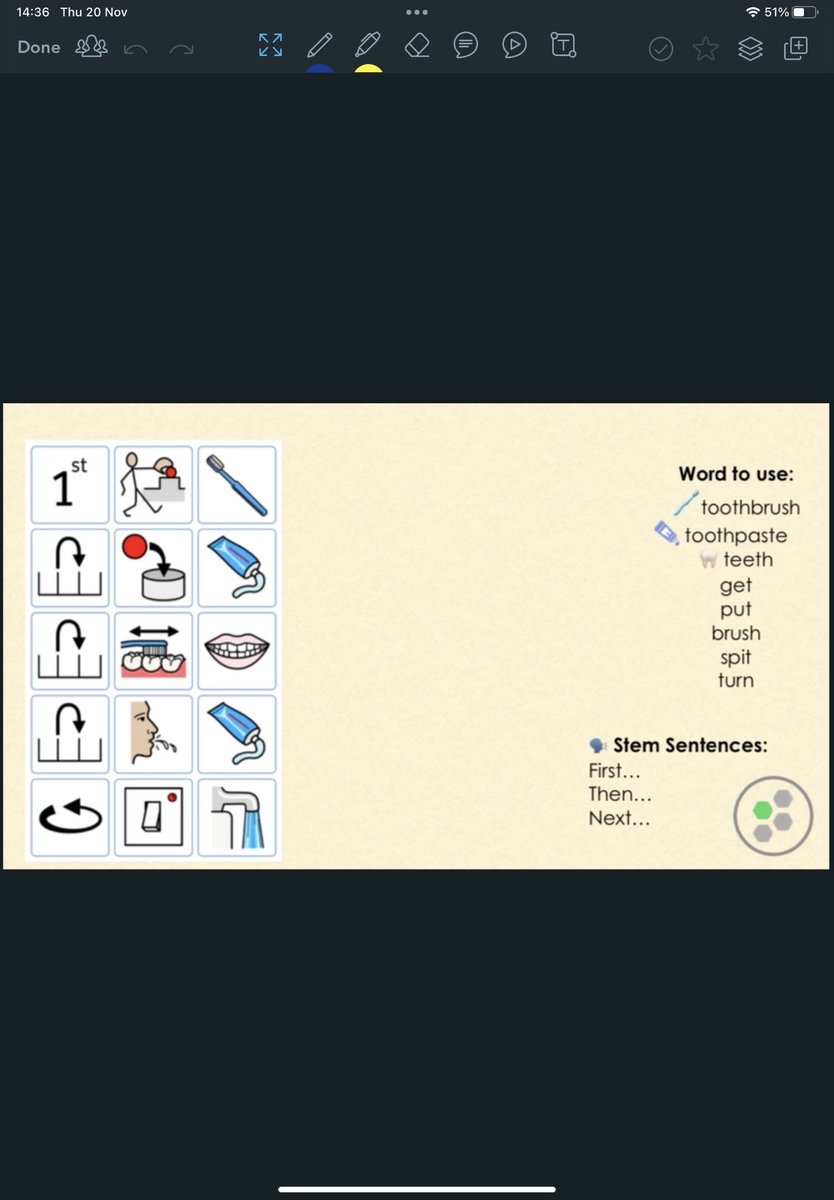
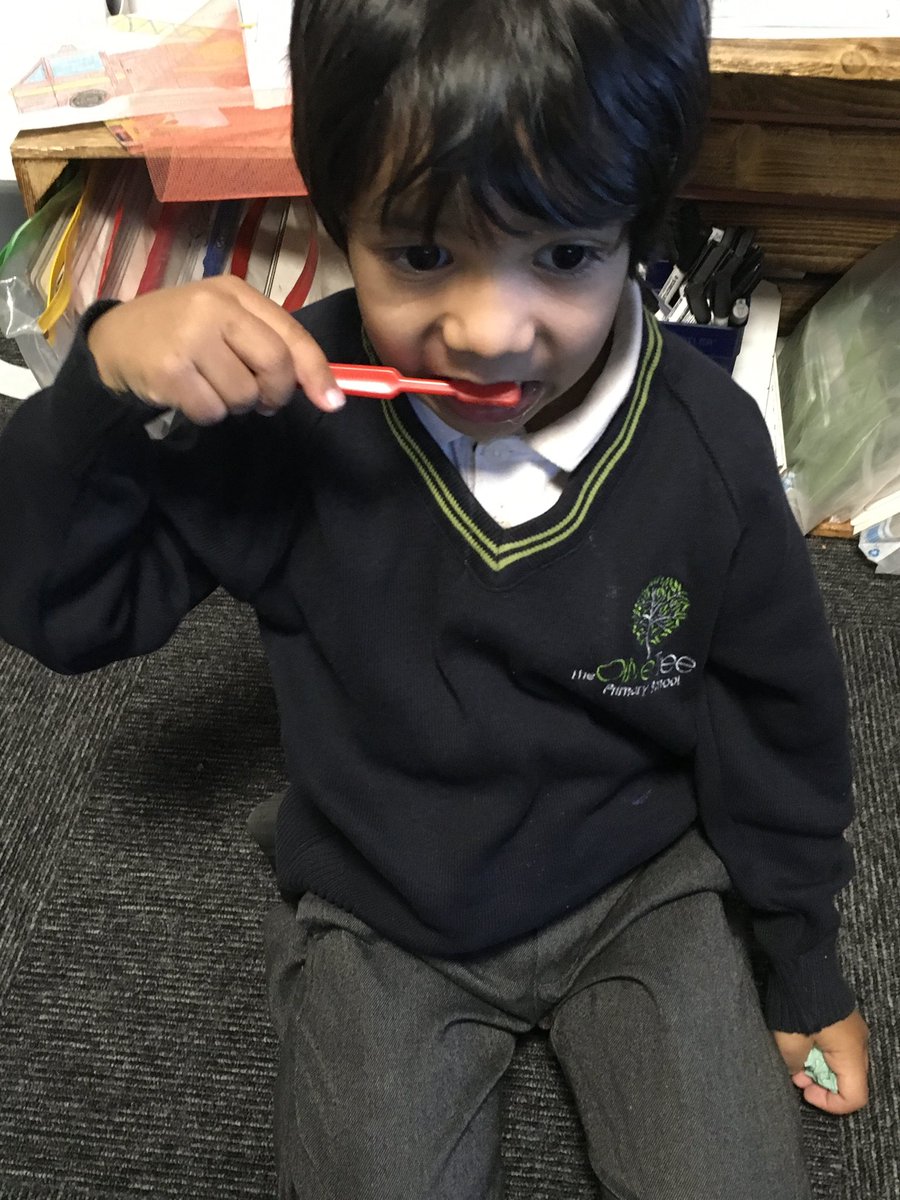
We engaged all learners with dual coding by using Widgit symbols to learn the sequence of brushing our teeth. After mastering the instructions, we put our knowledge into practice and brushed our teeth together! 🪥✨ #DualCoding @OliveTreeBolton @twinkleyschools @Showbie
2
5
240

5 Oct 2025
That also applies to older students taking notes by hand - it’s a form of dualcoding,
19
542

9 Sep 2025
Dual coding = using words visuals to teach. This taps into two memory systems so students remember & understand more deeply.
Why it works:
✨ Stronger memory connections
🧩 Reduces cognitive load
📊 Supports comprehension
🌍 Helps diverse learners
#EduProtocols #DualCoding
8 Sep 2025

🚨Sometimes the simplest strategies are the most powerful. Sketch. Tell. Remember. My reflections on dual coding and how I use it daily with students. open.substack.com/pub/solint…
3
354

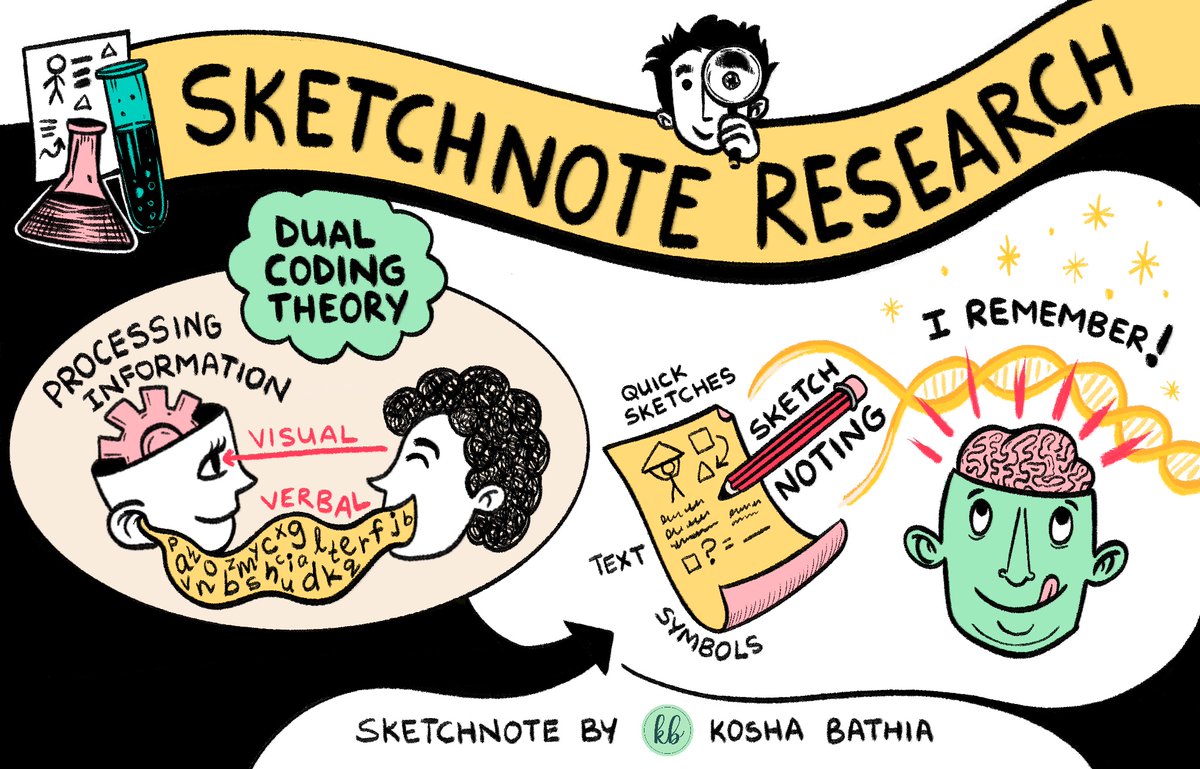
When words and visuals team up, learning sticks like magic. That’s the power of sketchnotes! #DualCoding
1
3
22

8 May 2025

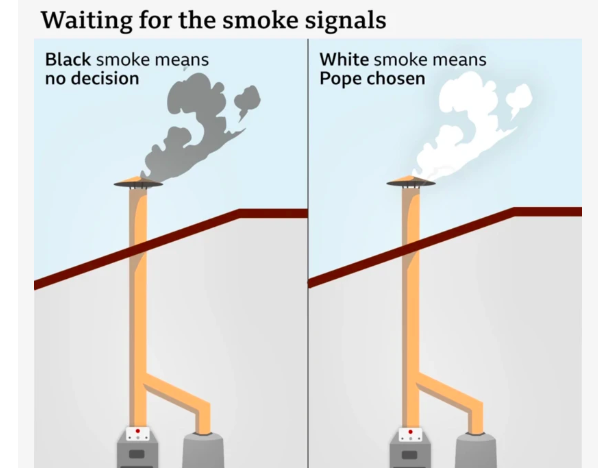
9
1,773

8 May 2025
Design of overlapping genes using deep generative models of protein sequences
🚀 New preprint from David Baker!🚀
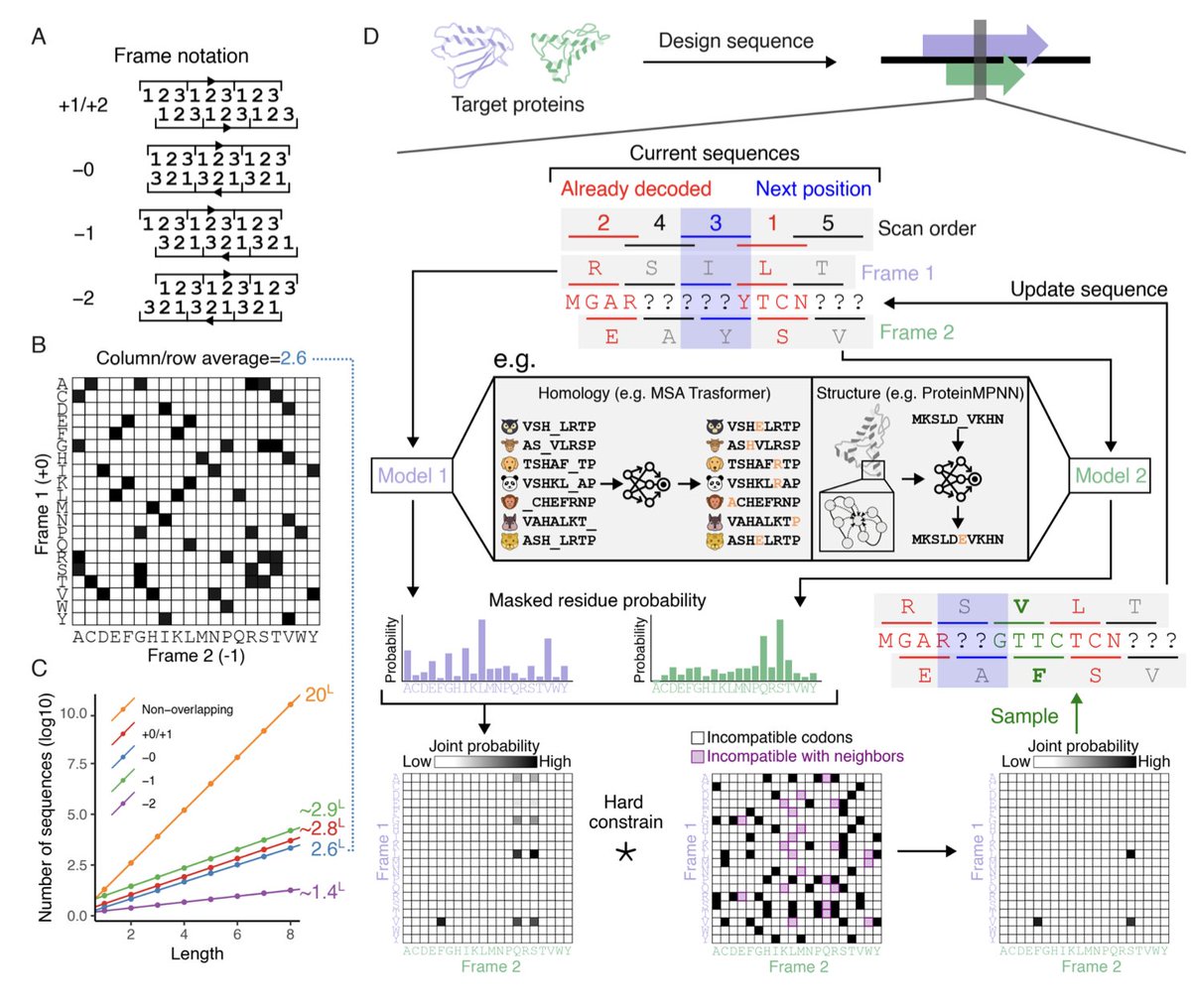
1. This study demonstrates that deep generative models can design synthetic overlapping genes (OLGs)—two protein-coding sequences embedded in different reading frames of the same DNA—without compromising protein structure or function.
2. The authors developed an iterative sampling algorithm that jointly generates two protein sequences while enforcing codon compatibility constraints between reading frames, using models like EvoDiff-MSA and ProteinMPNN.
3. Contrary to longstanding assumptions, overlapping proteins can encode well-folded 3D structures: AlphaFold2 predictions showed pLDDTs and TM-scores nearly equal between overlapping and non-overlapping sequences across 15 structural classes.
4. Over 56,000 overlapping designs were created targeting combinations of de novo protein backbones, revealing that all but the -2 frame arrangement are readily compatible with high-quality folding, consistent with codon degeneracy analysis.
5. Experimental validation confirmed 54% expression success for individual proteins and 31% for full overlapping pairs, with thermostable structures observed up to 95°C and circular dichroism matching predicted folds.
6. Even under extreme constraints—e.g., preserving the exact sequence of one protein—overlapping designs were still achievable in ~1–3% of attempts, indicating that natural protein domains often tolerate overlap with minimal or no mutation.
7. Targeted designs of functional homologs (e.g., chorismate mutase and initiation factor 1) confirmed that synthetic OLGs diverge from natural sequences yet occupy similar embedding space in PLMs and retain catalytic motifs and active site residue patterns.
8. Codon usage and frame configuration influence designability: 0, 1, -0, and -1 frames benefit from the block structure of the genetic code, while the -2 frame is significantly less permissive due to overlapping third-base positions.
9. The standard genetic code appears nearly optimal for enabling OLGs in most frames, supporting the hypothesis that evolutionary constraints on the code favor dual-encodability and may facilitate de novo gene emergence.
10. This work not only expands synthetic biology’s toolkit for genome compaction and biocontainment, but also deepens our understanding of protein sequence space and the potential pervasiveness of hidden genes in natural genomes.
💻Code: github.com/gwbyeon/OLG-desig…
📜Paper: biorxiv.org/content/10.1101/…
#SyntheticBiology #OverlappingGenes #ProteinDesign #GenerativeModels #ProteinMPNN #AlphaFold2 #DeepLearning #GenomeEngineering #Bioinformatics #OLG #DualCoding #EvolutionaryBiology
2
25
105
11,138
8 May 2025
Design of overlapping genes using deep generative models of protein sequences
🚀 New preprint from David Baker!🚀
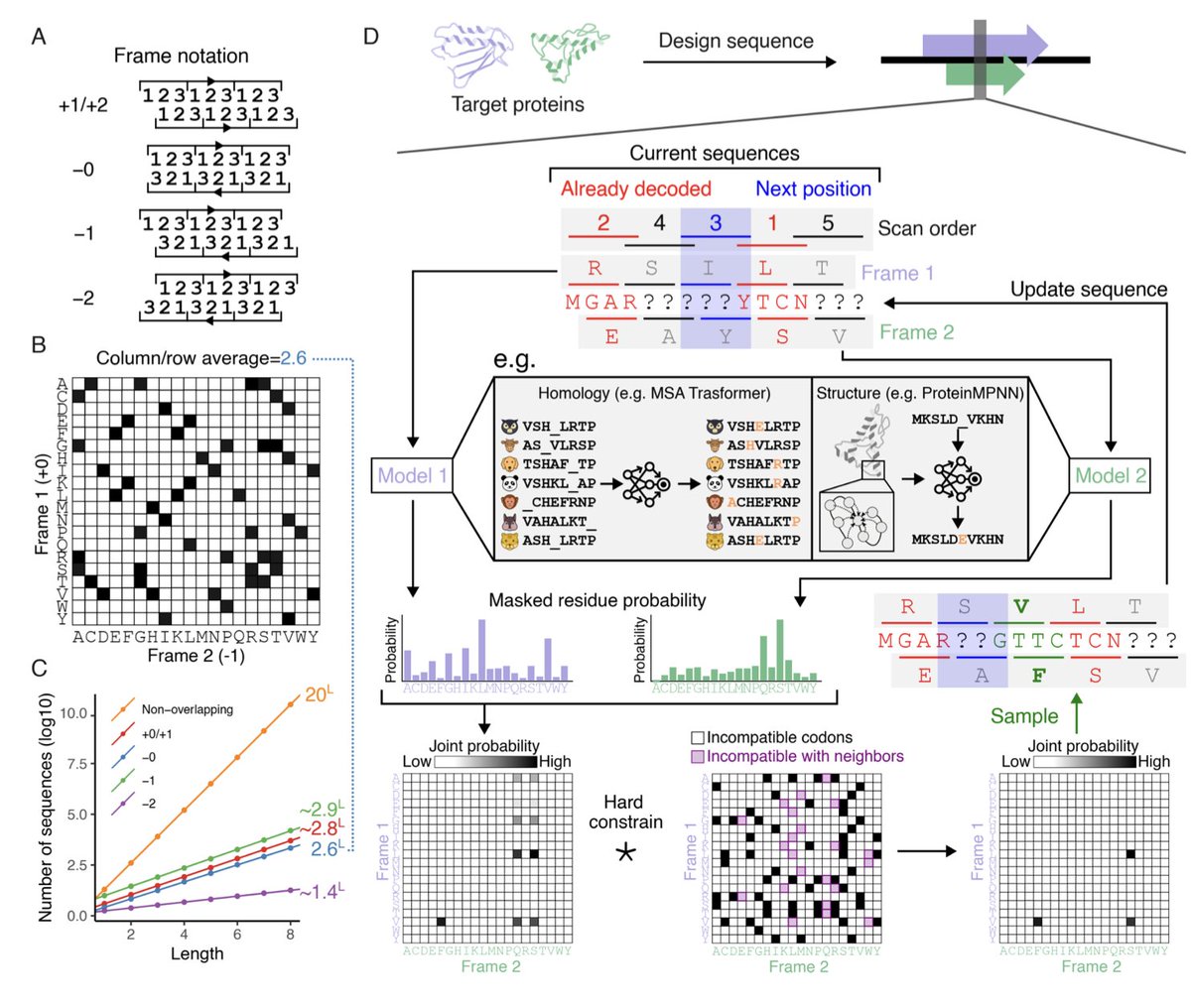
1. This study demonstrates that deep generative models can design synthetic overlapping genes (OLGs)—two protein-coding sequences embedded in different reading frames of the same DNA—without compromising protein structure or function.
2. The authors developed an iterative sampling algorithm that jointly generates two protein sequences while enforcing codon compatibility constraints between reading frames, using models like EvoDiff-MSA and ProteinMPNN.
3. Contrary to longstanding assumptions, overlapping proteins can encode well-folded 3D structures: AlphaFold2 predictions showed pLDDTs and TM-scores nearly equal between overlapping and non-overlapping sequences across 15 structural classes.
4. Over 56,000 overlapping designs were created targeting combinations of de novo protein backbones, revealing that all but the -2 frame arrangement are readily compatible with high-quality folding, consistent with codon degeneracy analysis.
5. Experimental validation confirmed 54% expression success for individual proteins and 31% for full overlapping pairs, with thermostable structures observed up to 95°C and circular dichroism matching predicted folds.
6. Even under extreme constraints—e.g., preserving the exact sequence of one protein—overlapping designs were still achievable in ~1–3% of attempts, indicating that natural protein domains often tolerate overlap with minimal or no mutation.
7. Targeted designs of functional homologs (e.g., chorismate mutase and initiation factor 1) confirmed that synthetic OLGs diverge from natural sequences yet occupy similar embedding space in PLMs and retain catalytic motifs and active site residue patterns.
8. Codon usage and frame configuration influence designability: 0, 1, -0, and -1 frames benefit from the block structure of the genetic code, while the -2 frame is significantly less permissive due to overlapping third-base positions.
9. The standard genetic code appears nearly optimal for enabling OLGs in most frames, supporting the hypothesis that evolutionary constraints on the code favor dual-encodability and may facilitate de novo gene emergence.
10. This work not only expands synthetic biology’s toolkit for genome compaction and biocontainment, but also deepens our understanding of protein sequence space and the potential pervasiveness of hidden genes in natural genomes.
💻Code:
github.com/gwbyeon/OLG-desig…
📜Paper: biorxiv.org/content/10.1101/…
#SyntheticBiology #OverlappingGenes #ProteinDesign #GenerativeModels #ProteinMPNN #AlphaFold2 #DeepLearning #GenomeEngineering #Bioinformatics #OLG #DualCoding #EvolutionaryBiology
5
15
1,284

2 Apr 2025
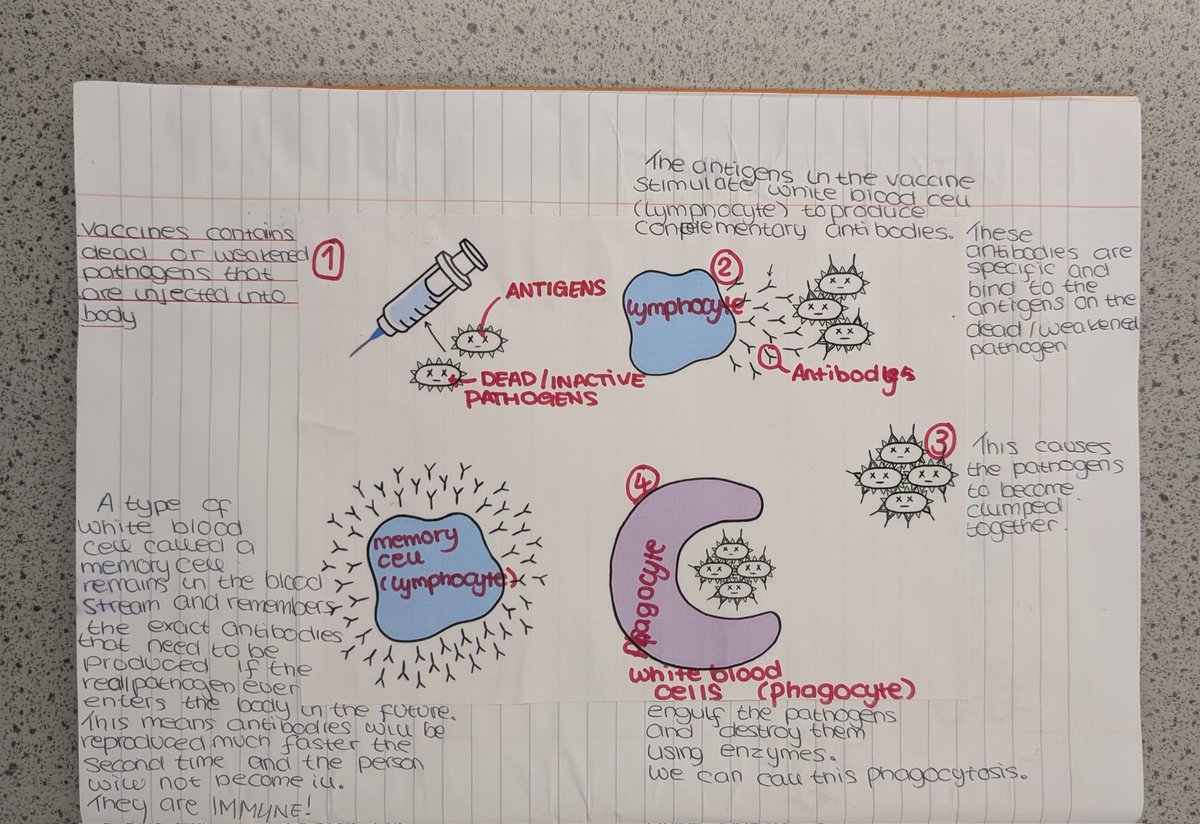
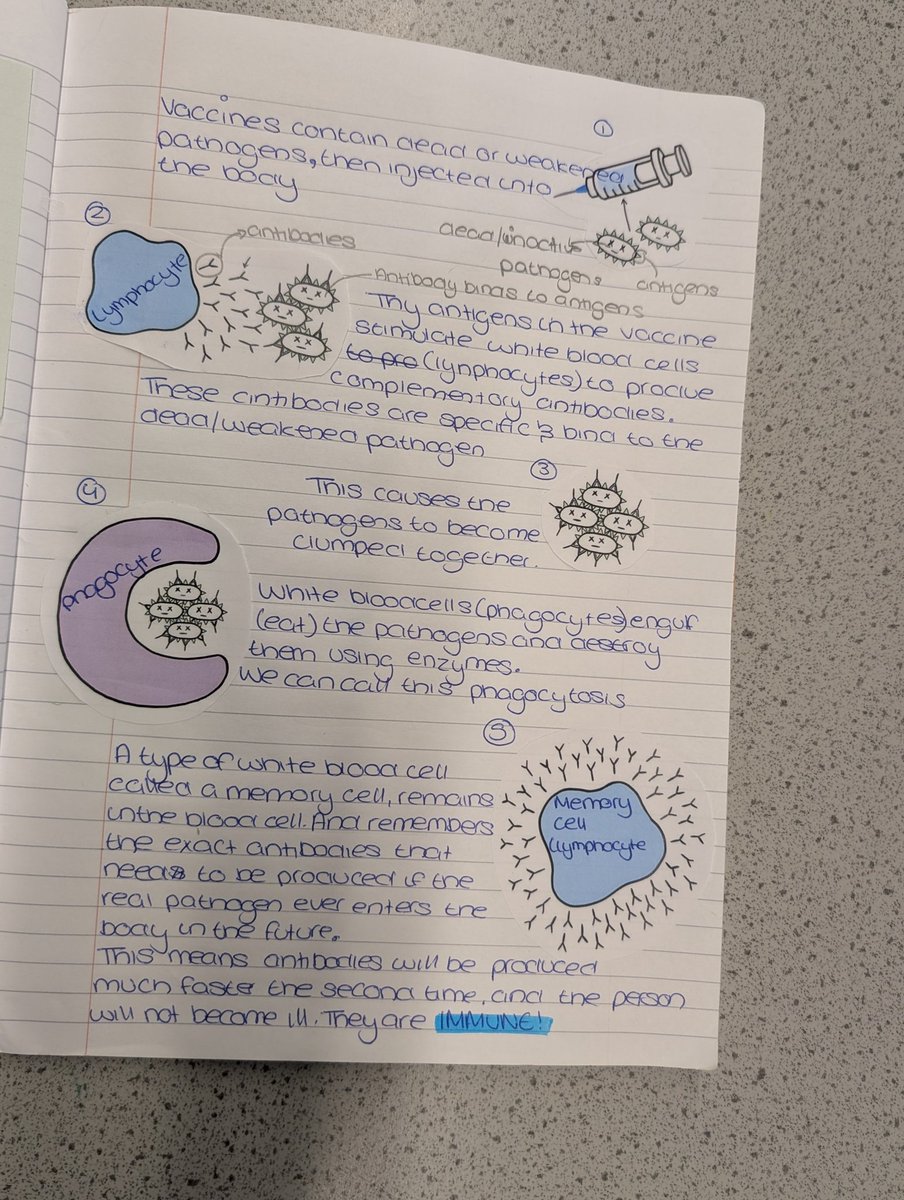
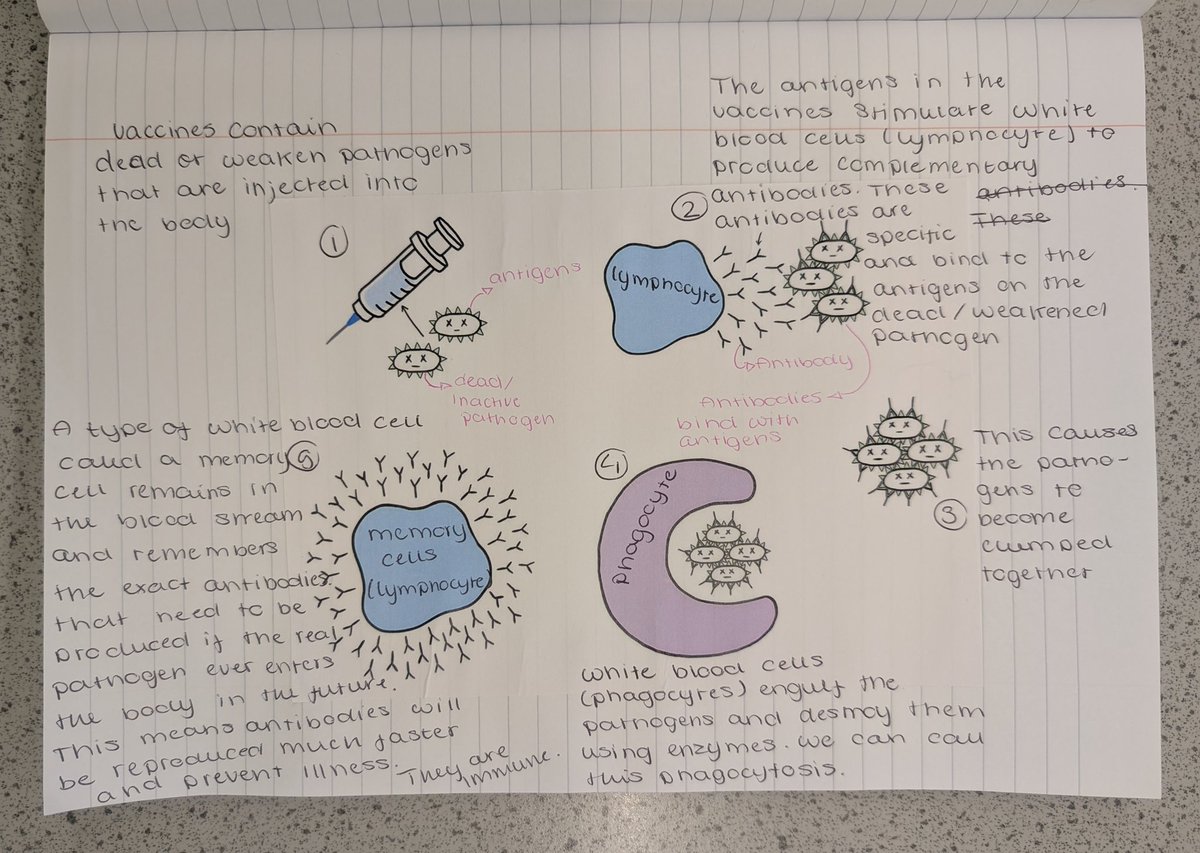
Such a great biological illustration @MissH_biology thank you so much 💚
Worked great with my 10 set 1 today!..
#Biology #Vaccinations #Model #DualCoding #StudentWork #Science
1
8
1,250

2 Apr 2025
A fun fact
Double the learning, double the fun! Did you know that using BOTH listening and reading to learn new info can increase comprehension by up to 50%? It's called the Modality Effect! #LearningHacks #DualCoding #ComprehensionBoost
Taking your learning to the next level with Testprepper 🚀
31 Mar 2025

Does anyone have any random fun facts about a very niche subject. I'm bored and love learning random things
4
348

27 Mar 2025
🎯 Day 4 – #EvidenceInformedEdTech
Use Dual Coding to aid memory.
✅ Combine visuals with key text
✅ Use Canva or Adobe Express
✅ Stick to clear layouts & consistent icons
Why? It helps learners connect learning content.
#TopTips #EdTech #DualCoding #UDL #EduTwitter

2
465

5 Mar 2025
Concept maps can transform science education by building background knowledge & enhancing comprehension; with an assist from #DualCoding and #CognitiveLoadTheory.
Check out Marcie Samayoa's blog: scientistsinthemaking.com/
And her talk: researched.org.uk/event/rese…
4
11
6,019

22 Feb 2025
It’s half term (finally) and this dropped through my letterbox! Can’t believe I didn’t get it sooner - so many ideas and ways to improve my use of graphic organisers #resources #edulit @olicav #teaching #dualcoding #cognitiveload #cpd

3
4
20
2,894

11 Feb 2025
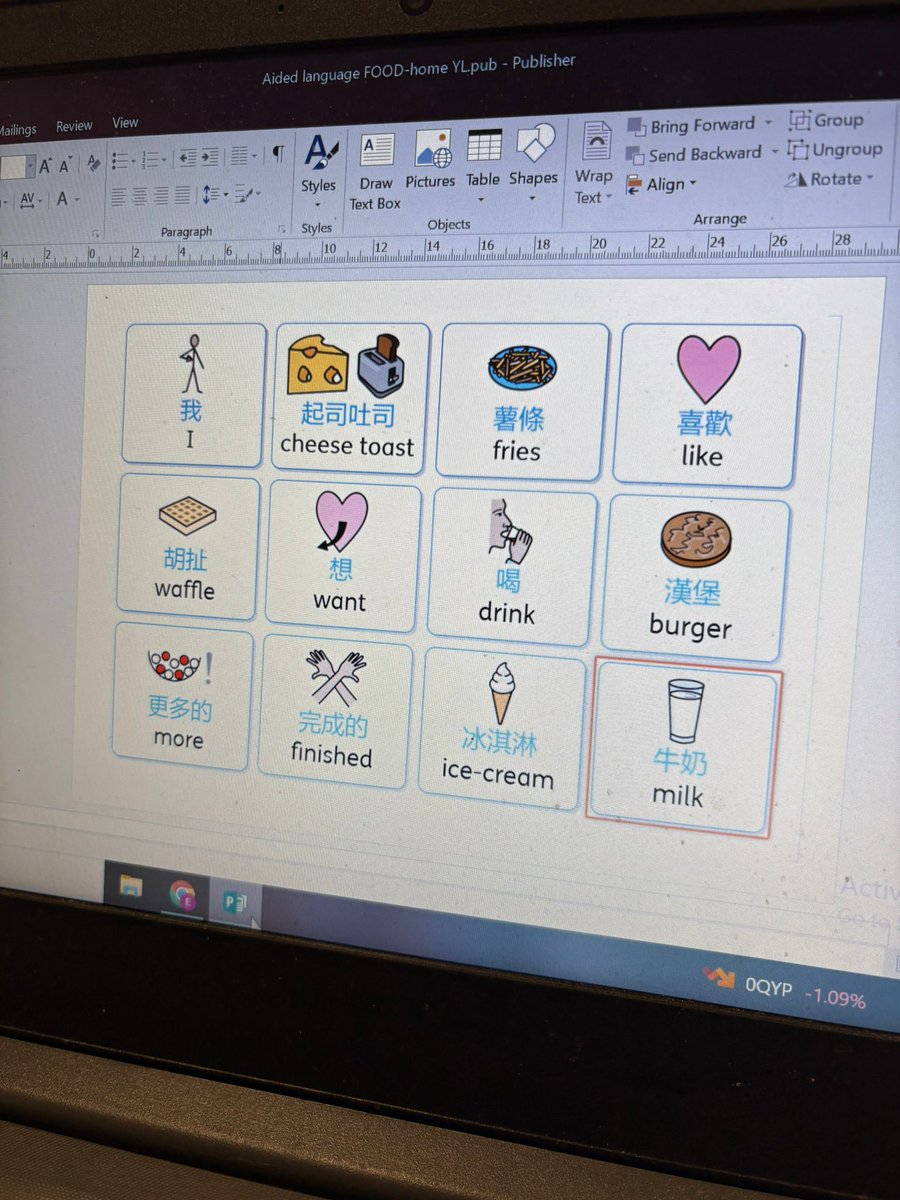
Our SaLT Lilias delivered a training for the Hall Green DLP on Widgit Online! 💻
✨ We LOVE this brilliant example from a SENCO who worked with a family to create an aided language display in both English and their home language! 🌍🗣️
#Bilingual #WidgitOnline #ALD #DualCoding
8
203
8 Jan 2025
We have used a story map to orally rehearse the story. Look at how beautifully we used story language. @OliveTreeBolton @ScholasticEdu @twinkleyschools @PieCorbett @EYTagteam @SchoolReading #DualCoding
2
8
982
29 Nov 2024
Looks great! 🤩 Loving this use of @Widgit_Software symbols which add visual supports to teaching materials 🙌
⬇️ Dual coded resources make learning more accessible and engaging for kids with #SEN
#SLCN #dualcoding #AAC
6
172
21 Nov 2024
Using #DualCoding to explicitly teach in #EYFS to make clearer the steps of learning. Watch how the use of @Showbie then makes it more accessible @OliveTreeBolton @AppleEDU #edtech #edchat @twinkleyschools @EYTagteam
1
5
419