
Reuters: "Trump administration fires entire National Science Board [NSB]. Donald Trump's administration has terminated the entire National Science Board of more than 20 members, two fired members of the board said on Monday. The independent board was established in 1950 to guide the governance of the National Science Foundation and to advise the president and the Congress on policies about science and engineering."
x.com/Reuters/status/2049047…
U.S. National Science Foundation #NSF @NSF: "The National Science Board (#NSB) is made up of 25 members appointed by the U.S. president. Members are drawn from industry and universities, and represent a variety of science and engineering disciplines and geographic areas. Members serve six-year terms. With the exception of the director of the U.S. National Science Foundation, one-third of the board is appointed every two years."
nsf.gov/nsb/members
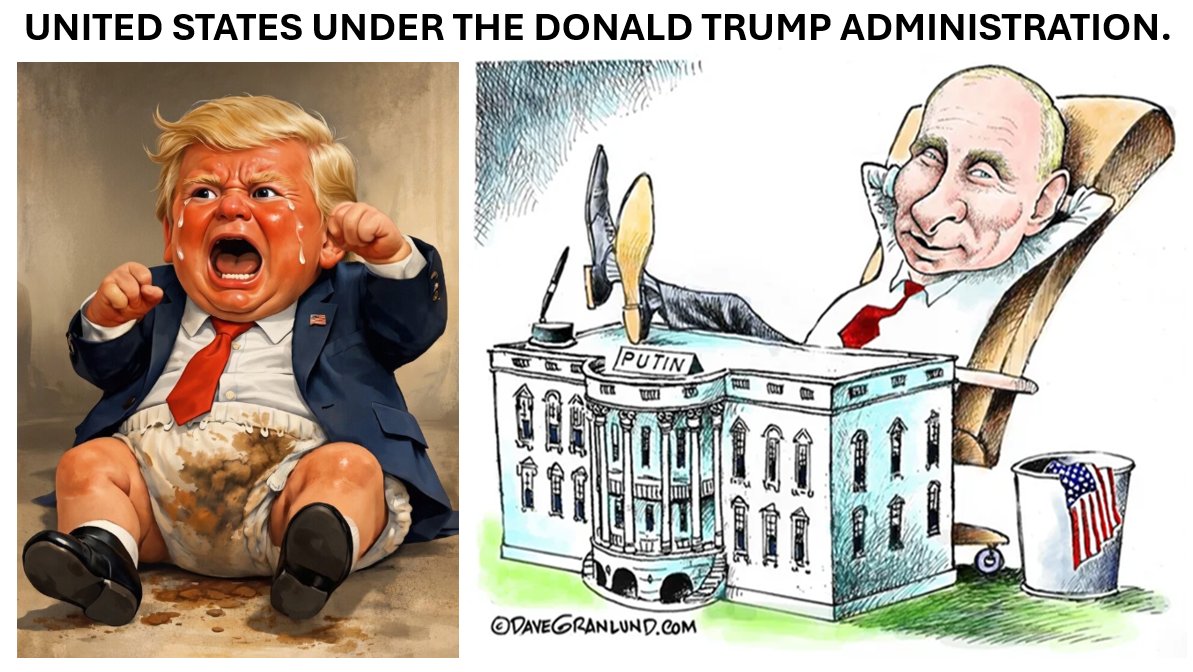
The United States under the administration of Donald Trump.
What types of terrorism does Trump carry out?
x.com/RuanoFaxas/status/2048…
x.com/RuanoFaxas/status/2023…
Donald Trump, Terrorism of various kinds.
ruanofaxas.com/2026/01/14/th…
1. State Terrorism #StateTerrorism, Domestic Terrorism #DomesticTerrorism, Homegrown Terrorism #HomegrownTerrorism, Internal Terrorism #InternalTerrorism, National Terrorism #NationalTerrorism.
2. International Terrorism #InternationalTerrorism.
3. Cultural Terrorism #CulturalTerrorism, Educational Terrorism #EducationalTerrorism, Religious Terrorism #ReligiousTerrorism. Threats against universities, schools, educational and cultural centers, and scientific and medical research centers.
4., 5. Economic Terrorism #EconomicTerrorism, Financial Terrorism #FinancialTerrorism, Financial #Stress #FinancialStress, Money Stress #MoneyStress, Financial #Anxiety #FinancialAnxiety, Economic Anxiety #EconomicAnxiety, Economic Insecurity #EconomicInsecurity.
6. Executives and businesspeople.
7., 8. #Media outlets, #Journalism, #Journalists. Trump has personally attacked journalists, calling them "enemies of the people".
9. #Education, Educational Terrorism #EducationalTerrorism, #Culture, Cultural Terrorism #CulturalTerrorism.
10. #Science #Technology, Scientific Terrorism #ScientificTerrorism.
x.com/RuanoFaxas/status/1968…
#Trump, #DonaldTump, #GOP, #MAGA, #Terrorism, #Corruption, #Lies, #Election, #Elections, #Midterm, #Midterms, #Impeachment, Twenty-Fifth #Amendment, Amendment XXV, 25th Amendment, #Russia, #Putin, #Iran, Strait of #Hormuz, #StraitOfHormuz, #Economy
17 Sep 2025

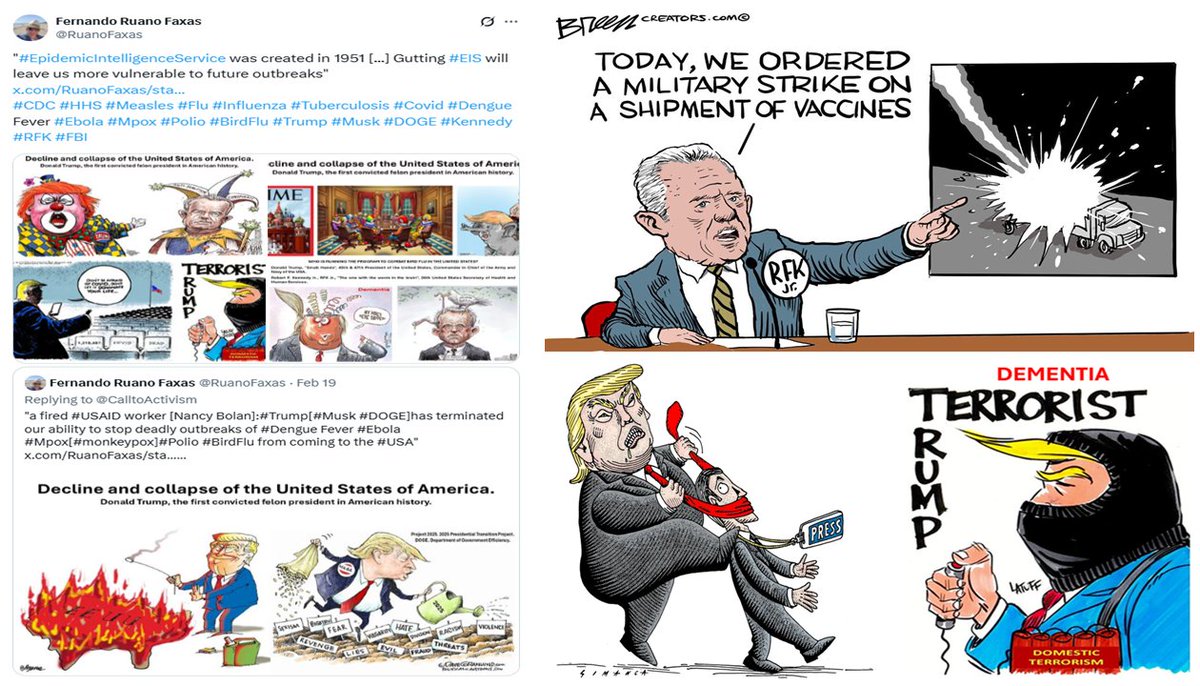
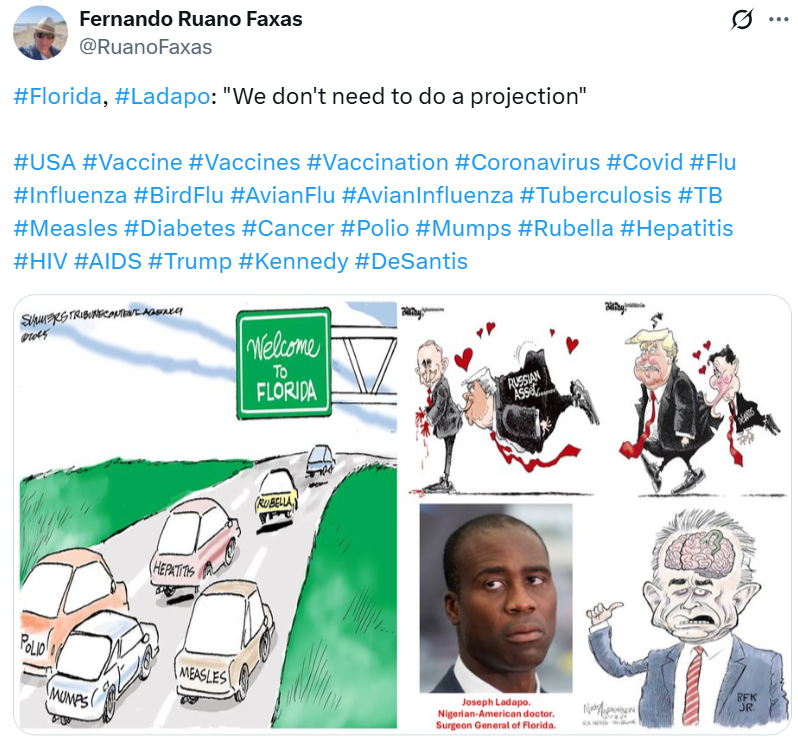
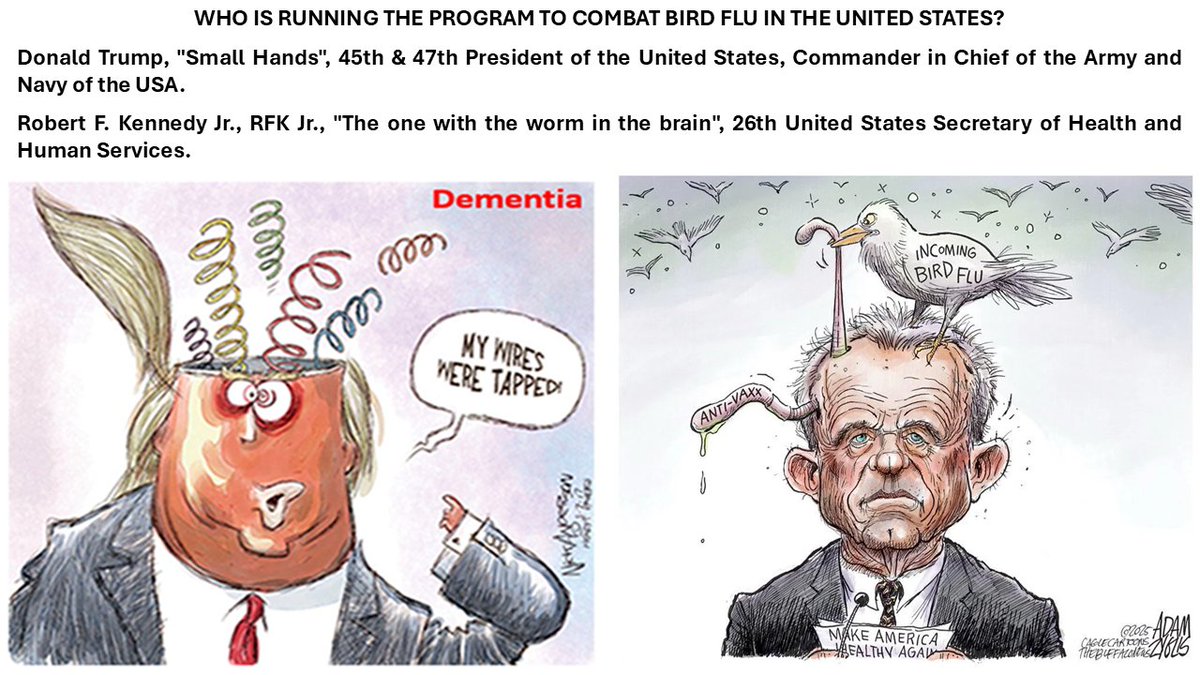
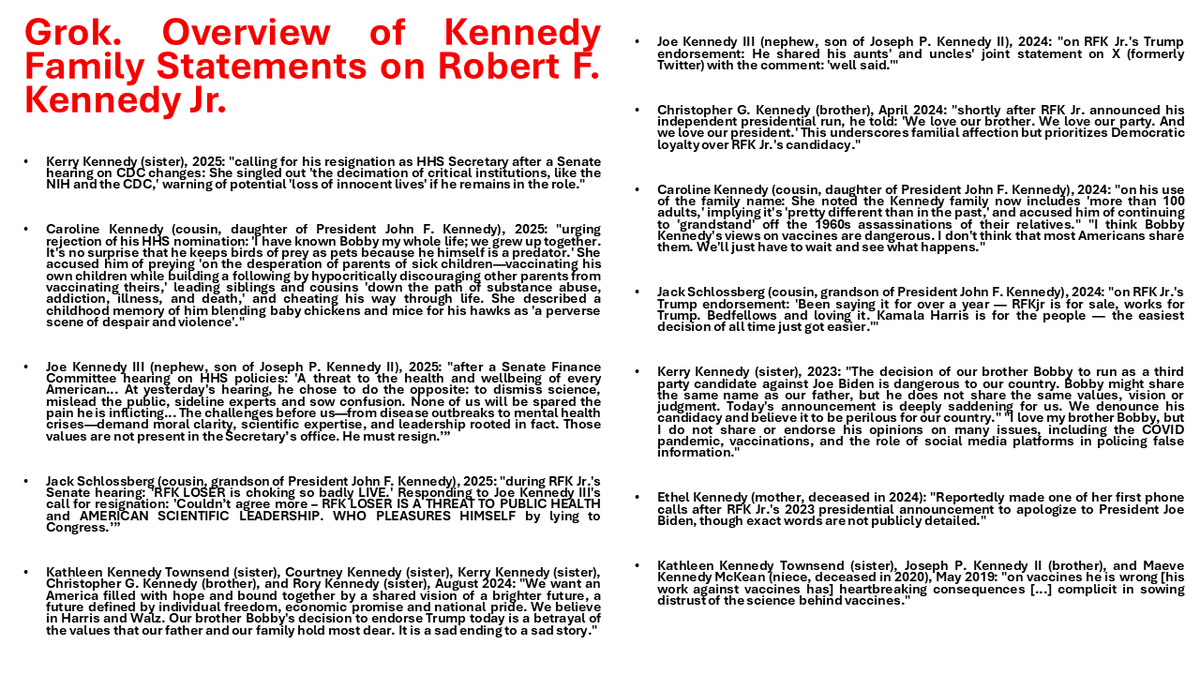
10.#Science #Technology,Scientific #Terrorism #ScientificTerrorism. #Trump #Kennedy #RFK #Vaccines #Vaccine.
#Dengue fever.Potential hotspots for outbreaks:#Florida #California #NewYork.
#CDC #HHS #Measles #Flu #Influenza #Tuberculosis #Covid #Ebola #Mpox #Polio #BirdFlu #Mumps
1
2
3
102
Anton Gerashchenko @Gerashchenko_en: "A red flag, called a symbol of revenge, has been raised over the dome of Jamkaran Mosque in Iran. Iran issued an ultimatum — the Gulf countries must expel the U.S. from their military bases, or these countries will continue to face strikes. Iran also declared U.S. naval vessels in the Persian Gulf to be illegal. The most sensitive issue now appears to be the Strait of Hormuz. It can be easily mined and blocked. Tanker traffic has virtually come to a halt, and shipping companies are mass-canceling voyages in the Persian Gulf. There are already reports of two attacked tankers".
x.com/RuanoFaxas/status/2027…
#UnitedStates #America #USA #EEUU #Trump #GOP #MAGA #Israel #Netanyahu #Iran #Khamenei #StraitOfHormuz #Hormuz #MiddleEast #Putin #Russia #Ukraine #Europe #EU #Xi #China #Economy #Inflation #Recession #Unemployment #Tariffs #Tax #Taxes #Petroleum #CrudeOil #Oil #Gas Economic #Terrorism #EconomicTerrorism Financial Terrorism #FinancialTerrorism Financial #Stress #FinancialStress Money Stress #MoneyStress Financial #Anxiety #FinancialAnxiety Economic Anxiety #EconomicAnxiety Economic Insecurity #EconomicInsecurity
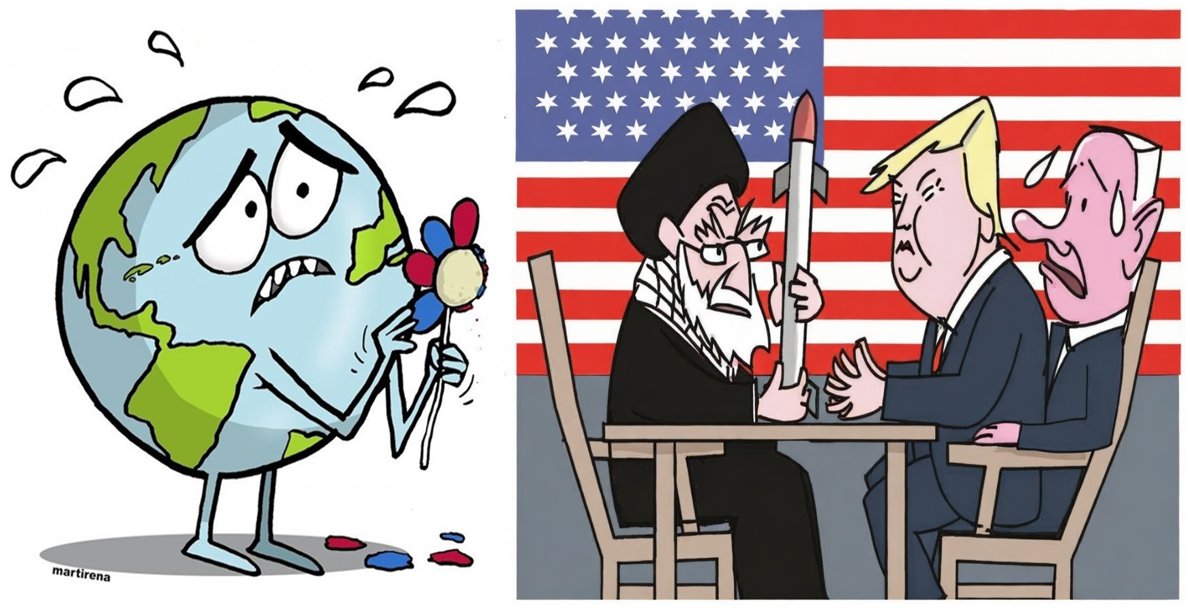
"General Dan #Caine, 22nd chairman of the Joint Chiefs of Staff (CJCS), warns #Trump that striking #Iran risks a prolonged conflict and U.S. casualties. This is as close to telling Trump he’s an idiot scumbag who is going to destroy the country as he can get".
"They say that 'Lloyd #James Austin III, retired United States Army general who served as the 28th United States Secretary of Defense (SecDef. 'Secretary of War', SecWar) said: 'I wrote a letter to the president asking him not to go to war with Iran'. While there are social media claims as of February 2026 suggesting former Secretary of Defense #LloydAustin wrote a letter to the President #DonaldTrump asking him not to go to war with Iran, there is no official verification from the Department of Defense or major news outlets that such a letter exists".
[...] Closing (or effectively disrupting) the Strait of #Hormuz would trigger one of the most severe energy and economic shocks in modern history. The strait is the narrow chokepoint connecting the Persian Gulf to the Gulf of Oman and the Indian Ocean — the only maritime exit for #oil and #gas from major producers like Saudi Arabia, Iraq, UAE, Kuwait, Qatar, and Iran itself. According to the U.S. Energy Information Administration (EIA, based on 2024 averages, largely unchanged into early 2025): ~20–20.3 million barrels per day (b/d) of crude oil, condensate, and petroleum products — roughly 20% of global petroleum liquids consumption and over 25–30% of global seaborne oil trade. ~20% of global LNG trade (primarily Qatar, the world’s top exporter). 84% of crude/condensate and 83% of LNG heads to Asia (China, India, Japan, and South Korea alone take ~69% of the crude flows). As of late February 2026, the potential closure of the Strait of Hormuz by Iran is considered a "nightmare scenario" for global energy markets and the world economy. Following U.S. and Israeli airstrikes on February 28, 2026, concern over such a move has intensified. Economic and Energy Impacts: the #StraitOfHormuz is the world's most vital oil chokepoint, with approximately 20 million barrels per day (20% of global demand) passing through it. Oil Price Surge: Analysts estimate that a closure, even for one day, could cause Brent crude prices to immediately spike to between $120 and $150 per barrel. A sustained closure could push prices toward $180–$200 per barrel, levels not seen in inflation-adjusted terms since 1979. Liquefied Natural Gas (LNG) Disruptions: About 20% of global LNG shipments, primarily from Qatar, move through the Strait. A blockage would force Asian and European buyers to compete for limited non-Gulf supplies, potentially pushing European gas benchmarks (TTF) above €90.00/MWh. #Economy, Global #Inflation and #Recession: A sustained closure of more than 30 days would push the probability of a global recession above 75%. Global inflation could accelerate by 2–4 percentage points as higher energy costs ripple through supply chains for food, manufacturing, and transportation [...]
x.com/RuanoFaxas/status/2027…
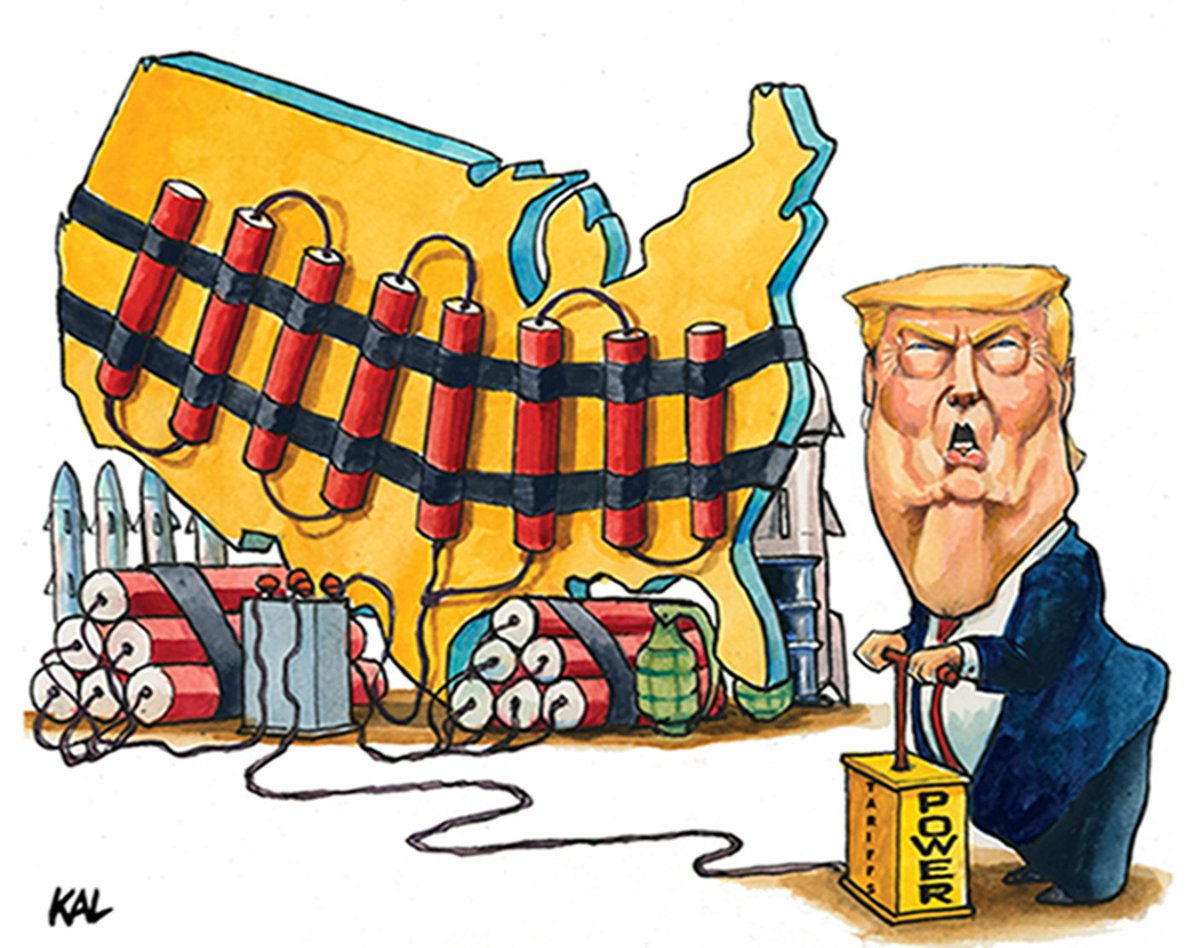
#UnitedStates #America #USA #EEUU #Tariffs #Tax #Taxes #Price #Prices #Unemployment #Bankruptcy #Foreclosure #Farmers #Ranchers #Election #Midterm #Midterms #Terrorism #Epstein #Putin #Kompromat #Israel #Netanyahu #Khamenei #MiddleEast
2
2
185

1/OpEd in @theprogressive by @NationalCOSH’s Jessica E. Martínez: U.S. workers skipping meals, falling behind on rent & staying silent abt hazards cos can’t risk losing shifts. #Economicinsecurity isn’t just financial stress. It’s abt workplace safety.
bit.ly/4kU6T42
1
2
75
The United States under the administration of Donald Trump: State Terrorism, Domestic Terrorism, Homegrown Terrorism, Internal Terrorism, National Terrorism, International Terrorism, Economic Terrorism, Financial Terrorism, Cultural Terrorism.
ruanofaxas.com/2026/01/14/th…
ruanofaxas.com/search/Trump
Harold Holzer @HaroldHolzer: “The Presidents vs. the Press. The Endless Battle between the White House and the Media. From the Founding Fathers to Fake News”
amazon.com/Presidents-vs-Pre…
Mary L. Trump @MaryLTrump: “Too Much and Never Enough. How My Family Created the World's Most Dangerous Man”
amazon.com/-/es/Too-Much-Nev…
Bandy X Lee @BandyXLee1: “The Much More Dangerous Case of Donald Trump. 50 Psychiatrists and Mental Health Experts Warn Anew”
amazon.com/Much-More-Dangero…
1. #Trump, #Terrorism of various kinds. State Terrorism #StateTerrorism, Domestic Terrorism #DomesticTerrorism, Homegrown Terrorism #HomegrownTerrorism, Internal Terrorism #InternalTerrorism, National Terrorism #NationalTerrorism
x.com/RuanoFaxas/status/1913…
x.com/RuanoFaxas/status/2011…
2. Trump, Terrorism of various kinds. International Terrorism #InternationalTerrorism
x.com/RuanoFaxas/status/1913…
x.com/RuanoFaxas/status/2000…
x.com/RuanoFaxas/status/2007…
3. Trump, Terrorism of various kinds. Cultural Terrorism #CulturalTerrorism, Educational Terrorism #EducationalTerrorism, Religious Terrorism #ReligiousTerrorism. Threats against universities, schools, educational and cultural centers, and scientific and medical research centers.
x.com/RuanoFaxas/status/1913…
4., 5. Trump, Terrorism of various kinds. Economic Terrorism #EconomicTerrorism, Financial Terrorism #FinancialTerrorism, Financial #Stress #FinancialStress, Money Stress #MoneyStress, Financial #Anxiety #FinancialAnxiety, Economic Anxiety #EconomicAnxiety, Economic Insecurity #EconomicInsecurity
x.com/RuanoFaxas/status/1913…
x.com/RuanoFaxas/status/1960…
6. Trump, Terrorism of various kinds. EXECUTIVES AND BUSINESSPEOPLE.
x.com/RuanoFaxas/status/1960…
7., 8. Trump, Terrorism of various kinds. #MEDIA OUTLETS, #JOURNALISM, #JOURNALISTS. Trump has personally attacked journalists, calling them “enemies of the people”
x.com/RuanoFaxas/status/1960…
9. Trump, Terrorism of various kinds. #Education, Cultural #Terrorism #CulturalTerrorism, Educational Terrorism #EducationalTerrorism
x.com/RuanoFaxas/status/1960…
10. Trump, Terrorism of various kinds. #Science #Technology, Scientific #Terrorism #ScientificTerrorism. #Kennedy #RFK #Vaccines #Vaccine
x.com/RuanoFaxas/status/1968…
#Election #Elections #Midterm #Midterms #Impeachment
17 Sep 2025
10.#Science #Technology,Scientific #Terrorism #ScientificTerrorism. #Trump #Kennedy #RFK #Vaccines #Vaccine.
#Dengue fever.Potential hotspots for outbreaks:#Florida #California #NewYork.
#CDC #HHS #Measles #Flu #Influenza #Tuberculosis #Covid #Ebola #Mpox #Polio #BirdFlu #Mumps
2
2
3
811

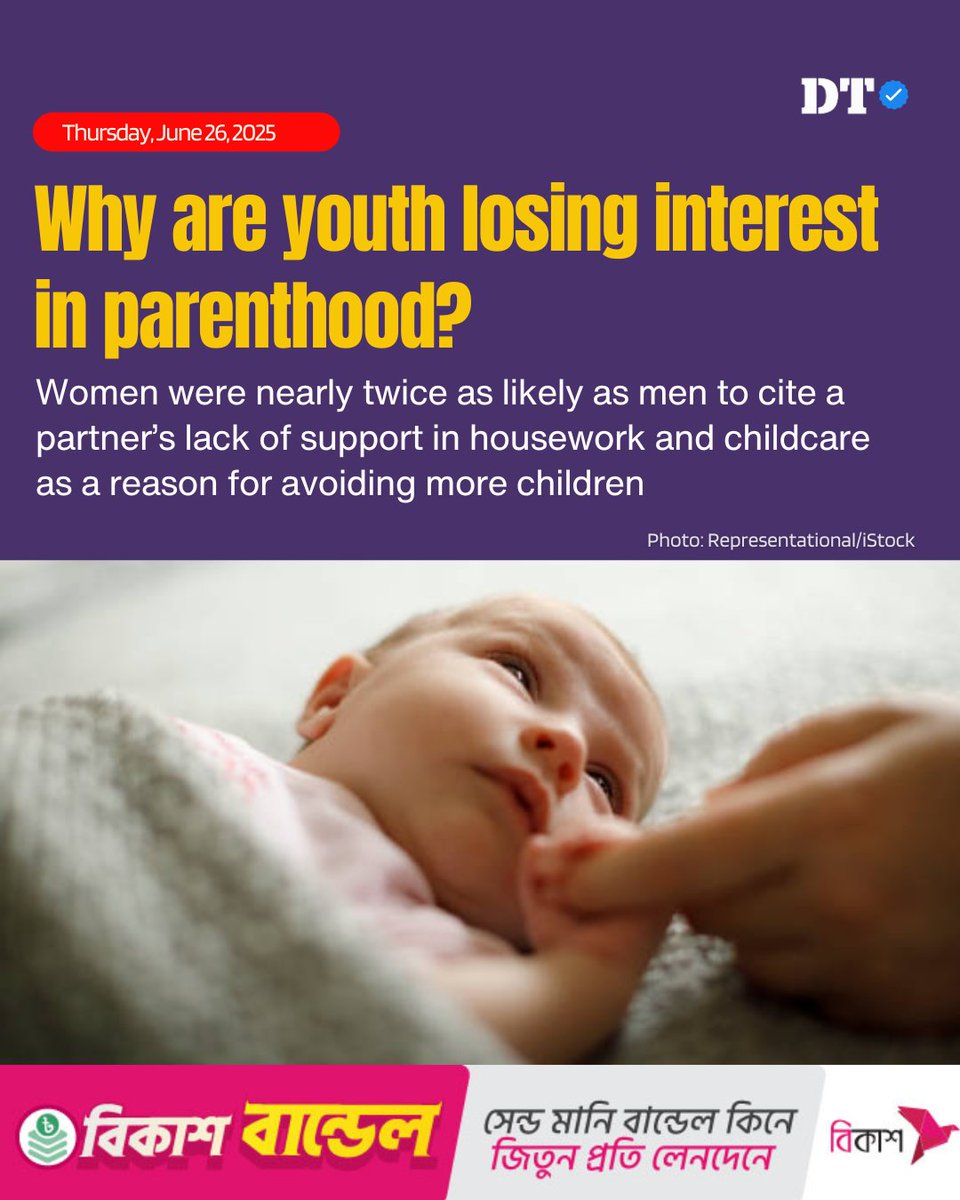
26 Jun 2025
Details: dhakatribune.com/384791
#DhakaTribune #Parenthood #YouthFertility #UNFPA #EconomicInsecurity #GenderInequality
1
1
379

Aging in America: Survive or Thrive - Neil Steinberg, Executive Producer/Director, & Mark Jonathan Harris, Producer, join me on Progress, Potential, And Possibilities #TheJohnAHartfordFoundation #PBSSoCal #PBS #USCSchoolOfCinematicArts #UniversityOfSouthernCalifornia #NationalInstituteOnAging #NIH #AARP #ServingSeniors #GenerationEntertainment #Documentary #RobertButler #Ageism #EconomicInsecurity #AlzheimersDisease #MartinSheen #Geriatrics #Gerontology #Longevity #ProgressPotentialAndPossibilities #IraPastor #Podcast #STEM #Innovation #Technology #Science #Research
1
2
108

14 Apr 2025
New article by @isabrainv: The new dwellers of #SouthernCities: Social diversification and uncertainty in #Santiago inner city
buff.ly/Z7w1VMy
#EconomicInsecurity
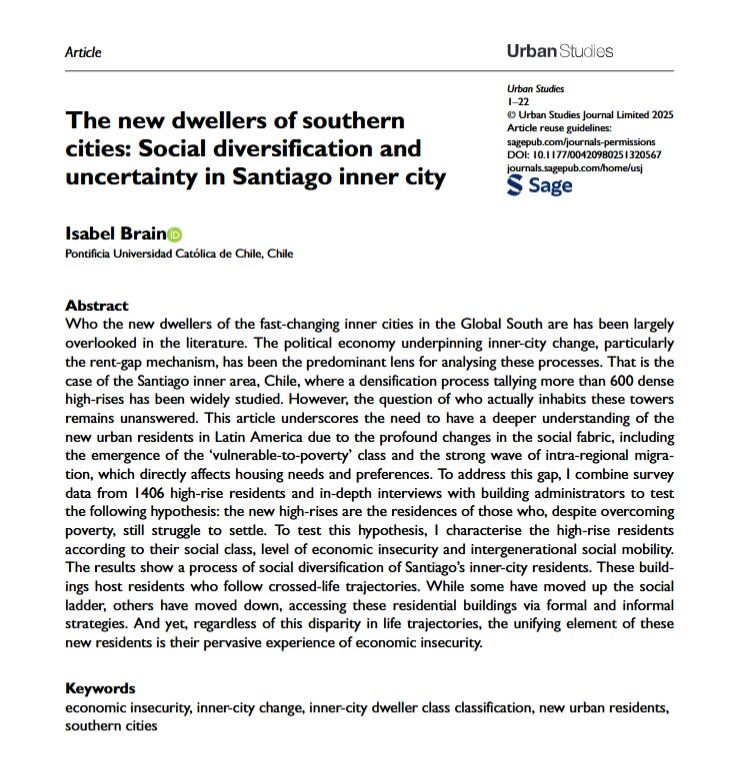
ALT Article information including DOI, title, author, abstract and keywords.
1
5
1,147

24 Feb 2025
.@economistrent of @otago, Steven Stillman of @unibz_news, and @stuartcraig of @UWBusiness investigate the potential role of economic insecurity and the obesity epidemic.
#Obesity #Demographics #EconomicInsecurity
doi.org/10.1002/soej.12670
1
2
127

21 Feb 2025
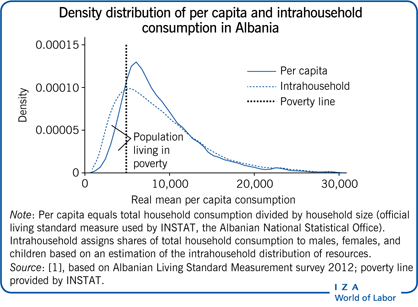
#Transitioncountries experience a period of increased #economicinsecurity, which may place women at a significant disadvantage compared to men. More here: @LucaPiccoli5 @UniTrento: 'Female poverty and intrahousehold inequality in transition economies'.
wol.iza.org/articles/female-…
2
291
6 Oct 2024
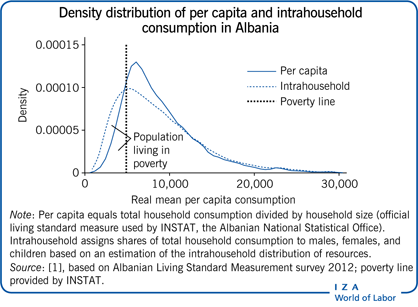
#TransitionCountries undergo a phase of greater #economicInsecurity, which is likely to put #women at a considerable #disadvantage compared to men. @LucaPiccoli5 @UniTrento: 'Female poverty and intrahousehold inequality in transition economies'.
wol.iza.org/articles/female-…
2
3
600

17 Sep 2024
Trump's Appeal: Economic Insecurity Fuels Public Fear
#EconomicInsecurity #TrumpAppeal #AmericanPublic #SocialIssues #FearAndAnger #EconomicChallenges #MAGA #SocietyDiscussion #PoliticalCommentary #CurrentEvents
2
141

14 Aug 2024
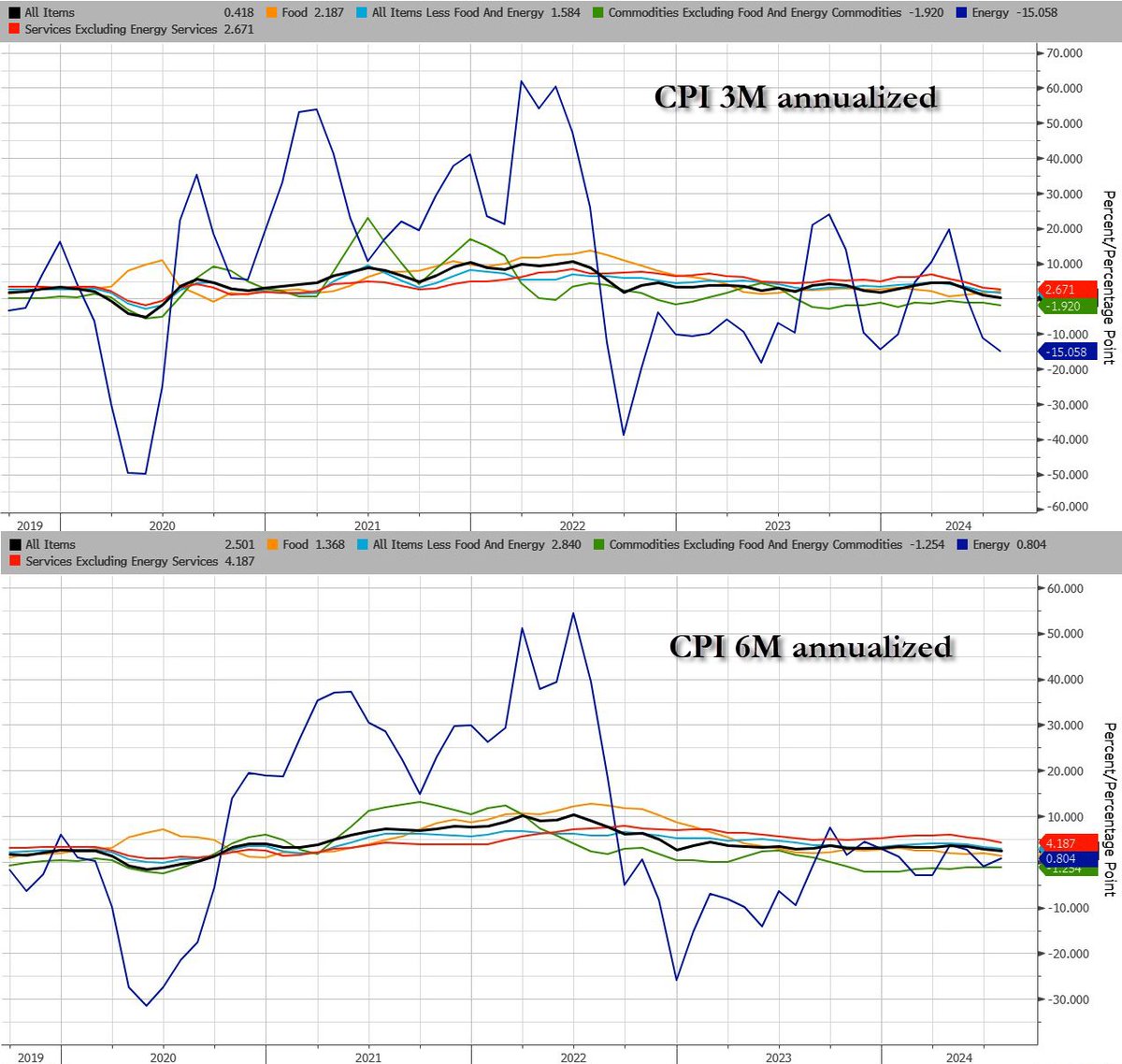
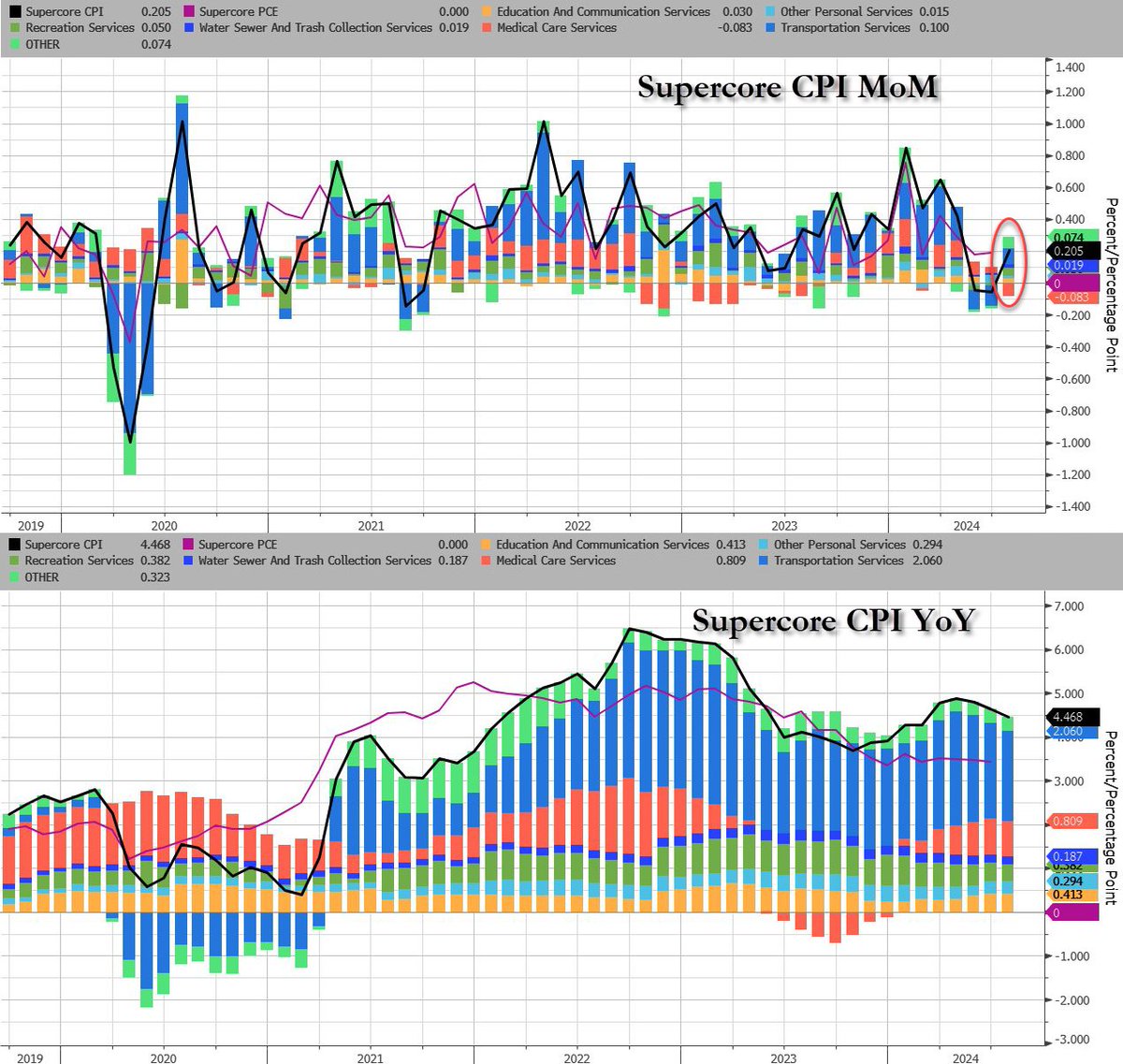
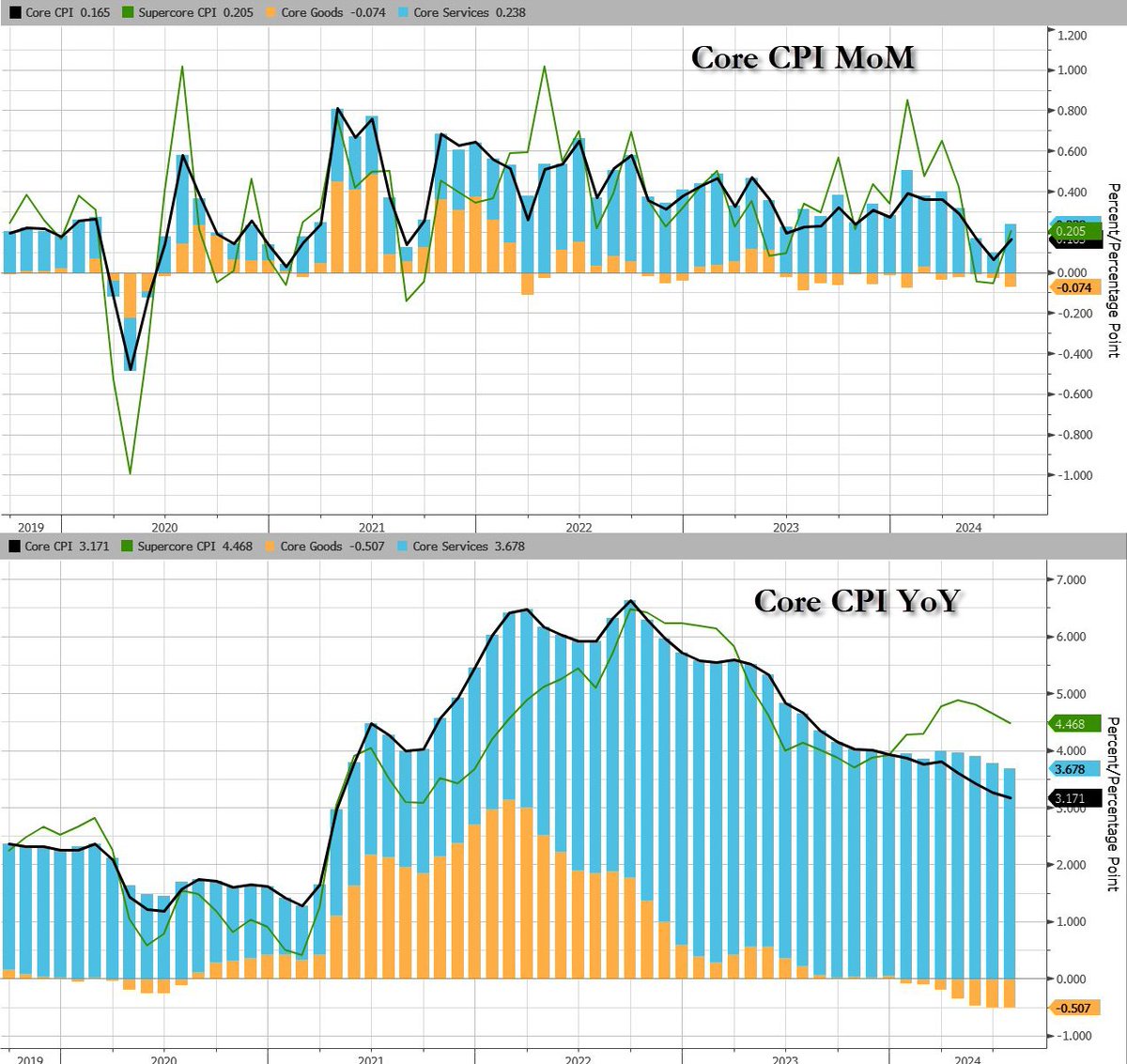
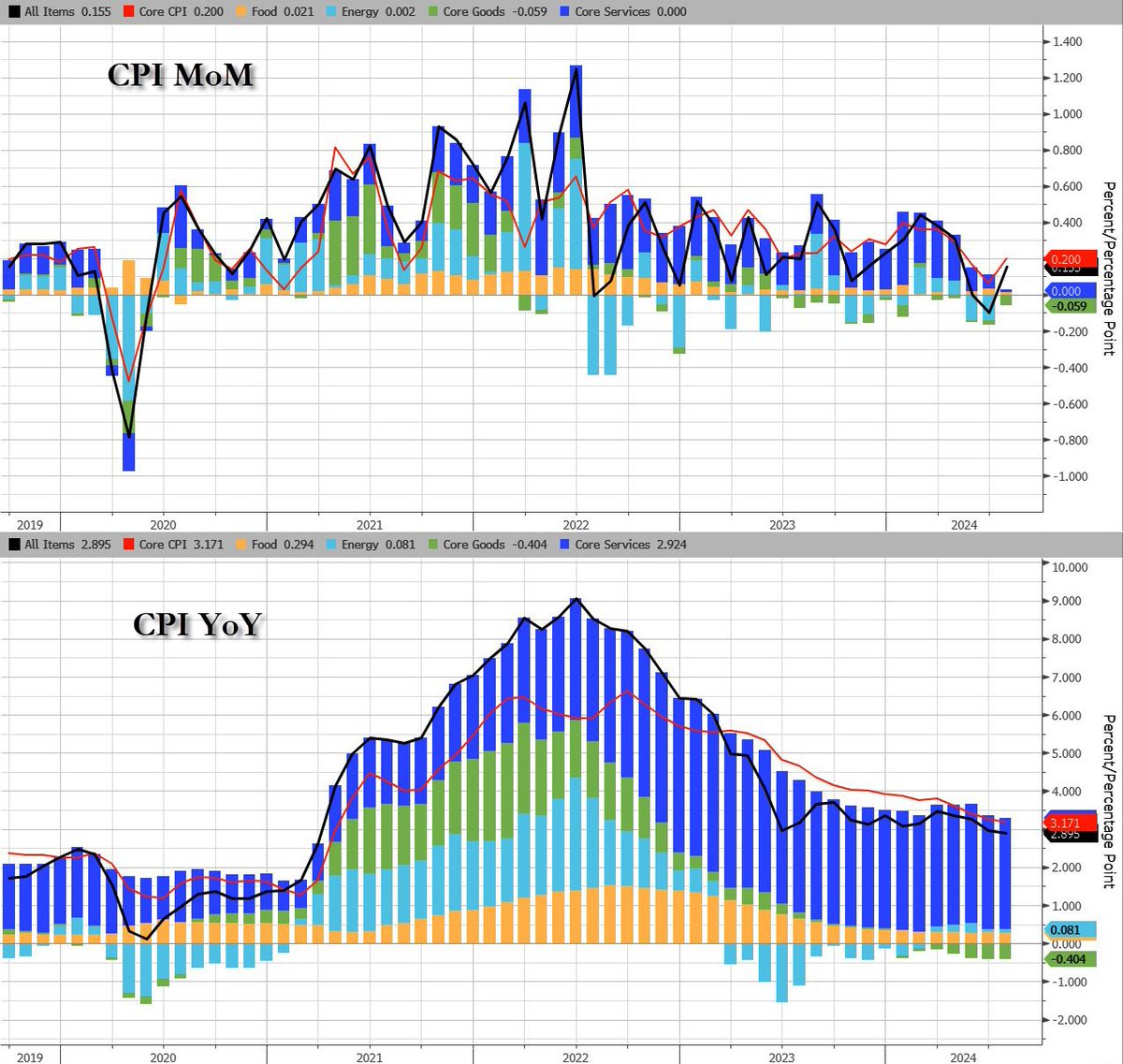
Inflation is showing no signs of slowing down, with the latest data revealing that the supercore CPI has experienced its largest increase in the past three months. Although the overall CPI figures were generally in line with market expectations, the significant rise in supercore CPI highlights a worrying trend—one that the Federal Reserve seems to be inadequately addressing.
As the cost of living continues to escalate, ordinary Americans are feeling the pressure, struggling to keep up with rising prices on essential goods and services.
The Federal Reserve, which should be acting as a stabilizing force in the economy, has been criticized for not raising interest rates more aggressively. This hesitation is seen by some as politically motivated, with claims that the Fed is prioritizing the interests of the Democratic Party over the economic well-being of the average citizen.
The result?
A spiraling inflation problem that erodes purchasing power and puts a strain on household budgets.
The situation is further exacerbated by a combination of factors, including extensive war spending, the Democrats' so-called "Inflation Reduction Act," and unchecked government expenditures. These policies, rather than curbing inflation, appear to be fueling it, creating a perfect storm that has led to higher housing costs and a general increase in the cost of living.
In this environment, the lack of decisive action from the Fed to significantly raise rates and bring inflation under control is contributing to a growing sense of economic insecurity. For many, this is a clear sign that political considerations are overshadowing sound economic policy, leaving average Americans to bear the brunt of these misguided priorities.
#InflationCrisis #CPI #FederalReserve #EconomicPolicy #CostOfLivingCrisis #MonetaryPolicy #GovernmentSpending #PoliticalInfluence #EconomicInsecurity #USAeconomy
2
534

23 May 2024
How family #economicInsecurity can hurt child mental health @OhioState medicalxpress.com/news/2024-…
2
4
942

1 Apr 2024
Speaking of #FinancialLiteracyMonth… did you know more than 17 million people age 65 are economically insecure?
Get more sobering facts on #EconomicInsecurity and #OlderAdults.👇
bit.ly/3jgovZu
3
3
424

15 Feb 2024
The UK entering recession is a further indicator of the neoliberal model's failure. Prioritising personal responsibility over collective security and glorifying growth, the model has led to #economicinsecurity argue @TbyMrry & @hannahrose_web.
greeneuropeanjournal.eu/tack…
1
2
414

8 Jul 2023
My wife @itssonoemi's latest story, which so brilliantly captures the lived experience of #EconomicInsecurity (our past & the unfulfilled hopes of generations), won third place (from 1089 entries) on the mighty @BathFlashAward a couple of days ago! She's amazing and inspiring!
30 Jun 2023

Crying crying crying overwhelmed blurry letters try to say something adequate: this story... means a lot. Thank you thank you thank you @BathFlashAward readers and @judehwriter and @timkcraig (wow! Tim Craig!!) and @SmokeLong folks and @Christopher_All and @writers_hq 💚💚💚💚
2
4
21
2,470

8 Apr 2023
Ms. Ghazaal Ali Khan in YGA's Twitter Space said: "Political instability causes food & economic insecurities, hindering global representation."
@khan_ghazaal
#YouthGeneralAssembly
#TwitterSpace
#PoliticalInstability
#EconomicInsecurity #GlobalRepresentation
3
4
204

29 Mar 2023
𝙒𝙤𝙢𝙚𝙣 𝙐𝙣𝙨𝙚𝙚𝙣 by @PBS addresses the challenges that low-income women face as they age, including gender & racial discrimination that lead to #economicinsecurity. Watch @TraceyThomGron of @justiceinaging weigh in. #WomensHistoryMonth youtu.be/uImyItgk24M

1
2
290
27 Mar 2023
More than 15 million #OlderAmericans age 65 have #EconomicInsecurity. Get the facts on this key issue—and learn what NCOA is doing to help those who are struggling.👇 #FinancialLiteracyMonth
ncoa.org/article/get-the-fac…
6
8
608
15 Mar 2023
.@TraceyThomGron, Managing Director of @justiceinaging Economic Security Team, was featured in 𝙒𝙤𝙢𝙚𝙣 𝙐𝙣𝙨𝙚𝙚𝙣. A @PBS documentary that focuses on the challenges low-income women face as they age. #WomensHistoryMonth #economicinsecurity youtu.be/uImyItgk24M

3
5
693