
Jun 12
Most developers answer: Dependency Injection helps with testing.
And they're not wrong.
But that's usually not what interviewers are looking for.
Senior developers answer:
Dependency Injection reduces coupling by moving object creation outside business logic and making dependencies explicit.
The difference is subtle.
Junior and mid-level developers often focus on the benefit they experience:
Easier unit testing
Senior developers focus on the design problem being solved:
Reduced coupling
Better maintainability
Easier replacement of implementations
Clearer dependency boundaries
Without Dependency Injection:
public class OrderService
{
private readonly EmailService _emailService = new EmailService();
}
OrderService is tightly coupled to EmailService.
With Dependency Injection:
public class OrderService
{
private readonly IEmailService _emailService;
public OrderService(IEmailService emailService)
{
_emailService = emailService;
}
}
Now OrderService depends on an abstraction rather than a concrete implementation.
That's the real value.
Testing becomes easier as a consequence.
In .NET interviews, don't just explain what a pattern does.
Explain which problem it solves and what trade-offs it introduces.
That's often what separates a senior-level answer from a textbook answer.
What is another interview question where you've seen candidates give a technically correct answer but miss the deeper design principle?
Comment "NET" I will share more/
1
38

Most #emailservice providers make you jump to a $90 plan just to reach a human.
We put 24/7 live support on every plan, including the $19 Starter.
Because we believe that debugging at 4 a.m. shouldn't mean waiting in a ticket queue - right? 🦸
25


May 16
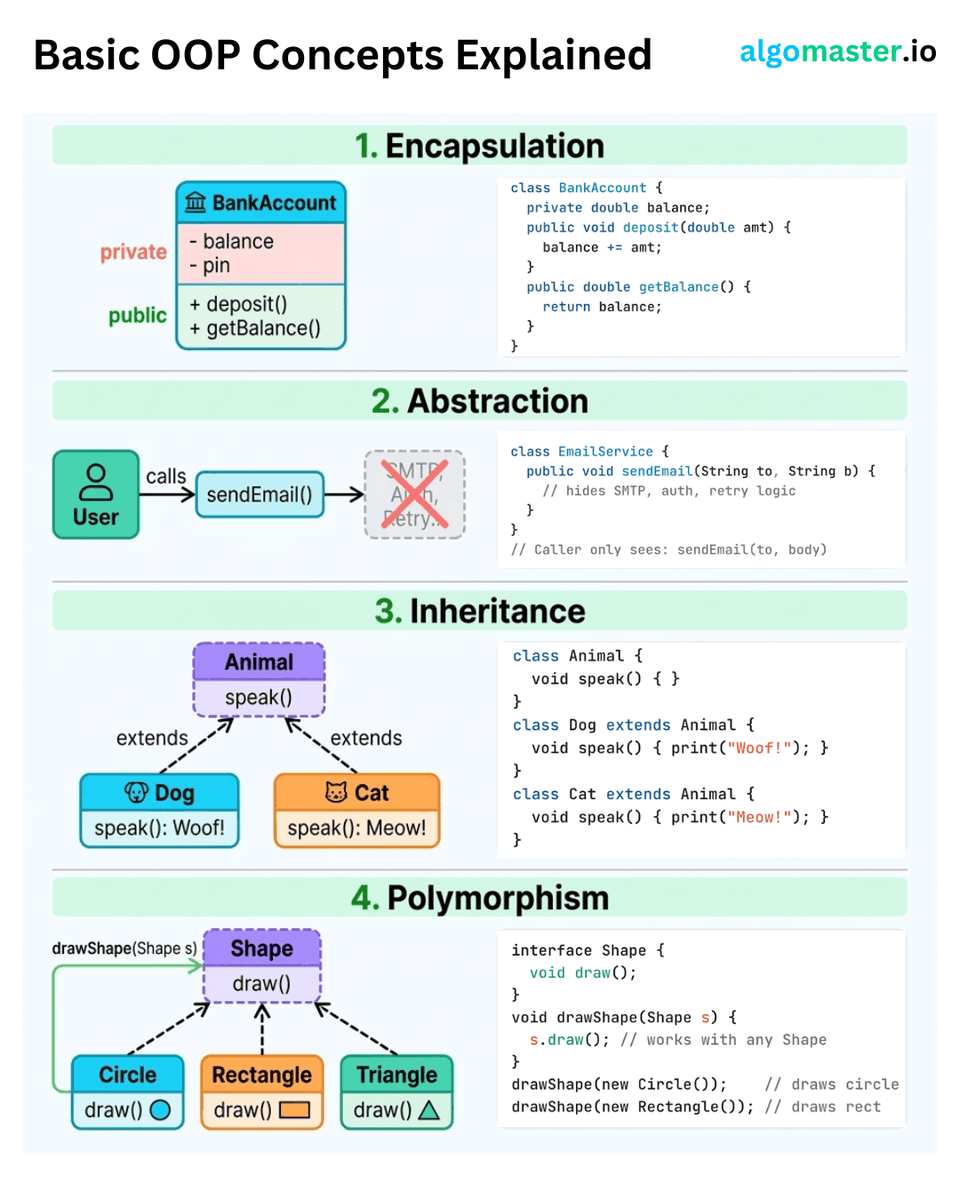
Basic OOP Concepts Explained with Clear Examples:
1. 𝐄𝐧𝐜𝐚𝐩𝐬𝐮𝐥𝐚𝐭𝐢𝐨𝐧
Hide internal data behind public methods.
- Example: A BankAccount class keeps balance and pin private. The only way to interact with it is through deposit() and getBalance().
2. 𝐀𝐛𝐬𝐭𝐫𝐚𝐜𝐭𝐢𝐨𝐧
Expose a simple interface, hide the complexity behind it.
- Example: An EmailService class gives you sendEmail(to, body). Internally, it handles SMTP connections, authentication, and retry logic. The caller doesn't need to know any of that. They just call one method and it works.
3. 𝐈𝐧𝐡𝐞𝐫𝐢𝐭𝐚𝐧𝐜𝐞
Let child classes reuse and override behavior from a parent class.
- Example: An Animal class defines speak(). Dog extends it and returns "Woof!", Cat extends it and returns "Meow!". Shared logic lives in one place, and each subclass customizes what it needs.
4. 𝐏𝐨𝐥𝐲𝐦𝐨𝐫𝐩𝐡𝐢𝐬𝐦
Write code that works with multiple types through a common interface.
- Example: Define a Shape interface with a draw() method. Now Circle, Rectangle, and Triangle each implement draw() their own way. A single drawShape(Shape s) method works with all of them.
♻️ Repost to help others learn this
7
205
1,032
34,987

May 14
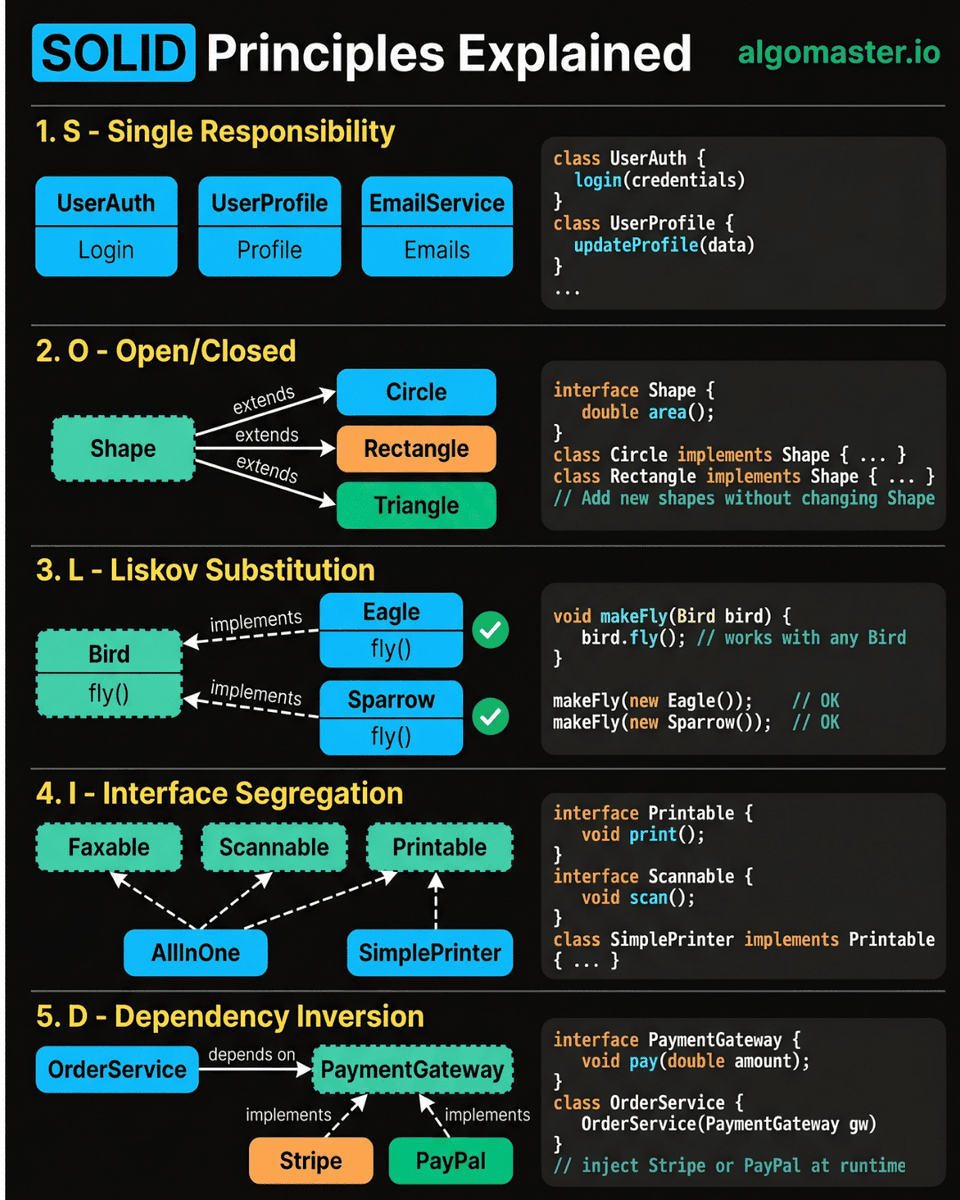
SOLID Principles Explained with Clear Examples:
𝐒 - 𝐒𝐢𝐧𝐠𝐥𝐞 𝐑𝐞𝐬𝐩𝐨𝐧𝐬𝐢𝐛𝐢𝐥𝐢𝐭𝐲 𝐏𝐫𝐢𝐧𝐜𝐢𝐩𝐥𝐞
A class should have only one reason to change.
- Example: Instead of one giant User class that handles authentication, profile updates, and sending emails, split it into UserAuth, UserProfile, and EmailService.
𝐎 - 𝐎𝐩𝐞𝐧/𝐂𝐥𝐨𝐬𝐞𝐝 𝐏𝐫𝐢𝐧𝐜𝐢𝐩𝐥𝐞
Classes should be open for extension but closed for modification.
- Example: Define a Shape interface with an area() method. When you need a new shape, just add a Circle or Triangle class that implements it.
𝐋 - 𝐋𝐢𝐬𝐤𝐨𝐯 𝐒𝐮𝐛𝐬𝐭𝐢𝐭𝐮𝐭𝐢𝐨𝐧 𝐏𝐫𝐢𝐧𝐜𝐢𝐩𝐥𝐞
Subtypes must be substitutable for their base types without breaking behavior.
- Example: If Bird has a fly() method, then Eagle and Sparrow should both work anywhere a Bird is expected.
𝐈 - 𝐈𝐧𝐭𝐞𝐫𝐟𝐚𝐜𝐞 𝐒𝐞𝐠𝐫𝐞𝐠𝐚𝐭𝐢𝐨𝐧 𝐏𝐫𝐢𝐧𝐜𝐢𝐩𝐥𝐞
Don't force classes to implement interfaces they don't use.
- Example: Instead of one fat Machine interface with print(), scan(), and fax(), break it into Printable, Scannable, and Faxable. A SimplePrinter only implements Printable.
𝐃 - 𝐃𝐞𝐩𝐞𝐧𝐝𝐞𝐧𝐜𝐲 𝐈𝐧𝐯𝐞𝐫𝐬𝐢𝐨𝐧 𝐏𝐫𝐢𝐧𝐜𝐢𝐩𝐥𝐞
High-level modules should not depend on low-level modules. Both should depend on abstractions.
- Example: Your OrderService should depend on a PaymentGateway interface, not directly on Stripe or PayPal.
The real power of SOLID is not in following each principle in isolation. It's in how they work together to make your code easier to change, test, and extend.
♻️ Repost to help others learn this
3
156
795
24,875

May 9
Here's how I would explain to a junior who still writes code without Dependency Injection and wants to understand why we need it:
Currently you write code where a class creates what it needs. For example, an OrderService might directly create an EmailService.
var email = new EmailService();
It feels simple and natural, but it locks your design. How? Walk with me. OrderService is tied to EmailService, which means you cannot easily swap email for SMS or push notifications, and you cannot properly test it because you cannot replace real dependencies with fake ones.
With DI, we stop doing that. Instead of a class creating concrete objects, it depends on an abstraction (interface) like INotificationService, and something outside the class decides what implementation to give it. So OrderService only says "I need something that can send notifications", not how to build it.
public class OrderService
{
private readonly INotificationService _notification;
public OrderService(INotificationService notification)
{
_notification = notification;
}
}
It is called Dependency Injection because the dependency is not created inside the class, it is injected from the outside. The class declares what it needs, and the system "injects" those dependencies when the object is constructed. This is handled internally by the DI container in .NET, based on what you specify within the IserviceCollection and the IserviceProvider is then constructed.

If you can explain IServiceCollection and IServiceProvider like a story, You’re already ahead of 90% of devs.
How do YOU explain DI to juniors? 👇
1
20
2,166

May 5
this is doing too much - generation, persistence, and communication all in one
suggest splitting by responsibility (SRP):
- ReportGenerator
- ReportRepository
- EmailService
keeps things testable, flexible, and easier to change without side effects
5
2,443


Cloudflare 在 4 月 16 日開放 Email Service 公開測試版,核心定位是為 AI 代理程式(agent)打造一套非同步通訊層,把寄信、收信、路由、狀態管理全部包進 Workers 環境,同一套程式碼搞定過去至少三個服務才能處理的事。
過去要讓 agent 能收發信件,開發者得串接 SendGrid 做寄信、自己設 DNS 紀錄、處理 SPF/DKIM/DMARC 三套認證協定、再用另一套服務做收信路由,最後想辦法把回信跟對話狀態串回來。Cloudflare 的做法是一行 await env.EMAIL.send(),沒有 API key 要管,加網域的時候自動把所有認證紀錄設好。
寄信只是開場,真正把 agent 串起來的是收信那一端,Workers 收到的信件會透過 HMAC-SHA256 簽名路由到對應的 agent 實例,防止攻擊者偽造標頭打進任意 agent。Durable Objects 把跨信件的對話狀態持久化,一張客服工單來回三次都還記得前面講過什麼。同一個網域可以掛多個 agent,support@domain 路由到客服代理,sales@domain 路由到業務代理,也支援 agent userid@domain 的子定址格式,直接在收件匣端做用戶身份切分。
時機點本身就是訊號,過去兩年 agent 框架大多押注在聊天介面,但聊天機器人只能即時回覆,agent 需要能花幾分鐘、幾小時、甚至幾天處理完任務再回頭溝通。Email 天生就是這種非同步協議,Cloudflare 在官方文章裡直接寫,「聊天機器人只能當下回應,或根本不回應。agent 會思考、行動,然後按自己的節奏溝通。」
這也是 Cloudflare 這兩年布局的延續,從 Workers(運算)、Durable Objects(狀態)、AI Gateway(模型路由),到現在的 Email Service,一家原本做 CDN 跟邊緣運算的公司,正在把 agent 基礎設施的每一層都裝進同一個平台,而且用的是幾乎所有網站都已經架在上面的那張底層網路。
電子郵件曾經是最古老的網路協議,現在變成 agent 生態系最新的戰略入口。
---
請訂閱我的 Threads / Facebook / 電子報「狐說八道」
#Cloudflare #AI代理 #EmailService #Workers #開發者工具 #邊緣運算
Apr 16

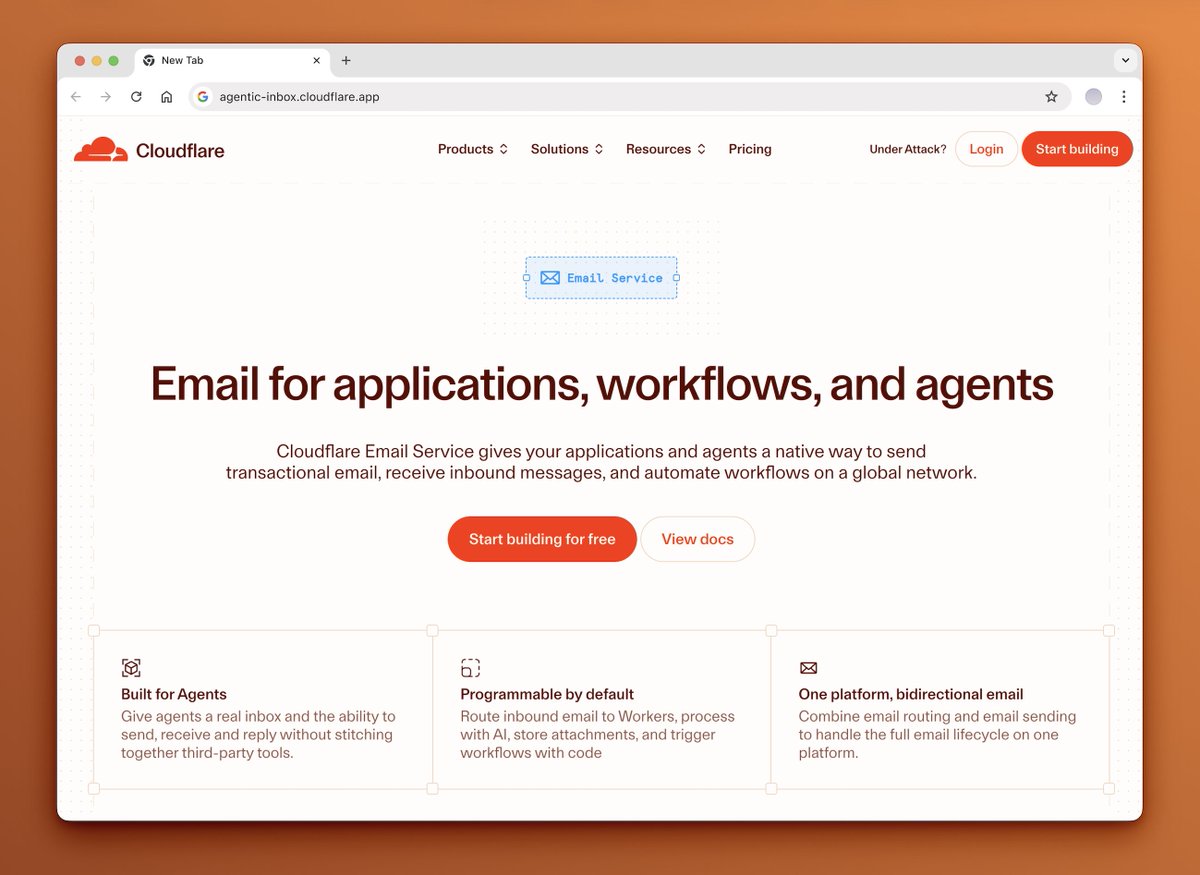
The wait is over. Cloudflare Email Service is now in public beta 📧
Send and receive emails directly from Workers or REST API with global delivery on Cloudflare's network
And just in time for you to build email agents with the Agents SDK!
1
6
43
5,045

Apr 4
Send emails seamlessly with TrueSend Email API fast, secure, and scalable delivery for apps, notifications, and transactional emails. Read more: truesend.com/features/email-…
#EmailAPI #EmailService #EmailMarketing #TransactionalEmail #DigitalMarketing

ALT email-api-service
3
8
Mar 11
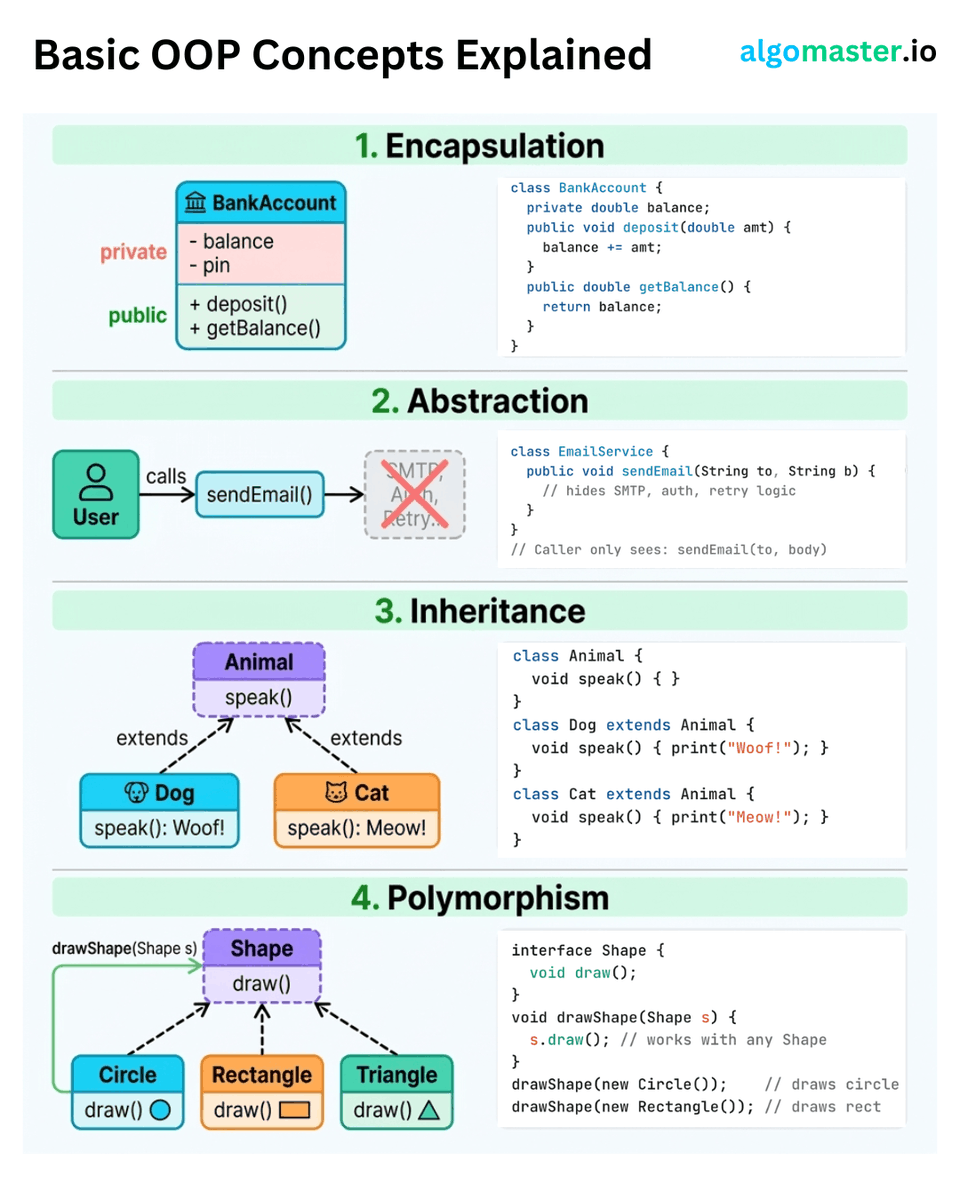
Basic OOP Concepts Explained with Clear Examples:
1. 𝐄𝐧𝐜𝐚𝐩𝐬𝐮𝐥𝐚𝐭𝐢𝐨𝐧
Hide internal data behind public methods.
- Example: A BankAccount class keeps balance and pin private. The only way to interact with it is through deposit() and getBalance().
2. 𝐀𝐛𝐬𝐭𝐫𝐚𝐜𝐭𝐢𝐨𝐧
Expose a simple interface, hide the complexity behind it.
- Example: An EmailService class gives you sendEmail(to, body). Internally, it handles SMTP connections, authentication, and retry logic. The caller doesn't need to know any of that. They just call one method and it works.
3. 𝐈𝐧𝐡𝐞𝐫𝐢𝐭𝐚𝐧𝐜𝐞
Let child classes reuse and override behavior from a parent class.
- Example: An Animal class defines speak(). Dog extends it and returns "Woof!", Cat extends it and returns "Meow!". Shared logic lives in one place, and each subclass customizes what it needs.
4. 𝐏𝐨𝐥𝐲𝐦𝐨𝐫𝐩𝐡𝐢𝐬𝐦
Write code that works with multiple types through a common interface.
- Example: Define a Shape interface with a draw() method. Now Circle, Rectangle, and Triangle each implement draw() their own way. A single drawShape(Shape s) method works with all of them.
♻️ Repost to help others in your network
8
173
877
33,170
Mar 9
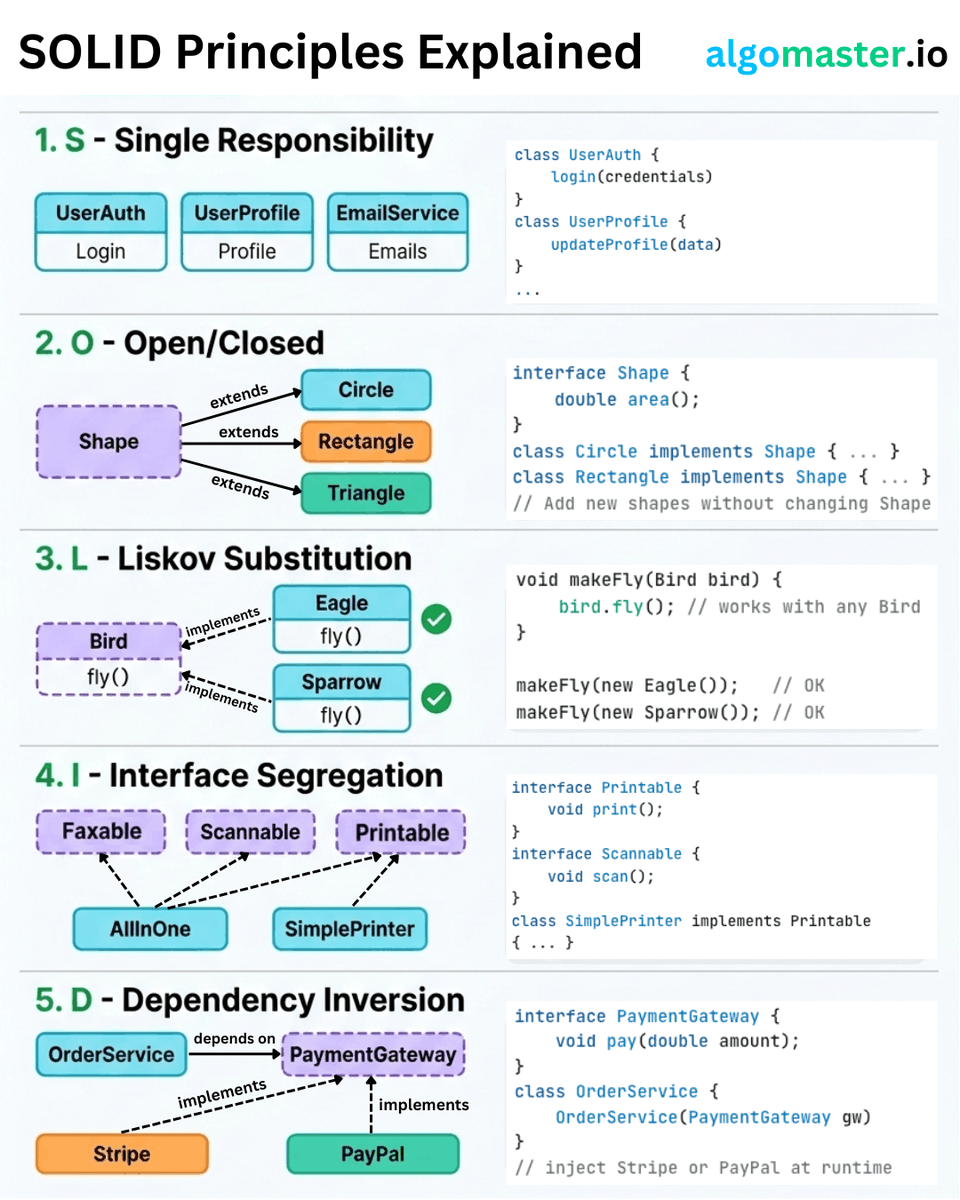
SOLID Principles Explained with Clear Examples:
𝐒 - 𝐒𝐢𝐧𝐠𝐥𝐞 𝐑𝐞𝐬𝐩𝐨𝐧𝐬𝐢𝐛𝐢𝐥𝐢𝐭𝐲 𝐏𝐫𝐢𝐧𝐜𝐢𝐩𝐥𝐞
A class should have only one reason to change.
- Example: Instead of one giant User class that handles authentication, profile updates, and sending emails, split it into UserAuth, UserProfile, and EmailService.
𝐎 - 𝐎𝐩𝐞𝐧/𝐂𝐥𝐨𝐬𝐞𝐝 𝐏𝐫𝐢𝐧𝐜𝐢𝐩𝐥𝐞
Classes should be open for extension but closed for modification.
- Example: Define a Shape interface with an area() method. When you need a new shape, just add a Circle or Triangle class that implements it.
𝐋 - 𝐋𝐢𝐬𝐤𝐨𝐯 𝐒𝐮𝐛𝐬𝐭𝐢𝐭𝐮𝐭𝐢𝐨𝐧 𝐏𝐫𝐢𝐧𝐜𝐢𝐩𝐥𝐞
Subtypes must be substitutable for their base types without breaking behavior.
- Example: If Bird has a fly() method, then Eagle and Sparrow should both work anywhere a Bird is expected.
𝐈 - 𝐈𝐧𝐭𝐞𝐫𝐟𝐚𝐜𝐞 𝐒𝐞𝐠𝐫𝐞𝐠𝐚𝐭𝐢𝐨𝐧 𝐏𝐫𝐢𝐧𝐜𝐢𝐩𝐥𝐞
Don't force classes to implement interfaces they don't use.
- Example: Instead of one fat Machine interface with print(), scan(), and fax(), break it into Printable, Scannable, and Faxable. A SimplePrinter only implements Printable.
𝐃 - 𝐃𝐞𝐩𝐞𝐧𝐝𝐞𝐧𝐜𝐲 𝐈𝐧𝐯𝐞𝐫𝐬𝐢𝐨𝐧 𝐏𝐫𝐢𝐧𝐜𝐢𝐩𝐥𝐞
High-level modules should not depend on low-level modules. Both should depend on abstractions.
- Example: Your OrderService should depend on a PaymentGateway interface, not directly on Stripe or PayPal.
The real power of SOLID is not in following each principle in isolation. It's in how they work together to make your code easier to change, test, and extend.
♻️ Repost to help others in your network
8
337
1,684
67,684


Mar 6
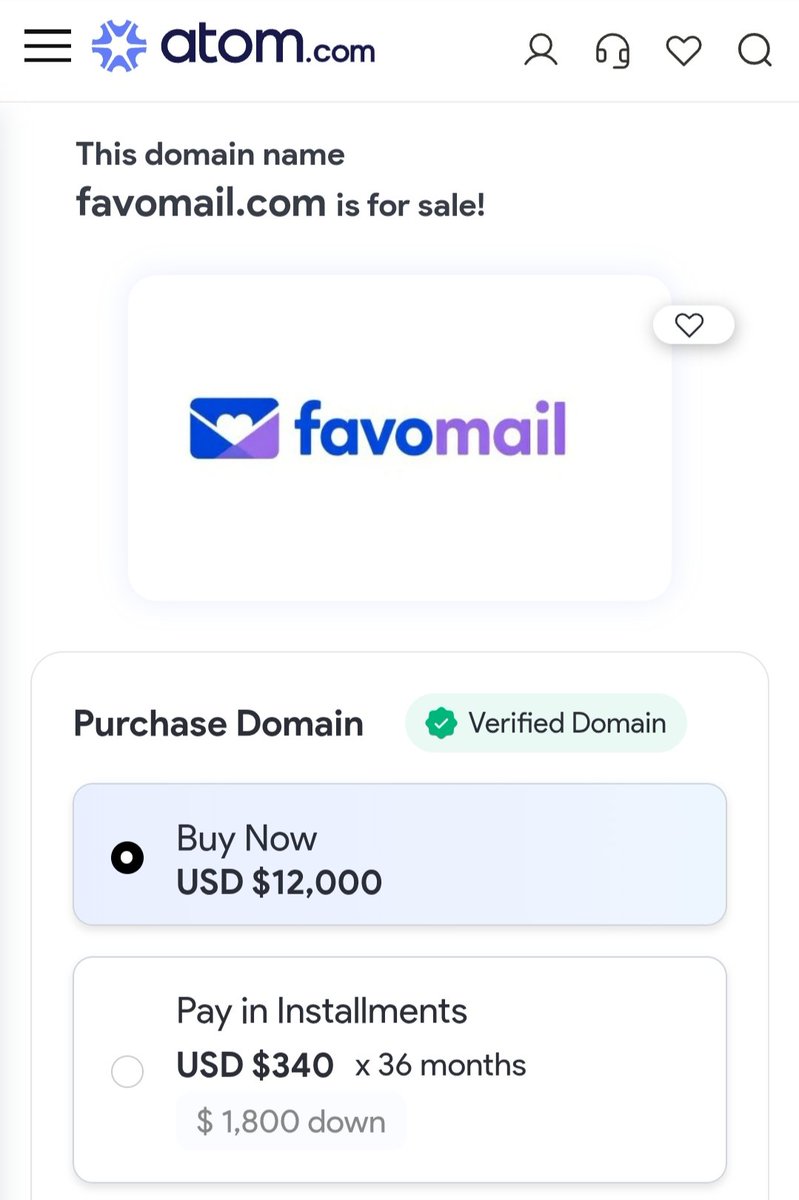
Favomail.com is available for purchase! A short and catchy name, perfect for digital marketing platforms, email services, or SaaS applications. A great opportunity to build a standout and memorable digital brand
#Domain #DigitalMarketing #EmailService #SaaS #startup
1
11
144

Jan 19
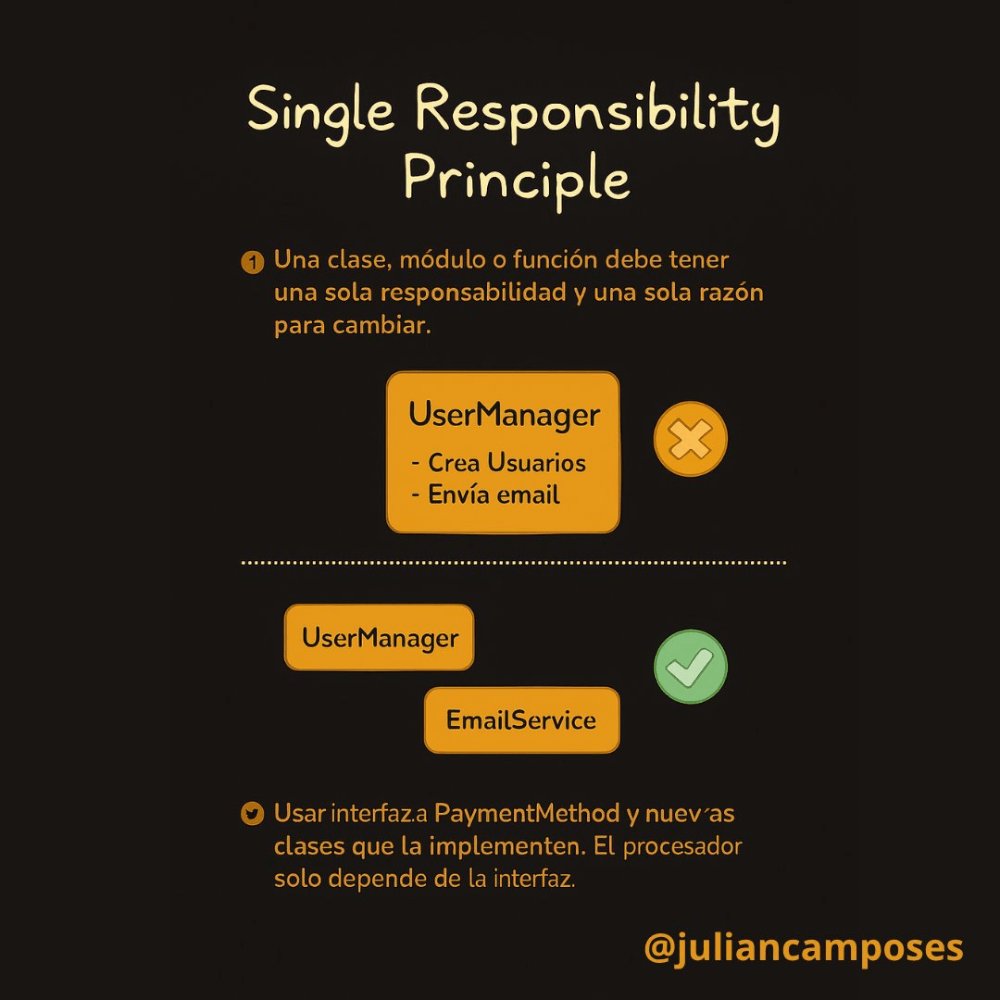
1️⃣ Single Responsibility Principle
Una clase, módulo o función debe tener una sola responsabilidad y una sola razón para cambiar. UserManager crea usuarios y envía emails de bienvenida.
❌ Si cambias la lógica del email, puedes romper la creación de usuarios.
✅ Separar en UserService y EmailService. Los cambios en uno no afectan al otro.
2
1
16
3,168

now S
Single Responsibility Principle (SRP)
"A class should have ONE job only"
Bad code (2 jobs!):
jsclass User {
saveToDB() { /* database code */ }
sendEmail() { /* email code */ } // Wrong!
}
Fixed (1 job each):
jsclass User { /* just user data */ }
class UserRepository { save(user) { /* DB */ } }
class EmailService { send(user) { /* email */ } }
Real life: Chef cooks → waiter delivers. Not chef waiter!
2
52

Software design = deciding how to break a problem into parts, how those parts talk, and where change is allowed.
The 7 core principles
Single Responsibility:
Component should have one reason to change,
Bad:
UserService
validates user
saves user
sends email
logs analytics
Good:
UserValidator
UserRepository
EmailService
AnalyticsTracker
2
5
56

I used to stuff everything into my Service classes.
When a user registered, I would:
1. Save the user to the database.
2. Send a welcome email.
3. Update the analytics dashboard.
It worked until the email service went down. Suddenly, users couldn't register because of a 3rd party failure.
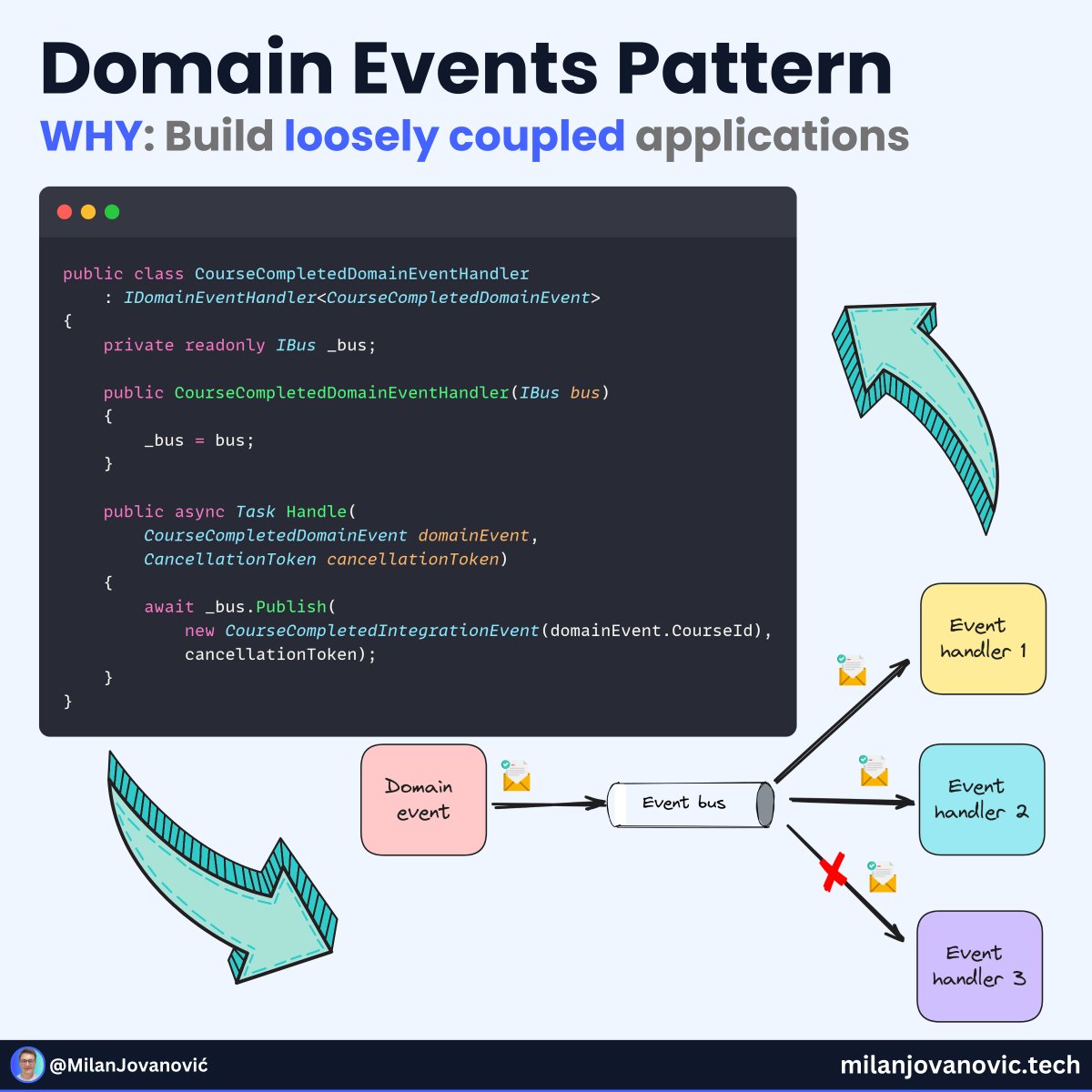
That’s when I realized the power of Domain Events.
Instead of chaining dependencies, the User entity simply raises a UserRegisteredEvent.
The User domain doesn't care who is listening. It just raises an event and moves on.
Now, the EmailService listens. The AnalyticsService listens. If they fail, the user is still saved.
You get:
✅ Decoupled code
✅ Clearer boundaries
✅ Better error handling
I wrote a guide on how to implement this pattern here: milanjovanovic.tech/blog/how…
---
Sign up for the .NET Weekly with 75K other engineers, and get a free Clean Architecture template: milanjovanovic.tech/template…
7
29
153
8,317

20 Dec 2025
Some gents from this channel hook me up to this #resend tool for sending emails. This thing is amazing ❤️❤️❤️
.
.
#developers #emailservice #coding #softwaredev #hacking

2
23

6 Nov 2025
2️⃣ Analogy Example
A coffee machine makes coffee — it doesn’t also toast bread & wash dishes.
Your classes shouldn’t do multiple unrelated jobs either.
❌ Bad:
class OrderManager {
void placeOrder() {}
void sendEmail() {}
}
✅ Good:
class OrderService { void placeOrder() {} }
class EmailService { void sendEmail() {} }
1
3
31