
6 Aug 2025
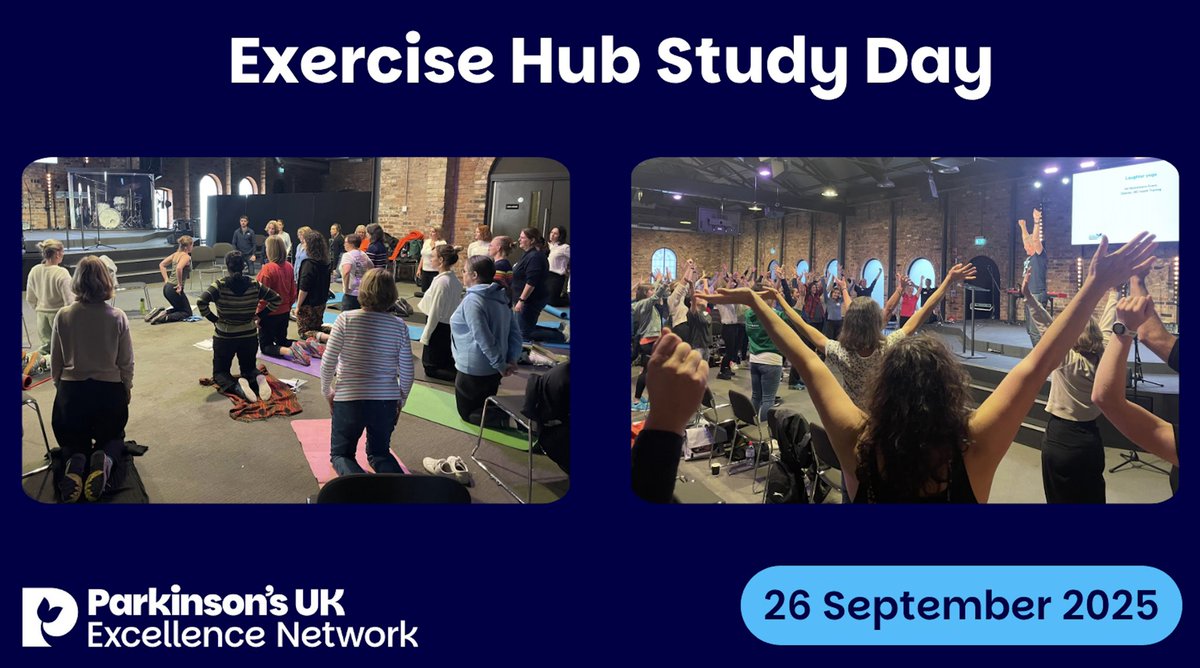
These @ParkinsonsENEx study days are a fantastic opportunity to learn, be inspired and network with other passionate exercise professionals focused on delivering the best Parkinson's care. Places are still available so get yours now 👇 #parkinsons #cpd #yopd #exercisematters
6 Aug 2025

Tickets are selling fast for our annual Study Day, in person in Birmingham 26/9/25 🏃🏼♂️🏃🏾♀️
The theme this year the fascinating and complex world of exercise prescription for people with YOPD ( Young Onset Parkinson’s). parkinsons.org.uk/profession…
2
6
355

14 Jul 2025
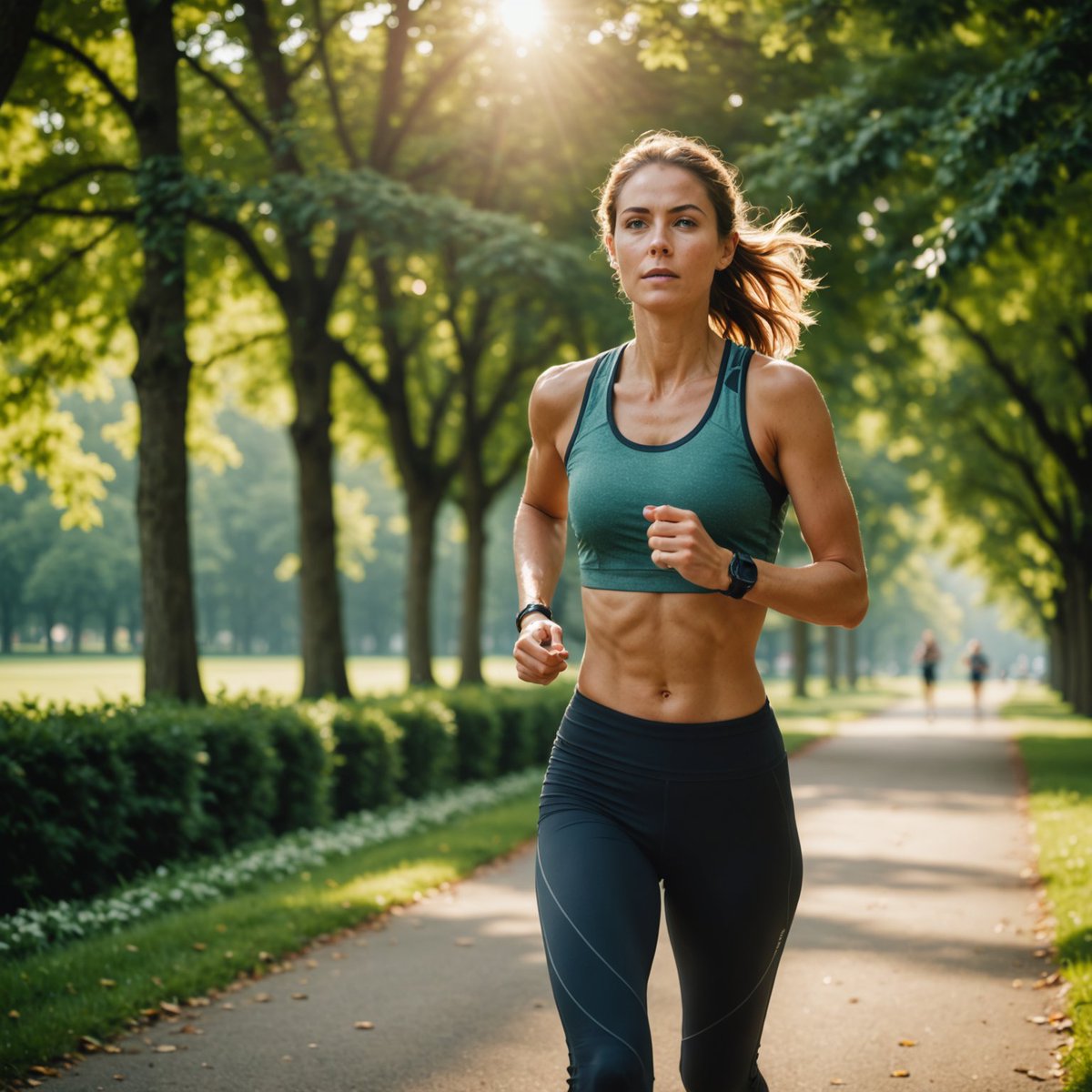
Did you know that regular exercise can significantly improve your mental health? 💪🧠 Join KG Lifestyle and kickstart your fitness journey today! Visit us at wix.to/vZQpAWo #MentalHealth #ExerciseMatters #FitnessJourney
14

28 May 2025
Kwara State University community in Osi joined the May Edition of the monthly trek in that community. The trek was led by the Dean of the Faculty of Environmental Sciences and Head of Osi Campus, Professor Binta Sulyman.
#ExerciseMatters
#KWASUTrek
#OsiTrek
5
5
48
1,515

2 Apr 2025
Join us for a special Exercise Hub webinar celebrating #WorldParkinsonsDay! 🌍💙
Hear directly from the Parkinson’s community sharing their top exercise tips, must-do’s, & how they stay active.
📅 Date: Tues at 8pm
📍Log-in details on Basecamp
#ExerciseMatters @ParkinsonsENEx
4
9
723

25 Mar 2025
Suffer from arthritis, an injury, or have you had a joint-replacement? Try these 8 pool exercises! #aquatherapy #aquafit #pooltherapy #waterexercise #exercisematters #jointpain #JointReplacement #arthritis #poolworkout #workouts #FitnessFun
2
608

30 Oct 2024
Physical activity is a key component in managing fatty liver disease and while yoga offers numerous health benefits, incorporating aerobic or resistance exercises might provide a more robust approach to weight loss and improving liver health. Could you elaborate on how different activities impact liver health? #FattyLiver #ExerciseMatters
For in-depth exploration of biomedical topics like this, visit sciqst.com—your one-stop platform for generating comprehensive biomedical reviews.
2
1,254

12 Oct 2024
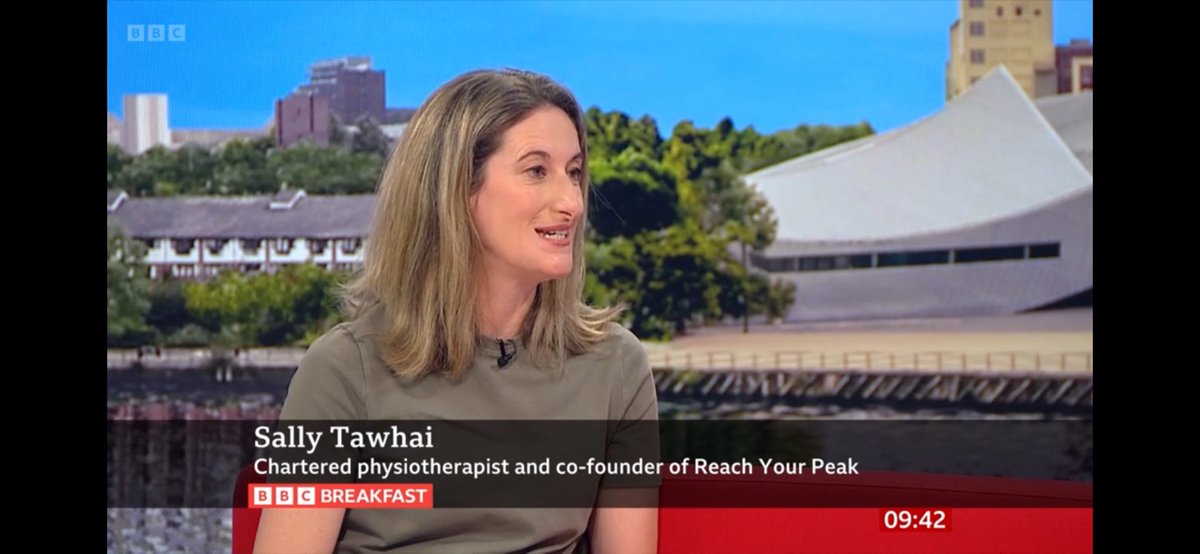
Brilliant job from one of our Exercise HUB OGs Sally Tawhai @ReachURPeak 🙌🏻 Getting the conversation around #ExerciseMatters in Parkinson’s out to the nation on #ThisMorning @BBCOne
16
276

9 Jul 2024
How does capitalism have anything to do with not “masking” (another made up woke word? 😂🤦🏻♂️). I guess 😷 fear does help big pharma 💰by making hypochondriacs 🤔… think maybe you should worry more about your cholesterol and future heart disease #justsaying 🤷🏻♂️ #exercisematters
8 Jul 2024

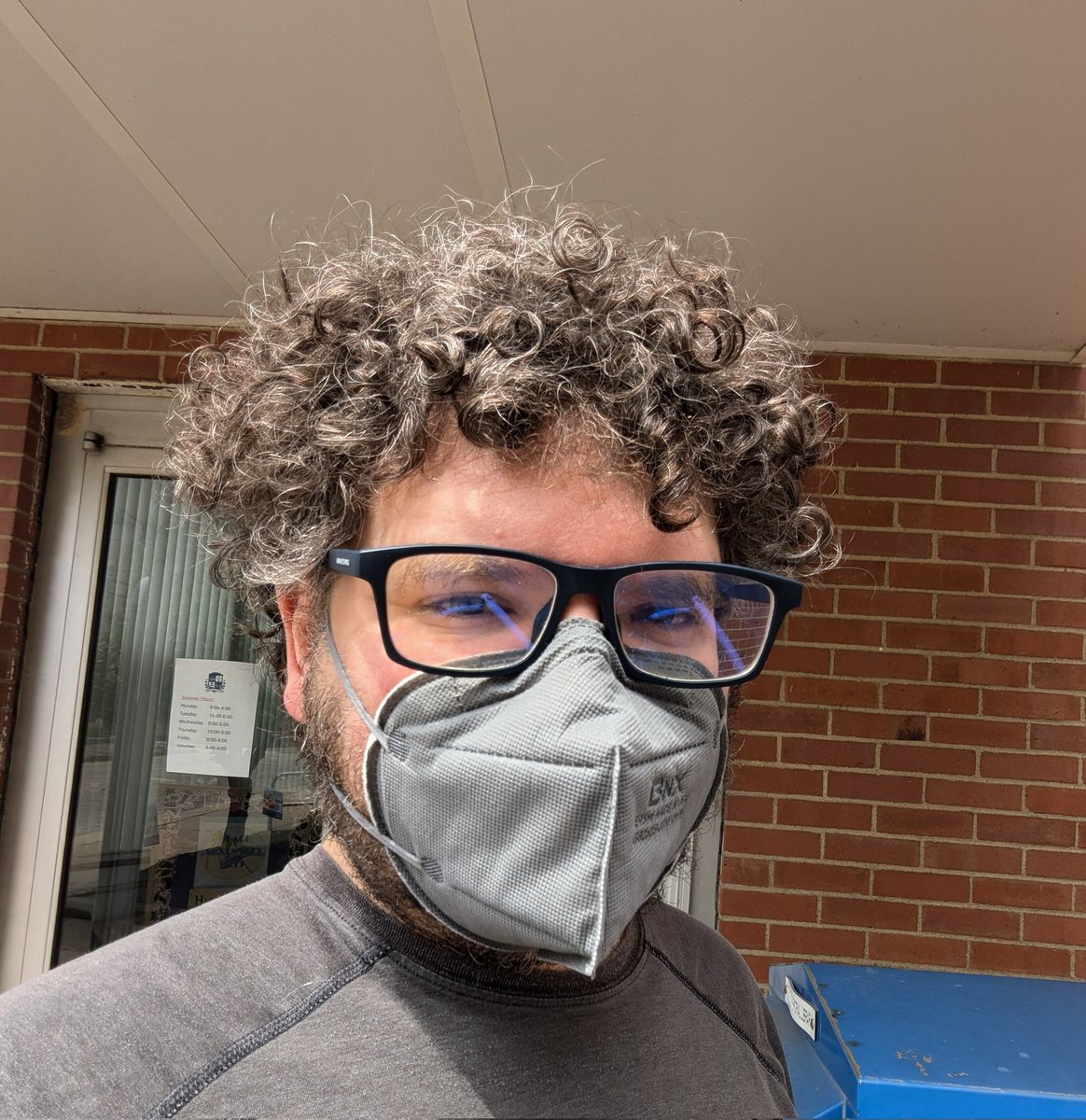
At the library! Y'all masking? I wear it not only for myself but to keep public spaces like this safer for everyone who may visit and need services. We have to care about each other & protect each other, because capitalism doesn't. #YallMasking
3
12
806

15 Apr 2024
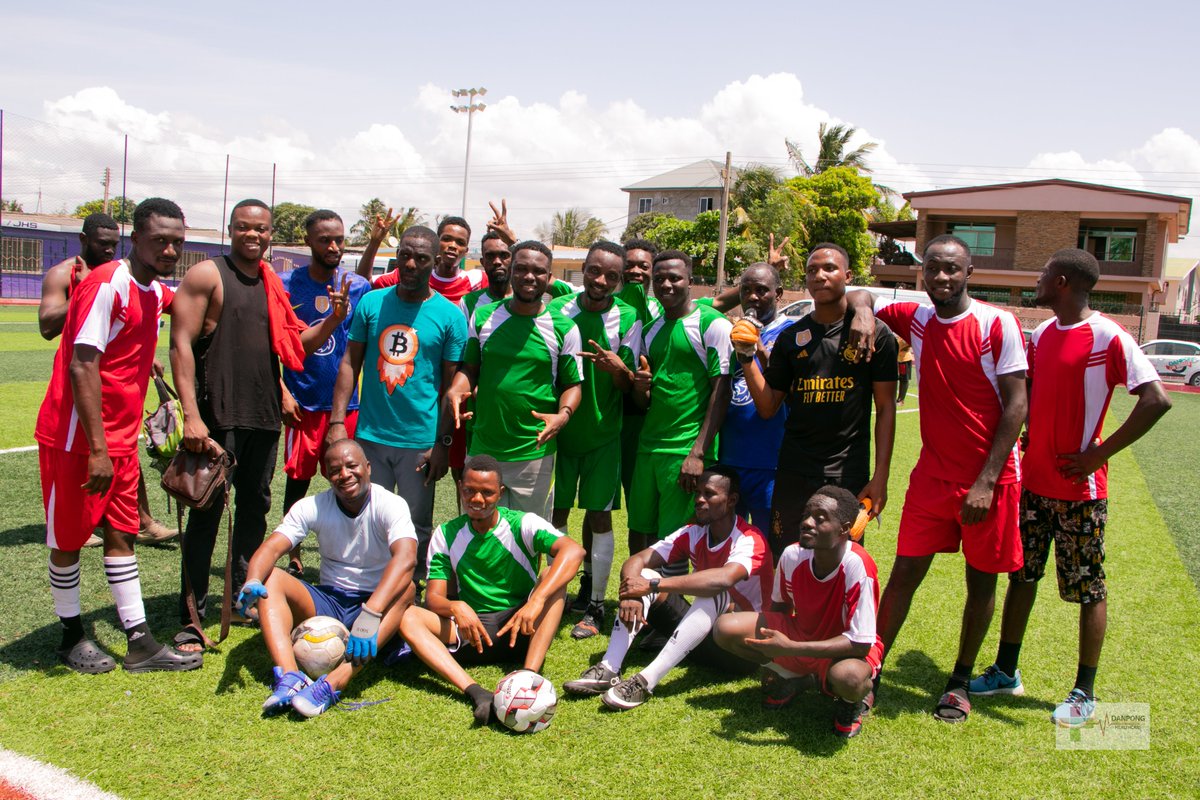
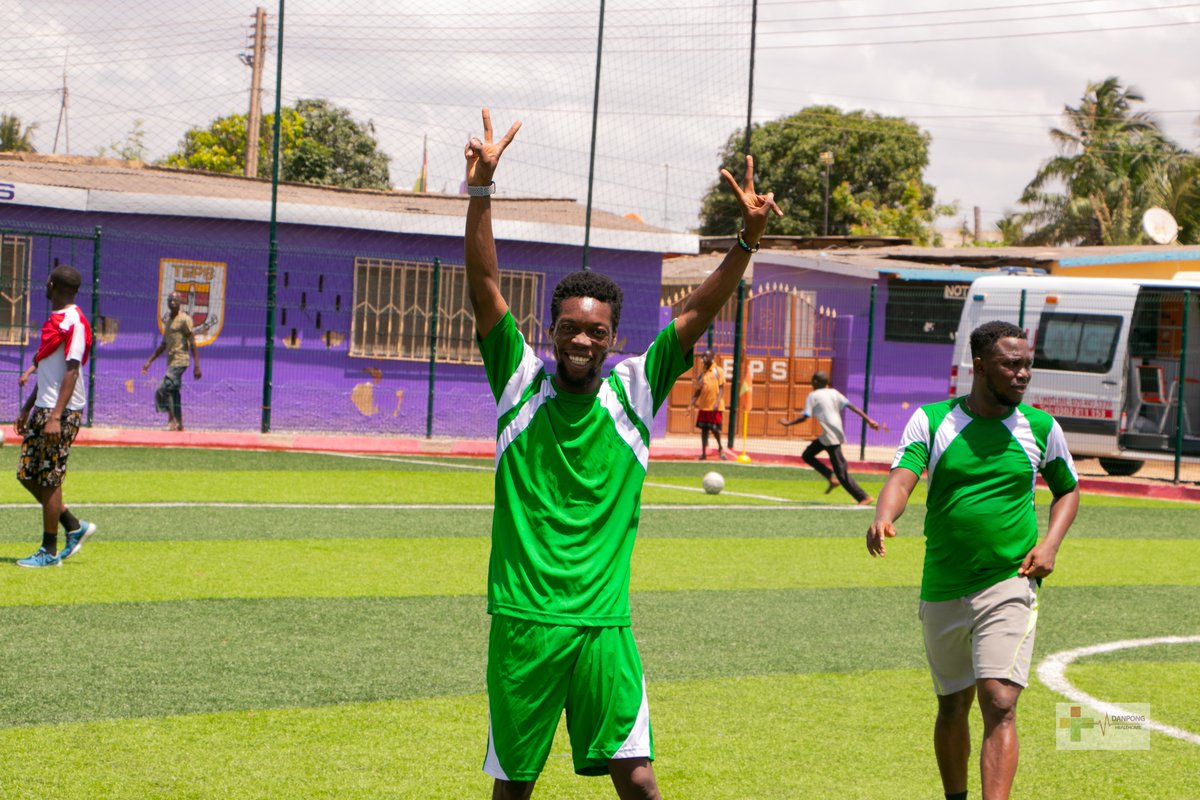
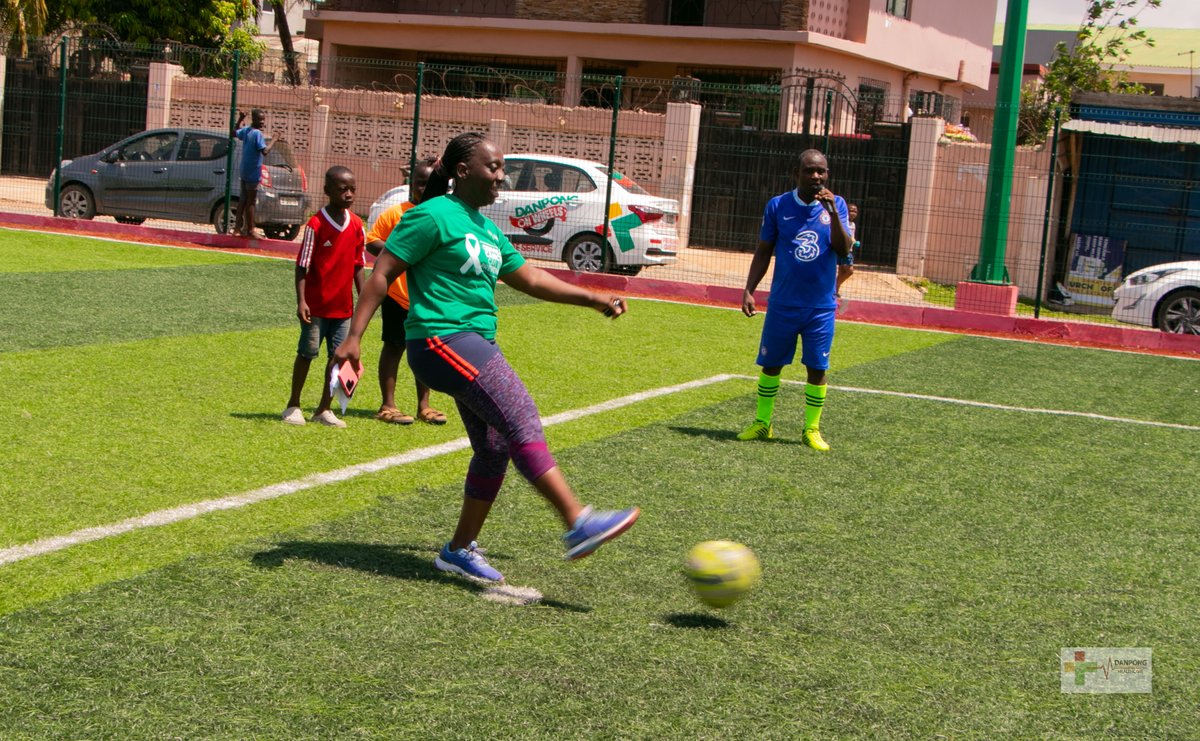
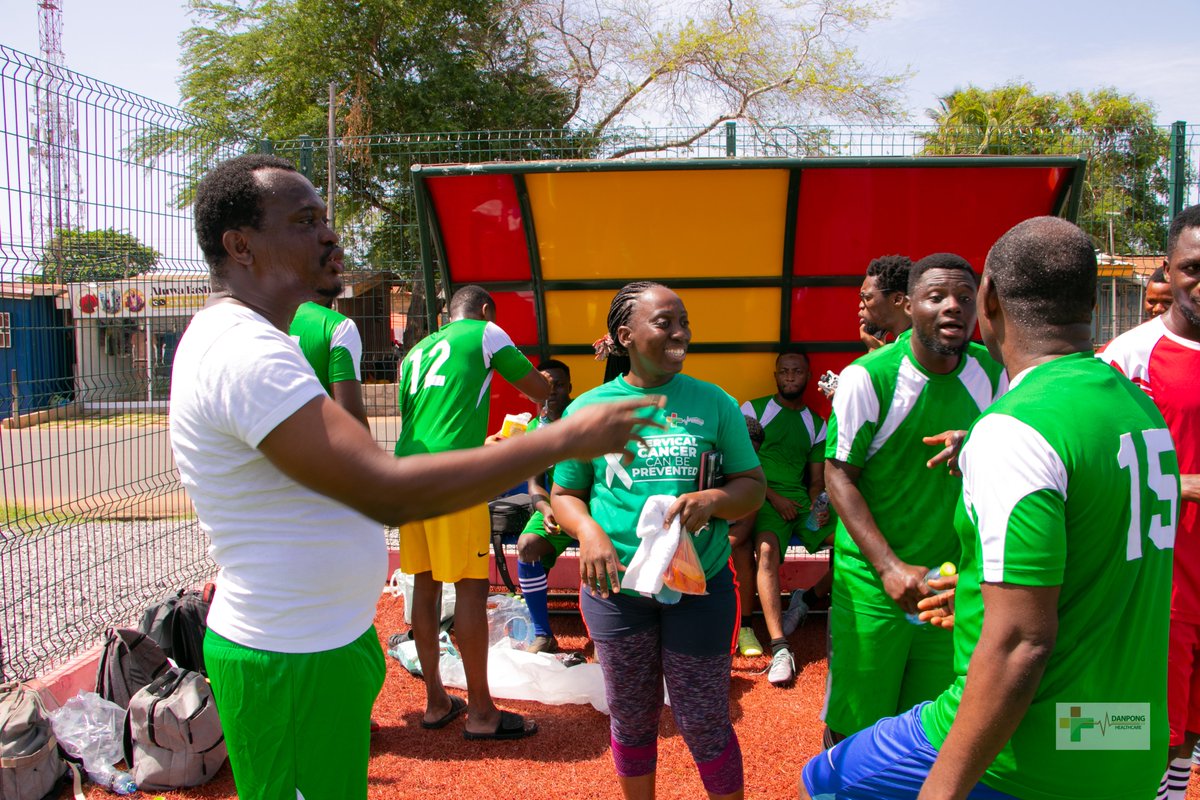
🩺⚽️ From saving lives to scoring goals, our staff does it all! Taking a moment to recharge and rejuvenate through exercise. We're proud of their dedication not just to patients, but to their personal well-being too.
#Danpongcares
#Healthyandhappy
#TeamSpirit
#ExerciseMatters
4
40

6 Feb 2024
Swap sitting for just a few minutes of moderate exercise daily and feel the heartbeat of change! ❤️🏃♂️ New research highlights the tangible benefits for heart health.
#MoveMore #HeartHealth #ExerciseMatters #healthylifestyle #HealthTips
1
2
75

29 Jan 2024
The Role of Exercise in Mental Health
Exercise is widely recognized for its physical benefits, but its impact on mental health is equally significant. In an era where mental health awareness is on the rise, understanding the role of exercise in maintaining psychological well-being is crucial.
Regular physical activity has been shown to significantly reduce symptoms of depression and anxiety. Exercise releases endorphins, often referred to as feel-good hormones, which act as natural mood lifters. This biochemical change in the brain plays a vital role in combating stress and promoting a sense of happiness.
Moreover, exercise can boost self-esteem and confidence. Achieving fitness goals, whether it’s running a certain distance, lifting heavier weights, or mastering a new sport, can provide a sense of accomplishment that positively impacts one's self-image and overall mental outlook.
Exercise also contributes to better sleep quality, a key component of mental health. Physical activity helps regulate the body's sleep-wake cycle, leading to more restful and restorative sleep. Good sleep patterns are linked to improved mood, higher energy levels, and better cognitive function.
Furthermore, engaging in physical activities, especially in group settings like sports teams or fitness classes, can foster social connections and provide a supportive community. This social aspect of exercise can alleviate feelings of loneliness and isolation.
In conclusion, the benefits of exercise extend far beyond physical fitness. Incorporating regular exercise into one’s routine can be a powerful tool for enhancing mental health, improving mood, and boosting overall quality of life.
#ExerciseMatters #MentalHealthFitness
20
15
3,713
26 Jan 2024
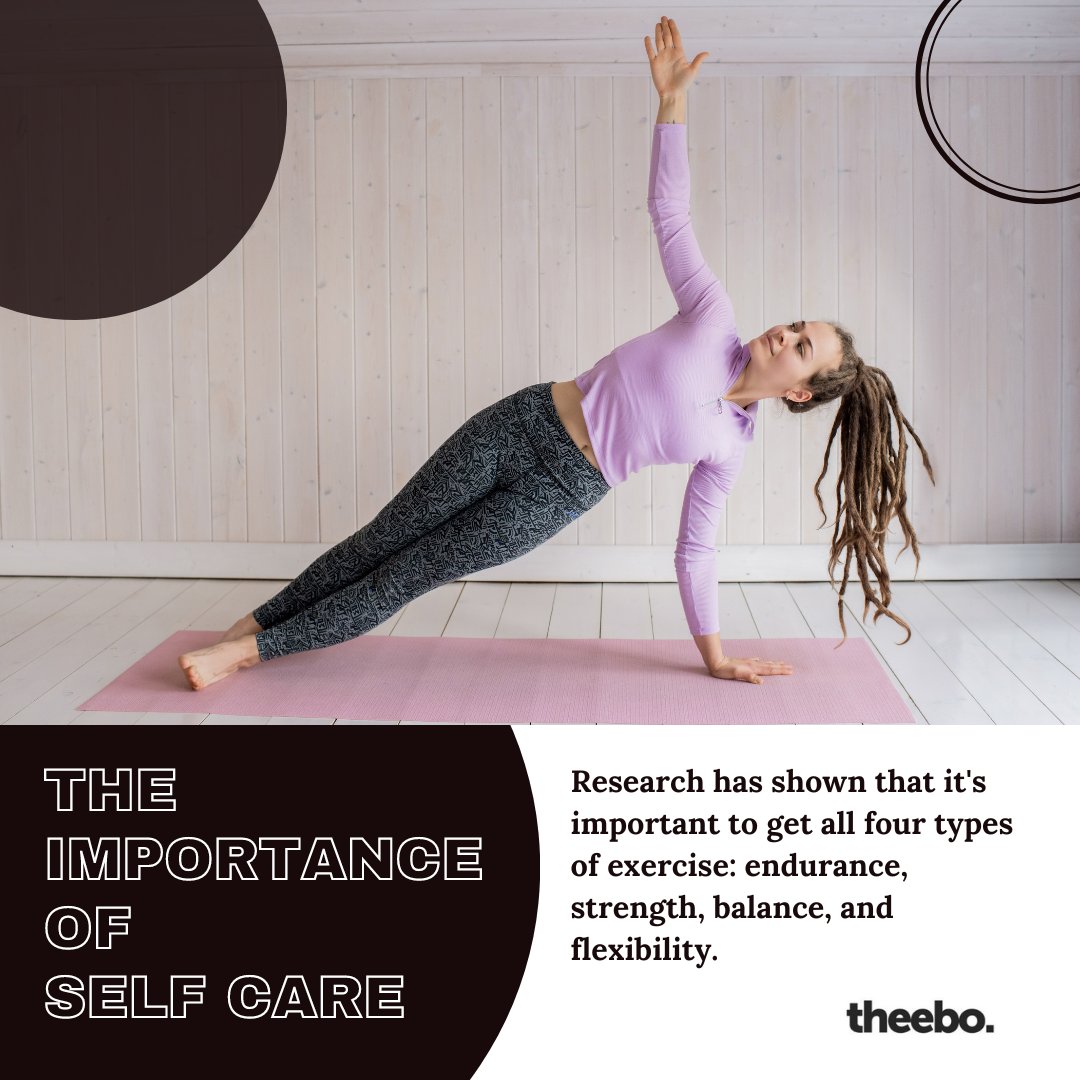
Incorporating just 15 minutes of exercise into your daily routine can yield numerous benefits!
#FitnessBenefits #HealthyLiving #ExerciseMatters #WellnessJourney #healthylifestyle #HealthyHabits
2
2
83

30 Dec 2023
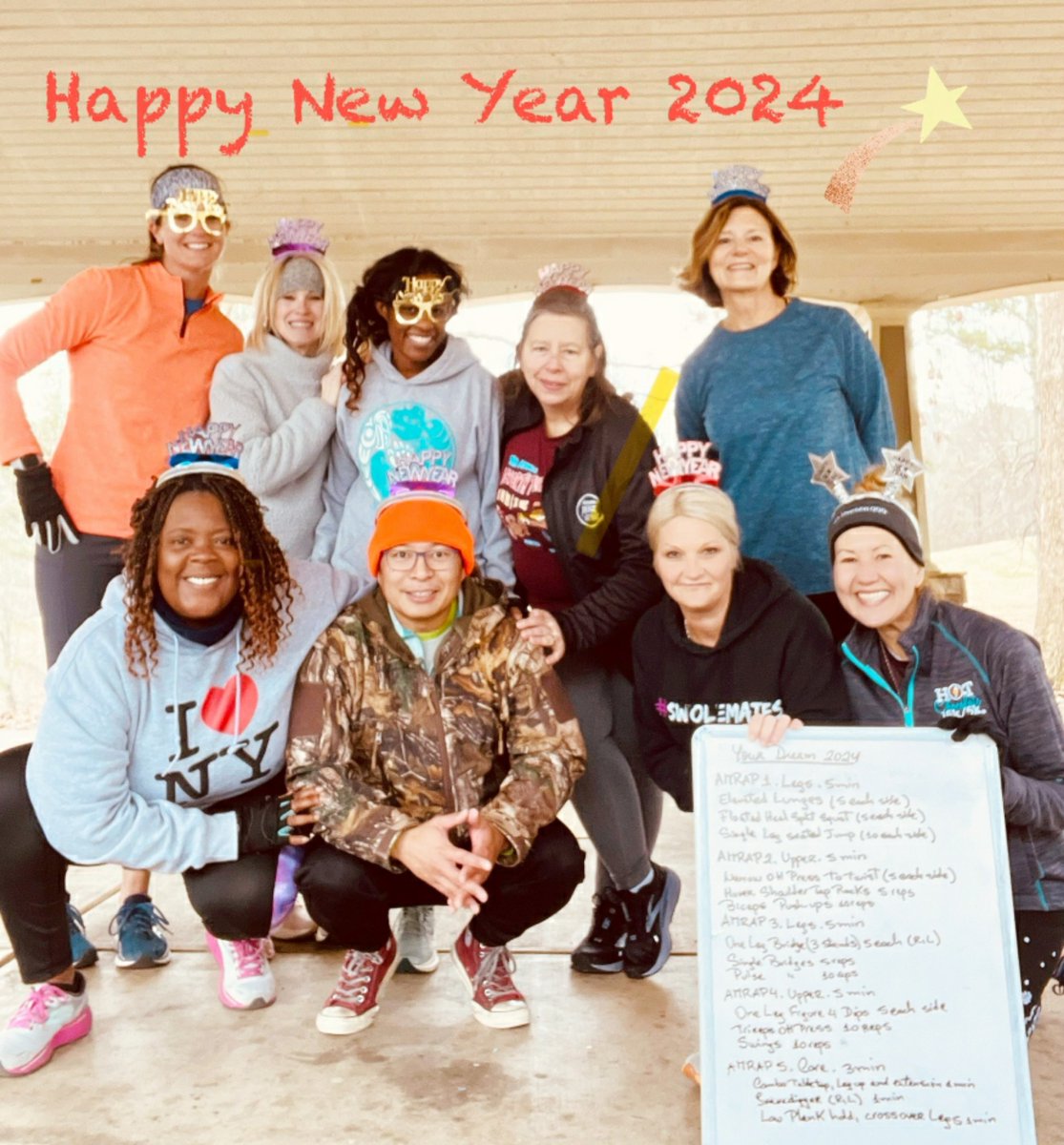
The true last boot camp class of 2023 in 32 degree weather @ 8am this morning has really made me a better person over the years! The younger version of me would have NEVER worked out in this temperature.
These are my workout peeps, thanks Marisol (bottom right)
#ExerciseMatters
4
68

30 Dec 2023
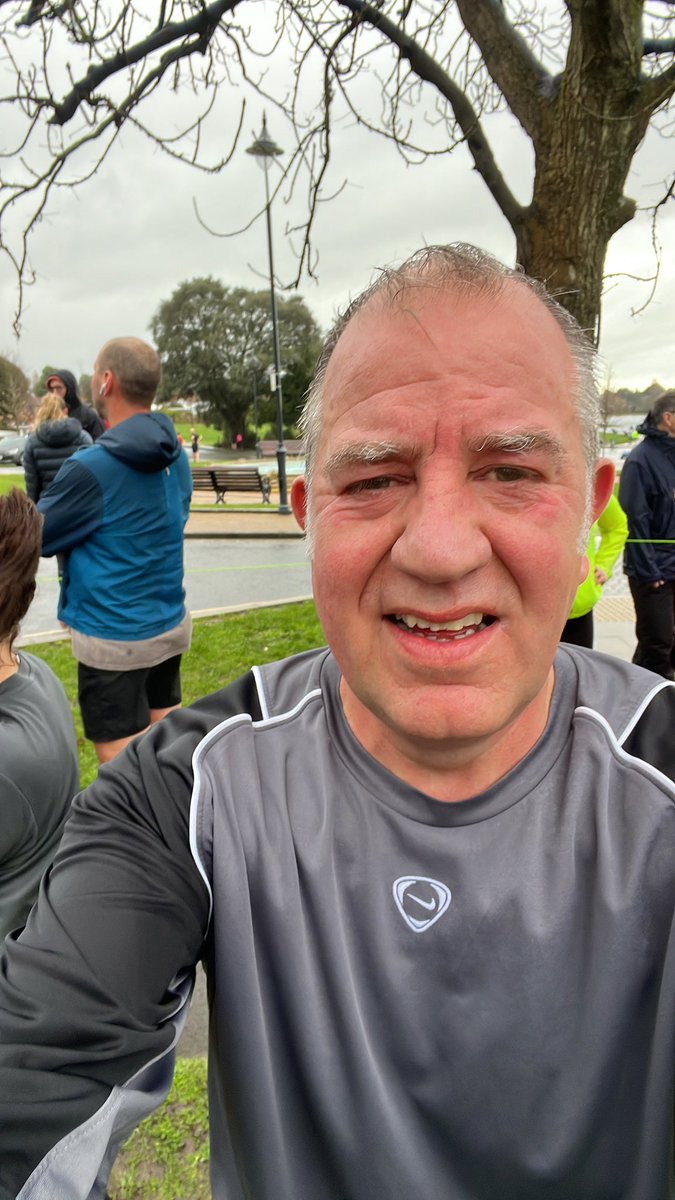
Lovely morning for @Pooleparkrun. Big thanks to the marshals and volunteers!! 🙏 Different conditions to yesterdays walk - though still breezy!! #fitness #wellness #mentalhealth #exercisematters

3
75

28 Nov 2023
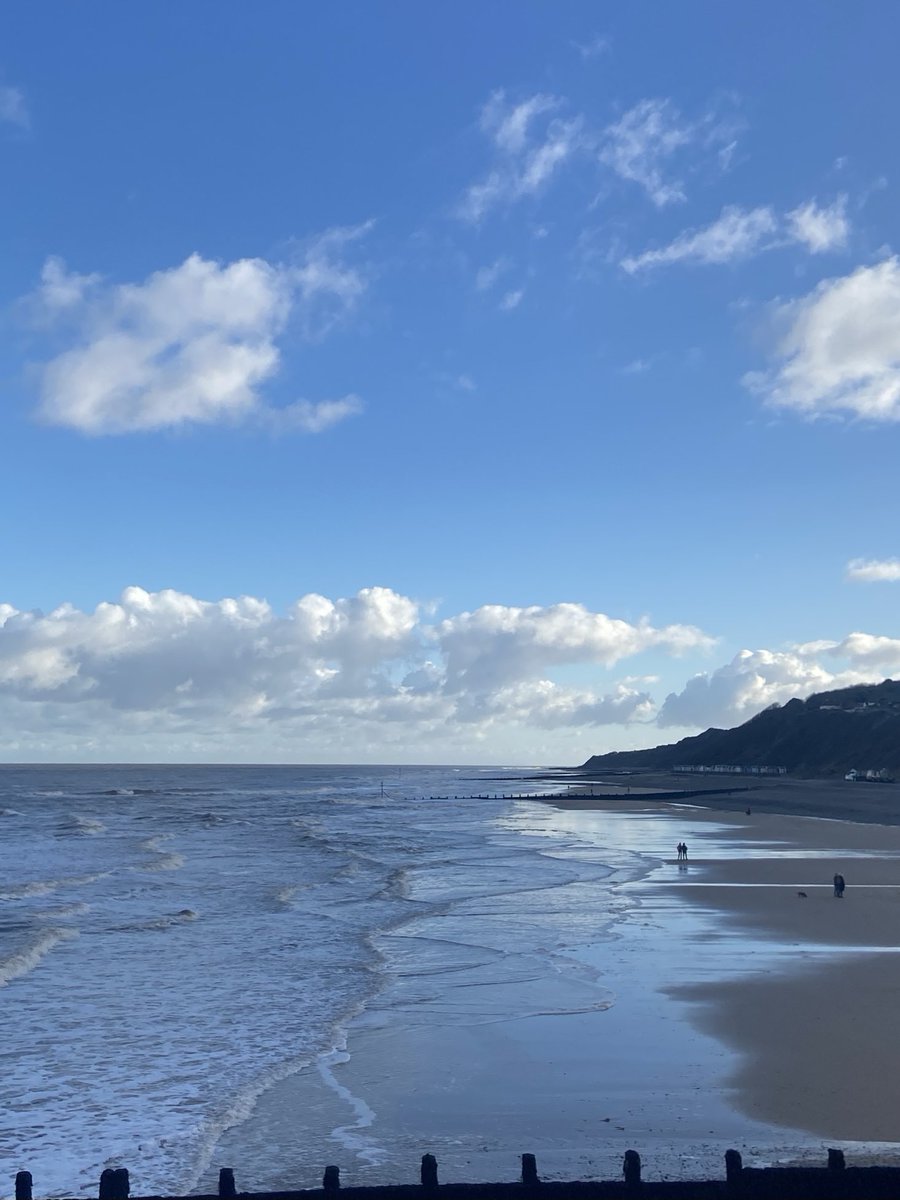
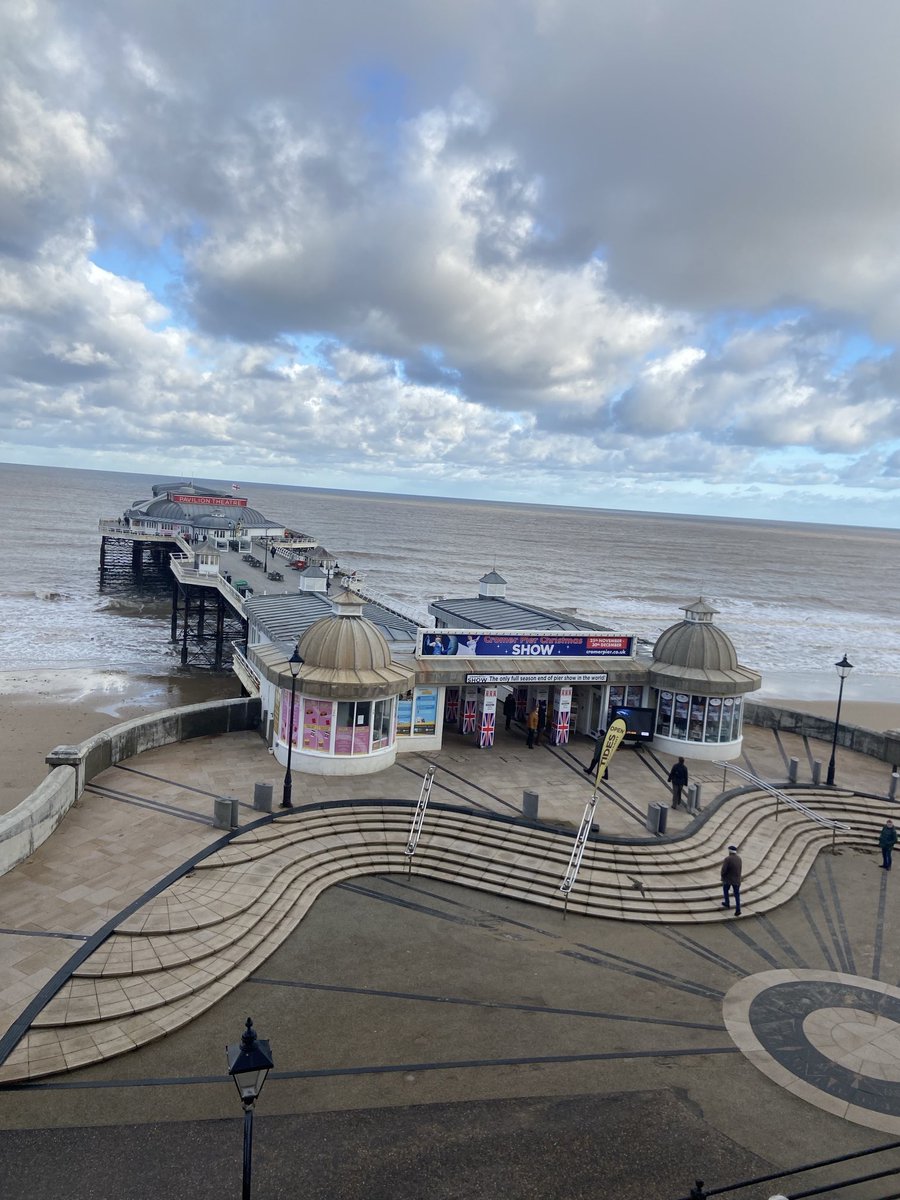
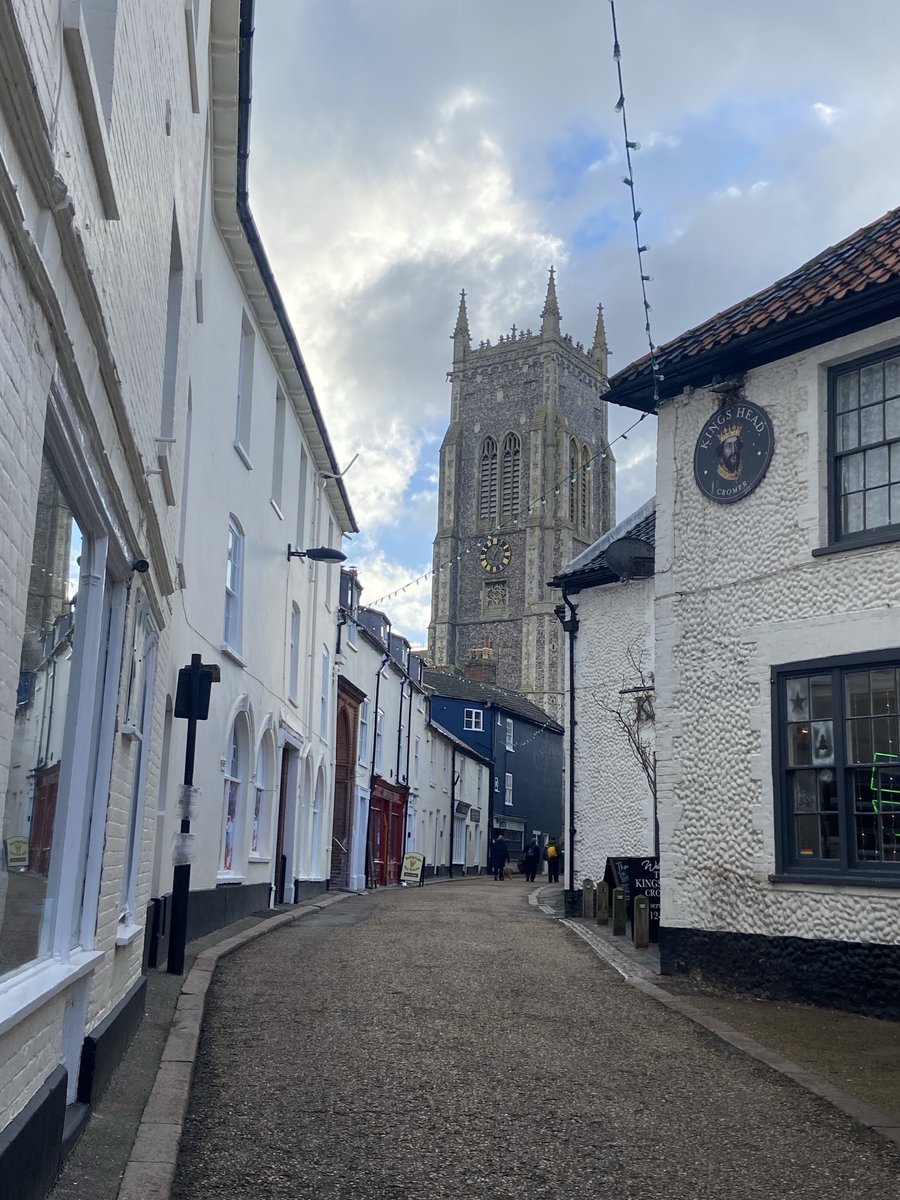
Hubby and I have decided to get ourselves out each week while we can and today opted for a short walk at Cromer. We haven’t been for some time and it didn’t disappoint. Use it or lose it, eh? #LoveNorfolk #ExerciseMatters
1
4
19
499

23 Nov 2023
🤣 glad I turned up with the dress code the right way round 💃🏼
LOVED delivering the #ExerciseMatters conversation today!
2
72

14 Sep 2023
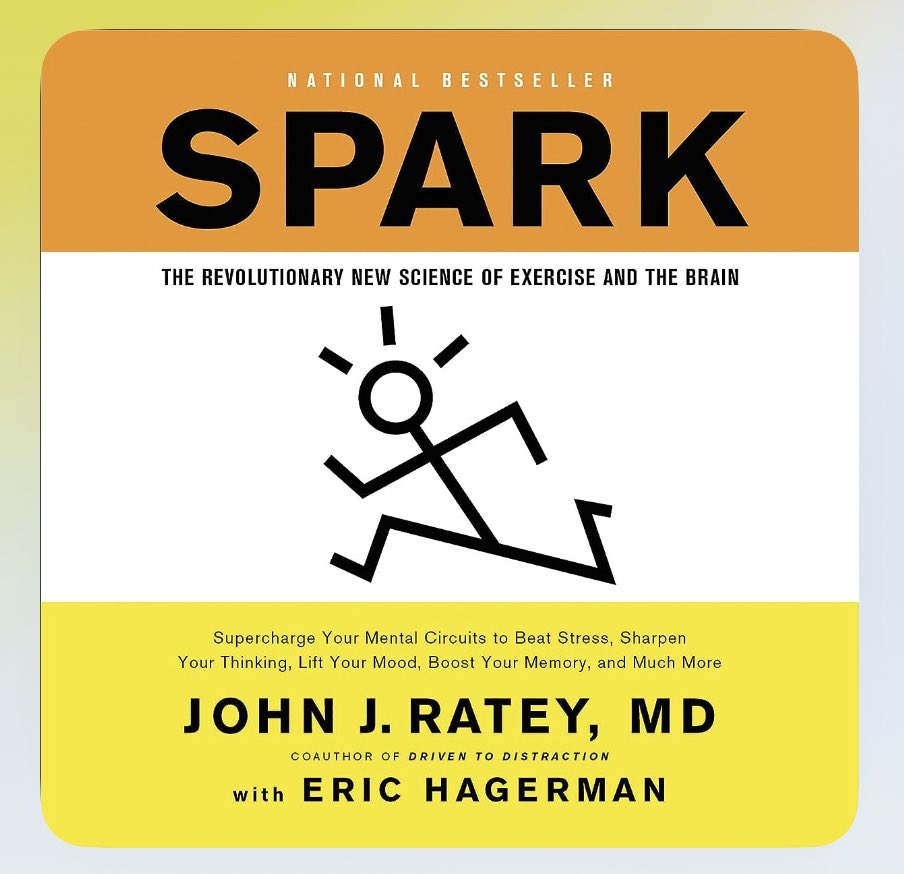
I will never miss my 5:00 AM workout during the work week again. #ExerciseMatters @jratey
1
1
11
627

21 Aug 2023
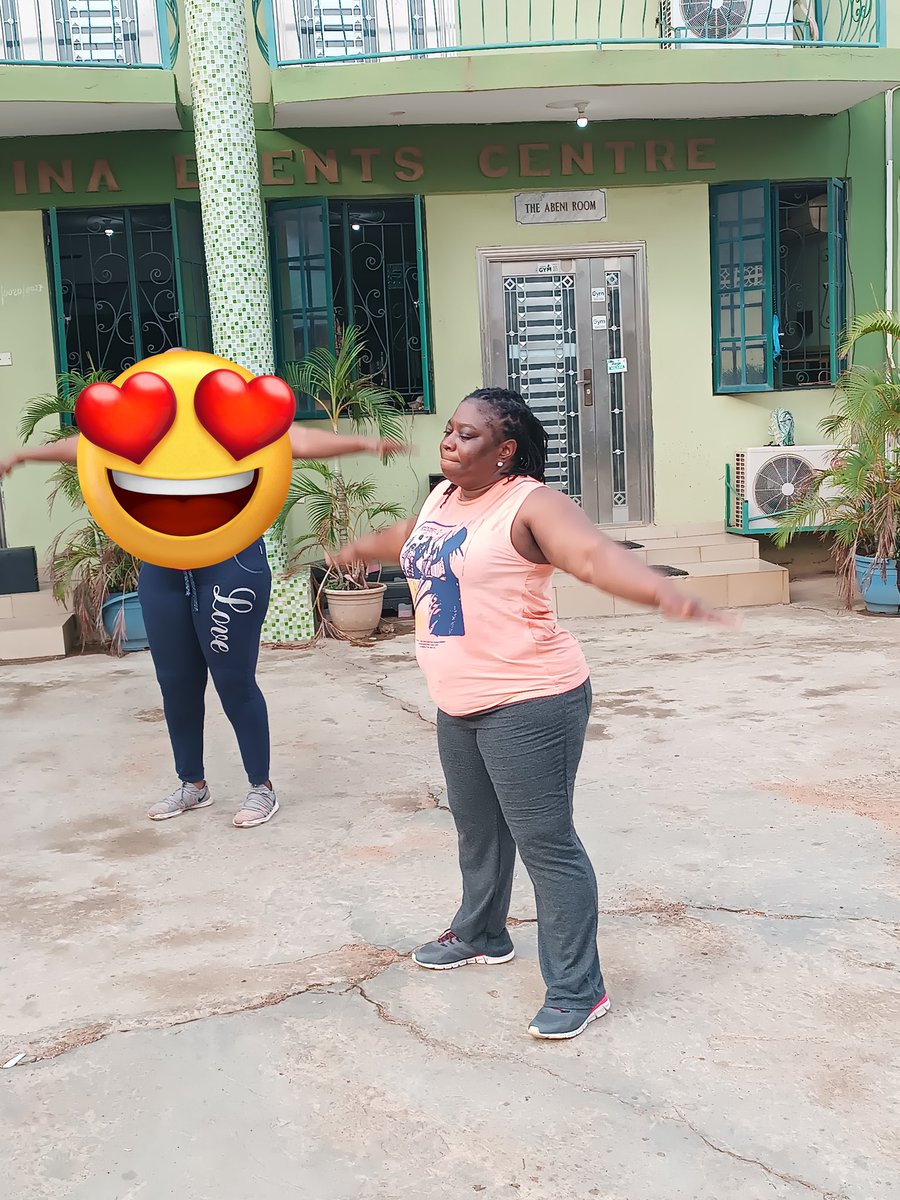
"🏃♀️🏋️♂️ Regular exercise isn't just about staying fit; it's a powerful way to boost your mood, energy, and overall well-being. Whether it's a brisk walk, a workout session, or a fun family activity, every move counts towards a healthy, happy you! 💪 #ExerciseMatters #HealthyHabits"
1
4
27
1,580

24 Jul 2023
🏃♀️🏋️♂️ UK Biobank research wi/ 90,000 medical records reveals exercising only on weekends carries similar stroke & heart disease risk as daily exercise. 💪 Stay active, stay healthy! 🌟📚 #ExerciseMatters #HeartHealthTips bit.ly/3rBOuBq
4
10
27
2,019

18 Jul 2023
💪 Engaging in light #exercise during hemodialysis can be a game-changer for patients' health.
Let's prioritize the power of movement in #healthcare and enhance patients' well-being. 🏥💙 #MedicalBreakthrough #ExerciseMatters #FitEvo #fitness
15 Jul 2023

Patients who engage in🚶🏽♂️ light #exercise while undergoing hemodialysis are physically fitter and are admitted to hospital less frequently than those who do not. evidence.nejm.org/doi/10.105…
1
3
242