
7 Dec 2025
The EU likes to prop up fluidinova because they’re in Portugal, but they have nothing proprietary that prevents other suppliers from achieving the same particle characteristics.
2
87
7 Dec 2025
Where are you getting the information that fluidinova is the only compliant nHA?
For reference I use fluidinova in our kids toothpaste, and I promise you, the 4 different sources I use for nHA are all compliant according to SCCS.
1
2
129
14 Nov 2025
What you’re referencing is percentage of fluidinova, which is a 15% NHA solution. So if boka is 10% fluidinova it’s more like 2% total nha. Plenty of studies showing that less than 10% total nha are effective at remineralization and caries prevention.
1
5
351
10 Nov 2025
Dr. Jen got caught falsifying radiographs so that’s a huge red flag.
There are a lot of good brands:
Risewell
Boka
Fygg
NOBS (this is my brand so I’m biased)
Looking for brands that use fluidinova is a good baseline for quality.
7
483

As fluoride-free toothpaste grows in popularity, hydroxyapatite (HAp) has become the star ingredient in remineralization. But the big question is: nano or micro?
Let’s dive into the science, similarities, and differences, and why combining both might be the best approach.
The Basics: Nano vs. Micro Hydroxyapatite
1️⃣ Particle Size
Nano Hydroxyapatite: Tiny particles, typically 20-50 nm, can penetrate deeper enamel defects. Its size allows for closer interaction with enamel’s crystalline structure, mimicking natural tooth material.
Micro Hydroxyapatite: Larger particles (typically >1 μm) focus on surface-level protection and remineralization, creating a barrier against external damage.
Key Difference: Nano repairs enamel at a microscopic level, while micro excels at protecting the surface.
2️⃣ Effectiveness
Nano Hydroxyapatite: Bonds closely to damaged enamel.
Effective for filling micro-cracks and deep fissures.
Micro Hydroxyapatite: Strengthens and shields the outer enamel layer.
Works well as an abrasive for polishing without damaging enamel.
The Combination Advantage: Using both ensures full-spectrum protection—deep enamel repair and surface-level defense.
This is why ToothPow decided to use 5% of both nano & micro in our Tooth Powder.
3️⃣ Safety Considerations
Nano: The SCCS found nano hydroxyapatite safe up to 10% in toothpaste.
It dissolves in stomach acid if swallowed, eliminating systemic exposure risks.
Particles are too large to pass through oral tissues into the bloodstream.
Micro: Naturally derived, often from bone-based sources, making it highly biocompatible.
Larger particles don’t pose a systemic risk since they remain surface-bound.
Conclusion: Both forms are safe within regulated concentrations, with no evidence of genotoxicity or toxicity when used in oral care products.
4️⃣ Sourcing & Sustainability
Nano Hydroxyapatite: Lab-made, ensuring purity and control over particle size.
ToothPow sources nano-HAp from Fluidinova, a leader in high-quality nano technology.
Micro Hydroxyapatite: Derived from natural sources, ToothPow uses grass-fed cattle bones, making it a sustainable choice.
Why This Matters: Combining lab-made nano and natural micro HAp provides a balanced approach to quality and sustainability.
Many folks in our niche "healthy toothpaste space" are trashing each other depending what side of the spectrum they are on. Nano vs. Micro
Nano Supporters Say:
Its smaller size makes it more effective for deep enamel repair. It mimics the nanostructure of natural enamel, promoting better remineralization. The EU study which has a lot more authority in the saftey space compared to the FDA or ADA in the States also said it is safe when sourced properly, used in the correct amount as mentioned above.
Micro Supporters Say:
Its larger size ensures it stays on the enamel surface, offering better immediate protection.
Micro is perceived as more “natural,” making it appealing to consumers wary of nanoparticles.
Our Stance: Why choose when you can have both?
Combining nano and micro ensures maximum remineralization and protection at all levels of enamel.
The Tooth Powder Formula in ToothPow, we use 5% nano hydroxyapatite and 5% micro hydroxyapatite to bring you the best of both worlds:
Nano: For deep enamel repair.
Micro: For surface protection and natural polishing.
Whether you choose a nano hydroxyapatite toothpaste, a micro hydroxyapatite option, or our unique ToothPow formula that combines both, one thing’s for sure:
By switching to hydroxyapatite, you’re saying goodbye to the nasty chemical-filled junk found in big-brand toothpastes—and your teeth will thank you for it. 🦷💪
x.com/hubermanlab/status/186…
25 Nov 2024

It’s a love or hate relationship with fluoride out there! All of the dentists I interviewed for the oral health episode of the Huberman Lab podcast including a pediatric dentist said they prefer hydroxyapatite containing toothpastes over fluoride.
3
2
294

22 Jun 2024
Hi Gator, can't send you a direct message but here goes - somewhere you mentioned knowing suppliers in Europe other than Fluidinova for nHAP. Could you DM me perhaps? Thanks!
30

18 Apr 2024
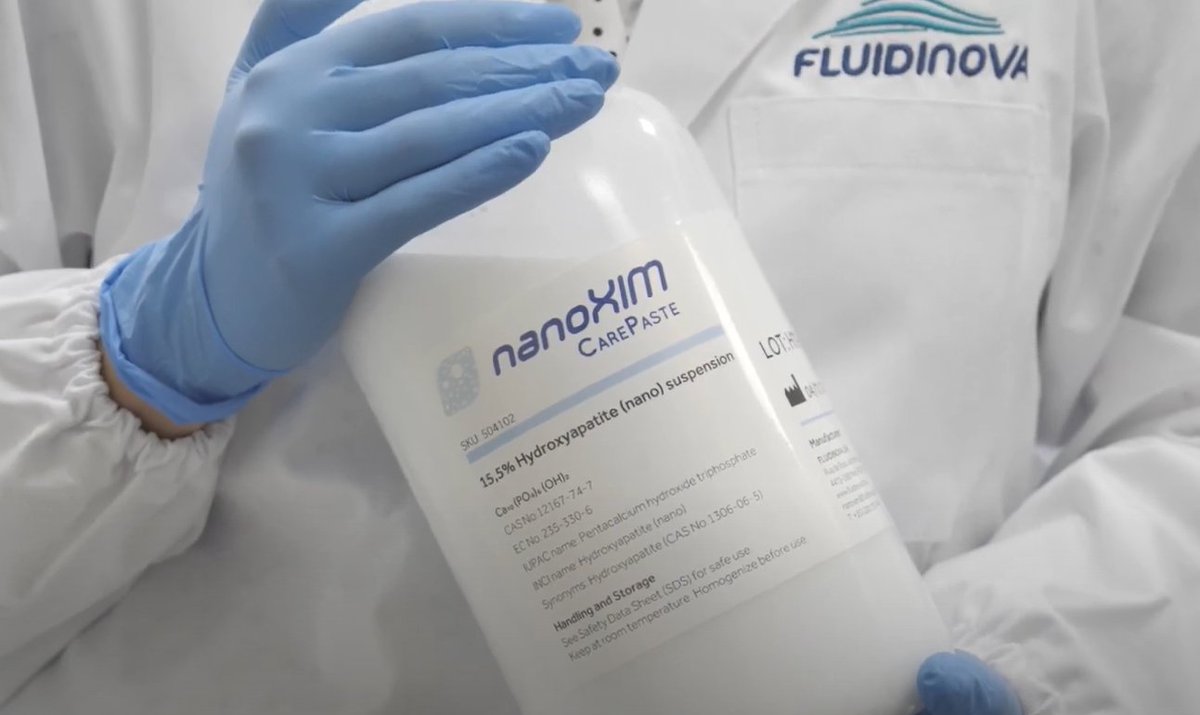
I am watching the science closely here and for now, the only hydroxyapatite toothpastes I can recommend are ones who use nanoXIM as their source of hydroxyapatite, made by @FLUIDINOVA
1
2
232

3 Apr 2024
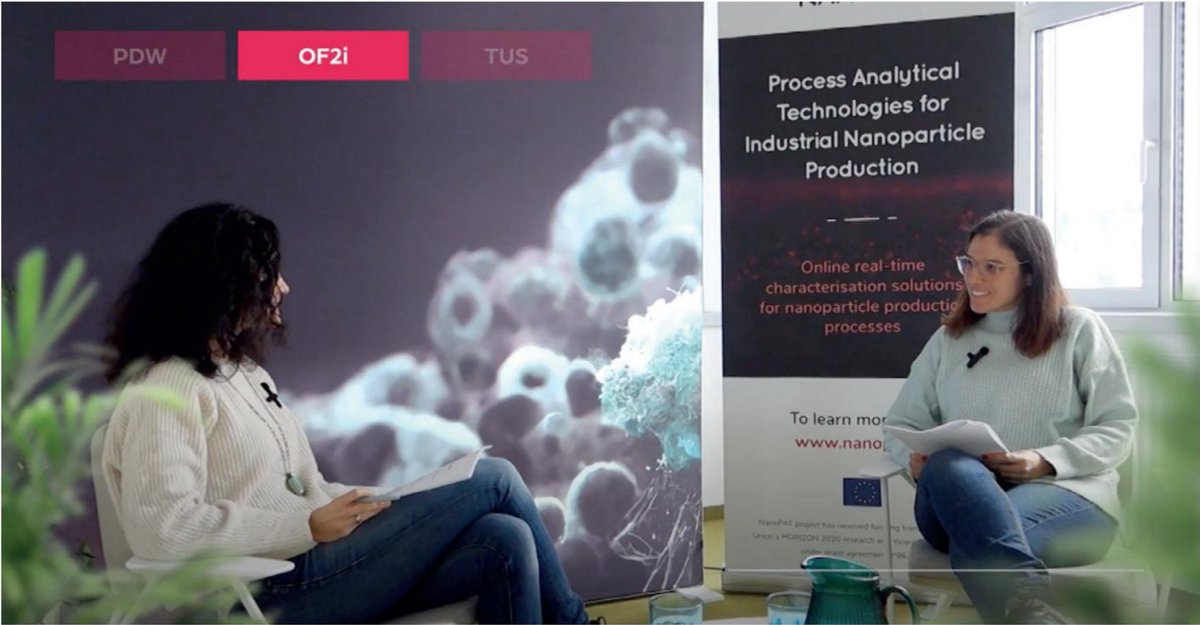
Interested about the experience of our end user @FLUIDINOVA with the #OF2i Process Analytical Technology developed by #BRAVE Analytics in their pilot plant with #hydroxyapatite? Hare a look here: youtube.com/watch?v=rMrZ3Ac4…
#PAT #sizemonitoring #sizematters
1
3
145
12 Mar 2024
Hydroxyapatite is something I've championed as a safe way to remineralize your teeth compared to fluoride, as well as keep your enamel white and free of sensitivity.
It's been a while since I covered it and looking back on my original thread, I decided it was time for a refresher.
Everything you wanted to know about nano hydroxyapatite:
Nano-hydroxyapatite is a biocompatible material that closely mimics the mineral form of human tooth enamel and bone. Initially developed by NASA for astronauts to combat the demineralization of tooth enamel in zero-gravity conditions, n-HA has resurfaced as an effective way to recharge your teeth with the minerals they need.
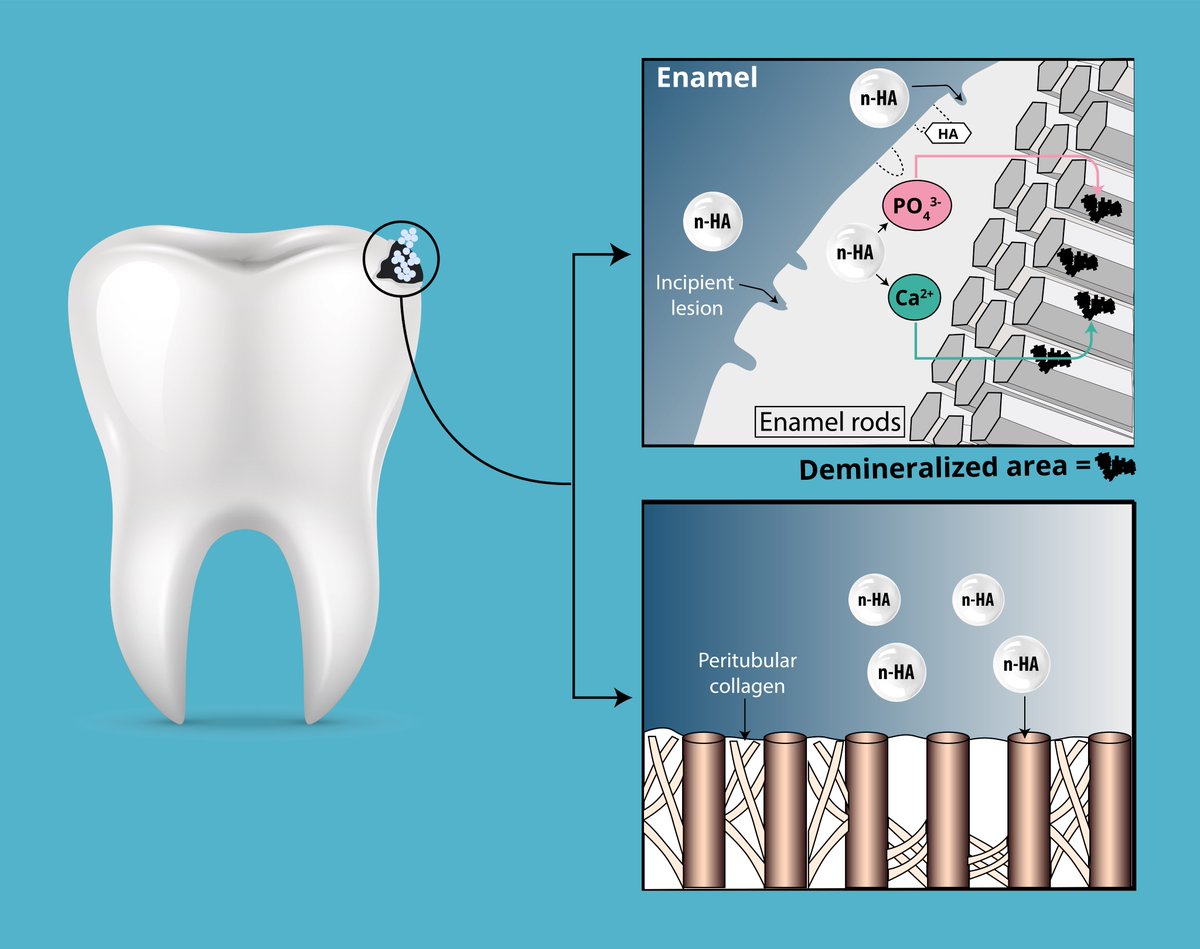
n-HA is a form of calcium phosphate and works by incorporating into tooth enamel and providing a template for enamel crystals to grow, effectively filling in the tiny holes of the teeth and reducing tooth sensitivity.
Our diet is in a constant push/pull of pulling minerals out of the teeth and putting them back in. Saliva is incredibly effective at providing minerals to your teeth, but often times it can't compete with the presence of acid in the mouth.
n-HA provides assistance in depositing minerals back into the teeth using a replica of what is already there.
What this means:
- It can restore initial/early-stage cavities
- Highly effective at reducing sensitivity
- Protects enamel against the wear and tear of daily life
What it doesn't mean:
- It will not cure an infection
- It will not build up a tooth that's broken in half
"But I use fluoride as per my dentist and the American Dental association"
While fluoride has been the go-to mineral for tooth remineralization, concerns about its overuse and potential side effects have led many to seek alternatives. Fluoride is a mineral that incorporates into the tooth, transforming hydroxyapatite into fluorapatite. This creates a supra-physiological enamel that makes it resistant to demineralization.
Unlike fluoride, which works by creating a harder, more acid-resistant surface on the teeth, n-HA mimics the tooth's natural mineral, providing an alternative solution that restores the enamel's original structure and function.
It's important to understand the chemical differences between the two regardless of your stance on fluoride.
But where's the evidence this isn't some hippie nonsense?
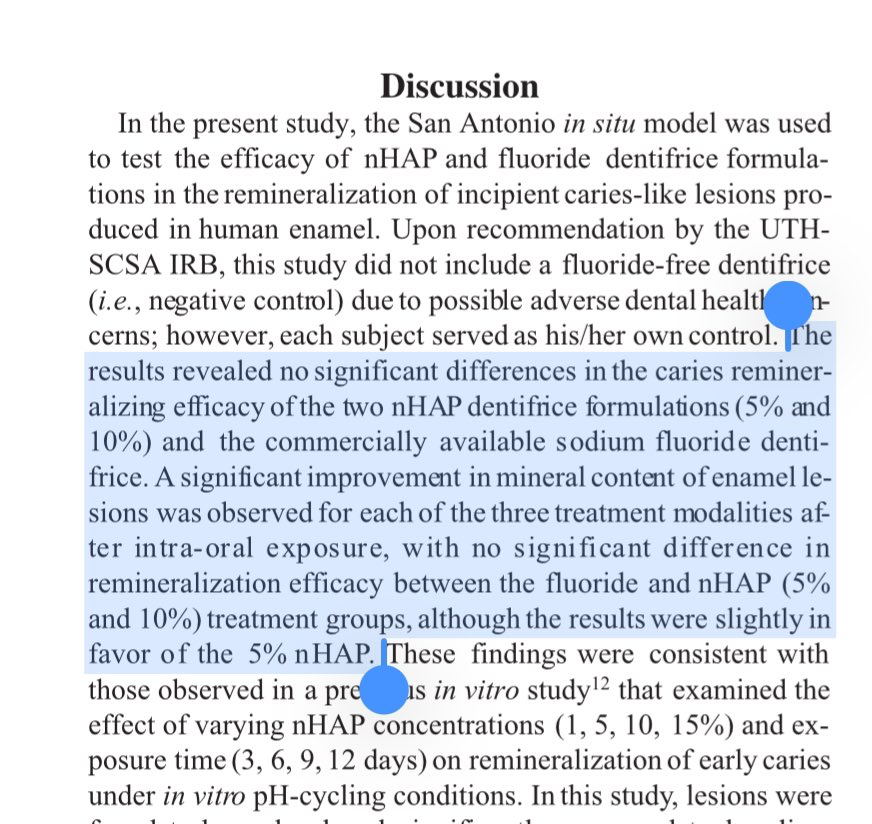
Studies have shown that n-HA can be as effective as fluoride in remineralizing teeth and preventing cavities. Dental professionals are increasingly recognizing n-HA's benefits, incorporating it into their practices and recommending n-HA-based products to patients seeking a natural alternative.
From toothpaste and mouthwashes to varnish, n-HA is becoming a popular ingredient in a range of oral care products. These products offer an effective way to harness the benefits of n-HA daily, contributing to stronger, healthier teeth and improved oral health.
"It sounds scary, and it's a nano particle. This must be unhealthy/unsafe."
n-HA has been around for decades and has been studied quite a bit. This is not some new untested technology. Studies show it's not only safe for use in dental products, it's also shown to be biocompatible with the cells in our body.
There's a popular blog post on Bubble & Bee blog about how nano-hydroxyapatite is dangerous, and while there are merits to the article it's mostly focused on rat models blasting cells with extremely high concentrations. Do this with just about any compound and you'll find damage.
Not only that, but there is a "part two" blog post that clarifies the importance of the type of nano-hydroxyapatite, leading into the next misconception:
"Europe banned it!"
Actually they did the opposite: they approved it under certain conditions:
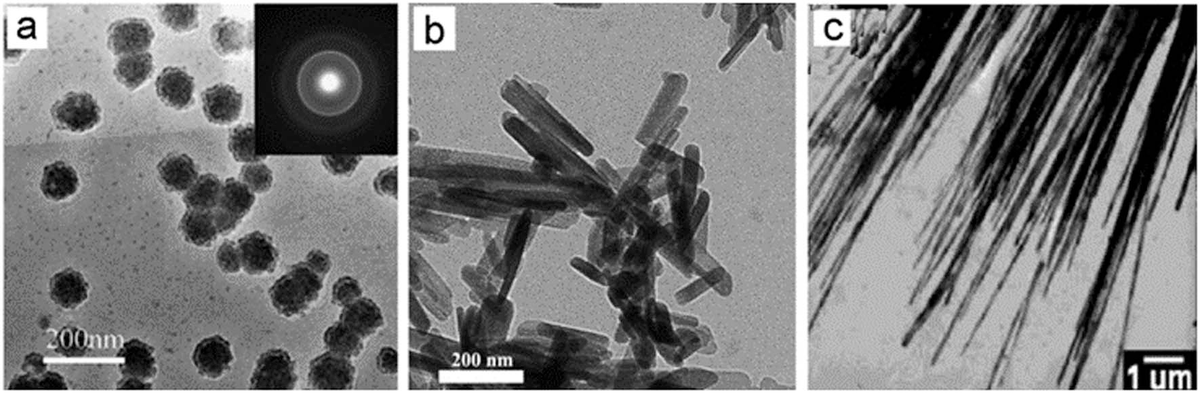
- Rod shaped particle
- Aspect ratio less than 3
- Concentration less than 10%
- Particles are not modified or surface-coated
Why does that matter?
There are different shapes of n-HA, depending on how it's synthesized.
Intuition would tell you the image on the right would be dangerous, and it would be correct. This is needle/fiber shaped and has been shown to have issues with cytotoxicity due to it's sharp edges.
The issue: the needle/fiber shape is much cheaper than the middle which is rod-shaped (approved by EU).
So people use needle-shaped particles?
Well, there's a consumer demand for nano-hydroxyapatite, but no federal regulation on the particle shape and size. Nano-hydroxyapatite is extremely expensive compared to fluoride, so it's only logical brands would opt for the cheapest option (needle) to crank up their percentage as a way to market their product as "better" but in reality it's worse in every way.
There are trusted brands, especially Fluidinova which was mentioned in the SCCS/EU final decision. They use a compliant particle shape and size and located in Portugal. The problem is that this product (while high quality) is "dog-fooded" by the European Union as a way to promote a European brand.
There are multiple manufacturers of nano hydroxyapatite that are compliant. I would be hesitant in falling into the trap of thinking Fluidinova's nanoXIM is the only n-HA worth buying because they are also the most expensive source by at least 2-3x.
This is a problem because brands have and will use a small percentage of Fluidinova nanoXIM to slap the logo on their product, and then backfill with cheaper n-HA to crank the percentage up to a reasonable concentration.
Moral of the story: If a brand is boasting about how much n-HA they have and it isn't clarified, it's probably not EU-compliant n-HA. Even if they use a brand name, it's extremely cost prohibitive to get to a therapeutic dose. This leads to morally flexible brands adding in junky n-HA on top of their formula to get the percentage higher.
Speaking of percentage, it's an abused metric that requires clarification.
There's a bit of a meme that "YOU NEED 10% OR ELSE IT WON'T WORK!"
1) That's absolutely not true
2) That's at the ceiling of the EU guidelines, how is it also the minimum percentage required for remineralization?
Percentage is merely what it is: an amount of n-HA per gram of toothpaste. It's not an absolute dosage, because 1g of toothpaste will not deliver the same amount as 10g of toothpaste.
Not only that, but the studies that show 10% efficacy compared to fluoride involved soaking bovine teeth in solution, not even using a toothbrush or toothpaste. That is a valuable study design, but not an applicable, real-world measure we should be designing products around.
In fact, there are some studies that show 5% is more effective than 10% because at 10% the n-HA starts to clump/aggregate, reducing the net effective concentration.
If you see someone parroting 10%, ask them to show the study that says this, then read it yourself. You can be the judge. Besides, they probably don't even know the study they're referencing.
Wrapping up:
Nano-hydroxyapatite is a promising, natural alternative to fluoride, backed by science and increasingly embraced by the dental community. We have a lot of work to do in educating dental professionals and the public before we can even consider FDA/ADA endorsement.
My goal with this breakdown is to dispell a lot of the myths around n-HA and to raise awareness to some under-discussed aspects of this amazing compound.
56
179
1,302
249,505

19 Jul 2023
𝗡𝗮𝗻𝗼𝗣𝗔𝗧 𝗥𝗲𝘃𝗶𝗲𝘄 𝗠𝗲𝗲𝘁𝗶𝗻𝗴 𝗮𝗻𝗱 𝗚𝗲𝗻𝗲𝗿𝗮𝗹 𝗔𝘀𝘀𝗲𝗺𝗯𝗹𝘆🤝
.
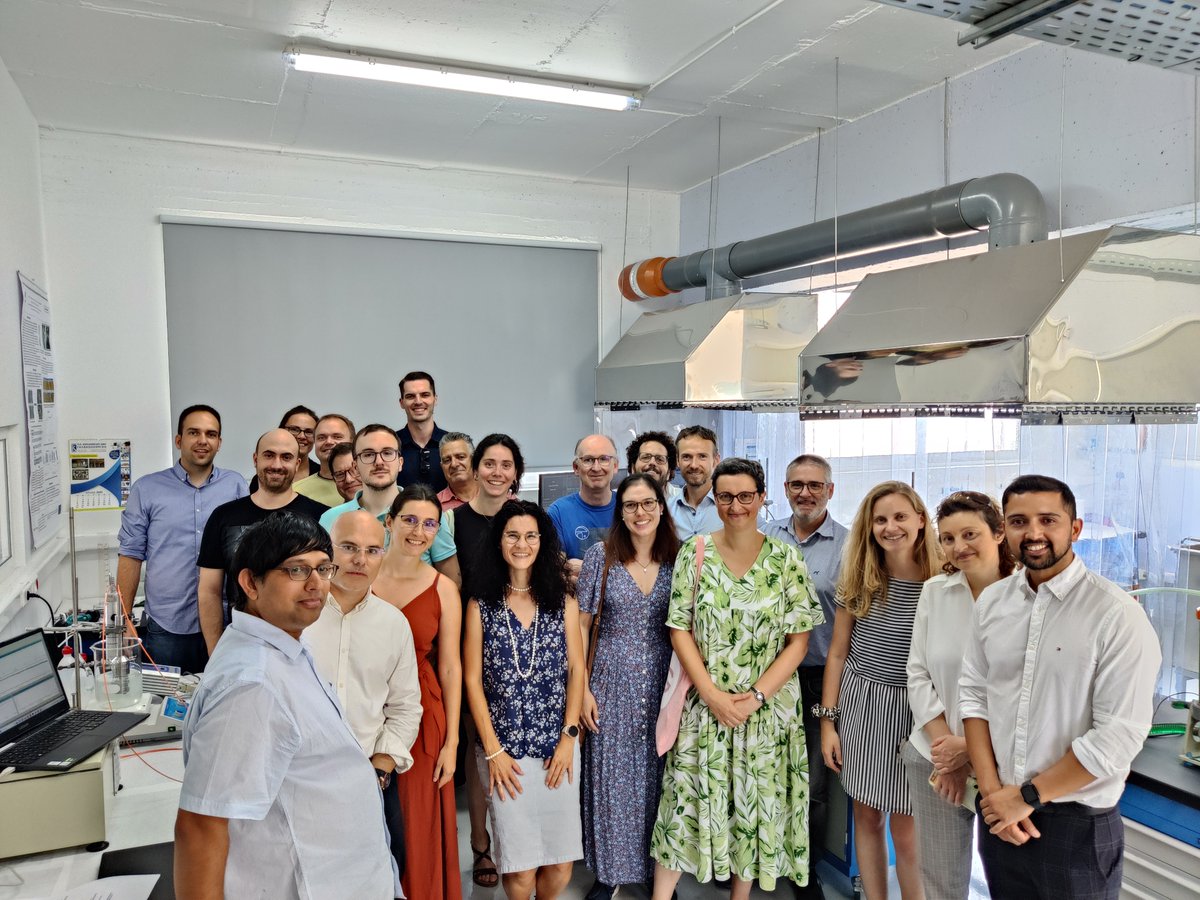
Last week, FLUIDINOVA traveled to Athens to debate the last achievements of the NanoPAT project.
#FLUIDINOVA #hydroxyapatite #H2020 #NanoPAT #TeamWork #Innovation #Collaboration
2
73
30 Jun 2023
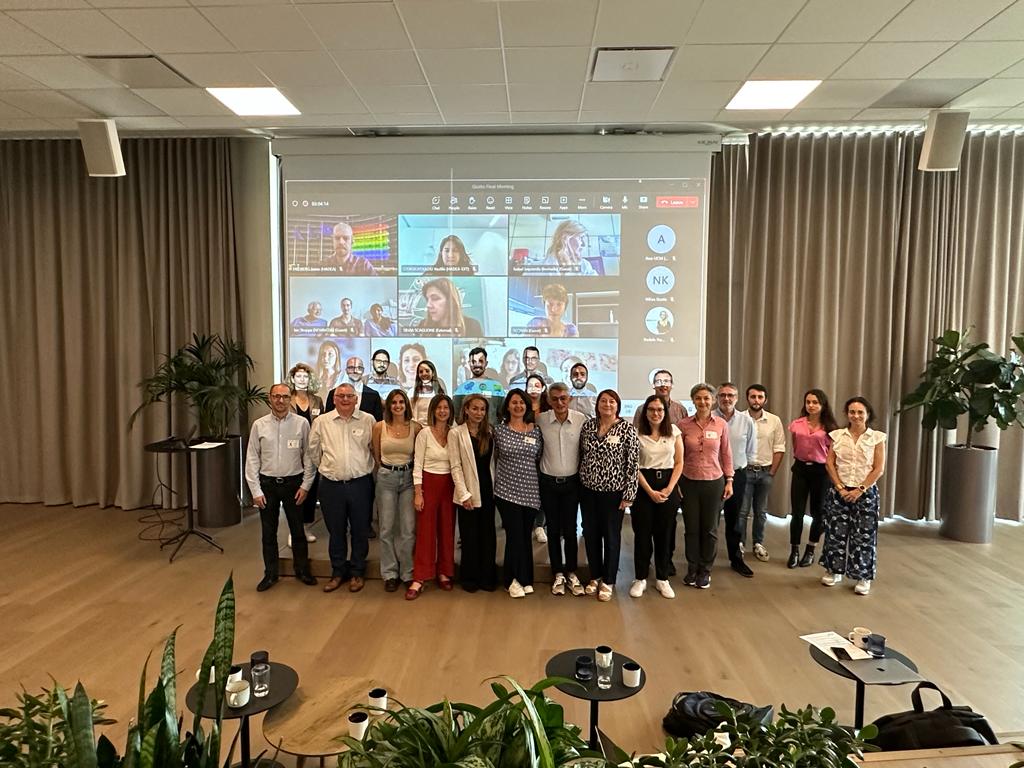
𝗚𝗜𝗢𝗧𝗧𝗢 𝗽𝗿𝗼𝗷𝗲𝗰𝘁 𝗳𝗶𝗻𝗮𝗹 𝗿𝗲𝘃𝗶𝗲𝘄 𝗺𝗲𝗲𝘁𝗶𝗻𝗴 🤝🔬
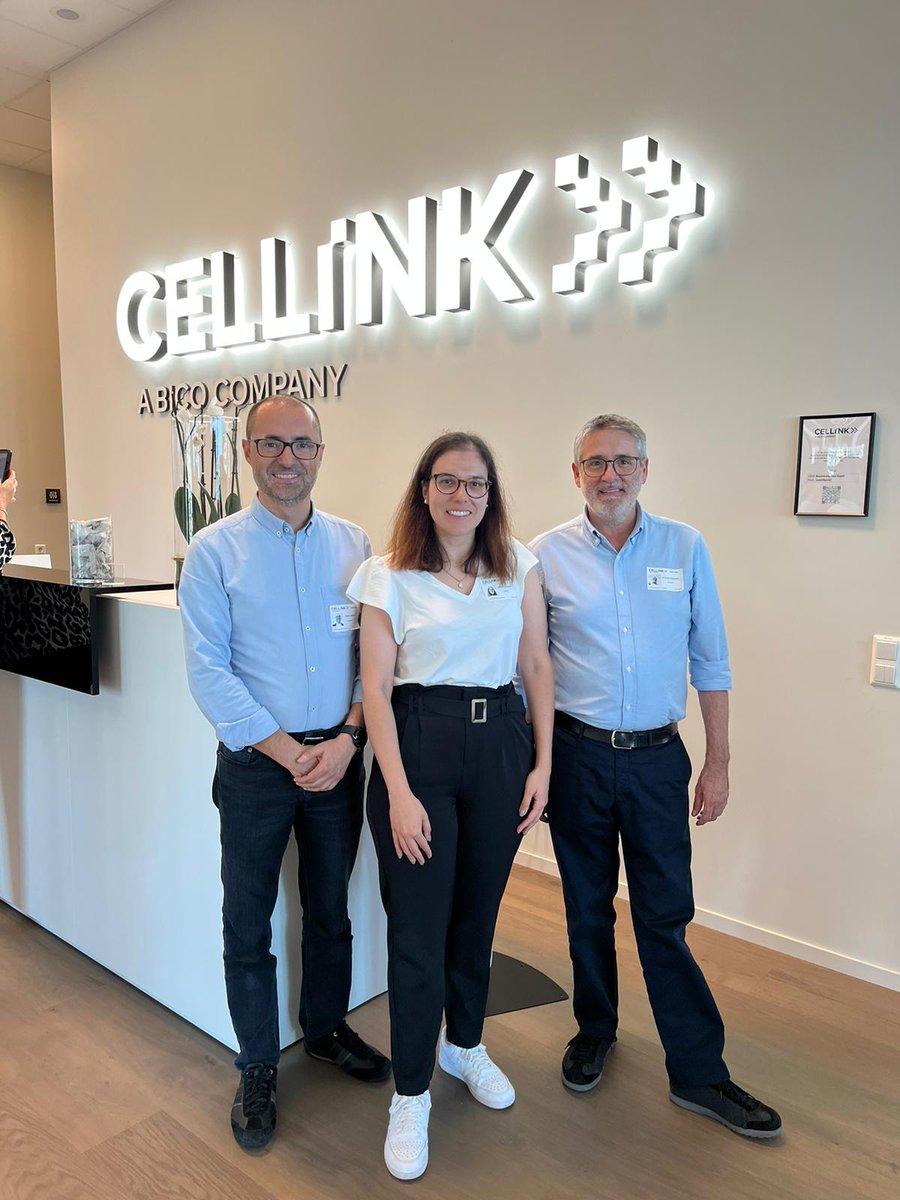
This week, @FLUIDINOVA travelled to Gothenburg to attend the final review meeting of the @giottoproject at @CELLINK3D premises. Amazing results and consortium!
#FLUIDINOVA #nanoXIM #H2020 #GIOTTOProject
2
46
1 Jun 2023
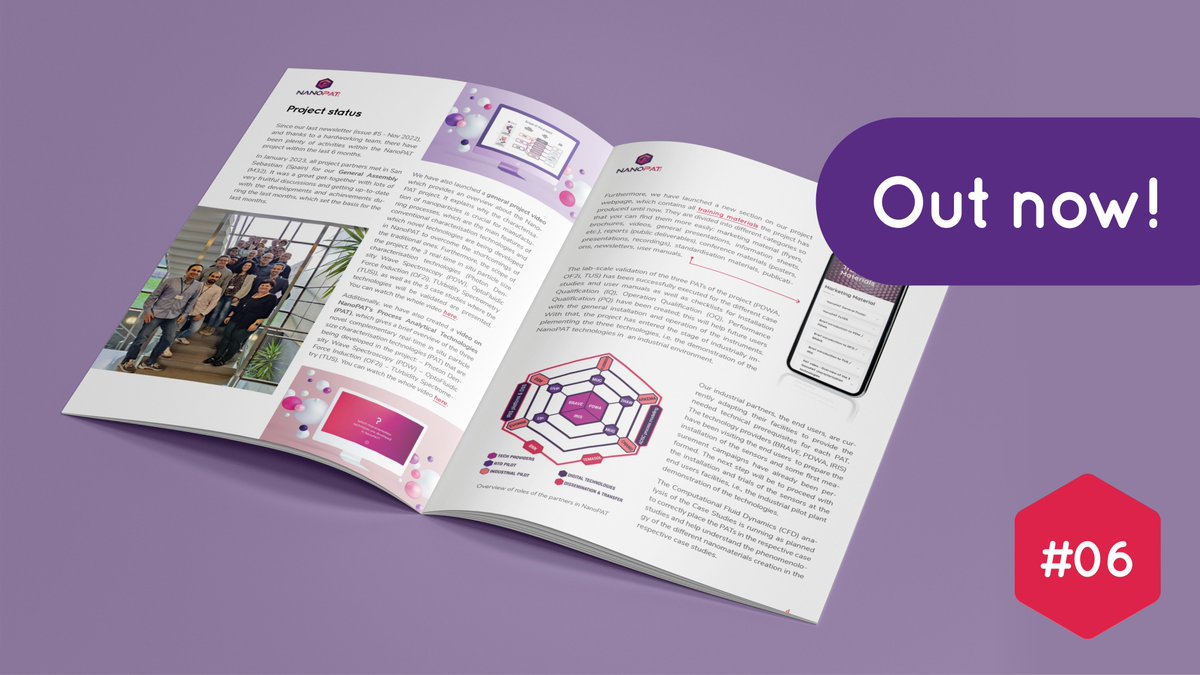
The 6th issue of the our newsletter is out - read it now!
➡️shorturl.at/bDZ09
We are happy to share with you highlights & news, presentations of our partners @covestro & @FLUIDINOVA & events where you can meet us.
Don't forget to register 💌
mailchi.mp/41ac0f1a9a94/n388…
2
3
165

3 Apr 2023
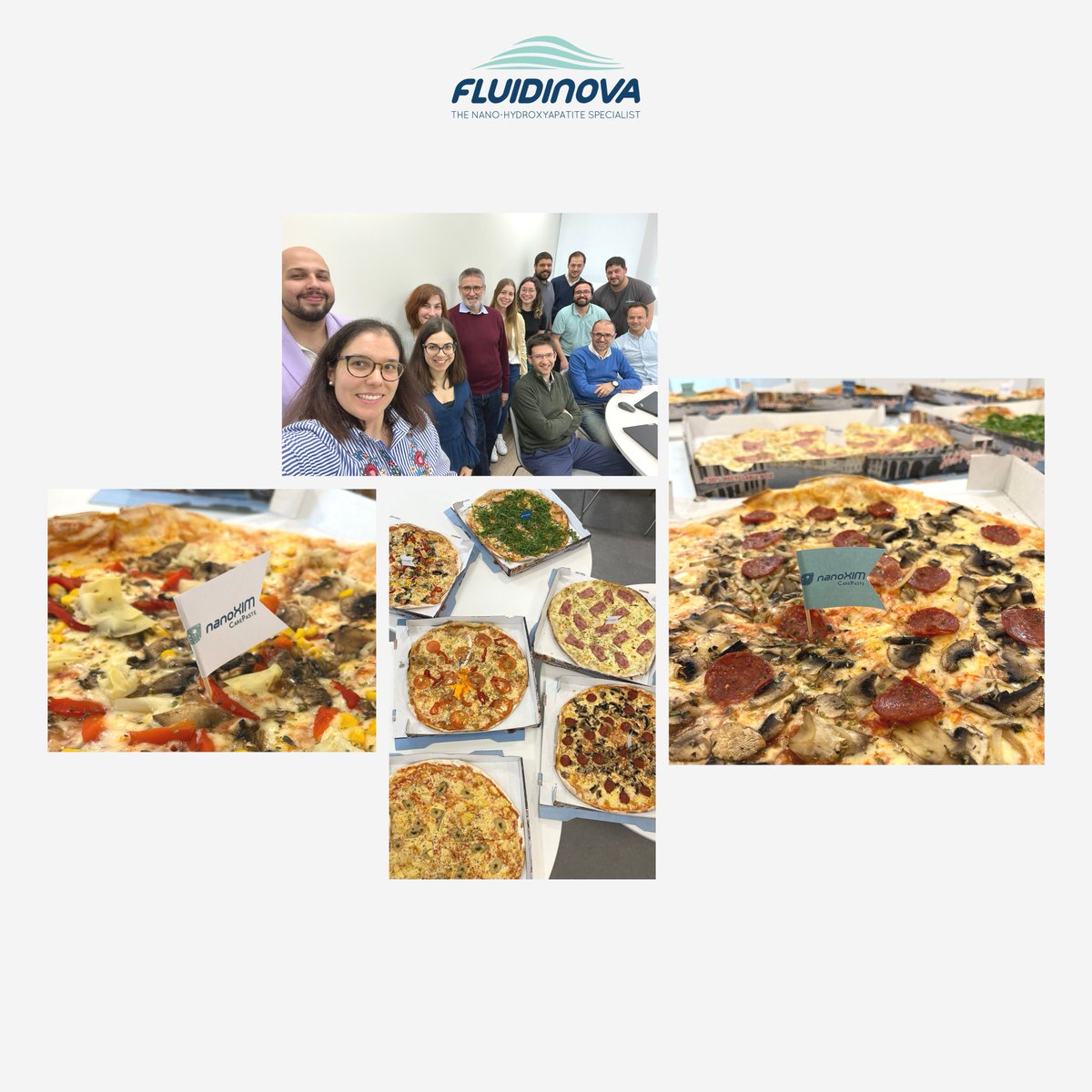
𝗧𝗵𝗲 𝗙𝗟𝗨𝗜𝗗𝗜𝗡𝗢𝗩𝗔 𝘁𝗲𝗮𝗺 𝗮𝘁 𝘁𝗵𝗲 𝗽𝗿𝗲𝗺𝗶𝗲𝗿𝗲 𝗼𝗳 𝘁𝗵𝗲𝗶𝗿 𝗻𝗲𝘄 𝘃𝗶𝗱𝗲𝗼! 🍕🎬📽
.
Watch the new video about 𝗻𝗮𝗻𝗼𝗫𝗜𝗠•𝗖𝗮𝗿𝗲𝗣𝗮𝘀𝘁𝗲 here: youtube.com/watch?v=eT-_DaUU…
#FLUIDINOVA #nanoXIM #hydroxyapatite #nanomaterials #nanosafety #oralcare
1
83
21 Dec 2022
Therefore, the micro-sized form is more usual in these applications. Furthermore, in oral care/cosmetic applications, the nanoform plays the real deal!
2
26
20 Dec 2022
20 Dec 2022

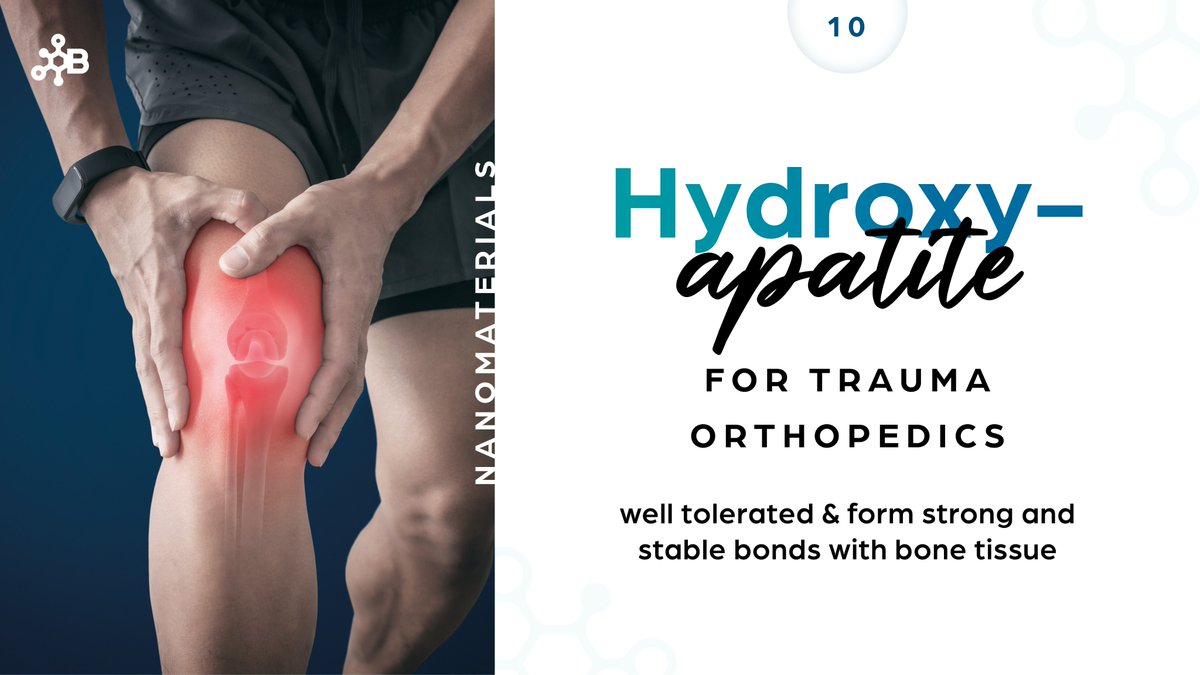
Hydroxyapatite coating is used in medical devices such as screws for orthopaedic implants. They are known to be both biocompatible - well tolerated by our bodies - and able to form strong and stable bonds with bone tissue. 🦵
#12DaysofNanomaterials
2
61
16 Dec 2022
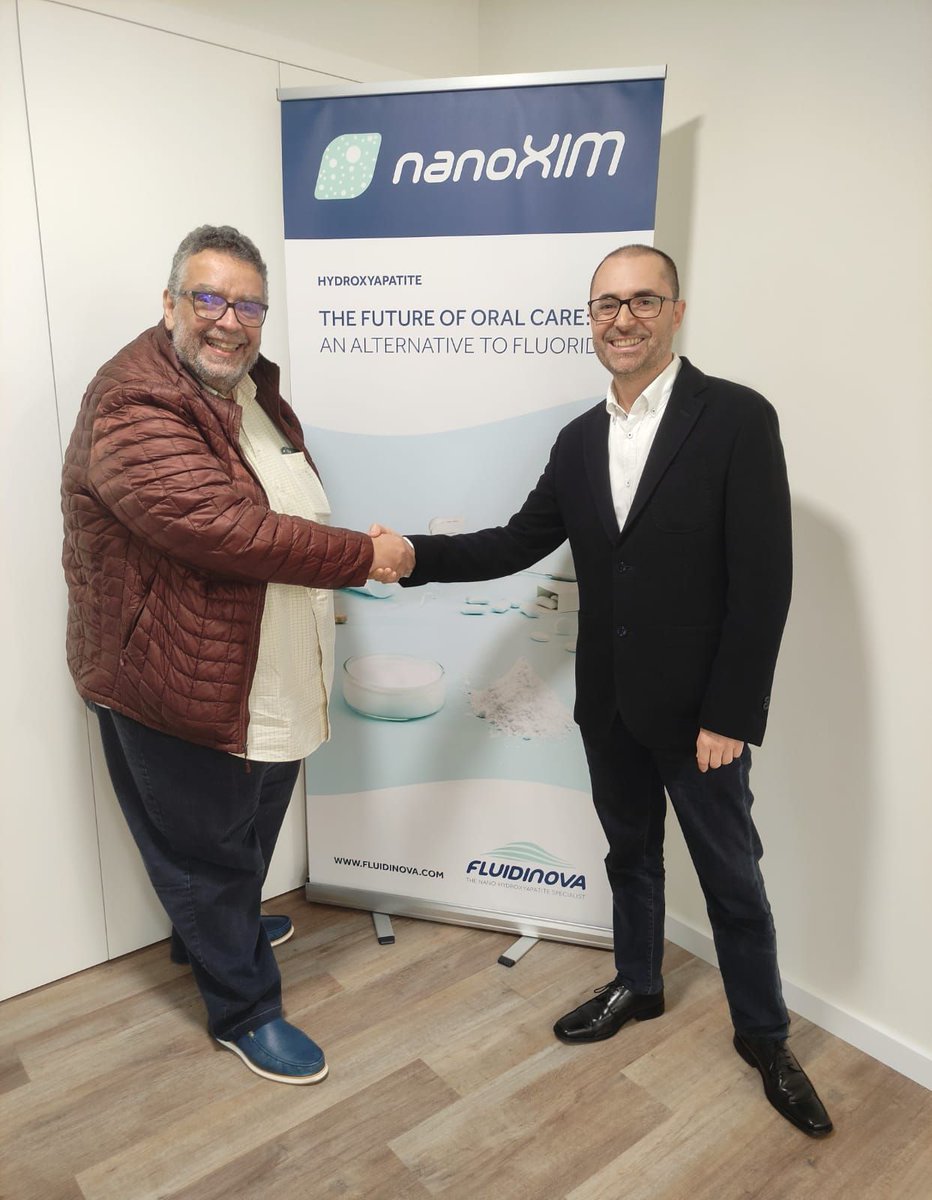
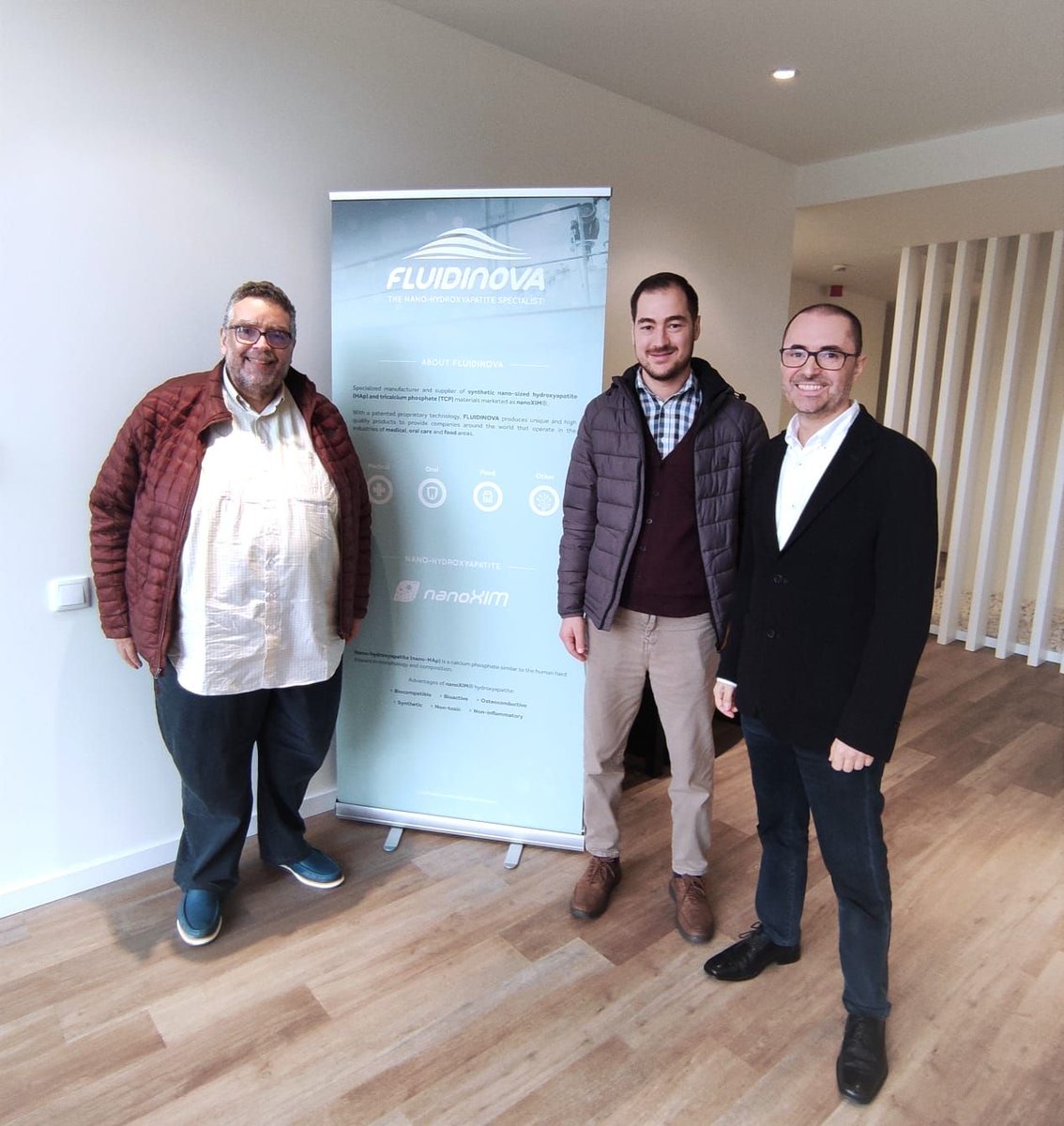
FLUIDINOVA, S.A. 𝗵𝗮𝘀 𝗽𝗮𝗿𝘁𝗻𝗲𝗿𝘀 𝗮𝗹𝗹 𝗼𝘃𝗲𝗿 𝘁𝗵𝗲 𝘄𝗼𝗿𝗹𝗱 🌎, and yesterday we had the opportunity to welcome our partner from Brazil 🇧🇷 @attivos.
It was a pleasure to show our facilities to Mr. Fernando Luna and strengthen our partnership.
#FLUIDINOVA #nanoXIM
2
31
30 Nov 2022
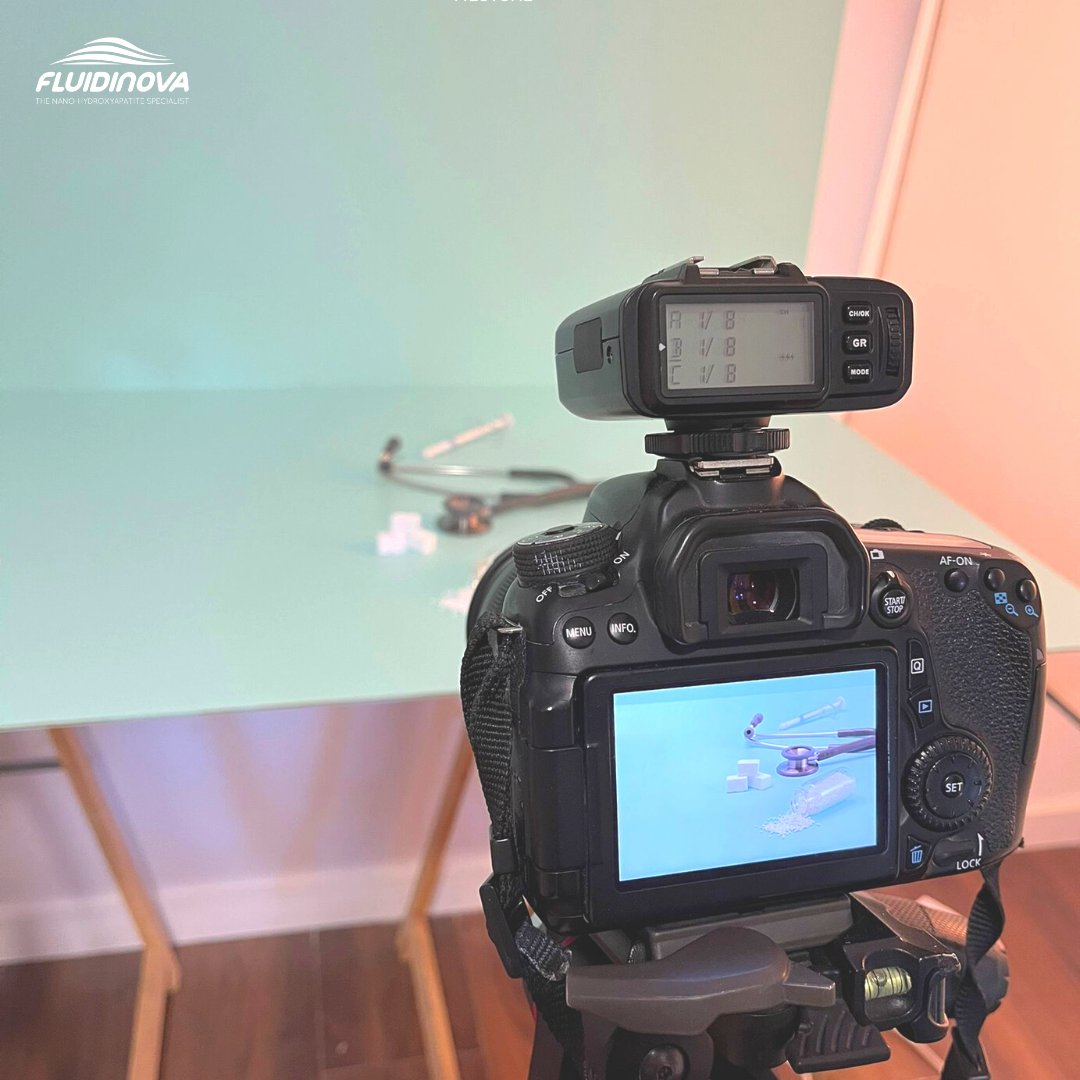
𝗕𝗲𝗵𝗶𝗻𝗱 𝘁𝗵𝗲 𝘀𝗰𝗲𝗻𝗲𝘀 𝗼𝗳 𝗼𝘂𝗿 𝗻𝗲𝘄 𝗻𝗮𝗻𝗼𝗫𝗜𝗠•𝗠𝗲𝗱𝗶𝗰𝗮𝗹 𝗰𝗮𝘁𝗮𝗹𝗼𝗴𝘂𝗲. 𝗦𝘁𝗮𝘆 𝘁𝘂𝗻𝗲𝗱! 🧐
#FLUIDINOVA #nanoXIM #hydroxyapatite #medical #medicaldevices #3dprinting #regenerativemedicine
2
14 Nov 2022
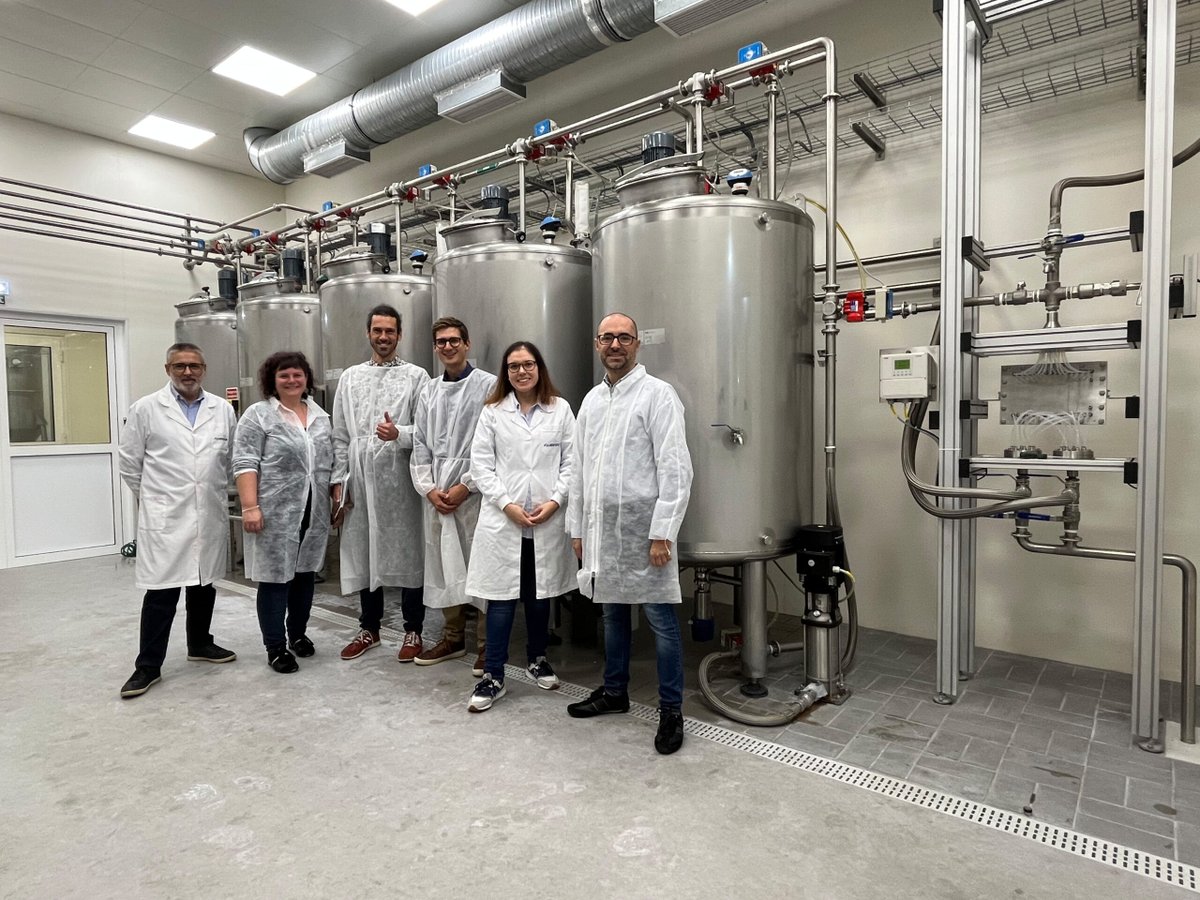
Busy Autumn for @NanoPAT partner #BRAVEAnalytics. This time they have been visiting the industrial plant of @Fluidinova in Porto 🇵🇹 preparing the installation of their #OF2i sensor!!
➡️Read more about it here: nanopat.eu/visit-of-brave-at…
#PAT #nanoparticles #characterization
1
4