
RECLAIMING THE SOIL; THE IMPERATIVE OF IGBO FOOD SOVEREIGNTY: WHY NDI IGBO MUST NOW FEED THEMSELVES, OR PAY DEARLY FOR DELAY.
There is a quiet irony, almost theatrical in its absurdity, that a people famed for industry, commerce, and restless ingenuity should depend so heavily on food grown hundreds of miles away. For decades, Ndi Igbo have largely imported sustenance from the North with admirable efficiency; yet efficiency, when built on fragile foundations, is but a well-dressed vulnerability.
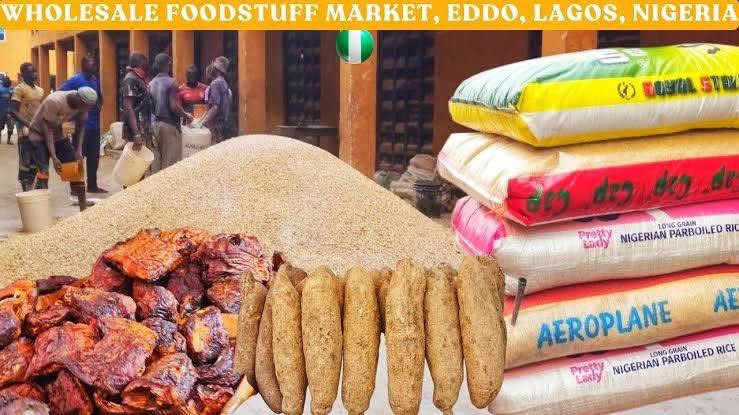
Today, that vulnerability stands exposed. The escalating insecurity across Northern Nigeria has disrupted long-standing agricultural supply chains. What once arrived reliably now arrives sporadically, if at all, and at a cost that mocks both logic and livelihood. To ignore this shift is not optimism; it is negligence wearing a hopeful smile.
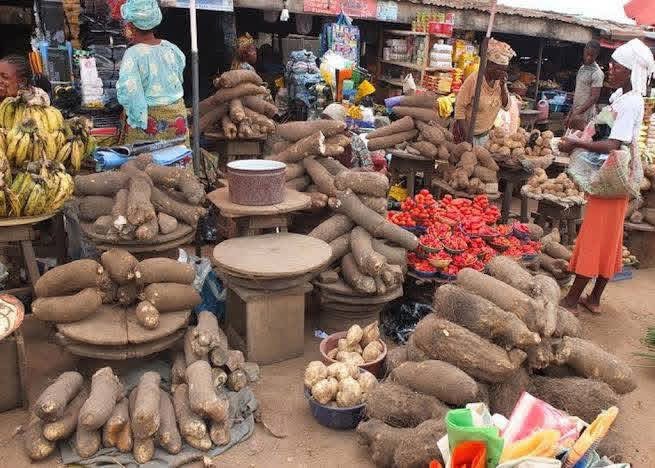
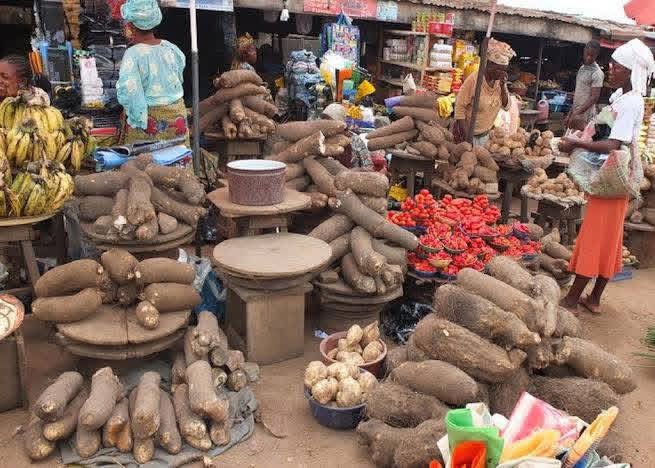
Historically, this was not our story. Before the colonial recalibration of economic patterns, Igbo communities were deeply rooted in agriculture, yam, cassava, cocoyam, oil palm. The soil was not merely a resource; it was identity, dignity, and survival. The famed industrious spirit of Ndi Igbo was first forged not in markets, but in farms. Commerce came later; cultivation came first.
It is therefore not a reinvention we require, but a return.
Our land remains astonishingly fertile, generous to those who court it with diligence. The same ingenuity that built vast trading networks can, if redirected, transform our region into a bastion of food sufficiency. Indeed, one might argue, without fear of contradiction, that farming is simply enterprise in its most honest form.
A recent conversation with a colleague underscores this truth. He spoke, with quiet pride, of his expansive rice, yam, and cassava farms in Anaku, Anambra State, farms not as hobbies, but as structured, scalable ventures. His confidence in supplying food in large quantities was not aspirational; it was operational. That exchange did more than inspire; it compelled action. Steps have since been taken to secure land, and implementation is already underway.
This is how movements begin, not with declarations, but with decisions.
Let us be candid. The gains of embracing large-scale farming are neither abstract nor distant:
A. Food Security: Freedom from uncertain supply chains.
B. Economic Stability: Reduced expenditure on imported produce; increased local wealth.
C. Employment: A revival of rural economies and dignified labour.
D. Strategic Independence: The ability to feed not just ourselves, but others.
Conversely, and here lies the uncomfortable truth, those who ignore this call may soon discover that dependence is an expensive habit. When scarcity bites, sentiment offers no relief. One cannot negotiate with hunger, nor litigate against an empty barn.
This is not alarmism; it is arithmetic.
The time has come for Ndi Igbo to rise, not merely as traders of goods, but as producers of sustenance. Let us cultivate our lands with the same zeal with which we build enterprises. Let us feed our people first, and then extend abundance outward.
For in the final analysis, a people who cannot feed themselves have already surrendered a portion of their sovereignty, quietly, but decisively.
The soil awaits. The question is whether we shall answer.
#NdiIgboFarmingRevolution #FoodSecurityNow
#BackToTheLand
#IgboAgriculture #EconomicIndependence #GrowWhatYouEat #FarmForTheFuture #SustainOurPeople
#IgboResilience
#FromSoilToStrength
#BarEjioforWrites
Signed
Sir Ifeanyi Ejiofor, Esq., KSC
Dunu-Ezeugosinachi
May 2, 2026
1
8
11
84

May 2
RECLAIMING THE SOIL; THE IMPERATIVE OF IGBO FOOD SOVEREIGNTY: WHY NDI IGBO MUST NOW FEED THEMSELVES, OR PAY DEARLY FOR DELAY.
There is a quiet irony, almost theatrical in its absurdity, that a people famed for industry, commerce, and restless ingenuity should depend so heavily on food grown hundreds of miles away. For decades, Ndi Igbo have largely imported sustenance from the North with admirable efficiency; yet efficiency, when built on fragile foundations, is but a well-dressed vulnerability.
Today, that vulnerability stands exposed. The escalating insecurity across Northern Nigeria has disrupted long-standing agricultural supply chains. What once arrived reliably now arrives sporadically, if at all, and at a cost that mocks both logic and livelihood. To ignore this shift is not optimism; it is negligence wearing a hopeful smile.
Historically, this was not our story. Before the colonial recalibration of economic patterns, Igbo communities were deeply rooted in agriculture, yam, cassava, cocoyam, oil palm. The soil was not merely a resource; it was identity, dignity, and survival. The famed industrious spirit of Ndi Igbo was first forged not in markets, but in farms. Commerce came later; cultivation came first.
It is therefore not a reinvention we require, but a return.
Our land remains astonishingly fertile, generous to those who court it with diligence. The same ingenuity that built vast trading networks can, if redirected, transform our region into a bastion of food sufficiency. Indeed, one might argue, without fear of contradiction, that farming is simply enterprise in its most honest form.
A recent conversation with a colleague underscores this truth. He spoke, with quiet pride, of his expansive rice, yam, and cassava farms in Anaku, Anambra State, farms not as hobbies, but as structured, scalable ventures. His confidence in supplying food in large quantities was not aspirational; it was operational. That exchange did more than inspire; it compelled action. Steps have since been taken to secure land, and implementation is already underway.
This is how movements begin, not with declarations, but with decisions.
Let us be candid. The gains of embracing large-scale farming are neither abstract nor distant:
A. Food Security: Freedom from uncertain supply chains.
B. Economic Stability: Reduced expenditure on imported produce; increased local wealth.
C. Employment: A revival of rural economies and dignified labour.
D. Strategic Independence: The ability to feed not just ourselves, but others.
Conversely, and here lies the uncomfortable truth, those who ignore this call may soon discover that dependence is an expensive habit. When scarcity bites, sentiment offers no relief. One cannot negotiate with hunger, nor litigate against an empty barn.
This is not alarmism; it is arithmetic.
The time has come for Ndi Igbo to rise, not merely as traders of goods, but as producers of sustenance. Let us cultivate our lands with the same zeal with which we build enterprises. Let us feed our people first, and then extend abundance outward.
For in the final analysis, a people who cannot feed themselves have already surrendered a portion of their sovereignty, quietly, but decisively.
The soil awaits. The question is whether we shall answer.
#NdiIgboFarmingRevolution #FoodSecurityNow
#BackToTheLand
#IgboAgriculture #EconomicIndependence #GrowWhatYouEat #FarmForTheFuture #SustainOurPeople
#IgboResilience
#FromSoilToStrength
#BarEjioforWrites
Signed
Sir Ifeanyi Ejiofor, Esq., KSC
Dunu-Ezeugosinachi
May 2, 2026
33
38
391

May 2
RECLAIMING THE SOIL; THE IMPERATIVE OF IGBO FOOD SOVEREIGNTY: WHY NDI IGBO MUST NOW FEED THEMSELVES, OR PAY DEARLY FOR DELAY.
There is a quiet irony, almost theatrical in its absurdity, that a people famed for industry, commerce, and restless ingenuity should depend so heavily on food grown hundreds of miles away. For decades, Ndi Igbo have largely imported sustenance from the North with admirable efficiency; yet efficiency, when built on fragile foundations, is but a well-dressed vulnerability.
Today, that vulnerability stands exposed. The escalating insecurity across Northern Nigeria has disrupted long-standing agricultural supply chains. What once arrived reliably now arrives sporadically, if at all, and at a cost that mocks both logic and livelihood. To ignore this shift is not optimism; it is negligence wearing a hopeful smile.
Historically, this was not our story. Before the colonial recalibration of economic patterns, Igbo communities were deeply rooted in agriculture, yam, cassava, cocoyam, oil palm. The soil was not merely a resource; it was identity, dignity, and survival. The famed industrious spirit of Ndi Igbo was first forged not in markets, but in farms. Commerce came later; cultivation came first.
It is therefore not a reinvention we require, but a return.
Our land remains astonishingly fertile, generous to those who court it with diligence. The same ingenuity that built vast trading networks can, if redirected, transform our region into a bastion of food sufficiency. Indeed, one might argue, without fear of contradiction, that farming is simply enterprise in its most honest form.
A recent conversation with a colleague underscores this truth. He spoke, with quiet pride, of his expansive rice, yam, and cassava farms in Anaku, Anambra State, farms not as hobbies, but as structured, scalable ventures. His confidence in supplying food in large quantities was not aspirational; it was operational. That exchange did more than inspire; it compelled action. Steps have since been taken to secure land, and implementation is already underway.
This is how movements begin, not with declarations, but with decisions.
Let us be candid. The gains of embracing large-scale farming are neither abstract nor distant:
A. Food Security: Freedom from uncertain supply chains.
B. Economic Stability: Reduced expenditure on imported produce; increased local wealth.
C. Employment: A revival of rural economies and dignified labour.
D. Strategic Independence: The ability to feed not just ourselves, but others.
Conversely, and here lies the uncomfortable truth, those who ignore this call may soon discover that dependence is an expensive habit. When scarcity bites, sentiment offers no relief. One cannot negotiate with hunger, nor litigate against an empty barn.
This is not alarmism; it is arithmetic.
The time has come for Ndi Igbo to rise, not merely as traders of goods, but as producers of sustenance. Let us cultivate our lands with the same zeal with which we build enterprises. Let us feed our people first, and then extend abundance outward.
For in the final analysis, a people who cannot feed themselves have already surrendered a portion of their sovereignty, quietly, but decisively.
The soil awaits. The question is whether we shall answer.
#NdiIgboFarmingRevolution #FoodSecurityNow
#BackToTheLand
#IgboAgriculture #EconomicIndependence #GrowWhatYouEat #FarmForTheFuture #SustainOurPeople
#IgboResilience
#FromSoilToStrength
#BarEjioforWrites
Signed
Sir Ifeanyi Ejiofor, Esq., KSC
Dunu-Ezeugosinachi
May 2, 2026
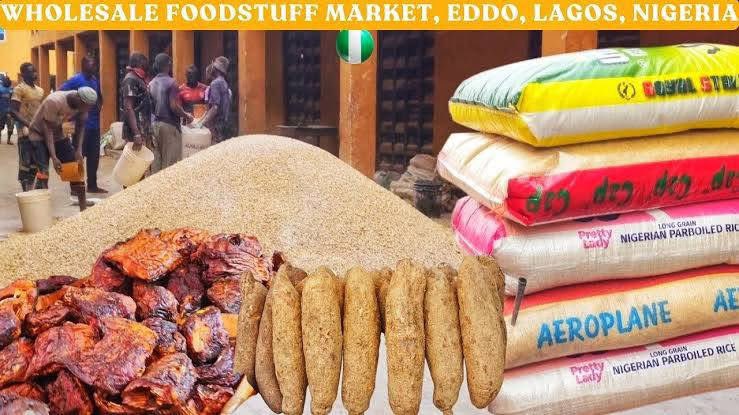
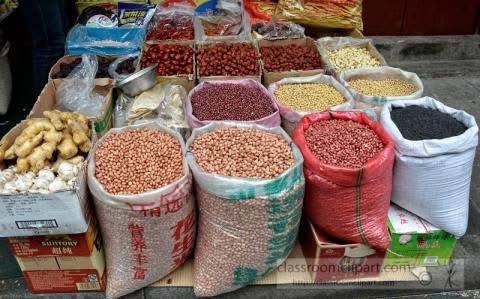
5
301
274
2,015

WEEKEND MUSINGS
RECLAIMING THE SOIL; THE IMPERATIVE OF IGBO FOOD SOVEREIGNTY: WHY NDI IGBO MUST NOW FEED THEMSELVES, OR PAY DEARLY FOR DELAY.
There is a quiet irony, almost theatrical in its absurdity, that a people famed for industry, commerce, and restless ingenuity should depend so heavily on food grown hundreds of miles away. For decades, Ndi Igbo have largely imported sustenance from the North with admirable efficiency; yet efficiency, when built on fragile foundations, is but a well-dressed vulnerability.
Today, that vulnerability stands exposed. The escalating insecurity across Northern Nigeria has disrupted long-standing agricultural supply chains. What once arrived reliably now arrives sporadically, if at all, and at a cost that mocks both logic and livelihood. To ignore this shift is not optimism; it is negligence wearing a hopeful smile.
Historically, this was not our story. Before the colonial recalibration of economic patterns, Igbo communities were deeply rooted in agriculture, yam, cassava, cocoyam, oil palm. The soil was not merely a resource; it was identity, dignity, and survival. The famed industrious spirit of Ndi Igbo was first forged not in markets, but in farms. Commerce came later; cultivation came first.
It is therefore not a reinvention we require, but a return.
Our land remains astonishingly fertile, generous to those who court it with diligence. The same ingenuity that built vast trading networks can, if redirected, transform our region into a bastion of food sufficiency. Indeed, one might argue, without fear of contradiction, that farming is simply enterprise in its most honest form.
A recent conversation with a colleague underscores this truth. He spoke, with quiet pride, of his expansive rice, yam, and cassava farms in Anaku, Anambra State, farms not as hobbies, but as structured, scalable ventures. His confidence in supplying food in large quantities was not aspirational; it was operational. That exchange did more than inspire; it compelled action. Steps have since been taken to secure land, and implementation is already underway.
This is how movements begin, not with declarations, but with decisions.
Let us be candid. The gains of embracing large-scale farming are neither abstract nor distant:
A. Food Security: Freedom from uncertain supply chains.
B. Economic Stability: Reduced expenditure on imported produce; increased local wealth.
C. Employment: A revival of rural economies and dignified labour.
D. Strategic Independence: The ability to feed not just ourselves, but others.
Conversely, and here lies the uncomfortable truth, those who ignore this call may soon discover that dependence is an expensive habit. When scarcity bites, sentiment offers no relief. One cannot negotiate with hunger, nor litigate against an empty barn.
This is not alarmism; it is arithmetic.
The time has come for Ndi Igbo to rise, not merely as traders of goods, but as producers of sustenance. Let us cultivate our lands with the same zeal with which we build enterprises. Let us feed our people first, and then extend abundance outward.
For in the final analysis, a people who cannot feed themselves have already surrendered a portion of their sovereignty, quietly, but decisively.
The soil awaits. The question is whether we shall answer.
#NdiIgboFarmingRevolution #FoodSecurityNow
#BackToTheLand
#IgboAgriculture #EconomicIndependence #GrowWhatYouEat #FarmForTheFuture #SustainOurPeople
#IgboResilience
#FromSoilToStrength
#BarEjioforWrites
Signed
Sir Ifeanyi Ejiofor, Esq., KSC
Dunu-Ezeugosinachi
May 2, 2026
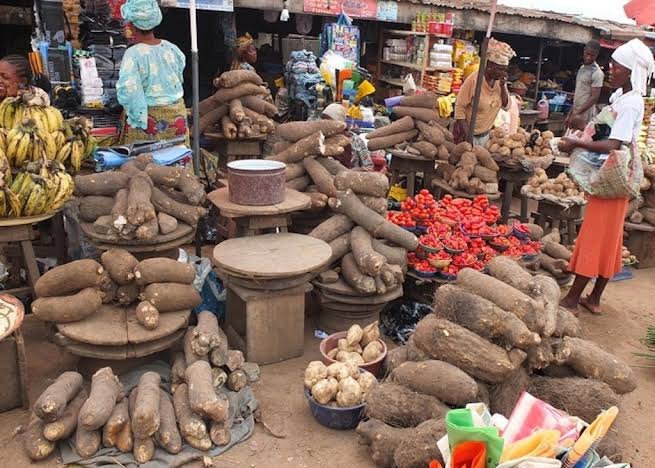
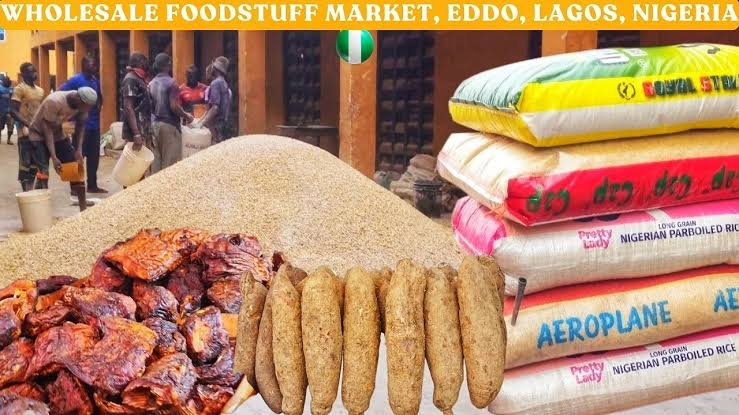
4
140
144
1,965

27 Aug 2025
Sustainability is not a choice but a duty. Farming with nature safeguards soils, secures harvests, and honours posterity. To neglect this balance is to mortgage the future. #FarmForTheFuture #SustainableLiving
1
2
27

27 Aug 2025
Our natural resources are not unlimited. If we continue exploiting the land without giving back, future generations will pay the price. Sustainable farming teaches us to work WITH nature, not against it. Let’s adopt practices like agroecology, crop rotation, and organic farming to secure our food systems. 🌾 #FarmForTheFuture #EnvironmentalStewardship #SustainableLiving"

3
27
67
564

22 Aug 2025
1
1
2
29

22 Aug 2025
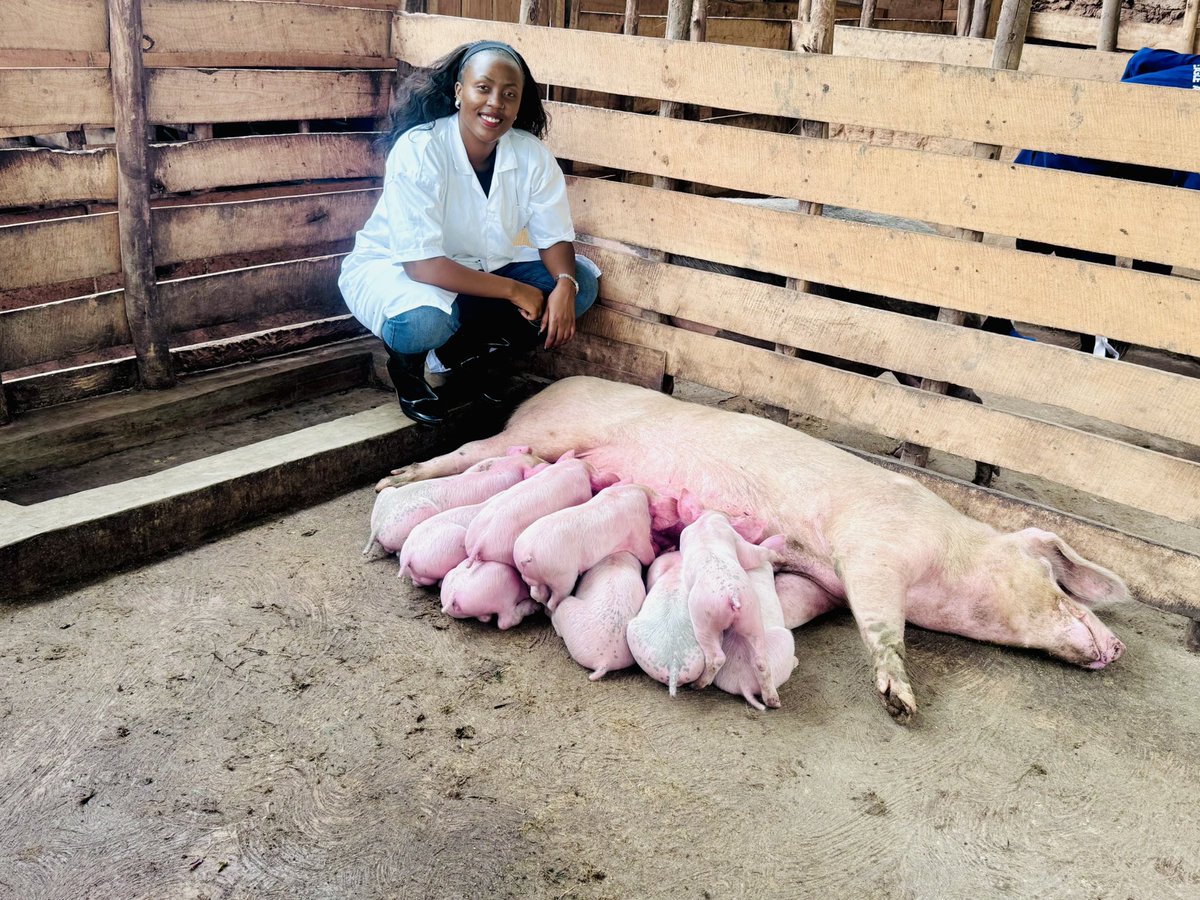
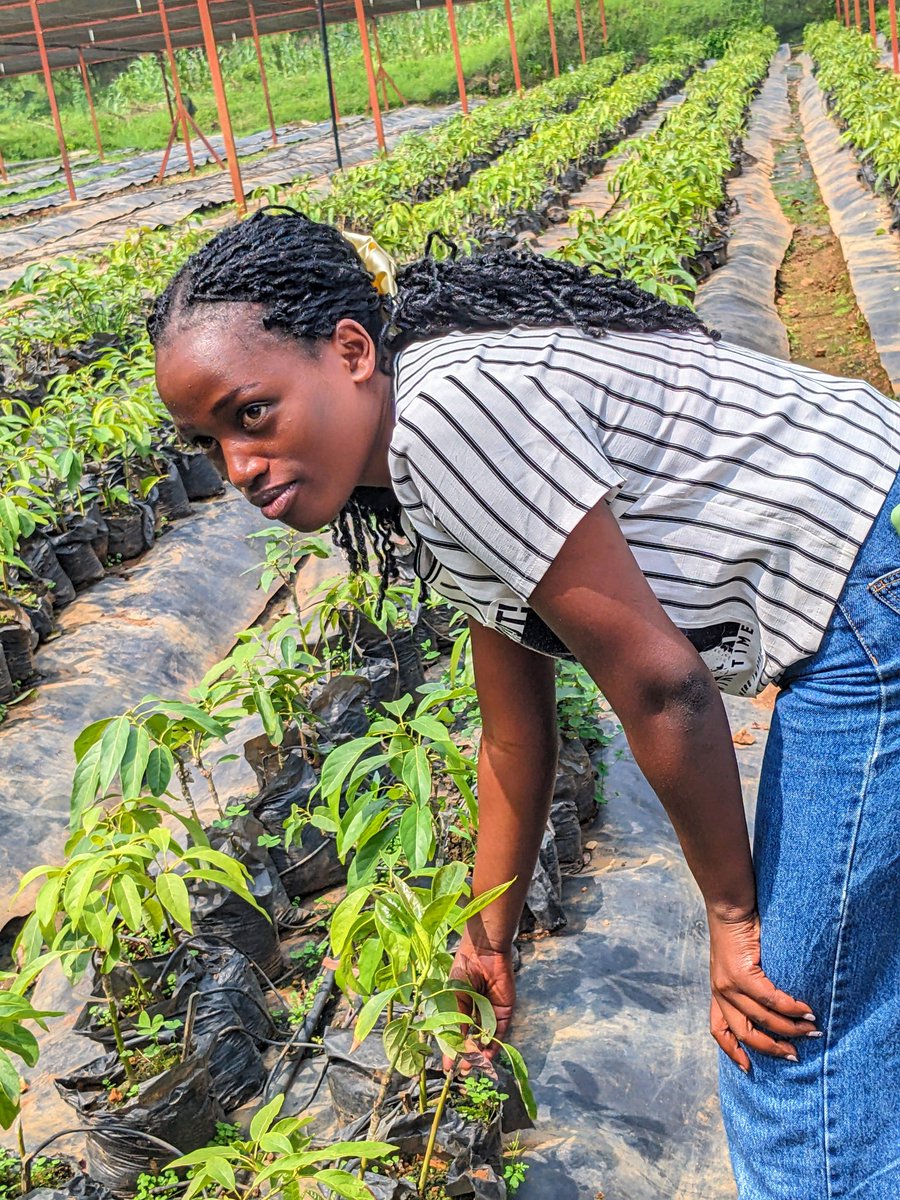
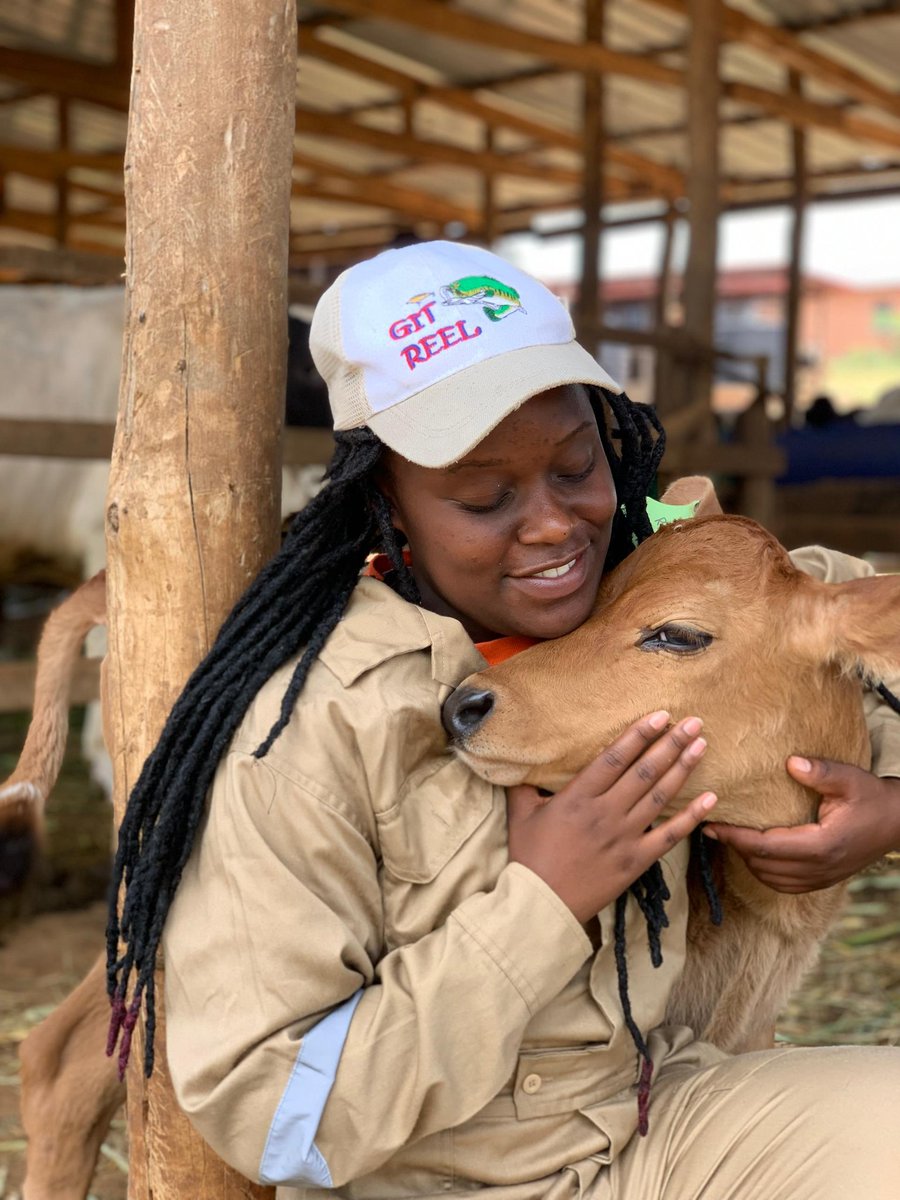
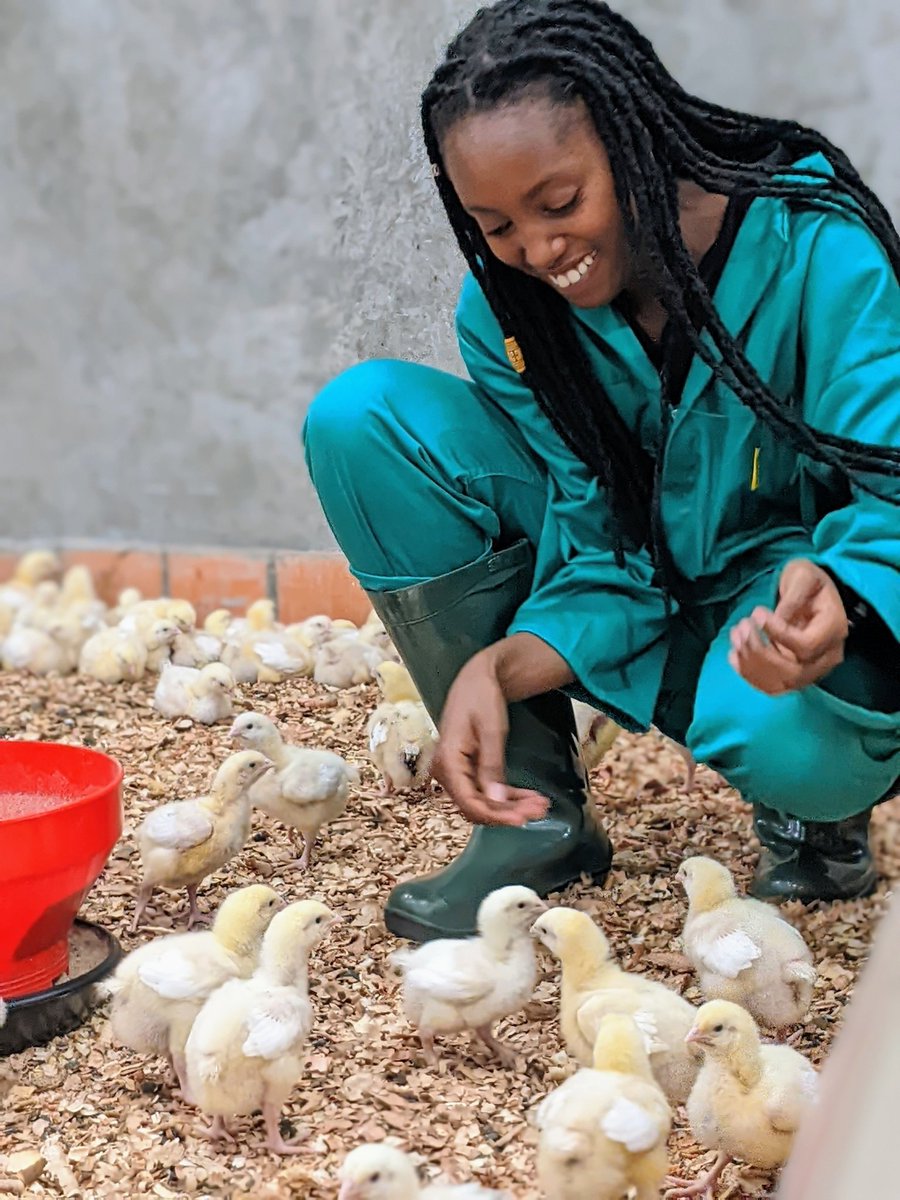
Women in agriculture are not just farming; they are feeding nations and shaping the future.
#WomenInAgriculture
#FarmForTheFuture
#NoFarmsNoFoods
5
23
27
1,550

21 Aug 2025
21 Aug 2025

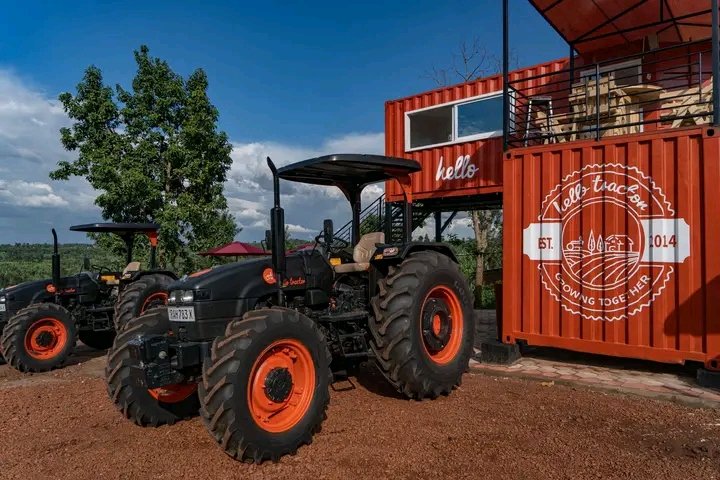
History unfolds in Nyagatare! 🌍✨ Today, @HeiferRwanda and @HelloTractor launch the Nyagatare Hub , a groundbreaking space empowering farmers with tools, skills, and innovation for sustainable growth. 🌱🚜
#NyagatareHub #AgriInnovation
#AgriMechanization
#FarmForTheFuture

2
58
21 Aug 2025
History unfolds in Nyagatare! 🌍✨ Today, @HeiferRwanda and @HelloTractor launch the Nyagatare Hub , a groundbreaking space empowering farmers with tools, skills, and innovation for sustainable growth. 🌱🚜
#NyagatareHub #AgriInnovation
#AgriMechanization
#FarmForTheFuture
4
10
14
551
16 Aug 2025
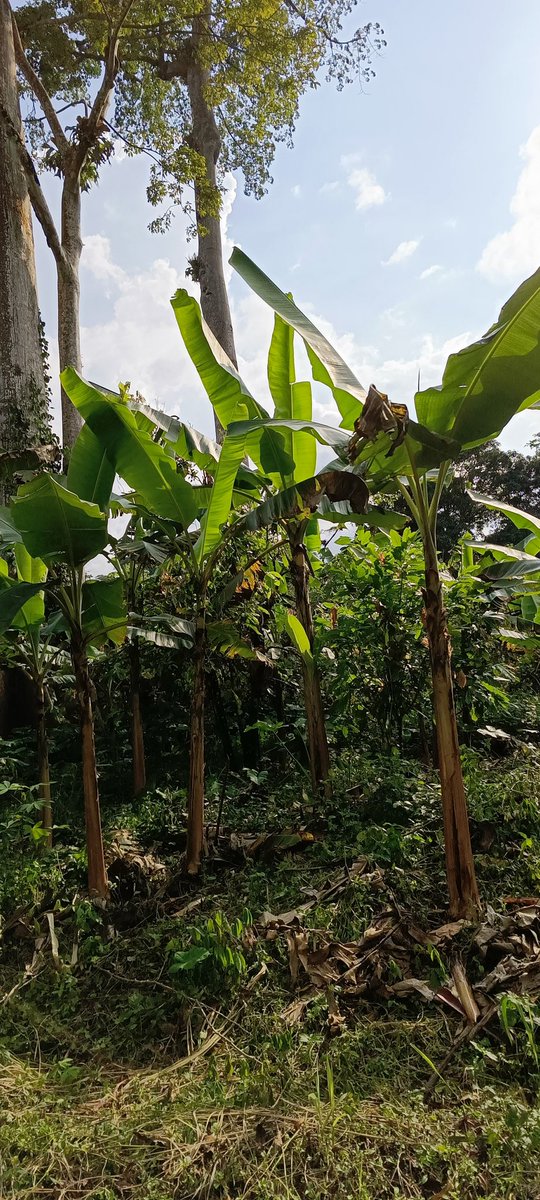
As an agricultural stakeholder and FAO sustainable farming educator, I believe the future of food lies in sustainable farming systems. With climate change, environmental degradation, and a growing population, our resources are not unlimited. We must work *with* nature, not against it, to ensure food security for generations to come. 🌍
💡 Let’s embrace eco-friendly practices like crop rotation, organic farming, and agroforestry. Together, we can protect our planet and feed the future!
What sustainable farming practices do you support? Share in the comments! 👇
#SustainableAgriculture #ClimateAction #FarmForTheFuture #FAO
3
21
28
598

14 Aug 2025
Soil degradation robs us of future harvests. Let's switch to sustainable methods before it's too late. Healthy soils mean thriving biodiversity! #FarmForTheFuture
2
38
14 Aug 2025
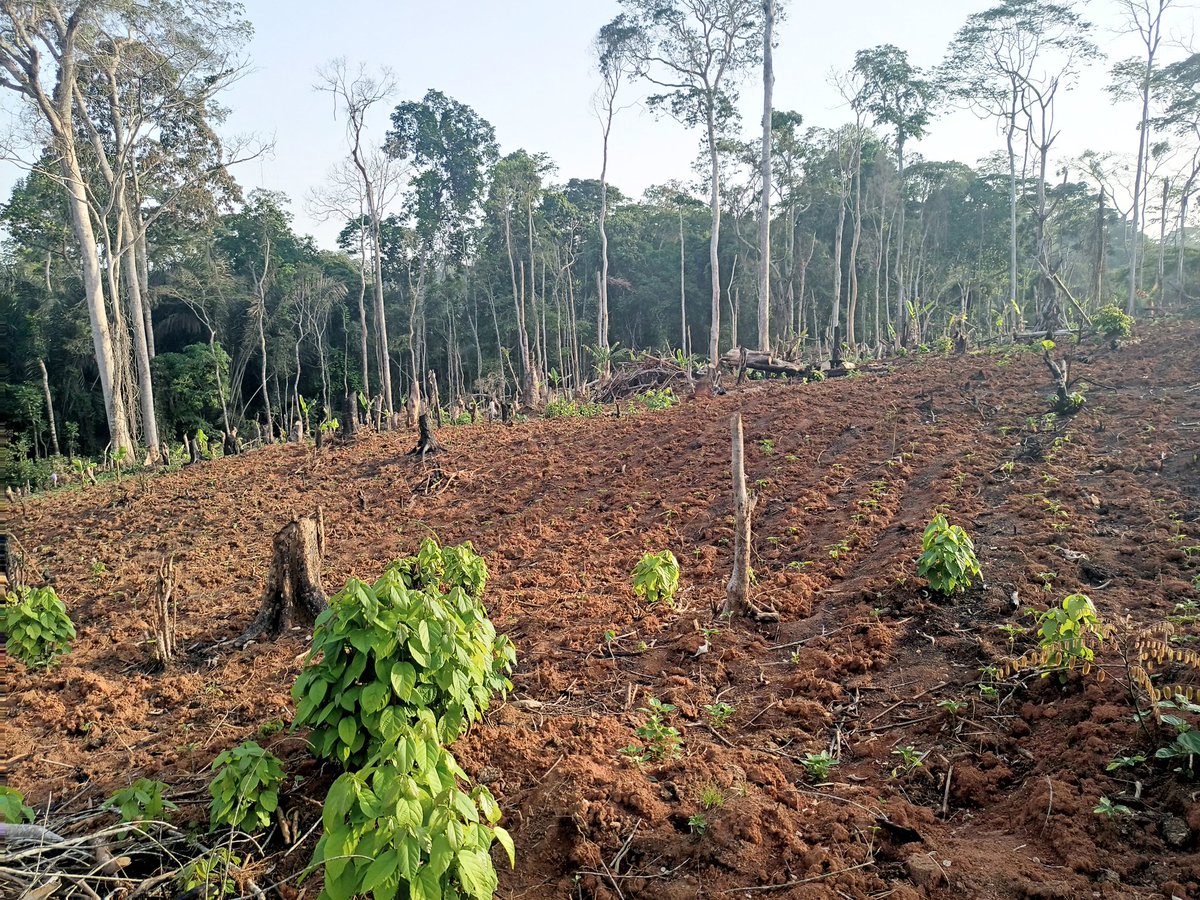
Farmers keep moving from one community to another, searching for "virgin land" to farm. But why? Because chemicals have destroyed their old soils—killing beneficial bacteria, pollinators, and poisoning rivers.
This isn’t progress; it’s a cycle of destruction. How long before there’s no fertile land left? Sustainable farming is the only way forward. #StopSoilDegradation #FarmForTheFuture
6
91
159
2,267

10 Jul 2025
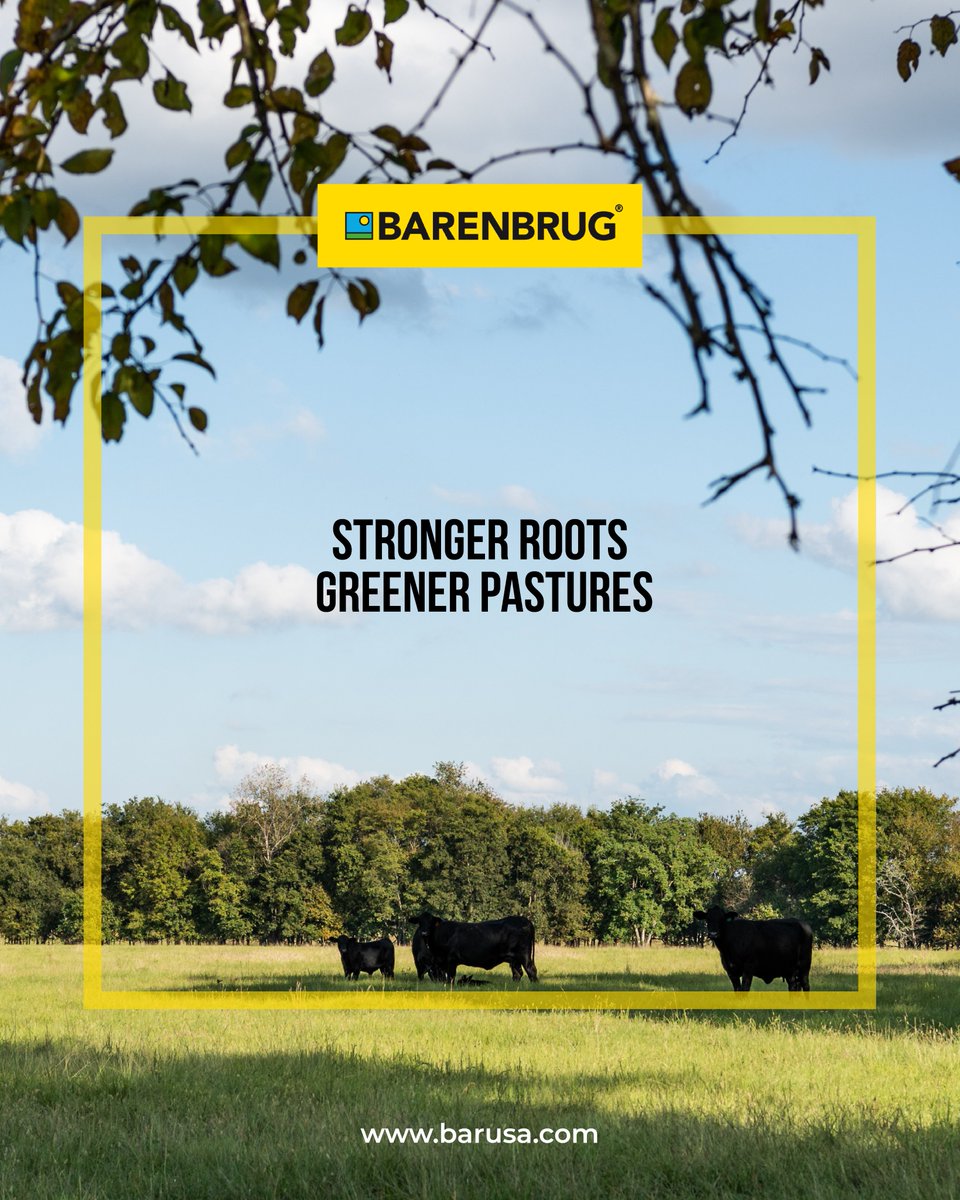
🌱 Healthy Pastures, Thriving Livestock. 🌿
At Barenbrug, we know that premium grass seed is the foundation of a sustainable and productive farm. Our carefully selected seed varieties are designed to enhance soil health, improve forage quality, and withstand diverse climate conditions—ensuring greener, denser, and more nutritious pastures for your livestock.
🐂 Better Nutrition: High-quality grass means better feed for healthier, stronger animals.
🌾 Resilient Growth: Our seeds are drought-resistant and adaptable, thriving in different environments.
🌍 Eco-Friendly Farming: Reduce soil erosion, improve biodiversity, and promote sustainable grazing practices.
Invest in the best seed for long-lasting results. Because strong pastures lead to strong herds! 💚
#healthypastures #thrivinglivestock #sustainablefarming #betterforage #greenerfields #ecofriendlyfarming #barenbrugseeds #soilhealth #droughtresistant #strongherds #nutritiousforage #grassfed #pasturemanagement #farmsmart #agricultureinnovation #sustainablegrazing #foragequality #betternutrition #regenerativeagriculture #farmforthefuture
1
6
14
460

1 Jul 2025
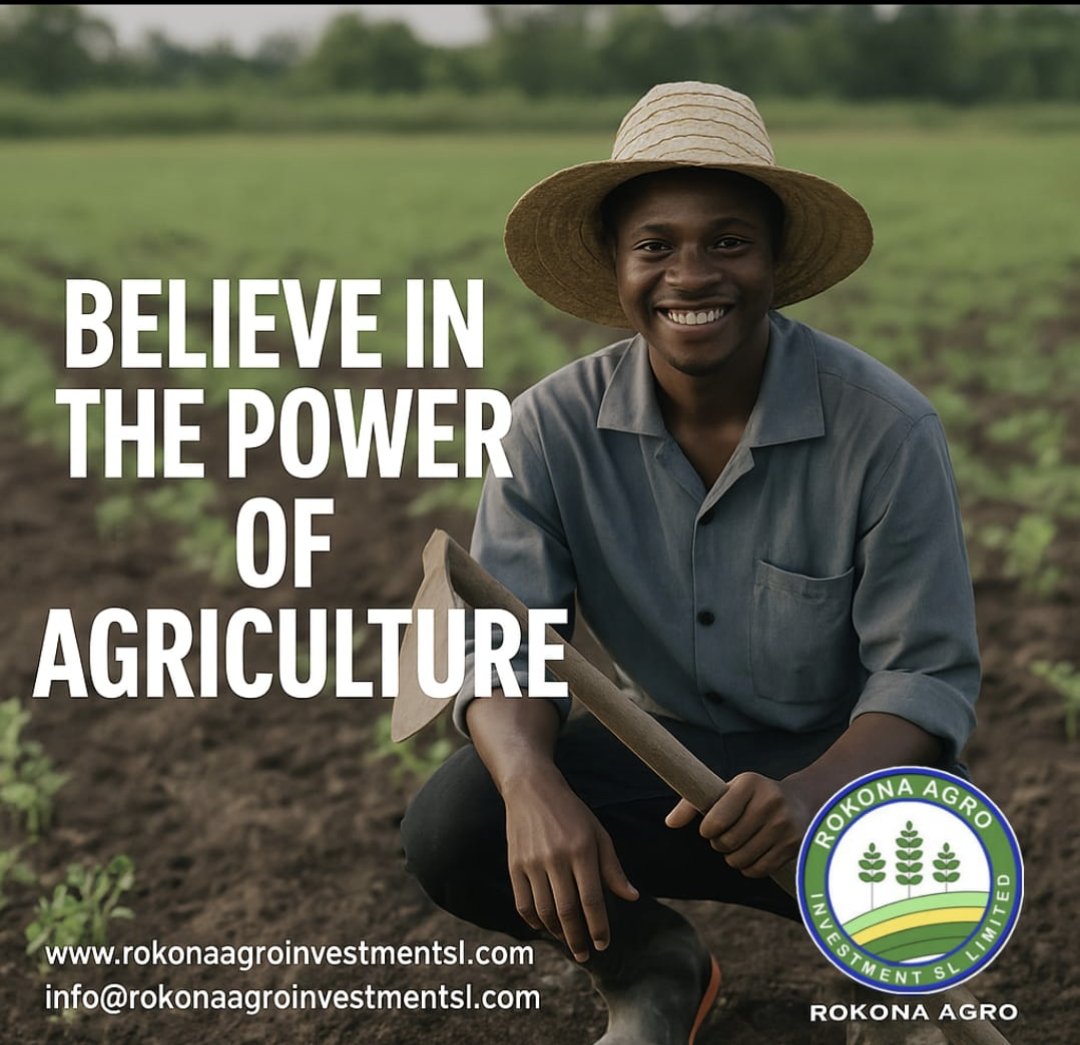
#GrowSalone🇸🇱 🌱
In the heart of Sierra Leone lies untapped potential — our land, our youth, our future. Agriculture is more than a livelihood — it is a pathway to self-reliance, national development, and food security.
To the youth of Sierra Leone 🇸🇱 the time has come to rise, till the soil, and cultivate our dreams. Let’s shift mindsets. Let’s turn farming into #Pride, into #purpose, into #power .
At Rokona Agro Investment Limited, we believe that farming is the future. Together, let’s build a nation that feeds itself — with dignity, innovation, and unity.
Join the movement. Embrace agriculture. Empower Sierra Leone.
🌾🇸🇱 #LetsGrowTogether 🌶️🌽🌾 #GrowSalone #FarmForTheFuture #YouthInAgriculture #foodsecurity
#AllahOverEverything 🙏🏼♥️🧿
2
37

16 May 2025
Oil gave us money, but it won’t put food on the table.
If we keep sidelining agriculture, hunger will speak louder than words. It’s time to think ahead.
#BeyondOil #FoodSecurityNG #FarmForTheFuture
1
5
22
2,811

13 May 2025
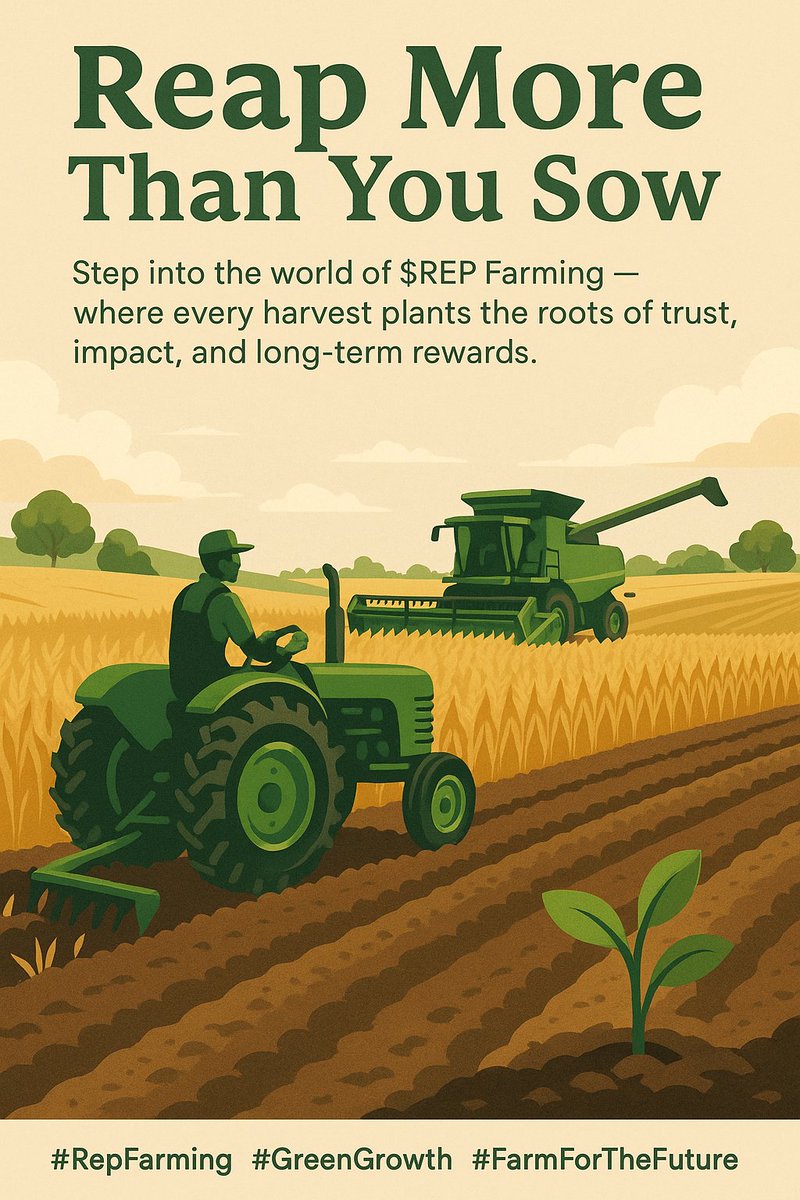
🚜 Reap More Than You Sow 🌱
Step into the world of $REP Farming — where every harvest plants the roots of trust, impact, and long-term rewards.
Grow your legacy, not just your yield. 🌾💚
#RepFarming #GreenGrowth #FarmForTheFuture
@GiveRep100 &@Account134375
Comment = 1 $REP
17
6
387

23 Apr 2025
🌍 Africa’s Path to Progress Starts with Food Security🌾
To compete globally, Africa must first feed herself. Food security isn’t just a goal—it’s the foundation of our survival and growth. Without it, talks of big projects, infrastructure, or electricity are just scratching the surface. True development begins when every African has enough to eat. 🍲
History shows us: ancient societies only advanced when they domesticated animals and grew crops at scale. Until we secure our food supply, we risk staying stagnant, unable to lift our people out of poverty. 💪
At Beluga Farms, we’re doing our part to ensure Africa’s food future. Join us in this race to sustainability—because when Africa feeds herself, we’ll unlock a new era of progress! 🚜✨
#AfricaRising #FoodSecurity #FeedAfrica #SustainableAgriculture #AfricanDevelopment #EndHunger #FarmForTheFuture #BelugaFarms #GrowAfrica
@akinwale_cfi @Nig_Farmer @RetsonTedheke01 @Samsonprolific
1
5
546
27 Nov 2024
26 Nov 2024

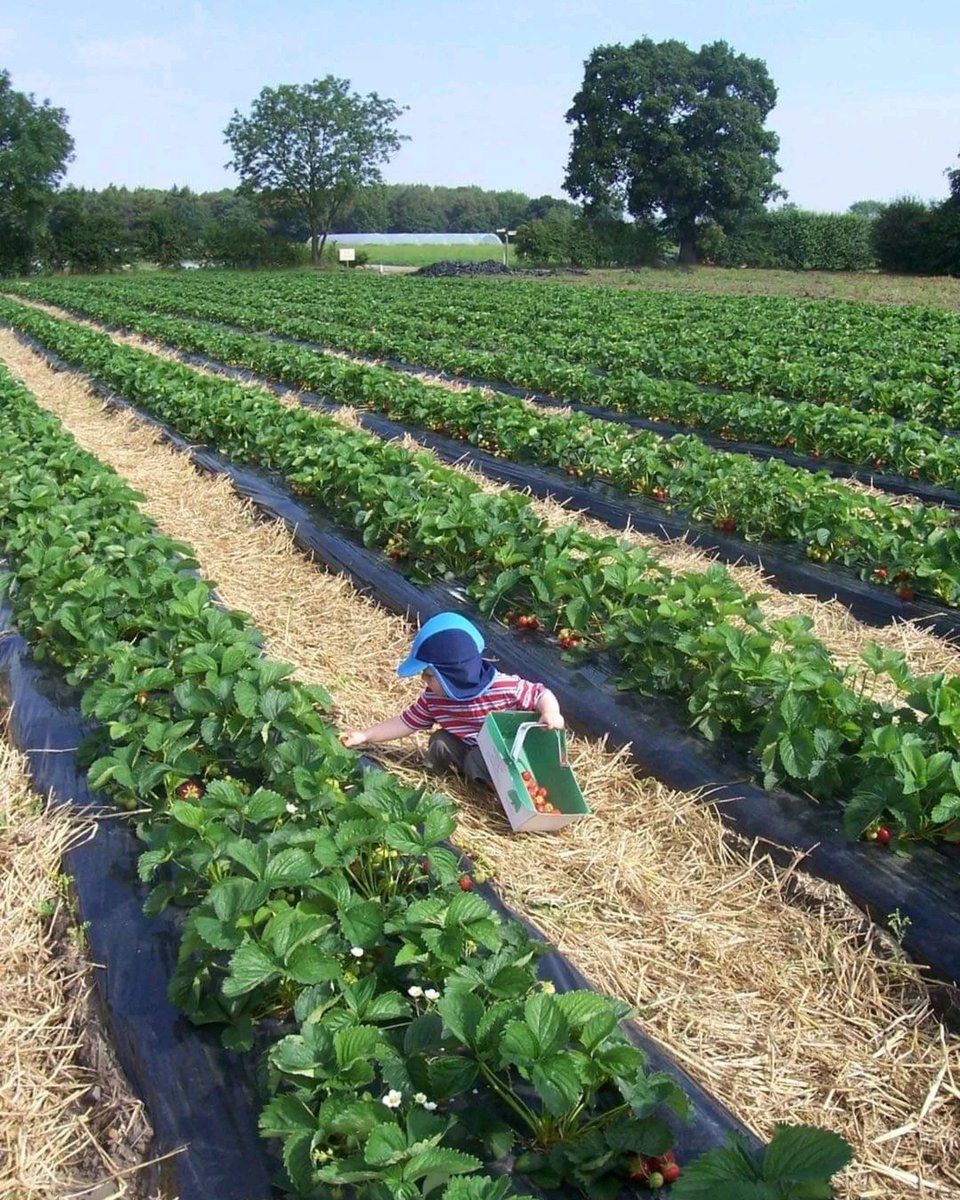
Imagine if all our kids were allowed to learn about Agriculture as a compulsory subject.
#FarmForTheFuture
1
2
28